


Abstract
In cold regions, concrete is inevitably subjected to freeze–thaw (F–T) damage, where repeated water–ice phase transitions progressively erode its microstructure and shorten its service life. Compared with the abundant research focusing on macroscopic performance degradation, systematic summaries addressing the microstructural evolution of pores, cracks, and the interfacial transition zone (ITZ), as well as corresponding prevention measures, remain limited. This paper reviews studies from 2013 to 2025, outlining key deterioration mechanisms under F–T action, including pore coarsening, ITZ weakening, and microcrack propagation. Four frost resistance enhancement strategies are compared: introducing stable microbubbles, refining the pore structure with pozzolanic or nano admixtures, bridging cracks with fibers, and applying hydrophobic treatments to block water ingress. The findings indicate that combining multiple measures yields superior frost resistance. By integrating microstructural observations with engineering improvement approaches, this review provides a holistic perspective for the design of durable concrete in cold regions and highlights the need for further research on multi-factor coupling mechanisms, optimization of composite admixture systems, and the functional mechanisms of novel nanomaterials.
1. Introduction
Concrete is a construction material consisting of a specific combination of binder materials, water, aggregates, and admixtures that have better properties [1,2,3]. Concrete’s durability is defined as its capacity to fend off the impacts of numerous damaging forces and to hold onto its strength and aesthetic integrity for an extended period of time [4]. Extending the service life of civil infrastructure and social facilities is a current issue under consideration [5,6].
F–T damage is a type of permanent damage. Concrete is affected by F–T due to its exposure to cold conditions. For instance, as water easily enters the concrete, it can also reduce its structural durability [7], and it breaks down, leading to buildings often requiring repair [8,9,10]. Two types of F–T damage occur in concrete: (1) pure frost heave in which internal damage occurs without surface damage, and (2) surface scaling and external damage caused by the enlargement of an existing defect or the formation of microcracks from the surface ice to the concrete unit [11,12]. The concrete’s macroscopic properties under F–T cycling have been extensively studied. An increase in the number of F–T cycles leads to a steady decrease in relative elasticity as well as a gradual rise in mass loss that occurs over time [13,14]. When the mass loss rate is positive, the matrix has a good internal structure, and F–T failure starts from the surface. When the mass loss rate is negative, it means that the F–T failure is caused by internal water expansion, and the concrete has a poor internal structure [15,16,17].
In recent years, numerous experimental studies have examined the microscopic deterioration of concrete under F–T action and proposed various strategies to enhance its durability at the microscale. Nevertheless, systematic reviews in this field remain limited. Existing summaries, as listed in Table 1, mainly address macroscopic changes in mechanical properties during F–T cycles [4,7,18,19,20,21,22,23,24,25], without providing an in-depth discussion of the underlying microscopic damage mechanisms or evaluating how different reinforcement measures influence the microstructure. Meanwhile, advances in techniques such as scanning electron microscopy (SEM) and other high-resolution characterization tools have enabled direct observation of microstructural evolution during F–T cycling. To gain a more comprehensive understanding of concrete’s long-term performance, it is therefore essential to update the assessment of frost resistance by integrating recent findings on both microscopic deterioration patterns and microlevel reinforcement mechanisms.
Table 1.
Previous reviews of the F–T cycle of concrete.
In response to the shortcomings of previous studies, this study aims to provide a comprehensive review of existing reports on microscopic F–T damage patterns and enhancement mechanisms in concrete between 2013 and 2025. Figure 1 shows a general schematic of the review. In this paper, the microstructural changes in concrete after the occurrence of F–T cycling are summarized, and the patterns of change in porosity, pore distribution, and ITZ width are charted and analyzed comparatively. To enhance frost resistance, various methods can be employed, including mineral admixtures like silica fume (which densifies the matrix), fiber reinforcement (to control cracking), and nanomaterials (for pore refinement). However, the most effective approach combines multiple strategies, such as using silica fumes with polypropylene fibers and air-entraining agents, as this simultaneously improves pore structure, provides crack resistance, and accommodates ice expansion. Microscopic analysis confirms that such integrated solutions offer superior F–T durability compared to single-method approaches, providing critical insights for concrete design in cold climates [31].
Figure 1.
Flowchart of the review.
2. Deteriorations in the Microstructure of Concrete After F–T
As a porous and brittle material, concrete is highly sensitive to the water–ice phase transitions caused by F–T action, making its microstructure prone to irreversible physical and structural deterioration [32,33], including pore coarsening and increased connectivity, initiation and propagation of microcracks, weakening of the interface transition zone (ITZ), and degradation and leaching of certain hydration products [34]; these microstructural changes collectively undermine the overall compactness and mechanical properties of the material.
2.1. Pore Structure
The pore structure of concrete plays a crucial role in determining its frost resistance and long-term durability [35,36]. Common measurement methods include MIP [37], nitrogen adsorption [38], NMR [39], and CT [40]. Figure 2 shows the variation in concrete porosity under different F–T cycles [41,42,43,44,45]. As the number of F–T cycles rises, concrete exhibits an increase in porosity [46]. Numerous studies have shown that the water-to-cement ratio (w/c) has a significant influence on the evolution of concrete pore structure during F–T cycles. Zhu et al. [47] reported that F–T cycles lead to an increase in porosity for concretes with different w/c ratios, with higher w/c values resulting in more pronounced growth. Specifically, concrete with a w/c of 0.55 exhibited a 9.8% increase in porosity after 100 cycles, showing a clear linear relationship with the number of cycles. Gonen et al. [43] confirmed this trend, reporting that concrete with a w/c of 0.5 showed a 56.4% increase in porosity after 100 cycles, whereas concrete with a w/c of 0.36 experienced only a 4.9% increase even after 300 cycles [41]. These findings indicate that increasing the w/c ratio significantly exacerbates pore structure degradation under F–T cycles. According to Bai et al. [48], concrete porosity tended to rise more quickly between 50 and 75 F–T cycles than it did between 0 and 50 F–T cycles. The explanation is the rise in fatigue stress and accelerated expansion of porosity when the number of F–T cycles gradually rises.
Figure 2.
Porosity of concrete after the occurrence of different F–T cycles [41,42,43,44,45].
Concrete pores are mainly divided into gel pores (≤0.01 μm), transition pores (0.01–0.1 μm), capillary pores (0.1–1 μm), and large pores (≥1 μm); they can also be divided into harmless pores (≤50 nm) and harmful pores (≥50 nm), according to the influence of the pores on the frost resistance [49,50,51,52,53]. Figure 3 shows the percentage change in pores after different F–T cycles [54,55,56,57,58,59]. Sum total fraction of large as well as medium pores of concrete increased with the frequency of F–T cycles and after 100 F–T cycles increased by 10% [54,56,57]. While mesopore change is negligible, macropore change rate is very high, leading to the enlargement of gel pores into larger ones, showing that the sum of the ratios of transition pores and gel pores after 300 F–T cycles is still more than 60% [56,57]. Indicating that certain gel holes and transition pores were broken down and transformed into macropores during the F–T cycle and the pore structure towards laxity, the proportion of large pores increased dramatically [53]. After 60 F–T cycles, Qiu et al. [54] found a decrease of 15.73% in the percentage of gel pores, while the percentage of macropores increased by 8.43% in the samples. Guo et al. [60] demonstrated that the pore structure of concrete evolves from refinement to coarsening under F–T action. The volume fraction of gel pores decreased from 25.21% to 9.23%, while capillary pores and macropores increased from 9.11% and 3.47% to 17.89% and 10.52%, respectively. Transition pores remained dominant throughout the process, reaching up to 70.90%, indicating that F–T cycles significantly impair the microstructural compactness of concrete.
Figure 3.
Percentage of different pores of concrete after different F–T cycles [54,55,56,57,58,59].
Unlike traditional techniques, which are limited in resolution and penetration depth and thus struggle to capture microscopic details clearly, their two-dimensional destructive imaging methods also fail to accurately reconstruct complex three-dimensional structures. By contrast, computed tomography (CT) offers high-precision, non-destructive 3D imaging of pore structure degradation processes, significantly enhancing the interpretability of microscopic evolution mechanisms [61,62,63]. Shen et al. [64] conducted a visual analysis of the pore structure in steam-cured rubber concrete, finding that porosity increased with the number of cycles. At the initial state, the slice porosity showed large fluctuations, with a maximum of up to 2.5%. After multiple cycles, it stabilized around 0.9%. Figure 4 shows the 3D air void images of the sample after 0–50 freeze–thaw cycles. Chen et al. [65] analyzed the three-dimensional pore structure characteristics of concrete under salt freeze–thaw cycles (see Figure 5) and pointed out that the degree of pore connectivity is a key indicator for characterizing the evolution behavior of pore structures.
Figure 4.
Comparison of air void in 3D of specimen during freeze–thaw test (from left to right, the 3D air void images of sample are shown for 0, 5, 15, 25, and 35 freeze–thaw cycles in order) [64].
Figure 5.
Pore structures in concrete: (a) 0; (b) 100; (c) 200; and (d) 300 salt freezing–thawing cycles [65].
Overall, the increase in F–T cycles leads to the transition of originally dispersed microscale pores toward interconnected structures, forming a continuous pore network and resulting in a continuous rise in total porosity. The pore size distribution tends to shift toward larger pores, with average pore diameter, pore volume, and pore surface area all increasing significantly with F–T cycles, indicating evident pore coarsening [63,65,66]. Therefore, it is necessary to study the evolution of pore structure through micro characterization technology to guide the optimal design and performance improvement of durable materials. For example, CT, SEM, optical microscope, mercury intrusion porosimetry, nuclear magnetic resonance, ultrasonic testing, etc.
2.2. Interfacial Transition Zone
The ITZ of concrete can be determined by nanoindentation technology and Vickers hardness. Under F–T cycles, micropores and microcracks first appear and gradually accumulate within the ITZ, which thickens over time and becomes the dominant region of microstructural deterioration in concrete [67,68]. Figure 6 shows the variation in concrete ITZ thickness under different F–T cycles [69,70,71,72]. The thickness of the ITZ exhibits a continuous increase with the number of F–T cycles. According to the literature [69], the ITZ thickness increased from an initial 60 μm to 80 μm after only 20 F–T cycles, representing a 33% increase. Another study [70] reported a growth from 41 μm to 57 μm after 120 cycles, an increase of 39%. When the initial ITZ was relatively dense (20–22 μm), its expansion potential was even more pronounced: after 300 and 1500 cycles, the thickness expanded to 50 μm and 60 μm, corresponding to increases of 150% and 172.7%, respectively [71,72]. Research results indicate that F–T cycles significantly deteriorate the microstructural integrity of the ITZ.
Figure 6.
ITZ thickness of concrete after the occurrence of different F–T cycles [69,70,71,72].
As an important indicator for evaluating the local mechanical properties of materials, microhardness characterizes the mechanical properties of localized regions by measuring a material’s resistance to indenter penetration at the microscale. This approach reflects both the mechanical properties and structural integrity of the ITZ [73,74]. Jia et al. [69] found that after 400 F–T cycles, the ITZ microhardness of recycled aggregate concrete decreased by 19.8%, while the corresponding mortar microhardness decreased by 14.7%. Li et al. Ref. [75] studied the degradation process of the ITZ before and after freeze–thaw cycles. The SEM image of concrete is shown in Figure 7, and the main cracks appear in the mortar and ITZ (see Figure 7b). The ice expansion force and the shrinkage of the mortar matrix cause a few new fractures and pores to form in the ITZ. Due to its initially high porosity and loose structure, the ITZ is the primary region for ice-crystal-induced stress concentration and crack initiation during F–T cycles [76]. Repeated expansion pressure from water–ice phase transitions drives the growth of preexisting microcracks along their length, increasing ITZ thickness [77]. Meanwhile, the mismatch between cement paste shrinkage and aggregate thermal deformation further accelerates ITZ degradation [78]. F–T cycles lead to a 10–20% reduction in microhardness, reflecting typical mechanical deterioration [75,79].
Figure 7.
SEM images of concrete ITZ before and after freeze–thaw cycles (a) Before freeze–thaw; (b) after freeze–thaw [75].
An increasing number of F–T cycles leads to an increase in the number of microcracks within the ITZ. Figure 8 demonstrates SEM photographs of ITZ microcrack structures after F–T cycles [49,80]. The majority of the fractures hang near the aggregate. As F–T cycling increases, microcracks form in the ITZ and progress into the cement matrix, finally converging in one location from many directions. Therefore, ITZ is most probably damaged in concrete when it is subjected to F–T cycles. Lu et al. [59] indicated that the ITZ crack width increased from 5 μm to 12 μm after 95 F–T cycles. Li et al. [81] evaluated ITZ crack widths after 98 F–T cycles using numerical image processing techniques found that ITZ cracks accounted for 70% of the total cracks in terms of length and percentage of area.
Figure 8.
SEM images of concrete ITZ from various F–T cycles: (a) before F–T cycles [49]; (b) after 25 F–T cycles [49]; (c) after 50 F–T cycles [49]; (d) after 0 F–T cycles [80]; (e) after 50 F–T cycles [80]; (f) after 100 F–T cycles [80].
2.3. Microcrack Development
Crack development is the main factor affecting concrete durability [82]. Microcracks spread and connect to each other by gathering frozen and expanded water, ultimately destroying the microstructure of concrete. Figure 9 describes SEM images of microcracks in the concrete matrix during different F–T cycles [46,83]. Concrete in its initial state has a comparatively tight internal structure; the amount of micropores and microcracks increased with the increase in the amount of F–T cycles. During F–T cycling, water in micropores and microcracks becomes ice and the pressure causes the pores and cracks to expand, ultimately leading to concrete crushing. From the sample’s edge to its interior, the deterioration will gradually progress [23]. Liu et al. [84] found that the cement matrix is a weak link in concrete because of the presence of some initial cracks inside the matrix. The formation of these cracks is accelerated under the F–T cycle, leading to concrete failure. Medina et al. [85] found that after 56 F–T cycles, the average width for cracks within the cement matrix was 1.57 ± 0.329 μm with a maximum width of 1.88 μm.
Figure 9.
SEM image of the microcracks in the cement matrix after different F–T cycles: (a) before F–T cycles [46]; (b) after 100 F–T cycles [46]; (c) before F–T cycles [83]; (d) after 300 F–T cycles [83].
Nondestructive detection of microcracks enables in situ monitoring of internal damage without compromising specimen integrity, facilitating the capture of early-stage crack initiation and propagation [86,87]. Ji et al. [88] employed micro-CT to conduct 3D characterization of mortar microcrack evolution after 0–300 F–T cycles. They found that when the crack volume ratio exceeded 0.25%, compressive strength loss surpassed 40%. The results indicate that the strength degradation of concrete is primarily governed by the connectivity of the crack, rather than being determined simply by the total volume or average width of the cracks [82]. Sehyuk et al. [89] introduced nonlinear ultrasonic subharmonic pulse compression (SPC) technology to detect early-stage microcracks in concrete after 25 F–T cycles. Compared to conventional harmonic ultrasound, SPC improved crack identification accuracy by approximately 35% at the crack initiation stage [90]. Jierula et al. [91] used rebound value test to test the strength of concrete. As shown in Figure 10, after freeze–thaw cycles, the rebound value of the concrete specimen decreases. The propagation speed of ultrasound in a medium is closely related to the strength of the material. Ding et al. [92] established a model for the relationship between ultrasonic velocity and strength damage caused by freeze–thaw cycles. As shown in Figure 11, the lowest strength loss of the A2 specimen is 35.2%. Morozova et al. [93] found that each 0.01 mm−1 increase in crack density led to a 75 m/s decrease in ultrasonic pulse velocity, confirming a quantitative relationship between acoustic parameters and crack damage. In summary, multisource integrated nondestructive testing technologies provide robust technical support for the early detection and precise quantification of microcracks in concrete.
Figure 10.
The rebound nondestructive testing of concrete [91]. (a) Test schematic diagram; (b) rebound values under freeze–thaw cycles.
Figure 11.
Relationship between unconfined compressive strength and freeze–thaw cycle: (a) A1, (b) A2, (c) A3, (d) A4, (e) A5 [92].
3. Measures to Enhance F–T Durability
The microscopic damage to the concrete after F–T cycling included an increase in porosity, elevated harmful pore content, increased cracking, and a weakening of the bond between aggregate and concrete. Four improvement methods have been proposed from these aspects. (1) By incorporating an air-entraining agent (AEA), a substantial volume of uniformly distributed, stable, and discrete microscopic air voids is introduced into the concrete. These voids provide “buffer zones” to accommodate the expansion of freezing water. Concurrently, the freezing water migrates to the periphery of the nearest air void, thereby reducing the air-void spacing factor [33,36]. (2) The addition of mineral admixtures such as fly ash (FA), silica fume (SF), ground granulated blast furnace slag (GGBS), rice husk ash (RHA), metakaolin (MK), silica, alumina, carbon nanotubes (CNT), and graphite oxide (GO) can refine the pores and reduce water infiltration into concrete [94,95]. (3) By using the method of adding fibers to make them bear part of the tensile stress generated by the concrete, the occurrence of cracks in the concrete can be effectively avoided, or the cracks can be controlled (Figure 12) [7,96,97]. (4) By applying a waterproof coating on the concrete surface effectively reduces the capillary water absorption coefficient, blocks water penetration, mitigates F–T induced stress damage, and thus enhances the frost resistance of concrete [98].
Figure 12.
Principle of the fiber-reinforced interface properties [7].
3.1. Adding an Air-Entraining Agent
By adding an appropriate amount of air-entraining agent, the air content of fresh concrete can be maintained within the range of 4–6%, effectively enhancing its F–T resistance [36]. Concrete with a porosity of less than 0.2 mm is considered F–T resistant, and as the micropores and air content increase, the porosity decreases [99]. Figure 13 shows the relationship between porosity and AEA content before and after F–T [94,100]. After F–T cycling, the porosity of concrete without AEA increased by 291.8%, while the porosity of concrete with 7.92% AEA increased by only 4.3%, indicating that the addition of AEA has an inhibitory effect on the increase in porosity after F–T cycling.
Figure 13.
Correlation between porosity and content of AEA before and after F–T cycles [94,100].
3.2. Refining Concrete Pores by Using Pozzolanic Materials and Nanomaterials
The traditional method of incorporating volcanic ash materials can also achieve excellent frost resistance because the active SiO2 and Al2O3 in these materials react with Ca(OH)2 (a cement hydration product) to form C–S–H gel, which fills capillary pores [101]. This shifts the pore size distribution toward harmless pores and reduces the proportion of harmful pores [102]. Because pozzolanic materials react with cement and water, they can be utilized to regulate vulnerable locations. The pozzolanic reaction has the ability to consume less stable hydration products. Subsequently, gels composed of secondary hydration products (C–S–H) fill the voids that are created as a result of cement hydration. Since the majority of mineral admixtures feature extensive surface areas, this characteristic both enlarges the pores and improves the density of the concrete [7]. When used in combination with air-entraining agents, volcanic ash materials stabilize the bubble structure and increase the bubble spacing coefficient, thereby improving the frost resistance of concrete [103,104].
3.2.1. Fly Ash
FA is a component of the fine slag left over from burning pulverized coal. This compound can enhance concrete performance and improve freeze–thaw resistance [105]. In the same F–T cycle, Figure 14 depicts the link between porosity and FA content [94,100,106,107,108]. As the FA content rises, percentage of non-harmful pores increases and percentage of harmful pores decreases. FA introduces tiny air voids that provide good void spacing to protect the internal concrete from F–T damage. Li et al. [105] discovered that adding 10.5 wt% FA with 10.5 wt% thermally activated paper clay to concrete reduced porosity while increasing resistance to F–T damage. Due to the slow-reacting nature of the pozzolanic process in Fly Ash (FA), a high level of durability is expected to become evident during the later phases of the F–T cycle [44]. FA also contributes the addition of air content to concrete, and its conjunction with AEA will aid improved frost resistance.
Figure 14.
Relationship between porosity and FA content before and after F-T cycles [94,96,106,107,108].
The addition of an appropriate amount of FA reduces cracking, quality loss, relative dynamic modulus loss, strength loss, and surface spalling damage in concrete specimens after the F–T cycle. Microstructural changes in concrete after FA addition are shown in Figure 15. Yuan et al. [94] found that when the fly ash content is 30%, the frost resistance of steel fiber reinforced concrete is optimal. Wang et al. [39] found that the addition of FA reduced the number of cracks in concrete specimens after F–T cycling and resulted in a denser microstructure.
Figure 15.
Three-dimensional pore distribution of concrete with different dosages of FA based on CT scanning [94]. (a) 15%; (b) 30%; (c) 45%.
3.2.2. Silica Fume
As an industrial waste and auxiliary cementitious material, SF contributes significantly to concrete durability. Figure 16 depicts the connection between porosity and SF content when F–T cycles occur [109,110,111]; porosity decreases with increasing SF content. The high content of amorphous silica in SF can directly interact with Ca(OH)2 to produce C–S–H [112,113]. Appropriately increasing the proportion of SF can simultaneously reduce the macropore porosity and pore spacing, thereby significantly improving the F–T durability of concrete [114]. Oyunbileg et al. [115] reported that at W/C = 0.23 in SF modified concrete, the compressive strength reached 92.85 MPa, the water absorption was 0.7%, the material withstood 420 F–T cycles, and the water impermeability grade was W20.
Figure 16.
Correlation between porosity and content of SF after F–T cycles [41,109,110,111].
SF also reduced the number of cracks in the concrete after the F–T cycle. Researchers used SEM to observe the effect of silica fume on the microstructure of concrete after freeze–thaw cycles (Figure 17) [116]. Significant microcracks appeared at the interface between PVA fibers and the matrix. The silica fume particles before freeze–thaw cycles mainly exhibit spherical or nearly spherical shapes, with smooth and flat surfaces and uniform particle size distribution. After 400 freeze–thaw cycles, a large number of gels were closely connected to form a tightly packed matrix structure. This tightly packed hydration matrix may contribute to the development of concrete strength and resistance to freeze–thaw fatigue loads [117].
Figure 17.
Microscopic image of 20% SF and 0.5% PVA of the sample under different freeze–thaw cycles [116]. (a) 20% SF (0 F–T); (b) 20% SF (400 F–T); (c) 0.5% PVA (0 F–T); (d) 0.5% PVA (400 F–T).
3.2.3. Ground Granulated Blast Furnace Slag
GGBS comprises highly reactive calcium aluminosilicate, which improves the durability of concrete [118]. Figure 18 depicts the connection between porosity and GGBS content after F–T cycles occur [119,120,121,122]; porosity decreases with increasing GGBS level. GGBS can also convert Ca(OH)2 to C–S–H by replacing aggregates or cement for improved concrete durability [19,123].
Figure 18.
Correlation between porosity and content of GGBS after F–T cycles [119,120,121,122].
The durability of concrete is enhanced by GGBS via the filling effect. Figure 19a shows that the surface of the specimen without added GGBFS contains unburned coal particles and calcite crystals, which are dispersed and distributed. At this stage, the degree of hydration is low and the interfacial adhesion is poor. Figure 19b shows that the hydration products of the specimen with added GGBFS are enriched and the structure is densified. A large number of C-S-H phases were filled in the particle gap in the form of gel, which significantly improved the interfacial adhesion between particles.
Figure 19.
SEM images presenting the microstructures of the (a) no GGBFS, (b) added GGBFS [116].
3.2.4. Other Pozzolanic Materials
In addition to the common pozzolanic materials mentioned above, MK and RHA can also improve the durability of concrete. MK primarily functions as a filler to encourage early cement hydration or to undergo a pozzolanic reaction later [124,125]. According to Sarıdemir et al. [112], MK particles can create connections between cement mortar and reduce concrete porosity, preventing seepage pressure brought on by the movement of supercooled water and enhancing concrete’s resilience to frost. The inclusion of RHA causes the pores in the concrete to become more refined, reducing the permeability of the concrete and increasing its resistance to frost [94,126]. Serag Faried et al. [127] added nano-rice husk ash to concrete, which resulted in an increase in microcracks and pores compared to the control group, but its structure was denser and uniform, with more calcium silicate hydrate filling the pores, achieving high gel density.
3.2.5. Nanomaterials
In terms of concrete’s freeze resistance, many scholars have also studied nanomaterials. Since nanoparticles are much smaller than cement particles, they can fill the smallest pores in cement paste, significantly reducing the proportion of harmful pores and blocking water penetration paths, thus achieving good results [128,129,130]. Figure 20 depicts the effect of different nanomaterial contents on the porosity in concrete specimens after F–T cycling has occurred [95,131,132,133,134]; the porosity decreases with increasing nanomaterial content. Zhang et al. [131] found that incorporating 1% to 3% of nanomaterials into concrete decreases the quantity of harmful pores and increases the volume of harmless pores, thereby enhancing the concrete’s frost resistance. Li et al. [135] added 1 wt%, 3 wt%, and 5 wt% of nanomaterials to concrete and observed that the concrete porosity exhibited a normal distribution after the F–T cycle. With the increase in the concentration of nanomaterials, the average porosity of concrete specimens after 100 F–T cycles was 13.35%, 7.3%, and 3.2%, respectively.
Figure 20.
Correlation between porosity and content of nanomaterials after F–T cycles [95,131,132,133,134].
The addition of nanomaterials to concrete restrains crack development. Figure 21 shows the microstructure of the surfaces of three types of micro- and nano-rough structured coatings. When using Crn, SiC, and DIA as micron structures, the surface roughness of the coating is increased, resulting in good hydrophobicity of the coating [136]. The mechanics and durability of the combination have also been enhanced due to the nanomaterials, which also increased the pore structure of cement mortar through filler action [137]. Liu et al. [138] demonstrated that nano-SiO2 materials effectively enhance the frost resistance of concrete. The frost resistance life was increased by at least 43%, with a maximum improvement of up to 71%. Furthermore, the nanomaterials can restrain changes in the internal pore structure of the composite modified concrete and densify the ITZ.
Figure 21.
The microscopic morphology of surfaces with three types of micro- and nano-rough structure coatings [136].
3.3. Containing Cracks Using Fibers
Fibers help reduce porosity of concrete after F–T cycles. Figure 22 depicts the change in different fiber contents on the porosity of concrete after the F–T cycle has occurred [95,96,139,140]. With increased fiber content, porosity decreases. Fibers are capable of bearing certain tensile stresses within concrete, which restricts the occurrence of microcracks and the expansion of concrete. This action aids in preserving the compact microstructure of concrete and lessens the damage caused by F–T cycling [12,141]. Ren et al. [57] examined the pore structure of concrete containing 0.2% polypropylene fibers and concrete without polypropylene fibers after 300 F–T cycles using the MIP method. The porosity of concrete containing 0.2% PP fibers was 17.4% lower than that of concrete without PP fibers.
Figure 22.
The effect of different fiber contents on the porosity of concrete after freeze-thaw cycles [95,96,139,140].
Fibers form a three-dimensional, randomly oriented micro-reinforcement network within the cement matrix, bridging crack surfaces and restricting the crack propagation speed, thereby preventing them from coalescing into continuous cracks [142]. Simultaneously, the interfacial bond between the fiber surface and the cement paste enhances the bond strength between aggregate and paste, reducing interface debonding and aggregate spalling caused by freezing–expansion stresses. Furthermore, an appropriate amount of fiber can optimize the pore structure, reduce free water content, and lower the risk of F–T damage [143,144]. The microstructure of concrete containing fibers after freeze–thaw cycles was observed through SEM testing, as shown in Figure 23 [145]. Fibers can transfer the loads they bear to the adjacent cement matrix, thereby avoiding stress concentration. Fibers exert a bridging effect in the microstructure, which can prevent crack propagation and stress concentration. The bonding state between fibers and the cement matrix is crucial for maintaining the freeze–thaw resistance of concrete. Fibers dispersed throughout the concrete matrix significantly slow down the initiation and spread of cracks; when cracks encounter randomly dispersed fibers in the matrix, their expansion is halted [146]. Compared to control concrete, fiber-added concrete samples exhibit fewer cracks. Previous studies have shown that adding fibers to concrete can improve its mechanical properties during repeated F–T cycles. The specific mechanisms include optimizing the microstructure, slowing down the decline in relative dynamic elastic modulus, inhibiting crack propagation, and enhancing freeze resistance [147,148].
Figure 23.
Concrete SEM test results. (a,b) Fiber bridging effect; (c,d) fiber-bonded cement matrix; (e,f) fiber agglomeration [145].
3.4. Addition of Hydrophobic Materials
3.4.1. Hydrophobic Coating
The application of coating materials effectively enhances the durability of concrete structures by constructing a continuous and dense physical barrier layer on the concrete surface, thereby blocking the transport pathways of aggressive media [149,150]. Acting as a continuous film covering the concrete surface, the coating significantly reduces water absorption and air permeability. This minimizes the ingress of environmental moisture into the concrete interior, consequently reducing the amount of freezable water available during F–T cycles and mitigating frost heave stress [98,151]. Figure 24 presents SEM images of coated concrete after F–T exposure. After 200 freeze–thaw cycles, the total porosity of non-coating and modified epoxy composite coating (MECC) was 4.60% and 3.00%, respectively, indicating that the internal freeze–thaw damage of MECC was smaller. This demonstrates that the coating not only prevents water penetration and mitigates the impact of temperature fluctuations but also hinders the detachment of internally spalled cementitious material, effectively improving the frost resistance of the concrete and preserving a more intact internal structure [152]. Figure 25a–c show the surface morphology of the composite coating under SEM. The CS3-E coating exhibits more pronounced micro- and nano-scale structures, with a higher degree of aggregation. The number of functionalized nanoparticles can affect the hydrophobicity and mechanical properties of composite coatings. Figure 25d–f (obtained via CLSM) show that the CS5-E coating exhibits a higher density of protrusions, resulting in an increase in surface roughness to approximately 135 μm. By adjusting the ratio of functionalized nanoparticles to epoxy resin, the surface morphology and roughness of the coating can be customized, thereby affecting the performance of the coating. Guo and Weng [153] analyzed the F–T performance of concrete treated with silane, modified polyurea, and epoxy resin. Their findings revealed that silane provided the most effective protection, followed by modified polyurea, while epoxy resin exhibited the lowest efficacy. The protective mechanism of silane involves a condensation reaction, generating a hydrophobic network structure. This structure adheres firmly to the concrete surface, pores, and microcracks, enhancing resistance to water penetration and F–T damage. Wang et al. [23] reported that silane coatings can react with calcium hydroxide in concrete to form additional C–S–H gel, filling surface micropores and cracks, thereby reducing water absorption and enhancing frost resistance. Zhu et al. [154] investigated the effect of adding polypropylene fibers to inorganic coatings sprayed onto concrete. Under identical F–T cycling conditions, this modification significantly improved the frost resistance of the concrete.
Figure 24.
SEM images of coated concrete after freeze–thaw cycles [152].
Figure 25.
SEM images of (a) CS1-E (100 mg nanoparticles and 98% resin), (b) CS3-E (200 mg nanoparticles and 94% resin), and (c) CS5-E (500 mg nanoparticles and 90% resin); CLSM images of (d) CS1-E, (e) CS3-E, and (f) CS5-E. [30].
3.4.2. Addition of Hydrophobic Agents
The incorporation of hydrophobic agents into concrete substantially reduces water ingress, significantly decreasing the water content within internal pores. This restricts ice crystal nucleation primarily to the surface layer, forming discontinuous ice sheets that reduce expansive pressure [155,156]. Hydrophobic materials form coatings on pore walls, increasing the water contact angle to >90° and thereby inhibiting water penetration into pores. The hydrophobicity of pores reduces water permeation through the matrix pore network (Figure 26) [97]. Hydrophobic or superhydrophobic additives are integrated during mixing to achieve bulk waterproofing. This process overcomes limitations of conventional surface protection methods, lowers water absorption, and enhances F–T resistance. With this approach, a thin hydrophobic layer forms both within pores and on the concrete surface, effectively blocking water intrusion into the concrete structure [7,157]. Zhang et al. [158] found that asphalt emulsions form protective films on aggregate surfaces upon water evaporation, establishing an effective sealing mechanism within the asphalt cement system. Consequently, water permeability decreases while F–T resistance improves. Pang et al. [159] developed a novel superhydrophobic additive that refines the pore structure within mortar, suppresses crack formation, increases harmless pores, decreases harmful pores, and enhances mortar’s F–T resistance.
Figure 26.
Photos of water droplets on concrete surfaces after using different hydrophobic agents. (a) Untreated, (b) BS4004 silane emulsion, and (c) C3033 organosilicone emulsion [97].
Hydrophobic agents can reduce the formation of interconnected cracks in concrete subjected to freeze–thaw (F-T) cycles. Figure 27 shows the microstructure images of concrete with two hydrophobic agents (A1, A2) added [160]. It can be observed that the hydrophobic coating is well distributed inside the concrete structure, and no discontinuity, cracks, or dense aggregation of the hydrophobic coating is observed. The addition of hydrophobic agents ensures the frost resistance of concrete [161]. Researchers frequently combine hydrophobic materials with other admixtures. Zhang et al. [131] added a superhydrophobic admixture composed of 3.5% polymethyl hydro siloxane and 25% polyvinyl alcohol surfactant into the cement matrix and produced small pores with a diameter of 10–100 nm in the cement paste, which limited water entry and increased the concrete’s ability to resist freezing.
Figure 27.
SEM microstructure of the coatings [160].
3.5. Discussion
The above methods for improving the durability of concrete have their own characteristics. Table 2 summarizes the corresponding admixtures, principles, advantages, and disadvantages of these methods. For example, AEA can increase the volume content of harmless pores by introducing small, enclosed bubbles, but it will weaken concrete’s ability to resist compression. PP fibers can reduce the formation of microcracks by absorbing part of the tensile stress generated by the concrete but are easily tangled and agglomerated. Based on the literature reviews and after weighing the benefits and drawbacks of each addition, a conceptual design was required. Depending on the size of concrete’s porous structure and microcracks, combined with the particle size of different additives, comprehensive improvement measures suitable for structures of different sizes have been proposed (Figure 28). The composite use of additives may increase construction costs. However, the potential of it is enormous because of its higher durability compared with ordinary portland concrete [162]. Therefore, it has certain engineering significance.
Table 2.
Micro-enhancement methods contributing to frost resistance.
Figure 28.
Suggestions for combined methods to improve the durability of concrete.
4. Conclusions
In this paper, based on the study of microstructural deterioration of concrete after F–T cycle and its mechanism, the techniques to improve the frost resistance of concrete are summarized. The conclusions that could be made are as follows:
- (1)
- Pore structure, cracks, and ITZ thickness are the primary manifestations of microstructural defects in concrete after F–T cycling. Porosity, crack width, crack density, and harmful pores all increase with F–T cycling. Cracks in concrete typically begin at the ITZ after F–T cycling. Additionally, as crack width increases, micro-cracks also become more numerous, and the thickness of the ITZ structure also increases.
- (2)
- AEAs function by introducing closed pores that provide a small expansion space for water during freezing. This alleviates volume expansion while blocking water flow to reduce internal pressure on the concrete, thereby enhancing its durability and freeze resistance. They are suitable for low-to-medium strength concrete.
- (3)
- Due to the filling characteristics of volcanic ash and nanoparticles, volcanic ash materials and nanomaterials can reduce the porosity in the microstructure, promote the development of concrete strength and resistance to load, and then improve the frost resistance of concrete but cannot effectively prevent concrete from water absorption.
- (4)
- Fibers can assume part of the tensile stress generated by concrete mainly by preventing or controlling the tensile cracking in concrete, hence limiting the development and growth of microcracks in F–T cycling and helping to maintain a dense microstructure.
- (5)
- Enhancing concrete freeze resistance primarily relies on two mechanisms: first, forming a continuous, dense physical barrier layer on the surface directly reduces the amount of water available for freezing during freeze–thaw cycles, thereby lowering frost heave stress. Second, utilizing hydrophobic materials—either by forming a surface film or incorporating them into the matrix—enhances pore hydrophobicity, fundamentally reducing water ingress. Both approaches effectively improve concrete’s freeze–thaw durability.
- (6)
- The comprehensive improvement measures suitable for the initial multiscale structure are provided based on the size of concrete’s porous structure and microcracks of concrete, and the benefits and drawbacks of various additives.
5. Future Perspectives
A growing interest exists in the study of microstructural degradation of concrete under F–T cycles in cold climates. Although there are some measures to enhance the durability of concrete at the microscopic level, further research is still required. The following are some possible directions for further investigation of concrete microstructure deterioration in F–T environments:
- (1)
- There are fewer studies about the effect of F–T cycle on concrete microhardness. These types of studies need to be intensified to investigate the pattern of change in concrete microhardness after the start of the F–T cycle.
- (2)
- Previous research has been directed towards single-factor F–T cycle theory. The F–T cycle and other chemical interactions may occur simultaneously and synergistically in real-world engineering. It is necessary to look at theories explaining the synergistic interactions between the many mechanisms that cause concrete to deteriorate microstructurally.
- (3)
- It has been demonstrated that the pozzolanic action decreases the quantity of dangerous pores in concrete and increases its toughness. Further research should be performed to determine how different forms of FA’s pozzolanic effects affect the outcomes of the F–T test. More consideration should also be given to the usage of FA as a secondary supplemental material and how it affects the durability of concrete when combined with AEA.
- (4)
- The application of nanomaterials in concrete varies significantly with their developmental stage. SF is a relatively well-established material. It possesses a high specific surface area and finer particles compared to cement. However, these characteristics lead to poor processability, necessitating the use of water-reducing agents for effective utilization.
- (5)
- Some nanomaterials, like graphene and nano clay, are still in the developmental stages. The methods by which graphene and nano clay increase the durability of concrete are not yet known. As a result, additional research into the impact of related materials is required.
- (6)
- The inclusion of fibers enhanced the microstructure of concrete. However, too many fibers can cause tangling and overlapping. As a result, more research should be performed on fiber orientation, distribution, and tangling and agglomeration prevention.
- (7)
- A new and improved technique involves the use of hydrophobic materials and coatings to improve F–T resistance. However, the mechanism of action of hydrophobic materials in the F–T cycle, the effect of hydrophobic materials on the ITZ of concrete after the F–T cycle, and the weak bonding performance of hydrophobic coatings with concrete have not received sufficient attention.
Author Contributions
W.N.: Conceptualization, methodology, writing—review and editing, validation. T.D.: Formal analysis, data curation, writing—original draft preparation, visualization, investigation. M.L.: Resources, supervision, project administration, funding acquisition. S.X.: Resources, supervision, validation, project administration. All authors have read and agreed to the published version of the manuscript.
Funding
This study was sponsored by the National Natural Science Foundation of China (Grant No. 50979116).
Data Availability Statement
No new data were created or analyzed in this study.
Conflicts of Interest
The authors declare no conflict of interest.
References
- Nam, J.; Kim, G.; Lee, B.; Hasegawa, R.; Hama, Y. Frost resistance of polyvinyl alcohol fiber and polypropylene fiber reinforced cementitious composites under freeze thaw cycling. Compos. Part B Eng. 2016, 90, 241–250. [Google Scholar] [CrossRef] [Scilit]
- Smarzewski, P.; Hunek, D.B. Effect of fiber hybridization on durability–related properties of ultra–high–performance concrete. Int. J. Concr. Struct. Mater. 2017, 11, 315–325. [Google Scholar] [CrossRef] [Scilit]
- Wang, D.; Zhou, X.; Meng, Y.; Chen, Z. Durability of concrete containing fly ash and silica fume against combined freezing-thawing and sulfate attack. Constr. Build. Mater. 2017, 147, 398–406. [Google Scholar] [CrossRef] [Scilit]
- Xiao, J.; Lu, D.; Ying, J. Durability of recycled aggregate concrete: An overview. J. Adv. Concr. Technol. 2013, 11, 347–359. [Google Scholar] [CrossRef] [Scilit]
- Emara, M.; Elsamak, G.; Ghalla, M.; Hu, J.W.; Badawi, M.; Salama, M.I. Shear improvement of defected RC beams with sustainable aluminum boxes incorporating high performance concretes. Case Stud. Constr. Mater. 2024, 21, e03500. [Google Scholar] [CrossRef] [Scilit]
- Adessina, A.; Fraj, A.B.; Barthélémy, J. Improvement of the compressive strength of recycled aggregate concretes and relative effects on durability properties. Constr. Build. Mater. 2023, 384, 131447. [Google Scholar] [CrossRef] [Scilit]
- Xu, L.; Yao, Y.; Li, Y.; Su, J.; Wu, Y. Review of the Interfacial Bonding Properties between Ultrahigh-Performance Concrete and Normal Concrete. Appl. Sci. 2023, 13, 6697. [Google Scholar] [CrossRef] [Scilit]
- de Bruyn, K.; Bescher, E.; Ramseyer, C.; Hong, S.; Kang, T.H.-K. Pore Structure of Calcium Sulfoaluminate Paste and Durability of Concrete in Freeze–Thaw Environment. Int. J. Concr. Struct. Mater. 2016, 11, 59–68. [Google Scholar] [CrossRef] [Scilit]
- Iliyasu, A.; Tahir, M. Assessing the effect of freezing and thawing of cover zone of ground granulated blast–furnace slag concrete. World Acad. Sci. Eng. Technol. Int. J. Civ. Environ. Struct. Constr. Archit. Eng. 2016, 10, 818–823. [Google Scholar]
- Si, Z.; Du, X.; Huang, L.; Li, Y. Meso-Scale Failure of Freezing–Thawing Damage of Concrete under Uniaxial Compression. Appl. Sci. 2020, 10, 1252. [Google Scholar] [CrossRef] [Scilit]
- Ma, Z.; Zhu, F.; Zhao, T. Effects of surface modification of silane coupling agent on the properties of concrete with freeze-thaw damage. KSCE J. Civ. Eng. 2017, 22, 657–669. [Google Scholar] [CrossRef] [Scilit]
- Berkowski, P.; Kazberuk, M.K. Effect of Fiber on the Concrete Resistance to Surface Scaling Due to Cyclic Freezing and Thawing. Procedia Eng. 2015, 111, 121–127. [Google Scholar] [CrossRef] [Scilit]
- Wang, Z.; Zeng, Q.; Wu, Y.; Wang, L.; Yao, Y.; Li, K. Relative humidity and deterioration of concrete under freeze–thaw load. Constr. Build. Mater. 2014, 62, 18–27. [Google Scholar] [CrossRef] [Scilit]
- Tian, W.; Han, N. Evaluation of Damage in Concrete Suffered Freeze-Thaw Cycles by CT Technique. J. Adv. Concr. Technol. 2016, 14, 679–690. [Google Scholar] [CrossRef] [Scilit]
- Huang, Y.; Wu, X.; Fang, C.; Wang, X.; Liu, C.; Su, H. Study on water permeability of hydraulic concrete under freeze-thaw deterioration based on microscopic pore structure evolution. Constr. Build. Mater. 2025, 504, 144502. [Google Scholar] [CrossRef] [Scilit]
- Tang, S.; Yao, Y.; Andrade, C.; Li, Z. Recent durability studies on concrete structure. Cem. Concr. Res. 2015, 78, 143–154. [Google Scholar] [CrossRef] [Scilit]
- Zhao, M.S.; Zhang, X.Y.; Song, W.H.; Li, C.Y.; Zhao, S.B. Development of Steel Fiber–Reinforced Expanded–Shale Lightweight Concrete with High Freeze–Thaw Resistance. Adv. Mater. Sci. Eng. 2018, 2018, 9573849. [Google Scholar] [CrossRef] [Scilit]
- Cheng, Y.; Zhang, Y.; Jiao, Y.; Yang, J. Quantitative analysis of concrete property under effects of crack, freeze-thaw and carbonation. Constr. Build. Mater. 2016, 129, 106–115. [Google Scholar] [CrossRef] [Scilit]
- Smith, S.H.; Qiao, C.; Suraneni, P.; Kurtis, K.E.; Weiss, W.J. Service-life of concrete in freeze-thaw environments: Critical degree of saturation and calcium oxychloride formation. Cem. Concr. Res. 2019, 122, 93–106. [Google Scholar] [CrossRef] [Scilit]
- Ma, F.; Zhang, Y.; Qiao, H.; Liu, H. Multiscale modeling of compressive strength degradation in manufactured sand concrete: Linking pore structure evolution to salt freeze-thaw damage. J. Build. Eng. 2025, 111, 113428. [Google Scholar] [CrossRef] [Scilit]
- Lu, Z.; Feng, Z.-G.; Yao, D.; Li, X.; Ji, H. Freeze-thaw resistance of Ultra-High performance concrete: Dependence on concrete composition. Constr. Build. Mater. 2021, 293, 123523. [Google Scholar] [CrossRef] [Scilit]
- Wang, R.; Zhang, Q.; Li, Y. Deterioration of concrete under the coupling effects of freeze–thaw cycles and other actions: A review. Constr. Build. Mater. 2022, 319, 126045. [Google Scholar] [CrossRef] [Scilit]
- Wang, R.; Hu, Z.; Li, Y.; Wang, K.; Zhang, H. Review on the deterioration and approaches to enhance the durability of concrete in the freeze–thaw environment. Constr. Build. Mater. 2022, 321, 126371. [Google Scholar] [CrossRef] [Scilit]
- Lin, H.; Han, Y.; Liang, S.; Gong, F.; Han, S.; Shi, C.; Feng, P. Effects of low temperatures and cryogenic freeze-thaw cycles on concrete mechanical properties: A literature review. Constr. Build. Mater. 2022, 345, 128287. [Google Scholar] [CrossRef] [Scilit]
- Gan, L.; Liu, Y.; Zhang, Z.; Liu, J.; Jin, H.; Sun, Y. Dynamic mechanical properties of concrete with freeze-thaw damage under different low-temperature conditions. J. Build. Eng. 2023, 80, 107986. [Google Scholar] [CrossRef] [Scilit]
- JIS A1148-2010; Method of Test for Resistance of Concrete To Freezing and Thawing. Japanese Standards Association: Tokyo, Japan, 2010.
- GB/T 50082–2009; Standard for Methods of Long-Term Performance and Durability of Ordinary Concrete. National Standard of the People’s Republic of China: Beijing, China, 2009.
- ASTM C666-97; Standard Test Method for Resistance of Concrete to Rapid Freezing and Thawing. ASTM International: West Conshohocken, PA, USA, 1997.
- JTJ 270-1998; Code for Test of Concrete in Water Transport Engineering. Ministry of Communications of the People’s Republic of China: Beijing, China, 1998.
- Li, S.; Li, Y.; Tan, Y.; Li, J.; Wang, D.; Yuan, D.; Zhang, J. A Sustainable superhydrophobic and photothermal coatings for anti-icing application on concrete with a simple method for CNTs/SiO2 modification. Sustainability 2023, 15, 15865. [Google Scholar] [CrossRef] [Scilit]
- Zhang, P.; Li, Q.-F. Effect of polypropylene fiber on durability of concrete composite containing fly ash and silica fume. Compos. Part B Eng. 2013, 45, 1587–1594. [Google Scholar] [CrossRef] [Scilit]
- Liu, X.; Chen, X.; Li, H.; Zhang, A.; Li, L.; Tian, B.; Ge, Y. Air-void characteristics and freeze-thaw cycling resistance of air-entrained concrete under low atmospheric pressure of highland regions. J. Build. Eng. 2025, 106, 112629. [Google Scholar] [CrossRef] [Scilit]
- Tian, Y.; Guo, W.; Cao, J.; Wang, B.; Wang, P.; Zhang, P.; Zhao, T. Influence of NaCl on the ice formation process in ordinary and air-entrained mortar based on LF-NMR. J. Mater. Res. Technol. 2023, 24, 1322–1334. [Google Scholar] [CrossRef] [Scilit]
- Shao, K.; Wang, T.; Wu, M. Abrasion damage of concrete for hydraulic structures after exposure to freeze–thaw cycles. IOP Conf. Ser. Earth Environ. Sci. 2025, 1450, 012001. [Google Scholar] [CrossRef] [Scilit]
- Yang, S.H.; Gao, G.L.; Xu, Z.F. Analysis of mechanism of freeze–thaw cycles and chloride erosion on damage to recycled ag-gregate concrete. J. Cold Reg. Eng. 2025, 39, 920. [Google Scholar] [CrossRef] [Scilit]
- Wang, Y.; Yang, W.; Ge, Y.; Liu, P.; Zhang, A. Analysis of freeze-thaw damage and pore structure deterioration of mortar by low-field NMR. Constr. Build. Mater. 2022, 319, 126097. [Google Scholar] [CrossRef] [Scilit]
- Han, X.; Wang, B.; Feng, J. Relationship between fractal feature and compressive strength of concrete based on MIP. Constr. Build. Mater. 2022, 322, 126504. [Google Scholar] [CrossRef] [Scilit]
- Xu, G.; He, M.; He, L.; Chen, Y.; Duan, L.; Jiao, W. A Study on the Relationship Between the Pore Characteristics of High-Performance Self-Compacting Concrete (HPSCC) Based on Fractal Theory and the Function of the Water–Binder Ratio (W/C). J. Compos. Sci. 2025, 9, 66. [Google Scholar] [CrossRef] [Scilit]
- Wang, D.; Zhang, H.; Chen, P.; Ju, Y.; Guo, P. Study on freeze-thaw resistance and pore structure deterioration of fly ash reactive powder concrete based on low-field NMR relaxation. Case Stud. Constr. Mater. 2025, 22, e04334. [Google Scholar] [CrossRef] [Scilit]
- Zhao, Y.; Li, N.; Niu, H.; Shi, J. Study on in-situ CT damage of concrete subjected to compressive loading after freeze-thaw cycles based on deep learning and DVC technology. Constr. Build. Mater. 2025, 482, 141599. [Google Scholar] [CrossRef] [Scilit]
- Chen, J.; Li, Y.; Li, Y.; Wen, L.; Guo, H. Effects of curing conditions with different temperature and humidity on damage evolution of concrete during freeze–thaw cycling. Mater. Struct. 2022, 55, 91. [Google Scholar] [CrossRef] [Scilit]
- An, M.; Wang, Y.; Yu, Z. Damage mechanisms of ultra–high–performance concrete under freeze–thaw cycling in salt solu-tion considering the effect of rehydration. Constr. Build. Mater. 2019, 198, 546–552. [Google Scholar] [CrossRef] [Scilit]
- Gonen, T.; Yazicioglu, S.; Demirel, B. The influence of freezing-thawing cycles on the capillary water absorption and porosity of concrete with mineral admixture. KSCE J. Civ. Eng. 2015, 19, 667–671. [Google Scholar] [CrossRef] [Scilit]
- Cui, J.H.; Xie, Z.Q.; Xiao, H.J. Xiao Cause Analysis on the Cracks in Concrete Plate of Canal Lining. Appl. Mech. Mater. 2013, 405–408, 2596–2599. [Google Scholar] [CrossRef] [Scilit]
- Zhang, P.; Liu, G.; Pang, C.; Yan, X.; Qin, H. Influence of pore structures on the frost resistance of concrete. Mag. Concr. Res. 2017, 69, 271–279. [Google Scholar] [CrossRef] [Scilit]
- Yuan, P.; Ma, C.; Liu, Y.; Qiu, J.; Liu, T.; Luo, Y.; Chen, Y. Recent progress in the cracking mechanism and control measures of tunnel lining cracking under the freeze–thaw cycle. Sustainability 2023, 15, 12629. [Google Scholar] [CrossRef] [Scilit]
- Zhu, Y.; Fu, H.; Wang, P.; Xu, P.; Ling, Z.; Wei, D. Pore structure characteristics, mechanical properties, and freeze–thaw resistance of vegetation-pervious concrete with unsintered sludge pellets. Constr. Build. Mater. 2023, 382, 131342. [Google Scholar] [CrossRef] [Scilit]
- Bai, J.; Zhao, Y.; Shi, J.; He, X. Damage degradation model of aeolian sand concrete under freeze–thaw cycles based on macro-microscopic perspective. Constr. Build. Mater. 2022, 327, 126885. [Google Scholar] [CrossRef] [Scilit]
- Jean, B.; Liu, H.; Zhu, X.; Wang, X.; Yan, X.; Ma, T. Enhancing the mechanical and durability properties of fully recycled aggregate concrete using carbonated recycled fine aggregates. Materials 2024, 17, 1715. [Google Scholar] [CrossRef] [Scilit] [PubMed]
- He, B.; Xie, M.; Jiang, Z.; Zhang, C.; Zhu, X. Temperature field distribution and microstructure of cement-based materials under cryogenic freeze-thaw cycles. Constr. Build. Mater. 2020, 243, 118256. [Google Scholar] [CrossRef] [Scilit]
- Geng, Y.; Yin, S.; Bai, W.; Wang, Y.; Zhang, N. Research on the freeze resistance and mesoscopic damage mechanism of modified recycled concrete. J. Build. Eng. 2025, 104, 112216. [Google Scholar] [CrossRef] [Scilit]
- Wu, K.; Han, H.; Xu, L.; Gao, Y.; Yang, Z.; Jiang, Z.; De Schutter, G. The improvement of freezing–thawing resistance of concrete by cellulose/polyvinyl alcohol hydrogel. Constr. Build. Mater. 2021, 291, 123274. [Google Scholar] [CrossRef] [Scilit]
- Jiang, Z.; Mao, Y.; Jiao, D.; Hu, X.; Ghafoor, M.T.; Shi, C. Influence of excess paste thickness on rheology, mechanical properties, and durability of concrete. J. Sustain. Cem. Based Mater. 2025, 14, 906–920. [Google Scholar] [CrossRef] [Scilit]
- Qiu, J.; Zhang, R.; Guan, X.; Cheng, K.; Gao, Y.; Xiao, Z. Deterioration characteristics of coal gangue concrete under the combined action of cyclic loading and freeze-thaw cycles. J. Build. Eng. 2022, 60, 105165. [Google Scholar] [CrossRef] [Scilit]
- Wang, Z.-R.; Li, B.; Liu, H.-B.; Zhang, Y.-X.; Qin, X. Degradation characteristics of graphite tailings cement mortar subjected to freeze-thaw cycles. Constr. Build. Mater. 2020, 234, 117422. [Google Scholar] [CrossRef] [Scilit]
- Jin, S.; Zheng, G.; Yu, J. A micro freeze-thaw damage model of concrete with fractal dimension. Constr. Build. Mater. 2020, 257, 119434. [Google Scholar] [CrossRef] [Scilit]
- Ren, J.; Lai, Y. Study on the durability and failure mechanism of concrete modified with nanoparticles and polypropylene fiber under freeze-thaw cycles and sulfate attack. Cold Reg. Sci. Technol. 2021, 188, 103301. [Google Scholar] [CrossRef] [Scilit]
- Deng, X.; Gao, X.; Wang, R.; Gao, M.; Yan, X.; Cao, W.; Liu, J. Investigation of microstructural damage in air-entrained recycled concrete under a freeze–thaw environment. Constr. Build. Mater. 2021, 268, 121219. [Google Scholar] [CrossRef] [Scilit]
- Lu, J.; Liu, J.; Yang, H.; Wan, X.; Gao, J.; Zhang, J.; Li, P. Experimental investigation on the mechanical properties and pore structure deterioration of fiber-reinforced concrete in different freeze-thaw media. Constr. Build. Mater. 2022, 350, 128887. [Google Scholar] [CrossRef] [Scilit]
- Guo, H.; Zhang, R.; Wang, Y.; Xu, W.; Wang, X.; Zhang, W. Study of concrete strength and pore structure evolution under freeze-thaw-corrosion based on fractal dimension. Constr. Build. Mater. 2025, 487, 141952. [Google Scholar] [CrossRef] [Scilit]
- Miarka, P.; Kytýř, D.; Koudelka, P.; Bílek, V. Damage localisation in fresh cement mortar observed via in situ (timelapse) X-ray μCT imaging. Cem. Concr. Compos. 2024, 154, 105736. [Google Scholar] [CrossRef] [Scilit]
- Fan, S.; Ren, H.; Hong, S.; Xing, F.; Hou, D.; Dong, B. Interfacial mechanical bond characterization between cement pastes and porous aggregates through a coupled XCT and DVC technique. Cem. Concr. Compos. 2023, 142, 105158. [Google Scholar] [CrossRef] [Scilit]
- Liu, C.; Liu, H.; Wu, Y.; Wu, J.; Ding, S. Effect of X-ray CT characterized pore structure on the freeze–thaw resistance of 3D printed concrete with recycled coarse aggregate. Constr. Build. Mater. 2025, 469, 140492. [Google Scholar] [CrossRef] [Scilit]
- Xu, G.; Chen, X.; Cai, X.; Yu, Y.; Yang, J. Characterization of Three-Dimensional Internal Structure Evolution in Asphalt Mixtures during Freeze–Thaw Cycles. Appl. Sci. 2021, 11, 4316. [Google Scholar] [CrossRef] [Scilit]
- Chen, S.; Ren, J.; Li, Y.; Ren, X.; Song, Y.; Sun, J. Macroscopic and Mesoscopic Deterioration Behaviors of Concrete under the Coupling Effect of Chlorine Salt Erosion and Freezing–Thawing Cycle. Materials 2021, 14, 6471. [Google Scholar] [CrossRef] [Scilit] [PubMed]
- He, J.; Deng, Y.; Shi, X. Quantitative analysis of pore structures and microcracks in self-healing concrete after freeze-thaw exposure: An X-ray computed tomography-based approach. Cem. Concr. Compos. 2025, 162, 106105. [Google Scholar] [CrossRef] [Scilit]
- Yang, T.; Gong, L.; Jin, C.; Qin, J.; Dang, D.; Cui, X. Study on the pore characteristics and ITZ properties of recycled aggregate concrete by desert sand subjecting to salt freeze-thaw environments. J. Build. Eng. 2025, 108, 112918. [Google Scholar] [CrossRef] [Scilit]
- Yu, L.; Lei, B.; Zhao, H.; Jiang, W.; Yuan, M. Study on deterioration mechanisms of steel slag asphalt concrete subjected to coupled salt freeze-thaw and cyclic preloading. Constr. Build. Mater. 2025, 479, 141409. [Google Scholar] [CrossRef] [Scilit]
- Pan, J.; Shen, Y.; Yang, G.; Zhang, H.; Yang, H.; Zhou, Z. Debonding behaviors and micro-mechanism of the interface transition zone in sandstone-concrete interface in response to freeze-thaw conditions. Cold Reg. Sci. Technol. 2021, 191, 103359. [Google Scholar] [CrossRef] [Scilit]
- Zhang, Z.; Zhang, H.; Zhu, K.; Tang, Z.; Zhang, H. Deterioration mechanism on Micro-structure of unsaturated polyester resin modified concrete for bridge deck pavement under salty Freeze-thaw cycles. Constr. Build. Mater. 2023, 368, 130366. [Google Scholar] [CrossRef] [Scilit]
- Yang, X.; Shen, A.; Guo, Y.; Zhou, S.; He, T. Deterioration mechanism of interface transition zone of concrete pavement under fatigue load and freeze-thaw coupling in cold climatic areas. Constr. Build. Mater. 2018, 160, 588–597. [Google Scholar] [CrossRef] [Scilit]
- Zhou, Z.; Xie, R.; Qiao, P.; Lu, L. On the modeling of tensile behavior of ultra-high performance fiber-reinforced concrete with freezing-thawing actions. Compos. Part B Eng. 2019, 174, 106983. [Google Scholar] [CrossRef] [Scilit]
- Lyu, Z.; Shen, A.; Wang, W.; Lin, S.; Guo, Y.; Meng, W. Salt frost resistance and micro characteristics of polynary blended concrete using in frost areas. Cold Reg. Sci. Technol. 2021, 191, 103374. [Google Scholar] [CrossRef] [Scilit]
- Teixeira, E.d.C.; Rossignolo, J.A.; Ferreira, T.I.B.; Medeiros, C.M.; Barbosa, N.P. Study of the transition zone of concretes prepared with metakaolin using SEM/EDS-associated nanoindentation technique. Constr. Build. Mater. 2024, 412, 134717. [Google Scholar] [CrossRef] [Scilit]
- Li, M.; Liu, H.; Li, B.; Gong, S.; Xu, C.; Su, T.; Xu, S. Frost resistance and damage mechanism of recycled aggregate concrete. Coatings 2025, 15, 1169. [Google Scholar] [CrossRef] [Scilit]
- Sun, H.; Liu, S.; Yu, F.; Zhang, X.; Wu, C.; Xing, F.; Ren, J. Behaviour of cement binder exposed to semi-immersion in chloride-rich salt solutions and seawater with different RH levels. Cem. Concr. Compos. 2022, 131, 104606. [Google Scholar] [CrossRef] [Scilit]
- Fan, L.; Gao, J.; Zhang, Y.; Zhong, W. Investigation of micro-structure and compression behavior of cement mortar with artificial geopolymer sand. Constr. Build. Mater. 2023, 376, 130947. [Google Scholar] [CrossRef] [Scilit]
- Kim, H.-J.; Park, J.; Ji, Y.-S.; Jeong, B.M.; Nam, J.; Jo, M.-G.; Lee, J.; Kim, D.-I.; Suh, J.-Y.; Shim, J.-H. Microstructural investigation on the failure in APMT/KHR45A dissimilar weld interface after long-term service at high temperature. Mater. Charact. 2021, 176, 111110. [Google Scholar] [CrossRef] [Scilit]
- Théréné, F.; Keita, E.; Naël-Redolfi, J.; Boustingorry, P.; Bonafous, L.; Roussel, N. Water absorption of recycled aggregates: Measurements, influence of temperature and practical consequences. Cem. Concr. Res. 2020, 137, 106196. [Google Scholar] [CrossRef] [Scilit]
- Xiang, J.; Liu, H.; Lu, H.; Gui, F. Degradation Mechanism and Numerical Simulation of Pervious Concrete under Salt Freezing-Thawing Cycle. Materials 2022, 15, 3054. [Google Scholar] [CrossRef] [Scilit]
- Li, S.; Chen, G.; Ji, G.; Lu, Y. Quantitative damage evaluation of concrete suffered freezing–thawing by DIP technique. Constr. Build. Mater. 2014, 69, 177–185. [Google Scholar] [CrossRef] [Scilit]
- Gao, X.; Lo, Y.; Tam, C. Investigation of micro-cracks and microstructure of high performance lightweight aggregate concrete. Build. Environ. 2002, 37, 485–489. [Google Scholar] [CrossRef] [Scilit]
- Wang, R.; Tian, N.; Liu, J.; Jin, R.; Liang, G.; Li, Y.; Hu, J.; Zhou, H.; Jia, Y.; Liu, Y. Evaluation of Dynamic Mechanical Properties of Steel-Fiber-Reinforced Concrete Subjected to Freeze–Thaw Cycles. Buildings 2024, 14, 2880. [Google Scholar] [CrossRef] [Scilit]
- Liu, K.; Yan, J.; Hu, Q.; Sun, Y.; Zou, C. Effects of parent concrete and mixing method on the resistance to freezing and thawing of air-entrained recycled aggregate concrete. Constr. Build. Mater. 2016, 106, 264–273. [Google Scholar] [CrossRef] [Scilit]
- Medina, C.; de Rojas, M.I.S.; Frías, M. Freeze–thaw durability of recycled concrete containing ceramic aggregate. J. Clean Prod. 2013, 40, 151–160. [Google Scholar] [CrossRef] [Scilit]
- Li, H.; Xu, Z.; Wang, P.; Gong, X.; Jiang, S.; Tian, Y.; Qian, K.; Liu, Q. Study on the failure characteristics and acoustic emission precursor parameters of concrete under uniaxial compression after freeze–thaw damage. Eng. Fail. Anal. 2025, 181, 109981. [Google Scholar] [CrossRef] [Scilit]
- Zhao, Y.; Chen, M.; Jiang, X.; Cao, X.; Qin, B. Damage evolution and avalanche characteristics of concrete under salt-freezing action by acoustic emission. Dev. Built Environ. 2025, 21, 100600. [Google Scholar] [CrossRef] [Scilit]
- Ji, X.; Takahashi, Y.; Kawabata, Y. Quantitative assessment of correlation between compressive strength degradation and microstructural crack information in mortar deteriorated by freeze-thaw cycles. Constr. Build. Mater. 2024, 445, 137828. [Google Scholar] [CrossRef] [Scilit]
- Park, S.; Zeng, H.; Kim, H.J.; Kundu, T. Evaluation of freeze–thaw effect on concrete using sideband peak count–based non–linear ultrasonic NDT&E techniques. Struct. Health Monit. 2025, 24, 1327–1345. [Google Scholar]
- Liu, J.; Zhao, M.; Wang, K.; Chen, Y.; Cheng, Y.; Fan, Z. Nonlinear ultrasonic testing of concrete damage based on the stress–strain relationship of concrete hysteresis in non-classical nonlinear models. Appl. Acoust. 2025, 235, 110691. [Google Scholar] [CrossRef] [Scilit]
- Jierula, A.; Wu, C.; Fu, Z.; Niyazi, H.; Li, H. Experimental Study of Recycled Concrete under Freeze–Thaw Conditions. Materials 2024, 17, 3934. [Google Scholar] [CrossRef] [Scilit] [PubMed]
- Ding, Y.; Li, H.; Zhang, H.; Li, S.; Zhang, X.; Hua, S.; Zhao, J.; Tong, Y. Shrinkage and Durability of Waste Brick and Recycled Concrete Aggregate Stabilized by Cement and Fly Ash. Materials 2022, 15, 3684. [Google Scholar] [CrossRef] [Scilit]
- Morozova, N.; Shibano, K.; Shimamoto, Y.; Tayfur, S.; Alver, N.; Suzuki, T. Visualization and evaluation of concrete damage in-service headworks by X-ray CT and non-destructive inspection methods. Front. Built Environ. 2022, 8, 947759. [Google Scholar] [CrossRef] [Scilit]
- Yuan, X.; Dai, M.; Li, M.; Zhang, S.; Zhang, M. Effect of graphene oxide and fly ash on frost resistance of the steel fiber reinforced concrete. Sustainability 2022, 14, 6236. [Google Scholar] [CrossRef] [Scilit]
- Li, F.; Chen, D.; Lu, Y.; Zhang, H.; Li, S. Influence of mixed fibers on fly ash based geopolymer resistance against freeze-thaw cycles. J. Non-Cryst. Solids 2022, 584, 121517. [Google Scholar] [CrossRef] [Scilit]
- Miao, J.; Hu, J.; Lu, S.; Wang, S.; Lin, J.; Gao, Y. Molecular dynamics investigation on the crack-bridging role of coated graphene oxide on steel fiber reinforced concrete. Case Stud. Constr. Mater. 2025, 22, e04689. [Google Scholar] [CrossRef] [Scilit]
- Li, G.; Fan, C.; Lv, Y.; Fan, F. Effect of Hydrophobic Treatments on Improving the Salt Frost Resistance of Concrete. Materials 2020, 13, 5361. [Google Scholar] [CrossRef] [Scilit] [PubMed]
- Zhang, S.; Song, J.; Zhao, H.; Zhang, D.; Cui, Z.; Liu, W.; Cao, C.; Qiao, Y. Room temperature conversion of polysilazane to inorganic silicon oxide coating with hydrophobicity for concrete protection. Constr. Build. Mater. 2025, 490, 142406. [Google Scholar] [CrossRef] [Scilit]
- Wan, Z.; He, T.; Chang, N.; He, S.; Shao, Z.; Ma, X.; Yang, R. Study on frost resistance of shotcrete by micro-nano bubble water and admixture. Ceram. Int. 2023, 49, 11123–11139. [Google Scholar] [CrossRef] [Scilit]
- Nagrockienė, D.; Daugėla, A. Investigation into the properties of concrete modified with biomass combustion fly ash. Constr. Build. Mater. 2018, 174, 369–375. [Google Scholar] [CrossRef] [Scilit]
- Liu, Z.; Ge, X.; Lu, C.; Zhang, Z.; Duan, Y.; Jiang, Y. Performance evolution and damage constitutive model of high air content hydraulic concrete coupled freeze-thaw and loads. Constr. Build. Mater. 2024, 453, 139015. [Google Scholar] [CrossRef] [Scilit]
- Liu, H.; Yan, Z.; Wang, F.; Yang, Y.; Zhang, J.; Zhang, J.; Zhang, P.; Ben, L. Freeze-thaw damage mechanism of self-compacting concrete with different RAP contents by experiment and DEM simulation. Constr. Build. Mater. 2025, 486, 141967. [Google Scholar] [CrossRef] [Scilit]
- Puthipad, N.; Ouchi, M.; Rath, S.; Attachaiyawuth, A. Enhanced entrainment of fine air bubbles in self-compacting concrete with high volume of fly ash using defoaming agent for improved entrained air stability and higher aggregate content. Constr. Build. Mater. 2017, 144, 1–12. [Google Scholar] [CrossRef] [Scilit]
- Puthipad, N.; Ouchi, M.; Attachaiyawuth, A. Effects of fly ash, mixing procedure and type of air-entraining agent on coalescence of entrained air bubbles in mortar of self-compacting concrete at fresh state. Constr. Build. Mater. 2018, 180, 437–444. [Google Scholar] [CrossRef] [Scilit]
- Li, B.; Mao, J.; Shen, W.; Liu, H.; Liu, X.; Xu, G. Mesoscopic cracking model of cement-based materials subjected to freeze-thaw cycles. Constr. Build. Mater. 2019, 211, 1050–1064. [Google Scholar] [CrossRef] [Scilit]
- Wang, L.; Jin, M.M.; Guo, F.X.; Wang, Y.; Tang, S.W. Pore structural and fractal analysis of the influence of fly ash and silica fume on the mechanical property and abrasion resistance of concrete. Fractals 2021, 29, 2140003. [Google Scholar] [CrossRef] [Scilit]
- Zhang, J.; Hu, C.; Shen, D.; Nie, D.; Qin, X.; An, X. Effects of fly ash content on the macro-performance and microstructure of self-compacting concrete using tuff powder under freeze-thaw cycles. Case Stud. Constr. Mater. 2025, 23, e04926. [Google Scholar] [CrossRef] [Scilit]
- Liu, J.; Liu, J.; Huang, Z.; Zhu, J.; Liu, W.; Zhang, W. Effect of fly ash as cement replacement on chloride diffusion, chloride binding capacity, and micro-properties of concrete in a water soaking environment. Appl. Sci. 2020, 10, 6271. [Google Scholar] [CrossRef] [Scilit]
- Liu, H.; Luo, G.; Wang, L.; Wang, W.; Li, W.; Gong, Y. Laboratory evaluation of eco-friendly pervious concrete pavement material containing silica fume. Appl. Sci. 2019, 9, 73. [Google Scholar] [CrossRef] [Scilit]
- Gencel, O.; Koksal, F.; Ozel, C.; Brostow, W. Combined effects of fly ash and waste ferrochromium on properties of concrete. Constr. Build. Mater. 2012, 29, 633–640. [Google Scholar] [CrossRef] [Scilit]
- Bayraktar, O.Y.; Soylemez, H.; Kaplan, G.; Benli, A.; Gencel, O.; Turkoglu, M. Effect of cement dosage and waste tire rubber on the mechanical, transport and abrasion characteristics of foam concretes subjected to H2SO4 and freeze–thaw. Constr. Build. Mater. 2021, 302, 124229. [Google Scholar] [CrossRef] [Scilit]
- Sarıdemir, M.; Çiflikli, M.; Soysat, F. Mechanical and microstructural properties of HFRHSCs containing metakaolin subjected to elevated temperatures and freezing-thawing cycles. Constr. Build. Mater. 2018, 158, 11–23. [Google Scholar] [CrossRef] [Scilit]
- Yavuz, D.; Akbulut, Z.F.; Guler, S. Porous concrete modification with silica fume and ground granulated blast furnace slag: Hydraulic and mechanical properties before and after freeze–thaw exposure. Constr. Build. Mater. 2024, 447, 138099. [Google Scholar] [CrossRef] [Scilit]
- Wang, H.; Zhu, P.; Yan, X.; Liu, H.; Zhu, L.; Wang, X. Effect of silica fume on frost resistance and recyclability potential of recycled aggregate concrete under freeze–thaw environment. Constr. Build. Mater. 2023, 409, 134109. [Google Scholar] [CrossRef] [Scilit]
- Oyunbileg, D.; Amgalan, J.; Batbaatar, T.; Temuujin, J. Evaluation of thermal and freeze-thaw resistances of the concretes with the silica fume addition at different water-cement ratio. Case Stud. Constr. Mater. 2023, 19, e02633. [Google Scholar] [CrossRef] [Scilit]
- Konieczna, K.; Chilmon, K.; Jackiewicz-Rek, W. Investigation of mechanical properties, durability and microstructure of low-clinker high-performance concretes incorporating ground granulated blast furnace slag, siliceous fly ash and silica fume. Appl. Sci. 2021, 11, 830. [Google Scholar] [CrossRef] [Scilit]
- Bilal, H.; Chen, T.; Ren, M.; Gao, X.; Su, A. Influence of silica fume, metakaolin & SBR latex on strength and durability performance of pervious concrete. Constr. Build. Mater. 2021, 275, 122124. [Google Scholar] [CrossRef] [Scilit]
- Hager, I.; Łukowski, P. Frost resistance of concretes containing ground granulated blast–furnace slag. Matec. Web Conf. 2018, 163, 05001. [Google Scholar]
- Yuan, T.-F.; Hong, S.-H.; Choi, J.-S.; Yoon, Y.-S. Evaluation on the microstructure and durability of high-strength concrete containing electric arc furnace oxidizing slag. Materials 2021, 14, 1304. [Google Scholar] [CrossRef] [Scilit] [PubMed]
- Bayraktar, O.Y.; Kaplan, G.; Gencel, O.; Benli, A.; Sutcu, M. Physico-mechanical, durability and thermal properties of basalt fiber reinforced foamed concrete containing waste marble powder and slag. Constr. Build. Mater. 2021, 288, 123128. [Google Scholar] [CrossRef] [Scilit]
- Pu, L.; Unluer, C. Durability of carbonated MgO concrete containing fly ash and ground granulated blast-furnace slag. Constr. Build. Mater. 2018, 192, 403–415. [Google Scholar] [CrossRef] [Scilit]
- Tao, G.; Pan, Y.; Qiao, Z.; Jiang, C. Utilization of Sandy Soil as the Primary Raw Material in Production of Unfired Bricks. Adv. Mater. Sci. Eng. 2018, 2018, 7320298. [Google Scholar] [CrossRef] [Scilit]
- Wang, Z.; Zeng, Q.; Wang, L.; Li, K.; Xu, S.; Yao, Y. Characterizing frost damages of concrete with flatbed scanner. Constr. Build. Mater. 2016, 102, 872–883. [Google Scholar] [CrossRef] [Scilit]
- Çiflikli, M.; Sarıdemir, M.; Soysat, F. Adverse effects of high temperatures and freeze-thaw cycles on properties of HFRHSCs containing silica fume and metakaolin. Constr. Build. Mater. 2018, 174, 507–519. [Google Scholar] [CrossRef] [Scilit]
- Cwirzen, A.; Habermehl-Cwirzen, K. The effect of carbon nano- and microfibers on strength and residual cumulative strain of mortars subjected to freeze-thaw cycles. J. Adv. Concr. Technol. 2013, 11, 80–88. [Google Scholar] [CrossRef] [Scilit]
- Liu, J.; Tang, K.; Qiu, Q.; Pan, D.; Lei, Z.; Xing, F. Experimental investigation on pore structure characterization of concrete exposed to water and chlorides. Materials 2014, 7, 6646–6659. [Google Scholar] [CrossRef] [Scilit] [PubMed]
- Faried, A.S.; Mostafa, S.A.; Tayeh, B.A.; Tawfik, T.A. The effect of using nano rice husk ash of different burning degrees on ultra-high-performance concrete properties. Constr. Build. Mater. 2021, 290, 123279. [Google Scholar] [CrossRef] [Scilit]
- Bao, J.; Zhang, H.; Ding, Y.; Chen, X.; Zhang, P.; Xue, S.; Qin, L.; Song, Q. Salt-frost scaling resistance characteristics of nano silica-modified recycled aggregate concrete. J. Build. Eng. 2024, 91, 109674. [Google Scholar] [CrossRef] [Scilit]
- Luo, Q.-H.; Fang, S.-E. Influence of ultrafine metakaolin and nano-TiO2 on the durability and microstructure of seawater sea–sand concrete. Constr. Build. Mater. 2025, 473, 140978. [Google Scholar] [CrossRef] [Scilit]
- Tabish, M.; Zaheer, M.M.; Baqi, A. Effect of nano-silica on mechanical, microstructural and durability properties of cement-based materials: A review. J. Build. Eng. 2023, 65, 105676. [Google Scholar] [CrossRef] [Scilit]
- Zhang, S.; Fan, Y.; Li, N. Pore structure and freezing resistance of nanoclay modified cement based materials. Mater. Res. Innov. 2014, 18, 1179. [Google Scholar] [CrossRef] [Scilit]
- Alafogianni, P.; Dassios, K.; Tsakiroglou, C.D.; Matikas, T.E.; Barkoula, N.-M. Effect of environmental exposure on the pore structure and transport properties of carbon nanotube-modified mortars. Materials 2020, 13, 4543. [Google Scholar] [CrossRef] [Scilit]
- Zeng, H.; Lai, Y.; Qu, S.; Yu, F. Exploring the effect of graphene oxide on freeze–thaw durability of air-entrained mortars. Constr. Build. Mater. 2022, 324, 126708. [Google Scholar] [CrossRef] [Scilit]
- León, N.; Massana, J.; Alonso, F.; Moragues, A.; Sánchez-Espinosa, E. Effect of nano-Si2O and nano-Al2O3 on cement mortars for use in agriculture and livestock production. Biosyst. Eng. 2014, 123, 1–11. [Google Scholar] [CrossRef] [Scilit]
- Li, W.-W.; Ji, W.-M.; Wang, Y.-C.; Liu, Y.; Shen, R.-X.; Xing, F. Investigation on the mechanical properties of a cement-based material containing carbon nanotube under drying and freeze-thaw conditions. Materials 2015, 8, 8780–8792. [Google Scholar] [CrossRef] [Scilit] [PubMed]
- Zhao, Z.; Qi, S.; Suo, Z.; Hu, T.; Hu, J.; Liu, T.; Gong, M. Development of a superhydrophobic protection mechanism and coating materials for cement concrete surfaces. Materials 2024, 17, 4390. [Google Scholar] [CrossRef] [Scilit] [PubMed]
- Polat, R.; Qarluq, A.W.; Karagöl, F. Influence of singular and binary nanomaterials on the physical, mechanical and durability properties of mortars subjected to elevated temperatures and freeze–thaw cycles. Constr. Build. Mater. 2021, 295, 123608. [Google Scholar] [CrossRef] [Scilit]
- Liu, F.; Tang, R.; Ma, W.; Yuan, X. Analysis on frost resistance and pore structure of phase change concrete modified by Nano-SiO2 under freeze-thaw cycles. Measurement 2024, 230, 114524. [Google Scholar] [CrossRef] [Scilit]
- Wu, H.; Liu, Z.; Sun, B.; Yin, J. Experimental investigation on freeze–thaw durability of Portland cement pervious concrete (PCPC). Constr. Build. Mater. 2016, 117, 63–71. [Google Scholar] [CrossRef] [Scilit]
- Zhang, W.; Gong, S.; Zhang, J. Effect of rubber particles and steel fibers on frost resistance of roller compacted concrete in potassium acetate solution. Constr. Build. Mater. 2018, 187, 752–759. [Google Scholar] [CrossRef] [Scilit]
- Zhang, J.; Li, H.; Liu, S.; Sun, L.; Yang, C.; Zhang, R. Effects of sulfate and freeze–thaw cycles on the bond behavior of CFRP-concrete interface. Constr. Build. Mater. 2023, 368, 130368. [Google Scholar] [CrossRef] [Scilit]
- Su, T.; Yu, X.; Jin, H.; Chen, L.; Tan, Z.; Ngo, T. Macro-mechanical properties and freeze thaw evaluation of innovative nano-silica modified concrete reinforced by recycled carpet fibers. Constr. Build. Mater. 2025, 492, 142894. [Google Scholar] [CrossRef] [Scilit]
- Yuan, C.; Wang, Z.; Bai, W.; Zhang, X.; Guan, J.; Xie, C.; Yang, G. Degradation properties and meso-damage mechanism of carbon fiber modified recycled concrete under freeze-thaw cycles. Constr. Build. Mater. 2025, 491, 142625. [Google Scholar] [CrossRef] [Scilit]
- Liu, S.; Xu, X.; Li, W.; Liu, Y. Salt freeze-thaw resistance and damage evolution model of concrete reinforced with corrosion-resistant coated steel fiber. Structures 2025, 76, 108900. [Google Scholar] [CrossRef] [Scilit]
- Ran, T.; Pang, J.; Yu, J. Performance of Rubber Concrete Containing Polypropylene and Basalt Fibers under Coupled Sulfate Attack and Freeze–Thaw Conditions: An Experimental Evaluation. Polymers 2023, 15, 2066. [Google Scholar] [CrossRef] [Scilit] [PubMed]
- Affan, M.; Ali, M. Experimental investigation on mechanical properties of jute fiber reinforced concrete under freeze-thaw conditions for pavement applications. Constr. Build. Mater. 2022, 323, 126599. [Google Scholar] [CrossRef] [Scilit]
- Liu, J.; Jiang, T.; Yang, Y.; Zhou, Y. Effect of PVA Fiber on the Dynamic and Static Mechanical Properties of Concrete under Freeze-thaw Cycles at Extremely Low Temperature (−70 °C). J. Wuhan Univ. Technol. Mater. Sci. Ed. 2023, 38, 366–373. [Google Scholar] [CrossRef] [Scilit]
- Tan, Y.; Xu, Z.; Liu, Z.; Jiang, J. Effect of silica fume and polyvinyl alcohol fiber on mechanical properties and frost resistance of concrete. Buildings 2022, 12, 47. [Google Scholar] [CrossRef] [Scilit]
- Guo, S.; Quan, J.; Liu, J.; Deng, P.; Shi, C.; Zhu, D. Influence of high performance cementitious materials coating on the mechanical performance and freeze-thaw resistance of the rubberized concrete. Constr. Build. Mater. 2024, 452, 138901. [Google Scholar] [CrossRef] [Scilit]
- Xu, B.; Chen, C.; Jiu, S.; Chen, Y.; Liu, Y. Effect of inorganic coating-modified steel reinforcement on properties of sulfoaluminate cement-based non-autoclaved aerated concrete slabs subjected to sodium chloride attack, sodium sulfate attack, and freeze-thaw cycles. Constr. Build. Mater. 2025, 469, 140484. [Google Scholar] [CrossRef] [Scilit]
- Li, S.; Liu, X.; Xing, C.; Tan, Y.; Xiao, A.; Wei, Y.; Li, C.; Dai, M. Preparation of superhydrophobic photothermal coatings via sequentially grown mesoporous silica-coated CNTs for anti-icing applications on cement concrete. J. Build. Eng. 2025, 105, 112449. [Google Scholar] [CrossRef] [Scilit]
- Cong, L.; Wang, Y.; Gao, X. Enhancing the Salt Frost Durability of concrete with modified epoxy composite coating. Materials 2025, 18, 737. [Google Scholar] [CrossRef] [Scilit]
- Guo, T.; Weng, X. Evaluation of the freeze-thaw durability of surface-treated airport pavement concrete under adverse conditions. Constr. Build. Mater. 2019, 206, 519–530. [Google Scholar] [CrossRef] [Scilit]
- Zhu, Z.; Luo, J.; Yan, W. Strength deterioration law and microstructural mechanism in concrete sprayed with inorganic coatings under the freeze–thaw cycle. Res. Cold Arid. Reg. 2025, 17, 205–216. [Google Scholar] [CrossRef] [Scilit]
- Yang, G.; Yin, Z.; Zha, Q.; Wang, R.; Xie, Y.; Chen, Y.; Hong, Z.; Luo, Y.; Xue, M. A typha orientalis-inspired 3D Janus solar evaporator with controllable wettability for highly efficient and stable solar desalination. Desalination 2025, 595, 118318. [Google Scholar] [CrossRef] [Scilit]
- Xu, Y.; Mao, J.; Jiang, J.; Chu, H.; Li, W.; Kang, X.; Tong, S.; Jiang, L. Research on the performance of foamed concrete based on superhydrophobic bulk modification. Constr. Build. Mater. 2024, 438, 137231. [Google Scholar] [CrossRef] [Scilit]
- Zhang, B.; Li, Q.; Niu, X.; Yang, L.; Hu, Y.; Zhang, J. Influence of a novel hydrophobic agent on freeze–thaw resistance and microstructure of concrete. Constr. Build. Mater. 2021, 269, 121294. [Google Scholar] [CrossRef] [Scilit]
- Zhang, H.; Zhang, J.; Yang, Y.; Hu, Q.; He, Y.; Wei, P. Effects of asphalt emulsion on the durability of self-compacting concrete. Constr. Build. Mater. 2021, 292, 123322. [Google Scholar] [CrossRef] [Scilit]
- Pang, Y.; Wang, H.; Yang, L.; Tang, Q.; Li, H.; Zhang, J. Experimental study on freeze-thaw resistance of mortar: An attempt to modify hydrophobic materials with hydrophobic nano-silica. J. Build. Eng. 2024, 95, 110152. [Google Scholar] [CrossRef] [Scilit]
- Barnat-Hunek, D.; Góra, J.; Widomski, M.K. Durability of Hydrophobic/Icephobic Coatings in Protection of Lightweight Concrete with Waste Aggregate. Materials 2020, 14, 101. [Google Scholar] [CrossRef] [Scilit]
- Klimek, B.; Szulej, J.; Ogrodnik, P. The effect of replacing sand with aggregate from sanitary ceramic waste on the durability of stucco mortars. Clean Technol. Environ. Policy 2020, 22, 1929–1941. [Google Scholar] [CrossRef] [Scilit]
- Zhou, Z.; Qiao, P. Durability of ultra-high performance concrete in tension under cold weather conditions. Cem. Concr. Compos. 2018, 94, 94–106. [Google Scholar] [CrossRef] [Scilit]
- Zhang, H.; Luo, G.; Bao, J.; Zhang, P.; Lv, H.; Li, Y.; Sun, J.; Song, Q. Improving the salt frost resistance of recycled aggregate concrete modified by air-entraining agents and nano-silica under sustained compressive loading. Case Stud. Constr. Mater. 2024, 20, e03170. [Google Scholar] [CrossRef] [Scilit]
- Li, B.; Mao, J.; Nawa, T.; Han, T. Mesoscopic damage model of concrete subjected to freeze-thaw cycles using mercury intrusion porosimetry and differential scanning calorimetry (MIP-DSC). Constr. Build. Mater. 2017, 147, 79–90. [Google Scholar] [CrossRef] [Scilit]
- Yuan, J.; Du, Z.; Wu, Y.; Xiao, F. Salt-frost resistance performance of airfield concrete based on meso-structural parameters. J. Mater. Civ. Eng. 2019, 31, 040196. [Google Scholar] [CrossRef] [Scilit]
- Xie, Y.; Zhou, H.; Wang, J.; Meng, H.; Wei, S.; Sun, J.; Hu, Y. Enhancing autoclaved aerated concrete performance via replacement of fly ash with granite stone powder and steel slag: Critical role of Ca/Si ratio. Constr. Build. Mater. 2025, 477, 141360. [Google Scholar] [CrossRef] [Scilit]
- Zhang, J.; Chen, T.; Gao, X.; Tian, W.; Jiao, D.; Zhu, X. Rheological concerns arising from the use of anti-freezing additives in cement mortar with/without SP and AEA for low-temperature construction. Cem. Concr. Compos. 2023, 142, 105220. [Google Scholar] [CrossRef] [Scilit]
- Kim, J.-H.; Tugelbayev, A.; An, S.H.; Lee, J.U.; Chung, C.-W. Dispersion quality of aqueously dispersed MWCNT affected by step sonication process and its impact on mechanical strength of cement paste: A comparison between polycarboxylate based high range water reducers and air entraining agent. Constr. Build. Mater. 2024, 435, 136712. [Google Scholar] [CrossRef] [Scilit]
- Aghaeipour, A.; Madhkhan, M. Effect of ground granulated blast furnace slag (GGBFS) on RCCP durability. Constr. Build. Mater. 2017, 141, 533–541. [Google Scholar] [CrossRef] [Scilit]
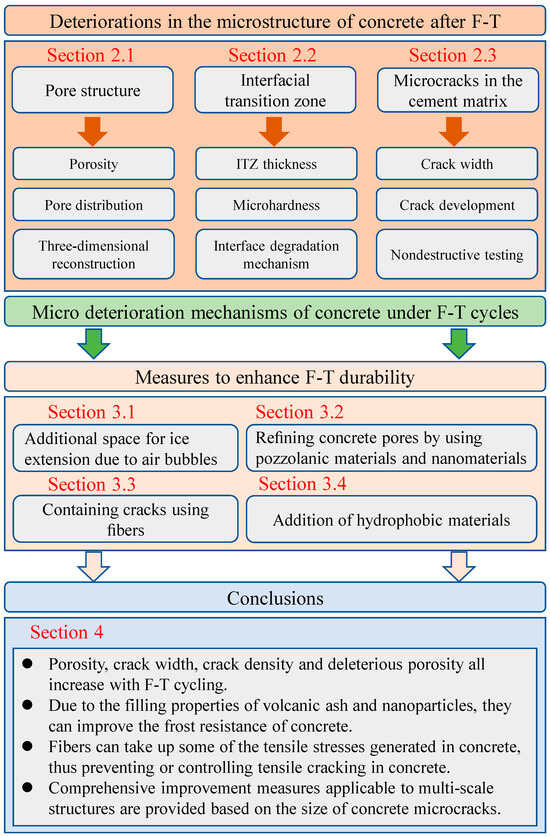
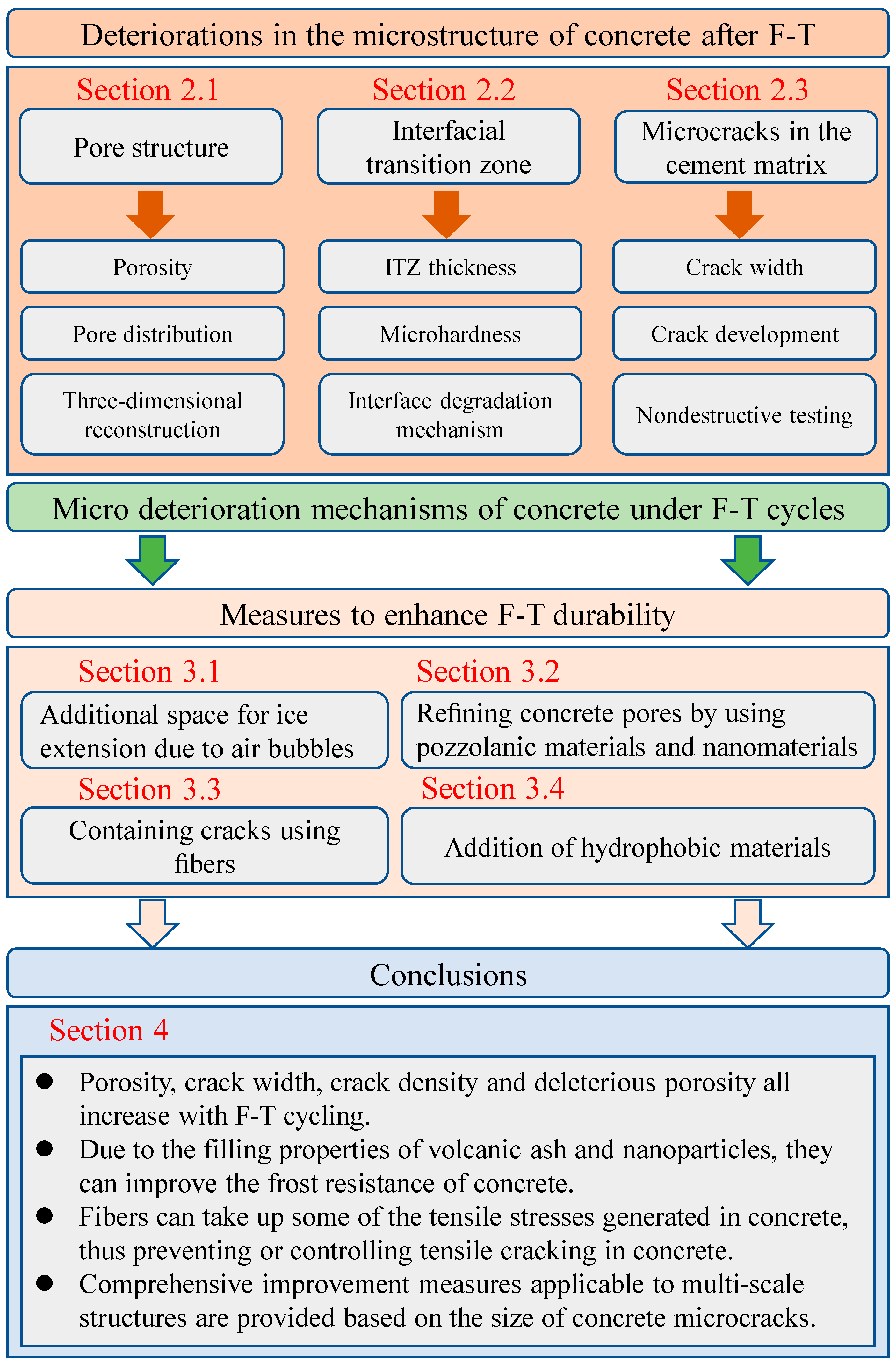
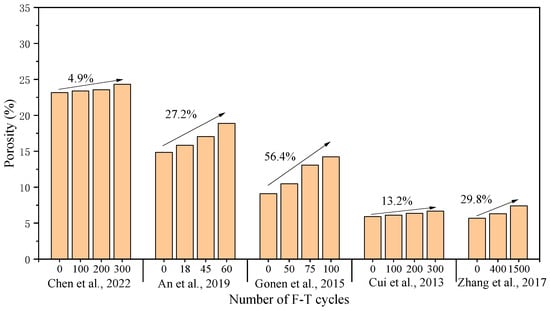
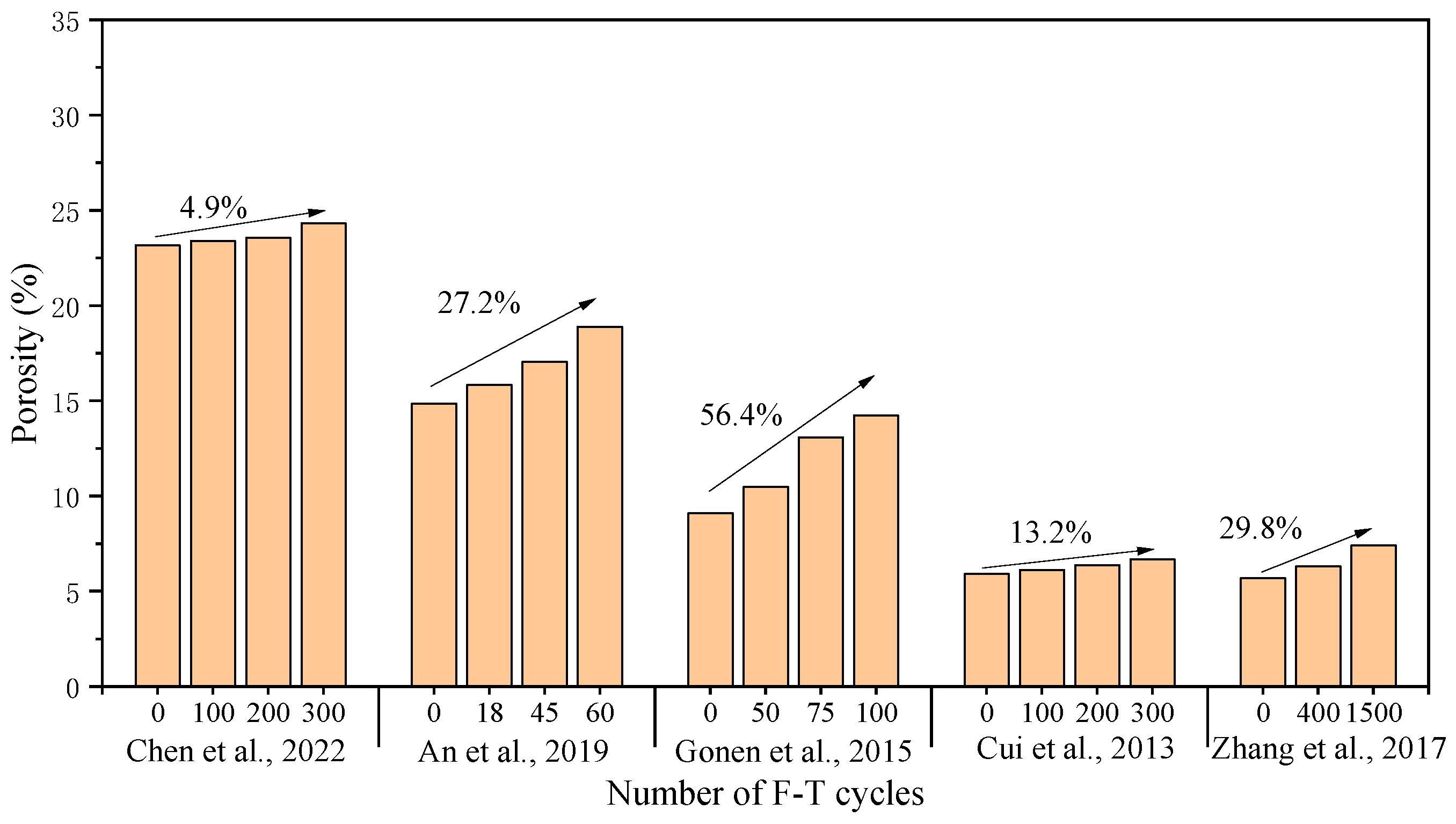
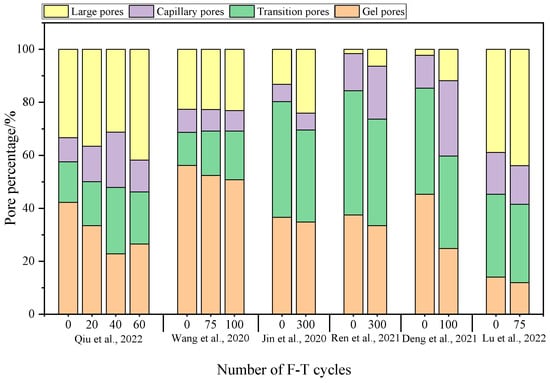
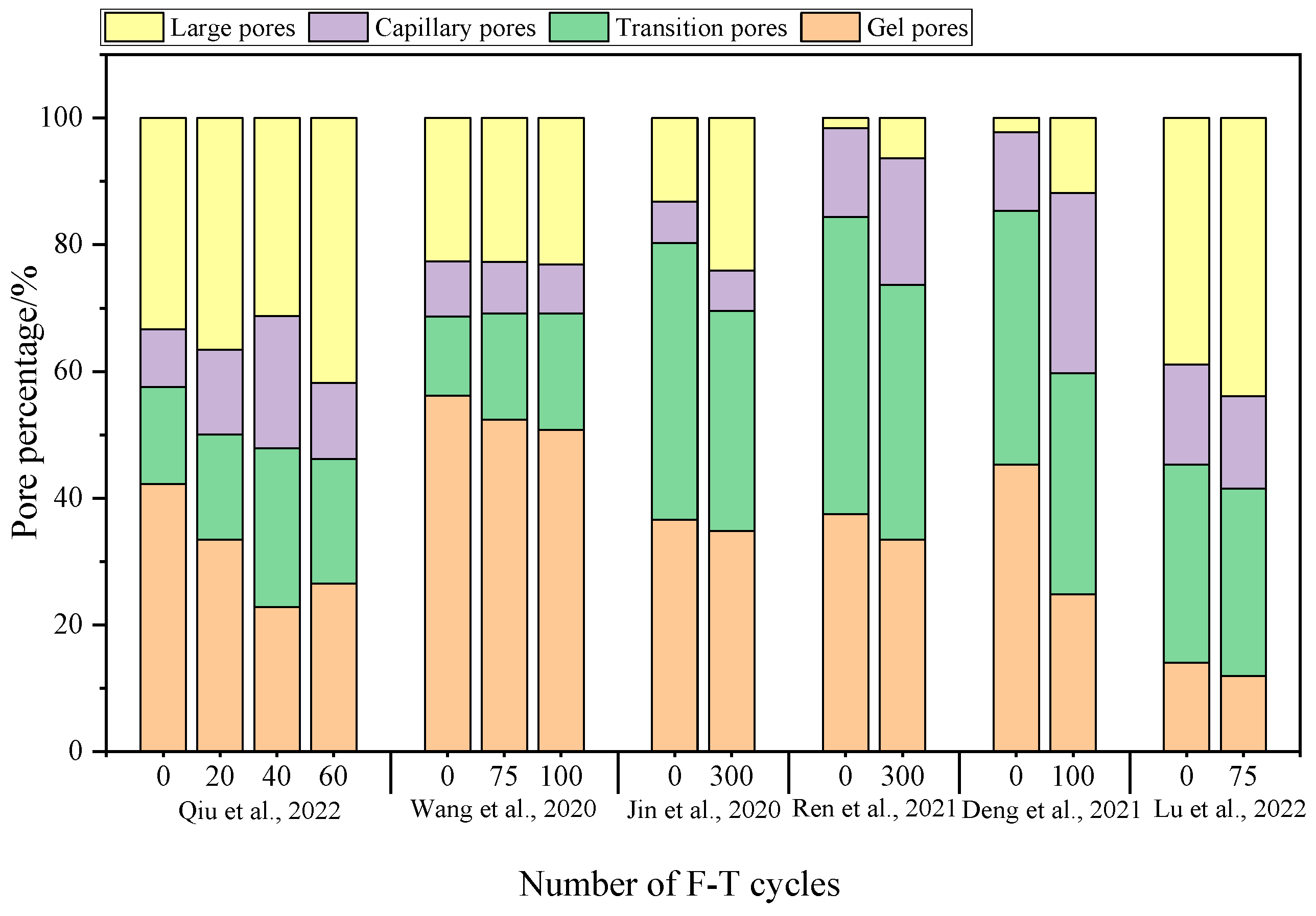
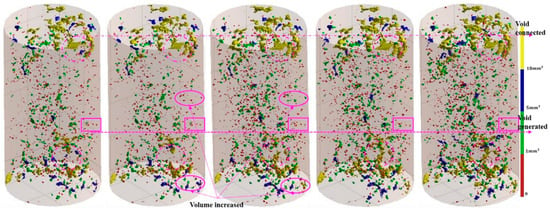
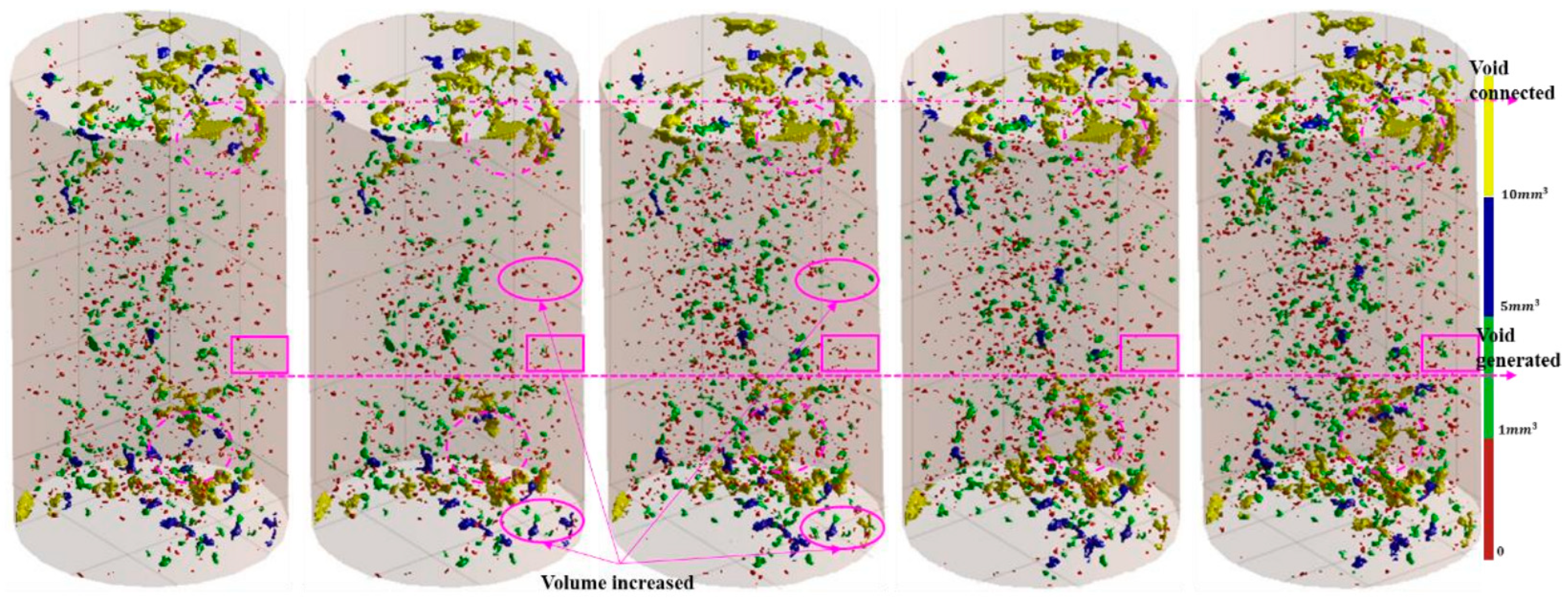
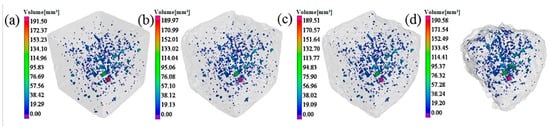
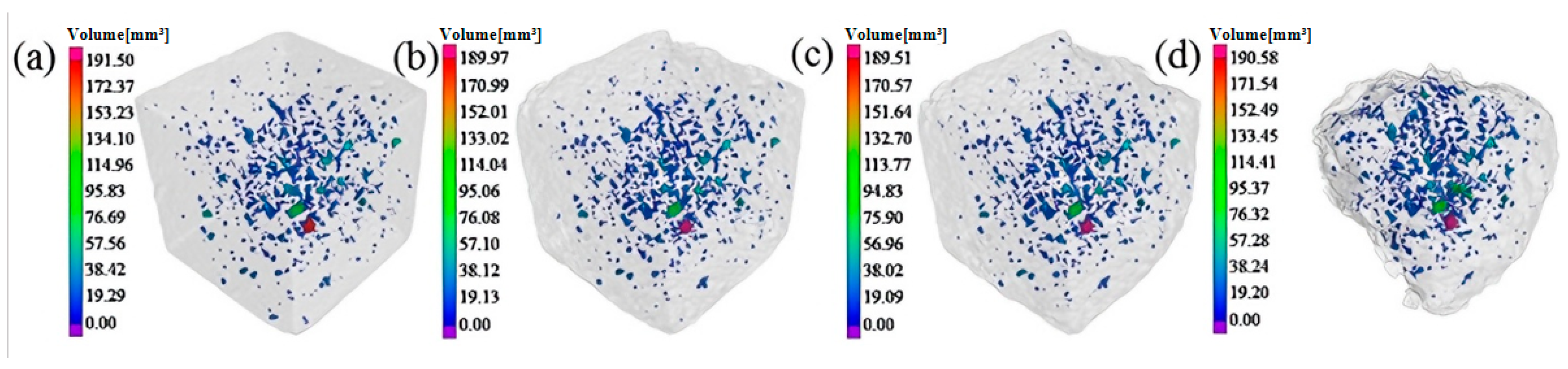
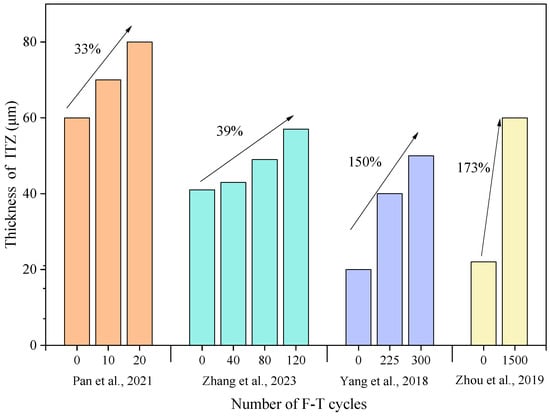
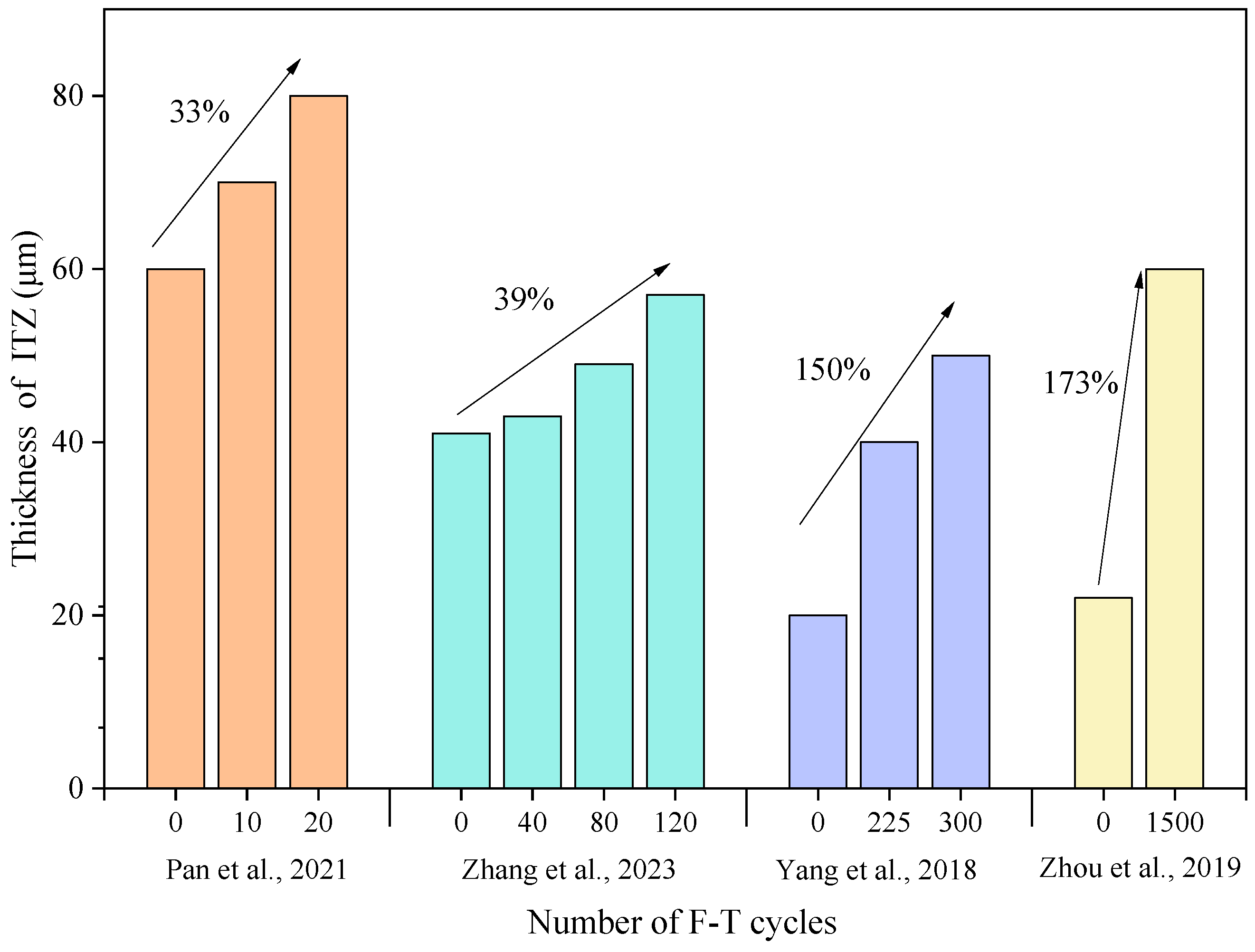
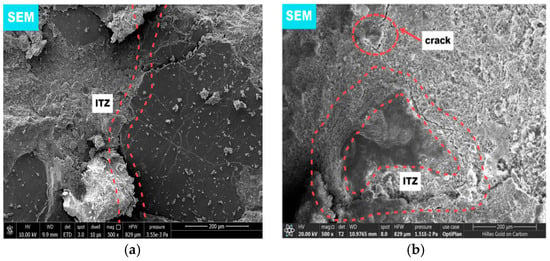
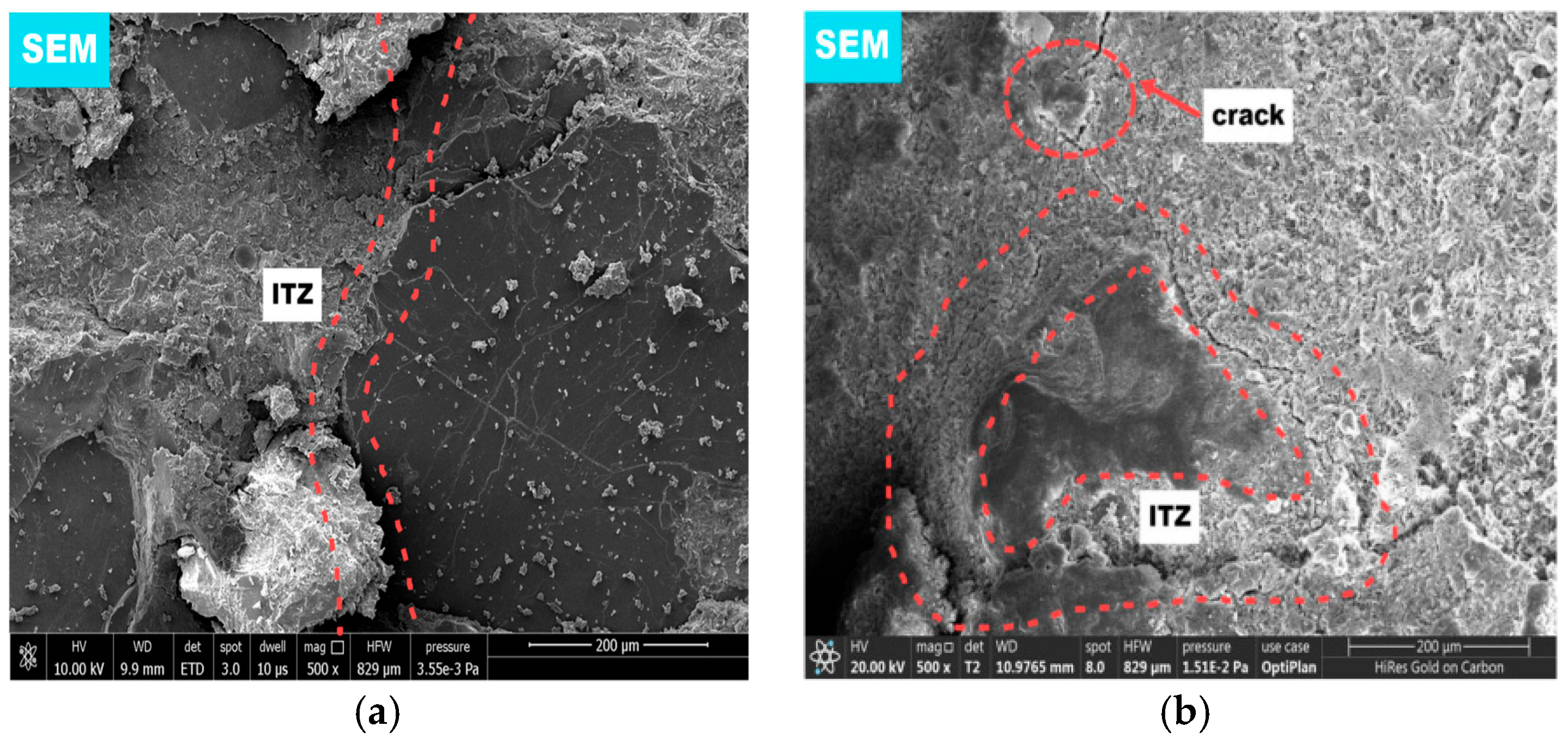
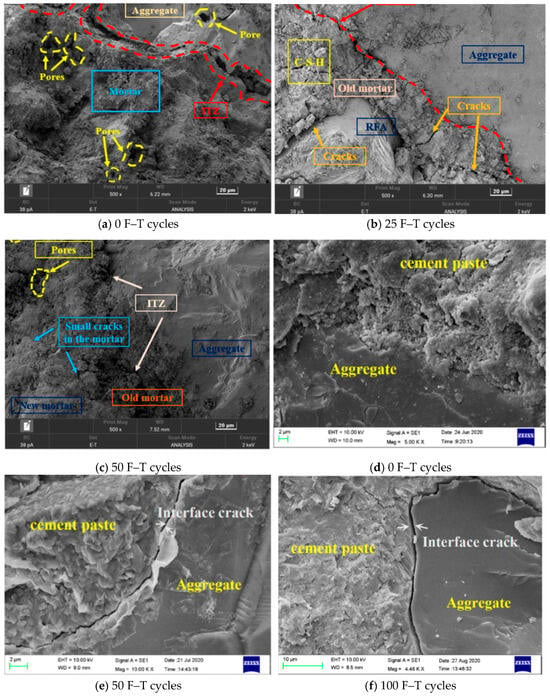
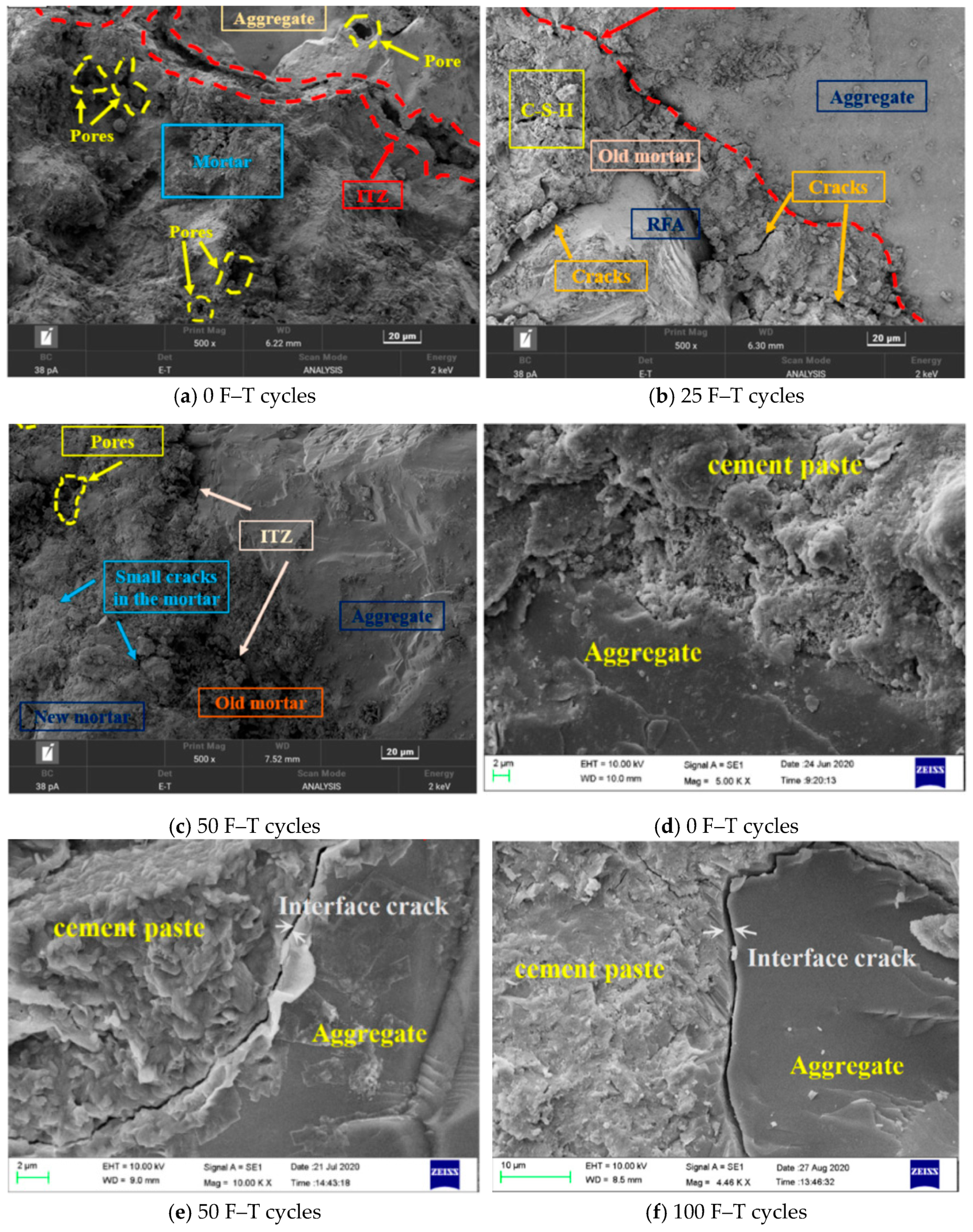
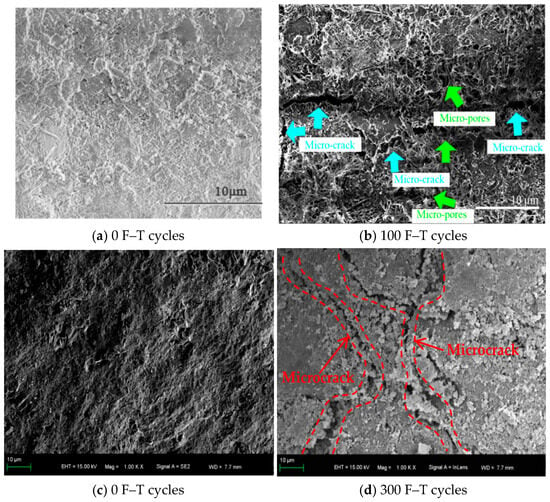
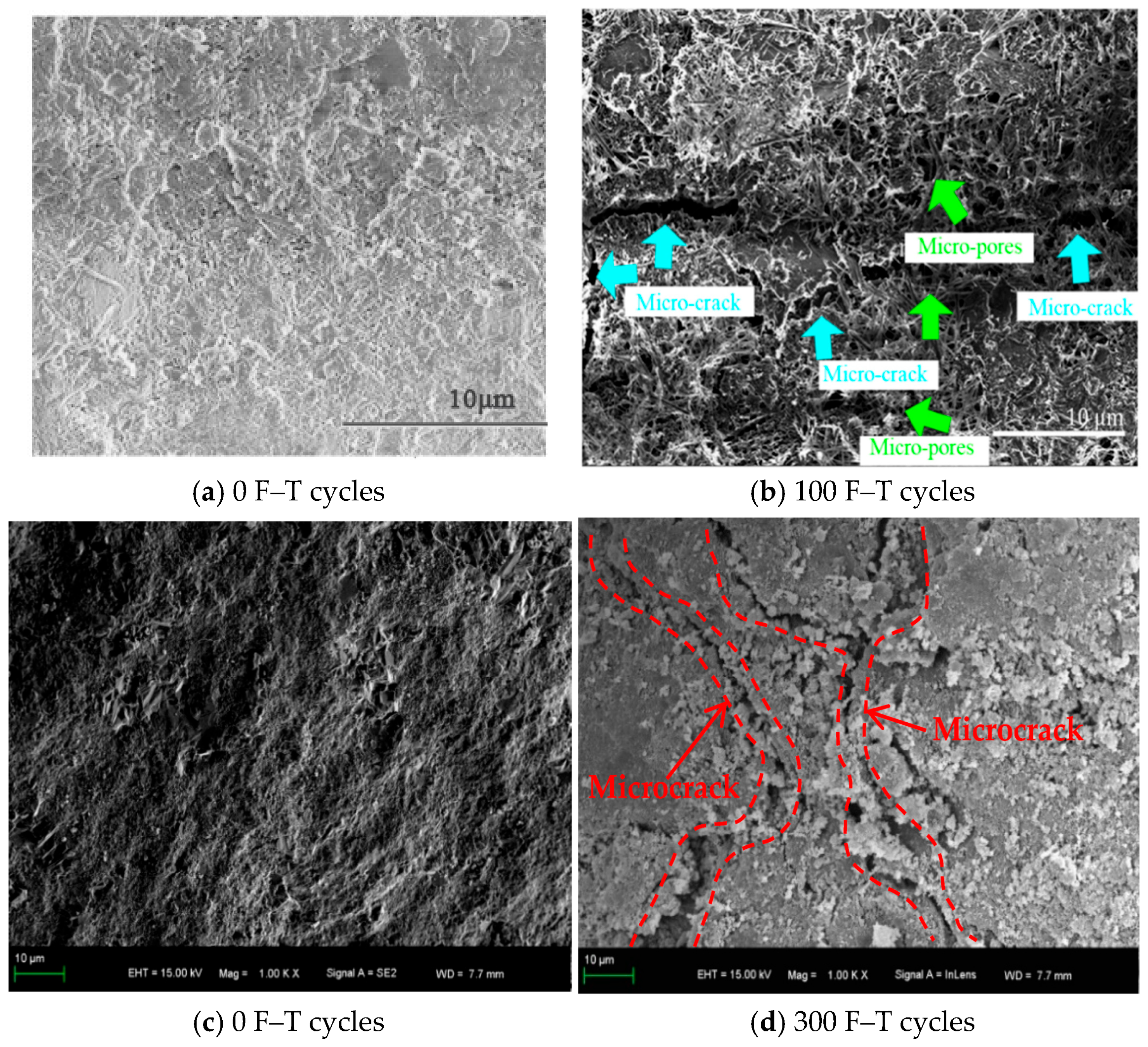
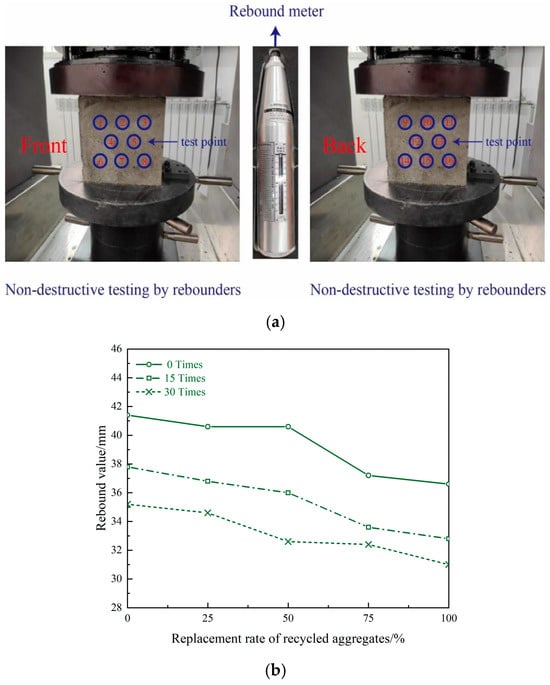
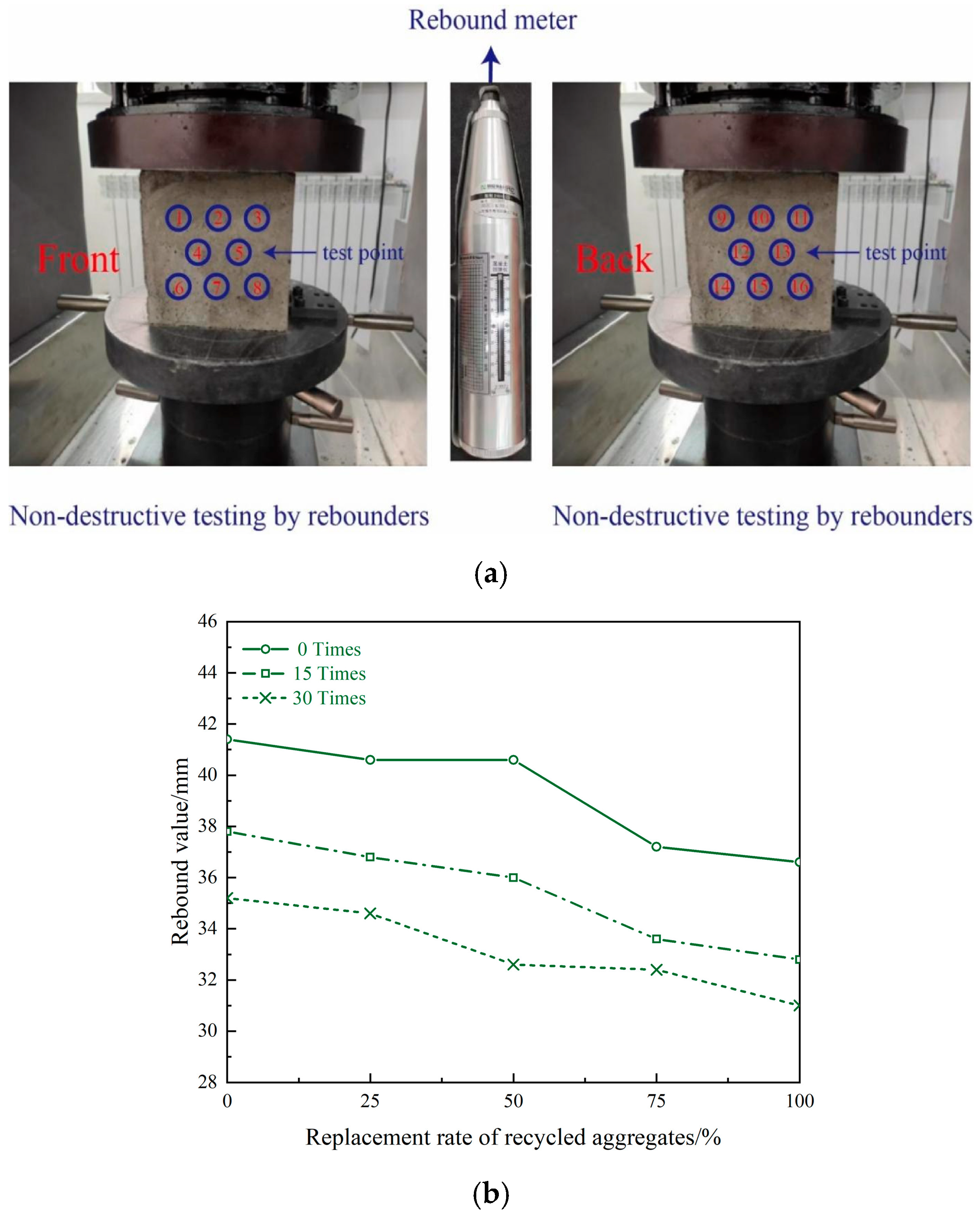
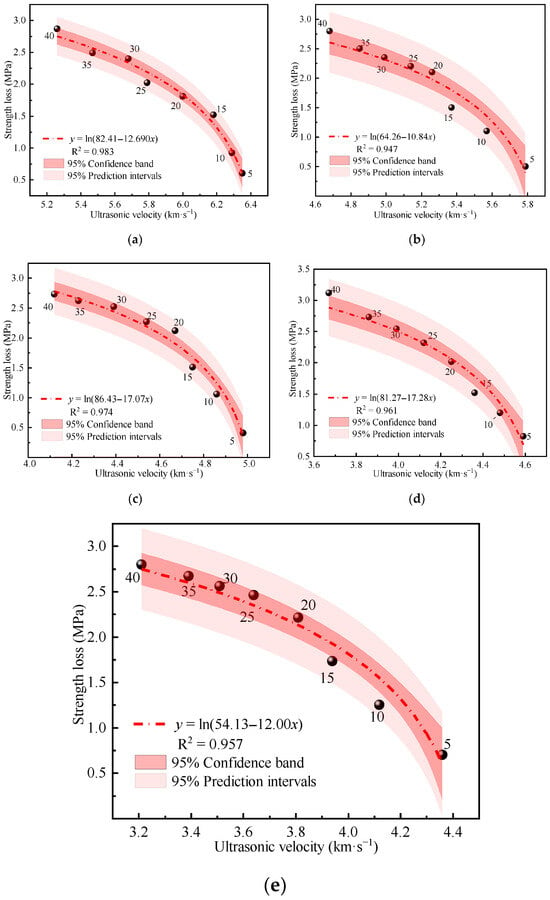
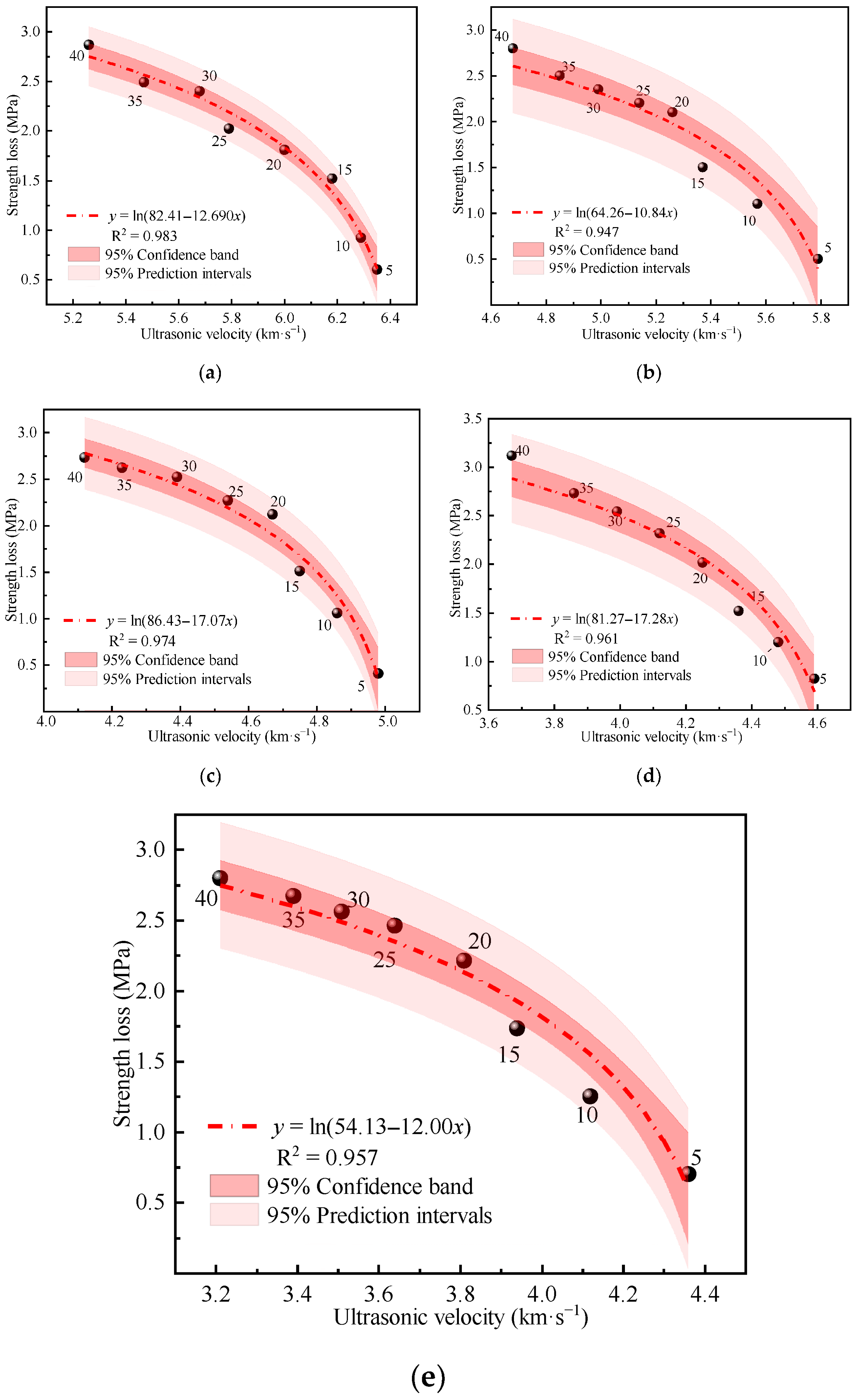
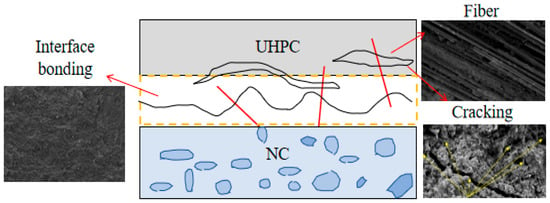
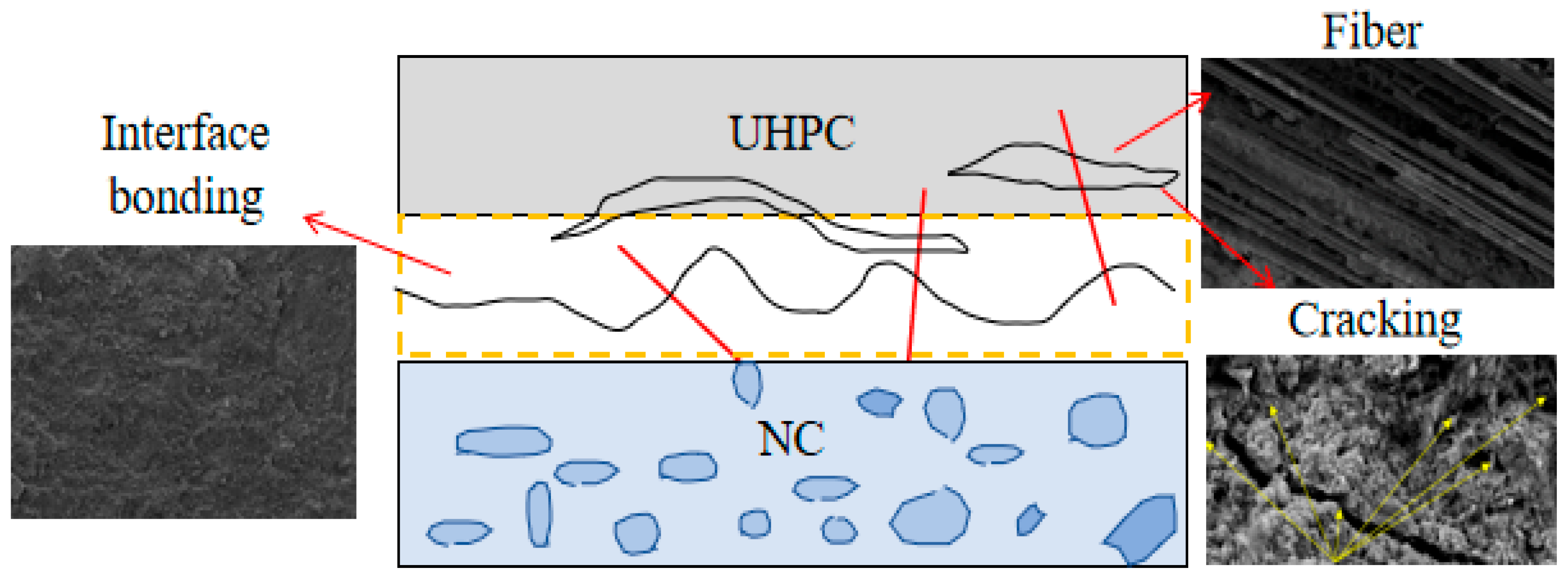
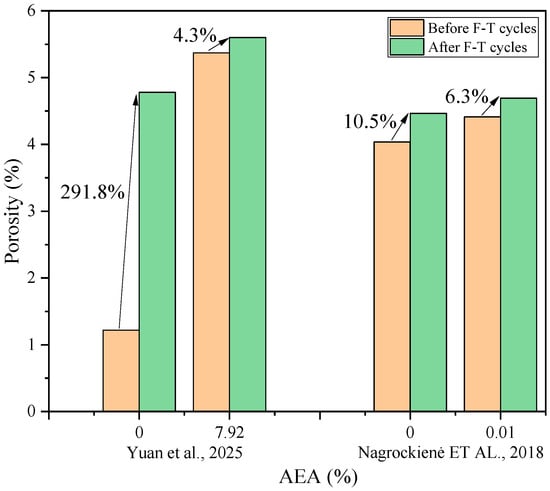
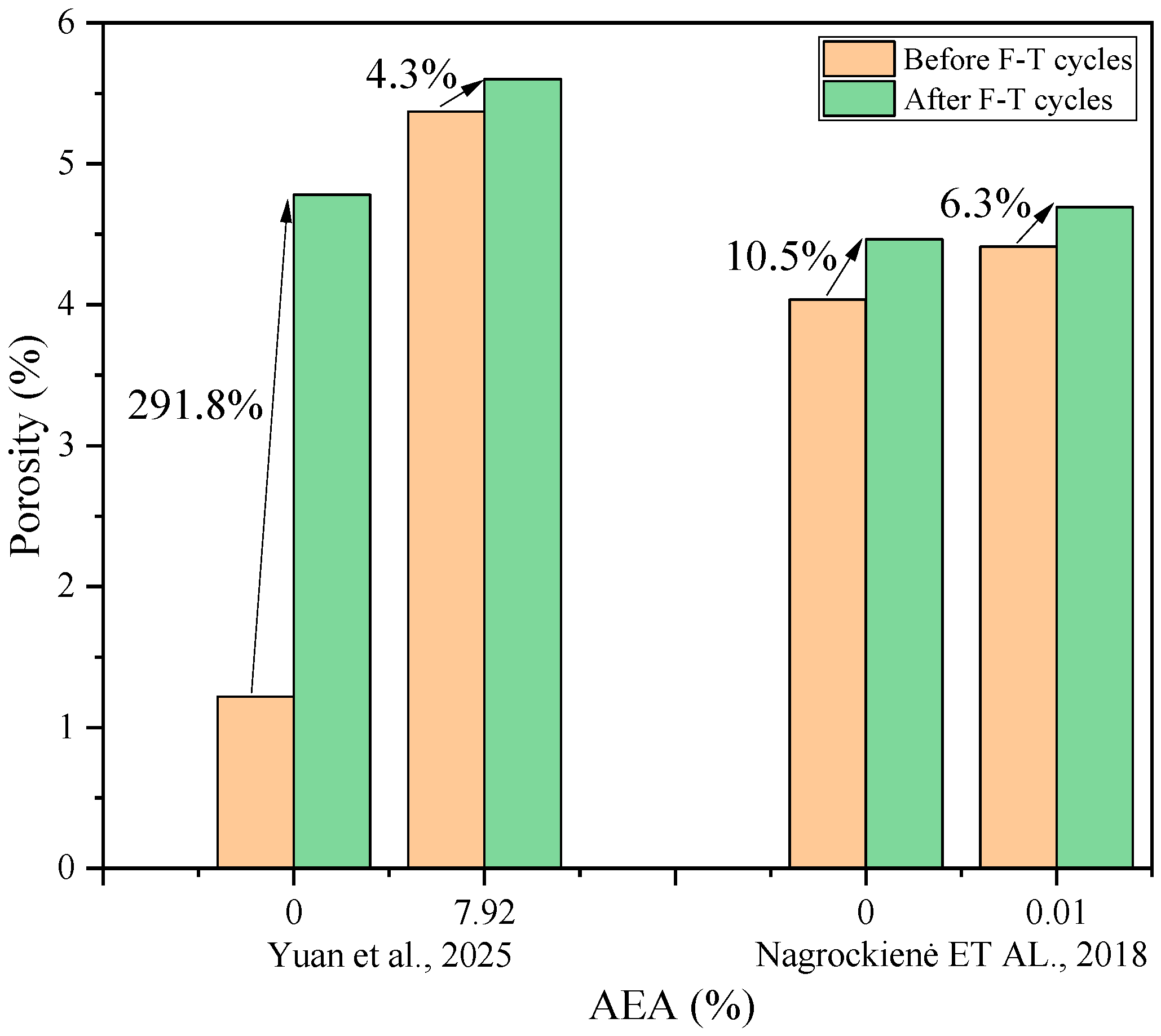
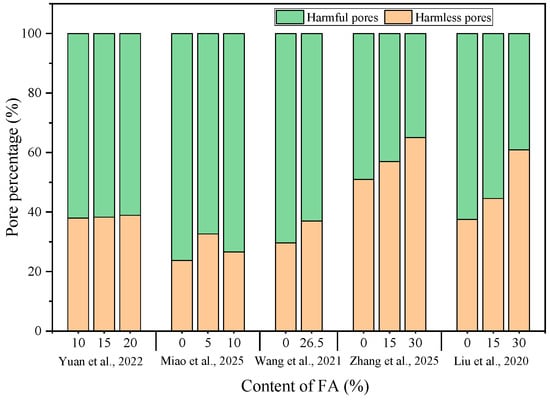
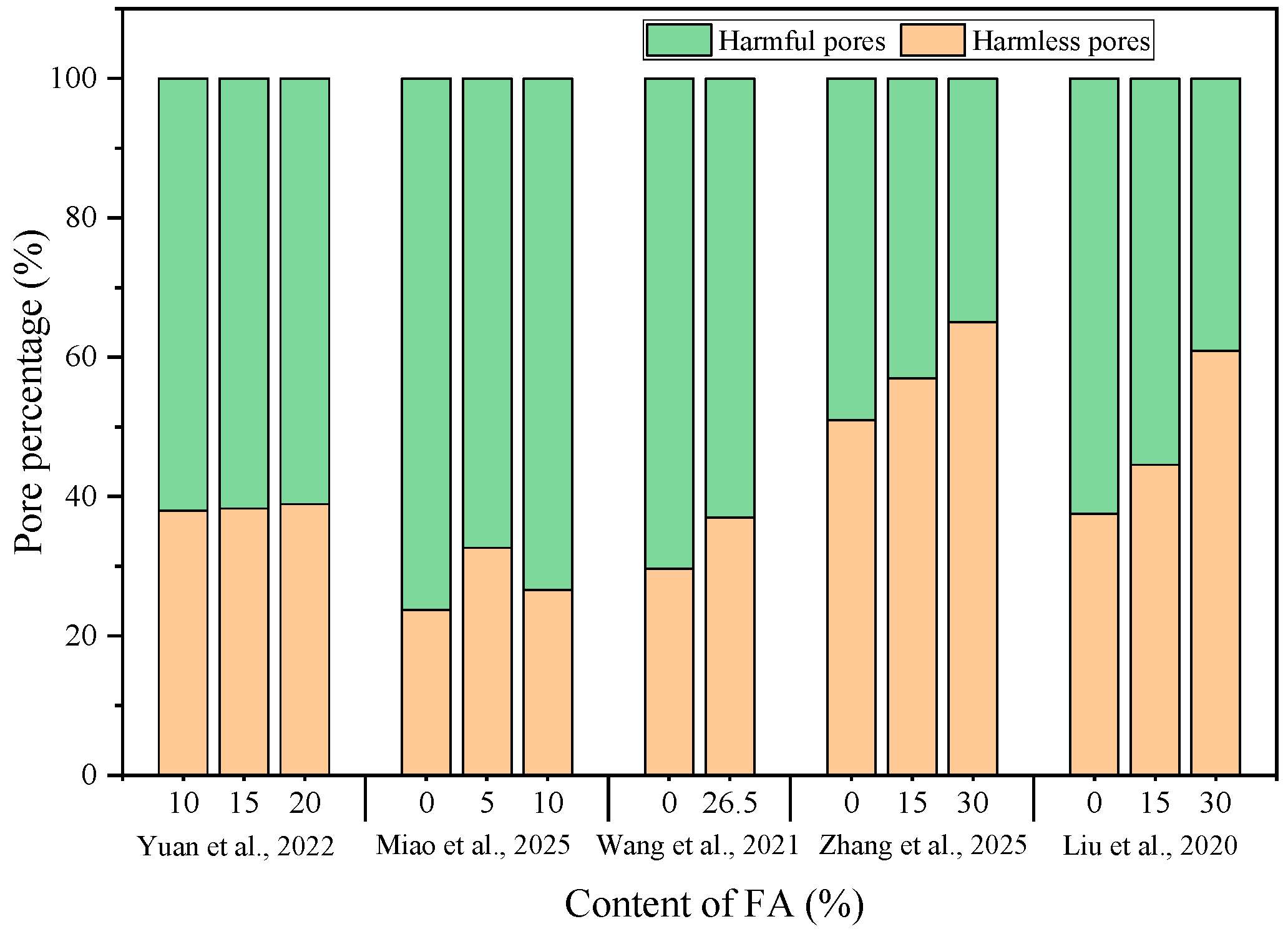
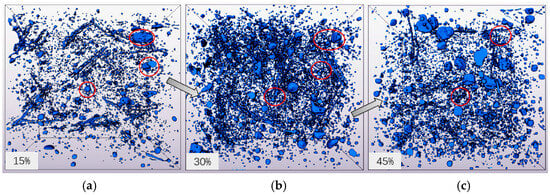
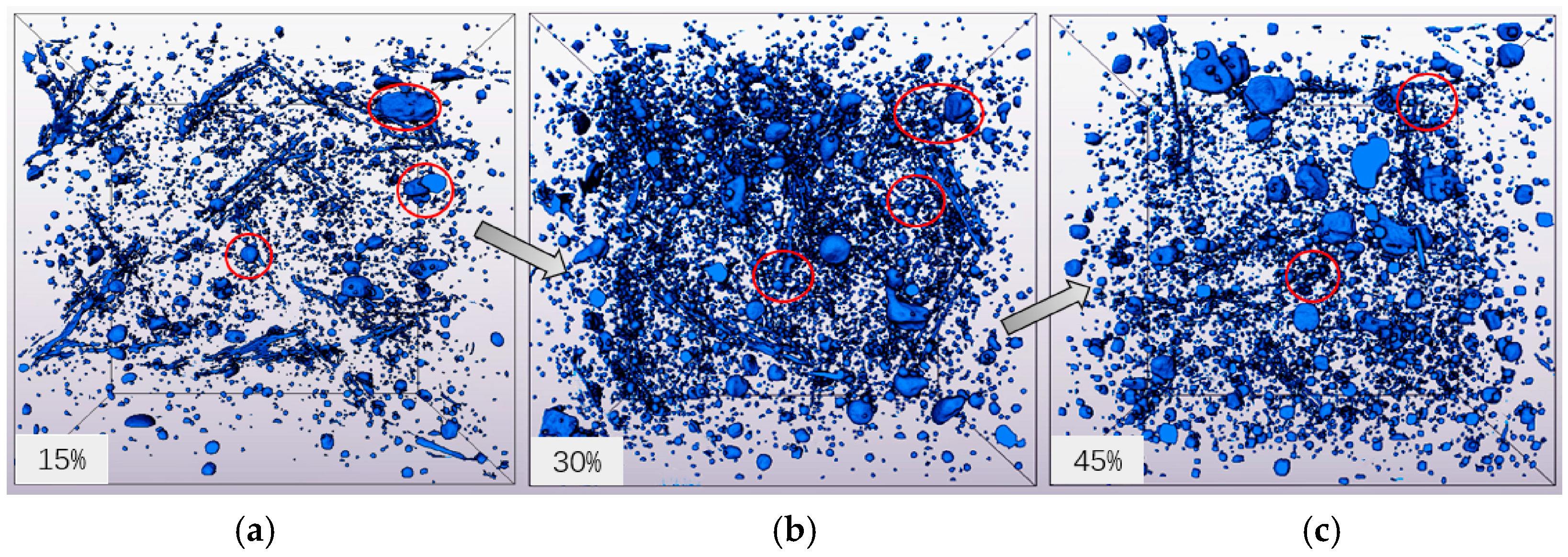
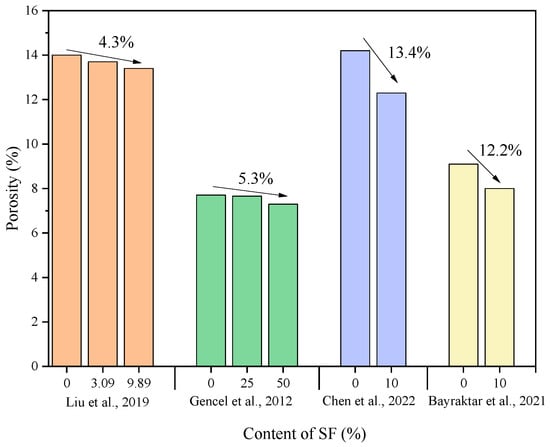
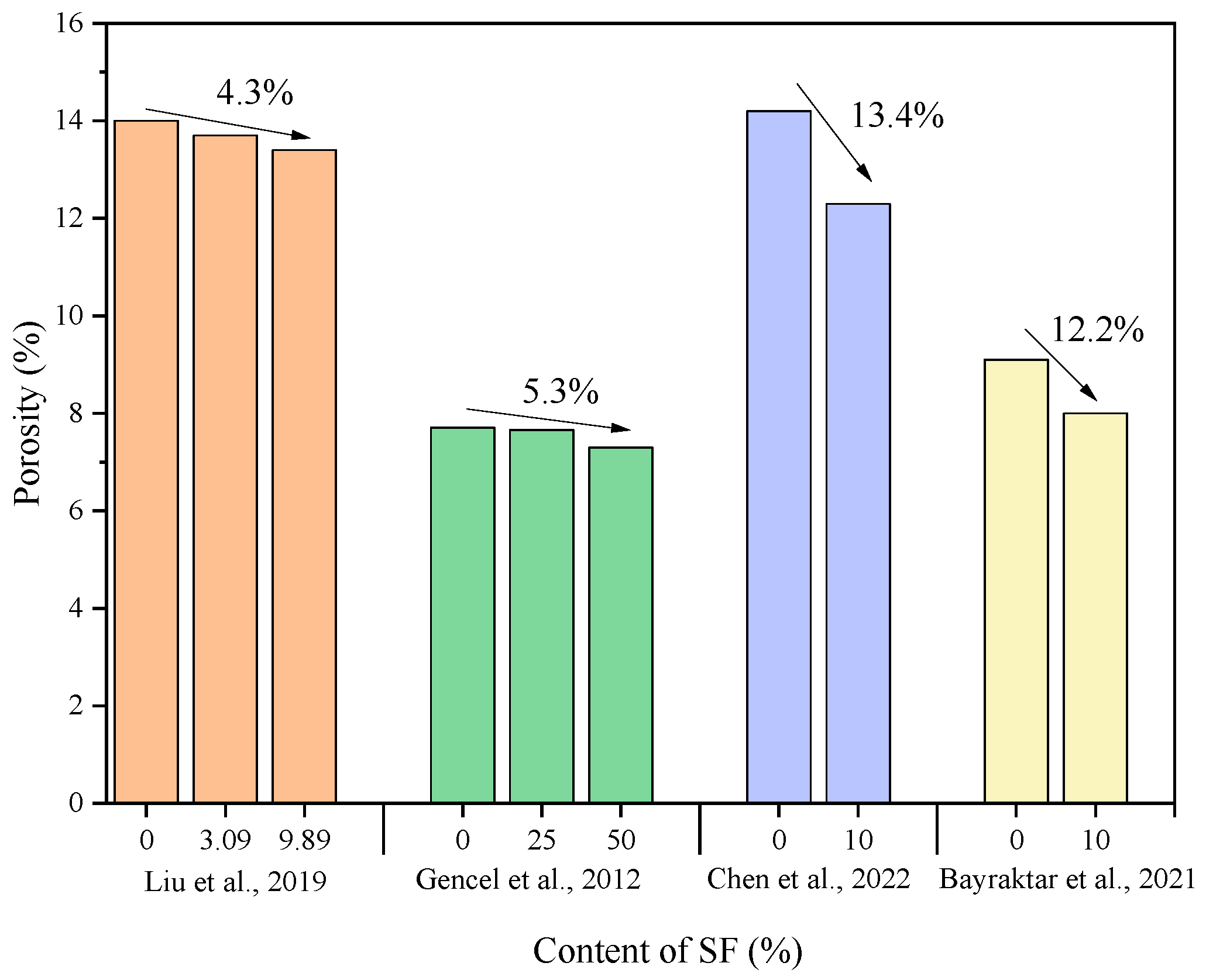
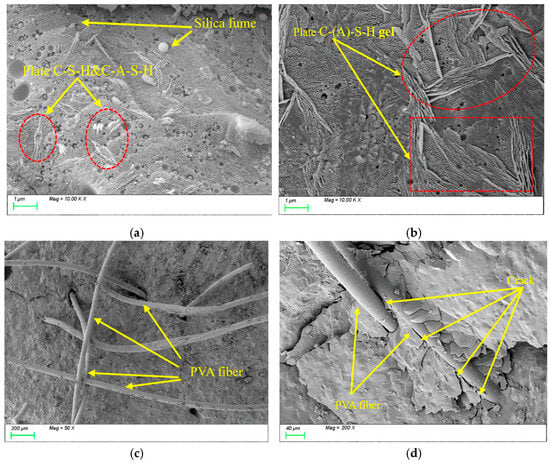
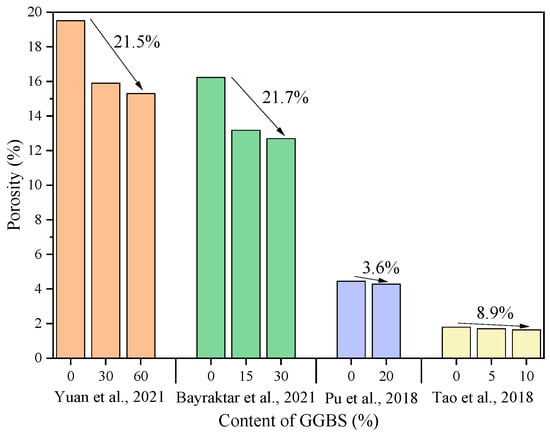
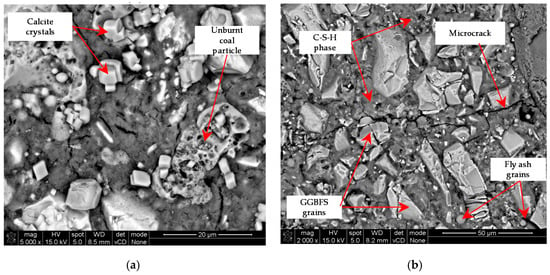
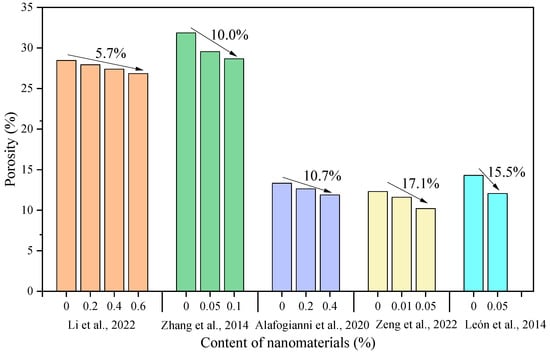
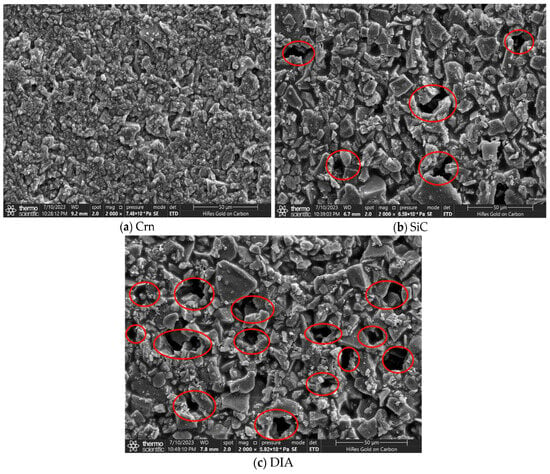
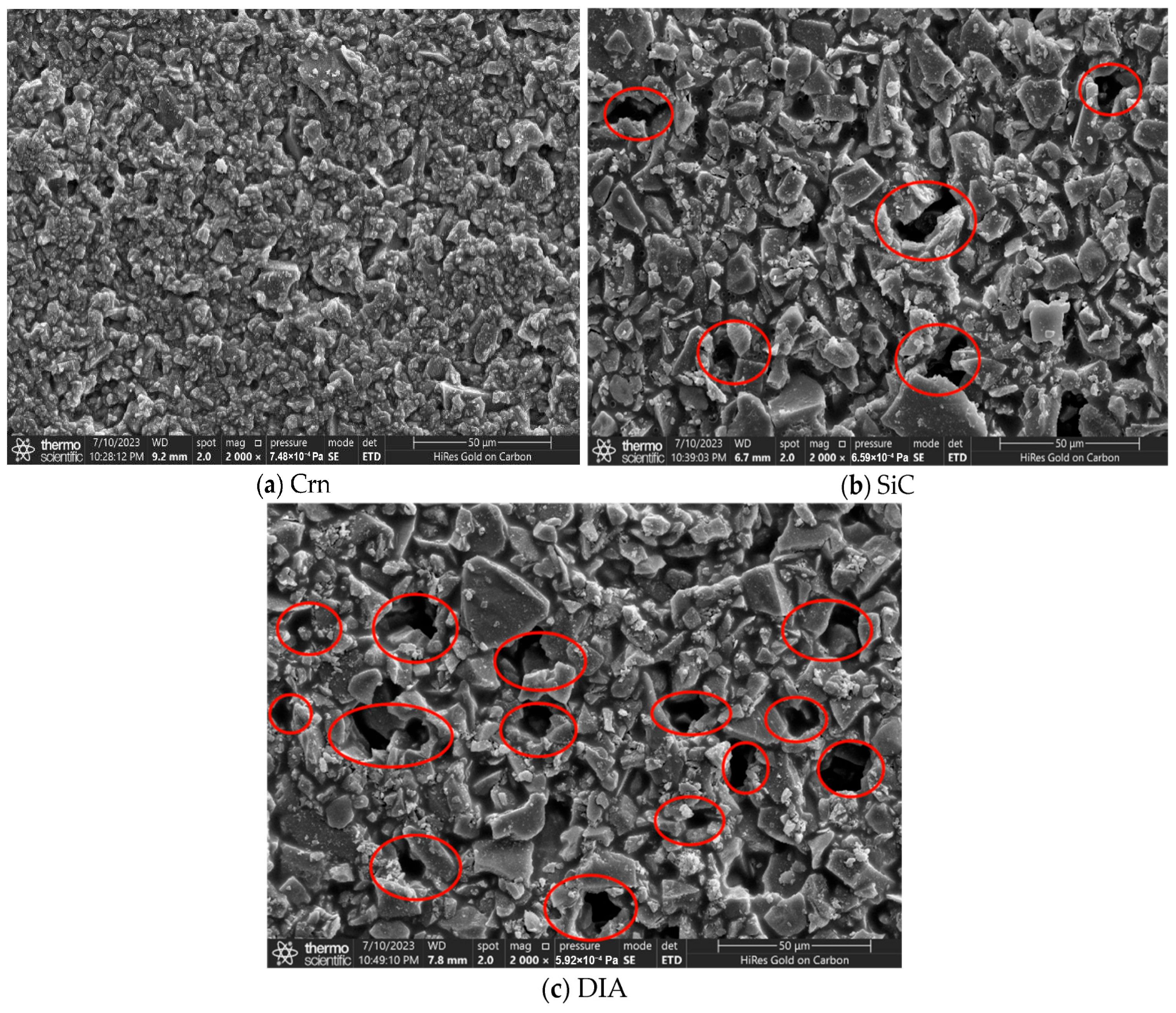
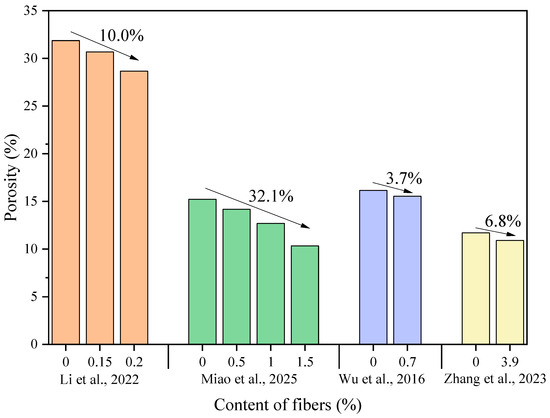
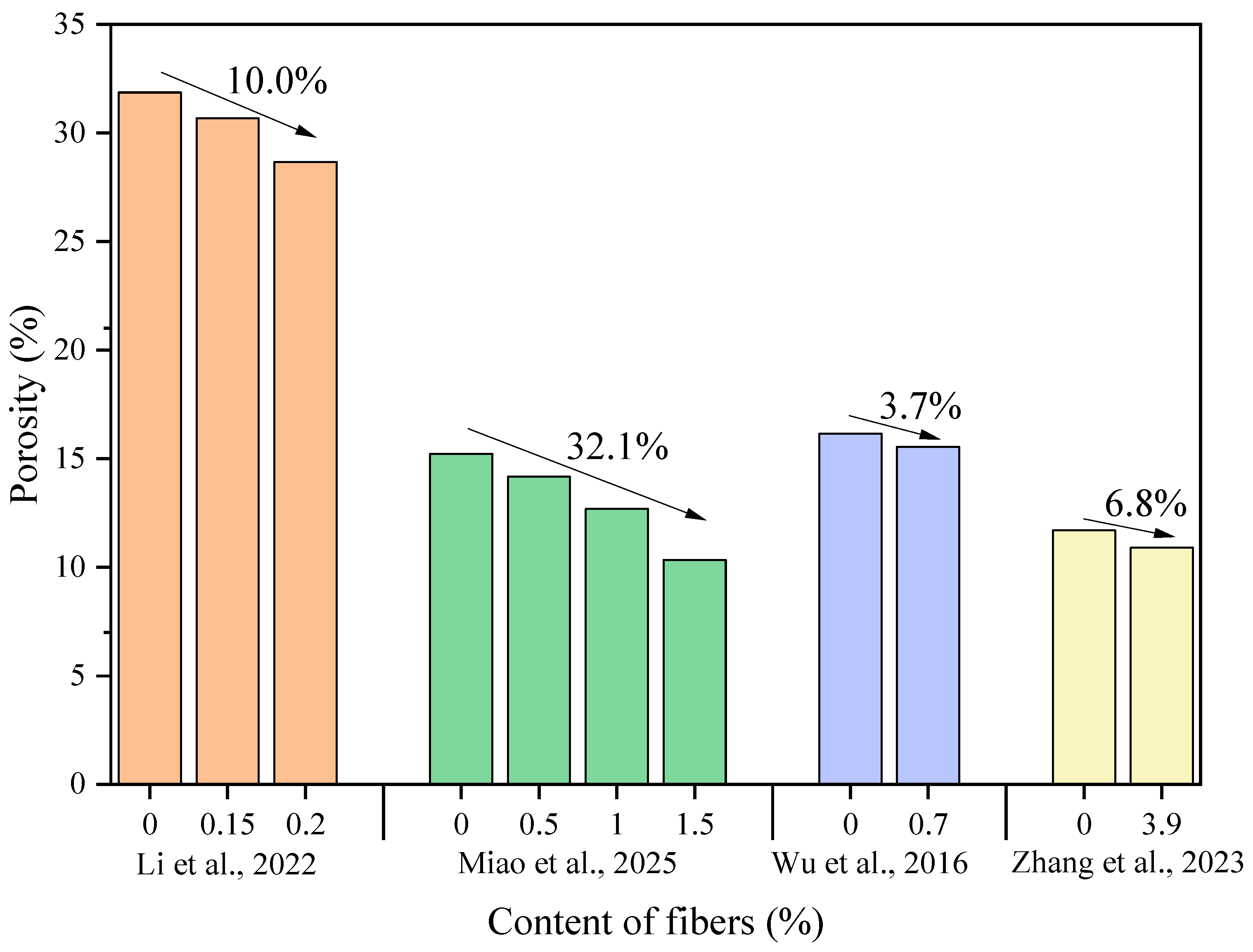
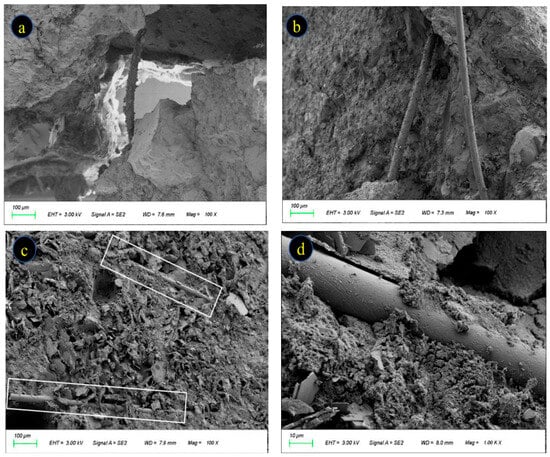
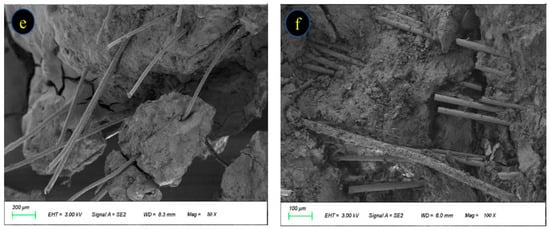
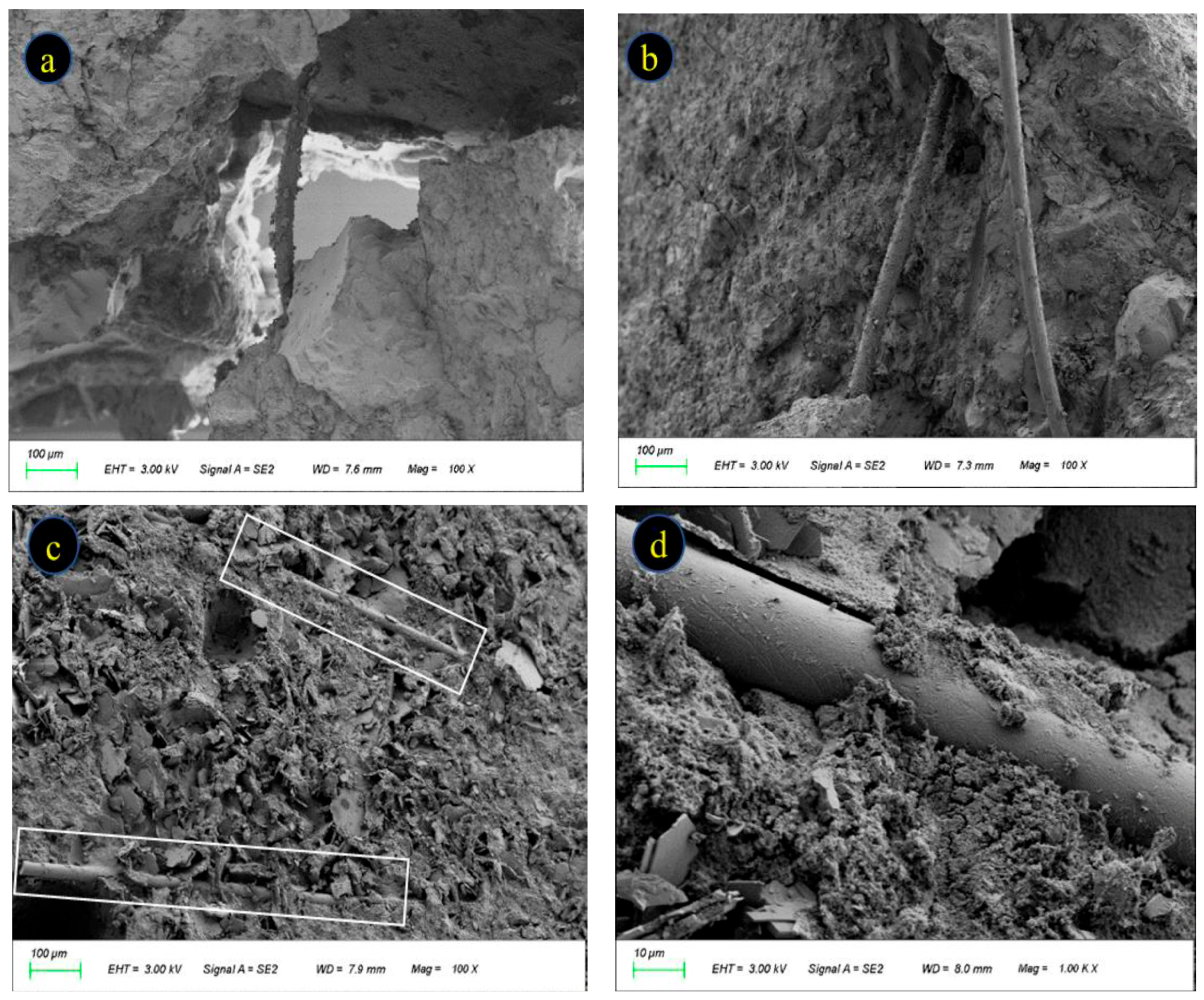
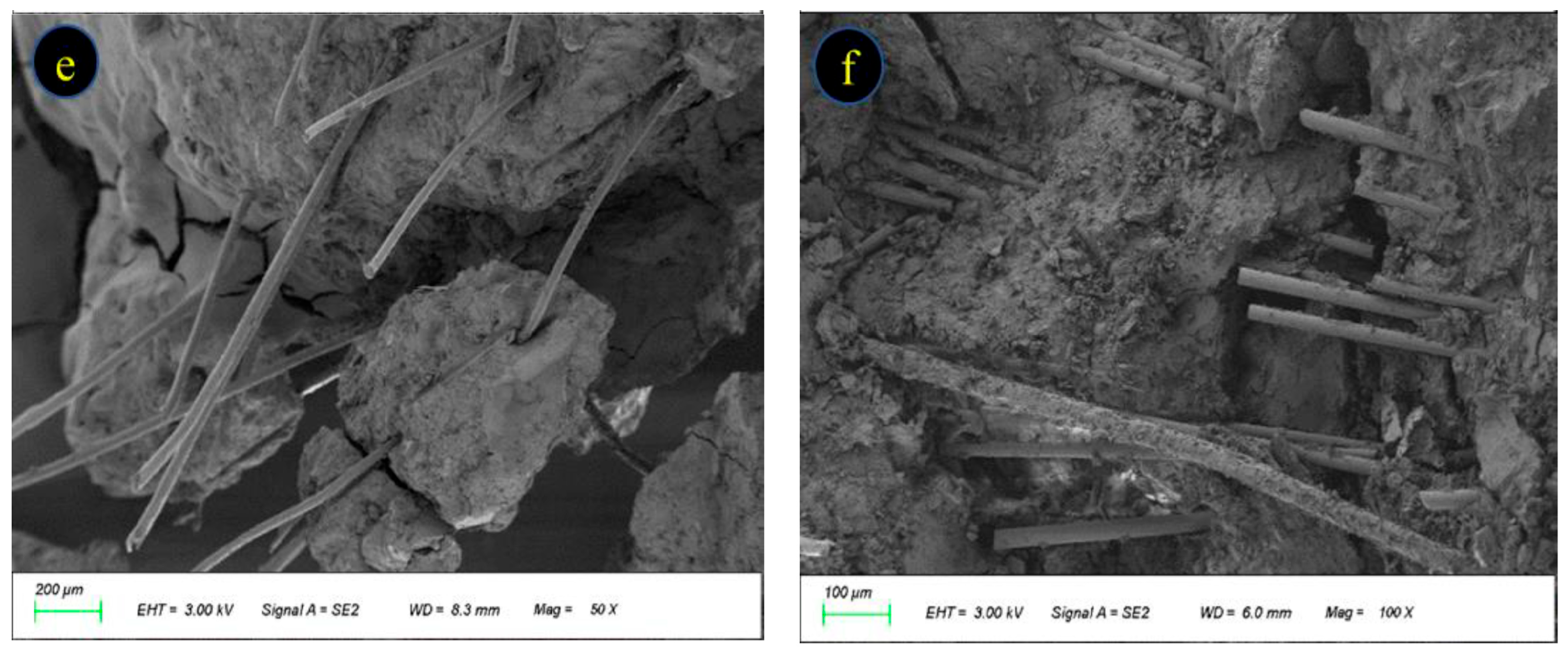
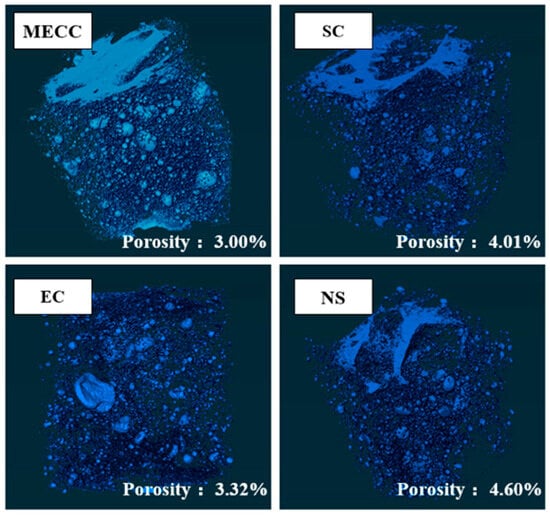
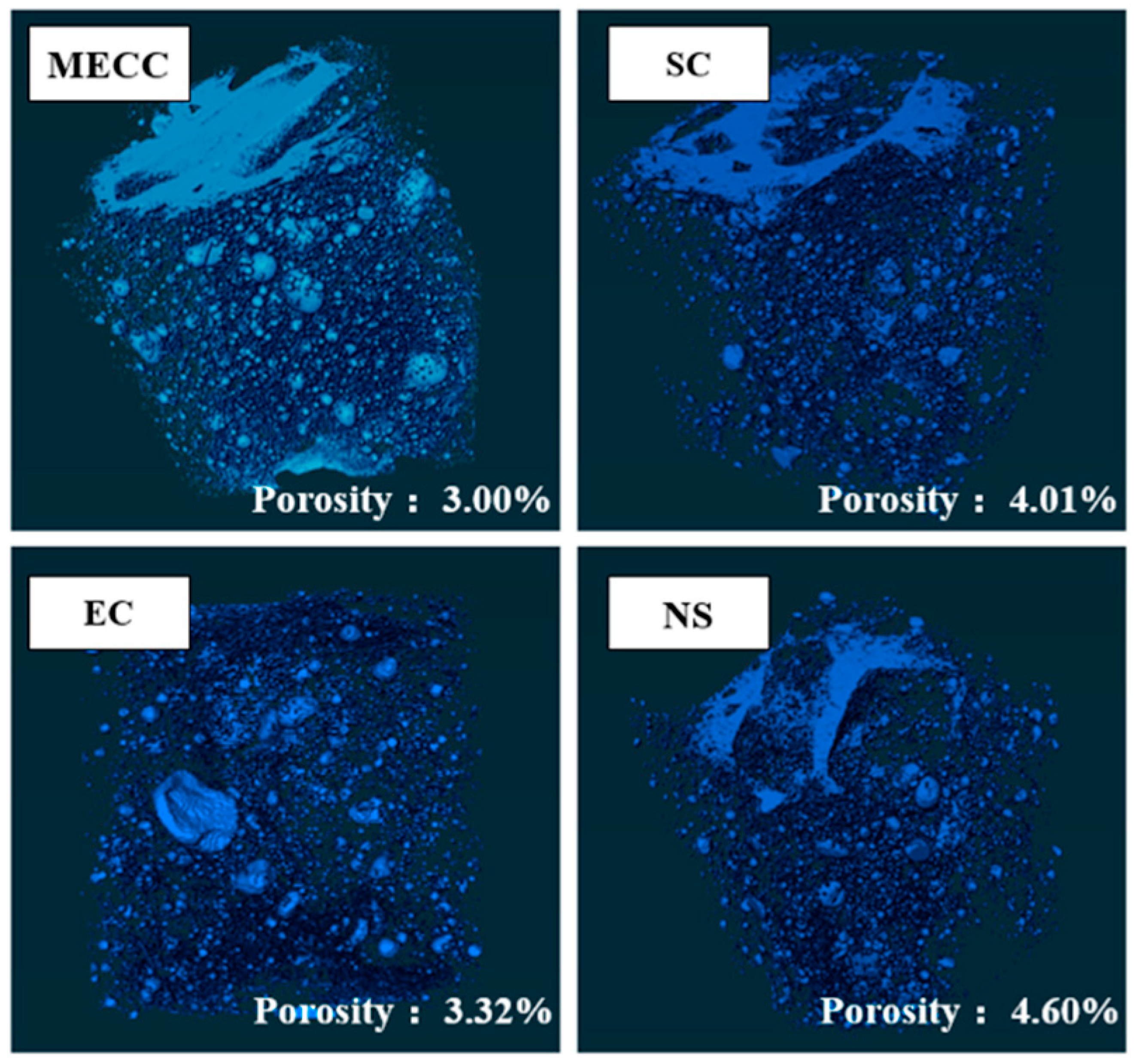
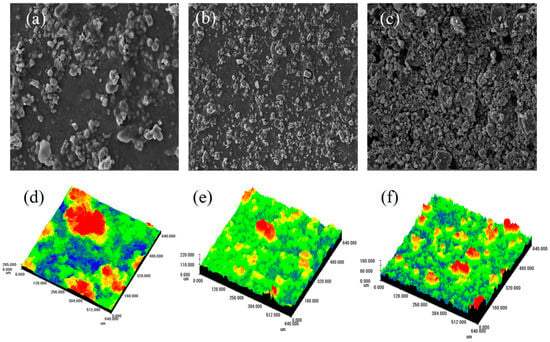
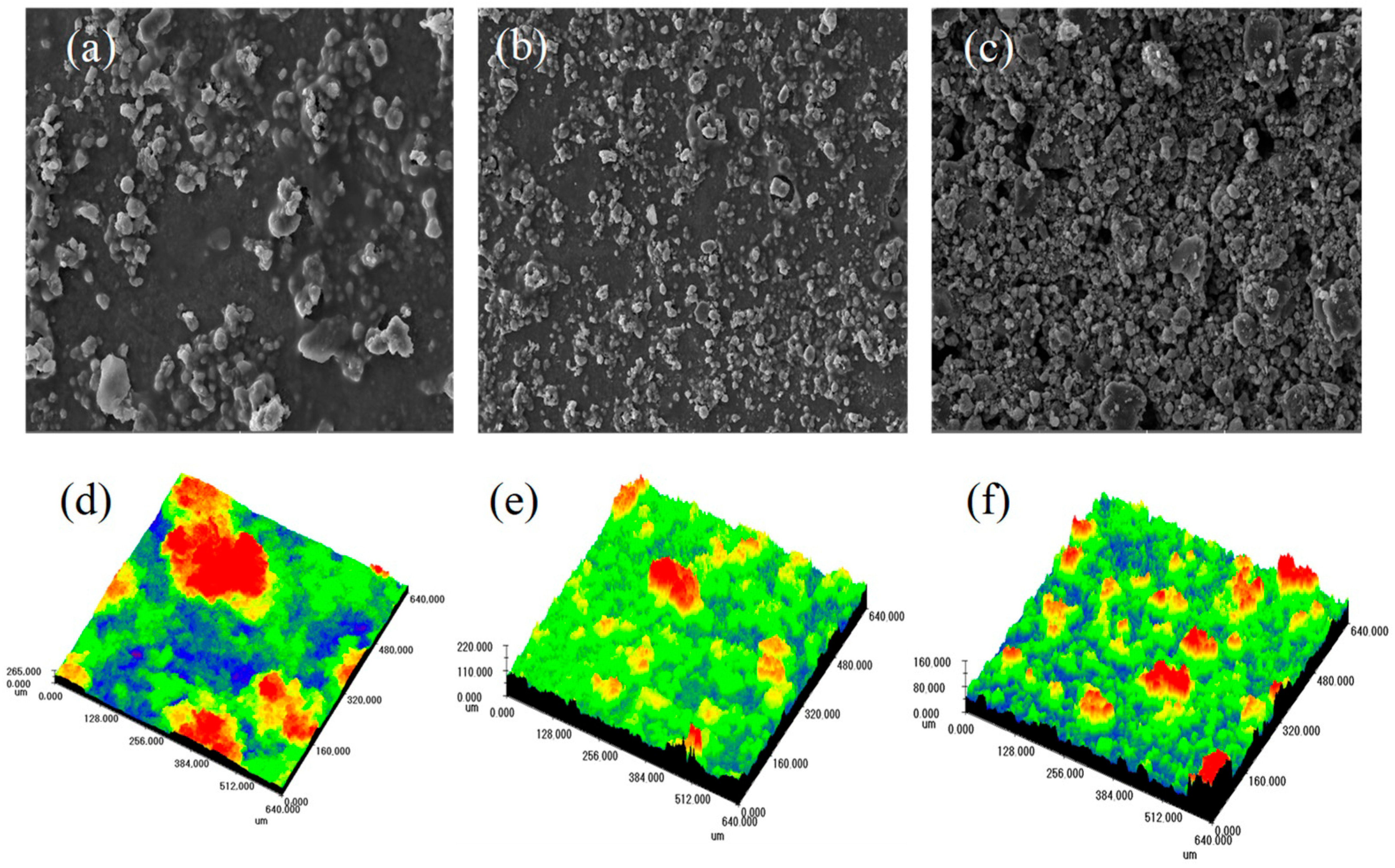
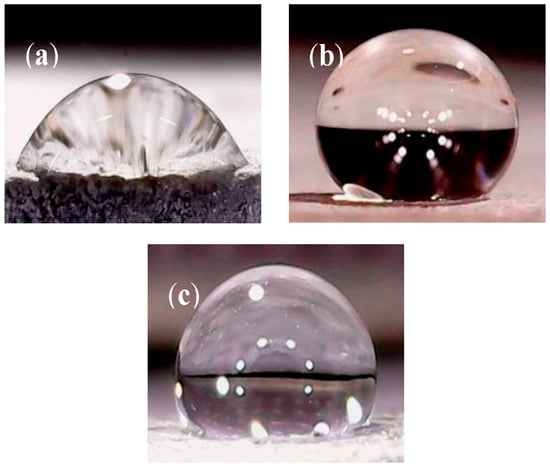
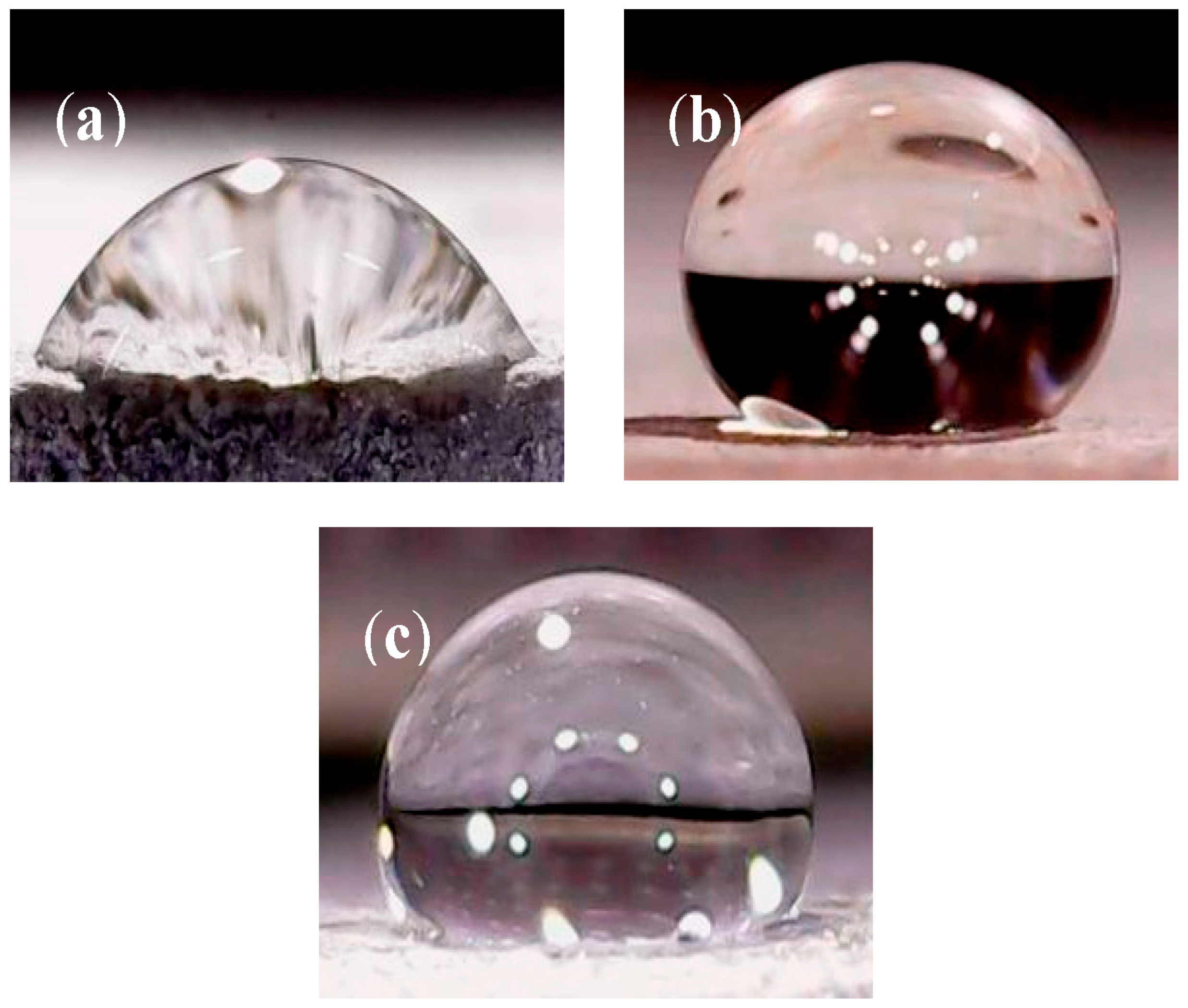
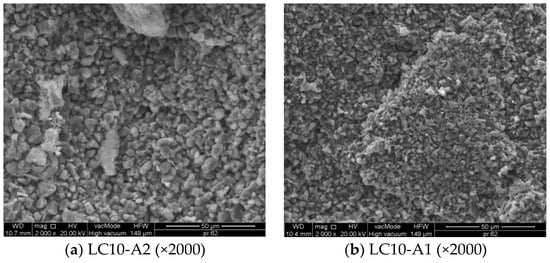
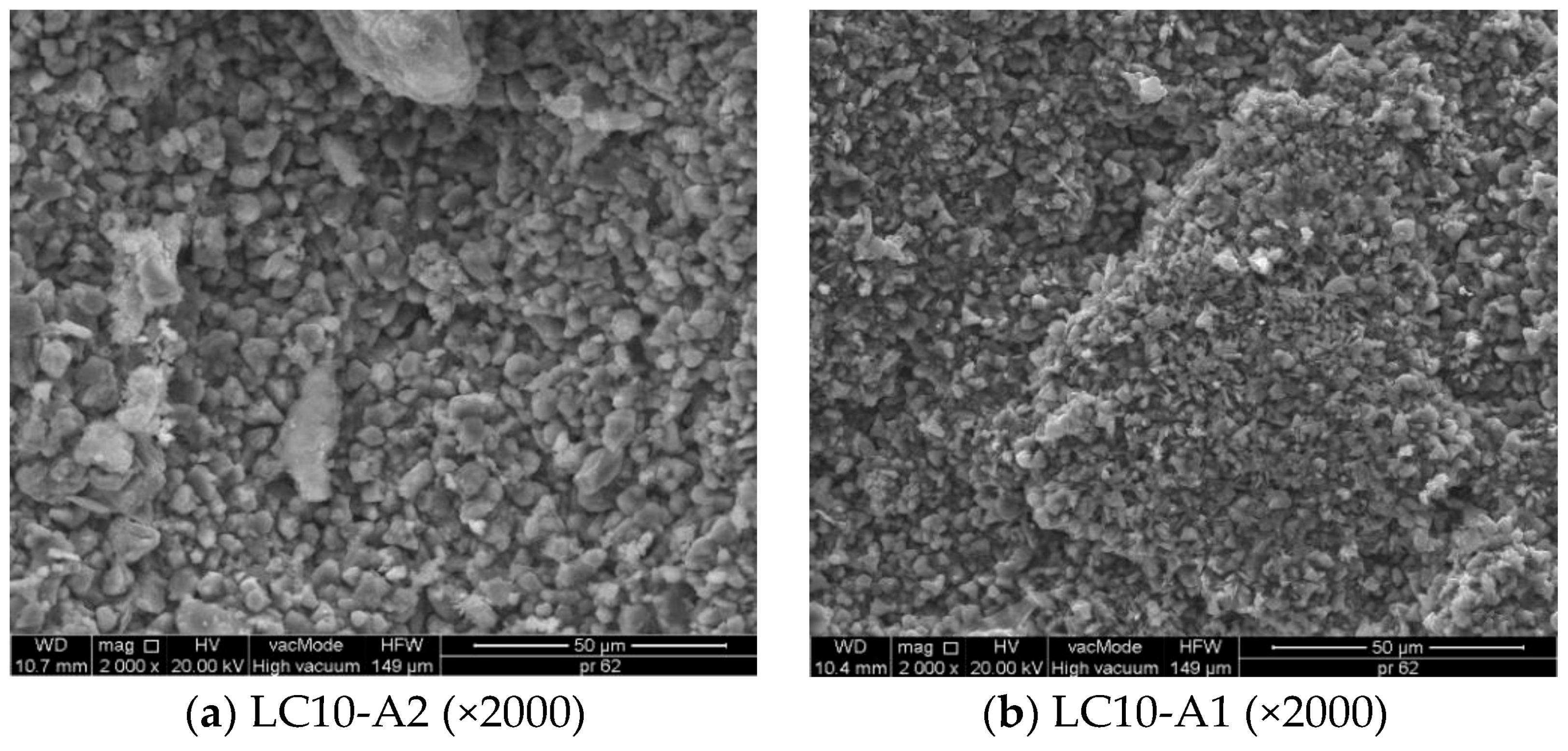
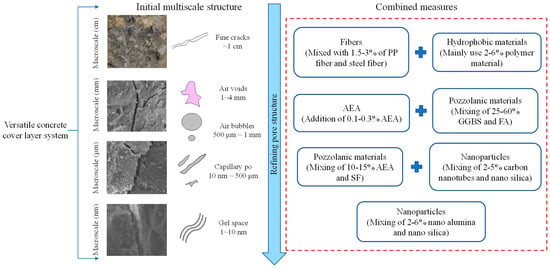
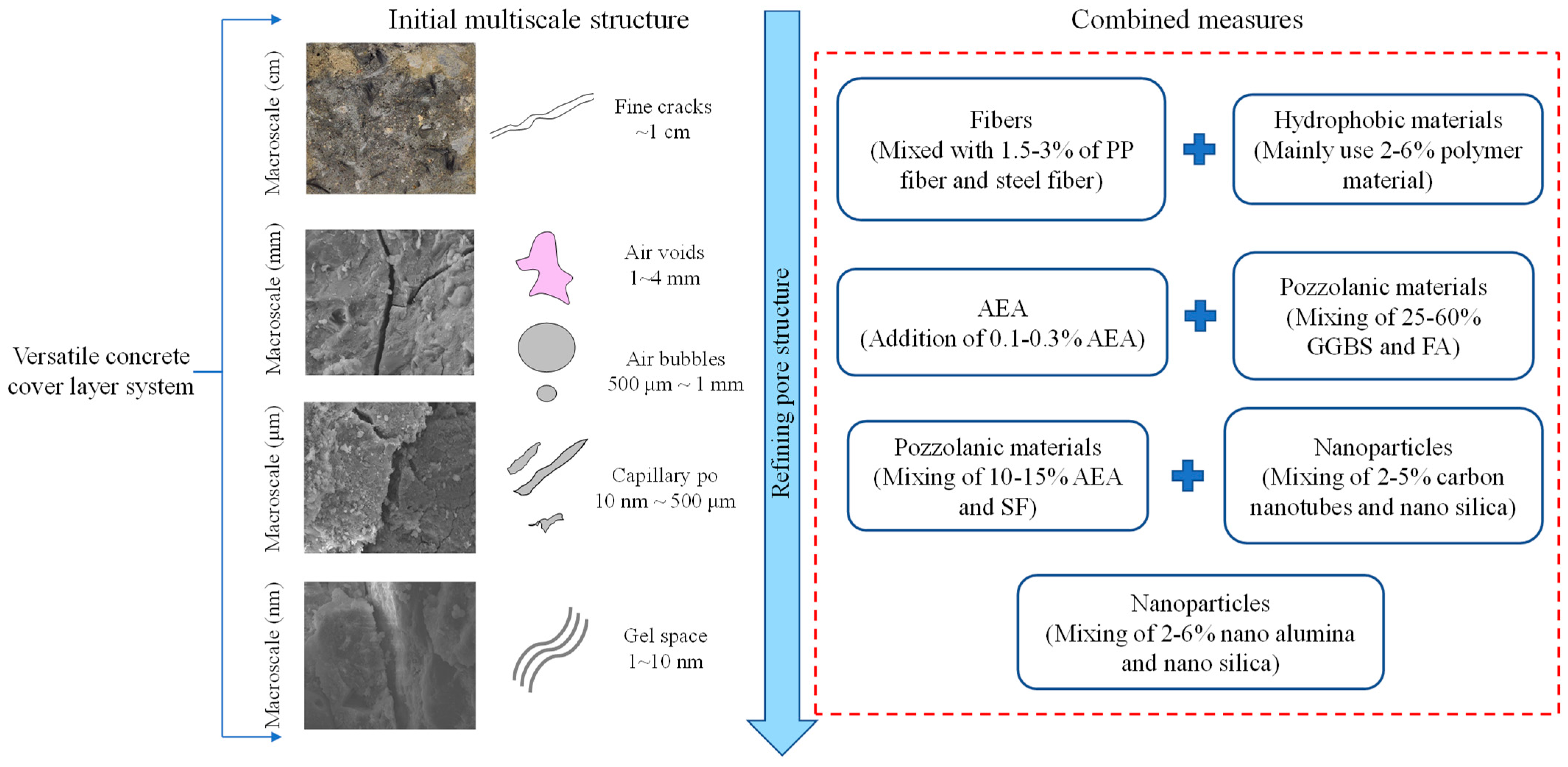

Disclaimer/Publisher’s Note: The statements, opinions and data contained in all publications are solely those of the individual author(s) and contributor(s) and not of MDPI and/or the editor(s). MDPI and/or the editor(s) disclaim responsibility for any injury to people or property resulting from any ideas, methods, instructions or products referred to in the content. |
© 2025 by the authors. Licensee MDPI, Basel, Switzerland. This article is an open access article distributed under the terms and conditions of the Creative Commons Attribution (CC BY) license (https://creativecommons.org/licenses/by/4.0/).