Article

Fatty Acid-Binding Proteins Aggravate Cerebral Ischemia-Reperfusion Injury in Mice
1
Department of Pharmacology, Graduate School of Pharmaceutical Sciences, Tohoku University, 6-3 Aramaki-Aoba, Aoba-Ku, Sendai 980-8578, Japan
2
Laboratory of Pharmacology, Department of Clinical Pharmacy, Faculty of Pharmaceutical Sciences, Hokuriku University, Kanagawa-Machi, Kanazawa 920-1181, Japan
3
School of Pharmacy, Nanjing Medical School, Nanjing 211166, China
*
Author to whom correspondence should be addressed.
Biomedicines 2021, 9(5), 529; https://doi.org/10.3390/biomedicines9050529

Submission received: 20 March 2021 / Revised: 29 April 2021 / Accepted: 4 May 2021 / Published: 10 May 2021

Abstract

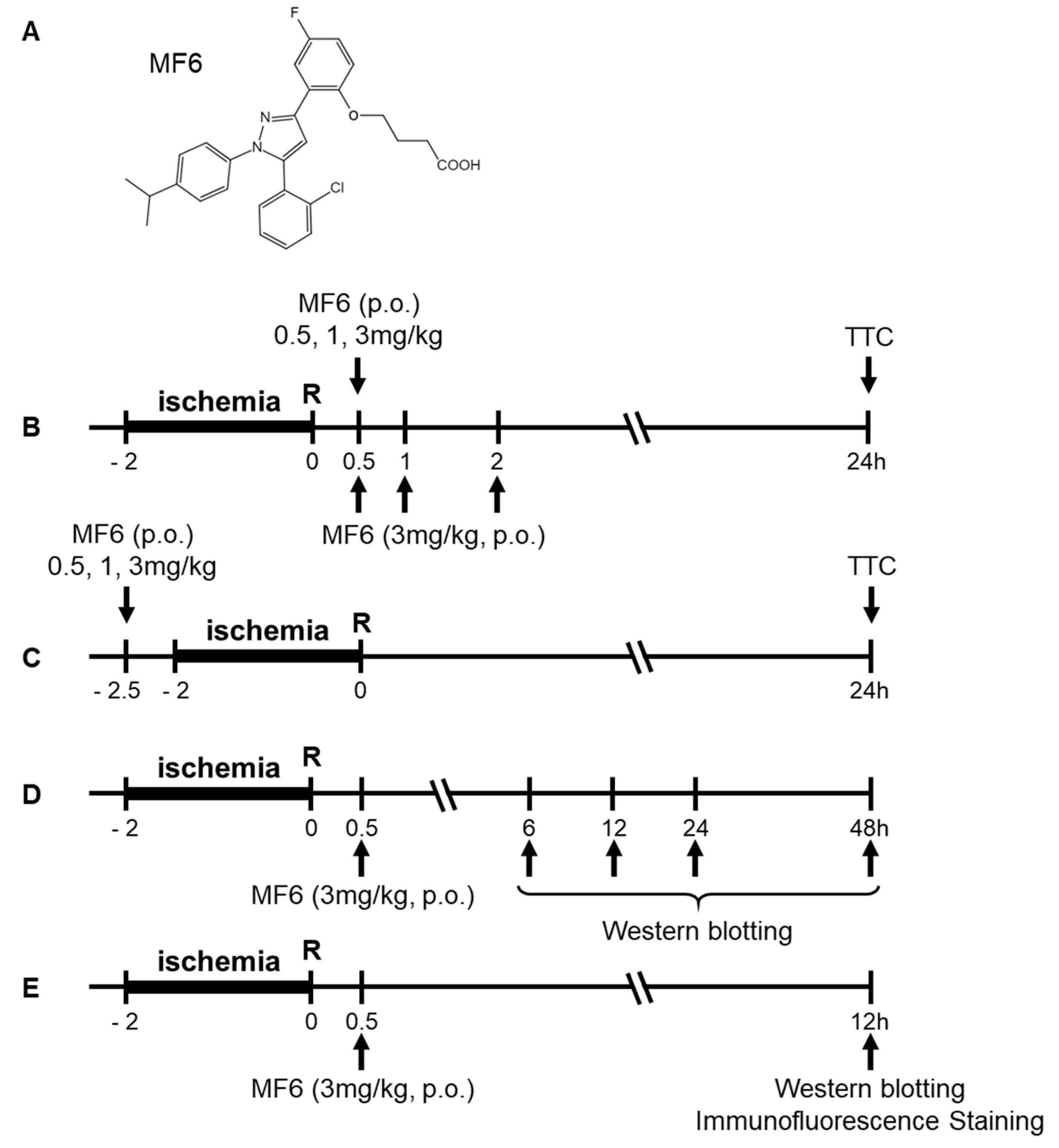
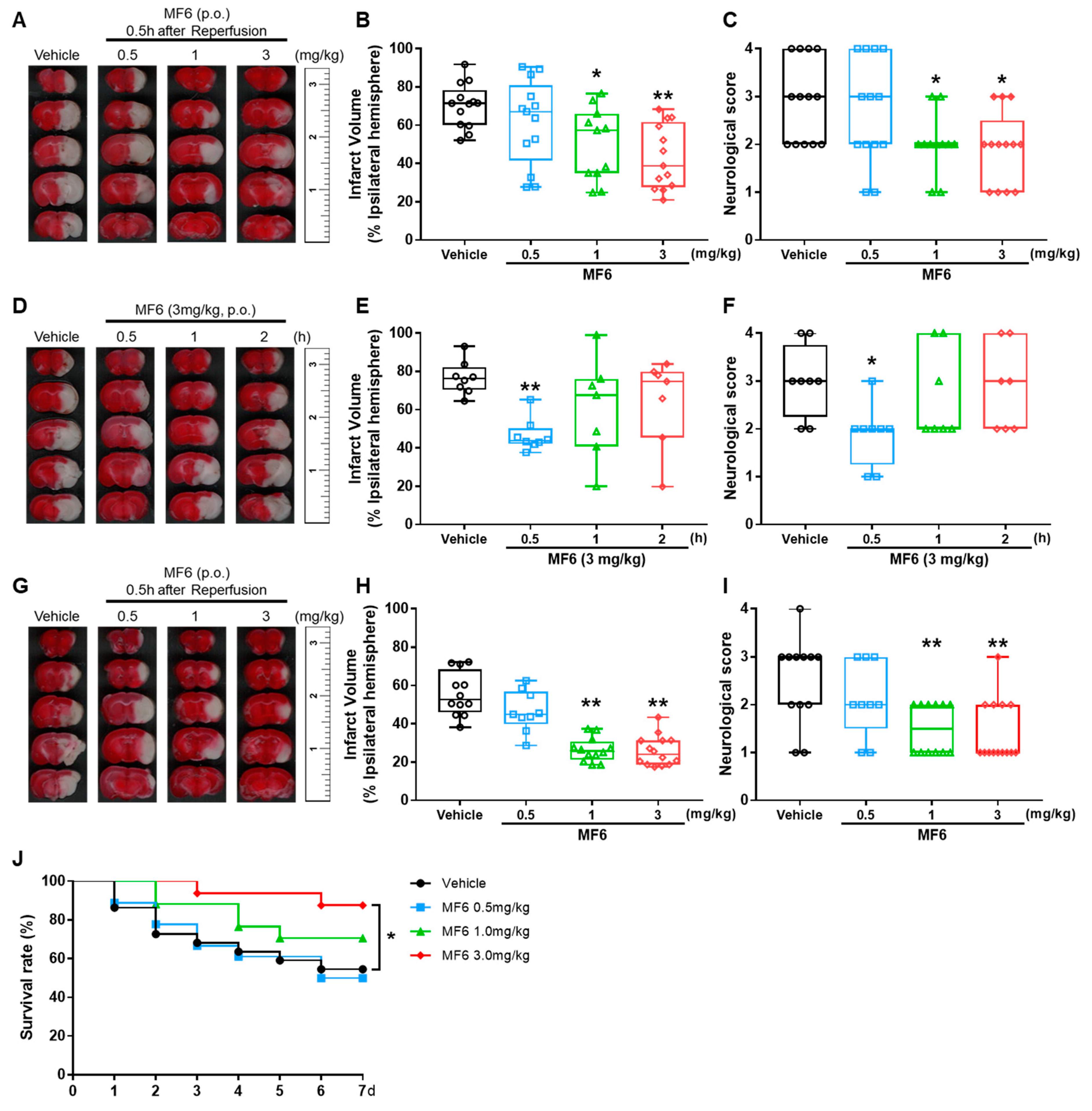
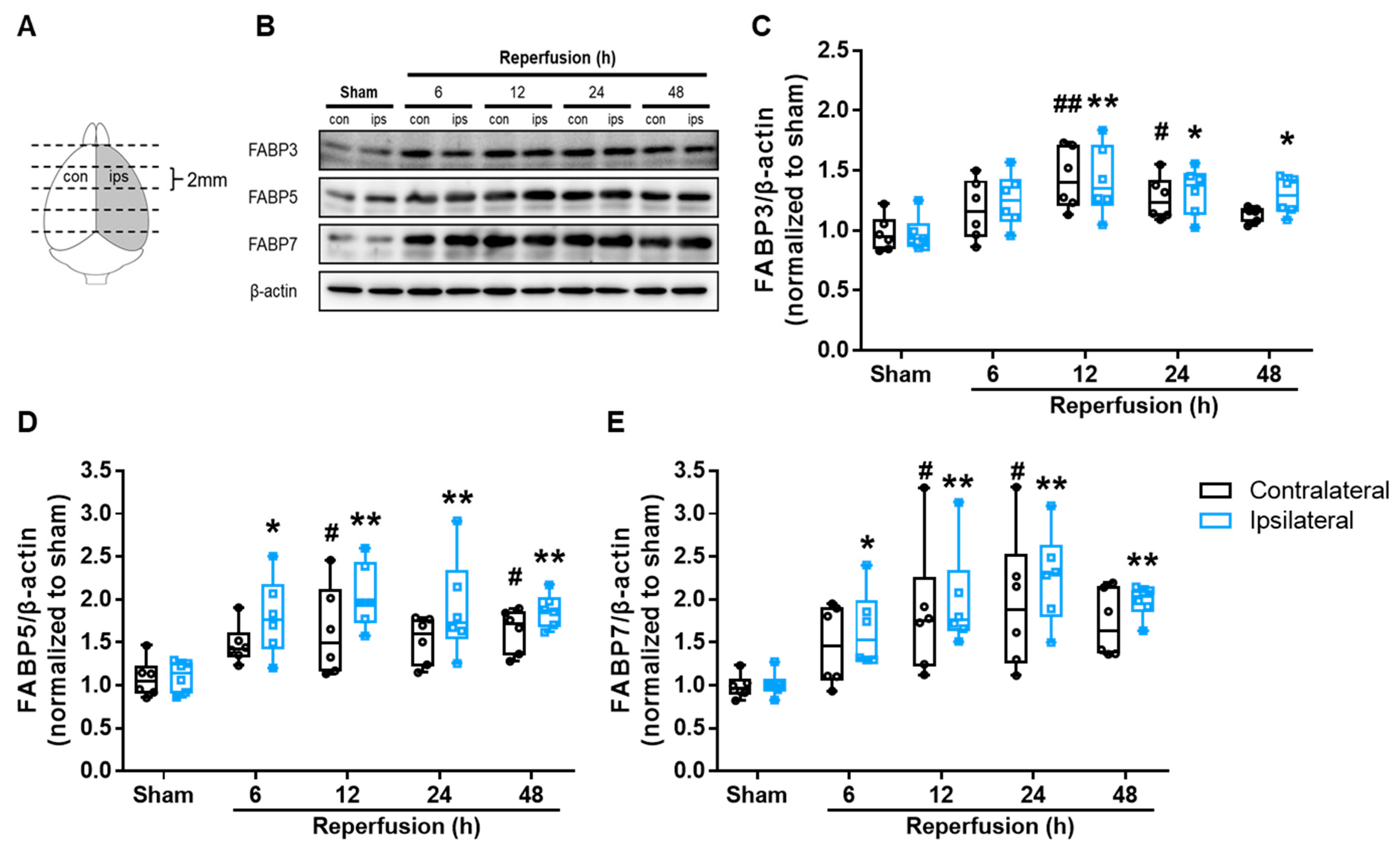
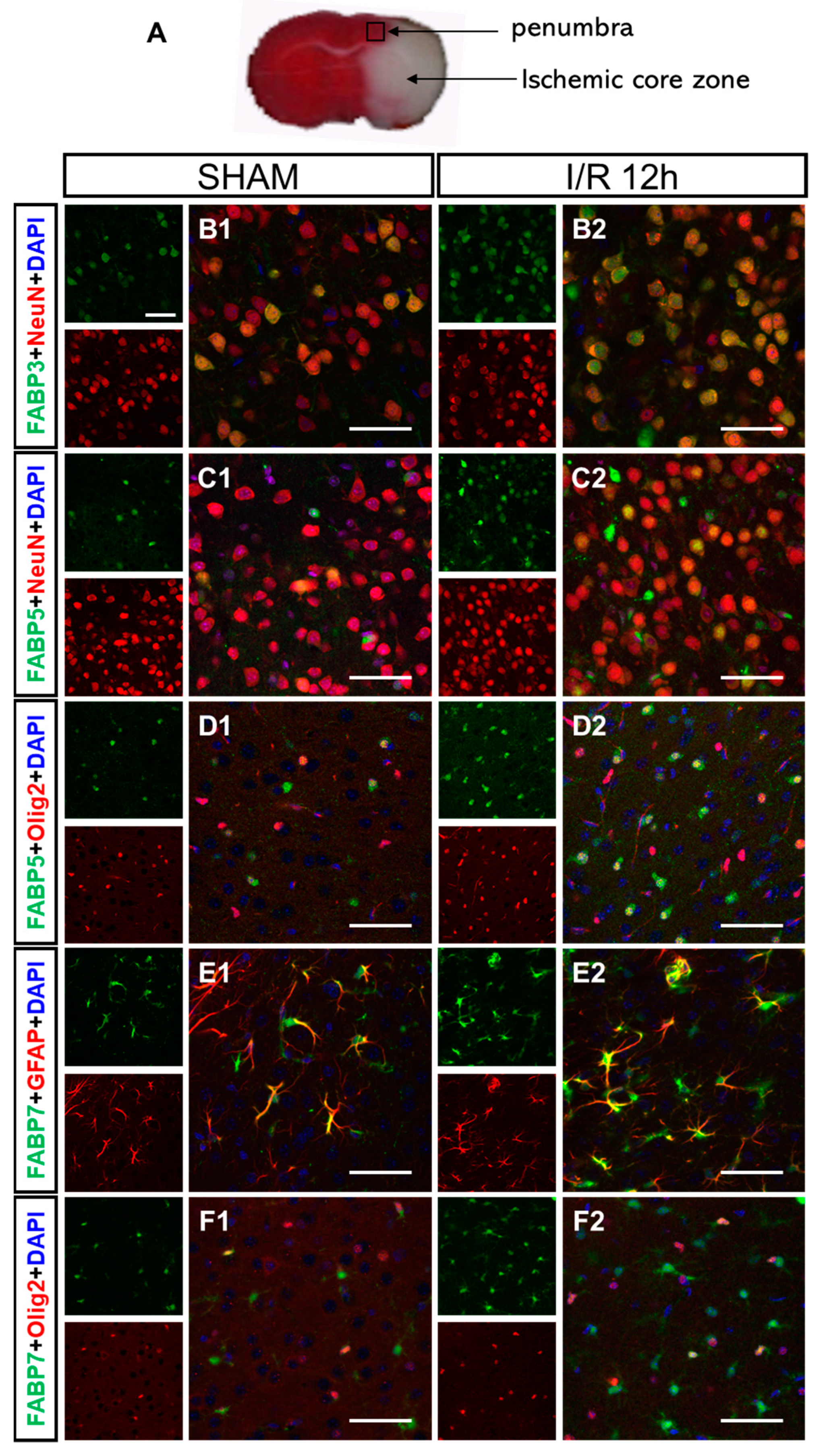
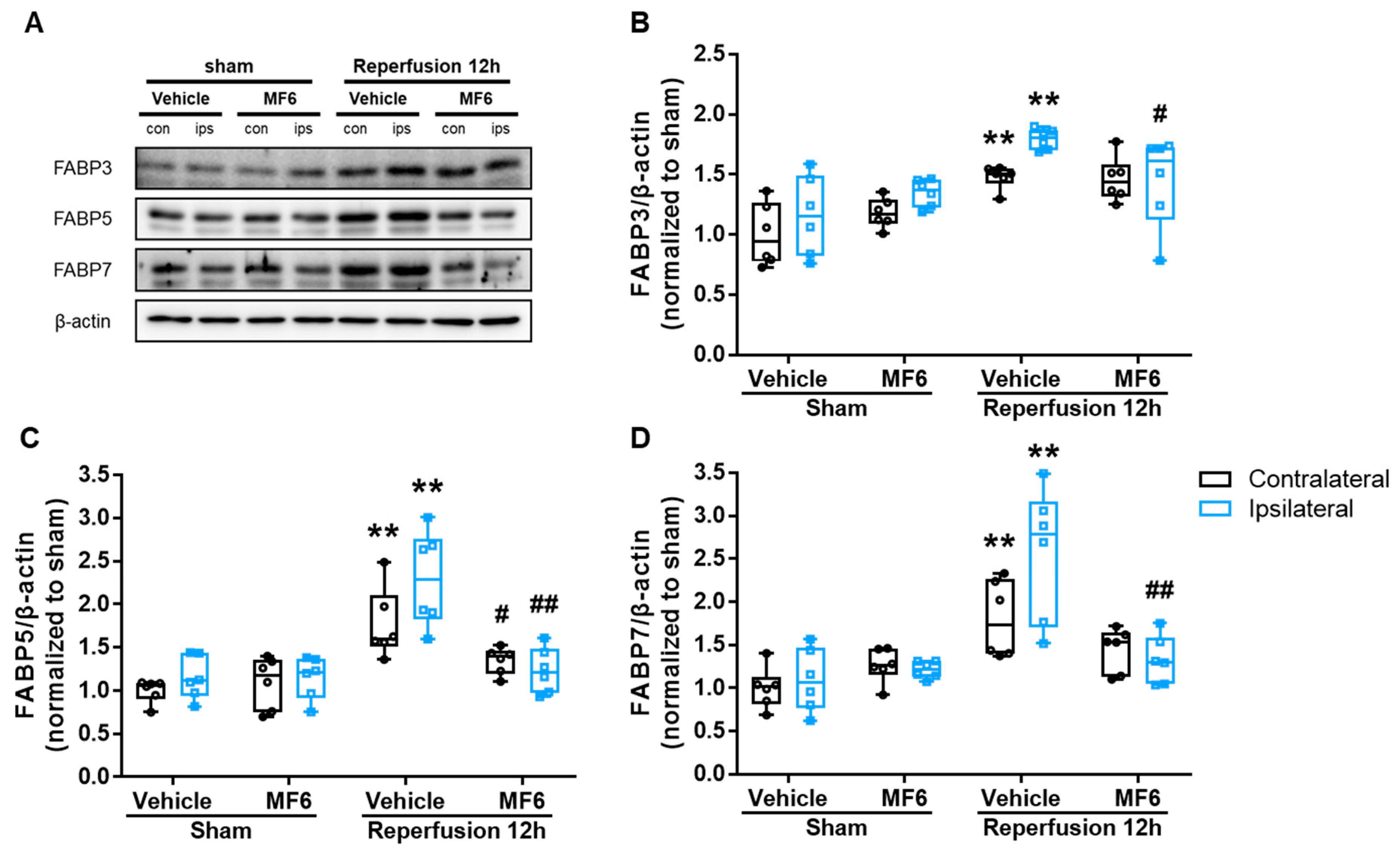
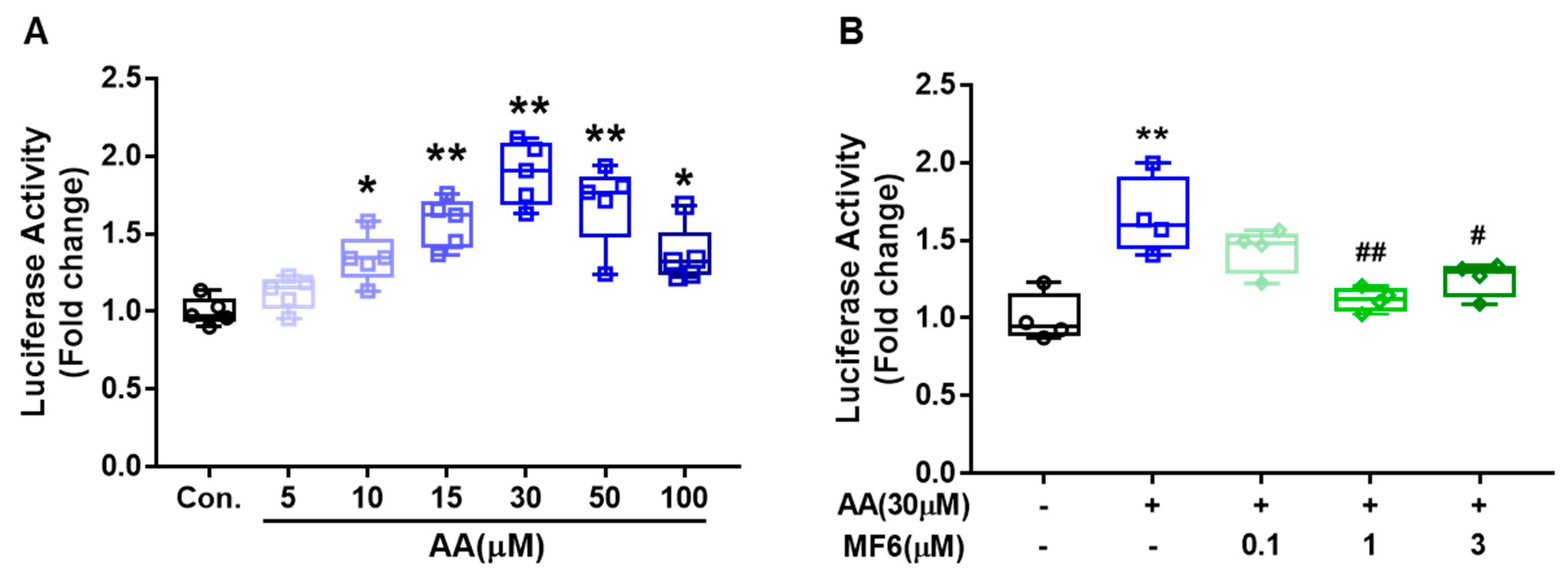
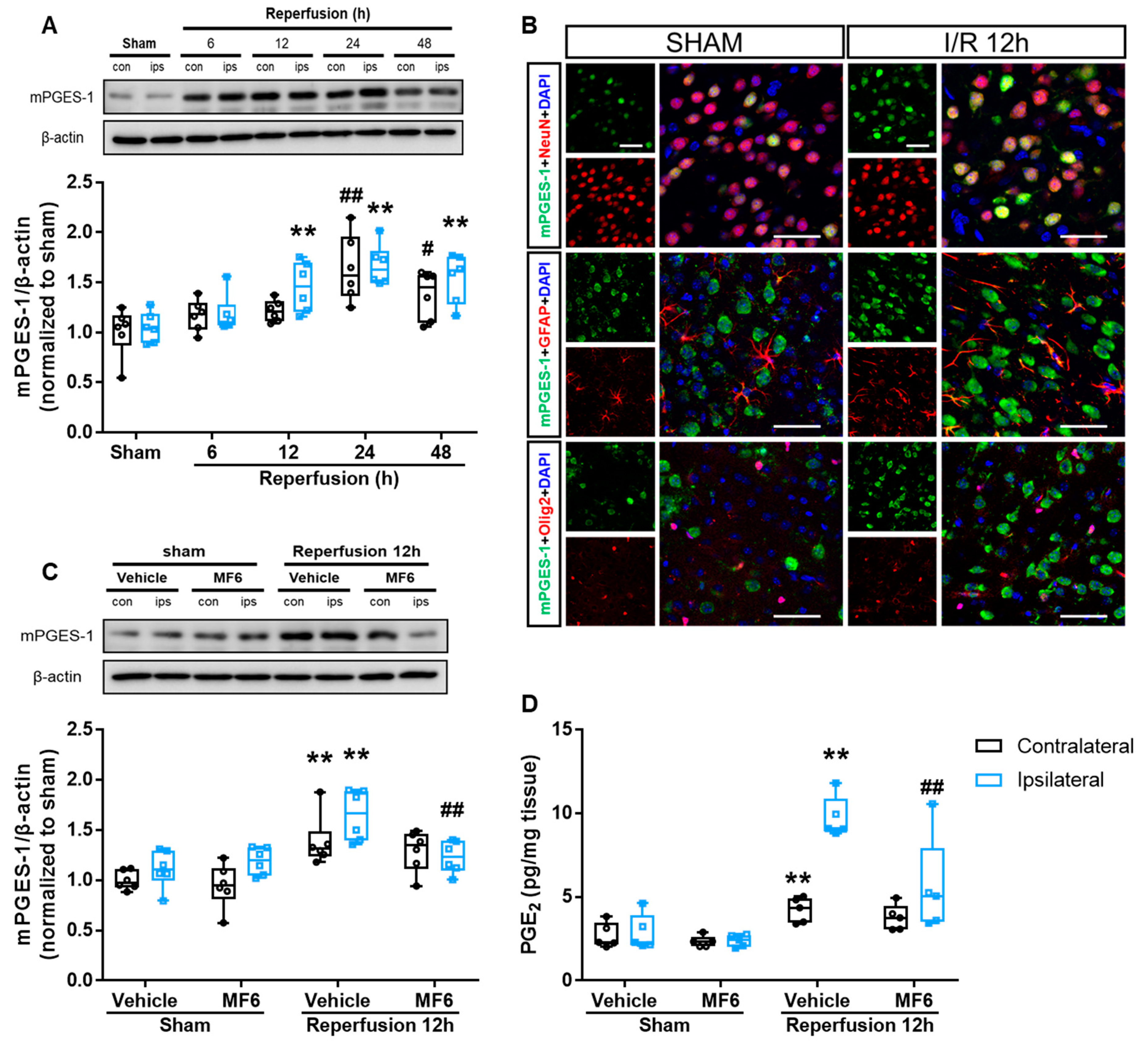
Fatty acid-binding proteins (FABPs) regulate the intracellular dynamics of fatty acids, mediate lipid metabolism and participate in signaling processes. However, the therapeutic efficacy of targeting FABPs as novel therapeutic targets for cerebral ischemia is not well established. Previously, we synthesized a novel FABP inhibitor, i.e., FABP ligand 6 [4-(2-(5-(2-chlorophenyl)-1-(4-isopropylphenyl)-1H-pyrazol-3-yl)-4-fluorophenoxy)butanoic acid] (referred to here as MF6). In this study, we analyzed the ability of MF6 to ameliorate transient middle cerebral artery occlusion (tMCAO) and reperfusion-induced injury in mice. A single MF6 administration (3.0 mg/kg, per os) at 0.5 h post-reperfusion effectively reduced brain infarct volumes and neurological deficits. The protein-expression levels of FABP3, FABP5 and FABP7 in the brain gradually increased after tMCAO. Importantly, MF6 significantly suppressed infarct volumes and the elevation of FABP-expression levels at 12 h post-reperfusion. MF6 also inhibited the promotor activity of FABP5 in human neuroblastoma cells (SH-SY5Y). These data suggest that FABPs elevated infarct volumes after ischemic stroke and that inhibiting FABPs ameliorated the ischemic injury. Moreover, MF6 suppressed the inflammation-associated prostaglandin E2 levels through microsomal prostaglandin E synthase-1 expression in the ischemic hemispheres. Taken together, the results imply that the FABP inhibitor MF6 can potentially serve as a neuroprotective therapeutic for ischemic stroke.
Keywords: ischemia; FABP3; FABP5; FABP7; mPGES-1; PGE2 ischemia; FABP3; FABP5; FABP7; mPGES-1; PGE2