Article

Macrophage Mistargeting During Direct Cardiac Reprogramming: Cardiac-Associated Responses, Polarization, and Cell Death

1
Jiangsu Key Laboratory of Neurodegeneration, Nanjing Medical University, Nanjing 211166, China
2
Department of Critical Care Medicine, The First Affiliated Hospital of Nanjing Medical University, Nanjing 210009, China
3
School of Basic Medical Sciences, Nanjing Medical University, Nanjing 211166, China
4
Department of General Surgery, The Affiliated Jiangning Hospital of Nanjing Medical University, Nanjing 211000, China
5
Department of Critical Care Medicine, Chongqing Hospital of Jiangsu Province Hospital, Chongqing 401420, China
6
Department of Emergency Medicine, Chongqing Hospital of Jiangsu Province Hospital, Chongqing 401420, China
7
Center of Critical Care Medicine, The First Affiliated Hospital of Nanjing Medical University, Nanjing 210009, China
8
Department of Emergency Medicine, The First Affiliated Hospital of Nanjing Medical University, Nanjing 210009, China
*
Authors to whom correspondence should be addressed.
These authors contributed equally to this work.
Biomedicines 2026, 14(9), 2089; https://doi.org/10.3390/biomedicines14092089

Submission received: 31 July 2026 / Revised: 5 September 2026 / Accepted: 10 September 2026 / Published: 16 September 2026
(This article belongs to the Special Issue Saving Lives from Myocardial Infarction: Prevention vs. Therapy)

Abstract

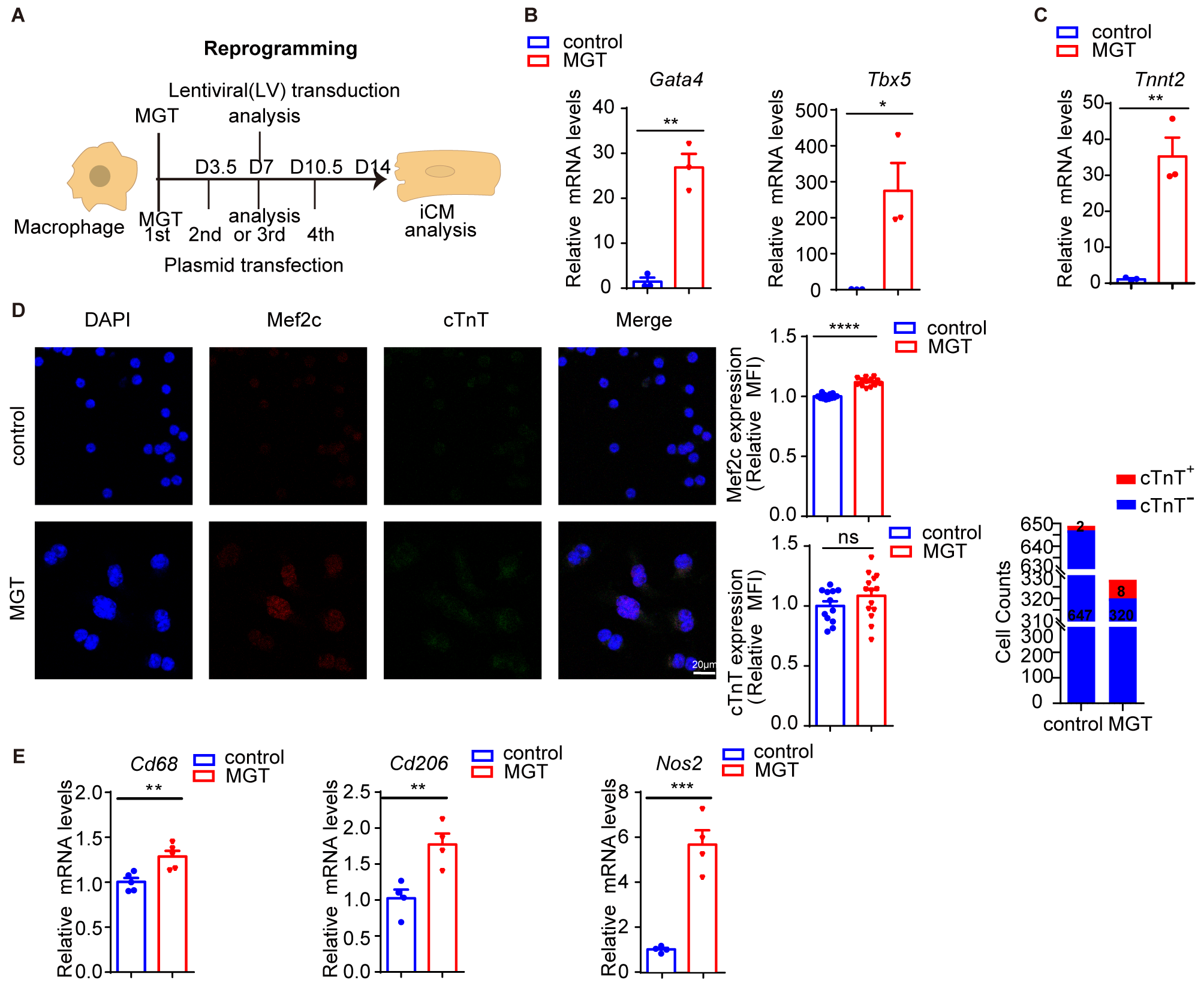
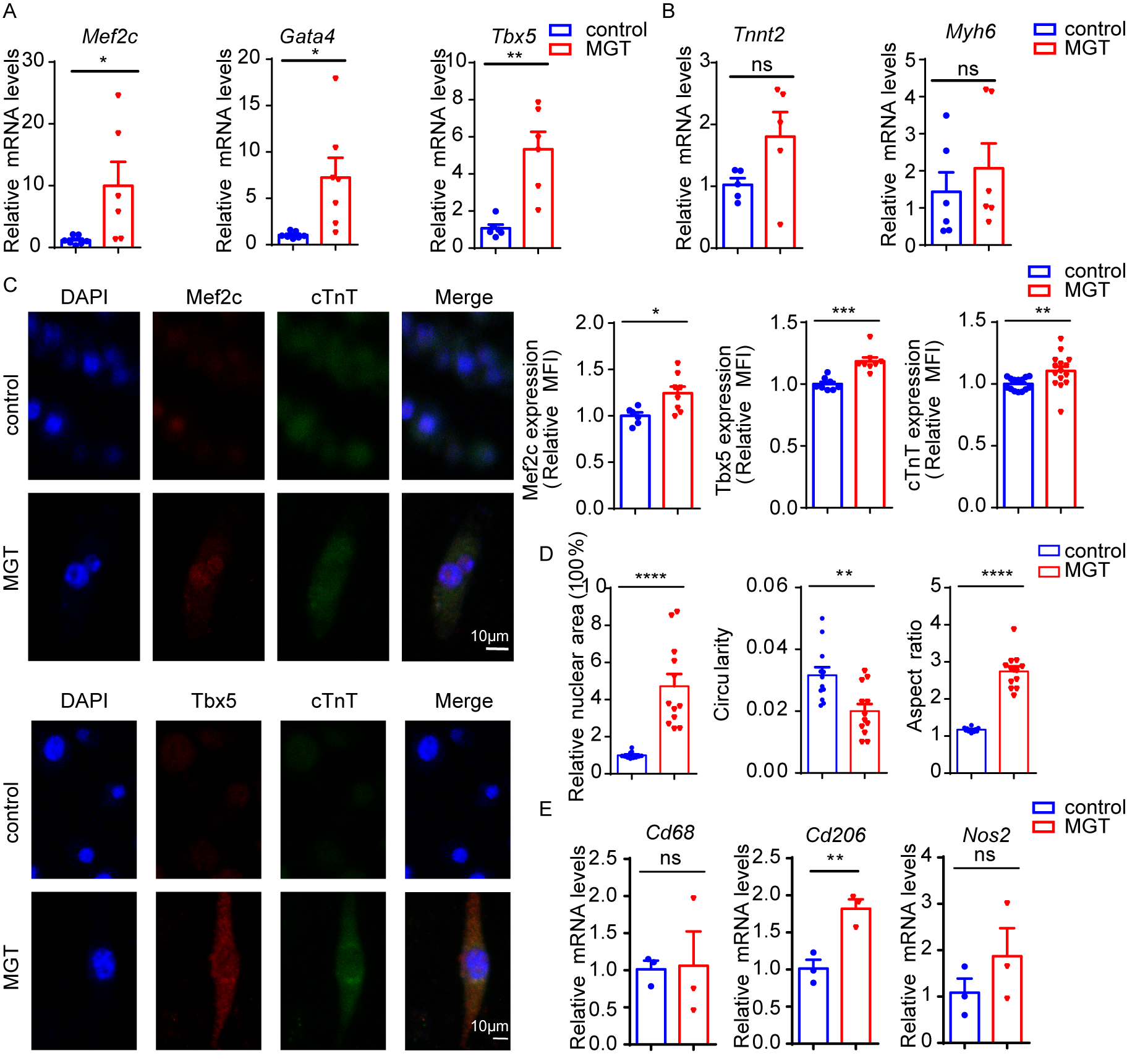
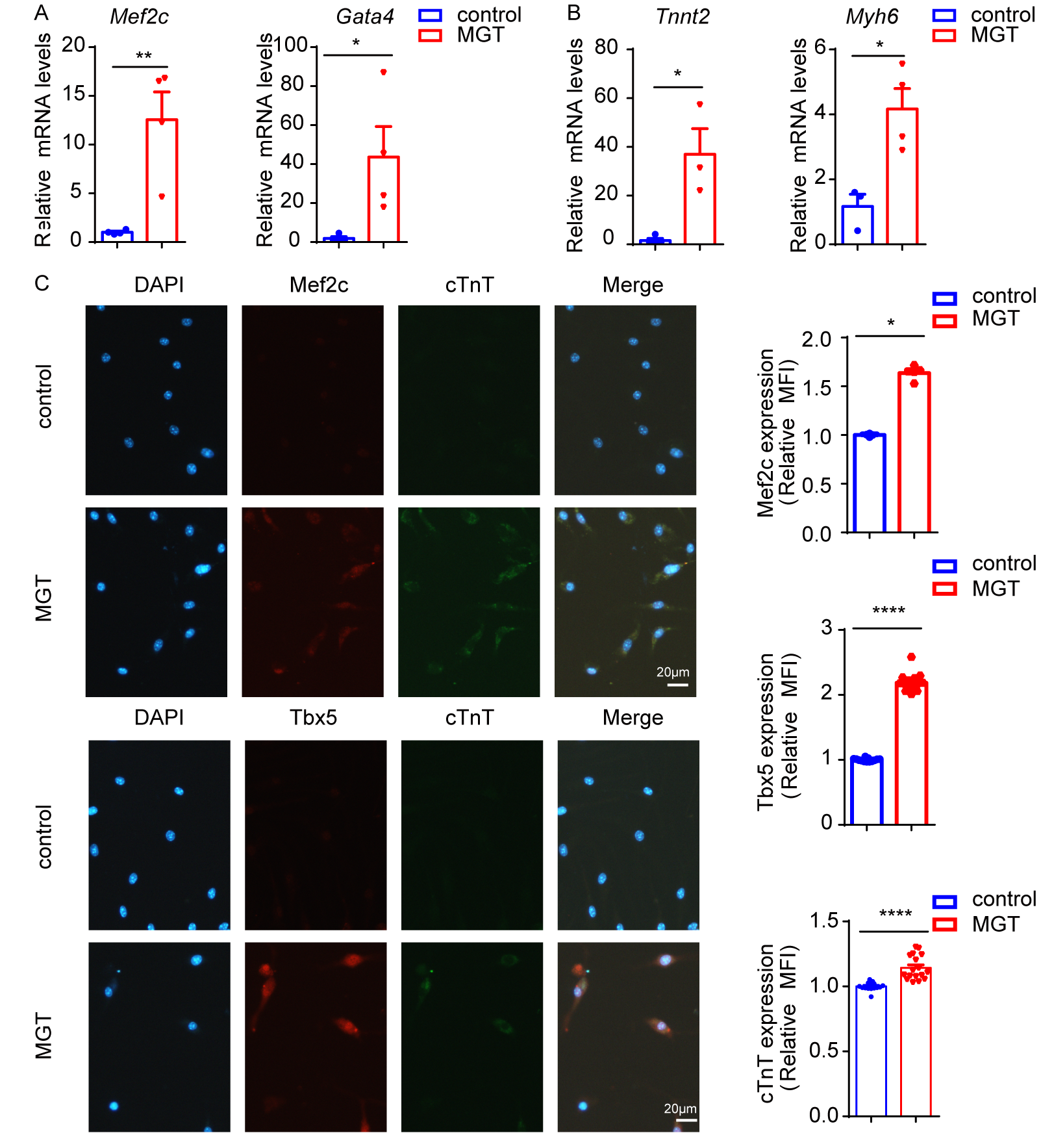
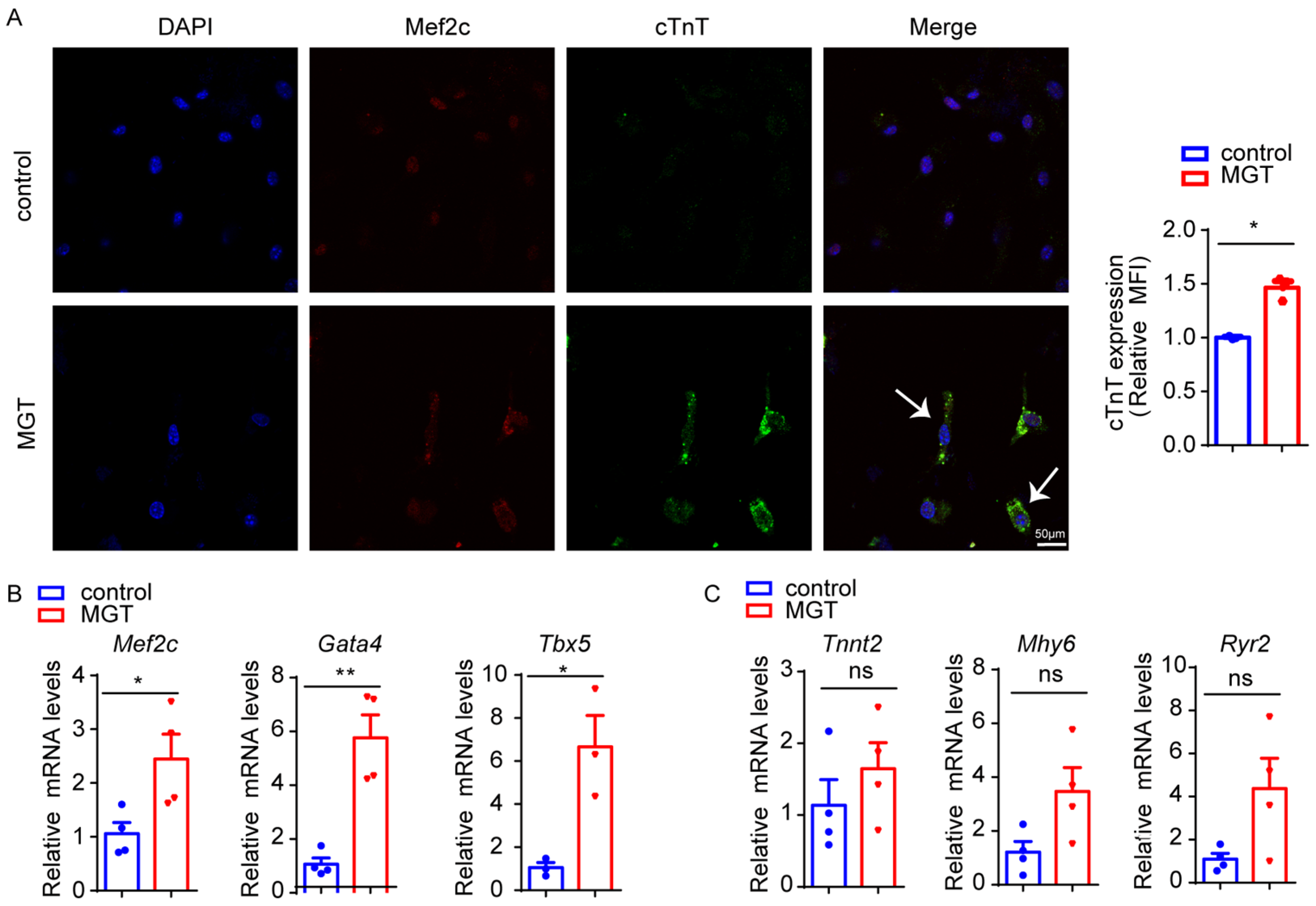
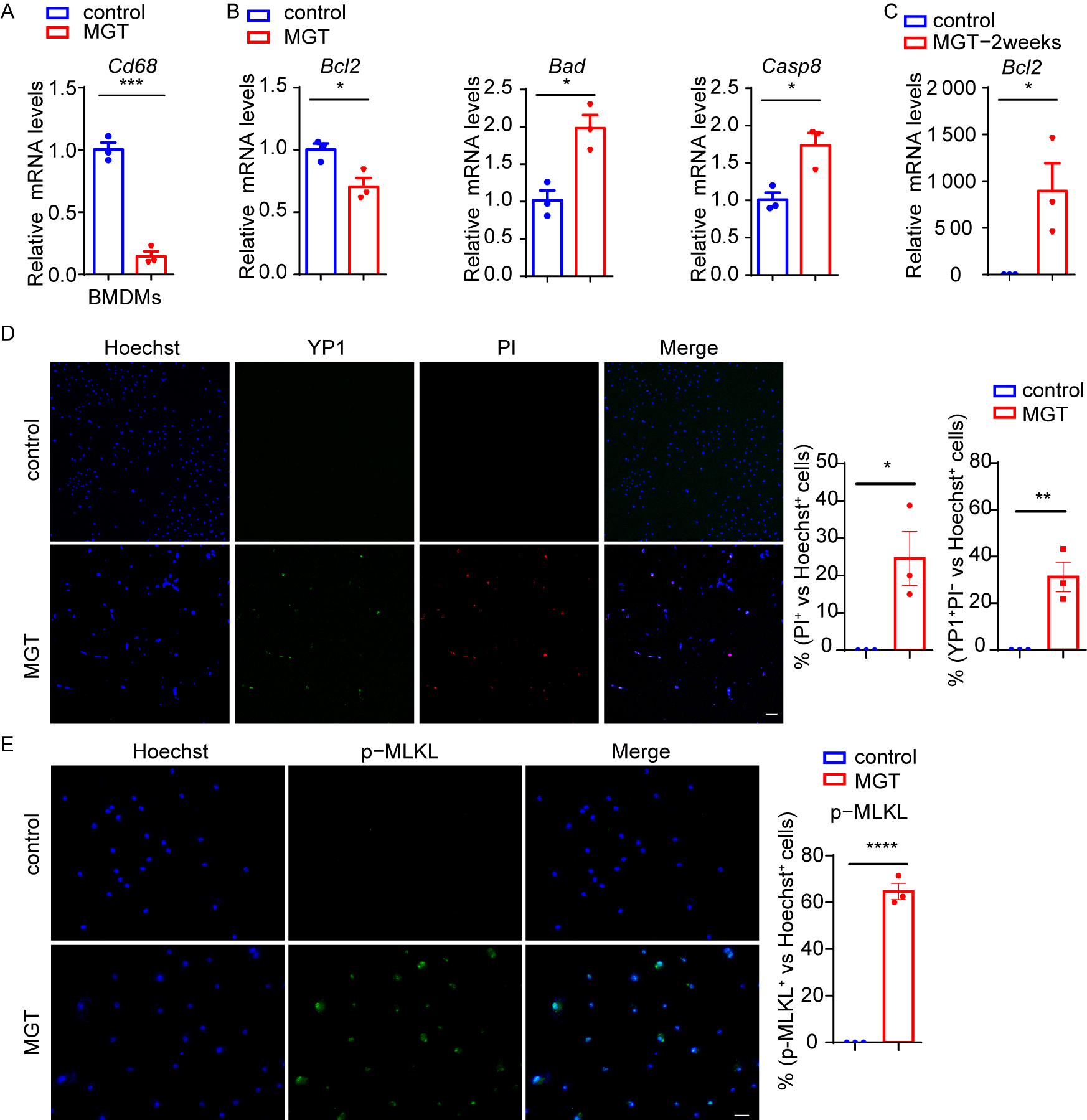
Background/Objectives: In situ reprogramming of cardiac fibroblasts into induced cardiomyocytes (iCMs) holds great promise for myocardial infarction (MI) therapy by replenishing lost cardiomyocytes. A transcription factor cocktail consisting of Mef2c, Gata4, and Tbx5 (MGT) represents a widely used starting regimen for cardiac reprogramming, with numerous optimization efforts focused primarily on improving reprogramming efficiency. However, the effects of MGT exposure on non-target cardiac cell populations remain largely uncharacterized, and it remains unclear whether such unintended effects could pose safety concerns. Methods: In this study, we introduced the widely used MGT cocktail into primary mouse bone marrow-derived macrophages (BMDMs) and the immortalized mouse macrophage cell line RAW 264.7. We first assessed cardiomyocyte-associated gene and protein expression. We then examined the polarization state of transduced RAW 264.7 cells. In BMDMs, we further assessed apoptosis- and necroptosis-associated markers to determine whether MGT delivery was accompanied by cell death. Results: (a) MGT introduction induced a transient increase in cardiomyocyte-associated Tnnt2/Myh6 transcripts and modest cTnT protein induction in macrophages, with cTnT immunofluorescence remaining elevated after two weeks in BMDMs and a small subset of cells displaying fibroblast-like morphology reminiscent of iCMs. (b) Transduced RAW 264.7 cells displayed elevated Cd206 transcript levels, accompanied by an increased proportion of spindle-like cells and enlarged nuclear area, collectively supporting an M2-like polarization shift. (c) Transduced primary BMDMs, but not RAW 264.7 cells, displayed elevated apoptosis- and necroptosis-associated responses, including increased YP1 fluorescence, PI staining, and p-MLKL immunofluorescence. Conclusions: The classical MGT reprogramming regimen polarized RAW 264.7 cells toward an M2-like state, raising the possibility that, in the TGF-β-rich post-MI environment, this shift could increase the pool of macrophages susceptible to macrophage-to-myofibroblast transition and thereby potentially promote fibrosis. MGT-expressing LV elicited apoptosis-associated and necroptosis-associated changes in transduced BMDMs. These polarization and cell-survival effects highlight potential off-target and safety concerns for in situ direct cardiac reprogramming. Further investigations are warranted to determine whether and how such macrophage perturbations affect tissue remodeling and therapeutic outcomes in the post-MI setting.
Keywords: direct cardiac reprogramming; MGT transcription factors; BMDMs; macrophage polarization; apoptosis; necroptosis direct cardiac reprogramming; MGT transcription factors; BMDMs; macrophage polarization; apoptosis; necroptosis