1. Introduction
Subarachnoid hemorrhage (SAH) is a severe subtype of stroke that accounts for approximately 5% of all strokes [
1]. Around 85% of non-traumatic SAH cases are due to rupture of an intracranial aneurysm causing aneurysmal SAH (aSAH), while other causes may be cerebrovascular malformations, moyamoya disease, cerebral venous thrombosis, pituitary strokes, and primary cerebral hemorrhage [
2]. aSAH is a complex cerebrovascular disease characterized by severe systemic complications, with a global mortality rate of approximately 40% [
3]. aSAH results in not only rapid, but also varied brain damage, including early brain injury (EBI), secondary brain injury, delayed cerebral ischemia (DCI), and long-term neurological dysfunction. Specifically, EBI is closely associated with the risk of delayed cerebral ischemia (DCI) and long-term morbidity [
4]. The brain damage caused by aSAH is severe and irreversible, which contributes to the high rate of disability and mortality in patients with aSAH. Therefore, the prevention and treatment of aSAH remains a major challenge for neurosurgeons. Meanwhile, advances in microsurgical and endovascular techniques, including flow-diversion strategies such as the pipeline embolization device, have expanded treatment options for complex intracranial aneurysms; however, aneurysm rupture and post-aSAH complications remain major clinical challenges [
5].
Saccular intracranial aneurysms usually develop over a long period, particularly at arterial bifurcations, under the combined influence of hemodynamic stress, hypertension, genetic susceptibility, vascular wall degeneration, extracellular matrix remodeling, and chronic inflammation. During aneurysm progression, loss of cellular components, degradation of the extracellular matrix, and progressive thinning of the aneurysm wall may gradually increase rupture susceptibility. Inflammatory and immune processes within the aneurysm wall can promote or accompany different phases of aneurysm development and rupture. After rupture, the pathological process further involves acute hemorrhage-induced systemic inflammation, neurovascular injury, and post-SAH neuroinflammation. The immune-inflammatory response to intracranial aneurysm rupture may involve many different inflammatory cells/factors, such as tumor necrosis factor (TNF), which can regulate the phenotype of smooth muscle cells and cause an increase in the expression of matrix metalloproteinase (MMP), which in turn damages the extracellular matrix and the vascular wall. The combination of inflammatory cells or factors leads to a sustained remodeling of the aneurysm wall that is unable to resist hemodynamic stresses and rupture [
6]. The immune-inflammatory response is also an important mechanism of brain injury after aSAH and plays a pivotal role in the development of EBI and DCI [
7]. Previous studies have demonstrated that neuroinflammation may interact with microvascular dysfunction to initiate brain injury and DCI after aSAH [
8]. The immune-inflammatory response plays an important regulatory role in all aspects of aSAH development, so further studies on the correlation between inflammation and aSAH are expected to reveal new targets and ideas for the prevention of aneurysm rupture as well as the treatment of patients with aSAH.
RNA modification is an important post-transcriptional processing program that plays an influential regulatory role in a variety of physiological processes and disease progression. Currently, more than 170 RNA modifications have been identified in eukaryotes [
9]. Among them, N6-methyladenosine (m6A) is one of the most abundant internal modifications in eukaryotic mRNA [
10]. N6-methyladenosine modification of RNAs is involved in almost all processes involved in mRNA metabolism, including RNA transcription, translation, and degradation [
11]. m6A modification is a dynamic and reversible process, which is catalyzed by m6A methyltransferases, removed by m6A demethylases, and recognized by m6A binding proteins [
12]. It has been reported that m6A modification regulates the expression of immunoinflammatory-related genes and thus mediates inflammation in a variety of diseases, including metabolic diseases, autoimmune diseases, tumors, etc. [
13]. m6A modification has also been reported to play a crucial role in key biological processes and pathogenesis of various neurological disorders, including Alzheimer’s disease [
14], Parkinson’s disease [
15], and gliomas [
16]. In addition, m6A methylation modification levels have been reported to be dysregulated in intracranial aneurysms and associated with intracranial aneurysm development and rupture [
17]. While epigenetic modifications are closely associated with immune-inflammatory responses, whether m6A specifically participates in the injury and inflammatory response of brain tissue after SAH has not yet been fully investigated. In addition to m6A modification, there are other types of RNA methylation, including N1-methyladenosine (m1A), 5-methylcytosine (m5C), and N7-methylguanosine (m7G). All of these RNA methylations have been reported to be involved in the regulation of inflammatory responses in different diseases, such as abdominal aortic aneurysm [
18], idiopathic pulmonary fibrosis [
19], and sepsis [
20]. Therefore, investigating the relationship between RNA methylation regulator-related transcriptional programs and immune-inflammatory responses in aSAH may provide useful molecular clues.
Bioinformatics allows for the processing of genetic information and the mining of multi-omics data to discover key regulatory genes. This discipline is often used in clinical practice to analyze transcriptome-level changes and search for therapeutic targets [
21]. In this study, we aimed to explore RNA methylation regulator-related immune-inflammatory alterations after aneurysmal rupture and aSAH using an integrated approach combining bioinformatics, machine learning, and experimental validation. We utilized 159 algorithm combinations to screen and build an RNA methylation regulator-related immune-derived gene signature (RMRIGS) based on the training dataset GSE122897. Because predictive associations alone cannot establish causality, we complemented our findings with two-sample Mendelian randomization (MR) to test whether genetically predicted OSM is linked to a reduced risk of aSAH. Importantly, immune infiltration analyses from bulk data converged on a prominent myeloid signal, with macrophage-related infiltration scores showing the largest shifts, which motivated the use of scRNA-seq to resolve cellular heterogeneity, pinpoint the dominant cellular source(s) of OSM, and infer OSM-associated intercellular communication networks. We then validated these computational findings through clinical m6A quantification and qRT-PCR in peripheral blood, together with in vivo and in vitro models to assess receptor axis-related protein changes and RNA methylation regulator-related alterations, ultimately aiming to provide candidate molecular clues for RNA methylation-associated immune-inflammatory alterations after aneurysmal rupture and aSAH.
2. Materials and Methods
2.1. Data Collection
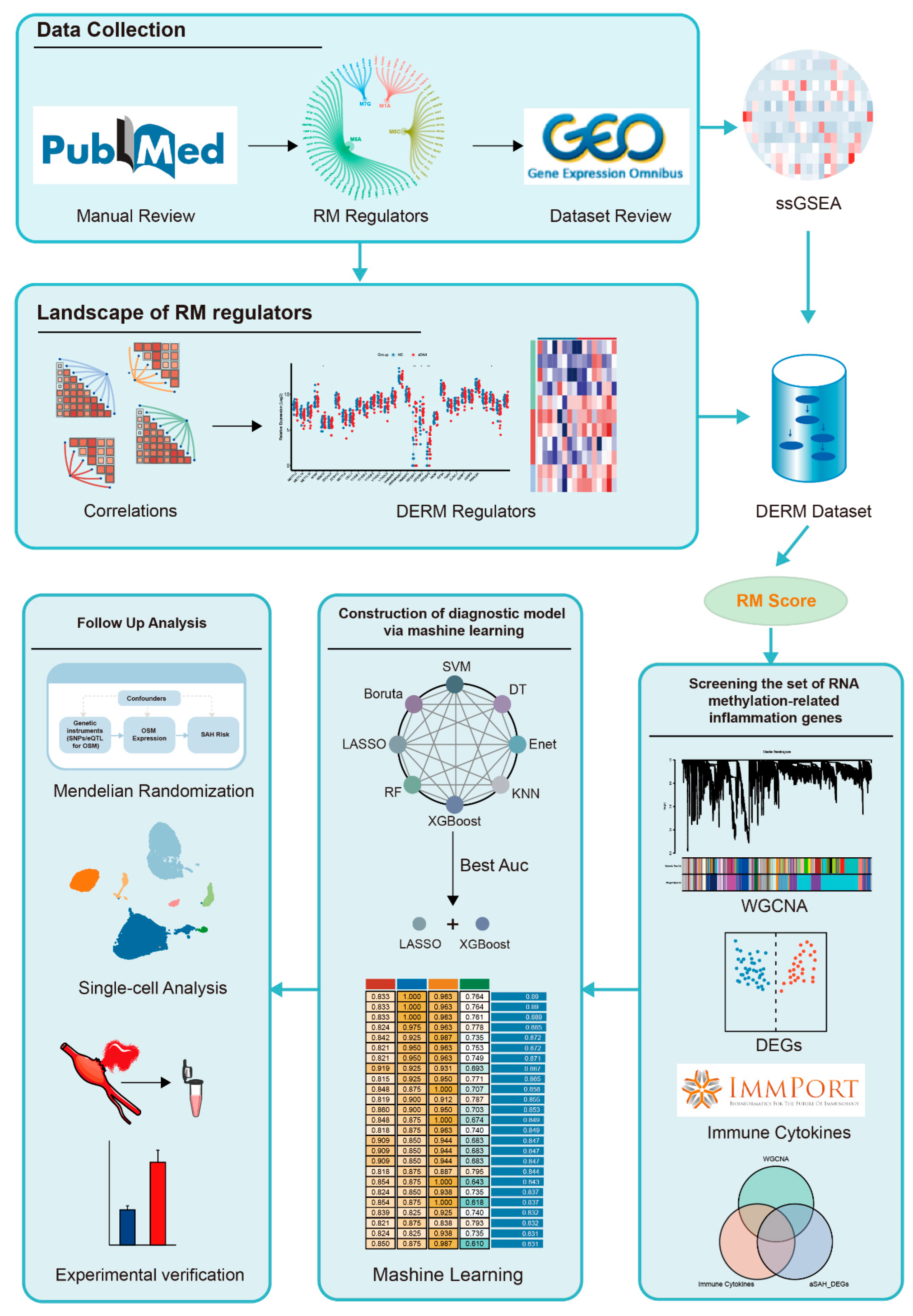
The overall workflow of this study is depicted in
Figure 1. Transcriptomic datasets related to intracranial aneurysm and aSAH were accessed from Gene Expression Omnibus (GEO,
http://www.ncbi.nlm.nih.gov/geo, accessed at: 25 November 2025) database, including GSE122897, GSE54083, GSE15629 and GSE36791. Among them, GSE122897 was an RNA-seq dataset based on the GPL16791 (Illumina HiSeq 2500, Illumina, San Diego, CA, USA) platform. GSE54083 and GSE36791 were microarray datasets based on the GPL4133 (Agilent-014850 Whole Human Genome Microarray 4 × 44K G4112F [Feature Number version], Agilent Technologies, Santa Clara, CA, USA) platform and the GPL10558 (Illumina HumanHT-12 V4.0 expression, Illumina, San Diego, CA, USA) platform. GSE15629 was a microarray dataset based on GPL6224 (Affymetrix Human Gene 1.0 ST Array [transcript (gene) version], Affymetrix Inc., Santa Clara, CA, USA) platform. The RMRIGS model was constructed using the GSE122897 dataset and externally validated using the GSE54083, GSE15629, and GSE36791 datasets. The datasets were preprocessed by quantile normalization and log2 transformation to make them more comparable between samples. For Mendelian randomization (MR) analysis, the eQTL data for OSM (Ensembl ID: ENSG00000099985) were obtained from the OpenGWAS Project (OpenGWAS ID: eqtl-a-ENSG00000099985), based on the HG19/GRCh37 reference genome and a European population. The GWAS summary statistics for subarachnoid hemorrhage were obtained from the FinnGen R12 database (GWAS ID: finngen_R12_I9_SAHANEUR). For scRNA-seq analysis, publicly available mouse brain datasets were collected from GEO and the National Genomics Data Center. The sham dataset was obtained from GEO (GSM5319987), and the SAH datasets were obtained from OMIX (OMIX006611), including sham, SAH day 1, and SAH day 7 samples. These datasets were used to characterize the myeloid cell landscape and to explore OSM-related intercellular communication after SAH. These datasets represented different biological contexts and were used for distinct analytical purposes. Public human bulk transcriptomic datasets were used for feature discovery, model construction, and external validation; mouse SAH single-cell RNA-seq datasets were used to explore cell type heterogeneity and potential OSM-associated intercellular communication after experimental SAH; and human peripheral blood samples were used for exploratory validation of systemic immune-inflammatory and RNA methylation regulator-related changes. Detailed sample characteristics, biological contexts, analytical roles, and major limitations of each dataset and validation sample are summarized in
Table S1.
2.2. Data Preprocessing and Differential Expression Analysis
The RNA read count data of GSE122897 were normalized by the Voom method and further analyzed using the Limma R package (version 3.48.3). The screening criteria for differentially expressed genes (DEGs) were log2FoldChange absolute value more than 1 and false discovery rate (FDR) less than 0.05. In addition, the GSE54083, GSE15629, and GSE36791 datasets were preprocessed using quantile normalization and log2 transformation when required.
2.3. Identification and Correlation Analysis of RNA Methylation Regulators
Overall, we selected four types of RNA methylation regulators according to recent publications [
10,
22,
23], including m6A regulators, m5C regulators, m1A regulators, and m7G regulators. The RNA methylation regulator gene sets are listed in
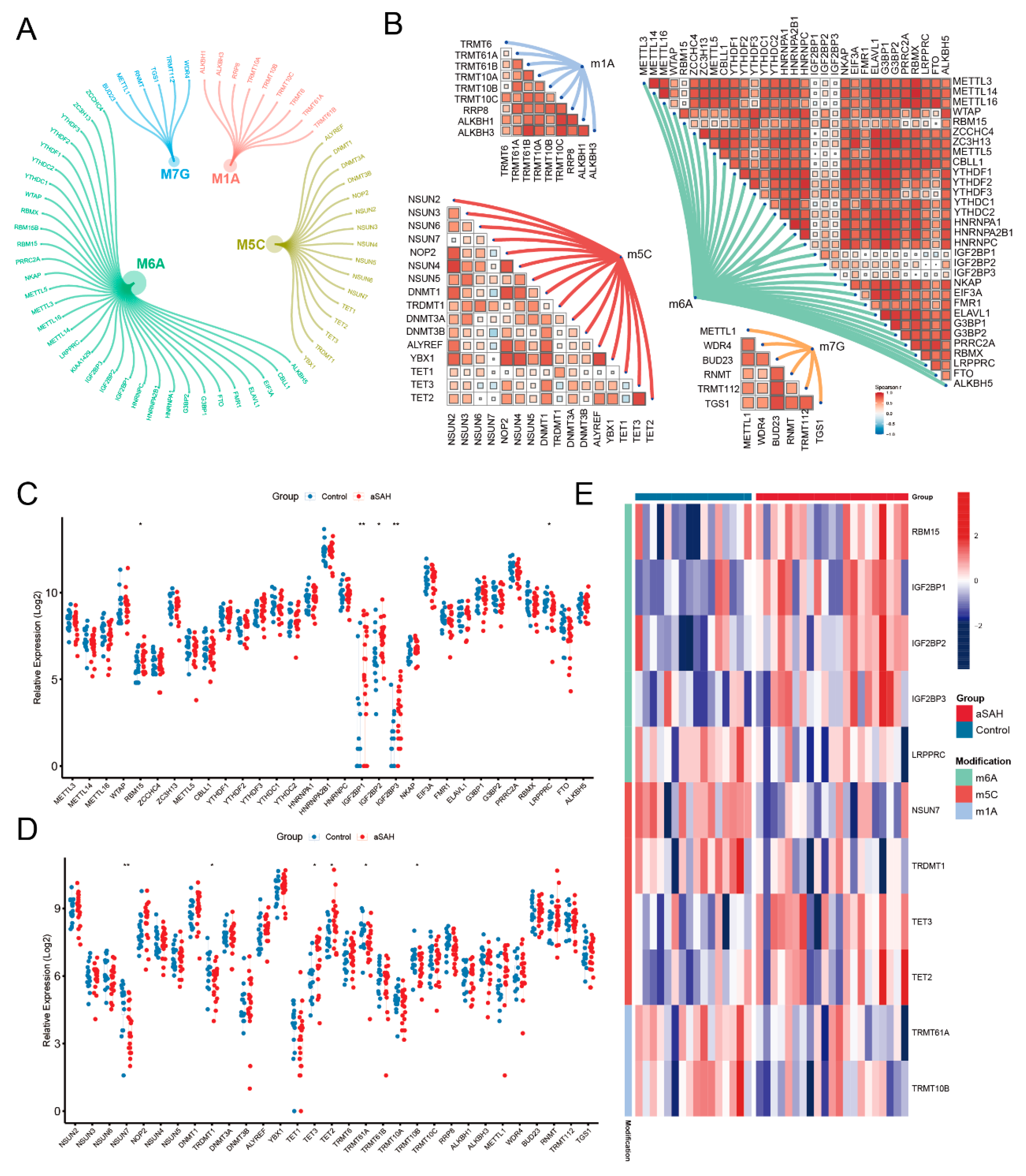
Supplementary Table S2. The expression profiles of the RNA methylation regulators were extracted from the GSE122897 dataset. Correlation analysis between the RNA methylation regulators was performed using Spearman’s correlation methods. The significantly differentially expressed RNA methylation regulators between aSAH and control samples were identified via Student’s
t-test or Wilcoxon rank-sum test. The expression patterns of the differentially expressed RNA methylation regulators were visualized with a heatmap.
2.4. Calculation of RNA Methylation Regulator-Related Scores and Immune Characteristics
To characterize RNA methylation regulator-related transcriptional patterns in each sample, ssGSEA scores were calculated based on predefined RNA methylation regulator gene sets [
24]. These scores were interpreted as regulator-expression-based transcriptional indices rather than direct measurements of RNA methylation abundance. In addition, we also evaluated the abundance of infiltrating immune cells for each sample using the ssGSEA algorithm. This approach was achieved by using the GSVA R package (version 1.40.1). Please refer to the
Supplementary Table S3 for details of the gene sets marking 24 immune cells.
2.5. Weighted Correlation Network Analysis (WGCNA) and Screening for Relevant Immune Genes
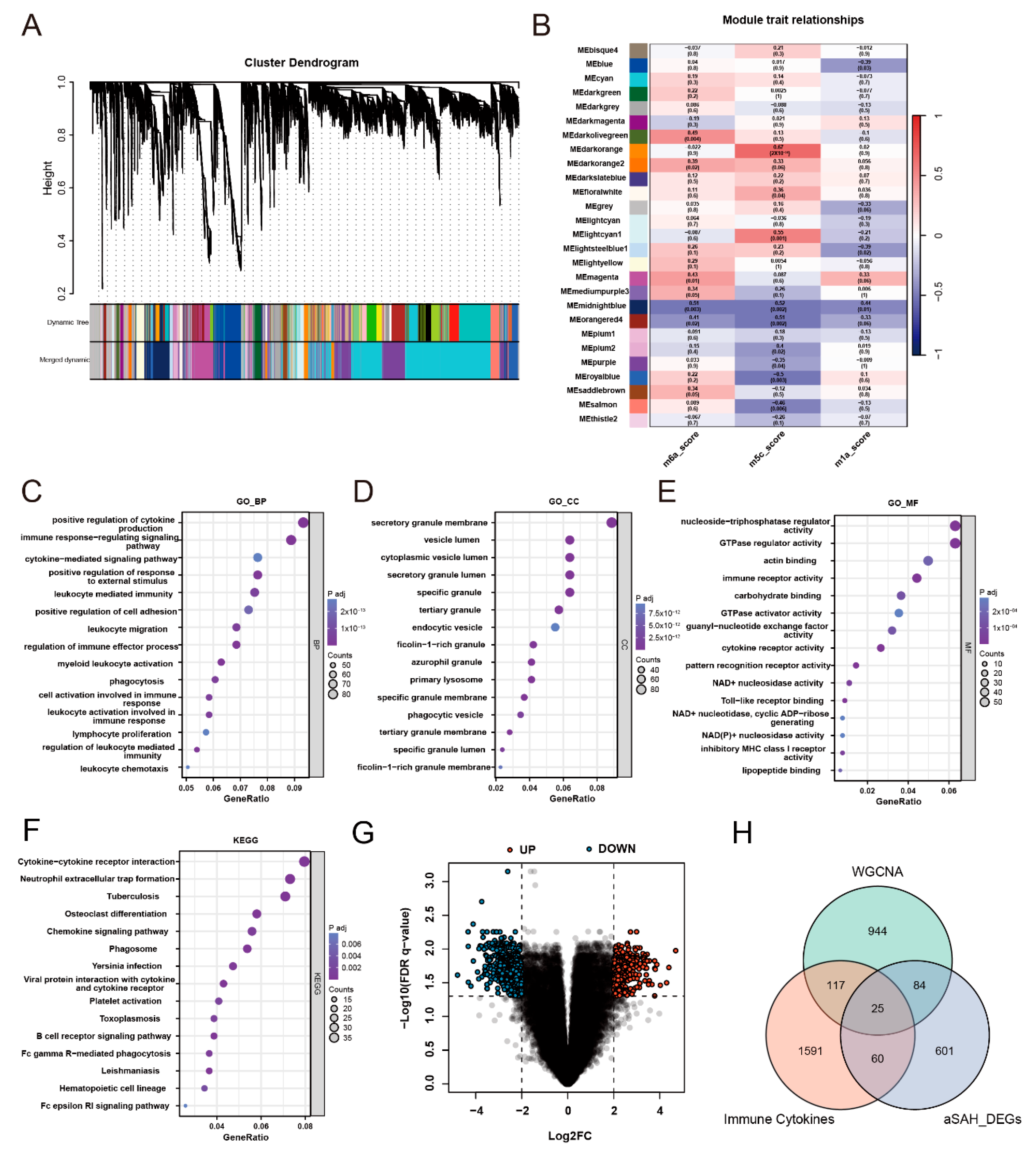
Co-expression mRNA networks of GSE122897 were generated using the WGCNA algorithm. The criterion of scale-free networks was satisfied by calculating a suitable soft threshold β. We converted the weighted adjacency matrix into a topological overlap matrix (TOM) and converted the corresponding dissimilarity (1-TOM). To identify co-expression modules associated with RNA methylation-related transcriptional patterns, module eigengenes were correlated with m6A-, m5C-, m1A-, and m7G-related ssGSEA scores. Both positively and negatively correlated modules were considered, and the final candidate module was selected based on the consistency, statistical significance, and absolute strength of its associations with multiple RNA methylation regulator-related scores. Immune genes (
Supplementary Table S4) were obtained from the ImmPort database (
https://www.immport.org/home, accessed at: 18 October 2022) and then intersected with the differentially expressed genes and genes from the RNA methylation regulator-related candidate module of the GSE122897 dataset to screen candidate immune-inflammatory genes associated with RNA methylation regulator-related transcriptional patterns. The differential genes in the normal and aSAH groups were calculated using the limma package in R.
2.6. Enrichment Analysis
To determine the status of the most highly correlated module in WGCNA, we performed enrichment analyses by Gene Ontology (GO) and Kyoto Encyclopedia of Genes and Genomes (KEGG) to obtain its biological function. The above procedure was performed using the clusterProfiler, enrichGO, and enrichKEGG packages in R, and the results of the enrichment analysis were visualized using the ggplot2 package (version 3.3.5).
2.7. Integrated Machine Learning-Based Approaches to Identify RMRIGS
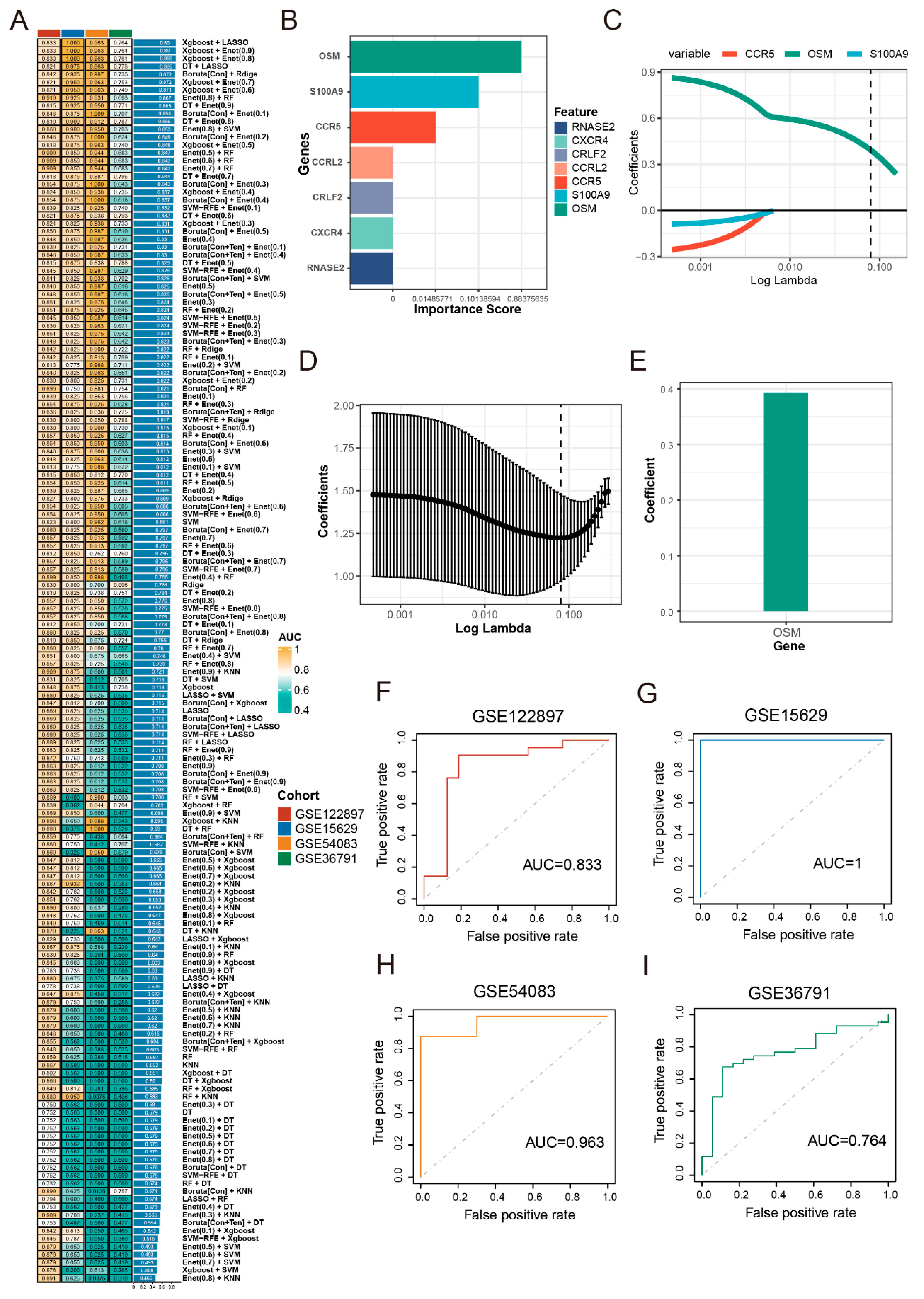
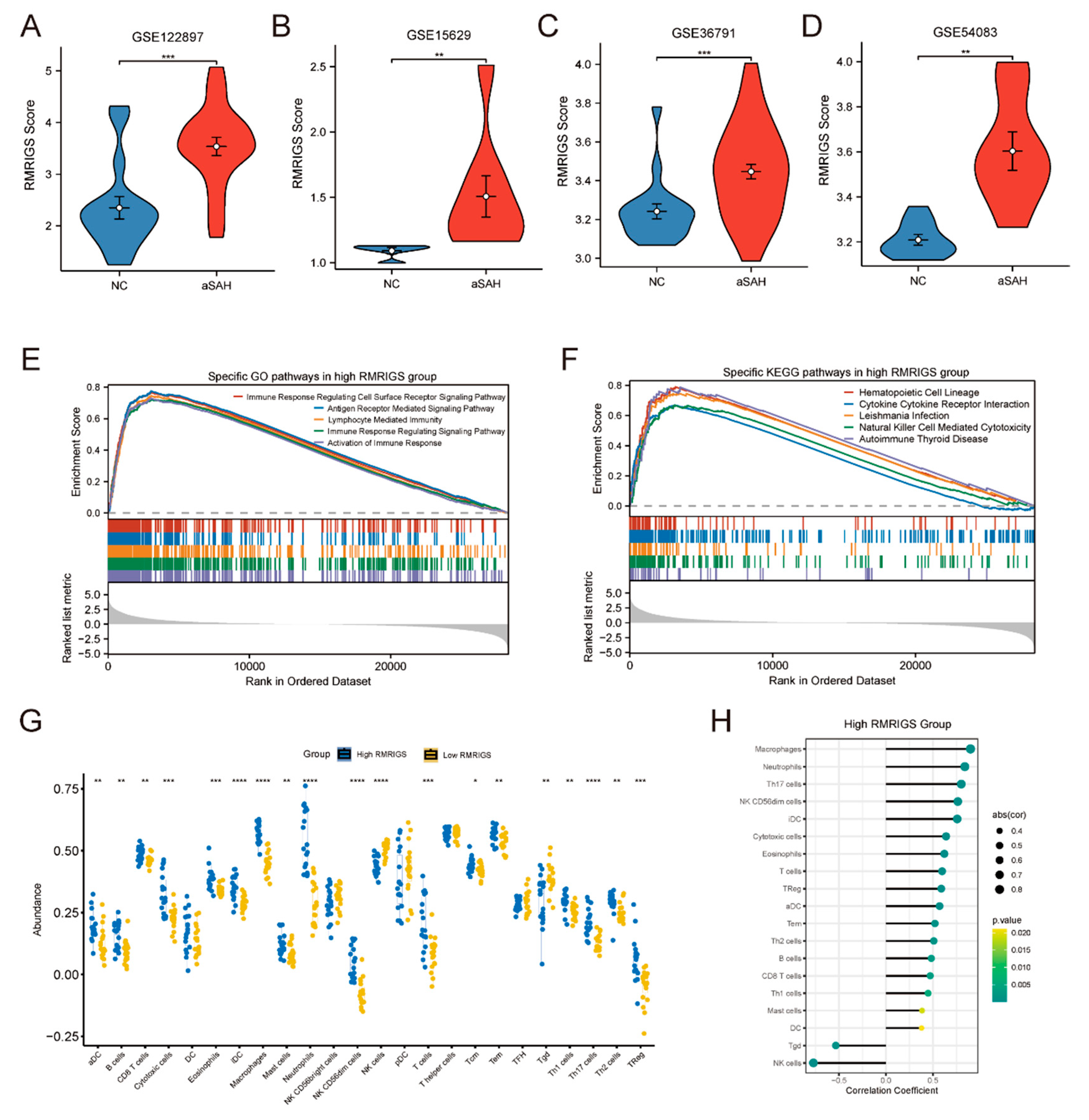
To identify the optimal diagnostic model, we integrated seven feature selection algorithms, including least absolute shrinkage and selection operator (LASSO), elastic net regression (Enet), decision tree (DT), random forest (RF), Boruta, support vector machine recursive feature elimination (SVM-RFE), and eXtreme Gradient Boosting (XGBoost), with seven machine learning classifiers, including LASSO, ridge regression (Ridge), support vector machine (SVM), k-nearest neighbor (KNN), RF, DT, and XGBoost, resulting in 159 algorithm combinations. The GSE122897 dataset was used as the training cohort. Considering the limited sample size and class distribution of the training cohort, model hyperparameters were optimized using 3-fold cross-validation within the training cohort. The final model was further evaluated in independent external validation cohorts to assess its generalizability. GSE54083, GSE15629, and GSE36791 were used as external validation cohorts. The area under the receiver operating characteristic curve (AUC) was used to evaluate model performance, and the average AUC across the training and external validation cohorts was used as the main criterion for model comparison. These procedures were mainly implemented using the mlr3 R package (version 0.11.0).
The final RMRIGS model was constructed using the XGBoost-LASSO pipeline. XGBoost was first used for feature prioritization, and LASSO regression was then applied for final variable selection. The RMRIGS score was calculated using the following formula:
2.8. Mendelian Randomization (MR) Analysis
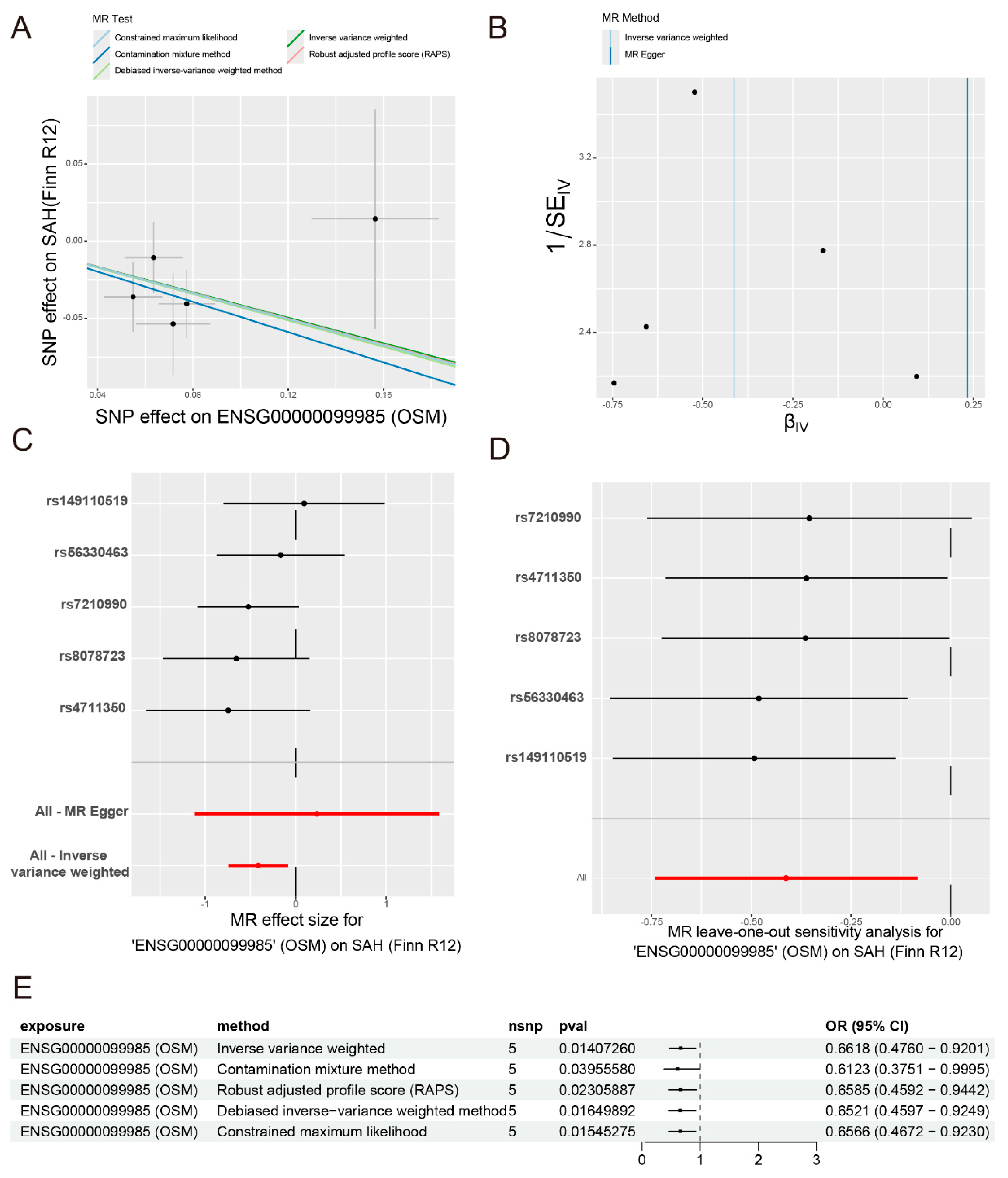
A two-sample Mendelian randomization (MR) analysis was performed to assess the potential causal effect of OSM expression on SAH risk. The exposure data were obtained from the OSM eQTL dataset in the OpenGWAS database (eqtl-a-ENSG00000099985; Ensembl ID: ENSG00000099985), and the outcome data were derived from the FinnGen R12 database (finngen_R12_I9_SAH). SNPs significantly associated with OSM expression (p < 5 × 10⁻⁸) were selected as instrumental variables and pruned for linkage disequilibrium (r2 < 0.001, 10,000 kb window). After harmonization, causal estimates were primarily obtained using the inverse-variance weighted (IVW) method and further evaluated using constrained maximum likelihood and model averaging (cML-MA), contamination mixture (ConMix), Mendelian randomization robust adjusted profile score (MR-RAPS), and debiased inverse-variance weighted (dIVW). Instrument strength was evaluated using the F-statistic, with F > 10 considered indicative of sufficient instrument strength. Heterogeneity was assessed using Cochran’s Q test, and horizontal pleiotropy was assessed using the MR-Egger intercept test and MR-PRESSO global test. A leave-one-out analysis was performed to evaluate whether the causal estimate was disproportionately influenced by any individual SNP.
2.9. Single-Cell RNA-Seq Analysis
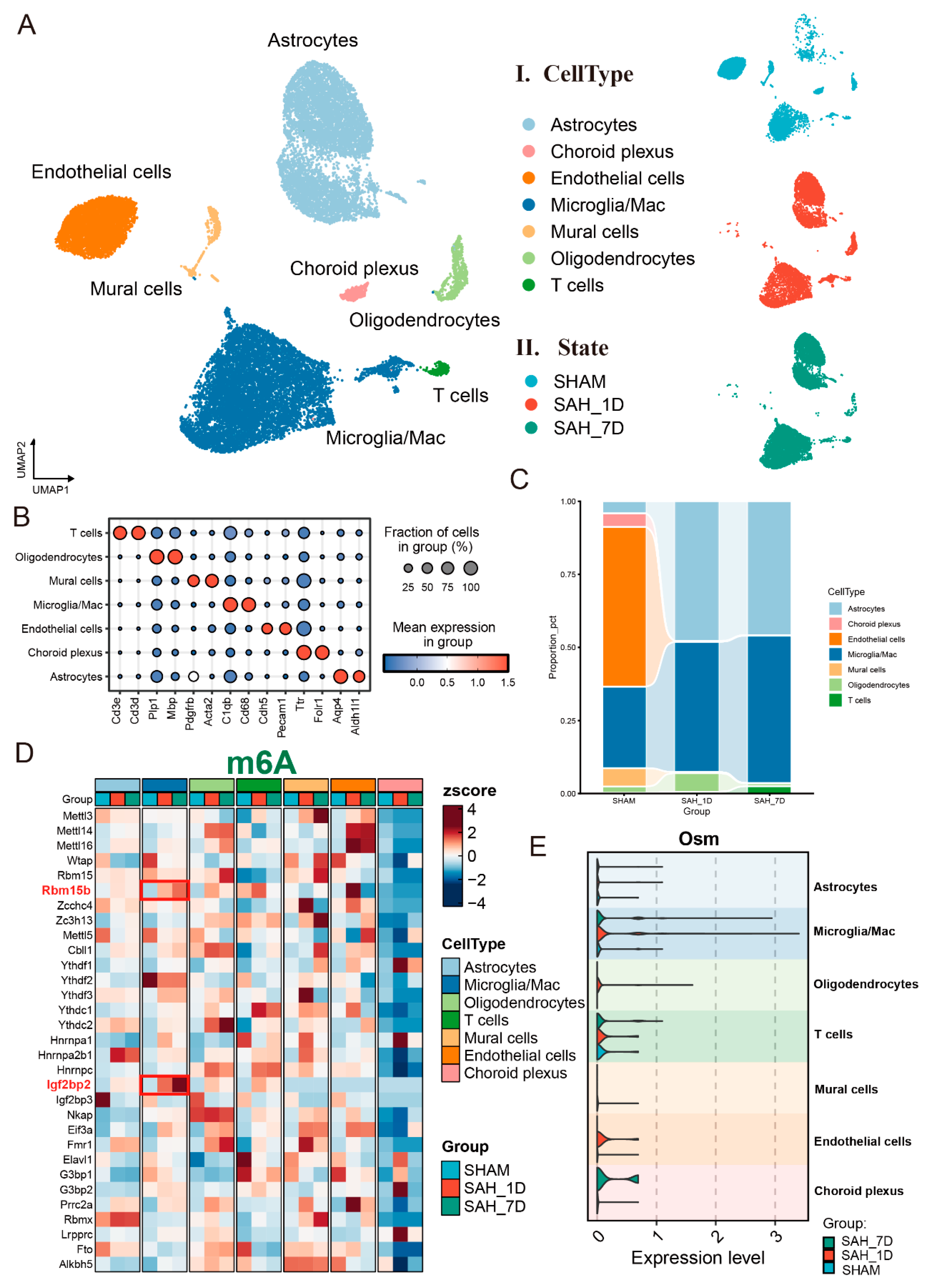
Single-cell RNA-seq datasets from sham and SAH mouse brains were collected from public databases and processed using a standard Seurat workflow (version 5.3.1). Low-quality cells were filtered according to the number of detected genes, unique molecular identifiers, and mitochondrial gene percentage. After data normalization and identification of highly variable genes, batch effects between samples were corrected using the Harmony algorithm. Dimensionality reduction was performed by principal component analysis (PCA), followed by Uniform Manifold Approximation and Projection (UMAP) for visualization. Cell clusters were identified using a graph-based clustering method and annotated according to canonical marker genes.
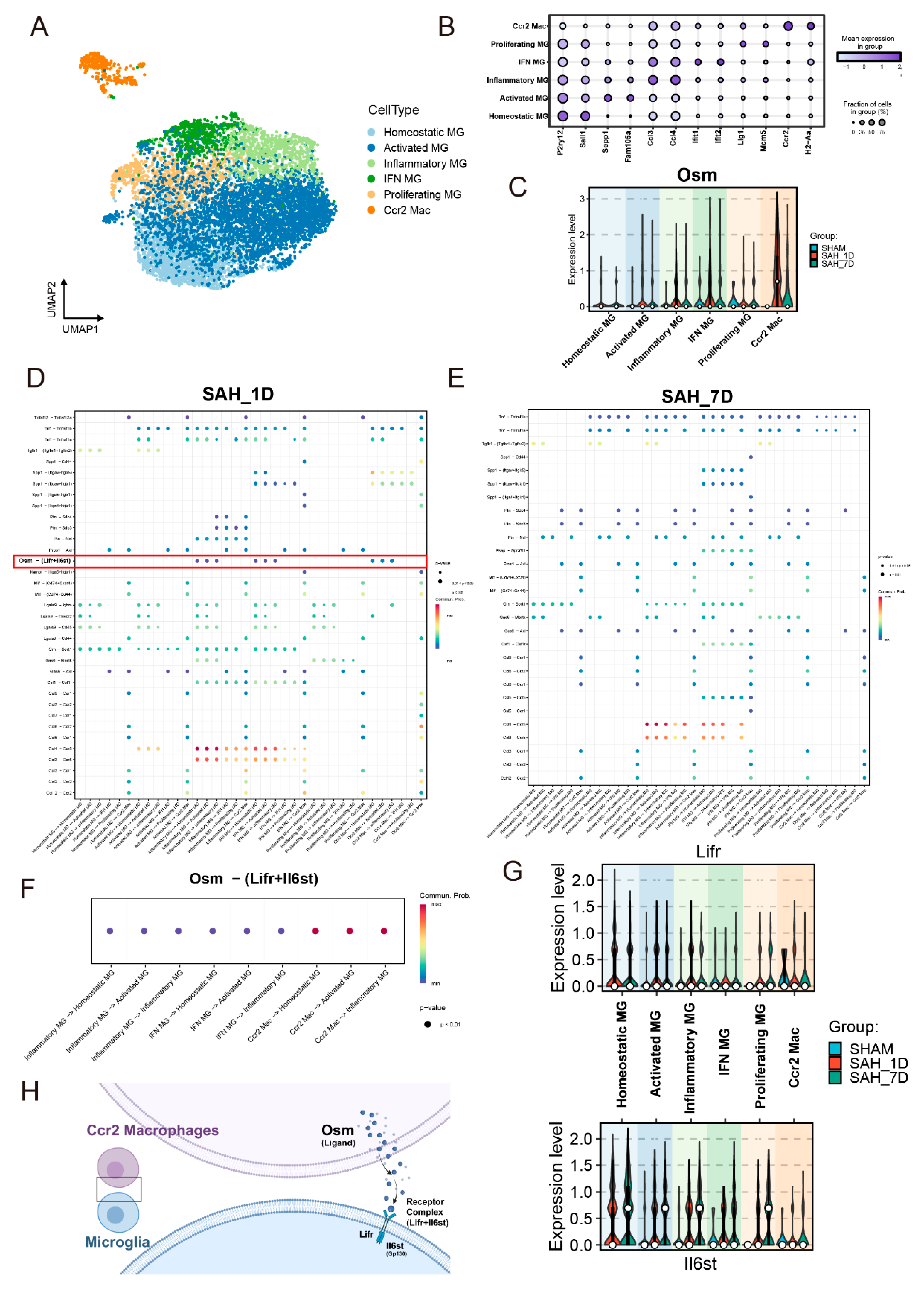
To further characterize the heterogeneity of myeloid cells, the microglia/macrophage population was extracted and reclustered. Subclusters were annotated based on known marker genes, such as homeostatic microglia, activated microglia, inflammatory microglia, IFN microglia, proliferating microglia, and Ccr2 macrophages. The expression patterns of Osm and RNA methylation-related regulators were then compared across cell types, subclusters, and experimental groups.
Cell–cell communication analysis was performed using the CellChat package (version 2.1.2) in R. Communication probabilities and ligand–receptor interactions were inferred separately for different groups, with a focus on OSM-related signaling. The Osm − (Lifr + Il6st) axis was further examined to identify potential communication between Ccr2 macrophages and microglial subpopulations.
Because the bulk transcriptomic discovery and clinical validation were based on human samples, whereas the single-cell RNA-seq datasets were derived from mouse SAH models, mouse gene symbols were mapped to their human orthologs when cross-species interpretation was required. Only genes with clear homologous annotations and direct relevance to the OSM-associated communication axis were interpreted across species. Specifically, mouse
Osm,
Lifr,
Il6st, and
Ccr2 correspond to human
OSM,
LIFR,
IL6ST and CCR2, respectively,
IL6ST encodes GP130. Therefore, the mouse single-cell analysis was used mainly to infer the cellular source and potential recipient populations of OSM-related signaling after SAH, rather than to directly train or validate the human diagnostic model. The main mouse–human homologous genes interpreted in this analysis are summarized in
Table S15.
2.10. RNA m6A Quantification and Quantitative Real-Time PCR (qRT-PCR)
Patients (≥18 years old,
n = 12) diagnosed with aSAH between October 2021 and October 2022 at the Ningbo Hospital of Zhejiang University were recruited for this study. Patients with other diseases or comorbidities were excluded. In total, 12 sex- and age-matched healthy controls were also selected. Based on previous studies [
25,
26], we extracted total RNA from blood samples using TRIzol (Servicebio, Wuhan, China) and assessed RNA quality using NanoDrop 2000 spectrophotometer (Thermo Fisher Scientific, Waltham, MA, USA). The EpiQuik m6A RNA Methylation Quantification Kit (Epigentek, Farmingdale, NY, USA) was used to examine the m6A modification level of each patient. Briefly, 200 ng RNA was coated on test wells, followed by capture and detection antibody solutions. Subsequently, we determined the m6A level by detecting the absorbance at 450 nm (OD450) for each sample and calculated the m6A content from the standard curve. The steps of RNA extraction and quality detection of qRT-PCR were consistent with those of m6A methylation detection. We used Servicebio
®RT First Strand cDNA Synthesis Kit to synthesize cDNA and detected relative RNA levels using the SYBR Green method. The relative expression of each gene was calculated as the power value (2
−△△Ct). The primer sequences used for RT–qPCR are available in
Supplementary Table S5.
2.11. In Vivo and In Vitro Validation
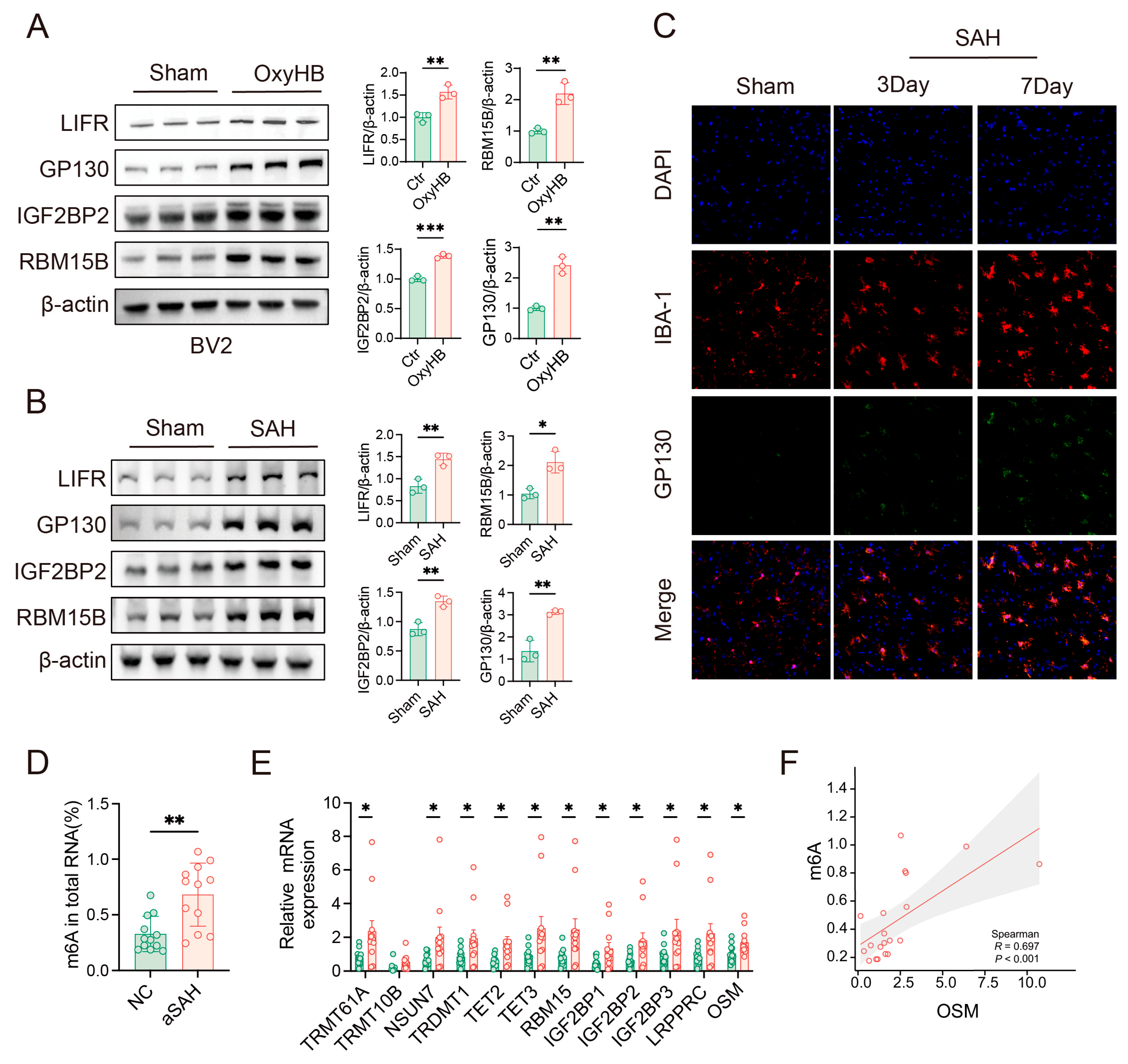
C57BL/6 mice were used to establish the SAH model by endovascular perforation, and sham-operated mice were used as controls. Brain tissues were harvested at 3 and 7 days after SAH induction for Western blotting and immunofluorescence analyses. BV2 microglial cells were treated with 30 μM oxyhemoglobin (OxyHB) for 24 h to simulate the SAH environment in vitro. The protein expression levels of LIFR protein encoded by LIFR, GP130 protein encoded by IL6ST, IGF2BP2, and RBM15B were detected by Western blotting in both BV2 cells and mouse brain tissues, with β-actin used as the internal control. Immunofluorescence staining was further performed to assess the co-localization of IBA1 and GP130 in brain tissues.
2.12. Statistical Analysis
Statistical analysis was performed using R software (version 4.1.0). The ggpubr package (version 0.4.0) was used to generate group comparison plots. Comparisons between two groups were performed using Student’s t-test or the Wilcoxon rank-sum test, as appropriate. Comparisons among three groups were performed using the Kruskal–Wallis test. Correlations between continuous variables were assessed using Spearman’s correlation analysis. The m6A-regulator expression score was calculated as the mean of z-score-transformed qRT-PCR expression values of available m6A regulators and correlated with directly measured total m6A levels using Spearman’s correlation analysis. For clinical validation markers, two-sided Welch’s t-test, Hedges’ g effect size, and post hoc power analysis were additionally calculated. A p-value < 0.05 was considered statistically significant.
4. Discussion
The immune-inflammatory response is a cornerstone of the pathological progression of aSAH, influencing every stage from initial aneurysm rupture to the development of EBI [
27], cerebral vasospasm (CVS) [
28], and DCI [
29]. In this study, we explored RNA methylation regulator-related transcriptional patterns associated with immune-inflammatory alterations in aSAH. By integrating machine learning, Mendelian randomization, single-cell analysis, and experimental validation, we identified OSM as an immune-inflammatory feature within this analytical framework and inferred a potential Osm-associated communication pattern between infiltrating macrophages and resident microglia.
Therefore, probing the molecular mechanisms involved in the immune response and other processes mediated by it will help us to explore new ideas for the prevention and diagnosis of aSAH. RNA methylation, a modification that regulates genes at the post-transcriptional and translational levels, mediates the biological processes of a wide range of diseases. The most common of these, m6A modification, has been reported by several studies to be strongly associated with inflammation. m6A-associated proteins, such as METTL3, METTL14, and IGF2BP2, can regulate or recognize changes in m6A levels to mediate inflammatory responses [
30,
31,
32], or they can directly regulate the level of m6A modifications in inflammatory factors or immune-related proteins [
33]. Inflammatory responses can also modulate the expression of m6A-related proteins as well as influence m6A levels [
34,
35]. In addition to m6A, there are new types of RNA methylation such as m5C, m1A, and m7G. RNA methylation is dynamically regulated by specific methyltransferases (Writer) and demethylases (Eraser), which cooperate to maintain the proper mRNA methylation state, and methylation recognition proteins (Reader), which recognize and bind to methylated mRNAs, thereby regulating mRNA transcription and translation [
12].
To identify immune-inflammatory genes associated with RNA methylation regulator-related transcriptional patterns in aSAH, we first analyzed the expression of “Writer”, “Reader” and “Eraser” genes regulating RNA methylation in the aSAH dataset and found that the expression levels of various regulatory proteins of m6A, m5C, and m1A were significantly altered in aSAH. Subsequently, we used ssGSEA to calculate enrichment scores for m6A, m5C, and m1A for each sample and screened the set of modular genes associated with the three RNA methylations by WGCNA. We found that modular genes were mostly enriched in immune-inflammation-related pathways by GO and KEGG enrichment analysis of the modular gene sets. Therefore, we suggested that RNA methylation was closely associated with immune inflammation in aSAH and that RNA methylation-associated immune-associated genes, RMRIGs, may be new biomarkers for aSAH. Subsequently, we obtained 25 RNA methylation-associated immunoinflammation-associated DEGs by differential analysis of differentially expressed genes (DEGs) in the NC and aSAH groups, and then took the intersection with RNA methylation-associated modular genes. Based on 159 combinations of nine machine learning algorithms, the combination of XgBoost and Lasso was determined to be the optimal algorithm to most effectively discriminate between the NC group and the aSAH group, suggesting that OSM was the key feature retained in the final RMRIGS model and may reflect disease-associated immune-inflammatory activity in aSAH.
This interpretation should also consider the practical limitations of human aSAH sampling. Given the difficulty of obtaining ruptured human aneurysm wall tissue and appropriate normal intracranial arterial controls, the public bulk transcriptomic datasets, mouse single-cell data, and peripheral blood samples used here were interpreted as complementary evidence rather than direct substitutes for aneurysm wall pathology. At present, considerable effort has been devoted to identifying biomarkers for aSAH, not only to improve the prediction of disease occurrence, complications, and poor outcomes, but also to provide a reference for treatment timing through dynamic changes in key molecules [
36]. Previous studies have reported a variety of potential biomarkers, including blood components, cytokines, microRNAs, and electrolytes [
37]. Recent reviews have further summarized molecular targets involved in intracranial aneurysm treatment, including inflammatory mediators, extracellular matrix remodeling, oxidative stress, endothelial dysfunction, and vascular smooth muscle cell phenotypic modulation [
38]. In addition, microRNAs have been proposed as potential biomarkers and regulatory molecules for SAH diagnosis, prognosis, and therapeutic development [
39]. These studies highlight the increasing importance of molecularly defined signatures in intracranial aneurysm and SAH research, while also emphasizing the need for further validation before clinical translation. In the field of RNA methylation, Yuan et al. reported that the m6A regulator WTAP may participate in intracranial aneurysm-related processes by influencing the expression status and m6A modification level of brain microvascular endothelial cells [
40], highlighting the potential importance of RNA methylation in cerebrovascular diseases. In contrast, the samples included in our study were more focused on the clinical condition of aneurysm rupture with hemorrhage. Therefore, compared with previous studies centered on unruptured aneurysms or other disease stages, some RNA molecules did not show fully consistent differential patterns in our datasets. Notably, in our training cohort, OSM exhibited a more prominent expression change than several molecules reported in previous studies (
Supplementary Table S13) [
41,
42]. In addition, the signature developed in this study maintained good discriminatory performance in external datasets, suggesting a certain degree of cross-cohort stability. Compared with previously reported RNA methylation regulator-related signatures, although some models performed better in their own training cohorts, our model showed more stable performance in independent validation datasets, which may indicate better generalizability [
17].
Inflammation is a key issue in aSAH, but the inflammatory response itself is highly stage-dependent and bidirectional, potentially contributing both to tissue injury and to subsequent repair [
43]. Accordingly, understanding its temporal dynamics and identifying appropriate therapeutic windows remain major challenges. As a member of the IL-6 cytokine family, OSM has been shown to exert pro-inflammatory or immunomodulatory effects under different microenvironmental conditions [
44]. Previous studies have demonstrated that OSM can mediate inflammatory responses through activation of the JAK/STAT pathway [
33]. In aSAH-related research, OSM has also been reported to participate in ferroptosis and early brain injury by regulating the expression of Hepc, DMT1, and FPN1[
45]. On the other hand, some studies have suggested a potential neuroprotective role of OSM. For example, Weiss et al. found that OSM attenuated excitotoxic cell death both in vitro and in vivo [
46]. These apparently divergent observations suggest that the biological effects of OSM may be highly dependent on disease stage and the surrounding microenvironment. In the context of our findings, OSM may be better understood as a key immune-inflammatory node associated with RNA methylation regulator-related transcriptional patterns in aSAH. Although the current evidence is insufficient to demonstrate that OSM is directly regulated by RNA methylation, its association with global m6A levels and multiple methylation-related molecules suggests a link that warrants further investigation.
At present, increasing efforts have been devoted to identifying biomarkers for aSAH risk stratification and prognosis, but most candidate markers remain limited to associative evidence rather than causal inference. In the present study, we further incorporated two-sample Mendelian randomization analysis to evaluate the relationship between OSM and SAH risk at the genetic level. The results showed that genetically predicted higher OSM expression was associated with a lower risk of SAH (OR = 0.6618, p = 0.014), supporting a potential protective association of OSM in disease occurrence. At the same time, the RMRIGS developed in this study showed good discriminatory performance in both the training cohort and external validation cohorts, suggesting that this OSM-centered RMRIGS may have potential value for disease-status assessment in aSAH. However, these findings still require further validation in larger samples and prospective cohorts. It should be noted that the RMRIGS score was derived from case–control transcriptomic datasets and should be interpreted as a disease-associated diagnostic expression score rather than a prospective risk score. In established aSAH samples, increased OSM expression may reflect acute post-rupture immune-inflammatory activation, myeloid cell infiltration, or compensatory signaling. By contrast, MR evaluates the association between genetically predicted OSM expression and SAH risk over a longer biological time scale. Therefore, the high-RMRIGS group showing stronger inflammatory enrichment does not necessarily contradict the protective association observed in MR analysis.
The neuroinflammatory response in aSAH is characterized by substantial cellular heterogeneity, which represents a major challenge in understanding its immune-pathological mechanisms. Through single-cell transcriptomic analysis, we further resolved the cellular composition and signaling context of the post-SAH brain and found that Osm was mainly enriched in infiltrating Ccr2+ macrophages, whereas its receptor component genes Lifr and Il6st were more broadly distributed across multiple microglial subclusters, particularly activated and inflammatory microglia. Further cell–cell communication analysis showed that the Osm − (Lifr + Il6st) signaling axis was markedly enhanced after SAH, suggesting that infiltrating peripheral macrophages may influence the inflammatory state of resident microglia through paracrine signaling. To some extent, these findings provide a cellular explanation for our bulk transcriptomic observation that high RMRIGS scores were closely associated with myeloid immune cell infiltration, and they also suggest a potential link between peripheral immune activation and local neuroinflammation after SAH.
From a translational perspective, blood-based biomarkers are more feasible for clinical application than tissue-derived indicators. In the present study, validation using peripheral blood samples showed that total m6A levels were significantly elevated in patients with aSAH compared with healthy controls. In addition, OSM and multiple RNA methylation-related molecules were significantly upregulated in the aSAH group, and OSM expression was positively correlated with total m6A levels. These findings were broadly consistent with our bioinformatic analyses and further supported an association between m6A-related changes, RNA methylation regulator expression, and immune-inflammatory activation in aSAH. Moreover, the observed upregulation of LIFR, GP130, IGF2BP2, and RBM15B in the SAH models suggested that activation of OSM receptor axis-related proteins occurred together with changes in m6A-regulator expression under SAH-related conditions. However, these data should not be interpreted as evidence that OSM is directly regulated by RNA methylation or that OSM signaling causally controls RNA methylation. Rather, OSM was identified within an immune-inflammatory gene set associated with RNA methylation regulator-related transcriptional patterns, and its correlation with total m6A levels indicates an association only. Direct mechanistic studies, including transcript-specific m6A profiling of OSM transcripts, perturbation of m6A writers/readers, and OSM-pathway intervention experiments, are required to determine whether a causal regulatory relationship exists.
Several limitations should be considered when interpreting the present findings. Although this study integrated public transcriptomic datasets, single-cell data, experimental models, and clinical validation samples, these data sources represent different biological contexts rather than directly matched pathological materials. The public bulk transcriptomic datasets provided useful disease-associated expression patterns, but they could not fully resolve cell type heterogeneity or control for clinical factors such as disease phase, hypertension status, medication, emergency treatment, and longitudinal outcome. Moreover, direct analysis of ruptured human aneurysm wall tissue or matched post-rupture brain tissue remains difficult in clinical practice; therefore, the present findings should be viewed as exploratory molecular clues rather than definitive evidence of aneurysm wall pathology. Similarly, the mouse single-cell data, BV2 cells, and mouse SAH models helped characterize potential cellular sources and receptor axis changes, but they cannot fully recapitulate the complex process of human saccular aneurysm formation, rupture, and post-aSAH injury.
Another important consideration is that the molecular scores and associations reported here should not be overinterpreted as direct causal mechanisms. The RMRIGS model was derived from case–control transcriptomic datasets and therefore reflects a disease-associated diagnostic expression pattern rather than a prospective risk-prediction model for future aneurysm rupture or SAH onset. In addition, the ssGSEA-derived RNA methylation regulator-related scores were based on regulator mRNA expression and cannot directly measure RNA methylation abundance or enzymatic activity. Although the clinical m6A-regulator expression score was correlated with directly measured total m6A levels, this expression-based index cannot substitute for direct RNA methylation profiling. Finally, the present study did not functionally verify whether RNA methylation directly regulates OSM expression or whether the inferred OSM–LIFR/GP130 communication axis causally drives microglial activation. Further studies using larger prospective cohorts, human disease-relevant samples, transcript-specific m6A profiling, OSM pathway blockade, and LIFR or IL6ST/GP130 perturbation are needed to clarify these mechanisms.



 ,
,