Article

Betanin from Beta vulgaris Attenuates Complete Freund’s Adjuvant-Induced Inflammatory Pain: Integrated Preclinical and In Silico Insights


by
Ahmed Massoud
1,2,*,
Amina E. Essawy
1,
Mohammed A. Alfredan
3,
Ashraf M. Abdel-Moneim
1,3,
Rehab A. Gomaa
1 and
Sherine Abdel Salam
1,3,*
1
Department of Zoology, Faculty of Science, Alexandria University, Alexandria 21511, Egypt
2
Faculty of Science, Alamein International University, New Alamein City 51718, Egypt
3
Department of Biological Sciences, Faculty of Science, King Faisal University, Al-Ahsa 31982, Saudi Arabia
*
Authors to whom correspondence should be addressed.
Biomedicines 2026, 14(6), 1202; https://doi.org/10.3390/biomedicines14061202

Submission received: 17 April 2026 / Revised: 15 May 2026 / Accepted: 19 May 2026 / Published: 27 May 2026
(This article belongs to the Special Issue Biomarkers in Pain: 2nd Edition)

Abstract

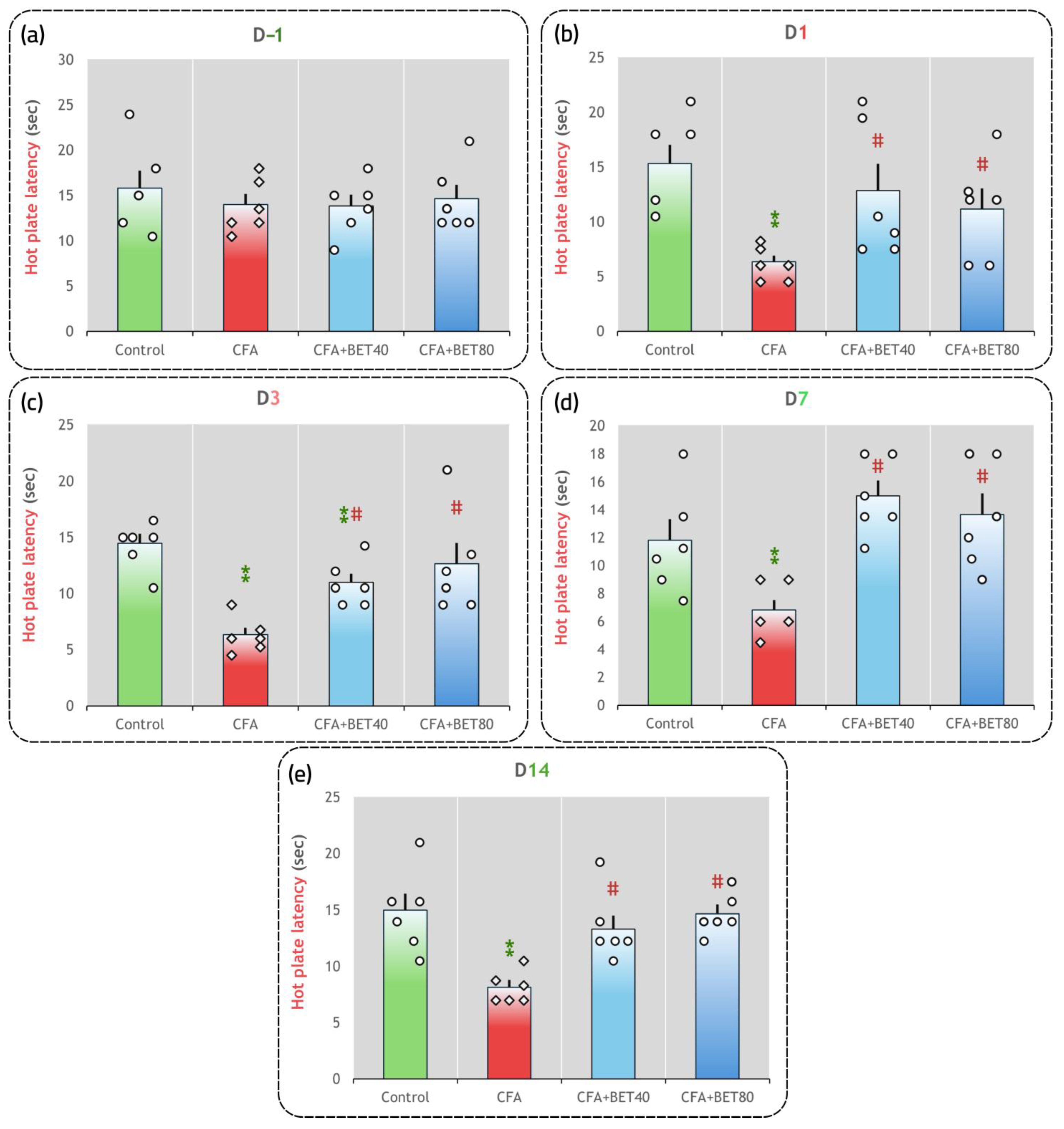
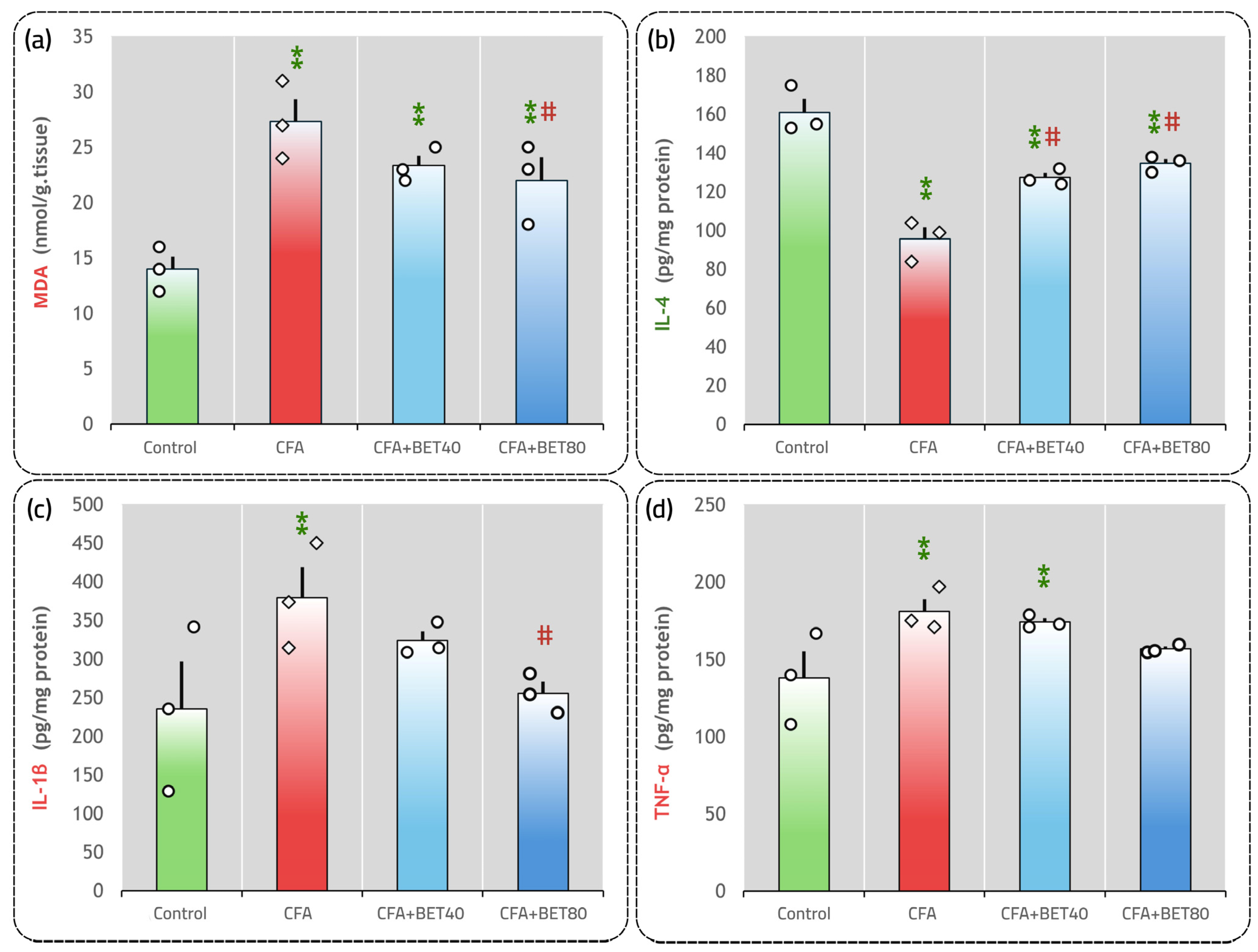
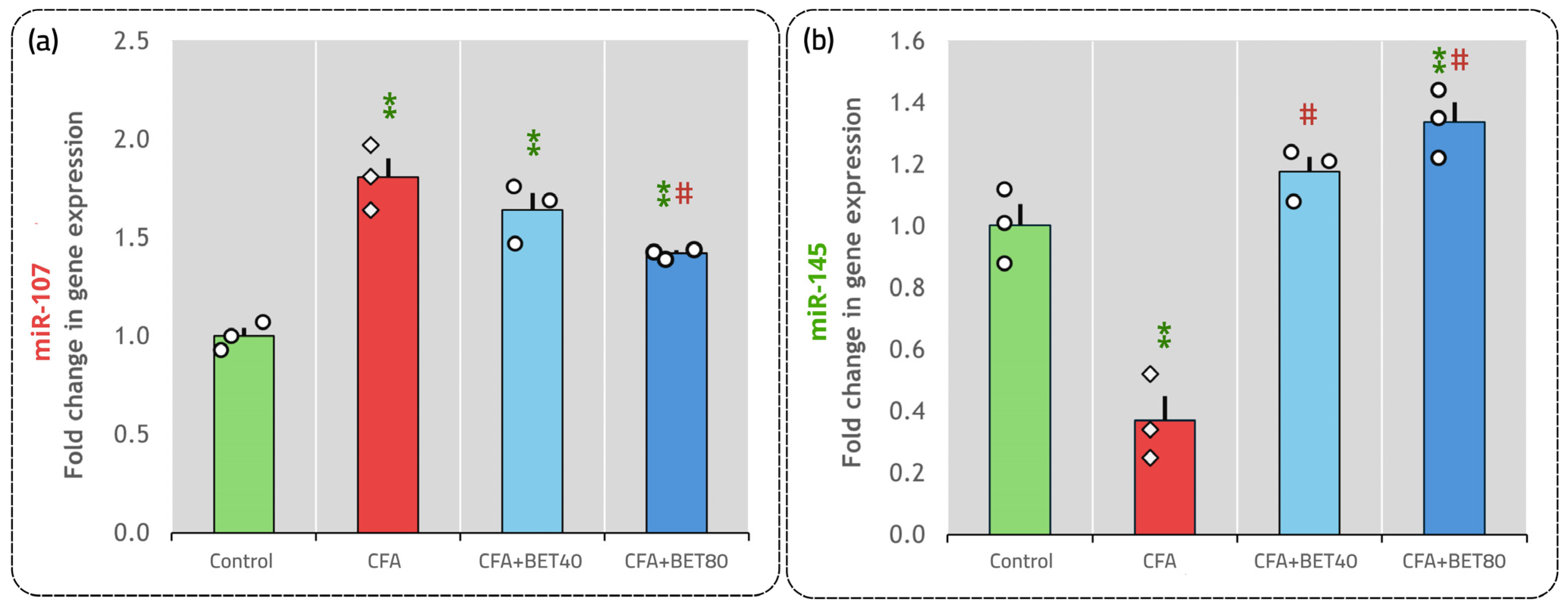
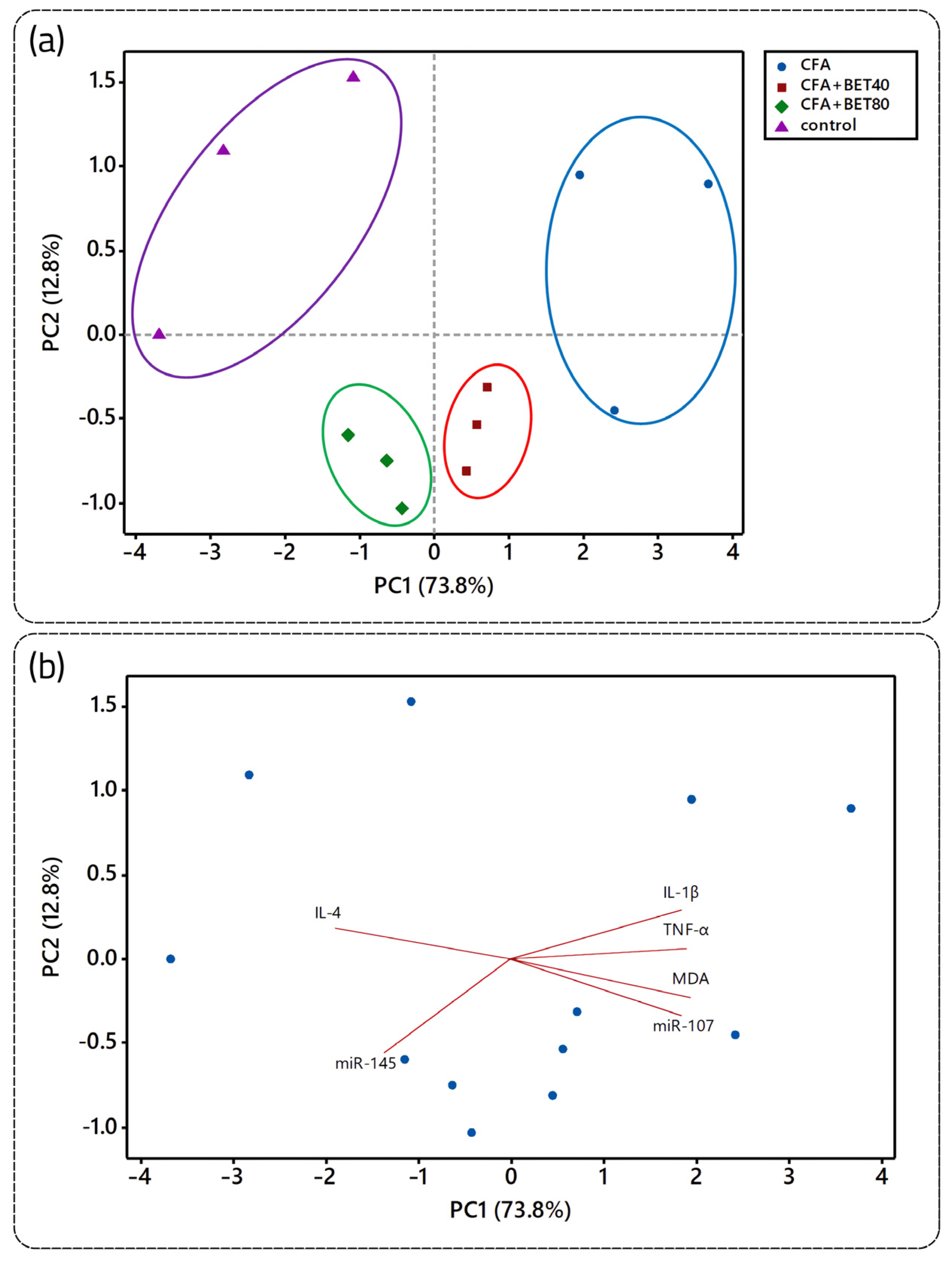
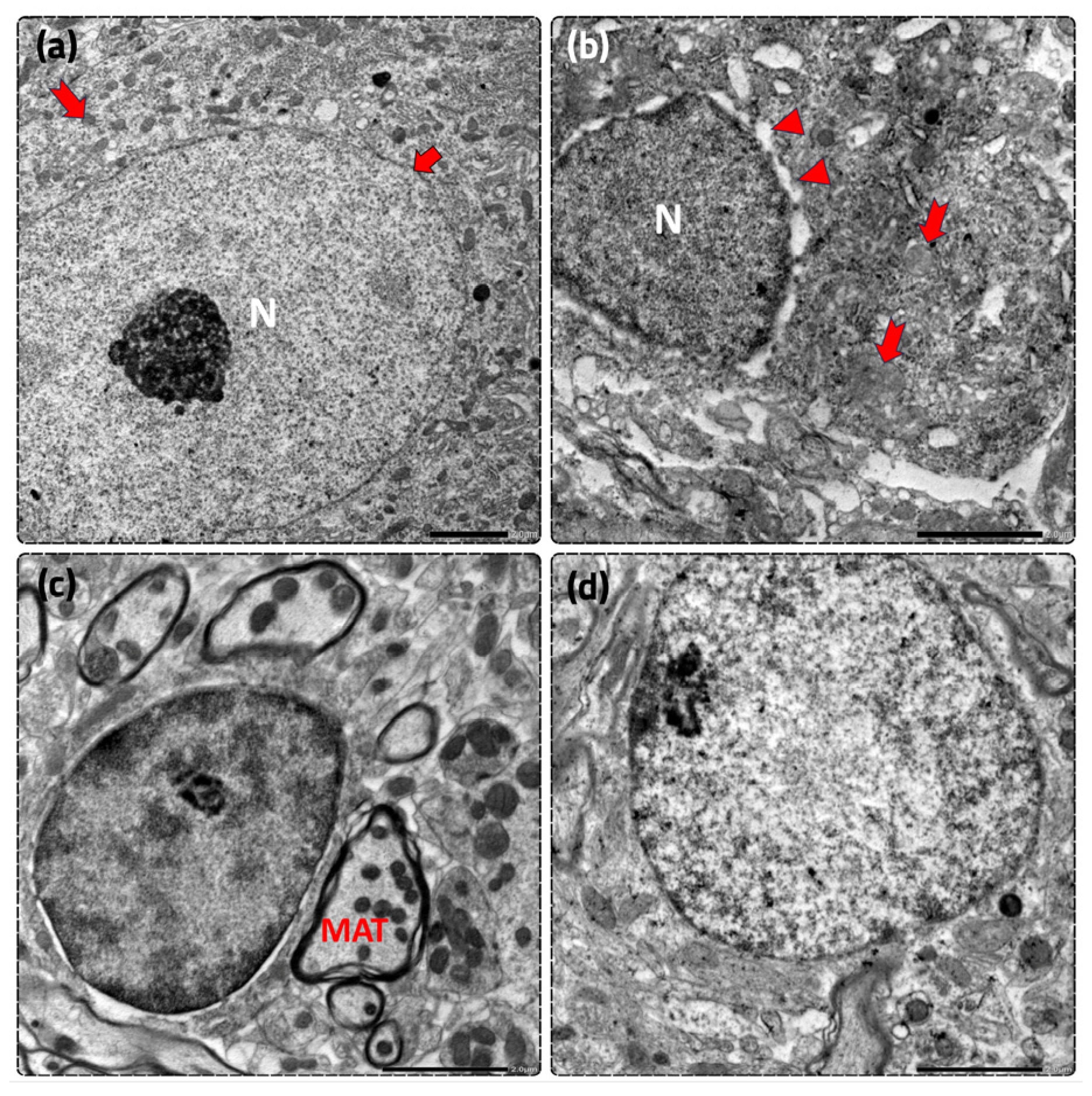
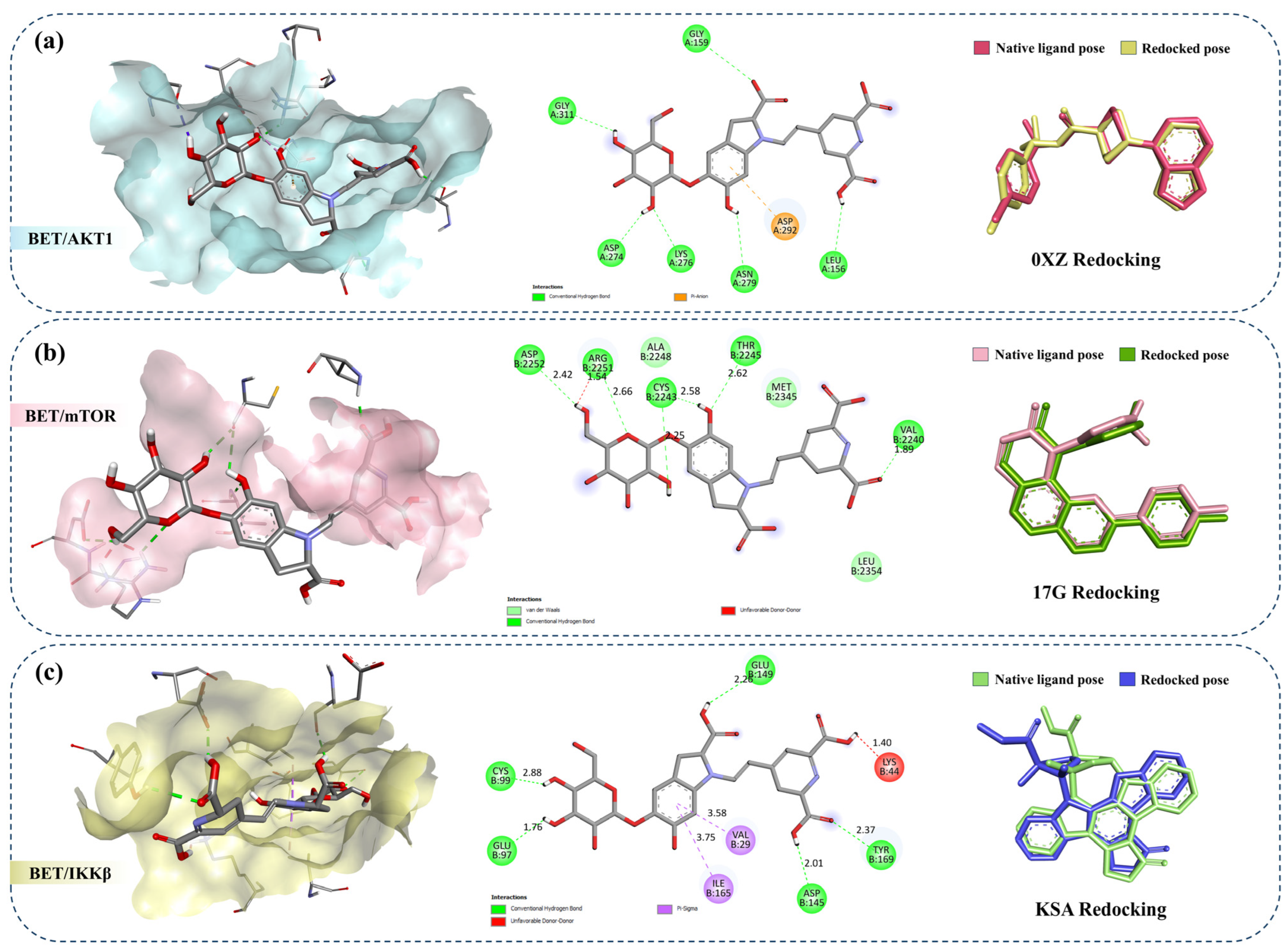
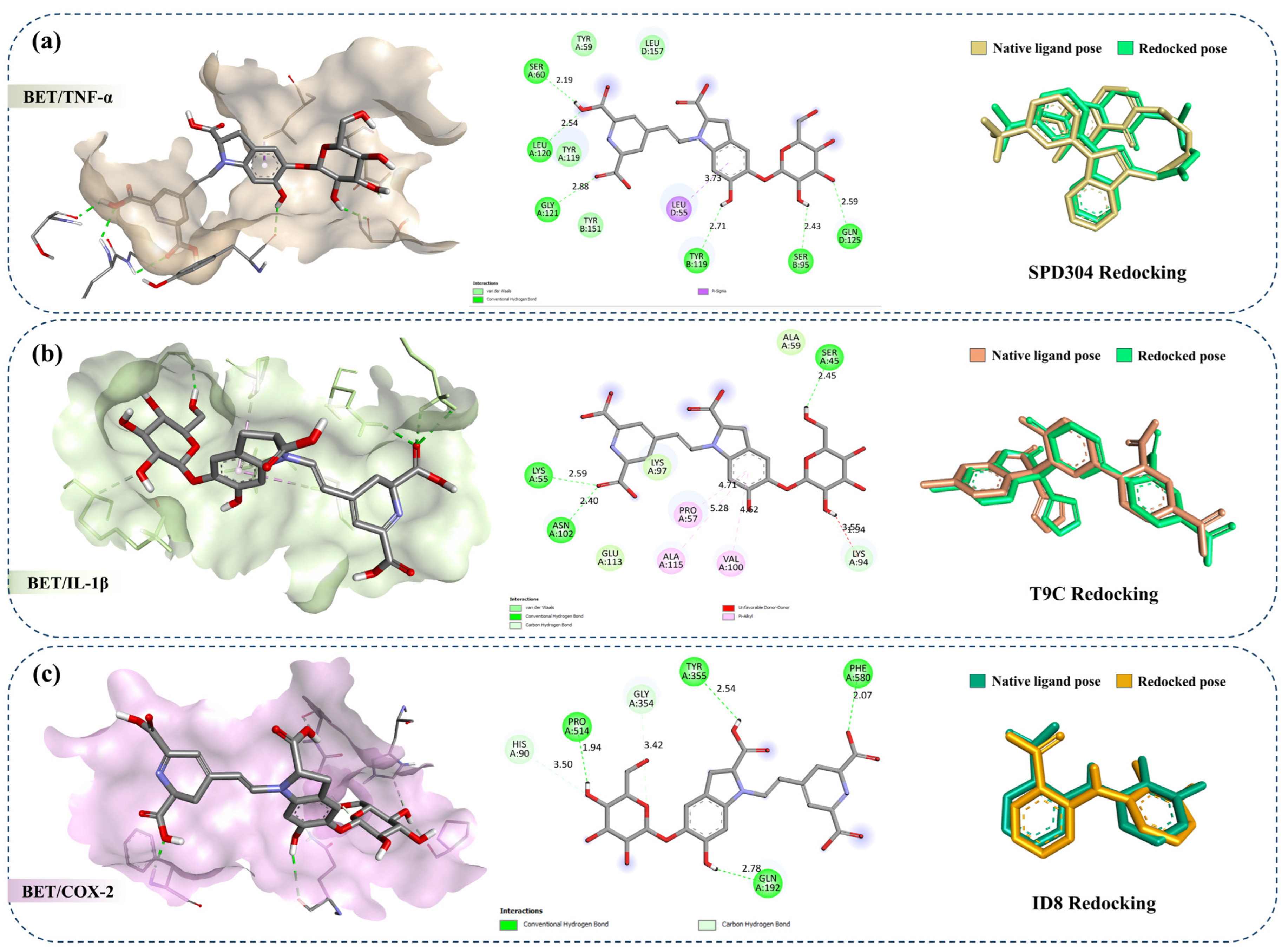
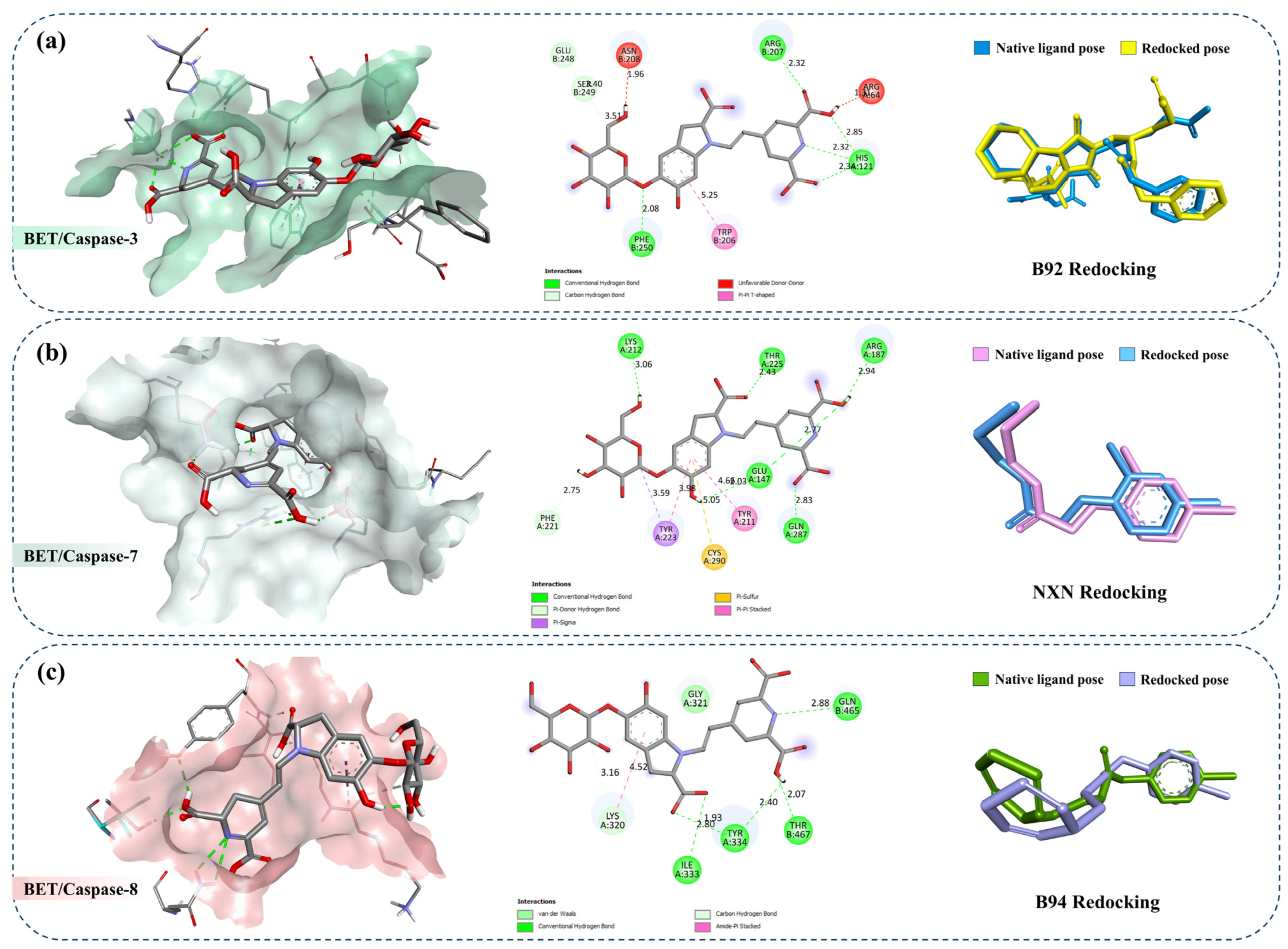
Background/Objectives: Betanin (BET), a prominent phytochemical mainly derived from Beta vulgaris, exhibits strong anti-inflammatory and antioxidant activities owing to its distinctive chemical structure. Nevertheless, its potential analgesic effect in the context of inflammatory pain remains insufficiently explored. Accordingly, this study investigated the analgesic effects of BET in a complete Freund’s adjuvant (CFA)-induced rat model of inflammatory pain. Methods: Rats received a single subcutaneous injection of 100 µL CFA to induce inflammatory pain, followed by oral administration of BET at doses of 40 or 80 mg/kg/day for 14 days. Results: BET treatment significantly reduced paw edema and improved HPL (hot plate latency) in CFA-injected rats. Biochemically, in the ipsilateral spinal cord of rats, BET at both 40 and 80 mg/kg significantly increased IL-4, and only the 80 mg/kg dose significantly reduced oxidative stress (MDA) and IL-1β. TNF-α levels were slightly reduced at both doses and did not reach statistical significance versus CFA. At the molecular level, miR-107 was significantly downregulated by BET at 80 mg/kg (but not 40 mg/kg), while miR-145 was significantly upregulated by both 40 mg/kg and 80 mg/kg compared to CFA. Pearson’s correlation indicated that miR-107 was positively correlated with MDA, IL-1β and TNF-α but negatively with IL-4, whereas miR-145 was positively correlated with IL-4 but negatively with IL-1β. PCA biplot analysis corroborated these findings, showing simultaneous presence of MDA, IL-1β, TNF-α, and miR-107 with CFA, and IL-4 and miR-145 were only related to control and CFA+BET80 groups. In addition, using transmission electron microscopy imaging, we found that BET alleviated neuronal damage in CFA-treated rats. Furthermore, molecular docking analysis predicted that BET may exhibit stable binding interactions with several inflammation- and apoptosis-related targets, including AKT1, mTOR, IKKβ, TNF-α, IL-1β, COX-2, caspase-3, caspase-7, and caspase-8, supporting its multi-target anti-inflammatory and antiapoptotic effects. Conclusions: Overall, our data suggest that BET can possibly exert analgesic effects in CFA-induced inflammatory pain by modulating oxidative stress and favoring a shift toward an anti-inflammatory status. These effects coincided with downregulation of miR-107, overexpression of miR-145, and improvements in inflammatory pain behaviors. Further investigations are required to validate the involvement of specific miRNA- and pathway-mediated effects. Nevertheless, our findings highlight BET as a promising natural candidate for future development of anti-inflammatory and analgesic strategies.
Keywords: betanin; pain model; neuroinflammation; miRNA-targeted therapy; molecular docking betanin; pain model; neuroinflammation; miRNA-targeted therapy; molecular docking
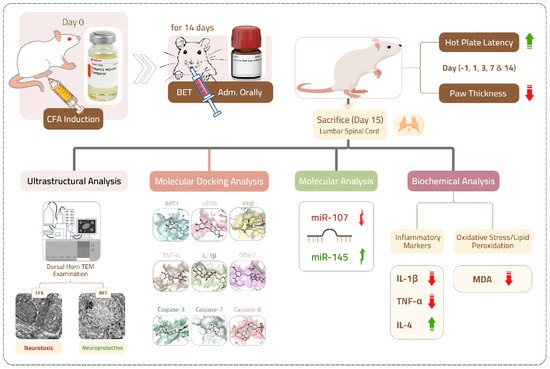
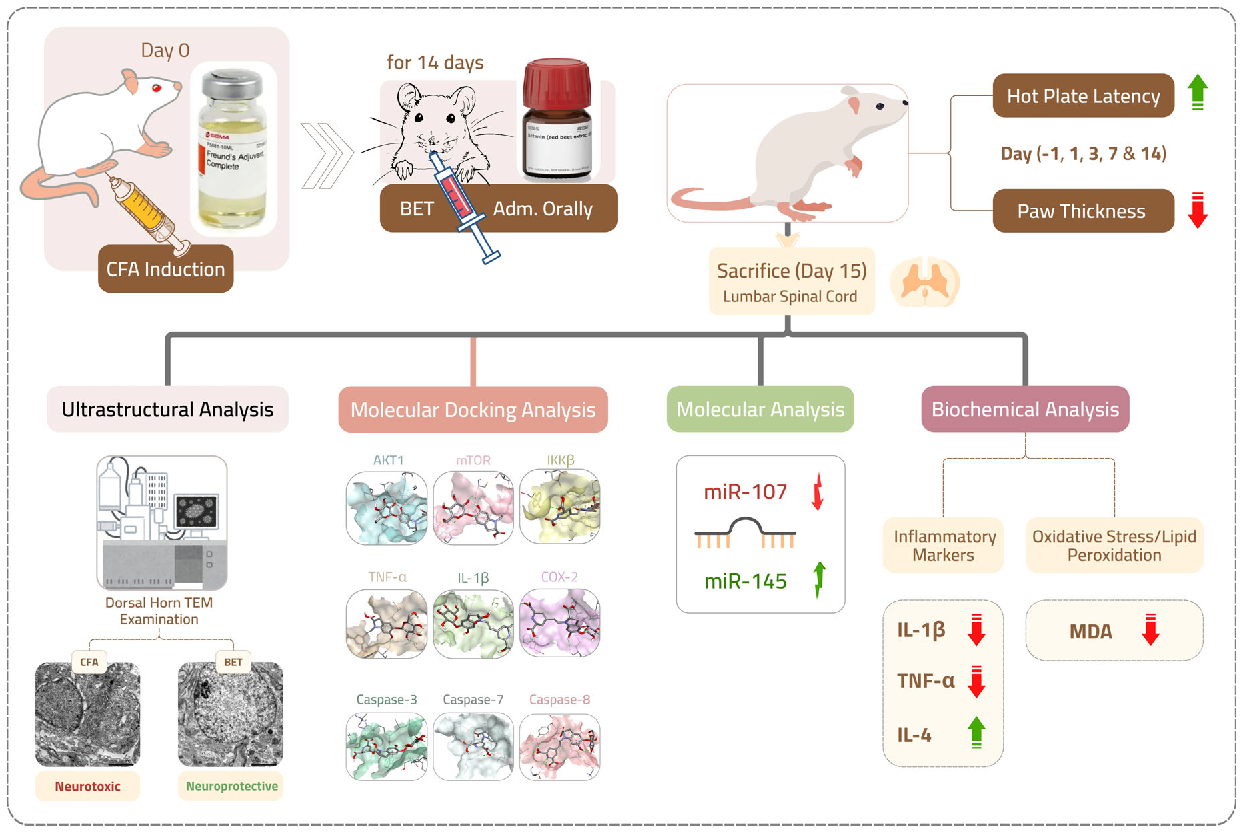
Graphical Abstract