1. Introduction
Prostate cancer (PCa) remains the most commonly diagnosed solid malignancy among men and a leading cause of cancer-related morbidity and mortality globally [
1]. Its clinical behavior is remarkably heterogeneous, spanning indolent localized tumors to highly aggressive disease with early dissemination. Although substantial advances in screening, molecular classification, and primary treatment have improved outcomes for many patients, metastatic progression continues to represent the critical inflection point leading to incurable disease [
2]. Indeed, the survival of individuals with advanced PCa is largely dictated by the onset and extent of metastatic spread [
3].
Among metastatic sites, bone is the overwhelmingly predominant destination, affecting approximately 80–90% of patients with advanced or castration-resistant prostate cancer [
4]. These lesions are predominantly osteoblastic but often coexist with osteolytic components, leading to a complex remodeling of the bone microenvironment. Bone metastases are responsible not only for debilitating skeletal-related events—such as fractures, spinal cord compression, intractable bone pain, and hypercalcemia—but also for substantially shortened survival [
5,
6]. The affinity of PCa cells for the bone microenvironment is thought to reflect a convergence of tumor-intrinsic properties and the unique biological landscape of bone, which includes abundant growth factors, cytokines, mineralized matrix components, and a dynamic interplay between osteoblasts, osteoclasts, endothelial cells, and immune cells [
7].
The establishment and expansion of PCa bone metastases involve a complex, multistep cascade encompassing tumor cell detachment, intravasation, survival in circulation, extravasation into bone, and colonization of the marrow niche [
8]. Once in the bone microenvironment, disseminated tumor cells engage in reciprocal interactions with stromal elements, initiating a “vicious cycle” wherein tumor- and stroma-derived factors cooperatively drive osteoblastic and osteolytic remodeling, thereby supporting tumor proliferation and metastatic outgrowth [
9]. Interactions between metastatic tumor cells and stromal components alter the delicate balance of bone formation and resorption, creating a “vicious cycle” that further promotes tumor growth and osteogenic activity [
10]. Despite substantial progress in understanding the metastatic cascade, the precise mechanisms that enable PCa cells to colonize bone and reshape its microenvironment remain incompletely elucidated.
Importantly, the bone microenvironment is not a passive bystander but an active participant in metastatic progression. Stromal and immune components including endothelial cells, myeloid cells, osteoclast precursors, and lymphocyte subsets, play critical roles in shaping metastatic niches [
11,
12]. The immune contexture of PCa is notably distinct from immunologically “hot” tumors; PCa often exhibits sparse effector immune infiltration, dysfunctional innate responses, and limited responsiveness to immunotherapy [
13]. These observations underscore the need for deeper characterization of microenvironmental differences between localized and bone-metastatic PCa, particularly regarding immune composition, stromal activation, and transcriptional reprogramming.
Recent transcriptomic studies have begun to illuminate the substantial heterogeneity across PCa subtypes and metastatic states, revealing alterations in immune signaling, metabolic pathways, translational regulation, and stromal remodeling [
14,
15]. However, integrative analyses that directly compare localized and bone-metastatic tumors remain limited, especially within clinically annotated patient cohorts. A clearer understanding of the microenvironmental reprogramming that accompanies the transition from localized PCa to bone metastatic disease may uncover biological determinants of metastatic competence and identify potential therapeutic vulnerabilities.
To address this knowledge gap, we conducted a systematic analysis of tumor tissues from both non-metastatic and bone-metastatic PCa patients to delineate the transcriptional, cellular, and microenvironmental alterations that accompany bone metastatic progression. By integrating bulk RNA sequencing with comprehensive histopathologic and microenvironmental profiling, our study seeks to define the molecular programs that distinguish bone-metastatic from localized disease and to identify context-specific changes within immune and stromal compartments that contribute to metastatic dissemination.
2. Methods
2.1. Sample Collection
This study was designed as a retrospective cohort analysis. A total of 77 prostate cancer (PCa) patients who underwent radical prostatectomy at the Shanghai Renji Hospital were included, comprising 49 patients without bone metastasis (non-metastatic group) and 28 patients with bone metastasis (bone-metastatic group). Bone metastatic status was determined based on radiologic and clinical evaluation at the time of diagnosis. All 77 patients were treatment-naïve at the time of tissue acquisition, with no prior history of androgen deprivation therapy (ADT), chemotherapy, or radiotherapy. This criterion was strictly applied to avoid treatment-related transcriptomic alterations and to capture baseline molecular signatures. Importantly, all tissue samples analyzed in this study were derived from primary prostate tumors obtained during radical prostatectomy. No metastatic bone lesion samples were included. For patients in the non-metastatic group, radical prostatectomy was performed as the standard primary treatment for localized disease. For patients in the bone-metastatic group, radical prostatectomy was conducted in carefully selected clinical contexts, such as oligometastatic disease, cytoreductive intent, or symptom control, based on multidisciplinary team evaluation and institutional clinical practice. Thus, the comparison in this study was performed between two independent patient cohorts: primary prostate tumors from patients without bone metastasis and primary prostate tumors from patients with bone metastasis. No matched primary and metastatic tissue pairs from the same patients were available. Detailed clinicopathological characteristics of the 77 patients are summarized in
Table 1 and
Supplementary Table S1.
Immediately after surgical resection, tumor tissues were divided into two portions: one part was snap-frozen in liquid nitrogen and stored at −80 °C for RNA extraction, and the other part was formalin-fixed and paraffin-embedded (FFPE). Hematoxylin and eosin-stained sections were reviewed by a pathologist to confirm tumor content, and samples with less than 70% tumor cellularity were macrodissected prior to downstream analyses.
This study was conducted in accordance with the Declaration of Helsinki and approved by the Ethics Committee of Renji Hospital Affiliated with Shanghai Jiao Tong University School of Medicine. Written informed consent was obtained from all participants.
Immediately after surgical excision or biopsy, fresh tumor specimens were divided into two portions: (i) one part was snap-frozen in liquid nitrogen and stored at −80 °C for RNA extraction and sequencing, and (ii) the remaining part was fixed in 10% neutral-buffered formalin and embedded in paraffin (FFPE) for RNA-seq. Due to the superior RNA stability and archival feasibility for clinical specimens, all RNA sequencing in this study was performed using FFPE tissues. Hematoxylin and eosin-stained sections were reviewed to confirm tumor content, and samples containing <70% tumor cells were macrodissected to enrich tumor areas prior to downstream analyses.
This study was conducted in accordance with the Declaration of Helsinki and approved by the Ethics Committees of Renji Hospital Affiliated with Shanghai Jiao Tong University School of Medicine. Written informed consent was obtained from all participants prior to tissue collection and data usage.
2.2. RNA Extraction and Bulk RNA Sequencing
Total RNA was extracted from FFPE prostate cancer tissue sections (5–10 μm) using the RNAprep Pure FFPE Kit (Tiangen, Beijing, China) following the manufacturer’s instructions. Tissues were deparaffinized with xylene, washed with ethanol, and air-dried. After lysis and Proteinase K digestion at 56 °C, crosslink reversal was performed at 80 °C. RNA was purified via column-based adsorption, eluted in RNase-free water. RNA quality was assessed using the Agilent 2100 Bioanalyzer (Santa Clara, CA, USA), and only samples with DV200 values > 30% (percentage of RNA fragments > 200 nucleotides) were selected for library construction and subsequent sequencing. RNA quantification was performed using a NanoDrop 2000 spectrophotometer (Waltham, MA, USA). RNA integrity was assessed with the Agilent 2100 Bioanalyzer; only samples meeting quality thresholds for FFPE-derived sequencing were selected for library construction.
RNA sequencing libraries were prepared using the Illumina TruSeq Stranded mRNA Library Prep Kit (Illumina, San Diego, CA, USA). Poly(A)+ mRNA was enriched, fragmented, and reverse-transcribed into cDNA. After end repair, A-tailing, and amplification, libraries were quantified with Qubit and pooled. Paired-end sequencing (150 bp) was performed on an Illumina NovaSeq 6000 platform. Raw reads were quality-checked with FastQC, trimmed with Trimmomatic, and aligned to the GRCh38 human genome using STAR. Gene-level counts were obtained with featureCounts. Differential expression analysis was performed using DESeq2, with genes showing |log2FC| > 1.5 and adjusted p-value < 0.05 defined as significant and used in downstream analyses.
2.3. Gene Set Enrichment Analysis (GSEA)
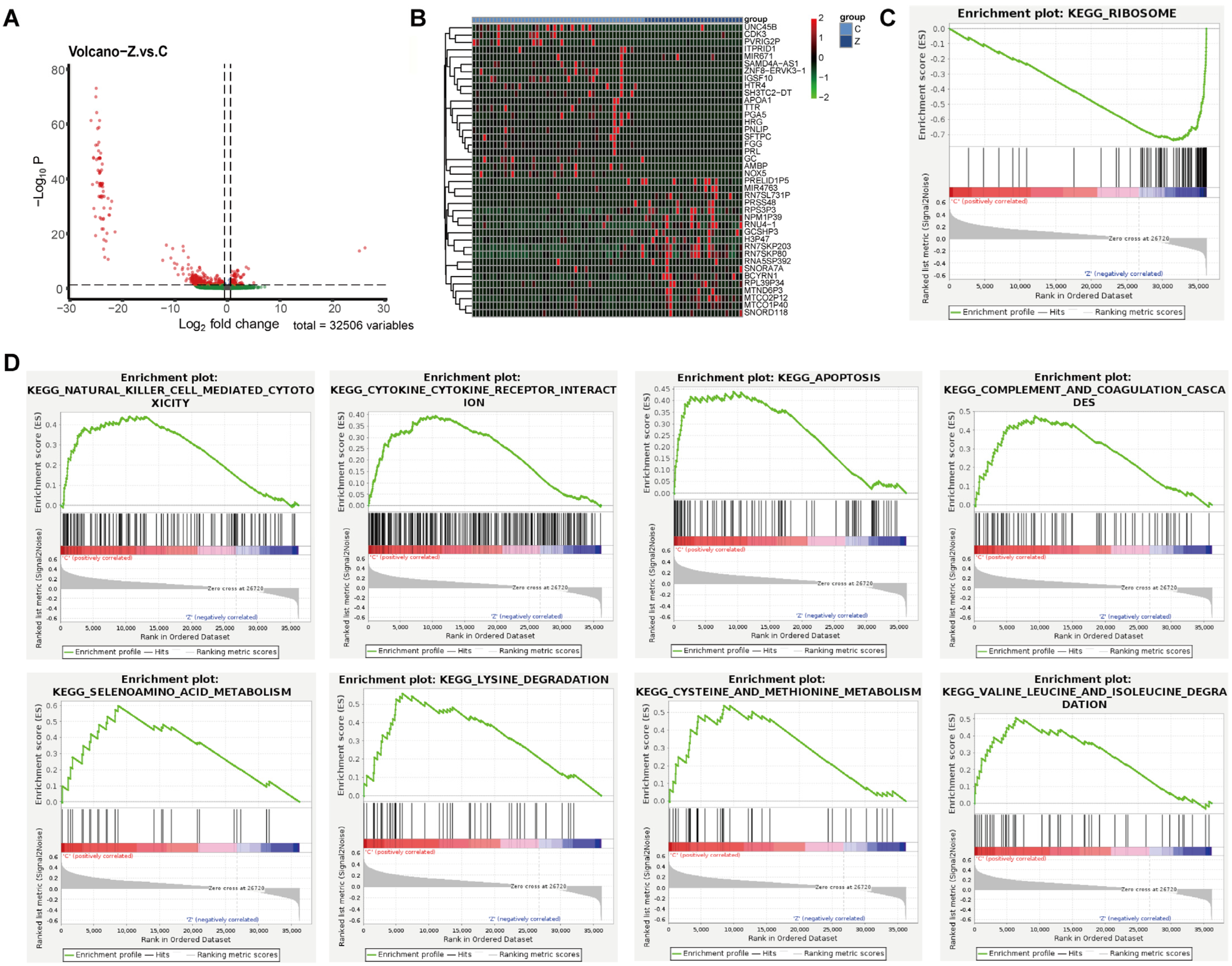
GSEA was performed using the clusterProfiler R package (v4.6.0) to identify biological pathways associated with metastatic status. All genes were ranked according to the log2 fold change values derived from DESeq2 differential expression analysis. Enrichment analysis was conducted against the Kyoto Encyclopedia of Genes and Genomes (KEGG) pathway database and Hallmark gene sets obtained from the MSigDB database. A permutation-based approach was applied with 1000 permutations, and enrichment significance was evaluated using normalized enrichment scores (NES). Pathways with a adjusted p value < 0.05 were considered significantly enriched.
2.4. Immune and Stromal Cell Profiling Using MCPcounter
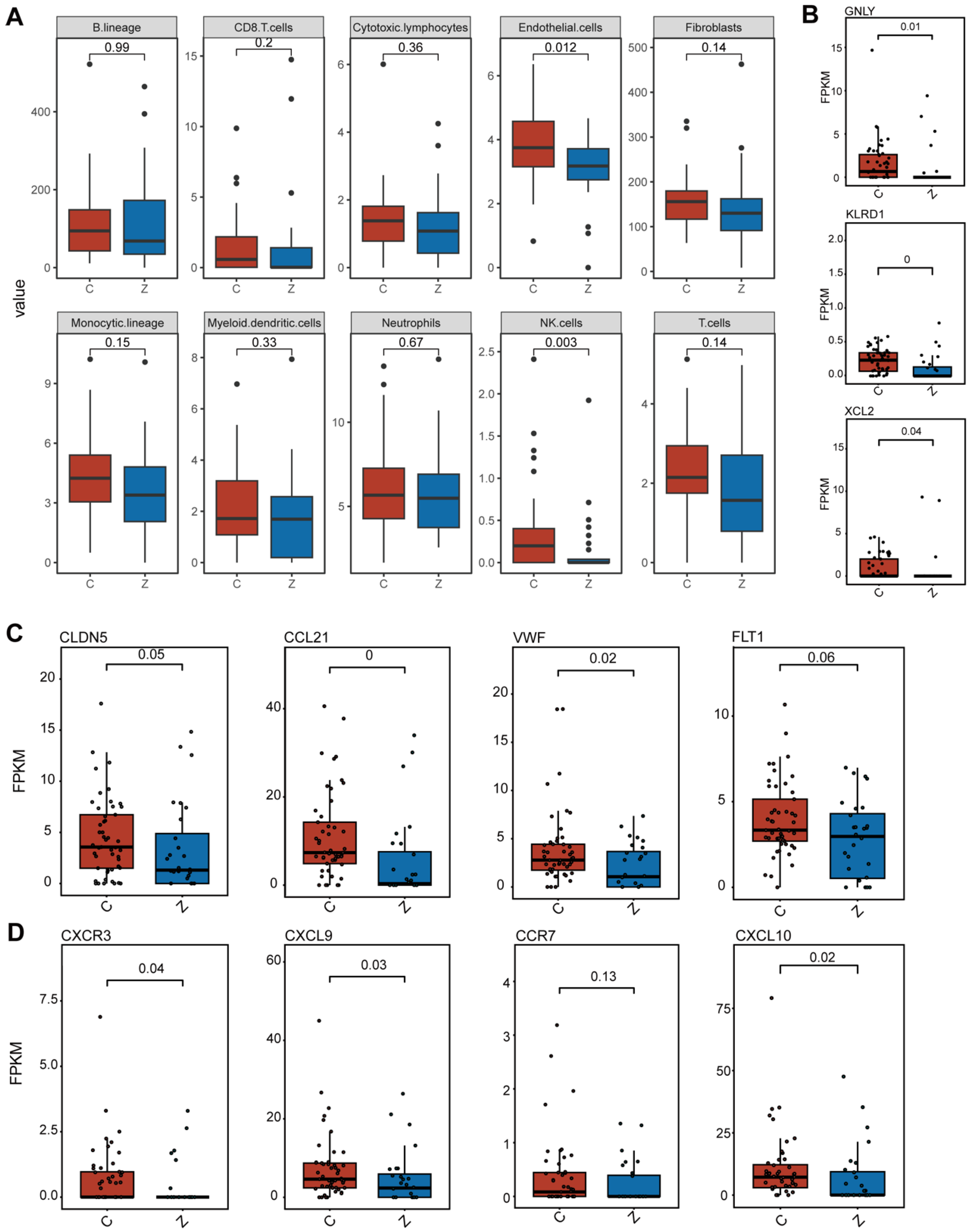
Immune and stromal cell abundances were estimated using the MCPcounter R package (v1.2.0). Normalized gene expression matrices derived from RNA-seq data were used as input, and cell-type-specific scores were computed based on predefined transcriptional signatures. MCPcounter provides quantitative estimates for major immune and stromal populations, including T cells, endothelial cells, myeloid cells, NK cells, and fibroblasts. The resulting scores were compared between non-metastatic and bone-metastatic PCa samples and incorporated into downstream analyses to evaluate microenvironmental differences associated with metastatic progression.
2.5. Weighted Gene Co-Expression Network Analysis (WGCNA)
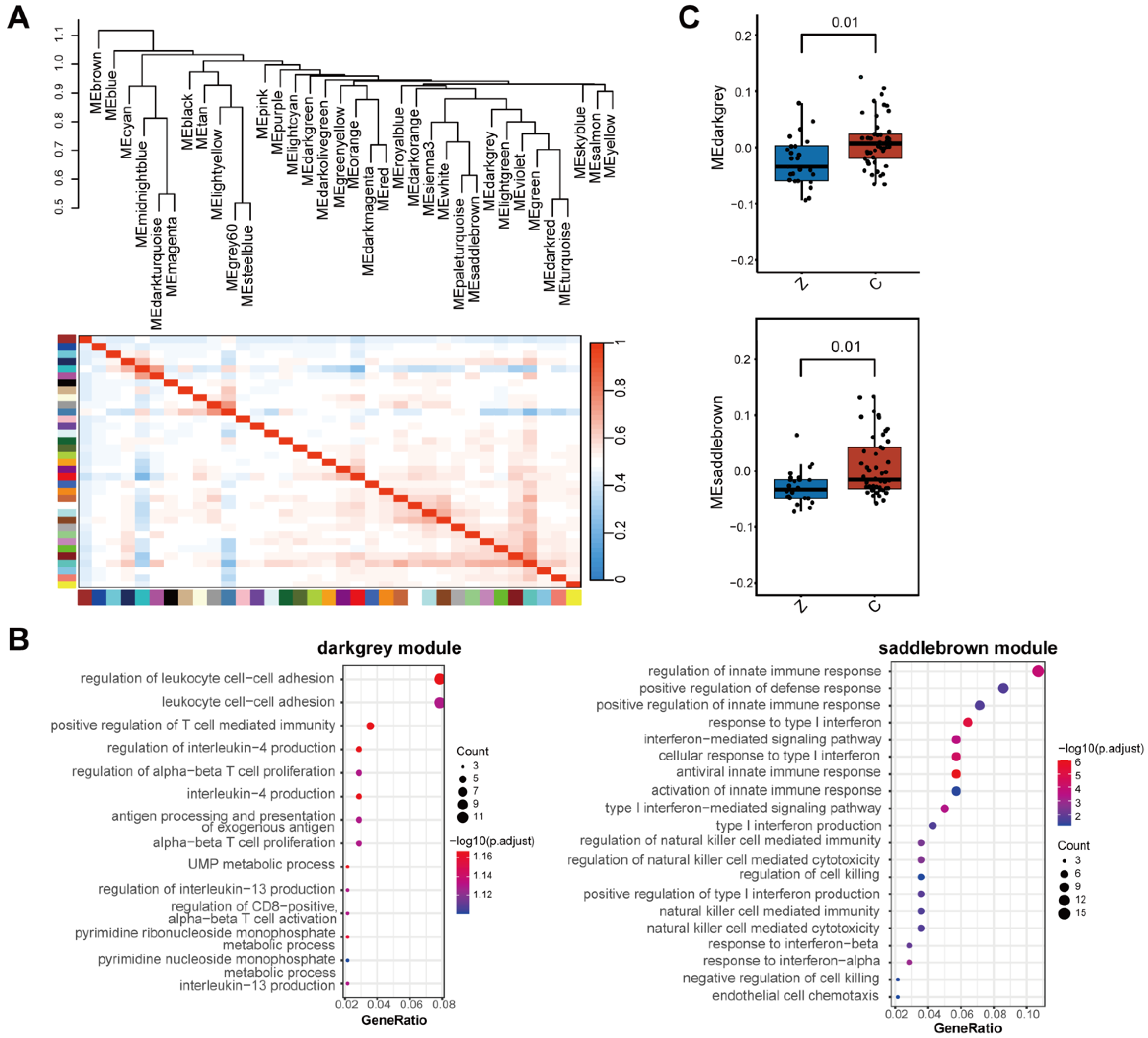
A weighted gene co-expression network was constructed using the WGCNA R package (v1.72) to identify modules correlated with metastasis and tumor microenvironment features. After filtering low-expression and low-variance genes, a signed network was built by selecting an optimal soft-thresholding power that met scale-free topology criteria. Following the generation of adjacency and topological overlap matrices, modules were identified through hierarchical clustering and represented by module eigengenes. Modules significantly associated with clinical traits or immune/stromal cell infiltration were selected for GO and KEGG enrichment analysis.
2.6. GO Enrichment Analysis
Functional enrichment of differentially expressed genes and WGCNA modules was performed using the clusterProfiler R package (v4.6.0). A hypergeometric test was applied with Benjamini-Hochberg correction. Gene Ontology biological process terms with an adjusted p-value < 0.05 were considered significantly enriched. Results were visualized using dot plots and enrichment maps to highlight key biological themes related to metastatic progression.
2.7. TCGA-PRAD Transcriptomic Analyses
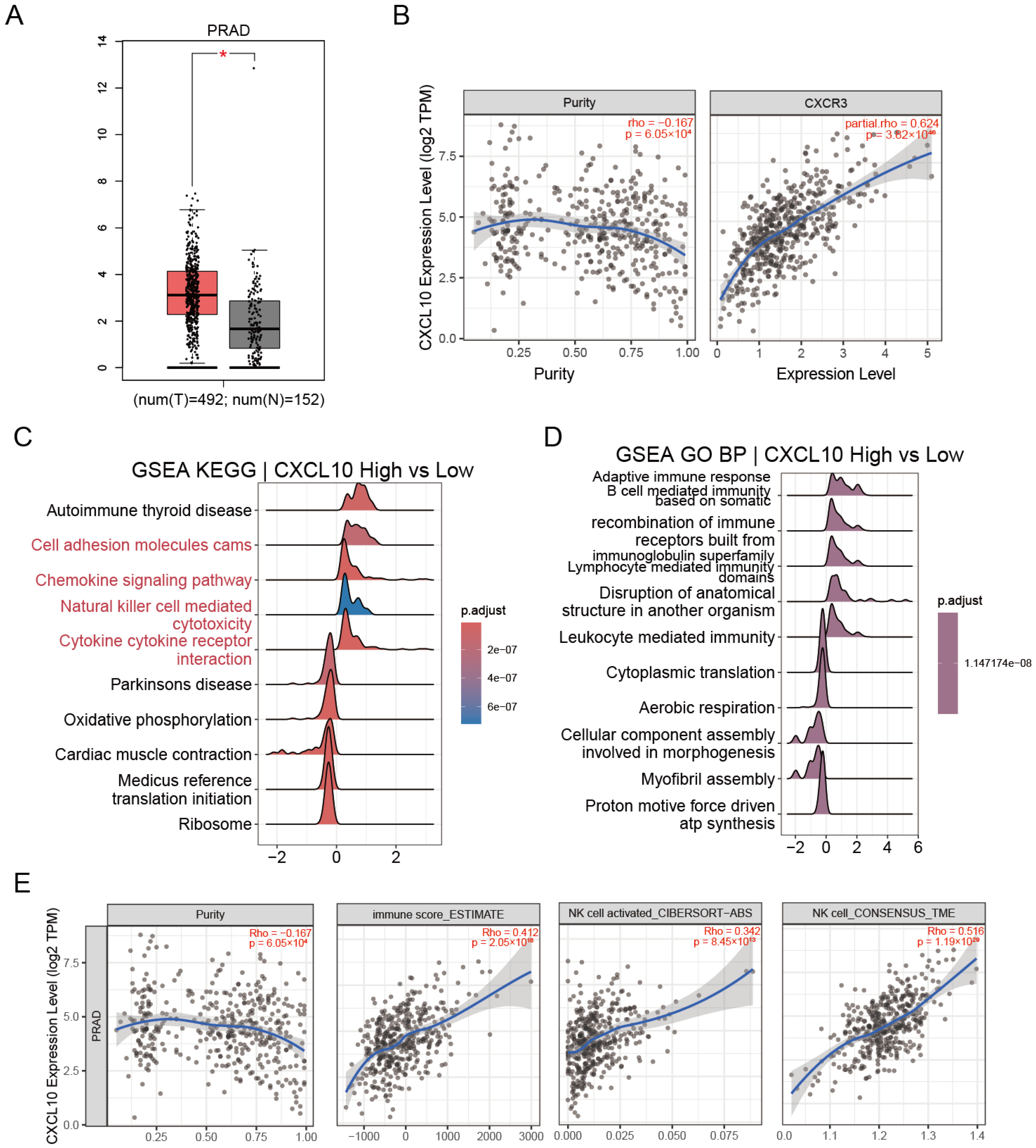
Correlation and immune infiltration analyses were performed using the TIMER platform. Specifically, the association between CXCL10 expression and tumor purity was assessed, and the correlation between CXCL10 and CXCR3 was evaluated using purity-adjusted partial Spearman correlation. In addition, correlations between CXCL10 and immune-related scores as well as NK cell-related infiltration/activation metrics were examined. To investigate CXCL10-associated biological functions, samples were stratified into high, intermediate, and low CXCL10 expression groups, and GSEA was conducted by comparing the high versus low groups. Enrichment analyses were performed for KEGG pathways and GO Biological Process terms, with statistical significance determined by multiple-testing adjusted FDR (p.adjust).
2.8. Cell Culture and Co-Culture Conditions
Human prostate cancer cell lines PC-3 and LNCaP, along with the human endothelial cell line hCMEC/D3, were obtained from BeNa Culture Collection (Beijing, China). PC-3 is an androgen receptor (AR)-negative, castration-resistant cell line derived from a bone metastasis, while LNCaP is an AR-positive, hormone-sensitive cell line derived from a lymph node metastasis. This pair was selected to represent distinct disease stages and molecular contexts of prostate cancer. PC-3 and LNCaP cells were cultured in RPMI-1640 (Gibco, Grand Island, NY, USA) supplemented with 10% FBS (Gibco, USA), while hCMEC/D3 cells were maintained in EBM-2 medium (Gibco, USA) with 10% FBS and endothelial cell growth supplement. All cells were incubated at 37 °C with 5% CO2.
For co-culture experiments, a Transwell system (0.4-μm pore) was used. hCMEC/D3 cells were seeded in the upper chamber and PC-3 or LNCaP cells in the lower chamber (2 × 10⁴ cells/well). Co-cultures and monoculture controls were maintained for 24–72 h as specified.
2.9. Quantitative Real-Time PCR (qRT-PCR)
Total RNA was extracted using TRIzol reagent (Invitrogen, Carlsbad, CA, USA) and quantified with a NanoDrop spectrophotometer. cDNA was synthesized from 1 μg RNA, and qPCR was performed with SYBR Green Master Mix (Takara, Shiga, Japan) on a QuantStudio system. Gene expression was normalized to Actin using the 2−ΔΔCt method. All reactions were performed in triplicate.
2.10. Enzyme-Linked Immunosorbent Assay (ELISA)
We measured the concentrations of CXCL10 and CXCR3 in the medium supernatant according to the guidelines provided by the reagent supplier. The ELISA kit was purchased from JONLNBIO Co., Ltd. (Shanghai, China). CXCL10 ELISA kit for JL11028, and CXCR3 ELISA kit for JL12547.
2.11. Cell Viability Assay
PC-3 and LNCaP cells were plated in 96-well plates and treated with the CXCR3 inhibitor AMG 487 or the agonist PS372424 hydrochloride at varying concentrations for 24, 48, and 72 h. Viability was measured using the CCK-8 assay and all experiments were performed in triplicate. Following reagent addition and incubation at 37 °C, absorbance at 450 nm was recorded. Viability was calculated as a percentage relative to vehicle-treated controls.
2.12. Invasion Assay
Cell invasion was assessed using Matrigel-coated 24-well Transwell inserts (8 μm pores). PC-3 and LNCaP cells (1 × 10⁵) in serum-free medium containing the specified treatment were seeded in the upper chamber. The lower chamber contained 10% FBS medium with the corresponding treatment as a chemoattractant. After 24 h, non-invading cells were removed, and cells on the lower membrane were fixed, stained with crystal violet, and counted in five random fields per insert under a light microscope.
2.13. Cell Migration Assay
A scratch wound assay was performed on confluent PC-3 and LNCaP monolayers in 6-well plates. A uniform scratch was created with a sterile pipette tip. After washing, fresh medium containing the treatment was added. Wound images were captured at 0 and 24 h using an inverted microscope. Wound closure was quantified as the percentage reduction in wound area at 24 h relative to time zero using ImageJ software (version 2.1.4.7).
2.14. Chemoresistance Assay
Cells were pretreated for 24 h with AMG 487, PS372424 hydrochloride (0.1–10 μM), or vehicle (DMSO). The medium was then replaced with fresh medium containing the same modulator and a range of docetaxel concentrations (0–10 nM). After 48 h, cell viability was assessed by the CCK-8 assay. Absorbance at 450 nm was measured, background subtracted, and viability expressed relative to the vehicle-only control. Dose-response curves were generated by plotting viability against log-transformed docetaxel concentrations, and IC50 values were calculated using nonlinear regression analysis with a four-parameter logistic (4PL) curve-fitting model in GraphPad Prism (v9.0). For each experimental condition, IC50 values were reported together with their 95% confidence intervals to indicate the precision of the estimates.
2.15. Small Interfering RNA (siRNA) Transfection
siRNAs targeting human CXCR3 (si-CXCR3), CXCL10 (si-CXCL10), and a non-targeting control (si-NC) were synthesized by GenePharma (Shanghai, China). The sequences used were as follows: si-CXCR3 (sense: 5′-GGAUUAUCCUGUCAUUCUUTT-3′); si-CXCL10 (sense: 5′-GCUUCAGCUUGUGAUCUUCTT-3′); si-NC (sense: 5′-UUCUCCGAACGUGUCACGUTT-3′).
PC-3 and LNCaP cells were transfected at 60–70% confluency using Lipofectamine 3000 (Invitrogen, Carlsbad, CA, USA) according to the manufacturer’s protocol. Briefly, siRNA-Lipofectamine 3000 complexes were formed in Opti-MEM and added to cells at a final siRNA concentration of 50 nM. Cells were harvested 48 h post-transfection for knockdown validation by qRT-PCR.
2.16. Flow Cytometric Analysis of Apoptosis
Apoptosis was assessed using an Annexin V-FITC/PI Apoptosis Detection Kit (BD Biosciences, San Jose, CA, USA). Treated cells were collected, washed with PBS, and resuspended in binding buffer. After staining with Annexin V-FITC and PI in the dark for 15 min, samples were analyzed on a BD FACSCanto II flow cytometer (San Jose, CA, USA). After staining, 400 μL of binding buffer was added to each sample, and cells were analyzed within 1 h on a BD FACSCanto II flow cytometer. The gating strategy was as follows: first, cells were gated on a forward scatter-area (FSC-A) versus side scatter-area (SSC-A) plot to exclude cellular debris and aggregates. Next, doublets were excluded using FSC-height (FSC-H) versus FSC-A gating to select single cells. From the single-cell population, apoptotic cells were identified on an Annexin V-FITC versus PI plot. Quadrant gates were set based on unstained controls and single-stained compensation controls. Early apoptotic cells were defined as Annexin V-positive/PI-negative, late apoptotic cells as Annexin V-positive/PI-positive, and necrotic cells as Annexin V-negative/PI-positive. Total apoptotic cells were calculated as the sum of early and late apoptotic populations. Data were processed with FlowJo software(version 10), with apoptotic cells defined as Annexin V-positive.
2.17. Statistical Analysis
Statistical analyses were performed using R (v4.2.2) and GraphPad Prism (v9.0). Data are presented as mean ± SD. Two-group comparisons used Student’s t-test; multiple-group comparisons used ANOVA with appropriate post hoc tests. Correlations were evaluated by Pearson’s coefficient. For transcriptomic data, p-values were adjusted using the Benjamini-Hochberg method. A two-sided p < 0.05 was considered significant. Significance levels are indicated as * p < 0.05, ** p < 0.01, *** p < 0.001, **** p < 0.0001.
4. Discussion
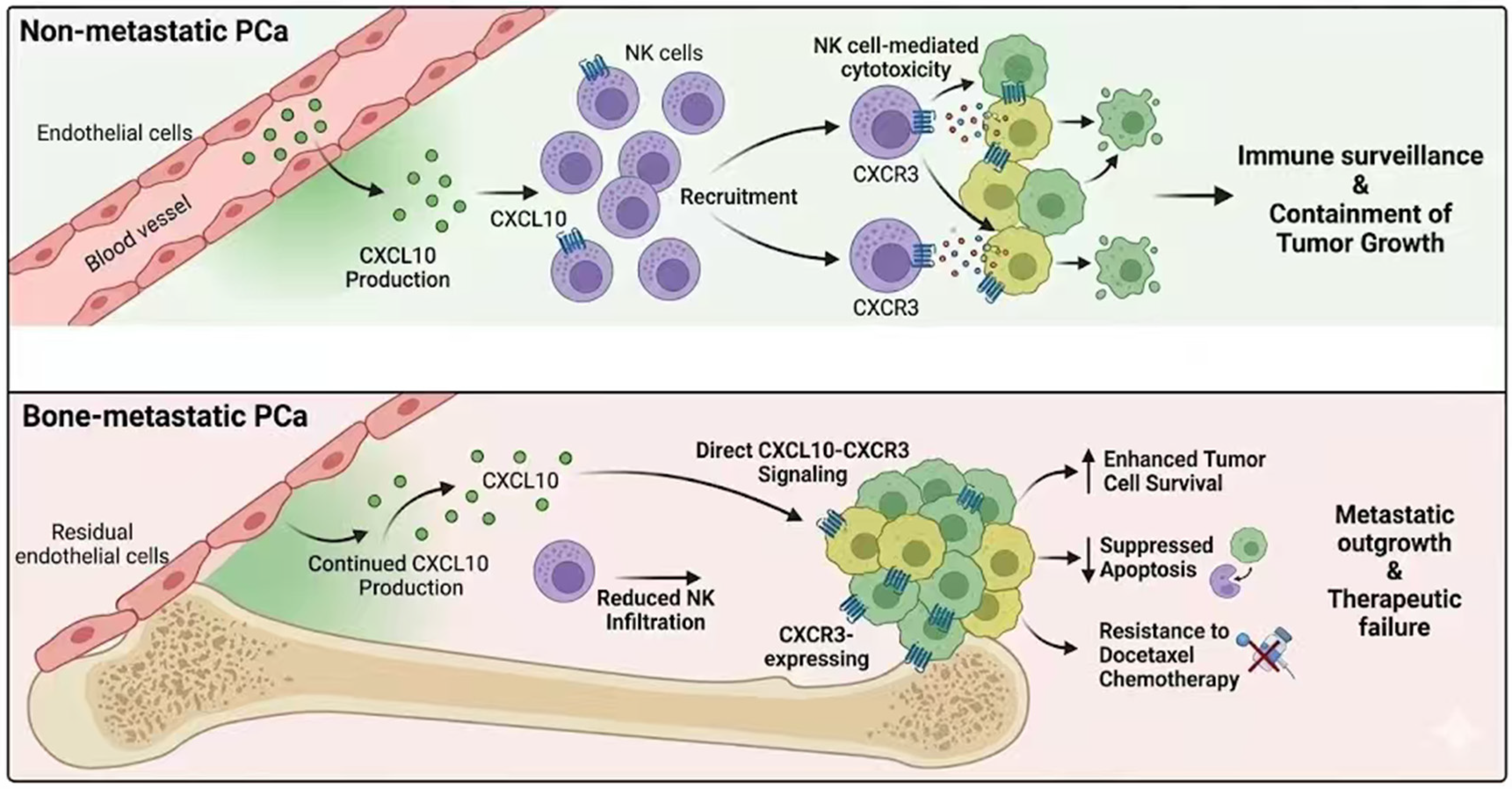
Bone metastasis is a major cause of morbidity, therapeutic resistance, and mortality in advanced PCa, yet the mechanisms driving metastatic progression remain poorly defined. In this study, we performed transcriptomic profiling of 49 non-metastatic and 28 bone-metastatic PCa samples to systematically characterize molecular and microenvironmental differences associated with metastasis. WGCNA revealed that non-metastatic tumors are enriched for immune-related gene programs, which was further supported by immune deconvolution analysis demonstrating increased infiltration of NK cells and endothelial cells. Chemokine-cytokine axis analysis identified significant upregulation of CXCL10-CXCR3 signaling components in non-metastatic PCa. Importantly, in vitro functional experiments confirmed that CXCL10-CXCR3 signaling regulates PCa cell survival, apoptosis, and chemotherapeutic response. Together, these findings highlight a critical role for immune-associated chemokine signaling and tumor-microenvironment interactions in restraining PCa progression (
Figure 10).
Our transcriptomic analyses revealed profound molecular differences between non-metastatic and bone-metastatic PCa. Bone-metastatic tumors were characterized by enrichment of ribosome-related pathways, suggesting enhanced translational activity, which is consistent with prior reports linking ribosomal biogenesis to aggressive tumor phenotypes and metastatic competence [
16,
17]. In contrast, non-metastatic tumors displayed enrichment of immune-related pathways, including NK cell-mediated cytotoxicity, cytokine signaling, and necroptosis. These findings indicate that immune surveillance is more active in localized disease and may be progressively attenuated during metastatic dissemination, supporting the concept of immune escape as a hallmark of metastatic PCa [
18].
Through WGCNA, we further identified coordinated immune-related transcriptional programs that were preferentially active in non-metastatic tumors. Notably, both adaptive immune-associated modules (IL4/IL13 signaling and T cell activation) and innate immune modules (interferon signaling, NK cell cytotoxicity, and endothelial chemotaxis) were significantly downregulated in bone-metastatic disease. This coordinated suppression suggests that metastatic progression is accompanied not merely by loss of individual immune components, but by a global reprogramming of immune-stromal interactions within the tumor microenvironment [
19]. Such coordinated immune attenuation has been reported in other metastatic malignancies and is increasingly recognized as a driver of immune evasion and therapeutic resistance [
20].
Immune cell deconvolution further demonstrated that NK cells and endothelial cells were significantly enriched in non-metastatic PCa. NK cells play a critical role in controlling tumor dissemination and metastatic seeding through direct cytotoxicity and cytokine production [
21]. The reduced NK cell infiltration observed in bone-metastatic tumors is therefore likely to contribute to metastatic outgrowth. Importantly, endothelial cells are not passive structural components but actively regulate immune cell trafficking through chemokine secretion and adhesion molecule expression [
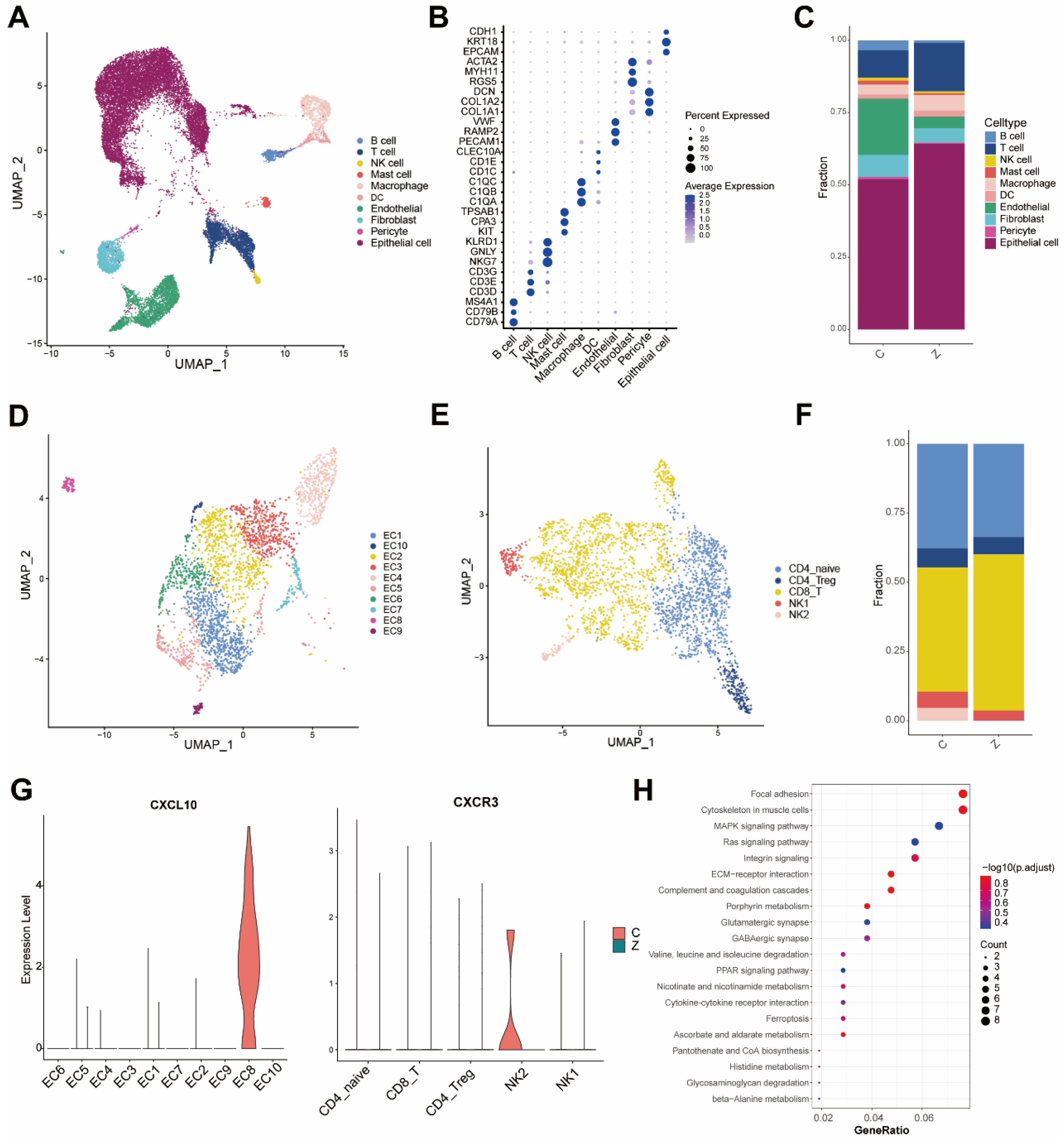
22]. The concurrent enrichment of endothelial cells and NK cells in non-metastatic tumors prompted us to explore chemokine-mediated endothelial-immune crosstalk as a potential regulatory mechanism.
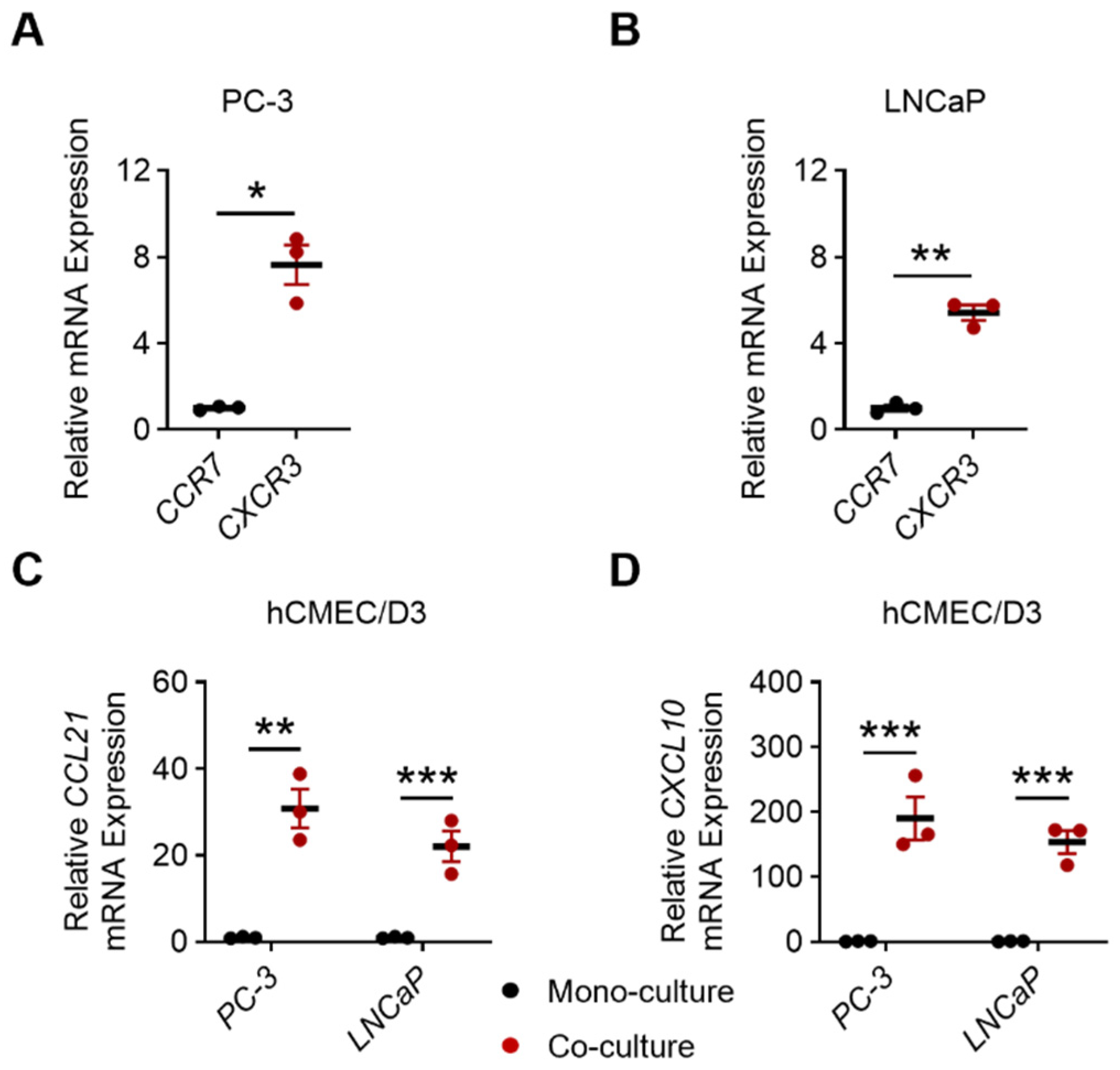
Our chemokine-receptor axis analysis identified CCL21-CCR7/CXCR3 and CXCL10-CXCR3 as key signaling pathways enriched in non-metastatic tumors. CCL21 and CXCL10 are well-established endothelial-derived chemokines involved in immune cell recruitment, especially NK and effector T cells [
23,
24]. The marked upregulation of endothelial markers, together with increased chemokine expression and spatial proximity between NK cells and endothelial structures in non-metastatic tumors, supports a model in which endothelial cells actively orchestrate immune surveillance through chemokine gradients [
25]. Loss of this chemokine network in bone-metastatic disease may therefore represent a critical step in immune exclusion.
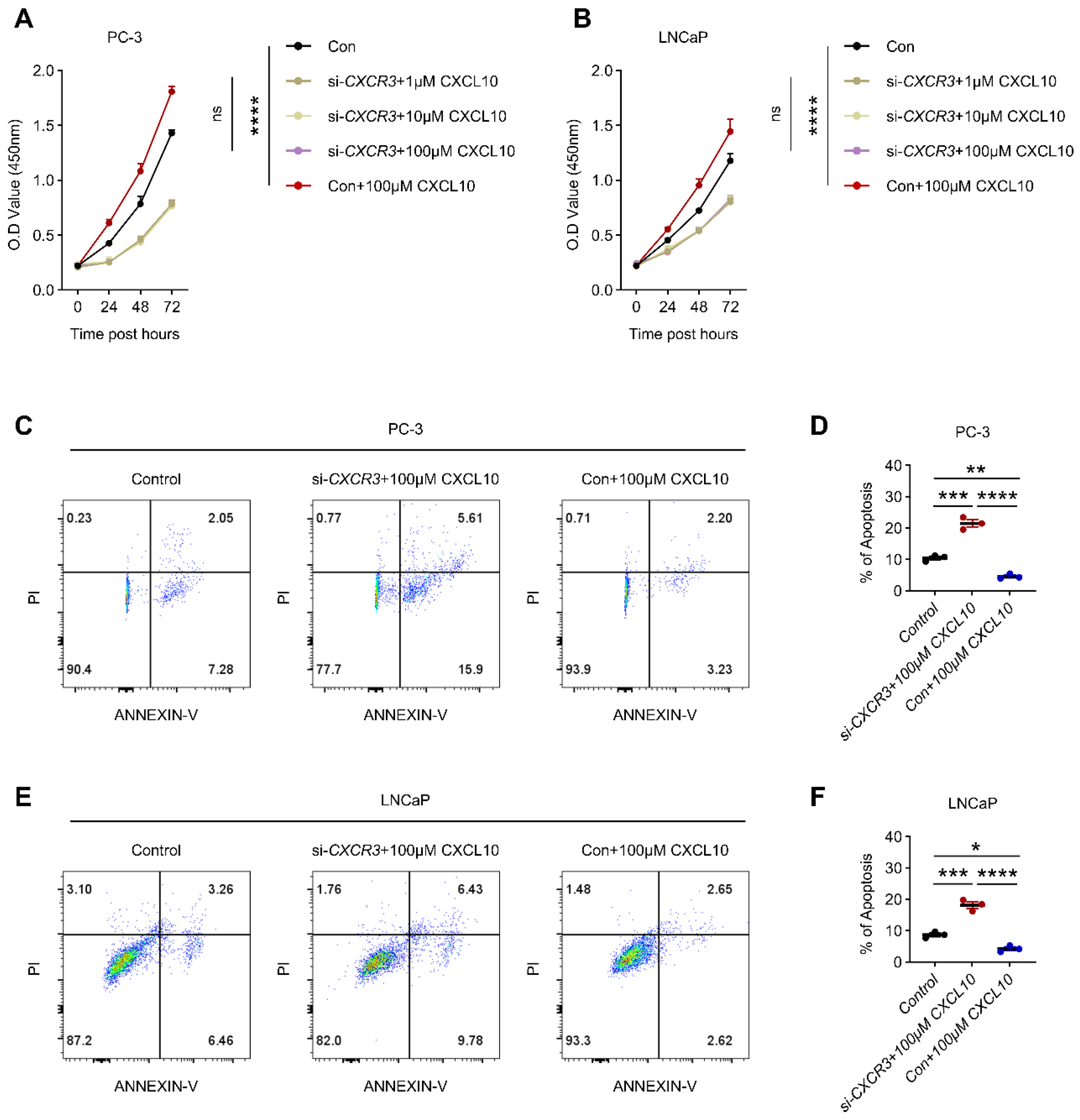
Unexpectedly, our in vitro experiments revealed that endothelial-derived CXCL10 also exerts a direct tumor-promoting effect by enhancing PCa cell survival through CXCR3. While CXCL10 is traditionally regarded as an immune-attracting chemokine with anti-tumor functions, accumulating evidence indicates that CXCL10-CXCR3 signaling can be hijacked by tumor cells to promote proliferation, survival, and metastasis in a context-dependent manner [
26,
27,
28]. We demonstrate that both PC-3 and LNCaP cells express CXCR3 at relatively high levels, and that CXCL10 stimulation enhances cell viability while suppressing apoptosis. Importantly, these effects are abolished upon CXCR3 knockdown, establishing a direct, receptor-dependent survival mechanism.
The dual role of CXCL10 revealed by our data highlights the context-dependent nature of chemokine signaling in the tumor microenvironment. This apparent paradox is consistent with emerging evidence that chemokines can exert opposing functions depending on the cellular context and disease stage [
26,
28]. In non-metastatic tumors, endothelial-derived CXCL10 may simultaneously promote NK cell recruitment and enhance tumor cell fitness, reflecting a dynamic equilibrium between immune surveillance and tumor adaptation [
29,
30]. However, as tumors progress to bone metastasis, immune evasion mechanisms progressively diminish NK cell infiltration, shifting the balance toward dominance of tumor-intrinsic CXCR3 signaling. In this context, CXCL10 produced by residual endothelial or stromal cells may be co-opted by tumor cells to directly support survival and confer chemoresistance [
31,
32]. This evolutionary model suggests that the net biological outcome of CXCL10-CXCR3 signaling depends on the relative abundance of CXCR3-expressing immune versus tumor cells within the microenvironment.
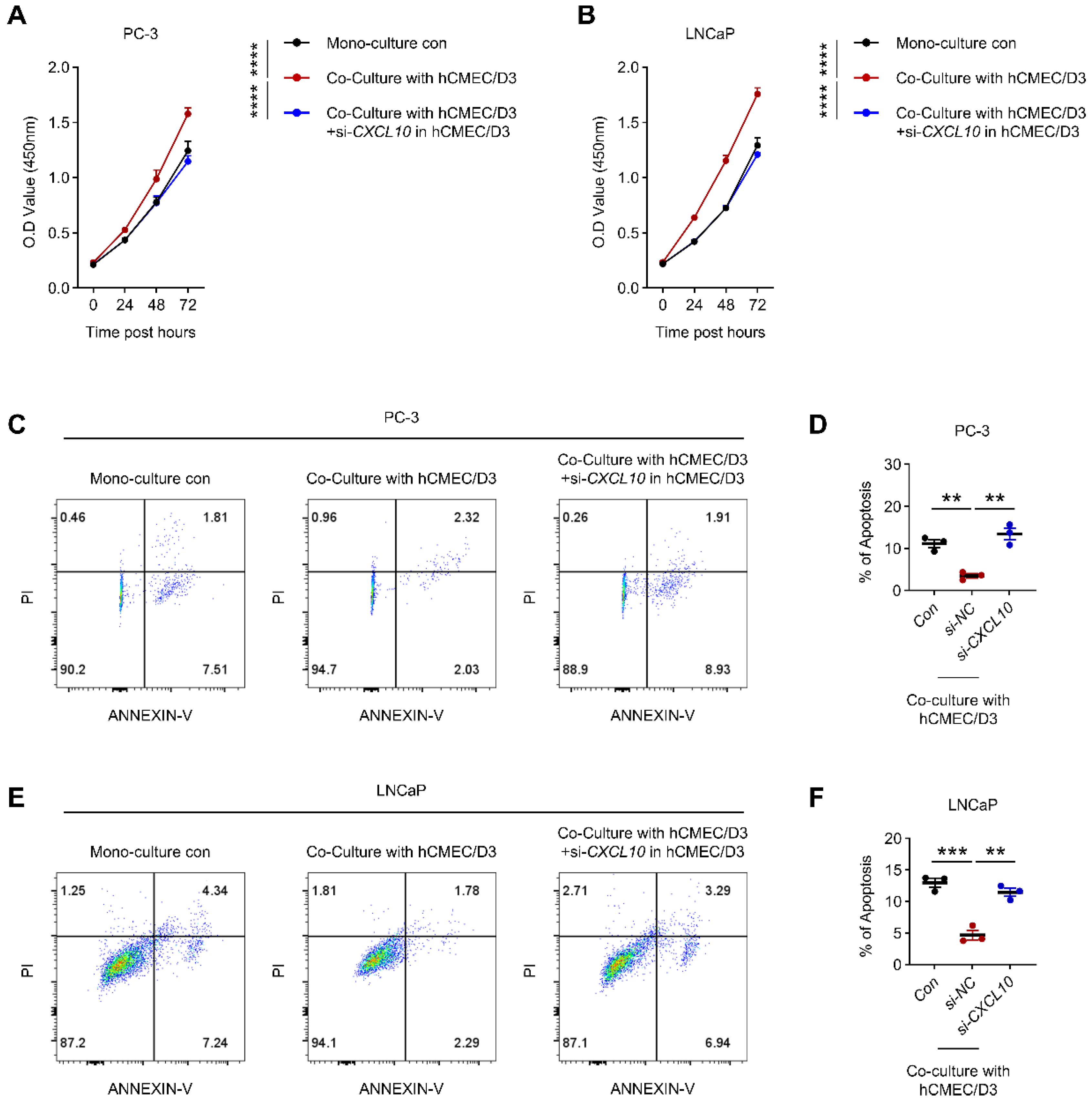
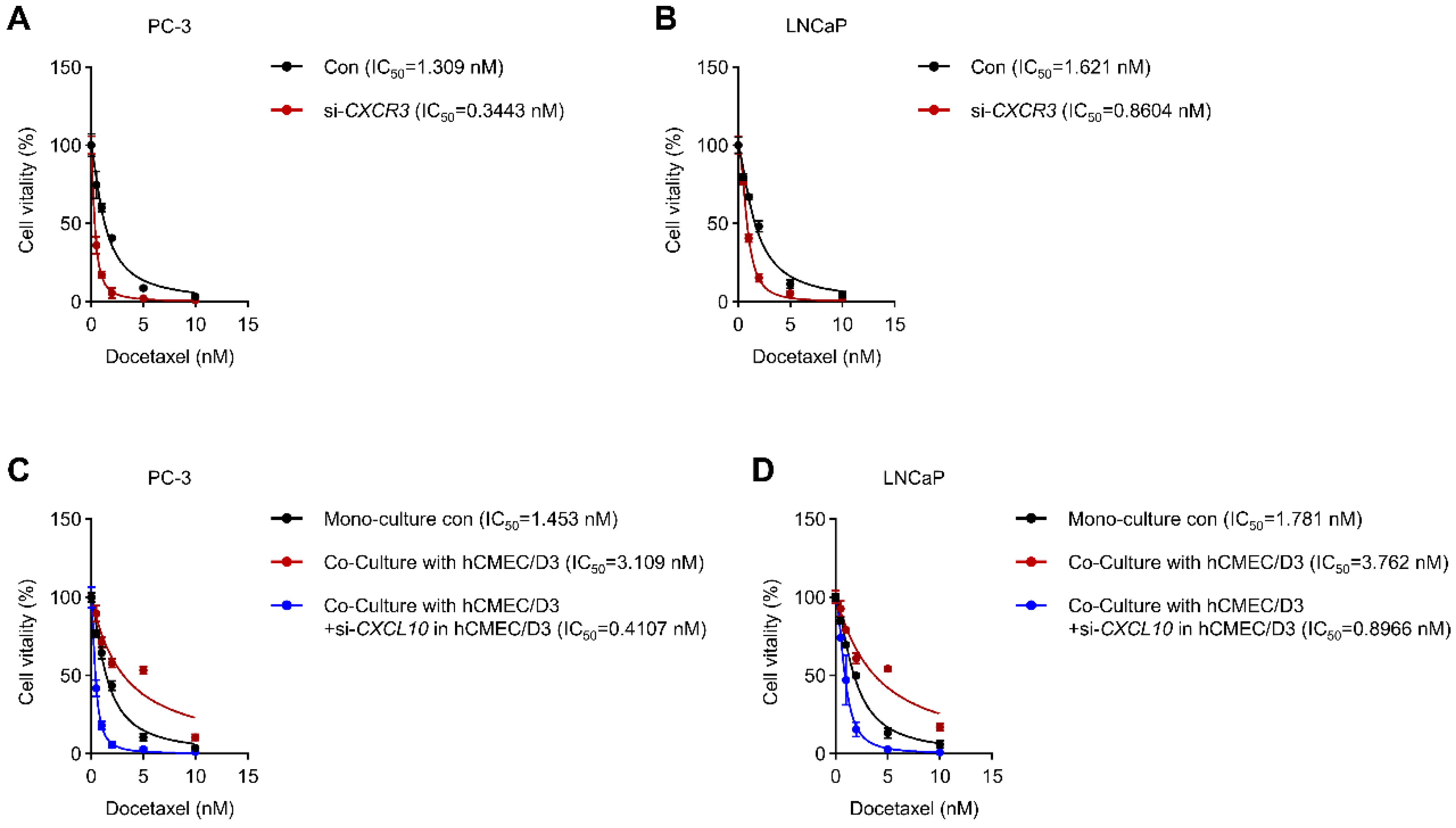
Our findings further demonstrate that endothelial-derived CXCL10 contributes to chemoresistance. Co-culture with endothelial cells significantly increased resistance of PCa cells to docetaxel, a standard therapy for advanced disease [
33]. This resistance was largely reversed by CXCL10 knockdown in endothelial cells or CXCR3 silencing in tumor cells, indicating that CXCR3-CXCL10 signaling is a key mediator of microenvironment-induced drug resistance. Similar chemokine-driven resistance mechanisms have been reported in breast cancer and leukemia, where stromal-derived CXCL12 or CXCL10 activates survival pathways and attenuates chemotherapy-induced apoptosis [
31,
32,
34].
Clinically, these findings have several important implications. Disruption of endothelial-immune crosstalk may represent a molecular hallmark of metastatic progression and could serve as a potential biomarker for identifying tumors with high metastatic propensity. In addition, CXCR3 expression on tumor cells delineates a subset of prostate cancers that appear to be particularly dependent on chemokine-mediated survival signaling within the tumor microenvironment [
35]. From a therapeutic perspective, targeting CXCR3 signaling or endothelial-derived chemokine production may not only suppress tumor cell survival but also restore sensitivity to chemotherapy and potentially facilitate immune cell infiltration. Given the limited clinical benefit of immune checkpoint blockade in unselected prostate cancer populations [
36], strategies aimed at modulating stromal-tumor communication and chemokine-driven signaling networks may provide a complementary avenue to remodel the tumor microenvironment and enhance therapeutic efficacy. Above all, our data resolve an apparent paradox by demonstrating that endothelial CXCL10 has a bifunctional role: it supports immune surveillance via NK recruitment, yet can be hijacked by CXCR3 high tumor cells to enhance fitness and drug tolerance.
Several limitations of this study should be acknowledged. First, although our transcriptomic and functional analyses reveal a strong association between the CXCL10-CXCR3 axis and prostate cancer progression, the retrospective nature of the clinical cohort limits direct causal inference regarding metastatic dissemination. Furthermore, all non-metastatic and bone-metastatic samples were obtained from different patients, and no matched primary tumor and bone metastatic tissues from the same individual were available for analysis. While such matched samples would provide valuable insights into the genomic evolution during metastatic progression, they are exceedingly difficult to obtain clinically. Second, while our study focused on endothelial-tumor crosstalk, future studies incorporating other microenvironmental cells such as macrophages, T cells, and osteoblasts will provide a more complete understanding of CXCL10-CXCR3 signaling in the bone metastatic niche. Third, while our in vitro co-culture models recapitulate key aspects of endothelial-tumor crosstalk, in vivo validation in orthotopic or bone metastasis models will be required to confirm the functional relevance of this axis in metastatic progression and therapeutic response. Finally, future investigations should explore the downstream signaling pathways activated by CXCR3 in prostate cancer cells and assess whether pharmacologic inhibition of this axis can synergize with chemotherapy or immunotherapy in preclinical and clinical settings.




 ,
,