Pan-Cancer Analysis Identifies SNORA12 as a Prognostic Biomarker and Demonstrates Its Role in Upregulating TIGIT in Osteosarcoma

 ,
,
Abstract
1. Introduction
2. Materials and Methods
2.1. Study Design and Data Acquisition
2.1.1. Multi-Cohort Gene Expression Data Processing
2.1.2. Survival and Prognostic Analysis
2.1.3. Analysis of Immune Cell Infiltration
2.2. Experimental Validation
2.2.1. Cell Culture
2.2.2. Plasmid Construction and Transfection
2.2.3. Quantitative Real-Time PCR (qRT-PCR)
2.2.4. Western Blot Analysis
2.2.5. Isolation, Activation, and Purity Assessment of Primary Human NK Cells
2.3. Statistical Analysis
3. Results
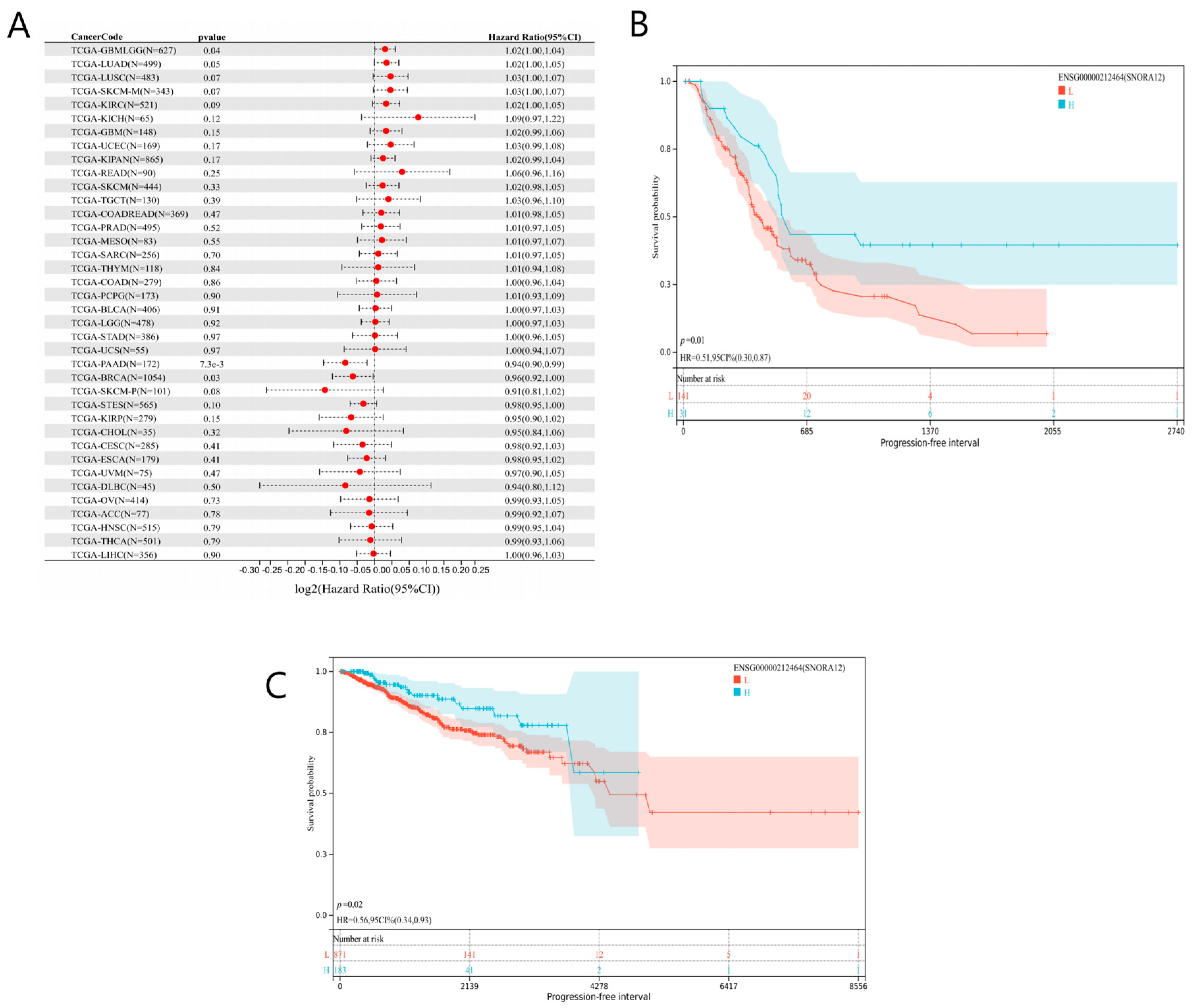
3.1. Prognostic Significance of SNORA12 Across Cancer Types
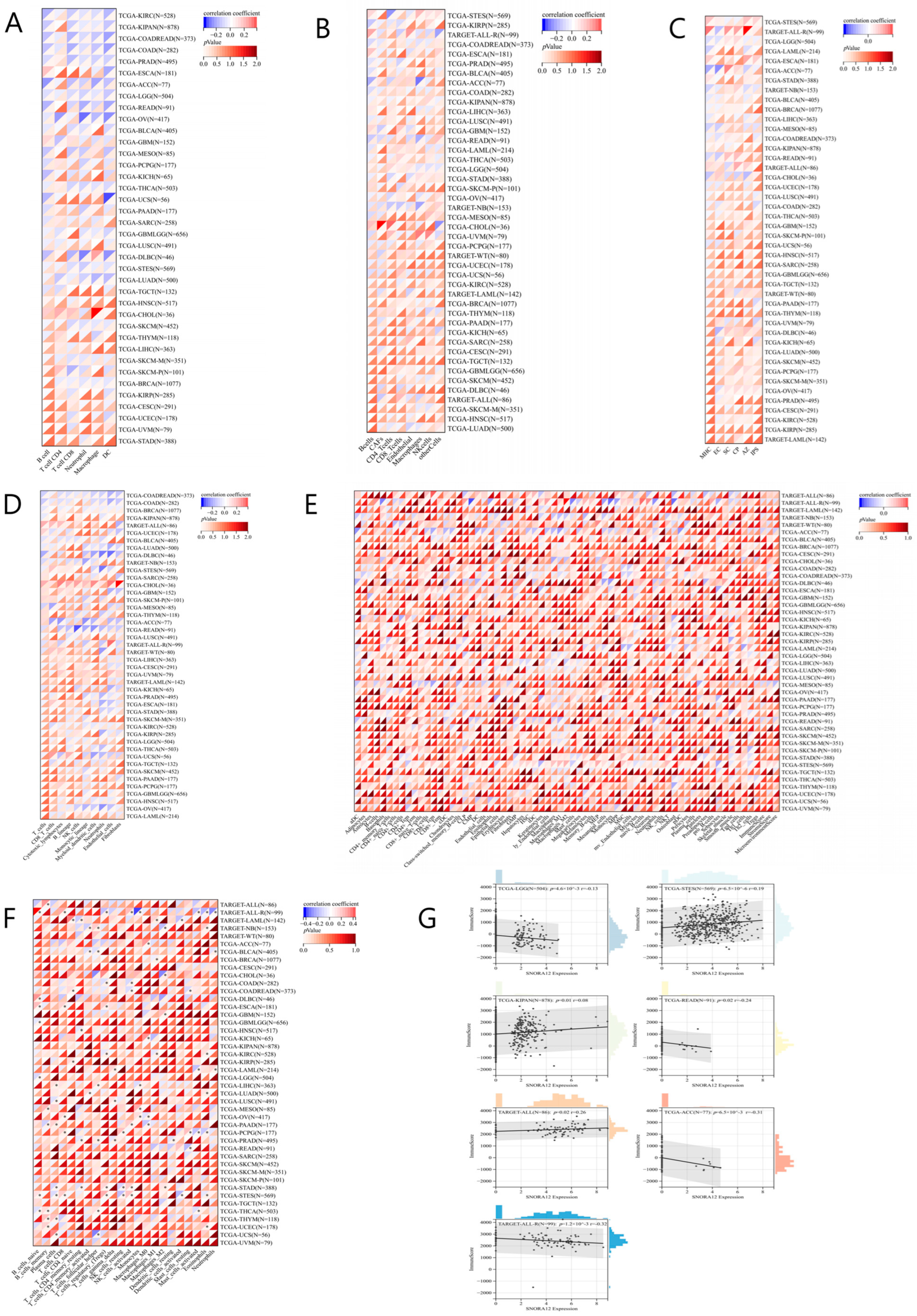
3.2. Correlation Between SNORA12 Expression and Immune Cell Infiltration
3.3. Correlation Between SNORA12 Expression and Immune Infiltration Score
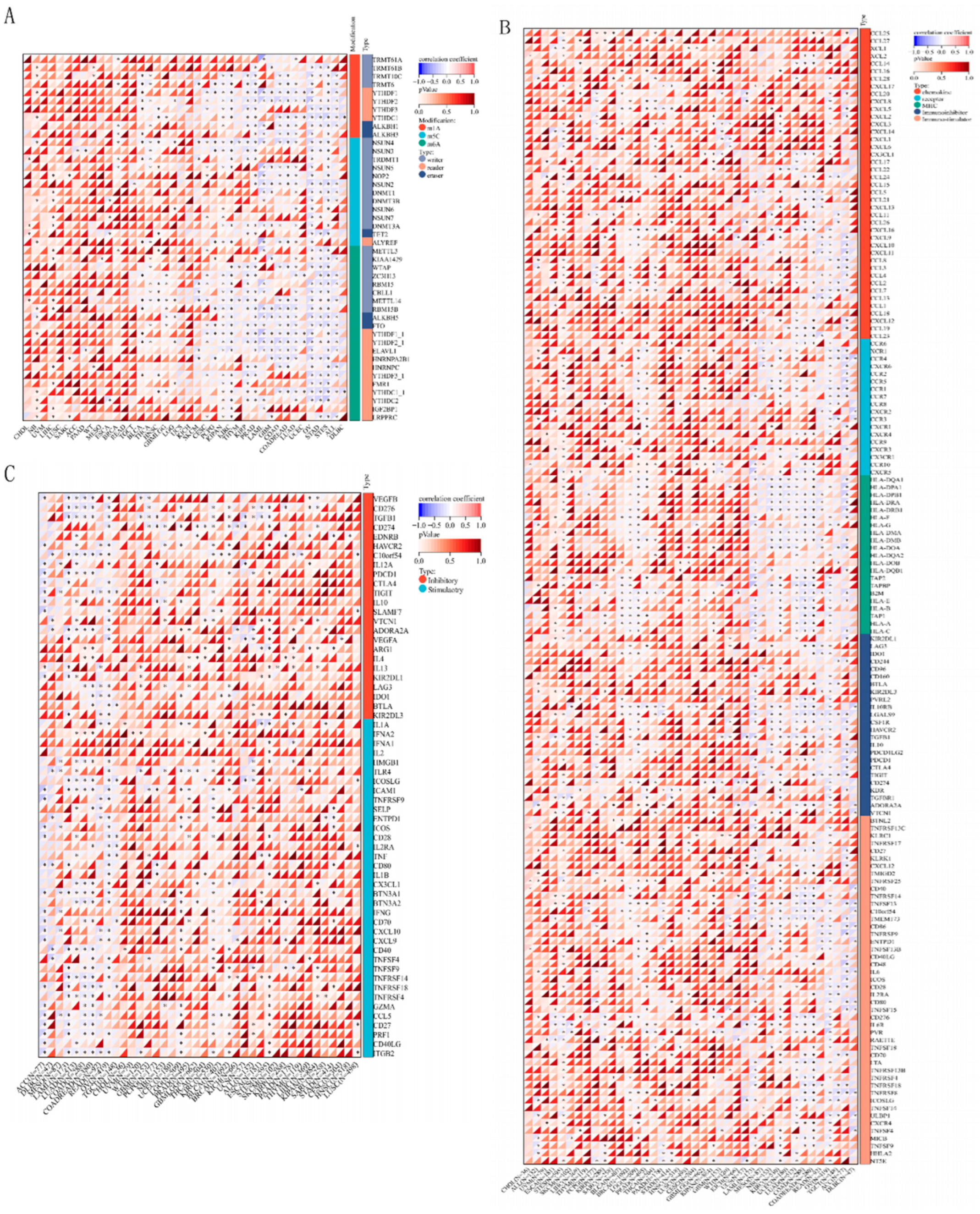
3.4. Correlation Between SNORA12 and RNA Modification Genes
- m6A pathway involvement: The positive correlations with METTL3 and YTHDF1 suggest that SNORA12 may promote the translation efficiency of oncogenic mRNAs by enhancing m6A modification [6]. The negative correlation with FTO implies that SNORA12 may maintain a pro-tumorigenic phenotype by inhibiting m6A demethylation [7].
- Cross-regulation of rRNA modification: As a box H/ACA snoRNA, SNORA12 is predicted to guide rRNA pseudouridylation. It is plausible that SNORA12 may indirectly affect the recruitment of m6A reader proteins by altering ribosome structure or function [8].
3.5. Correlation Between SNORA12 and Immune Regulatory Genes
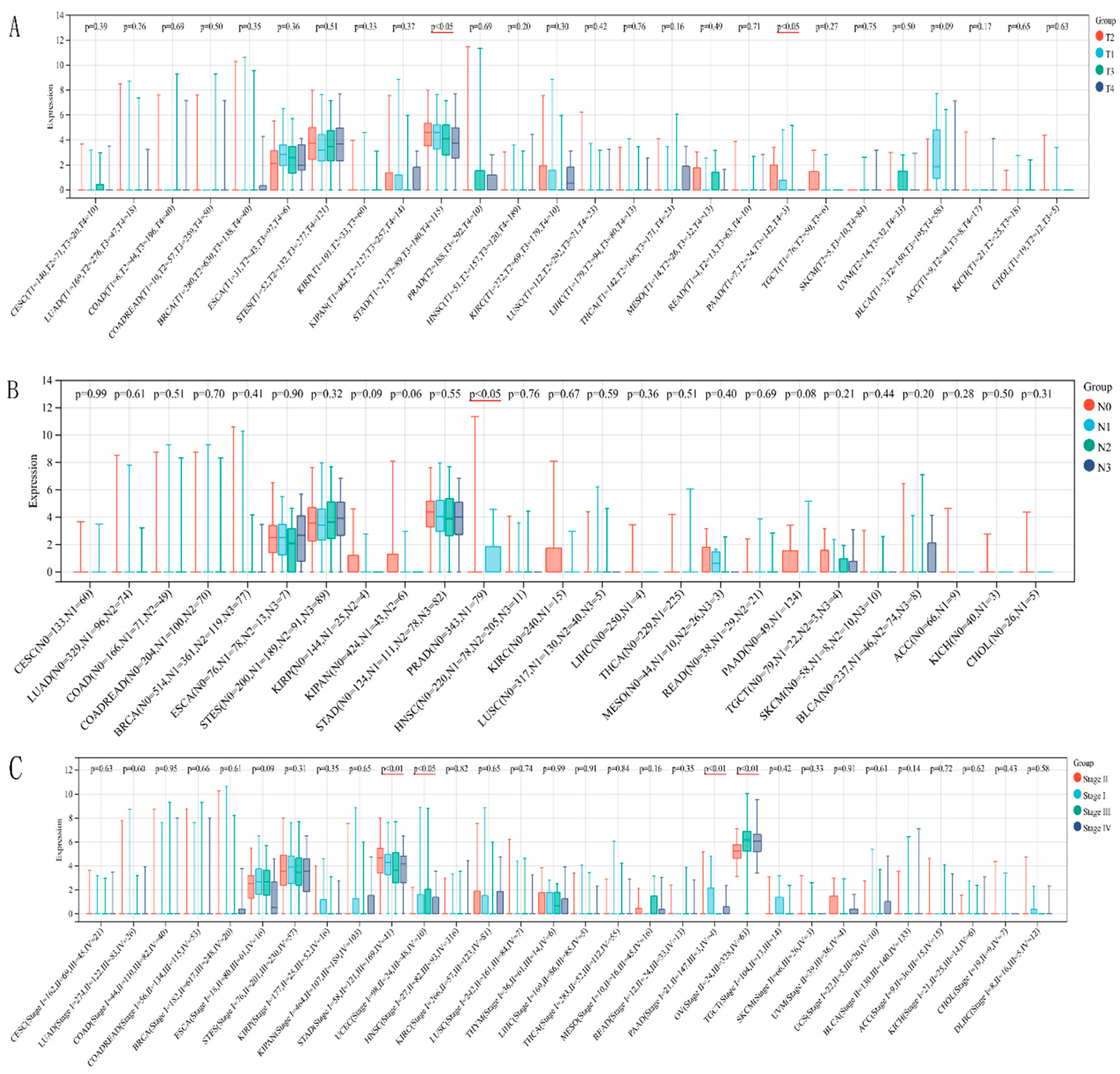
3.6. Correlation Between SNORA12 Expression and Clinical Pathological
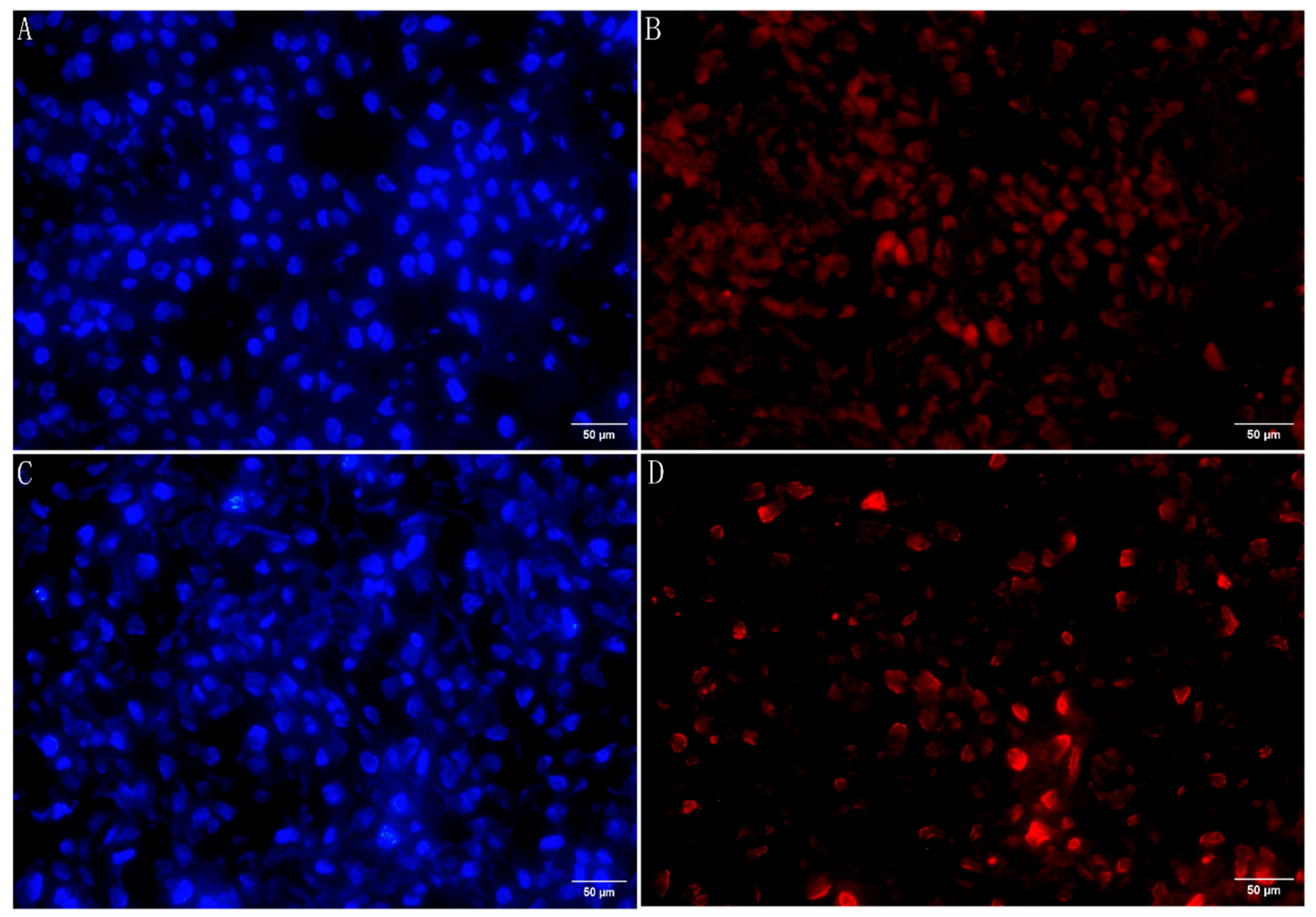
3.7. SNORA12 Expression in Human Osteosarcoma Tissue
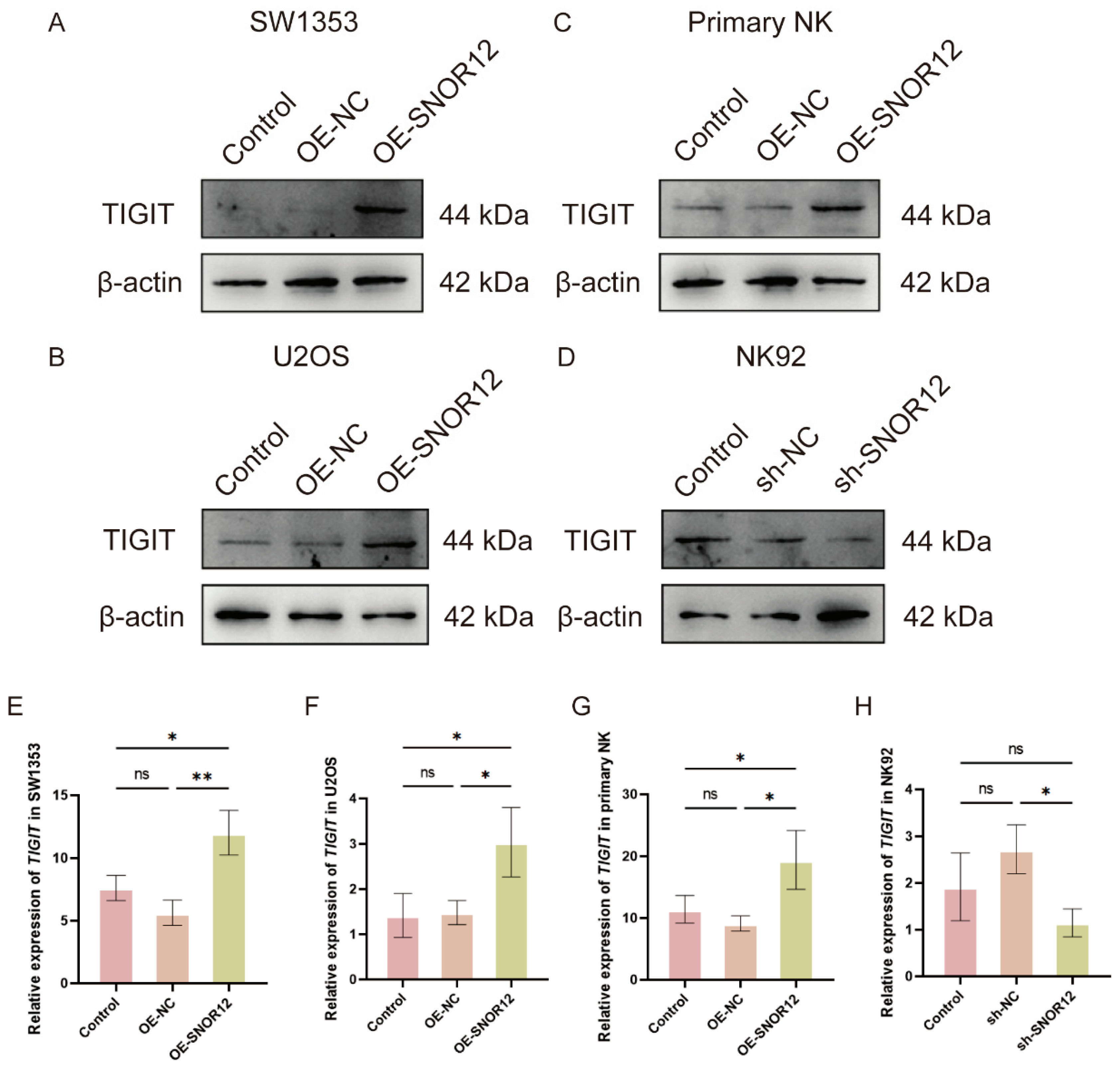
3.8. SNORA12 Positively Regulates TIGIT Expression in Osteosarcoma Cells and NK Cells
4. Discussion
4.1. Tumor Type-Specific Prognostic Value of SNORA12
4.2. SNORA12 and the Immune Microenvironment: Correlations and Hypotheses
4.3. SNORA12 and RNA Modification: A Basis for Mechanistic Hypotheses
- Ribosome-mediated indirect effects: As a box H/ACA snoRNA, SNORA12 is predicted to guide rRNA pseudouridylation. Altered ribosome structure or function could indirectly affect the recruitment of m6A reader proteins to translating mRNAs [8].
4.4. SNORA12 as a Regulator of TIGIT: Implications and Limitations
- Tumor-specific validation: The functional validation of SNORA12-mediated TIGIT regulation was performed exclusively in osteosarcoma models. Whether SNORA12 regulates TIGIT in other cancer types (e.g., glioma, pancreatic cancer) remains unknown and requires further investigation.
- Lack of in vivo evidence: Our conclusions are based on in vitro cell line models. In vivo studies using xenograft or syngeneic mouse models are needed to determine whether SNORA12-driven TIGIT upregulation actually contributes to immune evasion and tumor growth.
- Incomplete mechanistic depth: While we demonstrate that SNORA12 modulates TIGIT expression, the molecular mechanism—whether direct (e.g., through base-pairing interactions) or indirect (e.g., through RNA modification pathways)—remains undefined. Rescue experiments (e.g., overexpressing SNORA12 while blocking TIGIT) are required to establish functional dependence.
- Bioinformatics reliance: The pan-cancer findings, while comprehensive, are primarily correlational and derived from public databases with inherent sample heterogeneity and batch effects.
4.5. Clinical Implications and Future Directions
5. Conclusions
Supplementary Materials
Author Contributions
Funding
Institutional Review Board Statement
Informed Consent Statement
Data Availability Statement
Conflicts of Interest
Correction Statement
References
- Siegel, R.L.; Miller, K.D.; Jemal, A. Cancer statistics, 2020. CA Cancer J. Clin. 2020, 70, 7–30. [Google Scholar] [CrossRef] [PubMed]
- Bartel, D.P. MicroRNAs: Genomics, biogenesis, mechanism, and function. Cell 2004, 116, 281–297. [Google Scholar] [CrossRef] [PubMed]
- Mercer, T.R.; Dinger, M.E.; Mattick, J.S. Long non-coding RNAs: Insights into functions. Nat. Rev. Genet. 2009, 10, 155–159. [Google Scholar] [CrossRef] [PubMed]
- Kiss, T. Small nucleolar RNA-guided post-transcriptional modification of cellular RNAs. EMBO J. 2001, 20, 4645–4652. [Google Scholar] [CrossRef] [PubMed]
- Sharma, P.; Allison, J.P. The future of immune checkpoint therapy. Science 2015, 348, 56–61. [Google Scholar] [CrossRef] [PubMed]
- Wang, X.; Lu, Z.; Gomez, A.; Hon, G.C.; Yue, Y.; Han, D.; Fu, Y.; Parisien, M.; Dai, Q.; Jia, G.; et al. N6-methyladenosine-dependent regulation of messenger RNA stability. Nature 2016, 540, 301–304. [Google Scholar] [CrossRef] [PubMed]
- Yang, Y.; Hsu, P.J.; Chen, Y.-S.; Yang, Y.-G. Dynamic transcriptomic m6A decoration: Writers, erasers, readers and functions in RNA metabolism. Cell Res. 2018, 28, 616–624. [Google Scholar] [CrossRef] [PubMed]
- Ojha, S.; Malla, S.; Lyons, S.M. snoRNPs: Functions in Ribosome Biogenesis. Biomolecules 2020, 10, 783. [Google Scholar] [CrossRef] [PubMed]
- Kiss-László, Z.; Henry, Y.; Bachellerie, J.P.; Caizergues-Ferrer, M.; Kiss, T. Site-specific ribose methylation of preribosomal RNA: A novel function for small nucleolar RNAs. Cell 1996, 85, 1077–1088. [Google Scholar] [CrossRef] [PubMed]
- Huang, Z.-H.; Du, Y.-P.; Wen, J.-T.; Lu, B.-F.; Zhao, Y. snoRNAs: Functions and mechanisms in biological processes, and roles in tumor pathophysiology. Cell Death Discov. 2022, 8, 259. [Google Scholar] [CrossRef] [PubMed]
- Charoentong, P.; Finotello, F.; Angelova, M.; Mayer, C.; Efremova, M.; Rieder, D.; Hackl, H.; Trajanoski, Z. Pan-cancer immunogenomic analyses reveal predictors of checkpoint blockade response. Cell Rep. 2017, 18, 248–262. [Google Scholar] [CrossRef] [PubMed]
- Hanahan, D.; Weinberg, R.A. Hallmarks of cancer: The next generation. Cell 2011, 144, 646–656. [Google Scholar] [CrossRef] [PubMed]
- Deng, X.; Su, R.; Weng, H.; Huang, H.; Li, Z.; Chen, J. RNA N6-methyladenosine modification in cancers: Current status and perspectives. Mol. Cancer 2021, 20, 61. [Google Scholar] [CrossRef] [PubMed]



| Primer | Sequence (5′ → 3′) |
|---|---|
| SNORA12 Forward | TTTTCAAATGGGCCTAACTCTGC |
| SNORA12 Reverse | AGATATCTCCGTCACAAGCCT |
| U6 Forward | TACGATACAAGGCTGTTAGAGA |
| U6 Reverse | ACTGCAAACTACCCAAGAAA |
Disclaimer/Publisher’s Note: The statements, opinions and data contained in all publications are solely those of the individual author(s) and contributor(s) and not of MDPI and/or the editor(s). MDPI and/or the editor(s) disclaim responsibility for any injury to people or property resulting from any ideas, methods, instructions or products referred to in the content. |
© 2026 by the authors. Licensee MDPI, Basel, Switzerland. This article is an open access article distributed under the terms and conditions of the Creative Commons Attribution (CC BY) license.
Share and Cite
He, W.; Shi, W.; Li, Q.; Yu, B.; Song, J.; Sekacheva, M.I.; Hu, H. Pan-Cancer Analysis Identifies SNORA12 as a Prognostic Biomarker and Demonstrates Its Role in Upregulating TIGIT in Osteosarcoma. Biomedicines 2026, 14, 723. https://doi.org/10.3390/biomedicines14030723
He W, Shi W, Li Q, Yu B, Song J, Sekacheva MI, Hu H. Pan-Cancer Analysis Identifies SNORA12 as a Prognostic Biomarker and Demonstrates Its Role in Upregulating TIGIT in Osteosarcoma. Biomedicines. 2026; 14(3):723. https://doi.org/10.3390/biomedicines14030723
Chicago/Turabian StyleHe, Weiwei, Wenbo Shi, Qian Li, Baiguang Yu, Jia Song, Marina Igorevna Sekacheva, and Haiyan Hu. 2026. "Pan-Cancer Analysis Identifies SNORA12 as a Prognostic Biomarker and Demonstrates Its Role in Upregulating TIGIT in Osteosarcoma" Biomedicines 14, no. 3: 723. https://doi.org/10.3390/biomedicines14030723
APA StyleHe, W., Shi, W., Li, Q., Yu, B., Song, J., Sekacheva, M. I., & Hu, H. (2026). Pan-Cancer Analysis Identifies SNORA12 as a Prognostic Biomarker and Demonstrates Its Role in Upregulating TIGIT in Osteosarcoma. Biomedicines, 14(3), 723. https://doi.org/10.3390/biomedicines14030723