Targeting T-Cells for Cancer Treatment: Current Clinical Strategies and Challenges


Abstract
1. Introduction
2. Modulators of T-Cell Activation and Exhaustion
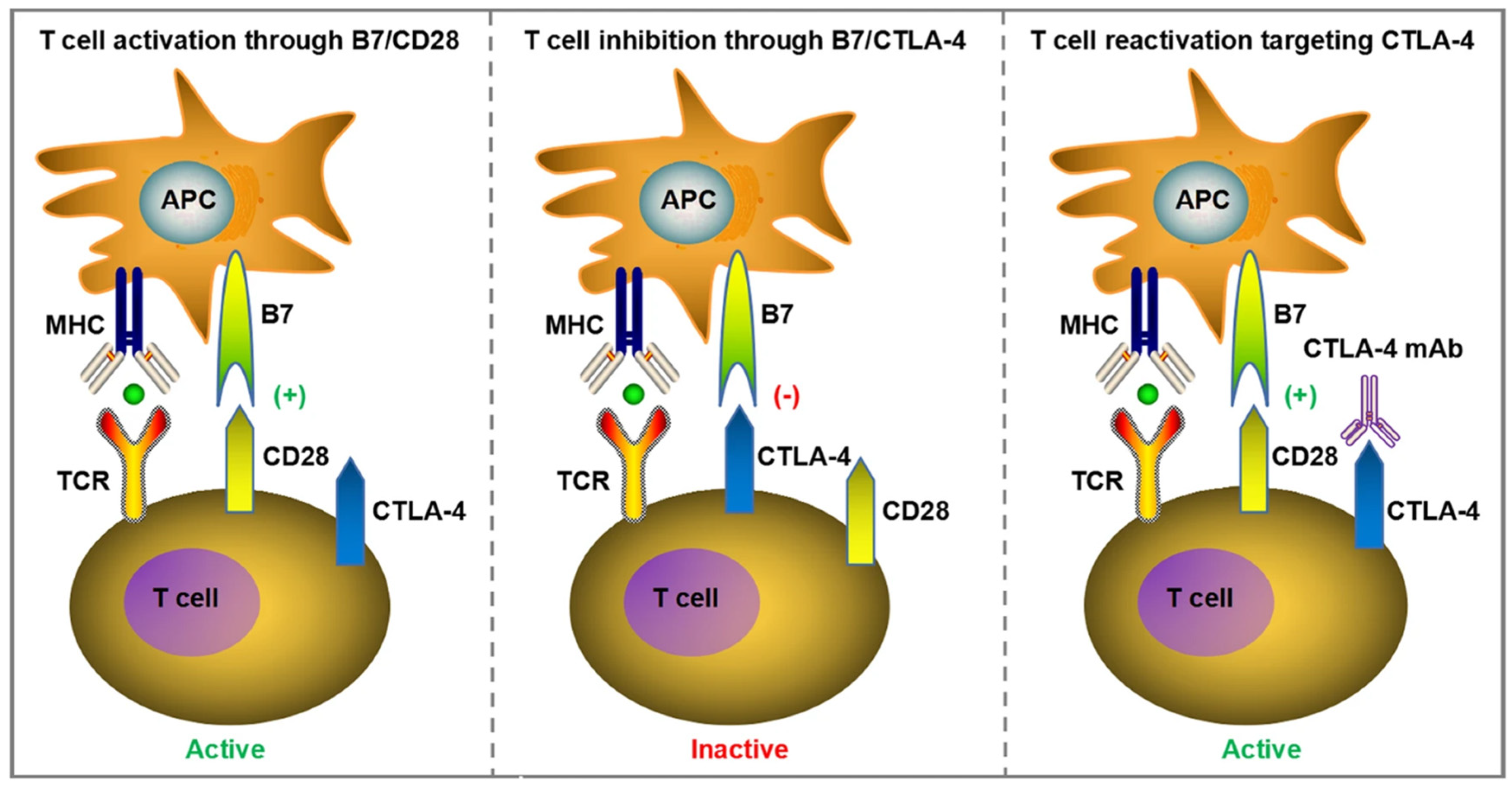
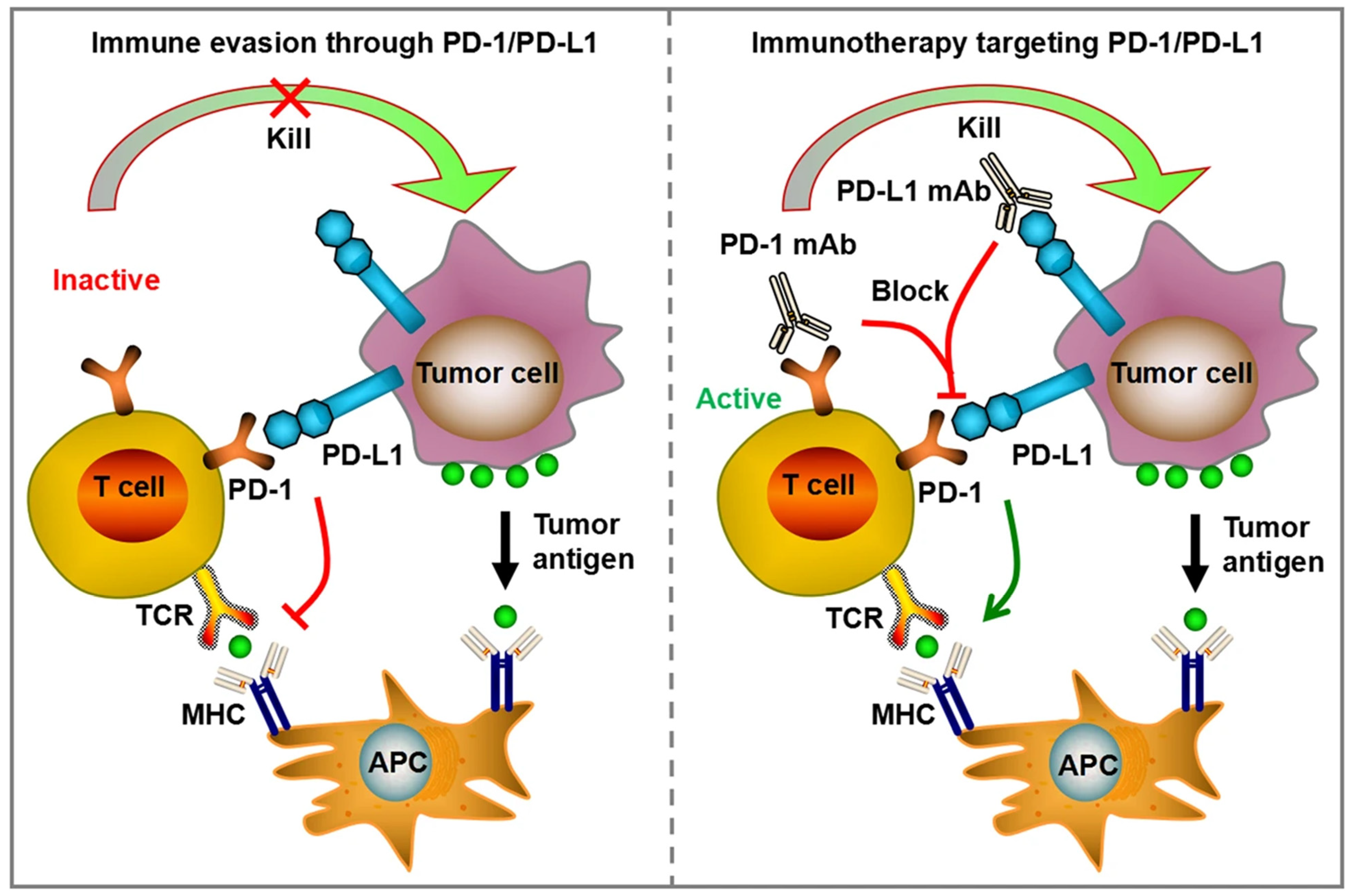
2.1. ICBs

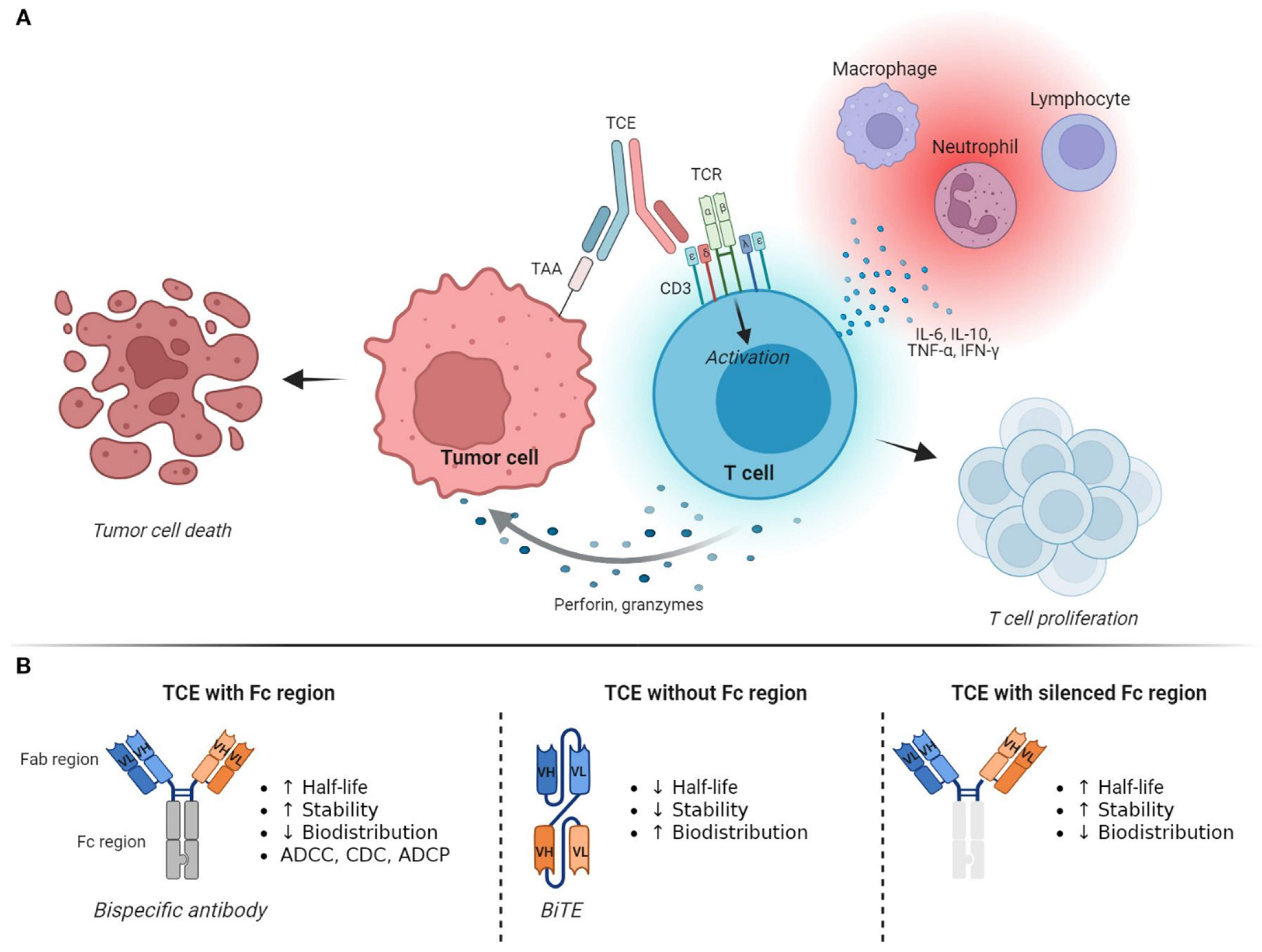
2.2. Bispecific Antibodies
3. T-Cell-Redirecting Therapies
BiTEs

4. Adoptive Cell Therapies
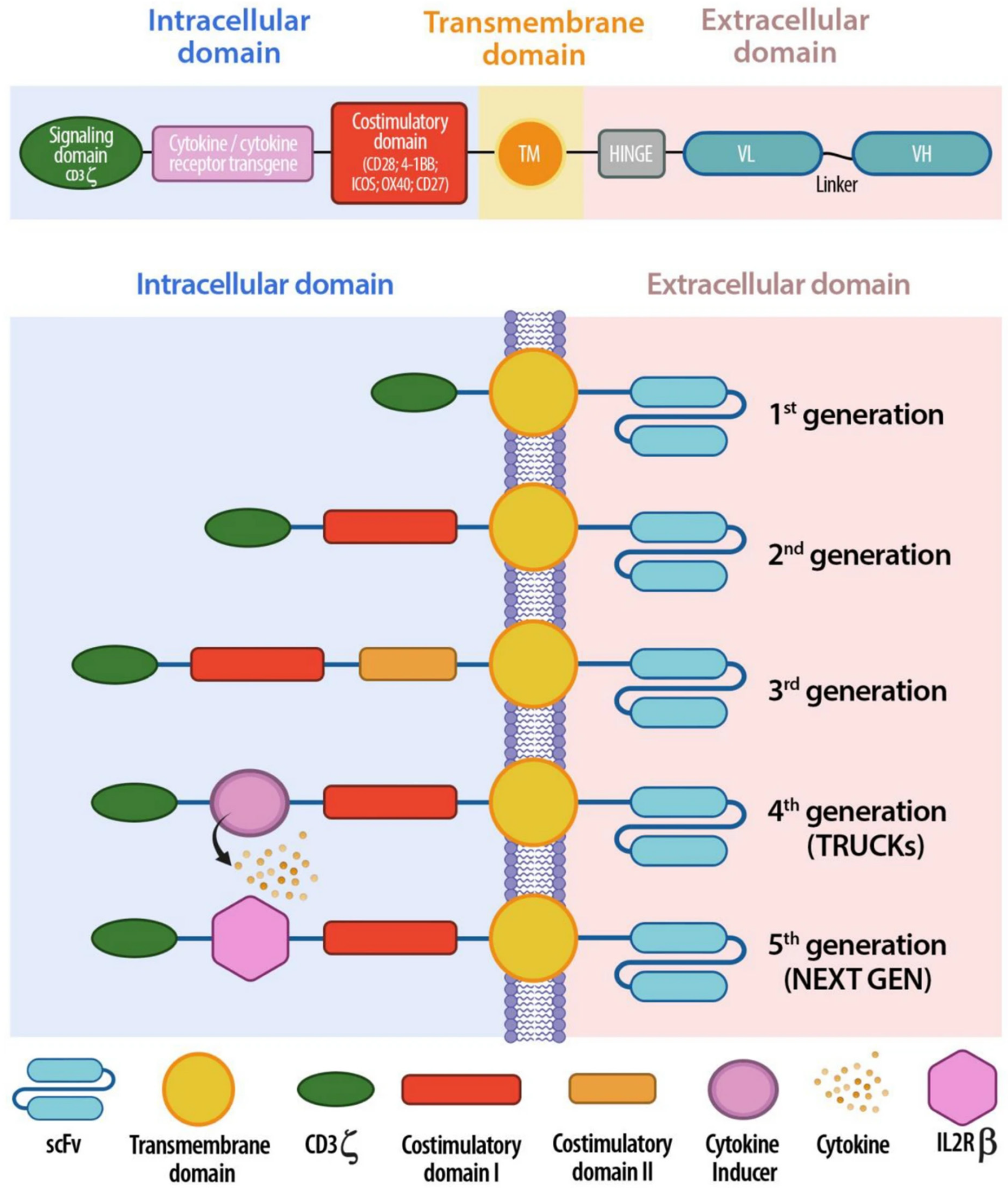
4.1. CAR T-Cells

4.2. TILs
5. Conclusions
Supplementary Materials
Author Contributions
Funding
Institutional Review Board Statement
Informed Consent Statement
Data Availability Statement
Conflicts of Interest
References
- Yang, Y. Cancer Immunotherapy: Harnessing the Immune System to Battle Cancer. J. Clin. Investig. 2015, 125, 3335–3337. [Google Scholar] [CrossRef]
- Rosenberg, S.A. IL-2: The First Effective Immunotherapy for Human Cancer. J. Immunol. 2014, 192, 5451–5458. [Google Scholar] [CrossRef]
- Atkins, M.B.; Kunkel, L.; Sznol, M.; Rosenberg, S.A. High-Dose Recombinant Interleukin-2 Therapy in Patients with Metastatic Melanoma: Long-Term Survival Update. Cancer J. Sci. Am. 2000, 6, S11–S14. [Google Scholar] [PubMed]
- Dutcher, J.P.; Schwartzentruber, D.J.; Kaufman, H.L.; Agarwala, S.S.; Tarhini, A.A.; Lowder, J.N.; Atkins, M.B. High Dose Interleukin-2 (Aldesleukin)—Expert Consensus on Best Management Practices-2014. J. Immunother. Cancer 2014, 2, 26. [Google Scholar] [CrossRef] [PubMed]
- Mansh, M. Ipilimumab and Cancer Immunotherapy: A New Hope for Advanced Stage Melanoma. Yale J. Biol. Med. 2011, 84, 381–389. [Google Scholar]
- Shu, C.A.; Rizvi, N.A. Into the Clinic with Nivolumab and Pembrolizumab. Oncologist 2016, 21, 527–528. [Google Scholar] [CrossRef] [PubMed][Green Version]
- Rotte, A.; D’Orazi, G.; Bhandaru, M. Nobel Committee Honors Tumor Immunologists. J. Exp. Clin. Cancer Res. 2018, 37, 262. [Google Scholar] [CrossRef]
- Huehls, A.M.; Coupet, T.A.; Sentman, C.L. Bispecific T-Cell Engagers for Cancer Immunotherapy. Immunol. Cell Biol. 2015, 93, 290–296. [Google Scholar] [CrossRef]
- Przepiorka, D.; Ko, C.-W.; Deisseroth, A.; Yancey, C.L.; Candau-Chacon, R.; Chiu, H.-J.; Gehrke, B.J.; Gomez-Broughton, C.; Kane, R.C.; Kirshner, S.; et al. FDA Approval: Blinatumomab. Clin. Cancer Res. 2015, 21, 4035–4039. [Google Scholar] [CrossRef]
- Rosenberg, S.A.; Spiess, P.; Lafreniere, R. A New Approach to the Adoptive Immunotherapy of Cancer with Tumor-Infiltrating Lymphocytes. Science 1986, 233, 1318–1321. [Google Scholar] [CrossRef]
- Kuwana, Y.; Asakura, Y.; Utsunomiya, N.; Nakanishi, M.; Arata, Y.; Itoh, S.; Nagase, F.; Kurosawa, Y. Expression of Chimeric Receptor Composed of Immunoglobulin-Derived V Regions and T-Cell Receptor-Derived C Regions. Biochem. Biophys. Res. Commun. 1987, 149, 960–968. [Google Scholar] [CrossRef] [PubMed]
- Eshhar, Z.; Waks, T.; Gross, G.; Schindler, D.G. Specific Activation and Targeting of Cytotoxic Lymphocytes through Chimeric Single Chains Consisting of Antibody-Binding Domains and the Gamma or Zeta Subunits of the Immunoglobulin and T-Cell Receptors. Proc. Natl. Acad. Sci. USA 1993, 90, 720–724. [Google Scholar] [CrossRef]
- Gross, G.; Waks, T.; Eshhar, Z. Expression of Immunoglobulin-T-Cell Receptor Chimeric Molecules as Functional Receptors with Antibody-Type Specificity. Proc. Natl. Acad. Sci. USA 1989, 86, 10024–10028. [Google Scholar] [CrossRef]
- Gross, G.; Gorochov, G.; Waks, T.; Eshhar, Z. Generation of Effector T Cells Expressing Chimeric T Cell Receptor with Antibody Type-Specificity. Transpl. Proc. 1989, 21, 127–130. [Google Scholar]
- Mitra, A.; Barua, A.; Huang, L.; Ganguly, S.; Feng, Q.; He, B. From Bench to Bedside: The History and Progress of CAR T Cell Therapy. Front. Immunol. 2023, 14, 1188049. [Google Scholar] [CrossRef]
- Kochenderfer, J.N. FDA Approval of the First Cellular Therapy for a Solid (Non-Hematologic) Cancer. Mol. Ther. 2024, 32, 857–858. [Google Scholar] [CrossRef]
- Liu, Y.-T.; Sun, Z.-J. Turning Cold Tumors into Hot Tumors by Improving T-Cell Infiltration. Theranostics 2021, 11, 5365–5386. [Google Scholar] [CrossRef] [PubMed]
- Bonaventura, P.; Shekarian, T.; Alcazer, V.; Valladeau-Guilemond, J.; Valsesia-Wittmann, S.; Amigorena, S.; Caux, C.; Depil, S. Cold Tumors: A Therapeutic Challenge for Immunotherapy. Front. Immunol. 2019, 10, 168. [Google Scholar] [CrossRef] [PubMed]
- Dewhirst, M.W.; Secomb, T.W. Transport of Drugs from Blood Vessels to Tumour Tissue. Nat. Rev. Cancer 2017, 17, 738–750. [Google Scholar] [CrossRef]
- Bartelink, I.H.; Jones, E.F.; Shahidi-Latham, S.K.; Lee, P.R.E.; Zheng, Y.; Vicini, P.; van ’t Veer, L.; Wolf, D.; Iagaru, A.; Kroetz, D.L.; et al. Tumor Drug Penetration Measurements Could Be the Neglected Piece of the Personalized Cancer Treatment Puzzle. Clin. Pharmacol. Ther. 2019, 106, 148–163. [Google Scholar] [CrossRef]
- Chen, T.; Wang, M.; Chen, Y.; Liu, Y. Current Challenges and Therapeutic Advances of CAR-T Cell Therapy for Solid Tumors. Cancer Cell Int. 2024, 24, 133. [Google Scholar] [CrossRef] [PubMed]
- Basak, S.; Das, T.K.; Ganguly, S. A Review on Tumor-Targeting Liposomes: Fabrication, Mechanism and Applications. Biochem. Pharmacol. 2026, 243, 117460. [Google Scholar] [CrossRef]
- Zugasti, I.; Espinosa-Aroca, L.; Fidyt, K.; Mulens-Arias, V.; Diaz-Beya, M.; Juan, M.; Urbano-Ispizua, Á.; Esteve, J.; Velasco-Hernandez, T.; Menéndez, P. CAR-T Cell Therapy for Cancer: Current Challenges and Future Directions. Signal Transduct. Target. Ther. 2025, 10, 210. [Google Scholar] [CrossRef] [PubMed]
- Lonez, C.; Breman, E. Allogeneic CAR-T Therapy Technologies: Has the Promise Been Met? Cells 2024, 13, 146. [Google Scholar] [CrossRef]
- Diorio, C.; Teachey, D.T.; Grupp, S.A. Allogeneic Chimeric Antigen Receptor Cell Therapies for Cancer: Progress Made and Remaining Roadblocks. Nat. Rev. Clin. Oncol. 2025, 22, 10–27. [Google Scholar] [CrossRef]
- Li, Y.-R.; Zhu, Y.; Fang, Y.; Lyu, Z.; Yang, L. Emerging Trends in Clinical Allogeneic CAR Cell Therapy. Med 2025, 6, 100677. [Google Scholar] [CrossRef]
- Pardoll, D.M. The Blockade of Immune Checkpoints in Cancer Immunotherapy. Nat. Rev. Cancer 2012, 12, 252–264. [Google Scholar] [CrossRef]
- Rotte, A. Combination of CTLA-4 and PD-1 Blockers for Treatment of Cancer. J. Exp. Clin. Cancer Res. 2019, 38, 255. [Google Scholar] [CrossRef]
- Smith-Garvin, J.E.; Koretzky, G.A.; Jordan, M.S. T Cell Activation. Annu. Rev. Immunol. 2009, 27, 591–619. [Google Scholar] [CrossRef]
- Brunet, J.F.; Denizot, F.; Luciani, M.F.; Roux-Dosseto, M.; Suzan, M.; Mattei, M.G.; Golstein, P. A New Member of the Immunoglobulin Superfamily--CTLA-4. Nature 1987, 328, 267–270. [Google Scholar] [CrossRef]
- Krummel, M.F.; Allison, J.P. CD28 and CTLA-4 Have Opposing Effects on the Response of T Cells to Stimulation. J. Exp. Med. 1995, 182, 459–465. [Google Scholar] [CrossRef]
- Leach, D.R.; Krummel, M.F.; Allison, J.P. Enhancement of Antitumor Immunity by CTLA-4 Blockade. Science 1996, 271, 1734–1736. [Google Scholar] [CrossRef] [PubMed]
- Fife, B.T.; Bluestone, J.A. Control of Peripheral T-Cell Tolerance and Autoimmunity via the CTLA-4 and PD-1 Pathways. Immunol. Rev. 2008, 224, 166–182. [Google Scholar] [CrossRef] [PubMed]
- Ishida, Y.; Agata, Y.; Shibahara, K.; Honjo, T. Induced Expression of PD-1, a Novel Member of the Immunoglobulin Gene Superfamily, upon Programmed Cell Death. EMBO J. 1992, 11, 3887–3895. [Google Scholar] [CrossRef]
- Iwai, Y.; Ishida, M.; Tanaka, Y.; Okazaki, T.; Honjo, T.; Minato, N. Involvement of PD-L1 on Tumor Cells in the Escape from Host Immune System and Tumor Immunotherapy by PD-L1 Blockade. Proc. Natl. Acad. Sci. USA 2002, 99, 12293–12297. [Google Scholar] [CrossRef] [PubMed]
- Keir, M.E.; Butte, M.J.; Freeman, G.J.; Sharpe, A.H. PD-1 and Its Ligands in Tolerance and Immunity. Annu. Rev. Immunol. 2008, 26, 677–704. [Google Scholar] [CrossRef]
- Meng, L.; Wu, H.; Wu, J.; Ding, P.; He, J.; Sang, M.; Liu, L. Mechanisms of Immune Checkpoint Inhibitors: Insights into the Regulation of Circular RNAS Involved in Cancer Hallmarks. Cell Death Dis. 2024, 15, 3. [Google Scholar] [CrossRef]
- Sharma, P.; Goswami, S.; Raychaudhuri, D.; Siddiqui, B.A.; Singh, P.; Nagarajan, A.; Liu, J.; Subudhi, S.K.; Poon, C.; Gant, K.L.; et al. Immune Checkpoint Therapy-Current Perspectives and Future Directions. Cell 2023, 186, 1652–1669. [Google Scholar] [CrossRef]
- Gong, J.; Chehrazi-Raffle, A.; Reddi, S.; Salgia, R. Development of PD-1 and PD-L1 Inhibitors as a Form of Cancer Immunotherapy: A Comprehensive Review of Registration Trials and Future Considerations. J. Immunother. Cancer 2018, 6, 8. [Google Scholar] [CrossRef]
- Jiang, Y.; Chen, M.; Nie, H.; Yuan, Y. PD-1 and PD-L1 in Cancer Immunotherapy: Clinical Implications and Future Considerations. Hum. Vaccines Immunother. 2019, 15, 1111–1122. [Google Scholar] [CrossRef]
- Lemaire, V.; Shemesh, C.S.; Rotte, A. Pharmacology-Based Ranking of Anti-Cancer Drugs to Guide Clinical Development of Cancer Immunotherapy Combinations. J. Exp. Clin. Cancer Res. 2021, 40, 311. [Google Scholar] [CrossRef]
- Zhang, Y.; Yao, Q.; Pan, Y.; Fang, X.; Xu, H.; Zhao, T.; Zhu, G.; Jiang, T.; Li, S.; Cao, H. Efficacy and Safety of PD-1/PD-L1 Checkpoint Inhibitors versus Anti-PD-1/PD-L1 Combined with Other Therapies for Tumors: A Systematic Review. Cancers 2023, 15, 682. [Google Scholar] [CrossRef]
- Cercek, A.; Lumish, M.; Sinopoli, J.; Weiss, J.; Shia, J.; Lamendola-Essel, M.; El Dika, I.H.; Segal, N.; Shcherba, M.; Sugarman, R.; et al. PD-1 Blockade in Mismatch Repair-Deficient, Locally Advanced Rectal Cancer. N. Engl. J. Med. 2022, 386, 2363–2376. [Google Scholar] [CrossRef] [PubMed]
- GSK Jemperli (Dostarlimab) Receives US FDA Breakthrough Therapy Designation for Locally Advanced dMMR/MSI-H Rectal Cancer. Available online: https://www.gsk.com/en-gb/media/press-releases/jemperli-dostarlimab-receives-us-fda-breakthrough-therapy-designation-for-locally-advanced-dmmrmsi-h-rectal-cancer/ (accessed on 11 February 2026).
- So, W.V.; Dejardin, D.; Rossmann, E.; Charo, J. Predictive Biomarkers for PD-1/PD-L1 Checkpoint Inhibitor Response in NSCLC: An Analysis of Clinical Trial and Real-World Data. J. Immunother. Cancer 2023, 11, e006464. [Google Scholar] [CrossRef] [PubMed]
- Li, H.; Van Der Merwe, P.A.; Sivakumar, S. Biomarkers of Response to PD-1 Pathway Blockade. Br. J. Cancer 2022, 126, 1663–1675. [Google Scholar] [CrossRef] [PubMed]
- Mariam, A.; Kamath, S.; Schveder, K.; McLeod, H.L.; Rotroff, D.M. Biomarkers for Response to Anti-PD-1/Anti-PD-L1 Immune Checkpoint Inhibitors: A Large Meta-Analysis. Oncology 2023, 37, 210–219. [Google Scholar] [CrossRef]
- FDA List of Cleared or Approved Companion Diagnostic Devices (In Vitro and Imaging Tools). Available online: https://www.fda.gov/medical-devices/in-vitro-diagnostics/list-cleared-or-approved-companion-diagnostic-devices-in-vitro-and-imaging-tools (accessed on 18 February 2026).
- Zhang, T.; Forde, P.M.; Sullivan, R.J.; Sharon, E.; Barksdale, E.; Selig, W.; Ebbinghaus, S.; Fusaro, G.; Gunenc, D.; Battle, D.; et al. Addressing Resistance to PD-1/PD-(L)1 Pathway Inhibition: Considerations for Combinatorial Clinical Trial Designs. J. Immunother. Cancer 2023, 11, e006555. [Google Scholar] [CrossRef]
- Javed, S.A.; Najmi, A.; Ahsan, W.; Zoghebi, K. Targeting PD-1/PD-L-1 Immune Checkpoint Inhibition for Cancer Immunotherapy: Success and Challenges. Front. Immunol. 2024, 15, 1383456. [Google Scholar] [CrossRef]
- Sun, J.-Y.; Zhang, D.; Wu, S.; Xu, M.; Zhou, X.; Lu, X.-J.; Ji, J. Resistance to PD-1/PD-L1 Blockade Cancer Immunotherapy: Mechanisms, Predictive Factors, and Future Perspectives. Biomark. Res. 2020, 8, 35. [Google Scholar] [CrossRef]
- Chamoto, K.; Hatae, R.; Honjo, T. Current Issues and Perspectives in PD-1 Blockade Cancer Immunotherapy. Int. J. Clin. Oncol. 2020, 25, 790–800. [Google Scholar] [CrossRef]
- Garcia-Diaz, A.; Shin, D.S.; Moreno, B.H.; Saco, J.; Escuin-Ordinas, H.; Rodriguez, G.A.; Zaretsky, J.M.; Sun, L.; Hugo, W.; Wang, X.; et al. Interferon Receptor Signaling Pathways Regulating PD-L1 and PD-L2 Expression. Cell Rep. 2017, 19, 1189–1201. [Google Scholar] [CrossRef]
- Zhang, H.; Hu, Y.; Wu, T.; Chen, Y.; Yang, B.; Xie, T. Clinical Characteristics and Novel Strategies of Immune Checkpoint Inhibitor Rechallenge Therapy for Non-Small Cell Lung Cancer: A Comprehensive Review. Front. Immunol. 2023, 14, 1309055. [Google Scholar] [CrossRef]
- Liu, S.-J.; Yan, L.-J.; Wang, H.-C.; Ding, Z.-N.; Liu, H.; Zhang, X.; Pan, G.-Q.; Han, C.-L.; Tian, B.-W.; Yang, X.-R.; et al. Safety, Efficacy, and Survival Outcomes of Immune Checkpoint Inhibitors Rechallenge in Patients with Cancer: A Systematic Review and Meta-Analysis. Oncologist 2024, 29, e1425–e1434. [Google Scholar] [CrossRef]
- Haanen, J.; Ernstoff, M.; Wang, Y.; Menzies, A.; Puzanov, I.; Grivas, P.; Larkin, J.; Peters, S.; Thompson, J.; Obeid, M. Rechallenge Patients with Immune Checkpoint Inhibitors Following Severe Immune-Related Adverse Events: Review of the Literature and Suggested Prophylactic Strategy. J. Immunother. Cancer 2020, 8, e000604. [Google Scholar] [CrossRef]
- Hu, H.; Wang, K.; Jia, R.; Zeng, Z.-X.; Zhu, M.; Deng, Y.-L.; Xiong, Z.-J.; Tang, J.-N.; Xie, H.; Wang, Y.; et al. Current Status in Rechallenge of Immunotherapy. Int. J. Biol. Sci. 2023, 19, 2428–2442. [Google Scholar] [CrossRef] [PubMed]
- Da Silva, I.P.; Zimmer, L.; Blay, J.-Y.; Maio, M.; Larkin, J.; Grimm, M.-O.; Puri, S.; Butler, M.O.; Patel, S.; Thakkar, P.K.; et al. Retreatment, Rechallenge, and Escalation with Subsequent Immune Checkpoint Inhibitor Therapies across Cancers after Initial Failure. ESMO Open 2025, 10, 105833. [Google Scholar] [CrossRef]
- Feng, J.; Chen, X.; Wei, J.; Weng, Y.; Wang, J.; Wang, T.; Song, Q.; Min, P. Safety and Efficacy of Immune Checkpoint Inhibitor Rechallenge in Advanced Non-Small Cell Lung Cancer: A Retrospective Study. Sci. Rep. 2024, 14, 2315. [Google Scholar] [CrossRef] [PubMed]
- Kothari, M.; Wanjari, A.; Acharya, S.; Karwa, V.; Chavhan, R.; Kumar, S.; Kadu, A.; Patil, R. A Comprehensive Review of Monoclonal Antibodies in Modern Medicine: Tracing the Evolution of a Revolutionary Therapeutic Approach. Cureus 2024, 16, e61983. [Google Scholar] [CrossRef]
- Zahavi, D.; Weiner, L. Monoclonal Antibodies in Cancer Therapy. Antibodies 2020, 9, 34. [Google Scholar] [CrossRef]
- Sedykh, S.E.; Prinz, V.V.; Buneva, V.N.; Nevinsky, G.A. Bispecific Antibodies: Design, Therapy, Perspectives. Drug Des. Dev. Ther. 2018, 12, 195–208. [Google Scholar] [CrossRef] [PubMed]
- Li, T.; Niu, M.; Zhou, J.; Wu, K.; Yi, M. The Enhanced Antitumor Activity of Bispecific Antibody Targeting PD-1/PD-L1 Signaling. Cell Commun. Signal 2024, 22, 179. [Google Scholar] [CrossRef]
- Shah, V.; McNatty, A.; Simpson, L.; Ofori, H.; Raheem, F. Amivantamab-Vmjw: A Novel Treatment for Patients with NSCLC Harboring EGFR Exon 20 Insertion Mutation after Progression on Platinum-Based Chemotherapy. Biomedicines 2023, 11, 950. [Google Scholar] [CrossRef]
- Xue, J.; Ma, Y.; Zhao, Y.; Wang, Y.; Hong, W.; Huang, Y.; Yang, Y.; Fang, W.; Hong, S.; Zhang, Y.; et al. Izalontamab (SI-B001), a Novel EGFRxHER3 Bispecific Antibody in Patients with Locally Advanced or Metastatic Epithelial Tumor: Results from First-in-Human Phase I/Ib Study. Clin. Cancer Res. 2025, 31, 4438–4445. [Google Scholar] [CrossRef]
- Van Herpen, C.M.L.; Daste, A.; Arrazubi, V.; De Boer, J.P.; Rojas, K.I.; Clatot, F.; Fontana, E.; Harandi, A.; Hellyer, J.; Hollebecque, A.; et al. Petosemtamab (MCLA-158) with Pembrolizumab as First-Line (1L) Treatment of PD-L1+ Recurrent/Metastatic (r/m) Head and Neck Squamous Cell Carcinoma (HNSCC): Phase 2 Trial. J. Clin. Oncol. 2025, 43, 6024. [Google Scholar] [CrossRef]
- Wang, J.; Lou, H.; Cai, H.-B.; Huang, X.; Li, G.; Wang, L.; Liu, T.; Liu, W.; Li, B.; Xia, Y. A Study of AK104 (an Anti-PD1 and Anti-CTLA4 Bispecific Antibody) Combined with Standard Therapy for the First-Line Treatment of Persistent, Recurrent, or Metastatic Cervical Cancer (R/M CC). J. Clin. Oncol. 2022, 40, 106. [Google Scholar] [CrossRef]
- Pang, X.; Huang, Z.; Zhong, T.; Zhang, P.; Wang, Z.M.; Xia, M.; Li, B. Cadonilimab, a Tetravalent PD-1/CTLA-4 Bispecific Antibody with Trans-Binding and Enhanced Target Binding Avidity. mAbs 2023, 15, 2180794. [Google Scholar] [CrossRef]
- Voss, M.H.; Garmezy, B.; Kim, S.H.; Maroto Rey, J.P.; Mansinho, A.B.; Rodriguez-Vida, A.; Oliveira, J.; Van Dongen, M.; Rodríguez, L.M.; Negrier, S.; et al. 1883MO MEDI5752 (Volrustomig), a Novel PD-1/CTLA-4 Bispecific Antibody, in the First-Line (1L) Treatment of 65 Patients (Pts) with Advanced Clear Cell Renal Cell Carcinoma (aRCC). Ann. Oncol. 2023, 34, S1012. [Google Scholar] [CrossRef]
- Zhao, Y.; Chen, G.; Li, X.; Wu, J.; Chang, B.; Hu, S.; Yang, S.; Xu, T.; Liu, Y.; Wang, N.; et al. KN046, a Bispecific Antibody against PD-L1 and CTLA-4, plus Chemotherapy as First-Line Treatment for Metastatic NSCLC: A Multicenter Phase 2 Trial. Cell Rep. Med. 2024, 5, 101470. [Google Scholar] [CrossRef] [PubMed]
- Hack, S.P.; Zhu, A.X.; Wang, Y. Augmenting Anticancer Immunity Through Combined Targeting of Angiogenic and PD-1/PD-L1 Pathways: Challenges and Opportunities. Front. Immunol. 2020, 11, 598877. [Google Scholar] [CrossRef] [PubMed]
- Zhou, Y.; Li, J.; Ying, J. Anti-PD-1/L1 Antibody plus Anti-VEGF Antibody vs. plus VEGFR-Targeted TKI as First-Line Therapy for Unresectable Hepatocellular Carcinoma: A Network Meta-Analysis. Explor. Target. Antitumor Ther. 2024, 5, 568–580. [Google Scholar] [CrossRef] [PubMed]
- Kudo, M. Scientific Rationale for Combined Immunotherapy with PD-1/PD-L1 Antibodies and VEGF Inhibitors in Advanced Hepatocellular Carcinoma. Cancers 2020, 12, 1089. [Google Scholar] [CrossRef]
- Yi, M.; Jiao, D.; Qin, S.; Chu, Q.; Wu, K.; Li, A. Synergistic Effect of Immune Checkpoint Blockade and Anti-Angiogenesis in Cancer Treatment. Mol. Cancer 2019, 18, 60. [Google Scholar] [CrossRef]
- HARMONi-A Study Investigators; Fang, W.; Zhao, Y.; Luo, Y.; Yang, R.; Huang, Y.; He, Z.; Zhao, H.; Li, M.; Li, K.; et al. Ivonescimab Plus Chemotherapy in Non-Small Cell Lung Cancer with EGFR Variant: A Randomized Clinical Trial. JAMA 2024, 332, 561–570. [Google Scholar] [CrossRef]
- Xiong, A.; Wang, L.; Chen, J.; Wu, L.; Liu, B.; Yao, J.; Zhong, H.; Li, J.; Cheng, Y.; Sun, Y.; et al. Ivonescimab versus Pembrolizumab for PD-L1-Positive Non-Small Cell Lung Cancer (HARMONi-2): A Randomised, Double-Blind, Phase 3 Study in China. Lancet 2025, 405, 839–849. [Google Scholar] [CrossRef]
- Wu, L.; Yao, J.; Sun, Y.; Wang, R.; Li, X.; Chen, B.; Chu, Q.; Bu, Q.; Fang, Y.; Zhao, J.; et al. A Phase II Trial to Evaluate the Safety and Efficacy of SSGJ-707, a Bispecific Antibody Targeting PD-1 and VEGF, as a Monotherapy in Patients with Advanced NSCLC. J. Clin. Oncol. 2025, 43, 8543. [Google Scholar] [CrossRef]
- Wu, L.; Xu, H.; Sun, Y.; Ning, F.; Huang, S.; Huang, D.; Yu, Y.; Ye, F.; Lv, D.; Pei, Z.; et al. 1328 SSGJ-707, a PD-1/VEGF Bispecific Antibody, Combined with Platinum-Based Chemotherapy in First-Line Treatment of Advanced Non-Small Cell Lung Cancer (NSCLC): Results from a Phase 2 Study. In Proceedings of the Late Breaking Abstracts; BMJ Publishing Group Ltd.: London, UK, 2025; pp. A1568–A1569. [Google Scholar]
- Heymach, J.V.; Cho, B.C.; Sezer, A.; Karacin, C.; Lee, Y.J.; Çil, T.; Ozyilkan, O.; Arslan, C.; Lee, G.-W.; Basak Oven, B.; et al. OA13.02 Global Phase 2 Randomized Trial of BNT327 (Pumitamig; PD-L1 × VEGF-A bsAb) + Chemotherapy for 1L ES-SCLC: Dose Optimization Analysis. J. Thorac. Oncol. 2025, 20, S38–S39. [Google Scholar] [CrossRef]
- Zhao, Y.; Chen, G.; Chen, J.; Zhuang, L.; Du, Y.; Yu, Q.; Zhuang, W.; Zhao, Y.; Zhou, M.; Zhang, W.; et al. AK112, a Novel PD-1/VEGF Bispecific Antibody, in Combination with Chemotherapy in Patients with Advanced Non-Small Cell Lung Cancer (NSCLC): An Open-Label, Multicenter, Phase II Trial. eClinicalMedicine 2023, 62, 102106. [Google Scholar] [CrossRef] [PubMed]
- Baldwin, W.M.; Valujskikh, A.; Fairchild, R.L. The Neonatal Fc Receptor: Key to Homeostasic Control of IgG and IgG-Related Biopharmaceuticals. Am. J. Transplant. 2019, 19, 1881–1887. [Google Scholar] [CrossRef]
- de Taeye, S.W.; Rispens, T.; Vidarsson, G. The Ligands for Human IgG and Their Effector Functions. Antibodies 2019, 8, 30. [Google Scholar] [CrossRef]
- Lu, L.L.; Suscovich, T.J.; Fortune, S.M.; Alter, G. Beyond Binding: Antibody Effector Functions in Infectious Diseases. Nat. Rev. Immunol. 2018, 18, 46–61. [Google Scholar] [CrossRef]
- Wang, M.; Wang, C.; Deng, J.; Wang, H.; Sun, C.; Luo, S.; Hu, Y. Bispecific Antibodies for Multiple Myeloma: Recent Advancements and Strategies for Increasing Their Efficacy. Front. Biosci. 2024, 29, 216. [Google Scholar] [CrossRef]
- Fan, G.; Wang, Z.; Hao, M.; Li, J. Bispecific Antibodies and Their Applications. J. Hematol. Oncol. 2015, 8, 130. [Google Scholar] [CrossRef]
- Mohan, N.; Ayinde, S.; Peng, H.; Dutta, S.; Shen, Y.; Falkowski, V.M.; Biel, T.G.; Ju, T.; Wu, W.J. Structural and Functional Characterization of IgG- and Non-IgG-Based T-Cell-Engaging Bispecific Antibodies. Front. Immunol. 2024, 15, 1376096. [Google Scholar] [CrossRef] [PubMed]
- Dewaele, L.; Fernandes, R.A. Bispecific T-Cell Engagers for the Recruitment of T Cells in Solid Tumors: A Literature Review. Immunother. Adv. 2025, 5, ltae005. [Google Scholar] [CrossRef]
- Kantarjian, H.; Stein, A.; Gökbuget, N.; Fielding, A.K.; Schuh, A.C.; Ribera, J.-M.; Wei, A.; Dombret, H.; Foà, R.; Bassan, R.; et al. Blinatumomab versus Chemotherapy for Advanced Acute Lymphoblastic Leukemia. N. Engl. J. Med. 2017, 376, 836–847. [Google Scholar] [CrossRef]
- Mateos, M.-V.; Bahlis, N.; Perrot, A.; Nooka, A.; Lu, J.; Pawlyn, C.; Mina, R.; Caeiro, G.; Kentos, A.; Hungria, V.; et al. Phase 3 Randomized Study of Teclistamab plus Daratumumab versus Investigator’s Choice of Daratumumab and Dexamethasone with Either Pomalidomide or Bortezomib (DPd/DVd) in Patients (Pts) with Relapsed Refractory Multiple Myeloma (RRMM): Results of Majestec-3. Blood 2025, 146, LBA-6. [Google Scholar] [CrossRef]
- Albayrak, G.; Wan, P.K.-T.; Fisher, K.; Seymour, L.W. T Cell Engagers: Expanding Horizons in Oncology and Beyond. Br. J. Cancer 2025, 133, 1241–1249. [Google Scholar] [CrossRef] [PubMed]
- Spinazzola, A.; Iannantuono, G.M.; Gulley, J.L.; Giudice, E.; Filetti, M.; Sganga, S.; Bianco, F.L.; Floudas, C.S.; Daniele, G. Current Landscape of T-Cell Engagers in Early-Phase Clinical Development in Solid Cancers. Front. Immunol. 2025, 16, 1665838. [Google Scholar] [CrossRef]
- Hassel, J.C.; Piperno-Neumann, S.; Rutkowski, P.; Baurain, J.-F.; Schlaak, M.; Butler, M.O.; Sullivan, R.J.; Dummer, R.; Kirkwood, J.M.; Orloff, M.; et al. Three-Year Overall Survival with Tebentafusp in Metastatic Uveal Melanoma. N. Engl. J. Med. 2023, 389, 2256–2266. [Google Scholar] [CrossRef] [PubMed]
- Mountzios, G.; Sun, L.; Cho, B.C.; Demirci, U.; Baka, S.; Gümüş, M.; Lugini, A.; Zhu, B.; Yu, Y.; Korantzis, I.; et al. Tarlatamab in Small-Cell Lung Cancer after Platinum-Based Chemotherapy. N. Engl. J. Med. 2025, 393, 349–361. [Google Scholar] [CrossRef]
- Shui, L.; Wu, D.; Yang, K.; Sun, C.; Li, Q.; Yin, R. Bispecific Antibodies: Unleashing a New Era in Oncology Treatment. Mol. Cancer 2025, 24, 212. [Google Scholar] [CrossRef]
- Salih, H.R.; Jung, G. The Challenges of Translation. EMBO Mol. Med. 2019, 11, e10874. [Google Scholar] [CrossRef]
- Yuraszeck, T.; Kasichayanula, S.; Benjamin, J. Translation and Clinical Development of Bispecific T-cell Engaging Antibodies for Cancer Treatment. Clin. Pharmacol. Ther. 2017, 101, 634–645. [Google Scholar] [CrossRef] [PubMed]
- Ball, K.; Dovedi, S.J.; Vajjah, P.; Phipps, A. Strategies for Clinical Dose Optimization of T Cell-Engaging Therapies in Oncology. MAbs 2023, 15, 2181016. [Google Scholar] [CrossRef]
- Wang, H.; Zheng, T.; Xu, D.; Sun, C.; Huang, D.; Liu, X. Targeting DLL3: Innovative Strategies for Tumor Treatment. Pharmaceutics 2025, 17, 520. [Google Scholar] [CrossRef]
- Lozada, J.R.; Elliott, A.; Evans, M.G.; Wacker, J.; Storey, K.M.; Egusa, E.A.; Zorko, N.A.; Kumar, A.; Crymes, A.; Heath, E.I.; et al. Expression Patterns of DLL3 across Neuroendocrine and Non-Neuroendocrine Neoplasms Reveal Broad Opportunities for Therapeutic Targeting. Cancer Res. Commun. 2025, 5, 318–326. [Google Scholar] [CrossRef] [PubMed]
- Kershaw, M.H.; Westwood, J.A.; Parker, L.L.; Wang, G.; Eshhar, Z.; Mavroukakis, S.A.; White, D.E.; Wunderlich, J.R.; Canevari, S.; Rogers-Freezer, L.; et al. A Phase I Study on Adoptive Immunotherapy Using Gene-Modified T Cells for Ovarian Cancer. Clin. Cancer Res. 2006, 12, 6106–6115. [Google Scholar] [CrossRef] [PubMed]
- Lamers, C.H.J.; Sleijfer, S.; Vulto, A.G.; Kruit, W.H.J.; Kliffen, M.; Debets, R.; Gratama, J.W.; Stoter, G.; Oosterwijk, E. Treatment of Metastatic Renal Cell Carcinoma with Autologous T-Lymphocytes Genetically Retargeted against Carbonic Anhydrase IX: First Clinical Experience. J. Clin. Oncol. 2006, 24, e20–e22. [Google Scholar] [CrossRef]
- Till, B.G.; Jensen, M.C.; Wang, J.; Chen, E.Y.; Wood, B.L.; Greisman, H.A.; Qian, X.; James, S.E.; Raubitschek, A.; Forman, S.J.; et al. Adoptive Immunotherapy for Indolent Non-Hodgkin Lymphoma and Mantle Cell Lymphoma Using Genetically Modified Autologous CD20-Specific T Cells. Blood 2008, 112, 2261–2271. [Google Scholar] [CrossRef]
- Savoldo, B.; Ramos, C.A.; Liu, E.; Mims, M.P.; Keating, M.J.; Carrum, G.; Kamble, R.T.; Bollard, C.M.; Gee, A.P.; Mei, Z.; et al. CD28 Costimulation Improves Expansion and Persistence of Chimeric Antigen Receptor-Modified T Cells in Lymphoma Patients. J. Clin. Investig. 2011, 121, 1822–1826. [Google Scholar] [CrossRef]
- Chmielewski, M.; Hombach, A.A.; Abken, H. Of CAR s and TRUCK s: Chimeric Antigen Receptor ( CAR ) T Cells Engineered with an Inducible Cytokine to Modulate the Tumor Stroma. Immunol. Rev. 2014, 257, 83–90. [Google Scholar] [CrossRef]
- Chmielewski, M.; Abken, H. TRUCKs: The Fourth Generation of CARs. Expert Opin. Biol. Ther. 2015, 15, 1145–1154. [Google Scholar] [CrossRef]
- Anupindi, K.; Malachowski, J.; Hodson, I.; Zhu, D.; June, C.H.; Levine, B.L. The next Innovations in Chimeric Antigen Receptor T Cell Immunotherapies for Cancer. Cytotherapy 2025, 27, 795–811. [Google Scholar] [CrossRef] [PubMed]
- Asmamaw Dejenie, T.; Tiruneh G, M.; Dessie Terefe, G.; Tadele Admasu, F.; Wale Tesega, W.; Chekol Abebe, E. Current Updates on Generations, Approvals, and Clinical Trials of CAR T-Cell Therapy. Hum. Vaccines Immunother. 2022, 18, 2114254. [Google Scholar] [CrossRef] [PubMed]
- Dagar, G.; Gupta, A.; Masoodi, T.; Nisar, S.; Merhi, M.; Hashem, S.; Chauhan, R.; Dagar, M.; Mirza, S.; Bagga, P.; et al. Harnessing the Potential of CAR-T Cell Therapy: Progress, Challenges, and Future Directions in Hematological and Solid Tumor Treatments. J. Transl. Med. 2023, 21, 449. [Google Scholar] [CrossRef]
- Kagoya, Y.; Tanaka, S.; Guo, T.; Anczurowski, M.; Wang, C.-H.; Saso, K.; Butler, M.O.; Minden, M.D.; Hirano, N. A Novel Chimeric Antigen Receptor Containing a JAK-STAT Signaling Domain Mediates Superior Antitumor Effects. Nat. Med. 2018, 24, 352–359. [Google Scholar] [CrossRef]
- Yuti, P.; Sawasdee, N.; Natungnuy, K.; Rujirachaivej, P.; Luangwattananun, P.; Sujjitjoon, J.; Yenchitsomanus, P.-T. Enhanced Antitumor Efficacy, Proliferative Capacity, and Alleviation of T Cell Exhaustion by Fifth-Generation Chimeric Antigen Receptor T Cells Targeting B Cell Maturation Antigen in Multiple Myeloma. Biomed. Pharmacother. 2023, 168, 115691. [Google Scholar] [CrossRef]
- Zhang, C.; Liu, J.; Zhong, J.F.; Zhang, X. Engineering CAR-T Cells. Biomark. Res. 2017, 5, 22. [Google Scholar] [CrossRef] [PubMed]
- Huang, R.; Li, X.; He, Y.; Zhu, W.; Gao, L.; Liu, Y.; Gao, L.; Wen, Q.; Zhong, J.F.; Zhang, C.; et al. Recent Advances in CAR-T Cell Engineering. J. Hematol. Oncol. 2020, 13, 86. [Google Scholar] [CrossRef]
- Maus, M.V.; June, C.H. Zoom Zoom: Racing CARs for Multiple Myeloma. Clin. Cancer Res. 2013, 19, 1917–1919. [Google Scholar] [CrossRef]
- Larson, R.C.; Maus, M.V. Recent Advances and Discoveries in the Mechanisms and Functions of CAR T Cells. Nat. Rev. Cancer 2021, 21, 145–161. [Google Scholar] [CrossRef]
- Rotte, A.; Frigault, M.J.; Ansari, A.; Gliner, B.; Heery, C.; Shah, B. Dose-Response Correlation for CAR-T Cells: A Systematic Review of Clinical Studies. J. Immunother. Cancer 2022, 10, e005678. [Google Scholar] [CrossRef] [PubMed]
- Fesnak, A.D.; June, C.H.; Levine, B.L. Engineered T Cells: The Promise and Challenges of Cancer Immunotherapy. Nat. Rev. Cancer 2016, 16, 566–581. [Google Scholar] [CrossRef] [PubMed]
- Firor, A.E.; Jares, A.; Ma, Y. From Humble Beginnings to Success in the Clinic: Chimeric Antigen Receptor-Modified T-Cells and Implications for Immunotherapy. Exp. Biol. Med. 2015, 240, 1087–1098. [Google Scholar] [CrossRef]
- Grigor, E.J.M.; Fergusson, D.; Kekre, N.; Montroy, J.; Atkins, H.; Seftel, M.D.; Daugaard, M.; Presseau, J.; Thavorn, K.; Hutton, B.; et al. Risks and Benefits of Chimeric Antigen Receptor T-Cell (CAR-T) Therapy in Cancer: A Systematic Review and Meta-Analysis. Transfus. Med. Rev. 2019, 33, 98–110. [Google Scholar] [CrossRef]
- Ivica, N.A.; Young, C.M. Tracking the CAR-T Revolution: Analysis of Clinical Trials of CAR-T and TCR-T Therapies for the Treatment of Cancer (1997–2020). Healthcare 2021, 9, 1062. [Google Scholar] [CrossRef]
- Mohanty, R.; Chowdhury, C.R.; Arega, S.; Sen, P.; Ganguly, P.; Ganguly, N. CAR T Cell Therapy: A New Era for Cancer Treatment. Oncol. Rep. 2019, 42, 2183–2195. [Google Scholar] [CrossRef]
- Sun, D.; Shi, X.; Li, S.; Wang, X.; Yang, X.; Wan, M. CAR-T Cell Therapy: A Breakthrough in Traditional Cancer Treatment Strategies. Mol. Med. Rep. 2024, 29, 47. [Google Scholar] [CrossRef]
- Verdun, N.; Marks, P. Secondary Cancers after Chimeric Antigen Receptor T-Cell Therapy. N. Engl. J. Med. 2024, 390, 584–586. [Google Scholar] [CrossRef]
- Aleman, A.; Van Oekelen, O.; Melnekoff, D.T.; Grossman, L.; Mouhieddine, T.H.; Kurowski, A.; Odak, I.; Reci, S.; Desai, S.; Meledathu, S.; et al. Targeted Therapy of CAR+ T-Cell Lymphoma after Anti-BCMA CAR T-Cell Therapy. N. Engl. J. Med. 2025, 393, 823–825. [Google Scholar] [CrossRef] [PubMed]
- Darren Incorvaia “The Only Thing That Saves Us Is Data”: Allogeneic CAR-T Biotechs Fight for Relevance as Industry Moves On. Available online: https://www.fiercebiotech.com/biotech/only-thing-saves-us-data-allogeneic-car-t-biotechs-fight-relevance-industry-moves (accessed on 11 February 2026).
- Pinto, E.; Lione, L.; Compagnone, M.; Paccagnella, M.; Salvatori, E.; Greco, M.; Frezza, V.; Marra, E.; Aurisicchio, L.; Roscilli, G.; et al. From Ex Vivo to in Vivo Chimeric Antigen T Cells Manufacturing: New Horizons for CAR T-Cell Based Therapy. J. Transl. Med. 2025, 23, 10. [Google Scholar] [CrossRef] [PubMed]
- Escobar, G.; Berger, T.R.; Maus, M.V. CAR-T Cells in Solid Tumors: Challenges and Breakthroughs. Cell Rep. Med. 2025, 6, 102353. [Google Scholar] [CrossRef] [PubMed]
- Rojas-Quintero, J.; Díaz, M.P.; Palmar, J.; Galan-Freyle, N.J.; Morillo, V.; Escalona, D.; González-Torres, H.J.; Torres, W.; Navarro-Quiroz, E.; Rivera-Porras, D.; et al. Car T Cells in Solid Tumors: Overcoming Obstacles. Int. J. Mol. Sci. 2024, 25, 4170. [Google Scholar] [CrossRef] [PubMed]
- Qi, C.; Liu, C.; Gong, J.; Liu, D.; Wang, X.; Zhang, P.; Qin, Y.; Ge, S.; Zhang, M.; Peng, Z.; et al. Claudin18.2-Specific CAR T Cells in Gastrointestinal Cancers: Phase 1 Trial Final Results. Nat. Med. 2024, 30, 2224–2234. [Google Scholar] [CrossRef]
- Qi, C.; Liu, C.; Peng, Z.; Zhang, Y.; Wei, J.; Qiu, W.; Zhang, X.; Pan, H.; Niu, Z.; Qiu, M.; et al. Claudin-18 Isoform 2-Specific CAR T-Cell Therapy (Satri-Cel) versus Treatment of Physician’s Choice for Previously Treated Advanced Gastric or Gastro-Oesophageal Junction Cancer (CT041-ST-01): A Randomised, Open-Label, Phase 2 Trial. Lancet 2025, 405, 2049–2060. [Google Scholar] [CrossRef]
- CARsgenTherapeutics CARsgen Announces CT041 CAR T-Cell Product Candidate Granted RMAT Designation by the FDA. Available online: https://www.carsgen.com/en/news/carsgen-announces-ct041-car-t-cell-product-candidate-granted-rmat-designation-by-the-fda/ (accessed on 11 February 2026).
- Bui, T.A.; Mei, H.; Sang, R.; Ortega, D.G.; Deng, W. Advancements and Challenges in Developing in Vivo CAR T Cell Therapies for Cancer Treatment. eBioMedicine 2024, 106, 105266. [Google Scholar] [CrossRef]
- Bushman, F.D. Retroviral Insertional Mutagenesis in Humans: Evidence for Four Genetic Mechanisms Promoting Expansion of Cell Clones. Mol. Ther. 2020, 28, 352–356. [Google Scholar] [CrossRef]
- Zhao, Y.; Deng, J.; Rao, S.; Guo, S.; Shen, J.; Du, F.; Wu, X.; Chen, Y.; Li, M.; Chen, M.; et al. Tumor Infiltrating Lymphocyte (TIL) Therapy for Solid Tumor Treatment: Progressions and Challenges. Cancers 2022, 14, 4160. [Google Scholar] [CrossRef]
- Matsueda, S.; Chen, L.; Li, H.; Yao, H.; Yu, F. Recent Clinical Researches and Technological Development in TIL Therapy. Cancer Immunol. Immunother. 2024, 73, 232. [Google Scholar] [CrossRef]
- Rosenberg, S.A.; Packard, B.S.; Aebersold, P.M.; Solomon, D.; Topalian, S.L.; Toy, S.T.; Simon, P.; Lotze, M.T.; Yang, J.C.; Seipp, C.A. Use of Tumor-Infiltrating Lymphocytes and Interleukin-2 in the Immunotherapy of Patients with Metastatic Melanoma. A Preliminary Report. N. Engl. J. Med. 1988, 319, 1676–1680. [Google Scholar] [CrossRef]
- Paijens, S.T.; Vledder, A.; de Bruyn, M.; Nijman, H.W. Tumor-Infiltrating Lymphocytes in the Immunotherapy Era. Cell. Mol. Immunol. 2021, 18, 842–859. [Google Scholar] [CrossRef] [PubMed]
- Wang, S.; Sun, J.; Chen, K.; Ma, P.; Lei, Q.; Xing, S.; Cao, Z.; Sun, S.; Yu, Z.; Liu, Y.; et al. Perspectives of Tumor-Infiltrating Lymphocyte Treatment in Solid Tumors. BMC Med. 2021, 19, 140. [Google Scholar] [CrossRef] [PubMed]
- Zhu, C.; Zhao, Y.; He, J.; Zhao, H.; Ni, L.; Cheng, X.; Chen, Y.; Mu, L.; Zhou, X.; Shi, Q.; et al. TIL-Derived CAR T Cells Improve Immune Cell Infiltration and Survival in the Treatment of CD19-Humanized Mouse Colorectal Cancer. Cancers 2023, 15, 5567. [Google Scholar] [CrossRef]
- Chen, R.; Johnson, J.; Rezazadeh, A.; Dudek, A.Z. Tumour-Infiltrating Lymphocyte Therapy Landscape: Prospects and Challenges. BMJ Oncol. 2025, 4, e000566. [Google Scholar] [CrossRef]
- Decade-Long Survival Possible after Ipilimumab. Cancer Discov. 2013, 3, OF7. [CrossRef][Green Version]
- Li, J.; Gu, J. Efficacy and Safety of Ipilimumab for Treating Advanced Melanoma: A Systematic Review and Meta-analysis. J. Clin. Pharm. Ther. 2019, 44, 420–429. [Google Scholar] [CrossRef]
- O’Byrne, K.; Popoff, E.; Badin, F.; Lee, A.; Yuan, Y.; Lozano-Ortega, G.; Eccles, L.J.; Varol, N.; Waser, N.; Penrod, J.R.; et al. Long-Term Comparative Efficacy and Safety of Nivolumab plus Ipilimumab Relative to Other First-Line Therapies for Advanced Non-Small-Cell Lung Cancer: A Systematic Literature Review and Network Meta-Analysis. Lung Cancer 2023, 177, 11–20. [Google Scholar] [CrossRef]
- Wang, D.Y.; Salem, J.-E.; Cohen, J.V.; Chandra, S.; Menzer, C.; Ye, F.; Zhao, S.; Das, S.; Beckermann, K.E.; Ha, L.; et al. Fatal Toxic Effects Associated with Immune Checkpoint Inhibitors: A Systematic Review and Meta-Analysis. JAMA Oncol. 2018, 4, 1721–1728. [Google Scholar] [CrossRef]
- Sun, L.; Zhang, L.; Yu, J.; Zhang, Y.; Pang, X.; Ma, C.; Shen, M.; Ruan, S.; Wasan, H.S.; Qiu, S. Clinical Efficacy and Safety of Anti-PD-1/PD-L1 Inhibitors for the Treatment of Advanced or Metastatic Cancer: A Systematic Review and Meta-Analysis. Sci. Rep. 2020, 10, 2083. [Google Scholar] [CrossRef] [PubMed]
- Wang, Y.; Zhou, S.; Yang, F.; Qi, X.; Wang, X.; Guan, X.; Shen, C.; Duma, N.; Vera Aguilera, J.; Chintakuntlawar, A.; et al. Treatment-Related Adverse Events of PD-1 and PD-L1 Inhibitors in Clinical Trials: A Systematic Review and Meta-Analysis. JAMA Oncol. 2019, 5, 1008–1019. [Google Scholar] [CrossRef]
- Zhou, X.; Yao, Z.; Bai, H.; Duan, J.; Wang, Z.; Wang, X.; Zhang, X.; Xu, J.; Fei, K.; Zhang, Z.; et al. Treatment-Related Adverse Events of PD-1 and PD-L1 Inhibitor-Based Combination Therapies in Clinical Trials: A Systematic Review and Meta-Analysis. Lancet Oncol. 2021, 22, 1265–1274. [Google Scholar] [CrossRef]
- Gobbini, E.; Charles, J.; Toffart, A.-C.; Leccia, M.-T.; Moro-Sibilot, D.; Levra, M.G. Literature Meta-Analysis about the Efficacy of Re-Challenge with PD-1 and PD-L1 Inhibitors in Cancer Patients. Bull. Cancer 2020, 107, 1098–1107. [Google Scholar] [CrossRef]
- Kreft, S.; Bosetti, T.; Lee, R.; Lorigan, P. Selecting First-Line Immunotherapy in Advanced Melanoma: Current Evidence on Efficacy across Diverse Patient Populations. EJC Ski. Cancer 2025, 3, 100285. [Google Scholar] [CrossRef] [PubMed]
- Zhu, J.; Wu, Q.; Yang, Z.; Wu, C.; Zhou, J.; Li, S.; Wu, J.; Jiang, J. Safety Profile of Nivolumab-Relatlimab in Cancer Patients: A Living Pharmacovigilance Study of Clinical Trials and Postmarketing Data (Version 1.0). Eur. J. Pharmacol. 2025, 1004, 177991. [Google Scholar] [CrossRef] [PubMed]
- Davar, D.; Anderson, A.C.; Diaz-Padilla, I. Therapeutic Potential of Targeting LAG-3 in Cancer. J. Immunother. Cancer 2025, 13, e011652. [Google Scholar] [CrossRef]
- Nejati, N.; Robat-Jazi, B.; Saleh, K.; Dashti, M.; Zand, A.; Lorestani, P.; Karami, S.; Bahri Najafi, M.; Rastgou, P.; Rahimikia, F.; et al. The Safety and Efficacy of Anti-LAG-3 for Patients with Melanoma: A Systematic Review and Meta-Analysis Study. Anticancer Agents Med. Chem. 2025, 26, 486–500. [Google Scholar] [CrossRef]
- Subklewe, M. BiTEs Better than CAR T Cells. Blood Adv. 2021, 5, 607–612. [Google Scholar] [CrossRef]
- Zhai, Y.; Hong, J.; Wang, J.; Jiang, Y.; Wu, W.; Lv, Y.; Guo, J.; Tian, L.; Sun, H.; Li, Y.; et al. Comparison of Blinatumomab and CAR T-Cell Therapy in Relapsed/Refractory Acute Lymphoblastic Leukemia: A Systematic Review and Meta-Analysis. Expert Rev. Hematol. 2024, 17, 67–76. [Google Scholar] [CrossRef]
- Guo, H.-P.; Liu, Y.; Kang, L.; Liu, C.; Qin, W.-W. Efficacy and Safety of Blinatumomab for the Treatment of Patients Relapsing after Allogeneic Hematopoietic Cell Transplantation: A Systemic Review and Meta-Analysis. Hematology 2024, 29, 2422151. [Google Scholar] [CrossRef] [PubMed]
- Liu, H.; Xi, R.; Mao, D.; Zhao, X.; Wu, T. Efficacy and Safety of Blinatumomab for the Treatment of Relapsed/Refractory Acute Lymphoblastic Leukemia: A Systemic Review and Meta-Analysis. Clin. Lymphoma Myeloma Leuk. 2023, 23, e139–e149. [Google Scholar] [CrossRef]
- Reynolds, G.; Cliff, E.R.S.; Mohyuddin, G.R.; Popat, R.; Midha, S.; Liet Hing, M.N.; Harrison, S.J.; Kesselheim, A.S.; Teh, B.W. Infections Following Bispecific Antibodies in Myeloma: A Systematic Review and Meta-Analysis. Blood Adv. 2023, 7, 5898–5903. [Google Scholar] [CrossRef]
- Liang, X.; Wang, Y.; Luo, B.; Lin, B.; Lu, W.; Tian, S.; Liu, D.; Wang, L. Comparison of CAR T-Cell and Bispecific Antibody as Third-Line or Later-Line Treatments for Multiple Myeloma: A Meta-Analysis. J. Immunother. Cancer 2024, 12, e010064. [Google Scholar] [CrossRef] [PubMed]
- Shen, J.; Zhang, J.; Zhu, Z.; Ma, H.; Li, X.; Zhang, J.; Zhou, F.; Tian, H.; Liu, J. CD20×CD3 Bispecific Antibody Achieved Significant Efficacy in Patients with Large B-Cell Lymphoma Relapsing after or Refractory to CAR-T Therapy: A Systematic Review and Meta-Analysis. Front. Oncol. 2025, 15, 1641769. [Google Scholar] [CrossRef] [PubMed]
- Techaapornkun, P.; Rojpalakorn, W.; Mejun, N.; Khaniya, A.; Thammahong, A.; Thu, M.S.; Hirankarn, N.; Pitakkitnukun, P. Comparative Efficacy and Safety of BCMA-Targeted CAR T Cells and BiTEs in Relapsed/Refractory Multiple Myeloma: A Meta-Analysis of Interventional and Real-World Studies. Ann. Hematol. 2025, 104, 4791–4809. [Google Scholar] [CrossRef]
- Bayly-McCredie, E.; Treisman, M.; Fiorenza, S. Safety and Efficacy of Bispecific Antibodies in Adults with Large B-Cell Lymphomas: A Systematic Review of Clinical Trial Data. Int. J. Mol. Sci. 2024, 25, 9736. [Google Scholar] [CrossRef]
- Sands, J.M.; Champiat, S.; Hummel, H.-D.; Paulson, K.G.; Borghaei, H.; Alvarez, J.B.; Carbone, D.P.; Carlisle, J.W.; Choudhury, N.J.; Clarke, J.M.; et al. Practical Management of Adverse Events in Patients Receiving Tarlatamab, a Delta-like Ligand 3-Targeted Bispecific T-Cell Engager Immunotherapy, for Previously Treated Small Cell Lung Cancer. Cancer 2025, 131, e35738. [Google Scholar] [CrossRef] [PubMed]
- Dowlati, A.; Hummel, H.-D.; Champiat, S.; Olmedo, M.E.; Boyer, M.; He, K.; Steeghs, N.; Izumi, H.; Johnson, M.L.; Yoshida, T.; et al. Sustained Clinical Benefit and Intracranial Activity of Tarlatamab in Previously Treated Small Cell Lung Cancer: DeLLphi-300 Trial Update. J. Clin. Oncol. 2024, 42, 3392–3399. [Google Scholar] [CrossRef]
- Nathan, P.; Hassel, J.C.; Rutkowski, P.; Baurain, J.-F.; Butler, M.O.; Schlaak, M.; Sullivan, R.J.; Ochsenreither, S.; Dummer, R.; Kirkwood, J.M.; et al. Overall Survival Benefit with Tebentafusp in Metastatic Uveal Melanoma. N. Engl. J. Med. 2021, 385, 1196–1206. [Google Scholar] [CrossRef]
- Dian, Y.; Liu, Y.; Zeng, F.; Sun, Y.; Deng, G. Efficacy and Safety of Tebentafusp in Patients with Metastatic Uveal Melanoma: A Systematic Review and Meta-Analysis. Hum. Vaccines Immunother. 2024, 20, 2374647. [Google Scholar] [CrossRef]
- Saldanha, E.F.; Noronha, M.M.; Reis, P.C.A.; Passos, P.R.C.; Filho, V.O.C.; Cappellaro, A.P.; Almeida, L.F.C.; Maselli-Shoueri, J.H.; Lopes, C.D.H.; Leite, L.F.; et al. Tebentafusp in Metastatic Uveal Melanoma: A Meta-Analysis. Target. Oncol. 2025, 21, 37–47. [Google Scholar] [CrossRef]
- Petzold, A.; Steeb, T.; Wessely, A.; Koch, E.A.T.; Vera, J.; Berking, C.; Heppt, M.V. Is Tebentafusp Superior to Combined Immune Checkpoint Blockade and Other Systemic Treatments in Metastatic Uveal Melanoma? A Comparative Efficacy Analysis with Population Adjustment. Cancer Treat. Rev. 2023, 115, 102543. [Google Scholar] [CrossRef] [PubMed]
- Zavaleta-Monestel, E.; García-Montero, J.; Arguedas-Chacón, S.; Quesada-Villaseñor, R.; Barrantes-López, M.; Arroyo-Solís, R.; Zuñiga-Orlich, C.E. Amivantamab: A Novel Advance in the Treatment of Non-Small Cell Lung Cancer. Cureus 2024, 16, e60851. [Google Scholar] [CrossRef]
- Papassotiriou, I.; Kapogiannatos, A.; Makatsoris, C.; Bakogeorgou, S.; Mantogiannakou, I.; Roussou, E.; Souras, G.; Liakas, D.; Sergentanis, T.N.; Gavriatopoulou, M.; et al. Efficacy and Safety of Amivantamab in Advanced or Metastatic EGFR-Mutant Non-Small Cell Lung Cancer: A Systematic Review. J. Clin. Med. 2024, 13, 5489. [Google Scholar] [CrossRef]
- Florez, N.; LeBoeuf, N.R.; Rotow, J.; Marks, J.A.; Sabari, J.K.; Arrieta, O.; Baldotto, C.; Gosain, R.; Zawisza, D.; McDonald, S.; et al. Mitigation and Management of Adverse Events Associated with Amivantamab Therapy. Oncologist 2025, 30, oyaf194. [Google Scholar] [CrossRef]
- Sun, R.; Ning, Z.; Qin, H.; Zhang, W.; Teng, Y.; Jin, C.; Liu, J.; Wang, A. A Real-World Pharmacovigilance Study of Amivantamab-Related Cardiovascular Adverse Events Based on the FDA Adverse Event Reporting System (FAERS) Database. Sci. Rep. 2024, 14, 9552. [Google Scholar] [CrossRef]
- Anagnostou, T.; Riaz, I.B.; Hashmi, S.K.; Murad, M.H.; Kenderian, S.S. Anti-CD19 Chimeric Antigen Receptor T-Cell Therapy in Acute Lymphocytic Leukaemia: A Systematic Review and Meta-Analysis. Lancet Haematol. 2020, 7, e816–e826. [Google Scholar] [CrossRef]
- Montagna, E.; de Campos, N.S.P.; Porto, V.A.; da Silva, G.C.P.; Suarez, E.R. CD19 CAR T Cells for B Cell Malignancies: A Systematic Review and Meta-Analysis Focused on Clinical Impacts of CAR Structural Domains, Manufacturing Conditions, Cellular Product, Doses, Patient’s Age, and Tumor Types. BMC Cancer 2024, 24, 1037. [Google Scholar] [CrossRef] [PubMed]
- Willyanto, S.E.; Alimsjah, Y.A.; Tanjaya, K.; Tuekprakhon, A.; Pawestri, A.R. Comprehensive Analysis of the Efficacy and Safety of CAR T-Cell Therapy in Patients with Relapsed or Refractory B-Cell Acute Lymphoblastic Leukaemia: A Systematic Review and Meta-Analysis. Ann. Med. 2024, 56, 2349796. [Google Scholar] [CrossRef] [PubMed]
- Xia, Y.; Zhang, J.; Li, J.; Zhang, L.; Li, J.; Fan, L.; Chen, L. Cytopenias Following Anti-CD19 Chimeric Antigen Receptor (CAR) T Cell Therapy: A Systematic Analysis for Contributing Factors. Ann. Med. 2022, 54, 2951–2965. [Google Scholar] [CrossRef]
- Aamir, S.; Anwar, M.Y.; Khalid, F.; Khan, S.I.; Ali, M.A.; Khattak, Z.E. Systematic Review and Meta-Analysis of CD19-Specific CAR-T Cell Therapy in Relapsed/Refractory Acute Lymphoblastic Leukemia in the Pediatric and Young Adult Population: Safety and Efficacy Outcomes. Clin. Lymphoma Myeloma Leuk. 2021, 21, e334–e347. [Google Scholar] [CrossRef]
- Ng, L.C.K.; Lee, X.H.; Tan, Y.C.; Wong, K.L.; Chow, J.C.Y.; Ling, V.W.T.; Thong, E.W.S.; Chan, E.H.L.; Chan, W.L.; Samuel, M.; et al. Systematic Review and Meta-Analysis: CAR-T vs Bispecific Antibody as Third or Later-Line Therapy for Follicular Lymphoma. Blood Cancer J. 2025, 16, 17. [Google Scholar] [CrossRef]
- Roex, G.; Timmers, M.; Wouters, K.; Campillo-Davo, D.; Flumens, D.; Schroyens, W.; Chu, Y.; Berneman, Z.N.; Lion, E.; Luo, F.; et al. Safety and Clinical Efficacy of BCMA CAR-T-Cell Therapy in Multiple Myeloma. J. Hematol. Oncol. 2020, 13, 164. [Google Scholar] [CrossRef] [PubMed]
- Akhtar, O.S.; Sheeba, B.A.; Azad, F.; Alessi, L.; Hansen, D.; Alsina, M.; Baz, R.; Shain, K.; Grajales Cruz, A.; Castaneda Puglianini, O.; et al. Safety and Efficacy of Anti-BCMA CAR-T Cell Therapy in Older Adults with Multiple Myeloma: A Systematic Review and Meta-Analysis. J. Geriatr. Oncol. 2024, 15, 101628. [Google Scholar] [CrossRef]
- Yang, Q.; Li, X.; Zhang, F.; Yang, Q.; Zhou, W.; Liu, J. Efficacy and Safety of CAR-T Therapy for Relapse or Refractory Multiple Myeloma: A Systematic Review and Meta-Analysis. Int. J. Med. Sci. 2021, 18, 1786–1797. [Google Scholar] [CrossRef]
- Zhang, L.; Shen, X.; Yu, W.; Li, J.; Zhang, J.; Zhang, R.; Li, J.; Chen, L. Comprehensive Meta-Analysis of Anti-BCMA Chimeric Antigen Receptor T-Cell Therapy in Relapsed or Refractory Multiple Myeloma. Ann. Med. 2021, 53, 1547–1559. [Google Scholar] [CrossRef]
- Chesney, J.; Lewis, K.D.; Kluger, H.; Hamid, O.; Whitman, E.; Thomas, S.; Wermke, M.; Cusnir, M.; Domingo-Musibay, E.; Phan, G.Q.; et al. Efficacy and Safety of Lifileucel, a One-Time Autologous Tumor-Infiltrating Lymphocyte (TIL) Cell Therapy, in Patients with Advanced Melanoma after Progression on Immune Checkpoint Inhibitors and Targeted Therapies: Pooled Analysis of Consecutive Cohorts of the C-144-01 Study. J. Immunother. Cancer 2022, 10, e005755. [Google Scholar] [CrossRef]
- Hu, L.; Fan, C.; Bross, P.; Das, A.; Cho, E.S.; Knudson, K.M.; Tegenge, M.; Gao, Q.; Brewer, J.R.; Theoret, M.R.; et al. FDA Approval Summary: Lifileucel for Unresectable or Metastatic Melanoma Previously Treated with an Anti-PD-1-Based Immunotherapy. Clin. Cancer Res. 2025, 31, 4004–4009. [Google Scholar] [CrossRef]
- Frey, C.; Etminan, M. Adverse Events of PD-1, PD-L1, CTLA-4, and LAG-3 Immune Checkpoint Inhibitors: An Analysis of the FDA Adverse Events Database. Antibodies 2024, 13, 59. [Google Scholar] [CrossRef]
- Karimi, A.; Alilou, S.; Mirzaei, H.R. Adverse Events Following Administration of Anti-CTLA4 Antibody Ipilimumab. Front. Oncol. 2021, 11, 624780. [Google Scholar] [CrossRef] [PubMed]
- Yan, T.; Long, M.; Liu, C.; Zhang, J.; Wei, X.; Li, F.; Liao, D. Immune-Related Adverse Events with PD-1/PD-L1 Inhibitors: Insights from a Real-World Cohort of 2523 Patients. Front. Pharmacol. 2025, 16, 1519082. [Google Scholar] [CrossRef] [PubMed]
- Boucheron, T.; Chiche, L.; Penaranda, G.; Souquet, M.; Pegliasco, H.; Deturmeny, J.; Brunel, V.; Barrière, N.; Arbault-Bitton, C.; Coquet, E.; et al. Risk of Serious Immune-Related Adverse Events with Various PD1 and PD-L1 Inhibitors: A Single-Institution, Real-Life, Comparative Study. Ther. Clin. Risk Manag. 2025, 21, 273–282. [Google Scholar] [CrossRef] [PubMed]
- Adkins, S. CAR T-Cell Therapy: Adverse Events and Management. J. Adv. Pract. Oncol. 2019, 10, 21–28. [Google Scholar] [CrossRef] [PubMed]
- Ludwig, H.; Terpos, E.; Van De Donk, N.; Mateos, M.-V.; Moreau, P.; Dimopoulos, M.-A.; Delforge, M.; Rodriguez-Otero, P.; San-Miguel, J.; Yong, K.; et al. Prevention and Management of Adverse Events during Treatment with Bispecific Antibodies and CAR T Cells in Multiple Myeloma: A Consensus Report of the European Myeloma Network. Lancet Oncol. 2023, 24, e255–e269. [Google Scholar] [CrossRef] [PubMed]
- Dimitrov, K.; Merkle, F.; Dimitrov, M.; Merkle, S.; Hoover, A.; Bachanova, V. Major Adverse Events with Chimeric Antigen Receptor T-Cell Therapy: Presentation, Diagnosis, and Resuscitation. Ann. Emerg. Med. 2026, 87, 229–238. [Google Scholar] [CrossRef]
- Bonifant, C.L.; Jackson, H.J.; Brentjens, R.J.; Curran, K.J. Toxicity and Management in CAR T-Cell Therapy. Mol. Ther. Oncolytics 2016, 3, 16011. [Google Scholar] [CrossRef]
- Santomasso, B.D.; Nastoupil, L.J.; Adkins, S.; Lacchetti, C.; Schneider, B.J.; Anadkat, M.; Atkins, M.B.; Brassil, K.J.; Caterino, J.M.; Chau, I.; et al. Management of Immune-Related Adverse Events in Patients Treated with Chimeric Antigen Receptor T-Cell Therapy: ASCO Guideline. J. Clin. Oncol. 2021, 39, 3978–3992. [Google Scholar] [CrossRef]
- Betof Warner, A.; Hamid, O.; Komanduri, K.; Amaria, R.; Butler, M.O.; Haanen, J.; Nikiforow, S.; Puzanov, I.; Sarnaik, A.; Bishop, M.R.; et al. Expert Consensus Guidelines on Management and Best Practices for Tumor-Infiltrating Lymphocyte Cell Therapy. J. Immunother. Cancer 2024, 12, e008735. [Google Scholar] [CrossRef]



| Class | Sub-Class | Drugs | Earliest Approval (Year) |
|---|---|---|---|
| Cytokines | IL-2 | Aldesleukin | May 1992 |
| Cancer vaccines | DC vaccine | Sipuleucel-T | April 2010 |
| ICBs | CTLA-4 blockers | Ipilimumab | March 2011 |
| PD-1 blockers | Pembrolizumab | September 2014 | |
| LAG-3 blockers | Relatlimab * | March 2022 | |
| Bispecifics | BiTEs (CD3 and CD19) | Blinatumomab | December 2014 |
| CAR T-cells | CD19 | Tisagenlecleucel | August 2017 |
| TILs | TILs | Lifileucel | February 2024 |
| Trade Name | Drug | Company | Target | First Approval |
|---|---|---|---|---|
| Keytruda | Pembrolizumab | Merck, Rahway, NJ, USA | PD1 | September 2014 |
| Opdivo | Nivolumab | Bristol-Myers Squibb, Princeton, NJ, USA | PD1 | December 2014 |
| Tecentriq | Atezolizumab | Genentech/Roche, Basel, Switzerland | PD-L1 | May 2016 |
| Bavencio | Avelumab | Pfizer, New York, NY, USA | PD-L1 | March 2017 |
| Impfinzi | Durvalumab | AstraZeneca, Cambridge, UK | PD-L1 | May 2017 |
| Libtayo | Cemiplimab | Regeneron, Tarrytown, NY, USA | PD1 | September 2018 |
| Jemperli | Dostarlimab | GlaxoSmithKline, London, UK | PD1 | April 2021 |
| Zynz | Retifanlimab | Incyte, Wilmington, DE, USA | PD1 | March 2023 |
| Loqtorzi | Toripalimab | Coherus Biosciences, Redwood City, CA, USA | PD1 | October 2023 |
| Tevimbra | Tislelizumab | BeOne *, Basel, Swizerland | PD1 | March 2024 |
| Trade Name | Drug | Target | Company | First Approval |
|---|---|---|---|---|
| Blincyto | Blinatumomab | CD3 & CD19 | Amgen, Thousand Oaks, CA, USA | December 2014 |
| Rybrevant | Amivantamab-vmjw | EGFR & MET | Johnson & Johnson, New Brunswick, NJ, USA | May 2021 |
| Kimmtrak | Tebentafusp-tebn | gp100 & CD3 | Immunocore, Oxfordshire, UK | January 2022 |
| Tecvayli | Teclistamab-cqyv | BCMA & CD3 | Johnson & Johnson, New Brunswick, NJ, USA | October 2022 |
| Lunsumio | Mosunetuzumab-axgb | BCMA & CD3 | Genentech/Roche, Basel, Switzerland | December 2022 |
| Epkinly | Epcoritamab-bysp | CD20 & CD3 | Abbvie, North Chicago, IL, USA | May 2023 |
| Columvi | Glofitamab-gxbm | CD20 & CD3 | Genentech/Roche, Basel, Switzerland | June 2023 |
| Talvey | Talquetamab-tgvs | GPRC5D & CD3 | Johnson & Johnson, New Brunswick, NJ, USA | August 2023 |
| Elrexfio | Elranatamab-bcmm | BCMA & CD3 | Pfizer, New York, NY, USA | August 2023 |
| Imdelltra | Tarlatamab-dlle | DLL3 & CD3 | Amgen, Thousand Oaks, CA, USA | May 2024 |
| Lead Molecule | Target | Target Population | Sponsor | Clinical Trial Stage |
|---|---|---|---|---|
| SI-B001 | EGFR & HER3 | Multiple solid tumors | Sichuan Baili Pharmaceutical Co., Ltd., Chengdu, China | Phase 2 |
| Petosemtamab (MCLA-158) | EGFR & LGR5 | Multiple solid tumors | Merus N.V., Utrecht, The Netherlands | Phase 3 |
| HS-20117 | EGFR & MET | Non-squamous NSCLC | Hansoh BioMedical R&D Company, Jiangsu, China | Phase 2/3 |
| AK104 | PD-1 & CTLA-4 | Pancreatic cancer | Akeso, Guangdong, China | Phase 2 |
| Volrustomig | PD-1 & CTLA-4 | Multiple solid tumors | AstraZeneca, Cambridge, UK | Phase 3 |
| Vudalimab | PD-1 & CTLA-4 | Colorectal cancer | Xencor, Inc., Pasadena, CA, USA | Phase 2 |
| KN046 | PD-L1 & CTLA-4 | NSCLC | Jiangsu Alphamab Biopharmaceuticals Co., Ltd., Jiangsu, China | Phase 2 |
| Acasunlimab | PD-L1 & 4-1-BB | NSCLC | Genmab, Copenhagen, Denmark | Phase 2 |
| Rilvegostomig | PD-1 & TIGIT | Multiple solid tumors | AstraZeneca, Cambridge, MA, USA | Phase 3 |
| Ivonescimab | PD-1 & VEGF | NSCLC | Summit Biotherapeutics, Miami, FL, USA | Phase 3 |
| SSGJ-707 | PD-1 & VEGF | Multiple solid tumors | Sunshine Guojian Pharmaceutical (Shanghai) Co., Ltd., Shanghai, China/Pfizer, New York, NY, USA | Phase 2 |
| B1962 | PD-L1 & VEGF | Colorectal cancer | Tasly Biopharmaceuticals Co., Ltd., Tianjin, China | Phase 2 |
| BNT327/Pumitamig | PD-L1 & VEGF-A | SCLC | BioNTech SE Mainz, Germany & BMS, Princeton, NJ, USA | phase 2/3 |
| Ubamatamab | MUC-16 & CD3 | Ovarian cancer | Regeneron Pharmaceuticals, Tarrytown, NY, USA | Phase 2 |
| Linvoseltamab | BCMA & CD3 | Multiple Myeloma | Regeneron Pharmaceuticals, Tarrytown, NY, USA | Phase 2 |
| Trade Name | Drug | Target | Company | First Approval |
|---|---|---|---|---|
| Kymriah | Tisagenlecleucel | CD19 | Novartis, Basel, Switzerland | August 2017 |
| Yescarta | Axicabtagene ciloleucel | CD19 | Gilead/Kite, Foster City, CA, USA | October 2017 |
| Tecartus | Brexucabtagene autoleucel | CD19 | Gilead/Kite, Foster City, CA, USA | July 2020 |
| Breyanzi | Lisocabtagene maraleucel | CD19 | Bristol-Myers Squibb, Princeton, NJ, USA | February 2021 |
| Abecma | Idecabtagene vicleucel | BCMA | Bristol-Myers Squibb, Princeton, NJ, USA | March 2021 |
| Carvykti | Ciltacabtagene autoleucel | BCMA | Johnson & Johnson, New Brunswick, NJ, USA Legend Bio, Somerset, NJ, USA | February 2022 |
| Aucatzyl | Obecabtagene autoleucel | CD19 | Autolus Therapeutics, London, UK | November 2024 |
| Lead Molecule | Antigen Target | Company | Stage | Target Population |
|---|---|---|---|---|
| Cemacabtagene ansegedleucel (cema-cel) | CD19 | Allogene Therapeutics, South San Francisco, CA, USA | Phase 2 | First line LBCL |
| Lasmecabtagene timgedleucel (lasme-cel) | CD22 | Cellectis, Paris, France | Phase 1 | B-cell ALL |
| Etivelcabtagene erigedleucel (eti-cel) | CD20 and CD22 dual | Cellectis, Paris, France | Phase 1 | NHL |
| FT825 | HER2 | Fate Therapeutics, San Diego, CA, USA | Phase 1 | Solid tumors |
| P-BCMA-ALL-01 | BCMA | Poseida Therapeutics, San Diego, CA, USA | Phase 1 | MM |
| P-CD19CD20-ALL-01 | CD19 and CD20 dual | Poseida Therapeutics, San Diego, CA, USA | Phase 1 | B-cell malignancies |
| CB-010 | CD19 | Caribou Biosciences, Berkeley, CA, USA | Phase 1 | NHL |
| CB-011 | BCMA | Caribou Biosciences, Berkeley, CA, USA | Phase 1 | MM |
| CAR NK | BCMA | Legend Bio, Somerset, NJ, USA | Phase 1 | MM |
| CAR ab T-cells | CD20 | Legend Bio, Somerset, NJ, USA | Phase 1 | NHL |
| CAR gd T-cells | CD19 and CD20 dual | Legend Bio, Somerset, NJ, USA | Phase 1 | NHL |
| Company | CAR T-Cell Product | Target Patients | Phases |
|---|---|---|---|
| TCRCure Biopharma Ltd. Los Angeles, CA, USA | Anti-ALPP CAR T-cells | Solid tumor | Early phase 1 |
| Chengdu Ucello Biotechnology Co., Ltd. Chengdu, China | Anti-claudin 18.2 CAR T-cell | Claudin18.2-positive advanced solid tumors | Early phase 1 |
| Tcelltech Inc., Mannheim, Germany | TX103 (anti-B7-H3 CAR T-cell) | Solid tumors | Phase 1 |
| Chongqing Precision Biotech Co., Ltd., Chongqing, China | Anti-CD70-targeted CAR T-cells | RCC; lung cancer; anaplastic thyroid carcinomas; ovarian cancer; cervical cancer; thymic carcinoma | Phase 1 |
| Chongqing Precision Biotech Co., Ltd., Chongqing, China | Anti-CEA-targeted CAR T-cells | Gastrointestinal cancers, including gastric, colon, rectal, pancreas and esophagus cancer; cholangiocarcinoma; breast cancer; lung cancer | Phase 1/2 |
| Poseida Therapeutics, Inc., San Diego, CA, USA | Anti-P-MUC1C-ALLO1 CAR T-cells | Breast cancer; ovarian cancer; NSCLC; CRC; pancreatic cancer; RCC; nasopharyngeal cancer; HNSCC and gastric cancer | Phase 1 |
| A2 Biotherapeutics Inc., Agoura Hills, CA, USA | A2B694 | CRC, NSCLC; pancreas cancer; ovarian cancer; mesothelioma | Phase 1/2 |
| A2 Biotherapeutics Inc., Agoura Hills, CA, USA | A2B530 | CRC, NSCLC; pancreas cancer; and metastatic cancer | Phase 1/2 |
| A2 Biotherapeutics Inc., Agoura Hills, CA, USA | A2B395 | CRC, NSCLC, HNSCC; RCC; kidney cancer; and TNBC | Phase 1/2 |
| Suzhou Immunofoco Biotechnology Co., Ltd., Jiangsu, China | Anti-claudin 18.2 CAR T-cell | Gastric cancer; pancreatic cancer; ovarian cancer and gastroesophageal junction adenocarcinoma | Phase 1 |
| CARsgen Therapeutics Co., Ltd., Shanghai, China | CT041 | Gastric adenocarcinoma; pancreatic cancer; gastroesophageal Junction adenocarcinoma | Phase 1/2 |
| BioNTech Cell & Gene Therapies GmbH, Mainz, Germany | Anti-CLDN6 CAR T-cell | Solid tumor | Phase 1 |
| CytoMed Therapeutics Pte Ltd., Singapore | Allogeneic NKG2DL-targeting Chimeric Antigen Receptor-grafted CAR T-cells | Relapsed/refractory cancer | Phase 1 |
| Fate Therapeutics, San Diego, CA, USA | FT825 | Advanced solid tumor | Phase 1 |
| Fate Therapeutics, San Diego, CA, USA | FT836 | NSCLC; CRC; breast cancer; ovarian cancer; endometrial cancer; HNSCC | Phase 1 |
| Company | Partner | Antigen Target | Delivery Platform | Development Stage | Therapeutic Area Focus |
|---|---|---|---|---|---|
| Interius Biotherapeutics, Philadelphia, PA, USA | Gilead | CD20 | Lentivirus | Phase 1 | Heme malignancies and autoimmune disorders |
| EsoBiotec, Mont-Saint-Guibert, Belgium | AstraZeneca | BCMA | Lentivirus | Phase 1 | Heme malignancies and autoimmune disorders |
| Umoja Biopharma, Seattle, WA, USA | Abbvie | CD19; CD20 & CD22 | Lentivirus | Phase 1 | Heme malignancies and autoimmune disorders |
| Capstan, San Diego, CA, USA | Abbvie | CD19; BCMA | LNP | Phase 1 | Autoimmune disorders |
| Vyriad, Rochester, Minnesota | Novartis | Not disclosed | Lentivirus | Not disclosed | Autoimmune disorders |
| Kelonia, Boston, MA, USA | Astellas | BCMA | Lentivirus | Preclinical | Heme malignancies and autoimmune disorders |
| Tidal Therapeutics *, Cambridge, MA, USA | Sanofi * | Not disclosed | Not disclosed | Not disclosed | Not disclosed |
| Orna Therapeutics, Watertown, MA, USA | Simnova | CD19 | LNP | Preclinical | Autoimmune |
| Tessera, Somerville, MA, USA | None | Not disclosed | LNP | Preclinical | Autoimmune |
| Orbital Therapeutics, Cambridge, MA, USA | None | CD19 | LNP | Preclinical | Autoimmune |
| Legend Bio, Somerset, NJ, USA | None | Not disclosed | Not disclosed | Preclinical | Undisclosed |
| PersonGen Biotherapeutics, Jiangsu, China | None | CD19 | Not disclosed | Phase 1 | Heme malignancies |
| Company | Lead Molecule | Stage | Target Population |
|---|---|---|---|
| Iovance Biotherapeutics, San Carlos, CA, USA | Lifileucel | Phases 1–2 | NSCLC, HNSCC, melanoma |
| Obsidian Therapeutics, Cambridge, MA, USA | OBX115 | Phases 1–2 | Melanoma, NSCLC |
| AgonOx, Inc., Portland, OR, USA | AGX-148 | Phase 1 | Solid tumors |
| BioSyngen Pte Ltd., Singapore | BRG-01 | Phase 2 | Nasopharyngeal carcinoma |
| BioSyngen Pte Ltd., Singapore | BRL-03 | Phase 1 | Solid tumors including lung |
| BioSyngen Pte Ltd., Singapore | BST-02 | Phase 1 | Liver cancer |
| BioSyngen Pte Ltd., Singapore | BGT07 | Phase 1 | Multiple solid tumors |
| Grit Biotechnology, Shanghai, China | GT-201 | Phase 1 | Multiple solid tumors |
| Grit Biotechnology, Shanghai, China | GTE-001 | Phase 1 | Lung adenocarcinoma |
| Hervor Therapeutics, Zhejiang Sheng, China | undisclosed | Phase 1 | Solid tumors |
| Instil Bio, Dallas, TX, USA | ITIL-206 | Phase 1 | Solid tumors |
| Intima Bioscience, Inc., New York, NY, USA | CISH knock out TIL | Phase 1 | Gastrointestinal cancers |
| Shanghai Juncell Therapeutics, Shanghai, China | GC-203 | Phase 1 | Solid tumors |
| GC-101 | Phase 1 | NSCLC, melanoma, solid tumors | |
| Suzhou BlueHorse Therapeutics Co., Ltd., Jiangsu, China | LM-103 | Phase 1 | Solid tumors |
| Class | Sub-Class | Key Benefits | Key Drawbacks | References |
|---|---|---|---|---|
| ICBs | Anti-CTLA-4 |
|
| [140,141,142,143] |
| Anti-PD-1 |
|
| [144,145,146,147] | |
| Anti-LAG-3 |
|
| [148,149,150,151] | |
| BiTEs | Anti-CD3 and CD19 Anti-CD3 and CD20 Anti-CD3 and BCMA Anti-CD3 and GPRC5D |
|
| [152,153,154,155,156,157,158,159,160] |
| Anti-CD3 and DLL3 |
|
| [93,161,162] | |
| Anti-CD3 and GP100 |
|
| [163,164,165,166] | |
| Bispecific antibody | Anti-EGFR and MET |
|
| [64,167,168,169,170] |
| CAR T-cell therapy | Anti-CD19 Anti-BCMA |
|
| [157,159,171,172,173,174,175,176,177,178,179,180] |
| TIL therapy | Anti-MAGE |
|
| [139,181,182] |
| Class | Sub-Class | Key Adverse Events | Management | References |
|---|---|---|---|---|
| ICBs | Anti-CTLA-4 Anti-PD-1 Anti-LAG-3 |
|
| [183,184,185] |
| BiTEs | Anti-CD3 and CD19 Anti-CD3 and CD20 Anti-CD3 and BCMA Anti-CD3 and GPRC5D Anti-CD3 and DLL3 Anti-CD3 and GP100 |
|
| [186] |
| Bispecific antibody | Anti-EGFR and MET |
|
| [168,169,170] |
| CAR T-cell therapy | Anti-CD19 Anti-BCMA |
|
| [187,188,189,190] |
| TIL therapy | Anti-MAGE |
|
| [191,192] |
Disclaimer/Publisher’s Note: The statements, opinions and data contained in all publications are solely those of the individual author(s) and contributor(s) and not of MDPI and/or the editor(s). MDPI and/or the editor(s) disclaim responsibility for any injury to people or property resulting from any ideas, methods, instructions or products referred to in the content. |
© 2026 by the authors. Licensee MDPI, Basel, Switzerland. This article is an open access article distributed under the terms and conditions of the Creative Commons Attribution (CC BY) license.
Share and Cite
Rotte, A.; Sopjani, M.; Bhandaru, M. Targeting T-Cells for Cancer Treatment: Current Clinical Strategies and Challenges. Biomedicines 2026, 14, 654. https://doi.org/10.3390/biomedicines14030654
Rotte A, Sopjani M, Bhandaru M. Targeting T-Cells for Cancer Treatment: Current Clinical Strategies and Challenges. Biomedicines. 2026; 14(3):654. https://doi.org/10.3390/biomedicines14030654
Chicago/Turabian StyleRotte, Anand, Mentor Sopjani, and Madhuri Bhandaru. 2026. "Targeting T-Cells for Cancer Treatment: Current Clinical Strategies and Challenges" Biomedicines 14, no. 3: 654. https://doi.org/10.3390/biomedicines14030654
APA StyleRotte, A., Sopjani, M., & Bhandaru, M. (2026). Targeting T-Cells for Cancer Treatment: Current Clinical Strategies and Challenges. Biomedicines, 14(3), 654. https://doi.org/10.3390/biomedicines14030654