Targeting Leukopoiesis: Pharmacological and Biotechnological Strategies for the Treatment of Leukopenia


 , , , , and
Abstract
1. Introduction
2. Methods
2.1. Literature Search Strategy
2.2. Inclusion and Exclusion Criteria
2.3. Time Frame and Study Selection
2.4. Data Analysis and Synthesis
3. Biological Regulation of Leukopoiesis: Key Molecular and Cellular Targets
4. Pharmacological and Biotechnological Strategies Targeting Leukopoiesis
4.1. Bone Marrow-Targeted Approaches
4.1.1. Bone Marrow-Derived Regulatory Peptides and Stromal Cell-Mediated Signaling
4.1.2. Myelopeptides as Endogenous Regulators of Leukopoiesis
4.2. Cytokine-Based Therapies
4.2.1. Colony-Stimulating Factors in Clinical Practice
4.2.2. Interleukins and Cytokine Complexes
4.3. Microbial- and Nucleic Acid-Derived Immunomodulators
4.3.1. Muramyl Dipeptide Derivatives
4.3.2. Nucleic Acid-Based Agents
4.4. Thymic Peptides and Thymus-Derived Preparations
4.5. Plant-Derived Leukopoiesis Modulators
4.6. Chemically Synthesized Small Molecules and Emerging Targets
5. Clinical Positioning and Safety Considerations
6. Limitations of the Review
7. Future Directions in Leukopoiesis-Targeted Therapy
8. Conclusions
Supplementary Materials
Author Contributions
Funding
Institutional Review Board Statement
Informed Consent Statement
Data Availability Statement
Acknowledgments
Conflicts of Interest
Abbreviations
| BM-MSC | Bone marrow multipotent mesenchymal stromal cells |
| CSF | Colony-stimulating growth factor |
| DNA | Deoxyribonucleic acid |
| GM-CSF | Granulocyte-macrophage colony-stimulating growth factor |
| HGF | Hepatocyte growth factor |
| HLA | Human leukocyte antigens |
| IDO | Indole-2.3-deoxygase |
| IF | Interferons |
| IGF-I | Insulin-like growth factor |
| IL | Interleukin |
| MDP | Muramyl dipeptide |
| MP | Myelopeptide |
| NK | Natural killer |
| PGE-2 | Prostaglandin E2 |
| Pro-T-alpha | Prothymosin alpha |
| PU.1 | Purine-rich box protein 1 |
| GATA-1 | Erythroid transcription factor |
| RNA | Ribonucleic acid |
| SCF | Stem cell factor |
| T-alpha-1 | Thymosin alpha-1 |
| TF5 | Thymosin fraction 5 |
| TFX | Thymic factor X |
| THF | Thymic humoral factor |
| TNF | Tumor necrosis factor |
References
- Dale, D.C. How I manage children with neutropenia. Br. J. Haematol. 2017, 178, 351–363. [Google Scholar] [CrossRef] [PubMed]
- Fishman, J.A. Infection in organ transplantation. Am. J. Transplant. 2017, 17, 856–879. [Google Scholar] [CrossRef]
- Chavakis, T.; Mitroulis, I.; Hajishengallis, G. Hematopoietic progenitor cells as integrative hubs for adaptation to and fine-tuning of inflammation. Nat. Immunol. 2019, 20, 802–811. [Google Scholar] [CrossRef]
- Zarrabi, M.; Afzal, E.; Ebrahimi, M. Manipulation of hematopoietic stem cell fate by small molecule compounds. Stem Cells Dev. 2018, 27, 1175–1190. [Google Scholar] [CrossRef]
- Kazumi, Y. The epidemiology and outcomes of leukopenia in different populations and regions. J. Blood Disord. Transfus. 2023, 14, 1000559. [Google Scholar]
- Mitroulis, I.; Kalafati, L.; Bornhäuser, M.; Hajishengallis, G.; Chavakis, T. Regulation of the bone marrow niche by inflammation. Front. Immunol. 2020, 11, 1540. [Google Scholar] [CrossRef]
- Wang, Y.X.; Deng, Z.H.; Li, Y.Y.; Bai, K.; Ma, J.; Liu, Y.; Chen, Q. Function of hematopoiesis and bone marrow niche in inflammation and non-hematopoietic diseases. Life Med. 2025, 4, lnaf015. [Google Scholar] [CrossRef] [PubMed]
- Pereira, A.L.; Galli, S.; Nombela-Arrieta, C. Bone marrow niches for hematopoietic stem cells. HemaSphere 2024, 8, e133. [Google Scholar] [CrossRef] [PubMed]
- Sánchez-Aguilera, A.; Méndez-Ferrer, S. The hematopoietic stem-cell niche in health and leukemia. Cell. Mol. Life Sci. 2017, 74, 579–590. [Google Scholar] [CrossRef]
- Xiao, Y.; McGuinness, C.A.S.; Doherty-Boyd, W.S.; Salmeron-Sanchez, M.; Donnelly, H.; Dalby, M.J. Current insights into the bone marrow niche: From biology in vivo to bioengineering ex vivo. Biomaterials 2022, 286, 121568. [Google Scholar] [CrossRef]
- Huang, Z.; Iqbal, Z.; Zhao, Z.; Liu, J.; Alabsi, A.M.; Shabbir, M.; Mahmood, A.; Liang, Y.; Li, W.; Deng, Z. Cellular crosstalk in the bone marrow niche. J. Transl. Med. 2024, 22, 1096. [Google Scholar] [CrossRef]
- Caiado, F.; Manz, M.G. IL-1 in aging and pathologies of hematopoietic stem cells. Blood 2024, 144, 368–377. [Google Scholar] [CrossRef]
- Peters, I.J.A.; de Pater, E.; Zhang, W. The role of GATA2 in adult hematopoiesis and cell fate determination. Front. Cell Dev. Biol. 2023, 11, 1250827. [Google Scholar] [CrossRef]
- Woods, K.; Guezguez, B. Dynamic changes of the bone marrow niche: Mesenchymal stromal cells and their progeny during aging and leukemia. Front. Cell Dev. Biol. 2021, 9, 714716. [Google Scholar] [CrossRef] [PubMed]
- Laurenti, E.; Göttgens, B. From haematopoietic stem cells to complex differentiation landscapes. Nature 2018, 553, 418–426. [Google Scholar] [CrossRef] [PubMed]
- Guyatt, G.; Oxman, A.D.; Akl, E.A.; Kunz, R.; Vist, G.; Brozek, J.; Norris, S.; Falck-Ytter, Y.; Glasziou, P.; DeBeer, H.; et al. GRADE guidelines: 1. Introduction-GRADE evidence profiles and summary of findings tables. J. Clin. Epidemiol. 2011, 64, 383–394. [Google Scholar] [CrossRef]
- Yusop, N.; Battersby, P.; Alraies, A.; Sloan, A.J.; Moseley, R.; Waddington, R.J. Isolation and characterisation of mesenchymal stem cells from rat bone marrow and the endosteal niche: A comparative study. Stem Cells Int. 2018, 2018, 6869128. [Google Scholar] [CrossRef] [PubMed]
- Ullah, I.; Subbarao, R.B.; Rho, G.J. Human mesenchymal stem cells-current trends and future prospective. Biosci. Rep. 2015, 35, e00191. [Google Scholar] [CrossRef]
- Paresishvili, T.; Kakabadze, Z. Freeze-dried mesenchymal stem cells: From bench to bedside. Review. Adv. Biol. 2024, 8, 2300155. [Google Scholar] [CrossRef]
- Rehman, A.; Nigam, A.; Laino, L.; Russo, D.; Todisco, C.; Esposito, G.; Svolacchia, F.; Giuzio, F.; Desiderio, V.; Ferraro, G. Mesenchymal stem cells in soft tissue regenerative medicine: A comprehensive review. Medicina 2023, 59, 1449. [Google Scholar] [CrossRef]
- Shang, F.; Yu, Y.; Liu, S.; Ming, L.; Zhang, Y.; Zhou, Z.; Zhao, J.; Jin, Y. Advancing application of mesenchymal stem cell-based bone tissue regeneration. Bioact. Mater. 2021, 6, 666–683. [Google Scholar] [CrossRef]
- Razavi, Z.S.; Sharafshadehi, S.A.; Yousefi, M.H.; Javaheri, F.; Rahimi Barghani, M.R.; Afkhami, H.; Heidari, F. Application of novel strategies in chronic wound management with focusing on pressure ulcers: New perspective. Arch. Dermatol. Res. 2025, 317, 320. [Google Scholar] [CrossRef]
- Lindsay, S.L.; Barnett, S.C. Therapeutic potential of niche-specific mesenchymal stromal cells for spinal cord injury repair. Cells 2021, 10, 901. [Google Scholar] [CrossRef]
- Chen, C.; Zhong, W.; Zheng, H.; Zhao, W.; Wang, Y.; Shen, B. Current state of heart failure treatment: Are mesenchymal stem cells and their exosomes a future therapy? Front. Cardiovasc. Med. 2025, 12, 1518036. [Google Scholar] [CrossRef] [PubMed]
- Sawai, C.M.; Babovic, S.; Upadhaya, S.; Knapp, D.F.; Lavin, Y.; Lau, C.M.; Goloborodko, A.; Feng, J.; Fujisaki, J.; Ding, L.; et al. Hematopoietic stem cells are the major source of multilineage hematopoiesis in adult animals. Immunity 2016, 45, 597–609. [Google Scholar] [CrossRef] [PubMed]
- Dabrowska, S.; Andrzejewska, A.; Janowski, M.; Lukomska, B. Immunomodulatory and regenerative effects of mesenchymal stem cells and extracellular vesicles: Therapeutic outlook for inflammatory and degenerative diseases. Front. Immunol. 2021, 11, 591065. [Google Scholar] [CrossRef] [PubMed]
- Saleh, M.; Shamsasanjan, K.; Movassaghpourakbari, A.; Akbarzadehlaleh, P.; Molaeipour, Z. The impact of mesenchymal stem cells on differentiation of hematopoietic stem cells. Adv. Pharm. Bull. 2015, 5, 299–304. [Google Scholar] [CrossRef]
- Crippa, S.; Santi, L.; Berti, M.; De Ponti, G.; Bernardo, M.E. Role of ex vivo expanded mesenchymal stromal cells in determining hematopoietic stem cell transplantation outcome. Front. Cell Dev. Biol. 2021, 9, 663316. [Google Scholar] [CrossRef]
- Aqmasheh, S.; Shamsasanjan, K.; Akbarzadehlaleh, P.; Pashoutan Sarvar, D.; Timari, H. Effects of mesenchymal stem cell derivatives on hematopoiesis and hematopoietic stem cells. Adv. Pharm. Bull. 2017, 7, 165–177. [Google Scholar] [CrossRef]
- Planat-Benard, V.; Varin, A.; Casteilla, L. MSCs and inflammatory cells crosstalk in regenerative medicine: Concerted actions for optimized resolution driven by energy metabolism. Front. Immunol. 2021, 12, 626755. [Google Scholar] [CrossRef]
- Mishra, V.K.; Shih, H.H.; Parveen, F.; Lenzen, D.; Ito, E.; Chan, T.F.; Ke, L.Y. Identifying the therapeutic significance of mesenchymal stem cells. Cells 2020, 9, 1145. [Google Scholar] [CrossRef]
- Sanchez-Diaz, M.; Quiñones-Vico, M.I.; Sanabria de la Torre, R.; Montero-Vílchez, T.; Sierra-Sánchez, A.; Molina-Leyva, A.; Arias-Santiago, S. Biodistribution of mesenchymal stromal cells after administration in animal models and humans: A systematic review. J. Clin. Med. 2021, 10, 2925. [Google Scholar] [CrossRef]
- Bigildeev, A.E. Transplantation of MSCs for a longstanding engraftment and maintenance of bone marrow stroma. In Mesenchymal Stem Cell-Biology, Therapeutics, and Beyond, 1st ed.; Alvites, R.D., Maurício, A.C., Eds.; IntechOpen: London, UK, 2025; Volume 6, pp. 1–33. [Google Scholar] [CrossRef]
- Kovach, T.K.; Dighe, A.S.; Lobo, P.I.; Cui, Q. Interactions between MSCs and immune cells: Implications for bone healing. J. Immunol. Res. 2015, 2015, 752510. [Google Scholar] [CrossRef]
- Raghav, P.K.; Gangenahalli, G. PU.1 Mimic synthetic peptides selectively bind with GATA-1 and allow c-Jun PU.1 binding to enhance myelopoiesis. Int. J. Nanomed. 2021, 16, 3833–3859. [Google Scholar] [CrossRef]
- Mann, Z.; Sengar, M.; Verma, Y.K.; Rajalingam, R.; Raghav, P.K. Hematopoietic stem cell factors: Their functional role in self-renewal and clinical aspects. Front. Cell Dev. Biol. 2022, 10, 664261. [Google Scholar] [CrossRef]
- Raghav, P.K.; Gangenahalli, G. Hematopoietic stem cell molecular targets and factors essential for hematopoiesis. J. Stem. Cell. Res. Ther. 2018, 8, 11. [Google Scholar] [CrossRef]
- Tremblay, M.; Ferras, O.S.; Bouchard, M. GATA transcription factors in development and disease. Development 2018, 145, dev164384. [Google Scholar] [CrossRef] [PubMed]
- Wilhelm, S.; Tavares, A.J.; Dai, Q.; Ohta, S.; Audet, J.; Dvorak, H.F.; Chan, W.C.W. Analysis of nanoparticle delivery to tumours. Nat. Rev. Mater. 2016, 1, 16014. [Google Scholar] [CrossRef]
- Hare, J.I.; Lammers, T.; Ashford, M.B.; Puri, S.; Storm, G.; Barry, S.T. Challenges and strategies in anti-cancer nanomedicine development: An industry perspective. Adv. Drug Deliv. Rev. 2017, 108, 25–38. [Google Scholar] [CrossRef]
- Park, K. The drug delivery field at the inflection point: Time to fight its way out of the egg. J. Control. Release 2017, 267, 2–14. [Google Scholar] [CrossRef] [PubMed]
- Papalois, A.E.; Barbatis, C.; Chrysikos, D.; Korontzi, M.; Sideris, M.; Pittaras, T.; Triantafyllidi, E.; Nomikos, A.; Triantafillidis, J.K. Treatment with Molgramostim (Recombinant Human Granulocyte-Macrophage Colony Stimulating Factor, Rhugm-Csf, Mielogen) and Lenograstim (Granulocyte-Colony Stimulating Factor) improves experimental colitis in rats. Biomed. Res. Int. 2019, 9, 8298192. [Google Scholar] [CrossRef]
- Kawajiri, A.; Li, J.; Koinuma, K.; Yang, Z.; Yoon, H.J.; Yi, J.; Nagashima, H.; Ishii, M.; Gao, F.; Sato, K.; et al. Naturally arising memory-phenotype CD4+ T lymphocytes contain an undifferentiated population that can generate TH1, TH17, and Treg cells. Sci. Adv. 2024, 10, eadq6618. [Google Scholar] [CrossRef] [PubMed]
- Lo, J.W.; Mucha, M.V.; Henderson, S.; Roberts, L.B.; Constable, L.E.; Garrido-Mesa, N.; Hertweck, A.; Stolarczyk, E.; Houlder, E.L.; Jackson, I.; et al. A population of naive-like CD4+ T cells stably polarized to the TH1 lineage. Eur. J. Immunol. 2022, 52, 566–581. [Google Scholar] [CrossRef] [PubMed]
- Thwaites, R.S.; Uruchurtu, S.S.; Siggins, M.K.; Liew, F.; Russell, C.D.; Moore, S.C.; Fairfield, C.; Carter, E.; Abrams, S.; Short, C.E.; et al. ISARIC4C investigators. Inflammatory profiles across the spectrum of disease reveal a distinct role for GM-CSF in severe COVID-19. Sci. Immunol. 2021, 6, eabg9873. [Google Scholar] [CrossRef] [PubMed]
- Hirayama, D.; Iida, T.; Nakase, H. The phagocytic function of macrophage-enforcing innate immunity and tissue homeostasis. Int. J. Mol. Sci. 2017, 19, 92. [Google Scholar] [CrossRef]
- Santa, K. Macrophages: Phagocytosis, antigen presentation, and activation of immunity. In Phagocytosis-Main Key of Immune System, 1st ed.; Athari, S.S., Nasab, E.M., Brzozowski, T., Eds.; IntechOpen: London, UK, 2023; Volume 814, pp. 1–9. [Google Scholar] [CrossRef]
- Kwon, J.W.; Choi, J.A.; Shin, E.Y.; La, T.Y.; Jee, D.H.; Chung, Y.W.; Cho, Y.K. Effect of trapping vascular endothelial growth factor-A in a murine model of dry eye with inflammatory neovascularization. Int. J. Ophthalmol. 2016, 9, 1541–1548. [Google Scholar] [CrossRef]
- Rizk, J.G.; Kalantar-Zadeh, K.; Mehra, M.R. Pharmaco-immunomodulatory therapy in COVID-19. Drugs 2020, 80, 1267–1292. [Google Scholar] [CrossRef]
- Paul, F.; Arkin, Y.A.; Giladi, A.; Jaitin, D.A.; Kenigsberg, E.; Keren-Shaul, H.; Amit, I. Transcriptional heterogeneity and lineage commitment in myeloid progenitors. Cell 2015, 163, 1663–1677. [Google Scholar] [CrossRef]
- Pankova, T.M.; Sapoznikov, A.M. Protective effects of myelopeptides in C-1300 neuroblastoma cell line. Russ. J. Bioorg. Chem. 2015, 41, 333–337. [Google Scholar] [CrossRef]
- Cordero, A.M. Dermatoscopic descriptive patterns of twenty dogs with demodicosis. Vet. Dermatol. 2024, 35, 6–69. [Google Scholar] [CrossRef]
- Sorokina, N.S.; Starostina, M.V. Myelopeptides reduce morphine tolerance in C57BL/6j mice. Bull. Exp. Biol. Med. 2021, 171, 623–626. [Google Scholar] [CrossRef]
- Li, Y.; Sun, L.; Zhou, Q.; Lee, A.J.; Wang, L.; Zhang, R.; Wang, S. Effects of opioid drugs on immune function in cancer patients. Biomed. Pharmacother. 2024, 175, 116665. [Google Scholar] [CrossRef] [PubMed]
- Maia, A.; Tarannum, M.; Lérias, J.R.; Piccinelli, S.; Borrego, L.M.; Maeurer, M.; Romee, R.; Castillo-Martin, M. Building a better defense: Expanding and improving natural killer cells for adoptive cell therapy. Cells 2024, 13, 451. [Google Scholar] [CrossRef] [PubMed]
- Leyrer-Jackson, J.M.; DeKrey, G.K.; Thomas, M.P. The neuroimmune system in psychiatric disorders. In Neuroimmune Pharmacology; Springer: Cham, Switzerland, 2016; pp. 621–642. [Google Scholar] [CrossRef]
- Zhou, Y.; Li, W.; Chen, Y.; Hu, X.; Miao, C. Research progress on the impact of opioids on the tumor immune microenvironment (Review). Mol. Clin. Oncol. 2025, 22, 53. [Google Scholar] [CrossRef] [PubMed]
- Franchi, S.; Moschetti, G.; Amodeo, G.; Sacerdote, P. Do all opioid drugs share the same immunomodulatory properties? A review from animal and human studies. Front. Immunol. 2019, 10, 2914. [Google Scholar] [CrossRef]
- McLaughlin, P.J.; McHugh, D.P.; Magister, M.J.; Zagon, I.S. Endogenous opioid inhibition of proliferation of T and B cell subpopulations in response to immunization for experimental autoimmune encephalomyelitis. BMC Immunol. 2015, 16, 24. [Google Scholar] [CrossRef]
- Moyano, J.; Aguirre, L. Opioids in the immune system: From experimental studies to clinical practice. Rev. Assoc. Med. Bras. 2019, 65, 262–269. [Google Scholar] [CrossRef] [PubMed]
- Plein, L.M.; Rittner, H.L. Opioids and the immune system–friend or foe. Br. J. Pharmacol. 2018, 175, 2717–2725. [Google Scholar] [CrossRef]
- Lau, J.L.; Dunn, M.K. Therapeutic peptides: Historical perspectives, current development trends, and future directions. Bioorg. Med. Chem. 2018, 26, 2700–2707. [Google Scholar] [CrossRef]
- Fosgerau, K.; Hoffmann, T. Peptide therapeutics: Current status and future directions. Drug Discov. Today 2015, 20, 122–128. [Google Scholar] [CrossRef]
- Abdolzade-Bavil, A.; von Kerczek, A.; Cooksey, B.A.; Kaufman, T.; Krasney, P.A.; Pukac, L.; Görlach, M.; Lammerich, A.; Scheckermann, C.; Allgaier, H.; et al. Differential sensitivity of lipegfilgrastim and pegfilgrastim to neutrophil elastase correlates with differences in clinical pharmacokinetic profile. J. Clin. Pharmacol. 2016, 56, 186–194. [Google Scholar] [CrossRef]
- Marchesi, F.; Terrenato, I.; Papa, E.; Tomassi, M.; Falcucci, P.; Gumenyuk, S.; Palombi, F.; Pisani, F.; Renzi, D.; Romano, A.; et al. Efficacy and safety of biosimilar Peg-filgrastim after autologous stem cell transplant in myeloma and lymphoma patients: A comparative study with biosimilar Filgrastim, Lenograstim, and originator Peg-filgrastim. Ann. Hematol. 2024, 103, 947–956. [Google Scholar] [CrossRef] [PubMed]
- Lazarus, H.M.; Ragsdale, C.E.; Gale, R.P.; Lyman, G.H. Sargramostim (rhu GM-CSF) as cancer therapy (systematic review) and an immunomodulator. a drug before its time? Front. Immunol. 2021, 12, 706186. [Google Scholar] [CrossRef]
- Wood, D.E. National Comprehensive Cancer Network (NCCN) clinical practice guidelines for lung cancer screening. Thorac. Surg. Clin. 2015, 25, 185–197. [Google Scholar] [CrossRef]
- Adamo, V.; Antonuzzo, L.; Danova, M.; De Laurentiis, M.; Marchetti, P.; Pinto, C.; Rosti, G. Supportive therapies in the prevention of chemotherapy-induced febrile neutropenia and appropriate use of granulocyte colony-stimulating factors: A Delphi consensus statement. Support. Care Cancer 2022, 30, 9877–9888. [Google Scholar] [CrossRef]
- Link, H. Current state and future opportunities in granulocyte colony-stimulating factor (G-CSF). Support. Care Cancer 2022, 30, 7067–7077. [Google Scholar] [CrossRef]
- Watanabe, H.; Karayama, M.; Yasui, H.; Inoue, Y.; Hozumi, H.; Suzuki, Y.; Furuhashi, K.; Fujisawa, T.; Enomoto, N.; Nakamura, Y.; et al. Prophylactic granulocyte-colony stimulating factor in patients with lung neuroendocrine carcinoma receiving platinum agents plus etoposide. Cancer Treat. Res. Commun. 2021, 29, 100493. [Google Scholar] [CrossRef]
- Alberts, B. Molecular Biology of the Cell; Garland Science: New York, NY, USA, 2017; p. 1464. Available online: https://books.google.ru/books?id=2xIwDwAAQBAJ&printsec=frontcover&hl=ru#v=onepage&q&f=false (accessed on 7 August 2017).
- De Grégori, J.; Pistre, P.; Cransac, A.; Boulin, M.; Caillot, D.; Gueneau, P. Intravenous plerixafor use in autologous stem cell transplantation. Eur. J. Oncol. Pharm. 2018, 1, 14–65. [Google Scholar] [CrossRef]
- Koenig, C.; Schneider, C.; Morgan, J.E.; Ammann, R.A.; Sung, L.; Phillips, B. Association of time to antibiotics and clinical outcomes in patients with fever and neutropenia during chemotherapy for cancer: A systematic review. Support. Care Cancer 2020, 28, 1369–1383. [Google Scholar] [CrossRef]
- Zabaneh, R.; Roger, S.D.; El-Shahawy, M.; Roppolo, M.; Runyan, G.; O’Neil, J.; Qiu, P. Peginesatide to manage anemia in chronic kidney disease patients on peritoneal dialysis. Perit. Dial. Int. 2015, 35, 481–489. [Google Scholar] [CrossRef] [PubMed]
- Agboola, F.; Reddy, P. Conversion from filgrastim to tbo-filgrastim: Experience of a large health care system. J. Manag. Care Spec. Pharm. 2017, 23, 1214–1218. [Google Scholar] [CrossRef]
- Song, C.H.; Han, J.W. Patent cliff and strategic switch: Exploring strategic design possibilities in the pharmaceutical industry. SpringerPlus 2016, 5, 692. [Google Scholar] [CrossRef] [PubMed]
- Blair, H.A.; Scott, L.J. Tbo-filgrastim: A review in neutropenic conditions. BioDrugs 2016, 30, 153–160. [Google Scholar] [CrossRef]
- Barca, E.G. Role of bispecific antibodies in relapsed/refractory diffuse large b-cell lymphoma in the CART Era. Front. Immunol. 2022, 13, 909008. [Google Scholar] [CrossRef]
- Abboud, C.N.; Lang, N.; Fung, H.; Lammerich, A.; Buchner, A.; Liu, P.; Mueller, U.; Pettengell, R.; Diel, I.J.; Link, H.; et al. Real-world safety experience of tevagrastim/ratiograstim/biograstim and tbo-filgrastim, short-acting recombinant human granulocyte colony-stimulating factors. Support. Care Cancer 2019, 27, 2569–2577. [Google Scholar] [CrossRef]
- Pettengell, R.; Bias, P.; Mueller, U.; Lang, N. Clinical safety of tbo-filgrastim, a short-acting human granulocyte colony-stimulating factor. Support. Care Cancer 2016, 24, 2677–2684. [Google Scholar] [CrossRef]
- Scotte, F.; Simon, H.; Laplaige, P.; Antoine, E.; Spasojevic, C.; Texier, N.; Gouhier, K.; Chouaid, C. Febrile neutropenia prophylaxis, G-CSF physician preferences: Discrete-choice experiment. BMJ Support. Palliat. Care 2024, 14, 1936–1943. [Google Scholar] [CrossRef]
- Rösler, B.; Herold, S. Lung epithelial GM-CSF improves host defense function and epithelial repair in influenza virus pneumonia—A new therapeutic strategy? Mol. Cell Pediatr. 2016, 3, 29. [Google Scholar] [CrossRef]
- Wan, L.; Zhang, Y.; Lai, Y.; Jiang, M.; Song, Y.; Zhou, J.; Wang, C. Effect of granulocyte-macrophage colony-stimulating factor on prevention and treatment of invasive fungal disease in recipients of allogeneic stem-cell transplantation: A prospective multicenter randomized phase IV trial. J. Clin. Oncol. 2015, 33, 3999–4006. [Google Scholar] [CrossRef]
- Mohammed, M.; Hussain, E.; Mohamed, E.; Zahran, N.H.; Ertas, Y.N. Cell membrane engineering for advancing drug delivery against infectious diseases. In Cell Membrane Engineering for Advancing Cell-Based and Nanotechnology-Based Therapies; Biomaterials, Bioengineering and Sustainability; Springer: Cham, Switzerland, 2025; Volume 6, pp. 447–481. [Google Scholar] [CrossRef]
- Abboud, R.; Chendamarai, E.; Rettig, M.P.; Trinkaus, K.M.; Riedell, P.A.; Abboud, C.N.; Uy, G.L. Selinexor combined with cladribine, cytarabine, and filgrastim in relapsed or refractory acute myeloid leukemia. Haematologica 2020, 105, e404. [Google Scholar] [CrossRef] [PubMed]
- Chen, P.; Tian, W.; Zeng, A.; Gu, H.; Zeng, J. Regulating intratumoral fungi with hydrogels: A novel approach to modulating the tumor microbiome for cancer therapy. Cancer Med. 2025, 14, e70900. [Google Scholar] [CrossRef]
- Kamath, M.S.; Kirubakaran, R.; Sunkara, S.K. Granulocyte-colony stimulating factor administration for subfertile women undergoing assisted reproduction. Cochrane Database Syst. Rev. 2020, 2020, CD013226. [Google Scholar] [CrossRef]
- Rose-John, S.; Jenkins, B.J.; Garbers, C.; Moll, J.M.; Scheller, J. Targeting IL-6 trans-signalling: Past, present and future prospects. Nat. Rev. Immunol. 2023, 23, 666–681. [Google Scholar] [CrossRef]
- Aimo, A.; Migliorini, P.; Vergaro, G.; Franzini, M.; Passino, C.; Maisel, A.; Emdin, M. The IL-33/ST2 pathway, inflammation and atherosclerosis: Trigger and target? Int. J. Cardiol. 2018, 267, 188–192. [Google Scholar] [CrossRef]
- Howard, F.H.N.; Kwan, A.; Winder, N.; Mughal, A.; Collado-Rojas, C.; Muthana, M. Understanding immune responses to viruses—Do underlying Th1/Th2 cell biases predict outcome? Viruses 2022, 14, 1493. [Google Scholar] [CrossRef]
- Mir, I.N.; Chalak, L.F.; Liao, J.; Johnson-Welch, S.; Brown, L.S.; Longoria, C.; Rosenfeld, C.R. Fetal-placental crosstalk occurs through fetal cytokine synthesis and placental clearance. Placenta 2018, 69, 1–8. [Google Scholar] [CrossRef]
- Pedroso, D.C.C.; Miranda-Furtado, C.L.; Kogure, G.S.; Meola, J.; Okuka, M.; Silva, C.; dos Reis, R.M. Inflammatory biomarkers and telomere length in women with polycystic ovary syndrome. Fertil. Steril. 2015, 103, 542–547. [Google Scholar] [CrossRef]
- Halwani, R.; Sultana, A.; Vazquez-Tello, A.; Jamhawi, A.; Al-Masri, A.A.; Al-Muhsen, S. Th-17 regulatory cytokines IL-21, IL-23, and IL-6 enhance neutrophil production of IL-17 cytokines during asthma. J. Asthma 2017, 54, 893–904. [Google Scholar] [CrossRef] [PubMed]
- Fan, S.; Yu, G.; Nie, W.; Jin, J.; Chen, L.; Chen, X. Antitumor activity and underlying mechanism of Sargassum fusiforme polysaccharides in CNE-bearing mice. Int. J. Biol. Macromol. 2018, 112, 516–522. [Google Scholar] [CrossRef] [PubMed]
- Ribić, R.; Paurević, M.; Tomić, S. Advances in desmuramyl peptide research. Croat. Chem. Acta 2019, 92, 153–161. [Google Scholar] [CrossRef]
- Tanaka, Y.; Suzuki, M. Design, synthesis, and biological evaluation of desmuramyl dipeptides modified with lipophilic moieties. Molecules 2023, 26, 6352. [Google Scholar] [CrossRef]
- Green, M.; White, C. Mifamurtide (L-MTP-PE): A liposomal muramyl dipeptide derivative for osteosarcoma treatment. Oncol. Rep. 2019, 42, 2153–2162. [Google Scholar] [CrossRef]
- Kamboj, A.; Patil, M.T.; Petrovsky, N.; Salunke, D.B. Structure-activity relationship in NOD2 agonistic muramyl dipeptides. Eur. J. Med. Chem. 2024, 271, 116439. [Google Scholar] [CrossRef] [PubMed]
- Yang, C.; Wang, Q.; He, R. RIPK2 is crucial for the microglial inflammatory response to bacterial muramyl dipeptide but not to lipopolysaccharide. Int. J. Mol. Sci. 2023, 25, 11754. [Google Scholar] [CrossRef]
- Im, J.; Jeon, J.; Lee, J.; Park, H.; Jun, J.; Lim, J.; Han, M. Muramyl dipeptide potentiates Staphylococcus aureus lipoteichoic acid-induced nitric oxide production via TLR2/NOD2/PAFR signaling pathways. Front. Immunol. 2024, 15, 1451315. [Google Scholar] [CrossRef] [PubMed]
- Iwicka, E.; Hajtuch, J.; Dzierzbicka, K.; Inkielewicz-Stepniak, I. Muramyl dipeptide-based analogs as potential anticancer compounds: Strategies to improve selectivity, biocompatibility, and efficiency. Front. Oncol. 2022, 12, 970967. [Google Scholar] [CrossRef]
- Guzelj, S.; Nabergoj, S.; Gobec, M.; Pajk, S.; Klančič, V.; Slütter, B.; Frkanec, R.; Štimac, A.; Šket, P.; Plavec, J.; et al. Structural fine-t uning of desmuramylpeptide NOD2 agonists defines their in vivo adjuvant activity. J. Med. Chem. 2021, 64, 7809–7838. [Google Scholar] [CrossRef]
- Lee, K.M.; Kim, K.H. Long-term and non-specific immune memory induced by muramyl dipeptide and its protective effect against Vibrio anguillarum in rainbow trout (Oncorhynchus mykiss). Dev. Comp. Immunol. 2025, 167, 105386. [Google Scholar] [CrossRef]
- Qiu, C.; Wu, Y.; Shi, Q.; Guo, Q.; Zhang, J.; Meng, Y.; Wang, C.; Xia, F.; Wang, J.; Xu, C. Advanced strategies for nucleic acids and small-molecular drugs in combined anticancer therapy. Int. J. Biol. Sci. 2023, 19, 789–810. [Google Scholar] [CrossRef]
- Shen, T. Nucleic acid immunotherapeutics for cancer. Front. Immunol. 2020, 3, 5. [Google Scholar] [CrossRef]
- Lee, M.; Lee, M.; Song, Y.; Kim, S.; Park, N. Recent advances and prospects of nucleic acid therapeutics for anti-cancer therapy. Molecules 2024, 29, 4737. [Google Scholar] [CrossRef]
- Lou, W.; Zhang, L.; Wang, J. Current status of nucleic acid therapy and its new progress in cancer treatment. Int. Immunopharmacol. 2024, 142, 113157. [Google Scholar] [CrossRef]
- Badr El-Din, N.K.; Othmana, A.I.; Amera, M.E.; ∙Ghoneum, M. Thymax, a gross thymic extract, exerts cell cycle arrest and apoptosis in Ehrlich ascites carcinoma in vivo. Heliyon 2022, 8, e09047. [Google Scholar] [CrossRef] [PubMed]
- Rezzani, R.; Franco, C.; Hardeland, R.; Rodella, L.F. Thymus-pineal gland axis: Revisiting its role in human life and ageing. Int. J. Mol. Sci. 2020, 21, 8806. [Google Scholar] [CrossRef] [PubMed]
- Qian, H. Chapter 34—Current status and trends in research and development of polypeptide drugs. In Privileged Scaffolds in Drug Discovery; Academic Press: Cambridge, MA, USA, 2023; pp. 861–874. [Google Scholar] [CrossRef]
- Feng, L.; Wang, Y.; Yang, J.; Sun, Y.; Li, Y.; Ye, Z.; Lin, H.; Yang, K. Overview of the preparation method, structure and function, and application of natural peptides and polypeptides. Biomed. Pharmacother. 2022, 153, 113493. [Google Scholar] [CrossRef] [PubMed]
- Boutin, J.A.; Tartar, A.L.; van Dorsselaer, A.; Vaudry, H. General lack of structural characterization of chemically synthesized long peptides. Protein Sci. 2019, 28, 857–867. [Google Scholar] [CrossRef] [PubMed]
- Mandaliti, W.; Nepravishta, R.; Pica, F.; Vallebona, P.S.; Garaci, E.; Paci, M. Thymosin α1 interacts with hyaluronic acid electrostatically by its terminal sequence LKEKK. Molecules 2017, 22, 1843. [Google Scholar] [CrossRef]
- Garaci, E.; Paci, M.; Matteucci, C.; Costantini, C.; Puccetti, P.; Romani, L. Phenotypic drug discovery: A case for thymosin alpha-1. Front. Med. 2024, 11, 1388959. [Google Scholar] [CrossRef]
- Al-Suhaimi, E.A.; Aljafary, M.A.; Alkhulaifi, F.M.; Aldossary, H.A.; Alshammari, T.; Al-Qaaneh, A.; Aldahhan, R.; Alkhalifah, Z.; Gaymalov, Z.Z.; Shehzad, A.; et al. Thymus gland: A double edge sword for coronaviruses. Vaccines 2021, 9, 1119. [Google Scholar] [CrossRef]
- Jorgovanovic, D.; Song, M.; Wang, L.; Zhang, Y. Roles of IFN-γ in tumor progression and regression: A review. Biomark. Res. 2020, 8, 49. [Google Scholar] [CrossRef]
- Akdis, M.; Aab, A.; Altunbulakli, C.; Azkur, K.; Costa, R.A.; Crameri, R.; Duan, S.; Eiwegger, T.; Eljaszewicz, A.; Ferstl, R.; et al. Interleukins (from IL-1 to IL-38), interferons, transforming growth factor β, and TNF-α: Receptors, functions, and roles in diseases. J. Allergy Clin. Immunol. 2016, 138, 984–1010. [Google Scholar] [CrossRef]
- Savino, W.; Lepletier, A. Thymus-derived hormonal and cellular control of cancer. Front. Endocrinol. 2023, 14, 1168186. [Google Scholar] [CrossRef]
- Saidakova, E.V. Lymphopenia and mechanisms of T-Cell regeneration. Cell Tiss. Biol. 2022, 16, 302–311. [Google Scholar] [CrossRef] [PubMed]
- Shi, Y.; Strasser, A.; Green, D.R.; Latz, E.; Mantovani, A.; Melino, G. Legacy of the discovery of the T-cell receptor: 40 years of shaping basic immunology and translational work to develop novel therapies. Cell Mol. Immunol. 2024, 21, 790–797. [Google Scholar] [CrossRef]
- Matteucci, C.; Nepravishta, R.; Argaw-Denboba, A.; Mandaliti, W.; Giovinazzo, A.; Petrone, V.; Balestrieri, E.; Sinibaldi-Vallebona, P.; Pica, F.; Paci, M.; et al. Thymosin α1 interacts with Galectin-1 modulating the β-galactosides affinity and inducing alteration in the biological activity. Int. Immunopharmacol. 2023, 118, 110113. [Google Scholar] [CrossRef]
- Xiao, Z.; Wang, J.; Yang, J.; Guo, F.; Zhang, L.; Zhang, L. Dendritic cells instruct T cell anti-tumor immunity and immunotherapy response. Innov. Med. 2025, 3, 100128. [Google Scholar] [CrossRef]
- Naylor, P.; Naylor, C.W. Overlapping molecular signaling of IRX-2 and Ta1 resulting in synergistic biological activity. Expert Opin. Biol. Ther. 2018, 18, 85–88. [Google Scholar] [CrossRef] [PubMed]
- Ye, N.; Cai, J.; Dong, Y.; Chen, H.; Bo, Z.; Zhao, X.; Xia, M.; Han, M. A multi-omic approach reveals utility of CD45 expression in prognosis and novel target discovery. Front. Genet. 2022, 13, 928328. [Google Scholar] [CrossRef] [PubMed]
- Zhang, M.; Liu, C.; Tu, J.; Min, T.; Ashrafizadeh, M.; Nabavi, N.; Sethi, G.; Zhao, P.; Liu, S. Advances in cancer immunotherapy: Historical perspectives, current developments, and future directions. Mol. Cancer 2025, 24, 136. [Google Scholar] [CrossRef]
- Dinetz, E.; Lee, E. Comprehensive review of the safety and efficacy of thymosin alpha 1 in human clinical trials. Altern. Ther. 2024, 30, 6–12. [Google Scholar]
- El-Badry, E.; Chen, L.; Ghneim, K.; Li, Z.; Brooks, K.; Rhodes, J.; Sekaly, R.; Kilembe, W.; Allen, S.; Wu, H.; et al. Heightened expression of type I interferon signaling genes in CD4+ T cells from acutely HIV-1–infected women is associated with lower viral loads. Front. Immunol. 2025, 15, 1507530. [Google Scholar] [CrossRef] [PubMed]
- Freire, M.; Sarandeses, C.S.; Covelo, G.; Díaz-Jullien, C. Chapter four-Phosphorylation of prothymosin α. an approach to its biological significance. Vitam. Horm. 2016, 102, 73–99. [Google Scholar] [CrossRef]
- Samara, P.; Karachaliou, C.; Ioannou, K.; Papaioannou, N.E.; Voutsas, I.F.; Zikos, C.; Pirmettis, I.; Papadopoulos, M.; Kalbacher, H.; Livaniou, E.; et al. Prothymosin Alpha: An alarmin and more. Curr. Med. Chem. 2017, 24, 1747–1760. [Google Scholar] [CrossRef]
- McKnight, C.A.; Graichen, M.E.; George, E.M.; Brown, D.T. The linker histone chaperone Prothymosin α (PTMA) is essential for efficient DNA damage repair and the recruitment of PARP1. Epigenetics Chromatin 2025, 18, 32. [Google Scholar] [CrossRef]
- Liu, N.; Pei, J.; Xie, Y.; Xuan, H.; Jiang, N.; Wang, J.; Gao, Y.; Li, Y.; Li, X.; Liu, W.; et al. PTMA controls cardiomyocyte proliferation and cardiac repair by enhancing STAT3 acetylation. Sci. Adv. 2025, 11, eadt9446. [Google Scholar] [CrossRef]
- Greco, M.; Mirabelli, M.; Tocci, V.; Mamula, Y.; Salatino, A.; Brunetti, F.S.; Dragone, F.; Sicilia, L.; Tripolino, O.; Chiefari, E.; et al. Prothymosin-Alpha, a novel and sensitive biomarker of the inflammatory and insulin-resistant statuses of obese individuals: A pilot study involving humans. Endocrines 2023, 4, 427–436. [Google Scholar] [CrossRef]
- Mao, L. Thymosin alpha 1—Reimagine its broader applications in the immuno-oncology era. Int. Immunopharmacol. 2023, 117, 109952. [Google Scholar] [CrossRef]
- Tao, N.; Xu, X.; Ying, Y.; Hu, S.; Sun, Q.; Lv, G.; Gao, J. Thymosin α1 and its role in viral infectious diseases: The mechanism and clinical application. Molecules 2023, 28, 3539. [Google Scholar] [CrossRef]
- Su, B.H.; Tseng, Y.L.; Shieh, G.S.; Chen, Y.C.; Wu, P.; Shiau, A.L.; Wu, C.L. Over-expression of prothymosin-α antagonizes TGFβ signalling to promote the development of emphysema. J. Pathol. 2016, 238, 412–422. [Google Scholar] [CrossRef] [PubMed]
- Wang, H.; Wenrong, P.; Zheng, L.; Zhong, X.; Tan, L.; Liang, Z.; He, J.; Feng, P.; Zhao, Y.; Qiu, Y. Thymic epithelial cells contribute to thymopoiesis and T cell development. Front. Immunol. 2020, 10, 3099. [Google Scholar] [CrossRef] [PubMed]
- Besman, M.; Zambrowicz, A.; Matwiejczyk, M. Review of thymic peptides and hormones: From their properties to clinical application. Int. J. Pept. Res. Ther. 2025, 31, 10. [Google Scholar] [CrossRef]
- Xing, Y.; Ye, Y.; Zuo, H.; Li, Y. Progress on the function and application of thymosin β4. Front. Endocrinol. 2021, 12, 767785. [Google Scholar] [CrossRef]
- Nam, B.H.; Seo, J.K.; Lee, M.J.; Kim, Y.O.; Kim, D.G.; An, C.M.; Park, N.G. Functional analysis of Pacific oyster (Crassostrea gigas) β-thymosin: Focus on antimicrobial activity. Fish Shellfish. Immunol. 2015, 45, 167–174. [Google Scholar] [CrossRef]
- Zhang, X.; Ren, D.; Guo, L. Thymosin beta 10 is a key regulator of tumorigenesis and metastasis and a novel serum marker in breast cancer. Breast Cancer Res. 2017, 19, 15. [Google Scholar] [CrossRef]
- Ying, Y.; Lin, C.; Tao, N.; Hoffman, R.D.; Shi, D.; Chen, Z.; Gao, J. Thymosin β4 and actin: Binding modes, biological functions and clinical applications. Current Prot. Pept. Sci. 2023, 24, 78–88. [Google Scholar] [CrossRef]
- Mannherz, H.G.; Hannappel, E. The β-thymosins: Intracellular and extracellular activities of a versatile actin binding protein family. Cell Motil. Cytoskelet. 2009, 66, 839–851. [Google Scholar] [CrossRef] [PubMed]
- Deigin, V.I.; Vinogradova, Y.E.; Vinogradov, D.L.; Krasilshchikova, M.S.; Ivanov, V.T. Thymodepressin—Unforeseen immunosuppressor. Molecules 2021, 26, 6550. [Google Scholar] [CrossRef]
- Reggiani, P.C.; Schwerdt, J.I.; Console, G.M.; Roggero, E.A.; Dardenne, M.; Goya, R.G. Physiology and therapeutic potential of the thymic peptide thymulin. Curr. Pharm. Des. 2014, 20, 4690–4696. [Google Scholar] [CrossRef] [PubMed]
- Drela, N. Neuro-endocrine-immune interactions in maintaining the integrity of the body. In PsychoNeuroImmunology, 1st ed.; Rezaei, N., Yazdanpanah, N., Eds.; Springer: Cham, Switzerland, 2024; Volume 30, pp. 17–576. [Google Scholar] [CrossRef]
- Narros-Fernández, P.; Chomanahalli Basavarajappa, S.; Walsh, P.T. Interleukin-1 family cytokines at the crossroads of microbiome regulation in barrier health and disease. FEBS J. 2024, 291, 1849–1869. [Google Scholar] [CrossRef]
- Fujimori, S.; Ohigashi, I. The role of thymic epithelium in thymus development and age-related thymic involution. J. Med. Investig. 2024, 71, 29–39. [Google Scholar] [CrossRef] [PubMed]
- Narayan, S.; Dalal, R.; Rizvi, Z.A.; Awasthi, A. Zinc dampens antitumor immunity by promoting Foxp3+ regulatory T cells. Front. Immunol. 2024, 15, 1389387. [Google Scholar] [CrossRef]
- Janelle, V.; Delisle, J.-S. T-Cell dysfunction as a limitation of adoptive immunotherapy: Current concepts and mitigation strategies. Cancers 2021, 13, 598. [Google Scholar] [CrossRef]
- Martignoni, M.; Benedetti, M.; Davey, G.P.; Tipton, K.F.; McDonald, A.G. Degradation of thymic humoral factor γ2 in human, rat and mouse blood: An experimental and theoretical study. BBA-Proteins Proteom. 2020, 1868, 140467. [Google Scholar] [CrossRef] [PubMed]
- Chen, S.-J.; Wang, S.-C.; Chen, Y.-C. Antiviral agents as therapeutic strategies against cytomegalovirus infections. Viruses 2020, 12, 21. [Google Scholar] [CrossRef] [PubMed]
- Chang, R.; Duan, S.; Li, S.; Zhang, P. Viral infection in thymoma and thymic tumors with autoimmune diseases. Thorac. Cancer 2021, 12, 2971–2980. [Google Scholar] [CrossRef]
- Deligiorgi, M.V.; Trafalis, D.T. The intriguing thyroid hormones—Lung cancer association as exemplification of the thyroid hormones—Cancer association: Three decades of evolving research. Intern. J. Mol. Sci. 2022, 23, 436. [Google Scholar] [CrossRef]
- Rizzetto, M. Investigational drugs in development for Hepatitis D. Expert Opin. Investig. Drugs 2017, 26, 999–1005. [Google Scholar] [CrossRef]
- Cao, Q.; Gao, X.; Lin, Y.; Yue, C.; Wang, Y.; Quan, F.; Zhang, Z.; Liu, X.; Lu, Y.; Zhan, Y.; et al. Thymopentin ameliorates dextran sulfate sodium-induced colitis by triggering the production of IL-22 in both innate and adaptive lymphocytes. Theranostics 2019, 9, 7490–7505. [Google Scholar] [CrossRef]
- Wei, X.; Zhang, L.; Zhang, R.; Wu, R.; Petitte, J.N.; Hou, Y.; Tong, Y. Targeting the TLR2 receptor with a novel thymopentin-derived peptide modulates immune responses. Front. Immunol. 2021, 12, 620494. [Google Scholar] [CrossRef]
- Belgioia, L.; Becherini, C.; Bacigalupo, A.; Bonomo, P. Chemo-immunotherapy and radiation in locally advanced head and neck cancer: Where do we stand? Oral Oncol. 2022, 127, 105773. [Google Scholar] [CrossRef]
- Shi, D.; Shui, Y.; Xu, X.; He, K.; Yang, F.; Gao, J. Thymic function affects breast cancer development and metastasis by regulating expression of thymus secretions PTMα and Tβ15b1. Transl. Oncol. 2021, 14, 100980. [Google Scholar] [CrossRef]
- Ryzhak, A.; Chalisova, N.I.; Lin’kova, N.S.; Nichik, T.E.; Dudkov, A.V.; Kolchina, N.V.; Ryzhak, G.A.; Khalimov, R.I. Effect of polypeptides on cell proliferation and apoptosis during aging. Bull. Exp. Biol. Med. 2017, 162, 534–538. [Google Scholar] [CrossRef] [PubMed]
- Bruix, J.; Chan, S.L.; Galle, P.R.; Rimassa, L.; Sangro, B. Systemic treatment of hepatocellular carcinoma: An EASL position paper. J. Hepatol. 2021, 75, 960–974. [Google Scholar] [CrossRef]
- Ammirati, E.; Bizzi, E.; Veronese, G.; Groh, M.; Van de Heyning, C.M.; Lehtonen, J.; Brucato, A. Immunomodulating therapies in acute myocarditis and recurrent/acute pericarditis. Front. Med. 2022, 9, 838564. [Google Scholar] [CrossRef]
- Salvador, R.; Marcusso, P.F.; Claudiano, G.S.; Marinho-Neto, F.A.; Yunis-Aguinaga, J.; Ramos-Espinoza, F.C.; De Moraes, J.R.E. Thymomodulin enhances vaccination responses against Streptococcus agalactiae in Nile tilapia. Rev. Ciênc. Agrovet. 2022, 21, 282–289. [Google Scholar] [CrossRef]
- Bautista, J.L.; Cramer, N.T.; Miller, C.N.; Chavez, J.; Berrios, D.I.; Byrnes, L.E.; Germino, J.; Ntranos, V.; Sneddon, J.B.; Burt, T.D.; et al. Single-cell transcriptional profiling of human thymic stroma uncovers novel cellular heterogeneity in the thymic medulla. Nat. Commun. 2021, 12, 1096. [Google Scholar] [CrossRef]
- Mo, G.; Hu, B.; Wei, P.; Luo, Q.; Zhang, X. The role of chicken prolactin, growth hormone and their receptors in the immune system. Fronti. Microbiol. 2022, 13, 900041. [Google Scholar] [CrossRef] [PubMed]
- De Luca, R.; Davis, P.J.; Lin, H.Y.; Gionfra, F.; Percario, Z.A.; Affabris, E.; Incerpi, S. Thyroid hormones interaction with immune response, inflammation and non-thyroidal illness syndrome. Front. Cell Dev. Biol. 2021, 8, 614030. [Google Scholar] [CrossRef] [PubMed]
- Chan, M.K.S.; Wong, M.B.F. Thymus Therapy: The Past, Present and Future, 1st ed.; Europa Edizioni: Roma, Italy, 2024; p. 334. [Google Scholar]
- Taves, M.D.; Ashwell, J.D. Effects of sex steroids on thymic epithelium and thymocyte development. Front. Immunol. 2022, 13, 975858. [Google Scholar] [CrossRef]
- Li, X.; Ye, H.; Su, T.; Hu, C.; Huang, Y.; Fu, X.; Zheng, Y. Immunity and reproduction protective effects of Chitosan Oligosaccharides in Cyclophosphamide/Busulfan-induced premature ovarian failure model mice. Front. Immunol. 2023, 14, 1185921. [Google Scholar] [CrossRef]
- Su, S.; Sun, X.; Zhou, X.; Fang, F.; Li, Y. Effects of GnRH immunization on the reproductive axis and thymulin. J. Endocrinol. 2015, 226, 93–102. [Google Scholar] [CrossRef][Green Version]
- Melnikova, V.I.; Lifantseva, N.V.; Voronova, S.N.; Zakharova, L.A. Gonadotropin-releasing hormone in regulation of thymic development in rats: Profile of thymic cytokines. Int. J. Mol. Sci. 2019, 20, 4033. [Google Scholar] [CrossRef] [PubMed]
- Trainin, N.; Pecht, M.; Burstein, Y.; Rager-Zisman, B. Thymic hormones, viral infections and psychoneuroimmunology. In Psychoneuroimmunology, Stress, and Infection, 1st ed.; Friedman, H., Klein, T.W., Friedman, A.L., Eds.; CRC Press: Boca Raton, FL, USA, 2020; Volume 11, pp. 215–229. [Google Scholar] [CrossRef]
- Kunstek, H.; Kieviet, J.; Lindemans, C.; Koning, C.; Nierkens, S. Thymic peptides in immune reconstitution and clinical outcome after allogeneic hematopoietic cell transplantation. Blood Neoplasia 2025, 2, 100090. [Google Scholar] [CrossRef] [PubMed]
- King, R.; Tuthill, C. Immune modulation with Thymosin Alpha 1 treatment. Vitam. Horm. 2016, 102, 151–178. [Google Scholar] [CrossRef]
- Fitton, J.H.; Stringer, D.N.; Karpiniec, S.S. Therapies from Fucoidan: An Update. Mar. Drugs 2015, 13, 5920–5946. [Google Scholar] [CrossRef] [PubMed]
- Anisimova, N.Y.; Ustyuzhanina, N.E.; Bilan, M.I.; Donenko, F.V.; Ushakova, N.A.; Usov, A.I.; Kiselevskiy, M.V.; Nifantiev, N.E. Influence of modified fucoidan and related sulfated oligosaccharides on hematopoiesis in cyclophosphamide-induced mice. Mar. Drugs 2018, 16, 333. [Google Scholar] [CrossRef]
- Ratan, Z.A.; Youn, S.H.; Kwak, Y.S.; Han, C.K.; Haidere, M.F.; Kim, J.K.; Cho, J.Y. Adaptogenic effects of Panax ginseng on modulation of immune functions. J. Ginseng Res. 2021, 45, 32–40. [Google Scholar] [CrossRef] [PubMed]
- Ran, Y.; Xu, B.; Wang, R.; Gao, Q.; Jia, Q.; Hasan, M.; Shan, S.; Ma, H.; Dai, R.; Deng, Y.; et al. Dragon’s blood extracts reduce radiation-induced peripheral blood injury and protects human megakaryocyte cells from GM-CSF withdraw-induced apoptosis. Phys. Med. 2016, 32, 84–93. [Google Scholar] [CrossRef]
- Liu, Y.H.; Qin, H.Y.; Zhong, Y.Y.; Li, S.; Wang, H.J.; Wang, H.; Chen, T. Neutral polysaccharide from Panax notoginseng enhanced cyclophosphamide antitumor efficacy in hepatoma H22-bearing mice. BMC Cancer 2021, 21, 37. [Google Scholar] [CrossRef]
- Baktybayeva, L.; Daulet, G.; Zazybin, A.; Yu, V.; Ostapchuk, Y.; Perfilyeva, Y.; Kali, A.; Abdolla, N.; Malmakova, A.; Baktybai, N.; et al. Stimulation of B-lymphopoiesis by administration of a trimecaine-based ionic compound in cyclophosphamide-induced hematopoietic-depressive model. Molecules 2023, 28, 1378. [Google Scholar] [CrossRef]
- Li, Y.; McGowan, E.; Chen, S.; Santos, J.; Yin, H.; Lin, Y. Immunopotentiating activity of fucoidans and relevance to cancer immunotherapy. Mar. Drugs 2023, 21, 128. [Google Scholar] [CrossRef]
- Li, B.; Lu, F. Biological activities of fucoidan and the factors mediating its therapeutic effects: A review of recent studies. Mar. Drugs 2017, 17, 183. [Google Scholar] [CrossRef]
- Kiselevskiy, M.V.; Anisimova, N.Y.; Ustyuzhanina, N.E.; Vinnitskiy, D.Z.; Tokatly, A.I.; Reshetnikova, V.V.; Chikileva, I.O.; Shubina, I.Z.; Kirgizov, K.I.; Nifantiev, N.E. Perspectives for the use of fucoidans in clinical oncology. Int. J. Mol. Sci. 2022, 23, 11821. [Google Scholar] [CrossRef]
- Abdalraheem, A.; Shantier, S.W.; Abureid, I.; Gadkariem, I. Stability-Indicating High-Performance Liquid Chromatographic Determination of Levamisole Hydrochloride in Bulk and Dosage Forms. J. Chem. 2020, 2020, 1–8. [Google Scholar] [CrossRef]
- Lee, J.-H.; An, H.K.; Sohn, M.-G.; Kivela, P.; Oh, S. 4,4′-Diaminodiphenyl sulfone (DDS) as an inflammasome competitor. Int. J. Mol. Sci. 2020, 21, 5953. [Google Scholar] [CrossRef]
- Kwiatkowska, D.; Kowalczyk, K.; Grucza, K.; Szutowski, M.; Bulska, E.; Wicka, M. Detection of bemitil and its metabolite in urine by means of LC–MS/MS in view of doping control analysis. Drug Test. Anal. 2018, 10, 1682–1688. [Google Scholar] [CrossRef] [PubMed]
- Dauletbakov, A.; Zazybin, A.; Yu, V.; Belyankova, Y.; Ten, A.; Rafikova, K.; Zolotareva, D.; Anapiyayev, B.; Seilkhanov, T.; Aydemir, M. Ultrasound- and microwave-promoted synthesis, growth-regulating activity and antimicrobial behavior of trimecaine-based ionic compounds. ChemistrySelect 2022, 7, e202104363. [Google Scholar] [CrossRef]
- Dauletbakov, A.A.; Belyankova, E.O.; Tursynbek, S.Y.; Anapiyayev, B.B.; Zolotareva, D.S.; Ten, A.; Zazybin, A.G. Synthesis and growth-stimulating activity of trimecaine ethyl iodoethanoate. Chem. J. Kaz. 2022, 3, 92–100. [Google Scholar] [CrossRef]
- Hoy, S.M. Mavorixafor: First approval. Drugs 2024, 84, 969–975. [Google Scholar] [CrossRef] [PubMed]
- Yang, J.; Li, Z.; Zhang, C.; Xiong, J.; Yang, X.; Zheng, D.; Xie, S.; Shi, H. Ornidazole regulates inflammatory response and odontogenic differentiation of human dental pulp cells. Int. Dent. J. 2025, 75, 1522–1531. [Google Scholar] [CrossRef] [PubMed]
- Gedefaw, T.; Mebratu, A.S.; Dagnachew, S.; Fenta, M.D. The effects of triclabendazole, combined tetramisole with Oxyclozanide, and albendazole against ovine fasciolosis. Sci. Rep. 2025, 15, 11859. [Google Scholar] [CrossRef] [PubMed]
- Suárez, L.J.; Arce, R.M.; Gonçalves, C.; Furquim, C.P.; Dos Santos, N.C.; Retamal-Valdes, B.; Feres, M. Metronidazole may display anti-inflammatory features in periodontitis treatment: A scoping review. Mol. Oral. Microbiol. 2024, 39, 240–259. [Google Scholar] [CrossRef] [PubMed]
- Wu, G.; Tang, W.; Lv, D.; Wu, L.; Zhou, H.; Yang, X.; Zheng, Y.; Zhai, Y.; Shentu, J. Effects of tenofovir on the single-dose pharmacokinetics of intravenous morinidazole in healthy Chinese subjects. Antimicrob. Agents Chemother. 2020, 64, 1–6. [Google Scholar] [CrossRef] [PubMed]
- Sebastian, N.T.; Stokes, W.A.; Behera, M.; Jiang, R.; Gutman, D.A.; Huang, Z.; Burns, A.; Sukhatme, V.; Lowe, M.C.; Ramalingam, S.S.; et al. The association of azole antifungals with overall survival in patients with non-small cell lung cancer receiving immune checkpoint inhibitors. Oncologist 2025, 30, oyae262. [Google Scholar] [CrossRef]
- Mo, C.-F.; Lei, Y.-R.; Lin, J.; Liu, Y.; Zhao, Z.-W.; Xiao, W.-J.; Yan, W.-B.; Zhang, W.-W. Metallothioneins protect against isoconazole nitrate-induced antitumor activity through the maintenance of cellular redox homeostasis in hepatocellular carcinoma. Chem.-Biol. Interact. 2025, 418, 111614. [Google Scholar] [CrossRef]
- Li, Y.; Wu, B.; Hossain, M.J.; Quagliata, L.; O’Meara, C.; Wilkins, M.R.; Corley, S.; Khachigian, L.M. Flubendazole inhibits PD-1 and suppresses melanoma growth in immunocompetent mice. J. Transl. Med. 2023, 21, 467. [Google Scholar] [CrossRef]
- Tyagi, G.; Choudhary, S. Preparation of flutrimazole micro sponge gel by quasi-emulsion solvent diffusion method. Asian J. Pharm. Res. Dev. 2024, 12, 43–49. [Google Scholar] [CrossRef]
- Singh, M.; Saha, R.K.; Saha, H.; Parhi, J. Effect of miconazole nitrate on immunological response and its preventive efficacy in Labeo rohita fingerlings against oomycetes Saprolegnia parasitica. J. Fish Dis. 2018, 41, 1539–1548. [Google Scholar] [CrossRef]
- Neborak, E.V.; Kaldybayeva, A.B.; Bey, L.; Malmakova, A.Y.; Tveritinova, A.S.; Hilal, A.; Yu, V.K.; Ploskonos, M.V.; Komarova, M.V.; Agostinelli, E.; et al. Anticancer cytotoxic activity of bispidine derivatives associated with the increasing catabolism of polyamines. Molecules 2022, 27, 3872. [Google Scholar] [CrossRef]
- Mart, G.; Malkan, U.Y.; Buyukasik, Y. Determination of etiology in patients admitted due to isolated leukopenia. Medicine 2022, 101, e30116. [Google Scholar] [CrossRef]
- Smith, J.; Brown, L.; Kaur, R. Regulatory peptides as emerging immunomodulatory therapeutics. Pept. Sci. 2024, 116, e24215. [Google Scholar] [CrossRef]
- Khani, V.; Swaminathan, S. GM-CSF as a double-edged sword in immune modulation and cancer. J. Immunother. 2022, 45, 287–299. [Google Scholar] [CrossRef]
- Ogawa, C.; Liu, Y.J.; Kobayashi, K.S. Muramyl dipeptide and its derivatives: Peptide adjuvant in immunological disorders and cancer therapy. Curr. Bioact. Compd. 2011, 7, 180–197. [Google Scholar] [CrossRef]
- Wu, H.; Lin, J. Nucleic acid-based immunomodulation: From vaccines to immune reprogramming. ACS Nano 2024, 18, 455–472. [Google Scholar] [CrossRef]
- Swaroop, A.K.; Lalitha, C.M.V.N.; Shanmugam, M.; Subramanian, G.; Natarajan, J.; Selvaraj, J. Plant derived immunomodulators; A critical review. Adv. Pharm. Bull. 2022, 12, 712–729. [Google Scholar] [CrossRef]
- Knight, J.C. CXCR4 antagonists: From stem cell mobilization to cancer immunotherapy. Trends Immunol. 2024, 45, 612–624. [Google Scholar] [CrossRef]
- Wu, Y.; Yang, Z.; Cheng, K.; Bi, H.; Chen, J. Small molecule-based immunomodulators for cancer therapy. Acta Pharm. Sin. B 2022, 12, 4287–4308. [Google Scholar] [CrossRef]
- Rahmat, J.N.; Liu, J.; Chen, T.; Li, Z.; Zhang, Y. Engineered biological nanoparticles as nanotherapeutics for tumor immunomodulation. Chem. Soc. Rev. 2024, 53, 5862–5903. [Google Scholar] [CrossRef] [PubMed]
- Munugoda Hewa, N.J.S.; Kc, R.; Hewitt, A.W.; Fairfax, K.A. CRISPR–Cas9 mediated gene therapy in inherited bone marrow failure syndromes. Front. Hematol. 2025, 4, 1713610. [Google Scholar] [CrossRef]
- Zhang, C.; Xu, J.; Wu, Y.; Peng, X. Base editors-mediated gene therapy in hematopoietic stem cells for hematologic diseases. Stem Cell Rev. Rep. 2024, 20, 1387–1405. [Google Scholar] [CrossRef]
- Sun, S.; Han, Y.; Lei, Y.; Yu, Y.; Dong, Y.; Chen, J. Hematopoietic Stem Cell: Regulation and Nutritional Intervention. Nutrients 2023, 15, 2605. [Google Scholar] [CrossRef]
- Zhang, S.; Zhang, Y.; Le, J.; Yu, K.; Chen, X.; Chen, J.; Chen, M.; Wu, Y.; Xu, Y.; Wang, S.; et al. Ferulic acid promotes hematopoietic stem cell maintenance in homeostasis and injury through diminishing ferroptosis susceptibility. Antioxidants 2025, 14, 1053. [Google Scholar] [CrossRef]
- Liao, W.; Chen, X.; Zhang, S.; Chen, J.; Liu, C.; Yu, K.; Zhang, Y.; Chen, M.; Chen, F.; Shen, M.; et al. Megakaryocytic IGF1 coordinates activation and ferroptosis to safeguard hematopoietic stem cell regeneration after radiation injury. Cell Commun. Signal. 2024, 22, 292. [Google Scholar] [CrossRef]
- Kurtzberg, J.; Burke, E.; Hayes, J.; Rose, E.; Itescu, S. Ryoncil (Remestemcel-L) for third-line treatment of SR-aGVHD in adolescents and adults. Transplant. Cell. Ther. ASTCT 2025, 31, S288–S289. [Google Scholar] [CrossRef]
- Drugs and Lactation Database (LactMed®). Available online: https://www.ncbi.nlm.nih.gov/books/NBK501373/ (accessed on 15 October 2024).
- Borouchaki, A.; Roquetaillade, C.; Barthélémy, R.; Mebazaa, A.; Chousterman, B.G. Immunotherapy to treat sepsis induced-immunosuppression: Immune eligibility or outcome criteria, a systematic review. J. Crit. Care 2022, 72, 154137. [Google Scholar] [CrossRef]
- Yokoe, T.; Yoshinami, T.; Nozawa, K.; Ozaki, Y.; Nishio, H.; Tsuchihashi, K.; Ichihara, E.; Miura, Y.; Endo, M.; Yano, S.; et al. Efficacy and safety of dose-dense chemotherapy for early-stage breast cancer under prophylactic pegfilgrastim administration: A systematic review and meta-analysis from clinical practice guidelines for the use of G-CSF 2022. Int. J. Clin. Oncol. 2025, 30, 674–683. [Google Scholar] [CrossRef]
- Khan, S.Z. Eflapegrastim (Rolvedon) for prevention of chemotherapy-induced febrile neutropenia. Med. Lett. Drugs Ther. 2023, 65, 83–84. [Google Scholar] [CrossRef]
- Glaspy, J.A.; Bondarenko, I.; Tjulandin, S.; Auerbach, M. Efbemalenograstim alfa, a long-acting granulocyte colony-stimulating factor fusion protein without pegylation, versus pegfilgrastim for management of chemotherapy-induced neutropenia in patients with breast cancer: Results of a phase III randomized noninferiority trial. JCO Oncol. Adv. 2025, 2, e2400074. [Google Scholar] [CrossRef]
- Baldo, B.A. Cytokines. In Safety of Biologics Therapy; Springer: Cham, Switzerland, 2016; pp. 217–261. [Google Scholar] [CrossRef]
- Dougan, M.; Nguyen, L.H.; Buchbinder, E.I.; Lazarus, H.M. Sargramostim for prophylactic management of gastrointestinal immune-related adverse events of immune checkpoint inhibitor therapy for cancer. Cancers 2024, 16, 501. [Google Scholar] [CrossRef]
- Guryanova, S.V.; Khaitov, R.M. Strategies for using muramyl peptides-modulators of innate immunity of bacterial origin–in medicine. Front. Immunol. 2021, 12, 607178. [Google Scholar] [CrossRef] [PubMed]
- Cyclophosphamide. Available online: https://www.ncbi.nlm.nih.gov/books/NBK553087/ (accessed on 3 July 2023).
- Shved, M.; Prokopovych, O.; Lypovetska, S.; Heryak, S.; Kitsak, Y. Efficiency of bioflavonoid quercetin and rna-containing drug sodium nucleinat in complex treatment of patients with myocardial infarction and functional liver disorders. Health Probl. Civiliz. 2017, 11, 293–299. [Google Scholar] [CrossRef]
- Dominari, A.; Hathaway, D., III; Pandav, K.; Matos, W.; Biswas, S.; Reddy, G.; Thevuthasan, S.; Khan, M.A.; Mathew, A.; Makkar, S.S.; et al. Thymosin alpha 1: A comprehensive review of the literature. World J. Virol. 2020, 9, 67–78. [Google Scholar] [CrossRef]
- Samara, P.; Ioannou, K.; Tsitsilonis, O.E. Prothymosin alpha and immune responses: Are we close to potential clinical applications? Vitam Horm. 2016, 102, 179–207. [Google Scholar] [CrossRef] [PubMed]
- Lunin, S.; Khrenov, M.; Glushkova, O.; Parfenyuk, S.; Novoselova, T.; Novoselova, E. Precursors of thymic peptides as stress sensors. Expert Opin. Biol. Ther. 2020, 20, 1461–1475. [Google Scholar] [CrossRef] [PubMed]
- Zimecki, M.; Kochanowska, I.E.; Zaczyńska, E.; Kocięba, M.; Artym, J.; Zambrowicz, A.; Matwiejczyk, M.; Besman, M.; Kuchar, K.; Skotnicki, A. Immunoregulatory actions of calf thymus extract (TFX®) in vitro in relation to its effect on expression of mitogen activated protein kinases. Int. Immunopharmacol. 2023, 118, 109995. [Google Scholar] [CrossRef]
- Deigin, V.; Linkova, N.; Vinogradova, J.; Vinogradov, D.; Polyakova, V.; Medvedev, D.; Krasichkov, A.; Volpina, O. The first reciprocal activities of chiral peptide pharmaceuticals: Thymogen and thymodepressin, as examples. Intern. J. Mol. Sci. 2024, 25, 5042. [Google Scholar] [CrossRef]
- Wolf, G.T.; Bellile, E.; Mauquoi, C.; Nguyen, A.; Sartor, M.; Liu, S.; Rozek, L.; McHugh, J.B. Neoadjuvant cytokine (IRX-2) immunotherapy for resectable oral cavity carcinoma: Final results of the INSPIRE trial. Oral Oncol. Rep. 2025, 13, 100706. [Google Scholar] [CrossRef]
- Bjune, J.; Lawrence-Archer, L.; Røsland, G.V.; Tronstad, K.J.; Njølstad, P.R.; Sagen, J.V.; Dankel, S.N.; Mellgren, G. The homeobox factor IRX-3 maintains adipogenic identity. Metabolism 2020, 103, 154014. [Google Scholar] [CrossRef]
- Roser, L.A.; Sommer, C.; Iannazzo, S.O.; Sakellariou, C.; Waibler, Z.; Gogesch, P. Revival of recombinant IL-2 therapy–approaches from the past until today. J. Immunotoxicol. 2024, 21, 38–47. [Google Scholar] [CrossRef] [PubMed]
- Soriano, R.A.; Gonzalez, M. Evaluating the effect of oprelvekin on cardiac repolarization in subjects with chemotherapy-induced thrombocytopenia: An observational chart review of a phase 2 clinical trial in Laredo, Texas. J. Case Rep. Stud. 2017, 5, 204. [Google Scholar] [CrossRef]
- Gyaurgiev, T.A.; Kuzmenko, A.V.; Kuzmenko, V.V.; Zolotukhin, O.V.; Madykin, Y.Y.; Avdeev, A.I. Evaluation of the effectiveness of various schemes of using the immunomodulatory drug Superlimf® in the prevention of relapses of chronic abacterial prostatitis (in Russ). Urology 2024, 1, 71–79. [Google Scholar] [CrossRef]
- Giesinger, O.A.; Laknitskaya, A.O.; Ziganshin, O.R. Dynamics of antioxidant protection factors, cytokines in patients with chronic streptoderma, correction methods (in Russ). Russ. J. Immunol. 2021, 24, 337–342. [Google Scholar] [CrossRef]
- Sycheva, L.P.; Rozhdestvenskii, L.M. The role of immunomodulator betaleukin in recovery of hepatocytic ploidy profile in delayed terms after irradiation. Bull. Exp. Biol. Med. 2020, 169, 463–466. [Google Scholar] [CrossRef]
- Sørensen, A.L.; Skov, V.; Kjær, L.; Bjørn, M.E.; Eickhardt-Dalbøge, C.S.; Larsen, M.K.; Nielsen, C.H.; Thomsen, C.; Gjerdrum, L.M.R.; Knudsen, T.A.; et al. Combination therapy with ruxolitinib and pegylated interferon alfa-2a in newly diagnosed patients with polycythemia vera. Blood Adv. 2024, 8, 5416–5425. [Google Scholar] [CrossRef]
- Chang, L.; Cai, H.; Cao, X.; Li, J.; Zhou, D.; Duan, M. Efficacy and safety of peginterferon alfa-2b in 95 patients with myeloproliferative neoplasms: A single center retrospective analysis. Blood 2022, 140, 12244. [Google Scholar] [CrossRef]
- Suo, S.; Fu, R.F.; Qin, A.; Shao, Z.; Bai, J.; Zhou, H.; Xu, N.; Chen, S.; Zuo, X.; Du, X.; et al. Molecular remission uncoupled with complete haematological response in polycythaemia vera treatment with ropeginterferon alfa-2b. Br. J. Haematol. 2024, 205, 2510–2514. [Google Scholar] [CrossRef]
- Singh, S.; Chakrabarti, R. Challenges of using IFNγ in clinical settings. Cancer Res. 2023, 83, 2093–2095. [Google Scholar] [CrossRef]
- Chesnais, C.B.; Hemilembolo, M.C.; Sahm, B.A.; Toutin, F.; Djeutassong, E.; Nga-Elomo, N.; Cuer, B.; Ntsiba-N’Goulou, M.A.; Pakat, M.; Pion, S.D.S.; et al. Safety and efficacy of 3- and 5-day regimens of levamisole in loiasis: A randomized, placebo-controlled, double-blind clinical trial. Nat. Commun. 2025, 16, 6191. [Google Scholar] [CrossRef]
- Anokhina, A.V.; Silantyeva, E.N.; Ruvinskaya, G.R. Clinical case of isolated lesion of oral mucosa by dermatitis herpetiformis. BioNanoScience 2020, 10, 311–314. [Google Scholar] [CrossRef]
- Axmedov, S.J.; Ergashov, B.K. Immunomodulatory function of dibazol drug. Educ. Sci. Innov. Ideas World 2024, 38, 83–87. [Google Scholar]
- Belinskaia, D.A.; Savelieva, E.I.; Karakashev, G.V.; Orlova, O.I.; Leninskii, M.A.; Khlebnikova, N.S.; Shestakova, N.N.; Kiskina, A.R. Investigation of bemethyl biotransformation pathways by combination of LC-MS/HRMS and in silico methods. Int. J. Mol. Sci. 2021, 22, 9021. [Google Scholar] [CrossRef] [PubMed]
- Baktybayeva, L.; Yu, V.; Zazybin, A.; Zolotareva, D.; Dauletbakov, A. Activation of leukopoiesis in rat blood with trimecaine-based ionic compounds. Biomed. Res. Int. 2020, 2020, 7636290. [Google Scholar] [CrossRef]
- Badolato, R.; Alsina, L.; Azar, A.; Bertrand, Y.; Bolyard, A.A.; Dale, D.; Deyà-Martínez, À.; Dickerson, K.E.; Ezra, N.; Hasle, H.; et al. A phase 3 randomized trial of mavorixafor, a CXCR4 antagonist, for WHIM syndrome. Blood 2024, 144, 35–45. [Google Scholar] [CrossRef]
- Du, R.; Ba, K.; Yang, Y.; Zhao, Y.; Lin, Y. Efficacy of ornidazole for pericoronitis: A meta-analysis and systematic review. Arch. Med. Sci. 2024, 20, 189–195. [Google Scholar] [CrossRef]
- Liu, Q.; Sun, J.; Dong, Y.; Li, P.; Wang, J.; Wang, Y.; Xu, Y.; Tian, X.; Wu, B.; He, P.; et al. Tetramisole is a new IK1 channel agonist and exerts IK1-dependent cardioprotective effects in rats. Pharmacol. Res. Perspect. 2022, 10, e00992. [Google Scholar] [CrossRef] [PubMed]
- Ansley, J.F.; Bernal-Sprekelsen, M.; Butehorn, H.F.; Todorov, S.; Tzvetkov, V.; Douglis, F.; Georgiev, K.; Moreira da Silva, F. Pooled analysis of 2 randomized clinical trials to evaluate the efficacy and safety of clotrimazole 1% otic solution for the treatment of otomycosis in adults. J. Otolaryngol. Head Neck Surg. 2025, 54, 1–10. [Google Scholar] [CrossRef]
- Blanco, C.; Pico, A.; Dopico, J.; Gándara, P.; Blanco, J.; Liñares, A. Adjunctive benefits of systemic metronidazole on non-surgical treatment of peri-implantitis. A randomized placebo-controlled clinical trial. J. Clin. Periodontol. 2022, 49, 15–27. [Google Scholar] [CrossRef] [PubMed]
- Reddy, M.R.; Patnaik, S.S. Design and in vitro characterization of flutrimazole microspheres loaded topical emulgel. Asian J. Pharm. Clin. Res. 2019, 12, 242–251. [Google Scholar] [CrossRef]
- Gülüstan, F.; Abakay, M.A.; Demir, E. Efficacy of topical isoconazole nitrate in the treatment of otomycosis. Am. J. Otolaryngol. 2021, 42, 102961. [Google Scholar] [CrossRef]
- Gamil, Y.; Hamed, M.G.; Elsayed, M.; Essawy, A.; Medhat, S.; Zayed, S.O.; Ismail, R.M. The anti-fungal effect of miconazole and miconazole-loaded chitosan nanoparticles gels in diabetic patients with Oral candidiasis-randomized control clinical trial and microbiological analysis. BMC Oral Health 2024, 24, 196. [Google Scholar] [CrossRef]
- Zhou, T.; Yuan, M.; Cui, P.; Li, J.; Jia, F.; Wang, S.; Liu, R. Effectiveness and safety of morinidazole in the treatment of pelvic inflammatory disease: A multicenter, prospective, open-label phase IV trial. Front. Med. 2022, 9, 888186. [Google Scholar] [CrossRef] [PubMed]
- Lachau-Durand, S.; Lammens, L.; van der Leede, B.J.; Van Gompel, J.; Bailey, G.; Engelen, M.; Lampo, A. Preclinical toxicity and pharmacokinetics of a new orally bioavailable flubendazole formulation and the impact for clinical trials and risk/benefit to patients. PLoS Negl. Trop. Dis. 2019, 13, e0007026. [Google Scholar] [CrossRef] [PubMed]



| Therapeutic Class | Representative Agents | Primary Molecular Targets/Mechanisms | Level of Leukopoiesis Regulation | Evidence Level | Clinical Status | Key Limitations |
|---|---|---|---|---|---|---|
| Bone marrow-derived regulatory peptides | MP-1, MP-2, MP-3, MP-4, MP-5, MP-6 | Endogenous peptide-mediated modulation of immune cell proliferation and differentiation | Progenitor and immune differentiation level | Preclinical | Experimental/veterinary use | Limited clinical translation, lack of standardized formulations |
| Granulocyte colony-stimulating factors (G-CSF) | Filgrastim, Pegfilgrastim, Lenograstim | Activation of G-CSF receptor, stimulation of granulocytic proliferation and maturation | Late-stage differentiation (granulopoiesis) | Clinical (high) | Widely approved | Bone pain, splenomegaly, lineage restriction, limited efficacy in refractory neutropenia |
| Granulocyte–macrophage CSF (GM-CSF) | Sargramostim | Activation of GM-CSF receptor, expansion of granulocyte–macrophage progenitors | Progenitor and differentiation level | Clinical (moderate) | Approved (selected indications) | Pro-inflammatory effects, variable clinical response |
| Thymic peptides | Thymosin α1, Thymalin, Thymogen | Modulation of T-cell maturation, cytokine signaling and immune homeostasis | Immune maturation and regulation | Clinical (low–moderate) | Approved (regional) | Indirect leukopoiesis stimulation, heterogeneous clinical efficacy |
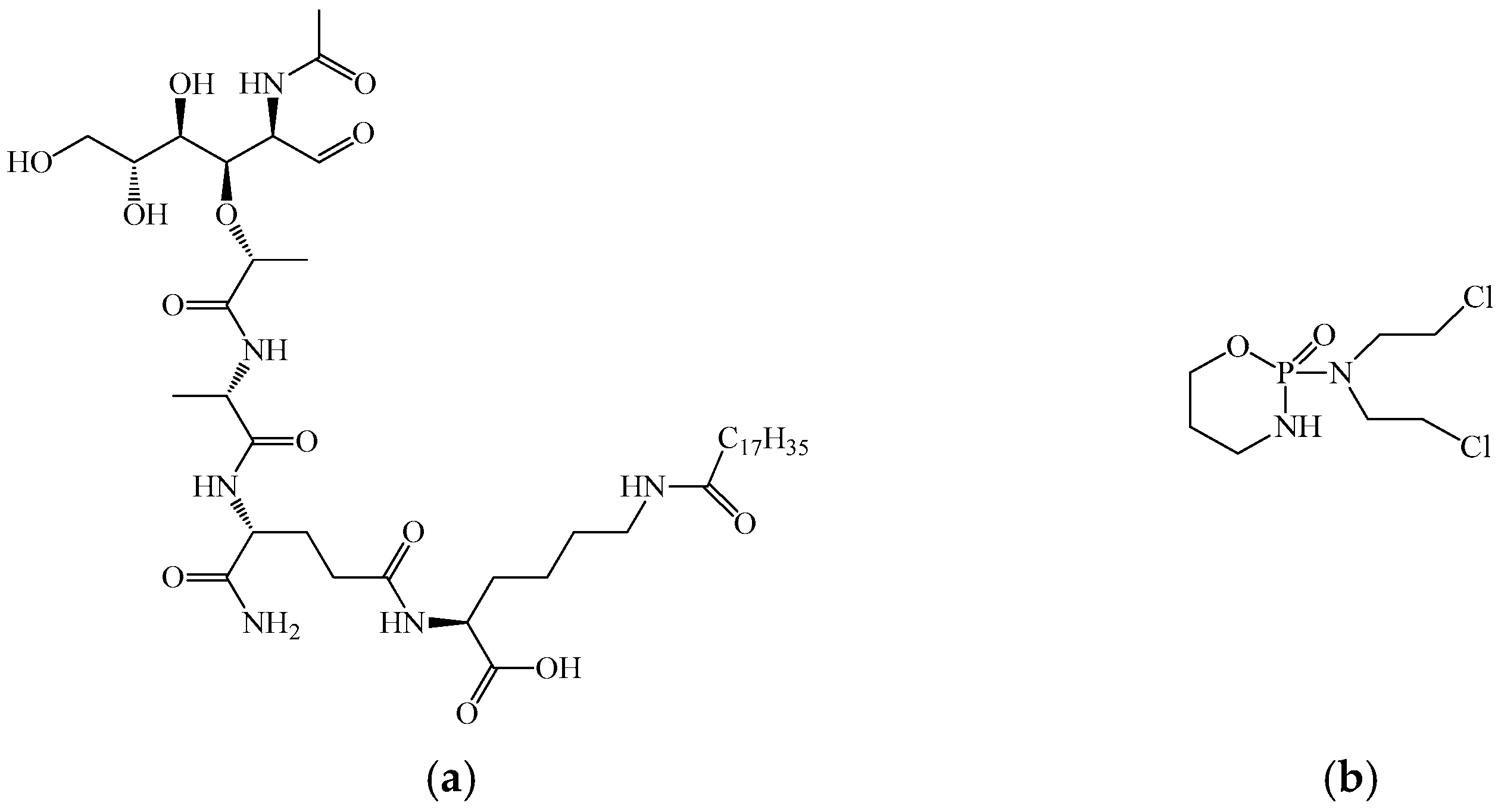
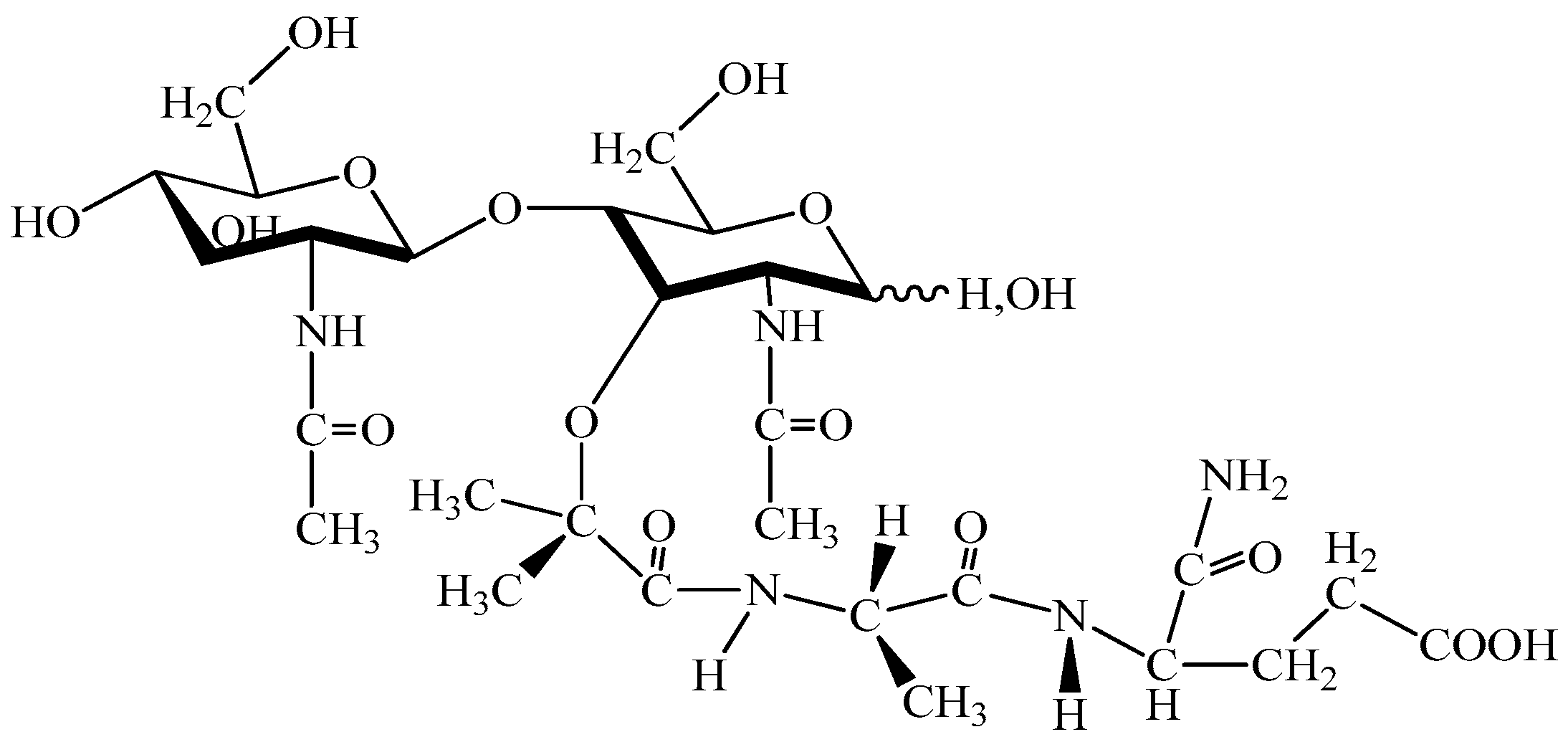
| Muramyl dipeptide derivatives | Romurtide, Lycopid | Activation of innate immune signaling, induction of cytokines including CSFs | Immune-mediated regulation of leukopoiesis | Clinical (regional)/preclinical | Approved (regional)/experimental | Pyrogenicity, inflammatory adverse effects |
| Nucleic acid-based agents | Sodium nucleinate, Poludan, Inosine pranobex | Provision of nucleic acid precursors, stimulation of immune cell proliferation | Broad proliferative regulation | Clinical (low) | Approved (regional) | Non-selective cell proliferation, potential oncological risks |
| Plant-derived immunomodulators | Fucoidans | Modulation of cytokine production and immune activation | Immune regulatory level | Preclinical | Experimental | Variability of composition, limited clinical evidence |
| CXCR4 antagonists | Mavorixafor | Disruption of CXCL12–CXCR4 axis, mobilization of leukocytes from bone marrow niche | Stem and progenitor cell mobilization | Clinical (moderate) | Approved (rare diseases) | Narrow indication spectrum, long-term safety unknown |
| Chemically synthesized small molecules (repurposed) | Levamisole, Bemitil | Modulation of immune signaling pathways and cellular metabolism | Immune activation and differentiation | Clinical (low–moderate) | Approved/repurposed | Limited selectivity, off-target effects |
| Emerging small-molecule and nanotechnology-based agents | Imidazole derivatives, peptide-loaded nanoparticles | Targeting transcription factors, niche interactions, and differentiation signaling | Multi-level regulation | Preclinical | Preclinical/early experimental | Insufficient clinical validation |
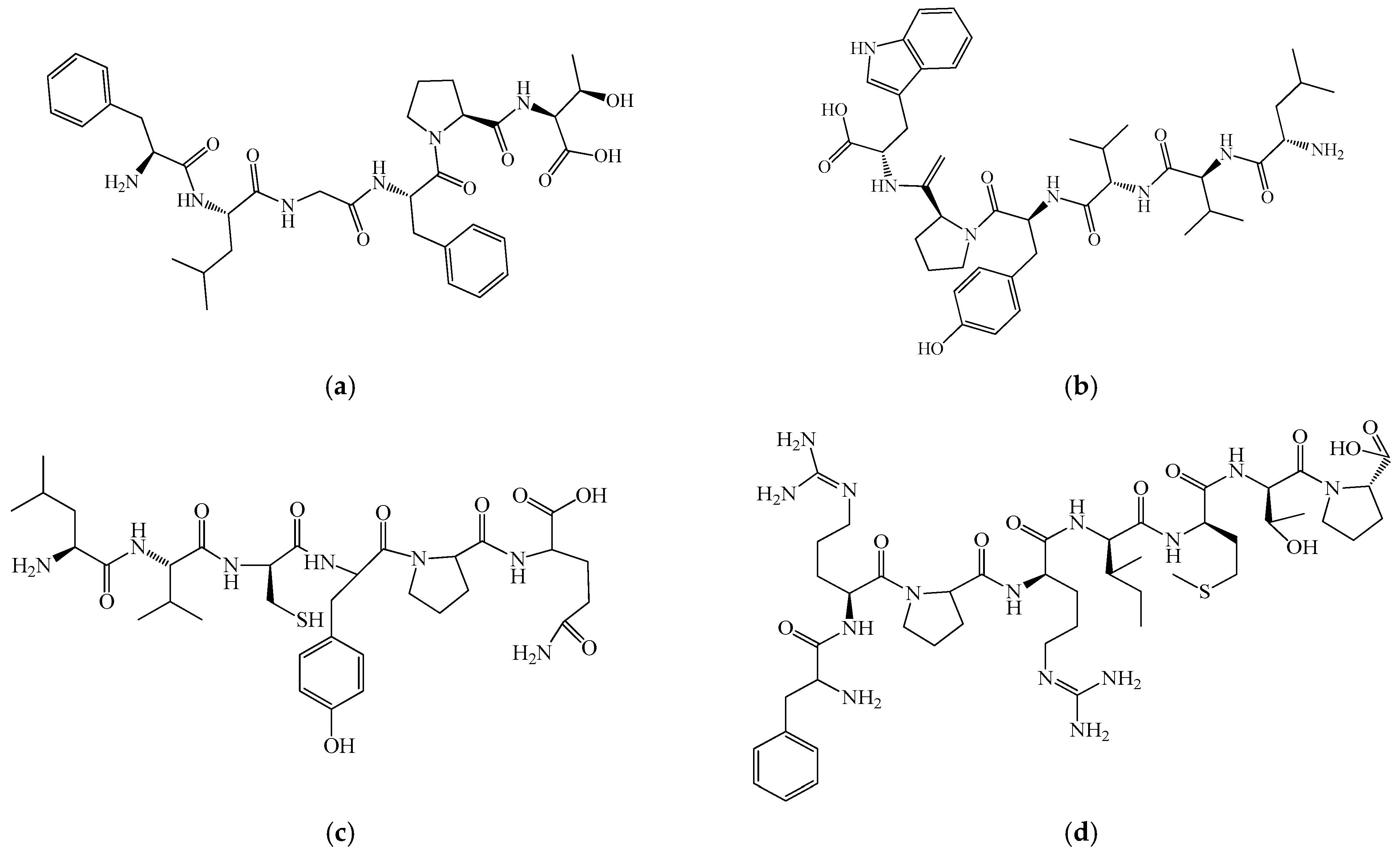
| No. | Myelopeptides | Composition | Functions |
|---|---|---|---|
| 1 | MP-1 | Phe-Leu-Gly-Phe-Pro-Thr | Restoration of antibody genesis |
| 2 | MP-2 | Leu-Val-Val-Tyr-Pro-Trp | Antitumor immunity |
| 3 | MP-3 | Leu-Val-Cys-Tyr-Pro-Gln | Effect on the monocytic unit |
| 4 | MP-4 | Phe-Arg-Pro-Arg-Ile-Met-Thr-Pro | Cell differentiation factor, hematopoiesis regulator |
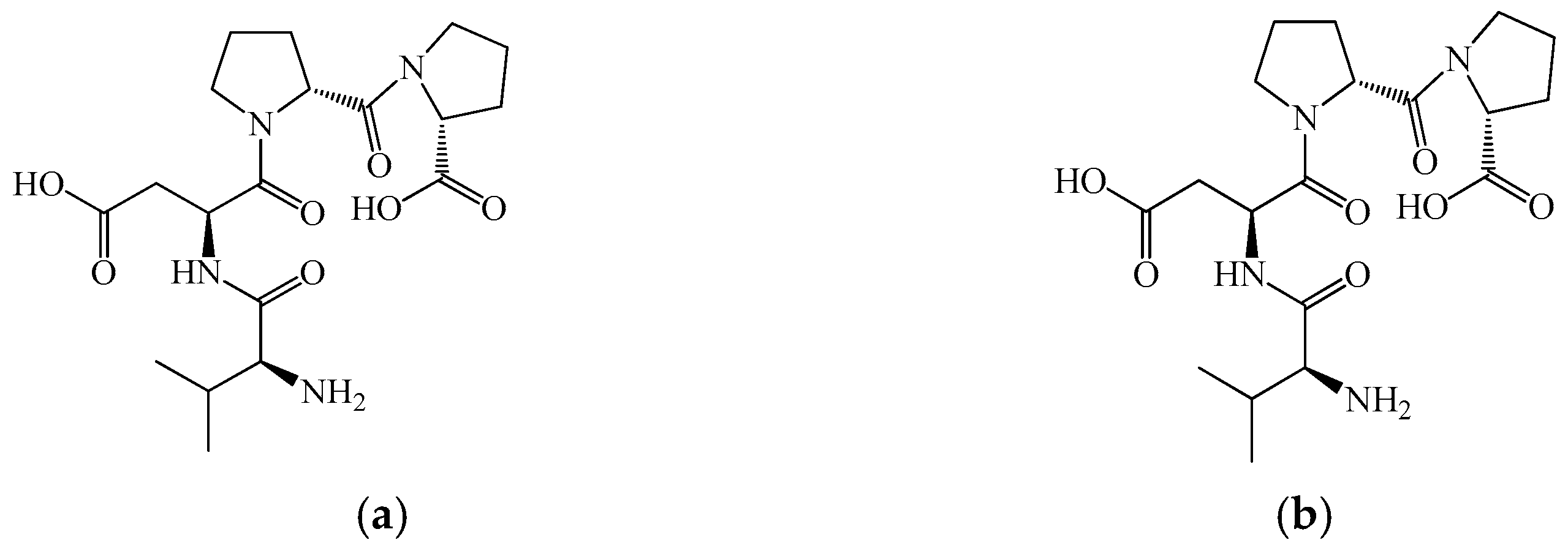
| 5 | MP-5 | Val-Val-Tyr-Pro-Asp | Cell differentiation factor |
| 6 | MP-6 | Val-Asp-Pro-Pro | Cell differentiation factor |
| Therapeutic Class | Mechanism of Immune Modulation | Established Clinical Use | Experimental/Translational Status | Safety/Adverse Effects | Rationale for Development of New Agents | Ref. |
|---|---|---|---|---|---|---|
| Bone marrow-derived regulatory peptides | Peptide-mediated regulation of innate and adaptive immune responses | Limited regional or experimental clinical use | Development as immunomodulatory and antimicrobial peptides; vaccine adjuvants | Generally low toxicity; limited human safety data | Insufficient potency and lack of large randomized clinical trials | [200] |
| GM-CSF (Granulocyte–macrophage CSF) | Stimulation of myeloid differentiation, antigen presentation, macrophage and dendritic cell activation | Approved for myeloid recovery after chemotherapy and hematopoietic stem cell transplantation | Investigated as vaccine adjuvant and in cancer immunotherapy combinations | Pro-inflammatory effects, fever, capillary leak syndrome; context-dependent pro-tumorigenic activity | Broad and context-sensitive immune effects limit predictability and safety | [201] |
| Muramyl dipeptide (MDP) derivatives | Activation of innate immunity via NOD2 signaling and macrophage stimulation | Approved derivative (mifamurtide) for osteosarcoma adjuvant therapy in selected regions | Development of novel analogs with improved selectivity | Fever, chills, cytokine-mediated inflammation; narrow therapeutic window | Excessive innate immune activation and systemic inflammatory toxicity | [202] |
| Thymic peptides | Regulation of T-cell maturation, differentiation, and immune homeostasis | Used regionally for immune rehabilitation and secondary immunodeficiency | Investigated in aging immunity, viral infections, and oncology supportive care | Favorable safety profile; mild systemic or injection-site reactions | Non-specific immune effects and limited molecular targeting | |
| Nucleic acid-based agents (siRNA, antisense, mRNA) | Gene-level modulation of immune signaling pathways and immune cell programming | Multiple oligonucleotide drugs approved; mRNA platforms clinically validated | Autoimmune disease modulation, cancer immunotherapy, immune reprogramming | Innate immune activation, delivery-related toxicity, off-target gene effects | Need for improved delivery, tissue specificity, and immune control | [203] |
| Plant-derived immunomodulators | Modulation of cytokine signaling (e.g., NF-κB, MAPK pathways) via phytochemicals | Used mainly as dietary supplements or adjunct therapies | Preclinical and early clinical studies in inflammatory and autoimmune models | Low toxicity; variability in bioavailability and drug–drug interactions | Limited potency and reproducibility; need for standardized derivatives | [204] |
| CXCR4 antagonists | Disruption of CXCR4–CXCL12 axis; modulation of immune cell trafficking | Approved for hematopoietic stem cell mobilization (plerixafor) | Oncology and metastasis-targeting strategies under investigation | Generally well tolerated; concerns regarding chemokine network perturbation | Limited indications and need for refined targeting in cancer and chronic inflammation | [205] |
| Chemically synthesized small molecules (repurposed) | Targeting immune signaling pathways (e.g., TLRs, STING, checkpoint-related pathways) | Several agents in clinical trials; some repurposed from non-immune indications | Broad exploration in oncology and immune-mediated diseases | Off-target effects and systemic toxicity | Requirement for higher specificity and improved therapeutic index | [206] |
| Emerging small-molecule and nanotechnology-based agents | Targeted delivery, controlled release, and immune cell-specific modulation | Early clinical evaluation for selected nanoformulations | RNA delivery systems, tumor-targeted immunomodulation, combination platforms | Nanotoxicity, biodistribution, and long-term accumulation concerns | Designed to overcome delivery, specificity, and safety limitations of existing agents | [207] |
Disclaimer/Publisher’s Note: The statements, opinions and data contained in all publications are solely those of the individual author(s) and contributor(s) and not of MDPI and/or the editor(s). MDPI and/or the editor(s) disclaim responsibility for any injury to people or property resulting from any ideas, methods, instructions or products referred to in the content. |
© 2026 by the authors. Licensee MDPI, Basel, Switzerland. This article is an open access article distributed under the terms and conditions of the Creative Commons Attribution (CC BY) license.
Share and Cite
Baktybayeva, L.; Kaldybayeva, A.B.; Sokolenko, A.; Tursynova, B.; Ten, A.Y.; Daulet, G.; Svambayev, E.; Thevis, M.; Yu, V.K.; Tassibekov, K.S. Targeting Leukopoiesis: Pharmacological and Biotechnological Strategies for the Treatment of Leukopenia. Biomedicines 2026, 14, 624. https://doi.org/10.3390/biomedicines14030624
Baktybayeva L, Kaldybayeva AB, Sokolenko A, Tursynova B, Ten AY, Daulet G, Svambayev E, Thevis M, Yu VK, Tassibekov KS. Targeting Leukopoiesis: Pharmacological and Biotechnological Strategies for the Treatment of Leukopenia. Biomedicines. 2026; 14(3):624. https://doi.org/10.3390/biomedicines14030624
Chicago/Turabian StyleBaktybayeva, Lyailya, Altynay B. Kaldybayeva, Anastassiya Sokolenko, Bagila Tursynova, Assel Yu. Ten, Guldana Daulet, Erkebulan Svambayev, Mario Thevis, Valentina K. Yu, and Khaidar S. Tassibekov. 2026. "Targeting Leukopoiesis: Pharmacological and Biotechnological Strategies for the Treatment of Leukopenia" Biomedicines 14, no. 3: 624. https://doi.org/10.3390/biomedicines14030624
APA StyleBaktybayeva, L., Kaldybayeva, A. B., Sokolenko, A., Tursynova, B., Ten, A. Y., Daulet, G., Svambayev, E., Thevis, M., Yu, V. K., & Tassibekov, K. S. (2026). Targeting Leukopoiesis: Pharmacological and Biotechnological Strategies for the Treatment of Leukopenia. Biomedicines, 14(3), 624. https://doi.org/10.3390/biomedicines14030624