Article

Functional Characterization of the SCN5A p.D372H Variant Associated with Brugada Syndrome

1
Division of Cardiology, Department of Internal Medicine, Tongji Hospital, Tongji Medical College, Huazhong University of Science and Technology, 1095# Jiefang Ave., Wuhan 430030, China
2
Hubei Key Laboratory of Genetics and Molecular Mechanisms of Cardiological Disorders, Wuhan 430030, China
3
Department of Medical Ultrasound, Tongji Hospital, Tongji Medical College, Huazhong University of Science and Technology, 1095# Jiefang Ave., Wuhan 430030, China
4
Department of Cell Biology, SUNY Downstate Health Sciences University, Brooklyn, NY 11203, USA
*
Authors to whom correspondence should be addressed.
Biomedicines 2026, 14(3), 582; https://doi.org/10.3390/biomedicines14030582

Submission received: 26 January 2026 / Revised: 28 February 2026 / Accepted: 2 March 2026 / Published: 5 March 2026
(This article belongs to the Section Molecular Genetics and Genetic Diseases)

Abstract

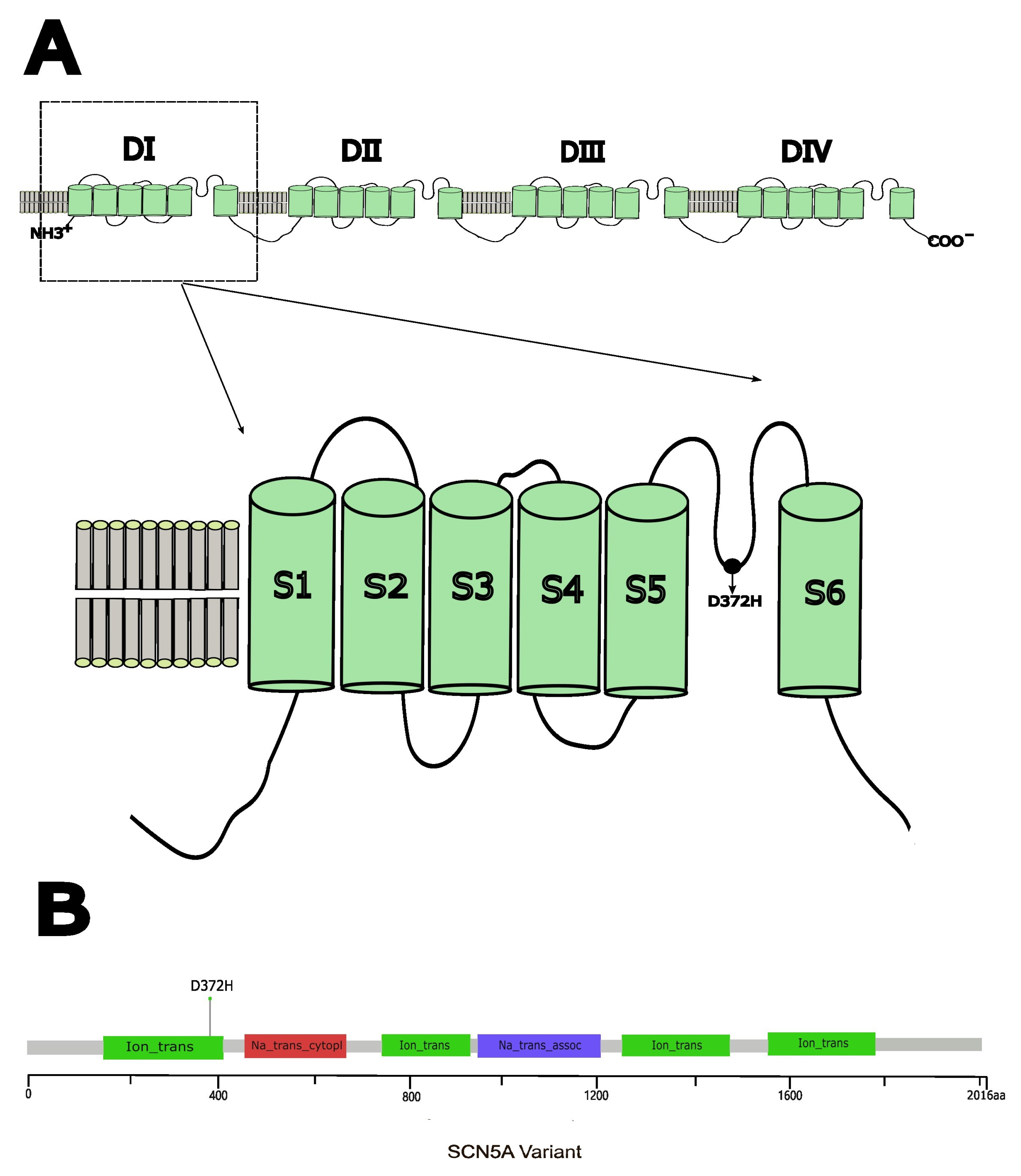
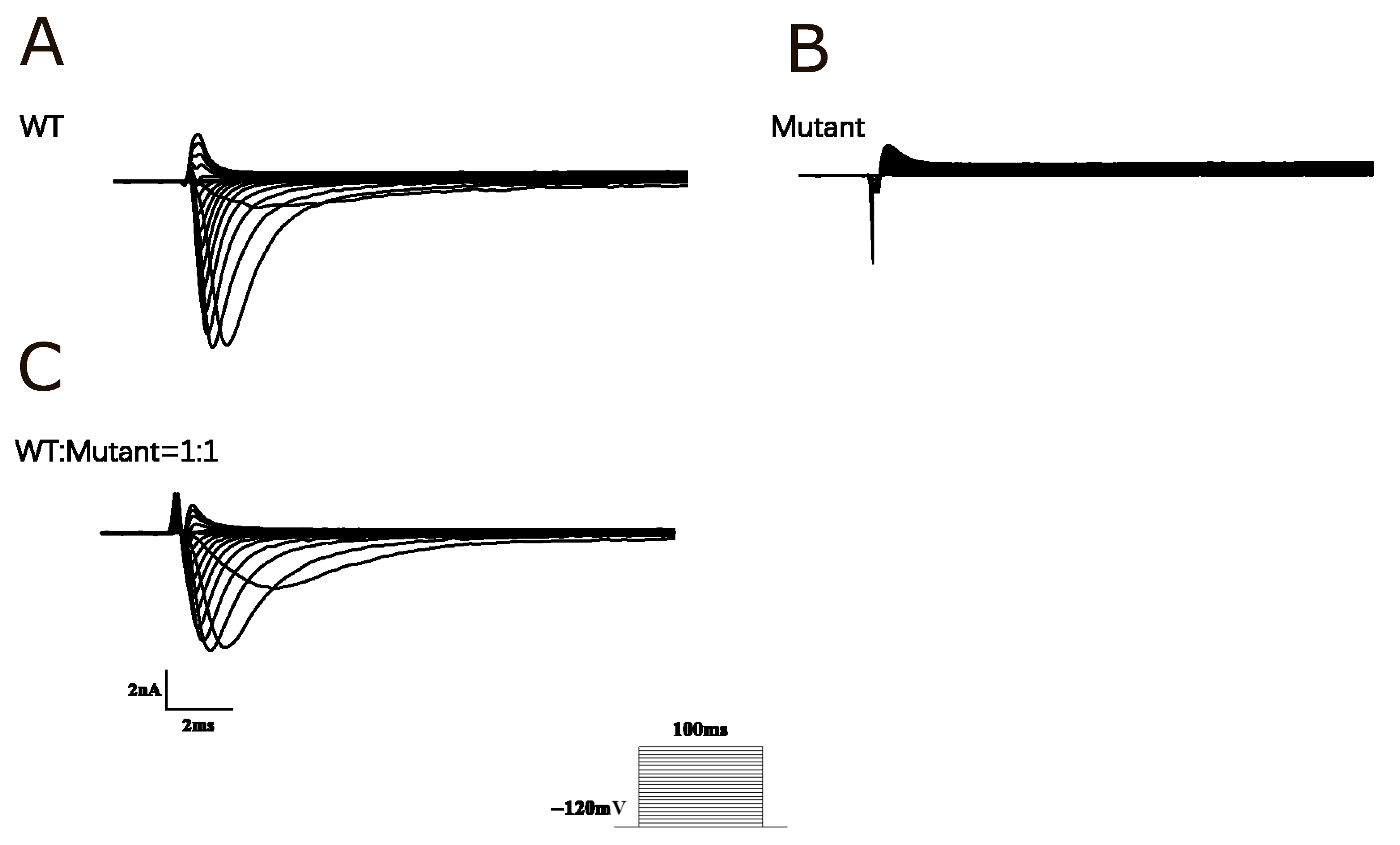
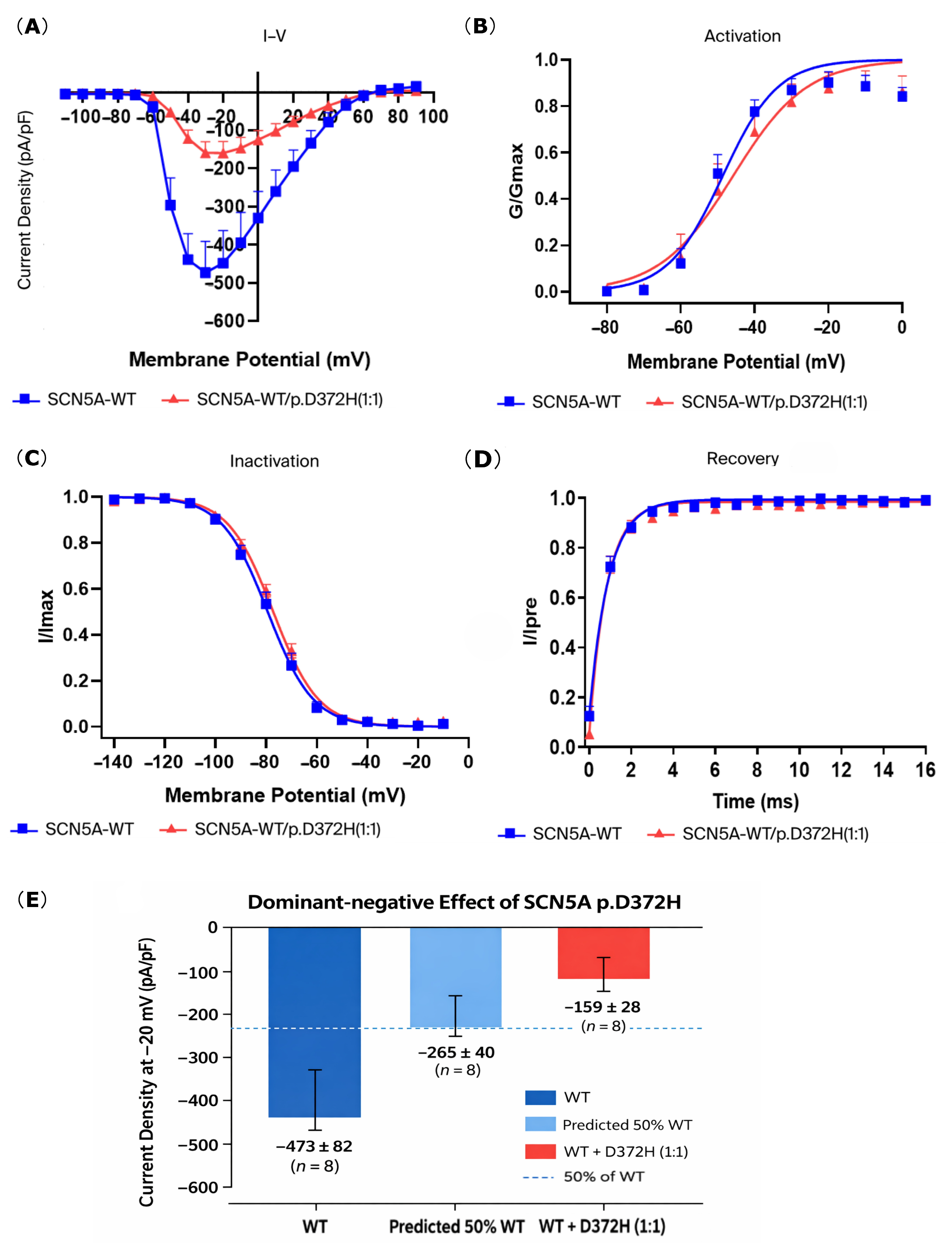
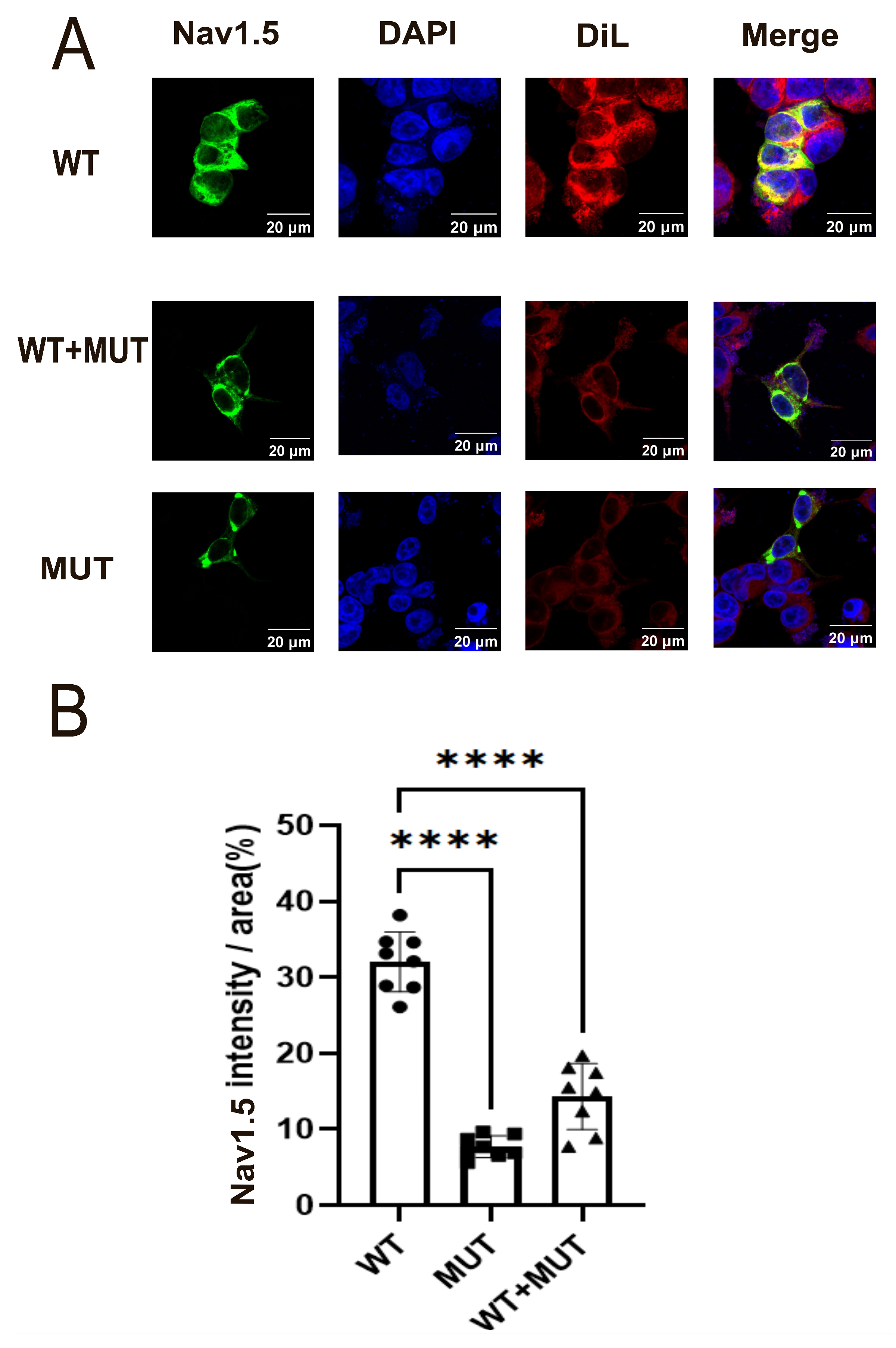
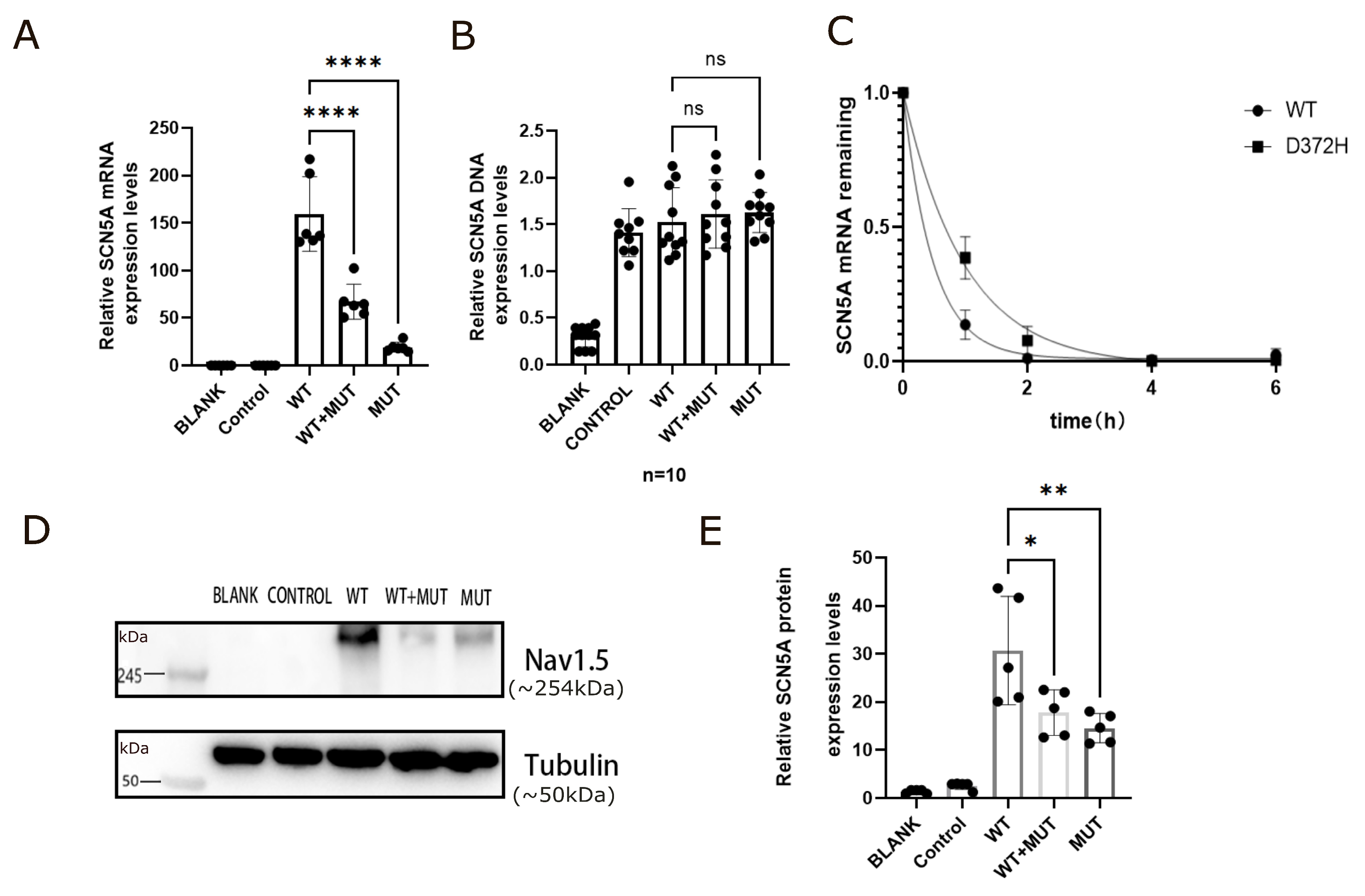
Background: Brugada syndrome (BrS) is a genetic cardiac arrhythmia disorder inherited in an autosomal dominant manner, characterized by ST-segment elevation in the right precordial leads (V1–V3) on electrocardiograms (ECGs). This syndrome predominantly affects young individuals with structurally normal hearts and significantly increases the risk of ventricular arrhythmias and sudden cardiac death (SCD). The most common genotype found among BrS patients is caused by variants in the SCN5A gene, which lead to a loss of function of the cardiac sodium channel Nav1.5 by different mechanisms. Methods: Plasmids containing SCN5A were constructed using PCR and site-directed mutagenesis to create the D372H variant. HEK293 cells were cultured and transfected with the WT, D372H, or a combination of both plasmids. Patch-clamp recordings assessed sodium current characteristics. Confocal microscopy visualized channel localization. Quantitative RT-PCR was used to analyze mRNA expression levels, while Western blot evaluated protein expression using specific antibodies. Results: In HEK293 cells expressing the D372H mutant, functional assays revealed a near-complete loss of sodium currents. Co-transfection of WT and D372H plasmids resulted in a significant reduction in current density compared with WT alone, while activation, inactivation, and recovery kinetics were unaffected. In addition, both the mutant protein and protein expressed in co-transfected cells exhibited reduced fluorescence intensity, indicating decreased expression levels. These findings were further supported by Western blot and RT-qPCR analyses. Conclusions: In summary, our findings indicate that the D372H variant produces a marked reduction in Nav1.5 function through reduced sodium current density and decreased channel expression. Given its critical position within the DI-pore loop, this defect is expected to markedly diminish the inward sodium current necessary for normal depolarization. Such impaired excitability—particularly relevant in the right ventricular outflow tract—may accentuate regional differences in repolarization and create conditions that favor reentrant activity. These findings provide mechanistic insights into how the p.D372H variant alters Nav1.5 channel function in vitro and offer functional evidence that may assist in interpreting its potential relevance to Brugada syndrome.
Keywords: Brugada syndrome; Brugada; genetics; genes; SCN5A; variant Brugada syndrome; Brugada; genetics; genes; SCN5A; variant