Molecular Hydrogen Modulates the Baroreflex Activity and Reduces the Vascular Adrenoreceptor Sensitivity to Phenylephrine and Lung Inflammation in Rats with Pulmonary Hypertension

Abstract
1. Introduction
2. Materials and Methods
2.1. Animal Study
2.1.1. Animals
2.1.2. MCT-PH Modeling
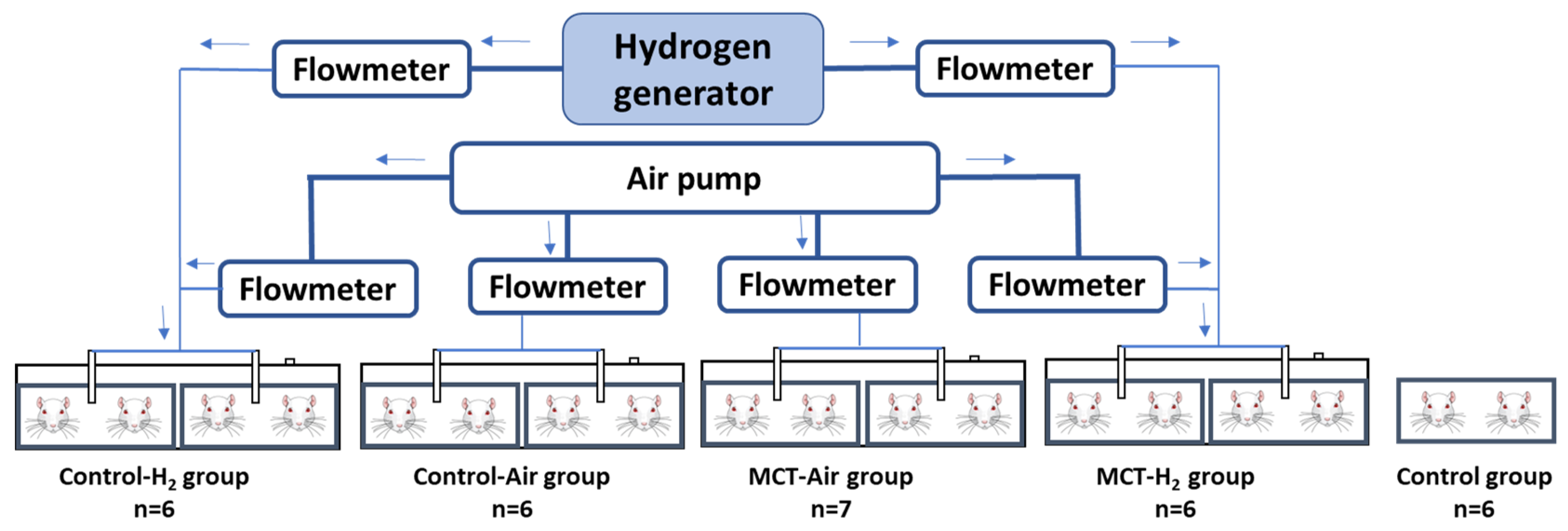
2.1.3. Hydrogen Inhalation
2.1.4. Experimental Design
2.1.5. Hemodynamic and Baroreflex Parameters Measurement in Awake Animals
2.1.6. Hemodynamics in Anesthetized Animals
2.1.7. Morphological Analysis
2.2. Isolated Aorta Studies
2.2.1. Design of the Experiment

2.2.2. Aortic Ring Preparation
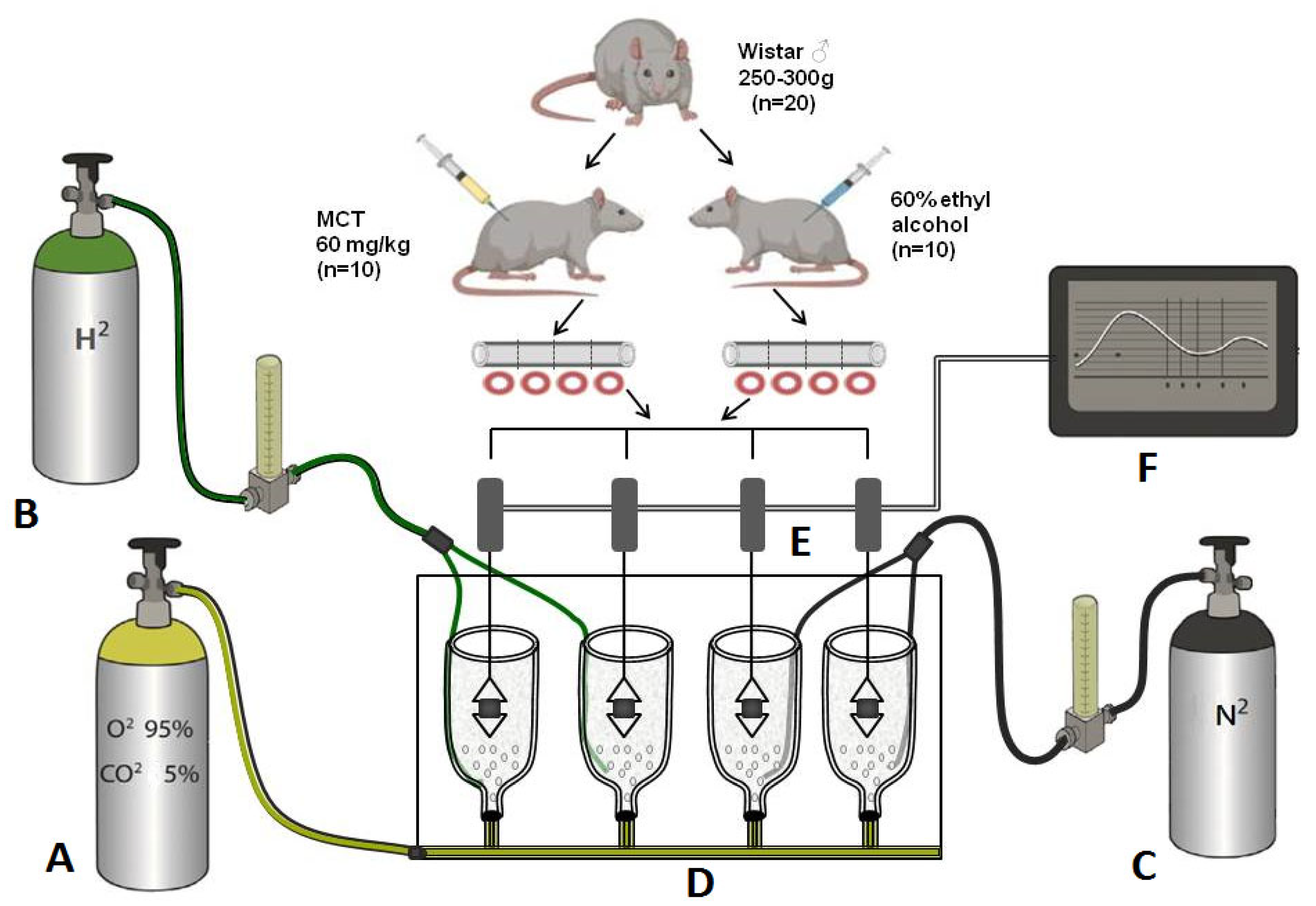
2.2.3. Experimental Protocol
2.2.4. Drugs
2.2.5. Bioethical Approval
2.2.6. Data Analysis
3. Results
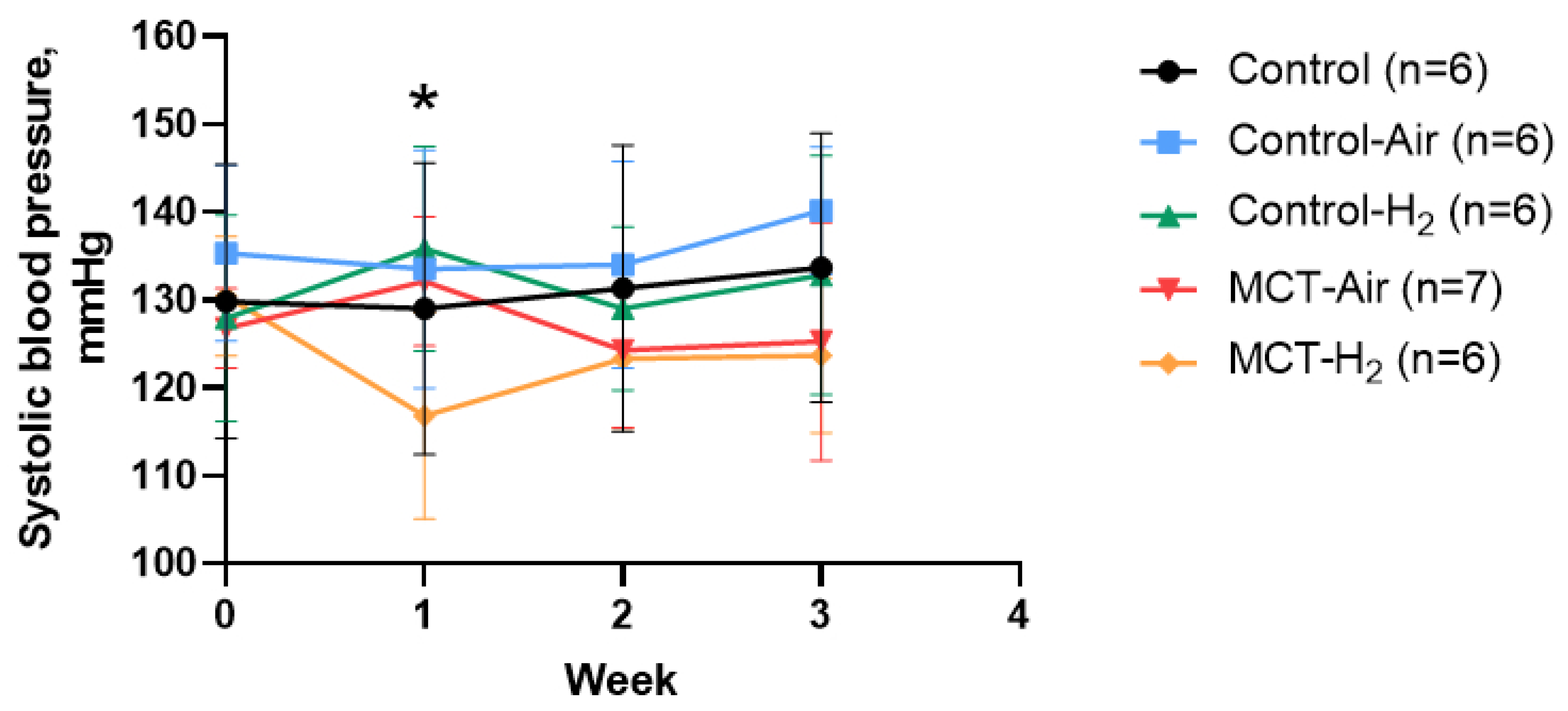
3.1. Study of the Dynamics of Systemic Blood Pressure During 21 Days
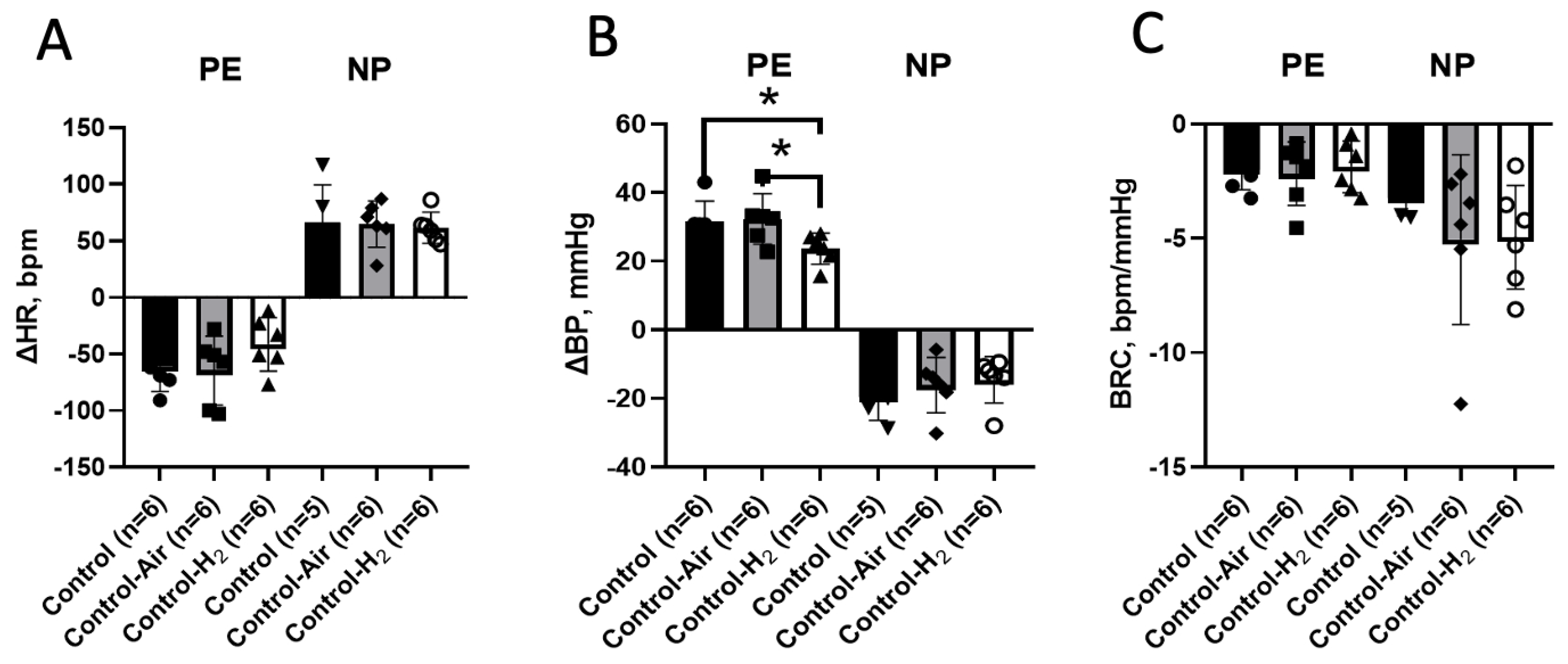
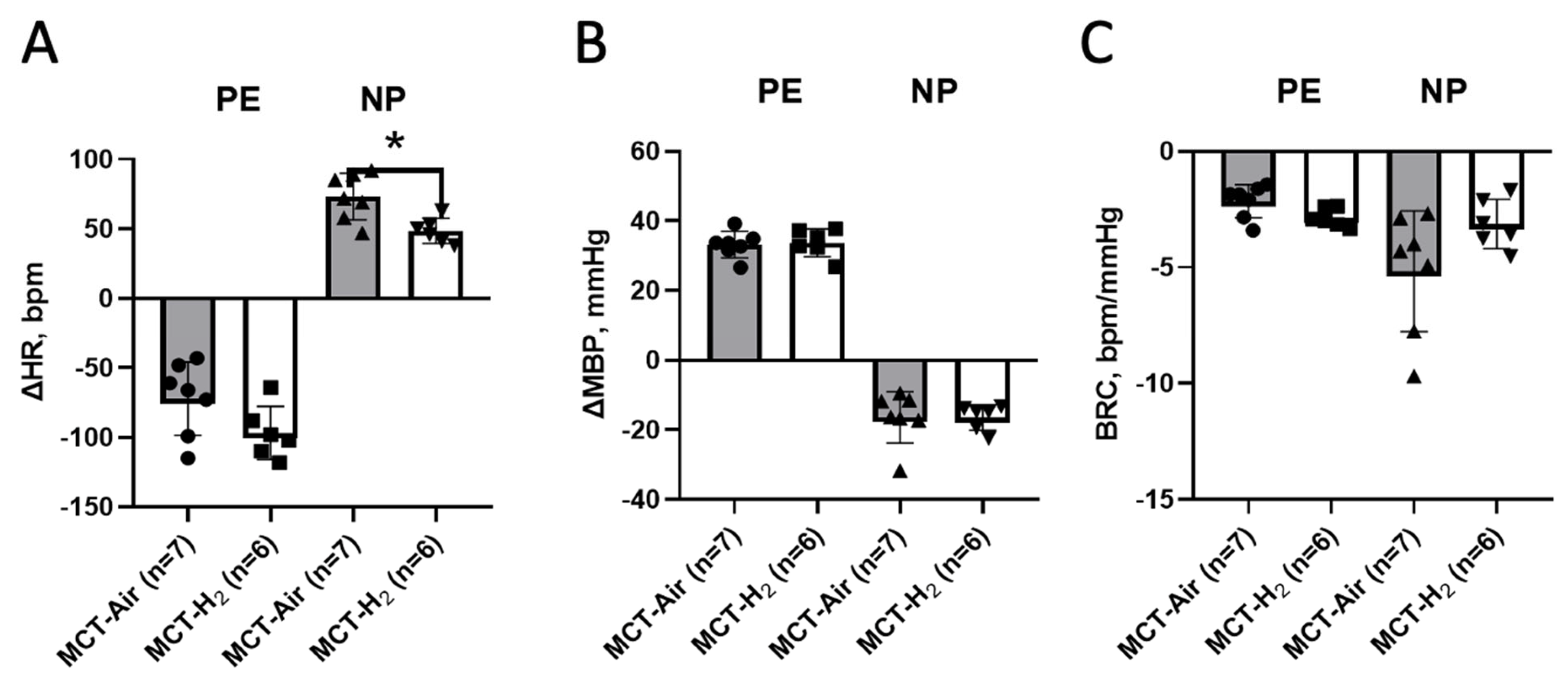
3.2. Awake Animal Study
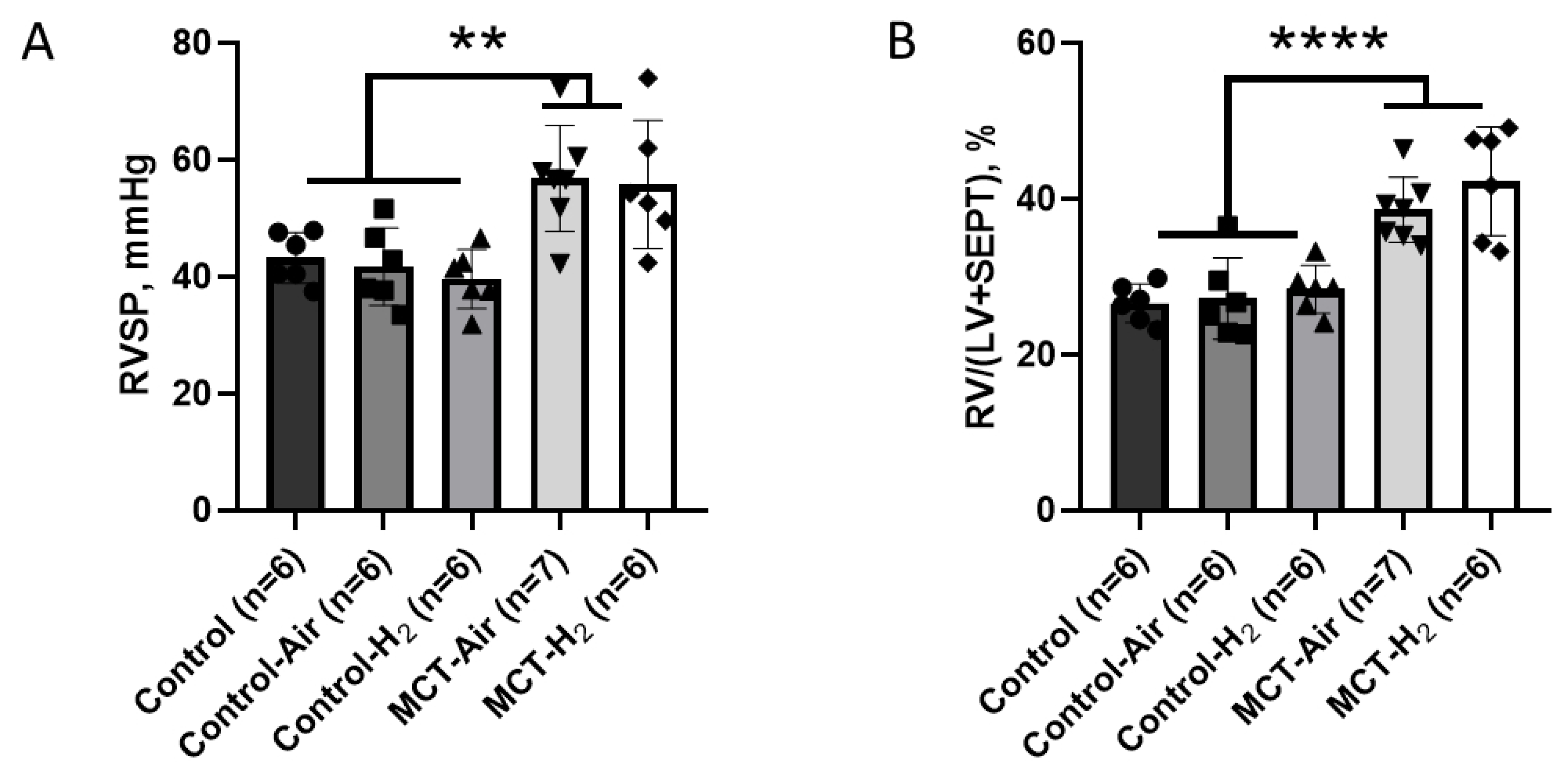
3.3. Study of Hemodynamic Parameters in Anesthetized Animals
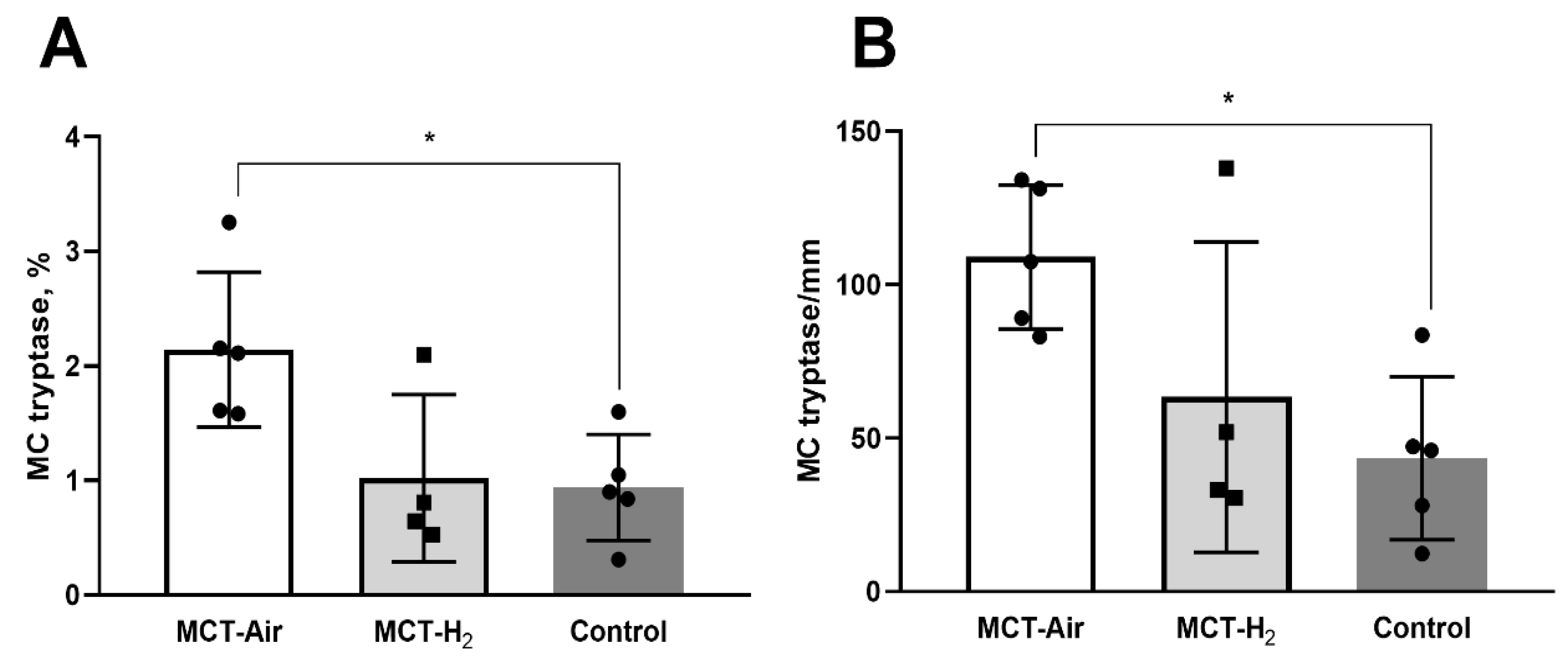
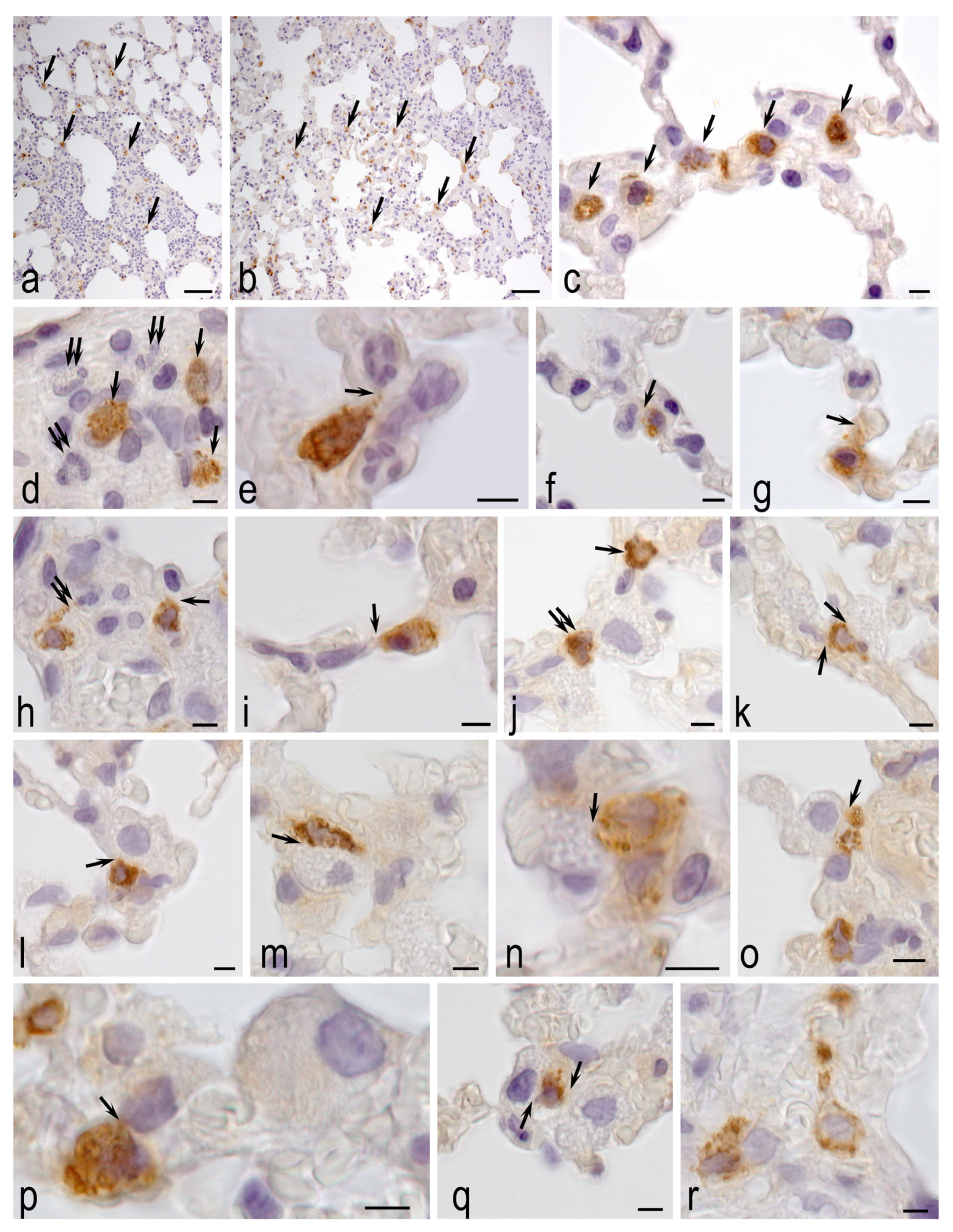
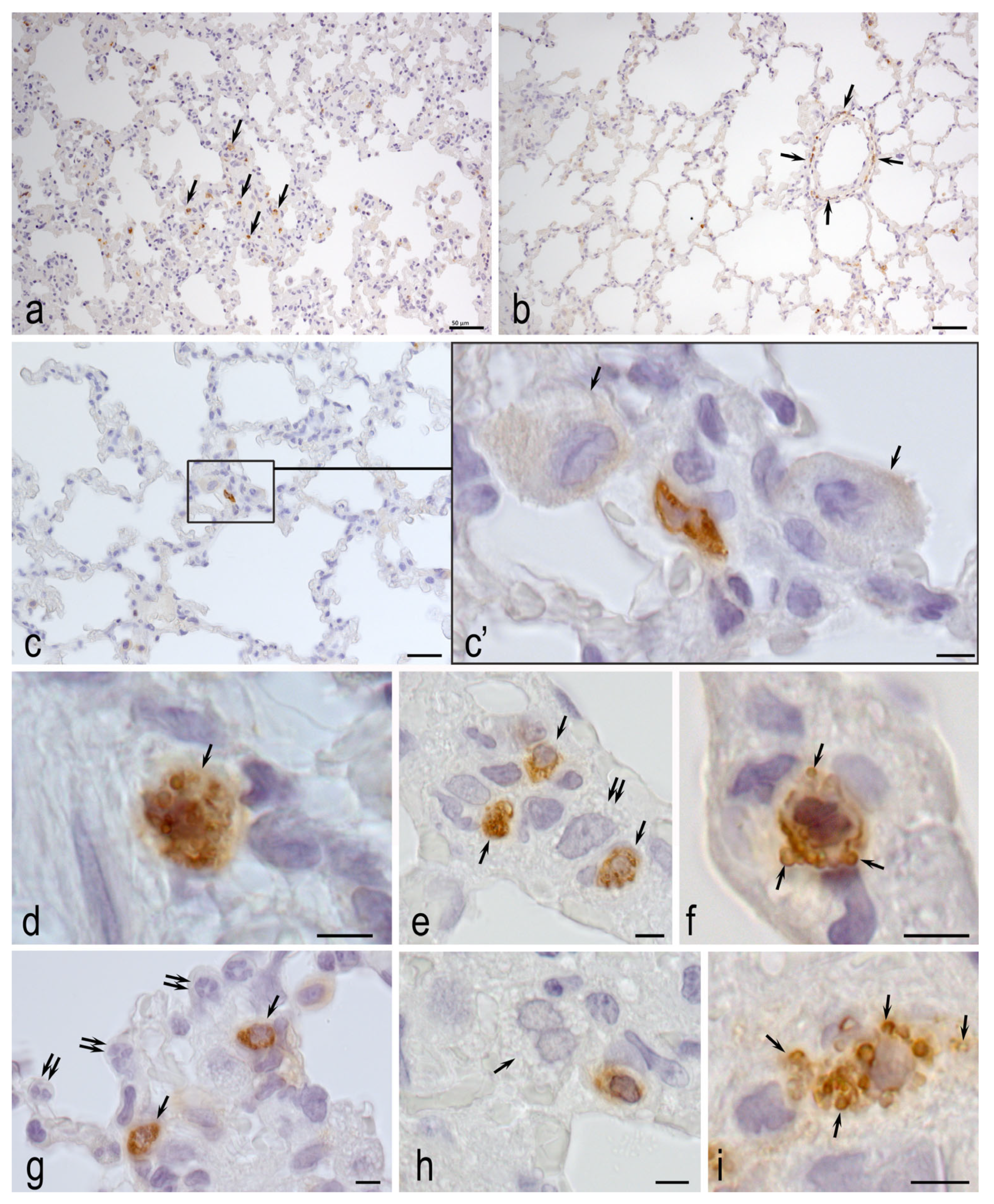
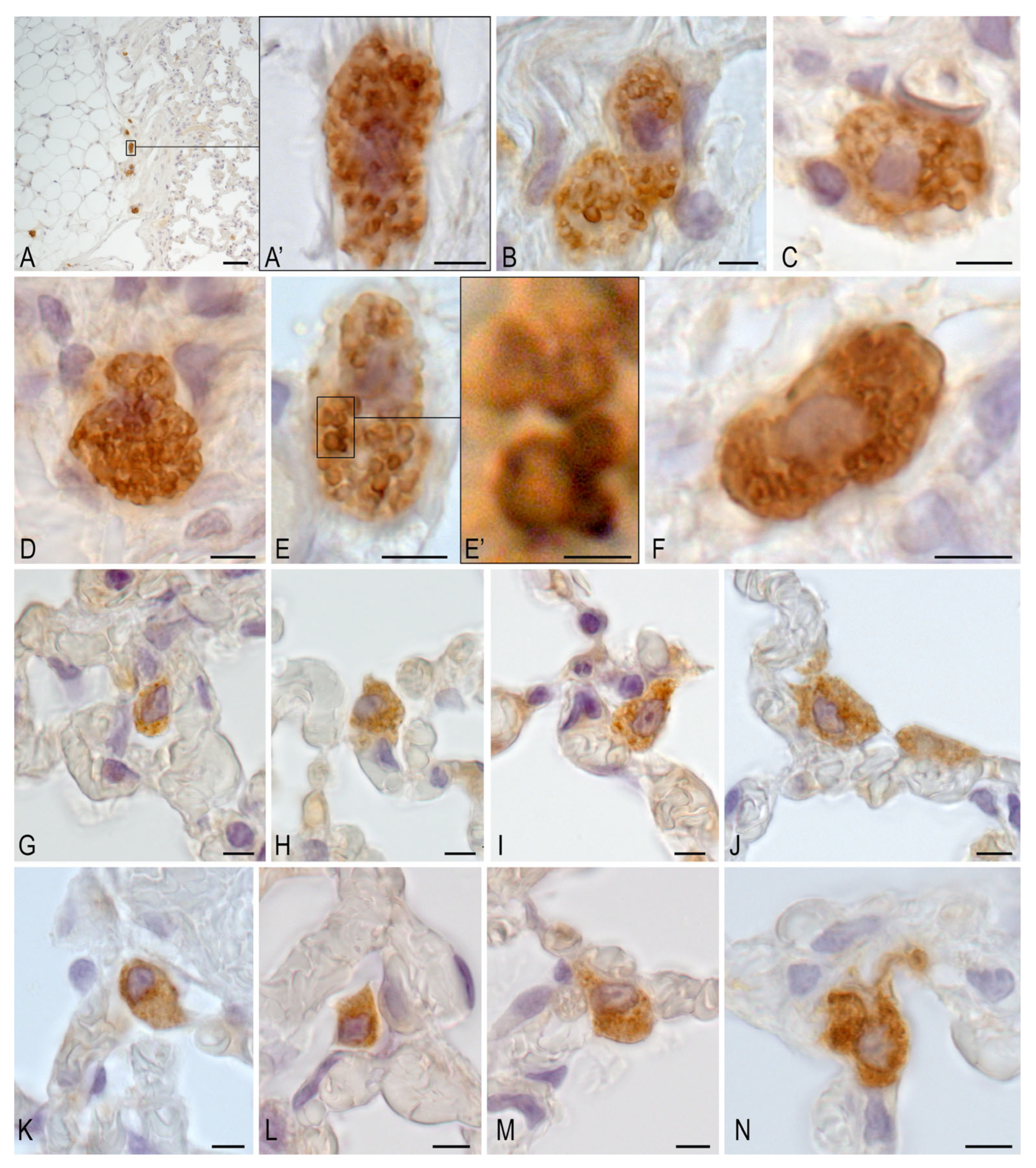
3.4. Morphological Analysis
3.5. Heart Hypertrophy in Rats with MCT-PH
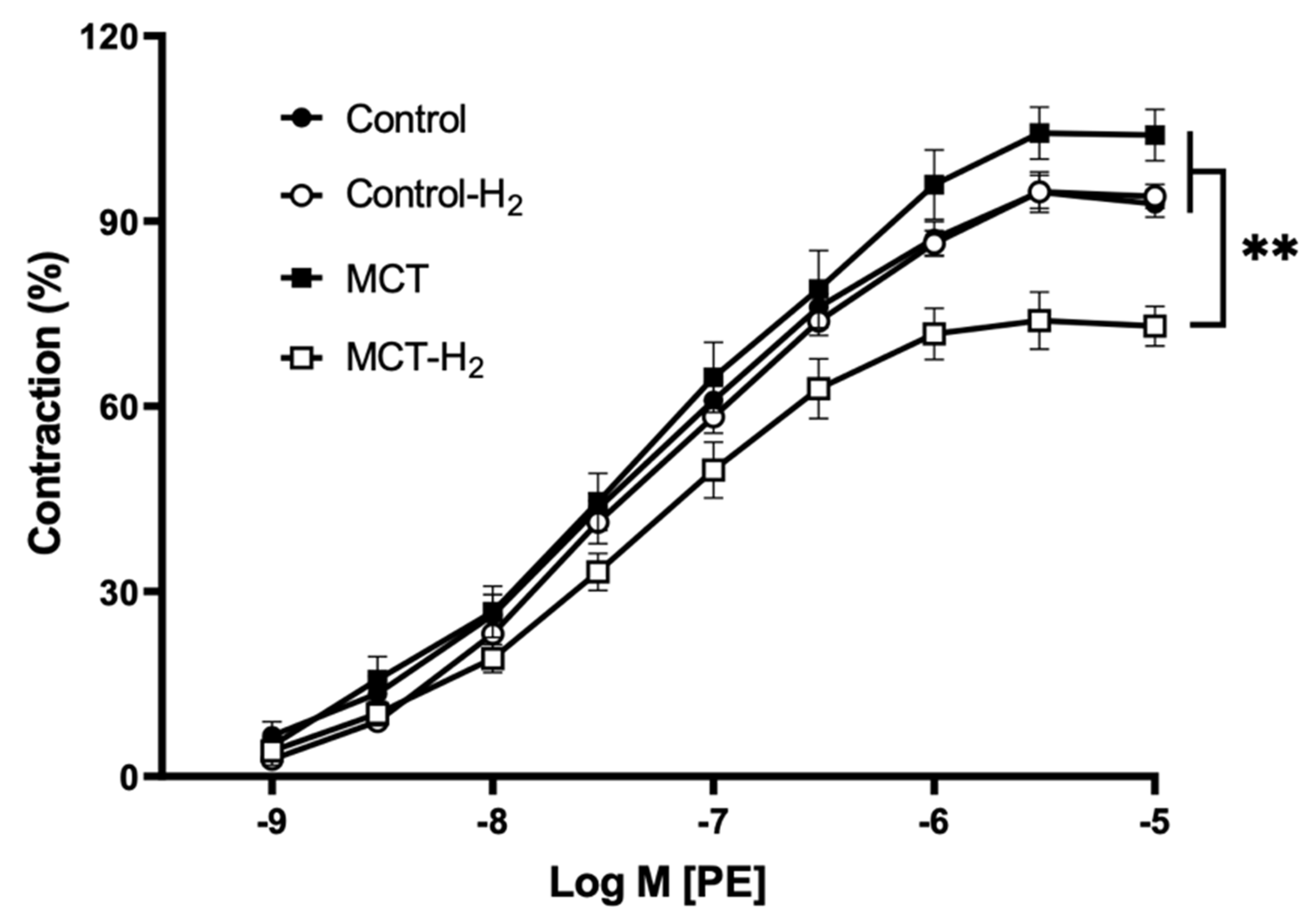
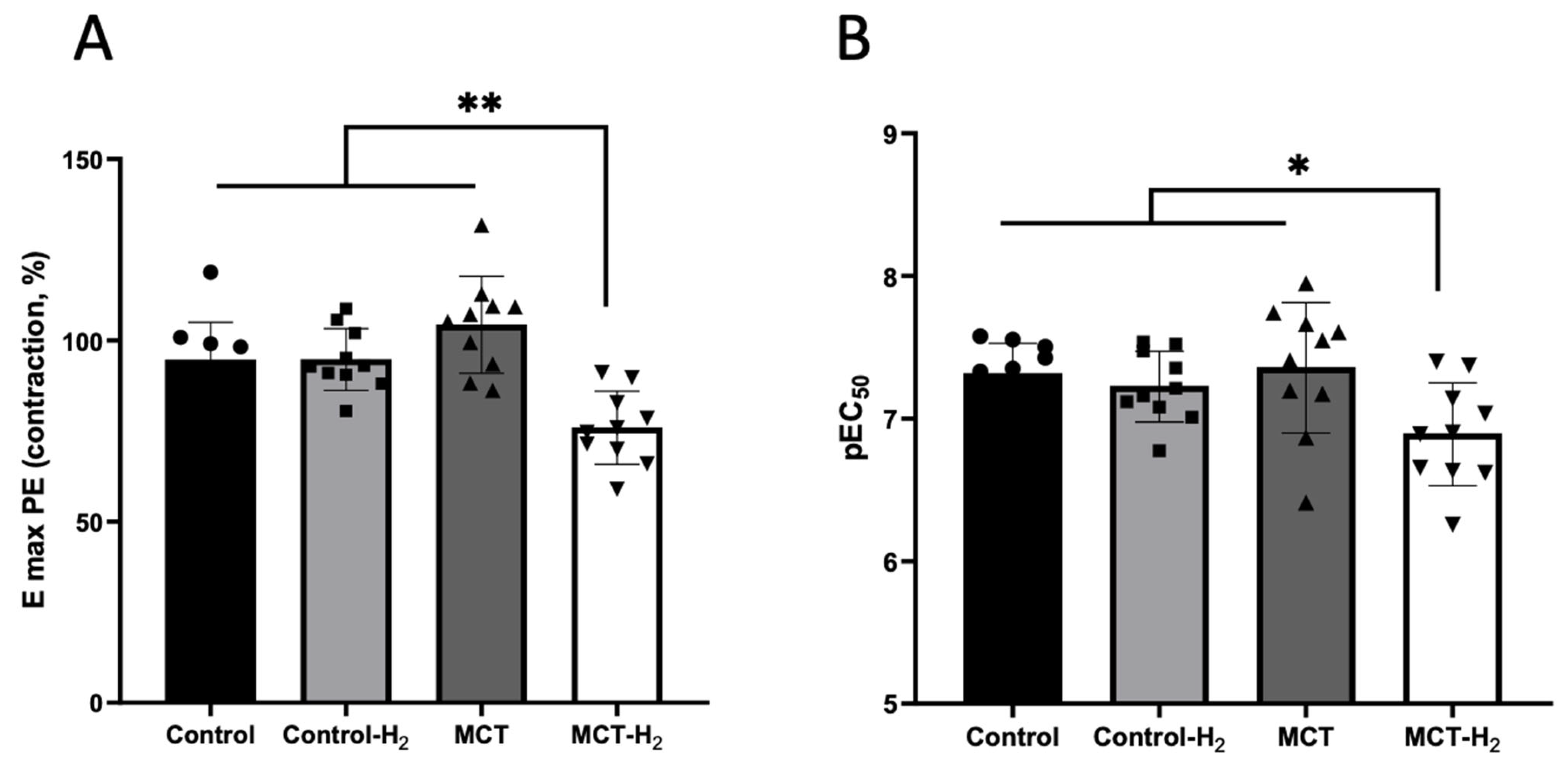
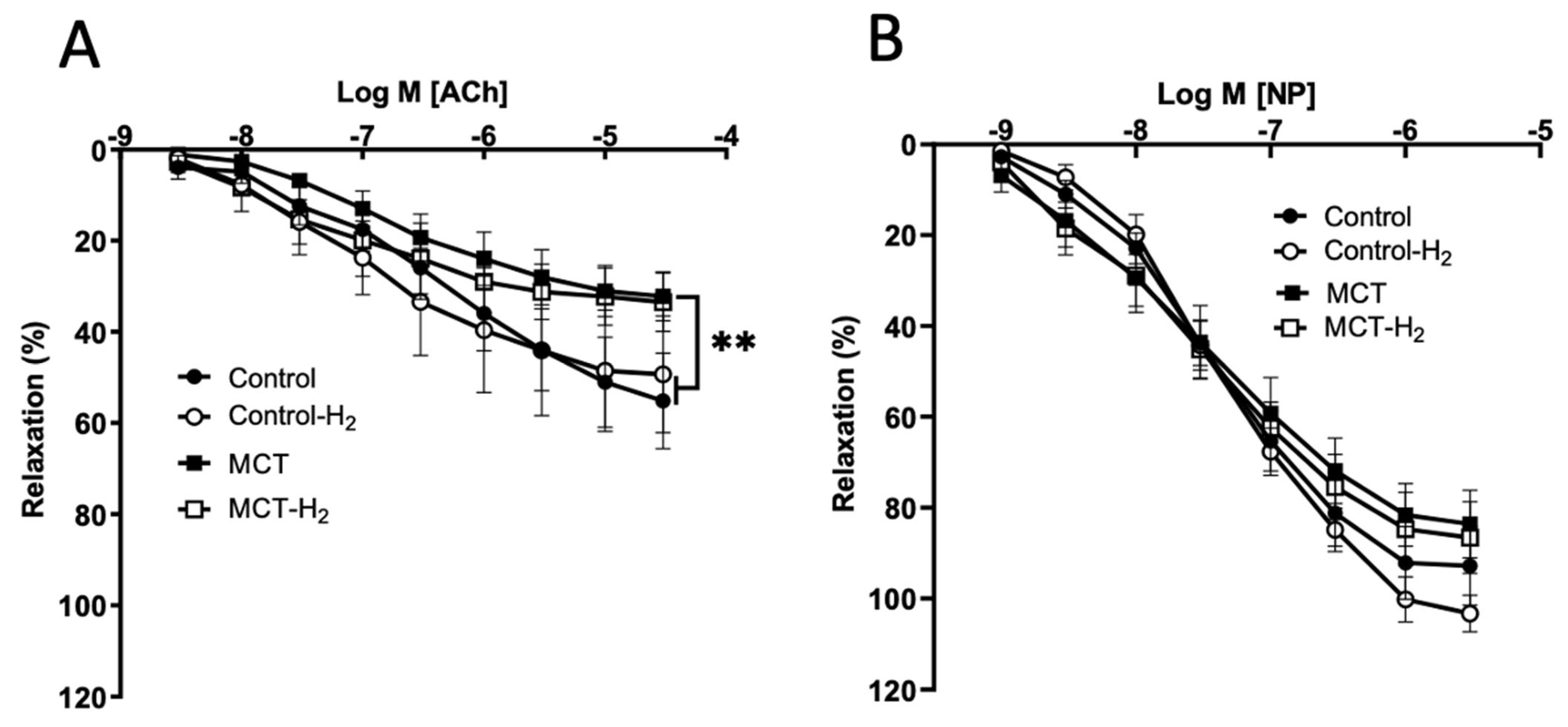
3.6. Isometric Tension Experiments on Isolated Aorta Rings
4. Discussion
5. Conclusions
Author Contributions
Funding
Institutional Review Board Statement
Informed Consent Statement
Data Availability Statement
Conflicts of Interest
References
- Ohsawa, I.; Ishikawa, M.; Takahashi, K.; Watanabe, M.; Nishimaki, K.; Yamagata, K.; Katsura, K.; Katayama, Y.; Asoh, S.; Ohta, S. Hydrogen acts as a therapeutic antioxidant by selectively reducing cytotoxic oxygen radicals. Nat. Med. 2007, 13, 688–694. [Google Scholar] [CrossRef]
- Nie, C.; Ding, X.; Zheng, M.; Li, Z.; Pan, S.; Yang, W. Hydrogen gas inhalation alleviates myocardial ischemia-reperfusion injury by the inhibition of oxidative stress and NLRP3-mediated pyroptosis in rats. Life Sci. 2021, 272, 119248. [Google Scholar] [CrossRef] [PubMed]
- Kimura, A.; Suehiro, K.; Mukai, A.; Fujimoto, Y.; Funao, T.; Yamada, T.; Mori, T. Protective effects of hydrogen gas against spinal cord ischemia-reperfusion injury. J. Thorac. Cardiovasc. Surg. 2022, 164, e269–e283. [Google Scholar] [CrossRef] [PubMed]
- Nie, C.; Zou, R.; Pan, S.; Gao, Y.; Yang, H.; Bai, J.; Xi, S.; Wang, X.; Hong, X.; Yang, W. Hydrogen gas inhalation ameliorates cardiac remodelling and fibrosis by regulating NLRP3 inflammasome in myocardial infarction rats. J. Cell. Mol. Med. 2021, 25, 8997–9010. [Google Scholar] [CrossRef] [PubMed]
- Kuropatkina, T.; Gufranov, H.; Sychev, F.; Artemieva, M.; Bondarenko, G.; Esaulenko, D.; Samoilenko, T.; Shishkina, V.; Medvedeva, N.; Medvedev, O. The effect of hydrogen inhalation on cardiovascular and interstitial components of pulmonary hypertension in rat experiments. Pulmonologiya 2024, 34, 19–30. (In Russian) [Google Scholar] [CrossRef]
- Liu, B.; Jiang, X.; Xie, Y.; Jia, X.; Zhang, J.; Xue, Y.; Qin, S. The effect of a low dose hydrogen-oxygen mixture inhalation in midlife/older adults with hypertension: A randomized, placebo-controlled trial. Front. Pharmacol. 2022, 13, 1025487. [Google Scholar] [CrossRef]
- Kuropatkina, T.; Atiakshin, D.; Sychev, F.; Artemieva, M.; Samoilenko, T.; Gerasimova, O.; Shishkina, V.; Gufranov, K.; Medvedeva, N.; LeBaron, T.W.; et al. Hydrogen Inhalation Reduces Lung Inflammation and Blood Pressure in the Experimental Model of Pulmonary Hypertension in Rats. Biomedicines 2023, 11, 3141. [Google Scholar] [CrossRef]
- Sugai, K.; Tamura, T.; Sano, M.; Uemura, S.; Fujisawa, M.; Katsumata, Y.; Endo, J.; Yoshizawa, J.; Homma, K.; Suzuki, M.; et al. Daily inhalation of hydrogen gas has a blood pressure-lowering effect in a rat model of hypertension. Sci. Rep. 2020, 10, 20173. [Google Scholar] [CrossRef]
- Chen, Q.; Jiang, D.; He, J.; Sun, M. Hydrogen rescues vascular endothelial cells in obstructive sleep apnea-hypopnea syndrome by modulating nitric oxide. J. Thorac. Dis. 2025, 17, 9598–9609. [Google Scholar] [CrossRef]
- Ichikawa, Y.; Sato, B.; Takefuji, Y.; Satoh, F. Preventable in-body hydrogen explosions from high-concentration H2 inhalers in Japan—Switch to safe, low-concentration hydrogen therapy. Int. J. Risk Saf. Med. 2026, 9246479251414573. [Google Scholar] [CrossRef]
- Krstic, A.M.; Jones, T.L.M.; Power, A.S.; Ward, M.-L. The Monocrotaline Rat Model of Right Heart Disease Induced by Pulmonary Artery Hypertension. Biomedicines 2024, 12, 1944. [Google Scholar] [CrossRef] [PubMed]
- Di Rienzo, M.; Parati, G.; Radaelli, A.; Castiglioni, P. Baroreflex contribution to blood pressure and heart rate oscillations: Time scales, time-variant characteristics and nonlinearities. Philos. Trans. A Math. Phys. Eng. Sci. 2009, 367, 1301–1318. [Google Scholar] [CrossRef] [PubMed]
- Zimmer, A.; Teixeira, R.B.; Bonetto, J.H.P.; Bahr, A.C.; Türck, P.; de Castro, A.L.; Campos-Carraro, C.; Visioli, F.; Fernandes-Piedras, T.R.; Casali, K.R.; et al. Role of inflammation, oxidative stress, and autonomic nervous system activation during the development of right and left cardiac remodeling in experimental pulmonary arterial hypertension. Mol. Cell. Biochem. 2020, 464, 93–109. [Google Scholar] [CrossRef] [PubMed]
- Cole, A.R.; Sperotto, F.; DiNardo, J.A.; Carlisle, S.; Rivkin, M.J.; Sleeper, L.A.; Kheir, J.N. Safety of inhaled hydrogen gas in healthy mice. Med. Gas Res. 2019, 9, 133–138. [Google Scholar] [CrossRef]
- GOST 33215-2014; Guidelines for Accommodation and Care of Laboratory Animals. Guidelines for Accommodation and Care of Animals. Environment, Housing and Management. Standartinform: Moscow, Russia, 2014.
- GOST 33216-2014; Guidelines for Accommodation and Care of Laboratory Animals. Guidelines for Accommodation and Care of Animals. Species-Specific Provisions for Laboratory Rodents and Rabbits. Standartinform: Moscow, Russia, 2016.
- Gomez-Arroyo, J.G.; Farkas, L.; Alhussaini, A.A.; Farkas, D.; Kraskauskas, D.; Voelkel, N.F.; Bogaard, H.J. The monocrotaline model of pulmonary hypertension in perspective. Am. J. Physiol. Lung Cell. Mol. Physiol. 2012, 302, L363–L369. [Google Scholar] [CrossRef]
- Jin, X.; Xie, F.; Yi, Y.; Zhang, Y.; Ling, S.; Shen, Q.; Ma, X.; Li, Y. Hydrogen inhalation ameliorates oxidative stress and glucose metabolism disorder in the brain of hindlimb unloading rats. Space Sci. Technol. 2023, 3, 27. [Google Scholar] [CrossRef]
- Coleman, T.G. Arterial baroreflex control of heart rate in the conscious rat. Am. J. Physiol. 1980, 238, H515–H520. [Google Scholar] [CrossRef]
- Buchwalow, I.B.; Böcker, W. Immunohistochemistry: Basics and Methods; Springer Science & Business Media: Berlin/Heidelberg, Germany, 2010. [Google Scholar]
- Bankhead, P.; Loughrey, M.B.; Fernández, J.A.; Dombrowski, Y.; McArt, D.G.; Dunne, P.D.; McQuaid, S.; Gray, R.T.; Murray, L.J.; Coleman, H.G.; et al. QuPath: Open source software for digital pathology image analysis. Sci. Rep. 2017, 7, 16878. [Google Scholar] [CrossRef]
- Mulvany, M.J.; Halpern, W. Contractile properties of small arterial resistance vessels in spontaneously hypertensive and normotensive rats. Circ. Res. 1977, 41, 19–26. [Google Scholar] [CrossRef]
- Angus, J.A.; Wright, C.E. Techniques to study the pharmacodynamics of isolated large and small blood vessels. J. Pharmacol. Toxicol. Methods 2000, 44, 395–407. [Google Scholar] [CrossRef]
- Russell, G.; May, J.; Hancock, J.T. An interplay of gases: Oxygen and hydrogen in biological systems. Oxygen 2024, 4, 37–52. [Google Scholar] [CrossRef]
- Ji, H.; Sun, H.; Zhang, Y.; Zhao, Z.; Gao, X.; Wang, C.; Yang, Y.; Zhang, X.; Gao, J.; Man, D.; et al. Effectiveness and safety of hydrogen inhalation therapy as an additional treatment for hypertension in real-world practice: A retrospective, observational study in China. Front. Cardiovasc. Med. 2024, 11, 1391282. [Google Scholar] [CrossRef] [PubMed]
- Dahal, B.K.; Kosanovic, D.; Kaulen, C.; Cornitescu, T.; Savai, R.; Hoffmann, J.; Reiss, I.; Ghofrani, H.A.; Weissmann, N.; Kuebler, W.M.; et al. Involvement of mast cells in monocrotaline-induced pulmonary hypertension in rats. Respir. Res. 2011, 12, 60. [Google Scholar] [CrossRef]
- Atiakshin, D.; Kostin, A.; Volodkin, A.; Nazarova, A.; Shishkina, V.; Esaulenko, D.; Buchwalow, I.; Tiemann, M.; Noda, M. Mast Cells as a Potential Target of Molecular Hydrogen in Regulating the Local Tissue Microenvironment. Pharmaceuticals 2023, 16, 817. [Google Scholar] [CrossRef] [PubMed]
- Elieh-Ali-Komi, D.; Shafaghat, F.; Alipoor, S.D.; Kazemi, T.; Atiakshin, D.; Pyatilova, P.; Maurer, M. Immunomodulatory Significance of Mast Cell Exosomes (MC-EXOs) in Immune Response Coordination. Clin. Rev. Allergy Immunol. 2025, 68, 20. [Google Scholar] [CrossRef]
- Zheng, H.; Yu, Y.S. Chronic hydrogen-rich saline treatment attenuates vascular dysfunction in spontaneous hypertensive rats. Biochem. Pharmacol. 2012, 83, 1269–1277. [Google Scholar] [CrossRef]
- Artemieva, M.M.; Kuropatkina, T.A.; Shishkina, V.V.; Serebryanaya, D.V.; Adasheva, D.A.; Medvedev, O.S.; Medvedeva, N.A. Molecular Hydrogen Reduces Mean and Systolic Blood Pressure in Various Forms of Hypertension, as Well as Inflammatory Processes in Lung Tissue, in Wistar Rats. J. Evol. Biochem. Physiol. 2024, 60, 2045–2057. [Google Scholar] [CrossRef]
- Yamamoto, R.; Homma, K.; Suzuki, S. Hydrogen gas distribution in organs after inhalation: Real-time monitoring in rats. Sci. Rep. 2019, 9, 1255. [Google Scholar] [CrossRef]


| Control | Control-Air | Control-H2 | MCT-Air | МCТ-Н2 | |
|---|---|---|---|---|---|
| n = 6 | n = 6 | n = 6 | n = 7 | n = 6 | |
| Awake animals | |||||
| HR, beats/min | 369 ± 36 | 379 ± 37 | 395 ± 35 | 431 ± 34 | 423 ± 32 |
| MBP, mmHg | 112.6 ± 13.6 | 116.3 ± 12.2 | 117.0 ± 6.0 | 108.5 ± 10.9 | 110.5 ± 4.6 |
| SBP, mmHg | 137.4 ± 15.7 | 135.2 ± 17.4 | 144.6 ± 7.8 | 131.1 ± 11.8 | 127.0 ± 4.6 |
| DBP, mmHg | 92.5 ± 12.7 | 99.1 ± 11.0 | 94.4 ± 6.3 | 89.0 ± 10.4 | 95.3 ± 7.9 |
| Anesthetized animals | |||||
| HR, beats/min | 429 ± 32 | 429 ± 26 | 430 ± 33 | 466 ± 34 | 419 ± 45 * |
| MBP, mmHg | 104.1 ± 11.4 | 79.0 ± 17.2 | 84.3 ± 20.1 | 98.0 ± 12.6 | 103.7 ± 6.2 |
| SBP, mmHg | 126.8 ± 12.5 | 96.9 ± 18.7 | 110.7 ± 24.6 | 118.0 ± 14.1 | 122.4 ± 9.9 |
| DBP, mmHg | 89.9 ± 11.9 | 66.8 ± 16.7 | 69.8 ± 19.8 | 84.0 ± 12.2 | 87.7 ± 4.9 |
| Group | n | RV Mass, g | RV/Heart | RV/LV + S | (RV/Body Mass) × 1000 |
|---|---|---|---|---|---|
| Control | 10 | 0.14 ± 0.03 | 0.18 ± 0.02 | 0.26 ± 0.03 | 0.49 ± 0.06 |
| MCT | 10 | 0.21 ± 0.04 * | 0.52 ± 0.04 * | 0.40 ± 0.08 * | 0.77 ± 0.15 * |
Disclaimer/Publisher’s Note: The statements, opinions and data contained in all publications are solely those of the individual author(s) and contributor(s) and not of MDPI and/or the editor(s). MDPI and/or the editor(s) disclaim responsibility for any injury to people or property resulting from any ideas, methods, instructions or products referred to in the content. |
© 2026 by the authors. Licensee MDPI, Basel, Switzerland. This article is an open access article distributed under the terms and conditions of the Creative Commons Attribution (CC BY) license.
Share and Cite
Artemieva, M.; Kozaeva, L.; Kuropatkina, T.; Gufranov, K.; Atiakshin, D.; Medvedeva, N.; Medvedev, O. Molecular Hydrogen Modulates the Baroreflex Activity and Reduces the Vascular Adrenoreceptor Sensitivity to Phenylephrine and Lung Inflammation in Rats with Pulmonary Hypertension. Biomedicines 2026, 14, 494. https://doi.org/10.3390/biomedicines14030494
Artemieva M, Kozaeva L, Kuropatkina T, Gufranov K, Atiakshin D, Medvedeva N, Medvedev O. Molecular Hydrogen Modulates the Baroreflex Activity and Reduces the Vascular Adrenoreceptor Sensitivity to Phenylephrine and Lung Inflammation in Rats with Pulmonary Hypertension. Biomedicines. 2026; 14(3):494. https://doi.org/10.3390/biomedicines14030494
Chicago/Turabian StyleArtemieva, Marina, Larisa Kozaeva, Tatyana Kuropatkina, Khaidar Gufranov, Dmitrii Atiakshin, Natalia Medvedeva, and Oleg Medvedev. 2026. "Molecular Hydrogen Modulates the Baroreflex Activity and Reduces the Vascular Adrenoreceptor Sensitivity to Phenylephrine and Lung Inflammation in Rats with Pulmonary Hypertension" Biomedicines 14, no. 3: 494. https://doi.org/10.3390/biomedicines14030494
APA StyleArtemieva, M., Kozaeva, L., Kuropatkina, T., Gufranov, K., Atiakshin, D., Medvedeva, N., & Medvedev, O. (2026). Molecular Hydrogen Modulates the Baroreflex Activity and Reduces the Vascular Adrenoreceptor Sensitivity to Phenylephrine and Lung Inflammation in Rats with Pulmonary Hypertension. Biomedicines, 14(3), 494. https://doi.org/10.3390/biomedicines14030494