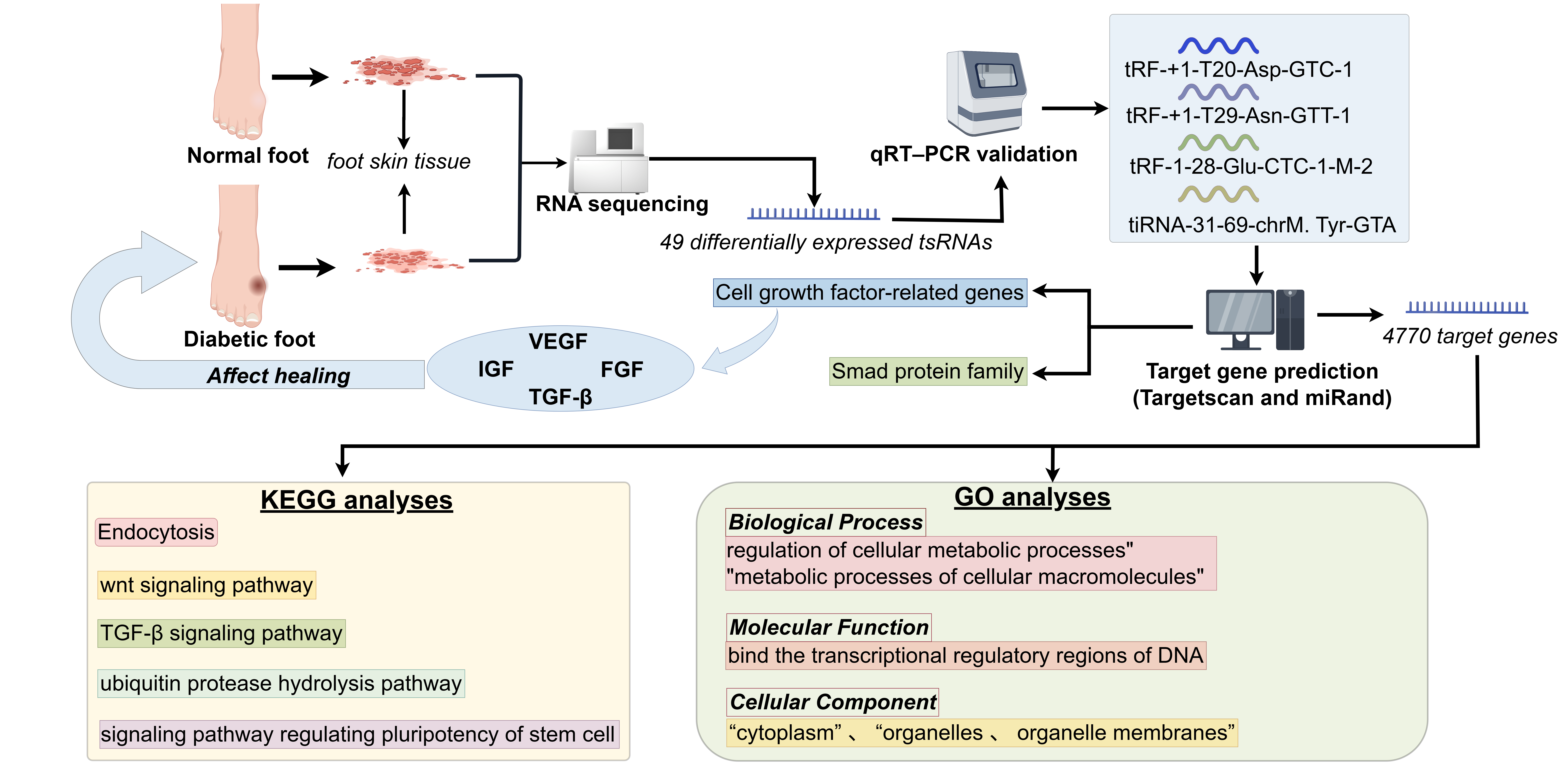
Screening and Functional Analysis of tsRNAs Associated with Diabetic Foot Ulcer Tissues

Abstract
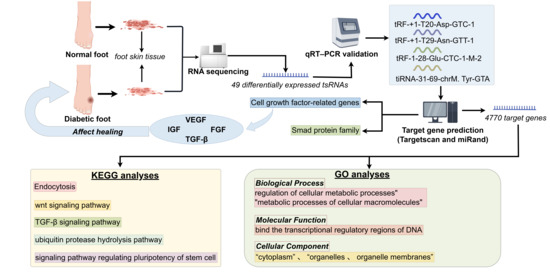
1. Introduction
2. Materials and Methods
2.1. Sampling of Participants and Organizations
2.2. RNA Extraction, Library Preparation, and RNA Sequencing
2.3. Data Quality Control and Screening
2.4. Validation of Differentially Expressed Genes via Real-Time Fluorescence Quantitative PCR
2.5. Prediction of tsRNA Target Genes
2.6. Bioinformatics and Functional Analysis of Differentially Expressed tsRNAs
3. Results
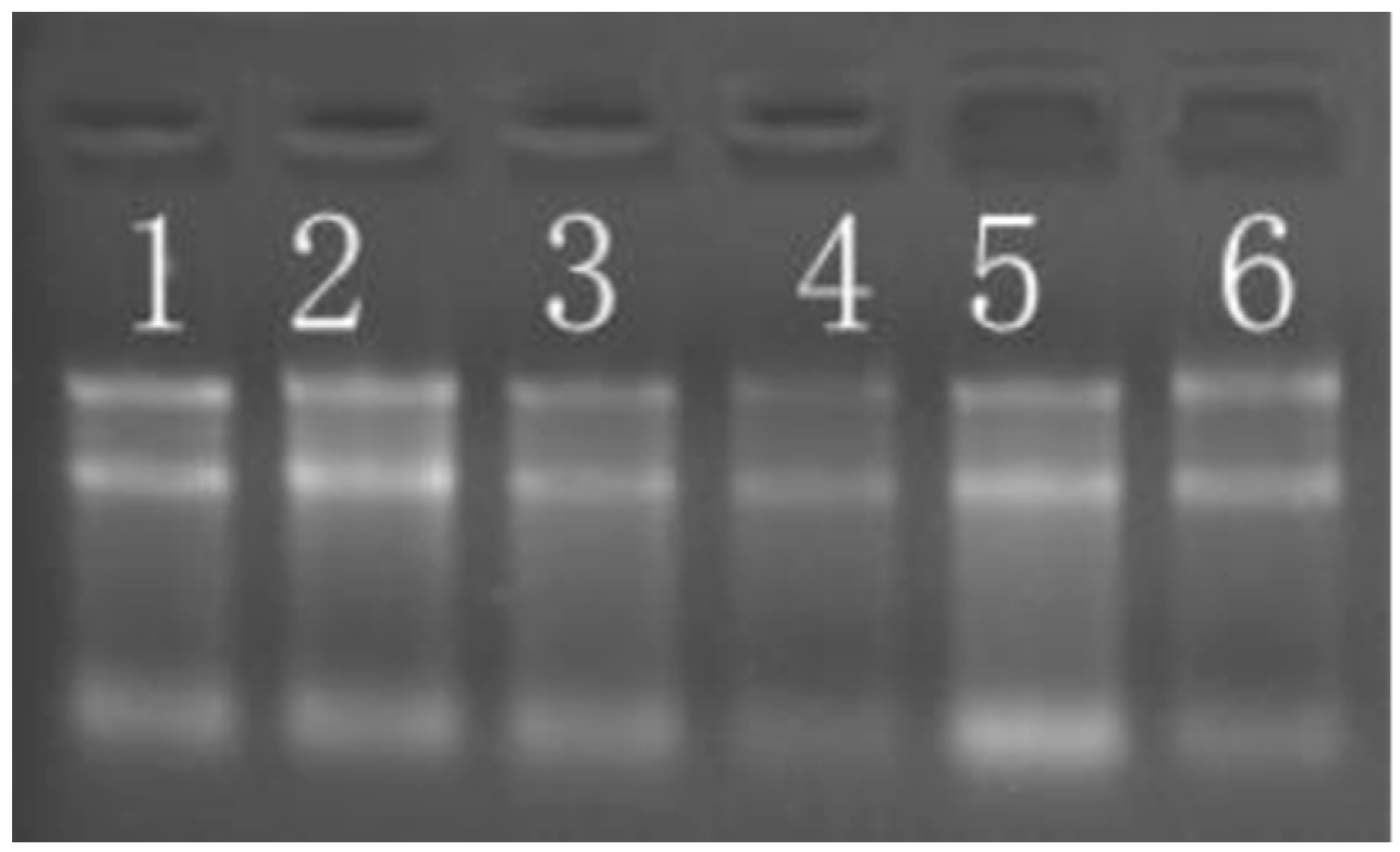
3.1. RNA Concentration, Purity, and Integrity Testing
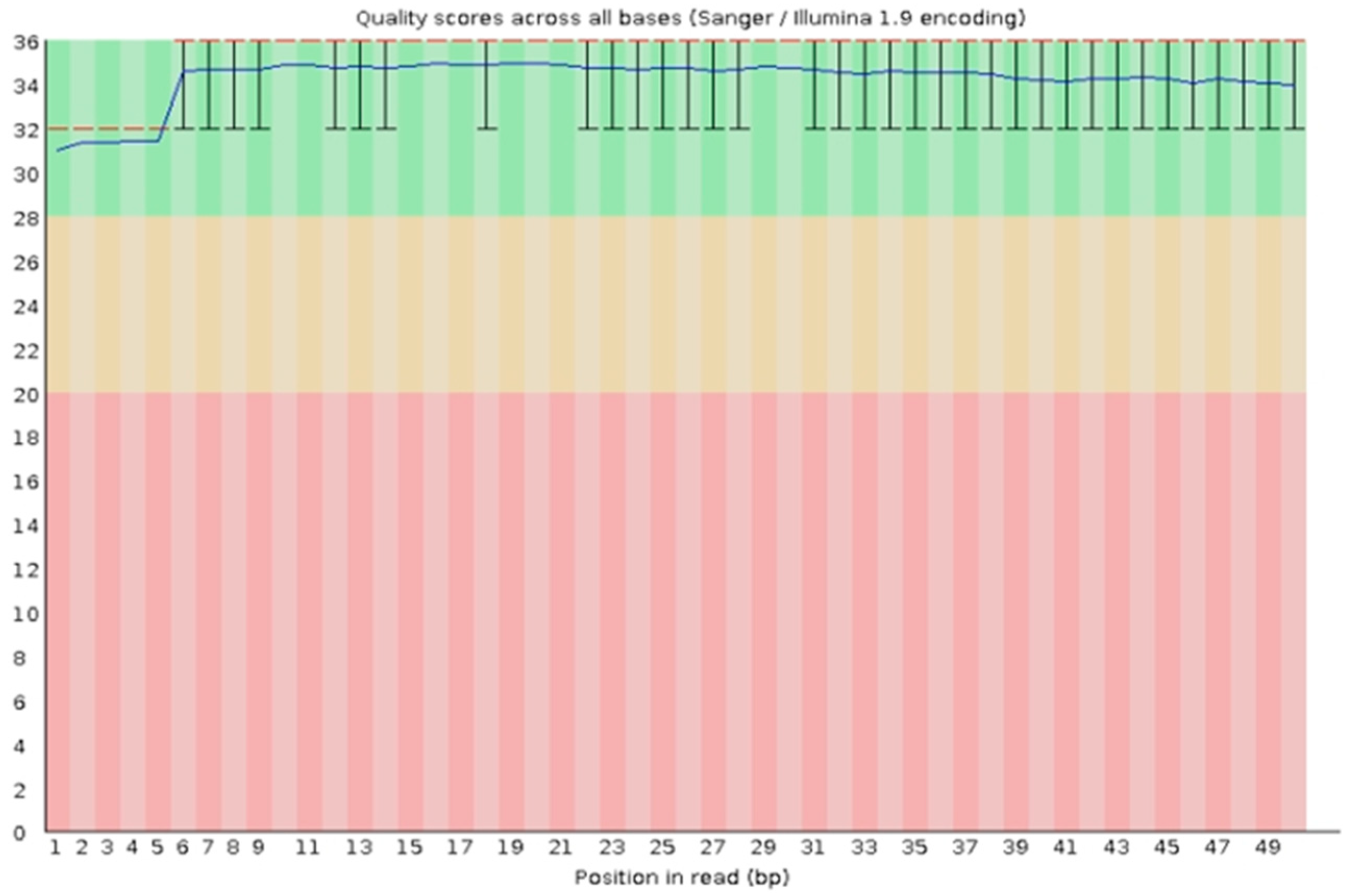
3.2. Quality Control Results of the Sequencing Data
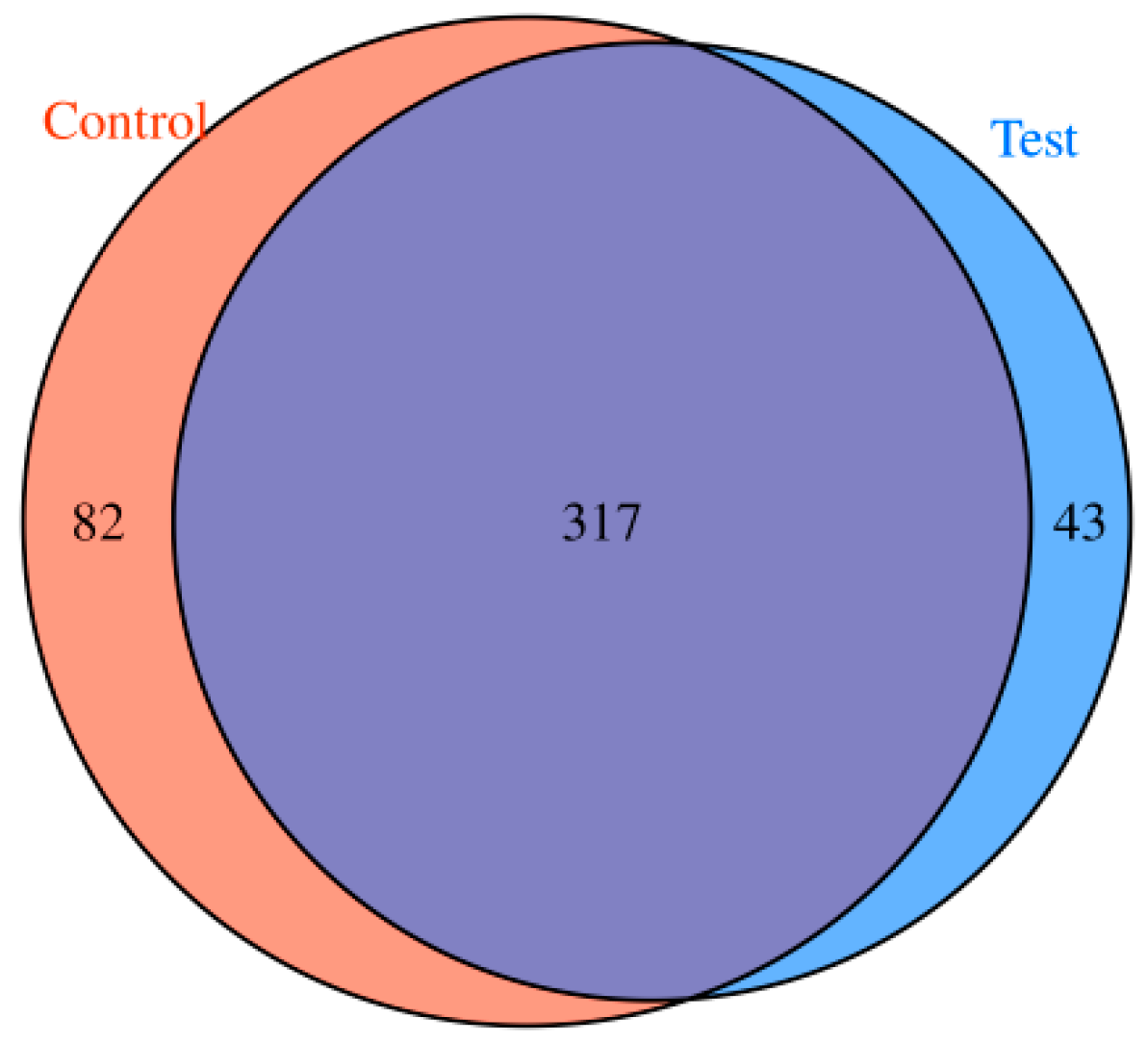
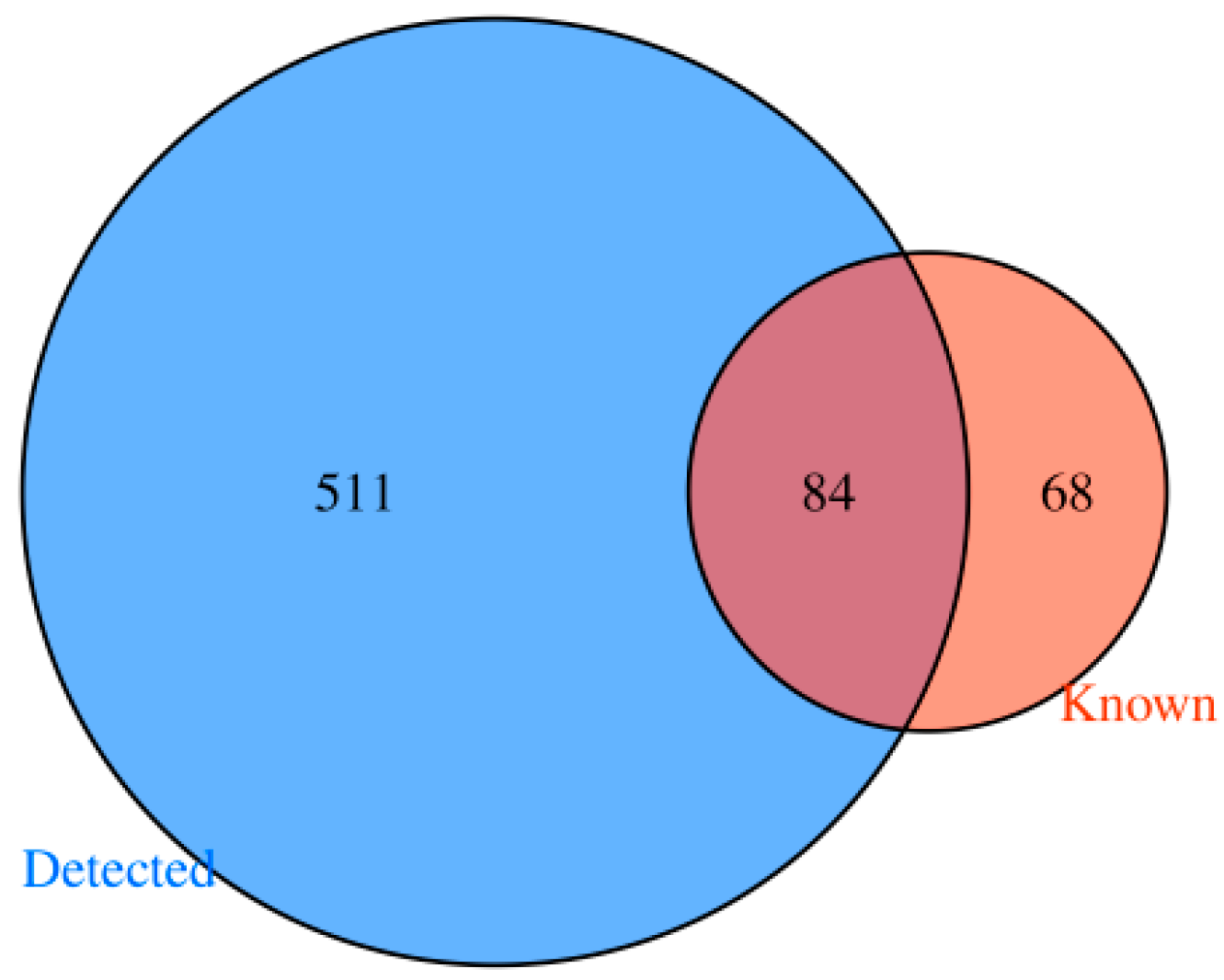
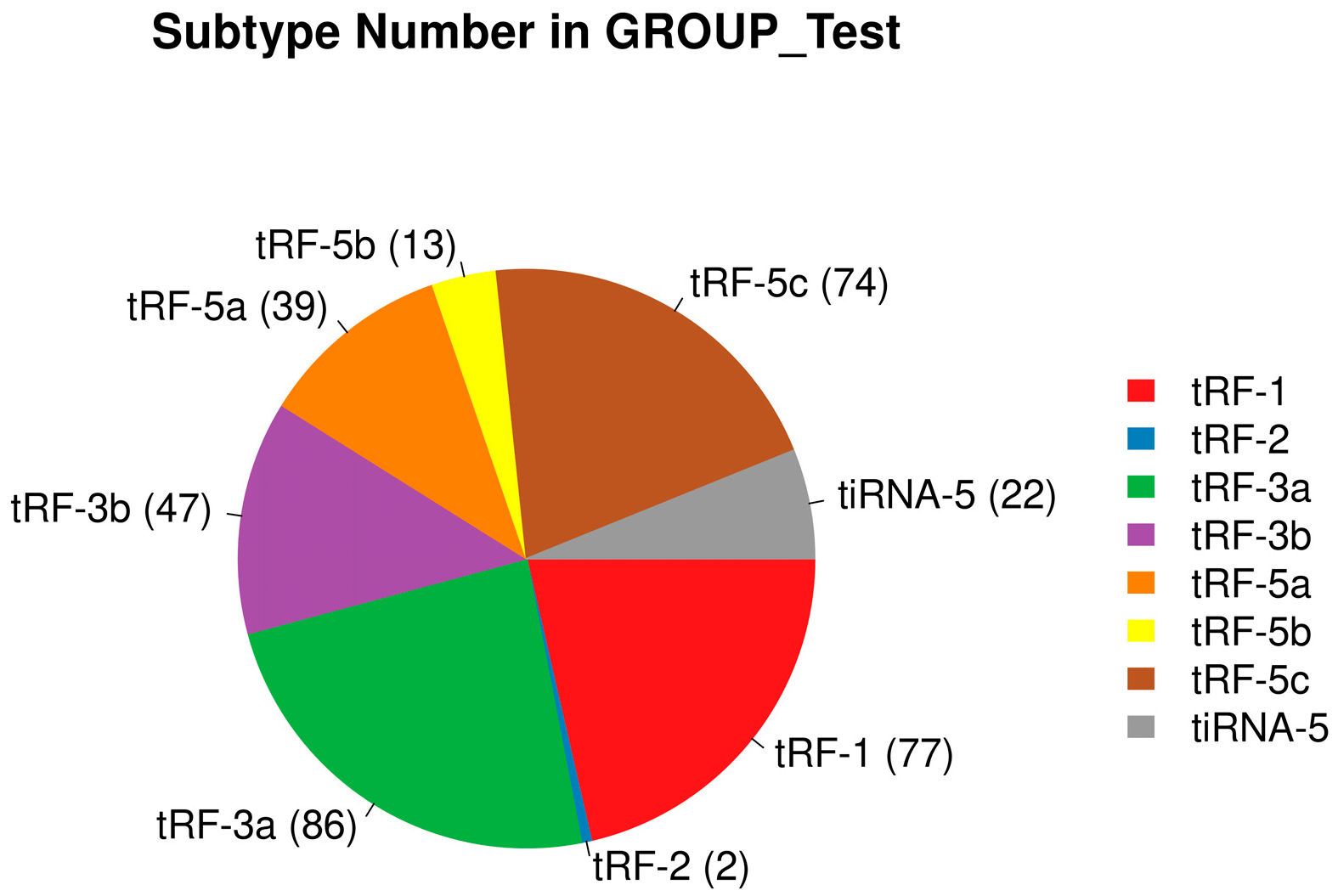
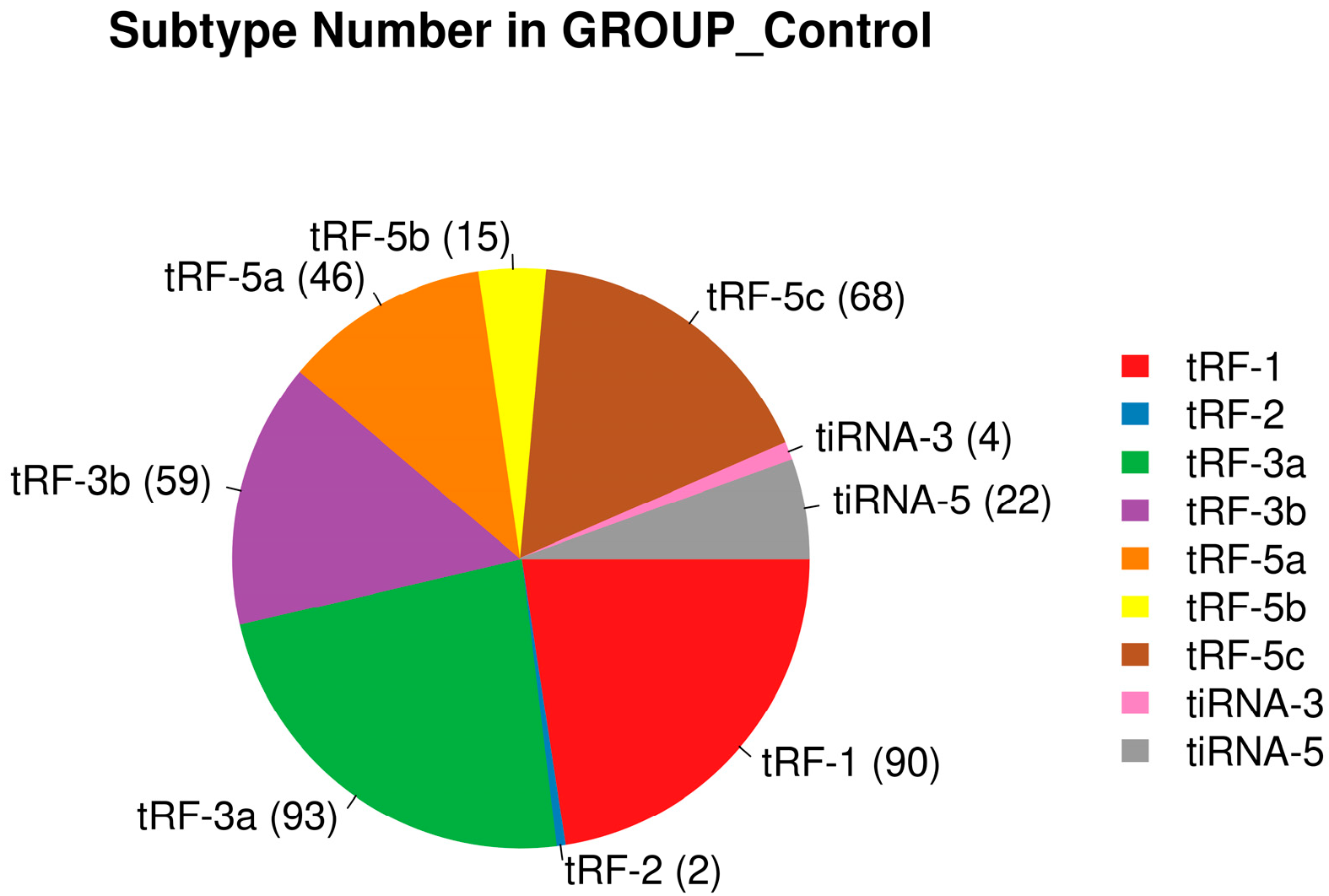
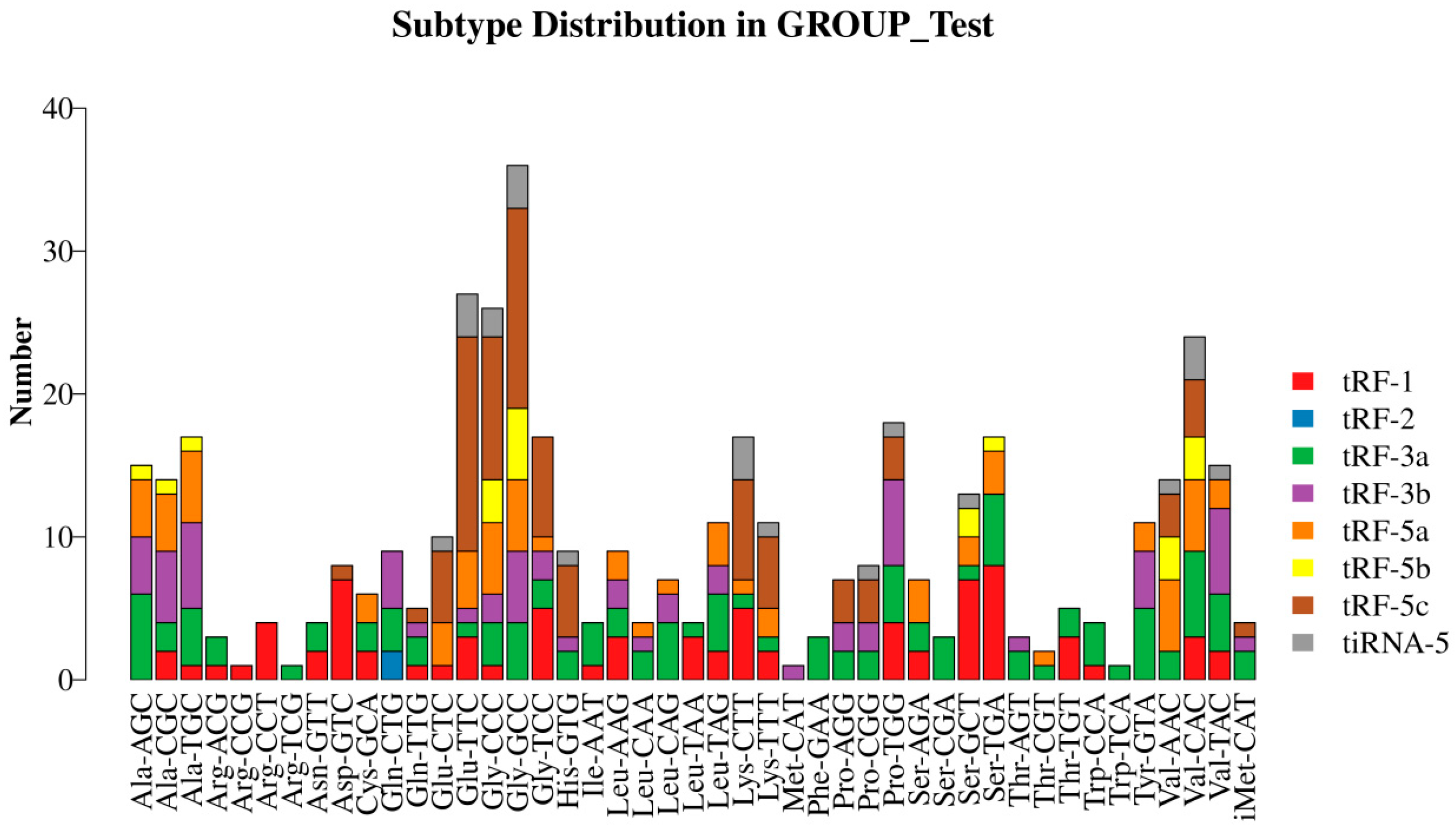
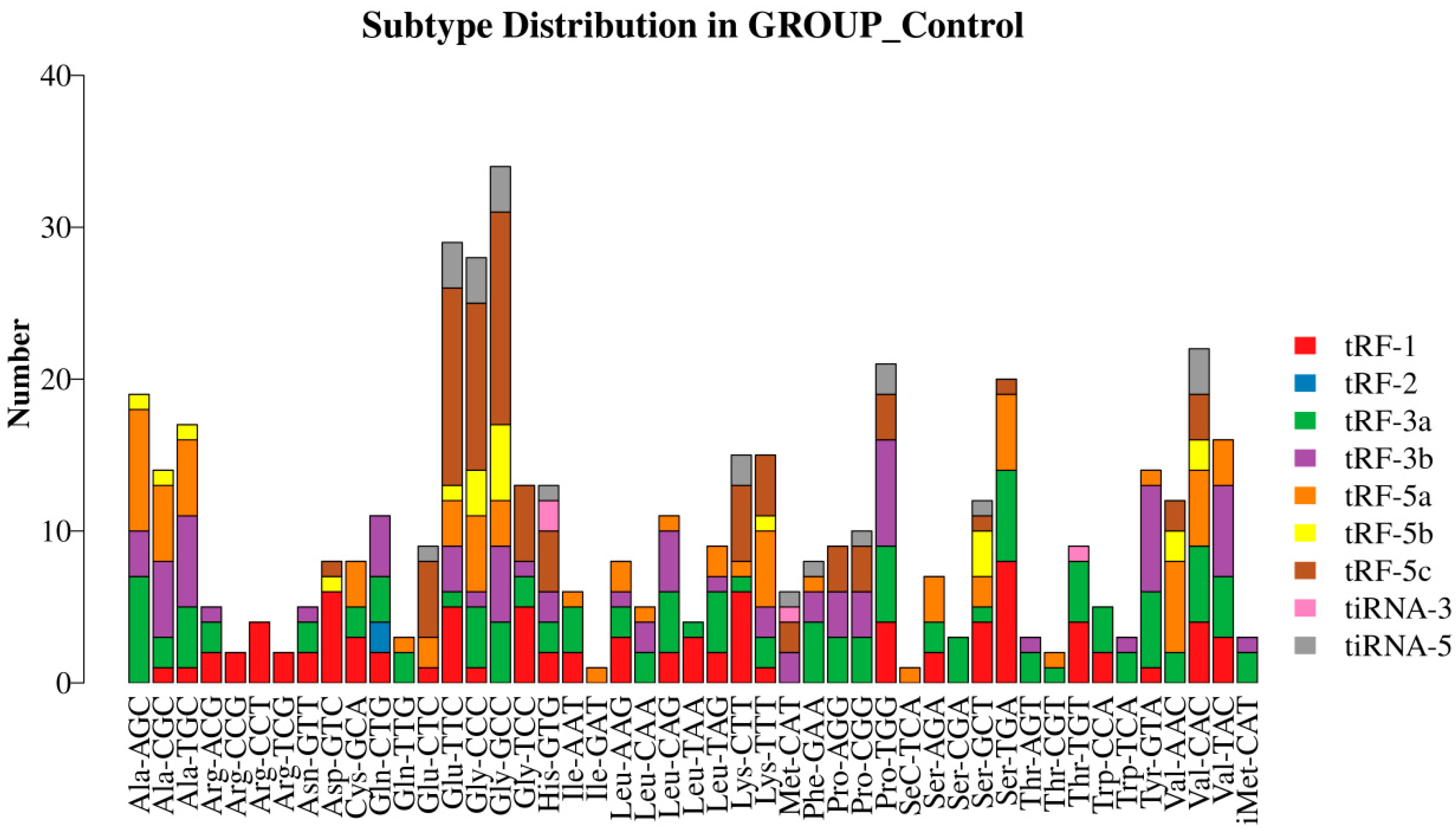
3.3. Expression of the tsRNAs in the Samples
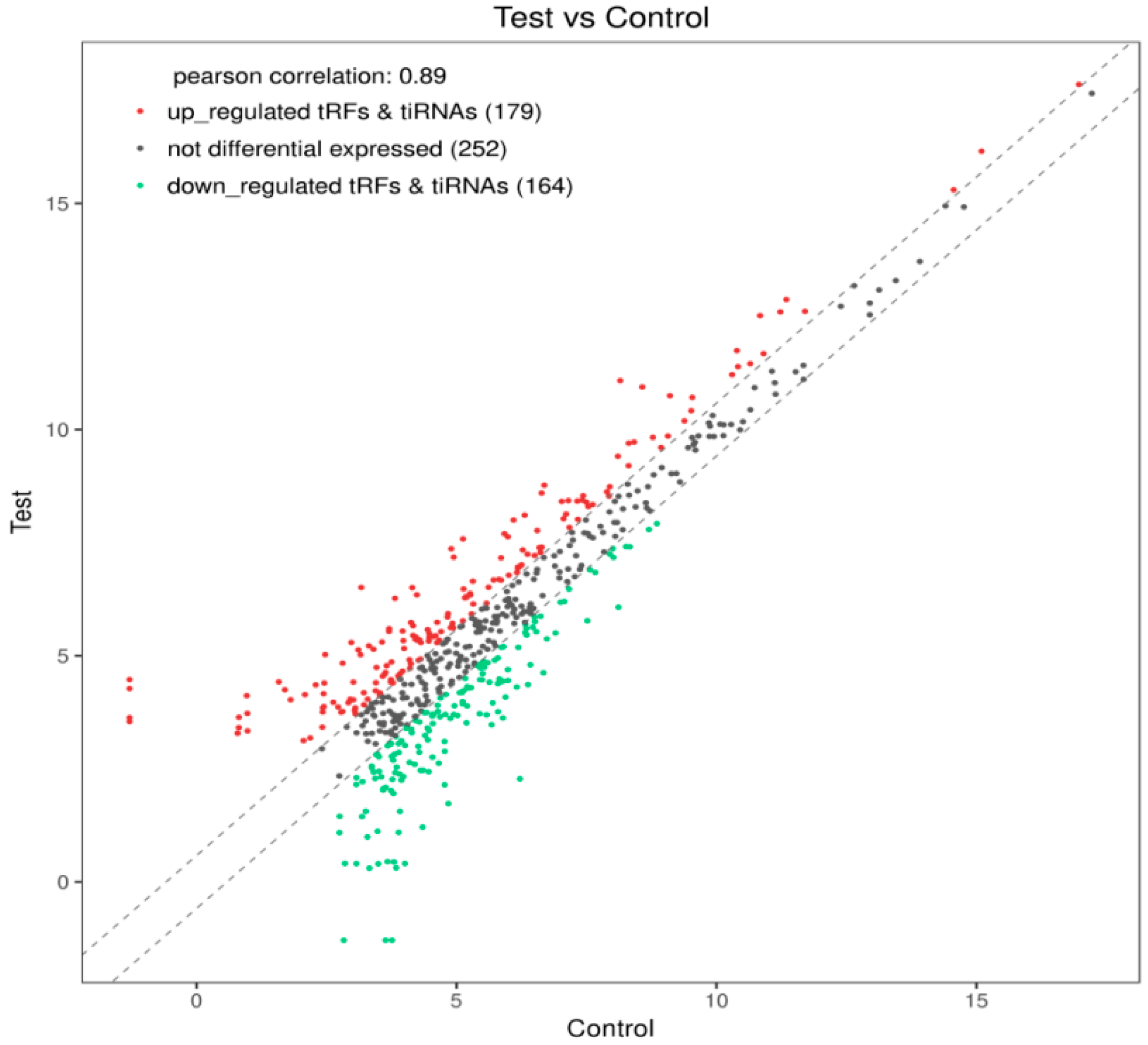
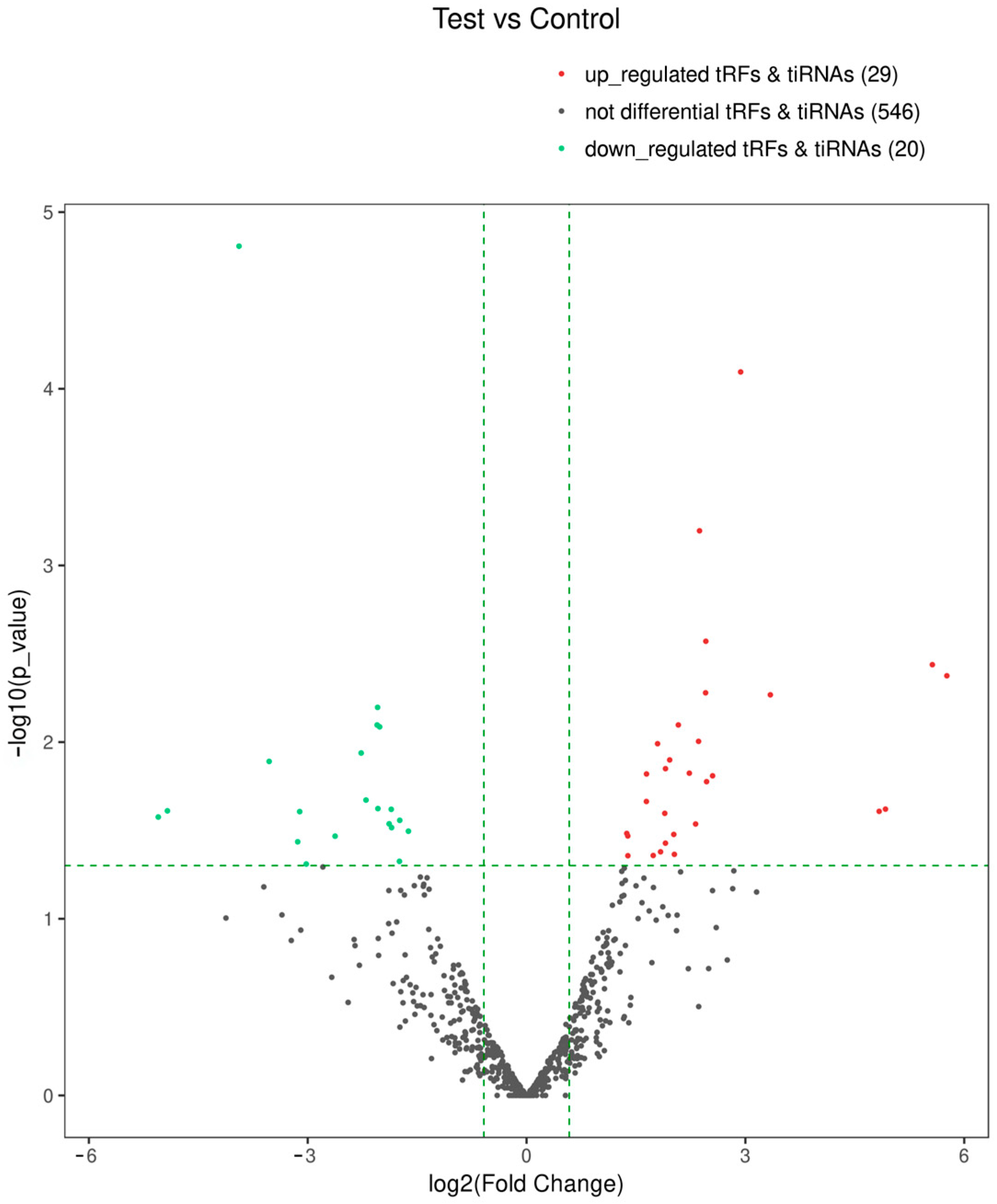
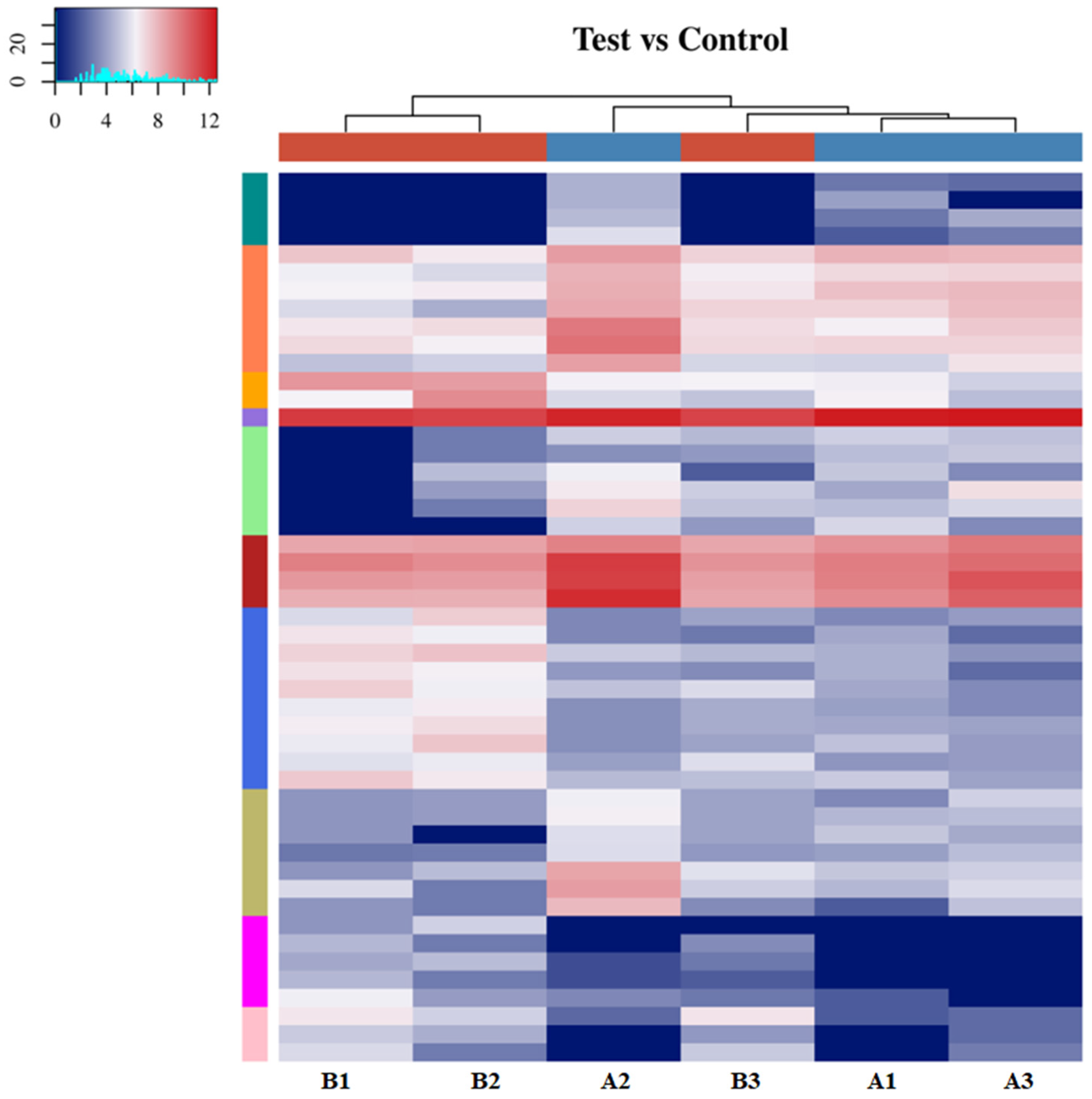
3.4. Differential Expression of tsRNAs in Samples from Both Groups
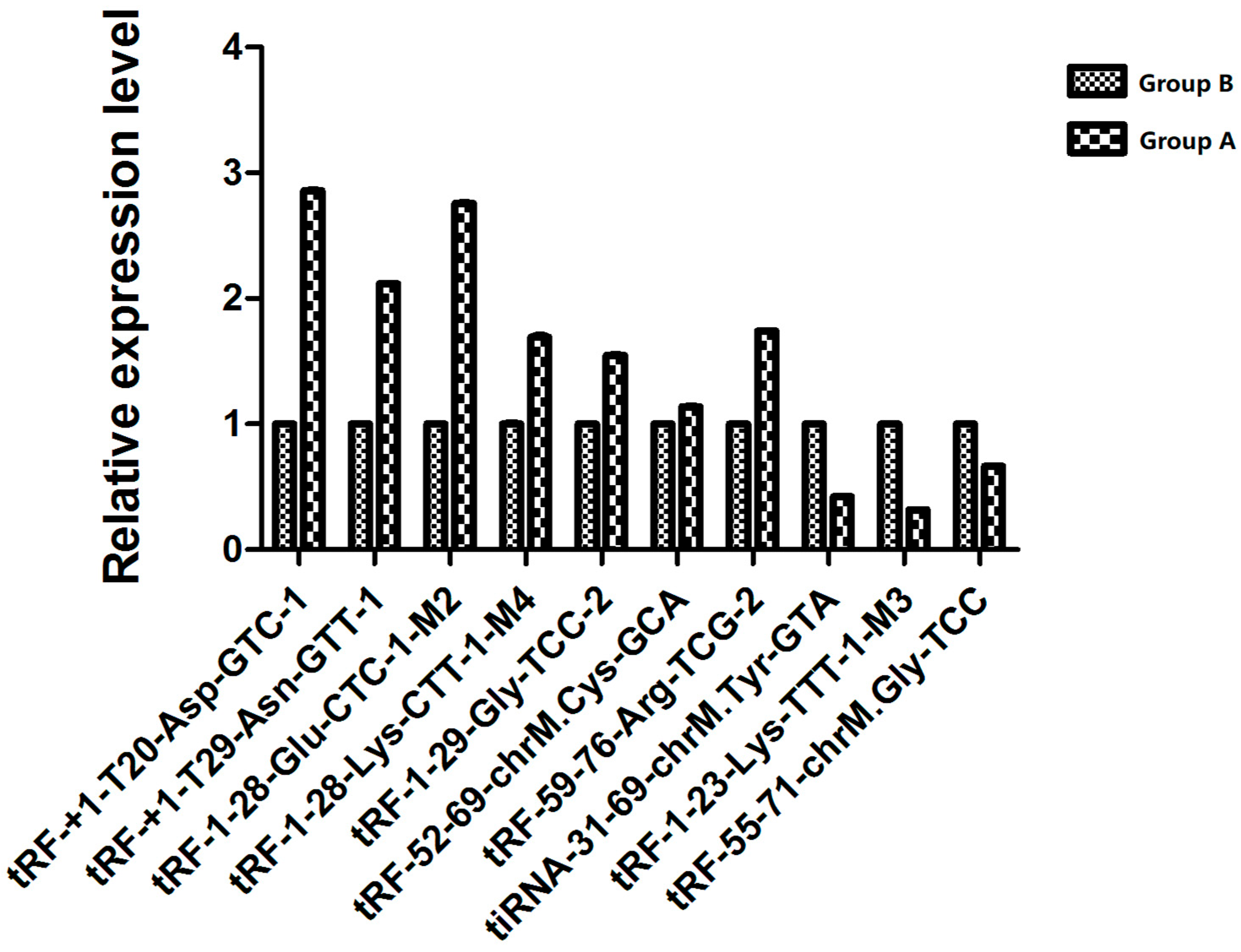
3.5. Validation of Sequencing Results via qRT-PCR
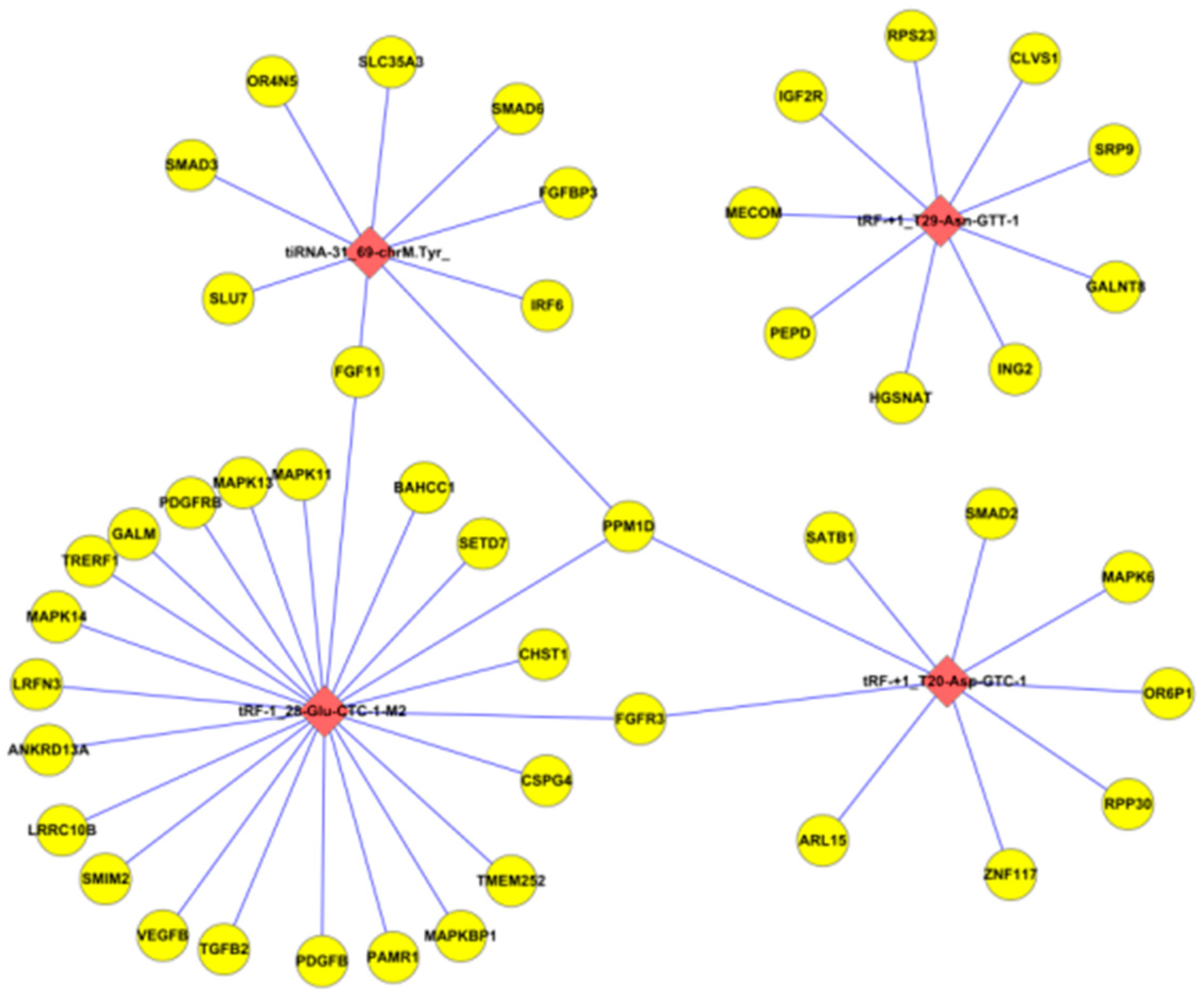
3.6. Prediction of Target Genes
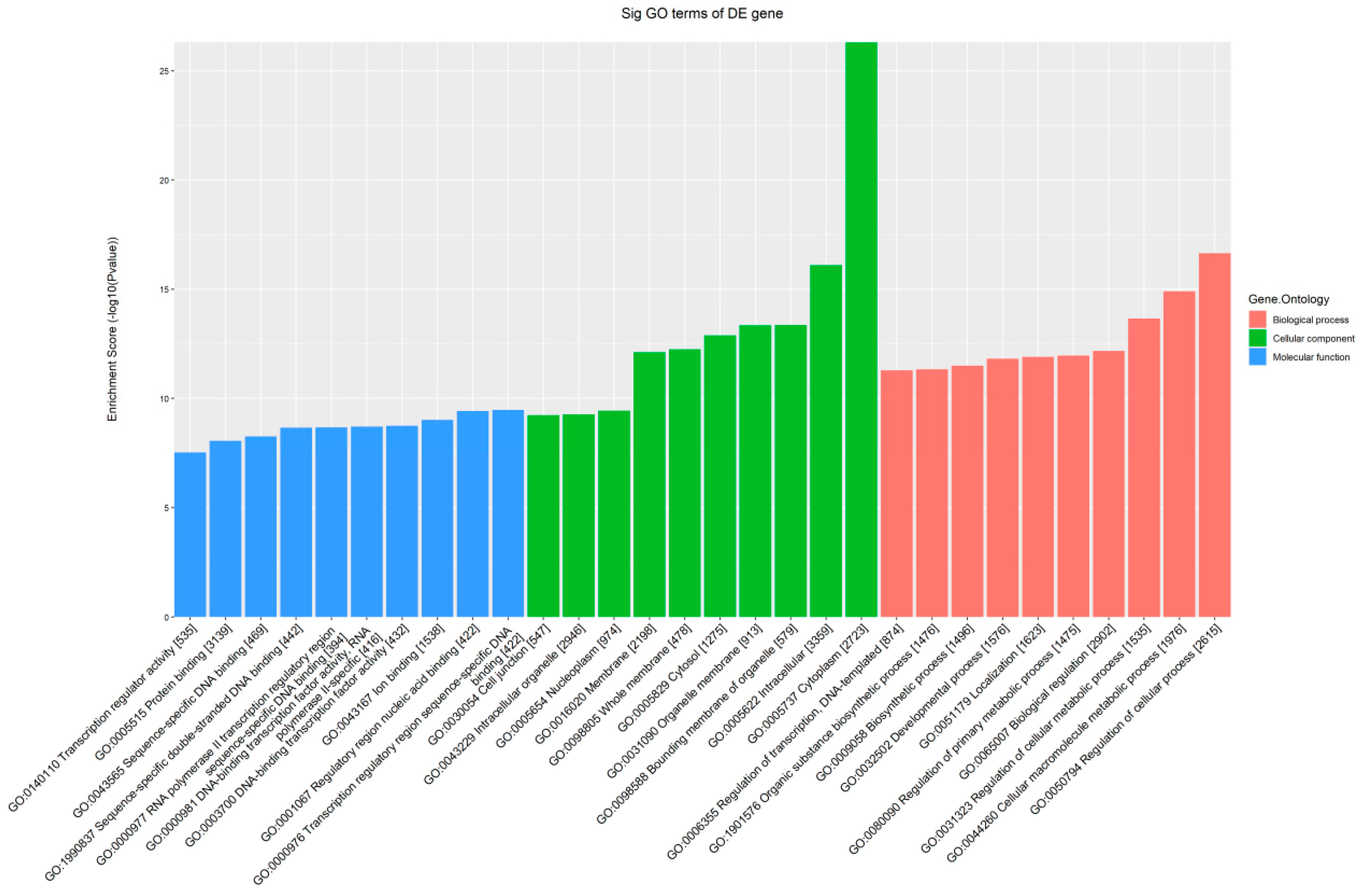
3.7. GO Analysis of Target Genes
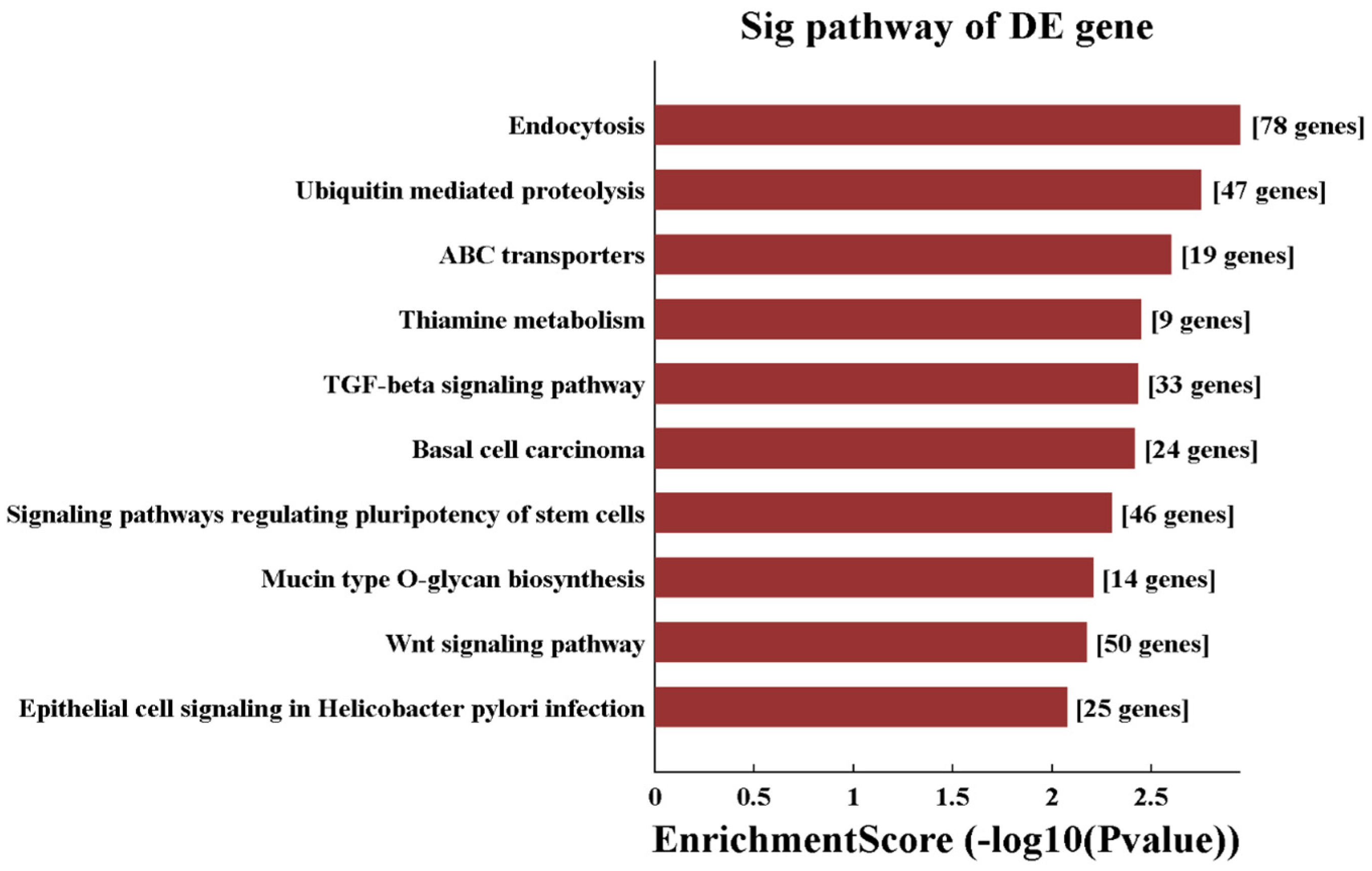
3.8. KEGG Pathway Analysis of Target Genes
4. Discussion
4.1. Core Findings of the Study
4.2. Clinical Significance: Potential Diagnostic Markers
4.3. Research Limitations and Future Directions
- The mechanism validation process is inadequate in terms of its depth. Although the differential expression of tsRNA has been verified via qRT-PCR, further confirmation is required to substantiate the direct interaction between tsRNA and target genes. This can be achieved through RNA pull-down, Argonaute Crosslinking and Immunoprecipitation Sequencing, and functional rescue experiments using tsRNA mimics/inhibitors. Future research may utilize endothelial-specific tsRNA transgenic animal models (e.g., conditional knockout/knock-in driven by VE-cadherin-Cre) to validate these hypotheses.
- Limited sample size: The study’s reliance on a limited sample size can be attributed to the inherent challenges in acquiring clinical DFU patient skin ulcer tissue. It is evident that future research in this field should be accompanied by an expansion of sample sizes, in addition to the implementation of longitudinal cohort studies.
- Lack of causal temporal verification: This study merely establishes a correlation between tsRNA and DFU, without confirming causality. Subsequent research should employ time-series analysis to clarify the temporal sequence between changes in tsRNA expression and endothelial dysfunction/cell death. Source tracing should also be conducted to determine whether tsRNA primarily originates from the release of necrotic cells.
5. Conclusions
Supplementary Materials
Author Contributions
Funding
Institutional Review Board Statement
Informed Consent Statement
Data Availability Statement
Acknowledgments
Conflicts of Interest
Abbreviations
| DFU | Diabetic foot ulcer |
| RNA-seq | RNA sequencing |
| eNOS | Endothelial Nitric Oxide Synthase |
| bp | Base pair |
| CPM | Counts per million |
| FDR | False discovery rate |
| FC | Fold change |
| PKC | Protein kinase C |
| tsRNA | tRNA-derived small RNA |
| tRF | tRNA-derived fragment |
| tiRNAs | tRNA halves |
| tRNA | Transfer RNA |
| miRNA | microRNA |
| ncRNA | Noncoding RNA |
| lncRNA | Long noncoding RNA |
| TGF-β | Transforming growth factor beta |
| PDGF | Platelet-derived growth factor |
| VEGF | Vascular endothelial growth factor |
| FGF | Fibroblast growth factor |
| FGFR | Fibroblast Growth Factor Receptor |
| IGF | Insulin-like growth factor |
| cDNA | complementary DNA |
| ANGPT2 | Angiopoietin2 |
| PABPC1 | Polyadenylate-binding protein cytoplasmic 1 |
| GO | Gene ontology |
| KEGG | Kyoto Encyclopedia of Genes and Genomes |
| qRT-PCR | Quantitative real-time polymerase chain reaction |
| RPII | RNA polymerase II |
| LNAs | Lock nucleic acids |
| ASOs | Antisense oligonucleotides |
References
- Deng, H.; Li, B.; Shen, Q.; Zhang, C.; Kuang, L.; Chen, R.; Wang, S.; Ma, Z.; Li, G. Mechanisms of Diabetic Foot Ulceration: A Review. J. Diabetes 2023, 15, 299–312. [Google Scholar] [CrossRef] [Scilit]
- Wang, X.; Yuan, C.-X.; Xu, B.; Yu, Z. Diabetic Foot Ulcers: Classification, Risk Factors and Management. World J. Diabetes 2022, 13, 1049–1065. [Google Scholar] [CrossRef] [Scilit] [PubMed]
- Zhang, Y.; Lazzarini, P.A.; McPhail, S.M.; Van Netten, J.J.; Armstrong, D.G.; Pacella, R.E. Global Disability Burdens of Diabetes-Related Lower-Extremity Complications in 1990 and 2016. Diabetes Care 2020, 43, 964–974. [Google Scholar] [CrossRef] [Scilit]
- Wan, X.; Ni, X.; Xie, Y.; Chen, L.; Cai, B.; Lin, Q.; Ke, R.; Huang, T.; Shan, X.; Wang, B. Research Progress and Application Prospect of Adipose-Derived Stem Cell Secretome in Diabetes Foot Ulcers Healing. Stem Cell Res. Ther. 2024, 15, 279. [Google Scholar] [CrossRef] [Scilit]
- Huang, Y.; Song, C.; He, J.; Li, M. Research Progress in Endothelial Cell Injury and Repair. Front. Pharmacol. 2022, 13, 997272. [Google Scholar] [CrossRef] [Scilit]
- Xu, Y.; Hu, Q.; Wei, Z.; Ou, Y.; Cao, Y.; Zhou, H.; Wang, M.; Yu, K.; Liang, B. Advanced Polymer Hydrogels That Promote Diabetic Ulcer Healing: Mechanisms, Classifications, and Medical Applications. Biomater. Res. 2023, 27, 36. [Google Scholar] [CrossRef] [Scilit] [PubMed]
- Bu, S.; Nguyen, H.C.; Nikfarjam, S.; Michels, D.C.R.; Rasheed, B.; Maheshkumar, S.; Singh, S.; Singh, K.K. Endothelial Cell-Specific Loss of eNOS Differentially Affects Endothelial Function. PLoS ONE 2022, 17, e0274487. [Google Scholar] [CrossRef] [Scilit]
- Jin, M.; Hou, Y.; Quan, X.; Chen, L.; Gao, Z.; Huang, W. Smart Polymeric Nanoparticles with pH-Responsive and PEG-Detachable Properties (II): Co-Delivery of Paclitaxel and VEGF siRNA for Synergistic Breast Cancer Therapy in Mice. Int. J. Nanomed. 2021, 16, 5479–5494. [Google Scholar] [CrossRef] [Scilit]
- Kang, Q.; Yang, C. Oxidative Stress and Diabetic Retinopathy: Molecular Mechanisms, Pathogenetic Role and Therapeutic Implications. Redox Biol. 2020, 37, 101799. [Google Scholar] [CrossRef] [Scilit]
- Zhao, S.; Yu, H.; Li, Z.; Chen, W.; Liu, K.; Dai, H.; Wang, G.; Zhang, Z.; Xie, J.; He, Y.; et al. Single-Cell RNA Sequencing Reveals a New Mechanism of Endothelial Cell Heterogeneity and Healing in Diabetic Foot Ulcers. Biol. Direct 2025, 20, 34. [Google Scholar] [CrossRef] [Scilit] [PubMed]
- He, M.; Tu, L.; Shu, R.; Meng, Q.; Du, S.; Xu, Z.; Wang, S. Long Noncoding RNA CASC2 Facilitated Wound Healing Through miRNA-155/HIF-1α in Diabetic Foot Ulcers. Contrast Media Mol. Imaging 2022, 2022, 6291497. [Google Scholar] [CrossRef] [Scilit] [PubMed]
- Tang, Y.-B.; Uwimana, M.M.P.; Zhu, S.-Q.; Zhang, L.-X.; Wu, Q.; Liang, Z.-X. Non-Coding RNAs: Role in Diabetic Foot and Wound Healing. World J. Diabetes 2022, 13, 1001. [Google Scholar] [CrossRef] [Scilit]
- Zhang, L.; Liu, J.; Hou, Y. Classification, Function, and Advances in tsRNA in Non-Neoplastic Diseases. Cell Death Dis. 2023, 14, 748. [Google Scholar] [CrossRef] [Scilit]
- Liang, Y.; Ji, D.; Ying, X.; Ma, R.; Ji, W. tsRNA Modifications: An Emerging Layer of Biological Regulation in Disease. J. Adv. Res. 2024, 74, 403–414. [Google Scholar] [CrossRef] [Scilit] [PubMed]
- Robinson, M.D.; Oshlack, A. A Scaling Normalization Method for Differential Expression Analysis of RNA-Seq Data. Genome Biol. 2010, 11, R25. [Google Scholar] [CrossRef] [Scilit] [PubMed]
- Kanehisa, M.; Furumichi, M.; Sato, Y.; Matsuura, Y.; Ishiguro-Watanabe, M. KEGG: Biological Systems Database as a Model of the Real World. Nucleic Acids Res. 2024, 53, D672–D677. [Google Scholar] [CrossRef] [Scilit]
- Kanehisa, M. Toward Understanding the Origin and Evolution of Cellular Organisms. Protein Sci. 2019, 28, 1947–1951. [Google Scholar] [CrossRef] [Scilit]
- Deng, J.-Y.; Wu, X.-Q.; He, W.-J.; Liao, X.; Tang, M.; Nie, X.-Q. Targeting DNA Methylation and Demethylation in Diabetic Foot Ulcers. J. Adv. Res. 2023, 54, 119–131. [Google Scholar] [CrossRef] [Scilit]
- Bhamidipati, T.; Hajj, J.P.; Ghoneim, N.I.; Pradhan, A.M.; Mishra, S.; Gummalla, B.; Abouhashem, A.S.; Parmar, A.S.; Khanna, S.; Roy, S.; et al. Diabetic Wound Vasculopathy and Neuropathy: Spotlight on Wound Lipid Signaling. Adv. Wound Care 2025. [Google Scholar] [CrossRef] [Scilit]
- Tian, M.; Dong, J.; Yuan, B.; Jia, H. Identification of Potential circRNAs and circRNA—miRNA—mRNA Regulatory Network in the Development of Diabetic Foot Ulcers by Integrated Bioinformatics Analysis. Int. Wound J. 2020, 18, 323–331. [Google Scholar] [CrossRef] [Scilit]
- Pan, X.; Xu, S.; Zhou, Z.; Wang, F.; Mao, L.; Li, H.; Wu, C.; Wang, J.; Huang, Y.; Li, D.; et al. Fibroblast Growth Factor-2 Alleviates the Capillary Leakage and Inflammation in Sepsis. Mol. Med. 2020, 26, 108. [Google Scholar] [CrossRef] [Scilit]
- Moeinzadeh, L.; Razeghian-Jahromi, I.; Zarei-Behjani, Z.; Bagheri, Z.; Razmkhah, M. Composition, Biogenesis, and Role of Exosomes in Tumor Development. Stem Cells Int. 2022, 2022, 8392509. [Google Scholar] [CrossRef] [Scilit] [PubMed]
- Spakova, T.; Janockova, J.; Rosocha, J. Characterization and Therapeutic Use of Extracellular Vesicles Derived from Platelets. Int. J. Mol. Sci. 2021, 22, 9701. [Google Scholar] [CrossRef] [Scilit]
- Che, Z.; Song, Y.; Zhu, L.; Liu, T.; Li, X.; Huang, L. Emerging Roles of Growth Factors in Osteonecrosis of the Femoral Head. Front. Genet. 2022, 13, 1037190. [Google Scholar] [CrossRef] [Scilit] [PubMed]
- Rodriguez, I.; Conti, T.; Bionda, N. Microenvironment Influence of a Novel Bioengineered Wound Product, APIS®: A Preliminary in Vitro Analysis of Inflammatory Marker and Growth Factor Secretion. Int. J. Biomater. 2021, 2021, 6612870. [Google Scholar] [CrossRef] [Scilit] [PubMed]
- Liu, F.-S.; Li, Y.; Guo, X.-S.; Liu, R.-C.; Zhang, H.-Y.; Li, Z. Advances in Traditional Chinese Medicine as Adjuvant Therapy for Diabetic Foot. World J. Diabetes 2022, 13, 851–860. [Google Scholar] [CrossRef] [Scilit]
- Ratnasari, N.; Nurdjanah, S.; Sadewa, A.H.; Hakimi, M.; Yano, Y. Difference of Polymorphism VEGF-Gene Rs699947 in Indonesian Chronic Liver Disease Population. PLoS ONE 2017, 12, e0183503. [Google Scholar] [CrossRef] [Scilit]
- Ge, Y.; Wang, Q.; Yao, Y.; Xin, Q.; Sun, J.; Chen, W.; Lin, Y.; Cai, X. Framework Nucleic Acids---based VEGF Signaling Activating System for Angiogenesis: A Dual Stimulation Strategy. Adv. Sci. 2024, 11, 2308701. [Google Scholar] [CrossRef] [Scilit]
- Liu, Y.-S.; Lai, M.-C.; Hong, T.-Y.; Liu, I.-M. Exploring the Wound Healing Potential of Hispidin. Nutrients 2024, 16, 3161. [Google Scholar] [CrossRef] [Scilit]
- Yang, X.; Yang, R.; Chen, M.; Zhou, Q.; Zheng, Y.; Lu, C.; Bi, J.; Sun, W.; Huang, T.; Li, L.; et al. KGF-2 and FGF-21 Poloxamer 407 Hydrogel Coordinates Inflammation and Proliferation Homeostasis to Enhance Wound Repair of Scalded Skin in Diabetic Rats. BMJ Open Diabetes Res. Care 2020, 8, e001009. [Google Scholar] [CrossRef] [Scilit]
- Xie, Y.; Su, N.; Yang, J.; Tan, Q.; Huang, S.; Jin, M.; Ni, Z.; Zhang, B.; Zhang, D.; Luo, F.; et al. FGF/FGFR Signaling in Health and Disease. Signal Transduct. Target. Ther. 2020, 5, 181. [Google Scholar] [CrossRef] [Scilit]
- Cotton, L.M.; O’Bryan, M.K.; Hinton, B.T. Cellular Signaling by Fibroblast Growth Factors (FGFs) and Their Receptors (FGFRs) in Male Reproduction. Endocr. Rev. 2008, 29, 193–216. [Google Scholar] [CrossRef] [Scilit]
- Tanaka, R.; Fujimura, S.; Kado, M.; Fukuta, T.; Arita, K.; Hirano-Ito, R.; Mita, T.; Watada, H.; Kato, Y.; Miyauchi, K.; et al. Phase I/IIa Feasibility Trial of Autologous Quality- and Quantity-Cultured Peripheral Blood Mononuclear Cell Therapy for Non-Healing Extremity Ulcers. Stem Cells Transl. Med. 2022, 11, 146–158. [Google Scholar] [CrossRef] [Scilit]
- Ruan, R.; Li, L.; Li, X.; Huang, C.; Zhang, Z.; Zhong, H.; Zeng, S.; Shi, Q.; Xia, Y.; Zeng, Q.; et al. Unleashing the Potential of Combining FGFR Inhibitor and Immune Checkpoint Blockade for FGF/FGFR Signaling in Tumor Microenvironment. Mol. Cancer 2023, 22, 60. [Google Scholar] [CrossRef] [Scilit] [PubMed]
- Luo, Y.; Zhou, Y. Identification of Novel Biomarkers and Immune Infiltration Features of Recurrent Pregnancy Loss by Machine Learning. Sci. Rep. 2023, 13, 10751. [Google Scholar] [CrossRef] [Scilit]
- Gong, L.; Hu, Y.; Pan, L.; Cheng, Y. tRNA-Derived Small RNAs (tsRNAs): Establishing Their Dominance in the Regulation of Human Cancer. Front. Genet. 2024, 15, 1466213. [Google Scholar] [CrossRef] [Scilit]
- Lee, S.; Kim, J.; Valdmanis, P.N.; Kim, H.K. Emerging Roles of tRNA-Derived Small RNAs in Cancer Biology. Exp. Mol. Med. 2023, 55, 1293–1304. [Google Scholar] [CrossRef] [Scilit] [PubMed]
- Gu, X.; Zhang, Y.; Qin, X.; Ma, S.; Huang, Y.; Ju, S. Transfer RNA-Derived Small RNA: An Emerging Small Non-Coding RNA with Key Roles in Cancer. Exp. Hematol. Oncol. 2022, 11, 35. [Google Scholar] [CrossRef] [Scilit]
- Liu, F.; Chen, D.-D.; Sun, X.; Xie, H.-H.; Yuan, H.; Jia, W.-P.; Chen, A.F. Hydrogen Sulfide Improves Wound Healing via Restoration of Endothelial Progenitor Cell Functions and Activation of Angiopoietin-1 in Type 2 Diabetes. Diabetes 2014, 63, 1763–1778, Erratum in Diabetes 2014, 63, 2183. [Google Scholar] [CrossRef] [Scilit] [PubMed]
- Wang, N.; Jia, W.; Yin, L.; Li, N.; Liang, M.; Shang, J.; Hou, B.; Zhang, L.; Qiang, G.; Du, G.; et al. Sex Difference on Fibroblast Growth Factors (FGFs) Expression in Skin and Wound of Streptozotocin(STZ)-Induced Type 1 Diabetic Mice. Mol. Biol. Rep. 2023, 50, 1981–1991. [Google Scholar] [CrossRef] [Scilit]
- Teplyakova, O.V.; Vinnik, Y.S.; Drobushevskaya, A.I.; Malinovskaya, N.A.; Kirichenko, A.K.; Ponedelnik, D.N. Ozone Improved the Wound Healing in Type 2 Diabetics via Down-Regulation of IL- 8, 10 and Induction of FGFR Expression. Acta Biomed. 2022, 93, e2022060. [Google Scholar] [CrossRef] [Scilit]
- Yue, C.; Guo, Z.; Luo, Y.; Yuan, J.; Wan, X.; Mo, Z. C-Jun Overexpression Accelerates Wound Healing in Diabetic Rats by Human Umbilical Cord-Derived Mesenchymal Stem Cells. Stem Cells Int. 2020, 2020, 7430968. [Google Scholar] [CrossRef] [Scilit] [PubMed]
- Leonardi, A.; Di Stefano, A.; Motterle, L.; Zavan, B.; Abatangelo, G.; Brun, P. Transforming Growth Factor-β/Smad—Signalling Pathway and Conjunctival Remodelling in Vernal Keratoconjunctivitis: TGF-β/Smad and Remodelling in VKC. Clin. Exp. Allergy 2011, 41, 52–60. [Google Scholar] [CrossRef] [Scilit] [PubMed]
- Zhao, M.; Tian, C.; Di, X.; Cong, S.; Cao, Y.; Zhou, X.; Wang, K. Systematic and Comprehensive Analysis of tRNA-Derived Small RNAs Reveals Their Potential Regulatory Roles and Clinical Relevance in Sarcoidosis. J. Inflamm. Res. 2023, 16, 2357–2374. [Google Scholar] [CrossRef] [Scilit]
- Ye, Z.; Li, W.; Jiang, Z.; Wang, E.; Wang, J. An Intermediate State in Trans-Differentiation with Proliferation, Metabolic, and Epigenetic Switching. iScience 2021, 24, 103057. [Google Scholar] [CrossRef] [Scilit]
- Geng, K.; Ma, X.; Jiang, Z.; Gu, J.; Huang, W.; Wang, W.; Xu, Y.; Xu, Y. WDR74 Facilitates TGF-β/Smad Pathway Activation to Promote M2 Macrophage Polarization and Diabetic Foot Ulcer Wound Healing in Mice. Cell Biol. Toxicol. 2023, 39, 1577–1591. [Google Scholar] [CrossRef] [Scilit]
- Fu, Y.; Xie, J.; Zhang, X.; Xie, G.; Zhang, X.-M.; Han, Y.; Xu, M.; Zhang, J.; Zhang, J. Human Adipose-Derived Mesenchymal Stem Cell-Derived Exosomes Induce Epithelial Remodeling and Anti-Scar Healing Revealed by Single-Cell RNA Sequencing. J. Nanobiotechnol. 2025, 23, 506. [Google Scholar] [CrossRef] [Scilit] [PubMed]
- Chen, Q.; Zhao, T.; Xie, X.; Yu, D.; Wu, L.; Yu, W.; Sun, W. MicroRNA-663 Regulates the Proliferation of Fibroblasts in Hypertrophic Scars via Transforming Growth Factor-Β1. Exp. Ther. Med. 2018, 16, 1311. [Google Scholar] [CrossRef] [Scilit]
- Iovino, L.; Krenning, G.; Hadland, B. Editorial: Unconventional Roles of Endothelial Cells. Front. Cell Dev. Biol. 2024, 12, 1439419. [Google Scholar] [CrossRef] [Scilit]
- Citrin, K.M.; Chaube, B.; Fernández-Hernando, C.; Suárez, Y. Intracellular Endothelial Cell Metabolism in Vascular Function and Dysfunction. Trends Endocrinol. Metab. 2025, 36, 744–755. [Google Scholar] [CrossRef] [Scilit]
- Alvarez, I.A.; Lee, M.; Eshaq, R.S.; Leskova, W.; Harris, N.R. High Glucose Induces Oxidative Stress That Alters Glycocalyx Proteoglycan Levels in Primary Rat Retinal Microvascular Endothelial Cells and in Isolated Ophthalmic Arteries. Pathophysiology 2024, 31, 89–99. [Google Scholar] [CrossRef] [Scilit] [PubMed]
- Saikia, M.; Jobava, R.; Parisien, M.; Putnam, A.; Krokowski, D.; Gao, X.-H.; Guan, B.-J.; Yuan, Y.; Jankowsky, E.; Feng, Z.; et al. Angiogenin-Cleaved tRNA Halves Interact with Cytochrome c, Protecting Cells from Apoptosis During Osmotic Stress. Mol. Cell. Biol. 2014, 34, 2450–2463. [Google Scholar] [CrossRef] [Scilit] [PubMed]
- Yang, Y.; Zhao, B.; Wang, Y.; Lan, H.; Liu, X.; Hu, Y.; Cao, P. Diabetic Neuropathy: Cutting-Edge Research and Future Directions. Signal Transduct. Target. Ther. 2025, 10, 132. [Google Scholar] [CrossRef] [Scilit] [PubMed]
- Sebo, D.J.; Ali, I.; Fetsko, A.R.; Trimbach, A.A.; Taylor, M.R. Activation of Wnt/β-Catenin in Neural Progenitor Cells Regulates Blood–Brain Barrier Development and Promotes Neuroinflammation. Sci. Rep. 2025, 15, 3496. [Google Scholar] [CrossRef] [Scilit]
- Yu, L.; Gao, Y.; Aaron, N.; Qiang, L. A Glimpse of the Connection Between PPARγ and Macrophage. Front. Pharmacol. 2023, 14, 1254317. [Google Scholar] [CrossRef] [Scilit]



| Sample ID | OD260/280 | OD260/230 | Conc. (ng/μL) | Volume (μL) | Quantity (ng) | QC Purity |
|---|---|---|---|---|---|---|
| A1 | 2.03 | 1.98 | 1453.29 | 60 | 87,197.40 | Pass |
| A2 | 2.01 | 2.07 | 1415.11 | 60 | 84,906.60 | Pass |
| A3 | 2.06 | 1.97 | 1017.77 | 120 | 122,132.40 | Pass |
| B1 | 2.02 | 1.98 | 833.96 | 20 | 16,679.20 | Pass |
| B2 | 2.03 | 2.05 | 1552.26 | 40 | 62,090.40 | Pass |
| B3 | 2.03 | 2.09 | 1044.41 | 80 | 83,552.80 | Pass |
| Sample Name | Size (bp) | Conc. (ng/μL) | Conc. (nmol/L) | Volume (μL) | Total Amount (ng) |
|---|---|---|---|---|---|
| A1 | 147 | 3.77 | 38.8 | 10 | 37.7 |
| A2 | 148 | 4.52 | 46.4 | 10 | 45.2 |
| A3 | 149 | 1.61 | 16.4 | 10 | 16.1 |
| B1 | 151 | 1.68 | 16.8 | 10 | 16.8 |
| B2 | 151 | 1.22 | 12.3 | 10 | 12.2 |
| B3 | 150 | 2.88 | 29.2 | 10 | 28.8 |
| Sample | TotalRead | TotalBase | BaseQ30 | BaseQ30 (%) |
|---|---|---|---|---|
| A1 | 401,434,350 | 8,028,687 | 378,499,462 | 94.29 |
| A2 | 431,849,050 | 8,636,981 | 407,506,919 | 94.36 |
| A3 | 377,755,450 | 7,555,109 | 356,416,302 | 94.35 |
| B1 | 309,280,350 | 6,185,607 | 290,186,379 | 93.83 |
| B2 | 464,885,000 | 9,297,700 | 437,691,659 | 94.15 |
| B3 | 408,945,150 | 8,178,903 | 386,208,807 | 94.44 |
| tRF_ID | Type | Length | Fold_Change | p_Value | q_Value |
|---|---|---|---|---|---|
| tRF-+1:T20-Asp-GTC-1 | tRF-1 | 20 | 54.26089443 | 0.004212478 | 0.40154022 |
| tRF-+1:T29-Asn-GTT-1 | tRF-1 | 29 | 47.28000655 | 0.003645393 | 0.40154022 |
| tRF-54:74-Gly-GCC-1 | tRF-3b | 21 | 30.28283432 | 0.023949888 | 0.485617514 |
| tRF-52:69-chrM.Cys-GCA | tRF-3a | 18 | 28.51790893 | 0.024652481 | 0.485617514 |
| tRF-1:28-Lys-TTT-3-M2 | tRF-5c | 28 | 10.1414708 | 0.00539886 | 0.40154022 |
| tRF-59:76-Arg-TCG-2 | tRF-3a | 18 | 5.857601639 | 0.015515376 | 0.439602312 |
| tRF-1:29-Glu-TTC-1 | tRF-5c | 29 | 5.532398325 | 0.016745139 | 0.452879889 |
| tRF-1:28-Lys-CTT-1-M4 | tRF-5c | 28 | 5.493162564 | 0.002685946 | 0.399534518 |
| tRF-1:29-Gly-TCC-2 | tRF-5c | 29 | 5.480706325 | 0.005259457 | 0.40154022 |
| tRF-1:28-Glu-CTC-1-M2 | tRF-5c | 28 | 5.17343517 | 0.000636592 | 0.126257502 |
| tRF_ID | Type | Length | Fold_Change | p_Value | q_Value |
|---|---|---|---|---|---|
| tRF-1:23-Lys-TTT-1-M3 | tRF-5b | 23 | 33.10558868 | 0.026554554 | 0.493748731 |
| tiRNA-31:69-chrM.Tyr-GTA | tiRNA-3 | 39 | 30.34609191 | 0.024494333 | 0.485617514 |
| tiRNA-32:71-chrM.His-GTG-M1-39:C>A | tiRNA-3 | 40 | 15.36733852 | 1.55864 × 10⁻⁵ | 0.009273936 |
| tRF-55:71-chrM.Gly-TCC | tRF-3a | 17 | 11.54586865 | 0.012861814 | 0.439602312 |
| tRF-+1:T23-chrM.Glu-TTC | tRF-1 | 23 | 8.801582905 | 0.036665962 | 0.516539645 |
| tiRNA-32:70-chrM.His-GTG-M1-38:C>A | tiRNA-3 | 39 | 8.635336018 | 0.024745156 | 0.485617514 |
| tRF-60:76-chrM.Asn-GTT | tRF-3a | 17 | 8.111675029 | 0.048995367 | 0.588791763 |
| tRF-1:16-Ala-AGC-9 | tRF-5a | 16 | 6.167279228 | 0.034074065 | 0.494489482 |
| tiRNA-1:31-chrM.Met-CAT | tiRNA-5 | 31 | 4.814069244 | 0.011526844 | 0.439602312 |
| tRF-58:74-chrM.Phe-GAA | tRF-3a | 17 | 4.597817002 | 0.021279055 | 0.485617514 |
| TsRNA | GeneSymbol | Context+ | Structure | Energy |
|---|---|---|---|---|
| tRF-1_28-Glu-CTC-1-M2 | VEGFB | −0.613 | 597 | −123.669997 |
| tRF-1_28-Glu-CTC-1-M2 | FGF11 | −0.293 | 140 | −30.190001 |
| tRF-1_28-Glu-CTC-1-M2 | FGF19 | −0.23 | 153 | −30.59 |
| tRF-1_28-Glu-CTC-1-M2 | FGFR1 | −0.188 | 154 | −25.82 |
| tiRNA-31_69-chrM.Tyr_ | FGF7 | −0.188 | 148 | −33.779999 |
| tRF-1_28-Glu-CTC-1-M2 | FGFR3 | −0.177 | 157 | −28.450001 |
| tRF-+1_T20-Asp-GTC-1 | FGFR3 | −0.176 | 145 | −24.99 |
| tiRNA-31_69-chrM.Tyr_ | FGF11 | −0.146 | 156 | −17.879999 |
| tRF-1_28-Glu-CTC-1-M2 | PDGFB | −0.128 | 157 | −20.82 |
| tRF-1_28-Glu-CTC-1-M2 | PDGFRB | −0.122 | 144 | −26.690001 |
| tRF-+1_T29-Asn-GTT-1 | IGF2R | −0.109 | 160 | −20.35 |
| tRF-1_28-Glu-CTC-1-M2 | IGF2BP2 | −0.109 | 144 | −21.549999 |
| tRF-1_28-Glu-CTC-1-M2 | TGFB2 | −0.104 | 159 | −28.6 |
Disclaimer/Publisher’s Note: The statements, opinions and data contained in all publications are solely those of the individual author(s) and contributor(s) and not of MDPI and/or the editor(s). MDPI and/or the editor(s) disclaim responsibility for any injury to people or property resulting from any ideas, methods, instructions or products referred to in the content. |
© 2025 by the authors. Licensee MDPI, Basel, Switzerland. This article is an open access article distributed under the terms and conditions of the Creative Commons Attribution (CC BY) license (https://creativecommons.org/licenses/by/4.0/).
Share and Cite
He, X.; Chen, Y.; Liu, L.; Fu, S.; Tian, Y.; Lin, Y.; Zhu, S.; Dai, L.; Wen, X. Screening and Functional Analysis of tsRNAs Associated with Diabetic Foot Ulcer Tissues. Biomedicines 2025, 13, 2887. https://doi.org/10.3390/biomedicines13122887
He X, Chen Y, Liu L, Fu S, Tian Y, Lin Y, Zhu S, Dai L, Wen X. Screening and Functional Analysis of tsRNAs Associated with Diabetic Foot Ulcer Tissues. Biomedicines. 2025; 13(12):2887. https://doi.org/10.3390/biomedicines13122887
Chicago/Turabian StyleHe, Xiaona, Yufei Chen, Lihong Liu, Siqi Fu, Yuyi Tian, Yihan Lin, Shang Zhu, Luhong Dai, and Xiaojia Wen. 2025. "Screening and Functional Analysis of tsRNAs Associated with Diabetic Foot Ulcer Tissues" Biomedicines 13, no. 12: 2887. https://doi.org/10.3390/biomedicines13122887
APA StyleHe, X., Chen, Y., Liu, L., Fu, S., Tian, Y., Lin, Y., Zhu, S., Dai, L., & Wen, X. (2025). Screening and Functional Analysis of tsRNAs Associated with Diabetic Foot Ulcer Tissues. Biomedicines, 13(12), 2887. https://doi.org/10.3390/biomedicines13122887