Article

MSR405: Inhibiting Neuroinflammation after Spinal Cord Injury in Rats

1
Medical College, Guangxi University, Nanning 530004, China
2
Xiang’an Hospital of Xiamen University, Xiamen 361005, China
*
Authors to whom correspondence should be addressed.
Biomedicines 2024, 12(3), 614; https://doi.org/10.3390/biomedicines12030614

Submission received: 18 January 2024 / Revised: 28 February 2024 / Accepted: 29 February 2024 / Published: 8 March 2024
(This article belongs to the Section Neurobiology and Clinical Neuroscience)

Abstract

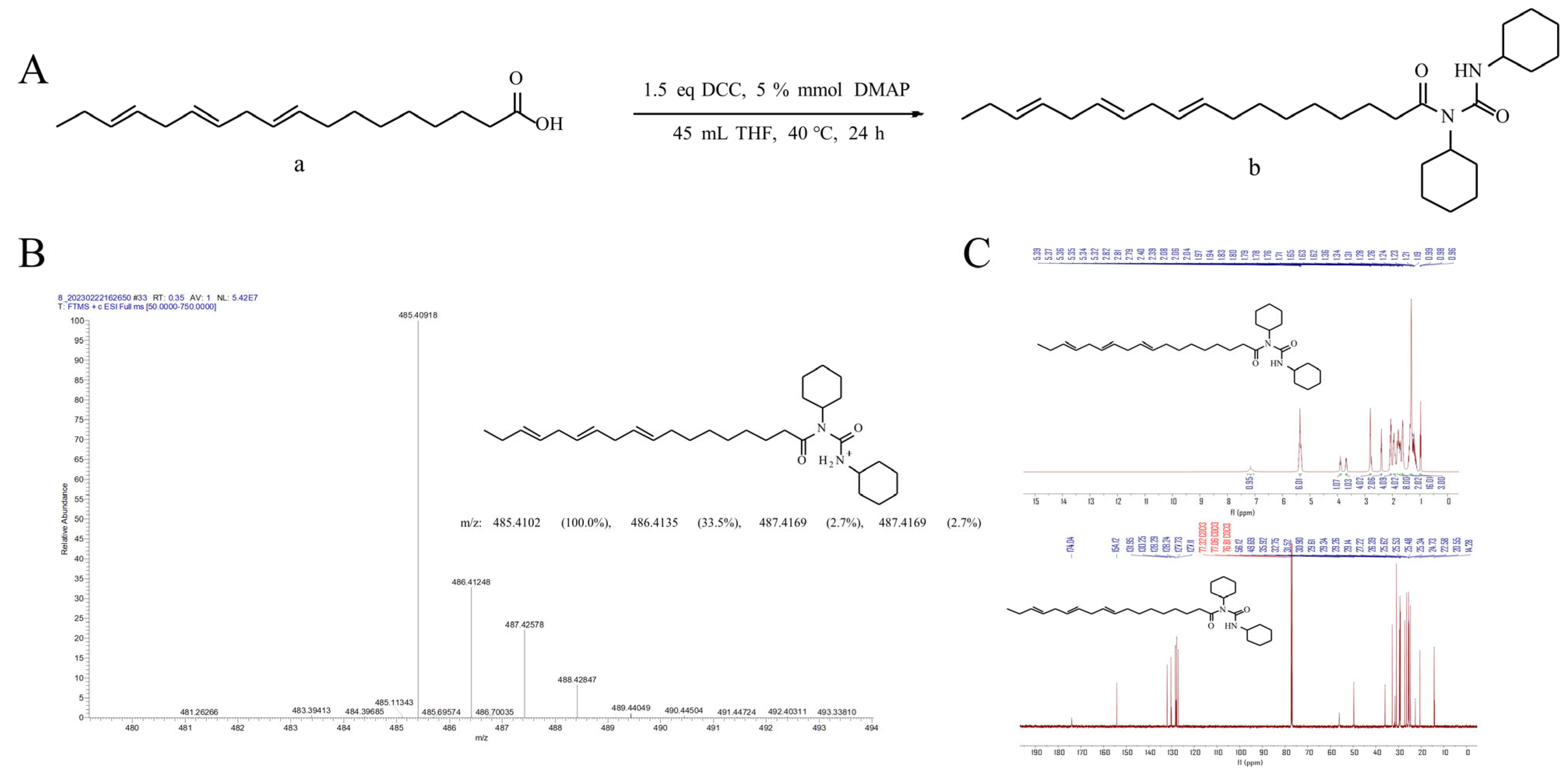
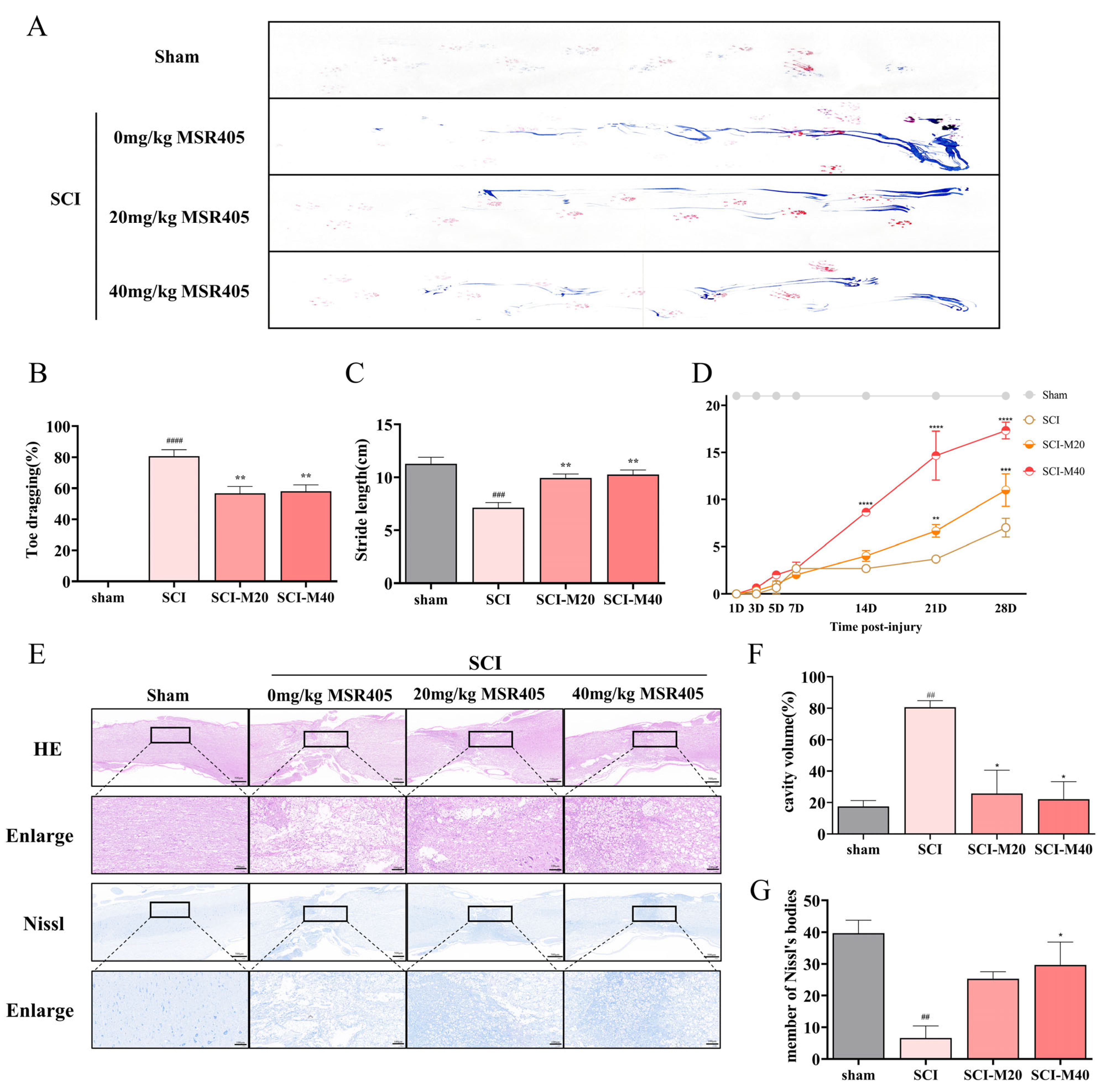
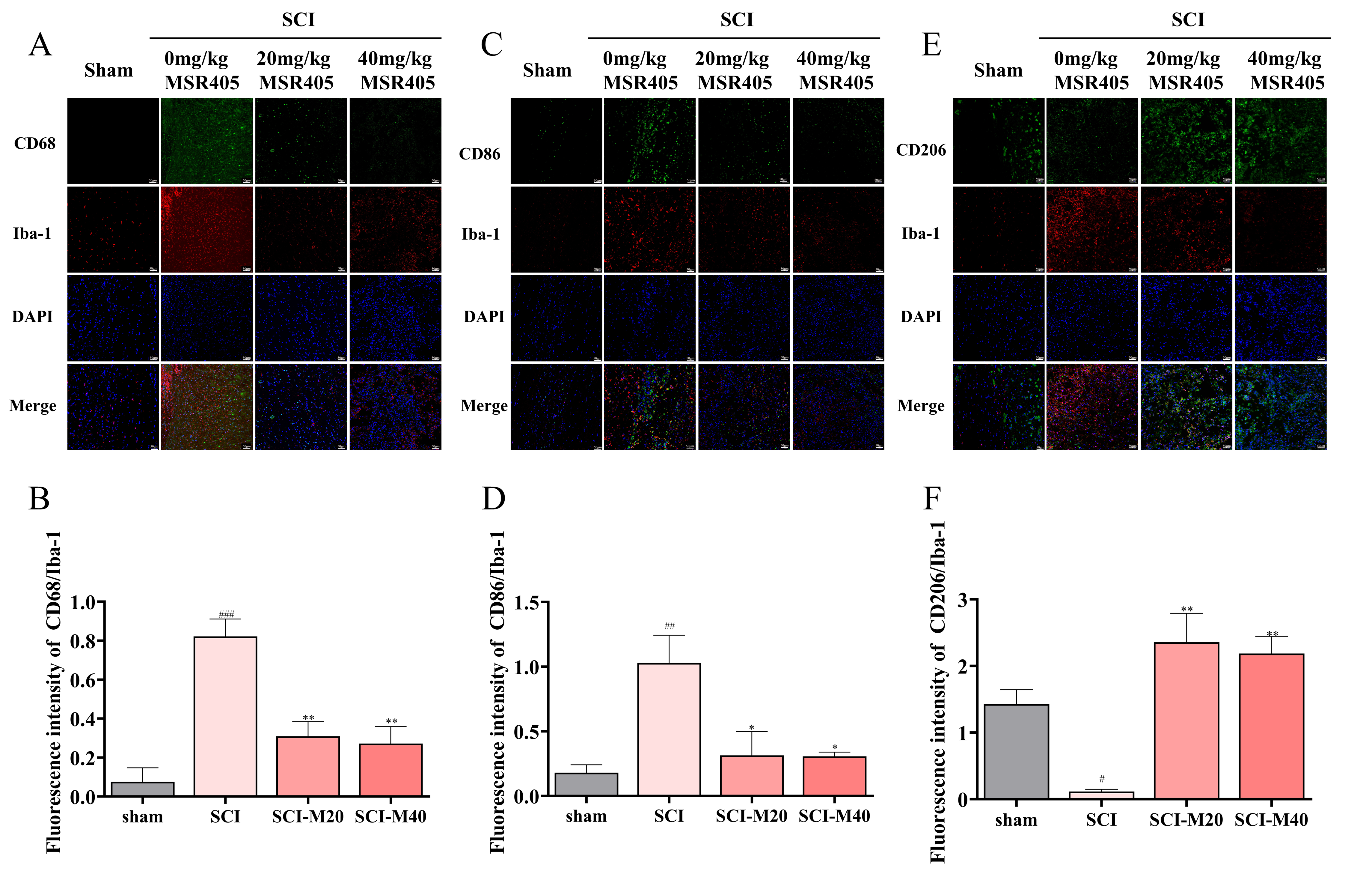
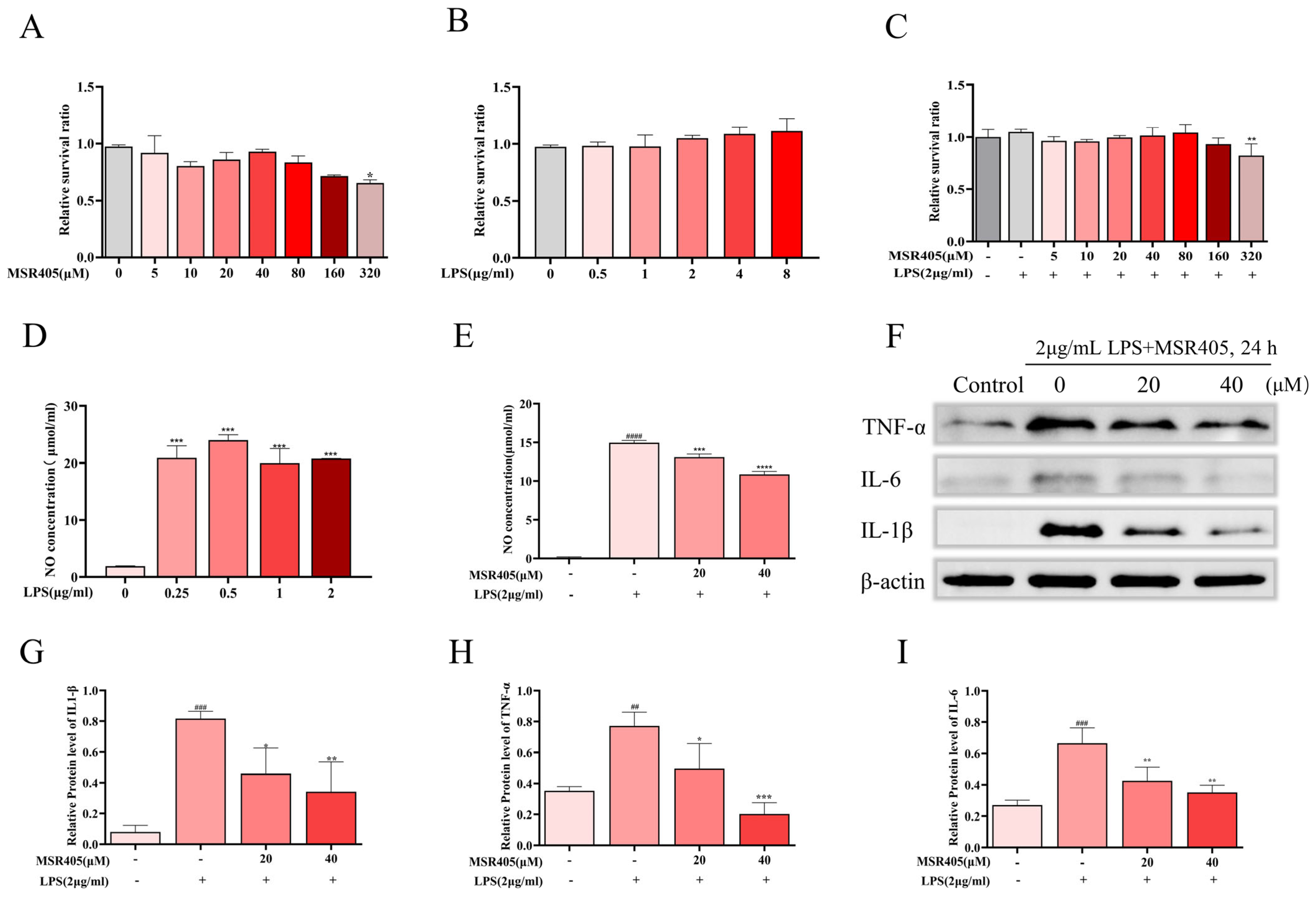
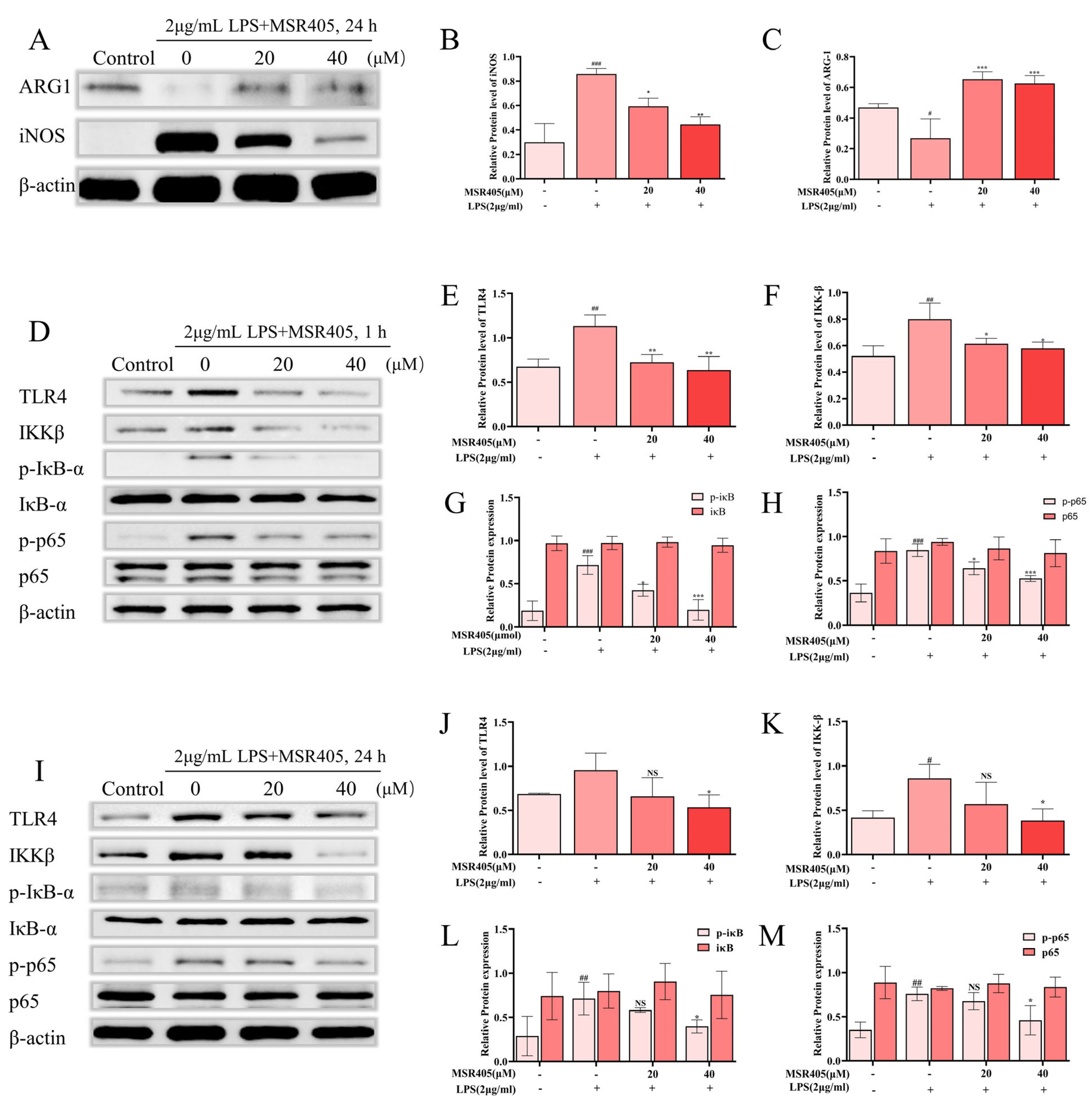
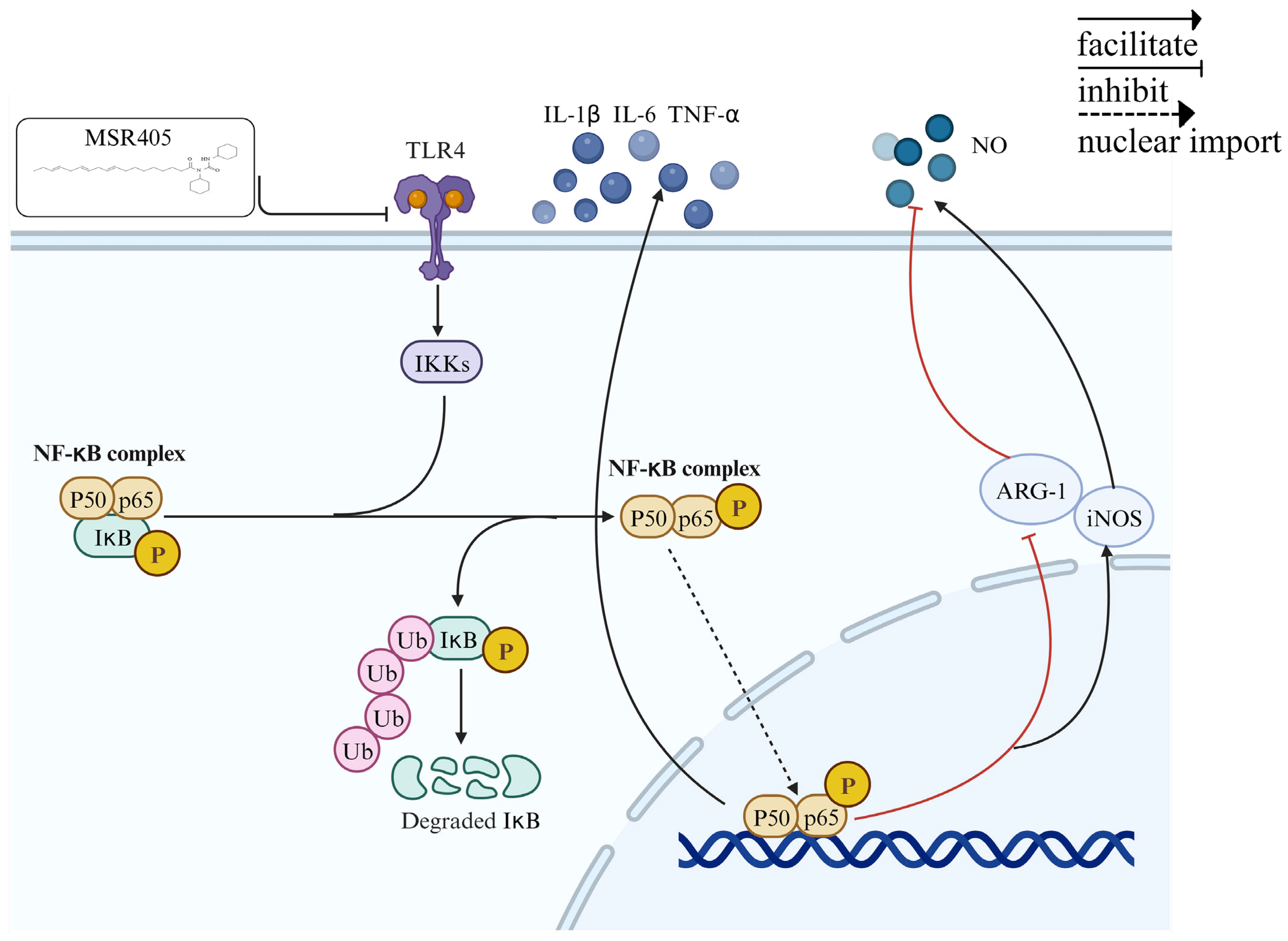
The treatment of spinal cord injury (SCI) is often ineffective. Additionally, SCI-induced inflammation leads to secondary injury. Current anti-inflammatory hydrophilic drugs fail to reach the nerve injury site due to the blood–brain barrier. Here, we synthesized MSR405, a new lipophilic unsaturated fatty acid derivative of Radix Isatidis and investigated its therapeutic effect in SCI model rats. Furthermore, we systematically investigated its structure, toxicity, anti-inflammatory effect, and the underlying mechanism. MSR405 was injected into the abdominal cavity of the Sprague Dawley SCI model rats, and the effect on their behavioral scores and pathology was estimated to assess the status of neurological inflammation. Our data show that MSR405 treatment significantly improved the motor function of SCI rats, and markedly suppressed the associated neuroinflammation. Moreover, MSR405 could attenuate LPS-induced inflammatory response in BV2 cells (Mouse microglia cells) in vitro. Mechanistically, MSR405 inhibits proinflammatory cytokines, supporting the anti-inflammatory response. Additionally, MSR405 can significantly block the TLR4/NF-κB signaling pathway and nitric oxide production. In summary, MSR405 reduces inflammation in SCI rats through the TLR4/NF-κB signal cascade and can inhibit neuroinflammation after spinal cord injury.
Keywords: Radix Isatidis; MSR405; SCI; anti-inflammation; NF-κB Radix Isatidis; MSR405; SCI; anti-inflammation; NF-κB