Article

CDI Exerts Anti-Tumor Effects by Blocking the FoxM1-DNA Interaction
1
Data Convergence Drug Research Center, Korea Research Institute of Chemical Technology, 141 Gajeong-ro, Yuseong-gu, Daejeon 34114, Korea
2
Department of Medicinal and Pharmaceutical Chemistry, University of Science and Technology, 176 Gajeong-ro, Yuseong-gu, Daejeon 34129, Korea
*
Author to whom correspondence should be addressed.
Biomedicines 2022, 10(7), 1671; https://doi.org/10.3390/biomedicines10071671

Submission received: 20 May 2022 / Revised: 30 June 2022 / Accepted: 6 July 2022 / Published: 11 July 2022
(This article belongs to the Special Issue Anticancer Activity and Metabolic Pathways of Natural Products)

Abstract

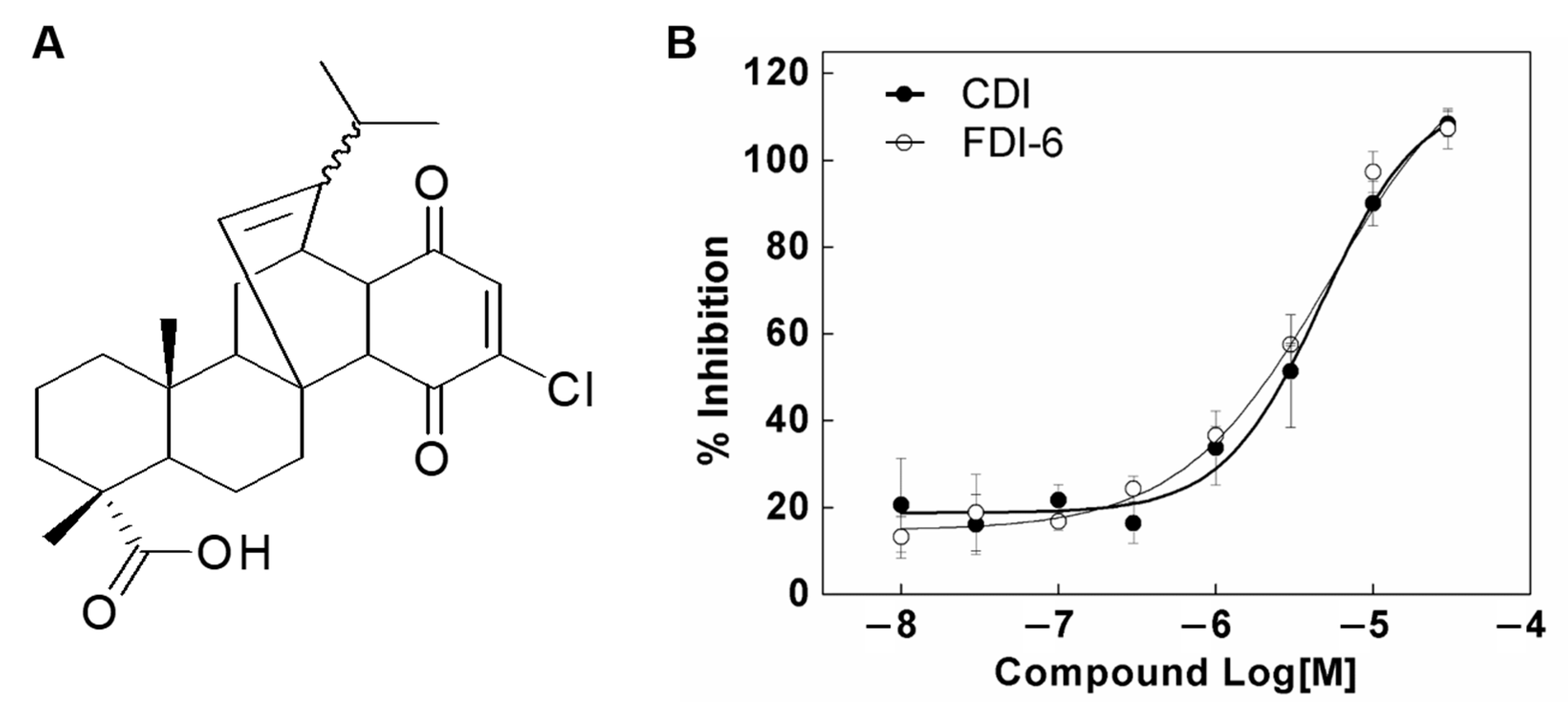
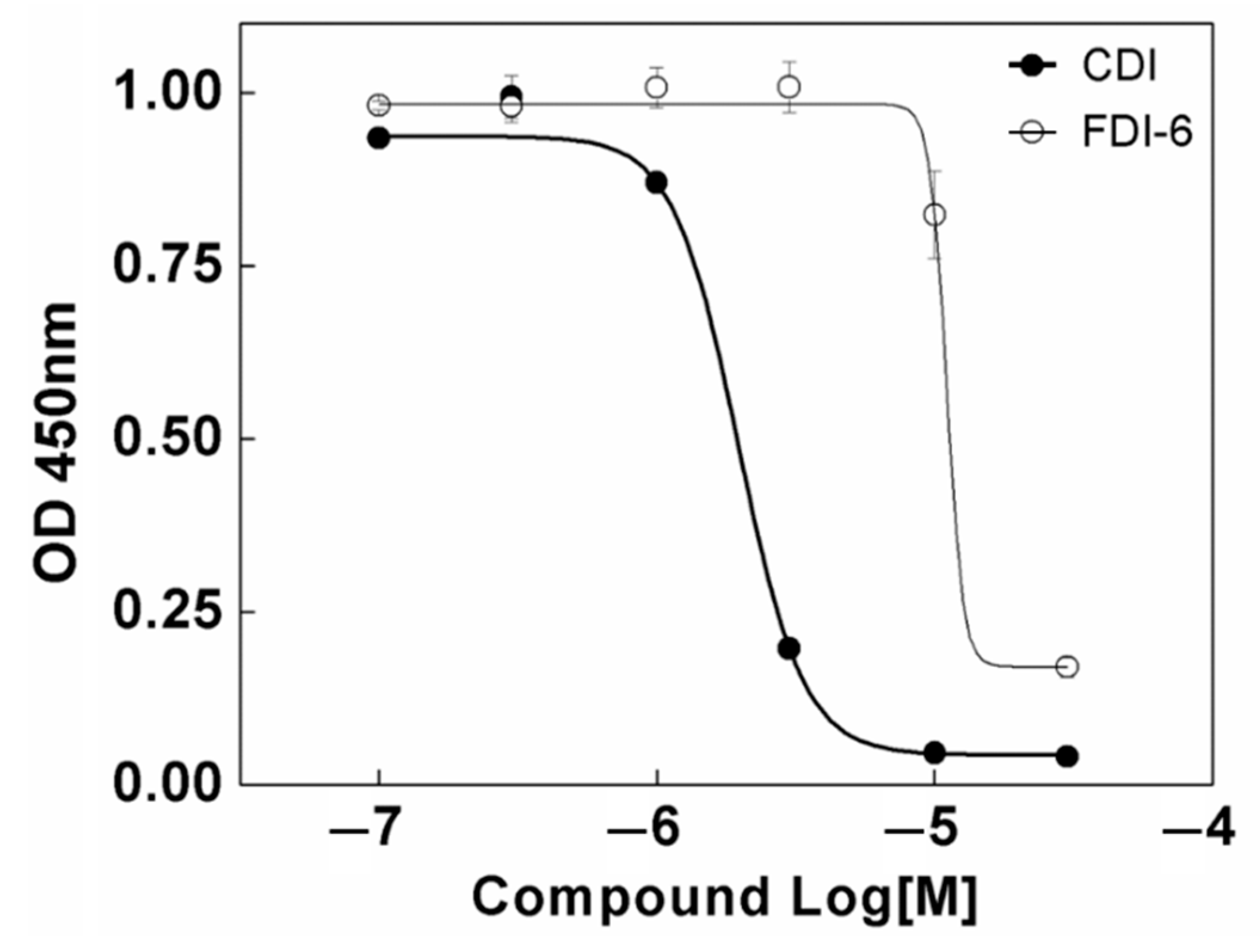
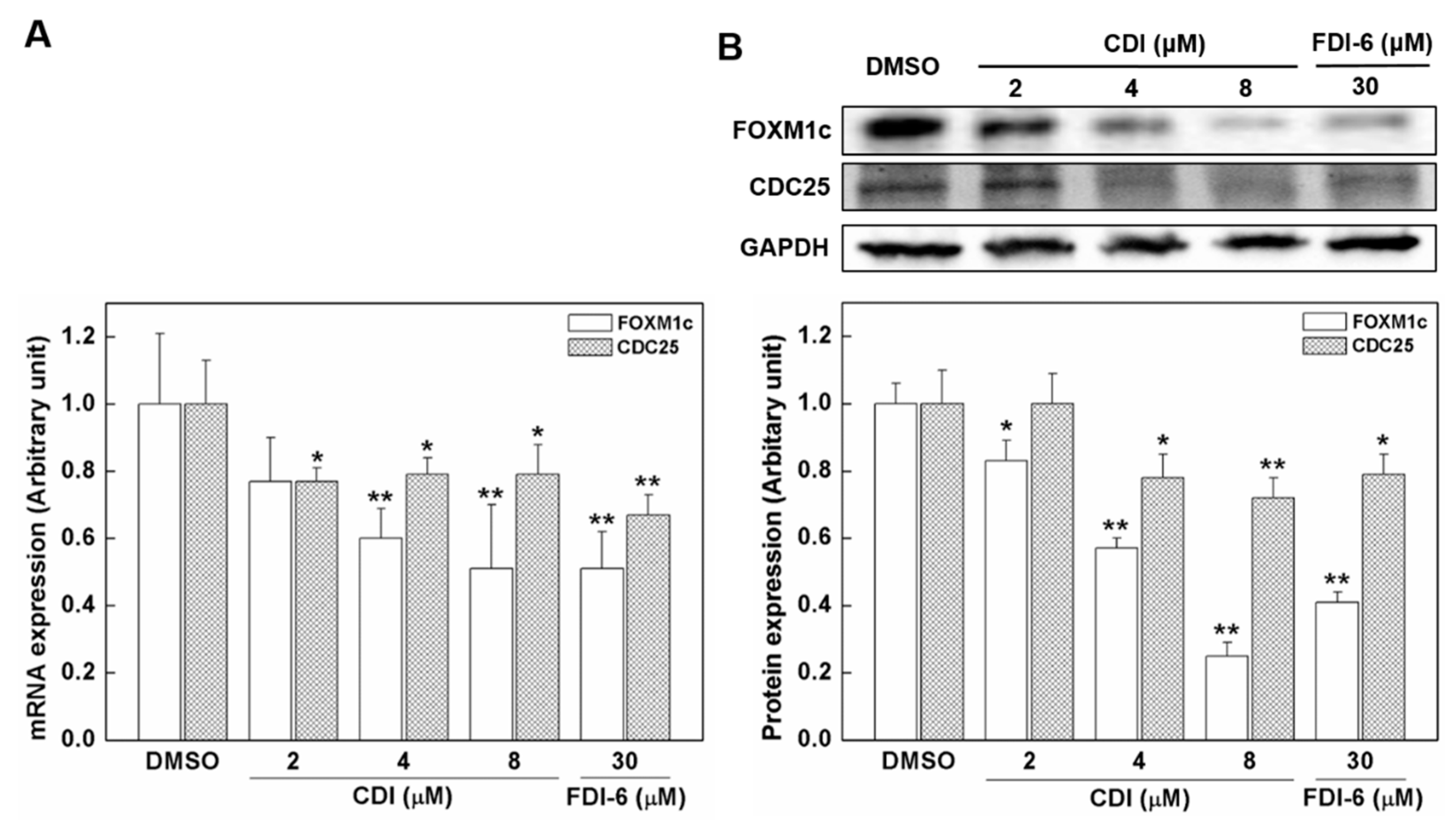
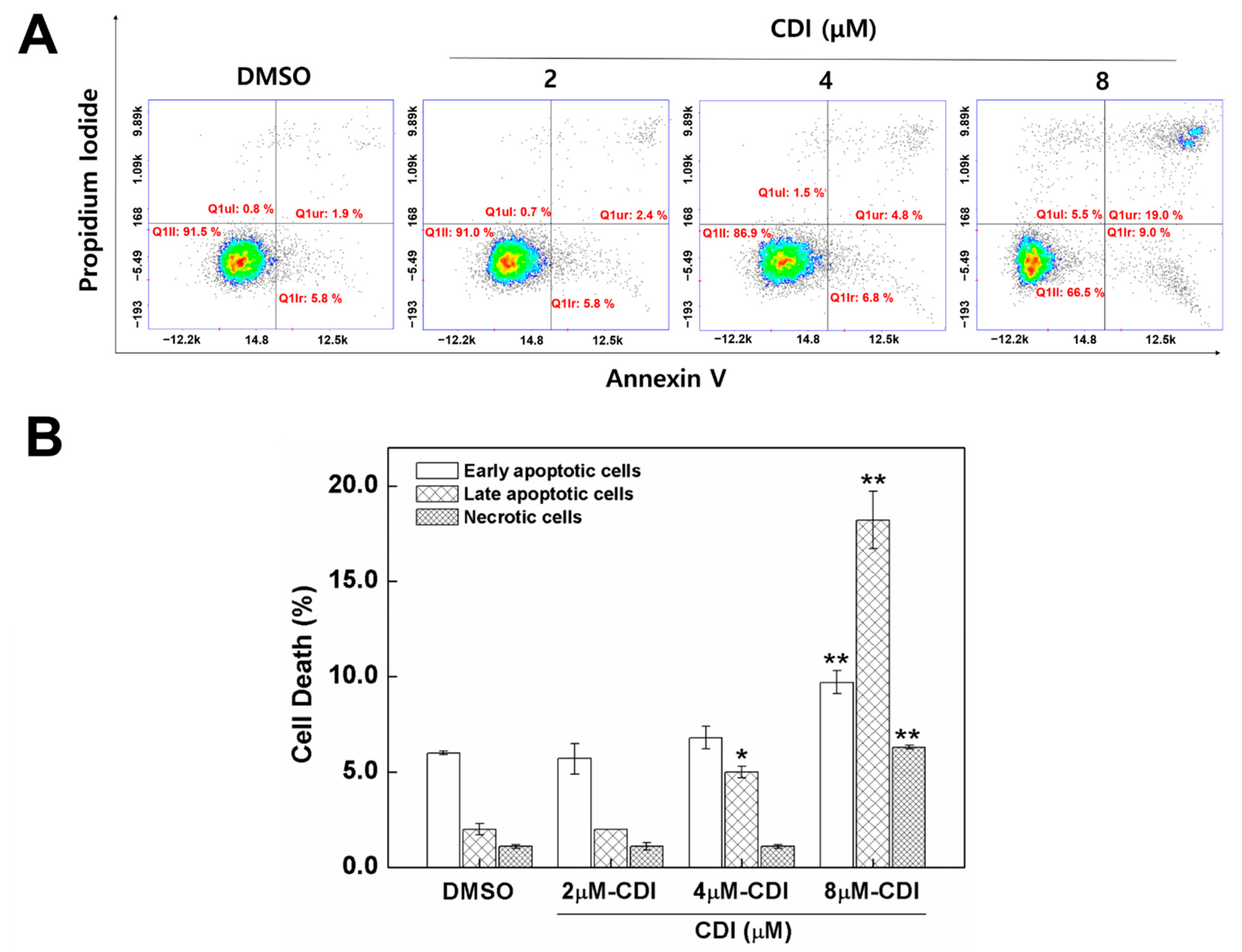
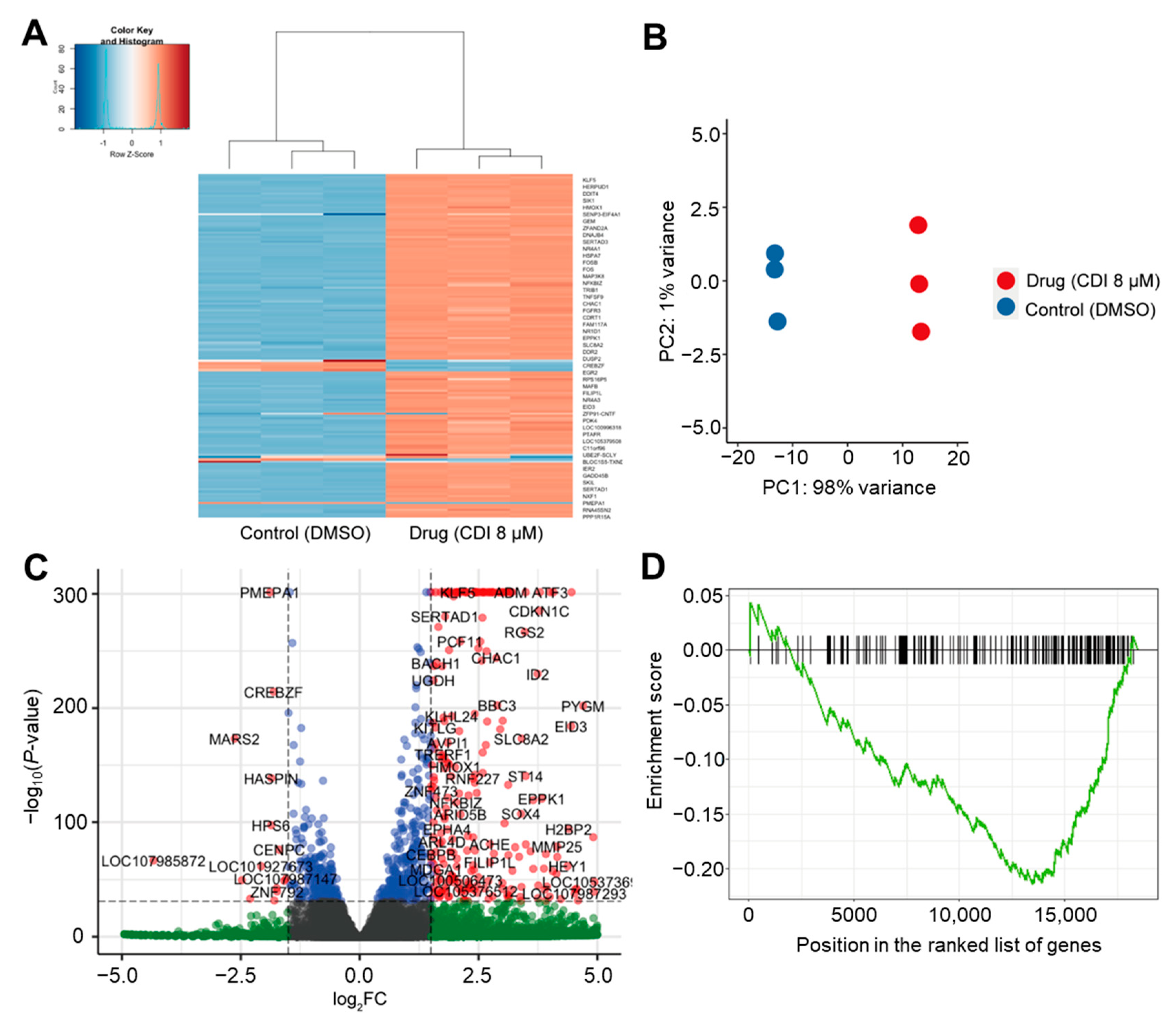
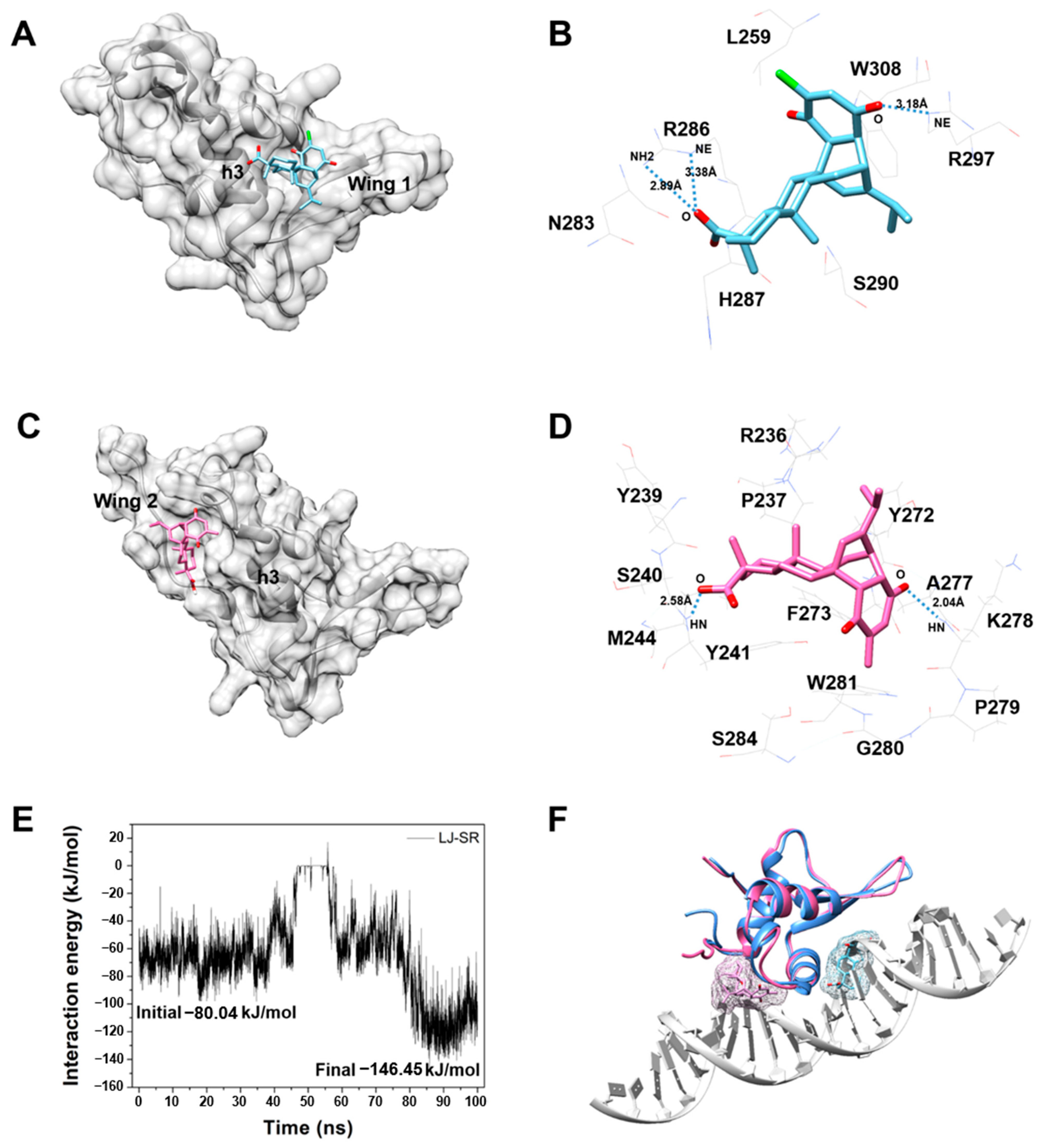
The Forkhead box protein M1 (FoxM1) is an appealing target for anti-cancer therapeutics as this cell proliferation-associated transcription factor is overexpressed in most human cancers. FoxM1 is involved in tumor invasion, angiogenesis, and metastasis. To discover novel inhibitors that disrupt the FoxM1-DNA interaction, we identified CDI, a small molecule that inhibits the FoxM1–DNA interaction. CDI was identified through an assay based on the time-resolved fluorescence energy transfer response of a labeled consensus oligonucleotide that was bound to a recombinant FoxM1-dsDNA binding domain (FoxM1-DBD) protein and exhibited potent inhibitory activity against FoxM1-DNA interaction. CDI suppressed cell proliferation and induced apoptosis in MDA-MB-231 cells obtained from a breast cancer patient. Furthermore, it decreased not only the mRNA and protein expression of FoxM1 but also that of downstream targets such as CDC25b. Additionally, global transcript profiling of MDA-MB-231 cells by RNA-Seq showed that CDI decreases the expression of FoxM1-regulated genes. The docking and MD simulation results indicated that CDI likely binds to the DNA interaction site of FoxM1-DBD and inhibits the function of FoxM1-DBD. These results of CDI being a possible effective inhibitor of FoxM1-DNA interaction will encourage its usage in pharmaceutical applications.
Keywords: CDI; FoxM1; FoxM1-DNA interaction; anti-tumor activity; RNA-Seq; molecular modeling CDI; FoxM1; FoxM1-DNA interaction; anti-tumor activity; RNA-Seq; molecular modeling