1. Introduction
Nonlinear waves are important phenomena in scientific research. Due to that reason, a number of models have been proposed to describe their behavior. Indeed, we find a variety of mathematical descriptions of wave dynamics, such as the Rosenau, regularized-long wave (RLW), and Korteweg-de Vries (KdV) equations [
1,
2,
3,
4,
5,
6,
7,
8]. The KdV equation has been applied in the description of dynamical effects such as longitudinal astigmatic, ion sound, and magnetic fluid waves [
4,
5,
6,
7,
8,
9]. The convergence properties, existence and the regularity of solutions of KdV-type equation have been discussed in [
10,
11,
12].
Kaya and Aassila calculated the explicit solutions of the KdV equation with an initial condition by using the Adomian decomposition method [
13]. Özer and Kutluay applied an analytical–numerical method to the KdV equation [
14]. The RLW equation was developed by Peregrine, as an alternative to the classical KdV formulation in order to investigate the behavior of the solution [
15,
16]. Benjamin et al. proved the existence and uniqueness of the solution of the RLW model and determined its exact expression subject to restrictions in the initial and boundary conditions [
2]. The RLW is also adopted in the modeling of long waves with small amplitudes on the water surface [
17]. A noteworthy feature of the RLW problem is that the collision between two solitary waves results either in sinusoidal solutions, or in secondary solitary waves [
18]. Since the KdV cannot describe wave–all and wave–wave interactions, another model, known as the Rosenau equation, was proposed by Rosenau to describe the dynamics behavior of dense discrete systems [
7]. Zuo studied the solitary wave and periodic solutions for the Rosenau-KdV model [
6]. Barreto et al. discussed the existence of solutions of the Rosenau formulation with the plus sign in the advection-like term in moving domains by means of the Galerkin, multiplier, and energy estimate techniques [
3].
Hereafter, we propose a numerical method for the initial value problem of the general Rosenau-KdV-RLW equation [
19,
20,
21,
22,
23,
24],
with the initial condition
and boundary conditions
where
is a real-valued function, the real constants
and
are non-negative,
is a positive integer, and
is a given smooth function.
Lemma 1. (See [25].) The following conservative properties for the initial value problem (1) holdandwhere and are constants depending on the initial conditions. When
and
, the initial boundary value problem (
1)–(
3) is consistent and, the boundary condition (
3) is reasonable [
26]. Some particular cases of Equation (
1) occur:
if
and
, then expression (
1) is the KdV equation [
14,
27,
28,
29],
if
and
, then expression (
1) is the Rosenau equation [
30,
31,
32],
if
and
, then expression (
1) becomes the RLW equation [
33]
if
and
, then expression (
1) is the Rosenau-KdV equation [
6,
34,
35]
if
and
then expression (
1) is the generalized Rosenau-RLW model [
26]
if
,
or
then expression (
1) represents the classical, modified, and general Rosenau-RLW equations, respectively.
In recent years, various analytical and numerical methods have been used to approximate the solution of the initial boundary value problem (
1)–(
3). Razborova et al. presented a theoretical approach based on the Ansatz method for the Rosenau-KdV-RLW equation [
9]. Later, Razborova et al. used a semi-inverse Variational Principle to retrieve a single solitary wave solution [
22]. Additionally, Razborova et al. and Sanchez et al. discussed the solutions of the perturbed Rosenau-KdV-RLW equation [
23,
24]. Wongsaijai et al. constructed a three-level weighted average implicit finite difference (FD) technique [
19]. Pan et al. presented a C-N pseudo-compact conservative numerical scheme based on the FD technique [
20]. Fernández and Ramos investigated a three-point compact method with fourth-second accuracy [
21]. Wang et al. and Hu and Wang formulated FD schemes with linear three-level [
31] and high-accuracy conservative [
33] characteristics, respectively. Wongsaijai et al. proposed a compact FD technique [
26] and Pan et al. developed a linear-implicit FD for the usual Rosenau-RLW equation [
25,
36]. Zheng et al. presented an average linear FD technique [
34]. Mittal et al. implemented a numerical method based on the collocation of quintic B-splines over finite elements [
37]. Hu et al. considered a second-order conservative FD scheme [
38]. Ari et al. adopted a meshless kernel-based approach of lines [
39]. Foroutan et al. developed a modified Chebyshev rational approximation [
40]. Wang et al. advanced a three-level linear conservative FD [
41], while Wongsaijai et al. came with a mass-preserving scheme, namely, a nonlinear algorithm based on a modification of the FD [
42].
In this paper, we use the local meshless radial basis function (RBF) for solving the general Rosenau-KdV and the Rosenau-RLW models.
Section 2 formulates and discusses the local meshless RBF based on the finite difference (RBF-FD) technique for discretizing Equation (
1).
Section 3 provides five numerical examples and compares the results with those of other schemes proposed in the literature. Finally,
Section 4 presents the concluding remarks.
2. The RBF-FD Collocation Method
A mesh-free (or meshless) method adopts an algebraic system of equations for the complete domain without requiring a pre-defined mesh discretization of the domain and its boundary [
43,
44]. Mesh-free techniques are used to approximate scattered data, since generating meshes is one of the most laborious tasks of mesh-based numerical processes. Indeed, a mesh-free technique provides a low-cost alternative to schemes involving finite volume, finite difference, finite element, multivariate splines, and wavelets, all requiring node connectivity. Meshless techniques eliminate the mesh generation step and a collection of scattered data can be used. The RBF is one of the most widely used meshless techniques and reveals good performance in case of multidimensional scattered data interpolation [
43,
44].
Given a set of scattered node data
and the corresponding function values
, the RBF interpolant is represented in the form
where
are unknown coefficients,
are RBF with shape parameter
c, and the operation
represents the Euclidean norm [
44,
45]. Some popular choices of RBF include the linear, Cubic, Multiquadric (MQ), Gaussian (GA), and thin-plate spline (TPS) versions with dependence
r,
,
,
, and
, respectively, where
. The coefficients
of Equation (
6) are computed by imposing interpolation conditions
,
The relation (
6) can be written in the following matrix form
where
The non-singularity of the associated linear system was proven in [
46]. The main pros of the RBF collocation method when solving PDEs are its simplicity, easy application to different PDEs, and efficiency for solving problems involving complex domains. On the other hand, the major con of this method is related to the problem of full matrices. These matrices are strongly sensitive to the shape parameter
c selected in the RBF and, therefore, they become difficult to solve in problems where we have too many unknowns. This problem arises from the fact that using the RBF interpolation increases the condition numbers of the related matrices for a large number of nodes. This occurs particularly when one selects inadequate data centers and uses basic functions that are infinitely smooth, such as the MQ, with extreme values of the shape parameter
c [
45].
The notation of local differentiation is popular in the RBF literature, particularly for time-dependent PDEs. The local radial basis function (RBF) generated by finite differences (RBF-FD), raised considerable interest owing to the structure of their differentiation and interpolation matrices [
47,
48]. It is possible to control the degree of sparsity of the differentiation and interpolation matrices produced by the local RBF. This sparsity can take advantage of parallelism and solve large problems [
49,
50]. The local RBFs have also been employed to reduce the model order. In some situations, researchers have found that the local RBF technique can produce the same degree of accuracy as the global RBF technique with a smaller mesh size [
49,
50,
51,
52,
53]. Although small mesh sizes result in smaller ODE systems, the overall accuracy is maintained. Interested readers can find examples of the application of local RBFs to problems in the geosciences in [
54,
55]. Garshasbi et al. used the RBF collocation method for approximating the shallow water model named the Camassa–Holm equation [
56]. Uddin connected the RBF to the pseudo-spectral method, known as RBF-PS method to approximate the equal width equation [
57]. Nikan et al. solved numerically the nonlinear KdV-Benjamin-Bona-Mahony-Burgers (KdV-BBM-B) with the help of the RBF-PS [
58]. Dehghan and Shafieeabyaneh addressed the RLW and extended Fisher-Kolmogorov (EFK) equations using local meshless RBF-FD [
59]. Ebrahimijahan and Dehghan proposed a numerical technique for solving the nonlinear generalized BBBM-B and RLW equations based on the integrated RBF [
60]. Rashidinia et al. implemented the local RBF-FD meshless method for generalized Korteweg-de Vries-Burgers [
61] and Kawahara [
62] equations.
Let us consider that
is a stencil of
. In the local RBF-FD collocation method, the linear differential operator
at every point can be approximated only the stencil instead of applying the complete number of point, i.e.,
where
is the center point of stencil
.
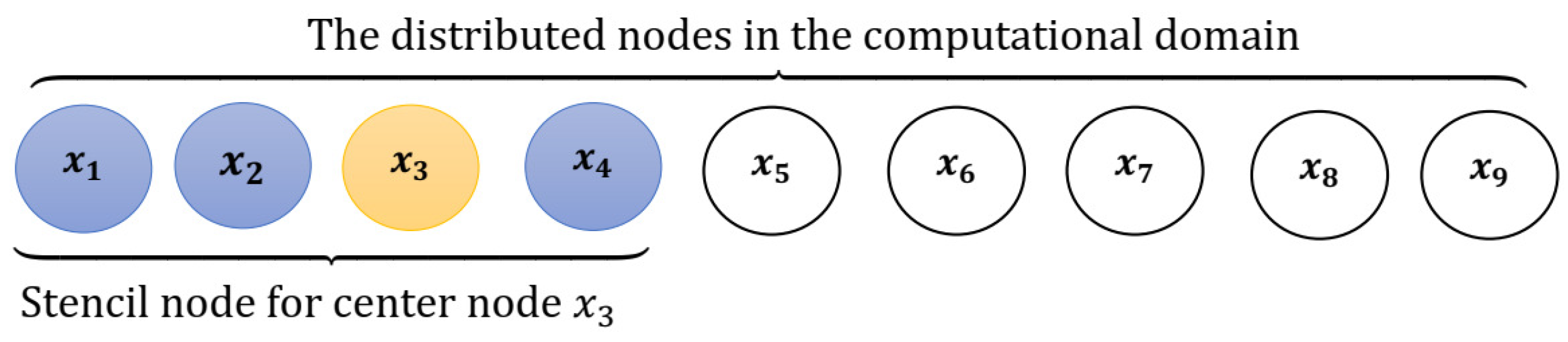
Figure 1 gives an example of a domain with 9 grid points and a stencil size of
. At the point
, the
nearest neighbors are used in the computation.
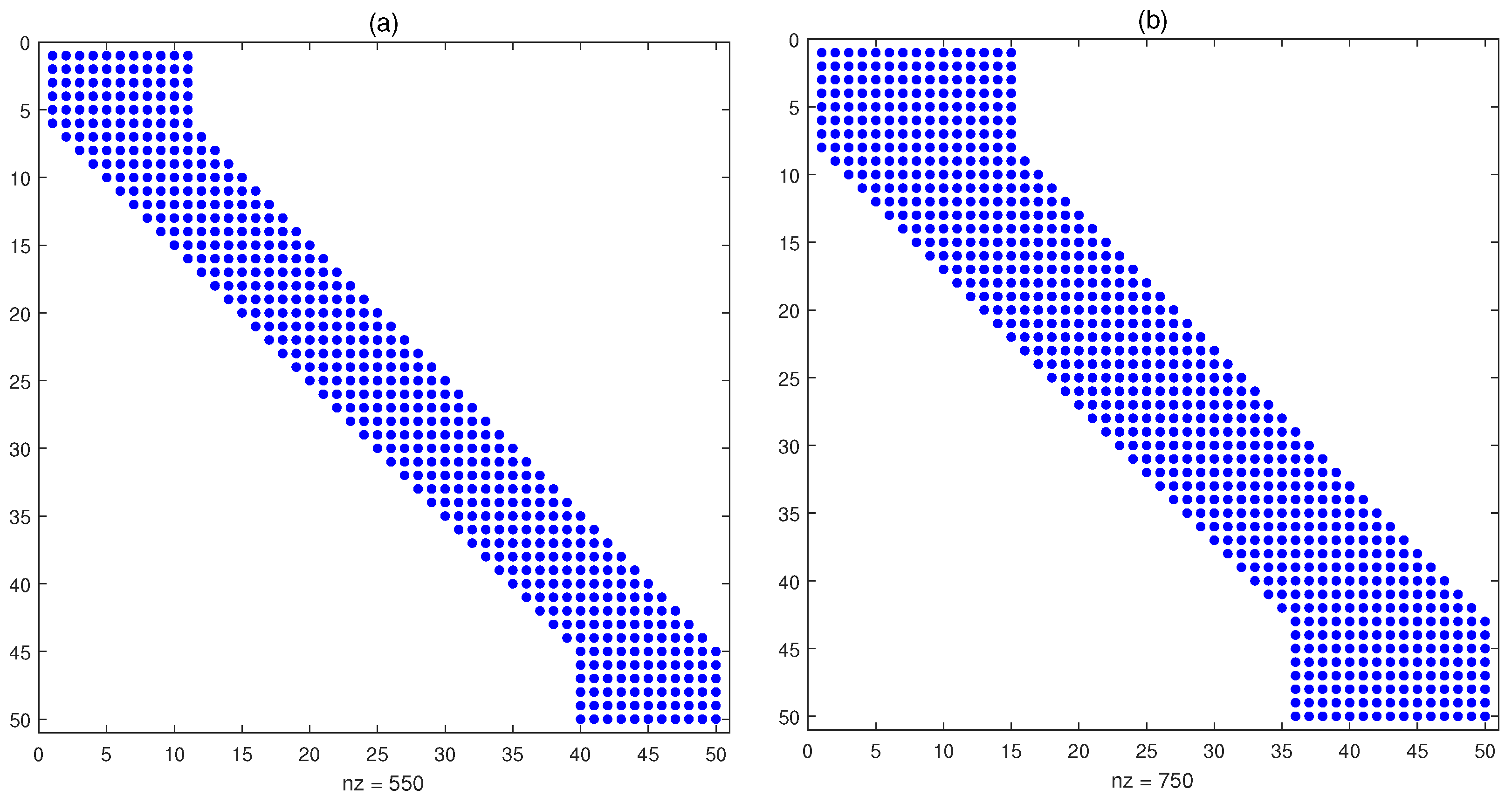
Figure 2 shows the sparsity patterns for
for two stencil sizes
and
.
By deriving the RBF expansion of
in Equation (
8), the weighted differences of stencil node can be obtained from the system as:
where
Indeed, it is necessary to solve a small-sized linear system with a conditionally positive definite coefficient matrix in each stencil. The weighted differences of the stencil nodes can be determined from the above system.
The first, second and third order derivatives can be approximated with the help of the function values at a set of
nodes (including
) in the stencil of
. That is, we can write
where
represents the weighted differences of stencil node for the order derivatives
We can obtain the following semi-discrete system by considering the notations above as
The above equation can be represented as
We must note that the matrices
and
are time-independent. We conclude that
where
. Equation (
16) is of the form
Equation (
17) is an ODE with respect to
and it can be solved by means of an ODE solver in MATLAB such as
ode113 or
ode45. Let
and
for
so that the mesh
is uniform. The initial solution
is the starting vector. The package
ode45 is an explicit Runge-Kutta of order 4(5) formula of the Dormand–Prince pairs [
63]. The
ode45 is a one-step solver that computes
given the solution at the preceding time point
. On the other hand, the
ode113 is a variable-order Predict–Evaluate–Correct–Evaluate solver of the Adams–Bashforth–Moulton type [
64]. This solver might be more efficient than the
ode45 for close tolerances and, in particular, when the ODE file function is particularly expensive to evaluate. A multi-step solver, such as the
ode113, needs the solutions corresponding to more than one preceding time point for calculating the current solution. Hereafter, we calculate the differentiation matrices, expressed by
,
and
, only one time outside the time-stepping operation. Additionally, merely matrix-vector multiplications are required within the time-stepping operation.
Stability Analysis
The method of lines represents the idea of using the FD method in the time direction
t to solve a coupled system of ODEs. The numerical stability of the method of lines is investigated by a rule of tumb. The method of lines is stable if the eigenvalues of the (linearized) spatial discretization operator, scaled by
, lie in the stability region of the time-discretization operator [
57,
65]. One defines the stability region as the portion of a multifaceted plane consisting of eigenvalues which result in the generation of bounded solutions. The coefficient matrix eigenvalues determine the stability of Equation (
16) [
66]. Hence, we need only to demonstrate that every eigenvalue
belonging to the coefficient matrix has a non-positive real term
, where
represents of the matrix eigenvalues. In other words, for all
we must have
for obtaining stable solutions. The reader is referred to [
66] for further details. In order to investigate the stable and unstable eigenvalue ranges of the Rosenau-KdV-RLW model, one must compute the eigenvalues belonging to the matrix
, which are scaled by
.
3. Computational Results and Comparisons
This section considers five test problems assessing the effectiveness and accuracy of the proposed method for various values of
h,
and
c. To measure the accuracy of method in comparison with the exact solution, we compute the following error norms:
where
and
denote the numerical solution and exact solution, respectively. In addition, the invariants of motion are evaluated by
It should be noted that the Gaussian function is used as a basis and the computations were performed in MATLAB R2016a with a computer system having a configuration including Intel(R) Core(TM) i5-2330 CPU 3.60 GHz and 8.00G RAM.
Example 1. Let us consider the general Rosenau-KdV-RLW model (1) in the case of , , and in the spatial interval . The exact solution is [38,41], where Table 1 lists the approximation errors in terms of
and RMS with
and
.
Table 2 compares the obtained results with those provided by the techniques described in [
38,
41]. It is seen that the errors obtained by the proposed technique are inferior to the others.
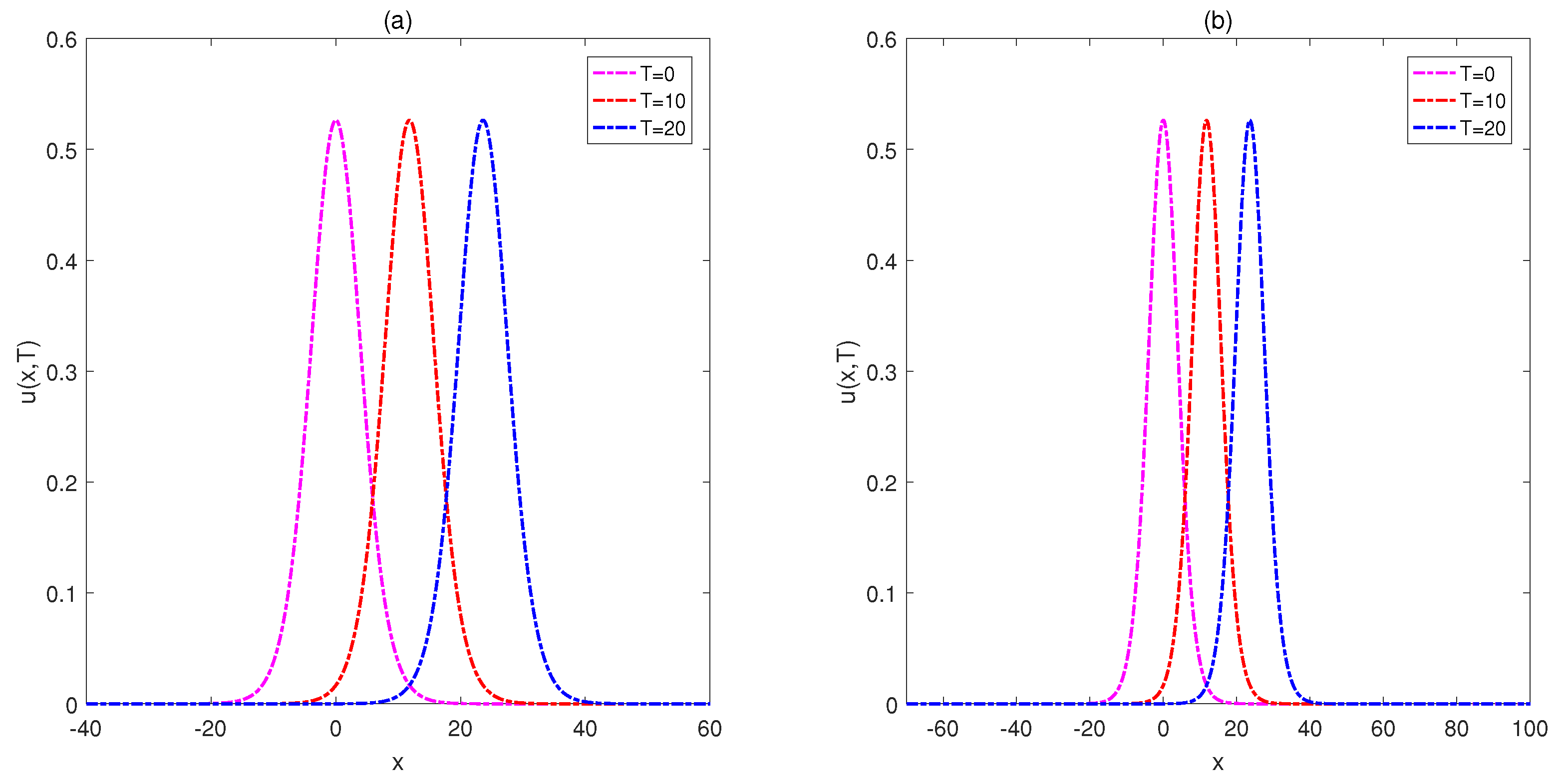
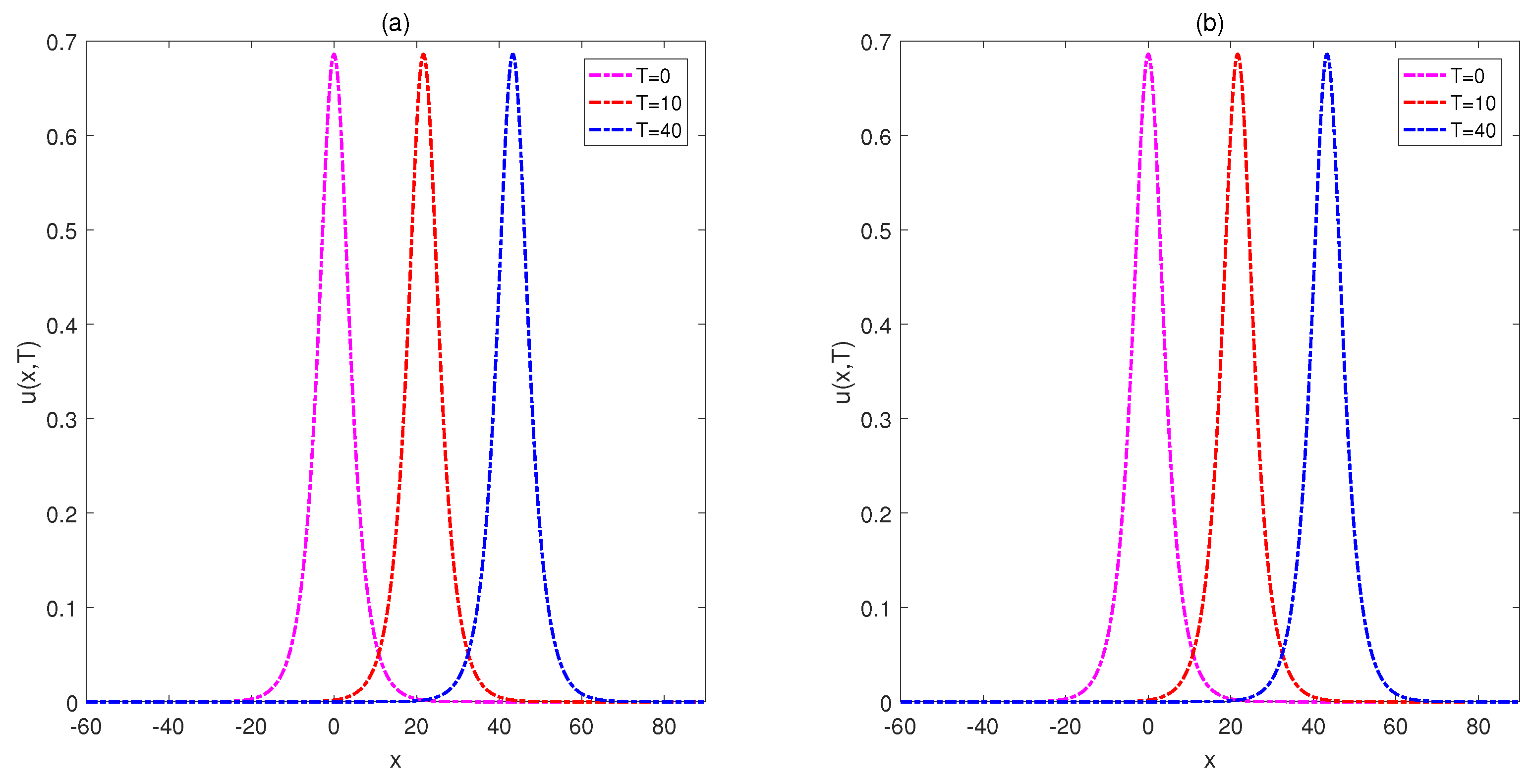
Figure 3 depicts the motion of the single solitary wave with
over the spatial intervals
(left) and
(right) at final times
We verify that the single solitons move to the right at a constant speed and preserve their amplitude and shape with increasing time as anticipated.
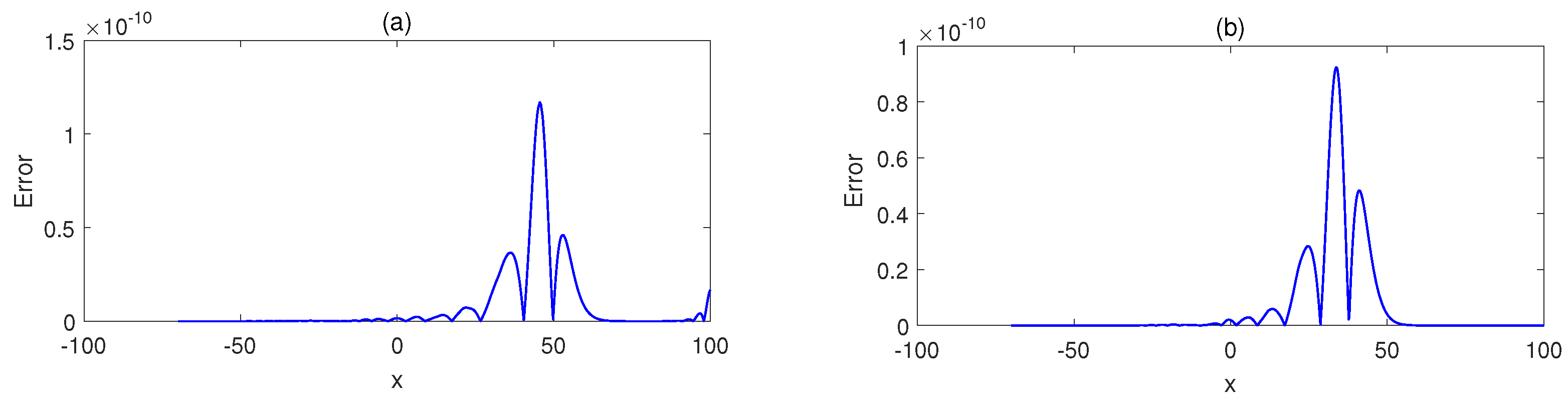
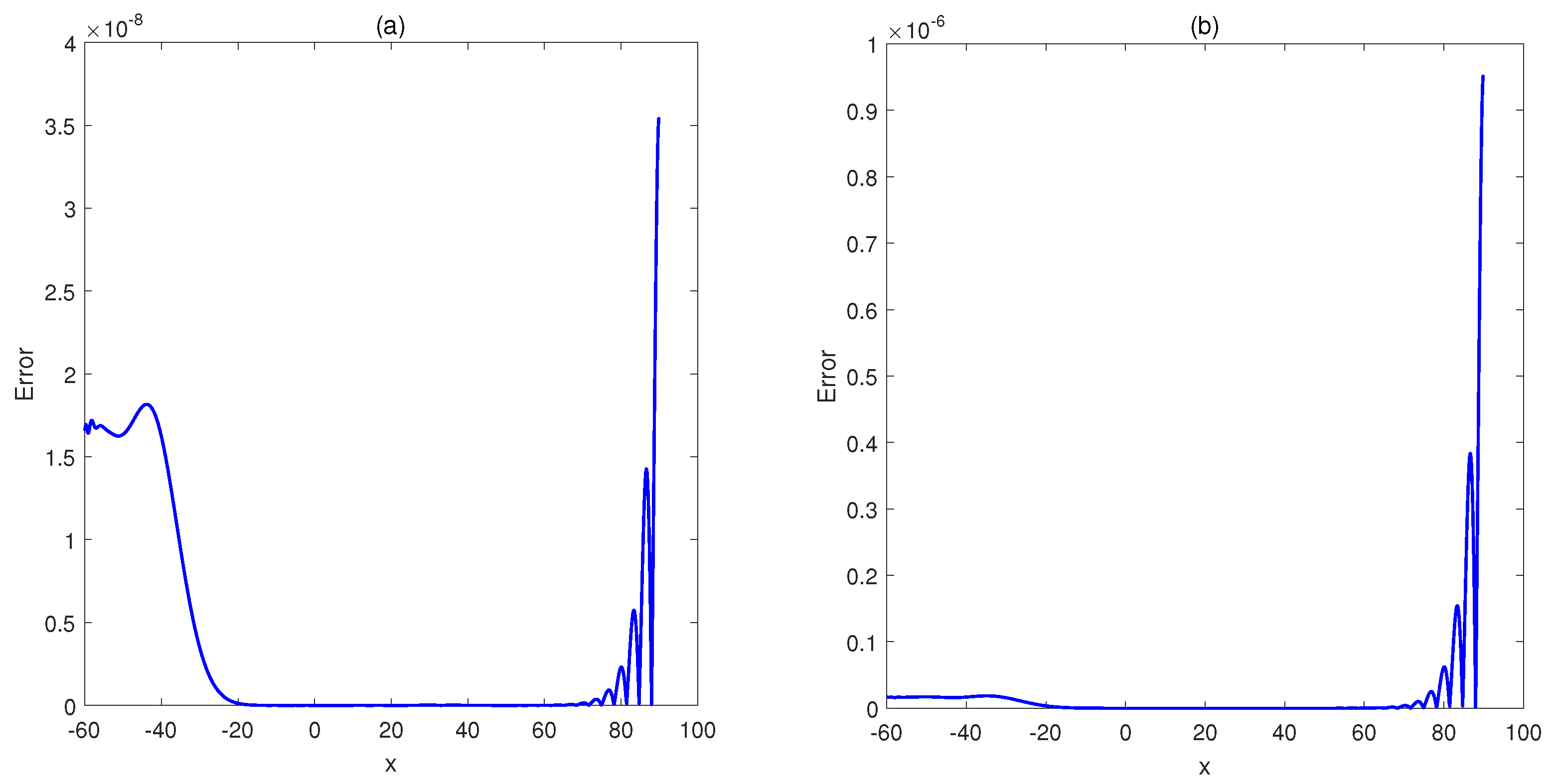
Figure 4 represents the absolute errors
at final times
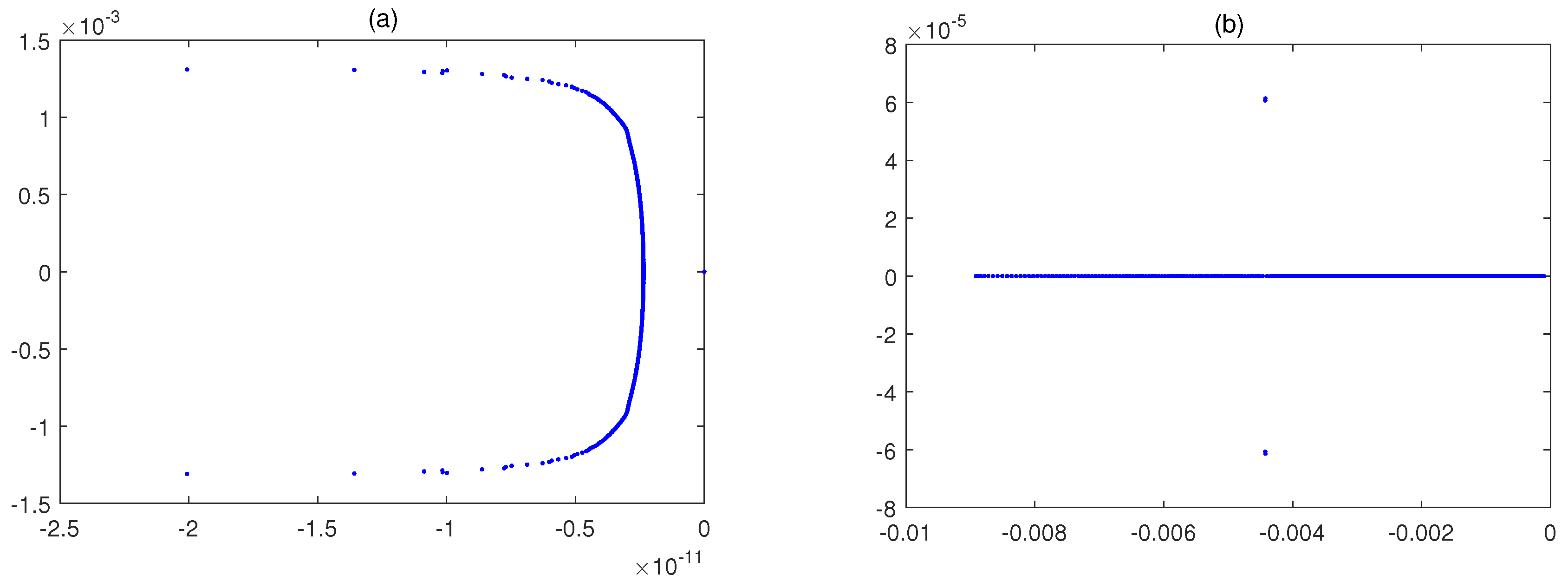
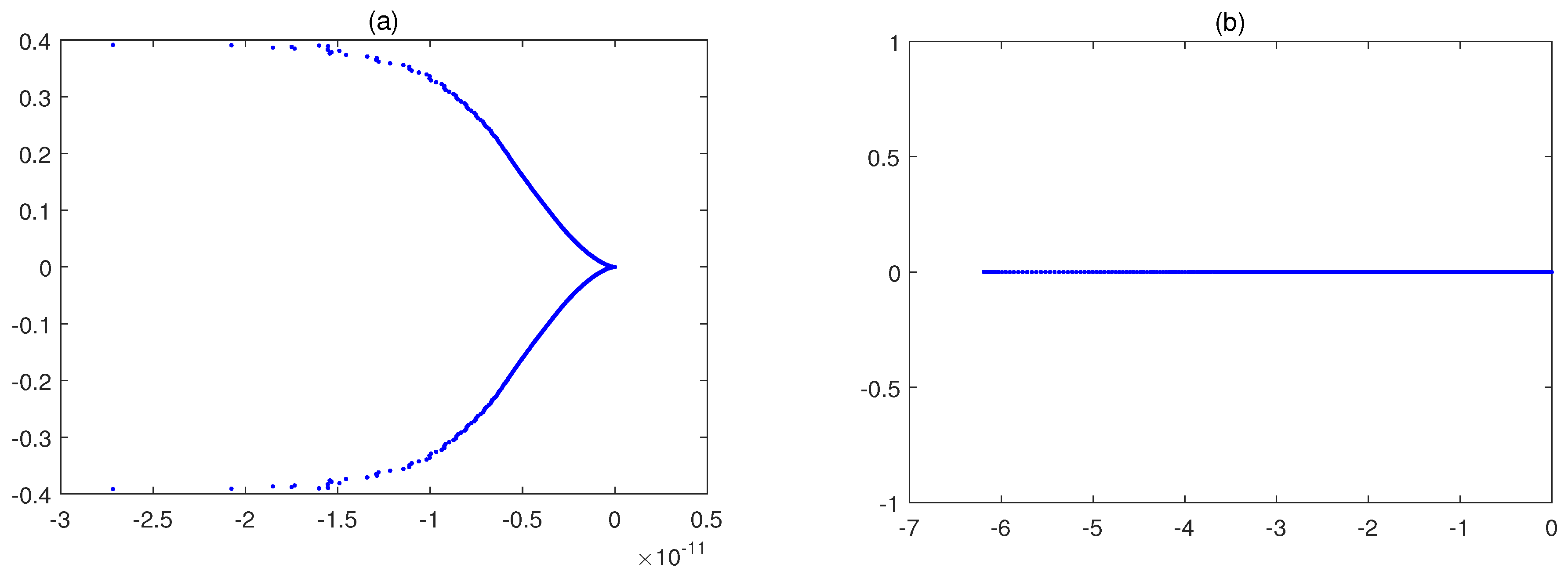
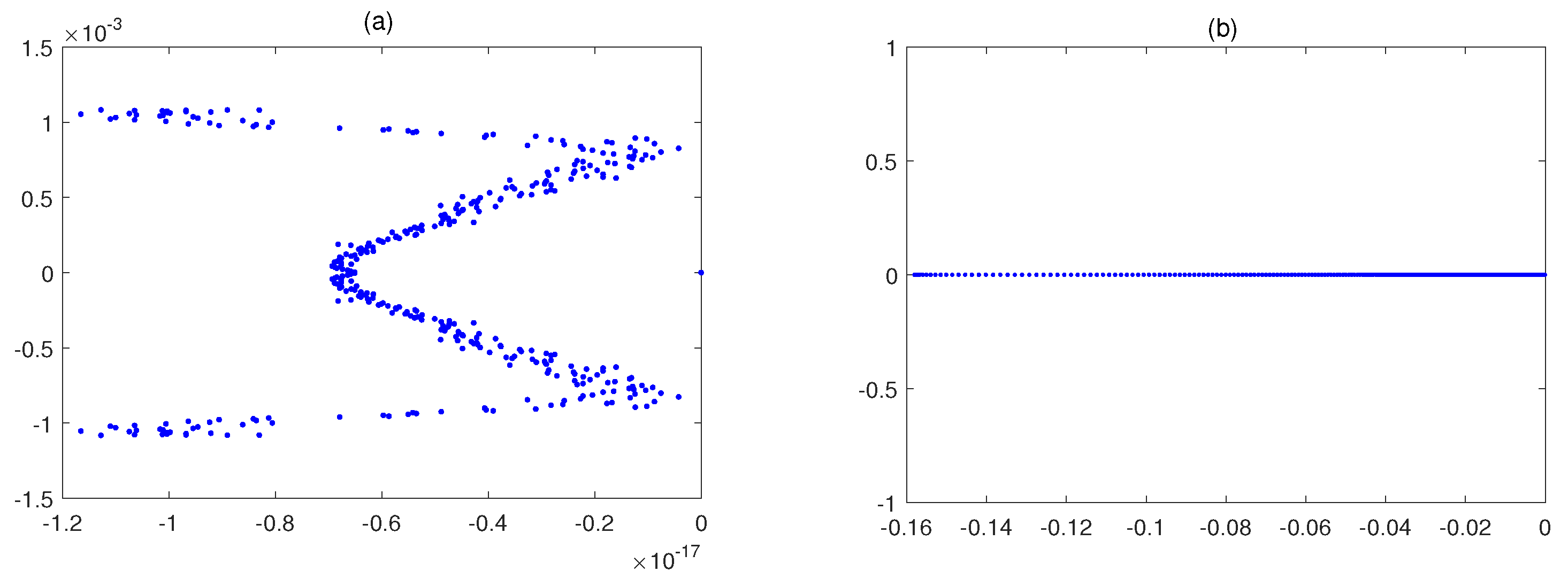
Figure 5 portraits the eigenvalues of the linearized differentiation operator
and
(left and right panels, respectively) with
. We observe that the eigenvalues calculated for
and
are zero or have negative values. The eigenvalues belonging to the linearized differentiation operators are real and negative or are complex with a negative real term. Hence, the stability of the proposed system for this case is proven.
Example 2. Let us consider the general Rosenau-KdV-RLW model (1) in the case of , and over the spatial interval . The exact solitary wave solution is , where [34,41] Table 3 reports the
and RMS errors with
and
.
Table 4 compares the results with those obtained by the techniques described in [
34,
41]. It is clear that the results of the new method are considerably more accurate.
Table 5 illustrates the conservative law of the discrete energy
E.
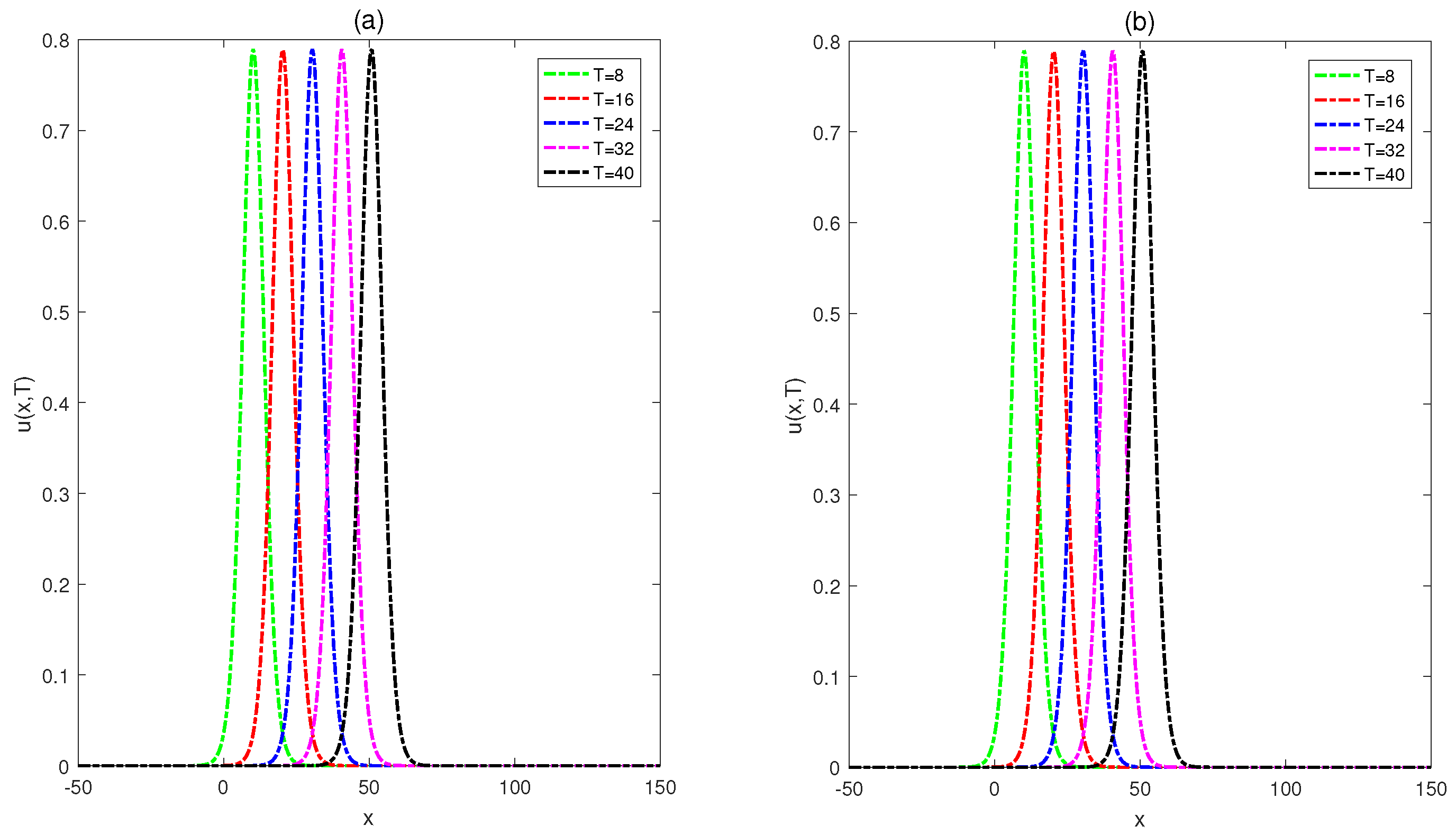
Figure 6 depicts the motion of single solitary wave with
(left) and
(right) over the spatial interval
at final times
The single solitons move to the right at a constant speed preserving their amplitude and shape.
Figure 7 represents the absolute error
at final times
.
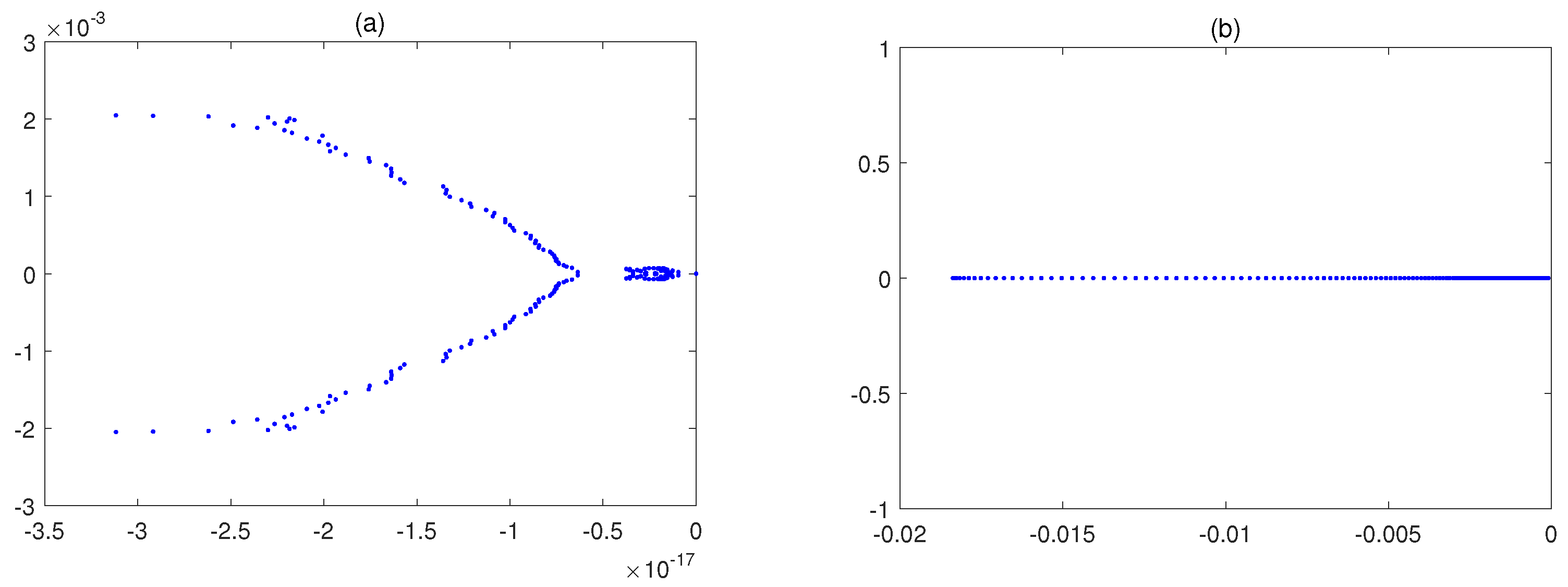
Figure 8 plots the eigenvalues of the matrices
and
(left and right panels, respectively) with
. The eigenvalues calculated for
are negative values. For what concerns
, they are zero or have negative values. Therefore, the stability of the proposed system is confirmed.
Example 3. We consider the general Rosenau-KdV-RLW model (1) corresponding to the case , , , and over the spatial interval . The exact solution is , where [19] Table 6 compares the results of the proposed method with those resulting from the schemes in [
19,
41]. The computational efficiency is clearly superior to the performance exhibited by the other schemes.
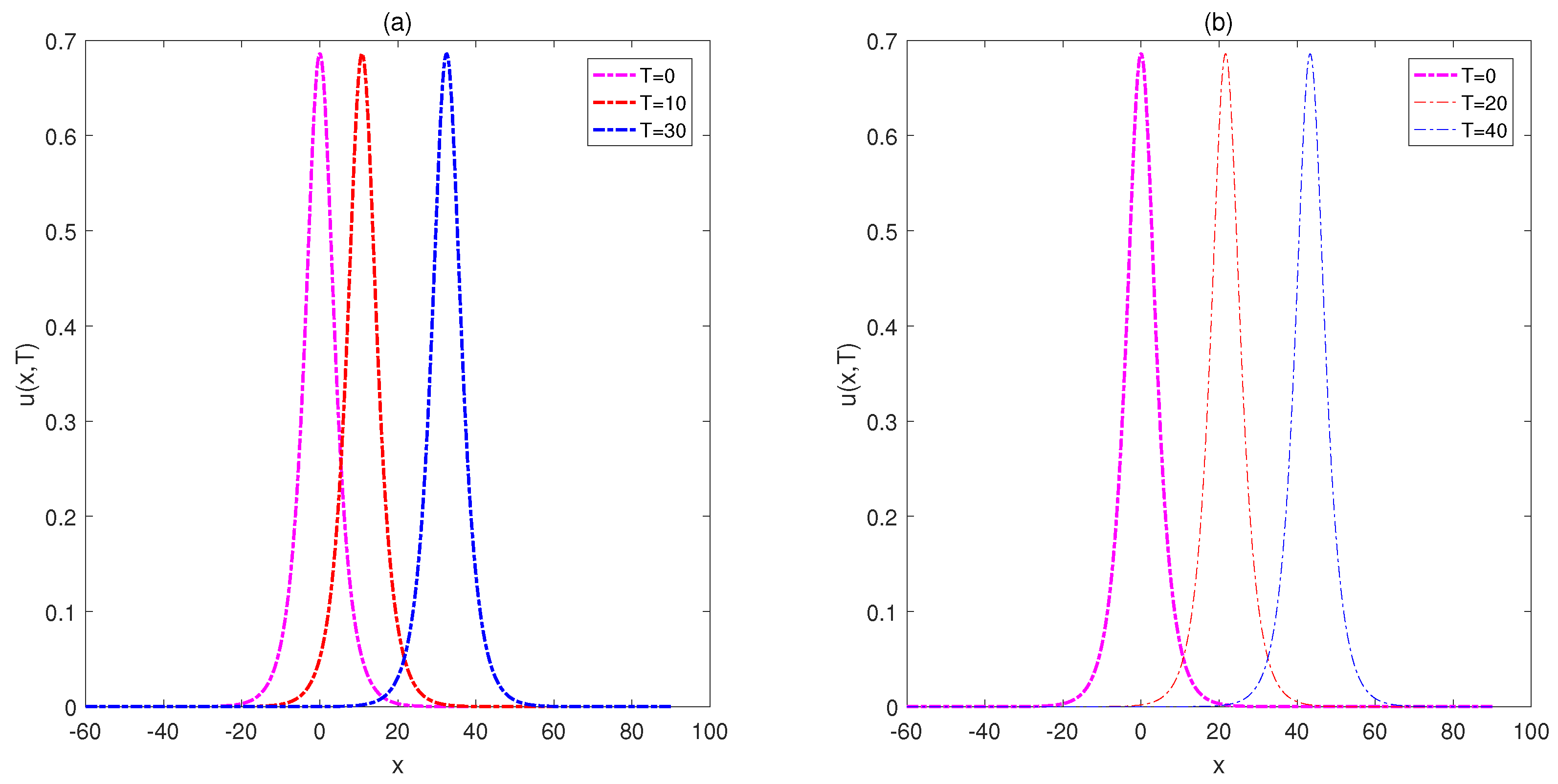
Figure 9 plots the motion of single solitary wave with
(left)
(right) over the spatial interval
at final times
. The peak of the solitary waves remains the same during the simulation.
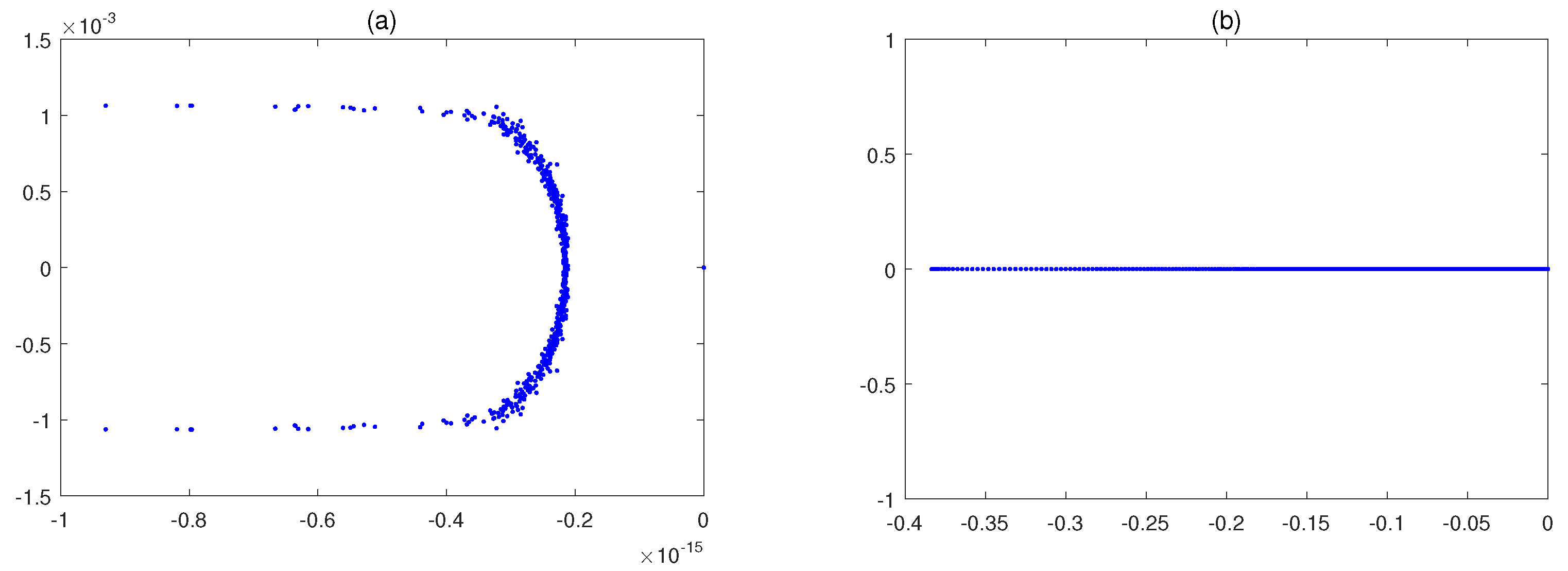
Figure 10 shows the eigenvalues of the matrices
and
(left and right panel, respectively) with
. The eigenvalues calculated for
and
have zero or negative values. Hence, the stability of the proposed system for this case is confirmed.
Example 4. Let us consider the general Rosenau-KdV-RLW model (1) in the case of , , , and over the spatial interval [19,25,33,42]. The exact solution is , where Table 7 compares the results of proposed method with those obtained with other schemes [
19,
25,
33,
42]. In this case, the accuracy of the method is slightly better than those achieved with the rest.
Figure 11 depicts the motion of the single solitary wave with
(left) and
(right) over the spatial interval
at final times
The crest of the soliton clearly remains the same during the simulation.
Figure 12 plots the eigenvalues of the matrices
and
(left and right panels, respectively) with
. The eigenvalues calculated for
are negative values, while for
they have zero or negative values. Hence, the stability of the proposed system for this case is verified.
Example 5. Consider the general Rosenau-KdV-RLW model (1) with parameters as and in two spatial intervals, namely and . The exact solution is given bywhere The initial boundary value problem (1)–(3) includes the following conservative quantities:related to mass and energy. The quantities and are applied to measure the conservation properties of the present method, calculated by means of the trapezoidal rule for the Rosenau-RLW equation. Table 8 and
Table 9 compare the results of the proposed method with those obtained from the schemes presented in [
26,
36,
37,
39]. It can be observed that the computational results are clearly better than the others and that the invariants
and
remain constant during the simulation.
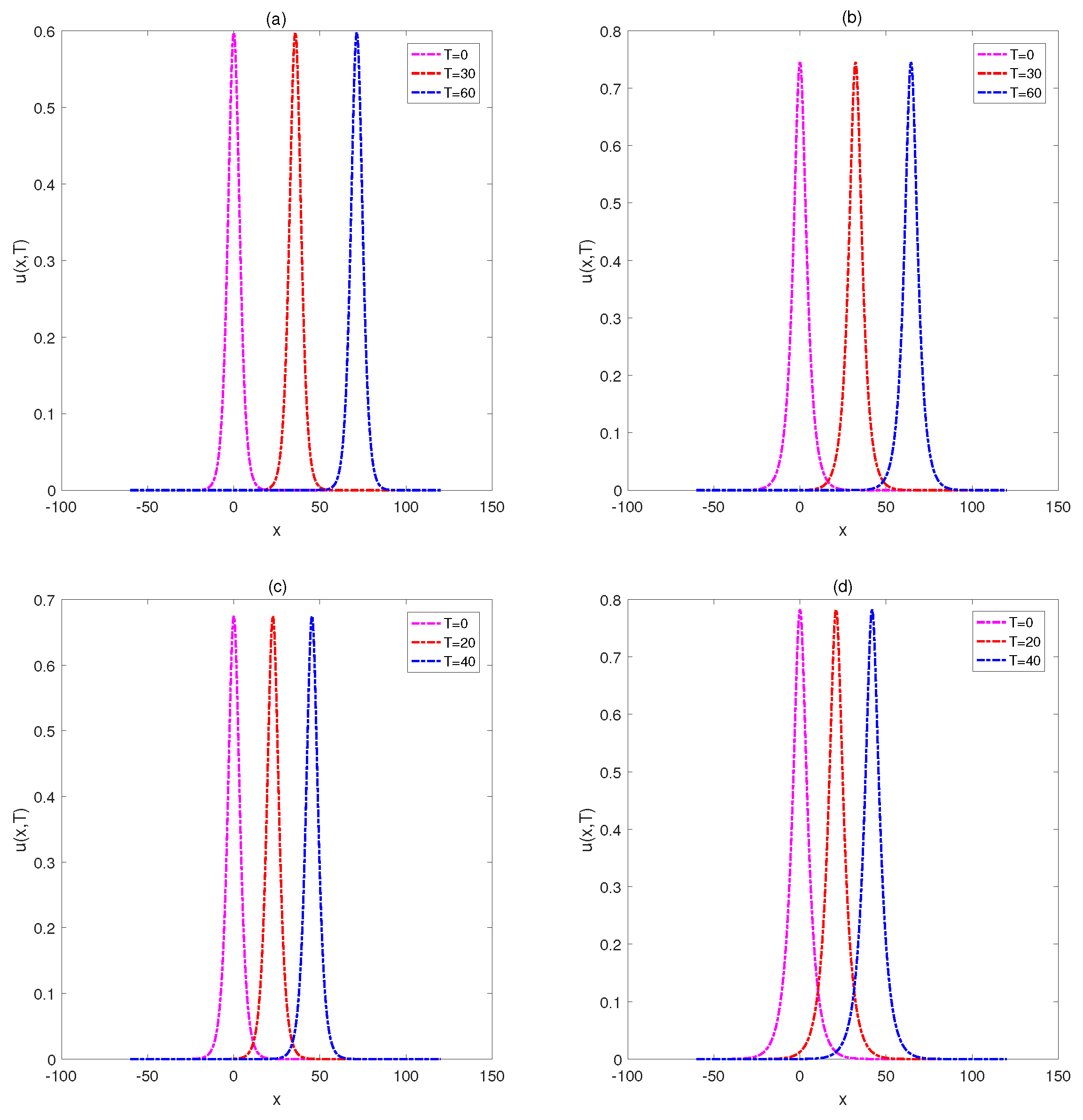
Figure 13 plots the motion of the single solitary wave for various
p at
in the spatial interval
. The single solitons move to the right at a constant speed and conserve their amplitudes and shapes.
Figure 14 shows the eigenvalues of the linearized differentiation operator
and
(left and right panels, respectively) with
. The eigenvalues calculated for
and
are zero, or have negative values. Therefore, the stability of the proposed system for this case is confirmed.