Article

A Photovoltaic Prediction Model with Integrated Attention Mechanism
Faculty of Information and Communication Engineering, Dalian University of Technology, Dalian 116024, China
Mathematics 2024, 12(13), 2103; https://doi.org/10.3390/math12132103
Submission received: 6 June 2024 / Revised: 26 June 2024 / Accepted: 2 July 2024 / Published: 4 July 2024
(This article belongs to the Special Issue Advances and Applications of Artificial Intelligence Technologies)

Abstract

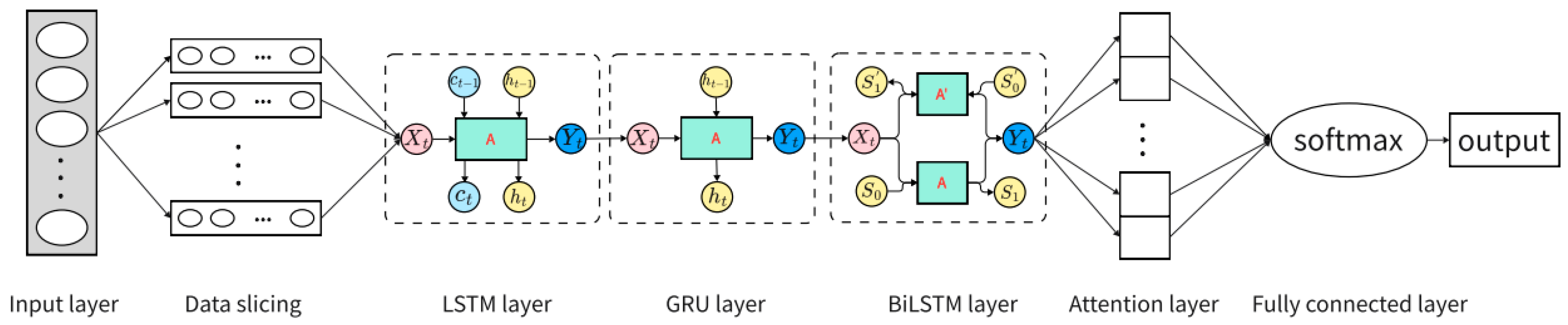
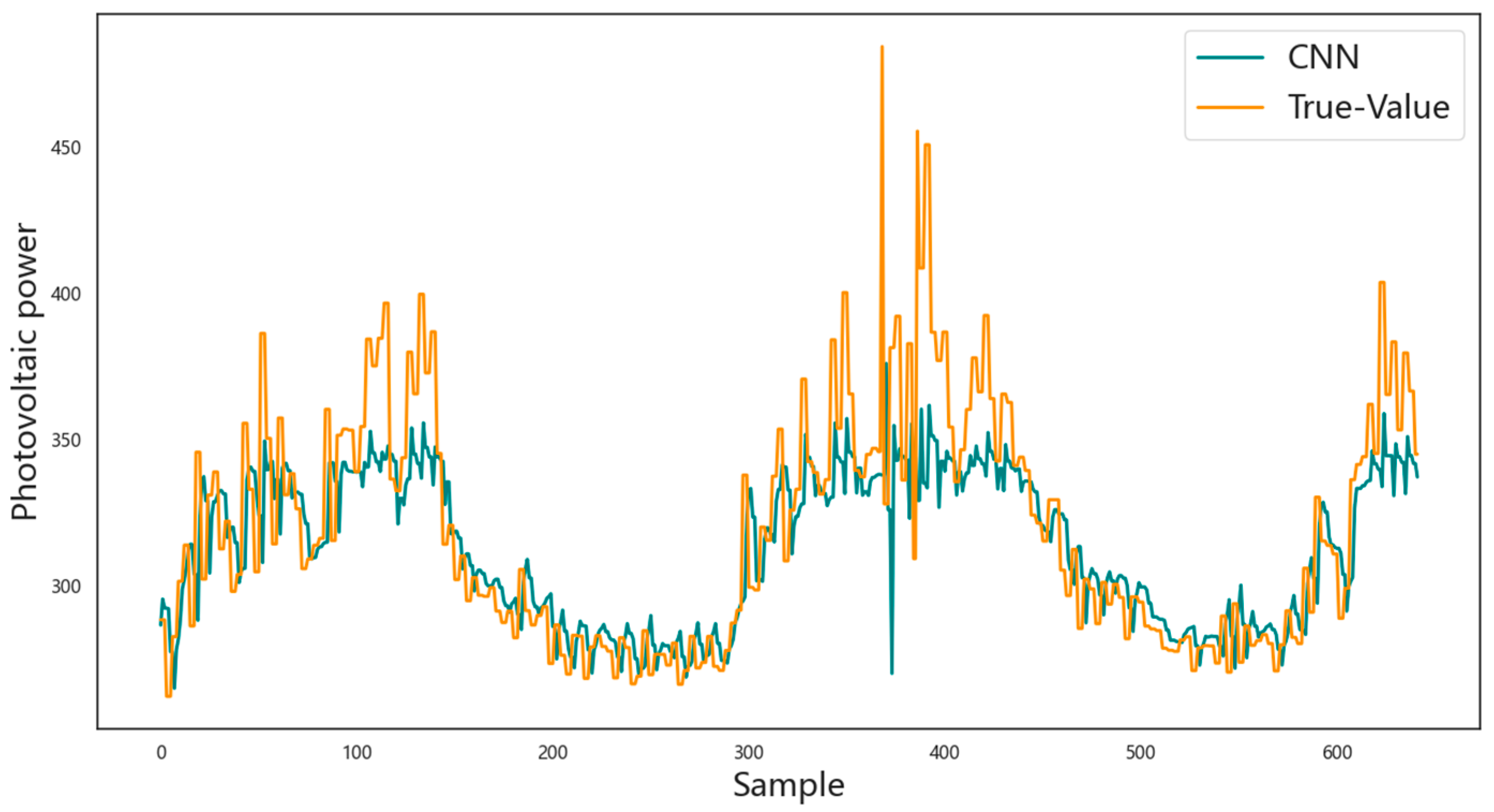
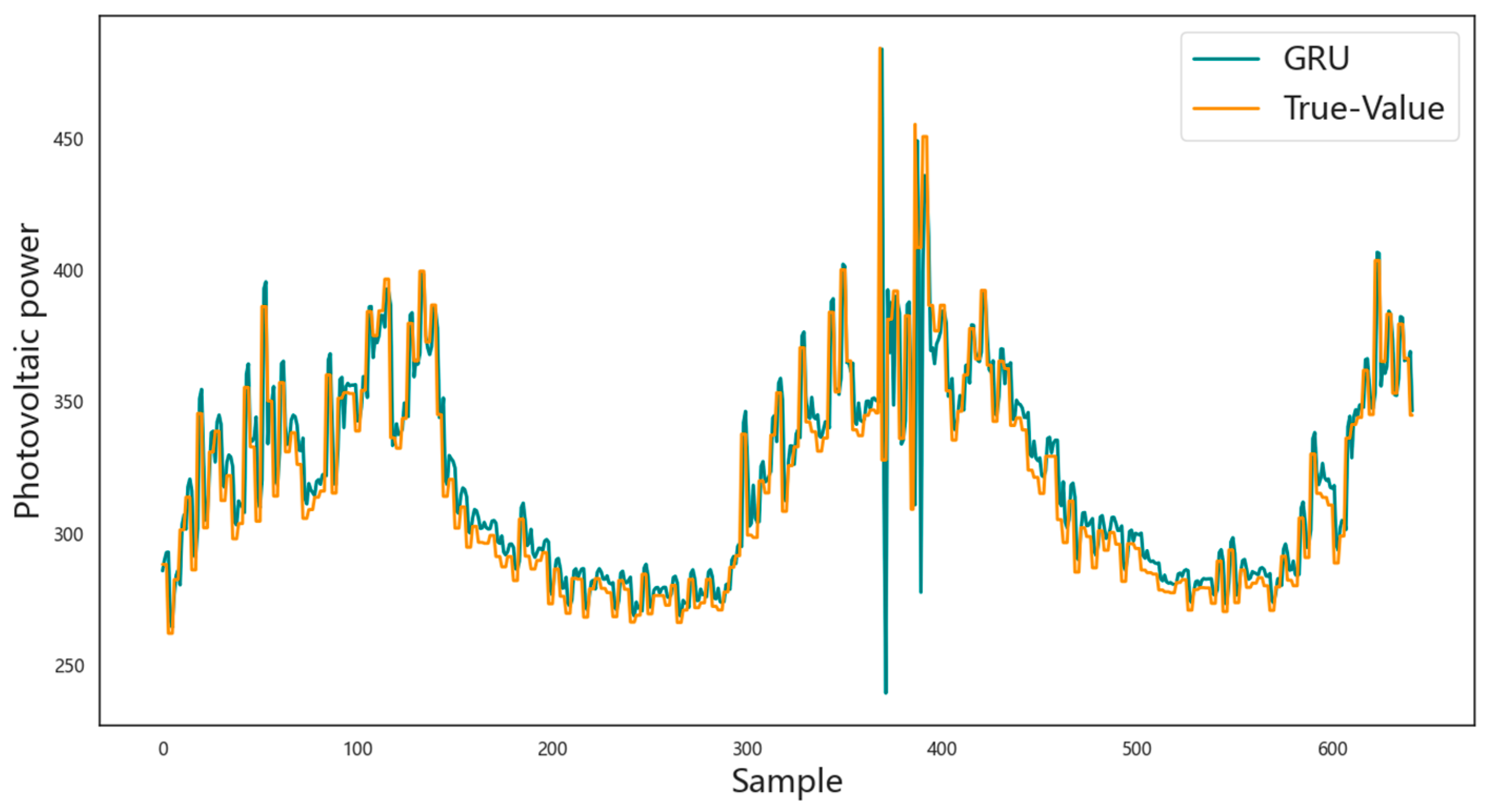
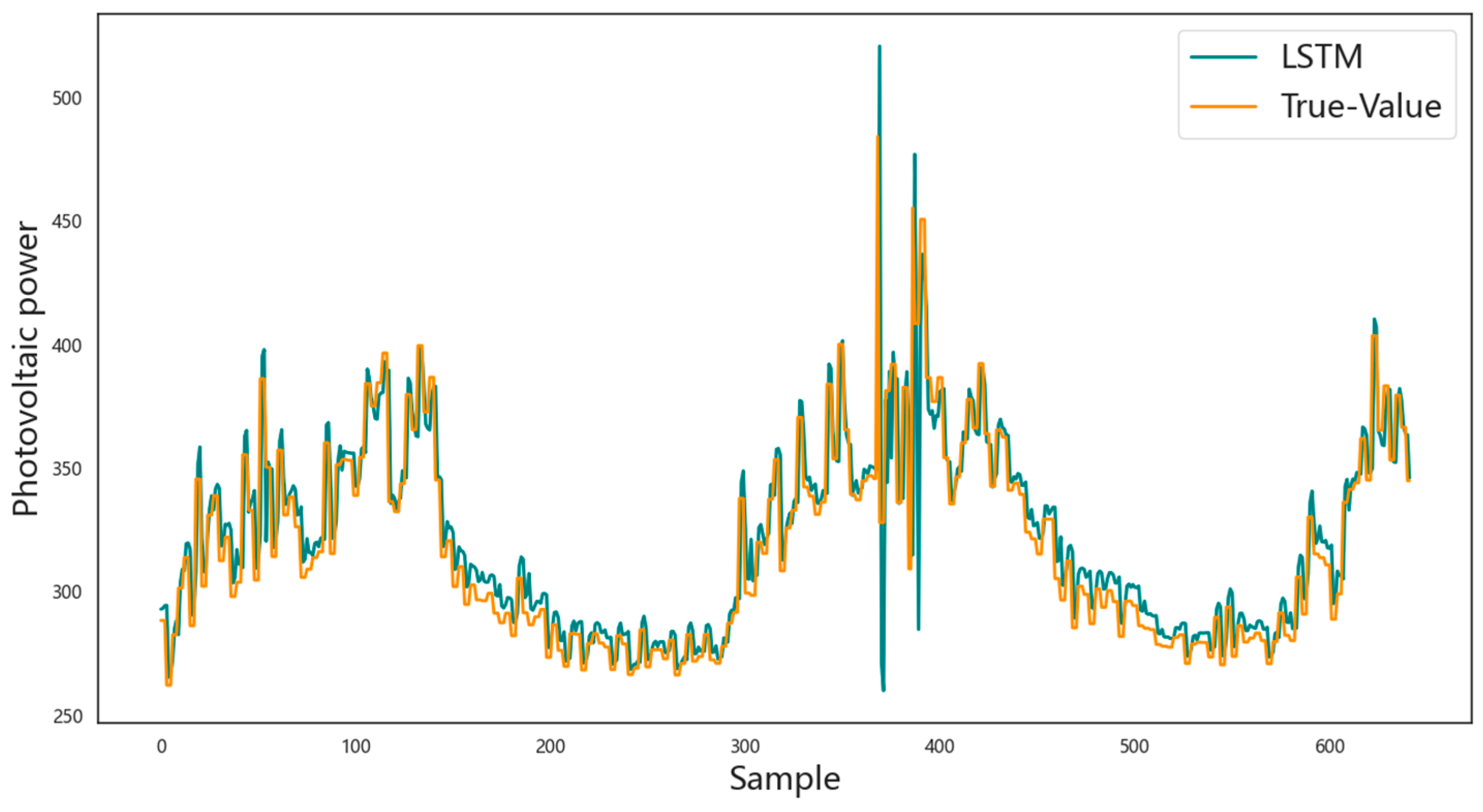
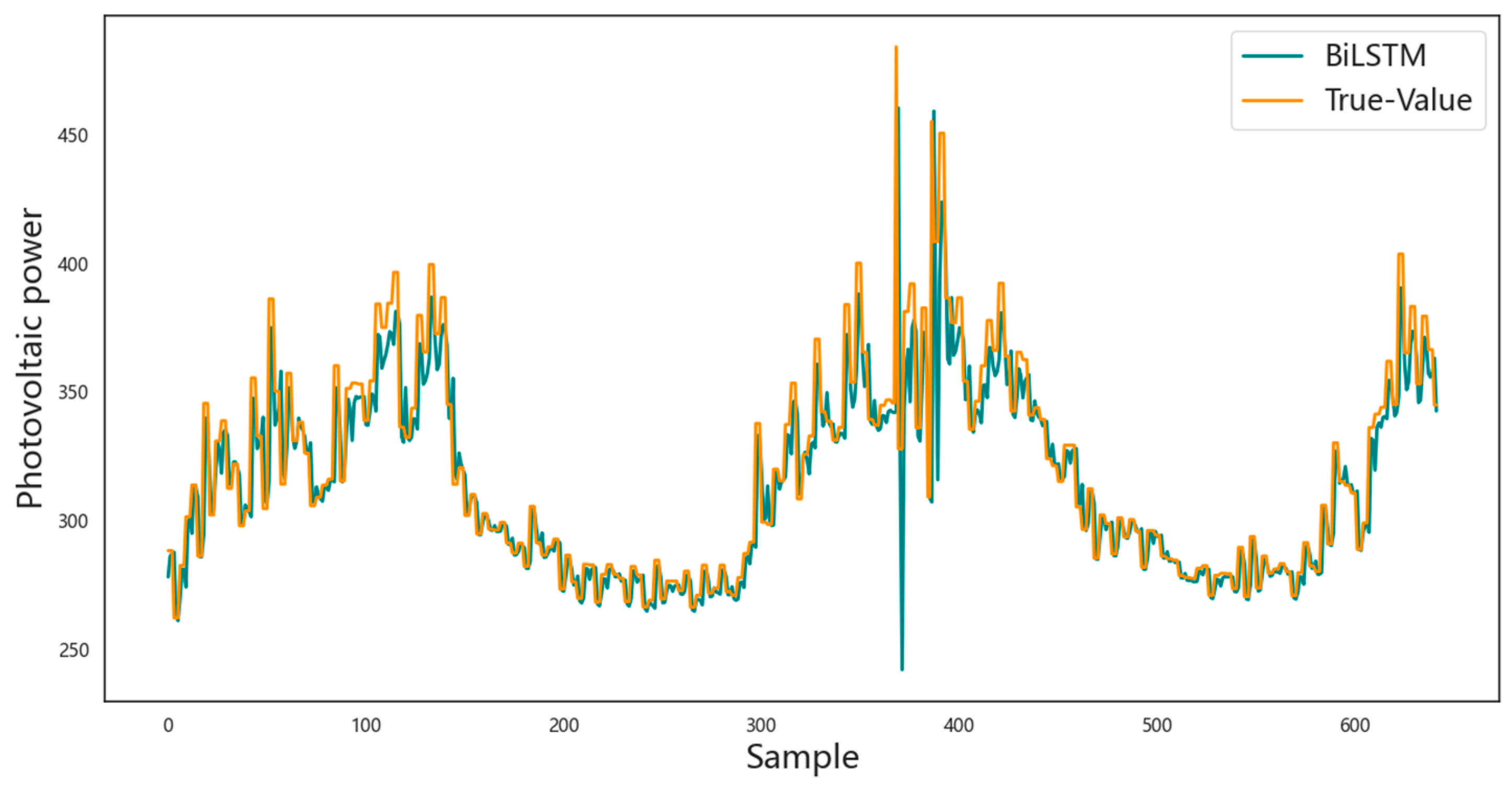
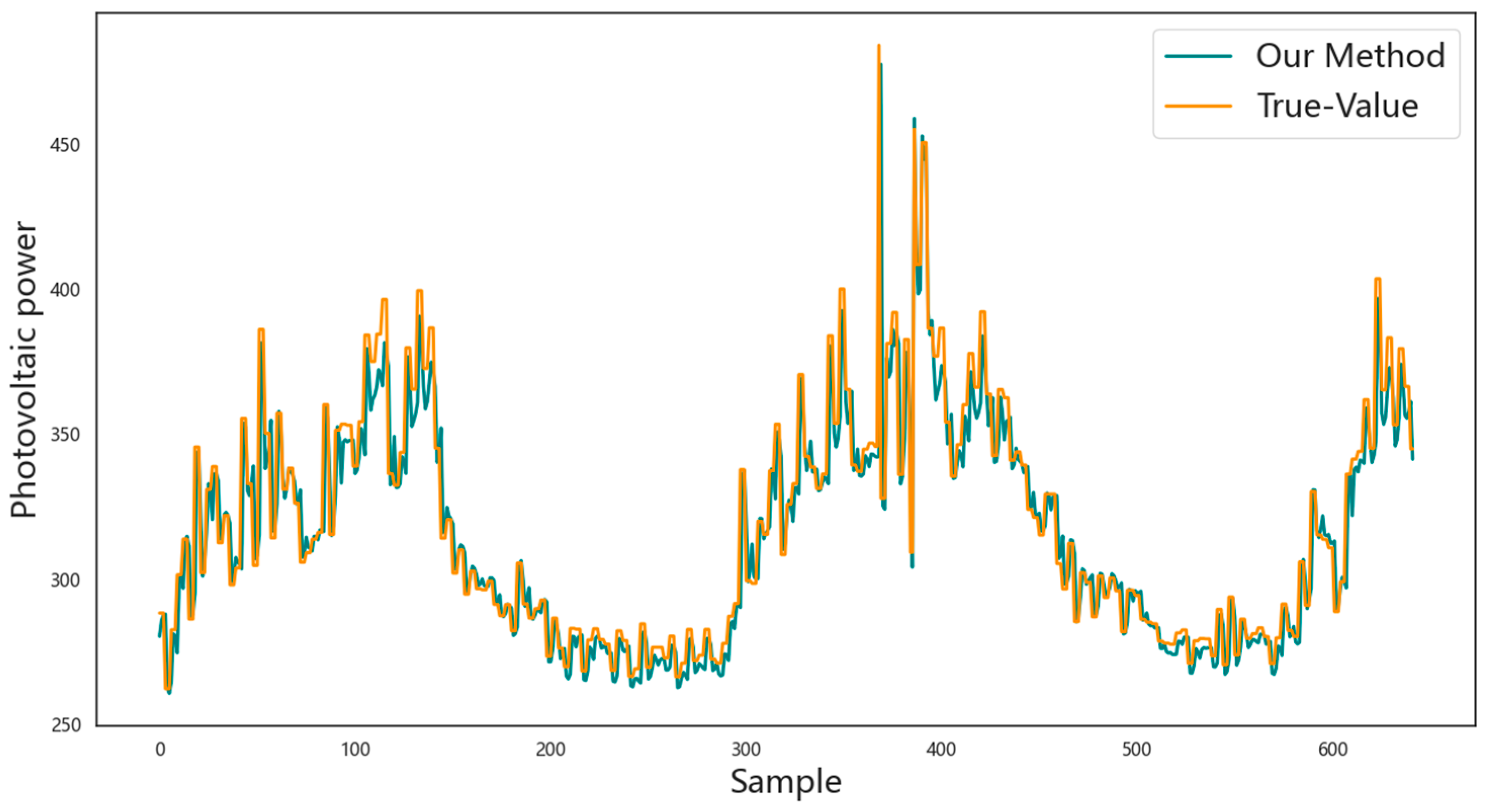
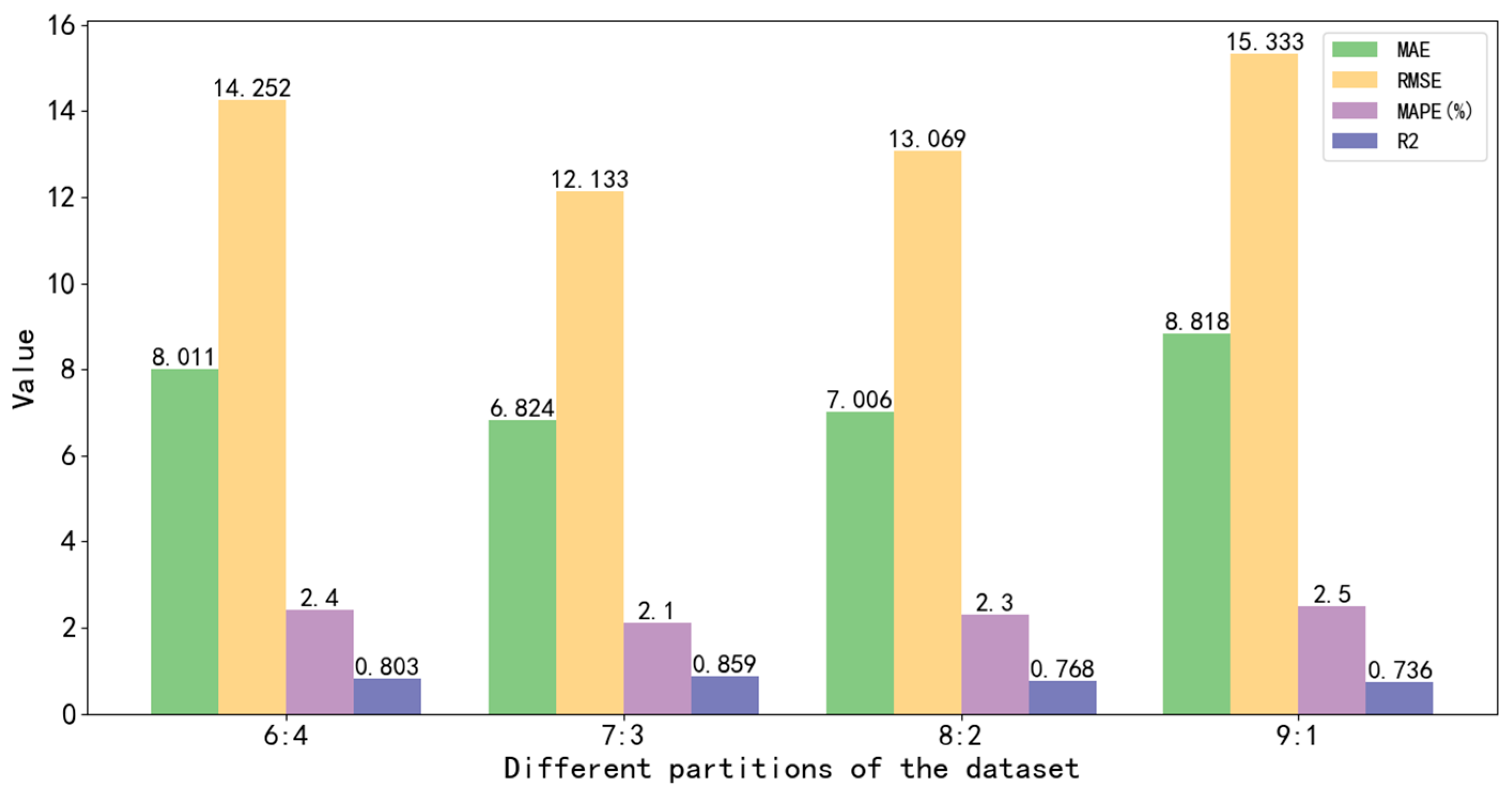
Solar energy has become a promising renewable energy source, offering significant opportunities for photovoltaic (PV) systems. Accurate and reliable PV generation forecasts are crucial for efficient grid integration and optimized system planning. However, the complexity of environmental factors, including seasonal and daily patterns, as well as social behaviors and user habits, presents significant challenges. Traditional prediction models often struggle with capturing the complex nonlinear dynamics in multivariate time series, leading to low prediction accuracy. To address this issue, this paper proposes a new PV power prediction method that considers factors such as light, air pressure, wind direction, and social behavior, assigning different weights to them to accurately extract nonlinear feature relationships. The framework integrates long short-term memory (LSTM) and gated recurrent units (GRU) to capture local time features, while bidirectional LSTM (BiLSTM) and an attention mechanism extract global spatiotemporal relationships, effectively capturing key features related to historical output. This improves the accuracy of multi-step predictions. To verify the feasibility of the method for multivariate time series, we conducted experiments using PV power prediction as a scenario and compared the results with LSTM, CNN, BiLSTM, CNN-LSTM and GRU models. The experimental results show that the proposed method outperforms these models, with a mean absolute error (MAE) of 12.133, root mean square error (RMSE) of 14.234, mean absolute percentage error (MAPE) of 2.1%, and a coefficient of determination (R2) of 0.895. These results indicate the effectiveness and potential of the method in PV prediction tasks.
Keywords: PV power forecasting; LSTM; GRU; BiLSTM; attention mechanisms PV power forecasting; LSTM; GRU; BiLSTM; attention mechanisms