
Article

Development of Mobile Applications and Virtual Reality with 3D Modeling for the Visualization of Network Infrastructures on University Campuses


by
Augurio Hernández-Chávez
1,
Itzamá López-Yáñez
2,
Macaria Hernández-Chávez
3 and
Diego Adrián Fabila-Bustos
3,*
1
Centro de Estudios Científicos y Tecnológicos 16 “Hidalgo”, Instituto Politécnico Nacional, Distrito de Educación, Salud, Ciencia, Tecnología e Innovación, San Agustín Tlaxiaca 42162, Hidalgo, Mexico
2
Centro de Innovación y Desarrollo Tecnológico en Cómputo, Instituto Politécnico Nacional, Unidad Profesional Adolfo López Mateos, Juan de Dios Bátiz s/n esq. Miguel Othón de Mendizábal, Mexico City 07700, Mexico
3
Laboratorio de Optomecatrónica y Energías, Unidad Profesional Interdisciplinaria de Ingeniería Campus Hidalgo, Instituto Politécnico Nacional, Distrito de Eduación, Salud, Ciencia, Tecnología e Innovación, San Agustín Tlaxiaca 42162, Hidalgo, Mexico
*
Author to whom correspondence should be addressed.
Technologies 2026, 14(3), 149; https://doi.org/10.3390/technologies14030149
Submission received: 2 January 2026 / Revised: 6 February 2026 / Accepted: 26 February 2026 / Published: 1 March 2026
(This article belongs to the Special Issue Disruptive Technologies: Big Data, AI, IoT, Games, and Mixed Reality)

Abstract

The development and validation of a comprehensive five-phase methodology for creating a functional digital twin of complex educational infrastructures are presented, implemented through the IPN Hidalgo campus as a case study. Unlike conventional approaches that focus on isolated aspects of digital twin development, this integrated methodology systematically addresses the complete lifecycle from physical characterization to operational synchronization. The implementation resulted in an interactive digital twin integrating 15 buildings and over 200 network components, deployed across multiple platforms, including: desktop, mobile, and mixed reality devices. The validation results demonstrated a 30% reduction in fault identification time for technical teams and 85% user satisfaction regarding interface intuitiveness, with instrument reliability confirmed by a Cronbach’s alpha coefficient of 0.78. The methodological framework establishes a reproducible standard for developing educational digital twins that combine geometric accuracy with dynamic operational capabilities, offering significant advantages over fragmented approaches reported in the literature. Furthermore, the digital twin serves as a foundational platform for future integration of Internet of Things (IoT) sensors and predictive analytics, aligning with emerging trends in educational infrastructure management through immersive technologies.

1. Introduction

Digital twins are key technologies within Industry 4.0 and engineering education, creating dynamic virtual replicas of physical systems that facilitate simulation, real-time monitoring, and optimization of operations [1,2]. These virtual representations not only replicate the geometry and structure of mechatronic systems, but also integrate their dynamic behavior, control logic, and data flows, making them indispensable tools for technical training, predictive maintenance, and remote management of complex infrastructures [3,4].
In education, digital twins have demonstrated transformative potential, particularly in disciplines that require a deep understanding of mechatronic systems, such as robotics, automation, and process control [5,6]. For example, in mechatronics engineering education, these models allow students to interact with accurate virtual representations of industrial equipment and perform laboratory practices in safe and controlled environments, without the limitations of access to expensive or complex physical equipment [7,8]. This capability is especially valuable in remote learning contexts, where a lack of access to physical laboratories can limit students’ hands-on training [9,10].
Despite these advances, the creation of functional and accurate digital twins faces significant methodological challenges. Most existing approaches focus on partial aspects of development, such as geometric digitization or simulation, without integrating these elements into a unified workflow that ensures bidirectional matching between the physical system and its virtual counterpart [11,12]. This methodological fragmentation limits the scalability and applicability of digital twins, particularly in educational settings where robust but accessible solutions are required [13,14].
In addition, there is a significant lack of standardized methodologies that comprehensively address the entire digital twin development cycle, from the physical characterization of the system to the synchronization with the real system [15,16]. This problem in methodology becomes more evident in the context of educational mechatronic systems, where not only an accurate visual representation is required, but also the ability to simulate dynamic behaviors and enable real-time interaction [17,18].
In response to these challenges, this paper presents a comprehensive methodology for the development of digital twins in mechatronic systems, structured in five iterative phases: (1) physical characterization using 3D scanning and precision measurements; (2) parametric CAD modeling with topology optimization; (3) dynamic simulation of system behavior; (4) integration of the base digital twin; and (5) two-way synchronization with the physical system. This methodology is applied to the modeling of the IPN campus in Hidalgo, demonstrating its effectiveness in the creation of an interactive platform for network infrastructure management and technical training.
The work contributes by proposing a unified methodological framework that overcomes the limitations of fragmented approaches, offering a systematic path for the development of educational digital twins that combine geometric fidelity, precise dynamic behavior and real-time interaction capacity. The results validate both the effectiveness of the proposed methodology and its potential to transform the way in which mechatronics engineering education and the management of complex technological infrastructures are approached.
The structure of the article is organized as follows: Section 2 details the scientometric analysis with various published sources, Section 3 details the proposed methodology, Section 4 presents the case study and the results obtained, and Section 5 presents the conclusions and future directions.

2. Scientometric Analysis

2.1. Introduction to Scientometric Mapping and Conceptual Framework

To position this research, an exhaustive scientometric analysis was conducted in the Scopus database (1998–2025). This analysis mapped the intersection of digital twins, extended reality (VR/AR/MR) in education, and smart infrastructure management. The search utilized a refined query string to ensure relevance and capture the intellectual landscape of these converging fields.
This research leads us to consider that, while there are recent implementations of functional digital twins in other domains—such as hybrid energy systems [19] and green hydrogen microgrids [20] that demonstrate the potential of digital twins for real-time monitoring and control in complex environments—these solutions have not been systematically adapted to the educational context. Likewise, emerging research, such as that by Calle-Heredia and Hesselbach [21], proposes digital twin-driven network architectures for extended reality capabilities, highlighting the convergence between network virtualization and immersive interfaces. This work reinforces the technical feasibility of digital twins as integrated platforms, but at the same time underscores the specific lack of standardized methodologies for educational environments, where not only geometric accuracy is required, but also pedagogical and operational management functionalities.
The concept of augmented reality (AR), the foundations of which were laid by R.T. Azuma [1], has evolved from a visualization technology to an interactive medium for mapping and education [4,22]. In parallel, the digital twin (DT) paradigm, initially conceptualized in the field of manufacturing [23], has matured into a key technology for Industry 4.0 and the management of cyber–physical systems, as evidenced by systematic reviews and exhaustive categorizations [24,25,26]. Its potential transcends the industry, facing open challenges in terms of standardization, data integration, and applications in new domains [27].

2.2. Characterization of Scientific Production

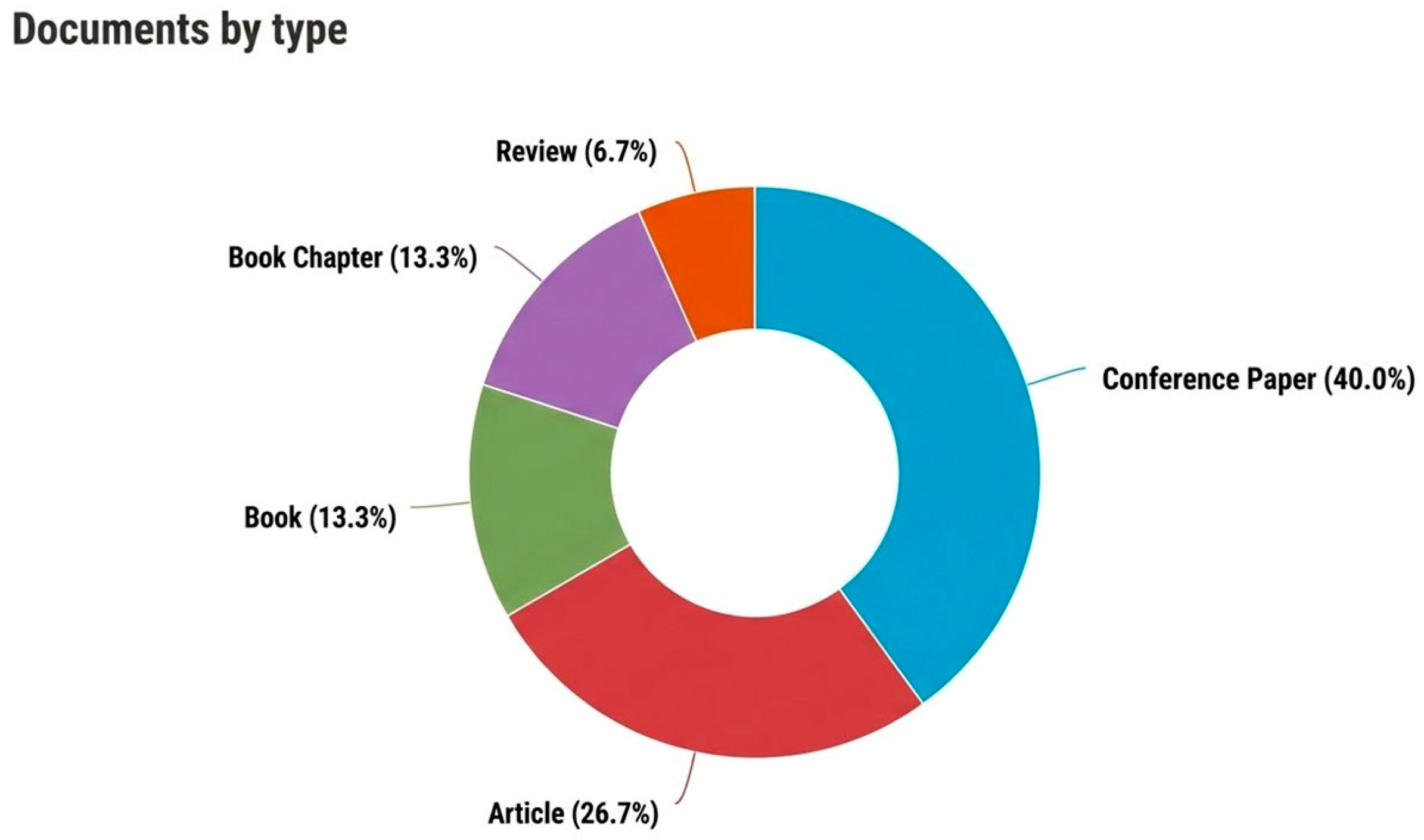
The analysis of the 150 most relevant documents reveals a distinctive distribution by type of publication, as shown in Figure 1. Conference Papers dominate with 40.0%, indicating a highly dynamic and actively developing field of research, where initial findings are frequently discussed in academic forums. It is followed in importance by Journal Articles (26.7%), which represent consolidated and validated research. The significant presence of Books and Book Chapters (totaling 26.6%) suggests a progressive maturation of the subject and efforts to synthesize knowledge in reference works. The minority of Reviews (6.7%) reflects an opportunity for future critical syntheses of the field, especially at the applied intersection studied here.
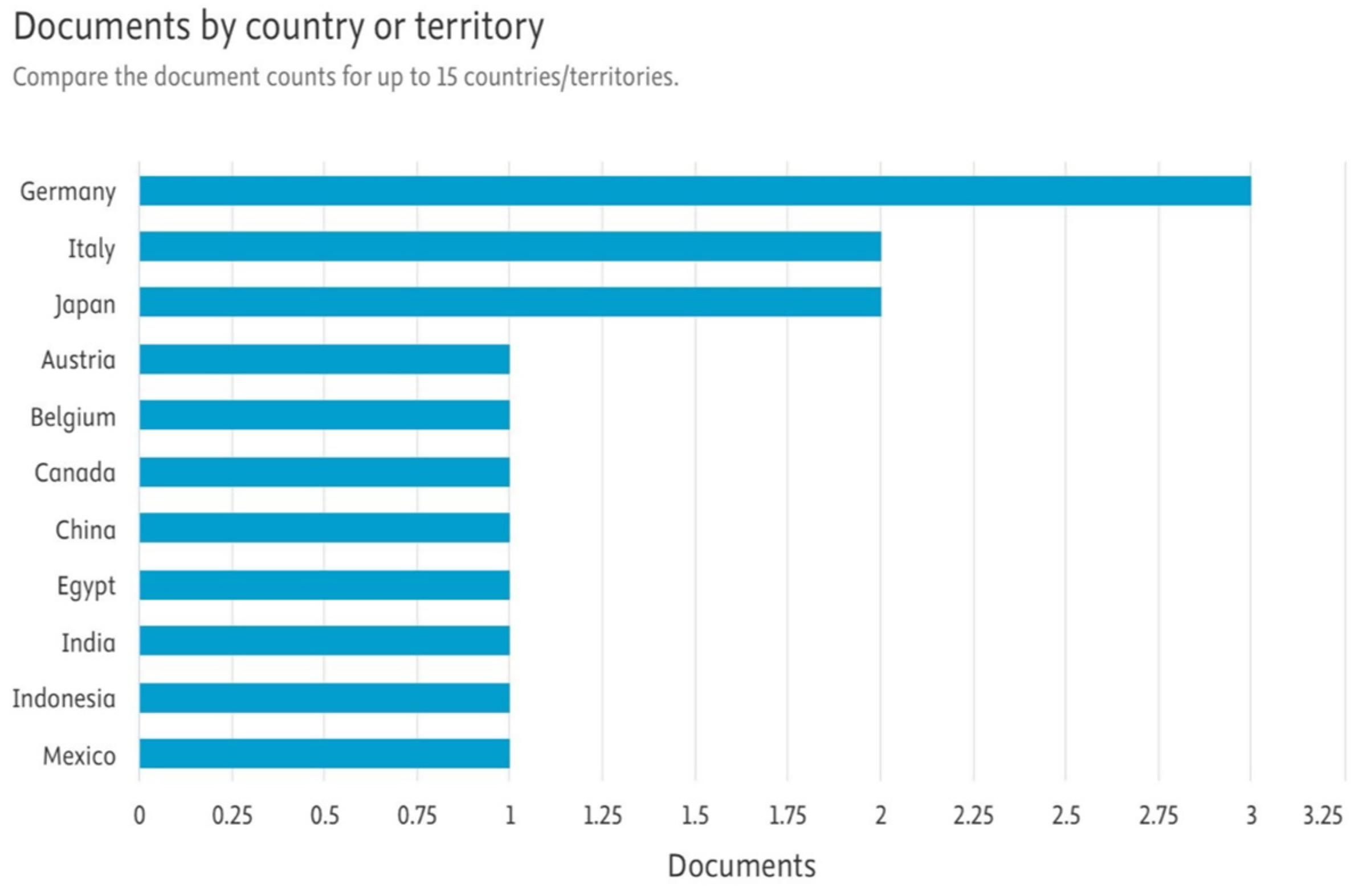
The geographical distribution of production (Figure 2) shows the leadership of countries such as Germany, Italy and Japan, reflecting the level of investment in these regions in emerging technologies.
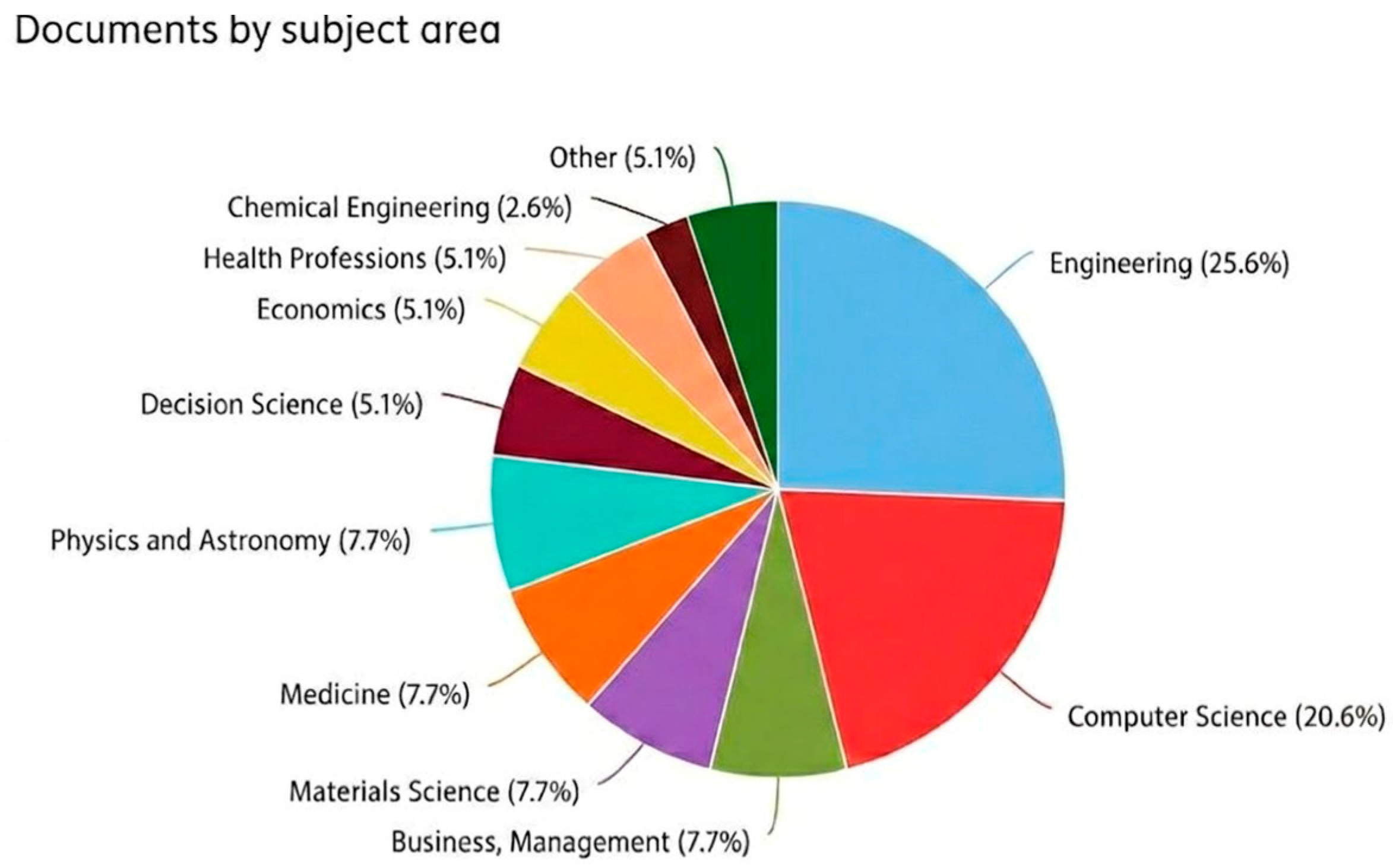
The analysis by area of knowledge (Figure 3) confirms the interdisciplinary nature of the field, with solid contributions from Engineering, Computer Science, and Social Sciences (the latter driven by educational studies).

2.3. Evolution, Theme and Integration Opportunities

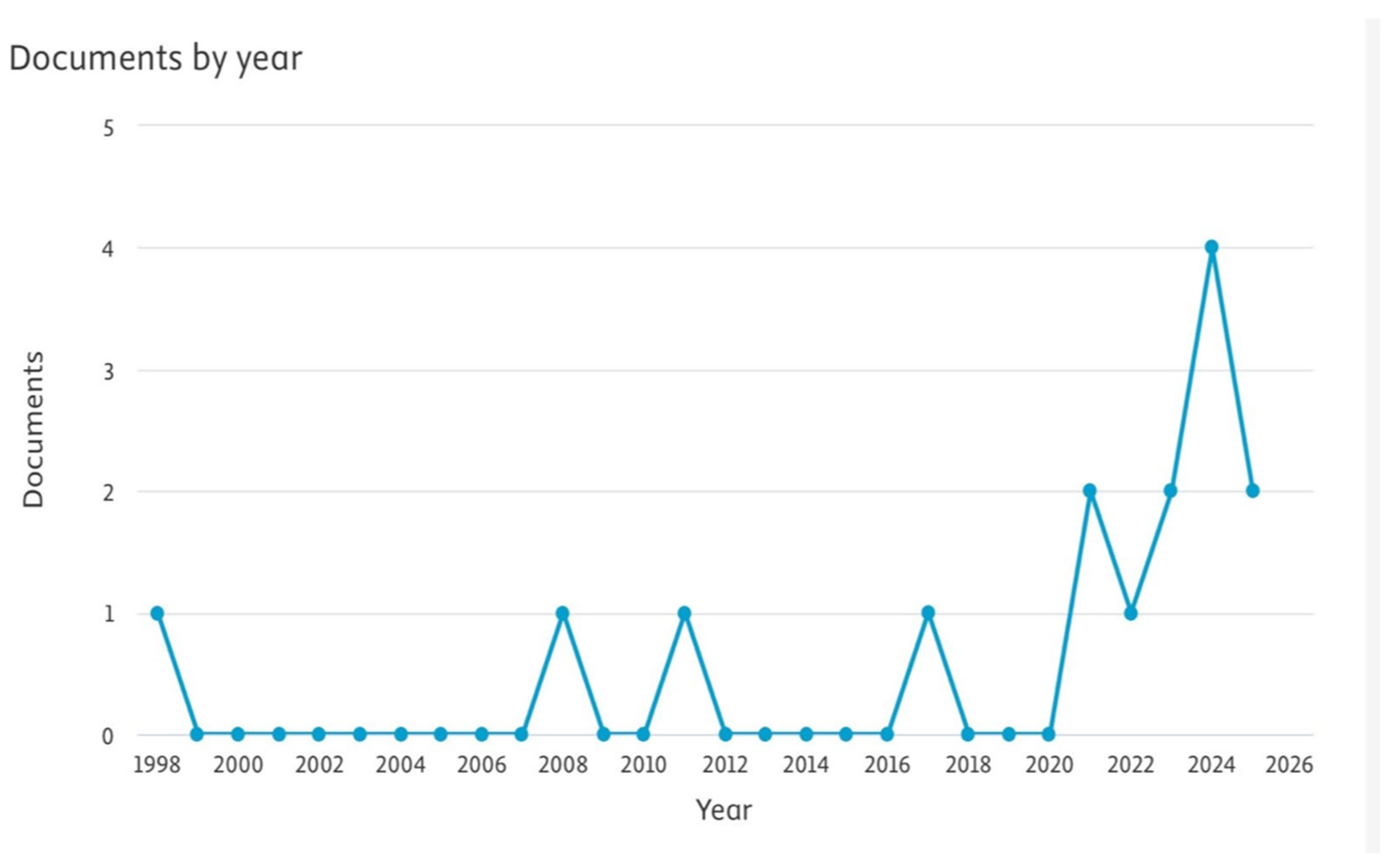
The analysis of the temporal evolution of publications shows exponential growth from 2020 (Figure 4), accelerated by the need for remote digital solutions and the advancement of enabling technologies such as 5G [9] and IoT.
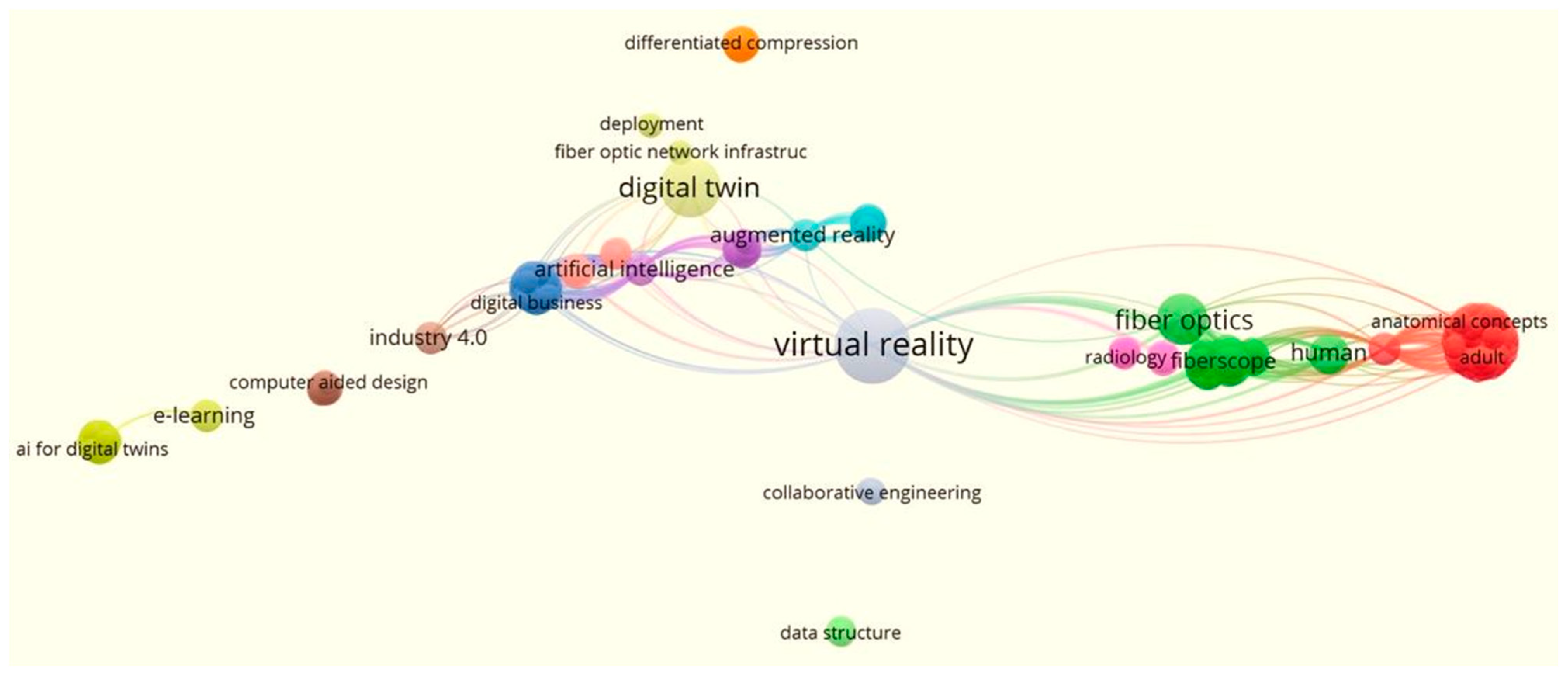
The analysis of co-occurrence using the Fruchterman–Reingold graph of keywords reveals two large thematic clusters (Figure 5):
  • Digital Twin Technical Cluster (Green): Focused on “Digital Twin”, “Simulation”, “Industry 4.0” and “Internet of Things”. This is where central conceptual and technological developments are framed.
  • Immersive Technologies in Education Cluster (Blue): Includes “Augmented Reality”, “Virtual Reality”, “Education”, “Training” and “Engineering Education”. There is a strong body of work demonstrating the effectiveness of AR/VR as teaching and training tools in higher education [2,5,8], including examples in engineering laboratories [14] and for the development of spatial skills [28].
A critical gap identified is the weak and shallow connection between these clusters, where, on the one hand, AR/VR educational applications are often limited to isolated simulations or visualizations, without a bidirectional connection to a dynamic data model representing a real physical asset [3]. On the other hand, digital twins in construction/BIM predominantly focus on the building and energy management phase, without exploiting their potential as interactive platforms for operation and training in complex educational environments. There is a lack of comprehensive methodologies that, based on the physical characterization of a campus (infrastructure, networks), build a digital twin that is not only geometrically precise, but also functional and operational, accessible through mobile and immersive interfaces for various users (students, technical staff, administrators).

3. Materials and Methods

As described, this research focuses on the development of a digital model of the IPN campus with a network approach, locating each of the elements that make up the network infrastructure for a location within the virtual model, but to develop this project, a methodology is followed, which will be described below.

3.1. Methodology

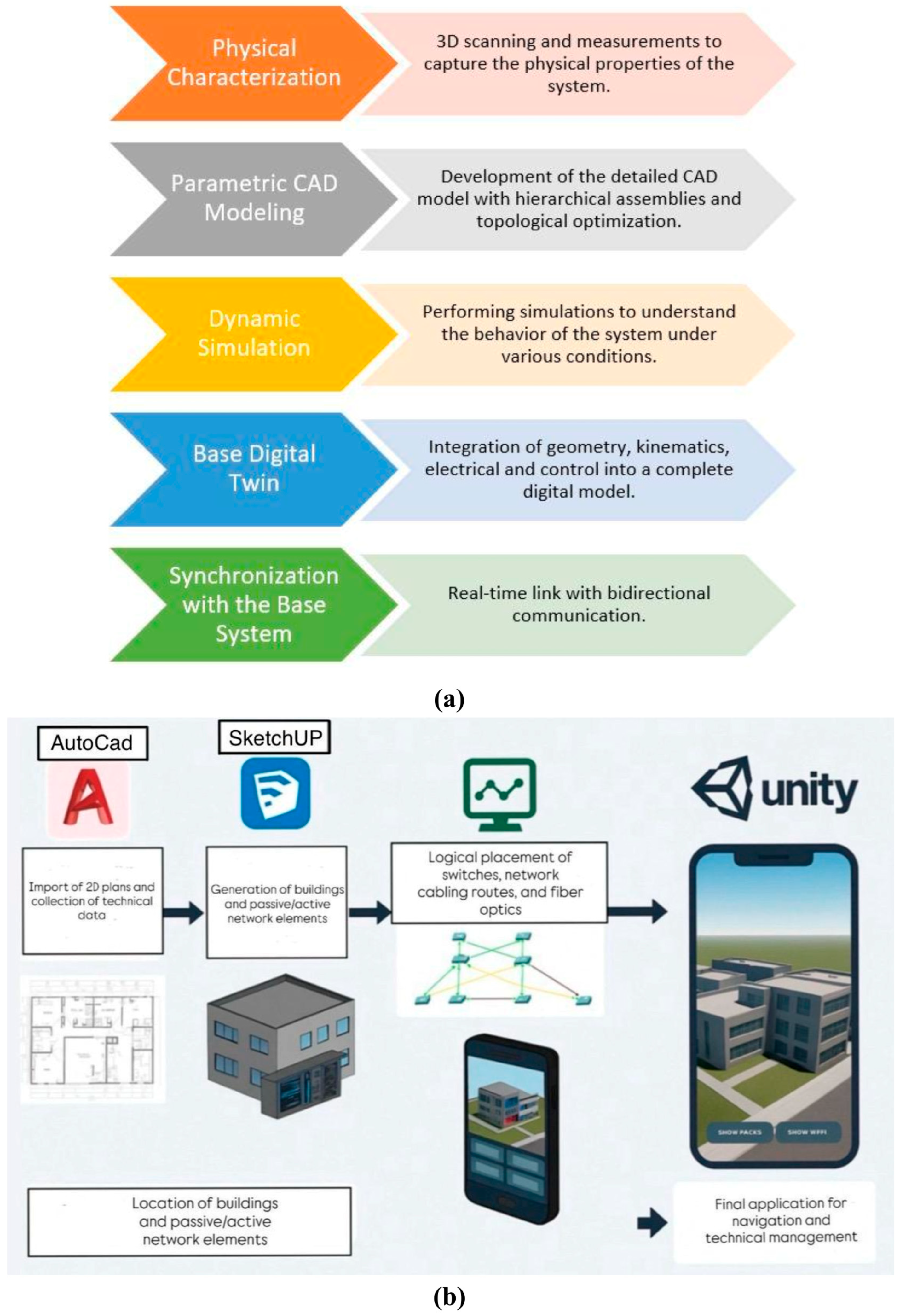
The development of digital twins for educational mechatronic systems requires a systematic methodology that guarantees precise correspondence between physical systems and their virtual representations. Based on previous research on the implementation of digital twins in educational environments [22,29], a comprehensive methodological framework was established structured in five iterative phases, each with specific activities, procedures, responsible parties and tools (Figure 6a), in addition to describing which applications were used in each of these steps of the methodology in Figure 6b, and then detailing each of the steps in the subsequent points.
The digital twin development process employed a carefully selected software ecosystem, where each tool fulfilled specific functions within our five-phase methodology, maintaining interoperability through standardized data exchange protocols. The selection criteria prioritized educational accessibility, technical capability, and workflow efficiency, resulting in the following integrated toolchain:
AutoCAD 2023 served as the digital foundation, converting legacy 2D architectural drawings (typically physical or scanned) into accurately dimensioned digital drawings.
A transition from AutoCAD 2023 to SketchUp Pro 2022 was subsequently facilitated by optimizing the DWG import settings, which preserved the layer structure, scale accuracy, and component hierarchy. SketchUp was selected for its parametric modeling capabilities, which directly supported our methodological requirements.
Finally, Unity 2021.3 LTS was used as the multiplatform engine, which was chosen as the development platform due to its unparalleled cross-platform deployment capabilities and robust 3D rendering workflow.
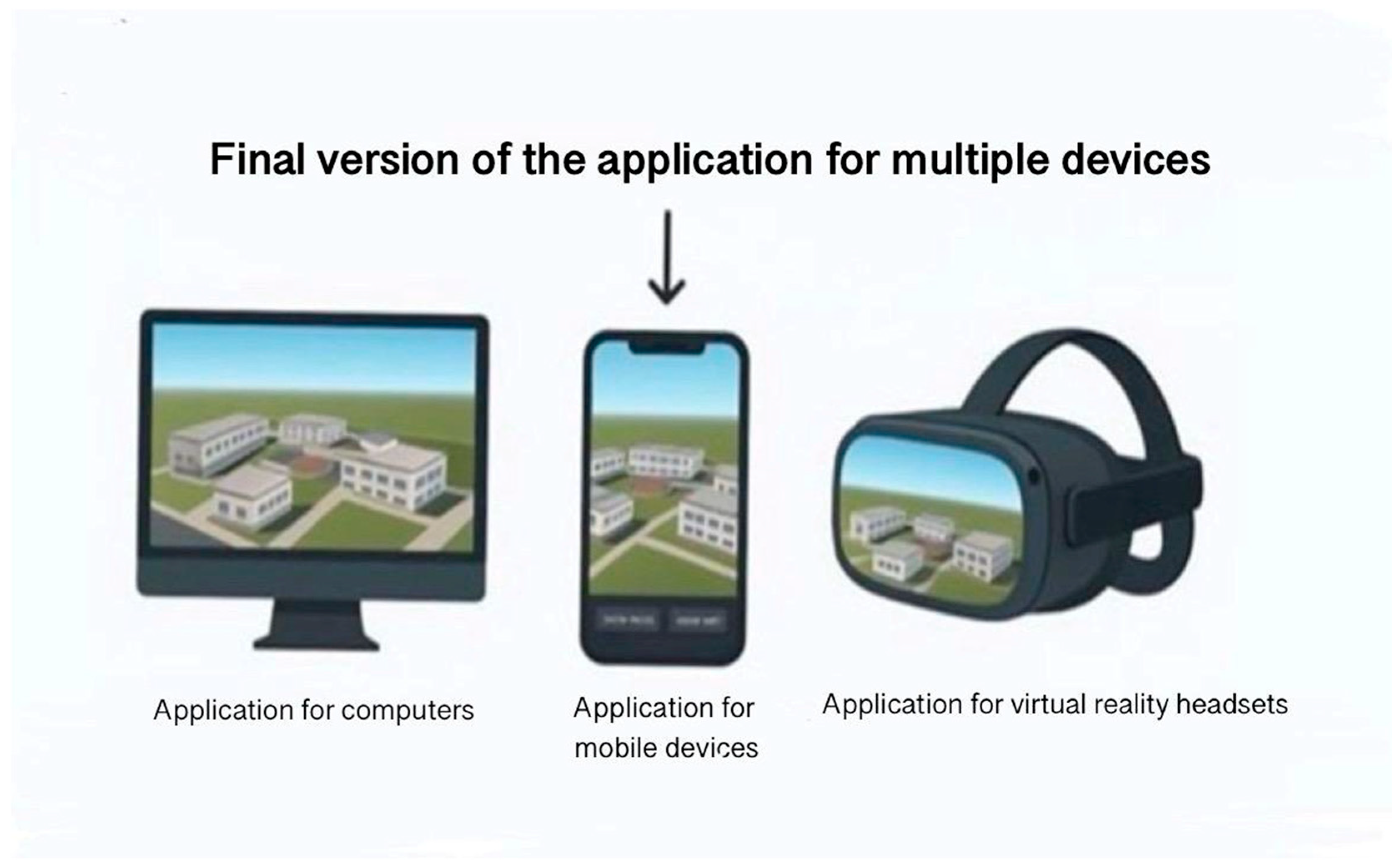
This application, having a practical use to identify network elements within the physical infrastructure, was developed to operate on various devices as a computer application, mobile device application and as a virtual reality application, as shown in Figure 7.

3.1.1. Physical Characterization of the System

The complete geometric and dimensional capture of the campus was conducted using 3D digitization techniques and traditional architectural surveying, delivering digitized 2D architectural plans (Format .DWG) and a technical report of dimensions and specifications.
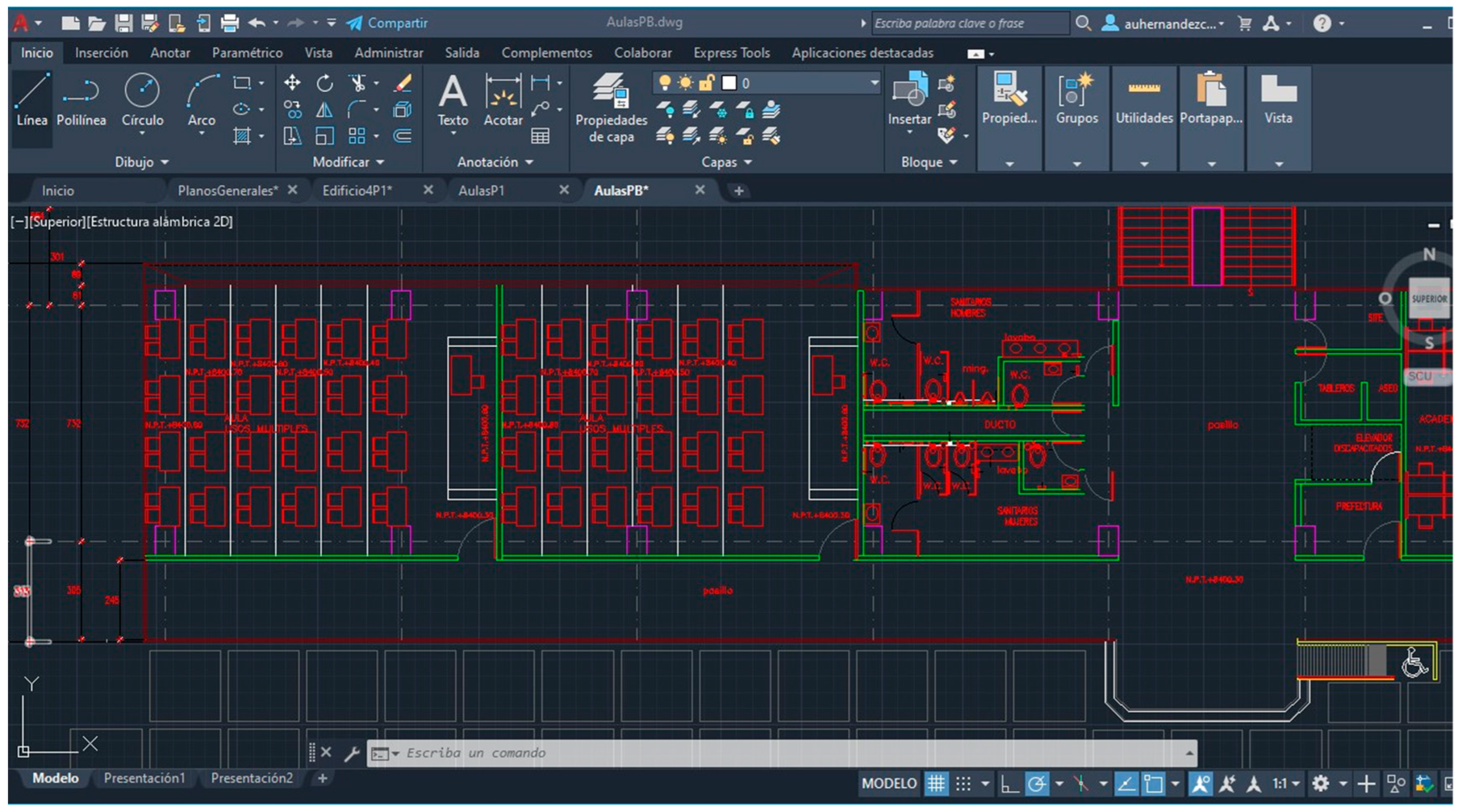
This digitization was carried out using existing plans using AutoCAD (Figure 8) and the systematic photographic record of spaces and components.
The physical characterization was performed using 3D laser scanning and photogrammetric techniques, without the need for real-time video feeds. Existing architectural plans and systematic photographic records were sufficient for accurate modeling.

3.1.2. Parametric Three-Dimensional Modeling

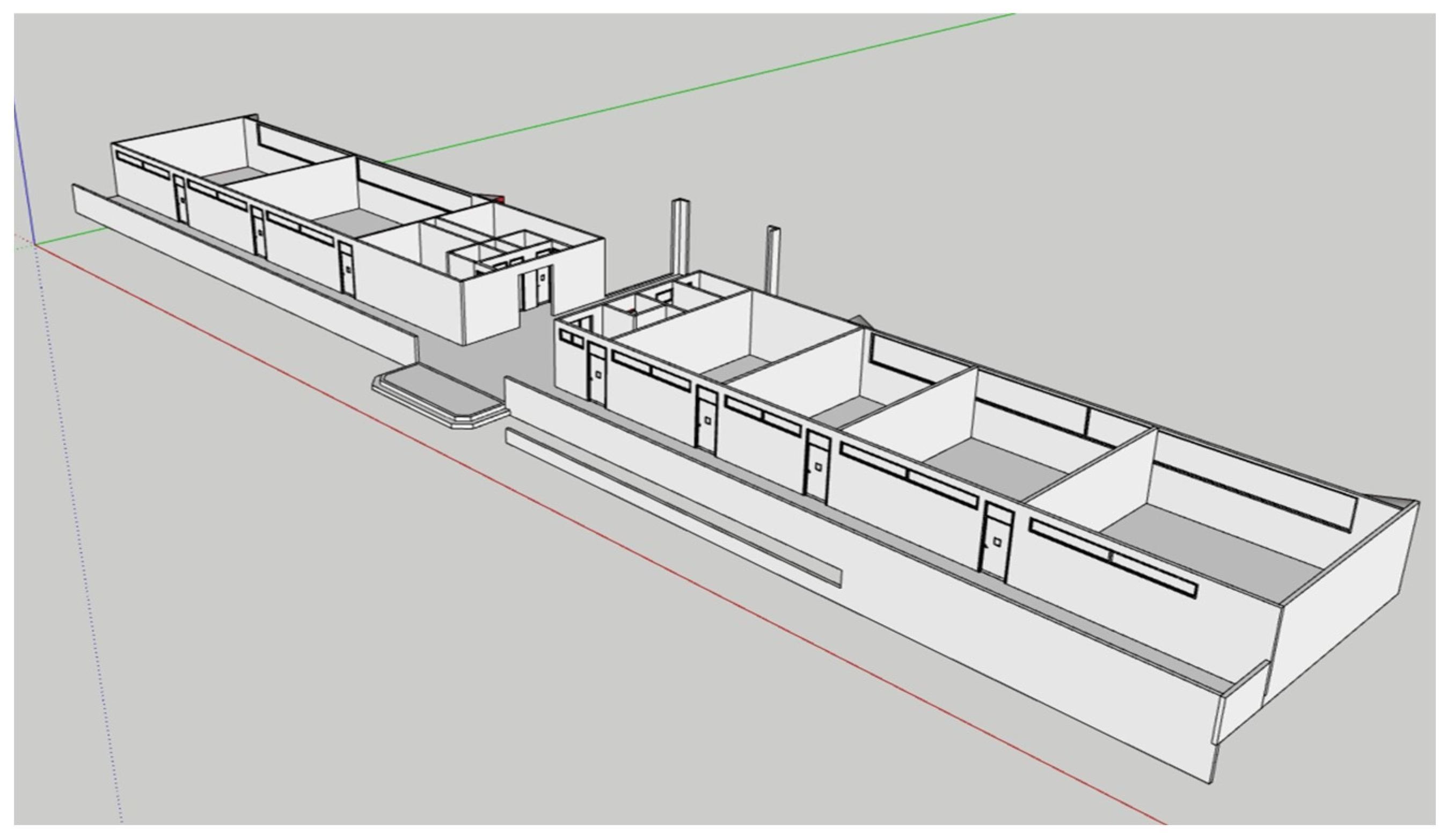
In this step, the detailed 3D model of the campus with network infrastructure integration was developed using the full 3D model in SketchUp (.SKP) and a library of parameterized network components based on 2D drawings using SketchUp and the creation of parametric components for repetitive elements, as shown in Figure 9.

3.1.3. Network Infrastructure Integration

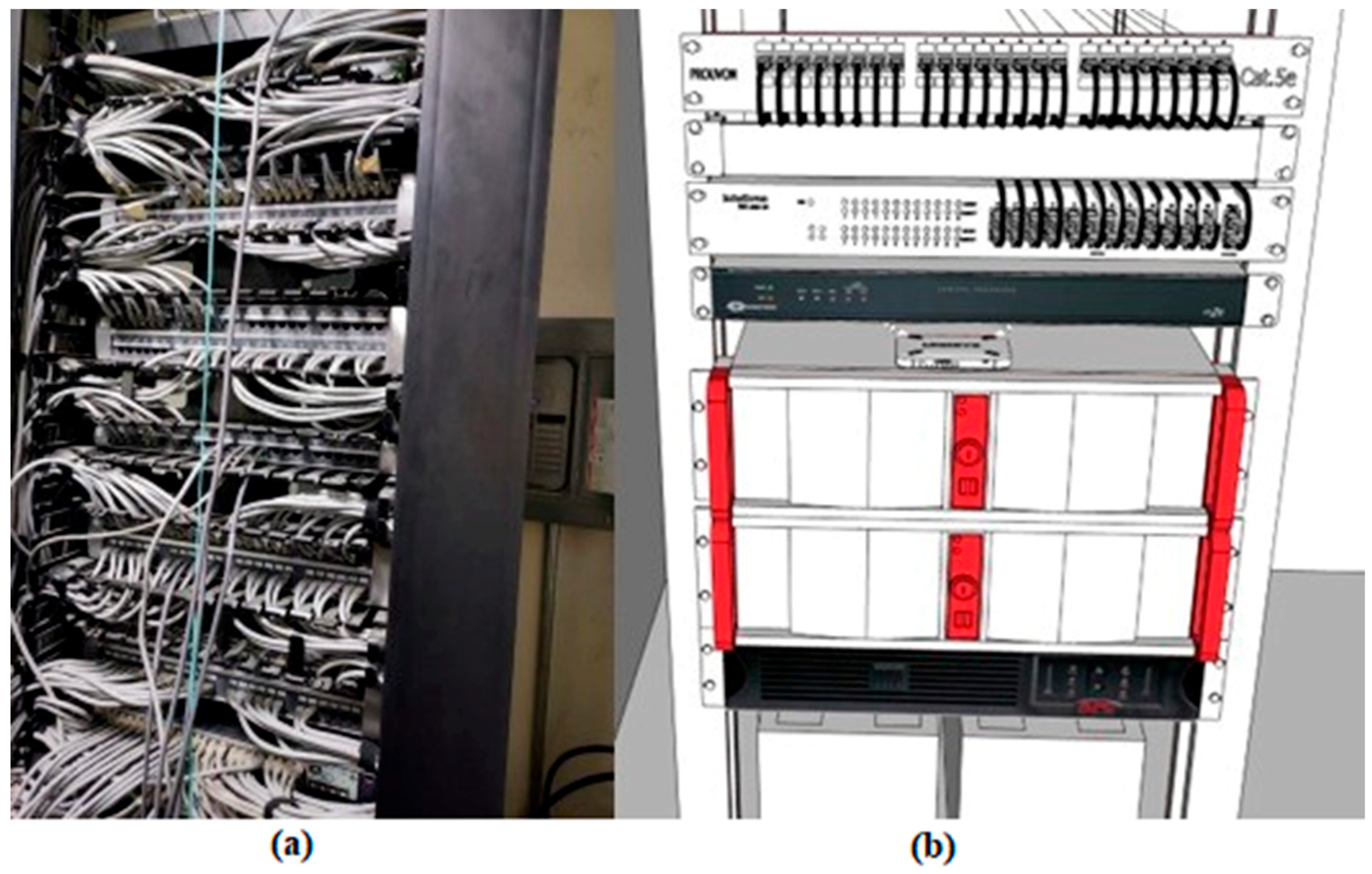
The incorporation and georeferencing of active and passive network components in the 3D model were carried out, generating a 3D model with integrated network infrastructure by documenting interconnections and wiring routes, precise modeling of switches, routers and patch panels (Figure 10).
The network infrastructure mirrored in the digital twin was based on standard Ethernet and TCP/IP protocols, including switches, routers, and fiber optic backbones.
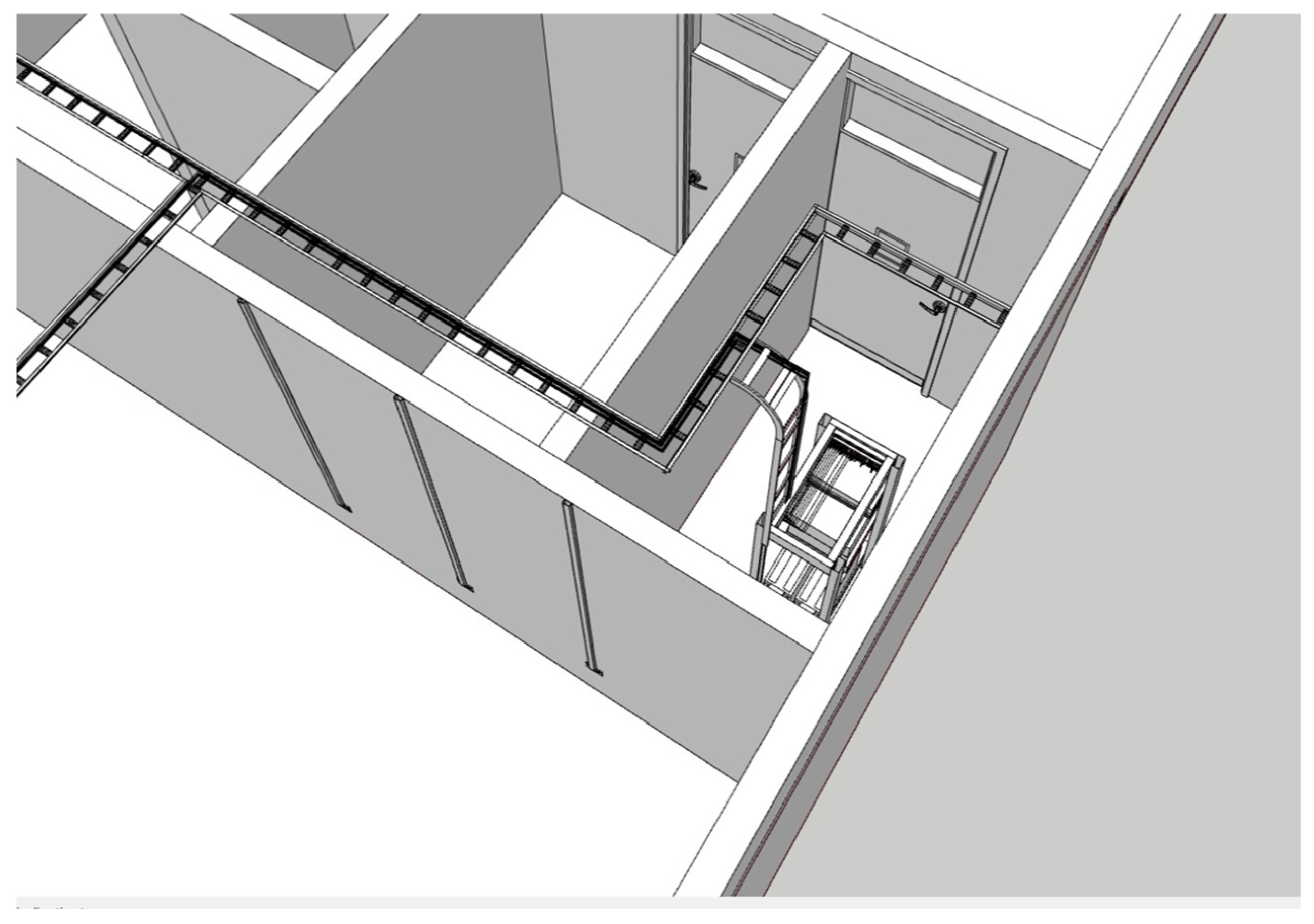
Georeferencing of components was performed according to real physical location and creation of wiring routes and raceways (Figure 11)

3.1.4. Development of the Interactive Digital Twin

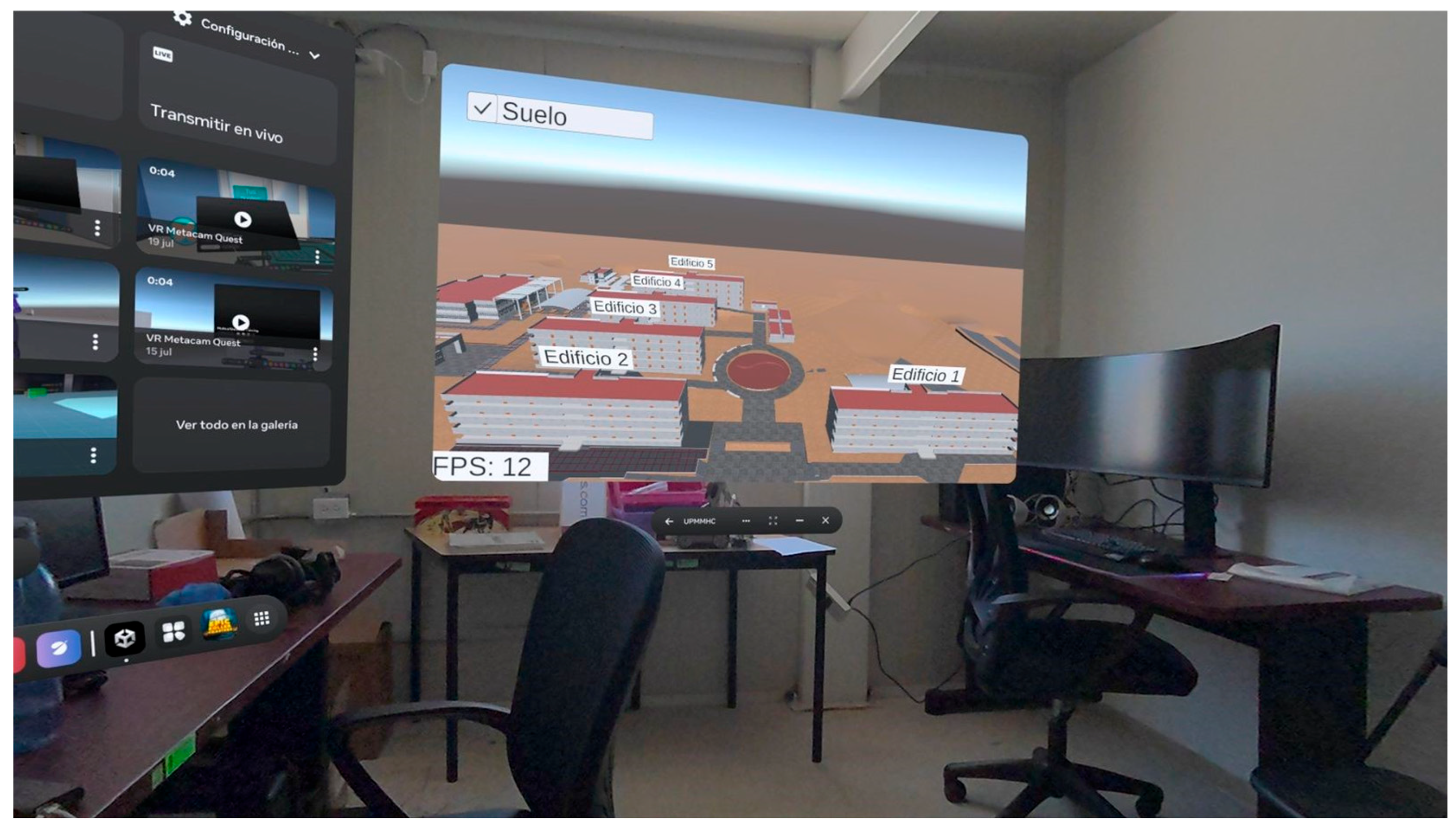
In this step, the programming and implementation of the interactive multiplatform application were carried out. With an executable application for Windows, Android and VR, development in Unity 3D with C# (v8.0) implemented an intuitive user interface (Figure 12).

3.1.5. Validation and Synchronization

Tests of functionality, usability and accuracy of the digital twin were applied, having a technical validation report through tests with specialized technical personnel evaluating performance metrics, accuracy and reliability, with a statistical analysis of the results using Cronbach’s Alpha coefficient.

3.2. Integrated Development Flow

The methodology implements an iterative approach that allows for progressive refinements based on continuous feedback. Each phase includes validation points that ensure the quality and accuracy of the resulting digital twin. The integration of parametric modeling techniques with agile development allows rapid adaptations to change in requirements, maintaining coherence between the physical system and its virtual representation [27,30].
The complete process, from initial characterization to final validation, ensures that the digital twin not only faithfully represents the physical infrastructure, but also provides a usable platform for campus network management, training, and planning. The multiplatform capability of the developed application extends its usefulness to various usage scenarios, from desktop visualization to complete immersion in virtual reality environments.

3.3. Hardware and Development Costs

The development of the digital twin required the following hardware and software tools, with approximate costs outlined in Table 1.

3.4. Computer Requirements to Run the Application

For this application to run correctly, the minimum requirements for different devices are shown in Table 2.

4. Results and Discussion

4.1. Implementation of the Digital Twin of the Campus

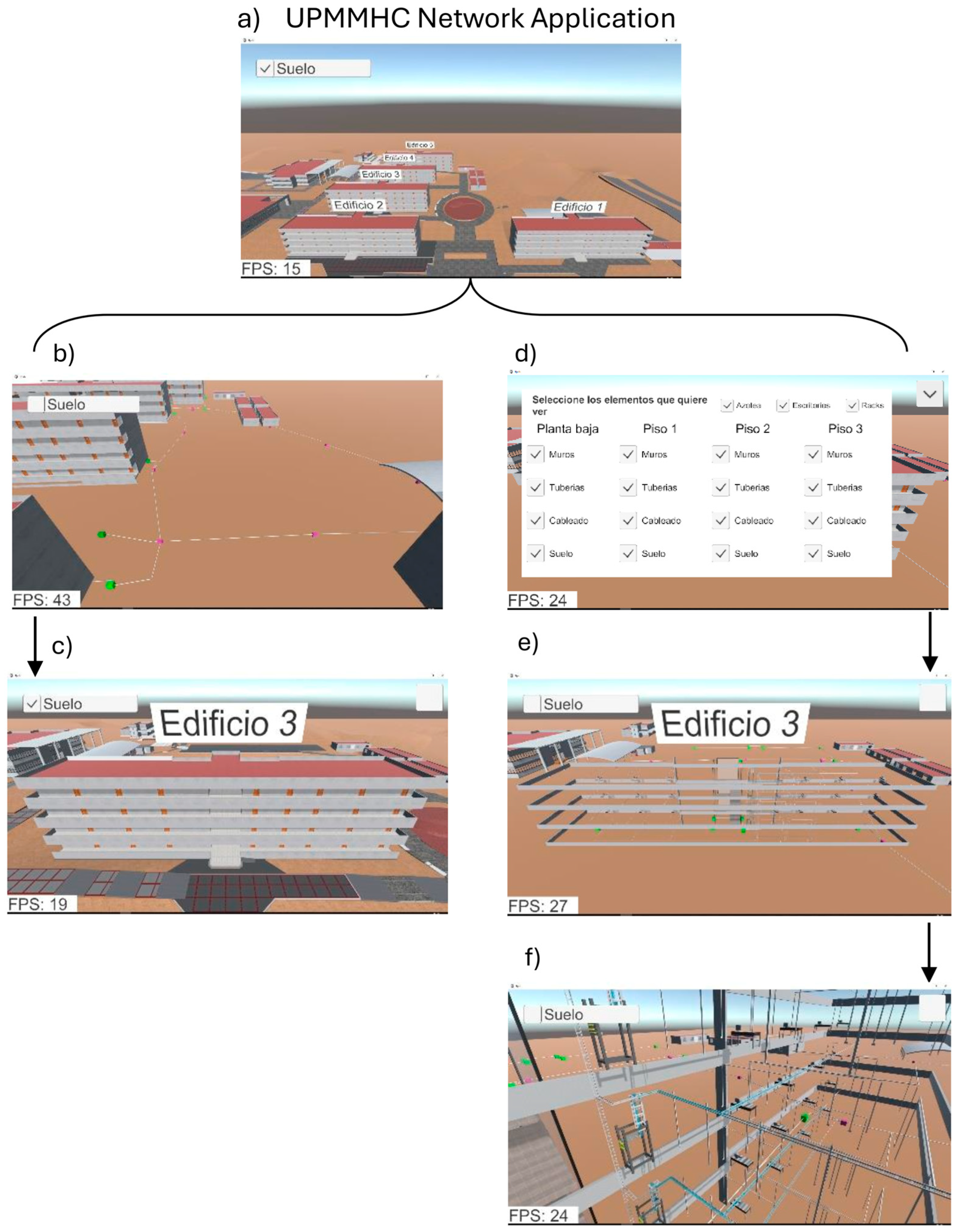
The application of the proposed methodology resulted in the successful development of a comprehensive digital twin of the university campus, which integrates 15 buildings and more than 200 active and passive network components. As shown in Figure 13, the final application features an intuitive user interface that allows for complete navigation and management of the university’s technology infrastructure.
The reported 30% reduction in fault identification time was achieved through enhanced 3D visualization and real-time navigation within the digital twin, not via an AI-based model. The baseline time for fault identification using traditional 2D diagrams and physical inspections averaged 20 min per incident, which was reduced to 14 min with the digital twin interface.
The application includes several modules for precise interaction with network elements. Figure 13a shows the main interface, which features a toggle to remove the floor from the model; this reveals the conduits for fiber optic entry and building interconnection, as illustrated in Figure 13b. Users can locate a specific building by entering its number to trigger a close-up view (Figure 13c). Once focused on a building, a selection menu in the upper-right corner allows users to hide elements that obstruct the network view, such as floors, roofs, walls, or desks (Figure 13d). After removing these layers, the model displays the network environment (Figure 13e), enabling navigation through node trajectories from the switch’s origin to the final patch panel (Figure 13f).
The 30% reduction in fault identification time is not an isolated result, but rather the consequence of several factors:
(a)
Spatio-Temporal Compression in Diagnostics. Traditionally, technicians must physically travel between distant locations on campus to verify connections and components. The digital twin eliminates this need by providing immediate access to any point in the infrastructure through virtual navigation, compressing the physical travel time (average: 15 min per inspection) to seconds of virtual navigation.
(b)
Elimination of Physical Access Barriers. Components located in restricted spaces (telecommunications rooms, suspended ceilings, vertical ducts) require special procedures, such as the use of ladders and moving furniture that obstructs access, provided only by viewing the path of our network nodes, which consumes approximately 8–12 min per component. Unrestricted visualization in the 3D model eliminates this barrier, allowing for immediate inspection.
(c)
Comprehensive Information Contextualization. In traditional methods, technicians must consult multiple, disparate sources: architectural plans (DWG format), equipment inventories (Excel), network diagrams (Visio), and configuration records (Word documents). This fragmentation consumes approximately 10–15 min per incident for information gathering and cross-referencing. Our digital twin integrates all these layers of information into a unified environment, reducing this time.
(d)
Visualization of Hidden Relationships. Interdependencies between network components (switch cascades, redundant paths) are difficult to discern in 2D documentation. The interactive 3D model reveals these relationships by visualizing connections and paths, reducing the time required to analyze complex topologies.

4.2. Quantitative Validation and Usability

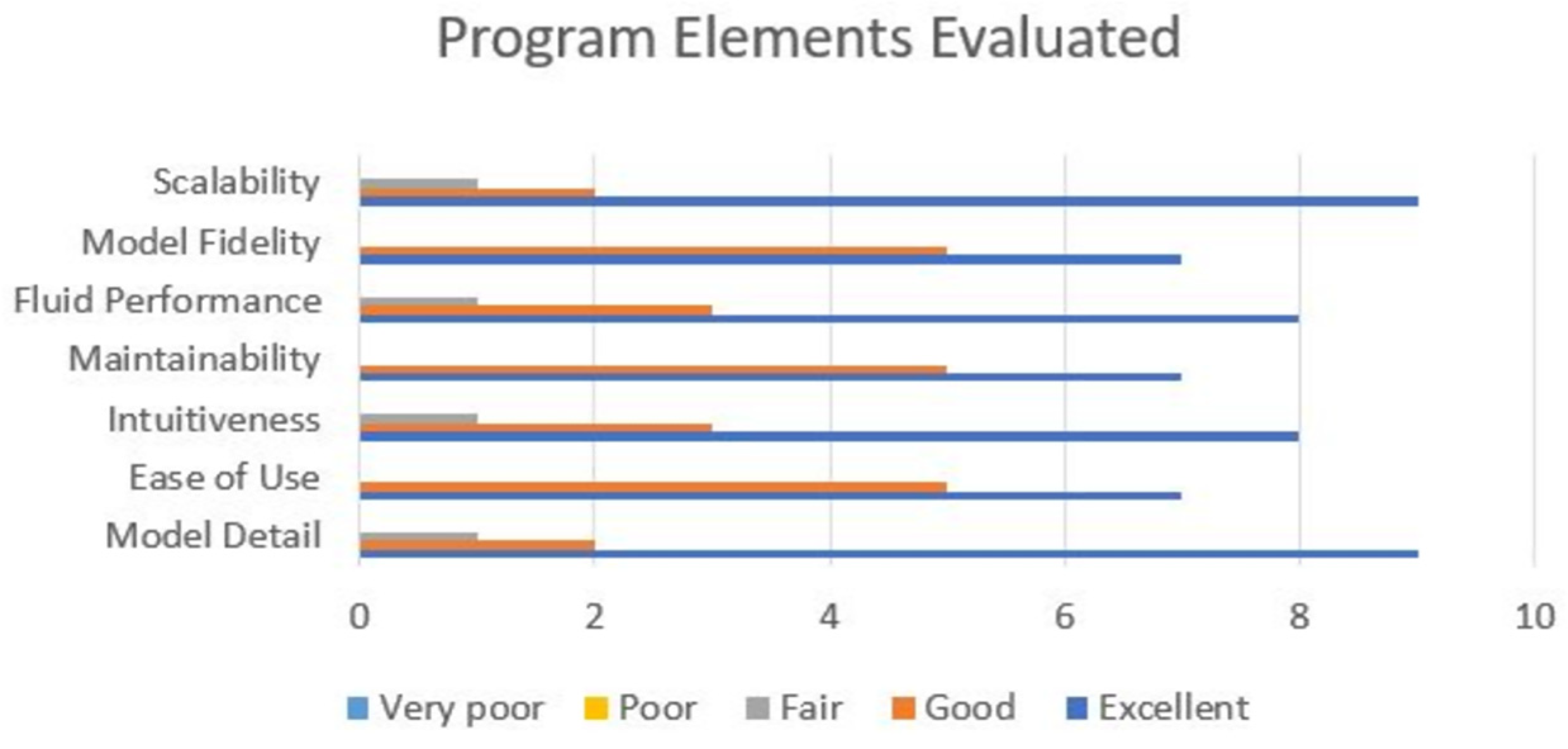
Usability tests were conducted with the application on 15 network and computer maintenance technicians, selected by stratified sampling to represent various levels of experience (junior: 8 participants, 1–3 years of experience; intermediate: 5 participants, 4–7 years of experience; and senior: 2 participants, 8+ years of experience). The results of the usability evaluation (Figure 14), obtained using a validated instrument with a Cronbach’s alpha coefficient of 0.78 (indicating good reliability), revealed a high level of acceptance among specialized users. As illustrated in the evaluation of program elements, 85% of users reported ease of use and intuitive interaction with the model, surpassing the results reported by Mata et al. [12] in virtual museum applications.
The statistical analysis showed coefficients of variation between 0.10 and 0.12, indicating low dispersion and high consistency in the evaluations. These results validate not only the technical quality of the implementation, but also its practical usefulness for personnel specialized in technological infrastructure management.

4.3. Comparative Advantages of the Proposed Methodology

The methodology developed demonstrates significant advantages over traditional approaches reported in the literature [27,30]. A detailed comparative analysis reveals that our methodology addresses specific limitations identified in three categories of previous work:
(a)
Digital Twins Focused on Visualization vs. Functionality: While studies such as that by Liu et al. [26] focus predominantly on the geometric accuracy of 3D models for static visualization, our approach integrates dynamic operational capabilities that enable real-time interaction. This transition from ‘static observation only’ models to ‘action’ systems represents a significant advance, particularly in educational contexts where interactive manipulation facilitates learning and spatial awareness.
(b)
Specific Platforms vs. Multiplatform: Research such as that by Hernández-Chávez et al. [14] develops effective solutions for specific environments (automotive virtual reality), but lacks portability to other devices. Our multiplatform implementation (desktop, mobile, VR) addresses this limitation, offering accessibility that aligns with the diverse technological resources available in educational institutions with varying budgets. It also facilitates operation in diverse contexts and situations, depending on the resources at hand.
(c)
Comprehensive Qualitative vs. Quantitative Validation: Although studies such as that by Mata et al. [12] report high levels of user satisfaction in virtual museum applications, our work complements subjective metrics with quantifiable objective indicators: a 30% reduction in fault identification time and statistical validation using Cronbach’s Alpha. This methodological approach strengthens the robustness of our findings beyond subjective impressions.
Compared to Kritzinger et al.’s [24] approach to manufacturing, this methodology incorporates adaptations specific to educational settings, including scalability, cross-platform, and ease of use requirements for non-technical users. This adaptation is crucial in academic contexts where specialized technical resources may be limited.
The integration of parametric modeling techniques with agile development tools allowed for faster iteration and more efficient adaptations to changes in requirements, overcoming the limitations of traditional sequential approximations reported by Fuller et al. [27]. The ability to perform early validations using functional prototypes significantly reduced deployment risks.
The methodological framework developed demonstrates distinct advantages over recent approaches reported in the literature. While proposals such as the digital twin for hybrid energy systems [19] and renewable microgrids [20] focus on critical infrastructure domains with high reliability and automatic control requirements, and architectures in Digital Twin Network Environment (DTN) plus Extended Reality Function (XRF) [21] address network virtualization for immersive services in spatial communication environments, our methodology is specifically designed for the educational context. This entails key adaptations: (1) multiplatform scalability for devices commonly used in academic settings, (2) integration of network infrastructure elements with detailed architectural models, and (3) usability validation with university technical and administrative staff. Thus, while previous work validates the feasibility of digital twins in industrial and telecommunications sectors, our contribution establishes a reproducible standard for educational infrastructures that combine geometric accuracy with dynamic operational capabilities.

4.4. Implications for the Management of Educational Infrastructure

The successful implementation of the digital twin has profound implications for the management of complex education infrastructures. The ability to comprehensively visualize and manage the campus network represents a significant advance over traditional systems based on 2D documentation, which are often inadequate to represent the three-dimensional complexity of modern technology infrastructures.
As Tao et al. [30] point out, the effectiveness of digital twins depends critically on the accuracy of the correspondence between physical and virtual systems. Our results show that the proposed methodology achieves this goal by combining precise digitization techniques with controlled parametric modeling, ensuring a faithful representation that facilitates informed decision-making.

4.5. Limitations and Future Work

Despite the positive results, we identified significant limitations. Reliance on specific hardware for VR experiences could limit accessibility in institutions with limited resources. In addition, manually updating changes to the physical infrastructure represents an operational challenge that needs to be addressed in future iterations.
The dynamic simulation implemented in this digital twin focuses on network behavior, data flow, and node status monitoring. Energy consumption and carbon emission simulations were not included in this phase but represent a valuable avenue for future research to support sustainable campus management.
Future work will be oriented towards the implementation of automatic synchronization capabilities using IoT sensors, as well as the integration of augmented reality functionalities for real-time information overlay during maintenance activities. These improvements align with emerging trends in digital twins reported by Fuller et al. [27] and would significantly expand the practical utility of the platform.
The proposed solution includes implementing functionalities that allow multiple technicians to interact simultaneously within the same model, facilitating collaborative diagnostics and virtual and blended learning training. It also proposes integration with Mixed Reality (MR) to overlay the 3D model onto the real-time view using HoloLens or similar devices, enabling users to “see through” walls and floors during physical maintenance.
Similarly, a predictive analytics process based on Machine Learning is proposed. This process will analyze historical failure patterns to predict vulnerable points and recommend preventive maintenance, transforming the model from reactive to predictive.
Finally, role-based personalization is planned, meaning that adaptive interfaces will be generated according to the user profile (network administrator, field technician, engineering student), displaying relevant information and hiding irrelevant details for each role.

5. Conclusions

This work has demonstrated the effectiveness of a comprehensive five-phase methodology for the development of digital twins applied to complex educational infrastructures. The implementation on the university campus has made it possible to create an accurate virtual representation that integrates 15 buildings and more than 200 network components, achieving a correspondence between the physical system and its digital counterpart.
“The quantitative results obtained significantly validate the proposed methodological approach. The 30% reduction in fault identification time and the 85% satisfaction usability evaluation (Figure 14) demonstrate not only the practical usefulness of the developed application, but also the effectiveness of the methodology as a whole. These results exceed those reported in similar studies using fragmented methodological approaches”
[27,30].
Future iterations of the digital twin could incorporate automatic control systems and reinforcement learning algorithms to enable predictive maintenance and autonomous decision-making, further enhancing operational efficiency.
The main contribution of this work lies in the systematized integration of techniques that were traditionally applied separately [24,26]. Unlike existing methodologies that focus on isolated aspects, our unified approach ranges from physical characterization to operational synchronization, providing a reproducible framework for the development of digital twins in educational settings.
The comparative advantages of the proposed methodology include:
  • Multiplatform scalability capability that allows deployment on desktop, mobile, and virtual reality devices, overcoming the limitations of unimodal applications reported in the literature [31].
  • Geometric accuracy guaranteed by combining 3D scanning techniques with controlled parametric modeling, ensuring a faithful correspondence between physical and virtual systems.
  • Adaptive flexibility that allows for rapid iterations based on end-user feedback, a feature particularly valuable in dynamic educational environments.
Validation by Cronbach’s Alpha coefficient of 0.78 confirms the reliability of the assessment instrument and, by extension, the robustness of the methodology implemented. The coefficients of variation between 0.10 and 0.12 indicate consistency in the results obtained by different evaluators.
As future work, three main lines of development are identified: (1) implementation of automatic synchronization capabilities using IoT sensors, (2) integration of augmented reality functionalities for real-time information overlay, and (3) expansion of the methodology to include predictive analytics based on historical data, aligning with emerging trends in digital twins [23,25].

Author Contributions

Conceptualization, A.H.-C., D.A.F.-B., M.H.-C. and I.L.-Y.; software, A.H.-C. and M.H.-C.; methodology, A.H.-C., D.A.F.-B., I.L.-Y. and M.H.-C.; validation, D.A.F.-B., M.H.-C. and I.L.-Y.; formal analysis, D.A.F.-B., I.L.-Y. and M.H.-C.; investigation, A.H.-C. and I.L.-Y.; resources, A.H.-C., D.A.F.-B., I.L.-Y. and M.H.-C.; writing—original draft preparation, A.H.-C., D.A.F.-B., I.L.-Y. and M.H.-C.; writing—review and editing, A.H.-C., D.A.F.-B., I.L.-Y. and M.H.-C.; visualization, A.H.-C., D.A.F.-B., M.H.-C. and I.L.-Y.; supervision, D.A.F.-B., I.L.-Y. and M.H.-C.; project administration, D.A.F.-B. and I.L.-Y.; funding acquisition, A.H.-C., D.A.F.-B., I.L.-Y. and M.H.-C. All authors have read and agreed to the published version of the manuscript.

Funding

This work has been supported by grants Instituto Politécnico Nacional (SIP-20260783) to Augurio Hernández Chávez.

Institutional Review Board Statement

Not applicable.

Informed Consent Statement

Not applicable.

Data Availability Statement

The original contributions presented in this study are included in the article. Further inquiries can be directed to the corresponding author.

Acknowledgments

The comments and suggestions by the reviewers are deeply appreciated.

Conflicts of Interest

The authors declare no conflicts of interest.

References

  1. Azuma, R.T. A Survey of Augmented Reality. Presence Teleoperators Virtual Environ. 1997, 6, 355–385. [Google Scholar] [CrossRef]
  2. Almenara Cabero, J.C. La Realidad Aumentada: Tecnología Emergente Para la Sociedad del Aprendizaje. The Augmented Reality: Emerging Technology for the Learning Society. Available online: http://orcid.org/0000-0002-1133-603 (accessed on 15 October 2025).
  3. Klopfer, E.; Squire, K. Environmental Detectives—The development of an augmented reality platform for environmental simulations. Educ. Technol. Res. Dev. 2008, 56, 203–228. [Google Scholar] [CrossRef]
  4. de Almeida Pereira, G.H.; Stock, K.; Delazari, L.S.; Centeno, J.A.S. Augmented Reality and Maps: New Possibilities for Engaging with Geographic Data. Cartogr. J. 2017, 54, 313–321. [Google Scholar] [CrossRef]
  5. López, E.B.; Sandoval, S.A.; Gamboa, S.R. Realidad aumentada como técnica didáctica en la enseñanza de temas de cálculo en la educación superior. Estudio de caso. RIDE Rev. Iberoam. Para Investig. Desarro. Educ. 2021, 11, 105. [Google Scholar] [CrossRef]
  6. Bruno, F.; Barbieri, L.; Marino, E.; Muzzupappa, M.; D’Oriano, L.; Colacino, B. An augmented reality tool to detect and annotate design variations in an Industry 4.0 approach. Int. J. Adv. Manuf. Technol. 2019, 105, 875–887. [Google Scholar] [CrossRef]
  7. Tsinakos, A.; Ally, M. Global Mobile Learning Implementations and Trends. Available online: http://www.crtvup.com.cn (accessed on 15 October 2025).
  8. Gurevych, R.; Silveistr, A.; Mokliuk, M.; Shaposhnikova, I.; Gordiichuk, G.; Saiapina, S. Using Augmented Reality Technology in Higher Education Institutions. Postmod. Open. 2021, 12, 109–132. [Google Scholar] [CrossRef]
  9. Ericsson Ericsson Mobility Report June 2019. 2019. Available online: www.ericsson.com/mobility-report (accessed on 15 October 2025).
  10. Wright, E.; Legal, D. (Eds.) International Comparative Legal Guide—Telecoms, Media & Internet 2022; Global Legal Group Ltd.: London, UK, 2021. [Google Scholar]
  11. de Sevilla España Fombona Cadavieco, U.; Sevillano, P.; Ángeles, M.; Amador, F.; Filomena Madeira, M. Realidad aumentada, una evolución de las aplicaciones de los dispositivos móviles. Pixel-Bit. Rev. Medios Educ. 2012, 41, 197–210. [Google Scholar]
  12. Mata, F.; Claramunt, C.; Juarez, A. An experimental virtual museum based on augmented reality and navigation. In Proceedings of the 19th ACM SIGSPATIAL International Conference on Advances in Geographic Information Systems; ACM: New York, NY, USA, 2011; pp. 497–500. [Google Scholar] [CrossRef]
  13. Eckert, M.; Volmerg, J.S.; Friedrich, C.M. Augmented Reality in Medicine: Systematic and Bibliographic Review. JMIR Mhealth Uhealth 2019, 7, e10967. [Google Scholar] [CrossRef]
  14. Hernández-Chávez, M.; Cortés-Caballero, J.M.; Pérez-Martínez, Á.A.; Hernández-Quintanar, L.F.; Roa-Tort, K.; Rivera-Fernández, J.D.; Fabila-Bustos, D.A. Development of Virtual Reality Automotive Lab for Training in Engineering Students. Sustainability 2021, 13, 9776. [Google Scholar] [CrossRef]
  15. Von Itzstein, G.S.; Billinghurst, M.; Smith, R.T.; Thomas, B.H. Augmented Reality Entertainment: Taking Gaming Out of the Box. In Encyclopedia of Computer Graphics and Games; Springer International Publishing: Cham, Switzerland, 2017; pp. 1–9. [Google Scholar] [CrossRef]
  16. Parekh, P.; Patel, S.; Patel, N.; Shah, M. Systematic review and meta-analysis of augmented reality in medicine, retail, and games. Vis. Comput. Ind. Biomed. Art. 2020, 3, 21. [Google Scholar] [CrossRef] [PubMed]
  17. Siltanen, S. Diminished reality for augmented reality interior design. Vis. Comput. 2017, 33, 193–208. [Google Scholar] [CrossRef]
  18. Schnürer, R.; Dind, C.; Schalcher, S.; Tschudi, P.; Hurni, L. Augmenting Printed School Atlases with Thematic 3D Maps. Multimodal Technol. Interact. 2020, 4, 23. [Google Scholar] [CrossRef]
  19. Chalal, L.; Saadane, A.; Rachid, A. Unified Environment for Real Time Control of Hybrid Energy System Using Digital Twin and IoT Approach. Sensors 2023, 23, 5646. [Google Scholar] [CrossRef]
  20. Calderón, D.; Folgado, F.J.; González, I.; Calderón, A.J. Development and real-world implementation of a Digital Twin-enhanced supervisory system for RES-green hydrogen microgrid. Energy Convers. Manag. 2026, 348, 120822. [Google Scholar] [CrossRef]
  21. Calle-Heredia, X.; Hesselbach, X. Digital Twin-Driven Virtual Network Architecture for Enhanced Extended Reality Capabilities. Appl. Sci. 2024, 14, 10352. [Google Scholar] [CrossRef]
  22. Schmalstieg, D.; Reitmayr, G. Augmented Reality as a Medium for Cartography. In Multimedia Cartography; Springer: Berlin/Heidelberg, Germany, 2007; pp. 267–281. [Google Scholar] [CrossRef]
  23. Negri, E.; Fumagalli, L.; Macchi, M. A Review of the Roles of Digital Twin in CPS-based Production Systems. Procedia Manuf. 2017, 11, 939–948. [Google Scholar] [CrossRef]
  24. Kritzinger, W.; Karner, M.; Traar, G.; Henjes, J.; Sihn, W. Digital Twin in manufacturing: A categorical literature review and classification. IFAC-PapersOnLine 2018, 51, 1016–1022. [Google Scholar] [CrossRef]
  25. Jones, D.; Snider, C.; Nassehi, A.; Yon, J.; Hicks, B. Characterising the Digital Twin: A systematic literature review. CIRP J. Manuf. Sci. Technol. 2020, 29, 36–52. [Google Scholar] [CrossRef]
  26. Liu, M.; Fang, S.; Dong, H.; Xu, C. Review of digital twin about concepts, technologies, and industrial applications. J. Manuf. Syst. 2021, 58, 346–361. [Google Scholar] [CrossRef]
  27. Fuller, A.; Fan, Z.; Day, C.; Barlow, C. Digital Twin: Enabling Technologies, Challenges and Open Research. IEEE Access 2020, 8, 108952–108971. [Google Scholar] [CrossRef]
  28. Carbonell Carrera, C.; Bermejo Asensio, L.A. Landscape interpretation with augmented reality and maps to improve spatial orientation skill. J. Geogr. High. Educ. 2017, 41, 119–133. [Google Scholar] [CrossRef]
  29. Huang, K.; Wang, C.; Liu, R.; Chen, G. A Fast and Accurate Spatial Target Snapping Method for 3D Scene Modeling and Mapping in Mobile Augmented Reality. ISPRS Int. J. Geoinf. 2022, 11, 69. [Google Scholar] [CrossRef]
  30. Tao, F.; Zhang, H.; Liu, A.; Nee, A.Y.C. Digital Twin in Industry: State-of-the-Art. IEEE Trans. Ind. Inform. 2019, 15, 2405–2415. [Google Scholar] [CrossRef]
  31. Botín-Sanabria, D.M.; Mihaita, S.; Peimbert-García, R.E.; Ramírez-Moreno, M.A.; Ramírez-Mendoza, R.A.; Lozoya-Santos, J.D.J. Digital Twin Technology Challenges and Applications: A Comprehensive Review. Remote Sens. 2022, 14, 1335. [Google Scholar] [CrossRef]
Figure 1. Distribution of document types in the literature analyzed.
Technologies 14 00149 g001
Figure 2. Geographical distribution of indexed scientific production according to number of articles per country.
Technologies 14 00149 g002
Figure 3. Number of publications by area or discipline of main knowledge.
Technologies 14 00149 g003
Figure 4. Evolution of the number of annual publications (1998–2025) on digital twins and applied immersive technologies.
Technologies 14 00149 g004
Figure 5. Keyword co-occurrence network. Nodes (circles) represent terms; their size, frequency, and colors represent thematic clusters, and the lines show the relationships between keywords. Proximity and connections indicate a conceptual relationship.
Technologies 14 00149 g005
Figure 6. (a) Methodology for modeling and digitization of the mechatronic system. (b) Flow diagram of the development process of the digital twin of the IPN Hidalgo campus, showing the main stages from data capture to final application.
Technologies 14 00149 g006
Figure 7. Different devices on which the application works, such as computers, mobile devices and augmented reality devices.
Technologies 14 00149 g007
Figure 8. 2D plan of the classroom building—ground floor, left section, used as a basis for 3D modeling.
Technologies 14 00149 g008
Figure 9. 3D structure of the ground floor of Building 1 modeled in SketchUp, showing the level of architectural detail achieved.
Technologies 14 00149 g009
Figure 10. Active network components modeled in SketchUp: (a) real Cisco switch, (b) corresponding 3D model.
Technologies 14 00149 g010
Figure 11. Passive network elements modeled in SketchUp: trays, pipelines, and support.
Technologies 14 00149 g011
Figure 12. Virtual reality view of the application showing the user interface and navigation capabilities.
Technologies 14 00149 g012
Figure 13. UPMMHC network application interface: (a) main display, (b) fiber optic path display, (c) RV building selection, (d) visible elements control panel, (e) hidden structural elements showing network components, (f) internal navigation for node location.
Technologies 14 00149 g013
Figure 14. Results of the evaluation of program elements.
Technologies 14 00149 g014
Table 1. Estimated costs for digital twin development.
ItemDescriptionApproximately. Cost (USD)
3D ScannerPeel 2 CAD-S (peel 3d, Lévis, QC, Canada)$25,000
WorkstationDell Precision 7865 (Dell Inc., Round Rock, TX, USA)$3500
VR HeadsetMeta Quest 3 (Meta Platformas, Menlo Park, CA, USA)$500
Software LicensesAutocad (v2022), SketchUP Pro (v22.0.354), Unity Pro (v2021LTS)$5000 1/year
Total Estimated Cost  $34,000
1 Note: Costs may vary based on institutional licenses and existing infrastructure.
Table 2. Minimum hardware requirements for running the digital twin application.
PlatformOSRAMGPUStorage
WindowsWindows 10+8 GBDirectX 112 GB
AndroidAndroid 10+4 GBAdreno 6401 GB
VRAndroid 12+6 GBSnapdragon XR22 GB
Disclaimer/Publisher’s Note: The statements, opinions and data contained in all publications are solely those of the individual author(s) and contributor(s) and not of MDPI and/or the editor(s). MDPI and/or the editor(s) disclaim responsibility for any injury to people or property resulting from any ideas, methods, instructions or products referred to in the content.