


Abstract
This paper investigates the frequency dynamics of financial and macroeconomic connectedness by measuring tail-risk and uncertainty for two emerging African economies, namely Morocco and Tunisia, over the quarterly period Q2-2010 to Q4-2024. We employ a quantile connectedness approach, which, unlike traditional mean-based methods, leads to capturing asymmetries, tail-risk dependencies, and state-dependent spillovers, and to providing early warning signals of systemic stress and financial uncertainty. Our results reveal a stark divergence between the two stock markets in their roles in transmitting and absorbing shocks. The Moroccan stock market acts as a net transmitter, occasionally driving macroeconomic conditions and propagating uncertainty throughout the system. In contrast, the Tunisian stock market acts as a net receiver, with macroeconomic fundamentals, particularly GDP and money supply. These findings highlight how structural differences in emerging markets affect the transmission of shocks and offer actionable insights for policymakers, regulators, and investors to manage financial risks and uncertainty.
1. Introduction
Today, the role played by the stock market development in boosting economic growth as well as financial stability is no longer a debatable issue (Distia, 2023; Kurtoglu & Durusu-Ciftci, 2024; Gabhane & Radhakrishnan, 2025). The importance of the stock market can be recognized at several levels. Indeed, the stock market can promote economic growth by providing alternative channels for resource mobilization, surging savings, and facilitating investments. More precisely, as opposed to the short-term financing by banks’ loans, the stock market offers long-term funds for economy, thereby ameliorating transactions, improving the efficiency of allocation of capital to more profitable projects, reducing information costs, providing more liquidity, enhancing corporate governance, and promoting economic activities (Yan et al., 2023; Korsah & Mensah, 2024; Ullah et al., 2024; Yulfajar et al., 2025).
Given the plentiful benefits of the stock market to the economy, there is an increasing necessity to foster further the stock market development. For these reasons, vast theoretical and empirical literature has tried to identify and analyze the key determinants of the stock market development and highlight the main channels to further strengthen its contribution to economic expansion. According to this literature, the determinants of the stock market development could be generally classified into macroeconomic and institutional factors, i.e., the legal origin, whereas the influence of the former is more robust and pronounced (Kumar et al., 2022; Panda et al., 2023; Yusuf et al., 2025). Thus, several studies showed that among macroeconomic factors considered as influencing stock market changes are inflation rate, exchange rate, interest rate, economic growth, trade openness, foreign direct investment, money supply, and private capital flows (Kurtoglu & Durusu-Ciftci, 2024; Gabhane & Radhakrishnan, 2025).
This being said, it is widely recognized in the literature that, called bank-based economies, developing and emerging countries have a financial system vastly based on the banking sector financing. The contribution of the stock market to financing the economy is still weak and marginalized. These countries have already adopted a set of financial and economic reforms aimed at promoting the stock market and boosting its contribution to financing the economy in parallel with the banking system. Recently, numerous studies have suggested that emerging stock markets are substantially sensitive to macroeconomic fluctuations, given their relatively higher economic volatility, institutional vulnerabilities, and dependence on global capital flows (Shamalime & Yohane, 2024; Bonga et al., 2025). Therefore, the relationship between stock indices and macroeconomic indicators in emerging economies is becoming a subject of sustained interest among academic researchers, investors, and policymakers, due to its implications for a country financial stability, investment strategies, and economic forecasting. For these reasons, researchers are actually more aware than before of the utility of investigating the nexus between stock market development and its macroeconomic factors.
However, two main gaps remain lacking and ambiguous in the relevant literature and, hence, entail further studies’ attention. Firstly, while previous studies have relatively reached a general consensus on how macroeconomic factors influence the stock market progress in developed countries, the number of empirical studies focused on developing and emerging markets is quite scant (Kamasa et al., 2023; Alloul & Ferrouhi, 2024; Humpe et al., 2025). Secondly, the relevant literature resides in the empirical methodology employed. Indeed, most of the previous studies have examined only the long-run relationships between the stock market development and its determinants, by employing regression models and panel data approaches. Recently, advanced econometric methodologies such as panel cointegration technique, Vector Auto-Regression (VAR) models, Panel AutoRegressive Distributed Lag (ARDL), and impulse response functions have been used extensively to assess these relationships (Mukherjee & Naka, 1995; Abugri, 2008; Bhute, 2022; Kumar et al., 2022; Panda et al., 2023; Alloul & Ferrouhi, 2024; Yusuf et al., 2025). In addition, previous studies applied these tools to confirm the presence of stable long-run relationships among macroeconomic variables and stock indices. However, the obtained results are divergent and are still far from conclusive. In other words, until now, there has been no agreeable and decisive list of factors that determine the stock market development. Also, despite a growing body of research examining the interactions between stock market development and macroeconomic fundamentals, most existing studies rely on mean-based connectedness or spillover frameworks that overlook potential asymmetries and tail-risk dependencies. Moreover, the dynamics of these relationships in African emerging markets remain underexplored, particularly in terms of how shocks are transmitted and absorbed across different states of the economy.
For our study, there are two principal contributions that help to grow the literature on the relationships between stock market changes and their macroeconomic factors.
The first contribution of the present study is that it has sought to unravel both the long-term equilibrium and short-term dynamics between the stock market performance and the key economic indicators. The novelty of our study lies in the use of robust tools for capturing nonlinear and time-varying interactions between stock market indices and macroeconomic variables. More precisely, we employ the novel quantile connectedness approach. Such a method allows, contrary to traditional econometric approaches, for a nuanced investigation of connectedness and adds to understanding the international events and extreme market conditions transmission mechanism within a highly integrated international financial system.
The second contribution of the present study is that, contrary to the previous literature focused on developed countries, it complements the existing literature by providing a comparative analysis for two practically analogous African emergent markets, namely Morocco and Tunisia. To our knowledge, our research represents the first study considering these two emergent markets (Becker, 2024; Bonga et al., 2025; Humpe et al., 2025; Yusuf et al., 2025).
2. Literature Review and Hypothesis Development
The relationships between the stock market development and macroeconomic factors have been dominant since long both academic and practical literature. In this section, we analyze the literature review underpinning these relationships.
2.1. Theoretical Literature Review
Theoretically, it is often argued that the stock market development is largely determined by some fundamental macroeconomic factors such as economic growth, interest rate, exchange rate, inflation rate, monetary policy, money supply, and trade openness (Abbass et al., 2022; Dave & Akongwale, 2024; Bonga et al., 2025). In this framework, several theoretical models, including Efficient Market Hypothesis (EMH), Economic Growth Theory (endogenous growth theory, Neo-Classical Growth Theory, and Modern Portfolio Theory (MPT), have been developed and provided different arguments for the nexus between the stock market development and macroeconomic factors.
Economic growth theory has highlighted the nexus between financial development and economic growth through the development of many conceptual models. In this theoretical framework, the evidence regarding the relationship between real economic growth and financial development can be traced back to Schumpeter (2021), who worked with and was supported by many authors (King & Levine, 1993; Obstfeld, 1994; Bencivenga et al., 1996). The Schumpeter theory stresses the crucial role of the financial system, with its two compartments (banking sector and stock market), for boosting economic growth that given their ability to mobilize savings and improve investments (Schumpeter, 2021). More precisely, the endogenous growth model, developed by Solow (1956), demonstrated theoretically that financial system performance stimulates a country’s economic growth. Thus, supporting the “supply–following theory”, the endogenous growth model stipulates that financial system could play a vital role in improving economic growth by providing different financial services to the economy, e.g., efficient capital allocation channel, evaluating the investment project profitability, managing risks, facilitating transactions, stimulating technological innovations, and improving productivity (Greenwood & Jovanovic, 1990; Bencivenga & Smith, 1991).
Contrary to the endogenous growth model, a second theoretical paradigm was proposed principally by Robinson (1979) and confirmed by several authors (Hicks, 1935; Greenwood & Jovanovic, 1990; Greenwood & Smith, 1997). This second model, denoted as “demand–following theory”, implies banking sector as well as the stock market development is the result of economic growth. Indeed, real economic growth results in an upsurge generally the need and demand for financial services by firms and households, increases the stock market participants, attracts more investments, intensifies competition within and between the stock market and banking sector, and subsequently improves their efficiency and performance (Ben Naceur & Ghazouani, 2007). Also, Boyd and Smith (1998) proposed an economic growth model where capital accumulation could be financed by a combination of equity and debt. The authors showed how the stock market develops rapidly when an economy grows. A third train of thought, proposed by Patrick (1980), stipulated a “bidirectional-causality relationship” and known as the “feedback hypothesis” between the financial system and economic growth.
The MPT constitutes another theoretical framework linking stock market development to macroeconomic factors, including the CAPM model, Arbitrage Pricing Theory (APT), and the EMH. The general idea behind the MPT is that for an equity investment, the risk–return relationship is explained by using some independent and external factors, denoted as systematic risk factors. Based on the mean variance framework, the CAPM of Sharpe (1964), Lintner (1965), and Black et al. (1972) represent the first theoretical development for the evaluation of risky securities. The principle of the CAPM is that there is only one exogenous (independent) variable (single index), which is the risk premium of the market, leading exactly to the determination of the prices of risky securities (Sharpe, 1964). The APT, developed by Ross (1976), is an extension of the CAPM. The APT, called the multifactor model, indicates that stock return is rather function of some macroeconomic factors, i.e., risk factors, such as the expected level of industrial production, unanticipated change in inflation, shifts in risk premiums, the movement in the term structure of interest rate, the unemployment rate, etc.
The EMH, developed by Fama (1970), provided another theoretical way for identifying and understanding how a number of key macroeconomic factors contribute to explaining the stock prices and returns in the equity market. The notion of EMH recommends that all the available information is fully reflected in prices in the stock market of any country, and consequently, it is impossible for investors to earn a higher profit than the overall market without taking additional risk. Also, many researchers have tried to test empirically whether the EMH tends to agree with the propositions of the APT, and suggested that more sources of risks are included in securities prices (Demirgüç-Kunt & Levine, 1996; Bhattacharya & Mukherjee, 2006; Akanbi, 2025). These sources of risk are relative to numerous macroeconomic factors including economic growth, approximated by the Gross Domestic Product (GDP), inflation rate, stock market liquidity, etc. (Muradoglu et al., 2000).
2.2. Empirical Literature Review
Empirically, several previous studies have tried to identify and analyze the macroeconomic determinants of the stock market development. While the abundance of these studies in developed countries, the studies for developing and emerging countries are relatively scant. Table 1 below presents an overview of the previous studies focused on the relationship between the stock market development and macroeconomic factors across different countries and regions.
Table 1.
Overview of the previous studies on the relationship between macroeconomic factors and stock market development.
The review of the literature in this framework indicates that the key determinants of the stock market development include numerous environmental and macroeconomic factors such as real economic growth, inflation rate, interest rate, trade openness, stock market liquidity, money supply, exchange rate, direct foreign investment, unemployment rate, international crude oil prices, real income or GDP per capita income, domestic savings, etc. (Issahaku et al., 2013; Yusoff & Guima, 2015; Sharif et al., 2020; Okorie et al., 2021; Dave & Akongwale, 2024; Keswani et al., 2024; Akanbi, 2025; Bonga et al., 2025). It should be noted that previous studies have highlighted the mixed impact of these macroeconomic factors on the stock market development (Anser et al., 2021; Fabozzi et al., 2022; Drama, 2025; Yusuf et al., 2025). Their effects differ generally with context related to the period, the approach, or the variables (Molefhi, 2021; Michael et al., 2021; Uhunmwangho, 2022; Ongo et al., 2024; Yusuf et al., 2025).
While a growing number of studies investigate connectedness across assets and economies, recent developments emphasize the importance of quantile- and tail-based measures of interdependence. For instance, recent quantile-connectedness applications have analyzed cross-market dependence among fintech, energy, and carbon markets (Su & He, 2024), digital and traditional financial assets (Kayani et al., 2024), and broader African stock markets using quantile VAR frameworks (Yaya et al., 2024). Lo et al. (2024) apply a quantile connectedness model across sub-Saharan Africa and MENA markets, revealing substantial heterogeneity across quantiles in spillover dynamics. Particularly, Country-level applications to Moroccan financial indices using quantile connectedness techniques have also recently appeared (El Oubani, 2024). Gong et al. (2024) examine the tail-risk connectedness between China’s carbon market and its financial system, using a quantile spillover approach to capture asymmetric linkages. More broadly, Shi et al. (2025) assess quantile connectedness between China’s new energy sector and other financial markets, finding that the new-energy market acts as a net transmitter under extreme shocks. Jin et al. (2025) explore tail connectedness across conventional, religious, and sustainable investment markets using neural-network quantile regression, revealing varying vulnerabilities among asset classes. Meanwhile, Dang et al. (2024) provide evidence of sectoral uncertainty spillovers in emerging markets via a quantile time–frequency connectedness framework. Together, these studies underscore that connectedness patterns vary significantly across quantiles, frequencies, asset classes, and geographies—thereby motivating the present study’s focus on emerging African equity-macroeconomic linkages via a quantile connectedness approach.
2.3. Hypothesis Development
By referring to the review of both theoretical and empirical literature, we select six macroeconomic factors (variables) that constitute the key determinants of the stock market development in emerging countries. Our research hypotheses are developed below based on the expected effect of each of the macroeconomic variables.
- Economic growth
The relationship between economic development and stock market performance is expected to be positive. Indeed, the development of real economic activities, proxied by the improvement of the GDP, could upsurge expected future firms’ cash flows, and will affect positively their securities prices and returns in the stock market (Ahmed, 2008).
Empirically, several studies have confirmed that real economic growth may constitute a fundamental driver of the stock market development (Al-Jafari et al., 2011; Attari & Javed, 2013; Michael et al., 2021; Bhute, 2022; Akash et al., 2023; Alloul & Ferrouhi, 2024).
Adoms et al. (2020) showed that, for a sample of African emerging countries, enhancing economic growth increases companies’ earnings, improves capital mobilization, and attracts more investments, which will expand the stock market. These results are confirmed by several other studies focused on developing and emerging countries (Igwilo & Sibindi, 2021; Molefhi, 2021; Afonso & Reimers, 2022; Fagbemi & Ajibike, 2022; Mlambo, 2022; Akash et al., 2023). Therefore, we proposed to test the following hypothesis:
H1.
There is a positive association between economic growth and stock market development.
- Inflation rate
We hypothesize a negative relationship between the inflation rate and stock market development. Indeed, an increase in the inflation rate will decrease a firm’s cash flows, and subsequently the gain for potential stakeholders (investors), through the upsurge in the discount rate in the valuation model. Many authors showed theoretically that, in a competitive economy, the firm’s costs may immediately adjust faster to an increasing inflation rate than their revenues (Geske & Roll, 1983). Empirical evidence about the negative association between inflation and stock market development has been recognized by numerous studies (Akash et al., 2023; Molefhi, 2021; Kumar et al., 2022; Kamasa et al., 2023). In line with the theoretical and empirical literature, we hypothesize:
H2.
There is a negative relationship between the inflation rate and stock market development.
- Exchange rate
It is broadly recognized that any fluctuation in the exchange variable affects a firm’s cash flows, which are appreciated and priced by the stock market (Ross, 1976). This effect of the exchange rate can be realized through trade and/or investment channels (Gavin, 1989). Concerning the trade channel, and particularly for developing and emerging countries, the depreciation of local currency against US dollars, i.e., a decrease in the exchange rate, is generally reflected in a decrease in the price of exported products and consequently an improvement in their demand in the international market (export). This situation will subsequently increase the net cash flows of companies in these countries, and will increase their price in the stock market. The opposite effect should be noted following an increase in the exchange rate of local currency against US dollars. Exchange rate volatility could also affect stock market development via the investment channel. Indeed, any depreciation in domestic currency lessens the stock returns for the foreign investors and the capital flow mechanism.
Several empirical studies have documented that currency appreciation (depreciation) can negatively (positively) influence stock market prices (Abugri, 2008; Ceylan & Ceylan, 2023). In line with the theoretical and empirical literature, we hypothesize:
H3.
There is a positive association between the exchange rate and stock market development.
- Interest rate
Interest rate variables generally constitute a crucial factor in the formation of financial products as well as the stock market prices (Shiller, 1988; Mok, 1993). That’s how it is widely documented in the empirical literature that, particularly for emergent markets, interest rates exhibit a negative relationship with stock market returns, as rising rates increase the cost of capital, lessen firms’ cash flows, reduce borrowing, and encourage portfolio shifts from equities to fixed-income securities (Mukherjee & Naka, 1995; Engle et al., 2013; Kumar et al., 2022; Tiwari et al., 2025). Also, according to signaling theory, the decrease in future cash flows will adversely affect the firms’ stock prices in the market. In line with the theoretical and empirical literature, we hypothesize:
H4.
There is a negative relationship between interest rate and stock market development.
- Money supply
The money supply (MS), representing total currency in circulation, is another key variable with an expansionary monetary environment often fueling stock price increases via enhanced liquidity (Geske & Roll, 1983; Panda et al., 2023). In fact, any changes in the quantity of money could have a significant influence on real economic growth, by affecting both the consumers’ purchasing power as well as the real firms’ cash flows, and consequently will affect the stock price movements. We proposed that increasing the quantity of MS will increase the inflation rate and boost companies’ cash flows, which will strengthen the ability of firms to distribute relatively higher dividends and thus enhance the demand for their stocks in the market. According to other research, the MS could improve firms’ cash flows by decreasing the interest rate, which leads to a decrease in the cost of capital (Mukherjee & Naka, 1995; Hasan & Nasir, 2008).
We employ the broad money supply (M2) as our monetary variable. This choice is well-established in macroeconomic and finance literature, where M2 is frequently used to capture the liquidity available in the economy and its influence on asset prices and economic activity (Friedman & Schwartz, 1963; Fama, 1981). In addition, M2 serves as a standard proxy for financial depth and the size of the formal financial sector in studies of financial development and growth (King & Levine, 1993; Levine & Zervos, 1998). This is particularly relevant for emerging markets in the MENA region, as previous comparative analyses have consistently employed M2 (e.g., Al-Awad & Harb, 2005). Although broader monetary aggregates exist (e.g., M3, M4), M2 remains the most consistently available and reliable measure on a quarterly basis for both Morocco and Tunisia according to our main data sources (World Bank, IMF), ensuring comparability throughout the sample period. In these conditions, we formulated the following hypothesis:
H5.
There is a positive link between the money supply and the stock market development.
3. Data and Research Methodology
3.1. Data and Descriptive Statistics Summary
Our study covers quarterly Moroccan and Tunisian macroeconomic data spanning from Q2-2010 to Q4-2024. Similar sample sizes have been successfully employed in prior studies using quantile connectedness or quantile VAR frameworks with quarterly or monthly data, such as Chatziantoniou et al. (2021), Ando et al. (2022) and Gabauer and Stenfors (2024), demonstrating the method’s reliability in small- to moderate-sample contexts. These works confirm that, when model parsimony is ensured, quantile-based estimation can yield robust and informative results even with limited time-series observations.
The selection of Morocco and Tunisia for this comparative analysis is methodologically strategic, grounded in their established yet divergent roles within the North African financial landscape. Prior research provides a clear rationale for this paired comparison. For instance, recent empirical evidence has demonstrated that while both markets are susceptible to regional and global shocks, Morocco exhibits greater integration and relative stability, often acting as a conduit for international spillovers, whereas Tunisia’s market is characterized by higher idiosyncratic volatility driven primarily by domestic political and institutional instability (Lo et al., 2024; Yaya et al., 2024). This pre-existing evidence of a “transmitter-receiver” dichotomy between the two markets makes them ideal candidates for a deeper investigation into the dynamics of shock propagation within emerging African financial systems (Mensi et al., 2023). Furthermore, Morocco and Tunisia are two divergent North African economies with consistent quarterly data from authoritative sources (World Bank, IMF), unlike many other African peers. Their distinct economic and financial policies make a comparative analysis insightful, with Morocco acting as a net transmitter of shocks and Tunisia as a net receiver. This approach aligns with prior studies on financial development and integration in the Middle East and North Africa (MENA) region, which emphasize cross-country heterogeneity in shaping market dynamics and systemic risk (Charfeddine & Khediri, 2016; Neaime & Gaysset, 2018; Balcilar et al., 2023). Also, the divergent outcomes in financial development can be attributed to underlying institutional factors. Therefore, rather than aiming for geographical representativeness, this study employs a most similar systems design with a key point of divergence. Both nations share comparable levels of economic development, historical contexts, and regional challenges. However, their differing trajectories in institutional stability and financial market policy create a natural experiment. This allows us to isolate and examine how these differences manifest in the frequency dynamics and tail-risk connectedness between their macroeconomic fundamentals and stock markets, a nuanced analysis that would be diluted in a broader, more heterogeneous panel study.
The dataset comprises the Consumer Price Index (CPIMAR, CPITU) as a measure of inflation, the domestic interest rate (ITMAR, IRTU), the Moroccan dirham to US dollar exchange rate (MAD.USD, TND.USD), the unemployment rate (UNEMPMAR, UNEMPTU), broad money supply1 (M2MAR, M2TU), real gross domestic product (GDPMAR, GDPTU), and the Tunisian and Casablanca Stock Exchange market indexes (MASINDEX, TUNINDEX). All series are expressed at a quarterly frequency and, where appropriate, seasonally adjusted. Data are sourced from official Moroccan statistics, the World Bank, and the IMF’s International Financial Statistics.
3.2. Research Methodology
Since we aim to examine the connectivity among Morocco and Tunisia’s key macroeconomic indicators—consumer price index (inflation), domestic interest rates, the Moroccan dirham and Tunisian Dinar–U.S. dollar exchange rate, unemployment, broad money supply (M2), real GDP, and the Casablanca and Tunisia’s Stock Exchange market indexes—across time and quantiles, we apply the novel quantile connectedness approach. Such a method allows for a nuanced investigation of connectedness and adds to understanding the international events and extreme market conditions transmission mechanism within a highly integrated international financial system. Substantial returns changes (in both directions) are important to study connectedness in financial markets. The results also indicate which asset drives developments depending on the direction of the change in returns.
First of all, the idea of connectedness is based on the second moment of the VAR model, allowing forecasting error variance decomposition. This clarifies how does volatility of each variable in a network is affected by structural shocks. To sum it up, when the variables in the network show strong co-movements, it is revealed in high total connectedness values. Moreover, strong connectedness would indicate the contagion effect among the variables measured by pairwise connectedness indices.
Also, we tried to apply the quantile connectedness approach, used by Bouri et al. (2021), Chatziantoniou et al. (2021), and Ando et al. (2022), to study the quantile propagation mechanism of Tunisian as well as Casablanca stock indices and macroeconomic fundamentals.
The quantile connectedness model has recently been applied in several contexts similar to ours. Yaya et al. (2024) investigated African stock-market spillovers using a quantile VAR system, while Lo et al. (2024) examined Sub-Saharan and MENA equity markets, finding that connectedness intensifies under extreme market conditions. In global contexts, Shi et al. (2025) confirmed that quantile-based methods more effectively capture asymmetries during crises than traditional linear models.
Consequently, our study extends this growing strand of research by applying the quantile connectedness framework to the stock–macroeconomic nexus of Morocco and Tunisia, two emerging African economies characterized by high volatility, structural differences, and varying policy regimes. This methodological choice thus aligns with both theoretical reasoning and recent empirical evidence emphasizing the importance of tail-sensitive, state-conditional connectedness measures.
Empirically, our study utilizes the quantile connectedness approach, as suggested by Chatziantoniou et al. (2021), to investigate how Moroccan and Tunisian macroeconomic and financial variables propagate quantiles. It is worth mentioning that the quantile frequency connectedness method used in our research is based on the foundational works of Diebold and Yilmaz (2012, 2014). They developed this approach by implementing a generalized VAR framework that incorporates rolling-window dynamic analysis.
To investigate how shocks propagate across Moroccan and Tunisian financial and macroeconomic variables, we use a QVAR framework. This approach allows us to observe whether a shock in one variable, such as GDP, has different effects on another variable, such as the stock index, depending on the state of the economy. For instance, the impact of a negative GDP shock during a downturn (5th quantile) may be stronger than during stable conditions (median) or a boom (95th quantile). The net connectedness measure further indicates whether a variable primarily transmits shocks to others or absorbs them, providing insights into the roles of each variable under different market conditions.
We conduct separate QVAR analyses for Morocco and Tunisia to capture country-specific connectedness mechanisms, while the comparative perspective is achieved by contrasting the results across the two countries in the discussion and conclusion.
To capture total connectedness, a Quantile Vector Autoregression [QVAR(p)] is estimated. To do that, the model of Chavleishvili and Manganelli (2024) can be outlined as:
where xt are vectors representing endogenous variables with dimensions N × 1. The parameter τ is a closed interval, which lies within the range [0, 1], while p represents the lag length of the QVAR model. (τ) is a N × 1 dimensional vector that represents the conditional mean, (τ) is a N × N dimensional matrix of QVAR coefficients, and (τ) is a N × 1 dimensional error vector with an N × N dimensional error variance–covariance matrix, (τ).
We select the QVAR lag length (p) using the Akaike Information Criterion (AIC) to optimize model fit. The GFEVD is calculated over a forecast horizon of H = 10 quarters, chosen to capture short- to medium-term propagation of shocks while maintaining robust estimation. We estimate QVARs at seven quantiles (τ = 0.05, 0.10, 0.25, 0.50, 0.75, 0.90, 0.95) to cover lower-tail, median, and upper-tail dynamics of connectedness (see Table 2).
Table 2.
Connectedness table based on the GFEVD approach.
Then, since we aim to calculate the forward M-step Generalized Forecast Error Variance Decomposition (GFEVD), Equation (1) is automatically converted to the QVMA(∞) by implementing the Wold’s theorem, the QVMA(∞), which is demonstrated through the following equation:
Next, we calculate the GFEVD with a forecast horizon of H. It is an important component of the connectedness approach (Pesaran & Shin, 1998) and presented as:
The GFEVD-based spillover methods are presented below according to the Diebold and Yilmaz (2012) approach:
- The total directional connectedness with respect to others2:
- The total directional connectedness originating from others3:
- The overall net total directional connectedness captures the difference between the total directional connectedness to others and from others4:NETi (H) = (H) − (H)
- The computation of the overall Total Connectedness Index (TCI), which evaluates the degree of interconnectedness within the network. A higher value of TCI signifies increased market risk, while a lower value indicates the opposite:
Empirically, before using the QVAR analysis, we have to confirm that all series are I(1) and therefore conduct this analysis on first-differenced data, focusing our investigation on connectedness in growth rates. More details are given in the next section.
4. Empirical Results
The stark divergence in the roles of the Moroccan and Tunisian stock markets, as revealed by the net spillover analysis, is not merely a statistical artifact but a reflection of their profound structural and institutional differences. Morocco’s stock market (MASINDEX) acting as a net transmitter of shocks can be attributed to its relatively larger size, greater liquidity, and more developed institutional investor base. Furthermore, Morocco’s strategic positioning as a stable regional financial hub and its proactive economic policies allow its market to occasionally drive macroeconomic sentiment, propagating financial shocks through the system. In contrast, Tunisia’s stock market (TUNINDEX) functions as a net receiver, a role likely shaped by its smaller scale, lower trading volumes, and, most critically, the overwhelming influence of persistent political and economic policy uncertainty. In such an environment, market dynamics are predominantly reactive, with macroeconomic fundamentals—particularly GDP and MS—acting as the primary drivers of volatility, to which the stock market adjusts. This contextual analysis underpins the quantitative findings, transforming them into a coherent economic narrative about how market structure and institutional setting dictate the flow of financial shocks.
4.1. Empirical Results for Morocco
The analysis for Morocco begins with the descriptive statistics in Table 3, which highlight the fundamental statistical properties of the variables used. The MASINDEX, representing the Moroccan stock index return, exhibits negative skewness and leptokurtic distribution, indicating a prevalence of sharp downturns in stock returns. The macroeconomic variables, especially CPIMAR and M2MAR, also reveal significant non-normality, with high positive skewness and extreme kurtosis. These characteristics suggest the presence of rare but impactful economic shocks, such as inflation spikes or liquidity shifts. The ERS unit root tests confirm stationarity of all variables in first differences, validating their inclusion in the QVAR framework5.
Table 3.
Descriptive statistics for Morocco.
Table 4 provides the Kendall correlation matrix. The weak correlation coefficients between MASINDEX and macroeconomic variables suggest limited linear co-movement. This lack of linear dependence, particularly with inflation and interest rates, implies that simple correlation measures may overlook deeper structural interactions, especially under nonlinear and asymmetric market conditions. This finding supports the use of QVAR to capture tail-dependent and quantile-specific relationships.
Table 4.
Correlation matrix for Morocco.
Table 5 presents the spillover connectedness among Moroccan variables, highlighting both the directional roles and the proportion of forecast error variance each variable contributes to the system. The Moroccan stock market (MASINDEX) emerges as a net transmitter of shocks, with a positive net spillover of 14.20, indicating that during the sample period, the stock market actively influenced macroeconomic conditions rather than merely reflecting them. GDP growth (GDPMAR) exerts a particularly strong directional influence on MASINDEX, with a transmission value of 19.58, underscoring the stock market’s sensitivity to economic performance. CPI (CPIMAR) and interest rates (ITMAR), in contrast, are primarily receivers, suggesting that they absorb market volatility rather than generate it. More broadly, CPI, M2, and GDP are major contributors to system-wide connectedness, emphasizing the role of inflation, liquidity, and economic activity as key drivers of stock market dynamics. Specifically, CPI (39.24% own variance, net transmitter −10.65) and GDP (38.41% own variance, net transmitter 20.17) illustrate how fluctuations in prices and growth propagate to other variables, consistent with evidence from Neaime and Gaysset (2018) and Balcilar et al. (2023) on MENA markets. M2, representing monetary liquidity, also acts as a net transmitter (24.33), confirms the importance of monetary conditions in shaping market movements, in line with Hirota (2023). Meanwhile, interest rates and the exchange rate (MAD/USD) function more as net receivers, reflecting the stock market’s sensitivity to macro-financial shocks, and unemployment (UNEMP-MAR) shows strong outgoing connectedness (net transmitter −17.23), indicating that labor market conditions significantly influence financial markets. Overall, these results highlight the intricate interplay between macroeconomic fundamentals and stock market development in Morocco, providing useful insights for policymakers and aligning with prior findings in the regional literature.
Table 5.
Connectedness table for Morocco.
Figure 1 plots the dynamic Total Connectedness Index (TCI) for Morocco separately across quantiles. A key observation is that the TCI for the lower tail (τ = 0.05) is consistently higher than that of the median and upper tail, confirming that systemic risk is most acute during periods of extreme negative returns. While all three quantiles spike during major crises like the COVID-19 pandemic, the magnitude is always largest in the lower tail, demonstrating that global shocks disproportionately amplify tail-risk and contagion. This provides visual evidence that systemic risk in Morocco is asymmetric and state-dependent, implying that an “average” measure of connectedness masks the true fragility of the system during market crashes. The red-circled peaks in the Total Connectedness Index (TCI) correspond to major global and regional shocks, notably the COVID-19 pandemic (2020) and the Russia–Ukraine conflict (2022–), which coincided with surging inflation and drought-related pressures in Morocco and sharp increases in energy prices in Tunisia, jointly amplifying systemic interconnectedness across both economies.
Figure 1.
Dynamic total connectivity for Morocco.
In summary, Morocco’s financial-macroeconomic system demonstrates a high level of integration and feedback. The MASINDEX influences and is influenced by core economic fundamentals, with its role varying over time. This dynamic nature affirms the Moroccan stock market’s dual function as both a reflector of economic realities and an amplifier of financial conditions, especially during market extremes. Figure 2 illustrates the net total directional connectedness for Morocco across the three quantiles, revealing a dynamic reordering of systemic importance. The median quantile (a) shows the baseline roles, with MASINDEX as a net transmitter. The lower tail (b) reveals the crisis narrative, where the influence of MASINDEX vanishes and money supply (M2) becomes a dominant shock transmitter. In contrast, the upper tail (c) shows the boom-time story, where the interest rate (ITMAR) emerges as a powerful net transmitter. This quantile-specific analysis demonstrates there is no single spillover profile, which is critical for developing state-contingent financial regulation and targeted policy interventions.
Figure 2.
Total net connectedness for Morocco.
In Figure 3, blue (yellow) nodes represent the net transmitter (net recipient) of shocks. Vertices are weighted by the averaged net pairwise directional connectedness measures. The size of nodes represents the weighted average net total directional connectedness. The network plot results are based on a TVP-VAR model with lag length of order one and a 10-step-ahead generalized forecast error variance decomposition.
Figure 3.
Network plot of net connectedness for Morocco.
Figure 4 demonstrates that Morocco’s financial-macroeconomic system is not static. Its stability dynamically changes with the level of Economic Policy Uncertainty (EPU). Monitoring the EPU index serves as a powerful early warning indicator. A rising EPU index suggests that systemic risk related to TCI is likely to increase soon. The primary goal for maintaining financial stability should be to minimize EPU. Clear, consistent, and communicated policy can help decouple the system and prevent localized shocks from becoming systemic crises. The system is vulnerable to both global shocks (COVID-19 and geopolitical events) and domestic shocks (policy changes and climate events), as these both drive uncertainty. In essence, Figure 4 argues that to understand and protect the health of Morocco’s economy, one must focus not just on individual metrics like stock prices or GDP, but on the entire network of connections between them, especially during times of high uncertainty.
Figure 4.
Quantile dynamic total connectedness for Morocco.
Figure 5 points to a specific and powerful concept in network analysis. This figure moves beyond the total connectedness (which showed the overall level of system-wide spillover) to identify the net direction of those spillovers. It is also crucial for understanding Morocco’s position in the global financial network. For that, it shows that this role isn’t fixed. Monitoring this net-connectedness helps policymakers anticipate whether upcoming risks are primarily homegrown or imported from abroad, allowing for more targeted policy responses. In summary, Figure 5 reveals whether Morocco is a “source” or a “sink” of financial stress in its interconnected system, providing a nuanced view of its vulnerability and influence over time.
Figure 5.
Quantile net total connectedness for Morocco.
The quantile-connectedness analysis delivers on its promise to reveal state-dependent dynamics that are masked by average, mean-based measures. Crucially, the core finding regarding the divergent roles of the two stock markets holds across most quantiles but intensifies meaningfully in the tails. In Morocco, the MASINDEX’s role as a net transmitter is most pronounced during extreme market downturns (lower quantiles, τ = 0.05–0.10). During these periods of systemic stress, shocks from the stock market spill over more aggressively into macroeconomic fundamentals like GDP and unemployment, highlighting its role as a crisis amplifier. Conversely, in the upper tail (τ = 0.90–0.95), the influence of macroeconomic variables, particularly money supply (M2MAR), on the stock market increases, though MASINDEX generally remains a net transmitter.
4.2. Empirical Results for Tunisia
Turning to Tunisia, Table 6 provides the descriptive statistics that unveil the distributional behavior of the country’s financial and macroeconomic variables.
Table 6.
Descriptive statistics for Tunisia.
The TUNINDEX exhibits slightly negative skewness and moderate kurtosis, indicating less frequent extreme events compared to Morocco. However, GDP growth (GDPTU) is marked by strong negative skewness and excessive kurtosis, reflecting significant economic volatility and crises during the sample period. Other variables such as M2TU and UNEMPTU also show substantial deviations from normality. The ERS test results confirm that all series are stationary in their first differences, validating their use in the QVAR analysis.
Table 7 presents Kendall’s Tau correlation coefficients among the Tunisian variables. The TUNINDEX shows minimal linear association with most macroeconomic indicators. M2TU and CPITU are weakly but positively correlated with TUNINDEX, suggesting some co-movements with monetary and inflationary trends. However, the generally weak correlations across variables signal the need to move beyond static relationships and examine time-varying, directional dependencies using QVAR.
Table 7.
Correlation matrix for Tunisia.
Table 8 details the connectedness for Tunisia across the median (τ = 0.5), lower tail (τ = 0.05), and upper tail (τ = 0.95) quantiles, underscoring a consistently macro-driven yet state-dependent financial system. Precisely, it presents the spillover connectedness among Tunisian variables, showing both the proportion of forecast error variance each variable contributes to the system and its net directional roles. In contrast to Morocco, the Tunisian stock market (TUNINDEX) acts as a net receiver of shocks, with a negative net spillover of −19.80, indicating that the macroeconomic variables, particularly GDP growth and money supply, exert a dominant influence on market dynamics. GDP (46.52% own variance, net transmitter 21.16) emerges as a strong net transmitter, significantly impacting unemployment, monetary aggregates, and TUNINDEX, highlighting the central role of economic activity in shaping financial markets, consistent with prior MENA studies (Neaime & Gaysset, 2018; Balcilar et al., 2023). CPI and M2TU also play considerable roles in transmitting shocks across the system, emphasizing the importance of inflation and liquidity conditions for financial stability, with M2TU showing a net transmitter value of 6.78. Meanwhile, the exchange rate (TND/USD) and TUNINDEX function as net receivers, reflecting the sensitivity of the stock market to macroeconomic shocks. Unemployment and interest rates display moderate net transmitter behavior, indicating that labor market and monetary conditions influence broader financial dynamics. Overall, these findings underscore the interplay between macroeconomic fundamentals and stock market development in Tunisia and provide a natural point of comparison with Morocco, offering insights for policymakers and aligning with prior evidence from the regional literature.
Table 8.
Connectedness table for Tunisia.
Figure 6 displays the dynamic TCI for Tunisia across quantiles. A striking feature is that connectedness levels are high and volatile across all states, with the median TCI often reaching levels comparable to Morocco’s extremes. This suggests a chronically fragile system where shocks propagate easily regardless of the market state. While the lower tail (τ = 0.05) often shows the highest TCI, the difference between quantiles is less pronounced than in Morocco, indicating that high systemic interconnectedness is a more constant feature of the Tunisian economy, reflecting its persistent underlying economic and political uncertainties.
Figure 6.
Dynamic total connectedness for Tunisia.
Figure 7 plots Tunisia’s net connectedness, contrasting different economic states. The median quantile (a) confirms GDP as the dominant net transmitter. The lower tail (b) reveals a critical shift, with the unemployment rate (UNEMPTU) emerging as the strongest net transmitter, underscoring that social and labor market distress is a primary contagion channel during crises. The upper tail (c) shows another dramatic reconfiguration, where the exchange rate (TND.USD) becomes the predominant net transmitter. This demonstrates that the identity of the most influential variable in Tunisia’s network is highly state-contingent, necessitating flexible policy responses that target the specific vulnerability channel—be it growth, unemployment, or currency dynamics—active in a given market state.
Figure 7.
Net total and net pairwise directional connectedness measures for Tunisia.
The network graph from the network plot of net connectedness (Figure 8) visually demonstrates the centrality of GDP and M2 in the Tunisian context. These variables act as hubs of influence, dispersing shocks across the macro-financial landscape, whereas the TUNINDEX remains peripheral.
Figure 8.
Network plot of net connectedness for Tunisia.
Finally, the filled contour plot of connectedness across quantiles (Figure 9) shows that extreme quantiles (i.e., during booms and busts) exhibit higher total connectedness. This suggests that the Tunisian system becomes more tightly interconnected during market extremes, increasing the risk of contagion.
Figure 9.
Quantile total connectedness for Tunisia.
Unlike the Morocco chart, which showed clearer periods of low connectedness (e.g., below 0.4), Tunisia’s black line appears to fluctuate at a consistently high level. It rarely drops below 0.5 and frequently spikes above 0.8. This suggests that Tunisia’s financial macroeconomic system has been in a near-permanent state of high stress and vulnerability for the entire period from 2016 to 2024. The system lacks resilience, and shocks propagate easily. This figure argues that Tunisia’s economic challenges are deeply interconnected. A problem in one sector is never just a problem in one sector; it immediately threatens the entire system due to the pervasive climate of uncertainty. This makes the economy exceptionally difficult and highlights the critical need for political and policy stability as a prerequisite for financial stability.
Figure 10 is highly specific. Based on the standard methodology used in economics and finance, here is a detailed interpretation of what this figure reveals about Tunisia’s financial-macroeconomic system. It reveals whether financial stress in Tunisia is primarily homemade or imported. For a country like Tunisia, which has faced profound domestic challenges while being deeply integrated into the global economy, understanding this net flow of risk is critical for effective economic stewardship and crisis prevention. The “quantile” aspect further shows that this vulnerability is not constant, but it significantly intensifies during periods of market stress.
Figure 10.
Quantile total net connectedness for Tunisia.
This picture is even more telling. The TUNINDEX’s passive role as a net receiver is consistent across all quantiles, but it never reverses. This underscores that even during extreme bull markets, the Tunisian market remains fundamentally driven by macroeconomic conditions rather than becoming a source of shock itself. However, the drivers of connectedness shift: in the lower tail, GDP and inflation (CPITU) become the dominant net transmitters of shocks, indicating that fears about economic contraction and price instability are the primary channels of crisis propagation. In the upper tail, money supply (M2TU) often shows a stronger transmitting influence, suggesting that liquidity-driven rallies can positively spill over into other macroeconomic expectations. This detailed quantile view confirms that Tunisia’s financial system is pervasively macro-driven, while Morocco’s exhibits a more dynamic, two-way interaction, with its stock market taking on a leading role during times of distress.
5. Conclusions
In this paper, we investigated the connectedness between stock market development and selected macroeconomic factors for two emerging African countries, Morocco and Tunisia, over the period from Q2-2010 to Q4-2024. To do this, we adopted the quantile connectedness approach, which offers several advantages over traditional methods by capturing asymmetry and tail-risk dependence, providing a more robust analysis, revealing hidden features of connectedness, and offering early warning signals for crises.
Our results reveal a fundamental divergence between the two systems. Morocco’s stock market (MASINDEX) is a net transmitter of shocks, actively influencing macroeconomic variables, with particular sensitivity to real GDP growth. Conversely, Tunisia’s stock market (TUNINDEX) is a net receiver, predominantly driven by macroeconomic forces, especially GDP and money supply. While both systems exhibit heightened fragility during crises, Tunisia’s network is characterized by chronically elevated stress and vulnerability, whereas Morocco’s is more dynamic, fluctuating between periods of lower and higher instability. Tunisia’s financial system, therefore, reflects a unidirectional flow of influence from macroeconomic fundamentals to the stock market, whereas Morocco’s market occasionally drives macroeconomic conditions, highlighting its more active role in shaping economic volatility. Also, our obtained results have important implications for specific market policymakers, regulators, and investors. In Morocco, macroprudential policies should account for the stock market’s active role in transmitting shocks to safeguard broader economic stability. In Tunisia, policy efforts should focus on stabilizing macroeconomic fundamentals such as GDP and money supply, which are the primary drivers of market volatility. For investors, understanding the net transmitter and receiver roles can inform portfolio and risk management strategies, with Tunisian investors advised to monitor macroeconomic releases closely, while Moroccan investors should also consider market-sentiment-driven shocks. Finally, this study opens several avenues for future research. The analysis could be extended by including additional macroeconomic and institutional variables, such as regulatory policies, corruption, or political instability, to better understand transmission channels. Expanding the framework to other countries with different stages of economic development would also allow testing the robustness and generalizability of our results. Incorporating higher-frequency data could further capture short-term dynamics, providing a more detailed understanding of connectedness and systemic risk in emerging financial markets.
Author Contributions
Conceptualization, M.B.S. and S.B.; methodology, S.F.; software, M.B.S.; validation, S.B., N.A. and S.F.; formal analysis, N.A.; investigation, M.B.S.; resources, S.B.; data curation, M.B.S.; writing—original draft preparation, S.F.; writing—review and editing, N.A.; visualization, S.F.; supervision, S.F.; project administration, N.A. All authors have read and agreed to the published version of the manuscript.
Funding
The authors gratefully acknowledge the support received for this research. This work was supported and funded by the Deanship of Scientific Research at Imam Mohammad Ibn Saud Islamic University (IMSIU) (grant number IMSIU-DDRSP2504).
Institutional Review Board Statement
Not applicable.
Informed Consent Statement
Not applicable.
Data Availability Statement
The raw data supporting the conclusions of this article will be made available by the authors on request.
Conflicts of Interest
The authors declare no conflicts of interest.
Abbreviations
The following abbreviations are used in this manuscript:
| AIC | Akaike Information Criterion |
| APT | Arbitrage Pricing Theory |
| ARDL | AutoRegressive Distributed Lag |
| EMH | Efficient Market Hypothesis |
| EPU | Economic Policy Uncertainty |
| FDI | foreign direct investment |
| GDP | Gross Domestic Product |
| GFEVD | Generalized Forecast Error Variance Decomposition |
| GMM | Generalized Method of Moments |
| MENA | Middle East and North Africa |
| MPT | Modern Portfolio Theory |
| MS | money supply |
| QVAR | Quantile Vector Autoregression |
| TCI | Total Connectedness Index |
| VAR | Vector Auto-Regression |
| VECM | Vector Error Correction Model |
Notes
| 1 | M2 is a standard measure of money supply widely used in macroeconomic and financial studies, particularly in emerging markets, and, unlike broader aggregates such as M3 or M4, it is consistently available on a quarterly basis from the IMF and World Bank for both Morocco and Tunisia, ensuring comparability over our study period. |
| 2 | It assesses how much an impact in series i influences all other series j. |
| 3 | It quantifies the level of impact on series i caused by shocks in all other series j. |
| 4 | This disparity can be interpreted as the net impact of series i on the predefined network. |
| 5 | All variables are transformed to first differences to ensure stationarity. This specification models connectedness in growth rates, emphasizing short- to medium-term shock transmission rather than long-run co-movements, which aligns with the focus on financial market risk and tail events. |
References
- Abbass, K., Sharif, A., Song, H., Ali, M. T., Khan, F., & Amin, N. (2022). Do geopolitical oil price risk, global macroeconomic fundamentals relate Islamic and conventional stock market? Empirical evidence from QARDL approach. Resources Policy, 77, 102730. [Google Scholar] [CrossRef] [Scilit]
- Abugri, B. A. (2008). Empirical relationship between macroeconomic volatility and stock returns: Evidence from Latin American markets. International Review of Financial Analysis, 17(2), 396–410. [Google Scholar] [CrossRef] [Scilit]
- Adoms, F. U., Yua, H., Okaro, C. S., & Ogbonna, K. S. (2020). Capital market and economic development: A comparative study of three Sub-Saharan African emerging economies. American Journal of Industrial and Business Management, 10(5), 963–987. [Google Scholar] [CrossRef]
- Afonso, A., & Reimers, M. (2022). Does the introduction of stock exchange markets boost economic growth in African countries? Journal of Comparative Economics, 50(2), 627–640. [Google Scholar] [CrossRef] [Scilit]
- Ahmed, S. (2008). Aggregate economic variables and stock markets in India. International Research Journal of Finance and Economics, 14, 141–164. [Google Scholar]
- Akanbi, A. (2025). Macroeconomic factors and stock market performance based on new evidence: A case study from Nigeria. Asian Journal of Economics, Business and Accounting, 25(2), 275–289. [Google Scholar] [CrossRef] [Scilit]
- Akash, C., Prashant, D., & Mohammed, J. N. (2023). Macroeconomic determinants of stock market development: A systematic literature review. Jurnal Multidisiplin Madani, 3(8), 1800–1807. [Google Scholar] [CrossRef] [Scilit]
- Al-Awad, M., & Harb, N. (2005). Financial development and economic growth in the Middle East. Applied Financial Economics, 15(15), 1041–1051. [Google Scholar] [CrossRef] [Scilit]
- Al-Jafari, M. K., Salameh, R. M., & Habbash, M. R. (2011). Investigating the relationship between stock market returns and macroeconomic variables: Evidence from developed and emerging markets. International Research Journal of Finance and Economics, 79, 6–30. [Google Scholar]
- Alloul, F., & Ferrouhi, E. M. (2024). Macroeconomic indicators and stock market returns: A comparative analysis. International Journal of Revenue Management, 14(4), 333–360. [Google Scholar] [CrossRef] [Scilit]
- Ando, T., Greenwood-Nimmo, M., & Shin, Y. (2022). Quantile connectedness: Modeling tail behavior in the topology of financial networks. Management Science, 68(4), 2401–2431. [Google Scholar] [CrossRef] [Scilit]
- Anser, M. K., Khan, M. A., Zaman, K., Nassani, A. A., Askar, S. E., Abro, M. M. Q., & Kabbani, A. (2021). Financial development during COVID-19 pandemic: The role of coronavirus testing and functional labs. Financial Innovation, 7, 9. [Google Scholar] [CrossRef] [Scilit]
- Attari, M. I. J., & Javed, A. Y. (2013). Inflation, Economic growth and government expenditure of Pakistan: 1980-2010. Procedia Economics and Finance, 5, 58–67. [Google Scholar] [CrossRef] [Scilit]
- Ayunku, P. E., & Etale, L. M. (2015). Determinants of stock market development in Nigeria: A cointegration approach. Advances in Research, 3(4), 366–373. [Google Scholar] [CrossRef] [Scilit]
- Balcilar, M., Elsayed, A. H., & Hammoudeh, S. (2023). Financial connectedness and risk transmission among MENA countries: Evidence from connectedness network and clustering analysis. Journal of International Financial Markets, Institutions and Money, 82, 101656. [Google Scholar] [CrossRef] [Scilit]
- Becker, C. (2024). Attractiveness of African stock markets for foreign investors: An analytical perspective. Journal of Securities Operations & Custody, 16(4), 385–395. [Google Scholar] [CrossRef] [Scilit]
- Bencivenga, V. R., & Smith, B. D. (1991). Financial intermediation and endogenous growth. The Review of Economic Studies, 58(2), 195–209. [Google Scholar] [CrossRef] [Scilit]
- Bencivenga, V. R., Smith, B. D., & Starr, R. M. (1996). Equity markets, transaction costs, and capital accumulation: An illustration. The World Bank Economic Review, 10(2), 241–265. [Google Scholar] [CrossRef] [Scilit]
- Ben Naceur, S., & Ghazouani, S. (2007). Stock markets, banks, and economic growth: Empirical evidence from the MENA region. Research in International Business and Finance, 21(2), 297–315. [Google Scholar] [CrossRef] [Scilit]
- Bhattacharya, B., & Mukherjee, J. (2006). Indian stock price movement and the Macroeconomic context—A time series analysis. Journal of International Business and Economics, 5, 167–181. [Google Scholar]
- Bhute, A. (2022). Financial analytics for interlinking stock market and macroeconomic performance—Post financial crisis 2008. Model Assisted Statistics and Applications, 17(4), 239–245. [Google Scholar] [CrossRef] [Scilit]
- Black, F., Jensen, M. C., & Scholes, M. (1972). The capital asset pricing model: Some empirical tests. In M. C. Jensen (Ed.), Studies in the theory of capital markets (pp. 79–121). Praeger. [Google Scholar]
- Bonga, W. G., Ozili, P. K., & Choga, I. (2025). Stock market development determinants in Africa: A review of literature. International Journal of Economics, Finance and Management Sciences, 13(2), 61–69. [Google Scholar] [CrossRef] [Scilit]
- Bouri, E., Demirer, R., Gupta, R., & Nel, J. (2021). COVID-19 pandemic and investor herding in international stock markets. Risks, 9(9), 168. [Google Scholar] [CrossRef] [Scilit]
- Boyd, J. H., & Smith, B. D. (1998). The evolution of debt and equity markets in economic development. Economic Theory, 12(3), 519–560. [Google Scholar] [CrossRef] [Scilit]
- Ceylan, I. E., & Ceylan, F. (2023). Symmetric and asymmetric effects of exchange rate changes on stock prices in fragile five economies: Analysis of the global crisis and pandemic period. The Journal of Economic Integration, 38(4), 646–669. [Google Scholar] [CrossRef] [Scilit]
- Charfeddine, L., & Khediri, K. B. (2016). Financial development and environmental quality in UAE: Cointegration with structural breaks. Renewable and Sustainable Energy Reviews, 55, 1322–1335. [Google Scholar] [CrossRef] [Scilit]
- Chatziantoniou, I., Gabauer, D., & Stenfors, A. (2021). Interest rate swaps and the transmission mechanism of monetary policy: A quantile connectedness approach. Economics Letters, 204, 109891. [Google Scholar] [CrossRef] [Scilit]
- Chavleishvili, S., & Manganelli, S. (2024). Forecasting and stress testing with quantile vector autoregression. Journal of Applied Econometrics, 39(1), 66–85. [Google Scholar] [CrossRef] [Scilit]
- Dang, T. H. N., Balli, F., Balli, H. O., Gabauer, D., & Nguyen, T. T. H. (2024). Sectoral uncertainty spillovers in emerging markets: A quantile time–frequency connectedness approach. International Review of Economics & Finance, 93(Part B), 121–139. [Google Scholar] [CrossRef] [Scilit]
- Dave, H., & Akongwale, S. (2024). Understanding the determinants of the development of the green bond market in South Africa. South African Journal of Business Management, 55(1), a4065. [Google Scholar] [CrossRef] [Scilit]
- Demirgüç-Kunt, A., & Levine, R. (1996). Stock market development and financial intermediaries: Stylized facts. The World Bank Economic Review, 10(2), 291–321. [Google Scholar] [CrossRef] [Scilit]
- Diebold, F. X., & Yilmaz, K. (2012). Better to give than to receive: Predictive directional measurement of volatility spillovers. International Journal of Forecasting, 28(1), 57–66. [Google Scholar] [CrossRef] [Scilit]
- Diebold, F. X., & Yilmaz, K. (2014). On the network topology of variance decompositions: Measuring the connectedness of financial firms. Journal of Econometrics, 182(1), 119–134. [Google Scholar] [CrossRef] [Scilit]
- Distia, M. (2023). The interplay between financial markets and economic growth. Advances in Economics & Financial Studies, 1(3), 180–192. [Google Scholar] [CrossRef] [Scilit]
- Drama, B. G. H. (2025). Impact of COVID-19 pandemic and oil price shock on BRVM-C stock market. Journal of Finance and Economics, 13(1), 41–56. [Google Scholar] [CrossRef] [Scilit]
- El-Nader, H. M., & Alraimony, A. D. (2013). The macroeconomic determinants of stock market development in Jordan. International Journal of Economics and Finance, 5(6), 91–103. [Google Scholar] [CrossRef] [Scilit]
- El Oubani, A. (2024). Quantile connectedness between social network sentiment and sustainability index volatility: Evidence from the Moroccan financial market. Economics and Business Review, 10(3), 163–196. [Google Scholar] [CrossRef] [Scilit]
- Engle, R. F., Ghysels, E., & Sohn, B. (2013). Stock market volatility and macroeconomic fundamentals. The Review of Economics and Statistics, 95(3), 776–797. [Google Scholar] [CrossRef] [Scilit]
- Fabozzi, F. J., Focardi, S., Ponta, L., Rivoire, M., & Mazza, D. (2022). The economic theory of qualitative green growth. Structural Change and Economic Dynamics, 61, 242–254. [Google Scholar] [CrossRef] [Scilit]
- Fagbemi, F., & Ajibike, J. O. (2022). West African emerging economies: Comparative insights on Ghana’s and Nigeria’s stock market development. American Journal of Economics and Business Administration, 14(1), 55–67. [Google Scholar] [CrossRef] [Scilit]
- Fama, E. F. (1970). Efficient capital markets: A review of theory and empirical work. The Journal of Finance, 25(2), 383–417. [Google Scholar] [CrossRef] [Scilit]
- Fama, E. F. (1981). Stock returns, real activity, inflation, and money. The American Economic Review, 71(4), 545–565. [Google Scholar]
- Friedman, M., & Schwartz, A. J. (1963). Money and business cycles. The Review of Economics and Statistics, 45(1), 32–64. [Google Scholar] [CrossRef] [Scilit]
- Gabauer, D., & Stenfors, A. (2024). Quantile-on-quantile connectedness measures: Evidence from the US treasury yield curve. Finance Research Letters, 60, 104852. [Google Scholar] [CrossRef] [Scilit]
- Gabhane, D., & Radhakrishnan, G. V. (2025). Exploring the interdependence of financial markets and economic growth: A global perspective. European Economic Letters (EEL), 15(1), 987–995. [Google Scholar] [CrossRef] [Scilit]
- Gavin, M. (1989). The stock market and exchange rate dynamics. Journal of International Money and Finance, 8(2), 181–200. [Google Scholar] [CrossRef] [Scilit]
- Geske, R., & Roll, R. (1983). The fiscal and monetary linkage between stock returns and inflation. The Journal of Finance, 38(1), 1–33. [Google Scholar] [CrossRef]
- Gong, Z., Chen, Y., Zhang, H., & Chen, F. (2024). Tail risk connectedness in the Carbon-Finance nexus: Evidence from a quantile spillover approach in China. Finance Research Letters, 67(Part B), 105803. [Google Scholar] [CrossRef] [Scilit]
- Greenwood, J., & Jovanovic, B. (1990). Financial development, growth, and the distribution of income. The Journal of Political Economy, 98(5), 1076–1107. [Google Scholar] [CrossRef] [Scilit]
- Greenwood, J., & Smith, B. D. (1997). Financial markets in development, and the development of financial markets. Journal of Economic Dynamics and Control, 21(1), 145–181. [Google Scholar] [CrossRef] [Scilit]
- Hasan, A., & Nasir, Z. M. (2008). Macroeconomic factors and equity prices: An empirical investigation by using ARDL approach. The Pakistan Development Review, 47(4), 501–513. [Google Scholar] [CrossRef] [Scilit]
- Hicks, J. R. (1935). Annual survey of economic theory: The theory of monopoly. Econometrica, 3(1), 1–20. [Google Scholar] [CrossRef] [Scilit]
- Hirota, S. (2023). Money supply, opinion dispersion, and stock prices. Journal of Economic Behavior & Organization, 212, 1286–1310. [Google Scholar] [CrossRef] [Scilit]
- Humpe, A., McMillan, D. G., & Schöttl, A. (2025). Macroeconomic determinants of the stock market: A comparative study of Anglosphere and BRICS. Finance Research Letters, 75, 106869. [Google Scholar] [CrossRef] [Scilit]
- Igwilo, J. I., & Sibindi, A. B. (2021). ICT adoption and stock market development in Africa: An application of the panel ARDL bounds testing procedure. Journal of Risk and Financial Management, 14(12), 601. [Google Scholar] [CrossRef] [Scilit]
- Issahaku, H., Ustarz, Y., & Domanban, P. B. (2013). Macroeconomic variables and stock market returns in Ghana: Any causal link? Asian Economic and Financial Review, 3(8), 1044–1062. [Google Scholar]
- Jin, X., Chang, B. H., Han, C., & Uddin, M. A. (2025). The tail connectedness among conventional, religious, and sustainable investments: An empirical evidence from neural network quantile regression approach. International Journal of Finance & Economics, 30(2), 1124–1142. [Google Scholar] [CrossRef] [Scilit]
- Kamasa, K., Owusu, L., & Nkansah Asante, G. (2023). Stock market growth in Ghana: Do financial sector reforms matter? Cogent Business & Management, 10(1), 2180843. [Google Scholar] [CrossRef] [Scilit]
- Kayani, U., Ullah, M., Aysan, A. F., Nazir, S., & Frempong, J. (2024). Quantile connectedness among digital assets, traditional assets, and renewable energy prices during extreme economic crisis. Technological Forecasting and Social Change, 208, 123635. [Google Scholar] [CrossRef] [Scilit]
- Keswani, S., Puri, V., & Jha, R. (2024). Relationship among macroeconomic factors and stock prices: Cointegration approach from the Indian stock market. Cogent Economics & Finance, 12(1), 2355017. [Google Scholar] [CrossRef] [Scilit]
- King, R. G., & Levine, R. (1993). Finance and growth: Schumpeter might be right. The Quarterly Journal of Economics, 108(3), 717–737. [Google Scholar] [CrossRef] [Scilit]
- Korsah, D., & Mensah, L. (2024). Geopolitical risk, economic policy uncertainty, financial stress and stock returns nexus: Evidence from African stock markets. Journal of Capital Markets Studies, 8(1), 25–42. [Google Scholar] [CrossRef] [Scilit]
- Kumar, A., Parihar, M., Bansal, S., Chavan, S., Kotadia, S., & Shankar, S. (2022). Computing causality between Macro-economic Indicators and Indian financial markets. In A. M. A. Musleh Al-Sartawi (Ed.), Artificial intelligence for sustainable finance and sustainable technology (Proceedings of ICGER 2021): Lecture notes in networks and systems (vol. 238, pp. 112–121). Springer. [Google Scholar] [CrossRef] [Scilit]
- Kurtoglu, B., & Durusu-Ciftci, D. (2024). Identifying the nexus between financial stability and economic growth: The role of stability indicators. Journal of Financial Economic Policy, 16(2), 226–246. [Google Scholar] [CrossRef] [Scilit]
- Laichena, K. E., & Obwogi, T. N. (2015). Effects of macroeconomic variables on stock returns in the East African Community stock exchange market. International Journal of Education and Research, 3(10), 305–320. [Google Scholar]
- Levine, R., & Zervos, S. (1998). Stock markets, banks, and economic growth. The American Economic Review, 88(3), 537–558. [Google Scholar]
- Lintner, J. (1965). The valuation of risk assets and the selection of risky investments in stock portfolios and capital budgets. The Review of Economics and Statistics, 47(1), 13–37. [Google Scholar] [CrossRef] [Scilit]
- Lo, G.-D., Marcelin, I., Bassène, T., & Lo, A. (2024). Connectedness and risk spillovers among sub-saharan Africa and MENA equity markets. Emerging Markets Review, 63, 101193. [Google Scholar] [CrossRef] [Scilit]
- Mensi, W., Vo, X. V., & Kang, S. H. (2023). Quantile spillovers and connectedness analysis between oil and African stock markets. Economic Analysis and Policy, 78, 60–83. [Google Scholar] [CrossRef] [Scilit]
- Michael, A., Effah, N. A. A., Joel, T. N., & Nkwantabisa, A. O. (2021). Stock market development, financial deepening and economic growth in Africa. Journal of Financial Risk Management, 10(1), 1–24. [Google Scholar] [CrossRef]
- Mlambo, C. (2022). The impact of international portfolio investment on economic growth: The case of selected African states. International Journal of Research in Business and Social Science, 11(10), 151–159. [Google Scholar] [CrossRef] [Scilit]
- Mok, H. M. (1993). Causality of interest rate, exchange rate and stock prices at stock market open and close in Hong Kong. Asia Pacific Journal of Management, 10, 123–143. [Google Scholar] [CrossRef] [Scilit]
- Molefhi, K. (2021). The impact of macroeconomic variables on capital market development in Botswana’s economy. African Journal of Economic Review, 9(2), 204–222. [Google Scholar]
- Mukherjee, T. K., & Naka, A. (1995). Dynamic relations between macroeconomic variables and the Japanese stock market: An application of a vector error correction model. The Journal of Financial Research, 18(2), 223–237. [Google Scholar] [CrossRef] [Scilit]
- Muradoglu, G., Taskin, F., & Bigan, I. (2000). Causality between Stock Returns and Macroeconomic Variables in Emerging Markets. Russian & East European Finance and Trade, 36(6), 33–53. [Google Scholar]
- Neaime, S., & Gaysset, I. (2018). Financial inclusion and stability in MENA: Evidence from poverty and inequality. Finance Research Letters, 24, 230–237. [Google Scholar] [CrossRef] [Scilit]
- Obstfeld, M. (1994). Risk-Taking, Global Diversification, and Growth. The American Economic Review, 84(5), 1310–1329. [Google Scholar]
- Okorie, I. E., Akpanta, A. C., Ohakwe, J., Chikezie, D. C., Onyemachi, C. U., & Ugwu, M. C. (2021). Modeling the relationships across nigeria inflation, exchange rate, and stock market returns and further analysis. Annals of Data Science, 8(2), 295–329. [Google Scholar] [CrossRef] [Scilit]
- Ongo, N. B. E., Mamadou, A. T., Atangana, Z. C. C., & Djam’Angai, L. (2024). What drives financial market growth in Africa? International Review of Financial Analysis, 91, 102990. [Google Scholar] [CrossRef] [Scilit]
- Osamwonyi, I. O., & Evbayiro-Osagie, E. I. (2012). The relationship between macroeconomic variables and stock market index in Nigeria. Journal of Economics, 3(1), 55–63. [Google Scholar] [CrossRef] [Scilit]
- Panda, B., Panda, A. K., & Panda, P. (2023). Macroeconomic response to BRICS countries stock markets using panel VAR. Asia-Pacific Financial Markets, 30, 259–272. [Google Scholar] [CrossRef] [Scilit]
- Patrick, H. T. (1980). Financial development and economic growth in underdeveloped countries. In Money and monetary policy in less developed countries, A survey of issues and evidence (pp. 37–54). Pergamon. [Google Scholar] [CrossRef] [Scilit]
- Pesaran, H. H., & Shin, Y. (1998). Generalized impulse response analysis in linear multivariate models. Economics Letters, 58(1), 17–29. [Google Scholar] [CrossRef] [Scilit]
- Robinson, J. (1979). The generalization of the general theory and other essays. Palgrave Macmillan London. [Google Scholar] [CrossRef] [Scilit]
- Ross, S. A. (1976). The arbitrage theory of capital asset pricing. Journal of Economic Theory, 13(3), 341–360. [Google Scholar] [CrossRef] [Scilit]
- Schumpeter, J. A. (2021). The theory of economic development. Routledge. [Google Scholar]
- Shahbaz, M., Rehman, I. U., & Afza, T. (2016). Macroeconomic determinants of stock market capitalization in an emerging market: Fresh evidence from cointegration with unknown structural breaks. Macroeconomics and Finance in Emerging Market Economies, 9(1), 75–99. [Google Scholar] [CrossRef] [Scilit]
- Shamalime, J. M., & Yohane, R. (2024). Breaking through limits: Exploring factors hampering growth in Zambia’s capital markets-Lusaka Securities Exchange perspective. International Journal of Learning and Development, 14(2), 72–89. [Google Scholar] [CrossRef] [Scilit]
- Sharif, A., Aloui, C., & Yarovaya, L. (2020). COVID-19 pandemic, oil prices, stock market, geopolitical risk and policy uncertainty nexus in the US economy: Fresh evidence from the wavelet-based approach. International Review of Financial Analysis, 70, 101496. [Google Scholar] [CrossRef] [Scilit]
- Sharpe, W. F. (1964). Capital asset prices: A theory of market equilibrium under conditions of risk. The Journal of Finance, 19(3), 425–442. [Google Scholar] [CrossRef] [Scilit] [PubMed]
- Shi, F., Xiong, H., & Ji, M. (2025). Quantile connectedness between China’s new energy market and other key financial markets. Applied Economics, 57(26), 3525–3542. [Google Scholar] [CrossRef] [Scilit]
- Shiller, R. J. (1988). Portfolio insurance and other investor fashions as factors in the October 1987 stock market crash. NBER Macroeconomics Annual, 3, 287–297. [Google Scholar] [CrossRef]
- Solow, R. M. (1956). A contribution to the theory of economic growth. The Quarterly Journal of Economics, 70(1), 65–94. [Google Scholar] [CrossRef] [Scilit]
- Su, X., & He, J. (2024). Quantile connectedness among fintech, carbon future, and energy markets: Implications for hedging and investment strategies. Energy Economics, 139, 107904. [Google Scholar] [CrossRef] [Scilit]
- Tiwari, A. K., Dam, M. M., Altıntaş, H., & Bekun, F. V. (2025). The dynamic connectedness between oil price shocks and emerging market economies stock markets: Evidence from new approaches. Energy Economics, 141, 108101. [Google Scholar] [CrossRef] [Scilit]
- Uhunmwangho, M. (2022). Determinants of stock market volatility in Africa. African Journal of Economic Review, 10(2), 136–151. [Google Scholar] [CrossRef]
- Ullah, S., Ullah, A., & Zaman, M. (2024). Nexus of governance, macroeconomic conditions, and financial stability of banks: A comparison of developed and emerging countries. Financial Innovation, 10(1), 30. [Google Scholar] [CrossRef] [Scilit]
- Yan, H., Qamruzzaman, M., & Kor, S. (2023). Nexus between green investment, fiscal policy, environmental tax, energy price, natural resources, and clean energy—A step towards sustainable development by fostering clean energy inclusion. Sustainability, 15(18), 13591. [Google Scholar] [CrossRef] [Scilit]
- Yaya, O., Adenikinju, O., & Olayinka, H. A. (2024). African stock markets’ connectedness: Quantile VAR approach. Modern Finance, 2(1), 51–68. [Google Scholar] [CrossRef] [Scilit]
- Yulfajar, A., Noor, G. M., & Putranto, R. S. (2025). The impact of financial market instability on economic growth and long-term investment. Advances in Economics & Financial Studies, 3(1), 43–55. [Google Scholar] [CrossRef] [Scilit]
- Yusoff, W. F. W., & Guima, I. J. (2015). Stock market development of Middle East and North Africa (MENA) Region. International Journal of Business and Economics Research, 4(3), 163–171. [Google Scholar] [CrossRef] [Scilit]
- Yusuf, A., Gwadabe, M., & Ukashatu, A. Y. (2025). Key macroeconomic variables and stock market development in Nigeria: Evidence from Granger Causality Test. Journal of Accounting and Finance Research, 3(2), 16–25. [Google Scholar] [CrossRef] [Scilit]
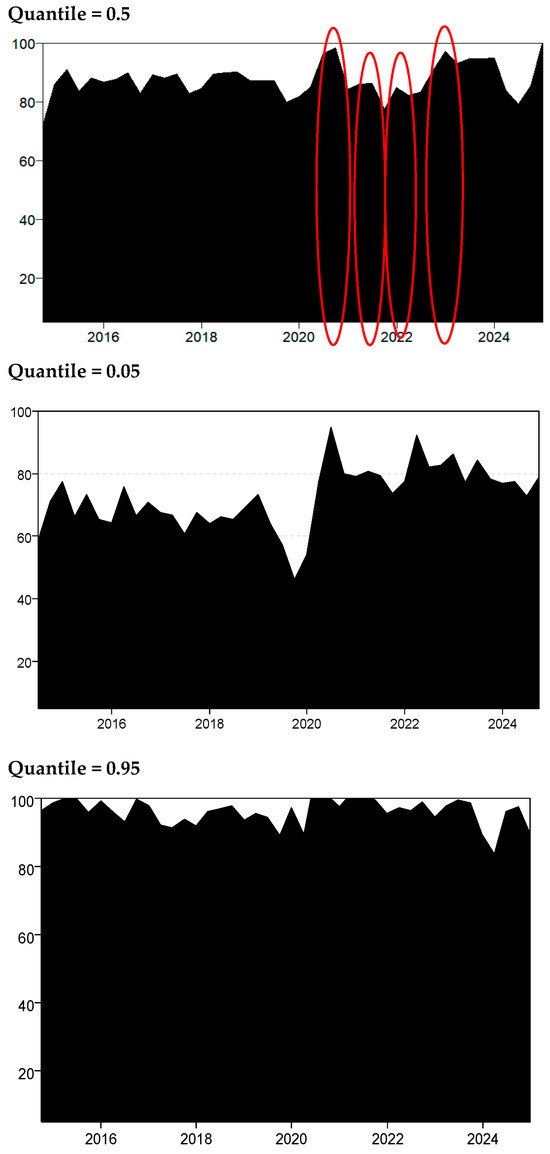
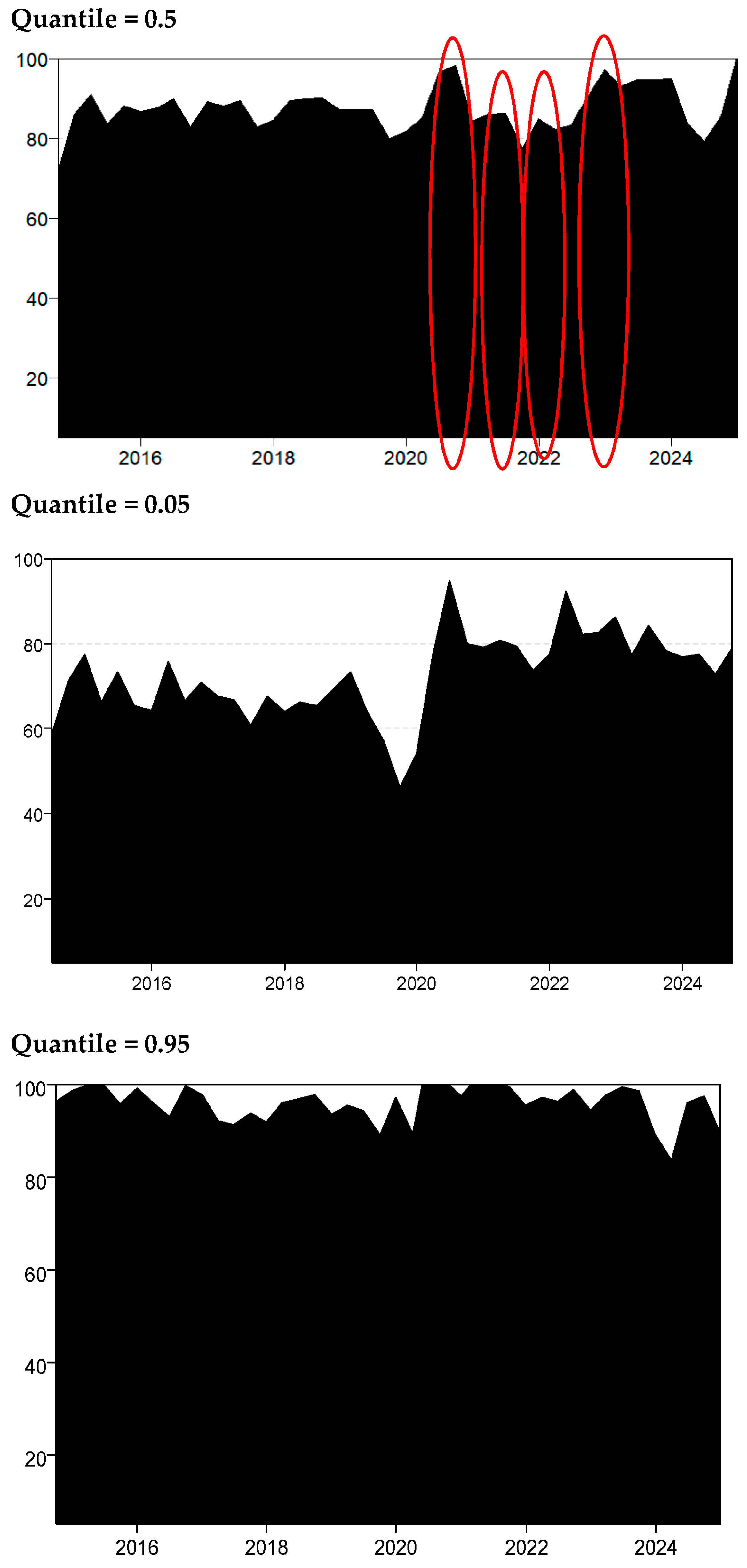
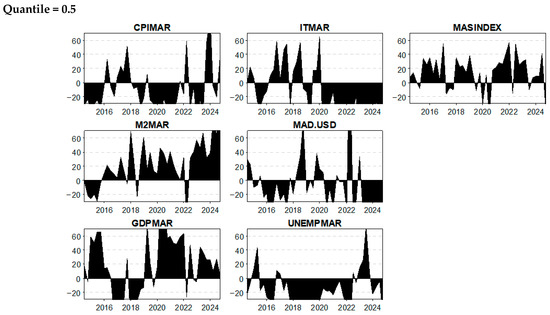
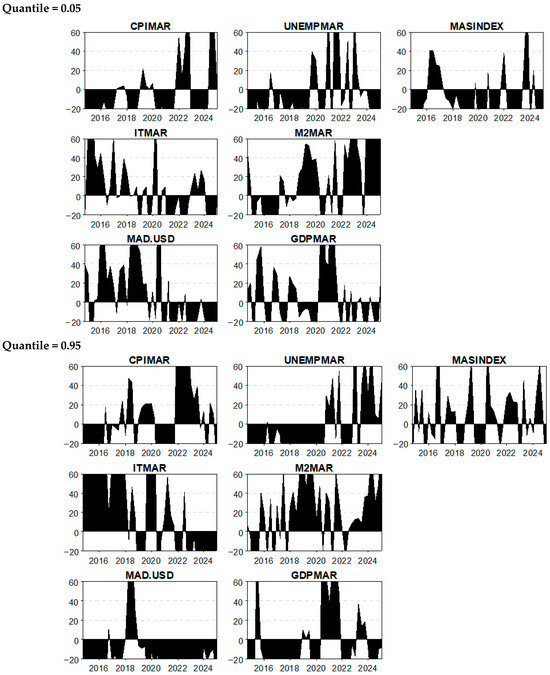
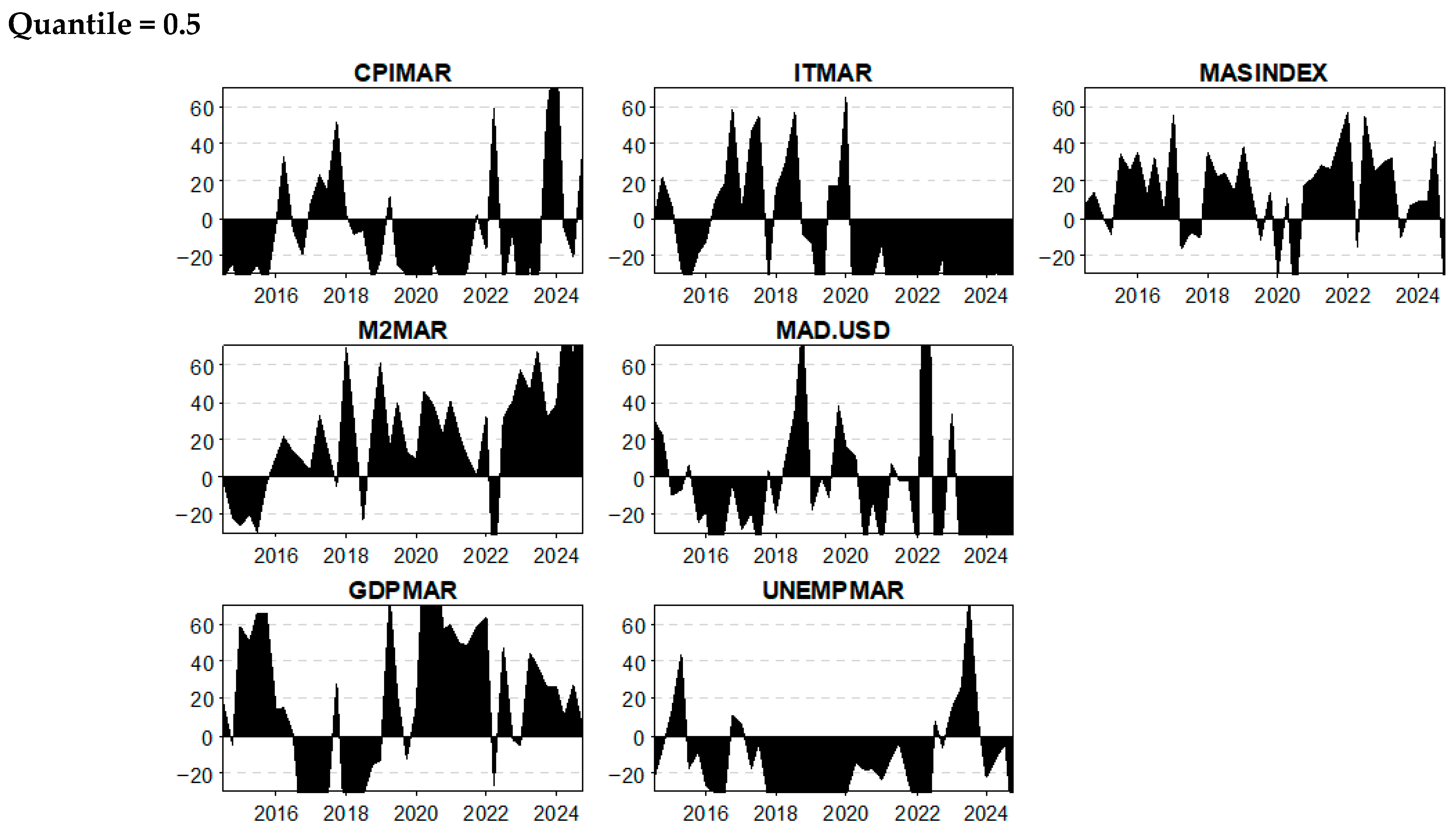
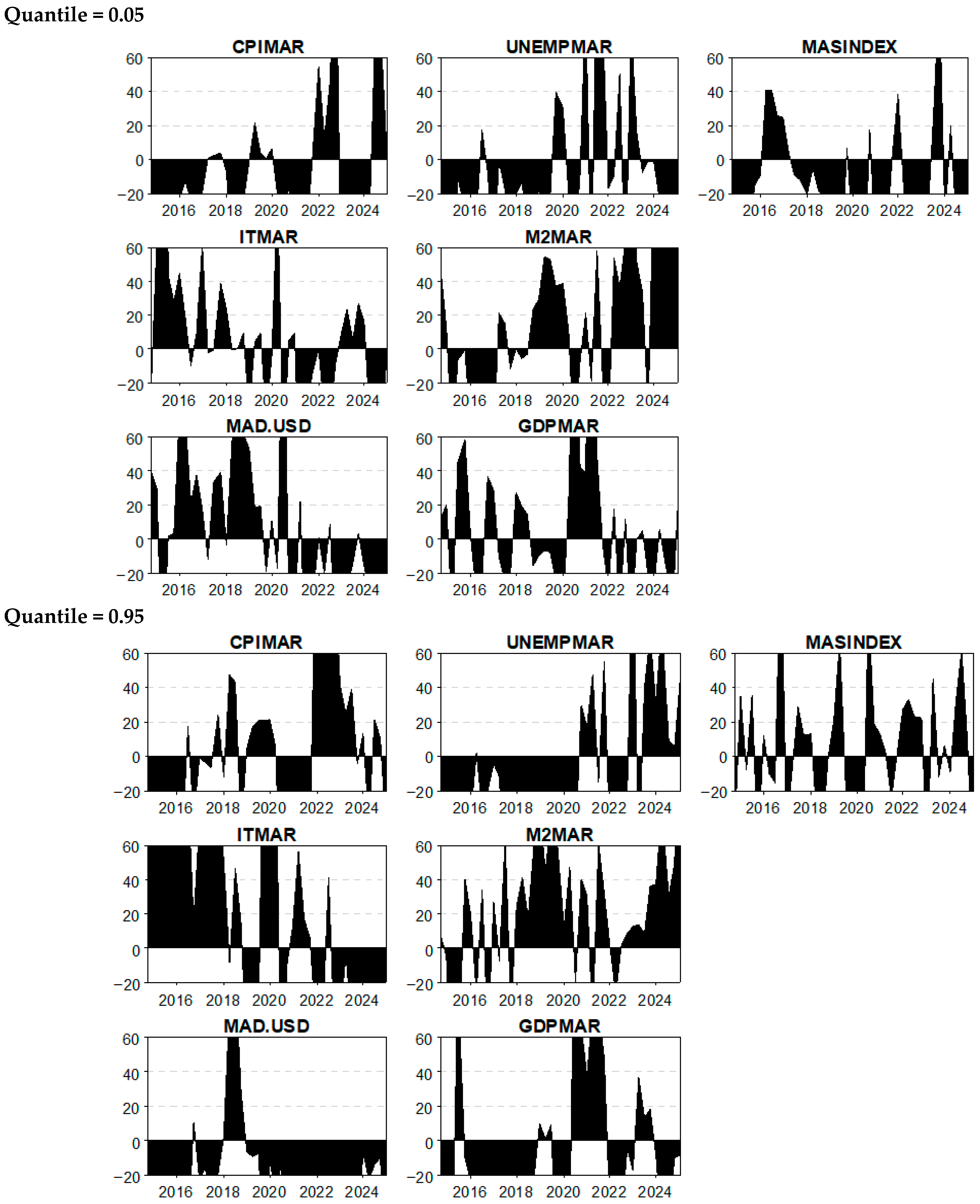
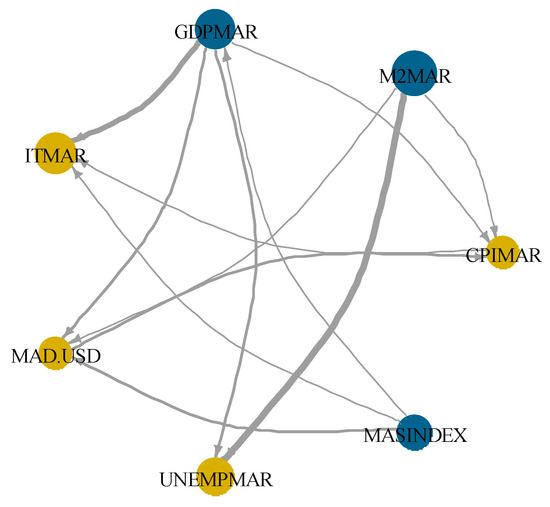
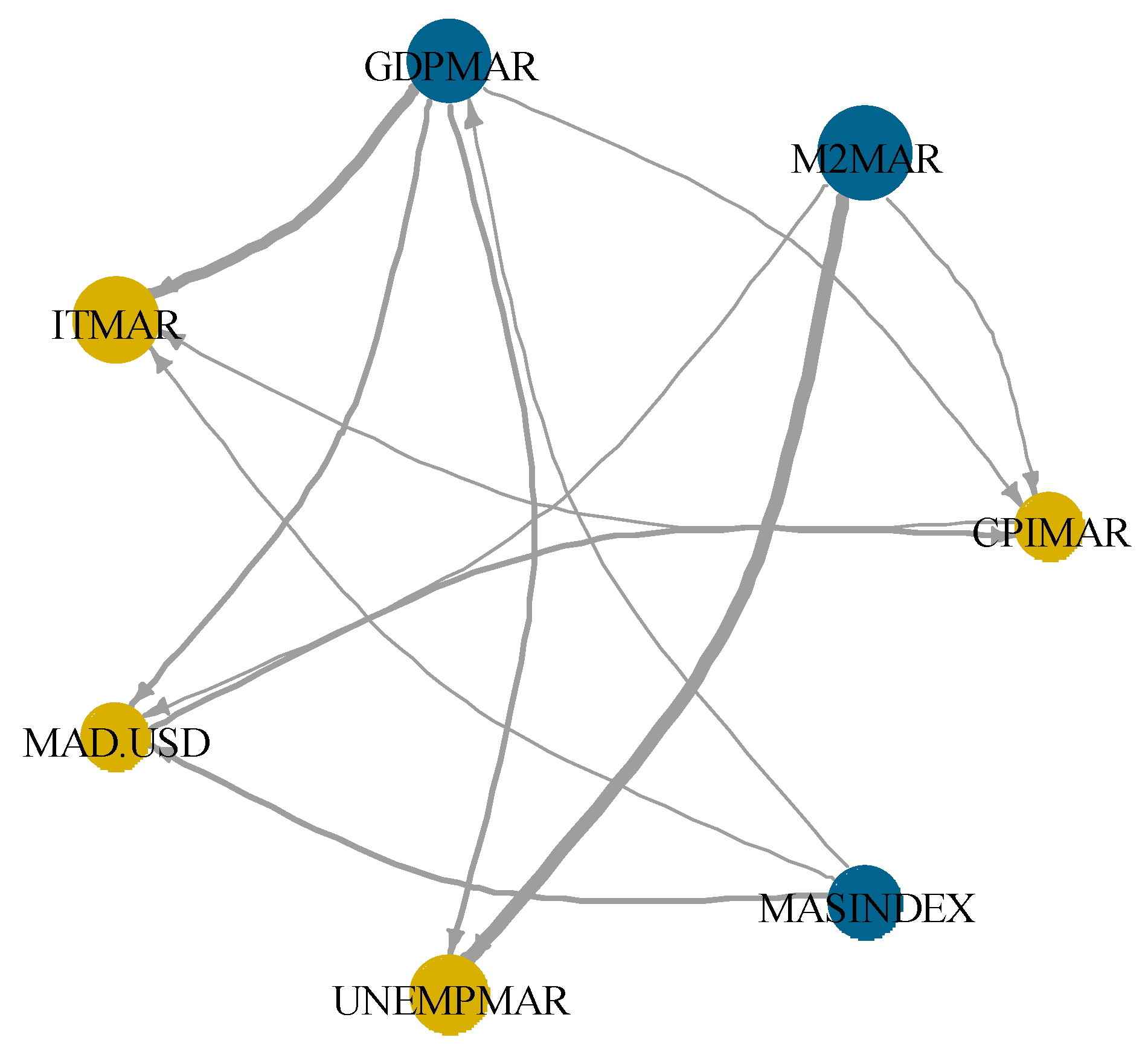
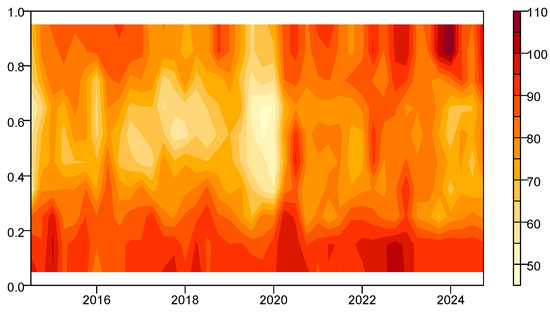
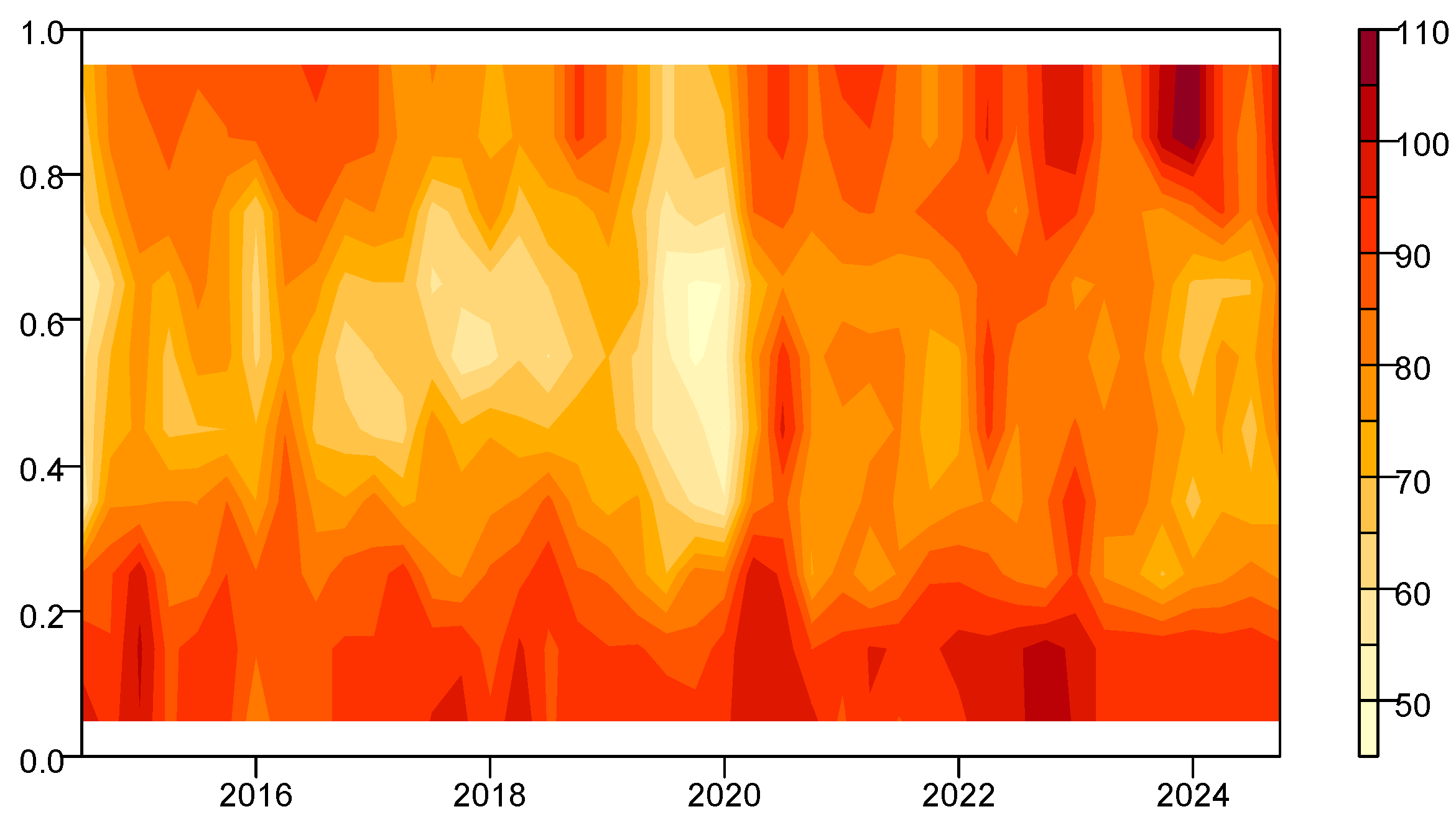
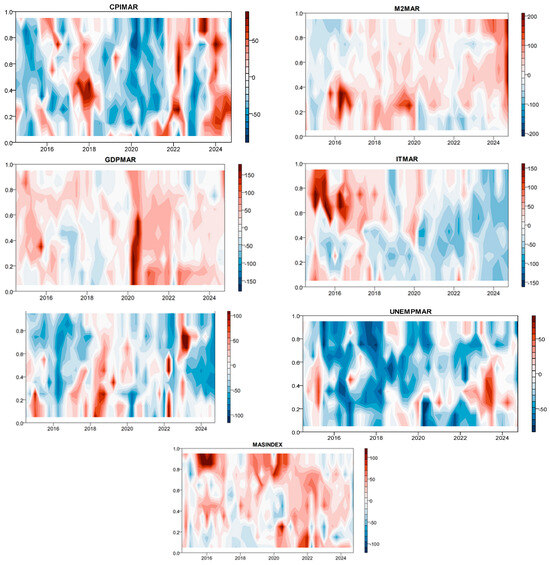
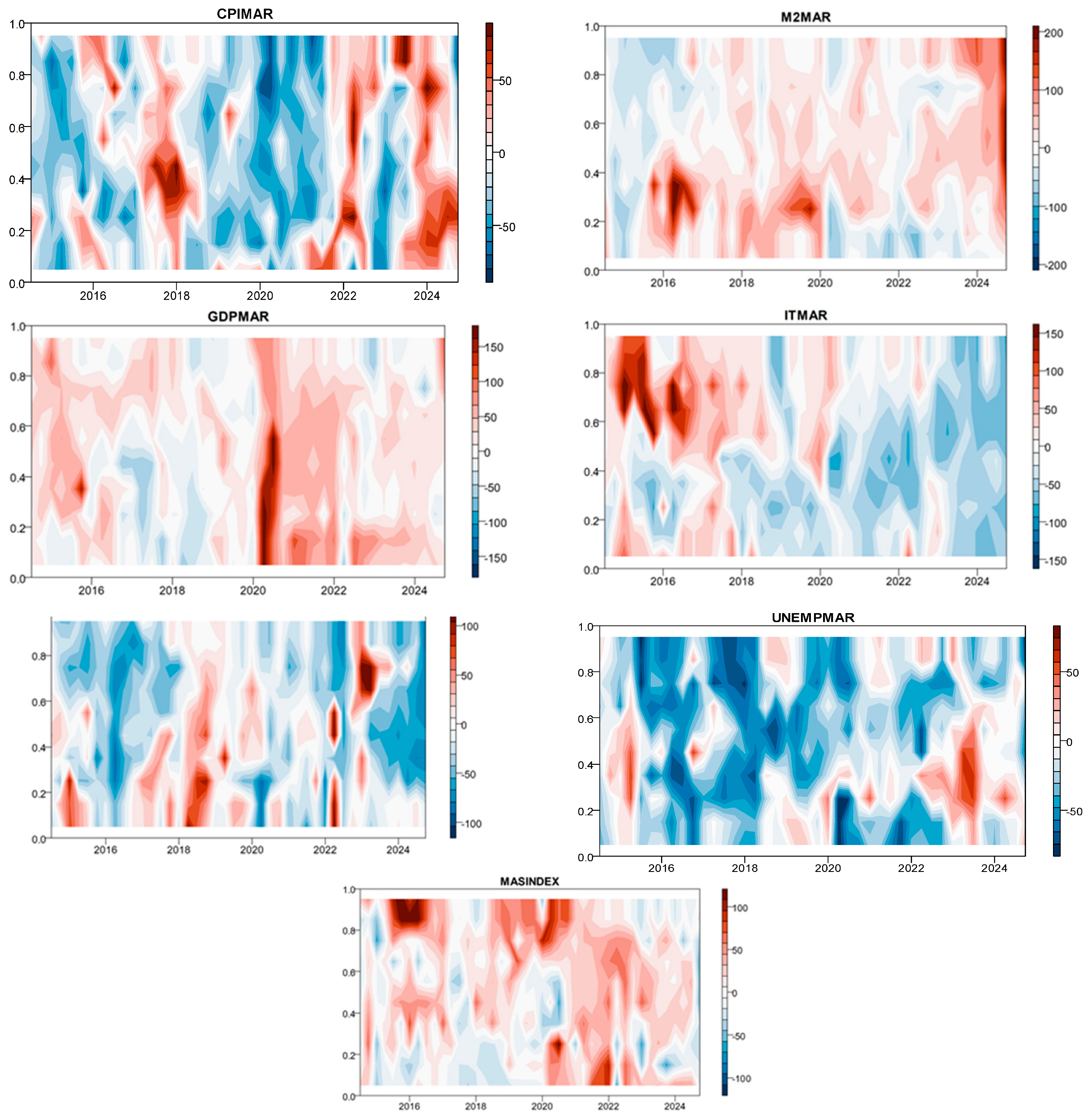
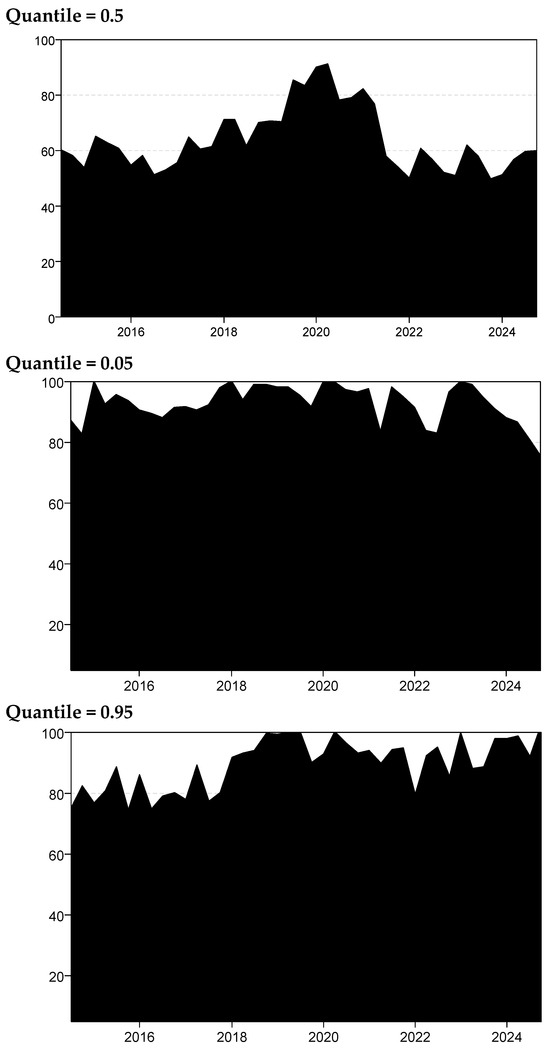
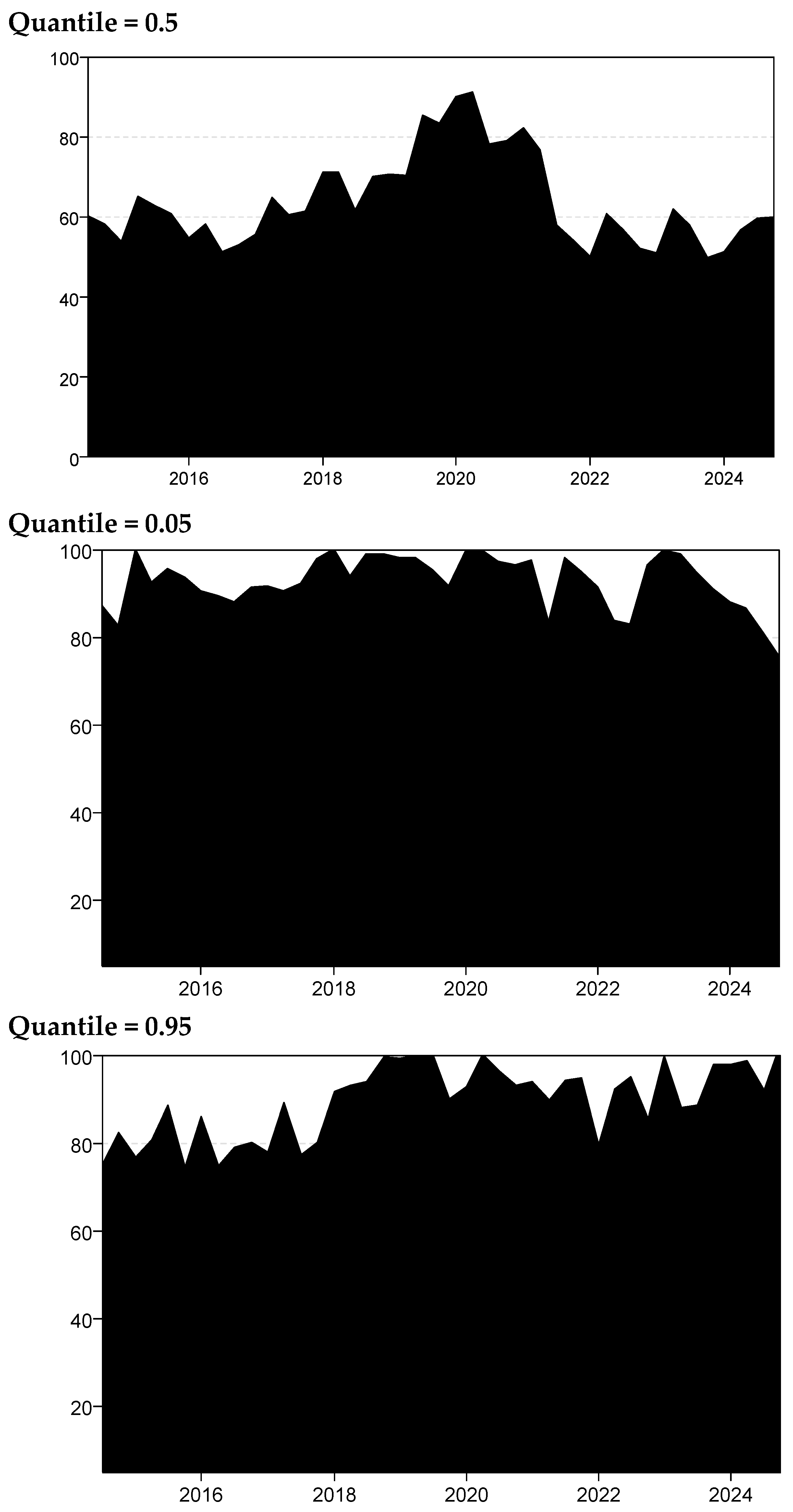
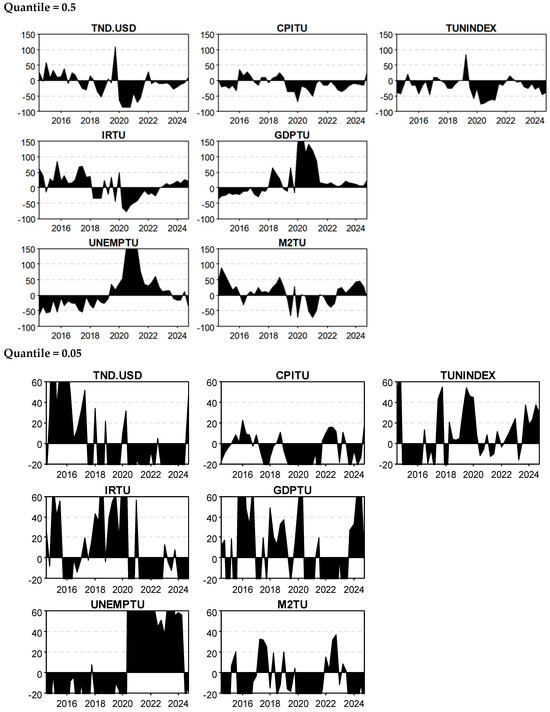
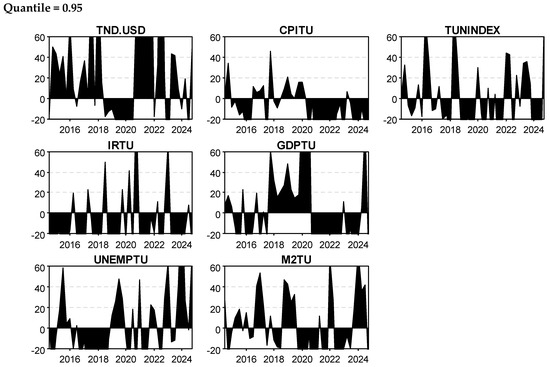
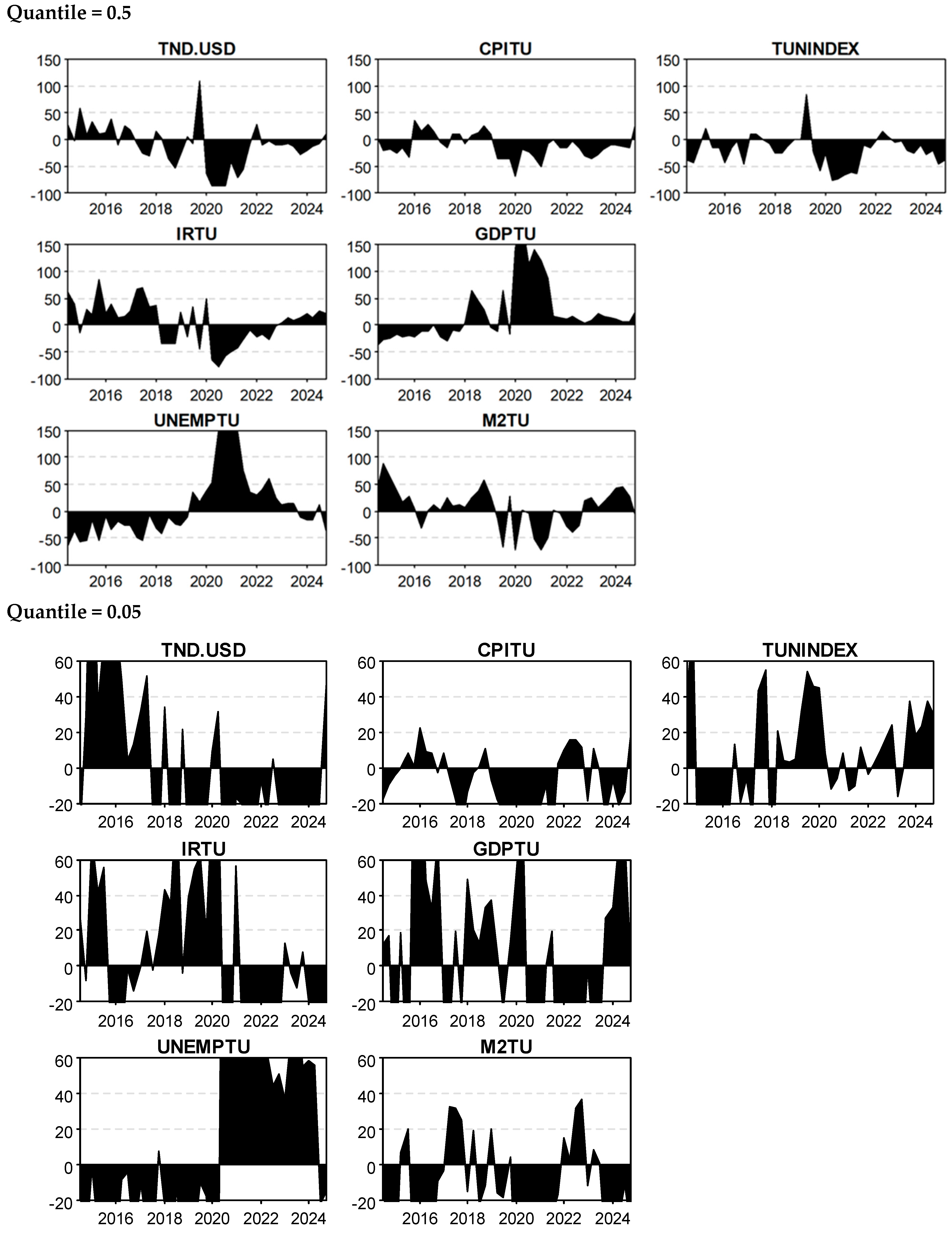
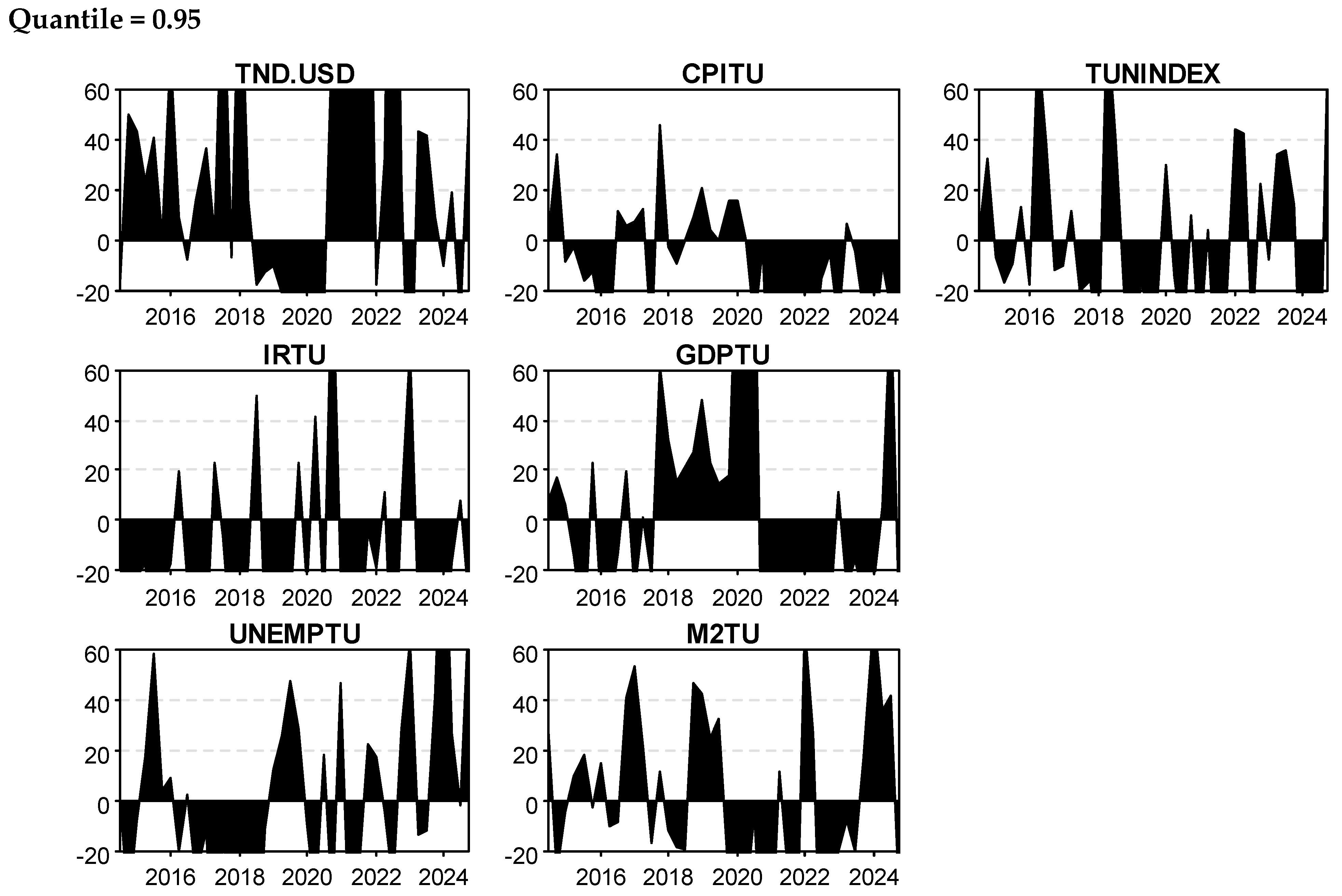
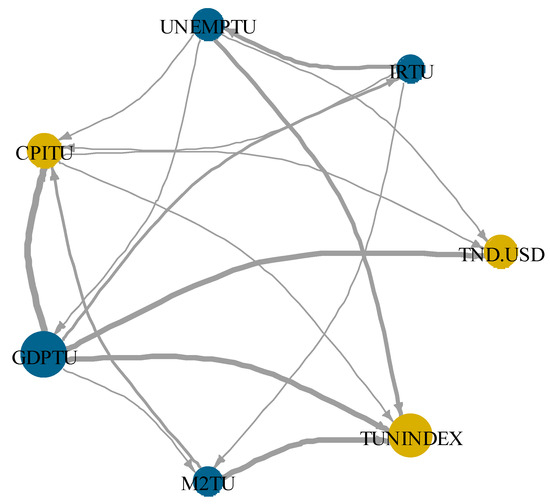
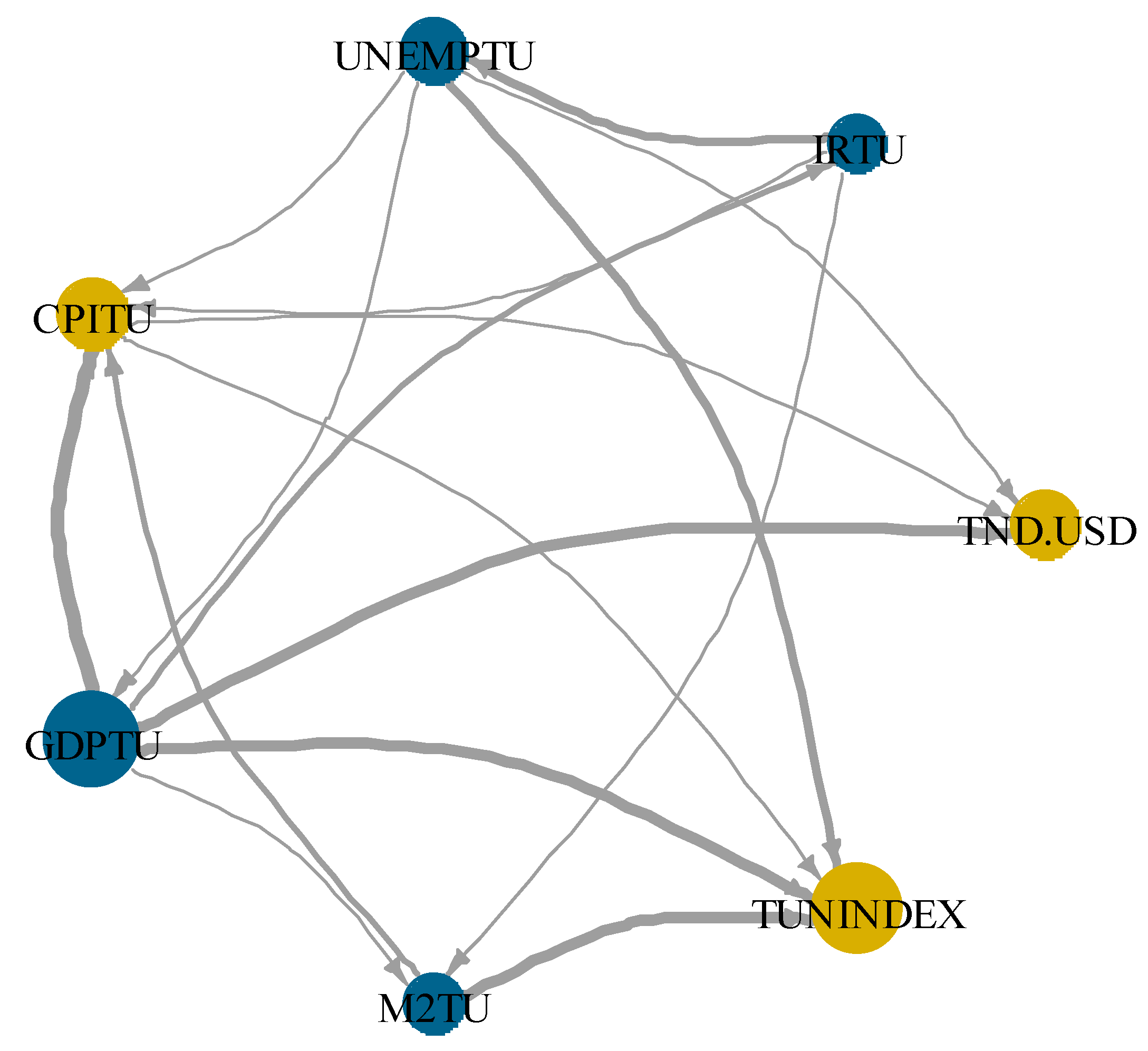
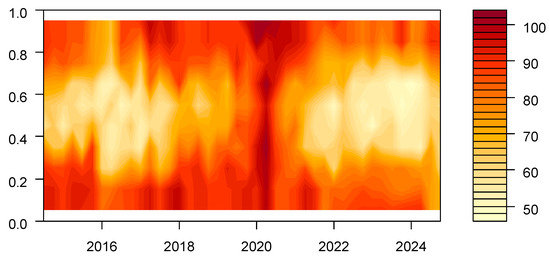
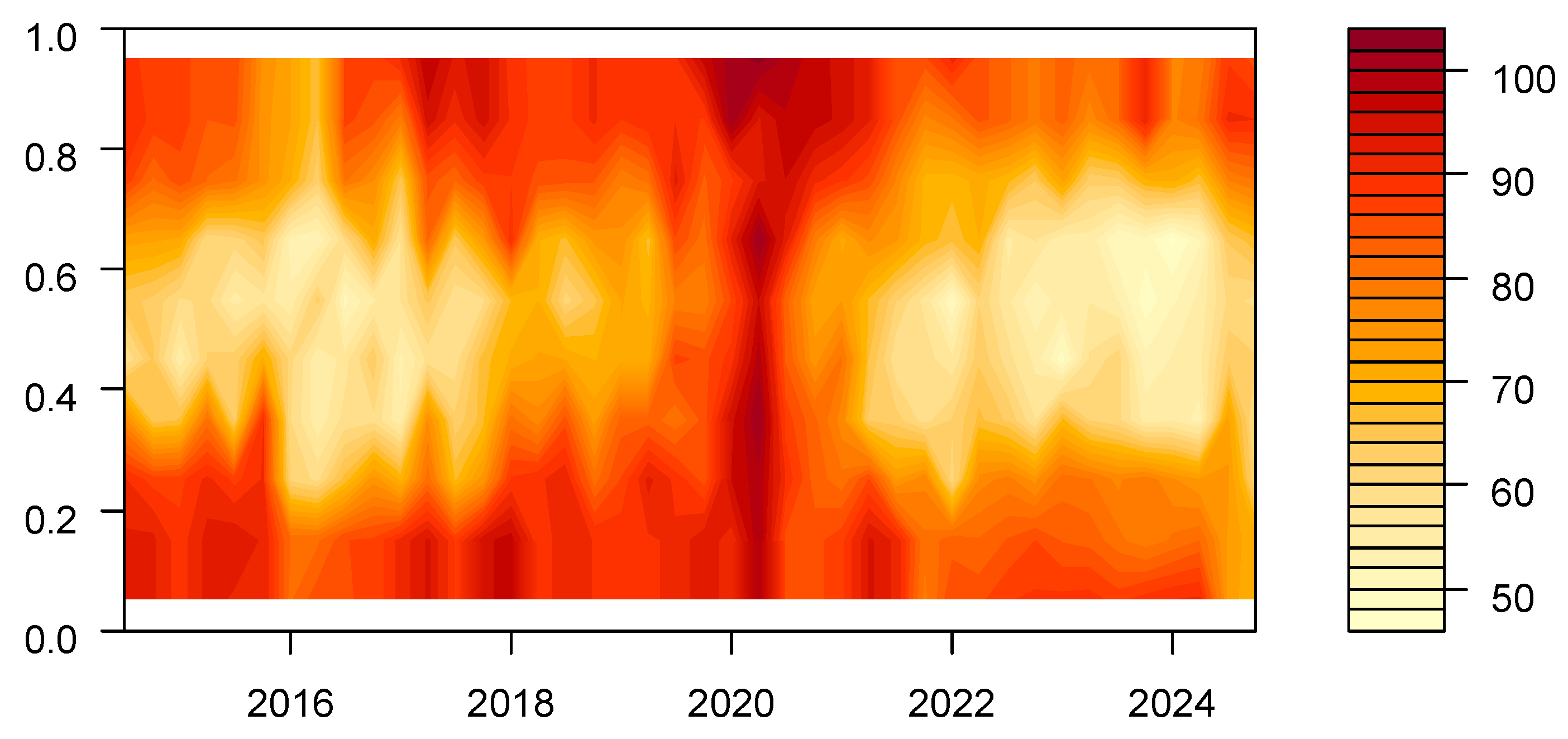
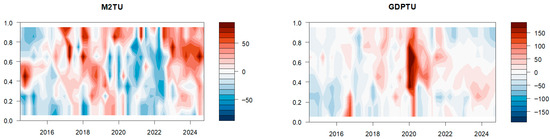
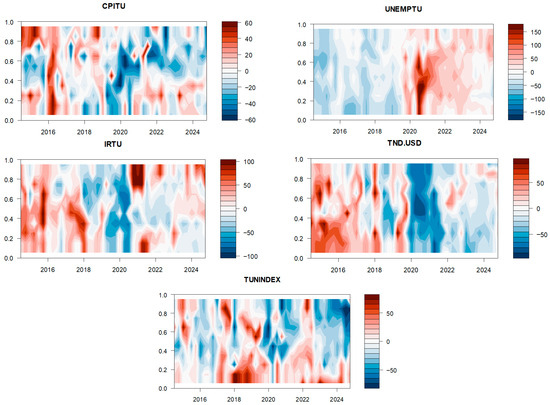
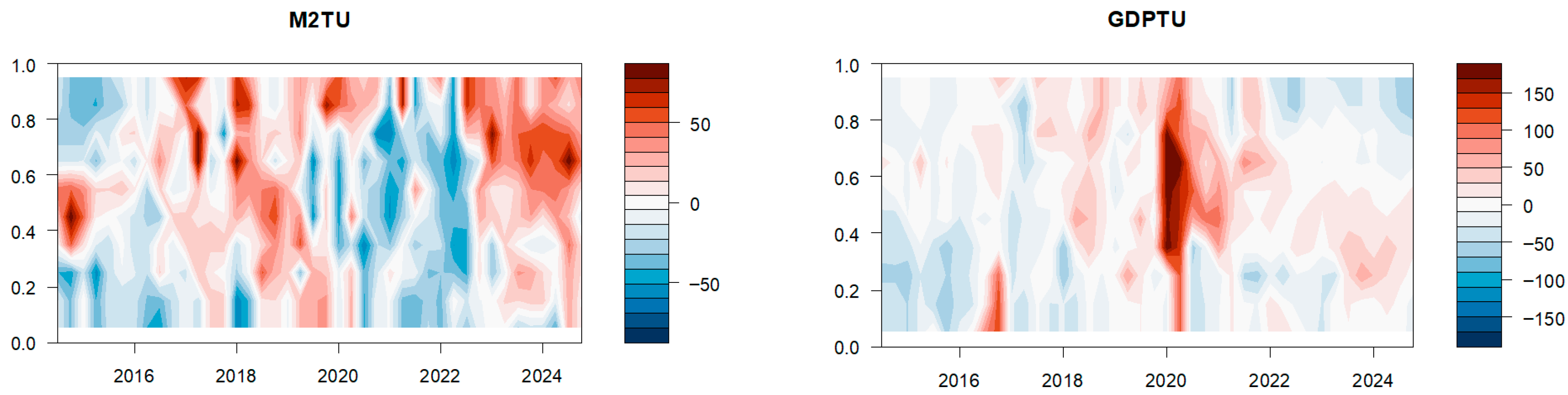
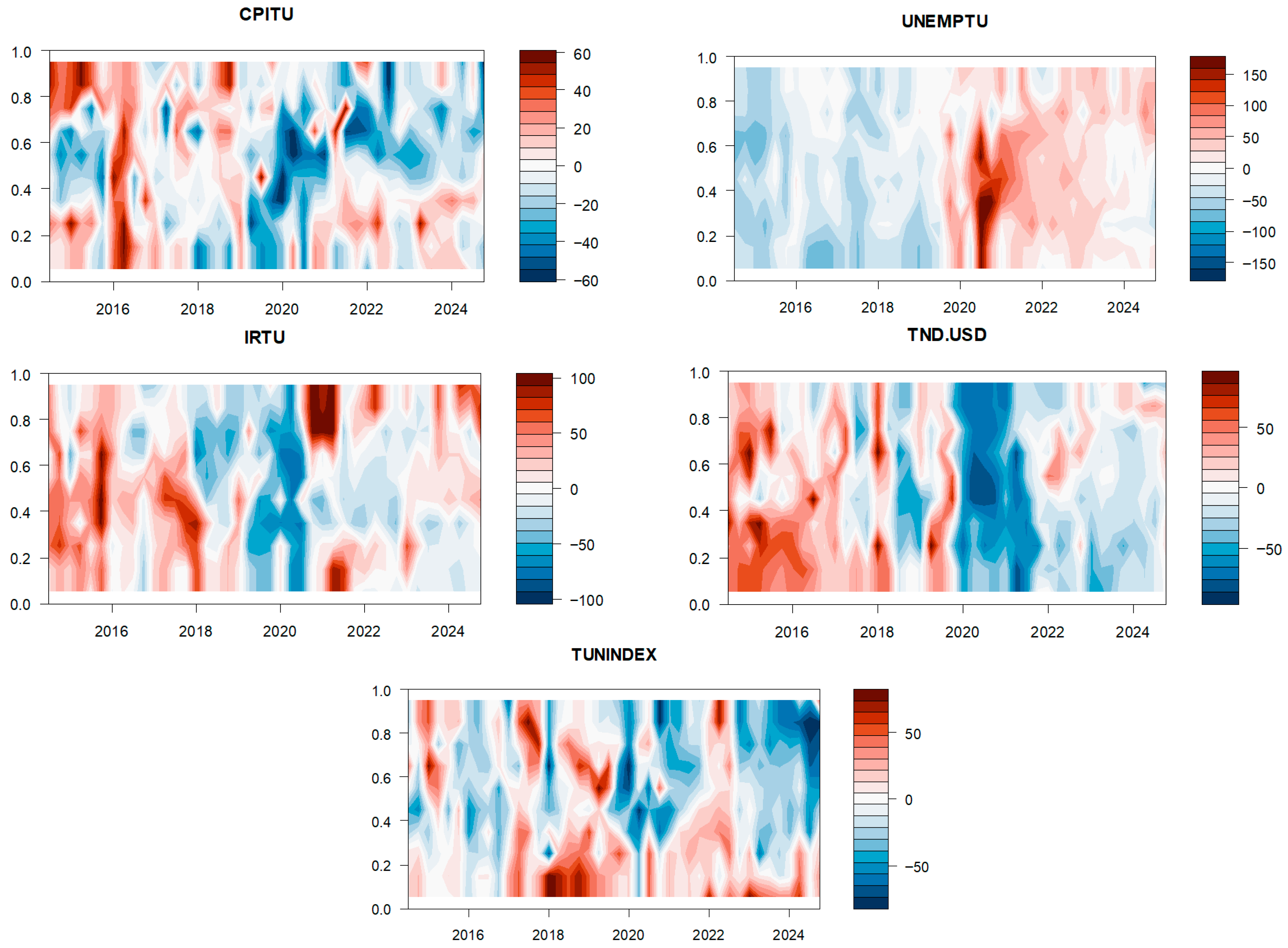

Disclaimer/Publisher’s Note: The statements, opinions and data contained in all publications are solely those of the individual author(s) and contributor(s) and not of MDPI and/or the editor(s). MDPI and/or the editor(s) disclaim responsibility for any injury to people or property resulting from any ideas, methods, instructions or products referred to in the content. |
© 2025 by the authors. Licensee MDPI, Basel, Switzerland. This article is an open access article distributed under the terms and conditions of the Creative Commons Attribution (CC BY) license (https://creativecommons.org/licenses/by/4.0/).