Insights into the Interactions of Microalgae and Combined Macrolide Antibiotics: Removal Efficiency, Physiological–Biochemical Responses and Transcriptomic Analysis

Abstract
1. Introduction
2. Materials and Methods
2.1. Chemicals
2.2. Algal Cultivation
2.3. Experimental Procedure
2.4. Analytical Methods
2.4.1. Antibiotic Degradation Analysis
2.4.2. Algal Growth
2.4.3. Photosynthetic Pigment Content
2.4.4. Oxidative Stress and Metabolic Enzyme Analysis
2.4.5. RNA Extraction and Transcriptomic Analysis
2.5. Statistical Analysis
3. Results and Discussion
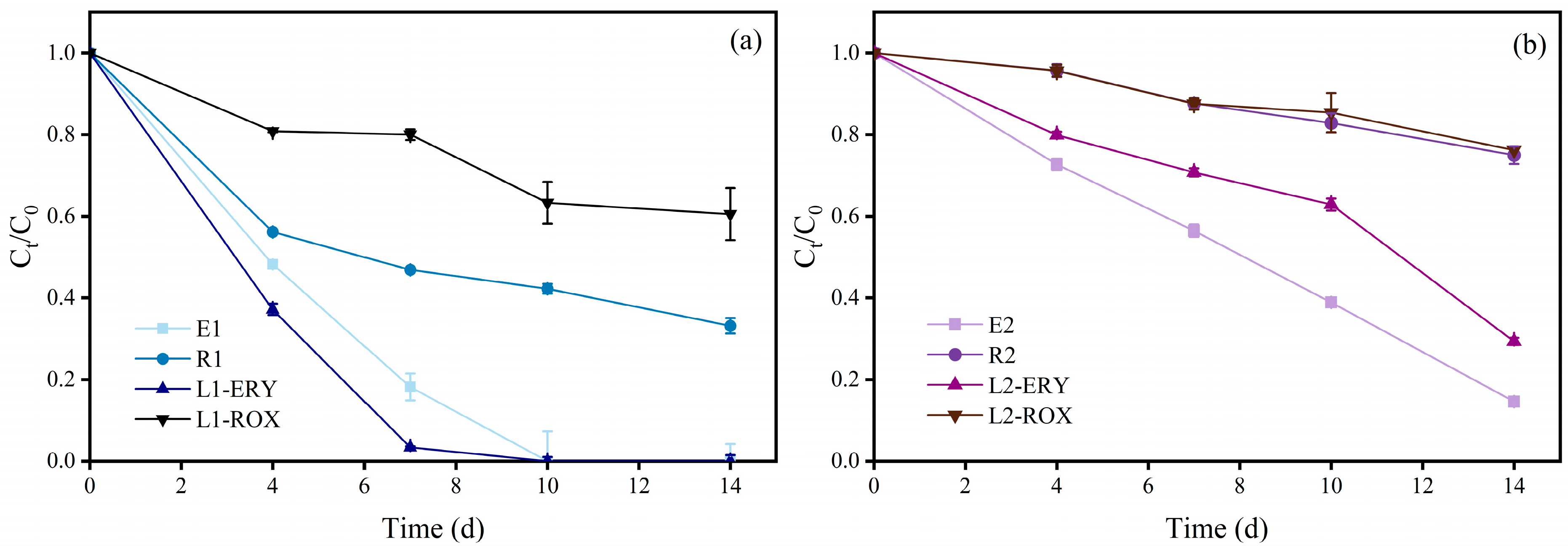
3.1. Degradation of Single and Combined ERY and ROX
3.2. Responses of Microalgae to Single and Combined ERY and ROX
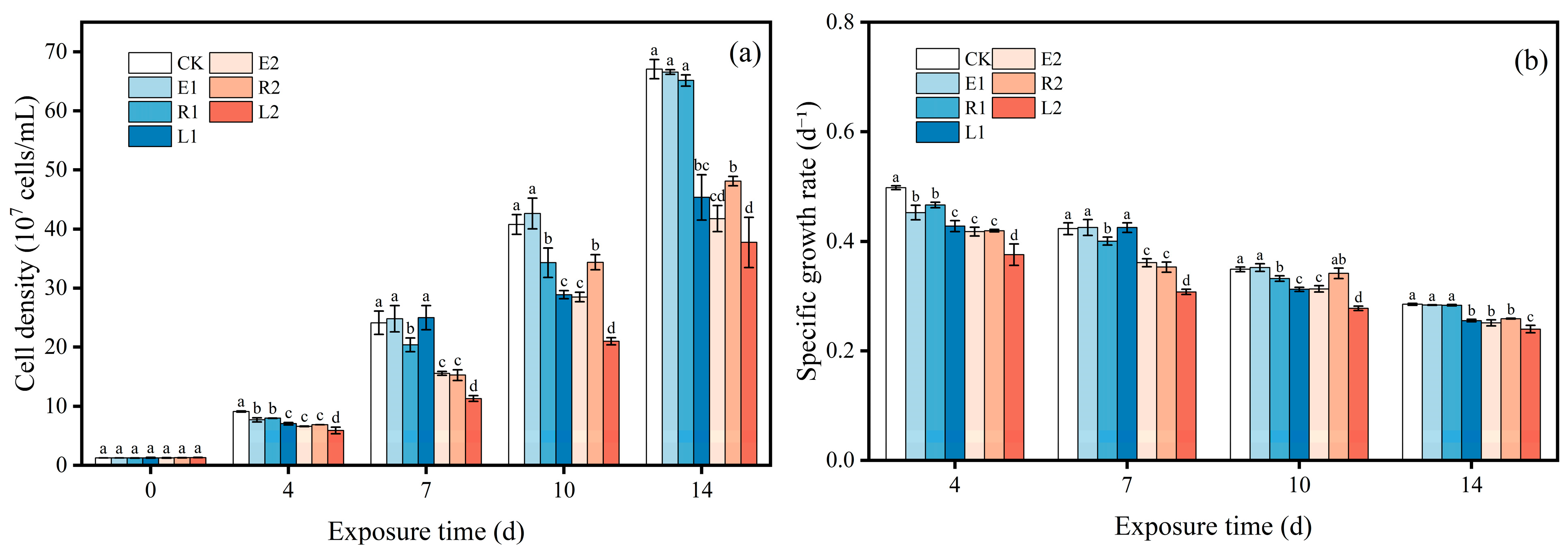
3.2.1. Microalgal Growth State
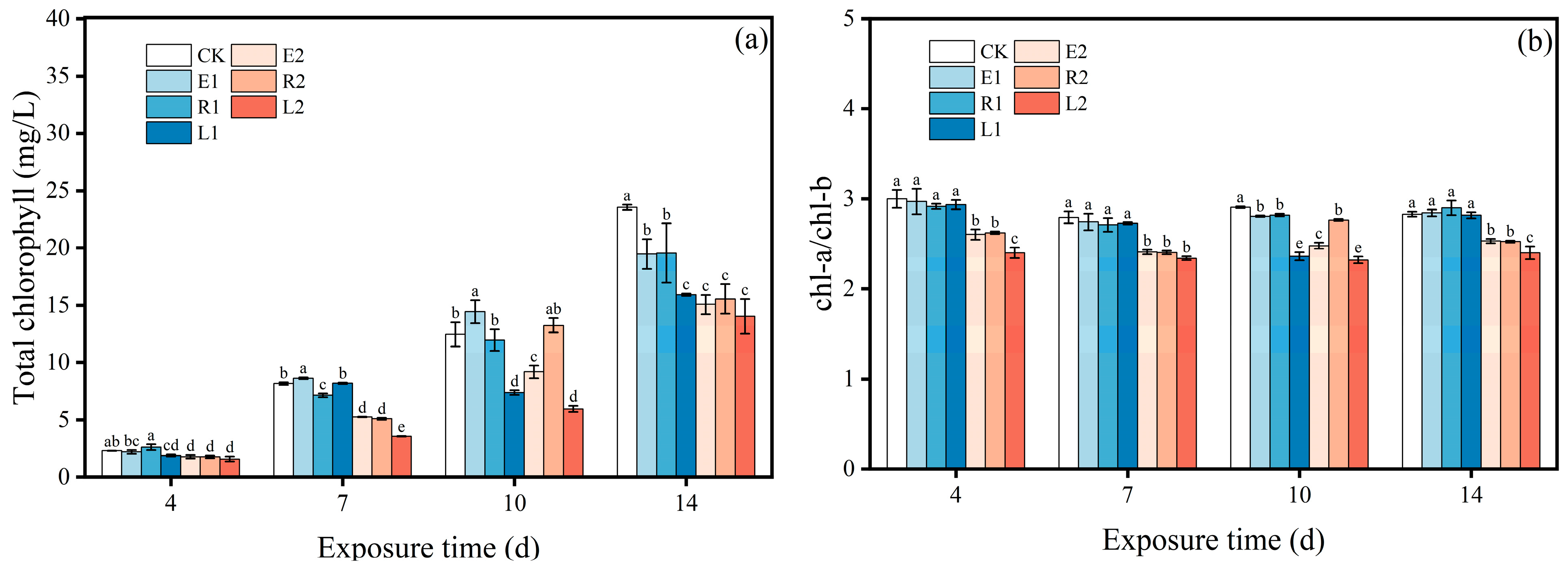
3.2.2. Changes in the Chlorophyll Content
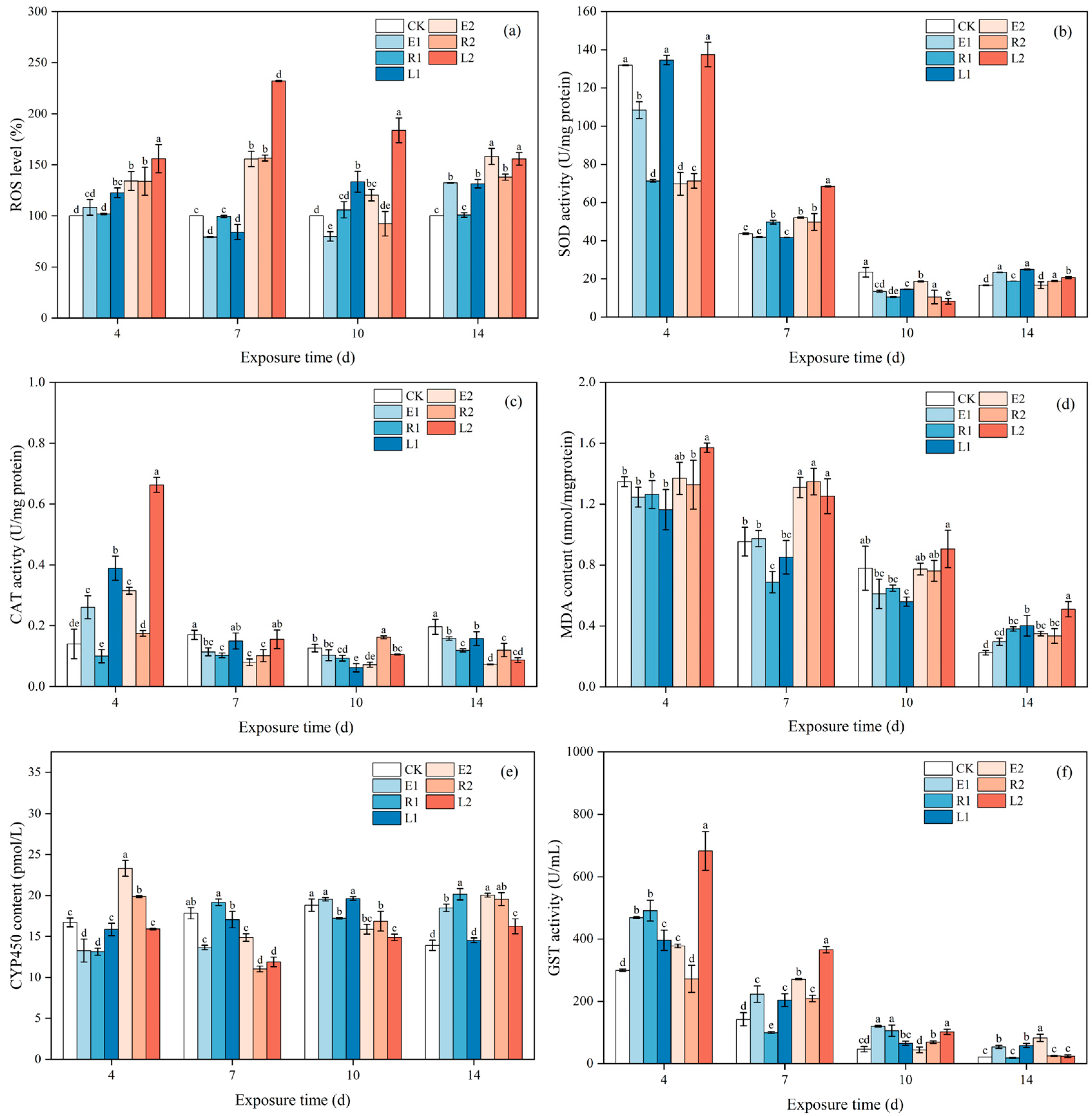
3.2.3. Responses of Antioxidative System
3.2.4. Vibrations in Metabolic Related Enzymes
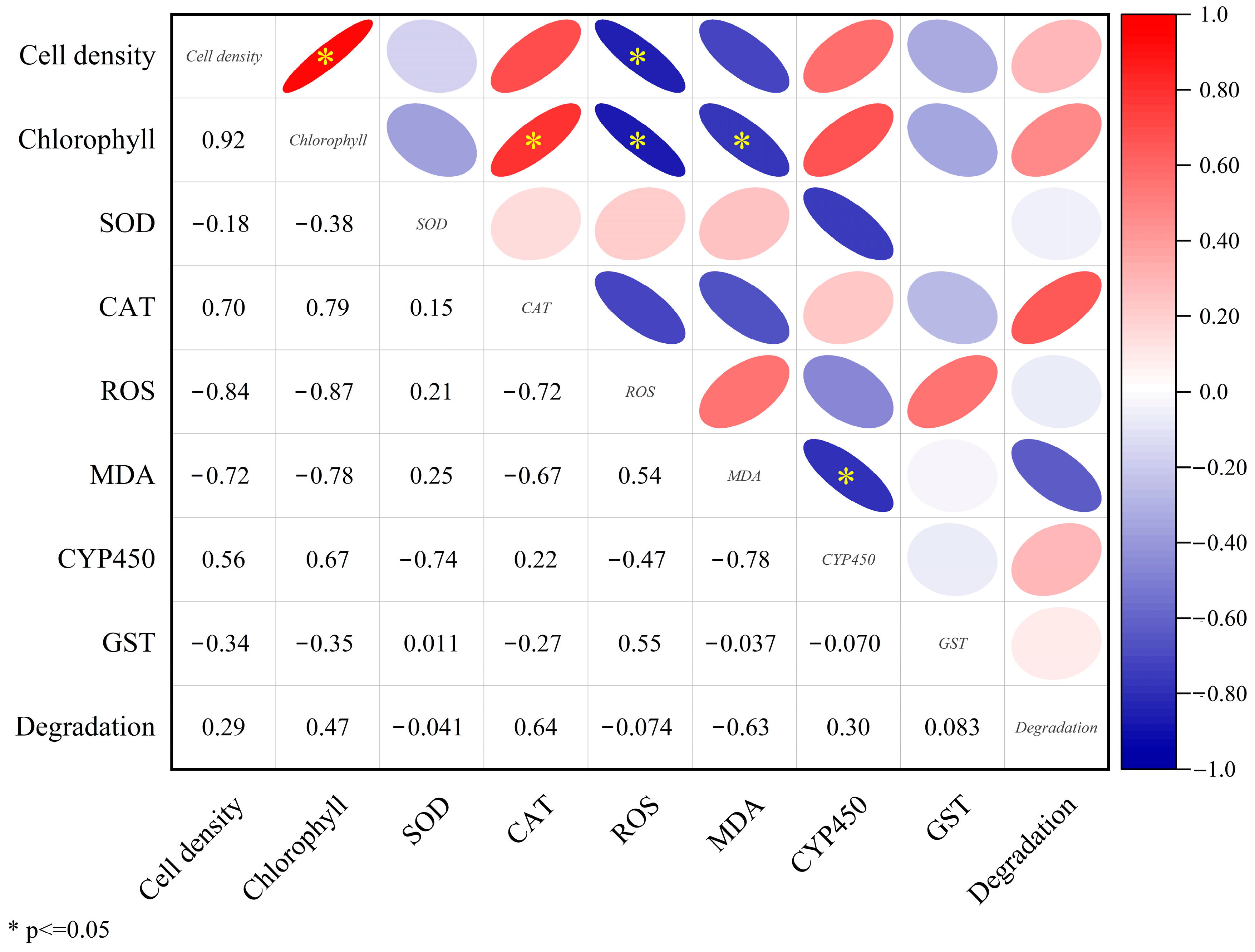
3.3. Correlations Analysis Between Microalgal Growth, Physiological–Biochemical Responses, and Antibiotic Degradation Rates
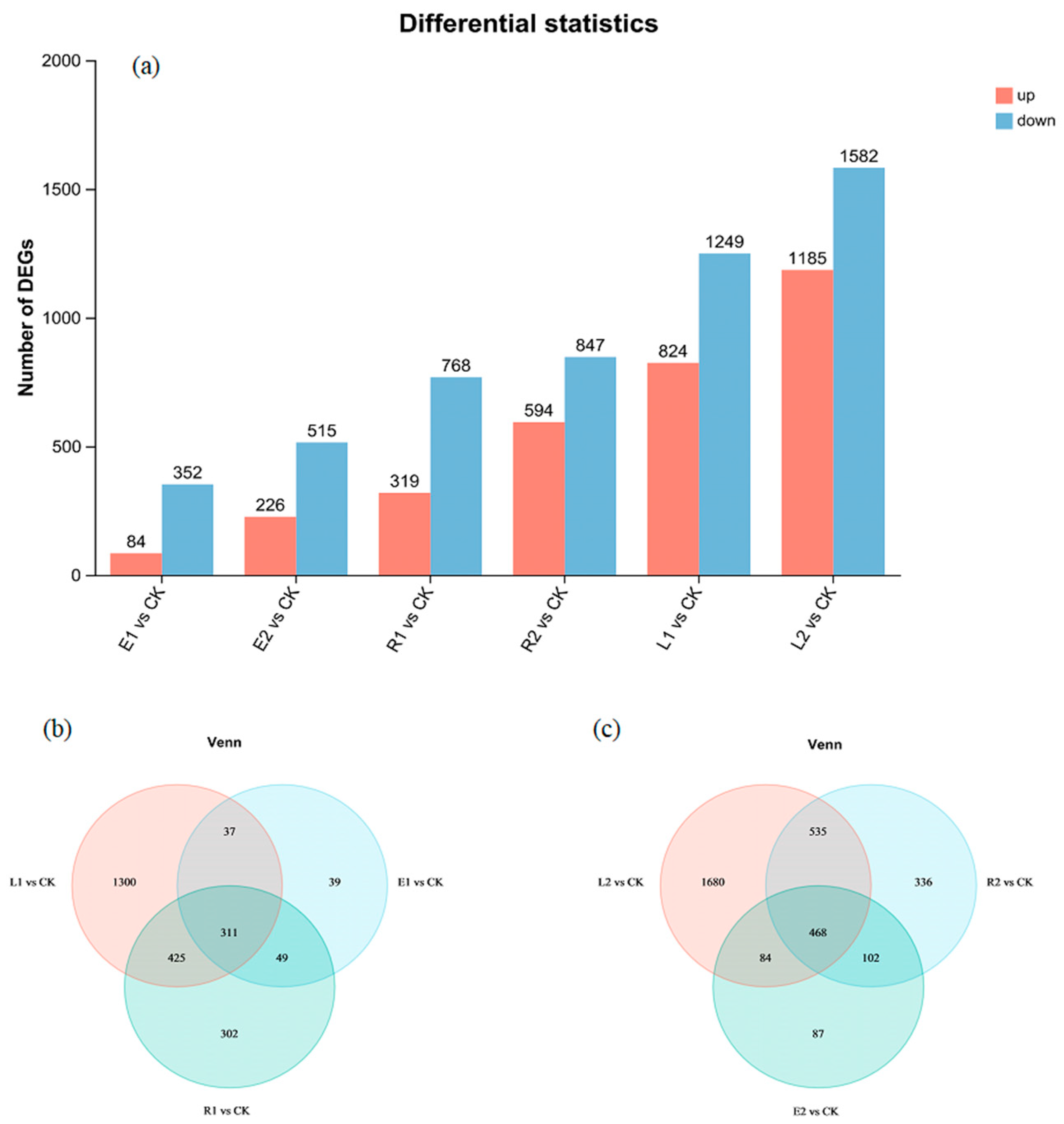
3.4. Transcriptomic Analysis
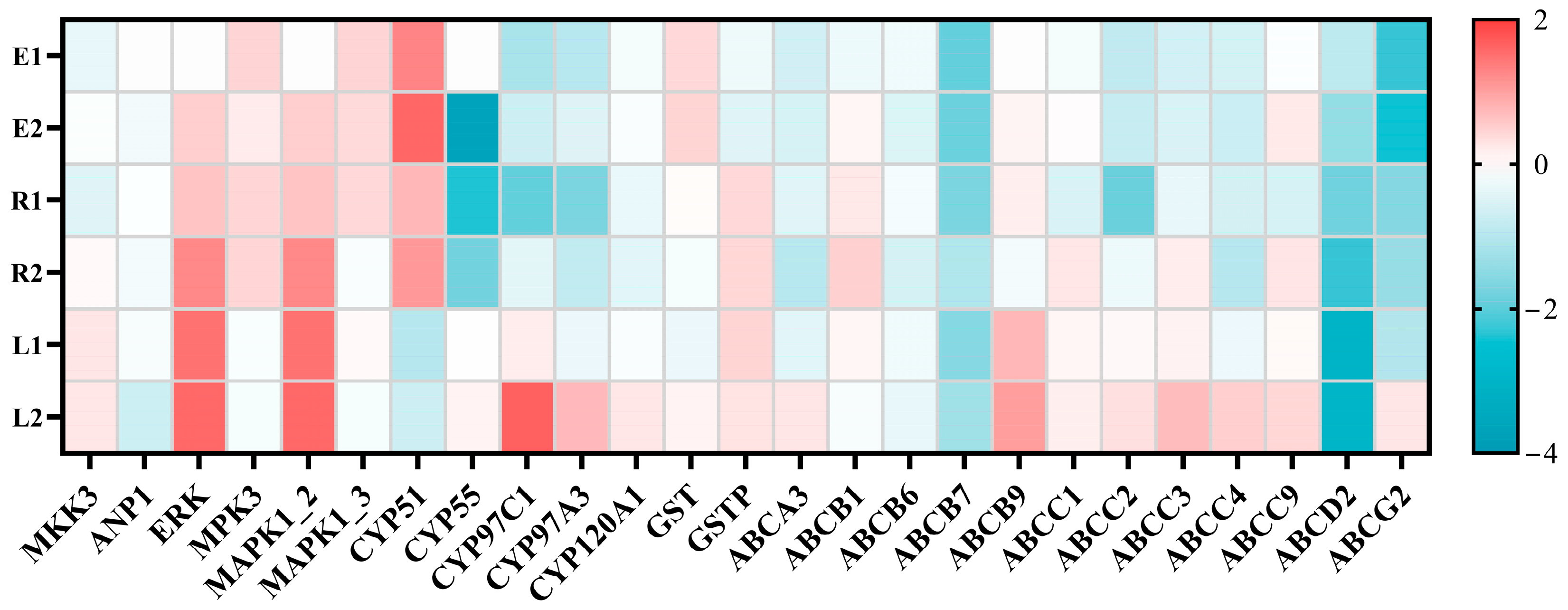
3.4.1. Xenobiotic Metabolism-Related Pathways
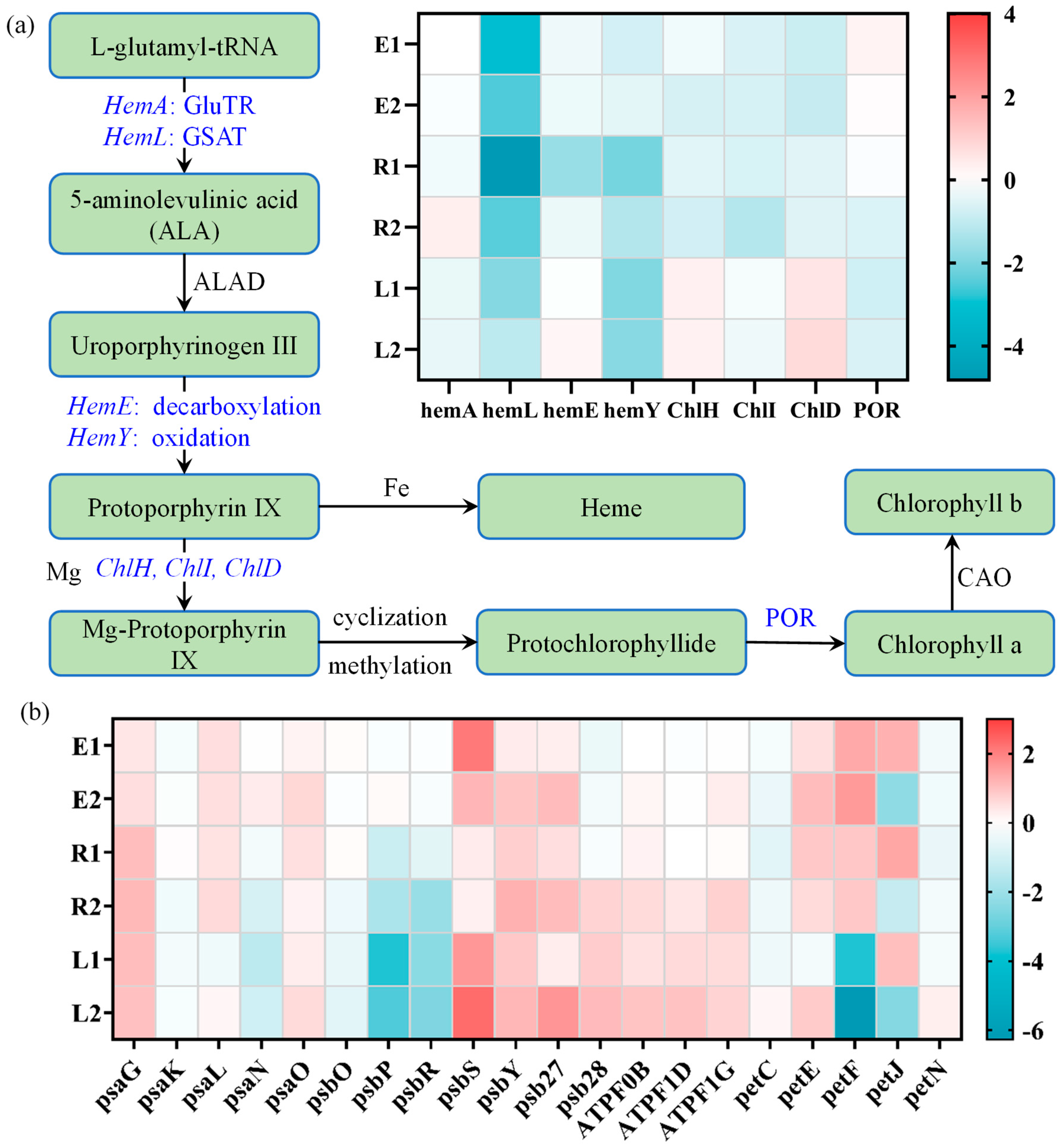
3.4.2. Photosynthesis-Related Metabolic Pathways
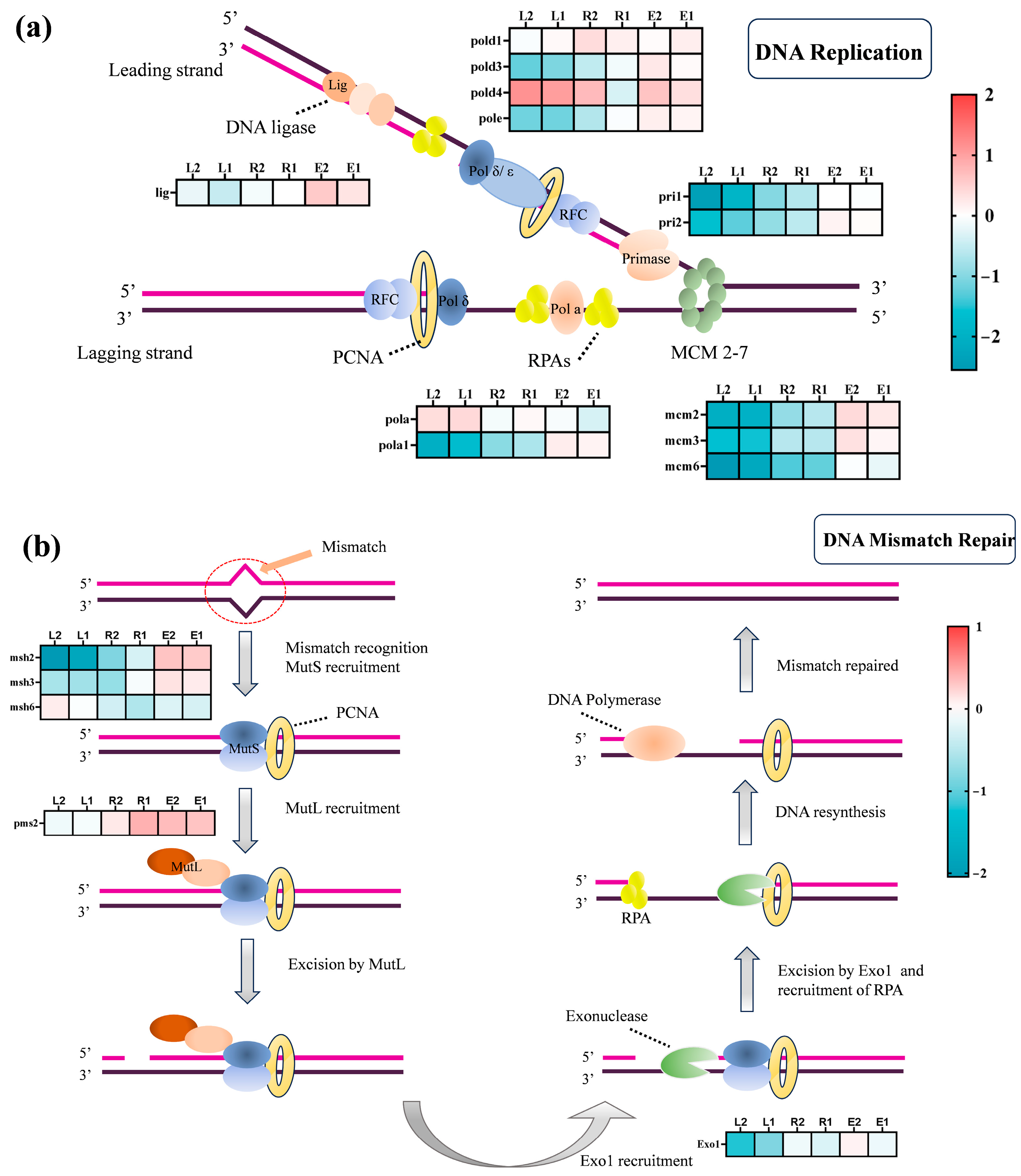
3.4.3. DNA Replication and Mismatch Repair Pathways
4. Conclusions
Supplementary Materials
Author Contributions
Funding
Data Availability Statement
Conflicts of Interest
References
- Browne, A.J.; Chipeta, M.G.; Haines-Woodhouse, G.; Kumaran, E.P.A.; Hamadani, B.H.K.; Zaraa, S.; Henry, N.J.; Deshpande, A., Jr.; Reiner, R.C.; Day, N.P.J.; et al. Global antibiotic consumption and usage in humans, 2000–2018: A spatial modelling study. Lancet Planet. Health 2021, 5, 893–904. [Google Scholar]
- Bekele, R.S.; Heiderscheidt, E.; Rossi, P.M.; Moges, M.E.; Janka, E. Antibiotics in wastewater treatment plants and receiving waterbodies: Occurrence, Removal and Risks. Environ. Pollut. 2026, 292, 127702. [Google Scholar] [CrossRef] [PubMed]
- Wang, B.; Xu, Z.; Dong, B. Occurrence, fate, and ecological risk of antibiotics in wastewater treatment plants in China: A review. J. Hazard. Mater. 2024, 469, 133925. [Google Scholar] [CrossRef] [PubMed]
- Tran, N.H.; Chen, H.; Reinhard, M.; Mao, F.; Gin, K.Y.-H. Occurrence and removal of multiple classes of antibiotics and antimicrobial agents in biological wastewater treatment processes. Water Res. 2016, 104, 461–472. [Google Scholar] [CrossRef] [PubMed]
- Zhang, X.; Zhao, H.; Du, J.; Qu, Y.; Shen, C.; Tan, F.; Chen, J.; Quan, X. Occurrence, removal, and risk assessment of antibiotics in 12 wastewater treatment plants from Dalian, China. Environ. Sci. Pollut. Res. 2017, 24, 16478–16487. [Google Scholar] [CrossRef]
- Kovalakova, P.; Cizmas, L.; McDonald, T.J.; Marsalek, B.; Feng, M.; Sharma, V.K. Occurrence and toxicity of antibiotics in the aquatic environment: A review. Chemosphere 2020, 251, 126351. [Google Scholar] [CrossRef]
- Li, J.; Li, W.; Liu, K.; Guo, Y.; Ding, C.; Han, J.; Li, P. Global review of macrolide antibiotics in the aquatic environment: Sources, occurrence, fate, ecotoxicity, and risk assessment. J. Hazard. Mater. 2022, 439, 129628. [Google Scholar] [CrossRef]
- Valcárcel, Y.; González Alonso, S.; Rodríguez-Gil, J.L.; Gil, A.; Catalá, M. Detection of pharmaceutically active compounds in the rivers and tap water of the Madrid Region (Spain) and potential ecotoxicological risk. Chemosphere 2011, 84, 1336–1348. [Google Scholar] [CrossRef]
- Wu, C.; Huang, X.; Witter, J.D.; Spongberg, A.L.; Wang, K.; Wang, D.; Liu, J. Occurrence of pharmaceuticals and personal care products and associated environmental risks in the central and lower Yangtze river, China. Ecotoxicol. Environ. Saf. 2014, 106, 19–26. [Google Scholar] [CrossRef]
- Wang, X.; Zhang, Z.-H.; Yuan, K.-K.; Xu, H.-Y.; He, G.-H.; Yang, L.; Buhagiar, J.; Yang, W.-D.; Zhang, Y.; Lin, C.S.K.; et al. Cytochrome P450-mediated co-metabolism of fluoroquinolones by Haematococcus lacustris for simultaneously promoting astaxanthin and lipid accumulation. Chem. Eng. J. 2023, 465, 142770. [Google Scholar] [CrossRef]
- Xiong, J.-Q.; Kurade, M.B.; Jeon, B.-H. Biodegradation of levofloxacin by an acclimated freshwater microalga, Chlorella vulgaris. Chem. Eng. J. 2017, 313, 1251–1257. [Google Scholar] [CrossRef]
- Xiong, J.-Q.; Kurade, M.B.; Jeon, B.-H. Can Microalgae Remove Pharmaceutical Contaminants from Water? Trends Biotechnol. 2018, 36, 30–44. [Google Scholar] [CrossRef] [PubMed]
- Kiki, C.; Rashid, A.; Wang, Y.; Li, Y.; Zeng, Q.; Yu, C.-P.; Sun, Q. Dissipation of antibiotics by microalgae: Kinetics, identification of transformation products and pathways. J. Hazard. Mater. 2020, 387, 121985. [Google Scholar] [CrossRef] [PubMed]
- Chu, Y.; Zhang, C.; Wang, R.; Chen, X.; Ren, N.; Ho, S.-H. Biotransformation of sulfamethoxazole by microalgae: Removal efficiency, pathways, and mechanisms. Water Res. 2022, 221, 118834. [Google Scholar] [CrossRef]
- Li, J.; Liu, K.; Li, W.; Zhang, M.; Li, P.; Han, J. Removal mechanisms of erythromycin by microalgae Chlorella pyrenoidosa and toxicity assessment during the treatment process. Sci. Total Environ. 2022, 848, 157777. [Google Scholar] [CrossRef]
- Li, Z.; Li, S.; Wu, Q.; Gao, X.; Zhu, L. Physiological responses and removal mechanisms of ciprofloxacin in freshwater microalgae. J. Hazard. Mater. 2024, 466, 133519. [Google Scholar] [CrossRef]
- Abinandan, S.; Shanthakumar, S. Challenges and opportunities in application of microalgae (Chlorophyta) for wastewater treatment: A review. Renew. Sustain. Energy Rev. 2015, 52, 123–132. [Google Scholar]
- Leng, L.; Wei, L.; Xiong, Q.; Xu, S.; Li, W.; Lv, S.; Lu, Q.; Wan, L.; Wen, Z.; Zhou, W. Use of microalgae based technology for the removal of antibiotics from wastewater: A review. Chemosphere 2020, 238, 124680. [Google Scholar] [CrossRef]
- Li, S.; Show, P.L.; Ngo, H.H.; Ho, S.-H. Algae-mediated antibiotic wastewater treatment: A critical review. Environ. Sci. Ecotechnology 2022, 9, 100145. [Google Scholar] [CrossRef]
- Le, V.; Tran, Q.-G.; Ko, S.-R.; Lee, S.-A.; Oh, H.-M.; Kim, H.-S.; Ahn, C.-Y. How do freshwater microalgae and cyanobacteria respond to antibiotics? Crit. Rev. Biotechnol. 2023, 43, 191–211. [Google Scholar]
- Mao, Y.; Yu, Y.; Ma, Z.; Li, H.; Yu, W.; Cao, L.; He, Q. Azithromycin induces dual effects on microalgae: Roles of photosynthetic damage and oxidative stress. Ecotoxicol. Environ. Saf. 2021, 222, 112496. [Google Scholar] [CrossRef]
- Machado, M.D.; Soares, E. VImpact of erythromycin on a non-target organism: Cellular effects on the freshwater microalga Pseudokirchneriella subcapitata. Aquat. Toxicol. 2019, 208, 179–186. [Google Scholar]
- Liu, K.; Li, J.; Zhou, Y.; Li, W.; Cheng, H.; Han, J. Combined toxicity of erythromycin and roxithromycin and their removal by Chlorella pyrenoidosa. Ecotoxicol. Environ. Saf. 2023, 257, 114929. [Google Scholar] [CrossRef]
- Wu, F.; Pan, X.; Zhou, Y.; Zhu, Y.; Liu, K.; Li, W.; Han, J. The key molecular mechanisms of antagonism induced by combined exposure to erythromycin and roxithromycin in Chlorella pyrenoidosa. Aquat. Toxicol. 2025, 280, 107269. [Google Scholar] [CrossRef] [PubMed]
- Liu, Y.; Zhang, J.; Gao, B.; Feng, S. Combined effects of two antibiotic contaminants on Microcystis aeruginosa. J. Hazard. Mater. 2014, 279, 148–155. [Google Scholar] [CrossRef] [PubMed]
- Xiong, J.-Q.; Kim, S.-J.; Kurade, M.B.; Govindwar, S.; Abou-Shanab, R.A.I.; Kim, J.-R.; Roh, H.-S.; Khan, M.A.; Jeon, B.-H. Combined effects of sulfamethazine and sulfamethoxazole on a freshwater microalga, Scenedesmus obliquus: Toxicity, biodegradation, and metabolic fate. J. Hazard. Mater. 2019, 370, 138–146. [Google Scholar] [CrossRef] [PubMed]
- Gao, W.; Pan, X.; Wu, J.; Guan, T.; Cai, F.; Han, J.; Zhou, Y.; Qiu, J.; Li, W. Synergistic degradation mechanism of roxithromycin by the combination of TiO2/graphene oxide/polypropylene fiber photocatalytic network and microalgae. Chem. Eng. J. 2025, 519, 165218. [Google Scholar]
- Guo, J.; Ma, Z.; Peng, J.; Mo, J.; Li, Q.; Guo, J.; Yang, F. Transcriptomic analysis of Raphidocelis subcapitata exposed to erythromycin: The role of DNA replication in hormesis and growth inhibition. J. Hazard. Mater. 2021, 402, 123512. [Google Scholar] [CrossRef]
- Zhou, Y.; Chen, X.; Zhu, Y.; Pan, X.; Li, W.; Han, J. Mechanisms of hormetic effects of ofloxacin on Chlorella pyrenoidosa under environmental-relevant concentration and long-term exposure. Sci. Total Environ. 2024, 932, 172856. [Google Scholar]
- Bai, X.; Acharya, K. Removal of trimethoprim, sulfamethoxazole, and triclosan by the green alga Nannochloris sp. J. Hazard. Mater. 2016, 315, 70–75. [Google Scholar]
- Feng, P.; Wu, J.; Cui, H.; Huang, X.; Wang, C.; Wang, C.; Li, X.; Duan, W. Effects of environmental concentrations of sulfamethoxazole on Skeletonema costatum and Phaeodactylum tricornutum: Insights into growth, oxidative stress, biochemical components, ultrastructure, and transcriptome. Ecotoxicol. Environ. Saf. 2024, 283, 116851. [Google Scholar] [CrossRef] [PubMed]
- Liu, L.; Wu, W.; Zhang, J.; Lv, P.; Xu, L.; Yan, Y. Progress of research on the toxicology of antibiotic pollution in aquatic organisms. Acta Ecol. Sin. 2018, 38, 36–41. [Google Scholar]
- Perrine, Z.; Negi, S.; Sayre, R.T. Optimization of photosynthetic light energy utilization by microalgae. Algal Res. 2012, 1, 134–142. [Google Scholar] [CrossRef]
- Yu, C.; Li, C.; Zhang, Y.; Du, X.; Wang, J.-H.; Chi, Z.-Y.; Zhang, Q. Effects of environment-relevant concentrations of antibiotics on seawater Chlorella sp. biofilm in artificial mariculture effluent. Algal Res. 2023, 70, 103008. [Google Scholar] [CrossRef]
- Kovtun, Y.; Chiu, W.-L.; Tena, G.; Sheen, J. Functional analysis of oxidative stress-activated mitogen-activated protein kinase cascade in plants. Proc. Natl. Acad. Sci. USA 2000, 97, 2940–2945. [Google Scholar] [CrossRef]
- Wan, J.; Guo, P.; Peng, X.; Wen, K. Effect of erythromycin exposure on the growth, antioxidant system and photosynthesis of Microcystis flos-aquae. J. Hazard. Mater. 2015, 283, 778–786. [Google Scholar] [CrossRef]
- Zhang, H.; Zong, R.; He, H.; Huang, T. Effects of hydrogen peroxide on Scenedesmus obliquus: Cell growth, antioxidant enzyme activity and intracellular protein fingerprinting. Chemosphere 2022, 287, 132185. [Google Scholar] [CrossRef]
- Kurama, E.E.; Fenille, R.C.; Rosa, V.E., Jr.; Rosa, D.D.; Ulian, E.C. Mining the enzymes involved in the detoxification of reactive oxygen species (ROS) in sugarcane. Mol. Plant Pathol. 2002, 3, 251–259. [Google Scholar] [CrossRef]
- Lin, S.; Shi, C.; Wang, H.; Ma, X.; Li, J.; Chen, S.; Guo, N.; Zhang, Z. Removal of Antibiotics in Breeding Wastewater Tailwater Using Microalgae-Based Process. Bull. Environ. Contam. Toxicol. 2025, 114, 27. [Google Scholar] [CrossRef]
- Yang, W.; Tang, Z.; Zhou, F.; Zhang, W.; Song, L. Toxicity studies of tetracycline on Microcystis aeruginosa and Selenastrum capricornutum. Environ. Toxicol. Pharmacol. 2013, 35, 320–324. [Google Scholar] [CrossRef]
- Torres, M.A.; Barros, M.P.; Campos, S.C.G.; Pinto, E.; Rajamani, S.; Sayre, R.T.; Colepicolo, P. Biochemical biomarkers in algae and marine pollution: A review. Ecotoxicol. Environ. Saf. 2008, 71, 1–15. [Google Scholar] [CrossRef] [PubMed]
- Dimaano, N.G.; Iwakami, S. Cytochrome P450-mediated herbicide metabolism in plants: Current understanding and prospects. Pest Manag. Sci. 2021, 77, 22–32. [Google Scholar] [PubMed]
- Hernández Estévez, I.; Rodríguez Hernández, M. Plant Glutathione S-transferases: An overview. Plant Gene 2020, 23, 100233. [Google Scholar] [CrossRef]
- Koh, Y.S.; Wong, S.K.; Ismail, N.H.; Zengin, G.; Duangjai, A.; Saokaew, S.; Phisalprapa, P.; Tan, K.W.; Goh, B.H.; Tang, S.Y. Mitigation of Environmental Stress-Impacts in Plants: Role of Sole and Combinatory Exogenous Application of Glutathione. Front. Plant Sci. 2021, 12, 791205. [Google Scholar] [CrossRef]
- Luo, L.; Lai, X.; Chen, B.; Lin, L.; Fang, L.; Tam, N.F.Y.; Luan, T. Chlorophyll catalyse the photo-transformation of carcinogenic benzo[a]pyrene in water. Sci. Rep. 2015, 5, 12776. [Google Scholar]
- Nguyen, C.H.; Yan, D.; Nambara, E. Persistence of Abscisic Acid Analogs in Plants: Chemical Control of Plant Growth and Physiology. Genes 2023, 14, 1078. [Google Scholar] [CrossRef]
- Guo, Z.; He, H.; Liu, K.; Li, Z.; Xi, Y.; Liao, Z.; Dao, G.; Huang, B.; Pan, X. Toxic mechanisms of the antiviral drug arbidol on microalgae in algal bloom water at transcriptomic level. J. Hazard. Mater. 2024, 473, 134678. [Google Scholar] [CrossRef]
- Xu, Y.; Zhang, Z.; Bian, Y.; Wang, Y.; Deng, Z.; Luo, R.; Li, W.; Yan, J.; Zhao, B.; Sun, D. Regulatory Mechanisms of EPA and DHA Proportions in a PUFA-Producing Microalga, Schizochytrium sp. ATCC 20888: From the Biosynthesis and Storage Distribution Aspects. J. Agric. Food Chem. 2025, 73, 4137–4151. [Google Scholar] [CrossRef]
- Huang, G.-T.; Ma, S.-L.; Bai, L.-P.; Zhang, L.; Ma, H.; Jia, P.; Liu, J.; Zhong, M.; Guo, Z.-F. Signal transduction during cold, salt, and drought stresses in plants. Mol. Biol. Rep. 2012, 39, 969–987. [Google Scholar]
- Yang, A.; Suh, W.I.; Kang, N.K.; Lee, B.; Chang, Y.K. MAPK/ERK and JNK pathways regulate lipid synthesis and cell growth of Chlamydomonas reinhardtii under osmotic stress, respectively. Sci. Rep. 2018, 8, 13857. [Google Scholar] [CrossRef]
- Bak, M.-J.; Hong, S.-G.; Lee, J.-W.; Jeong, W.-S. Red Ginseng Marc Oil Inhibits iNOS and COX-2 via NFκB and p38 Pathways in LPS-Stimulated RAW 264.7 Macrophages. Molecules 2012, 17, 13769–13786. [Google Scholar] [CrossRef] [PubMed]
- Gigli Bisceglia, N.; Savatin, D.V.; Cervone, F.; Engelsdorf, T.; De Lorenzo, G. Loss of the Arabidopsis Protein Kinases ANPs Affects Root Cell Wall Composition, and Triggers the Cell Wall Damage Syndrome. Front. Plant Sci. 2018, 9, 1079. [Google Scholar] [CrossRef] [PubMed]
- Xin, J.; Li, C.; Ning, K.; Qin, Y.; Shang, J.-X.; Sun, Y. AtPFA-DSP3, an atypical dual-specificity protein tyrosine phosphatase, affects salt stress response by modulating MPK3 and MPK6 activity. Plant Cell Environ. 2021, 44, 1534–1548. [Google Scholar] [CrossRef] [PubMed]
- Teng, L.; Fan, X.; Nelson, D.R.; Han, W.; Zhang, X.; Xu, D.; Renault, H.; Markov, G.V.; Ye, N. Diversity and evolution of cytochromes P450 in stramenopiles. Planta 2019, 249, 647–661. [Google Scholar] [CrossRef]
- Zheng, S.; Guo, J.; Cheng, F.; Gao, Z.; Du, L.; Meng, C.; Li, S.; Zhang, X. Cytochrome P450s in algae: Bioactive natural product biosynthesis and light-driven bioproduction. Acta Pharm. Sin. B 2022, 12, 2832–2844. [Google Scholar]
- Marrs, M.A. The functions and regulation of glutathinone S-transferases in plants. Annu. Rev. Plant Biol. 1996, 47, 127–158. [Google Scholar]
- Andolfo, G.; Ruocco, M.; Di Donato, A.; Frusciante, L.; Lorito, M.; Scala, F.; Ercolano, M.R. Genetic variability and evolutionary diversification of membrane ABC transporters in plants. BMC Plant Biol. 2015, 15, 51. [Google Scholar] [CrossRef]
- Li, X.; Li, X.; Yang, X.; Lan, C.; Huang, Y.; Jia, B. Identification and Characterization of ATP-Binding Cassette Transporters in Chlamydomonas reinhardtii. Mar. Drugs 2022, 20, 603. [Google Scholar] [CrossRef]
- Li, N.; Zhang, Y.; Meng, H.; Li, S.; Wang, S.; Xiao, Z.; Chang, P.; Zhang, X.; Li, Q.; Guo, L.; et al. Characterization of Fatty Acid Exporters involved in fatty acid transport for oil accumulation in the green alga Chlamydomonas reinhardtii. Biotechnol. Biofuels 2019, 12, 14. [Google Scholar] [CrossRef]
- Fischer, W.W.; Hemp, J.; Johnson, J.E. Evolution of Oxygenic Photosynthesis. Annu. Rev. Earth Planet. Sci. 2016, 44, 647–683. [Google Scholar] [CrossRef]
- Song, H.; Li, Y.; Xu, X.; Zhang, J.; Zheng, S.; Hou, L.; Xing, G.; Li, M. Analysis of genes related to chlorophyll metabolism under elevated CO2 in cucumber (Cucumis sativus L.). Sci. Hortic. 2020, 261, 108988. [Google Scholar] [CrossRef]
- Nardella, C.; Boi, D.; di Salvo, M.L.; Barile, A.; Stetefeld, J.; Tramonti, A.; Contestabile, R. Isolation of a Complex Formed Between Acinetobacter baumannii HemA and HemL, Key Enzymes of Tetrapyrroles Biosynthesis. Front. Mol. Biosci. 2019, 6, 6. [Google Scholar] [CrossRef]
- Shen, L.; Gao, Y.; Tang, K.; Qi, R.; Fu, L.; Chen, J.-H.; Wang, W.; Ma, X.; Li, P.; Chen, M.; et al. Structure of a unique PSII-Pcb tetrameric megacomplex in a chlorophyll d-containing cyanobacterium. Sci. Adv. 2024, 10, eadk7140. [Google Scholar] [CrossRef]
- Wei, X.; Su, X.; Cao, P.; Liu, X.; Chang, W.; Li, M.; Zhang, X.; Liu, Z. Structure of spinach photosystem II–LHCII supercomplex at 3.2 Å resolution. Nature 2016, 534, 69–74. [Google Scholar] [CrossRef]
- Li, Q.; Lu, D.; Sun, H.; Guo, J.; Mo, J. Tylosin toxicity in the alga Raphidocelis subcapitata revealed by integrated analyses of transcriptome and metabolome: Photosynthesis and DNA replication-coupled repair. Aquat. Toxicol. 2021, 239, 105964. [Google Scholar] [CrossRef]
- Moriyama, T.; Sato, N. Enzymes involved in organellar DNA replication in photosynthetic eukaryotes. Front. Plant Sci. 2014, 5, 480. [Google Scholar] [CrossRef]



| Pathway ID | Pathway | Category | Up_Gene | Down_Gene | p Value | FDR |
|---|---|---|---|---|---|---|
| Control vs. E1 | ||||||
| map04016 | MAPK signaling pathway—plant | Signal transduction | — | YDA, copA, ctpA | 1.01 × 10⁻⁴ | 0.006 |
| map02010 | ABC transporters | Membrane transport | ABCC1 | ABCB6, ABCB7, ABCB10, ABCG2 | 2.58 × 10⁻⁴ | 0.008 |
| map00062 | Fatty acid elongation | Lipid metabolism | — | MECR, KCS | 6.3 × 10⁻⁴ | 0.009 |
| map00480 | Glutathione metabolism | Metabolism of other amino acids | — | GSTP, G6PD, GST, gor | 5.2 × 10⁻⁴ | 0.01 |
| map00906 | Carotenoid biosynthesis | Metabolism of terpenoids and polyketides | — | ZDS, diox1, carT, CCD8 | 0.001 | 0.013 |
| map00920 | Sulfur metabolism | Energy metabolism | — | cysE, cysJ, APR | 0.005 | 0.043 |
| map00740 | Riboflavin metabolism | Metabolism of cofactors and vitamins | — | ribD, ribBA, PYRP2, ribD | 0.005 | 0.048 |
| map00760 | Nicotinate and nicotinamide metabolism | Metabolism of cofactors and vitamins | — | nadA, nadB | 0.007 | 0.049 |
| Control vs. E2 | ||||||
| map00196 | Photosynthesis-antenna proteins | Energy metabolism | LHCA1, LHCA3, LHCA4, LHCA5, LHCB7 | LHCB1 | 7.19 × 10⁻⁵ | 0.006 |
| map00480 | Glutathione metabolism | Metabolism of other amino acids | SPE3 | E1.11.1.11, GST, GSR, GSTP | 2.45 × 10⁻⁴ | 0.01 |
| map00906 | Carotenoid biosynthesis | Metabolism of terpenoids and polyketides | — | BCDO2, CCD8, crtQ, diox1, crtB | 0.002 | 0.04 |
| map04016 | MAPK signaling pathway—plant | Signal transduction | — | YDA, copA, ctpA | 0.002 | 0.048 |
| Control vs. R1 | ||||||
| map00906 | Carotenoid biosynthesis | Metabolism of terpenoids and polyketides | — | LcyB, LUT5, CCD8, BCDO2, diox1, CYP97C1 | 4.88 × 10⁻⁶ | 0.0005 |
| map02010 | ABC transporters | Membrane transport | ABCC1, ABCD2 | ABCB6, ABCB7, ABCB10, ABCG2 | 0.001 | 0.0317 |
| map04016 | MAPK signaling pathway—plant | Signal transduction | — | YDA, copA, ctpA, MKK3 | 6.6 × 10⁻⁴ | 0.0331 |
| map00760 | Nicotinate and nicotinamide metabolism | Metabolism of cofactors and vitamins | E3.1.3.5, gabD | nadA, nadB | 0.001 | 0.0391 |
| Control vs. R2 | ||||||
| map04016 | MAPK signaling pathway—plant | Signal transduction | YDA | ERK, MAPK1_3, copA, ctpA | 1.85 × 10⁻⁶ | 0.0002 |
| Control vs. L1 | ||||||
| map04016 | MAPK signaling pathway—plant | Signal transduction | ERK | YDA, copA, ctpA, SNRK2, katE | 3.44 × 10⁻¹⁰ | 3.86 × 10⁻⁶ |
| map03030 | DNA replication | Replication and repair | pold4, PCNA | pole, pola2, pold3, mcm2, mcm3, mcm4, mcm7 | 7.9 × 10⁻⁸ | 4.42 × 10⁻⁶ |
| map00020 | Citrate cycle (TCA cycle) | Carbohydrate metabolism | PDHA, PDHB, DLD, pdhB, DLAT | SDHB, pdhA, pdhB, por, MDH2, gltA | 1.18 × 10⁻⁴ | 0.0044 |
| map00650 | Butanoate metabolism | Carbohydrate metabolism | gabD | adhE, bdhA, E2.3.1.54 | 4.2 × 10⁻⁴ | 0.0094 |
| map00010 | Glycolysis/Gluconeogenesis | Carbohydrate metabolism | pdhA, pdhB, ALDO, E5.1.3.15, fbp, tpiA, gapA, pyk, glk | gapN, adhE, por, ALDH, E4.1.1.49 | 3.6 × 10⁻⁴ | 0.01 |
| map00620 | Pyruvate metabolism | Carbohydrate metabolism | pdhA, pdhB, pyk | aceB, adhE, por, ppdK, E2.3.1.54 | 0.0012 | 0.022 |
| map00380 | Tryptophan metabolism | Amino acid metabolism | E3.5.1.4, KMO, DLD, E3.5.1.4 | ALDH, atoB, katE, DLAT, DLST | 0.0016 | 0.025 |
| Control vs. L2 | ||||||
| map03010 | Ribosome | Translation | rpsF, rplM, rpmC, rpmA, rplC, rpsQ, rplK | RPL13, RPL11, rplM, RPS19, RPLP1, RPS8, rplS | 1.06 × 10⁻³¹ | 1.22 × 10⁻²⁹ |
| map04016 | MAPK signaling pathway—plant | Signal transduction | Ndk, MAPK1_3, MPK1_2 | YDA, copA, ctpA, SNRK2, katE | 5.88 × 10⁻⁸ | 3.38 × 10⁻⁶ |
| map03030 | DNA replication | Replication and repair | LIG1, PCNA | pole, pold1, pola2, pola,
mcm4, mcm7 | 7.59 × 10⁻⁷ | 2.91 × 10⁻⁵ |
| map00620 | Pyruvate metabolism | Carbohydrate metabolism | pdhA, pdhB, pdhC, accA, pyk | aceB, adhE, ALDH, pckA, atoB, | 4.44 × 10⁻⁶ | 1.28 × 10⁻⁴ |
| map00020 | Citrate cycle (TCA cycle) | Carbohydrate metabolism | pdhA, pdhB, pdhD, pyc | MDH2, SDH1, SDH2, pckA, LSC1, LSC2, por | 5.77 × 10⁻⁶ | 1.33 × 10⁻⁴ |
| map00010 | Glycolysis/Gluconeogenesis | Carbohydrate metabolism | pdhA, pdhB, ALDO, pyk | gapN, adhE, por, pckA, GAPDH, ACSS1_2 | 2.85 × 10⁻⁵ | 5.47 × 10⁻⁴ |
| map00906 | Carotenoid biosynthesis | Metabolism of terpenoids and polyketides | crtP, crtQ, crtH, LUT1 | carT, CCD8, crtB, crtZ | 2.7 × 10⁻⁴ | 0.0044 |
| map00380 | Tryptophan metabolism | Amino acid metabolism | KMO, E3.5.1.4, pdhD | ALDH, atoB, katE, PAH, DLAT, DDC | 6.55 × 10⁻⁴ | 0.0094 |
| map00650 | Butanoate metabolism | Carbohydrate metabolism | gabD, GLYR | adhE, por, bdhA, E2.3.1.54, paaH | 0.001 | 0.0136 |
| map00053 | Ascorbate and aldarate metabolism | Carbohydrate metabolism | DHAR, adh, IMPL2, GLDH | E1.11.1.11, ALDH, E1.6.5.4, VTC2_5 | 0.0015 | 0.0169 |
| map00970 | Aminoacyl-tRNA biosynthesis | Translation | glnS, trpS, ileS, proS, glyQS, DARS2, metG, serS, tyrS | thrS | 0.0043 | 0.0445 |
Disclaimer/Publisher’s Note: The statements, opinions and data contained in all publications are solely those of the individual author(s) and contributor(s) and not of MDPI and/or the editor(s). MDPI and/or the editor(s) disclaim responsibility for any injury to people or property resulting from any ideas, methods, instructions or products referred to in the content. |
© 2026 by the authors. Licensee MDPI, Basel, Switzerland. This article is an open access article distributed under the terms and conditions of the Creative Commons Attribution (CC BY) license.
Share and Cite
Guan, T.; Wu, J.; Tang, G.; Wu, F.; Gao, W.; Ren, S.; Li, W. Insights into the Interactions of Microalgae and Combined Macrolide Antibiotics: Removal Efficiency, Physiological–Biochemical Responses and Transcriptomic Analysis. Plants 2026, 15, 1128. https://doi.org/10.3390/plants15071128
Guan T, Wu J, Tang G, Wu F, Gao W, Ren S, Li W. Insights into the Interactions of Microalgae and Combined Macrolide Antibiotics: Removal Efficiency, Physiological–Biochemical Responses and Transcriptomic Analysis. Plants. 2026; 15(7):1128. https://doi.org/10.3390/plants15071128
Chicago/Turabian StyleGuan, Ting, Junzhuang Wu, Guoxin Tang, Feifan Wu, Wei Gao, Shuhan Ren, and Wei Li. 2026. "Insights into the Interactions of Microalgae and Combined Macrolide Antibiotics: Removal Efficiency, Physiological–Biochemical Responses and Transcriptomic Analysis" Plants 15, no. 7: 1128. https://doi.org/10.3390/plants15071128
APA StyleGuan, T., Wu, J., Tang, G., Wu, F., Gao, W., Ren, S., & Li, W. (2026). Insights into the Interactions of Microalgae and Combined Macrolide Antibiotics: Removal Efficiency, Physiological–Biochemical Responses and Transcriptomic Analysis. Plants, 15(7), 1128. https://doi.org/10.3390/plants15071128