Article

Fruit Characteristics, Peel Nutritional Compositions, and Their Relationships with Mango Peel Pectin Quality
by
Malaiporn Wongkaew
1,2,3,
Sila Kittiwachana
4,
Nutthatida Phuangsaijai
4,
Bow Tinpovong
2,
Chantalak Tiyayon
5,
Tonapha Pusadee
5,
Bajaree Chuttong
6,7,
Korawan Sringarm
8,
Farhan M. Bhat
9,
Sarana Rose Sommano
3,5,* and
Ratchadawan Cheewangkoon
6,8,*
1
Interdisciplinary Program in Biotechnology, Graduate School, Chiang Mai University, Chiang Mai 50200, Thailand
2
Program of Food Production and Innovation, Faculty of Integrated Science and Technology, Rajamangala University of Technology Lanna, Chiang Mai 50300, Thailand
3
Plant Bioactive Compound Laboratory, Faculty of Agriculture, Chiang Mai University, Chiang Mai 50200, Thailand
4
Department of Chemistry, Faculty of Science, Chiang Mai University, Chiang Mai 50200, Thailand
5
Department of Plant and Soil Sciences, Faculty of Agriculture, Chiang Mai University, Chiang Mai 50200, Thailand
6
Department of Entomology and Plant Pathology, Faculty of Agriculture, Chiang Mai University, Chiang Mai 50200, Thailand
7
Innovative Agriculture Research Center, Faculty of Agriculture, Chiang Mai University, Chiang Mai 50200, Thailand
8
Department of Animal and Aquatic Science, Facuslty of Agriculture, Chiang Mai University, Chiang Mai 50200, Thailand
9
Department of Food Engineering and Technology, Sant Longowal Institute of Engineering and Technology, Longowal, Punjab 148106, India
*
Authors to whom correspondence should be addressed.
Plants 2021, 10(6), 1148; https://doi.org/10.3390/plants10061148

Submission received: 10 May 2021 / Revised: 27 May 2021 / Accepted: 31 May 2021 / Published: 4 June 2021
(This article belongs to the Special Issue Sustainable Recovery of Bio-Active Compounds from Fruit and Vegetable)

Abstract

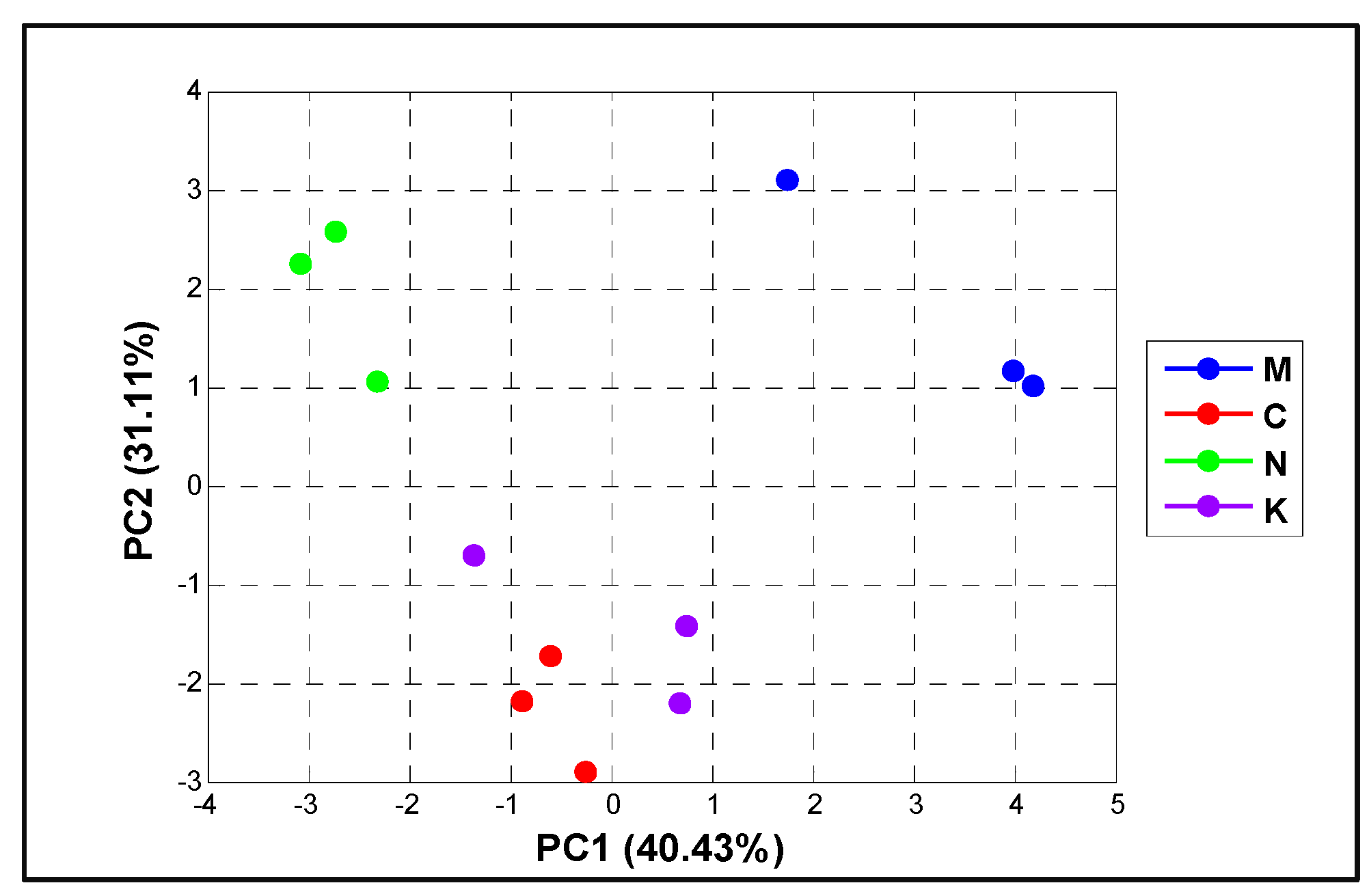
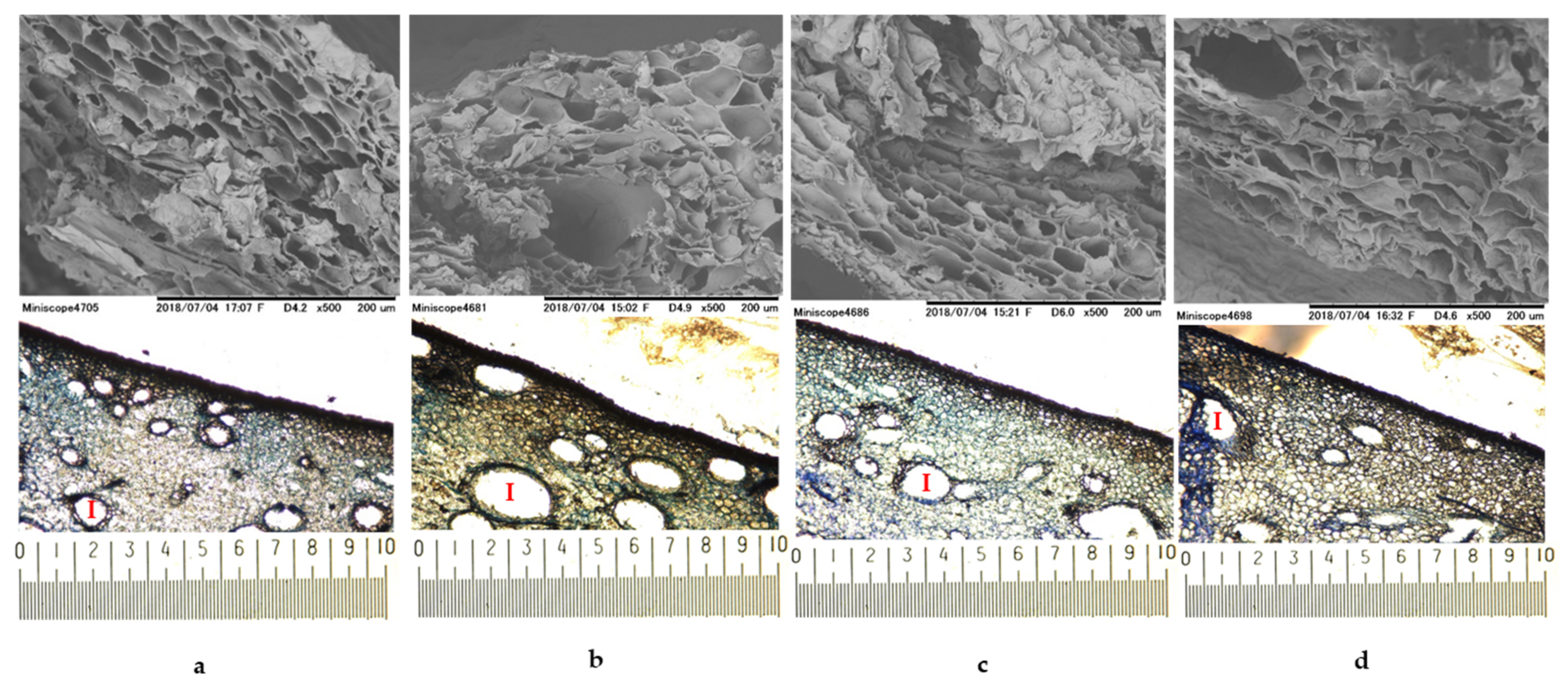
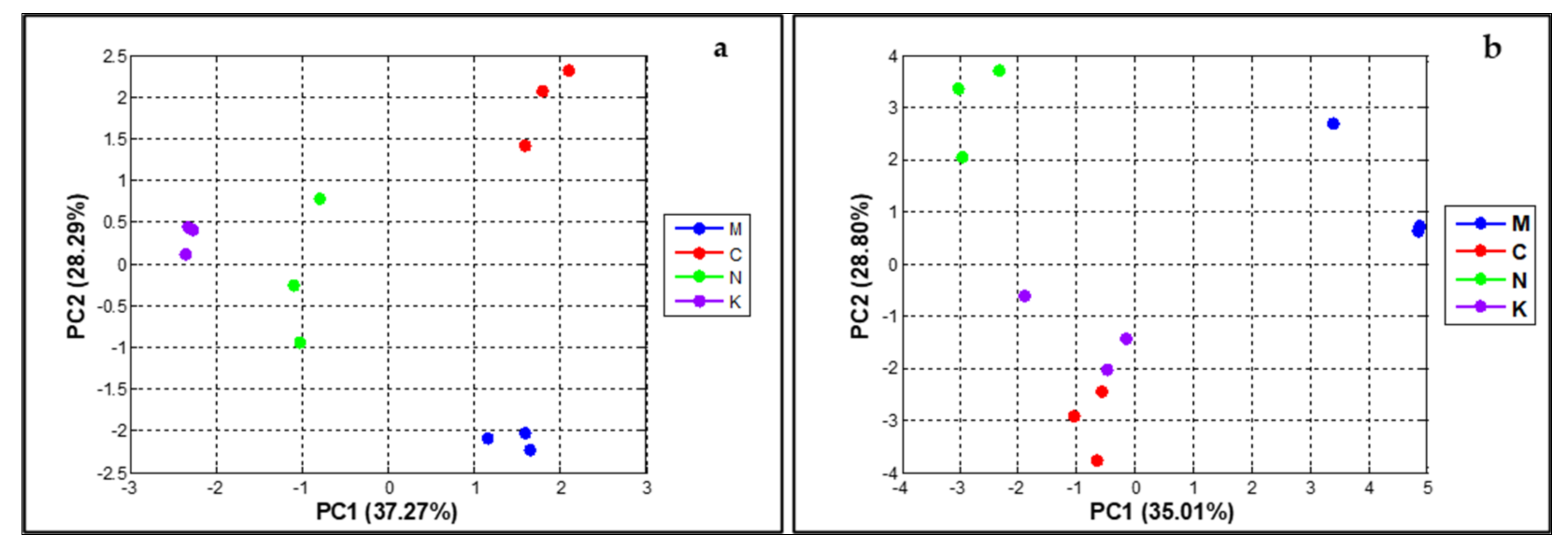
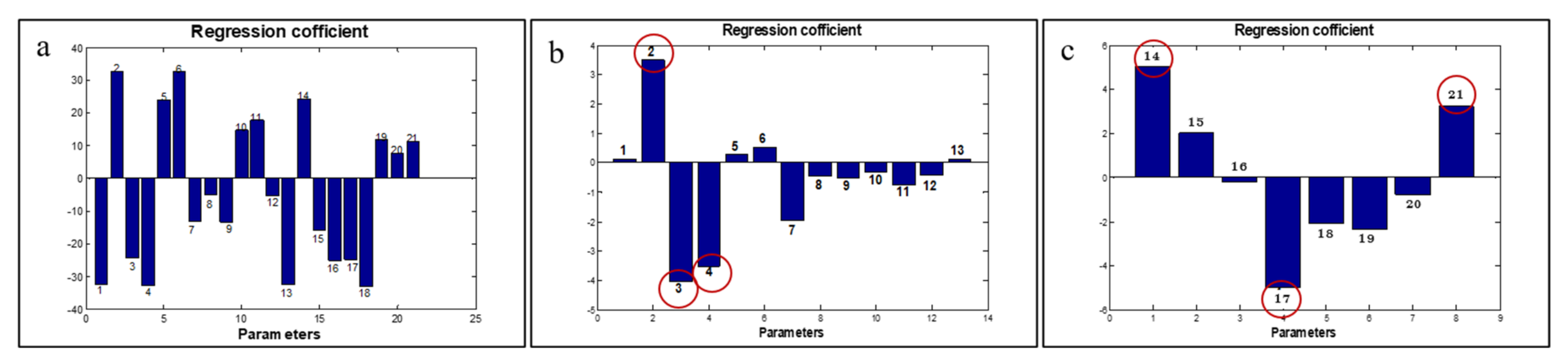
Mango peel, a byproduct from the mango processing industry, is a potential source of food-grade mango peel pectin (MPP). Nonetheless, the influence of fruit physical characteristics and phytochemicals of peels on their correspondent pectin level has never been examined, particularly when high-quality food additives are of commercial need. Subsequently, the ultimate aim of the present study was to comprehend their relationship using chemometric data analyses as part of raw material sourcing criteria. Principal component analysis (PCA) advised that mangoes of ‘mahachanok’ and ‘nam dok mai’ could be distinguished from ‘chok anan’ and ‘kaew’ on the basis of physiology, peel morphology, and phytochemical characteristics. Only pectin extracted from mango var. ‘chok anan’ was classified as low-methoxyl type (Mox value ~4%). Using the partial least-squares (PLS) regression, the multivariate correlation between the fruit and peel properties and the degree of esterification (DE) value was reported at R2 > 0.9 and Q2 > 0.8. The coefficient factors illustrated that yields of byproducts such as seed and total biomass negatively influenced DE values, while they were positively correlated with crude fiber and xylose contents of the peels. Overall, it is interesting to highlight that, regardless of the differences in fruit varieties, the amount of biomass and peel proximate properties can be proficiently applied to establish classification of desirable properties of the industrial MPP.
Keywords: biomass valorization; fruit physiology; fruit peel pectin; microwave-assisted extraction; partial least-squares regression biomass valorization; fruit physiology; fruit peel pectin; microwave-assisted extraction; partial least-squares regression