1. Introduction
Autism Spectrum Disorder (ASD) is a developmental condition that affects communication, behavior, and social interactions. It is referred to as a “spectrum” because symptoms and characteristics can range from mild to severe, varying significantly from person to person.
Autism Spectrum Disorder (ASD) is clinically defined as a neurodevelopmental disorder characterized by persistent deficits in social communication and social interaction across multiple contexts, along with restricted, repetitive patterns of behavior, interests, or activities, as formally outlined in the Diagnostic and Statistical Manual of Mental Disorders, Fifth Edition (DSM-5) published by the American Psychiatric Association. According to DSM-5 diagnostic criteria, symptoms must be present in the early developmental period and cause clinically significant impairment in social, occupational, or other important areas of functioning. The spectrum nature of ASD reflects variability in symptom severity, cognitive ability, language development, and adaptive functioning. Complementing the DSM-5, the World Health Organization classifies Autism Spectrum Disorder (ASD) under disorders in the International Classification of Diseases 11th Revision. This classification further emphasizes that ASD has a developmental basis.
Studies show that more and more people are being diagnosed with ASD worldwide. This increase highlights the need for effective and proven strategies to help people with ASD. Early and structured behavioral interventions, such as those based on Applied Behavior Analysis (ABA), are among the most supported approaches to improve communication and daily living skills. ABA works by using reinforcement to increase the likelihood of desired behaviors through feedback.
However, children with Autism Spectrum Disorder often react differently to rewards. They really want to connect with others. They struggle with focus and feelings. These issues make it difficult to successfully implement certain teaching methods, so special learning spaces are needed.
Recent advances in robotics suggest that robots like the NAO robot can help children with ASD have structured and predictable interactions. These robots can give rewards, control inputs and track how well a child performs. Some studies have found that using robots for therapy can help children with ASD engage more and improve their imitation skills. The NAO robot and similar robots can also help children with ASD learn things. However, not many studies have combined rewards, automated tracking of performance, and analysis of emotions. This is an area that must be researched to help children with ASD.
This study aims to fill this gap by using established criteria and behavioral theory to investigate reinforcement-based robotic learning interventions for children with ASD. By using a controlled framework, this study provides a strong foundation for exploring the effectiveness of robotic interventions for children with ASD. By aligning the proposed system with DSM-5 diagnostic constructs and evidence-based behavioral mechanisms, this research contributes to bridging the gap between clinical theory and technology-assisted therapeutic practice.
The exact causes of autism are not fully understood, though research suggests it involves a combination of genetic and environmental factors. Children with autism often exhibit a variety of characteristics that can impact their social, cognitive, and sensory development. Common traits include: social communication difficulties, repetitive behaviors, sensory sensitivities, motor skill challenges, etc.
While ASD has no cure, various therapies and training can help individuals manage symptoms, build skills, and lead more fulfilling lives. The goal of these interventions is not to eliminate autism, but to reduce associated challenges and enhance quality of life.
There exist robots specifically designed for autism-related interventions, such as socially assistive robots developed with therapeutic goals in mind (e.g., platforms designed to promote joint attention, emotional recognition, or social reciprocity in children with ASD). Some general-purpose humanoid robots, such as NAO, were originally developed for broader educational and research applications but have been adapted for autism intervention due to their programmability, predictable behavior, and interactive capabilities. In recent years, robotic assistance has emerged as a promising tool in autism therapy. Robots, such as the NAO Kaspar, Kebbi, etc., can support children with autism by facilitating social interactions and assisting with daily tasks and basic learning activities.
Although the NAO robot was originally developed as a general-purpose humanoid platform for education and research, it has been widely adopted in autism-related interventions due to several characteristics that align well with the learning needs of children with Autism Spectrum Disorder (ASD). NAO is a robot that helps people interact with it in a way. This is really helpful for children who become anxious or feel overwhelmed when they are around people. NAO has a face, and it moves in a way that is easy to understand. This helps children know what to expect from the robot. NAO looks like a person. It is not too complicated. This means children can learn things from NAO and then use those skills when they are with people. We can program NAO to do things like talk in a certain way or give rewards when a child does something good. This is really helpful for therapists who use something called Applied Behavior Analysis to help children with autism. Some studies have shown that robots like NAO can really help children with autism. These children are more likely to pay attention, imitate the robot, and interact with it. This is why NAO is a tool to use when helping children with autism, even though it was not originally made just for them.
One widely used therapeutic approach is Applied Behavior Analysis (ABA), which emphasizes the use of reinforcement, both positive and negative, to encourage desired behaviors. Reinforcement plays a critical role in helping children with ASD learn and adapt through consistent feedback. In this paper, we define the term “reinforcement” specifically as positive reinforcement is used to mean a type of therapy that creates motivation. This type of therapy comes from something called Applied Behavior Analysis (ABA). It does not have anything to do with computer learning. When we discuss reinforcement, we are referring to giving feedback to someone when they do something right. This feedback is given right after the person does something, like answering a question. For example, when a child answers a question correctly, the robot will say something to them like “good job”. At the end of the time they spend with the robot, they might even get a treat like a piece of candy, a mango bar, or a banana. The reason we do this is to help the child learn how to communicate. We want them to keep doing the things that help them talk and understand others. This is based on the idea that when children get rewarding feedback, they are more likely to keep doing what they are doing. It is also important to note that the robot is not trying to figure out a way to teach the child. It does not change how it teaches based on what the child does. The robot is simply following a set of rules that were programmed into it before it started working with the child.
Reinforcement is really good for children in the long run. It helps them use the skills they learn in different situations [
1,
2,
3]. They can adjust their behavior to various social contexts. We can use reinforcement at home, in the classroom, or in therapy. Just give them praise or a small reward when they do something in a group.
When we tailor reinforcement to each child, it really works. It makes them want to do things. They get excited. This leads to behavior that lasts. Reinforcement is a part of Applied Behavior Analysis therapy. It helps children with autism perform socially adaptive behaviors. When we give rewards that children like, it encourages them to adopt behaviors that will help them in social interactions. They learn more. Reinforcement is a way to help children with autism [
1,
4]. It makes their learning experience better. This approach emphasizes increasing motivation, building self-esteem, and promoting sustained behavioral change. These elements are essential to the success of autism therapy and training, as they empower individuals with autism to develop their skills and lead more fulfilling lives.
Researchers are increasingly leveraging modern technology to assess the status of children with autism and to enhance their learning and developmental skills [
4,
5]. This study employed a randomized controlled, longitudinal repeated-measures design to investigate the effect of reinforcement-based robotic training on vocabulary learning in children with ASD. Participants were randomly assigned to either a reinforcement-based robotic intervention group or a non-reinforcement robotic control group. It will also provide practical recommendations for integrating AI as an effective reinforcement tool in therapy. Reinforcement is a key component of any educational program, especially for children with Autism Spectrum Disorder (ASD). However, their natural environment often lacks the specific types of reinforcement these children need. For example:
They may struggle to engage with toys or not know how to use them.
Typical social situations may not be motivating or rewarding for them.
They may respond more to sensory stimuli or negative attention rather than conventional reinforcement with rewards.
Because of these challenges, traditional reinforcement methods may fall short. Therefore, introducing new technologies, including AI and interactive tools, can provide customized, engaging reinforcement to support learning and behavior development in children with autism.
This paper presents and evaluates the interaction between children with ASD and an NAO robot using reinforcement techniques. Results show that the NAO robot can help children with autism learn and improve their conduct, especially by increasing their participation in RC interactions. This study introduces a structured reinforcement interaction policy in ABA therapeutic principles and evaluates it under a controlled experimental framework. The novelty lies not in proposing a reinforcement learning algorithm, but in experimentally isolating reinforcement as the independent interaction variable while maintaining identical robotic hardware, instructional content, and evaluation procedures. Furthermore, we integrate institutional performance metrics, response latency analysis, and emotion-based engagement measurements within a randomized controlled and longitudinal design. This provides a multi-dimensional and statistically validated assessment framework. This methodological rigor advances the empirical foundation of reinforcement-based robotic intervention beyond descriptive and feasibility-focused studies.
3. Proposed System Description
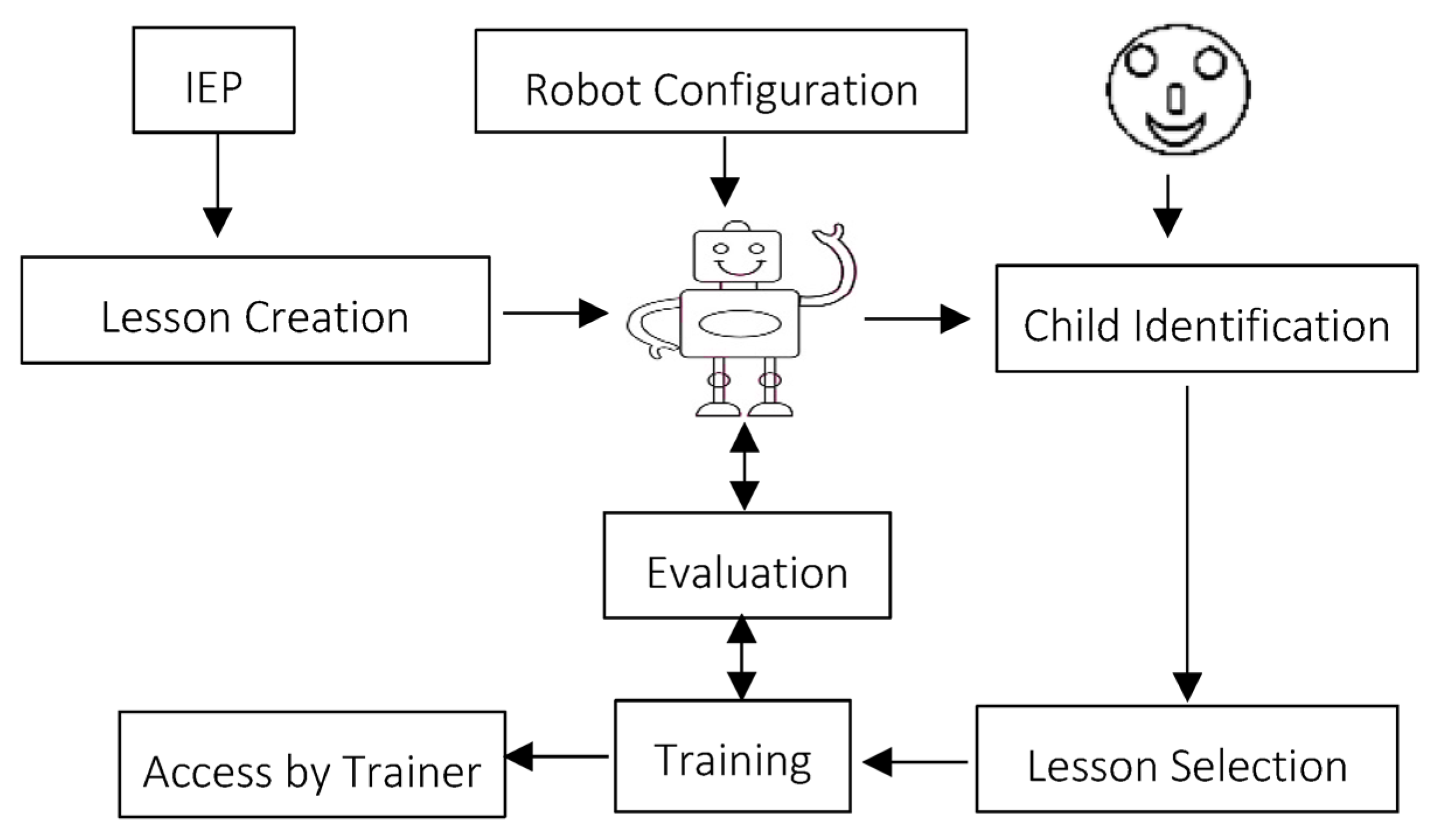
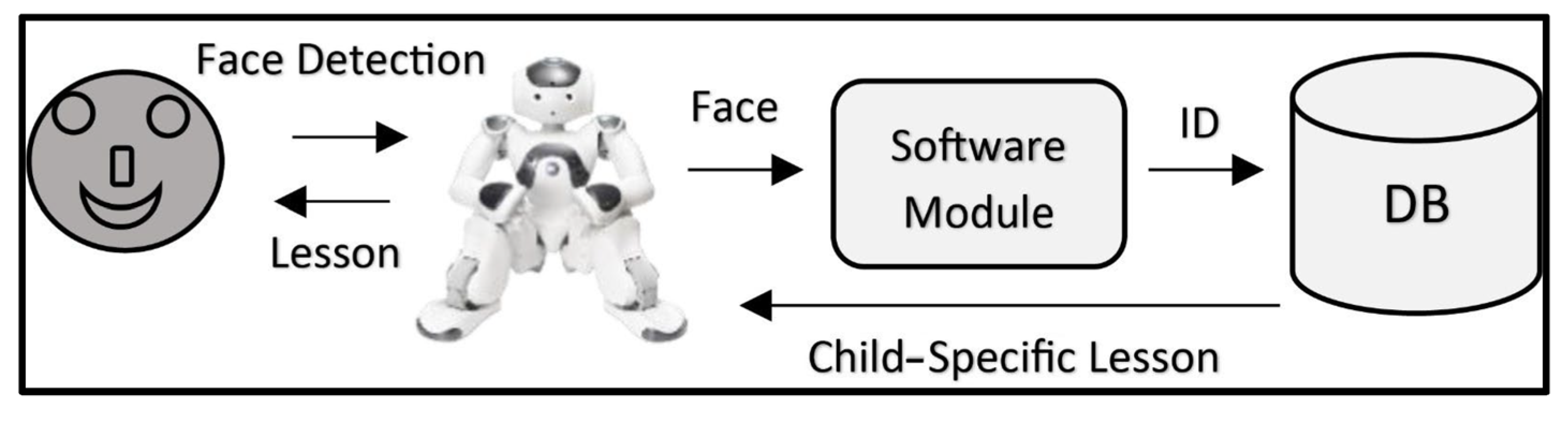
This part is about the design and parts of a robot system that helps children learn. This system uses a NAO robot, which can recognize faces and give lessons tailored to each child. It does this by using a child-specific learning plan called an Individualized Education Program (IEP). The robot can also recognize what the child says and evaluate how they are doing, then give them feedback specific to them. The robot is like a teacher. It helps the child learn by giving them lessons and adjusting what it says based on what the child needs. The
Figure 1 shows overall concept and the steps of the proposed system. The next parts of this paper will describe about how the lessons are made, how the robot is trained, how the robot knows who each child is, how the robot decides what to teach, how we know if the child is learning, and how the robot knows how the child is feeling.
3.1. Lesson Creation
For this experiment we used a learning plan that was based on each child’s Individualized Education Program [
9,
10]. This Individualized Education Program (IEP) is like a syllabus that made for teaching children with special needs. The IEP is made to ensure that children with autism get an education that is tailored to their needs. It is like a roadmap that shows the things the child needs to learn, the help they need to get, and the things that need to be done differently to help the child do well in school and develop as a person. The IEP is used to help children with autism. It is an important part of their education. We used the children’s IEPs from school [
10] to make a learning plan for each child (
Table 1).
In this study, learning activities that specifically focused on word meanings were selected directly from each child’s IEP. Children with autism often engage with social interactions and communication in unique ways. In some cases, they may pay less attention to conversation compared to their non-autistic peers, which can affect their ability to learn and use language effectively. As a result, they require additional conversational training and targeted support to develop these essential skills. Learning word meanings is especially important for children with autism, as it forms the foundation for effective communication, emotional expression, understanding and following instructions, navigating social situations, and language comprehension.
By focusing on word learning tailored to each child’s IEP, this approach aims to enhance their ability to engage more meaningfully with their environment and improve both their academic and social outcomes.
3.2. Robot Interaction Configuration
We employed a supervised learning approach to train the NAO robot for interaction with children. The training process consisted of two main components:
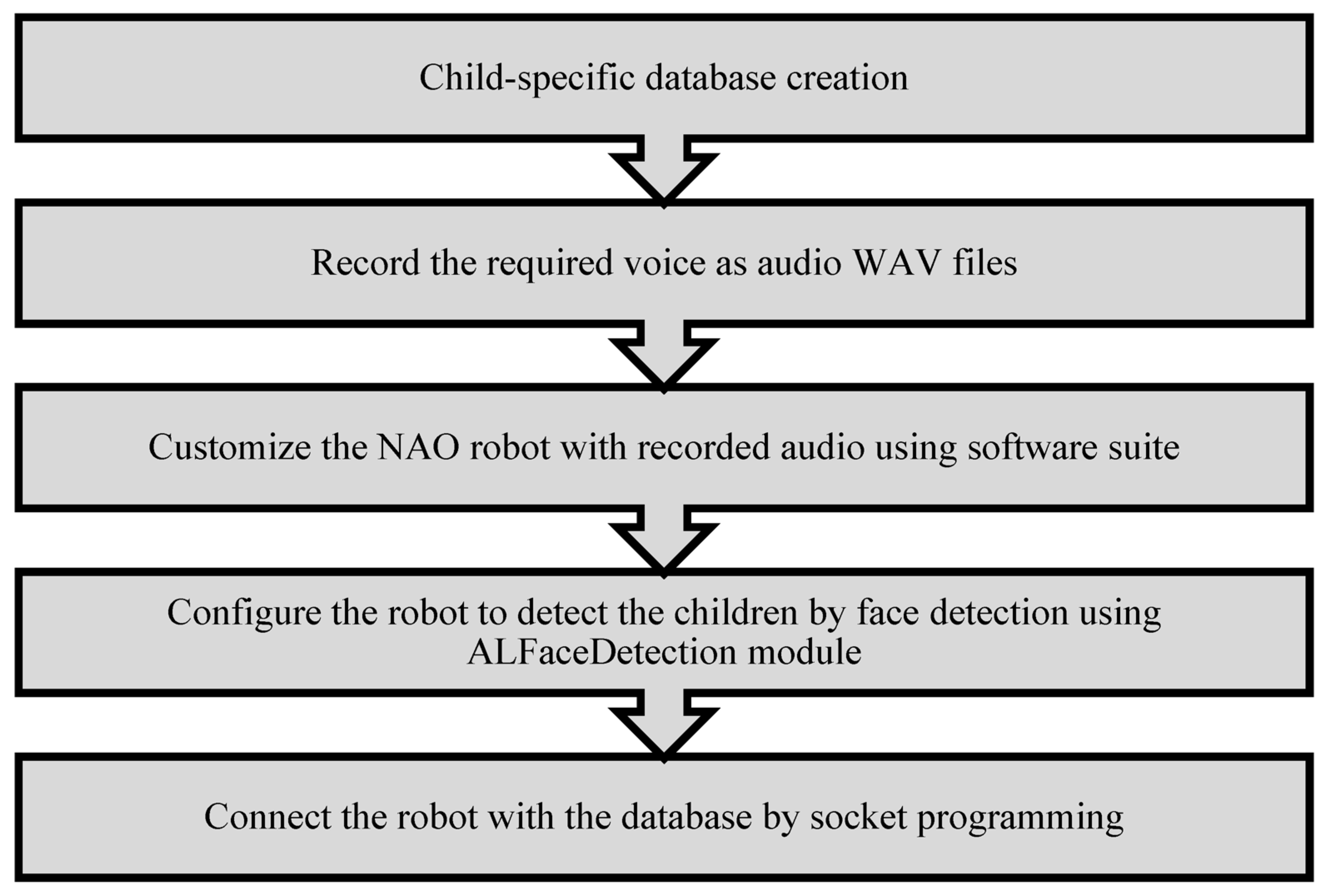
To teach word meanings, we recorded audio clips and uploaded them to the robot in WAV format for supporting in NAO. These recordings were used as part of the instructional content delivered during interactions. Before this, a learning database was created using MySQL, which was derived from the school’s existing manual database. For facial recognition, we took and printed photographs of the children. These images were used to configure the robot’s ability to identify individual faces. The NAO robot was further customized using Aldebaran’s software (version 6) suite [
11], allowing for precise control over the robot’s movements and actions during learning sessions. The step-by-step process involved in training the robot is illustrated in
Figure 2.
3.3. Child Identification Through Face Recognition
In this study, we implemented a face recognition technique to identify individual children during interactions with the NAO robot. We used the software suite tool developed by SoftBank Robotics [
13] to customize the robot’s face recognition capabilities. Specifically, we employed the ALFaceDetection vision module, which allows the NAO robot to detect and recognize faces in its field of view. To help the robot recognize each child correctly, we used pictures of their faces to train it. We did this by using the “Learn Face” tool of the software suite. We inputted each child’s picture and assigned them an ID number. Then we set it up so that when the robot saw a face, it was able to say who it was. This way, the robot could reliably identify children in a timely manner when it talked to them.
Table 2 shows the basic information of the participated children.
3.4. Children’s Specific Lesson Selection
The children’s special IDs were identified using face recognition, as is explained in
Section 3.2 and
Section 3.3. This special ID was then used to perform a search in the lesson database to find the lesson ID that was assigned to that child. We can see this in
Figure 3. The children’s IDs and the lesson IDs were connected in the database. When the right lesson was found, the NAO robot started the lesson automatically. We used Python version 2 to make it easy for the robot and the server to talk to each other. This way the NAO robot could receive information from the database server easily.
3.5. Children’s Training by the Robot
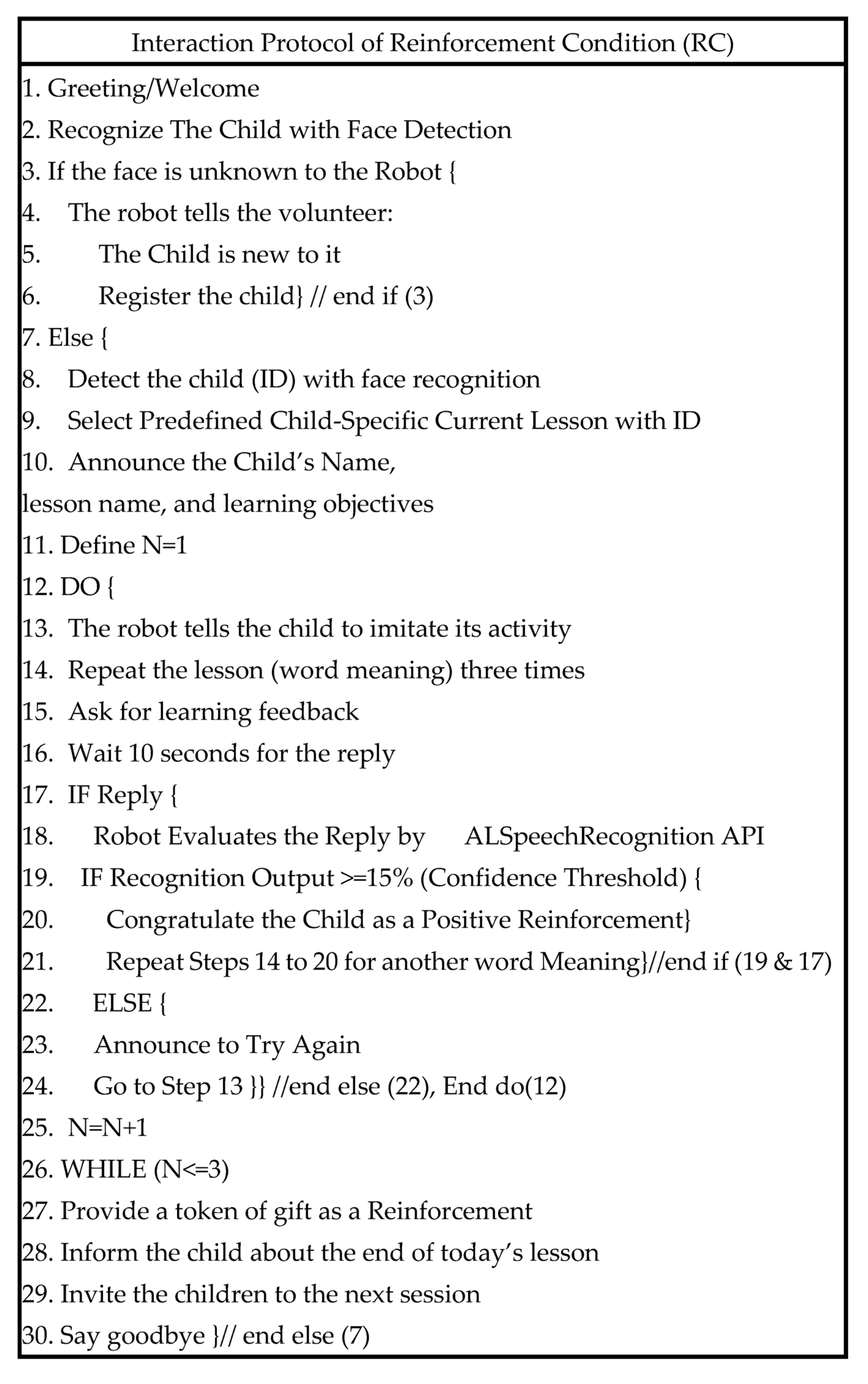
This section of the research is important, as we aim to explore the potential of the NAO robot as a substitute for teaching children with autism. The robot is programmed to execute the necessary steps to deliver specific educational content to children. To teach the meaning of a word, the robot follows a simple three-step process. During the instructional session, the robot also generates reinforcement activities to support learning and maintain engagement. For this experiment, we proposed a simple interaction protocol for reinforcement-based training, which guided the robot’s teaching and feedback process. The interaction protocol is illustrated in
Figure 4.
The proposed interaction design follows ABA-based behavioral principles, operationalizing reinforcement as a contingent positive consequence delivered immediately after a target response, consistent with the antecedent behavior consequence framework.
3.6. Children Learning Evaluated by the Robot
Evaluating learning in children with Autism Spectrum Disorder (ASD) requires a focus on individualized outcomes based on each child’s unique learning style. This process involves observing behavior and collecting developmental data throughout learning sessions. In this experiment, the NAO robot performs ongoing evaluations during each training session. Through a focus group discussion with school [
10] educators, the training and evaluation criteria, like the number of demonstrations, threshold value, and time that the robot will wait to get a response from children, are defined. The instructional sequence is as follows.
The robot demonstrates a word and its meaning three times.
The robot asks the child about the meaning of the word and waits 10 s for a reply.
When the child responds, their response is evaluated by the ALSpeechRecognition API.
The ALSpeechRecognition API module enables the robot to identify predetermined words or phrases. The list of words that need to be recognized are inserted into ALSpeechRecognition during the programming of the robot. When ALSpeechRecognition is launched, it inserts the key SpeechDetected, a Boolean that indicates whether or not a speaker is being heard. The item in the list that most closely resembles what the robot hears is added to the API, WordRecognizedAndGrammar key, if a speaker is heard [
13]. If the child’s answer meets a predefined accuracy threshold [
14], the robot offers reinforcement conditioning (RC) by expressing gratitude and proceeds to the next word. If the child fails to respond or their answer falls below the threshold, the robot repeats the explanation of the previous word. It repeats the interaction protocol described in
Figure 4. At the end of the session, the robot provides a mango bar/candy/banana to the child as a gift, which creates another instance of reinforcement. This method of continuous, adaptive assessment during the learning process has proven highly effective. Notably, children show increased enthusiasm and engagement when learning with the robot.
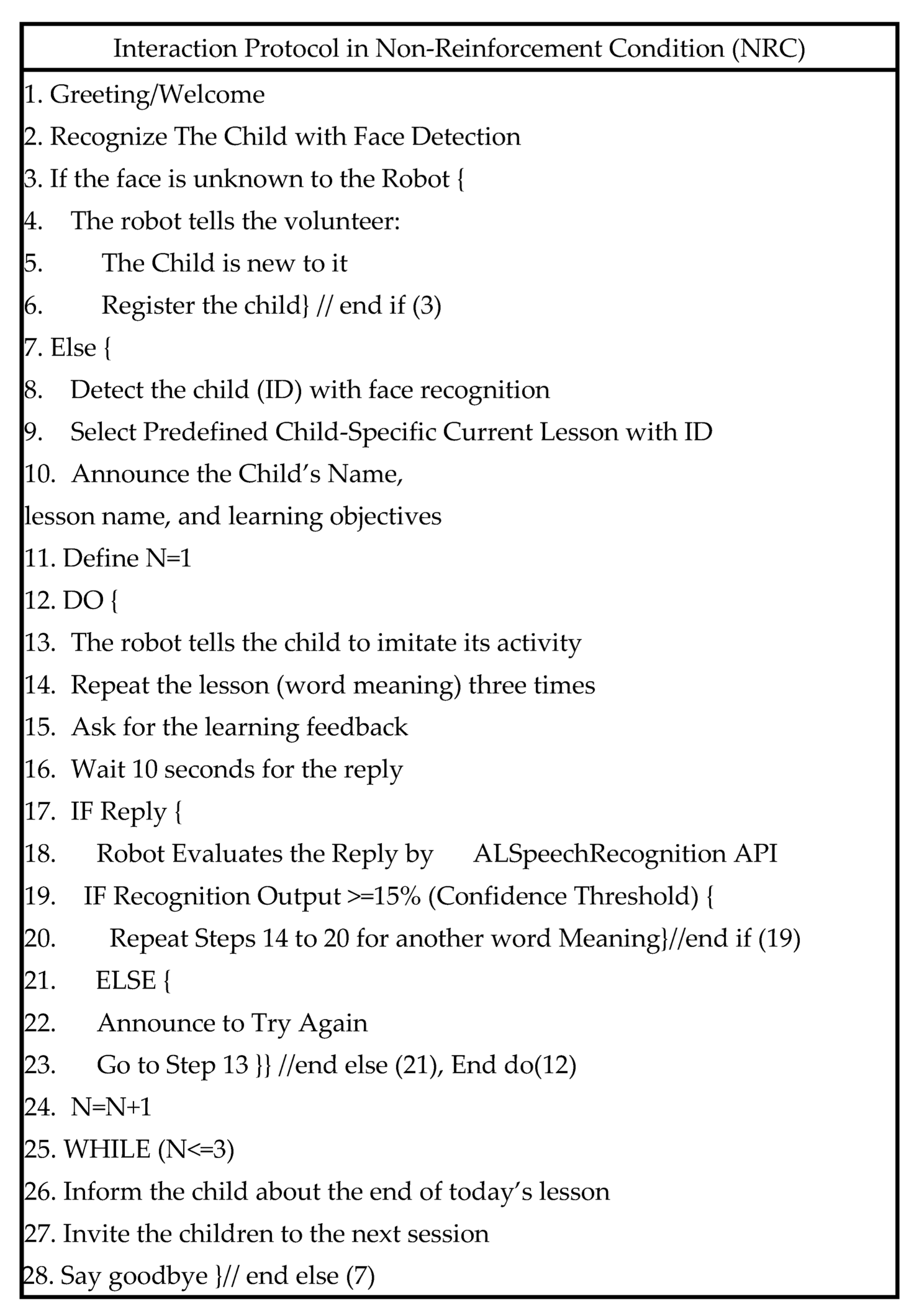
On the other hand, in the sessions under the NRC, the robot follows the interaction protocol of the NRC in
Figure 4. If the child’s answer meets a predefined accuracy threshold, then the robot proceeds to the next word. It does not engage in any reinforcement activities. At the end of the session, the robot does not provide any gift.
It is mentioned that, to define the threshold value and wait time of the robot, we demonstrated the speech recognition and wait time activities of NAO to the educators at the school [
10]. The technical issues were described with a test of different threshold values and wait times in seconds. As per their recommendation, we defined a value of 15 as the threshold value and 10 s as the wait time.
3.7. Children’s Learning Assessed by Trainer
As part of the robot’s performance evaluation, a vocabulary test was administered by a school trainer following each training session. The trainer assessed:
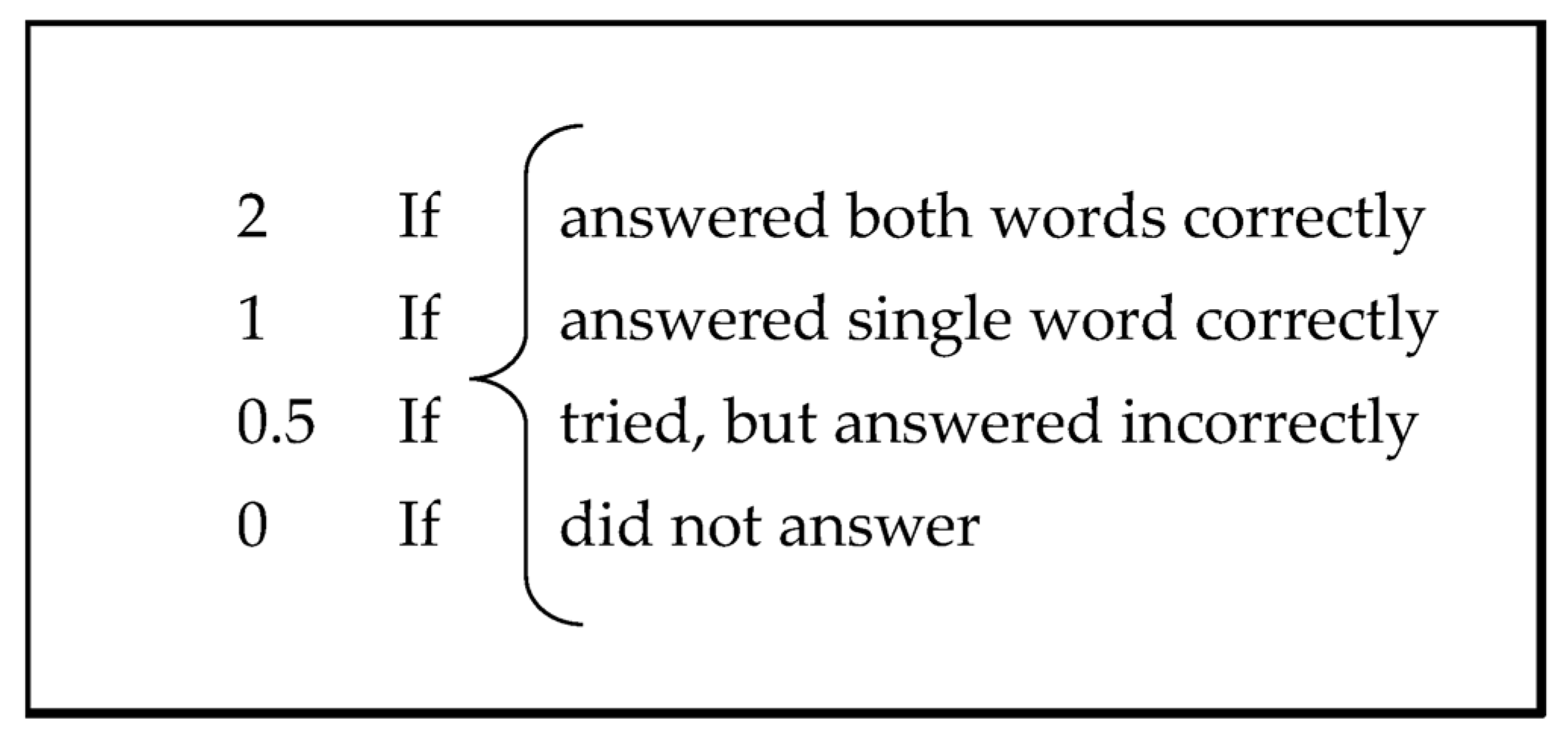
The performance score illustrated in
Figure 5 and the associated response time measures were derived from the standardized assessment framework routinely used by the participating institution [
10] to evaluate children’s learning progress. This rubric has scoring rules that match the instructional [
10] goals and is used for all learners (children with autism) at the center. In this study, the speech recognition of the robot also helped validate responses by a confidence score (threshold). The same rules and automated validation were used for both groups so the process was consistent, which supports the accuracy and reliability of the results. The institutional criteria and validation thresholds were applied uniformly to both conditions, maintaining procedural consistency. This consistency supports the reliability and internal validity of the reported outcome measures.
Figure 5 shows the evaluation matrix that measured how well children learn after each training session. The scoring system was created with the help of trainers from the Prottasha Centre for Autism Care [
10]. The matrix gives a score of 2 when a child gets both target word meanings right. It gives a 1 when a child gets one word right. A score of 0.5 is given when a child tries to answer or shows interest but does not get it right. A score of 0 means the child did not respond at all. The evaluation matrix is used to track children’s learning performance. Children’s learning performance is evaluated after each training session.
This system performance rubric enables an objective measurement of vocabulary acquisition while accounting for partial learning and mental engagement, which are critical considerations in educational assessment for children with autism. The use of incremental scoring reflects established reinforcement and behavior-based evaluation principles reported in prior ASD intervention studies [
1,
6]. A performance score below 50% is considered unsatisfactory.
3.8. Emotion Detection from Facial Video
In parallel, video recordings were captured during the training sessions, with a focus on the children’s facial expressions. A separate camera was set up in the training room. These recordings were used to detect emotional responses to later observe:
This assessment approach helps in evaluating both cognitive progress and emotional receptiveness, ensuring a comprehensive understanding of the training’s impact.
These videos were analyzed to extract facial emotional expressions, categorized into seven primary emotions: anger, disgust, fear, happiness, neutrality, sadness, and surprise [
15,
16]. We used an open source Python library that leverages a convolutional neural network (CNN) for emotion detection [
17,
18]. The CNN-based emotion recognition component used in this research was adopted from a publicly available, validated open-source implementation trained on widely used facial expression datasets. In this study, the model was not retrained or modified. It was employed as a standardized analytical tool to ensure consistent evaluation across both experimental conditions. Because the same model, camera setup, and environmental conditions were applied uniformly to both groups (RC and NRC), any potential systematic bias or misclassification would affect both conditions equally, preserving the validity of relative comparisons. From the detected emotional data, we assessed the children’s emotional responses by grouping them into positive and negative categories:
Negative emotions: anger, disgust, fear, and sadness;
Positive emotions: happiness, neutrality, and surprise.
Although children with autism often show elevated levels of sadness, we hypothesized that interaction with the robot would reduce this negative emotion. Therefore, during analysis, sadness was treated as a key indicator of negative emotional response. Interestingly, the neutral emotion was interpreted as a form of non-engagement or avoidance of the robot. However, for the purpose of this study, neutral responses were still categorized as positive, as they indicate absence of distress rather than an active negative emotion.
4. Experiment
4.1. Study Design
This study employed a quantitative experimental research design using a randomized controlled longitudinal framework with repeated measures. Participants were randomly assigned to one of two interaction conditions (reinforcement condition and non-reinforcement condition), and objective performance metrics, including response accuracy, response time, and facial emotion-based engagement scores, were collected across five sessions. All outcome variables were numerically quantified and statistically compared between groups. No qualitative interviews, observational coding narratives, or thematic analyses were conducted. Therefore, the methodological approach of this study is strictly quantitative in nature.
4.2. Participants and Procedure
The experiment was conducted at a specialized institution, Prottasha Centre for Autism Care [
10], which works exclusively with children with special needs. A total of 50 children, all exhibiting characteristics of autism, were randomly selected from the institute to participate in the study. According to the institutional [
10] record, all participating children were diagnosed with Autism Spectrum Disorder (ASD) at Severity Level 2 (Requiring Substantial Support) in accordance with the criteria outlined in the
Diagnostic and Statistical Manual of Mental Disorders, Fifth Edition (DSM-5) published by the American Psychiatric Association. This classification indicates marked deficits in social communication and noticeable behavioral rigidity requiring substantial support, while still allowing participation in structured, guided learning activities. Prior to the experiment, formal approval was obtained from both the school authorities and the children’s guardians to ensure ethical compliance. Throughout this study, the terms reinforcement condition (RC) and non-reinforcement condition (NRC) refer to two alternative interaction policies implemented using the same NAO robot.
We used stratified block randomization to assign the children to reinforcement condition (RC) and non-reinforcement condition (NRC) interaction sessions due to the total number of participating children being 50. We used children’s age, gender, and autism severity as stratification variables, which are shown in
Table 3. Children were randomly assigned to either human educator-based interventions or robot-assisted interventions using stratified block randomization based on stratification variables, ensuring equal distribution across groups.
It is important to clarify that the same NAO humanoid robot was used in both experimental conditions. The two groups did not differ in hardware configuration, instructional content, speech recognition module, or evaluation procedure. Rather, the experimental manipulation involved two alternative interaction policies implemented within the same robotic system and environment. In the reinforcement condition (RC), the robot delivered explicit positive reinforcement with verbal praise and a gift following correct responses. In the non-reinforcement condition (NRC), the robot followed an identical instructional and assessment protocol but omitted all forms of reinforcement. Therefore, the comparison reflects differences in interaction strategy rather than differences in robotic platform or learning model.
The experiment was conducted in a classroom, measuring 12 ft by 14 ft, for one child at a time at the school. The child was seated directly in front of the NAO humanoid robot (version 6) [
13] with a container holding a mango bar/candy/banana positioned to the robot’s right. A camera was placed behind the robot to record the session, focusing on the child’s facial expressions. A volunteer remained beside the child to ensure safety and address any unforeseen issues.
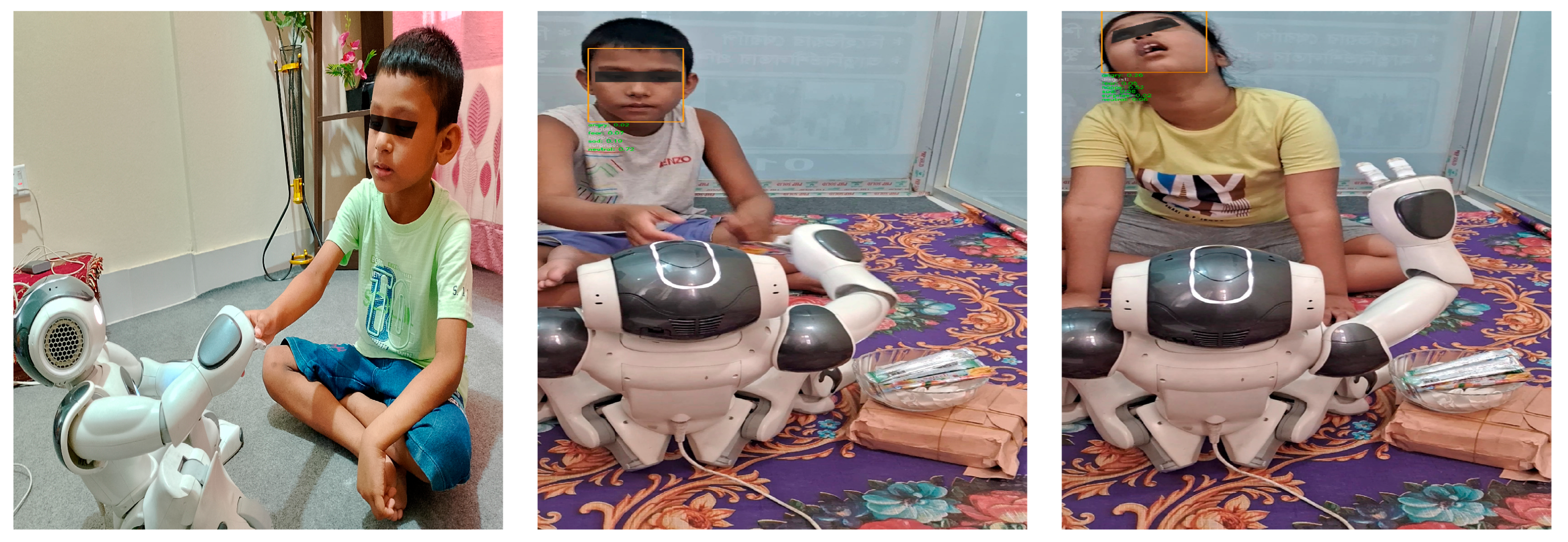
The NAO robot’s speech was generated using pre-recorded audio files. Before the experiment, the robot was trained to recognize the faces of all the participants. During the session, NAO was positioned in a seated posture, with mango bar/candy/banana placed on its right side. Some sample figures of the sessions are shown in
Figure 6 and
Supplementary Materials.
When a child entered the room, the robot first greeted the child, then recognized the child’s face and initiated the appropriate learning session.
The speed of the robot’s speech and physical movements was adjusted based on recommendations from the school’s educators. After each teaching segment, NAO prompted the child to recall the meaning of the taught word.
If the child responded correctly, the robot rewarded them with either a candy, a mango bar, or a banana.
4.3. Experimental Procedure
Each child participated in structured vocabulary-learning sessions facilitated by the humanoid robot. The robot delivered identical instructional content to both groups, including word presentation, visual cues, and response evaluation.
In the reinforcement condition, correct responses were followed by structured positive reinforcement, including verbal praise and reward cues consistent with ABA therapeutic principles. In the non-reinforcement condition, the robot provided neutral acknowledgment without praise or reward, while maintaining identical task flow and timing.
Each session followed a standardized sequence: child identification through facial recognition, lesson retrieval from the database, delivery of the lesson, capturing of video of the session, evaluation, and feedback generation.
4.4. Measurements
In this study, three primary outcome measures were used:
Response time was recorded automatically by the trainer as the interval between stimulus presentation and child response. This objective measure provided an indicator of task processing efficiency.
Performance was evaluated using the institutional assessment criteria [
10], which are routinely applied by the trainer to measure learning performance. Scores were standardized across participants to ensure consistency.
Facial expressions were analyzed using the open source Python package TensorFlow and a CNN-based facial emotion recognition model applied to video frames captured during interactions. Emotional states were categorized and aggregated to estimate engagement levels.
4.5. Statistical Analysis
To determine whether differences between the two independent groups were statistically significant, independent samples t-tests were conducted for both average response times and average performance scores. The independent samples t-test was selected because the study involved two separate groups with no overlapping participants and continuous outcome variables. Statistical significance was evaluated at α = 0.05.
5. Result Analysis
The children participated in five separate training sessions, each held on different days. The core training segment of each session lasted 6 to 7 min, resulting in a total training time of approximately 30 to 35 min per child. After each session, a school trainer escorted the children to a separate room to conduct an assessment [
10]. During this evaluation, the trainer:
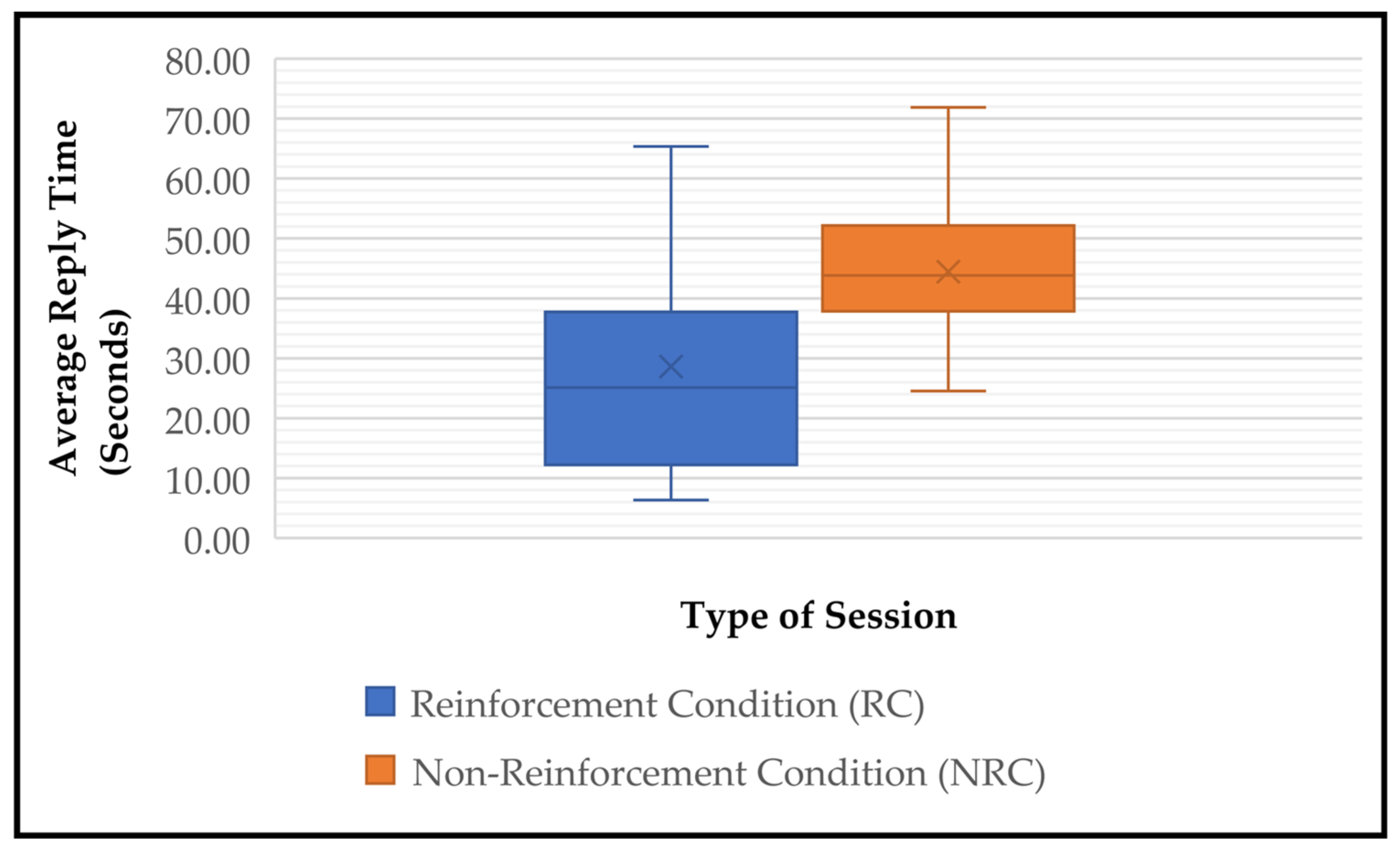
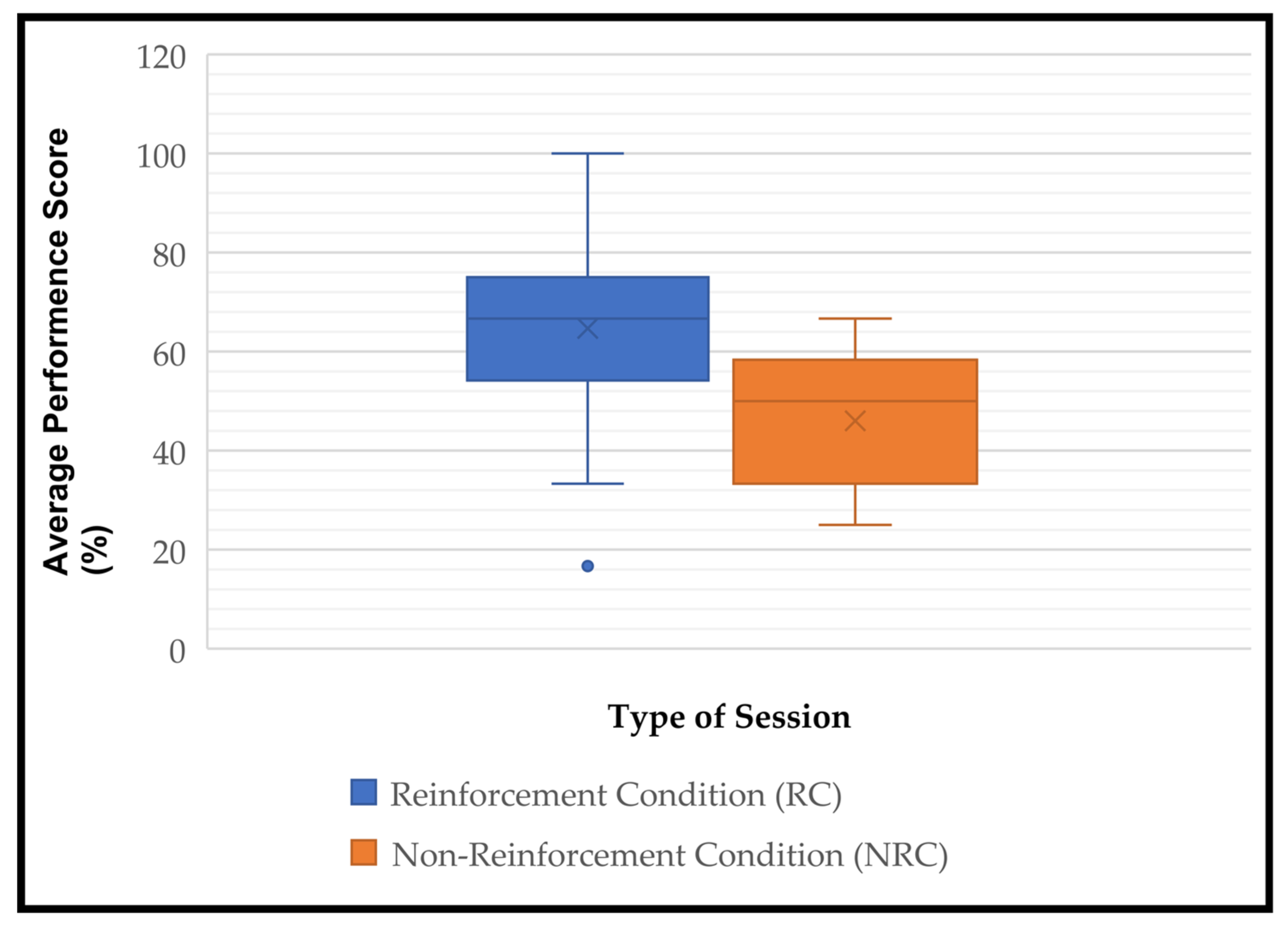
The results, including each child’s response time, performance score, and mean scores per lesson, are presented in
Figure 7 and
Figure 8.
From the sessions under the reinforcement condition (RC), we found:
A total of 20 children demonstrated good learning outcomes from the robot-assisted reinforcement training.
A total of 5 children did not achieve satisfactory performance.
Across all lessons, the overall performance was satisfactory.
From the session NRC, we found:
A total of 12 children demonstrated good learning outcomes from the robot-assisted reinforcement training.
A total of 13 children did not achieve satisfactory performance.
Across all lessons, the overall performance was not satisfactory compared to RC.
These findings indicate that the NAO robot, when integrated RC-based training, is effective in delivering educational content to children with autism.
An independent-samples t-test was conducted to examine differences between the reinforcement condition and the non-reinforcement condition on average response time and mean performance score. For response time, the reinforcement condition (M = 28.61, SD = 18.10) demonstrated significantly lower mean response times compared to the non-reinforcement condition (M = 44.44, SD = 10.76), t(48) = 3.758, p < 0.05, indicating that contingent reinforcement was associated with faster task responses.
Similarly, for performance scores, children in the reinforcement condition (M = 64.67, SD = 19.44) achieved significantly higher scores than those in the non-reinforcement condition (M = 46.00, SD = 15.24), t(48) = 3.779, p < 0.05. These results indicate that the reinforcement-based interaction policy produced statistically significant improvements in both learning performance and response efficiency compared to the non-reinforcement condition under the predefined significance level (α = 0.05)
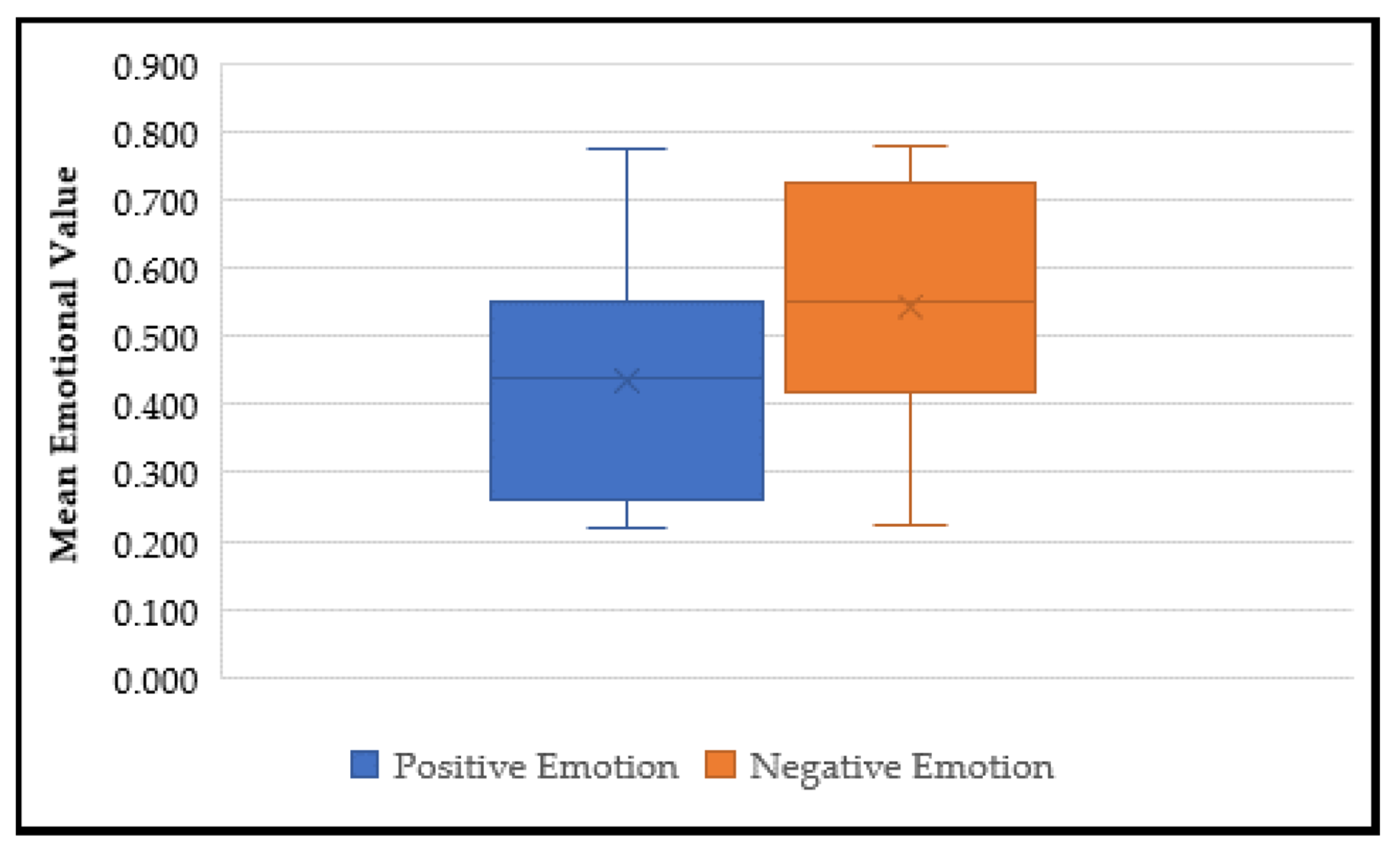
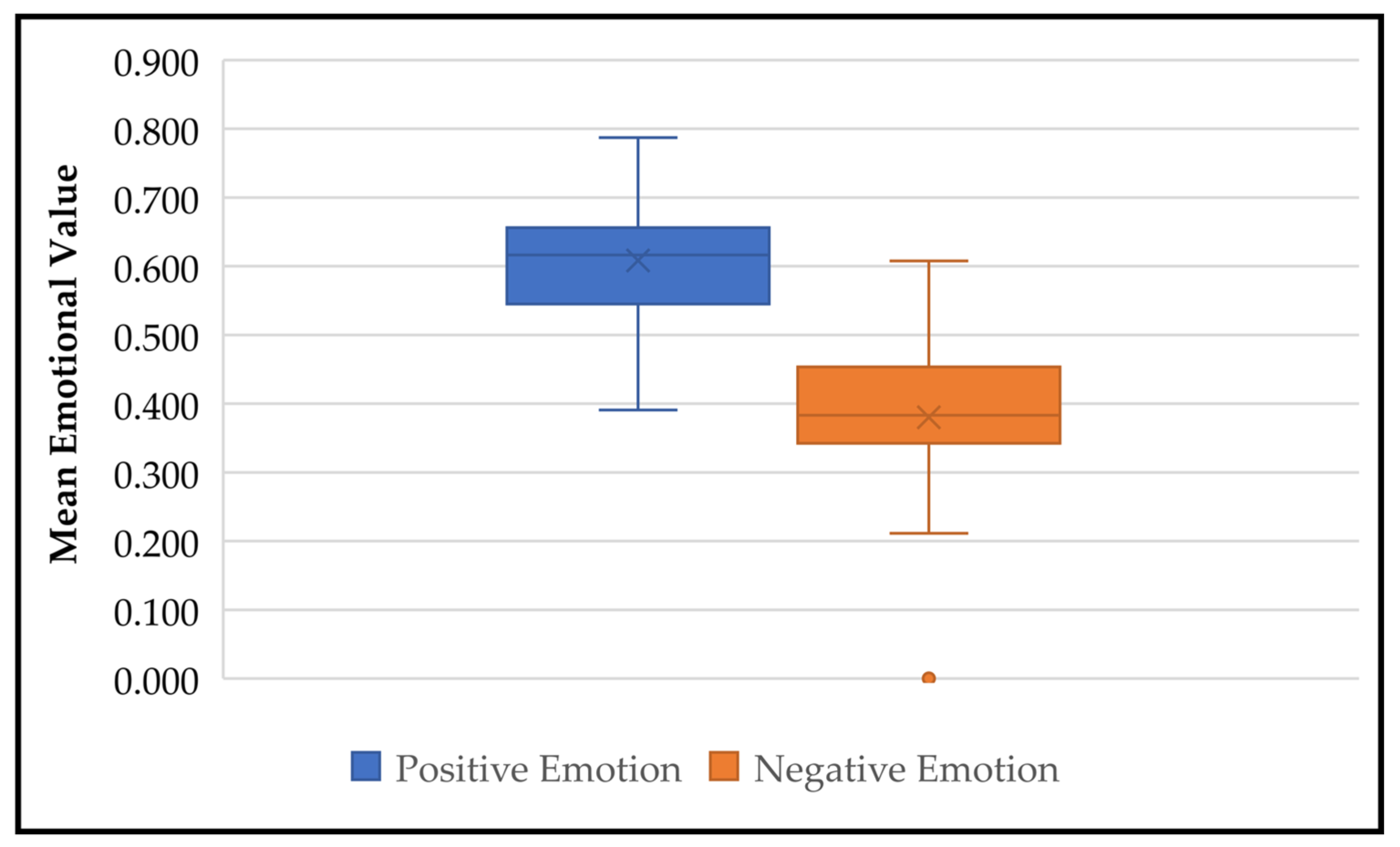
Figure 9 and
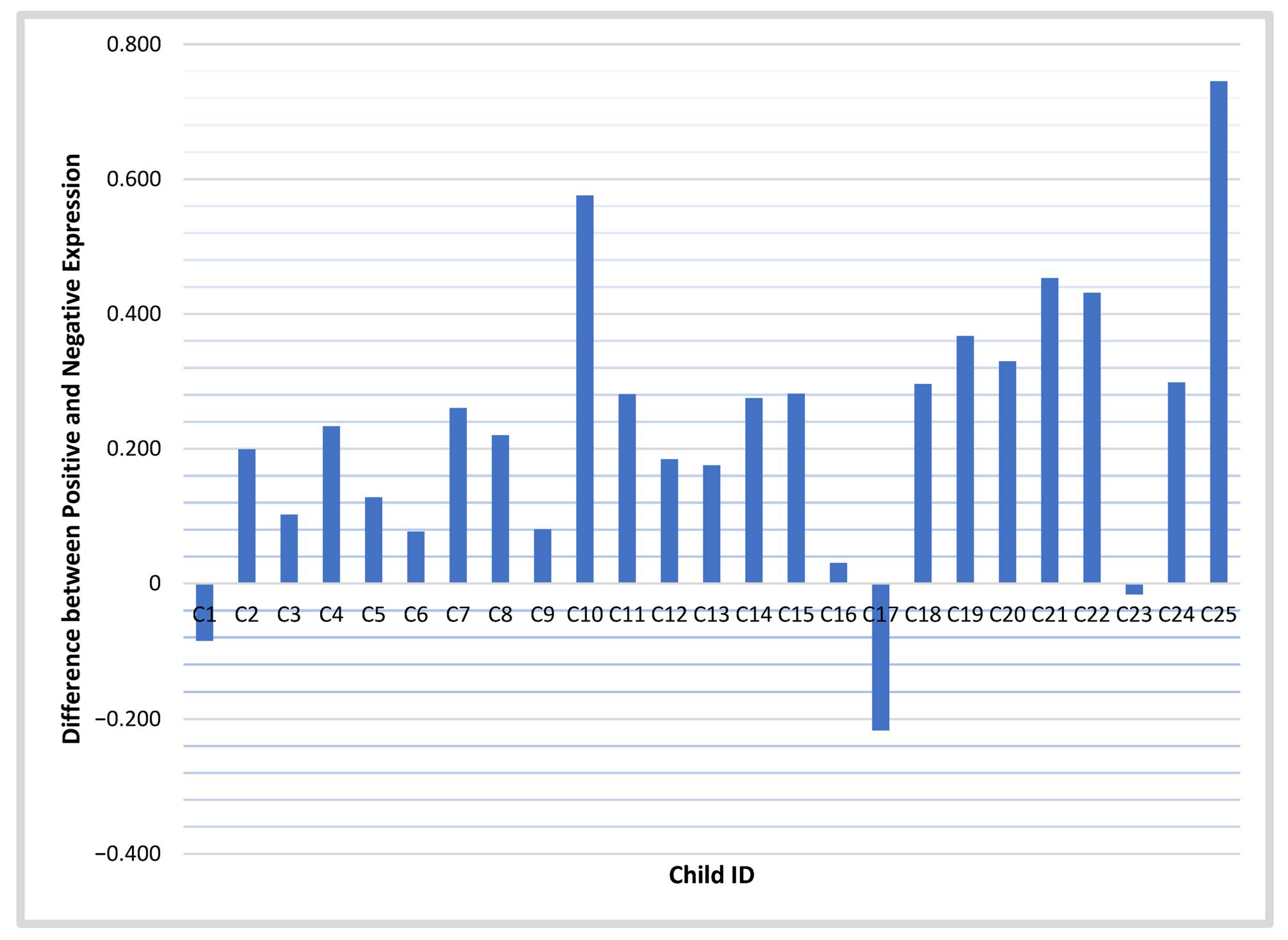
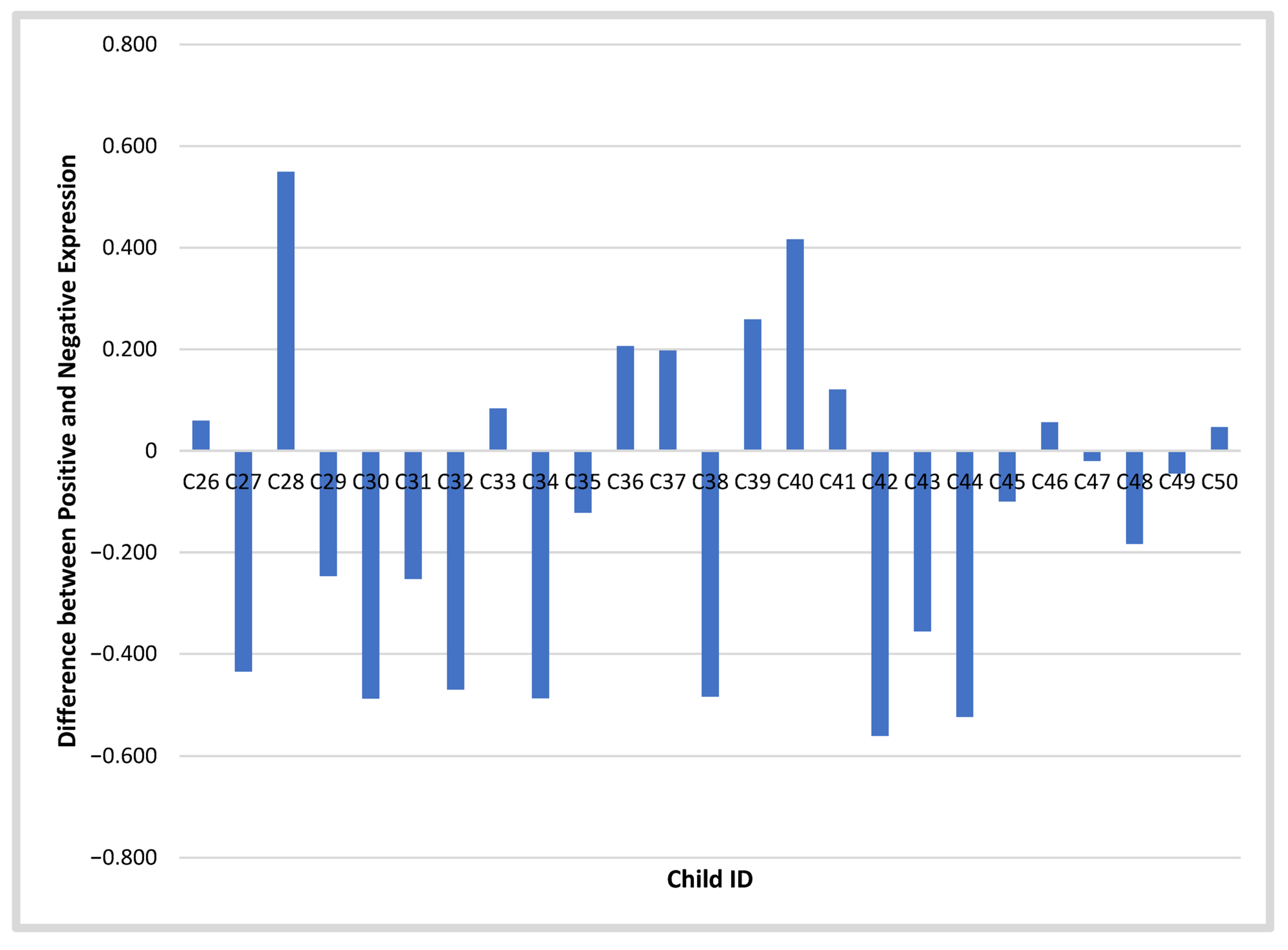
Figure 10 presents the comparison of positive and negative emotional expressions of RC and NRC. The differences in positive and negative emotional expression results for each child are shown in
Figure 11 (RC) and
Figure 12 (NRC). According to
Section 3.8, the Difference value = Value of Positive Expression − Value of Negative Expression.
A total of 3 children did not engage in the training session (C1, C17, and C23).
The remaining 22 children displayed clear interest in participating (C2, C3, C4, C5, C6, C7, C8, C9, C10, C11, C12, C13, C14, C15, C16, C18, C19, C20, C21, C22, C24, and C25).
A total of 15 children did not engage in the training session (C27, C29, C30, C31, C32, C34, C35, C38, C42, C43, C44, C45, C47, C48, and C49).
The remaining 10 children displayed clear interest in participating (C26, C28, C33, C36, C37, C39, C40, C41, C46, and C50).
These findings indicate that the majority of the children with autism responded positively to the reinforcement-based training delivered by the NAO robot, demonstrating both engagement and acceptance of this learning approach. Summary result of children’s performance are shown in
Table 4.
6. Discussion
This study examined whether a reinforcement-based robotic interaction policy improves vocabulary learning and emotional engagement in children with ASD compared to a non-reinforcement condition. The findings demonstrate a clear quantitative advantage for the reinforcement condition, with 80% of children achieving satisfactory learning outcomes compared to 48% in the non-reinforcement condition. Additionally, emotional analysis revealed substantially higher positive engagement (88%) in the reinforcement condition relative to the non-reinforcement condition (40%). These findings suggest that structured positive reinforcement significantly enhances both cognitive and affective dimensions of robot-assisted learning, which proves the ability of robots to teach children with autism.
The improvement in learning performance matches what we know about Applied Behavior Analysis (ABA). In ABA, when a reward is provided after a behavior, it makes that behavior happen more often. Unlike prior studies that rely primarily on manual scoring or questionnaire-based evaluations [
1,
6], this study integrates automated speech-recognition-based evaluation and facial emotion analytics. It gives us an indication of how well an intervention works, using data to back it up. The results agree with studies that show rewards help children with Autism Spectrum Disorder (ASD) learn new skills. This study adds to what we know by using a robot to give rewards in a consistent and automatic way.
Findings about how people feel are really important. Other studies about robots and autism have shown that robots that look like people can help children pay attention and copy things. A lot of these studies are about how children react to other people, as opposed to their academic performance. What we found out is that when children work with robots, they do better on tasks and they do not get bored or upset as easily. This means that working with robots can make children want to learn and also help them feel better when they are doing their school work. The robots seem to help children behave and feel happy.
The thing that is important to note is that the way the robot helps children in this study is based on the principles of ABA therapy. The robot does not try to figure out how to do things or change how it thinks about things. Instead it just gives feedback that is based on how the learner is doing. This is different because it means that the learner gets better because of the way the robot is helping them, not because the robot is getting smarter. The results of this study show that it is very important to think about how a robot interacts with children and how it helps them learn, as opposed to just making the robot really advanced. The robot uses behavioral reinforcement mechanisms to help children. This is what makes the difference.
The results of this study are important to discuss in relation to making robot-assisted interventions personal. We used face recognition to give each child their own lessons but the way we rewarded them was the same for everyone. What is really interesting is that the children in the groups performed very differently, which means that having a plan for rewarding them might be more important than just making the lesson personal for each child. Robot-assisted interventions need to be further examined to see if changing how much we reward children or what they like as a reward makes a difference in how they do.
Finally, since all participants were classified as having ASD at Severity Level 2 (Requiring Substantial Support), the findings demonstrate that reinforcement-based robotic instruction can be effective for children requiring considerable social communication support. However, generalization to Level 1 or Level 3 populations requires further investigation.
This study helps the field of robotics by showing that using a kind of reward system in a robot that looks like a human makes a big difference in how well children learn and how much they care about what they are doing. This is especially good for children with Autism Spectrum Disorder. The study shows that using this kind of reward system in robots that are meant to help children can really work. It makes the case for using this kind of system in robots that are designed to help children with Autism Spectrum Disorder. The use of ABA-grounded reinforcement delivered a humanoid system is what makes this study so important for Autism Spectrum Disorder-related interventions.
7. Conclusions
Autism Spectrum Disorder is a condition that affects how children develop. Children with Autism Spectrum Disorder often have a difficult time talking to others and they do not make eye contact. They also do not show their feelings on their face much. So when we want to teach children with Autism Spectrum Disorder, we need to have a plan and use methods that we know really work. We have to make sure they know when they are doing something. This is called reinforcement. It is based on how children behave. Reinforcement helps children with Autism Spectrum Disorder acquire encouraged behaviors. Autism Spectrum Disorder is something that we have to understand so we can help these children learn.
This study experimentally evaluated a structured reinforcement-based interaction policy implemented through a humanoid robotic system. Using a randomized controlled design, reinforcement was isolated as the primary interaction variable while maintaining identical instructional content across conditions. The results demonstrated statistically significant improvements in both mean performance scores (t(48) = 3.779, p < 0.05) and average response time (t(48) = 3.758, p < 0.05) in the reinforcement condition compared to the non-reinforcement condition. These findings provide quantitative evidence that structured ABA-based reinforcement within robotic interaction enhances learning efficiency in vocabulary training tasks. Engagement analysis indicated generally positive interaction patterns; however, these findings should be interpreted cautiously given the exploratory nature of emotion classification.
Previous studies have explored reinforcement and robotic applications in ASD intervention but often relied primarily on manual or questionnaire-based evaluations [
5,
19,
20,
21,
22,
23], particularly in earlier developmental stages of robotic therapy systems [
24,
25,
26,
27,
28,
29]. In contrast, the present study integrates automated performance tracking, response-time analysis, and statistical validation to strengthen methodological rigor.
There are some limitations we need to think about. Our study looked at learning new words, and we only had a few sessions. This might mean that this method does not work for everything. Our system is also not completely automatic. If we had a Learning Management System (LMS), it would be easier to track information for a long time and make expand the robot’s capabilities. We should try to add content to learn and make the program longer, like more than one month. We should also make the system work better so it is not just talking through a connection. We need to make these changes to the Learning Management System, the system architecture, and the way it talks to things like socket-based communication, which is used by the system.
The findings show that robots can be really helpful in education when they are used in a controlled and structured way. This can be especially true when we are trying to help children learn and grow in a guided environment. The robots can be a tool for therapy when we use them in a very careful and planned way. We need to make sure we are watching how well the robots are working and using ways to measure how well they are doing. This way we can see if the robots are really helping children learn and grow. The use of robots, in education and therapy can be very good when we do it in a controlled and careful way.