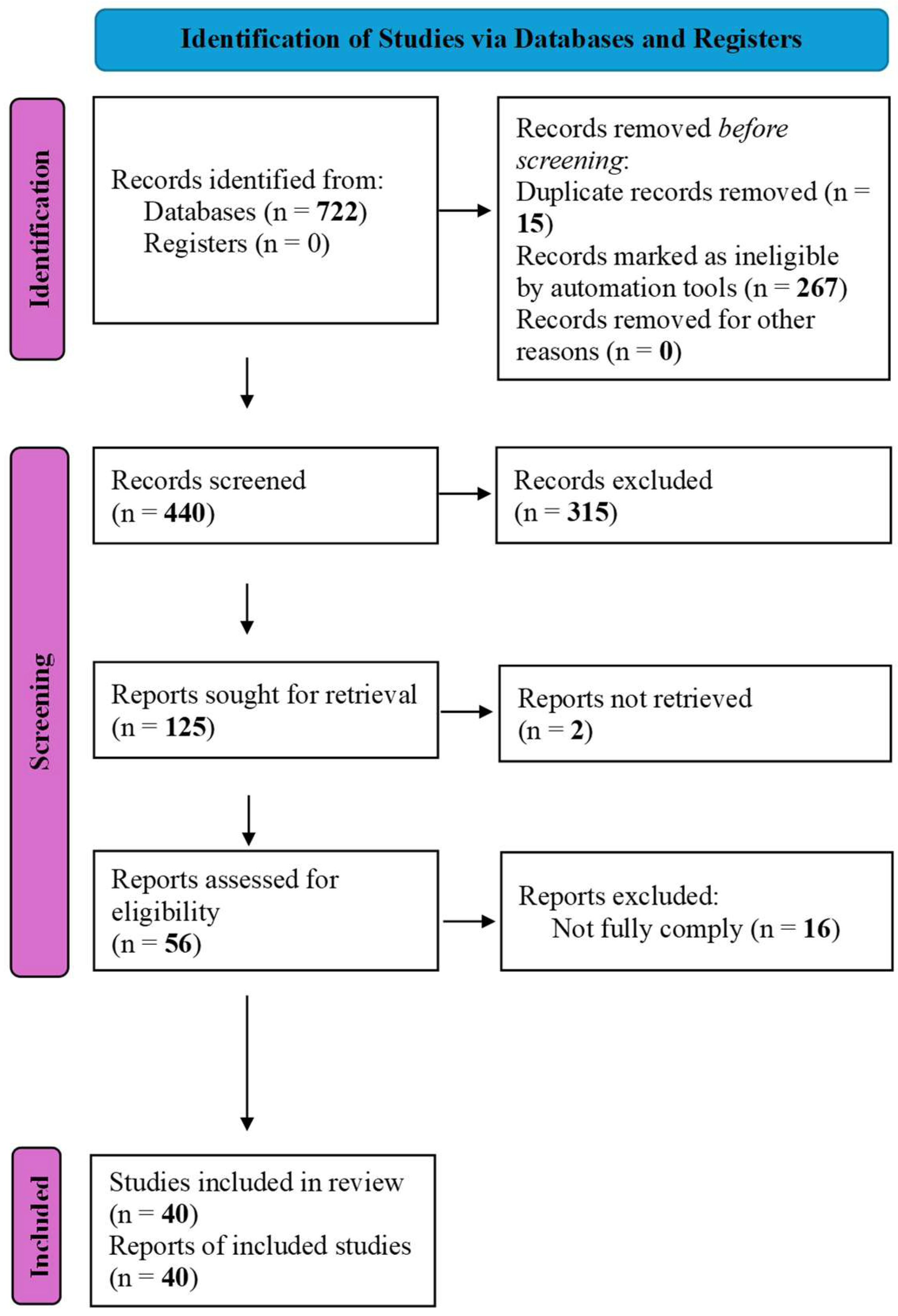
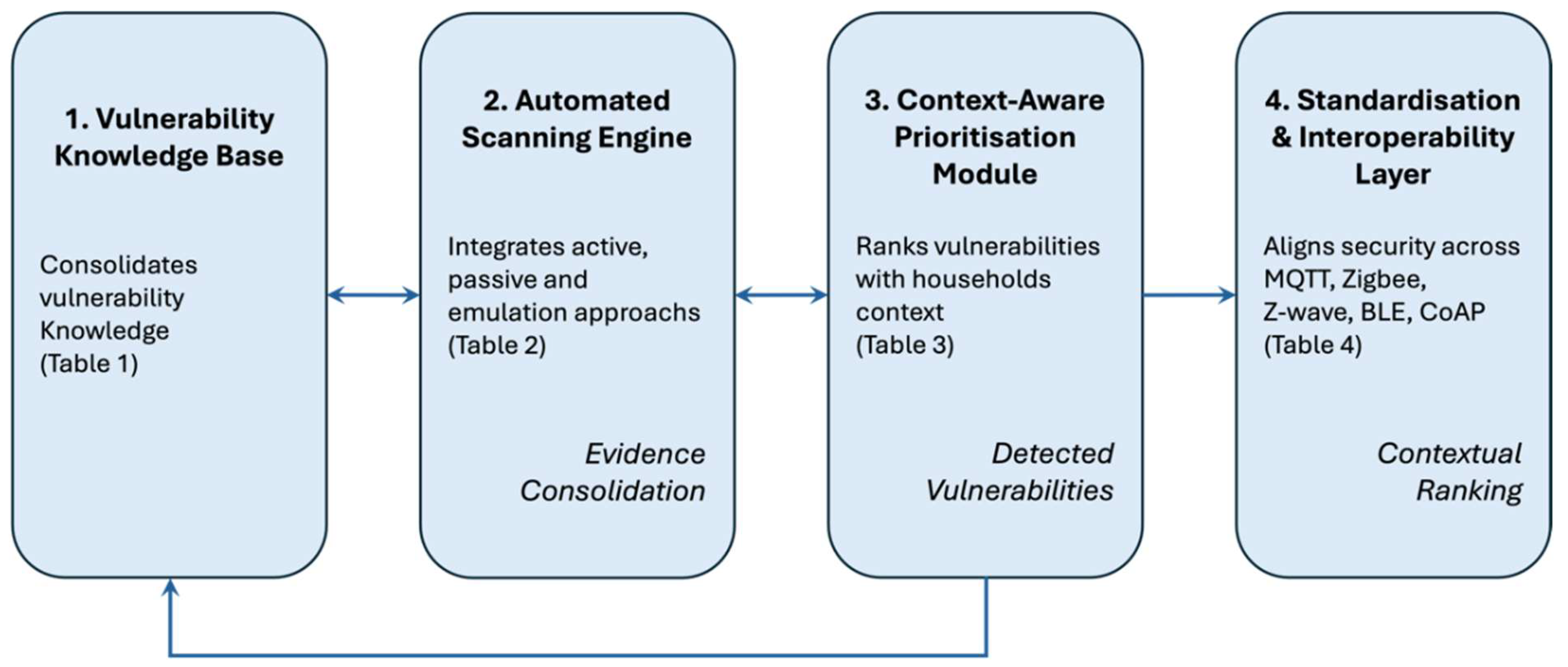
This section synthesises 40 academic sources to provide the theoretical grounding for this work. The discussion is organised in alignment with the layers of the expected theoretical framework: 1. Vulnerabilities in domestic IoT; 2. Automated vulnerability scanning tools; 3. Prioritisation strategies; and 4. Standardisation and interoperability. By identifying commonalities, limitations and gaps across these bodies of work, this literature review demonstrates the need for a domestic IoT security framework tailored for non-technical users.
2.1. Prevalent Vulnerabilities in Domestic IoT Devices
The literature shows that domestic IoT devices remain susceptible to vulnerabilities that undermine both functionality and household security. Early surveys classified vulnerabilities into categories spanning hardware, software and communication layers. Classic taxonomies remain influential, with ref. [
9] identifying early gaps in trust, privacy and security. In the context of information security, “trust” is a measured belief that a system, user or device will behave in an expected, secure and authorised manner. For instance, ref. [
1] demonstrated how insecure firmware updates, poor key management and default credentials leave devices easily compromised. Recent analyses also emphasise device-specific weaknesses in smart homes [
1]. Similarly, ref. [
10] identified systemic weaknesses including side-channel attacks, hardware Trojans and inadequate access control that expose smart home devices to escalating threats. Ref. [
11] further highlighted how permission escalation within IoT hubs could compromise multiple devices in a single household, amplifying the risk from a single exploit. From a foundational perspective, ref. [
12] emphasise the systematic nature of IoT risks, linking device constraints and ecosystem complexity to persistent exposure in consumer settings. Ref. [
5] reinforced these findings, showing that vulnerability surfaces in consumer IoT remain fragmented, heterogeneous and largely unmitigated despite increased research attention.
Empirical research provides concrete evidence of these weaknesses. Ref. [
1] tested commercially available smart home devices using open-source tools, identifying vulnerabilities that were not only numerous but also remotely exploitable. Their findings stress the importance of distinguishing between vulnerabilities that require physical access and those that can be exploited remotely. The former present lower risk to most consumers, while the latter can threaten millions of devices simultaneously. Large-scale incidents have demonstrated the catastrophic potential of remote compromise in consumer IoT. Hijacking campaigns against smart cameras and household devices have shown how poorly secured endpoints can be leveraged at scale to disrupt services and compromise household privacy [
1,
5]. Similarly, at DEF CON 2017, researchers disclosed 47 new vulnerabilities in 23 devices from 21 manufacturers, underscoring the persistent industry-wide exposure [
1]. Databases such as Exploitee.rs and HardwareSecurity.org, referenced in [
1], continue to catalogue vulnerabilities across more than 200 devices, nearly half of which are designed for smart home environments.
Weak authentication, unencrypted communications and outdated firmware have been reported for different types of IoT devices, including smart cameras, thermostats, smart lighting, and home appliances.
Table 1 summarises vulnerabilities found in Domestic IoT devices.
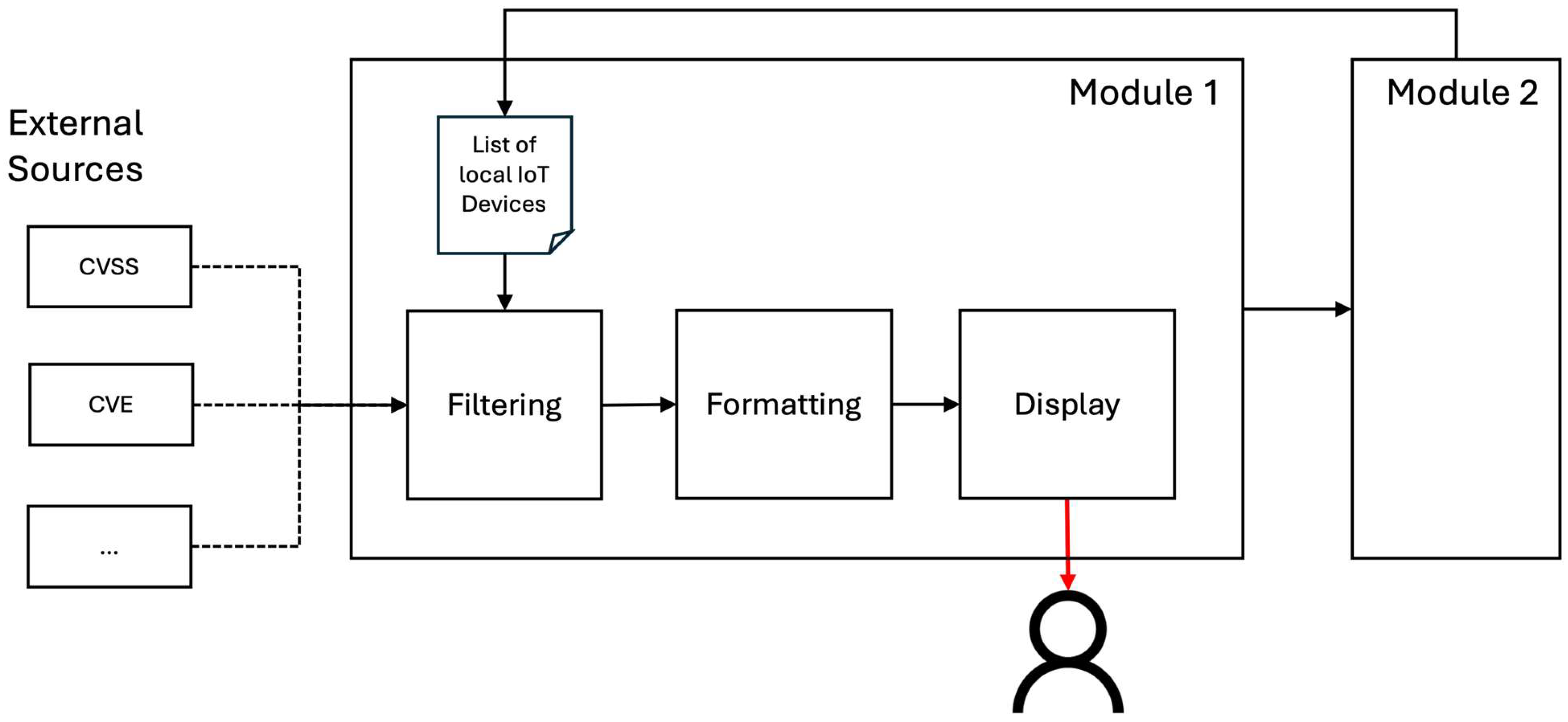
This evidence demonstrates that vulnerabilities in domestic IoT vary significantly in impact, with remote exploits posing the greatest household risks. While existing research identifies these weaknesses comprehensively, there is no unified framework that contextualises them according to household exposure. These findings define Gap #1: Absence of a unified vulnerability framework for contextualising domestic IoT risks, addressed by Module #1: Vulnerability Knowledge Base in the proposed framework.
Having established the range of prevalent vulnerabilities in domestic IoT devices, the next section considers how automated scanning tools have been developed to identify such weaknesses and assess their potential impact.
2.2. Automated Vulnerability Scanning Tools
Automated scanning is a cornerstone of vulnerability discovery in IoT ecosystems, but existing tools differ significantly in scope, accuracy and household applicability. State-of-the-art surveys of IoT vulnerability scanning approaches highlight the limits of existing automated tools [
13]. Traditional network scanners such as Nmap and Masscan remain foundational for device discovery and port analysis. These tools provide wide coverage and efficiency in enumerating services and identifying exposed ports, but they cannot detect deeper firmware vulnerabilities or device-specific flaws [
14,
15]. At the internet scale, Shodan enables global enumeration of IoT devices and services but is limited by its reliance on banner grabbing, which restricts the precision of vulnerability identification [
6].
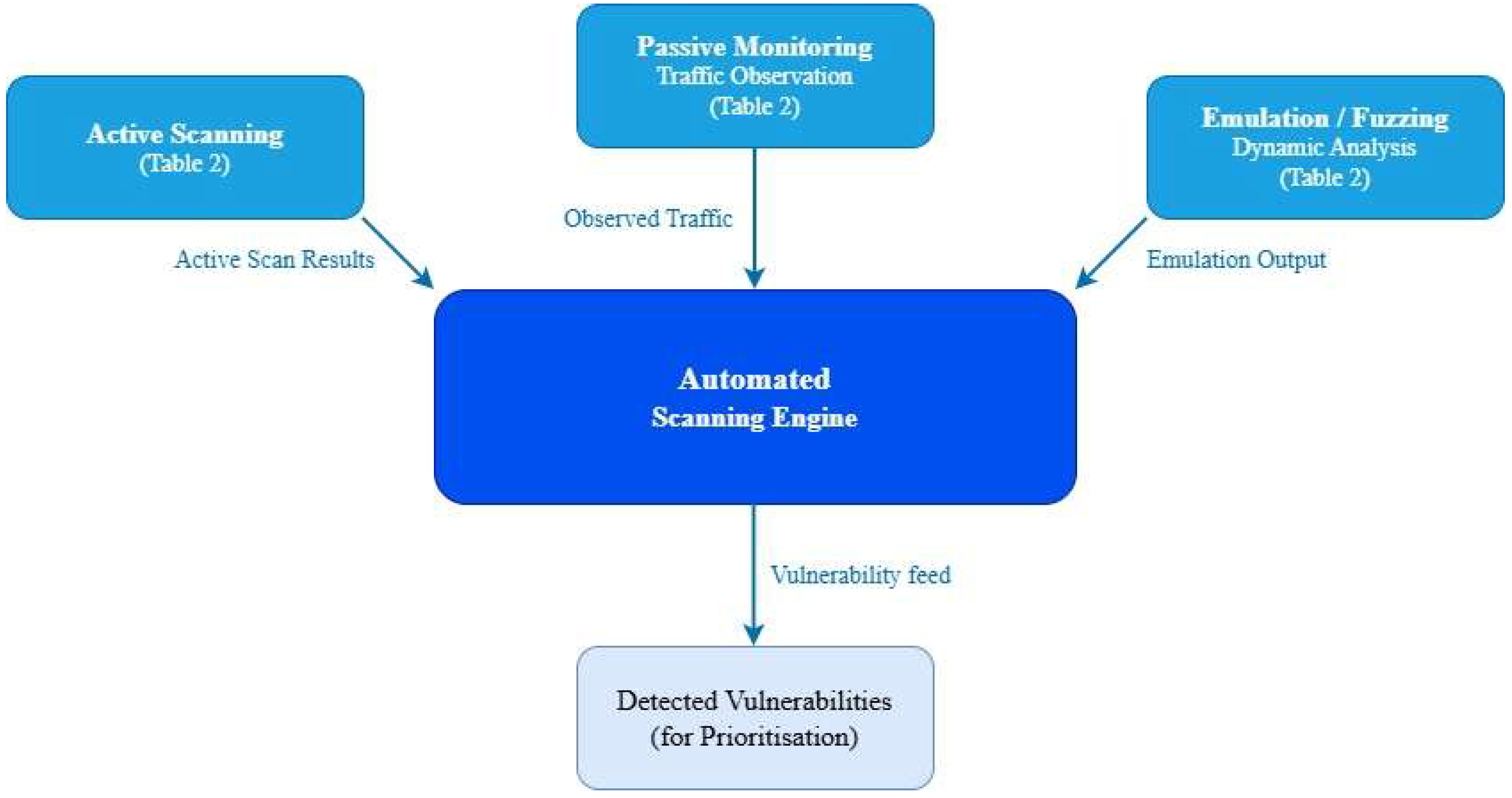
Dynamic and emulation-based analysis techniques attempt to address these shortcomings by inspecting device behaviour at runtime. Frameworks such as Avatar and Firmadyne enable the re-hosting of IoT firmware and symbolic execution, allowing for the discovery of hidden vulnerabilities such as authentication bypasses and insecure default services [
1]. These approaches expose flaws that cannot be captured by surface-level scanning alone, but their reliance on resource-intensive processes and technical expertise makes them unsuitable for direct application in domestic settings [
7,
14,
15]. Addressing resource constraints, ref. [
16] proposes a scalable, lightweight AI-driven security framework that applies optimisation and game-theoretic strategies, highlighting pathways to reduce overhead while sustaining detection efficacy in constrained IoT settings. Automated penetration testing for smart home devices has been operationalised in prototype frameworks [
17].
Recent research has sought to combine static and dynamic techniques to improve accuracy. Complementing these hybrid approaches, ref. [
18] present a machine-learning-based cybersecurity framework for IoT devices that operationalises classifier-driven detection within practical deployment constraints, reinforcing the role of ML as a bridging mechanism between surface scanning and deeper behavioural analysis. Ref. [
19] proposed an automated IoT assessment framework that integrates firmware re-hosting with network scanning, reducing blind spots across the analysis spectrum. Ref. [
7] advanced this trajectory by introducing generative fuzzing tailored to IoT networks, capable of automatically generating new test cases that go beyond signature-based detection. At a broader level, ref. [
20] review generative-AI applications for IoT security, indicating that model-driven generation can extend beyond fuzzing to support adaptive detection and mitigation strategies across heterogeneous devices. While these hybrid approaches improve comprehensiveness, they remain fragmented across toolchains and lack integration into user-friendly solutions for households. Complementary studies classify consumer IoT software vulnerabilities, improving scanning workflows [
21].
Table 2 compares these different approaches.
While
Table 2 compares scanning approaches strictly in terms of technical attributes,
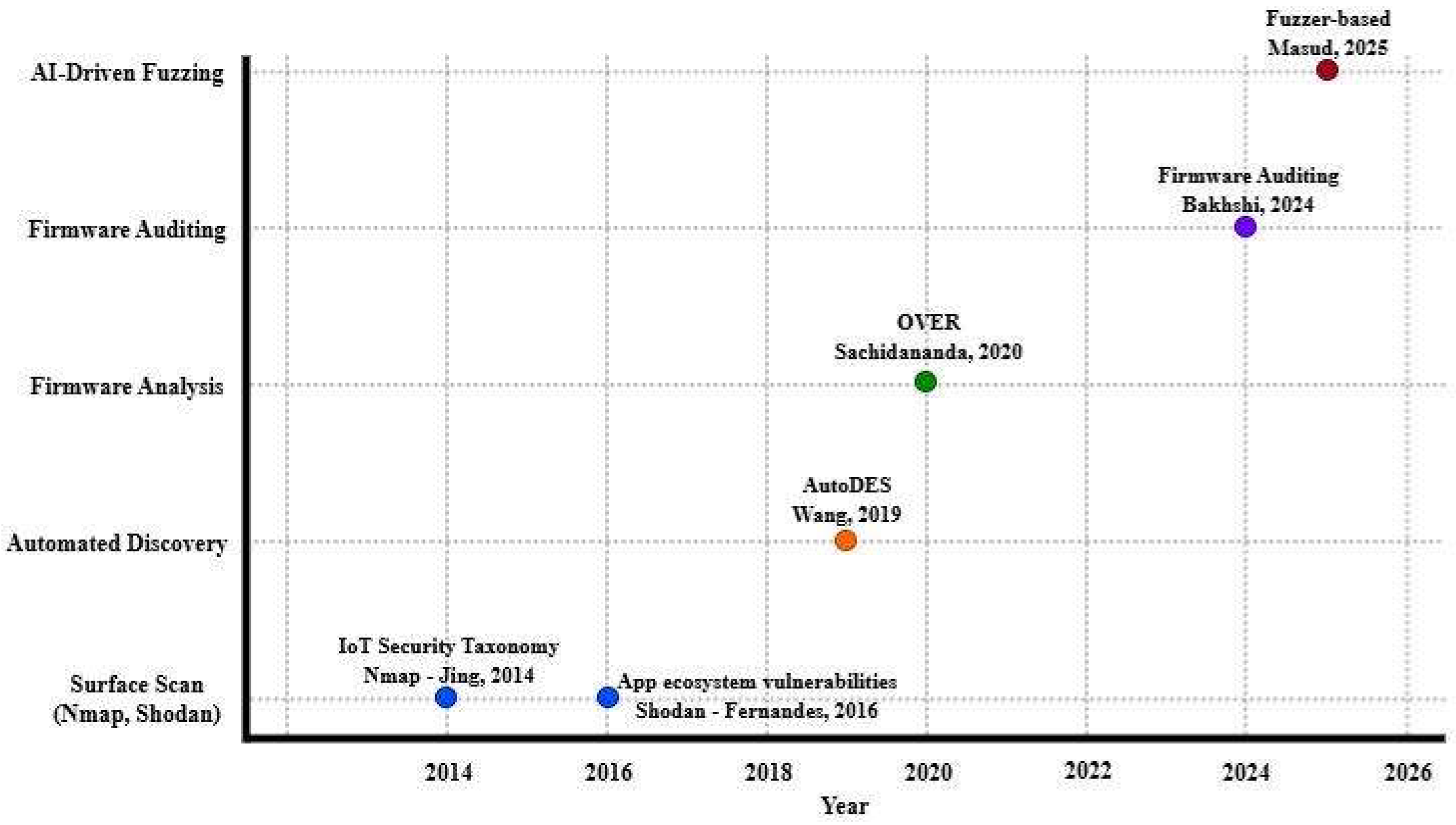
Figure 1 presents a timeline that combines chronology with methodological categories. It illustrates when key contributions emerged, beginning with early academic contributions such as [
2,
11], which referenced surface-level enumeration tools such as Nmap and Shodan [
1,
5]. Scanning practices then evolved toward automated discovery, firmware analysis and auditing, culminating in AI-driven fuzzing.
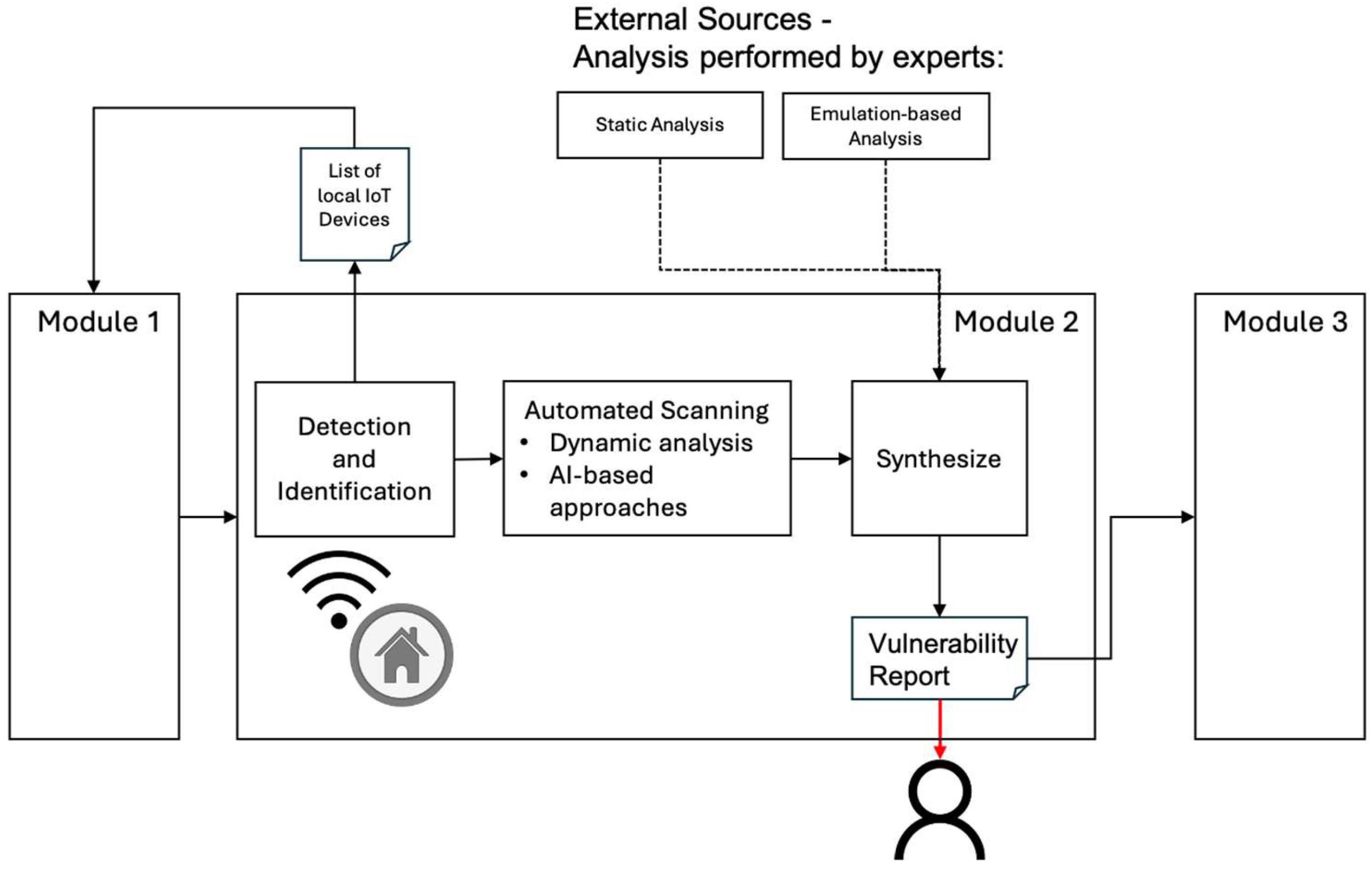
The evidence shows that automated scanning in IoT is simultaneously powerful and fragmented. Traditional tools provide shallow insight, while emulation-based and fuzzing methods achieve depth at the cost of usability. No framework consolidates these methods into an accessible form suitable for smart home environments. These findings define Gap #2: Fragmentation of automated scanning approaches, which remain tool-specific and poorly integrated, addressed by Module #2: Automated Scanning Engine.
While scanning tools help reveal a wide spectrum of flaws, the challenge of prioritising which vulnerabilities to address first requires a different perspective.
2.3. Prioritisation Strategies
Identifying vulnerabilities is only the first step; determining which to address first is equally critical for effective mitigation in domestic IoT environments. The most widely adopted system for prioritisation is the Common Vulnerability Scoring System (CVSS), which rates vulnerabilities based on exploitability, impact and access vectors. While CVSS remains a global standard, its application in smart home environments has been criticised for misrepresenting risk; “risk” is understood as the potential for loss or harm to an organisation’s data or systems, calculated from the likelihood of a threat exploiting a vulnerability. For instance, a high CVSS score for a smart light bulb may receive more attention than a moderate vulnerability in a security camera, despite the latter presenting a far greater household security threat [
5]. Risk scoring for IoT devices has also been modelled through fuzzy logic and optimisation, demonstrating alternative prioritisation strategies beyond CVSS [
22].
Alternative frameworks attempt to correct these shortcomings. Firmware auditing reviews reveal gaps in prioritisation at the binary level, where vulnerabilities are often documented but not contextualised for remediation [
15]. Ref. [
23] applied machine-learning models to detect IoT attacks early, generating rankings derived from anomaly detection metrics. Predictive approaches have also been proposed to anticipate malicious behaviour in IoT devices, strengthening the link between identification and actionable prioritisation [
24]. While technically robust, these methods still privilege exploit signatures and fail to account for device criticality in household settings. Ref. [
3] developed AI-driven systemic risk models, connecting technical vulnerabilities to organisational and societal impacts. While this improves the systemic relevance of prioritisation, it lacks granularity at the level of household devices. More directly, ref. [
25] introduced the CRASHED framework, explicitly targeting smart home contexts by incorporating device roles and exposure into prioritisation logic. Ref. [
26] proposed the IoT Security Framework (ISF), which emphasised device interdependencies and ecosystem-wide risk rather than isolated technical vulnerabilities.
Table 3 presents prioritisation frameworks.
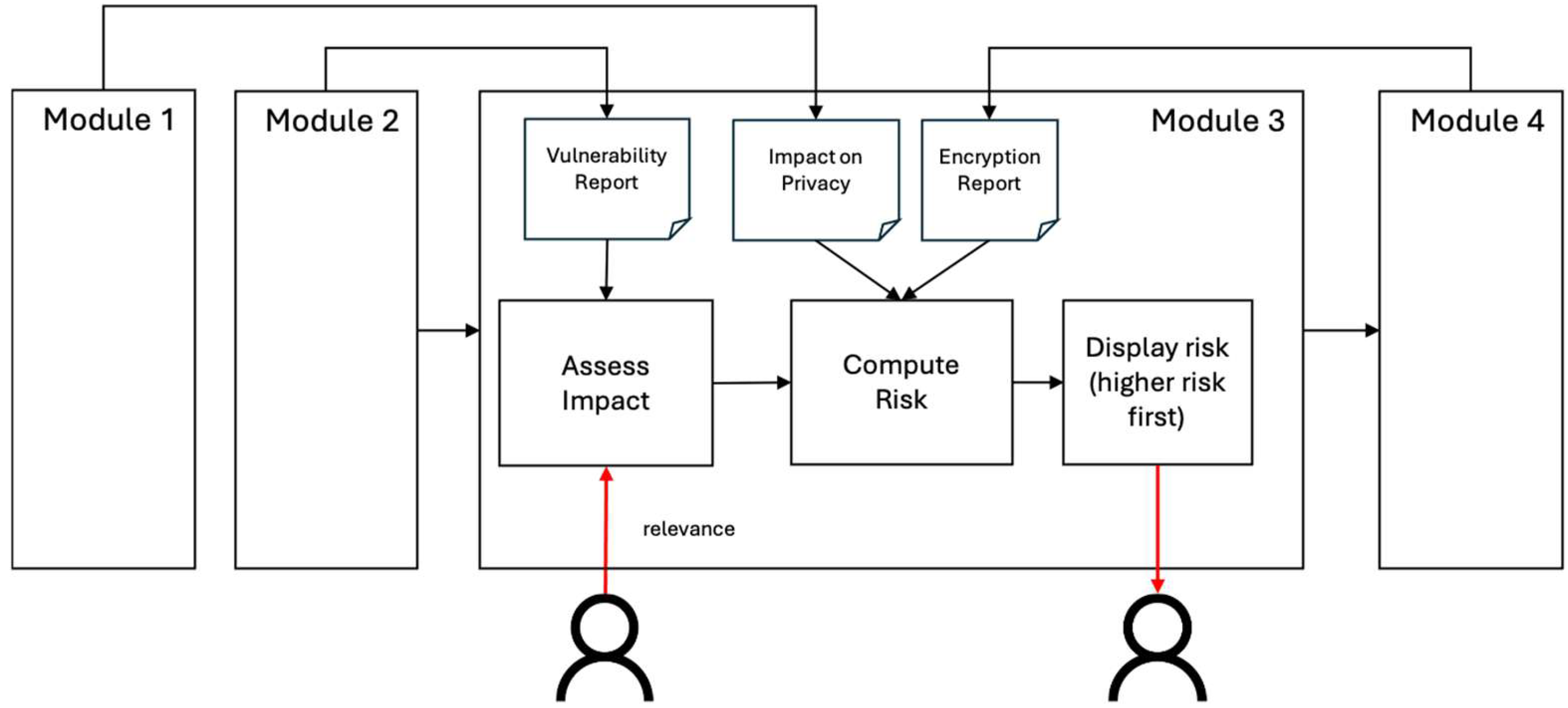
The literature shows that prioritisation frameworks have yet to balance technical severity with household context. Without this, security resources risk being misallocated to less impactful flaws while more dangerous vulnerabilities remain unaddressed. This defines Gap #3: Over-reliance on technical severity in prioritisation frameworks, with limited recognition of household context, addressed by Module #3: Context-Aware Prioritisation.
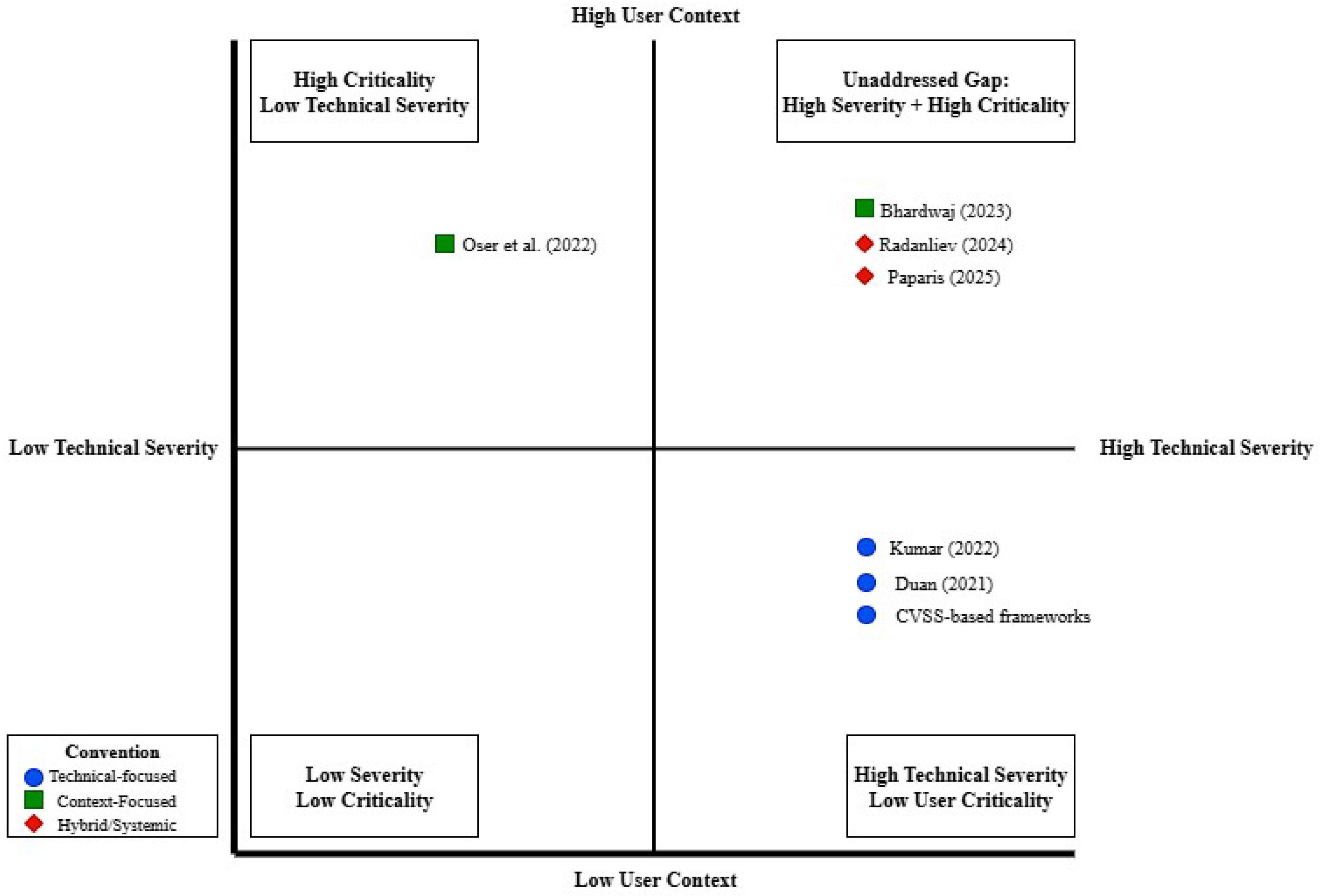
Figure 2 shows a conceptual model of technical vs. user-centric (user context) prioritisation.
Although prioritisation strategies enhance the management of vulnerabilities, they rely on the quality of underlying communication protocols.
Section 2.4 therefore examines the standards, interoperability and security features that underpin IoT ecosystems.
Despite these innovations, the overall picture remains fragmented. CVSS and ML-based systems are weighted heavily toward technical severity, while more context-aware approaches like CRASHED and ISF show promise but remain poorly integrated with widely used scoring systems. This misalignment creates a persistent blind spot: vulnerabilities that are simultaneously high-severity and high-criticality within households are not systematically prioritised.
Intrusion Detection and Anomaly Detection in Domestic IoT: While prioritisation frameworks identify which vulnerabilities matter most, effective protection in domestic IoT also depends on mechanisms that can detect exploitation attempts in real time. Intrusion detection systems (IDSs) and anomaly detection frameworks extend the security posture beyond scanning by monitoring device and network behaviour for malicious patterns.
Ref. [
23] demonstrated that machine-learning-based IDS at the network edge can detect IoT botnet activity at an early stage, preventing attacks before household compromise occurs. Ref. [
27] provided a systematic review of machine-learning approaches for IoT botnet detection, consolidating the role of classifiers such as random forests, SVMs and neural networks in anomaly detection. Ref. [
28] introduced READ-IoT, a reliable anomaly detection framework designed to maintain event integrity in heterogeneous device environments. Ref. [
29] proposed ADRIoT, an edge-assisted anomaly detection framework that distributes detection workloads, improving scalability for large domestic IoT networks. Ref. [
30] advanced this direction with SARIK, a Kubernetes-based policy and security framework for IoT devices, enabling anomaly detection and mitigation in containerised environments. Ref. [
31] contributed a hybrid deep-learning framework for IoT security, combining convolutional and recurrent models to improve anomaly detection accuracy. Extending this line, ref. [
32] integrate CoviNet with a Granger-causality-inspired graph-neural approach to compress and analyse cloud-side IoT streams, improving anomaly detection scalability for deployments that blend edge devices with cloud services. Ref. [
33] extended the application of IDS beyond households, analysing vulnerabilities and intrusion detection strategies in smart city environments, highlighting how these methods can be transferred to domestic contexts. To improve interpretability for non-technical users, ref. [
34] propose an explainable-AI design for smart home IDSs, indicating that transparent feature attributions can support user-centred remediation decisions.
Together, these studies confirm that IDS and anomaly detection techniques are essential complements to vulnerability identification and prioritisation, enabling proactive responses to evolving attacks. However, most remain highly technical, lacking the usability and integration required for household adoption, thereby reinforcing the need for a framework that translates advanced detection into user-accessible protection.
2.4. Protocols, Interoperability and Security Features
The security posture of domestic IoT ecosystems depends not only on device architecture but also on the protocols that interconnect them. These protocols embed varying levels of protection, yet their inconsistent adoption across devices and vendors creates systemic risks for households.
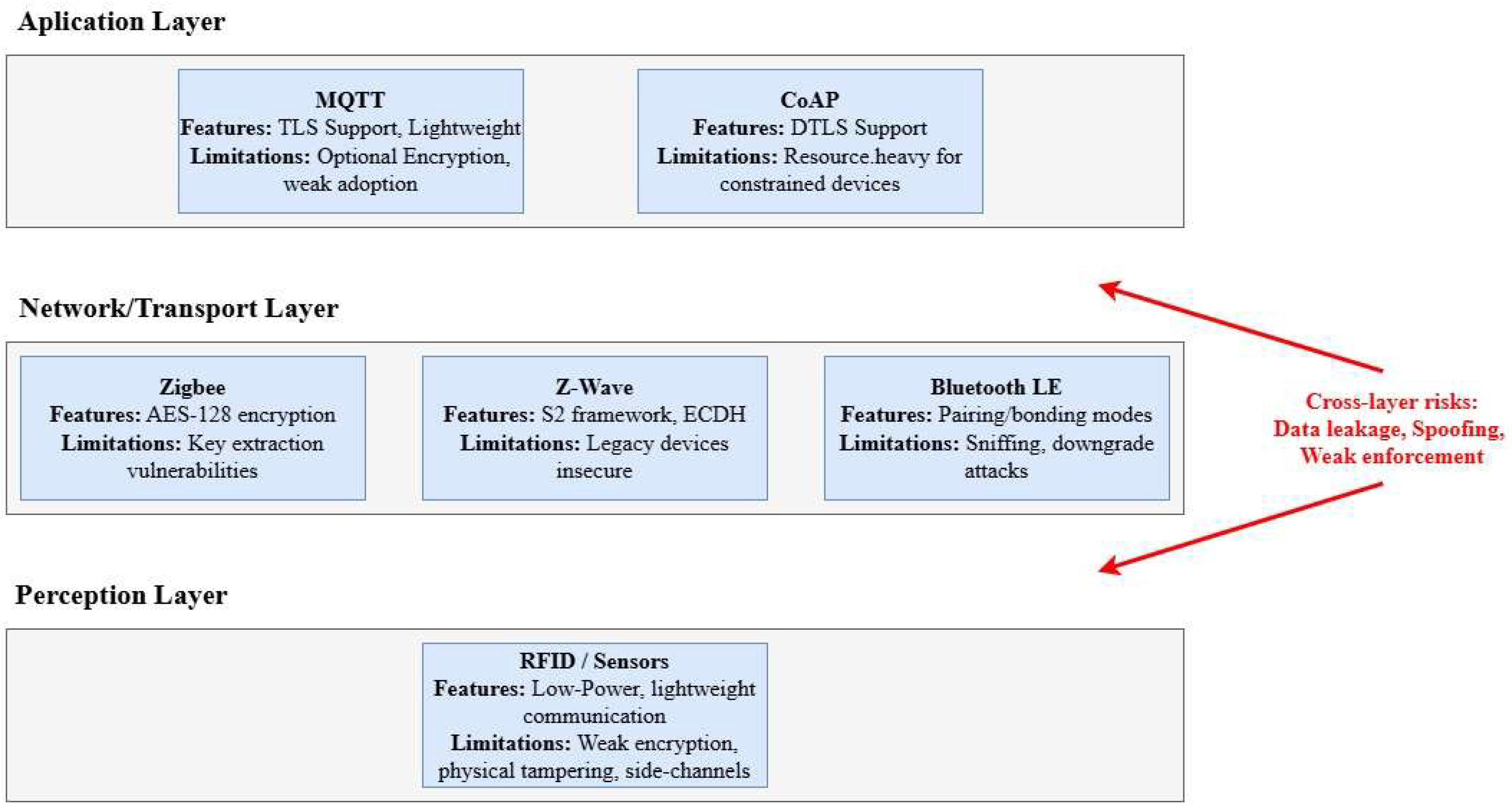
At the application layer, the Message Queuing Telemetry Transport (MQTT) protocol has become a dominant standard for lightweight messaging. It supports TLS encryption, but implementation is optional and many consumer devices ship with unencrypted configurations [
1]. The Constrained Application Protocol (CoAP) was designed for constrained devices and provides Datagram Transport Layer Security (DTLS). However, its computational overhead makes it unsuitable for highly resource-constrained hardware, leading to limited deployment in practice [
2].
At the network and transport layers, Zigbee and Z-Wave are widely used in smart homes. Zigbee integrates AES-128 encryption; however, published analyses report key-extraction and replay-style attacks that undermine reliability [
2,
10]. Z-Wave strengthened its security with the introduction of the S2 framework and Elliptic-curve Diffie–Hellman (ECDH) key exchange, yet legacy devices lacking these features remain prevalent in households [
10]. Bluetooth Low Energy (BLE) supports multiple pairing and bonding mechanisms but continues to be susceptible to downgrade and sniffing attacks [
10].
At the perception layer, devices such as sensors, RFID tags and hardware modules form the foundation of the IoT ecosystem. While critical to data collection, they typically operate under resource constraints and rely on proprietary or lightweight communication standards with limited encryption. As [
2] noted, RFID and sensor networks are particularly exposed due to heterogeneous deployments and lack of unified standards. Ref. [
10] further emphasised hardware-level vulnerabilities such as side-channel attacks, hardware Trojans and sensor spoofing, which remain outside the coverage of higher-layer security mechanisms.
In the networking field, “interoperability” means the ability of diverse systems or components (regardless of vendor or carrier) to seamlessly exchange and use data in real time. In a smart home context, the coexistence of networking protocols across layers in a single household intensifies risks, as hubs and gateways often link devices across standards. This creates complex interoperability chains where a weakness in one layer may cascade into others. For example, perception-layer spoofing of sensor data can propagate through network protocols into application-layer compromises. Ref. [
2] highlighted that such cross-layer interactions amplify risks, particularly when proprietary extensions and vendor-specific implementations prioritise functionality over consistent security enforcement. According to early analyses of the IoT security landscape [
12], protocol-layer protections may be undermined by heterogeneous deployments and legacy implementations.
Table 4 summarises the used protocols and their security features.
Figure 3 consolidates information per layer and highlights cross-layer risks, vulnerabilities that extend beyond a single protocol layer. Data leakage arises when perception-layer devices such as RFID tags or sensors transmit unencrypted information, exposing it as it moves through transport and application protocols. Spoofing occurs when malicious or compromised devices inject false data at the perception layer, which is then propagated by higher-layer protocols into application services. Weak enforcement reflects the inconsistent application of security features across layers; for example, even if CoAP enforces DTLS at the application level, its protections may be undermined by weaker or legacy encryption in underlying transport protocols such as Zigbee. These cross-layer risks underscore the need for integrated security enforcement, as weaknesses at one layer can compromise the resilience of the entire smart home ecosystem [
2,
10].
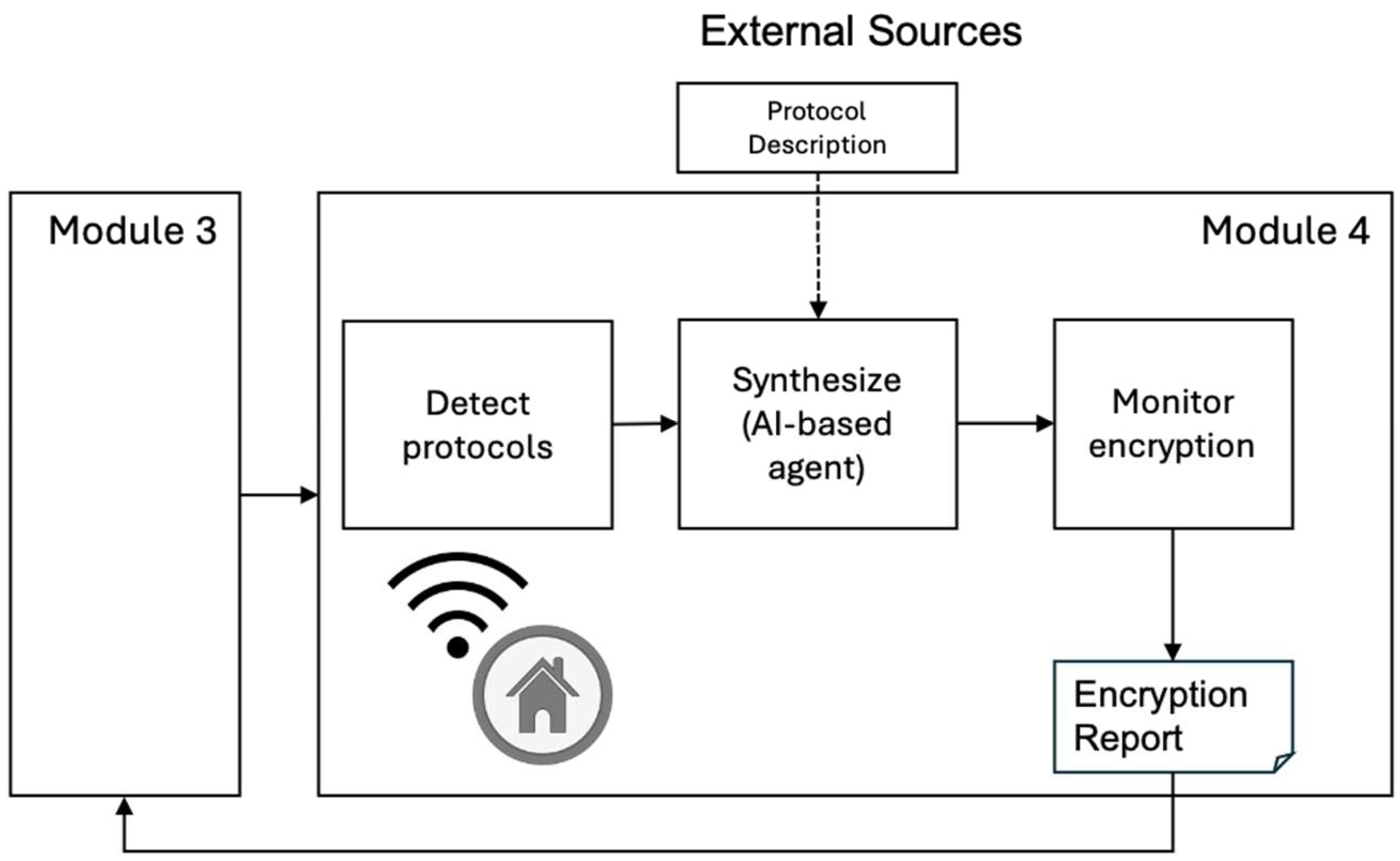
The evidence demonstrates that IoT protocols and device communication mechanisms embed useful security features but fail in practice due to inconsistent adoption, legacy vulnerabilities and cross-layer risks. Weak encryption at the perception layer, fragmented adoption of secure transport standards and uneven enforcement of application-layer protections illustrate how vulnerabilities can cascade across layers. Adaptive policy frameworks dynamically adjust IoT security at the edge [
35]. Fog computing research highlights unresolved privacy/security trade-offs [
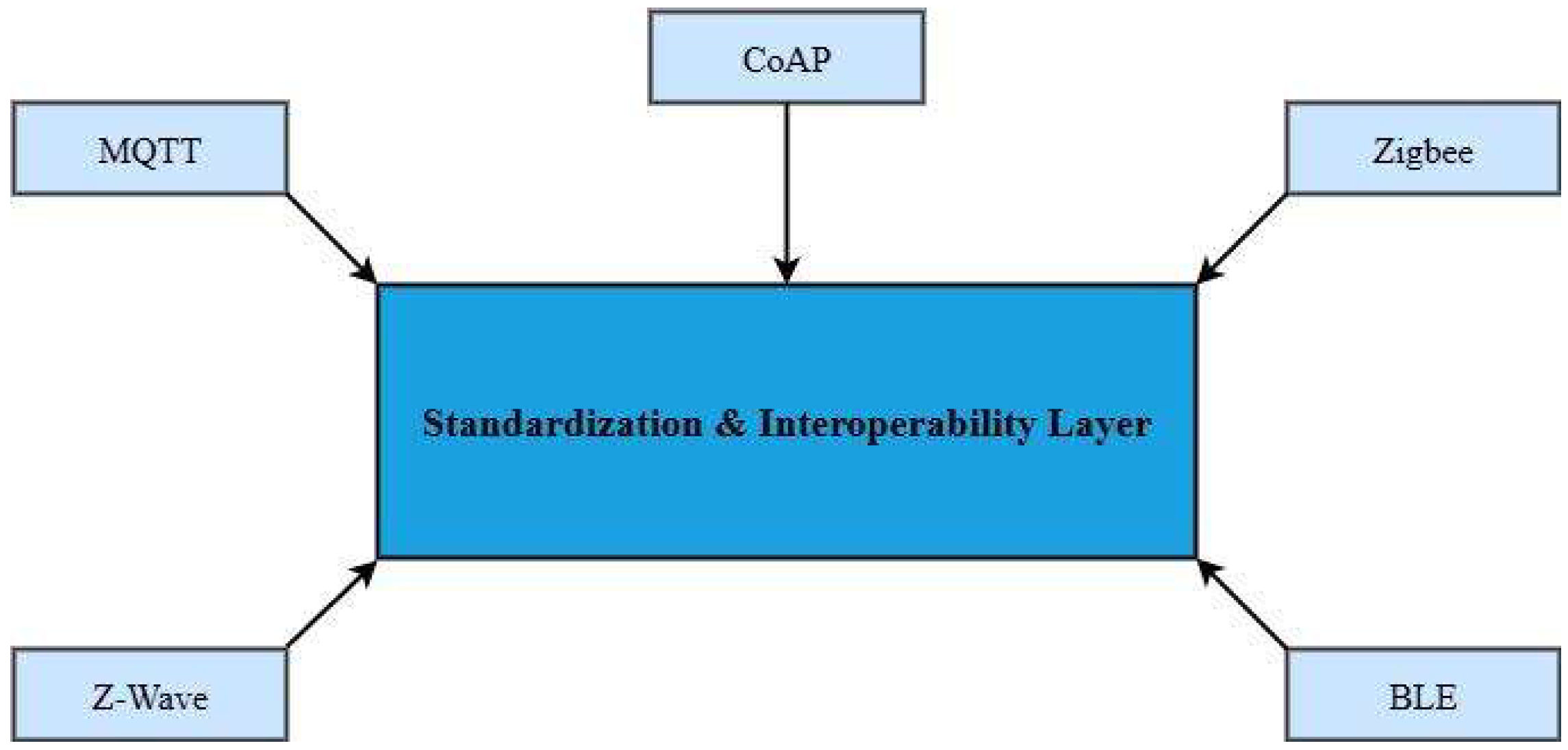
36]. These dynamics confirm Gap #4: Weak standardisation of IoT protocols, enabling interoperability failures and cross-layer vulnerabilities, a gap addressed by Module #4: Standardisation and Interoperability Layer.
Protocol- and interoperability-related weaknesses establish how systemic flaws persist across IoT layers. To integrate these observations into a coherent structure,
Section 2.5 consolidates evidence across all subsections and maps it into research gaps and framework modules.
2.5. Evidence-to-Framework Traceability
The literature reviewed in
Section 2.1,
Section 2.2,
Section 2.3 and
Section 2.4 confirms that research on IoT security has generated significant insights, but it also reveals persistent structural limitations that affect domestic applicability. To ensure transparency between the evidence base and the design of the proposed framework, it is essential to map contributions from the literature to unresolved gaps and then to the modules that will address them in
Section 4.
Four major gaps emerge:
Gap #1 (vulnerabilities): Absence of a unified vulnerability framework for contextualising domestic IoT risks;
Gap #2 (scanning tools): Fragmentation of automated scanning approaches, which remain tool-specific and poorly integrated;
Gap #3 (prioritisation): Over-reliance on technical severity in prioritisation frameworks, with limited recognition of household context;
Gap #4 (frameworks and protocols): Weak standardisation of IoT protocols, enabling interoperability failures and cross-layer vulnerabilities.
Gaps 1 to 4 motivate a framework with four modules:
Vulnerabilities highlight the need for Module #1: Vulnerability Knowledge Base;
Scanning tools confirm the need for Module #2: Automated Scanning Engine;
Prioritisation strategies demonstrate the need for Module #3: Context-Aware Prioritisation Module;
Protocols underscore the necessity of Module #4: Standardisation and Interoperability Layer.
Table 5 consolidates the connections between research gaps identified from the literature and the framework modules.
The evidence presented demonstrates that the proposed framework is not speculative but a structured response to gaps systematically identified in the literature. Each module emerges directly from deficiencies observed across prior work, ensuring academic rigour and practical relevance for domestic IoT environments.
The analysis across vulnerabilities, scanning tools, prioritisation strategies and protocols shows that while progress has been made in understanding domestic IoT risks, critical gaps remain unresolved. The persistence of these issues indicates that individually, solutions cannot adequately protect households; instead, a coherent framework is required to integrate the diverse contributions of prior research.