Article

Does Training Improve Sanitary Inspection Answer Agreement between Inspectors? Quantitative Evidence from the Mukono District, Uganda


1
Department of Civil and Environmental Engineering, University of Surrey, Guildford, Surrey GU2 5XH, UK
2
Department of Civil and Building Engineering, University of Kyambogo, Kiwatule—Banda, Kampala, Uganda
3
British Geological Survey, Maclean Building, Wallingford OX10 8BB, UK
4
School of Law, University of Surrey, Guildford, Surrey GU2 5XH, UK
5
Consultant, World Health Organization, CH-1211 Geneva, Switzerland
*
Author to whom correspondence should be addressed.
Resources 2020, 9(10), 120; https://doi.org/10.3390/resources9100120

Submission received: 17 August 2020 / Revised: 20 September 2020 / Accepted: 29 September 2020 / Published: 10 October 2020
(This article belongs to the Special Issue Drinking Water Safety Management)

Abstract

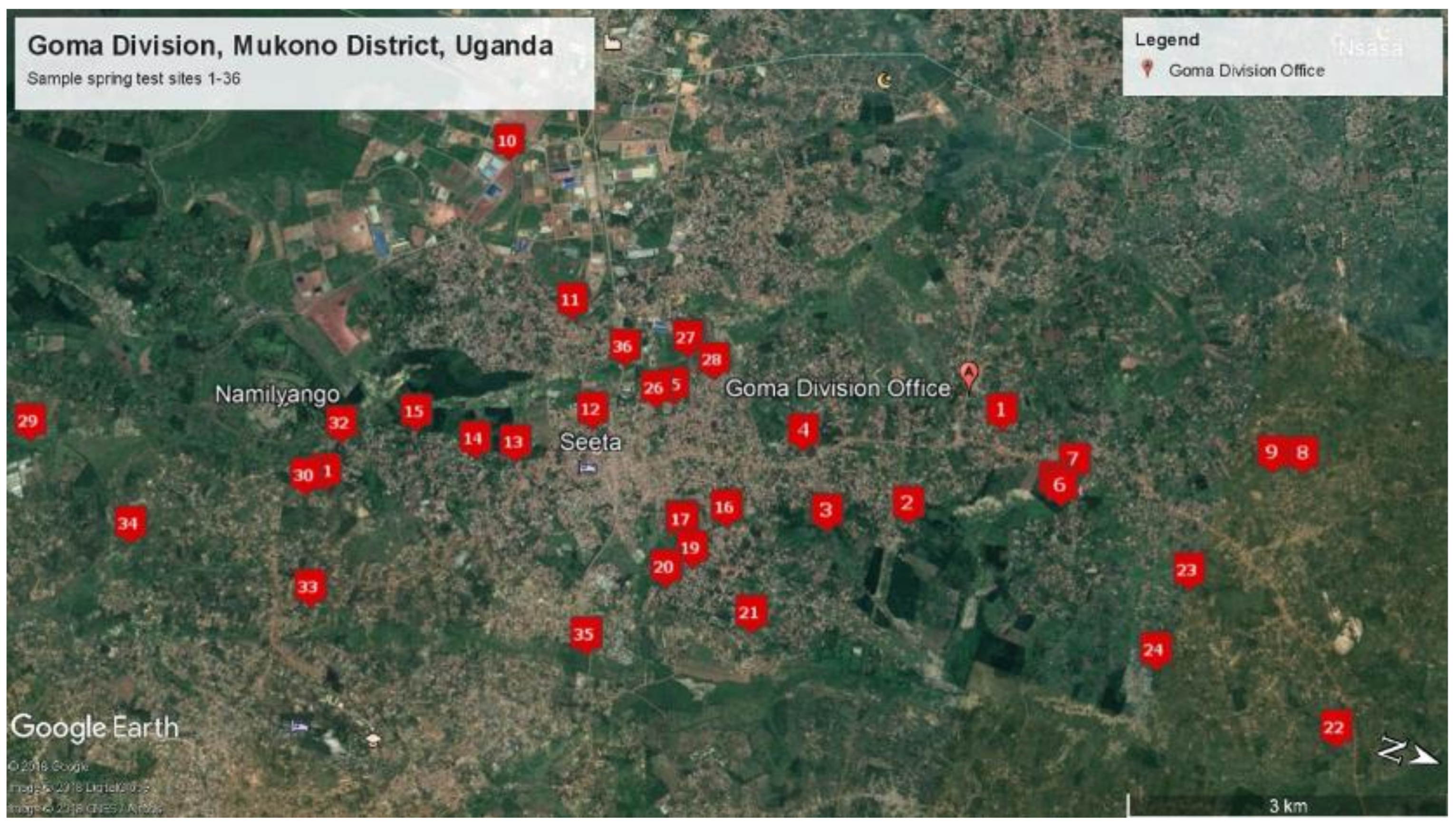
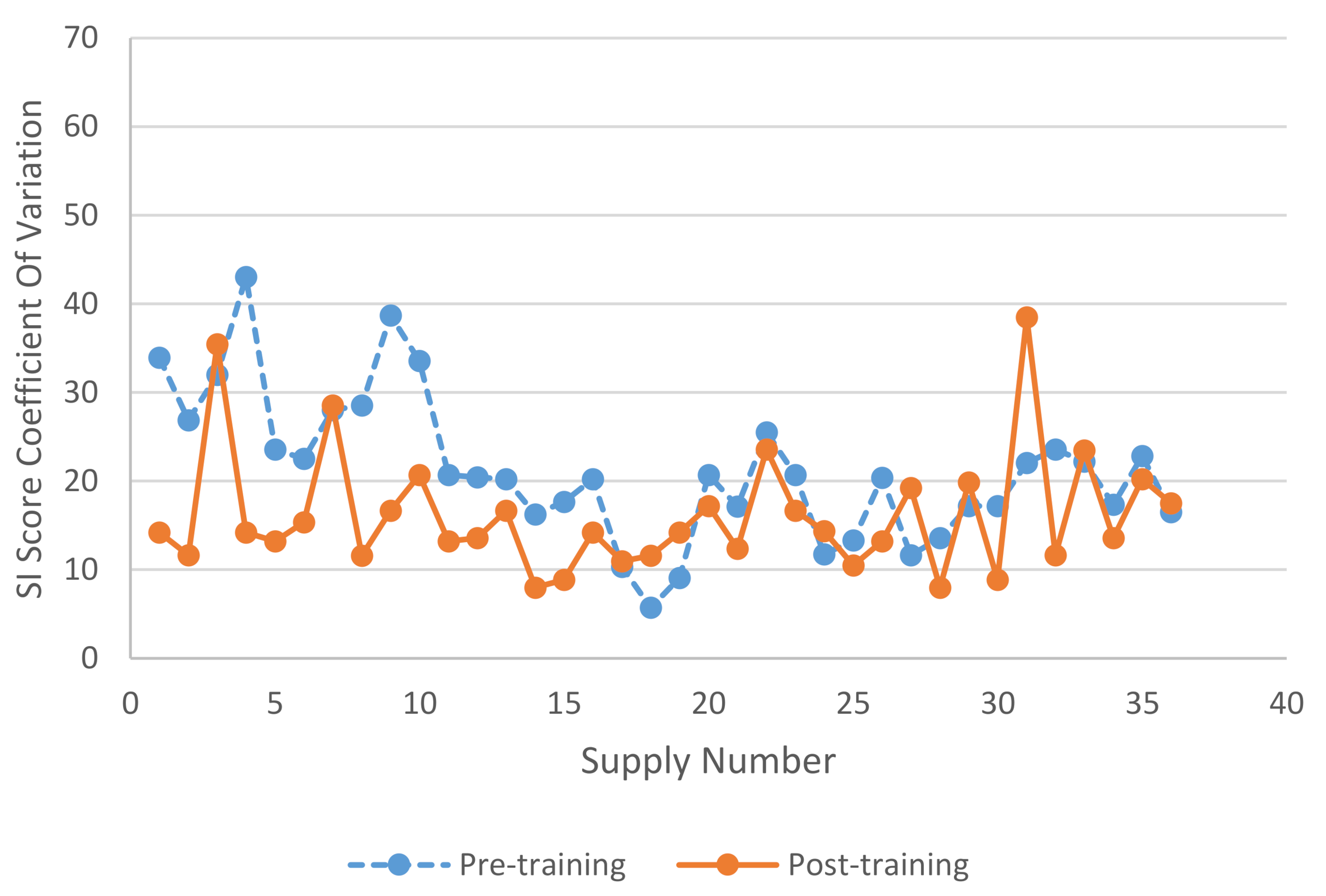
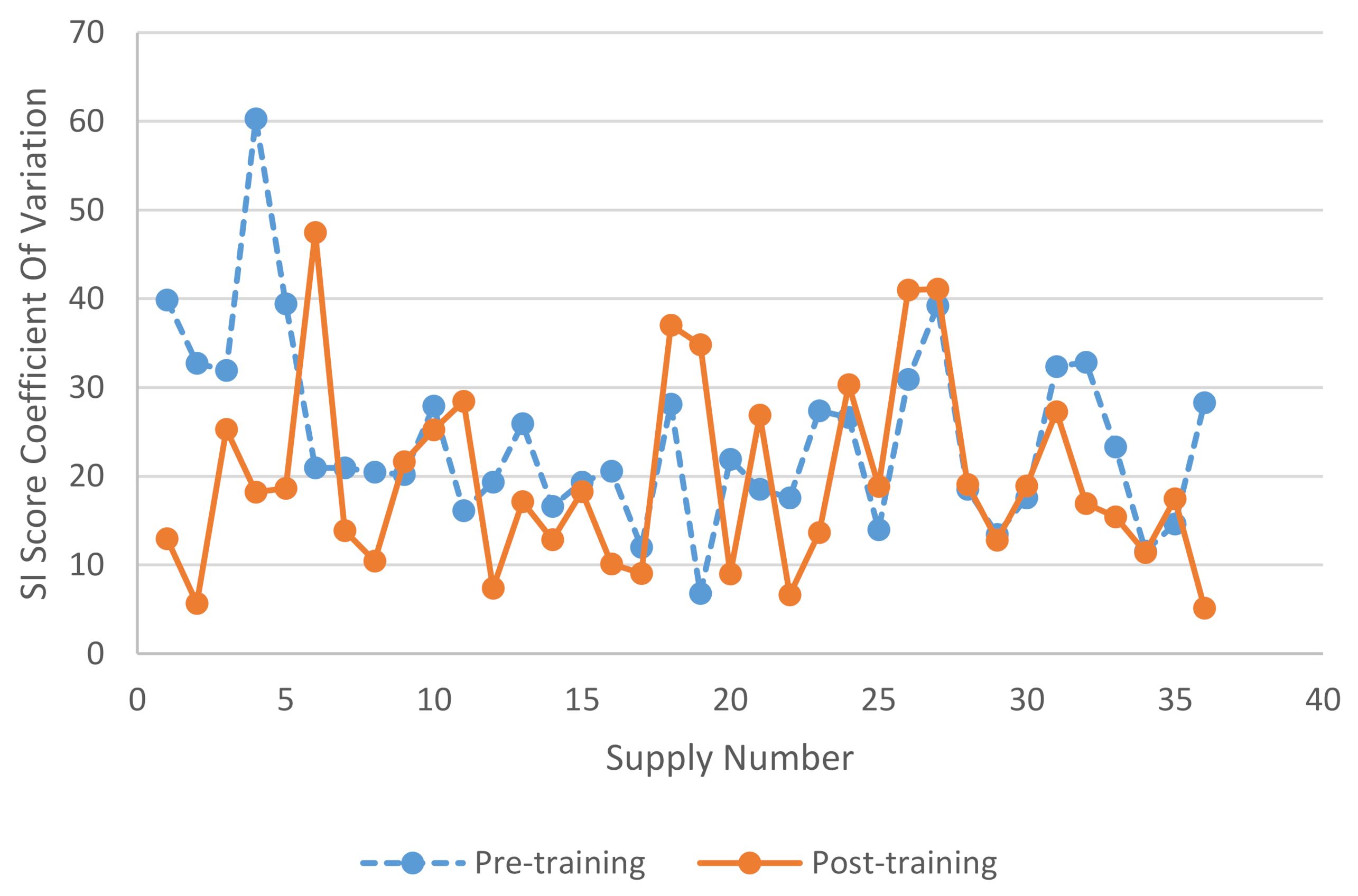
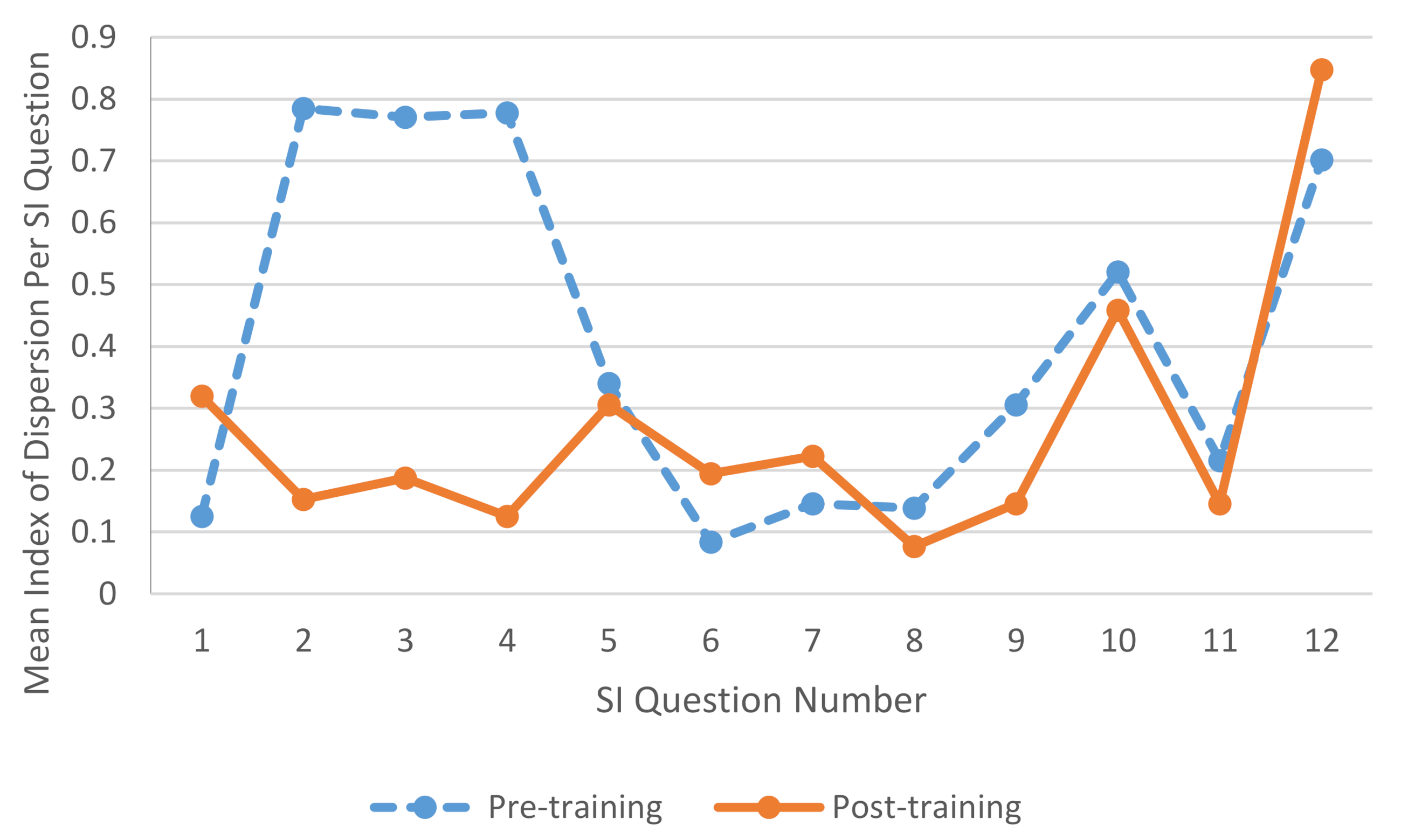
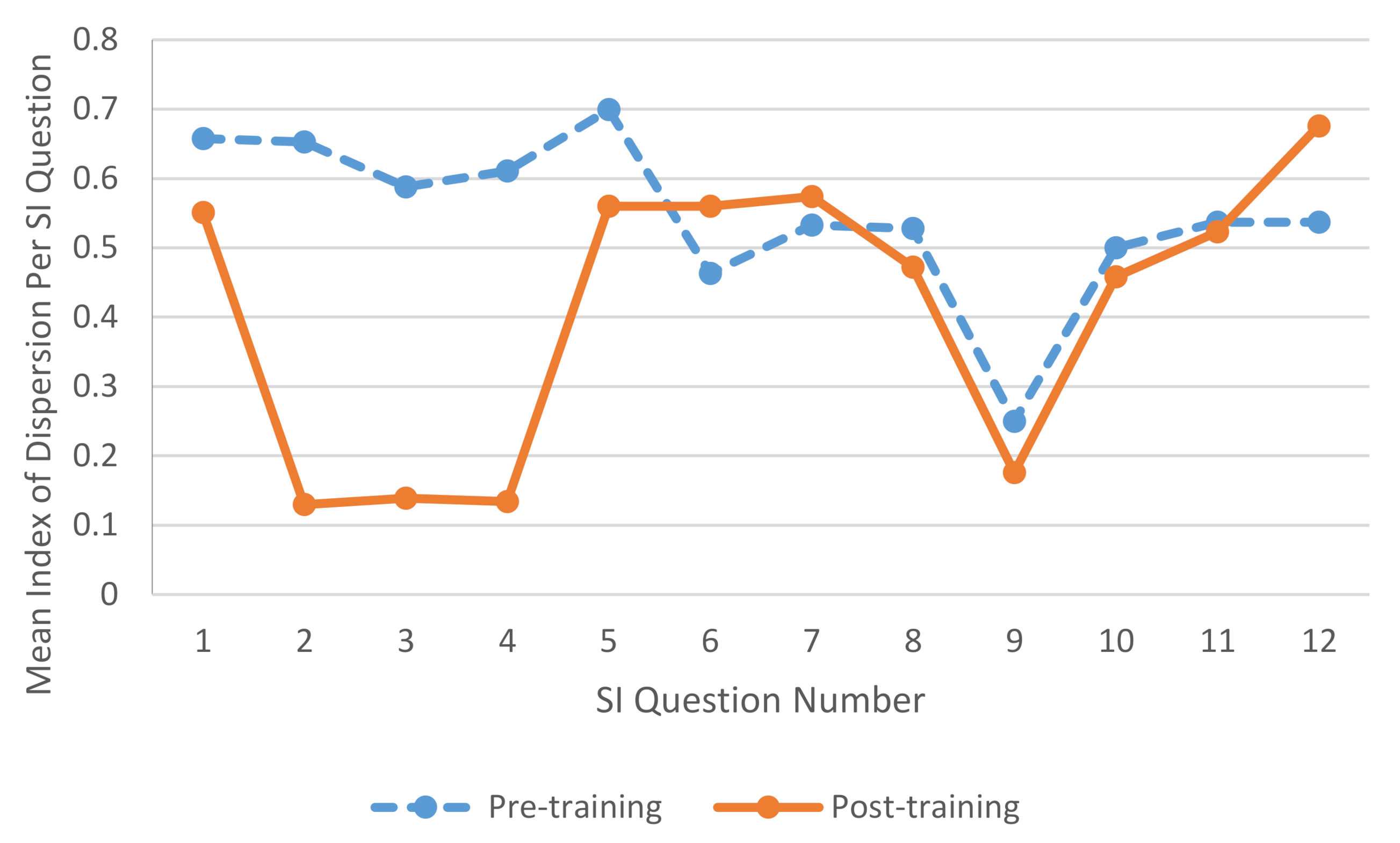
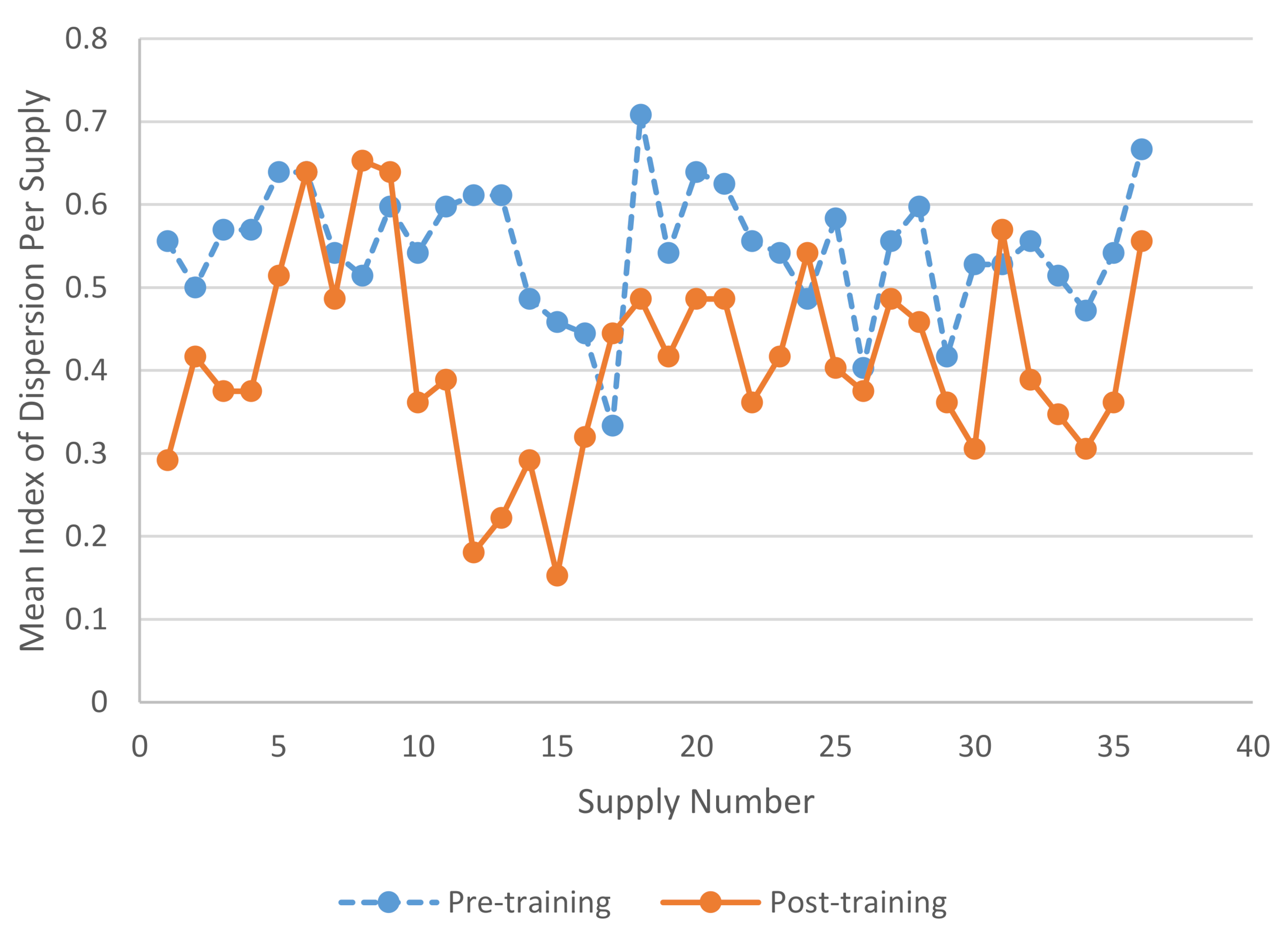
Sanitary inspections (SIs) are checklists of questions used for achieving/maintaining the safety of drinking-water supplies by identifying observable actual and potential sources and pathways of contamination. Despite the widespread use of SIs, the effects of training on SI response are understudied. Thirty-six spring supplies were inspected on two occasions, pre- and post-training, by an instructor from the research team and four local inspectors in the Mukono District of Uganda. SI score agreement between the instructor and each inspector was calculated using Lin’s concordance correlation coefficient. Average SI score agreement between the instructor and all inspectors increased post-training for the Yes/No answer type (0.262 to 0.490). For the risk level answer type (e.g., No, Low, Medium, High), average SI score agreement between the instructor and all inspectors increased post-training (0.301 to 0.380). Variability of SI scores between the four inspectors was calculated using coefficient of variation analysis. Average SI score variability between inspectors reduced post-training for both answer types, Yes/No (21.25 to 16.16) and risk level (24.12 to 19.62). Consistency of answer agreement between the four inspectors for each individual SI question was calculated using index of dispersion analysis. Average answer dispersion between inspectors reduced post-training for both answer types, Yes/No (0.41 to 0.27) and risk level (0.55 to 0.41). The findings indicate that training has a positive effect on improving answer agreement between inspectors. However, advanced training or tailoring of SI questions to the local context may be required where inconsistency of responses between inspectors persists, especially for the risk level answer type that requires increased use of inspector risk perception. Organisations should be aware of the potential inconsistency of results between inspectors so that this may be rectified with appropriate training and, where necessary, better SI design and customisation.
Keywords: drinking-water quality; microbial contamination; risk assessment; risk management; sanitary survey; training; water safety planning drinking-water quality; microbial contamination; risk assessment; risk management; sanitary survey; training; water safety planning