


Abstract
To improve the low-temperature performance of RET (Reactive Elastomeric Terpolymer) modified asphalt mixture (RETM), polyurethane prepolymer (PUP) was used by wet process, ground waste rubber (GWR) and fibers were used by dry process. Tests of force ductility, bending beam rheometer (BBR), differential scanning calorimeter (DSC), viscosity and multiple stress creep recovery (MSCR) were conducted to study the effects of PUP on the performance of RET modified asphalt (RETA), and beam bending test was conducted to study the effects of GWR and fibers on the performance of RETM. Then, tests of beam bending, wheel tracking, Marshall immersion, freeze-thaw splitting, and economic analysis were further conducted to compare the performance and economy of RETM modified with optimum modifiers suggested. All modifiers improve the low-temperature performance of RETM. PUP content, the content and size of GWR and the content and type of fibers significantly affect the performance of RETA or RETM respectively. After analysis, 10% PUP, 2.1% 80 mesh GWR and 0.2% polyester (PE) fiber are considered as the optimum modifiers, respectively. Comparison results show that optimum modifiers variously improve the low-temperature performance, rutting resistance and moisture susceptibility of RETM, but they slightly reduced the economy of RETM. Comprehensive evaluation shows that 2.1% 80 mesh GWR and 10% PUP are better than 0.2% PE fiber.
1. Introduction
As ordinary asphalt mixtures cannot meet the increasing performance requirements of pavements, polymer modified asphalt mixtures are increasingly used in pavement engineering. Traditional polymer modified asphalts, like SBS modified asphalt, etc., have poor storage stability due to incompatibility between modifiers and the neat asphalt, which has a great impact on the performance and application of asphalt mixtures. However, these problems do not occur with asphalt modified with RET. RET, which is produced by DuPont, is an easy-to-use and highly efficient chemical polymer modifier. Previous studies have shown that RET will form a stable structure by reacting with the nucleophilic group-carboxyl group of asphaltene [1,2,3]. This stable structure ensures good compatibility between RET and the neat asphalt and enables RETA to be stored for a long time without segregation. Besides, RETA and its mixtures have great high-temperature performance, fatigue resistance and aging resistance, which are even better than SBS modified asphalt and its mixtures [3,4]. And compared with traditional polymer modified asphalts like SBS modified asphalt, RETA is easy to prepare and only requires a small amount of RET, so it has better application prospects [4]. However, RETM has unsatisfactory low-temperature crack resistance, which is not conducive to its application and promotion in pavement projects [3,5]. Therefore, it is necessary to take measures to improve this situation.
To solve this problem, the traditional method is to modify asphalt since asphalt plays a very important role in the performance of asphalt mixtures. Modifiers like SBS, GWR and fibers are commonly used to improve low-temperature performance of asphalt, and their improvements are remarkable [6]. However, these modifiers are incompatible with asphalt, causing the poor storage stability of modified asphalts at high temperatures [6,7,8]. Chemical modifiers will react with asphalt and improve the performance of asphalt without the problem of storage stability [9]. In recent years, PUP, as a chemical modifier, has attracted the attention of researchers. PUP is a reactive semi-finished product of polyurethane, which is obtained by controlling the proportion of isocyanate to polyol [10,11]. The type of isocyanate and polyol and the ratio of the two, in turn, affect the performance and application of PUP. Studies show that through reacting with the active hydrogen in asphalt, PUP will improve the high- and low-temperature performance of asphalt and make modified asphalt obtain excellent thermal storage stability [12,13,14]. Our earlier research work [14] has studied the low-temperature performance of PUP/RETA. This study aims to deepen the research work about the low-temperature performance of RETA and RETM. Thus, in this study, PUP was used to improve the low-temperature performance of RETM by wet process.
In addition, although GWR and fibers have the problem of storage stability when using in asphalt, they can be used in asphalt mixtures directly during the mixing process (dry process) to bypass this problem. And this is also a common application method for rubber and fibers in pavement projects. The huge amounts of waste rubber produced in daily life are difficult to degrade and long-term accumulation of the waste rubber will seriously pollute the environment, while recycling it as the asphalt modifier is a good solution to this problem [8,15]. Multiple studies show that the GWR will improve the high-temperature rutting resistance, low-temperature crack resistance, fatigue resistance of asphalt mixtures, and reduce the thickness and traffic noise of asphalt pavements and increases the service life of asphalt pavements [16,17,18]. The dry process also makes the modification process easily and allows to use larger amounts of GWR in asphalt mixtures to further alleviate the environmental pollution caused by waste rubber. Thus, using GWR by process to modify RETM is meaningful. Fibers, which have a variety of types and a wide range of sources, are widely used in daily life and industrial production. In pavement projects, fibers are also widely used as a reinforcing additive for asphalt mixtures to improve their performance. Multiple studies show that fibers are effective for decreasing reflective cracks of asphalt pavements and improving the resistance to fatigue, moisture damage, thermal crack, and raveling of asphalt mixtures [19,20]. Dry process is the most used modification method for fibers because it makes fibers more uniformly dispersed in mixtures and reduces the variability in asphalt mixture tests. Therefore, the great potential of fibers in improving the low-temperature crack resistance of asphalt mixtures and the simple modification process both make fibers a good choice for improving the low-temperature performance of RETM. At present, PE fiber, PP fiber and basalt fiber are commonly used in asphalt pavement.
This study aims to improve the low-temperature performance of RETM using PUP, GWR and fibers, where PUP was used by wet process, and GWR and fibers were used by dry process. To this, firstly, force ductility test, BBR test, DSC test, viscosity test and MSCR test were used to study the performance of RETA modified with PUP, the beam bending test was used to study the low-temperature performance of RETM modified with GWR or fibers. Then, beam bending test, wheel tracking test, Marshall immersion test, freeze-thaw splitting test and economic analysis were used to compare the performance and economy of RETM modified with three optimum modifiers determined by test results above, and comprehensive evaluation of these modifiers was conducted.
2. Experimental Design
2.1. Materials
The modifiers used in this study are shown in Table 1. Elvaloy® RET is a commercial product from Dupont (Shanghai, China), its properties are shown in Table 2. PUP used in this study is an environment friendly product, because MDI is used as the polyisocyanate of PUP, it makes PUP volatilizes less harmful gases and then reduces the impact of PUP on the environment and human [21,22]. PUP was obtained from a local company in Zibo, China, its properties are shown in Table 3. GWR used in this study is from the truck tires, which has more nature rubber [23]. The properties of GWR are shown in Table 4. PE fiber and PP fiber are chemical synthetic fibers, and basalt fiber is a kind of pure natural mineral fiber and is also an environment friendly fiber, they all perform better in strength and elastic resilience. The properties of these fibers are shown in Table 5. GWR, PE fiber, PP fiber and basalt fiber were obtained from local companies in Xi’an, China. SBS was used as the control group, it was obtained from local companies in Xi’an, China. SK70# asphalt was used as the neat asphalt, it was obtained from a local company in Xi’an, China. The properties of SK70# asphalt and SBS modified asphalt are shown in Table 6. Missing values in Table 6 are not required by Technical Specification for Construction of Highway Asphalt Pavements (JTG F40 2004) [24]. The coarse and fine aggregate are made of basalt and mineral powder is made of limestone, they are obtained from a local company in Xi’an, China. All modified asphalts and mixtures were prepared in laboratory.

Table 1.
Modifiers and their contents used in this study.
Table 2.
Properties and processing information of RET.
Table 3.
Properties of PUP.
Table 4.
Properties of GWR.
Table 5.
Properties of fibers.
Table 6.
Properties of SK70# asphalt and SBS modified asphalt.
Table 1 also shows the contents of modifiers used in this study. The content of RET, PUP and SBS are based on the mass of the neat asphalt and the contents of GWR and fibers are based on the mass of aggregate (including mineral powder). The selection of 1.5% RET is because that 1.5% RET is found to greatly improve the comprehensive performance of the neat asphalt [3]. The selection of SBS content is based on experience and previous research works. The selection of contents of PUP, GWR and fiber is based on previous research works and preliminary laboratory tests.
2.2. Mix Design and OAC of Asphalt Mixtures
The mixture design is based on the Marshall mix design according to JTG F40 2004 [24]. The AC-13 mixture with a nominal maximum size 13.2 mm, which is usually used in the surface structure of asphalt pavements in China, was chosen for the mix design, as shown in Table 7.
Table 7.
The aggregate gradation used in this study.
The OAC of asphalt mixture was determined using the Marshall design method. The OACs of SK70# asphalt mixture, RETM, PUP/RETM and SBS asphalt mixture were 4.5%, 5.09%, 5.26% and 5.13%, respectively. Besides, the OACs of RETMs modified with varying sizes and amounts of GWR, and RETMs modified with varying types and amounts of fibers were determined, as shown in Table 8. It is because that GWR particles and fibers all will absorb light components of asphalt, thus causing increase of OAC of asphalt mixtures [25]; and the change of modifiers, such as content, size and type, also affect the OACs of asphalt mixtures. It can be found from Table 8 that adding more GWR or decreasing the size of GWR all increases the OAC of the GWR/RETM, and adding more fibers increases the OAC of Fiber/RETM.
Table 8.
Optimum asphalt contents of asphalt mixtures in this study.
2.3. Preparation of Asphalt Binders and Mixtures
2.3.1. RET Modified Asphalt
SK70# asphalt was first heated to 170 °C, RET particles were then added slowly to the hot asphalt with about two hours of stirring using a lab stirrer mixer. Next, 0.2% PPA (by the mass of SK70# asphalt) was poured slowly into the hot mixed liquids. After about an hour of stirring, the RETA was successfully prepared. It is worth to note that PPA is used as a catalyst, which will improve the reaction rate of RET and the neat asphalt, namely, shorten the preparation time of RETA.
2.3.2. PUP/RET Modified Asphalt
First, RETA was heated to about 160 °C. Then, PUP was poured into hot asphalt. At the same time, the mixture was sheared at 5000 rpm for one hour by a high-speed shear emulsifying mixer. Finally, PUP/RETA was successfully prepared.
2.3.3. SBS Modified Asphalt
SK70# asphalt was first heated to about 180 °C. The SBS particles were then added to the hot asphalt and stirred for 10 min at 500 rpm. After that, the hot asphalt liquid was sheared for half an hour at 4000 rpm. Finally, the hot asphalt liquid was continuously stirred for 2 h at 500 rpm.
2.3.4. Modified Mixtures
The mixing of asphalt mixtures is carried out according to Standard Test Methods of Bitumen and Bituminous Mixtures for Highway Engineering (JTG E20 2011) [26] and JTG F40 2004 [24]. Because GWR and fibers were directly added in the mixing process of the mixture, the mixing temperature should be 10 °C higher than normal (160 °C–175 °C) and the mixing time should be extended by 15 s–30 s to make them more evenly distributed among the mixture.
2.4. Experimental Program
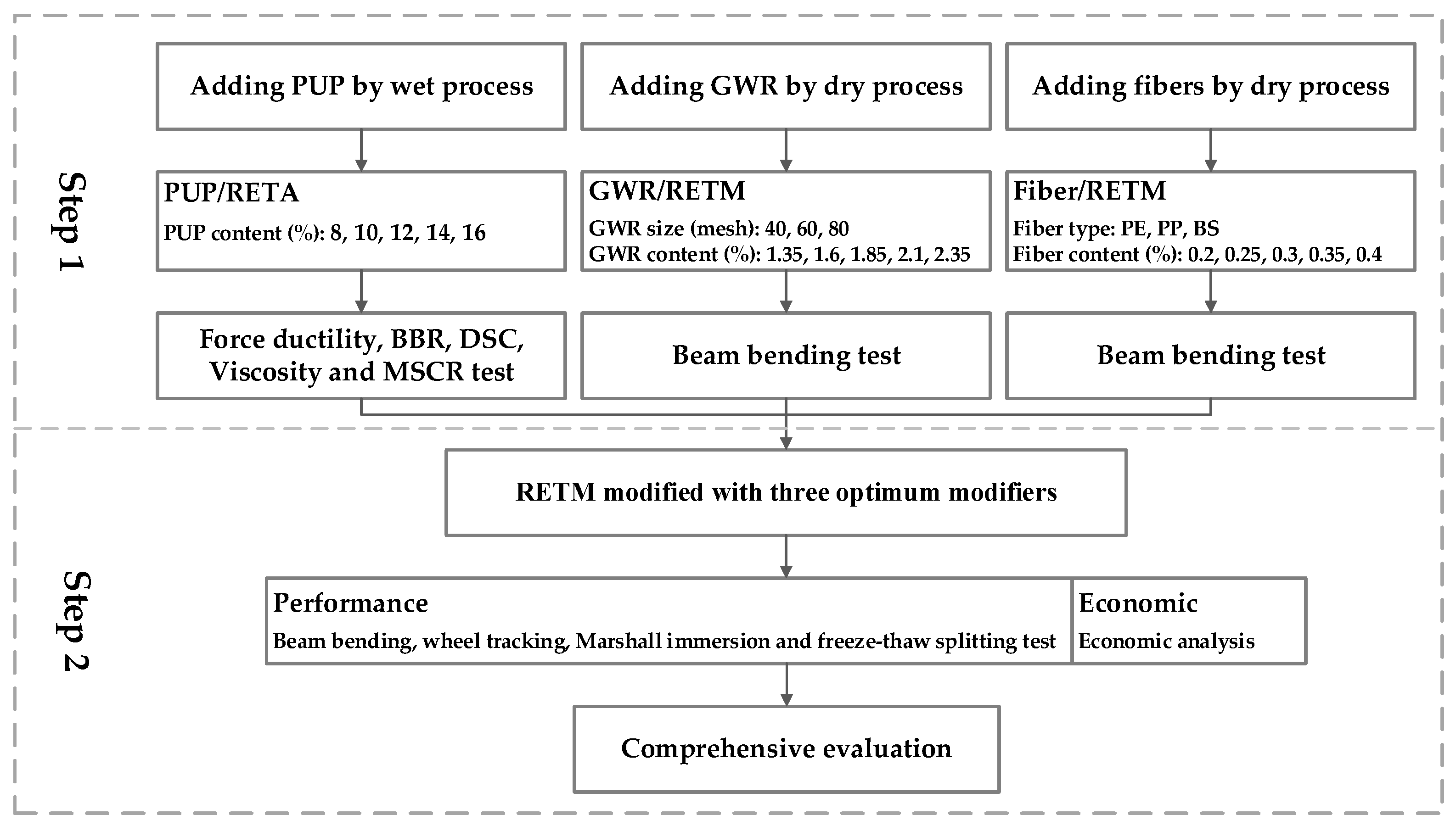
Figure 1 shows the flow chart of the experimental program. The experiment work in this study in two steps. In step 1, the modification effects of different modifiers combined with different modification methods were studied, that is, the effects of PUP content on the performance of RETA were studied using force ductility test, BBR test, DSC test, viscosity test and MSCR test, and the effects of size and content of GWR and the type and content of fibers on the low-temperature performance of RETM were studied using beam bending test. According to the test results, the optimum content of PUP, the best size-content combination of GWR and the best type-content combination of fiber are determined, respectively. In step 2, the low-temperature crack resistance, rutting resistance, moisture susceptibility and economic of RETM modified with these three optimum modifiers were studied and compared using beam bending test, wheel tracking test, Marshall immersion test, freeze-thaw splitting test and economic analysis. Based on comprehensive analysis, suggestions for the selection of modifiers are given.

Figure 1.
The flow chart of the experiment.
2.5. Laboratory Tests
2.5.1. Asphalt Tests
Force ductility test was used to evaluate the tensile cohesive performance of asphalt at low temperatures. Asphalt samples were tested at 5 °C using the force ductility tester (Shanghai Changji Geological Instrument CO., LTD, Shanghai, China) according to Force Ductility Test of Bituminous Materials (NB/SH/T 0814-2010) [27]. The ductility and the ratio of ductility to maximum force (ƒ), which were obtained based on the stress-strain curve, were used as the key parameters. The ductility reflects the flexibility of asphalt at low temperatures, the ƒ reflects the deformation of the asphalt under the action of unit force at low temperatures, namely, the deformation ability of asphalt at low temperatures. They are expected as high as possible for better low-temperature performance of asphalt.
BBR test was used to evaluate the low-temperature of modified asphalt. In this study, the asphalt samples after PAV aging test were tested at −12 °C, −18 °C and −24 °C using the TE-BBR equipment (Cannon Instrument, State College, PA, USA) according to ASTM D6648 [28], then the low-temperature continuous grades of modified asphalts were determined according to ASTM D7643 [29].
DSC test was used to evaluate the thermal performance of modified asphalt at low temperatures. The Tg was used as the key parameter. Studies show that the glass transition temperature of asphalt is closely related to the low-temperature performance of asphalt. When the temperature is lower than Tg, the activity of molecular chains and segments of asphalt is limited, thus asphalt is prone to brittle fracture under the influence of thermal stresses. Therefore, asphalt with a lower Tg indicates that it has better low-temperature stability. The DSC test was conducted using the differential scanning calorimeter (NETZSCH Company, Selb, Germany). Three repeated DSC tests were carried out on each modified asphalt at the temperature ranged from −50 °C to 90 °C under 5 °C/min heating rate in a nitrogen atmosphere using, and the weight of each sample was approximately 5–8 mg. The average Tg for each modified asphalt was obtained according to thermal curves.
Viscosity test (135 °C) was carried out using the rotational viscometer (Shanghai Changji Geological Instrument CO., LTD, Shanghai, China) according to JTG E20 T0625 [26]. And the 3 Pa·s max. value for viscosity of modified asphalts is used to control the workability of asphalt mixtures according to JTG F40 2004 [24]. To better differentiate the results, cp is used as the unit of viscosity, and 1000 cp equals 1 Pa·s.
MSCR test was further conducted to better understand the effects of PUP on the rheological properties of RETA. The RTFO-aged asphalt samples were tested at 58 °C, 64 °C, 70 °C and 76 °C using the SmartPave102 DSR (Anton Paar Instrument, Graz, Austria) according to AASHTO T350 [30]. In AASHTO M332 [31], Jnr at 3.2 kPa and Jnrdiff are used to grade asphalt into four levels, that is, PG-S, PG-H, PG-V and PG-E. Studies show that Jnr can better reflect the rutting resistance of asphalt than G*/sinδ [1,32,33]. Jnrdiff reflects the rutting sensitivity of asphalt, it is required to be not more than 75%. Both Jnr and Jnrdiff should be smaller to control the appearance of rutting at high temperatures in asphalt pavements.
2.5.2. Mixture Tests
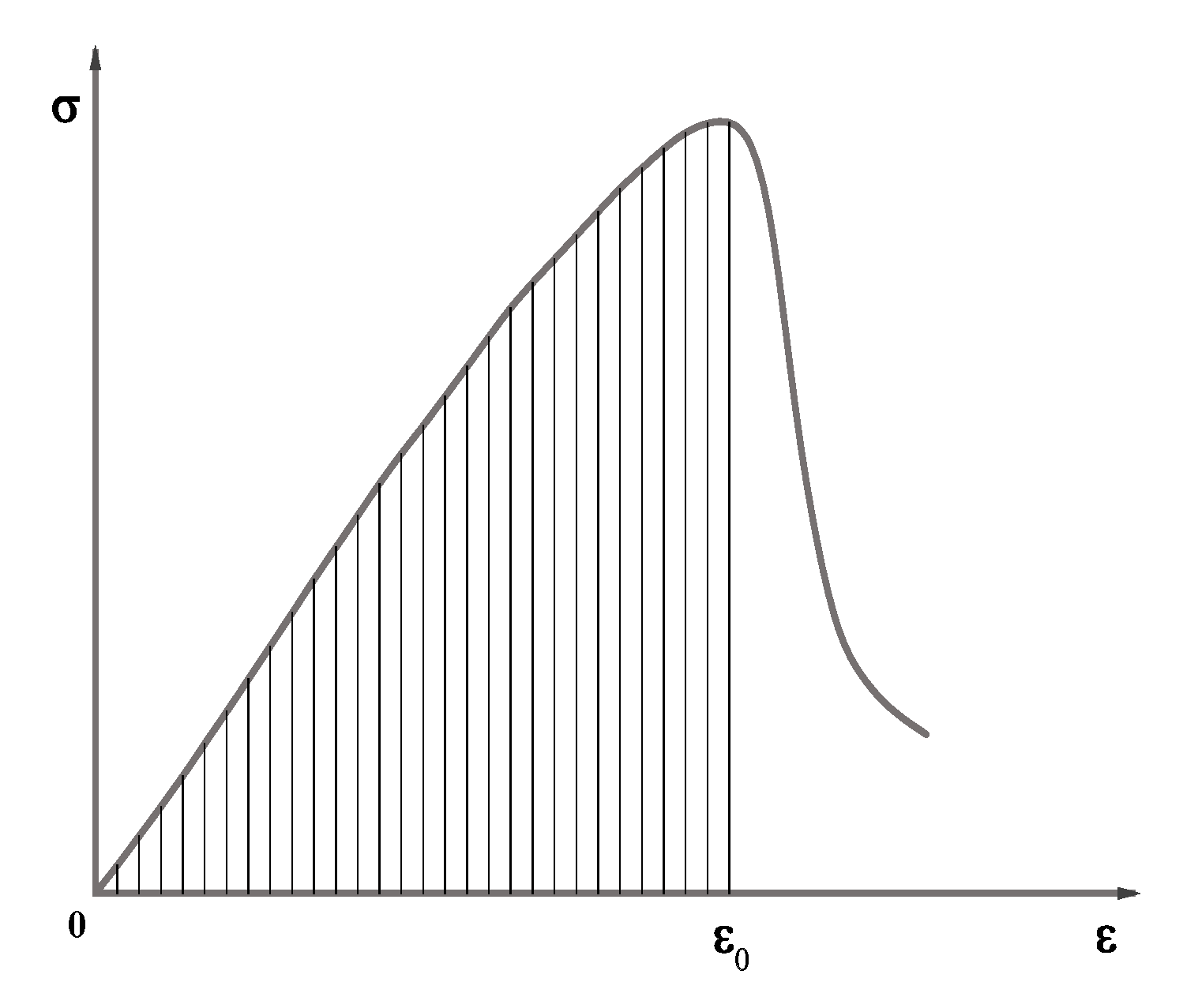
Beam bending test was used to evaluate the low-temperature performance of asphalt mixtures. Asphalt mixtures were tested at −10 °C using the Material Testing System (MTS-810, MTS company, Eden Prairie, MN, USA) according to JTG E20 T0715 [26]. In this test, UFS and FS are usually used as the evaluation parameters. According to JTG F40 2004 [24], the different minimum FS values are used to control the low-temperature crack resistance of modified asphalt mixtures based on the climatic conditions in winter, that is, the minimum FS value of 2500 με is used for areas with winter temperatures above −21.5 °C, the minimum FS value of 3000 με is used for areas with winter temperatures below −37 °C (freezing weather area), and the minimum FS value of 2800 με is used for areas with winter temperatures between −21.5 °C and −37 °C. However, studies show that the SED can better reflect the low-temperature crack resistance of asphalt mixtures than UFS and FS since they contradict each other sometimes [34,35]. Therefore, SED is also used as the evaluation parameter. In the stress-strain curve, the SED equals the envelope area below the curve before the stress reaches its maximum, namely, before the beam specimens are destroyed [34,35], as shown in Figure 2. SED is a comprehensive reflection of UFS and FS, the larger SED means the better low-temperature crack resistance of asphalt mixtures.
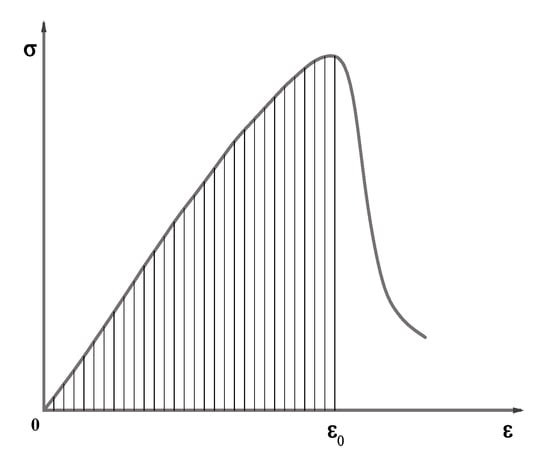
Figure 2.
Stress-strain curve of beam bending test of the asphalt mixture.
Wheel tracking test, which is used to evaluate the high-temperature rutting resistance of asphalt mixtures, was conducted in an air bath at 60 °C using the rutting meter (Shanghai Changji Geological Instrument CO., LTD, Shanghai, China) according to JTG E20 T0719 [26]. DS is used as the key parameter, and it should be high enough to limit the rutting in asphalt pavements. According to Specifications for Design of Highway Asphalt Pavement (JTG D50 2017) [36], DS is calculated using the Equation (1). Where R0 (mm) is the rutting deformation of mixture samples when the loading time reach to 2520.
Marshall immersion test and freeze-thaw splitting test were used to evaluate the moisture susceptibility of asphalt mixtures according to JTG E20 T0709 and T0729 [26]. Marshall immersion test was conducted using the Marshall stability tester (Shanghai Changji Geological Instrument CO., LTD, Shanghai, China). Before Marshall immersion test, mixture samples were kept in the water bath at 60 °C for 48 h. RS was calculated to evaluate the moisture susceptibility of mixtures, it is expected to be higher for a better moisture susceptibility. In freeze-thaw splitting test, the splitting test was conducted using the Material Testing System (MTS-810, MTS company, Eden Prairie, MN, USA). In this test, mixture samples were divided into two groups: one group was set up as the control group, another group was subjected to the process of vacuum water saturation, freeze-thaw and high-temperature water bath immersion. Two groups were immersed in a 25 °C constant temperature water bath for more than 2 h before the test. TSR was calculated to evaluate the moisture susceptibility of mixtures, it is expected to be higher for a better moisture susceptibility.
3. Results and Discussion
3.1. Effects of PUP on the Performance of RETA
3.1.1. Force Ductility Test
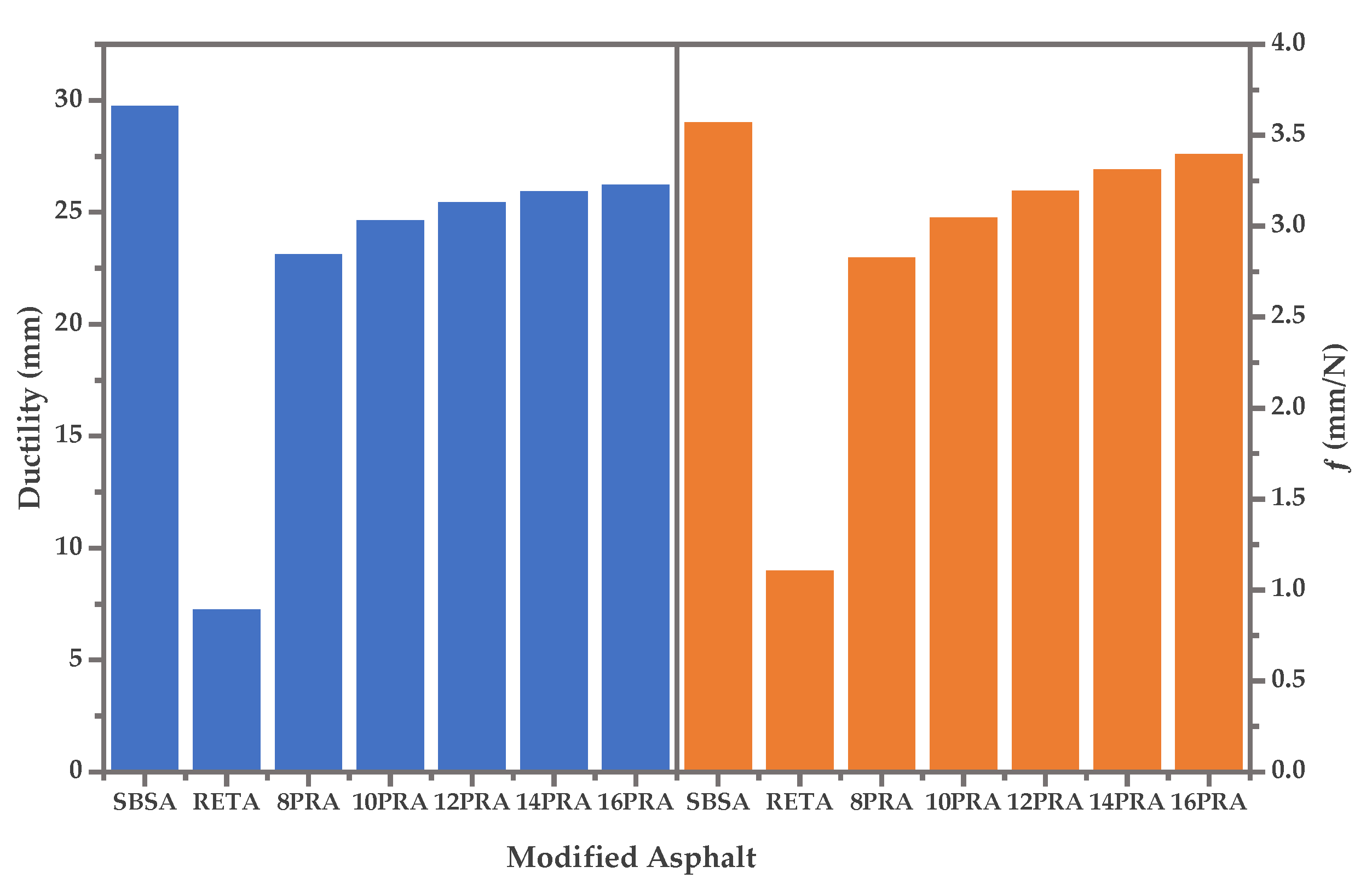
Figure 3 shows the force ductility test results of modified asphalts. It can be found that PUP significantly improves the ductility and ƒ of RETA, especially at higher percentages of addition, indicating that PUP significantly improves the flexibility and deformation ability of RETA at low temperature. At the same time, it can be found that RETA modified with higher amounts of PUP shows similar ductility and ƒ with SBS modified asphalt, indicating that higher amounts of PUP make RETA obtain low-temperature performance that close to that of SBS modified asphalt. This improvement may be explained from two aspects, one is that PUP itself has good flexibility at low-temperatures, which is beneficial to improve the flexibility of RETA at low-temperatures; the other is that the NCO- groups in PUP and asphalt pendant groups will react chemically to form a stable structure between PUP and the asphalt [37], thus improving the cohesiveness of RETA. However, it can be seen that adding more PUP (10% or more) does not bring more obvious low-temperature performance gains for RETA. This is consistent with the findings in research [12]. Therefore, considering the cost, too much PUP should not be used in RETA.
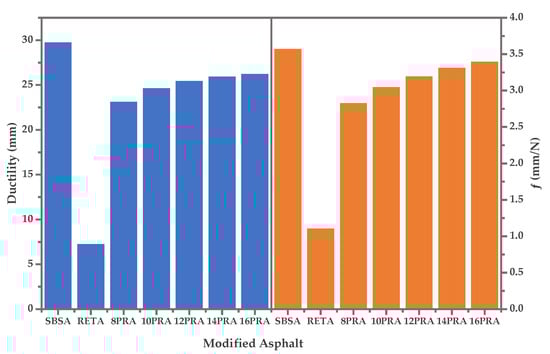
Figure 3.
The force ductility test results of modified asphalts.
3.1.2. BBR Test
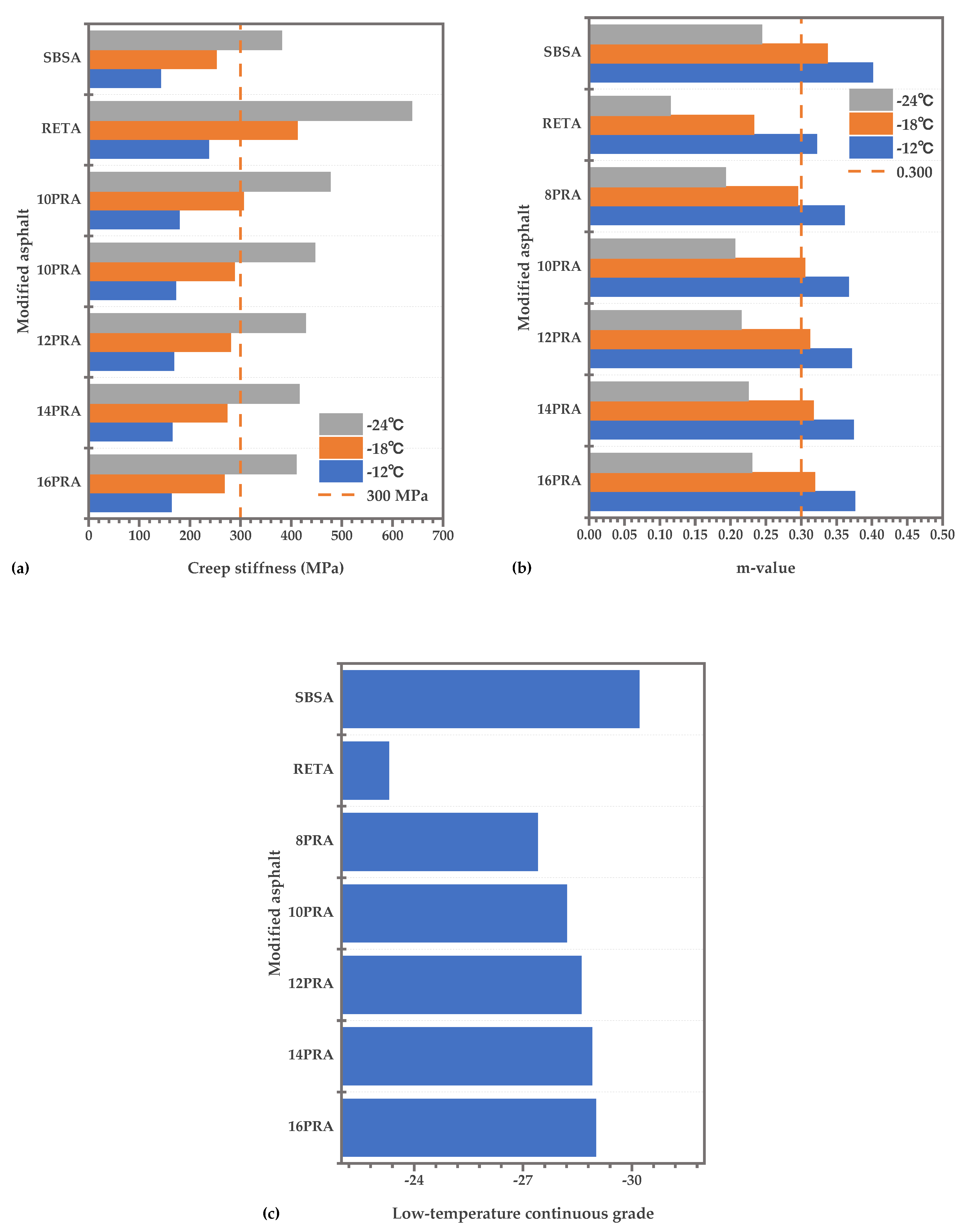
The results of S and m-value of modified asphalt samples are shown in Figure 4a,b. It can be found that irrespective of the test temperature, PUP decreases the S and increases the m-value of RETA, especially at higher percentages of addition, indicating that PUP improves the low-temperature performance of RETA. This is consistent with the results of force ductility test. The improvement of the low-temperature rheological performance of RETA by PUP may be caused by the combination of the better flexibility of PUP itself and the stable structure formed by the reaction of PUP with asphalt. It also can be found that the S values and m-values of RETA modified by higher amounts of PUP are close to those of SBS modified asphalt, further indicating that PUP greatly improves the low-temperature performance of RETA. However, the low-temperature performance improvement of RETA by PUP decreases gradually as the PUP content increases, indicating that it is unnecessary to use too much PUP to improve the low-temperature performance of RETA. Research [12,38] also reported the effectiveness of PUP in improving the low-temperature performance of asphalt. And research [12] even reported that the improvement effect of too much PUP on the low-temperature performance of asphalt is even slightly reduced. Although this report of [12] is slightly different from this study, they all show that from the perspective of low temperature performance, it is not advisable to add too much PUP to the asphalt.
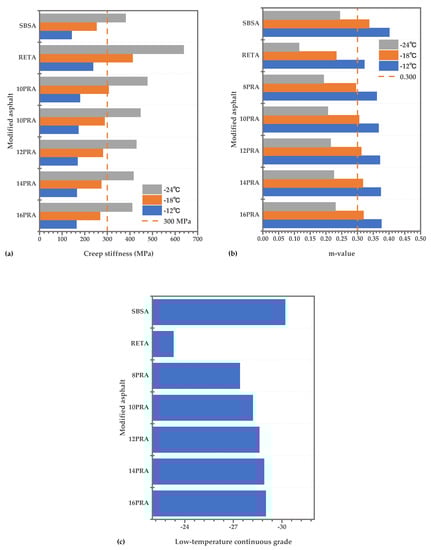
Figure 4.
BBR test results of modified asphalts: (a) creep stiffness, (b) m-value, (c) low-temperature continuous grade.
The test temperature also significantly affected the asphalt S and m-value. After the temperature decreased from −18 °C to −24 °C, the S and m-value of PUP/RETA were increased and decreased significantly, respectively, and some modified asphalt samples break through the limitation of ASTM D6373 [39] on the S and m-value of asphalt, which means that these modified asphalt samples are prone to brittle fracture at a lower temperature. Figure 4c shows the low-temperature continuous grade results of modified asphalt samples. It can be found that PUP decreases the low-temperature continuous grade of RETA, indicating that PUP improves the low-temperature performance of RETA. Although adding higher amounts of PUP has gradually reduced the gap of low-temperature continuous grade between RETA and SBS modified asphalt, increasing the PUP content did not lower the low-temperature continuous grades of RETA significantly, which further shows that using too much PUP is not necessary. Given these results, about 10% PUP is proper to modify RETA.
3.1.3. DSC Test
Table 9 shows the glass transition temperatures of modified asphalt samples. It can be found that PUP reduces the glass transition temperature of RETA and this reduction is more pronounced when higher amounts of PUP are added, this result indicates that PUP improves the low-temperature stability of RETA. The effectiveness of polyurethane in reducing the glass transition temperature of asphalt was also reported in previous studies [12,40]. However, RETA samples modified with higher amounts of PUP have higher glass transition temperature than SBS modified asphalt, indicating that the low-temperature stability of RETA modified with PUP is not as good as SBS modified asphalt. Similar findings were also reported in the previous study [40]. Meanwhile, it can be found that at higher PUP contents (10% and more), the effect of PUP on the glass transition temperature of RETA is gradually limited, which means that it is not necessary to use too much PUP to improve the low-temperature performance of RETA. This result is also consistent with that of force ductility test and BBR test.
Table 9.
Glass transition temperatures of modified asphalts.
3.1.4. Viscosity Test
Asphalt with higher viscosity has better deformation resistance under external forces, but it will also cause the poor workability for asphalt mixtures. To control the workability of asphalt mixtures, the 3 Pa·s max. value for viscosity of modified asphalts is required by JTG F40 2004 [24]. Table 10 shows the viscosity test results of PUP/RETA samples. It can be found that PUP improves the viscosity of RETA, but this improvement is reduced as adding more PUP. This result indicates that PUP improves the deformation resistance of RETA under external forces overall, and although adding more PUP reduces this performance of PUP/RETM, it improves the workability of PUP/RETM.
Table 10.
The viscosity test results of modified asphalts.
3.1.5. MSCR Test
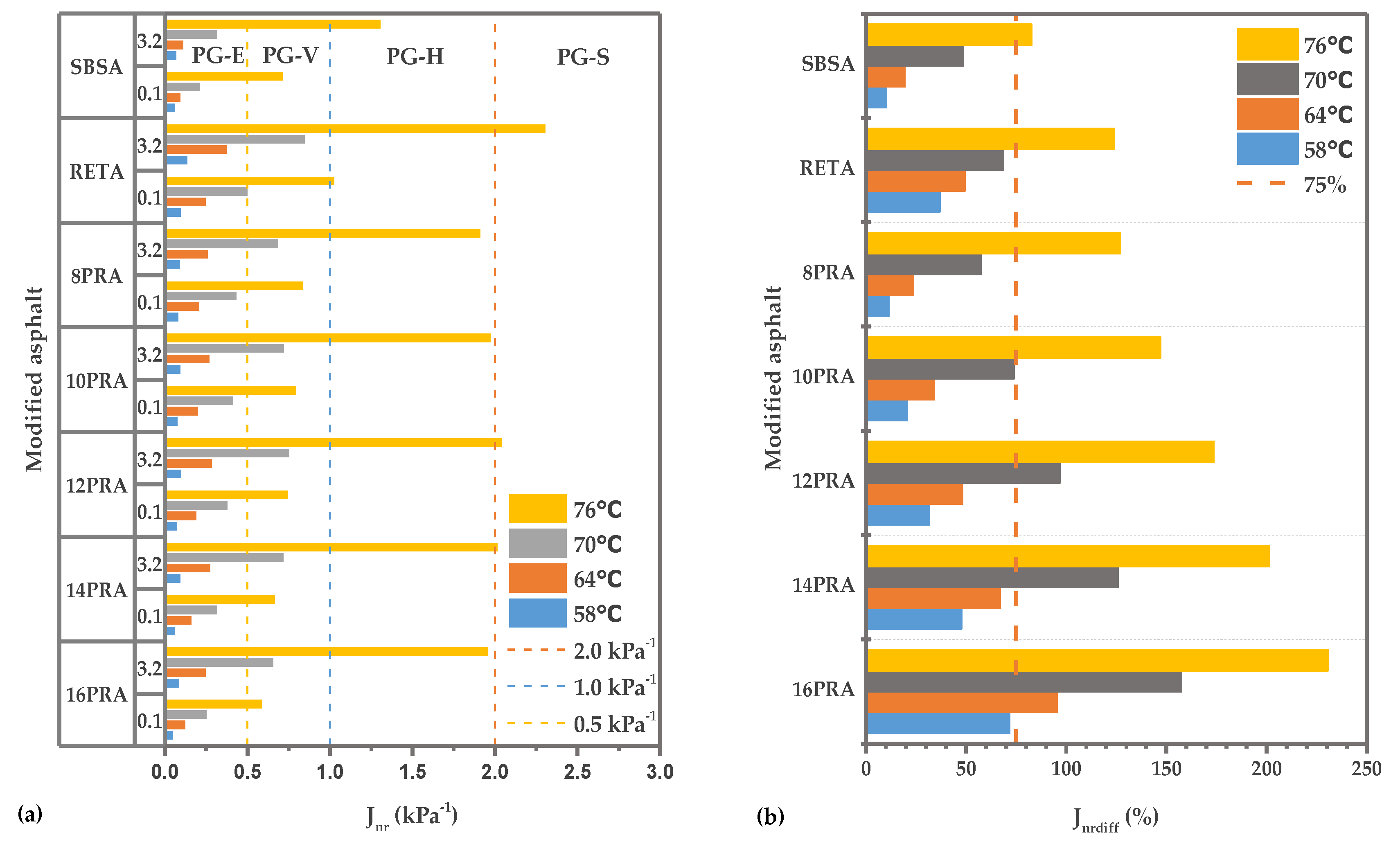
According to Figure 5a, compared with RETA, RETA modified with PUP has lower Jnr0.1 and Jnr3.2, indicating that PUP improves the high-temperature rheological property of RETA. And at 0.1 kPa, Jnr0.1 decreases as PUP content increases, however, at 3.2 kPa, Jnr3.2 increases firstly, then decreases and reaches the maximum at 12% PUP. This difference may be due to the combined effect of the elasticity improvement of PUP and the higher stress: PUP improves the elasticity of RETA through reacting with it, thus leading to its improvement in the rheological property at 0.1 kPa, but higher stress (3.2 kPa) counteracts some of this effect until the elasticity improvement provided by more PUP (≥12%) plays a major role again. And according to Figure 5b, it can be found that the Jnrdiff of PUP/RETA increases as PUP content increases, showing that PUP remarkably increases the rutting sensitivity of RETA, especially at higher percentages of addition. Compared with SBS modified asphalt, it has lower Jnr0.1, Jnr3.2 and Jnrdiff than PUP/RETA at four test temperatures, showing that SBS modified asphalt has better high-temperature rheological property and lower rutting sensitivity. However, research [40] reported a polyurethane modified asphalt with better high-temperature performance than SBS modified asphalt. This difference is mainly caused by the synthesis process of polyurethane modified asphalt and the properties of raw materials.
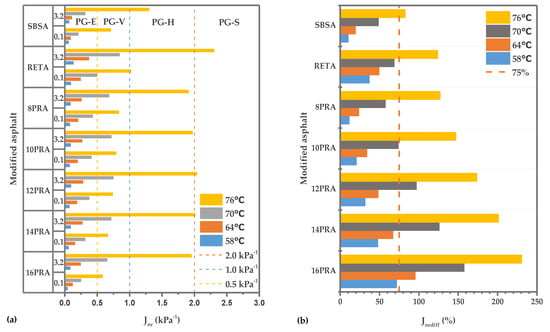
Figure 5.
The MSCR test results of modified asphalts: (a) Jnr0.1 and Jnr3.2, (b) Jnrdiff.
As for the high temperature MSCR grading results of PUP/RETA samples, combined with the test results of Jnr3.2 and Jnrdiff shown in Figure 5a,b, it can be found that PUP/RETA samples perform the best at 58 °C and 64 °C, almost all of them are suitable for the E traffic level at these temperatures. However, at 70 °C, RETA samples modified with less amounts of PUP (≤10% PUP) pass the MSCR test and their applicable traffic levels are reduced from E to V. When the temperature is further increased to 76 °C, all asphalt samples do not pass the MSCR test. Obviously, raising the temperature or adding more PUP decreases the high-temperature performance grade. Given this, the PUP content is suggested not to exceed 10%. In addition, PUP obviously affects the low- and high-temperature performance and workability of RETA. All things considered, 10% PUP is recommended to modify RETA.
3.2. Effects of GWR on the Low-Temperature Performance of RETM
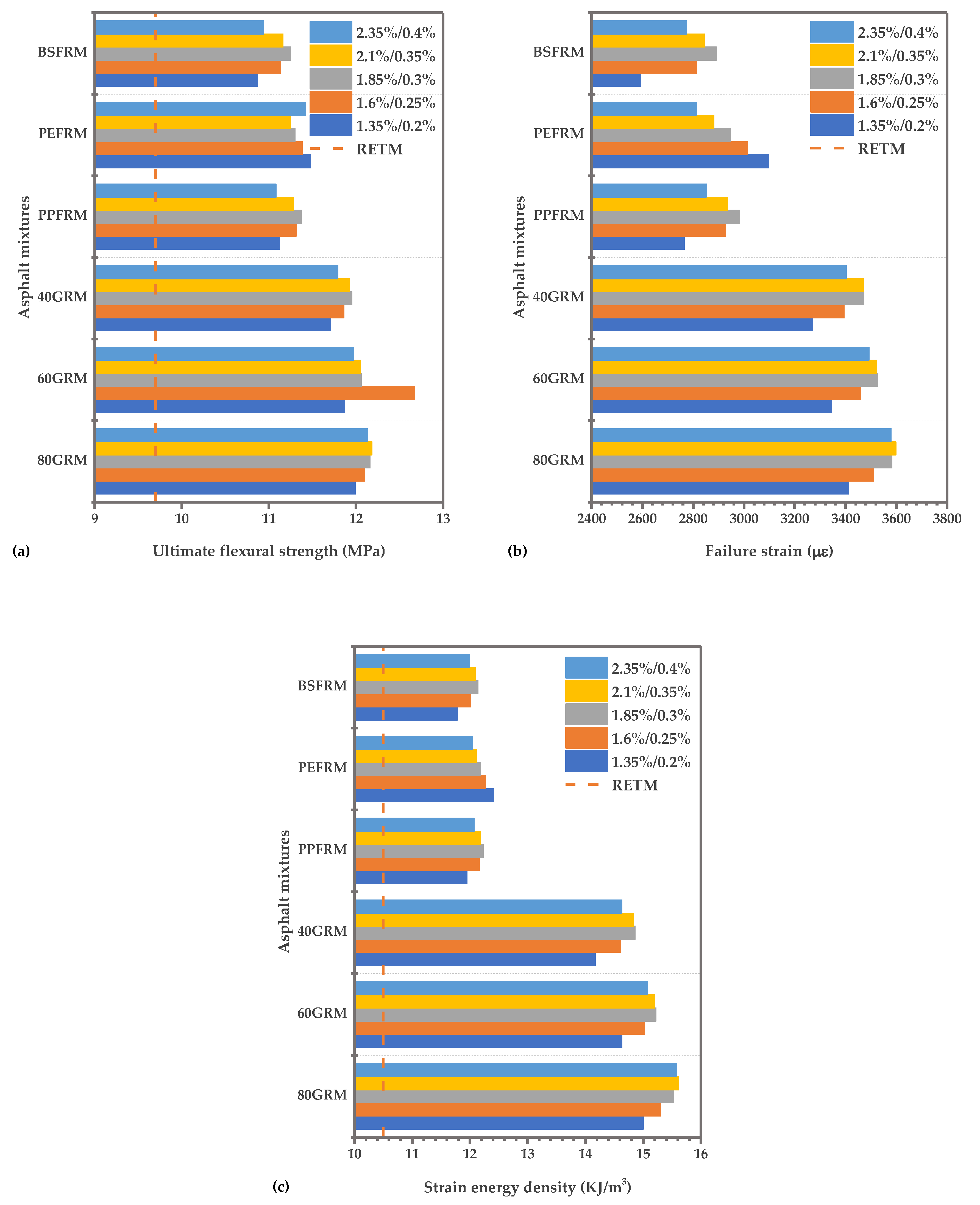
The beam bending test results of RETM samples modified with varying sizes and amounts of GWR, or varying types and amounts of fibers are all shown in Figure 6. Where, the same legend simultaneously represents the amounts of different modifiers. As shown in Figure 6, GWR size is found to highly influence the low-temperature performance of RETM. GWR obviously improves the UFS, FS and SED of RETM, and all GWR/RETM samples have FS values of more than 3000 με, these results indicate that GWR obviously improves the low-temperature performance of RETM and makes RETM suitable for areas with winter temperatures below −37 °C. This may be the result of the combined action of the RETA and GWR particles: on the one hand, RETA with high viscosity makes GWR particles and aggregates form a more stable structure; on the other hand, GWR particles have low susceptibility to temperature variances, which allows them to have low stiffness and maintain elasticity at low temperatures, thus, GWR particles not only improve the flexibility of asphalt mixtures, but also delay crack propagation by eliminating the stress. According to Figure 6, irrespective of GWR content, the UFS, FS and SED increase with the decrease of GWR size, indicating that finer GWR more effectively improves the low-temperature performance of RETM. It is because that when GWR content is constant, finer GWR particles can more fully fill the gaps of the mixture, thus strengthening the modification effect of GWR particles. Similar findings were also reported in the previous research [41,42]. Research [41] reported that in the rubber asphalt mixture prepared by dry method, larger sizes of crumb rubber reduces the improvements achieved by the bitumen-rubber interaction. 80 mesh GWR performs the best among all sizes of GWR, therefore, 80 mesh GWR is suggested to modify RETM.
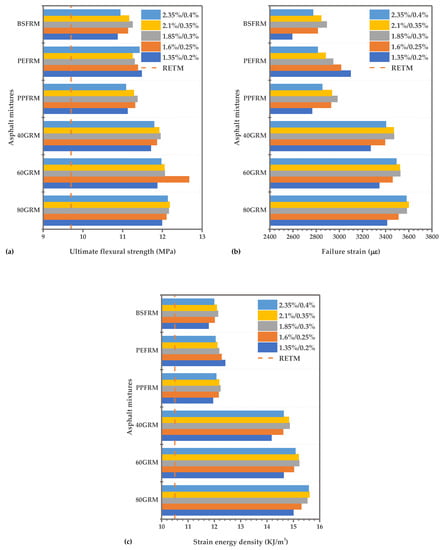
Figure 6.
The beam bending test results of mixtures: (a) UFS, (b) FS, (c) SED.
As shown in Figure 6, GWR content is found to highly influence the low-temperature performance of RETM. Irrespective of GWR size, the UFS, FS and SED of GWR/RETM increase greatly firstly and then decrease slightly with the increasing of GWR content, showing that the variation of low-temperature performance of GWR/RETM is correlated to the content of GWR, with peaks appearing at 2.1%, 1.85% and 1.85% for 80 mesh GWR, 60 mesh GWR and 40 mesh GWR, respectively. Thus, GWR improves the low-temperature performance of RETM, but this improvement is not unlimited. It may be because that when the gap of mixtures is not filled up with GWR particles, more GWR particles play a better role in improving the low-temperature performance of RETM. However, when the gap is filled up, too many GWR particles destroy the dense structure of mixtures, resulting in the reduction of this performance. By further comparison, 2.1% 80 mesh GWR is found to provide the best low-temperature performance for RETM.
However, an abnormal case appears at 1.6% 60 mesh GWR, that is, 1.6% 60 mesh GWR provides a much higher improvement in UFS compared with FS. This is an example of the contradiction between UFS and FS, it demonstrates that sometimes using UFS or FS alone cannot accurately evaluate the low-temperature performance of asphalt mixtures. However, as an energy parameter, SED comprehensively reflects the characteristic of stress and strain of asphalt mixtures, so it can better reflect the low-temperature performance of asphalt mixtures. In conclusion, GWR improves the low-temperature performance of RETM, and this improvement is affected by the GWR content and GWR size. Based on test results, 2.1% GWR 80 mesh GWR is recommended to modify RETM.
3.3. Effects of Fibers on the Low-Temperature Performance of RETM
As shown in Figure 6, fiber type is found to highly influence the low-temperature performance of RETM. By comparing test parameters, all fibers are found to improve the low-temperature performance of RETM. It is because that fibers form a tridimensional network in asphalt mixtures, which enhances the interlocking of aggregates. When the microcracks appeared in the asphalt mixture at low temperatures, this network delays crack propagation by spreading the stress and reducing the stress concentration caused by the cracks, thus improving the low-temperature crack resistance of asphalt mixtures [43,44]. And the fiber type is found to have a significant effect on the low-temperature performance of RETM. When the fiber content is low (i.e., 0.2% and 0.25%), PE fiber performs the best, when adding more fibers (i.e., 0.3%, 0.35% and 0.4%), PP fiber performs the best. And basalt fiber always shows a poor improvement when conducting the comparison at the same fiber content. It can also be found from the Figure 6 that the FS values of all PEFRM samples exceed 2800 με, the FS value of RETM samples modified with 0.2% or 0.25% PE even exceed 3000 με. However, as for PPFRM and BSFRM, not all the FS values of asphalt samples exceed 2800 με, where BSFRM even performs worse. All these results indicate that PE fiber and PP fiber are more effective in improving the low-temperature performance of RETM. Besides, 0.4% PE fiber is found to provide a much higher improvement in UFS compared with that in FS, which also shows that UFS and FS sometimes contradict each other.
As shown in Figure 6, fiber content is found to highly influence the low-temperature performance of RETM. Irrespective of fiber type, all fibers provide a limited improvement in low-temperature performance for RETM. As for PE fiber, 0.2% PE fiber provides the best low-temperature performance for RETM, while more PE fibers cause a reduction. As for PP fiber and basalt fiber, they improve the low-temperature performance of RETM first and then decrease it, and their improvements reach the maximum at 0.3%. Thus, the optimum content for PE fiber, PP fiber and basalt fiber is 0.2%, 0.3% and 0.3% respectively. This may be caused by the uneven dispersion of the fibers during the mixing process: when adding a few fibers, they are easy to disperse in the mixture by extending the mixing time, while when adding too many fibers, these light and small fibers are easy to cluster, thus reducing the improvement of fibers on the low-temperature performance of RETM. To further improve the dispersion of fibers, some methods can be tried in future research. In the mixing stage, fibers can be divided into several parts and they are added to the asphalt mixture intermittently. Each time a part of fibers is added, the stirring will continue for a period of time until all the fibers are completely put into the asphalt mixture. Besides, pretreatment process can be conducted on fibers before they are added into asphalt mixtures. For example, using silane coupling agent to pre-treat fibers is found to improve the dispersion of them in asphalt mixtures [45].
By comparing the low-temperature performance improvements provided by three fibers, 0.2% PE fiber is found to perform the best, followed by 0.3% PP fiber and 0.3% basalt fiber. And according to JGT F40 2004 [24], RETM modified with 0.2% PE fiber is suitable for areas with winter temperatures below −37 °C (FS ≥ 3000 με), while RETM modified with 0.3% PP fiber or 0.3% basalt fiber is suitable for areas with winter temperatures between −21.5 °C and −37 °C (2800 με ≤ FS <3000 με). In conclusion, 0.2% PE fiber performs the best among all fibers. Therefore, 0.2% PE fiber is suggested to improve the low-temperature crack resistance of RETM.
3.4. Performance and Economic Comparison of Mixtures
3.4.1. Low-Temperature Performance
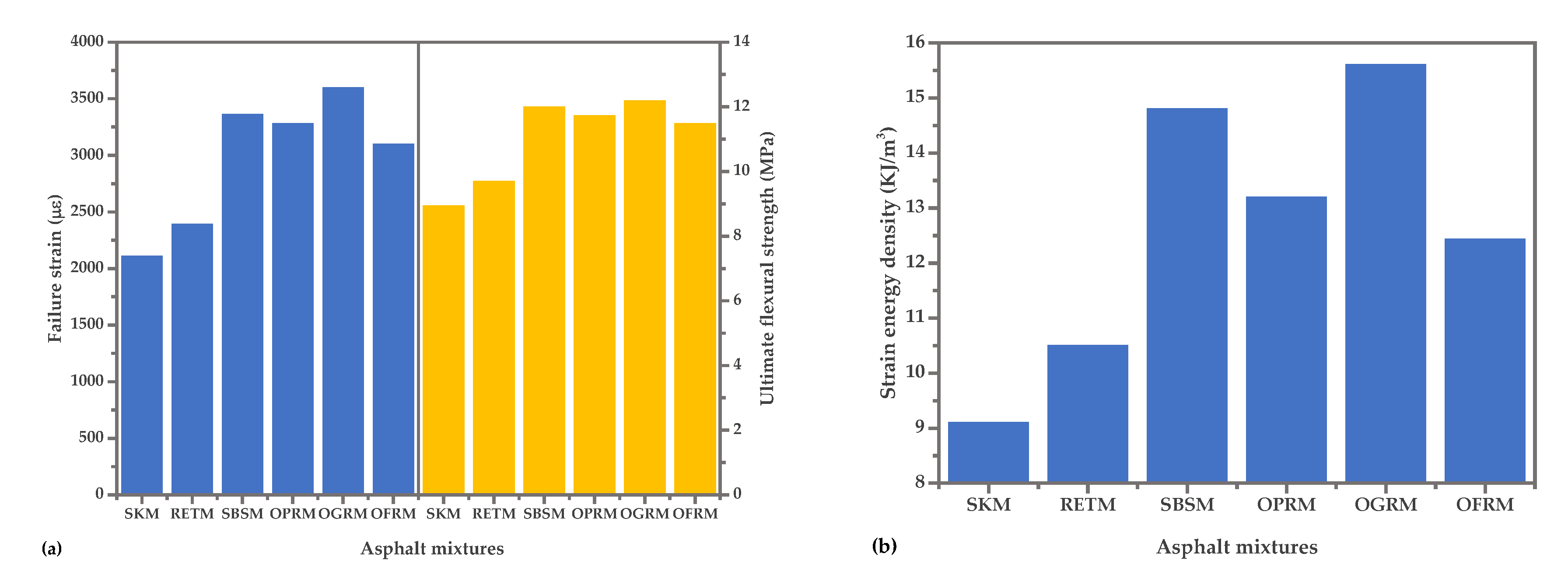
Figure 7 shows the beam bending test results of RETM modified with 10% PUP, 2.1% 80 mesh GWR or 0.2% PE fiber. And SK70# asphalt mixture, RETM and SBS asphalt mixture were also involved for comparison. As shown in Figure 7, RETM has an unsatisfactory low-temperature performance, that is, it cannot meet the minimum FS (2500 με) of modified asphalt mixtures required by JTG F40 2004 [24]. Therefore, it is necessary to improve the low-temperature performance of the RETM. By comparison, all three optimum modifiers make RETM obtain better low-temperature performance than RETM, indicating that PUP, GWR and fibers have significant effects on the low-temperature performance of RETM.
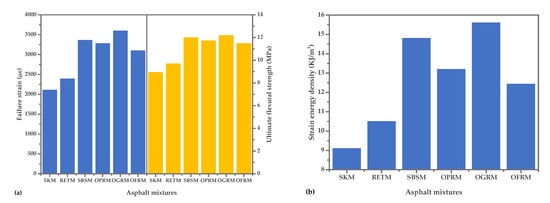
Figure 7.
Beam bending test results of mixtures: (a) UFS and FS, (b) SED.
In improving the UFS, FS and SED of RETM, 2.1% 80 mesh GWR was found to perform better than 10% PUP and 0.2% PE fiber. What is more, it can be found from Figure 6 that almost all GWR/RETM samples have higher values of UFS, FS and SED compared with Fiber/RETM. These results show that GWR more significantly improves the flexibility of RETM at low-temperatures and reduces the potential of crack of RETM at low temperatures. The comparison between GWR/RETM and Fiber/RETM also shows that the nature of the modifier determines the low-temperature performance modification effect of the mixture, since modifier type is the biggest difference between these mixtures. Besides, 2.1% 80 mesh GWR helps RETM to obtain higher UFS, FS and SED compared with SBS asphalt mixture, this transcendence was not found for other modifiers. These results further show the great effect of GWR on the low-temperature crack resistance of RETM.
10% PUP also performs well in improving the UFS, FS and SED of RETM and even better than 0.2% PE fiber. This is not surprising for PUP, because researches show that PUP is able to greatly improve the low-temperature performance of asphalt mixtures through reacting with the neat asphalt, and asphalt mixtures modified with PUP even show better low-temperature performance than SBS asphalt mixture [12,37,46]. Although 0.2% PE fiber performs the worst, RETM modified with 0.2% PE fiber has great low-temperature crack resistance and is suitable for the freezing weather areas, because its FS value is more than the minimum value of 3000 με required by JTG F40 2004 [24].
It is worth to note that more GWR or fibers lead to the reduction of RETM samples in low-temperature performance relative to lower amounts of modifiers, while, this is different from the effects of PUP on the low-temperature performance of RETA. It may be because that GWR and fibers, which are insoluble in asphalt, will occupy space in the mixture, and they will not be uniformly dispersed in the mixture when adding too many of them in the mixture, thus inevitably leading to a reduction in performance. As for PUP/RETA, it may be because the asphalt modification through chemical reaction will not make this phenomenon too obvious. All in all, GWR/RETM and Fiber/RETM show high sensitivity to modifier content.
3.4.2. High-Temperature Rutting Resistance
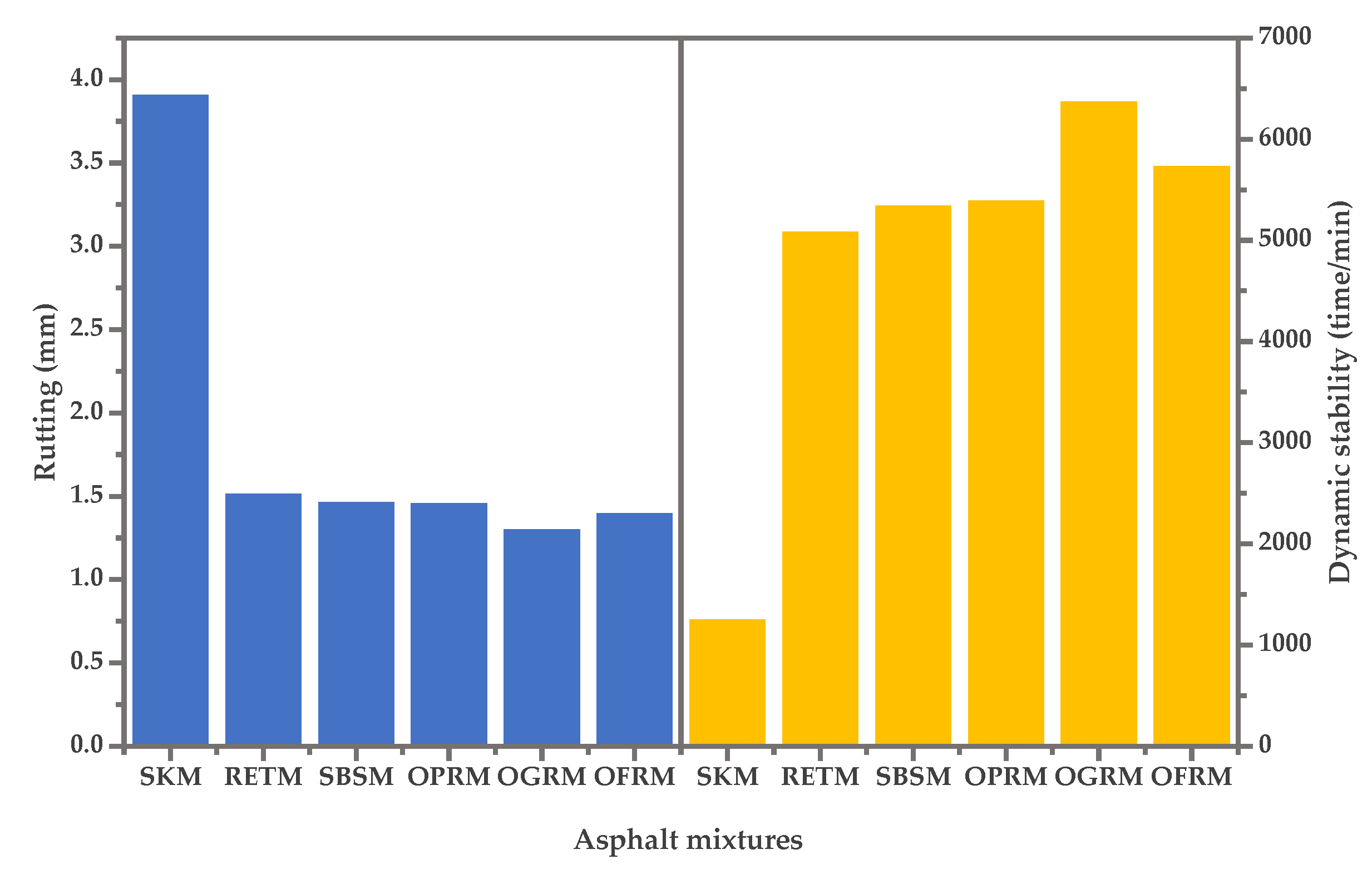
Figure 8 shows the wheel tracking test results of RETMs modified with 10% PUP, 2.1% 80 mesh GWR or 0.2% PE fiber, and SK70# asphalt mixture, RETM and SBS asphalt mixture are also involved for comparison. It can be found that, compared with SK70# asphalt mixture, all modified asphalt mixtures have much lower rutting deformation at 2520th loading and much higher dynamic stability, indicating that these mixtures have better rutting resistance than SK70# asphalt mixture.
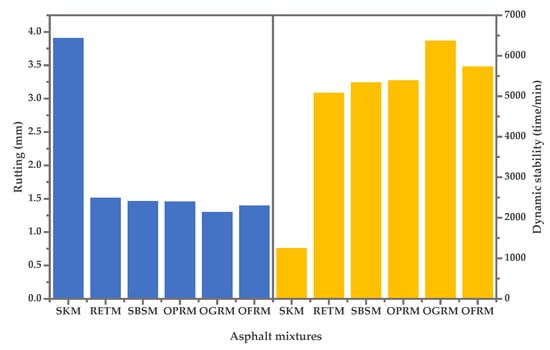
Figure 8.
Wheel tracking test results of asphalt mixtures.
By comparison, RETM shows slightly worse rutting resistance than SBS asphalt mixture, showing that RETM has outstanding rutting resistance. And 2.1% 80 mesh GWR and 0.2% PE fiber further greatly improve the rutting resistance of RETM and make RETM perform much better than SBS asphalt mixture in rutting resistance. It may be because that GWR particles make the mixture denser by filling up the gap, and their elastic properties allow a better recovering of the mixture against loads; and fibers play the reinforcing and stabilizing roles by forming a tridimensional network and adsorbing bitumen fractions in asphalt mixtures. Although 10% PUP does not perform as well as 2.1% 80 mesh GWR and 0.2% PE fiber, it also improves the rutting resistance of RETM.
3.4.3. Moisture Susceptibility
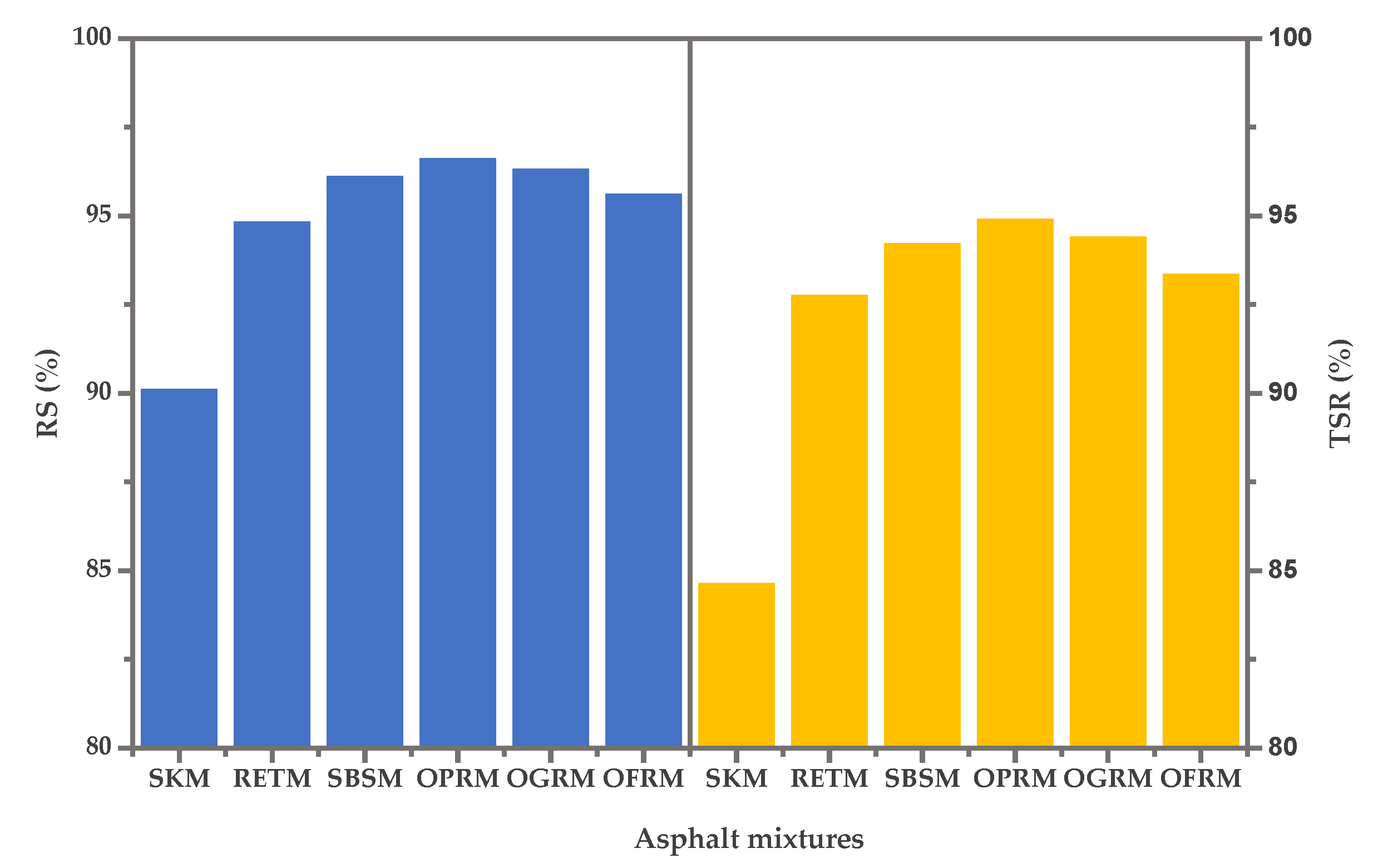
Figure 9 shows the Marshall immersion test and the freeze-thaw splitting test results of RETMs modified with 10% PUP, 2.1% 80 mesh GWR or 0.2% PE fiber, and SK70# asphalt mixture, RETM and SBS asphalt mixture are involved for comparison. According to TSR and RS results, all modified asphalt mixtures show higher TSR and RS than SK70# asphalt mixture, showing that they have outstanding moisture susceptibility. RETM shows worse moisture susceptibility than SBS asphalt mixture, but 10% PUP, 2.1% 80 mesh GWR and 0.2% PE fiber improve the moisture susceptibility of RETM, especially 10% PUP and 2.1% 80 mesh GWR, they make RETM have better moisture susceptibility than SBS asphalt mixture. Similar findings about PUP and rubber were also reported in the previous studies [38,47]. According to these studies, PUP improves the moisture susceptibility of asphalt mixtures by improving the bonding force of asphalt, and rubber works by improving the viscosity of asphalt through absorbing the light component and swelling [38,47]. Fiber strengthens the connection between asphalt and aggregate, thus enhancing the water-stripping resistance of asphalt mixture [48]. The comparison shows that 0.2% PE fiber is not as good as the other two modifiers in improving the moisture susceptibility of RETM.
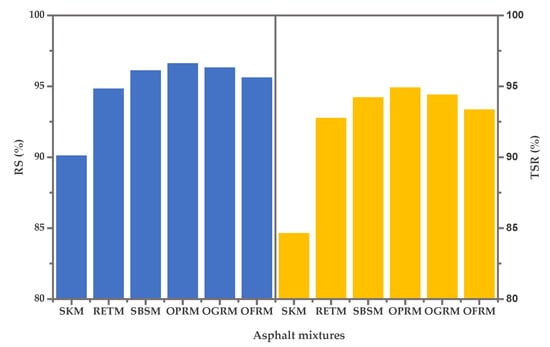
Figure 9.
Marshall immersion test and the freeze-thaw splitting test results of asphalt mixtures.
3.4.4. Economic Analysis
Economic analysis of several asphalt mixtures helps to better understand the economics of them. Hence, the economic analysis of three composite asphalt mixtures in this study was implemented, SBS asphalt mixture was considered as a reference. Table 11 shows the prices per ton of several materials used in this study. For a clearer comparison, the prices of modified asphalt and modified asphalt mixtures per ton is calculated according to the recommended material composition ratio. It can be found that RETA is 9.29% lower than SBS modified asphalt and RET asphalt mixture is 3.85% lower than SBS asphalt mixture, these results show that RET modifier is more cost-economical than SBS modifier. Among composite asphalt mixtures, PET fiber/RETM shows the lowest price per ton, GWR/RETM followed, while PUP/RETM is the most expensive one. Compared with SBS asphalt mixture, the price of PET Fiber/RETM is 0.21% lower, while the price of GWR/RETM and PUP/RETM are 5.35% and 7.28% higher, respectively.
Table 11.
Prices of materials per ton.
3.4.5. Comprehensive Evaluation
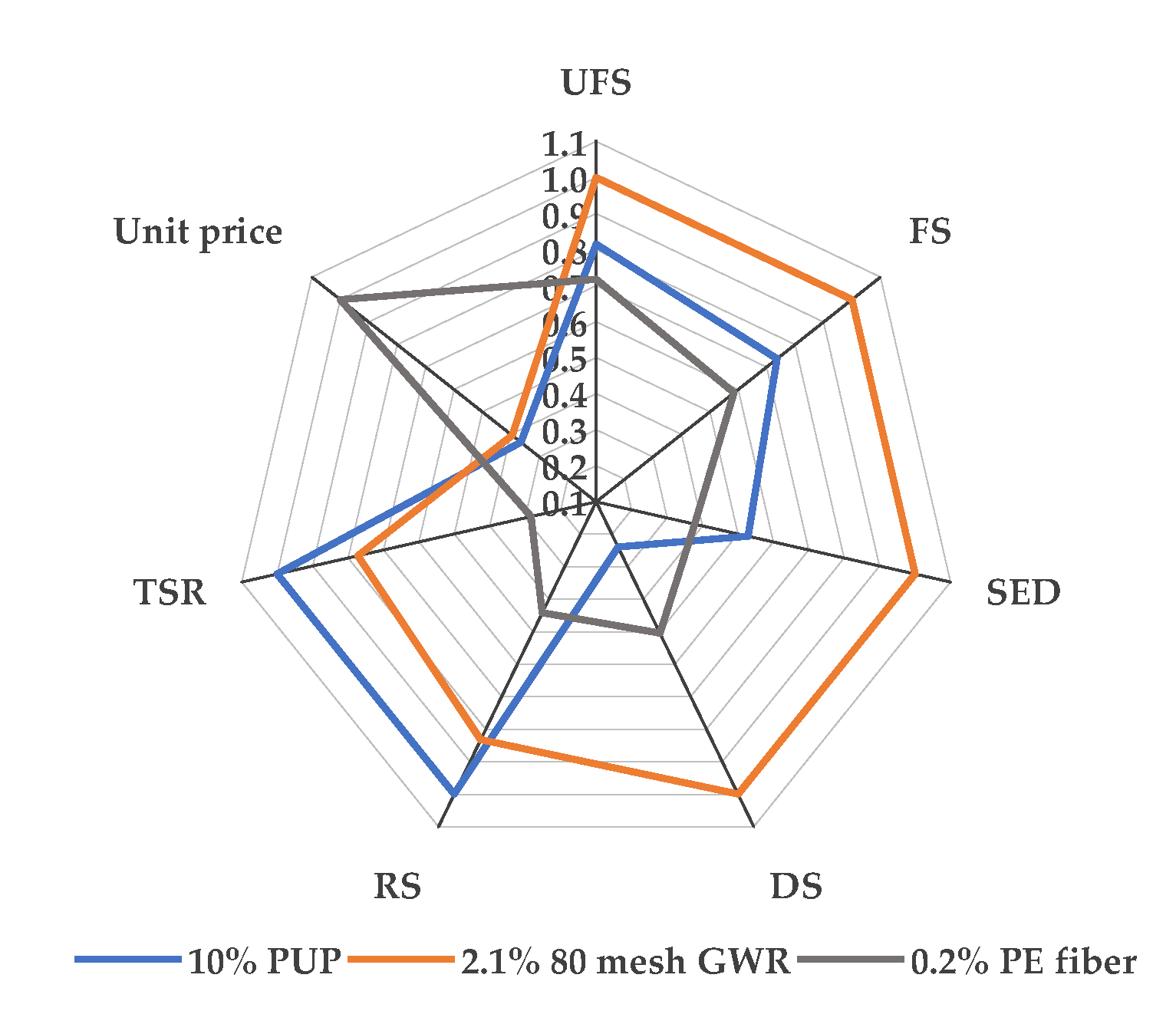
As shown in Figure 10, the comprehensive evaluation considering performance and economy of different types of modification (10% PUP, 2.1% 80 mesh GWR and 0.2% PE fiber) was conducted using a radar chart. The increased percentages of performance parameters (SED, UFS, FS, dynamic stability, RS and TSR) and unit price of RETM were calculated, the performance data were processed by normalization using Equation (2), the price data were processed by normalization using Equation (3). The data normalization improves the reliability of the comprehensive evaluation, because the increased levels of parameters by different modifiers are dissimilar, and the analysis with the original data will highlight the role of parameters with higher increased levels and relatively weaken the role of parameters with smaller increased levels in comprehensive analysis. Where, Rij is the normalization results, and aij are increased percentages of performance or price parameters.
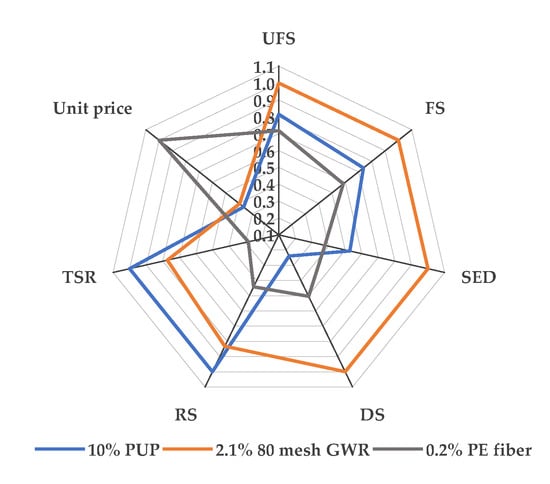
Figure 10.
Comprehensive evaluation of different types of modification.
In the radar chart, the more prominent a parameter value, the better it is; and the larger area indicates that the corresponding modifier has a better comprehensive performance improvement and a lower cost increase. According to Figure 10, it can be found that RETM modified with 2.1% 80 mesh GWR has the largest area, indicating that 2.1% 80 mesh GWR is the most suitable modifier to modify RETM. And this is due to its obvious advantages in performance improvement, although it is not as economical as 0.2% PE fiber. Then, 10% PUP has a larger area than 0.2% PE fiber, which is due to its absolute advantage in improving the moisture susceptibility of RETM. 0.2% PE fiber has the smallest area, but it has the lowest cost increase. Given analysis results above and combined with the environmental protection effect of GWR in asphalt mixtures and the excellent storage stability of PUP/RETA, 10% 80 mesh GWR and 10% PUP are considered as the optimum modifiers to modify RETM.
4. Conclusions
In this study, PUP, GWR and fibers were used to improve the low-temperature performance of RETM in different ways. The effects of PUP on the performance of RETA and the effects of GWR and fibers on the low-temperature performance of RETM were studied and three optimum modifiers were determined. Then the performance and economy of RETM modified with optimum modifiers were compared and these modifiers were evaluated comprehensively. Based on the results obtained, the following conclusions can be drawn:
- (1)
- PUP significantly improves the flexibility and rheological properties of RETA at low temperatures and significantly reduces the low-temperature continuous grade and Tg of RETA. All these improvements increase with the increase of PUP content. Besides, PUP also improves the high-temperature rheological properties and deformation resistance of RETA, but these properties of PUP/RETA are sensitive to the amount of PUP. All things considered, 10% PUP is recommended to modify RETM.
- (2)
- By dry process, both GWR and fibers improves the low-temperature performance of RETM. And this improvement is affected by the size and content of GWR, or the type and content of fibers. Specifically, finer GWR provides better improvement, and PE fiber performs better than PP fiber and basalt fiber, while excessive amounts of GWR or fibers reduce this improvement in low-temperature performance. Given these results, 2.1% 80 mesh GWR or 0.2% PE fiber is recommended to modify RETM.
- (3)
- All three optimum modifiers improve the low-temperature performance of RETM, where 2.1% 80 mesh GWR performs the best, it makes RETM surpass SBS asphalt mixture in low-temperature performance. RETM modified with three optimum modifiers are all suitable for areas with winter temperatures below −37 °C. Besides, three optimum modifiers also improve the high-temperature rutting resistance and moisture susceptibility of RETM. Where, 2.1% 80 mesh GWR and 10% PUP performs the best in improving the high-temperature rutting resistance and moisture susceptibility of RETM, respectively. Economic analysis shows that 0.2% PE fiber has the lowest cost increase. The comprehensive evaluation shows that 2.1% 80 mesh GWR and 10% PUP are more suitable for modifying RETM.
This study proposes three modification methods to improve the low-temperature performance of RET modified asphalt mixture. And 2.1% 80 mesh GWR dry modification and 10% PUP wet modification are recommended as the optimal methods. This study has a reference value for the application and promotion of RET modified asphalt mixture. However, there are still some limitations in the study. Firstly, a detailed study about the gradation of asphalt mixtures is not conducted in this study. And gradation is also a key factor affecting the performance of asphalt mixtures. Especially for GWR, it can exert a better modification effect in open-graded asphalt mixtures. Secondly, a detailed study on the modification mechanism of modifiers in this study is not conducted. To further study these modified asphalt and mixtures, related research work will continue in the future.
Author Contributions
Data curation, formal analysis, investigation, methodology and writing—original draft, C.X.; conceptualization, resources, supervision and writing—review and editing, Z.Z.; writing—review and editing, F.L. All authors have read and agreed to the published version of the manuscript.
Funding
This research received no external funding.
Conflicts of Interest
The authors declare no conflict of interest.
Abbreviations
| List of Abbreviations and Descriptions | |||
| BBR | Bending beam rheometer | Extreme grade | PG-E |
| DSC | Differential scanning calorimeter | SKM | SK70# asphalt mixture |
| MSCR | Multiple stress creep recovery | RETA or RETM | RET modified asphalt or RET modified asphalt mixture |
| RTFO | Rolling thin film oven | SBSA or SBSM | SBS modified asphalt or SBS modified asphalt mixture |
| PAV | Pressure aging vessel | PUP/RETA | RET modified asphalt modified with PUP |
| RET | Reactive elastomeric terpolymer | PUP/RETM | RET modified asphalt mixture modified with PUP |
| PUP | Polyurethane prepolymer | 8PRA or 10PRA… | RET modified asphalt modified with 8% PUP or 10% PUP… |
| GWR | Ground waste rubber | GWR/RETM | RET modified asphalt mixture modified with GWR |
| PE | Polyester | 40GRM or 60GRM… | RET modified asphalt mixture modified with 40 mesh GWR or 60 mesh GWR… |
| PP | Polypropylene | Fiber/RETM | RET modified asphalt mixture modified with fiber |
| SBS | Styrene-butadiene-styrene | BSFRM | RET modified asphalt mixture modified with basalt fiber |
| PPA | Polyphosphoric acid | PEFRM | RET modified asphalt mixture modified with PE fiber |
| MDI | Diphenyl-methane-diisocyanate | PPFRM | RET modified asphalt mixture modified with PP fiber |
| Standard grade | PG-S | OPRM | RET modified asphalt mixture modified with 10% PUP |
| Heavy grade | PG-H | OGRM | RET modified asphalt mixture modified with 2.1% 80 mesh GWR |
| Very heavy grade | PG-V | OFRM | RET modified asphalt mixture modified with 0.2% PE fiber |
| List of Symbols, Units and Their Descriptions | |||
| cp | Centipoise | Jnr3.2 | Non-recoverable creep compliance at 3.2 kPa (kPa−1) |
| OAC | Optimum asphalt content (%) | Jnrdiff | Difference in Jnr between 0.1 kPa and 3.2 kPa (%) |
| ƒ | Ratio of ductility to maximum force (mm/N) | UFS | Flexural strength (MPa) |
| S | Creep stiffness (MPa) | FS | Failure strain (με) |
| m-value | The absolute value of the slope of the logarithm of the stiffness curve versus the logarithm of time | SED | Strain energy density (KJ/m3) |
| Tg | Glass transition temperature (°C) | DS | Dynamic stability (time/min) |
| Jnr | Non-recoverable creep compliance (kPa−1) | TSR | Tensile strength ratio (%) |
| Jnr0.1 | Non-recoverable creep compliance at 0.1 kPa (kPa−1) | RS | Residual stability (%) |
References
- Domingos, M.D.I.; Faxina, A.L. Rheological analysis of asphalt binders modified with elvaloy® terpolymer and polyphosphoric acid on the multiple stress creep and recovery test. Mater. Struct. 2015, 48, 1405–1416. [Google Scholar] [CrossRef]
- Polacco, G.; Stastna, J.; Biondi, D.; Zanzotto, L. Relation between polymer architecture and nonlinear viscoelastic behavior of modified asphalts. Curr. Opin. Colloid Interface. Sci. 2006, 11, 230–245. [Google Scholar] [CrossRef]
- Wang, D.W. Experimental Research on Technical Characteristics of Ret Modified Asphalt and Asphalt Mixture. Master’s Thesis, Chongqing Jiaotong University, Chongqing, China, 2013. [Google Scholar]
- Selvavathi, V.; Sekar, V.A.; Sriram, V.; Sairam, B. Modifications of bitumen by elastomer and reactive polymer-a comparative study. Pet. Sci. Technol. 2002, 20, 535–547. [Google Scholar] [CrossRef]
- Geckil, T.; Seloglu, M. Performance properties of asphalt modified with reactive terpolymer. Constr. Build. Mater. 2018, 173, 262–271. [Google Scholar] [CrossRef]
- Ahmedzade, P. The investigation and comparison effects of SBS and SBS with new reactive terpolymer on the rheological properties of bitumen. Constr. Build. Mater. 2013, 38, 285–291. [Google Scholar] [CrossRef]
- Jasso, M.; Hampl, R.; Vacin, O.; Bakos, D.; Stastna, J.; Zanzotto, L. Rheology of conventional asphalt modified with SBS, Elvaloy and polyphosphoric acid. Fuel Process. Technol. 2015, 140, 172–179. [Google Scholar] [CrossRef]
- Xie, J.; Yang, Y.M.; Lv, S.T.; Zhang, Y.N.; Zhu, X.; Zheng, C.C. Investigation on Rheological Properties and Storage Stability of Modified Asphalt Based on the Grafting Activation of Crumb Rubber. Polymers 2019, 11, 1563. [Google Scholar] [CrossRef]
- Zhu, J.Q.; Birgisson, B.; Kringos, N. Polymer modification of bitumen: Advances and challenges. Eur. Polym. J. 2014, 54, 18–38. [Google Scholar] [CrossRef]
- He, Y.; Zhang, X.Y.; Zhang, X.F.; Huang, H.; Chang, J.; Chen, H.Q. Structural investigations of toluene diisocyanate (TDI) and trimethylolpropane (TMP)-based polyurethane prepolymer. J. Ind. Eng. Chem. 2012, 18, 1620–1627. [Google Scholar] [CrossRef]
- Wang, X.C.; Lu, X.B.; Qiang, T.T.; Zheng, D. Synthesis and characterization of isocyanate-terminated polyurethane prepolymer. Mod. Chem. Ind. 2009, 29, 48–50. [Google Scholar]
- Ban, X.Y. Study on Preparation and Properties of Polyurethane (PU) Modified Asphalt. Master’s Thesis, Chang’an University, Xi’an, China, 2017. [Google Scholar]
- Xia, L.; Zhang, H.Y.; Cao, D.W.; Guo, Y.S. Study on property of castor oil based polyurethane modified asphalt. J. Highw. Transp. Res. Dev. 2016, 33, 13–18. [Google Scholar]
- Xu, C.; Zhang, Z.Q.; Zhao, F.Q.; Liu, F.F.; Wang, J.R. Improving the performance of RET modified asphalt with the addition of polyurethane prepolymer (PUP). Constr. Build. Mater. 2019, 206, 560–575. [Google Scholar] [CrossRef]
- Ali, B.; Sadek, M. Experimental analysis of the influence of crumb rubber addition on the short-term aging of Syrian asphalt. Arab. J. Geosci. 2013, 6, 85–90. [Google Scholar] [CrossRef]
- Bai, Y. The Application of the Rubber Asphalt Technique in Highway Pavement. Master’s Thesis, Harbin Institute of Technology, Harbin, China, 2013. [Google Scholar]
- Saberi, K.F.; Fakhri, M.; Azami, A. Evaluation of warm mix asphalt mixtures containing reclaimed asphalt pavement and crumb rubber. J. Clean. Prod. 2017, 165, 1125–1132. [Google Scholar] [CrossRef]
- Haworth, B.; Chadwick, D.; Chen, L.; Ang, Y.J. Thermoplastic composite beam structures from mixtures of recycled HDPE and rubber crumb for acoustic energy absorption. J. Thermoplast. Compos. Mater. 2018, 31, 119–142. [Google Scholar] [CrossRef]
- Pirmohammad, S.; Majd Shokorlou, Y.; Amani, B. Laboratory investigations on fracture toughness of asphalt concretes reinforced with carbon and kenaf fibers. Eng. Fract. Mech. 2020, 226, 106875. [Google Scholar] [CrossRef]
- Wang, W.S.; Cheng, Y.C.; Zhou, P.L.; Tan, G.J.; Wang, H.T.; Liu, H.B. Performance Evaluation of Styrene-Butadiene-Styrene-Modified Stone Mastic Asphalt with Basalt Fiber Using Different Compaction Methods. Polymers 2019, 11, 1006. [Google Scholar] [CrossRef]
- Yi, C.; Fan, H.J.; Yuan, J.X.; Liu, R.W.; Zhang, C.; Fu, S.M. Nano-SiO2 in situ hybrid polyurethane leather coating with enhanced permeability. Leather Sci. Eng. 2009, 19, 23–27. [Google Scholar]
- Li, W.J.; Lin, Y.L. Study on synthesis and properties of MDI-50 type polyurethane elastomer. J. Mater. Eng. 2012, 30, 55–57. [Google Scholar]
- Yao, H.R.; Zhou, S.; Wang, S.F. Structural evolution of recycled tire rubber in asphalt. J. Appl. Polym. Sci. 2016, 133, 42954. [Google Scholar] [CrossRef]
- Chinese Industry Standard 2004. Technical Specification for Construction of Highway Asphalt Pavements, JTG F40-2004; Ministry of Transport of the People’s Republic of China: Beijing, China, 2004. [Google Scholar]
- Wei, Y.P.; Zhang, Z.Q.; Si, W.; Li, H.B. Performance promoting mechanism of asphalt mixture by basalt fiber. J. Chang’an Univ. (Nat. Sci. Ed.) 2012, 32, 39–44. [Google Scholar]
- Chinese Industry Standard 2011. Standard Test Methods of Bitumen and Bituminous Mixtures for Highway Engineering, JTG E20-2011; Renmin Communication Press: Beijing, China, 2011. [Google Scholar]
- Chinese Petrochemical Industry Standard 2010. Force Ductility Test of Bituminous Materials, NB/SH/T 0814-2010; China Petrochemical Press: Beijing, China, 2010. [Google Scholar]
- ASTM Standard 2016. Standard Test Method for Determining the Flexural Creep Stiffness of Asphalt Binder Using the Bending Beam Rheometer (BBR), D6648-08 (2016); ASTM International: West Conshohocken, PA, USA, 2016. [Google Scholar]
- ASTM Standard 2016. Standard Practice for Determining the Continuous Grading Temperatures and Continuous Grades for PG Graded Asphalt Binders, ASTM D7643-16; ASTM International: West Conshohocken, PA, USA, 2016. [Google Scholar]
- AASHTO Standard 2019. Standard Method of Test for Multiple Stress Creep Recovery (MSCR) Test of Asphalt Binder Using a Dynamic Shear Rheometer (DSR), T350-19; American Association of State Highway and Transportation Officials (AASHTO): Washington, DC, USA, 2019. [Google Scholar]
- AASHTO Standard 2019. Standard Specification for Performance-Graded Asphalt Binder Using Multiple Stress Creep Recovery (MSCR) Test, M332-19; American Association of State Highway and Transportation Officials (AASHTO): Washington, DC, USA, 2019. [Google Scholar]
- Laukkanen, O.V.; Soenen, H.; Pellinen, T.; Heyrman, S.; Lemoine, G. Creep-recovery behavior of bituminous binders and its relation to asphalt mixture rutting. Mater. Struct. 2015, 48, 4039–4053. [Google Scholar] [CrossRef]
- Saboo, N.; Kumar, R.; Kumar, P.; Gupta, A. Ranking the rheological response of SBS-and EVA-modified bitumen using MSCR and LAS tests. J. Mater. Civ. Eng. 2018, 30, 04018165. [Google Scholar] [CrossRef]
- Zhang, Z.J.; Min, Z.H.; Huang, W. Research on bending performance of epoxy resin asphalt mixes with different crosslink densities at low temperature. China J. Highw. Transp. 2012, 25, 35–39. [Google Scholar]
- Zheng, C.F.; Li, R.M.; Hu, M.J.; Zou, L.L. Determination of low-temperature crack control parameter of binding asphalt materials based on gray correlation analysis. Constr. Build. Mater. 2019, 217, 226–233. [Google Scholar] [CrossRef]
- Chinese Industry Standard 2017. Specifications for Design of Highway Asphalt Pavement, JTG D50-2017; Renmin Communication Press: Beijing, China, 2017. [Google Scholar]
- Cong, L.; Yang, F.; Guo, G.H.; Ren, M.D.; Shi, J.C.; Tan, L. The use of polyurethane for asphalt pavement engineering applications: A state-of-the-art review. Constr. Build. Mater. 2019, 225, 1012–1025. [Google Scholar] [CrossRef]
- Sun, M.; Zheng, M.L.; Qu, G.Z.; Yuan, K.; Bi, Y.F.; Wang, J. Performance of polyurethane modified asphalt and its mixtures. Constr. Build. Mater. 2018, 191, 386–397. [Google Scholar] [CrossRef]
- ASTM Standard 2016. Standard Specification for Performance Graded Asphalt Binder, ASTM D6373-16; ASTM International: West Conshohocken, PA, USA, 2016. [Google Scholar]
- Sun, M.; Zheng, M.L.; Bi, Y.F.; Zhu, L.L.; Gao, Y. Modification mechanism and performance of polyurethane modified asphalt. J Traffic Transp. Eng. 2019, 19, 49–58. [Google Scholar]
- Francisco, J.L.; María, C.M.; Francisco, H.O.; Bernabé, W.S.; Manuel, A.F. Microscopic analysis of the interaction between crumb rubber and bitumen in asphalt mixtures using the dry process. Constr Build Mater. 2013, 48, 691–699. [Google Scholar]
- Gou, J.F. Research on Dry Powder Asphalt Mixture Behaviour. Master’s Thesis, Chang’an University, Xi’an, China, 2017. [Google Scholar]
- Stempihar, J.J.; Souliman, M.I.; Kaloush, K.E. Fiber-reinforced asphalt concrete as sustainable paving material for airfields. Transp. Res. Rec. 2012, 2266, 60–68. [Google Scholar] [CrossRef]
- Razmi, A.; Mirsayar, M.M. On the mixed mode I/II fracture properties of jute fiber- reinforced concrete. Constr. Build. Mater. 2017, 148, 512–520. [Google Scholar] [CrossRef]
- Liu, L.; Liu, Z.H.; Xiang, Y.; Cao, Q. Mechanism and road performance of basalt fiber modified by silane coupling agent. J. Build. Mater. 2017, 20, 623–629. [Google Scholar]
- Xia, L.; Cao, D.W.; Zhang, H.Y.; Guo, Y.S. Study on the classical and rheological properties of castor oil-polyurethane pre polymer (C-PU) modified asphalt. Constr. Build. Mater. 2016, 112, 949–955. [Google Scholar] [CrossRef]
- Gao, Z.Y. Interaction of Crumb Rubber Modifier (CRM) with Asphalt in Dry Process and the Performance of Dry-Processed CRM Asphalt Mixtures. Master’s Thesis, Suzhou University of Science and Technology, Suzhou, China, 2019. [Google Scholar]
- Wu, J.R.; Qi, D.J. Influence of Polyester Fiber Contents and Freeze-thaw Cycles on Water Stability of Asphalt Mixture. Bull. Chin. Ceram. Soc. 2017, 36, 1412–1416. [Google Scholar]
Publisher’s Note: MDPI stays neutral with regard to jurisdictional claims in published maps and institutional affiliations. |
© 2020 by the authors. Licensee MDPI, Basel, Switzerland. This article is an open access article distributed under the terms and conditions of the Creative Commons Attribution (CC BY) license (http://creativecommons.org/licenses/by/4.0/).