
A Consumer Digital Twin for Energy Demand Prediction: Development and Implementation Under the SENDER Project (HORIZON 2020)


Abstract
1. Introduction
2. Development and Implementation of the Digital Twin
- (i)
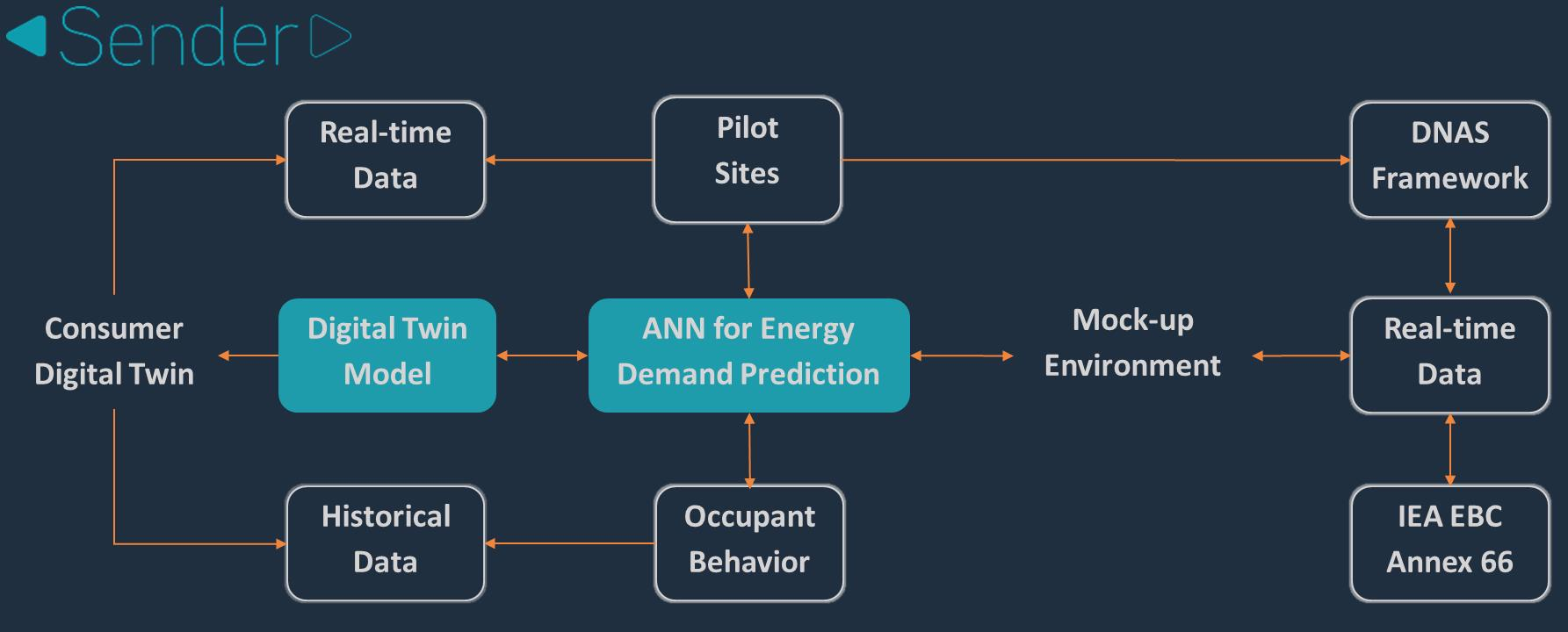
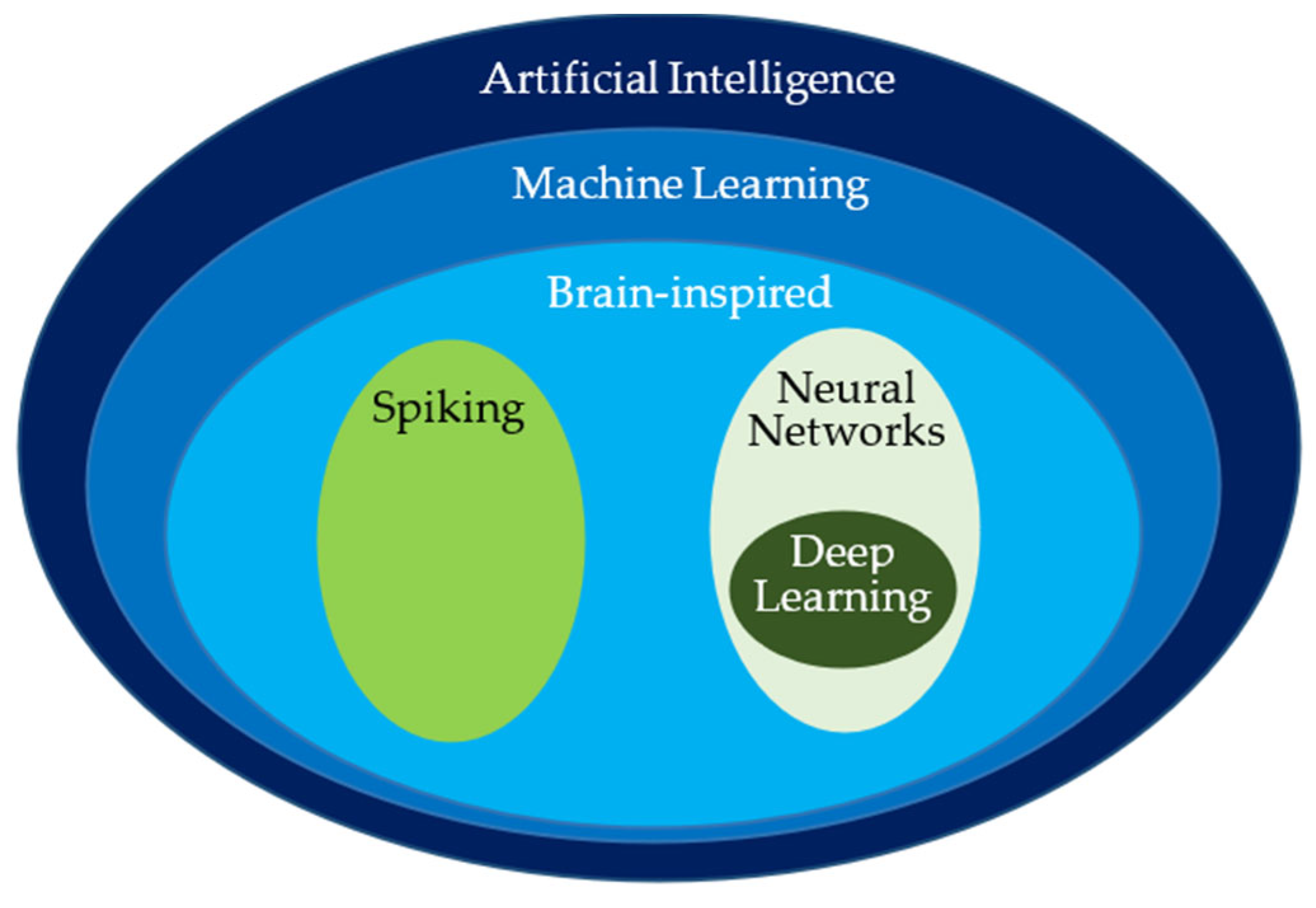
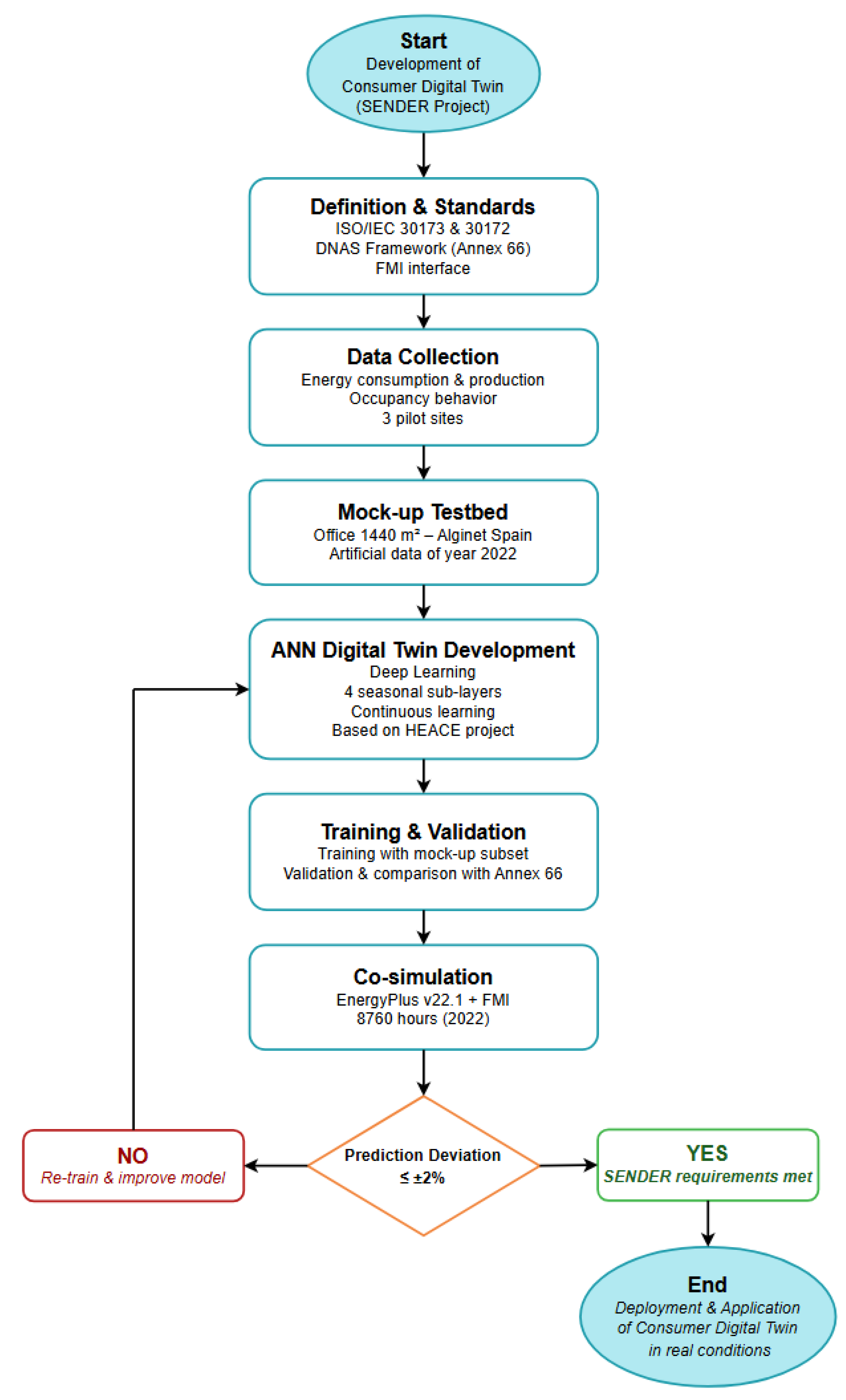
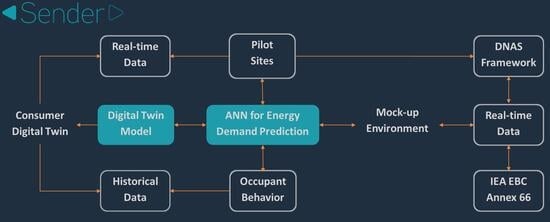
- A deep learning–based ANN enhancement of the consumer DT, designed to generate occupant behavior profiles and incorporating seasonal sub-layers (spring, summer, autumn, winter) for each occupant.
- (ii)
- Data-driven training through examples, where monitored consumer data serve as training material and the ANN is initialized from basic statistical behavioral patterns.
- (iii)
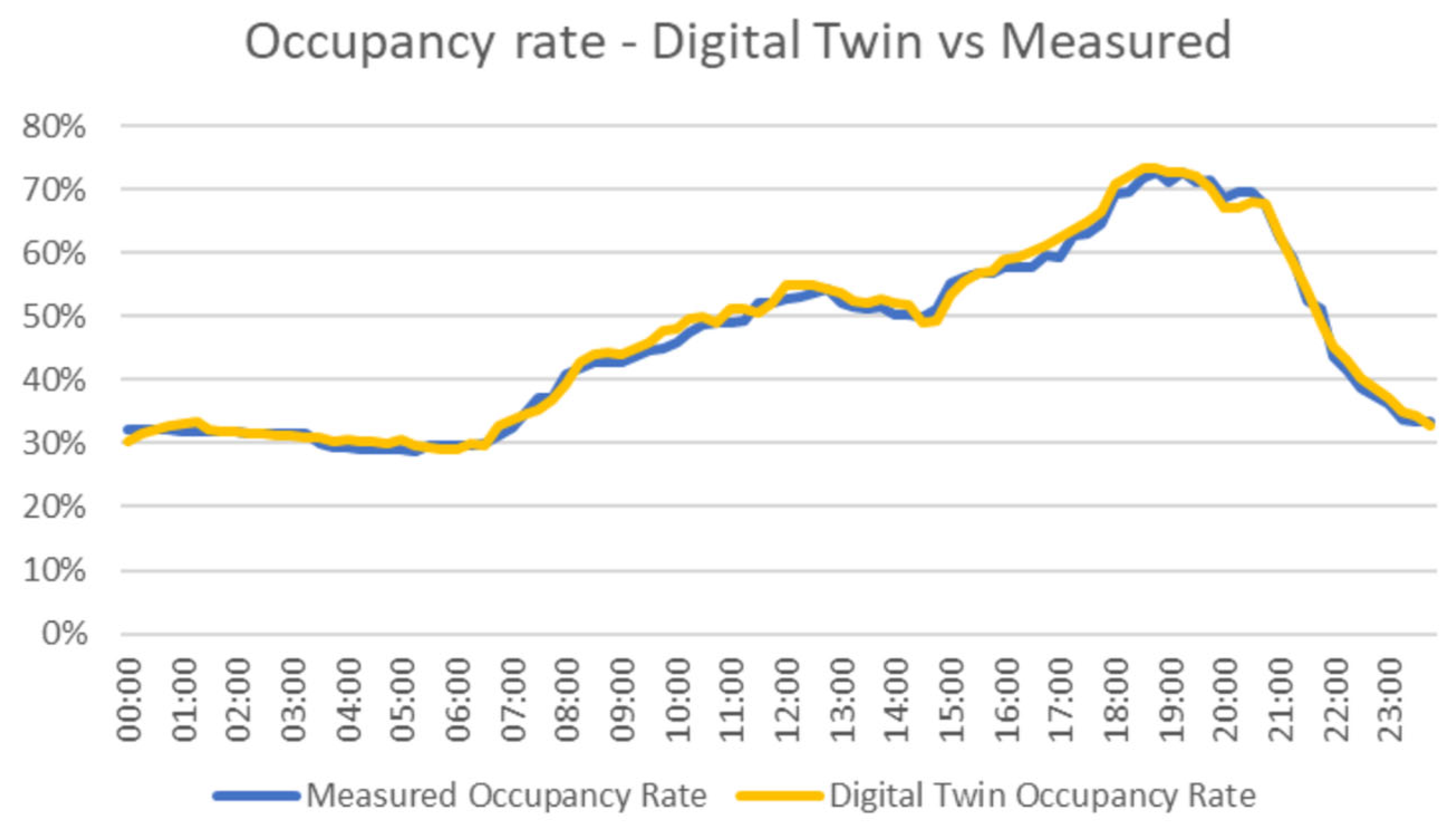
- An initial training and operational validation phase using mock-up subsets of measurement data, followed by continuous learning from real-world examples during operation.
- (iv)
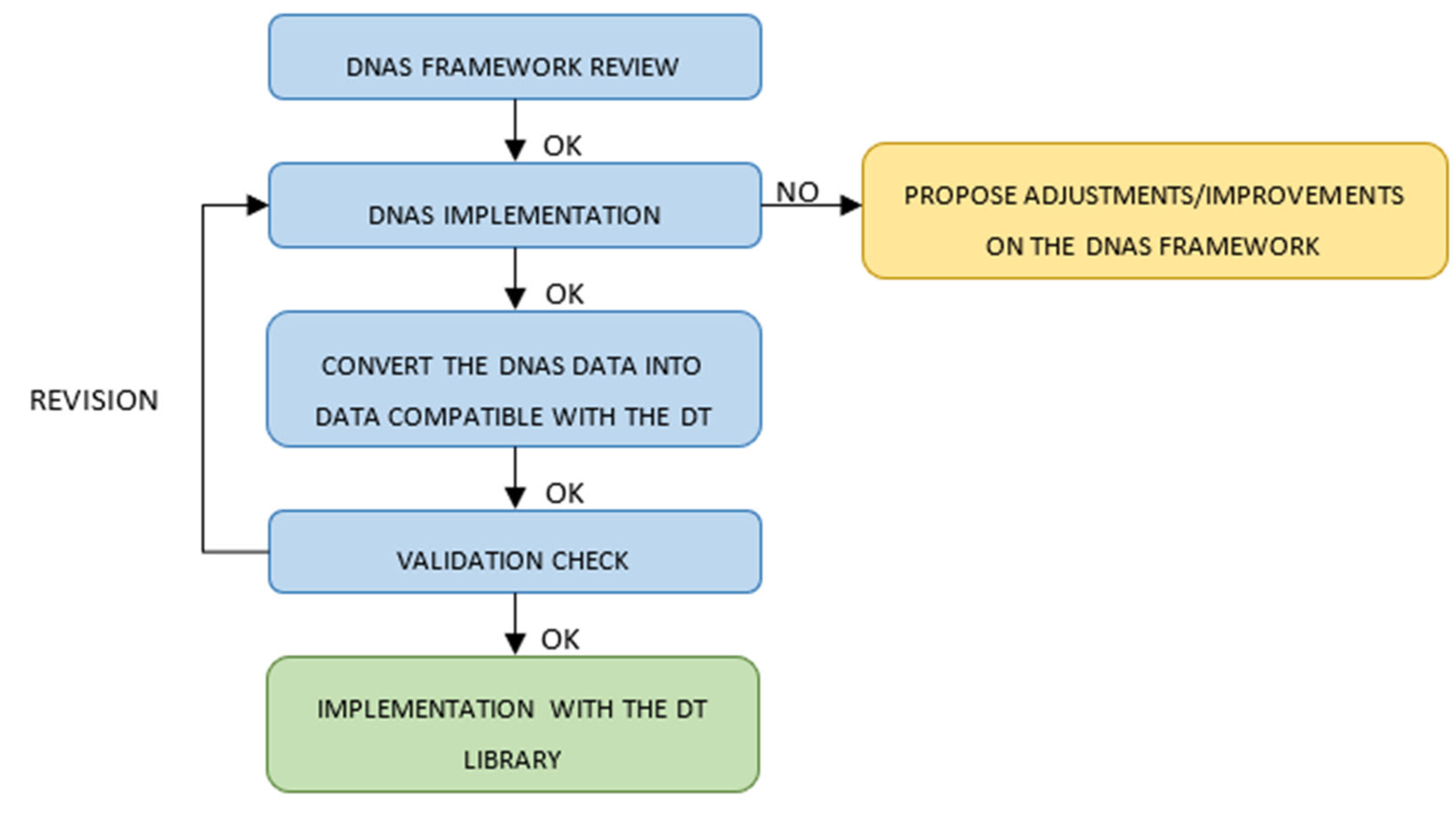
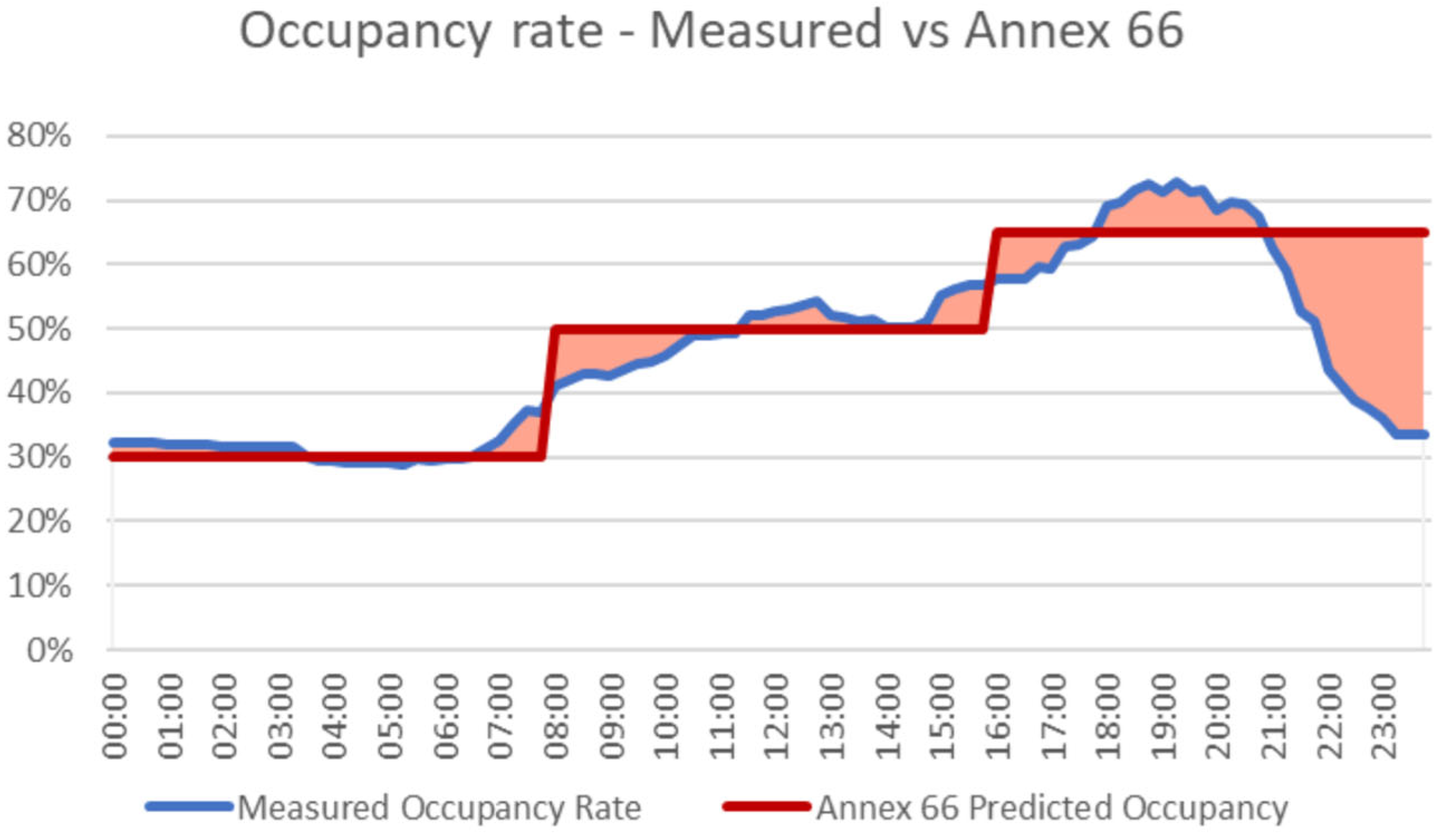
- Methodological alignment and performance comparison with the IEA EBC Annex 66 guidelines and the DNAS framework for occupant behavior representation.
3. Key Performance Indicators Selection
4. Conclusions
Author Contributions
Funding
Data Availability Statement
Conflicts of Interest
Abbreviations
| SENDER | Sustainable Consumer Engagement and Demand Response |
| DT | Digital Twin |
| DR | Demand Response |
| RES | Renewable Energy Sources |
| ANN | Artificial Neural Networks |
| IEA | International Energy Agency |
| EBC | Energy in Buildings and Communities |
| DNAS | Drivers-Needs-Actions-Systems |
| KPI | Key Performance Indicator |
| ML | Machine Learning |
| IoT | Internet of Things |
| AI | Artificial Intelligence |
| BIM | Building Information Modeling |
| HEMSs | Home Energy Management Systems |
| HEACE | Health Effects of the Aircraft Cabin Environment |
| FMI | Functional Mock-up Interface |
References
- Eshraghi, H.; de Queiroz, A.; Sankarasubramanian, A.; DeCarolis, J. Quantification of climate-induced interannual variability in residential U.S. electricity demand. Energy 2021, 236, 121273. [Google Scholar] [CrossRef]
- Plazas-Niño, F.; Ortiz-Pimiento, N.; Montes-Páez, E. National energy system optimisation modelling for decarbonisation pathways analysis: A systematic literature review. Renew. Sustain. Energy Rev. 2022, 162, 112406. [Google Scholar] [CrossRef]
- Agostinelli, S.; Cumo, F.; Guidi, G.; Tomazzoli, C. Cyber-Physical Systems Improving Building Energy Management: Digital Twin and Artificial Intelligence. Energies 2021, 14, 2338. [Google Scholar] [CrossRef]
- Shafto, M.; Conroy, M.; Doyle, R.; Glaessgen, E.; Kemp, C.; LeMoigne, J.; Wang, L. Modeling, Simulation, Information Technology and Processing Roadmap; National Aeronautics and Space Administration (NASA): Washington, DC, USA, 2010. [Google Scholar]
- Wright, L.; Davidson, S. How to tell the difference between a model and a digital twin. Adv. Model. Simul. Eng. Sci. 2020, 7, 13. [Google Scholar] [CrossRef]
- Alam, K.; El Saddik, A. C2PS: A digital twin architecture reference model for the cloud-based cyber-physical systems. IEEE Access 2017, 5, 2050–2062. [Google Scholar] [CrossRef]
- Semeraro, C.; Lezoche, M.; Panetto, H.; Dassisti, M. Digital twin paradigm: A systematic literature review. Comput. Ind. 2021, 130, 103469. [Google Scholar] [CrossRef]
- Song, Z.; Hackl, C.; Anand, A.; Thommessen, A.; Petzschmann, J.; Kamel, O.; Braunbehrens, R.; Kaifel, A.; Roos, C.; Hauptmann, S. Digital twins for the future power system: An overview and a future perspective. Sustainability 2023, 15, 5259. [Google Scholar] [CrossRef]
- Ghenai, C.; Husein, L.; Al Nahlawi, M.; Hamid, A.; Bettayeb, M. Recent trends of digital twin technologies in the energy sector: A comprehensive review. Sustain. Energy Technol. Assess. 2022, 54, 102837. [Google Scholar] [CrossRef]
- Bortolini, R.; Rodrigues, R.; Alavi, H.; Vecchia, L.; Forcada, N. Digital twins’ applications for building energy efficiency: A review. Energies 2022, 15, 7002. [Google Scholar] [CrossRef]
- Meng, T.; Agheeb Al-Hamdawee, Z.; Ali, A.; Jin, K.; Ahmadi, M. Integrating digital twins and neural networks for real-time temperature management in smart homes: An innovative approach using ZigBee networks. Energy Rep. 2025, 13, 6201–6218. [Google Scholar] [CrossRef]
- Fathy, Y.; Jaber, M.; Nadeem, Z. Digital Twin-Driven Decision Making and Planning for Energy Consumption. J. Sens. Actuator Netw. 2021, 10, 37. [Google Scholar] [CrossRef]
- Testasecca, T.; Stamatopoulos, S.; Natalini, A.; Lazzaro, M.; Capizzi, C.M.; Sarmas, E.; Arnone, D. Implementing Digital Twins for Enhanced Energy Management in Three Case Studies. In Proceedings of the 2024 IEEE International Workshop on Metrology for Living Environment (MetroLivEnv), Chania, Greece, 12–14 June 2024; pp. 343–348. [Google Scholar]
- Nakıp, M.; Çopur, O.; Biyik, E.; Güzeliş, C. Renewable energy management in smart home environment via forecast embedded scheduling based on Recurrent Trend Predictive Neural Network. Appl. Energy 2023, 340, 121014. [Google Scholar] [CrossRef]
- Seyyedi, A.; Gitizadeh, M.; Fakhrooeian, M.; Nasero, M. Achieving the goals of energy arbitrage, peak-shaving, and PV self-consumption using PV-BTM BESS microgrids coupled with a distribution network. J. Energy Storage 2025, 112, 11547. [Google Scholar] [CrossRef]
- Li, Q.; Cui, Z.; Cai, Y.; Su, Y. Multi-objective operation of solar-based microgrids incorporating artificial neural network and grey wolf optimizer in digital twin. Sol. Energy 2023, 262, 111873. [Google Scholar] [CrossRef]
- Arsecularatne, B.; Rodrigo, N.; Chang, R. Digital Twins for Reducing Energy Consumption in Buildings: A Review. Sustainability 2024, 16, 9275. [Google Scholar] [CrossRef]
- Das, H.P.; Lin, Y.W.; Agwan, U.; Spangher, L.; Devonport, A.; Yang, Y.; Drgoňa, J.; Chong, A.; Schiavon, S.; Spanos, C.J. Machine Learning for Smart and Energy-Efficient Buildings. Environ. Data Sci. 2024, 3, e1. [Google Scholar] [CrossRef]
- De Lope, L.R.; Maestre, V.M.; Diez, L.; Ortiz, A.; Agüero, R.; Ortiz, I. Modeling a digital twin for the optimization of a self-supply energy system for residential use. In Proceedings of the 2024 IEEE International Systems Conference (SysCon), Montreal, QC, Canada, 15–18 April 2024; pp. 1–8. [Google Scholar]
- Cotti, L.; Guizzardi, D.; Barricelli, B.R.; Fogli, D. Enabling End-User Development in Smart Homes: A Machine Learning-Powered Digital Twin for Energy Efficient Management. Future Internet 2024, 16, 208. [Google Scholar] [CrossRef]
- Stogia, M.; Naserentin, V.; Dimara, A.; Eleftheriou, O.; Tzitzios, I.; Papaioannou, C.; Pantusheva, M.; Papaioannou, A.; Spaias, G.; Anagnostopoulos, C.-N.; et al. A Scalable and User-Friendly Framework Integrating IoT and Digital Twins for Home Energy Management Systems. Appl. Sci. 2024, 14, 11834. [Google Scholar] [CrossRef]
- Akbari, E.; Seyyedi, A. Power quality enhancement of distribution grid using a photovoltaic based hybrid active power filter with three level converter. Energy Rep. 2023, 9, 5432–5448. [Google Scholar] [CrossRef]
- Bouchabou, D.; Grosset, J.; Nguyen, S.M.; Lohr, C.; Puig, X. A Smart Home Digital Twin to Support the Recognition of Activities of Daily Living. Sensors 2023, 23, 7586. [Google Scholar] [CrossRef]
- Gopinath, V.; Srija, A.; Neethu Sravanthi, C. Re-design of smart homes with digital twins. J. Phys. Conf. Ser. 2019, 1228, 012031. [Google Scholar] [CrossRef]
- Guizzardi, D.; Fogli, D. Interacting with a Green Smart Home Through its Digital Twin: A First-Person Experience. In Proceedings of the CHItaly 2025: 16th Biannual Conference of the Italian SIGCHI Chapter, Salerno, Italy, 6–10 October 2025; ACM: New York, NY, USA, 2025; pp. 1–3. [Google Scholar] [CrossRef]
- Saadatifar, S.; Sawyer, A.O.; Byrne, D.J.; Zhang, Y. Balancing thermal comfort with energy consumption in buildings using digital twins, IoT sensors, and real-time dashboards to inform occupant decision making. ASHRAE Trans. 2023, 129, 720–729. [Google Scholar]
- Li, C.; Lu, P.; Zhu, W.; Zhu, H.; Zhang, X. Intelligent Monitoring Platform and Application for Building Energy Using Information Based on Digital Twin. Energies 2023, 16, 6839. [Google Scholar] [CrossRef]
- Clausen, A.; Arendt, K.; Johansen, A.; Sangogboye, F.C.; Kjærgaard, M.B.; Veje, C.T.; Jørgensen, B.N. A digital twin framework for improving energy efficiency and occupant comfort in public and commercial buildings. Energy Inform. 2021, 4, 40. [Google Scholar] [CrossRef]
- Tagliabue, L.C.; Re Cecconi, F.; Maltese, S.; Rinaldi, S.; Ciribini, A.L.C.; Flammini, A. Leveraging Digital Twin for Sustainability Assessment of an Educational Building. Sustainability 2021, 13, 480. [Google Scholar] [CrossRef]
- Corssac, L.B.; Wickboldt, J.A. A Digital Twin-based Smart Home: A Proof of Concept Study. arXiv 2022, arXiv:2212.14238. [Google Scholar] [CrossRef]
- Sayed, A.N.; Bensaali, F.; Himeur, Y.; Dimitrakopoulos, G.; Varlamis, I. Enhancing building sustainability: A Digital Twin approach to energy efficiency and occupancy monitoring. Energy Build. 2025, 328, 115151. [Google Scholar] [CrossRef]
- Wang, J. A smart lighting system based on digital twin technology in smart home. In Proceedings of the SPIE 13063, Fourth International Conference on Computer Vision and Data Mining (ICCVDM 2023), Changchun, China, 20–22 October 2023; p. 1306322. [Google Scholar] [CrossRef]
- Yan, G. Intelligent lighting system based on digital twins in smart home. In Proceedings of the SPIE 12940, Third International Conference on Control and Intelligent Robotics (ICCIR 2023), Sipsongpanna, China, 30 June–2 July 2023; p. 1294017. [Google Scholar] [CrossRef]
- Arowoiya, V.A.; Moehler, R.C.; Fang, Y. Digital twin technology for thermal comfort and energy efficiency in buildings: A state-of-the-art and future directions. Energy Built Environ. 2024, 5, 641–656. [Google Scholar] [CrossRef]
- SENDER H2020 Project; European Union Horizon 2020 Programme, Grant Agreement No. 957755; Holistic Demand Response Services for European Residential Communities; 1 November 2020–31 October 2023. Available online: https://www.sender-h2020.eu/sender-project/ (accessed on 6 November 2025). [CrossRef]
- ISO/IEC 30173:2023; Digital Twin—Concepts and Terminology. International Organization for Standardization: Geneva, Switzerland, 2023.
- ISO/IEC TR 30172:2023; Internet of Things (IoT)—Digital Twin—Use Cases. International Organization for Standardization: Geneva, Switzerland, 2023.
- IEC 62559-2:2015; Use Case Methodology–Part 2: Definition of the Templates for Use Cases, Actor List and Requirements List. International Electrotechnical Commission: Geneva, Switzerland, 2015. [CrossRef]
- ISO/IEC TR 22417:2017; Information Technology—Internet of Things (IoT) Use Cases. International Organization for Standardization/International Electrotechnical Commission: Geneva, Switzerland, 2017.
- JTC 1/AG 8; Meta Reference Architecture and Reference Architecture for Systems Integration. ISO/IEC Joint Technical Committee 1: Geneva, Switzerland, 2022.
- ISO/IEC JTC 1/SC 41/AG 25; Use Cases for Internet of Things (IoT). ISO/IEC Joint Technical Committee 1, Sub-Committee 41: Geneva, Switzerland, 2017. [CrossRef]
- International Energy Agency—Energy in Buildings and Communities Programme (IEA-EBC), Annex 66: Definition and Simulation of Occupant Behavior in Buildings. Available online: https://annex66.org/ (accessed on 6 November 2025). [CrossRef][Green Version]
- Paragon, S.A. Measurement Equipment—Technical Services—Specialized Research. Available online: https://paragon.gr/ (accessed on 6 November 2025).
- Paragon, S.A. HEACE—Health Affects in Aircraft Cabin Environment. Available online: https://paragon.gr/projects/heace/ (accessed on 6 November 2025).
- U.S. Department of Energy. EnergyPlus (v. 22.1.0)—Open Source Building Energy Management System. Available online: https://energyplus.net/ (accessed on 6 November 2025).
- Climate Analytics. Climate Analytics: Homepage. Available online: https://climateanalytics.org/ (accessed on 6 November 2025).
- HESTIA—Holistic Demand Response Services for European Residential Communities; European Union Horizon 2020 Programme; 1 November 2020–31 October 2023. Available online: https://hestia-eu.com/ (accessed on 16 December 2025).
- ACCEPT—Active Communities & Energy Prosumers for the Energy Transition Project; European Union Horizon 2020 Programme, Grant Agreement No. 957781; Digital Toolbox for Energy Communities; 1 January 2021–31 December 2024. Available online: https://www.accept-project.eu/ (accessed on 16 December 2025). [CrossRef]
- iFLEX—Intelligent Assistants for Flexibility Management Project; European Union Horizon 2020 Programme, Grant Agreement No. 957670; Empowering Energy Consumers to Participate in Demand Response via Intelligent Personal Assistants and Flexibility Management Tools; 1 November 2020–30 April 2024. Available online: https://www.iflex-project.eu/ (accessed on 16 December 2025). [CrossRef]
- ReDREAM—Real Consumer Engagement Through a New User-Centric Ecosystem Development for End-Users’ Assets in a Multi-Market Scenario; European Union Horizon 2020 Programme, Grant Agreement No. 957837; Open, Co-Creative Energy Ecosystem Empowering Consumer Participation in Electricity Market; October 2020–September 2023. Available online: https://redream-energy-network.eu/ (accessed on 16 December 2025).





| KPI ID | Category | KPI Name | Priority |
|---|---|---|---|
| 1 | Grid Performance and Energy Efficiency | Level of losses in low-voltage networks |  |
| 2 | Voltage quality performance of electricity 1 |  | |
| 3 | Percentage utilization of electricity grid elements 2 |  | |
| 4 | Reduction in energy losses |  | |
| 5 | Reduction in peak demand |  | |
| 6 | Consumer Energy Behavior and Savings | Energy demand and consumption |  |
| 7 | Energy savings |  | |
| 8 | System Flexibility and Market Participation | Increased system flexibility from energy players |  |
| 9 | Computational Performance | Amount of data transferred |  |
| 10 | Simulation speed for real-time applications |  | |
| 11 | Data storage capacity |  | |
| 12 | Processing speed |  | |
| 13 | Operability and Feasibility | Operability |  |
| 14 | Feasibility of the asset configuration |  | |
| 15 | Bandwidth capacity |  | |
| 16 | Operability of the interfaces |  | |
| 17 | Robustness of the interfaces |  | |
| 18 | Feasibility of the interfaces’ configuration |  |
Disclaimer/Publisher’s Note: The statements, opinions and data contained in all publications are solely those of the individual author(s) and contributor(s) and not of MDPI and/or the editor(s). MDPI and/or the editor(s) disclaim responsibility for any injury to people or property resulting from any ideas, methods, instructions or products referred to in the content. |
© 2026 by the authors. Licensee MDPI, Basel, Switzerland. This article is an open access article distributed under the terms and conditions of the Creative Commons Attribution (CC BY) license.
Share and Cite
Douvi, D.; Douvi, E.; Tsahalis, J.; Tsahalis, H.-T. A Consumer Digital Twin for Energy Demand Prediction: Development and Implementation Under the SENDER Project (HORIZON 2020). Computation 2026, 14, 9. https://doi.org/10.3390/computation14010009
Douvi D, Douvi E, Tsahalis J, Tsahalis H-T. A Consumer Digital Twin for Energy Demand Prediction: Development and Implementation Under the SENDER Project (HORIZON 2020). Computation. 2026; 14(1):9. https://doi.org/10.3390/computation14010009
Chicago/Turabian StyleDouvi, Dimitra, Eleni Douvi, Jason Tsahalis, and Haralabos-Theodoros Tsahalis. 2026. "A Consumer Digital Twin for Energy Demand Prediction: Development and Implementation Under the SENDER Project (HORIZON 2020)" Computation 14, no. 1: 9. https://doi.org/10.3390/computation14010009
APA StyleDouvi, D., Douvi, E., Tsahalis, J., & Tsahalis, H.-T. (2026). A Consumer Digital Twin for Energy Demand Prediction: Development and Implementation Under the SENDER Project (HORIZON 2020). Computation, 14(1), 9. https://doi.org/10.3390/computation14010009