Review

A Contemporary Introduction to Essential Oils: Chemistry, Bioactivity and Prospects for Australian Agriculture
Pharmaceuticals and Nutraceuticals Group, Centre for Bioactive Discovery in Health and Ageing, University of New England, S & T McClymont Building UNE, Armidale NSW 2351, Australia
*
Author to whom correspondence should be addressed.
Agriculture 2015, 5(1), 48-102; https://doi.org/10.3390/agriculture5010048

Submission received: 1 November 2014 / Revised: 6 February 2015 / Accepted: 10 February 2015 / Published: 3 March 2015

Abstract

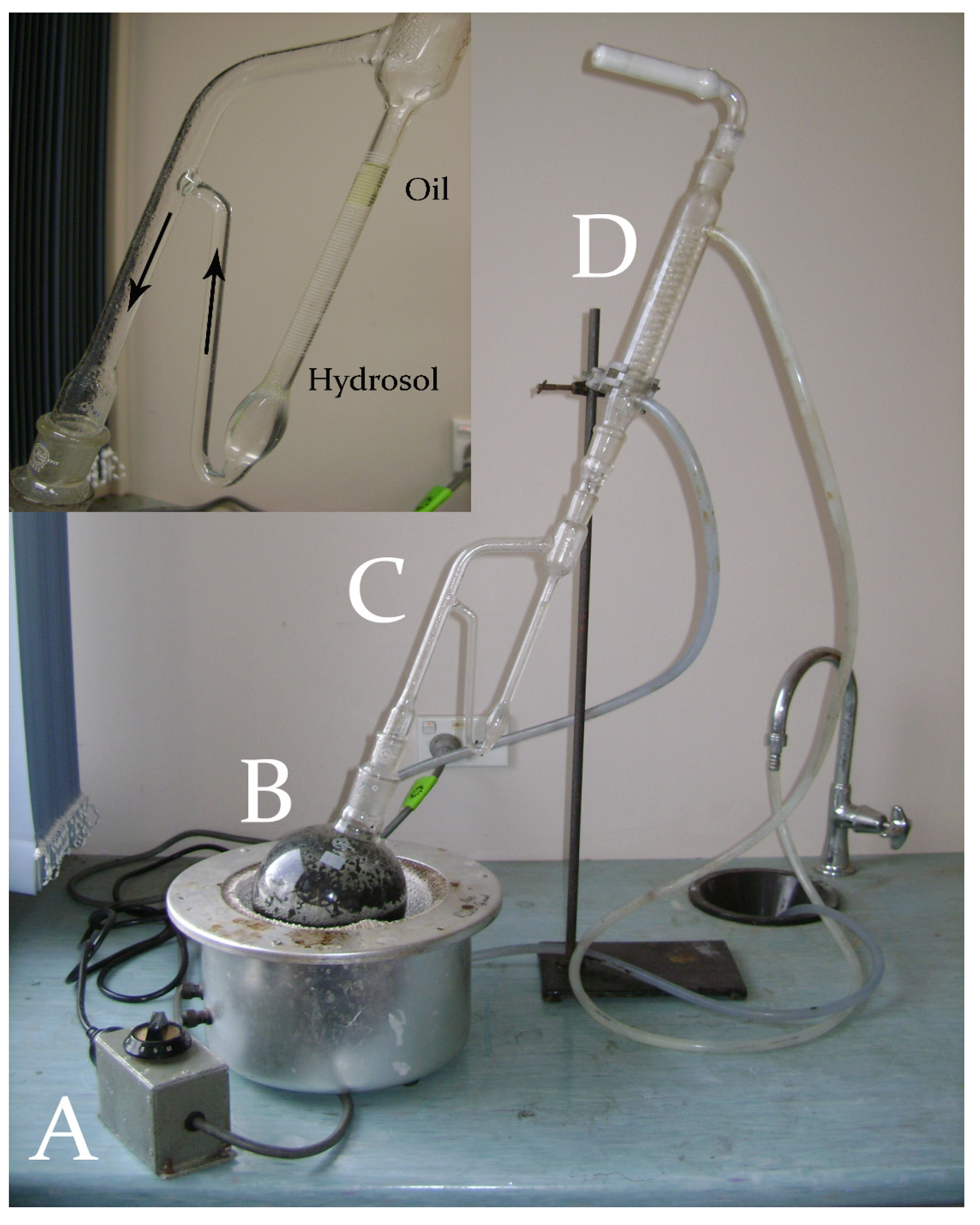
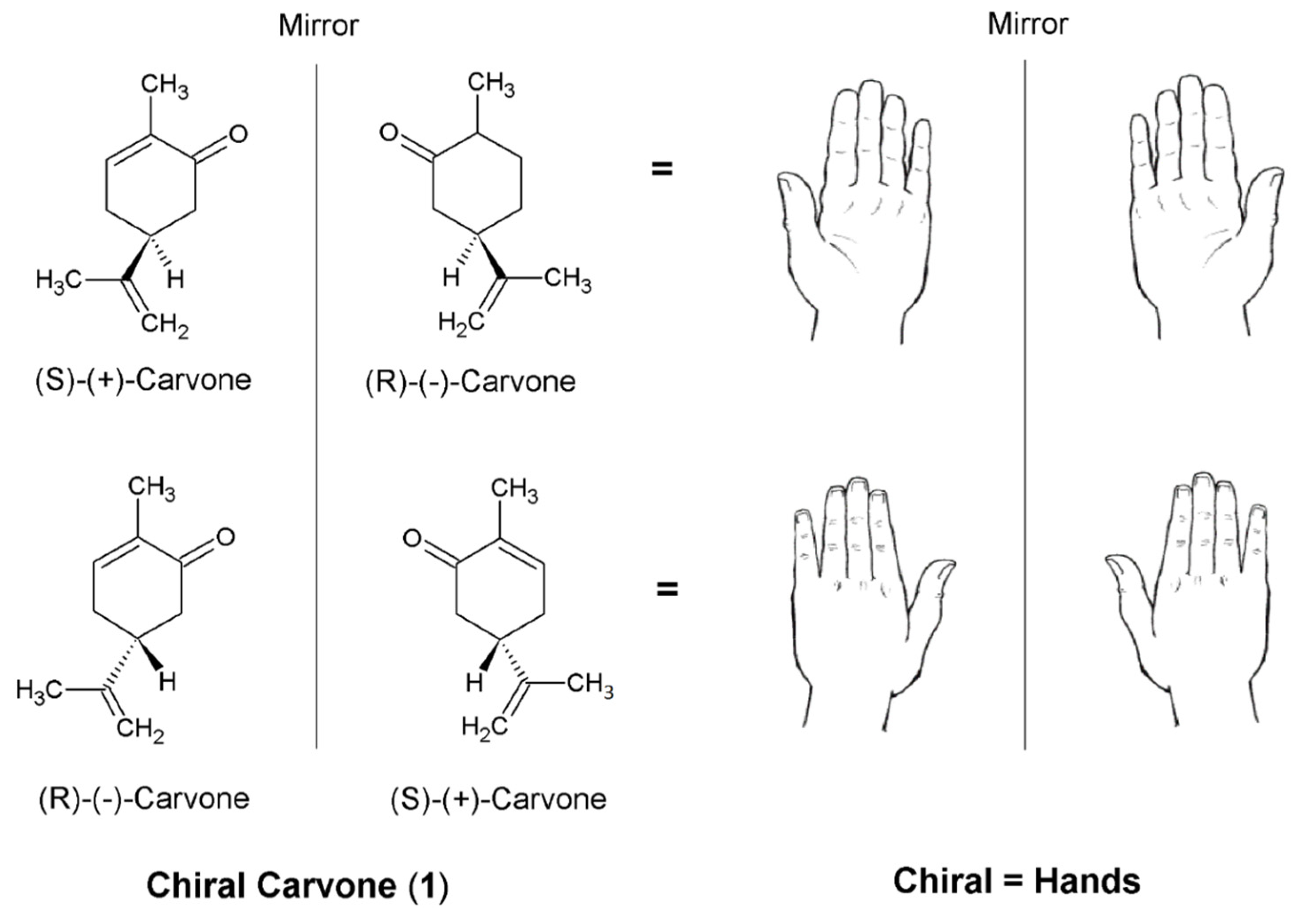
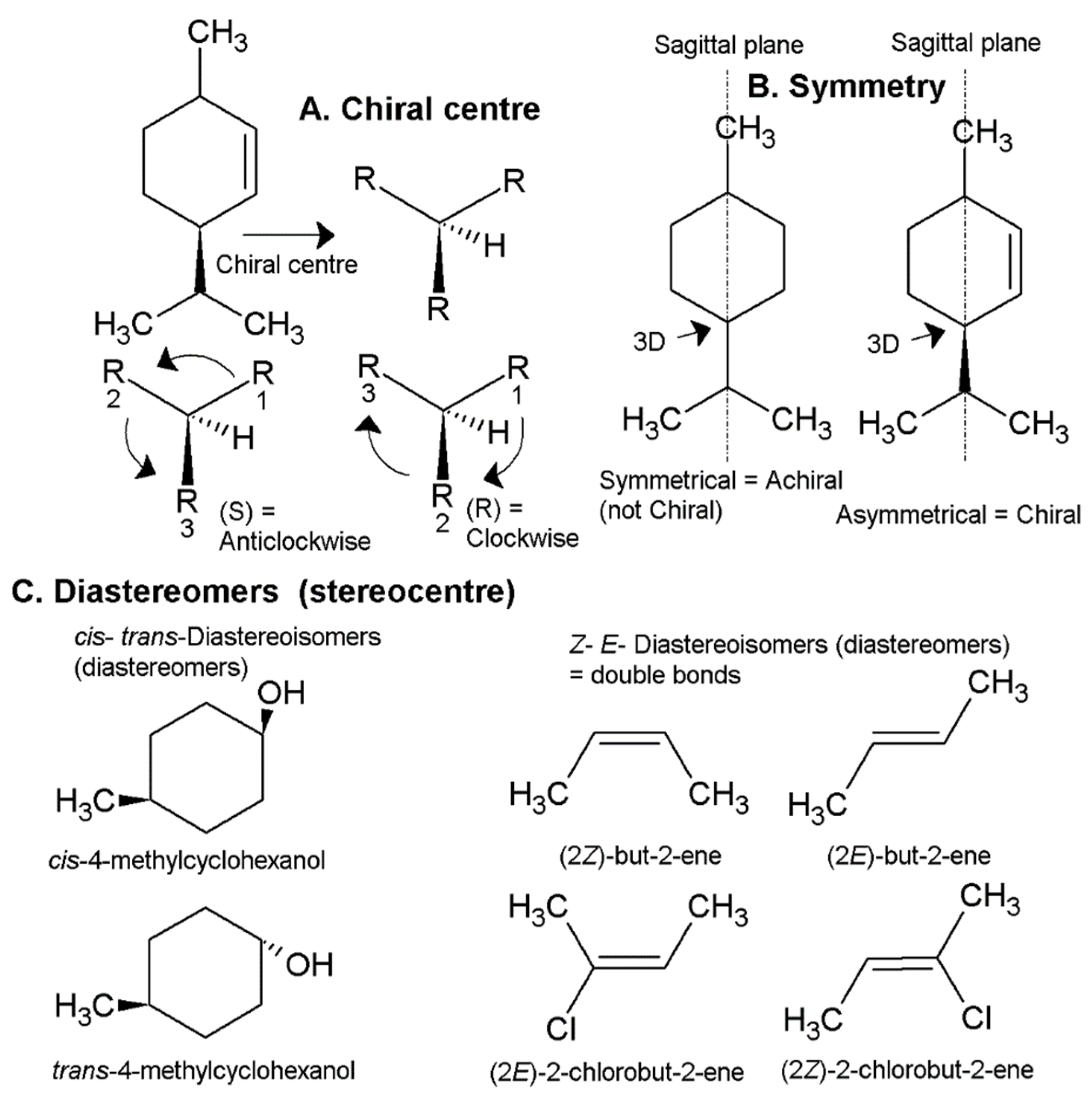
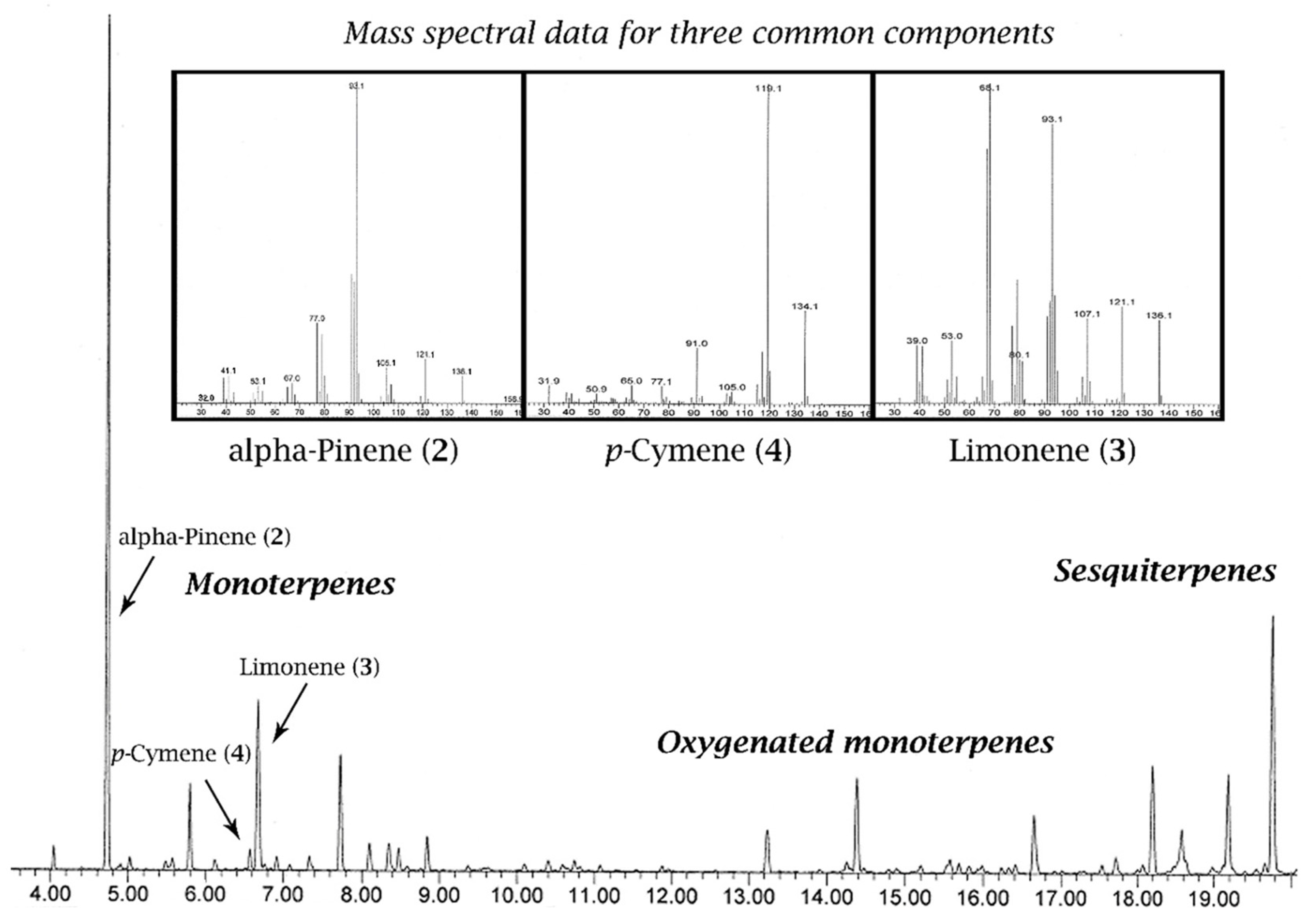
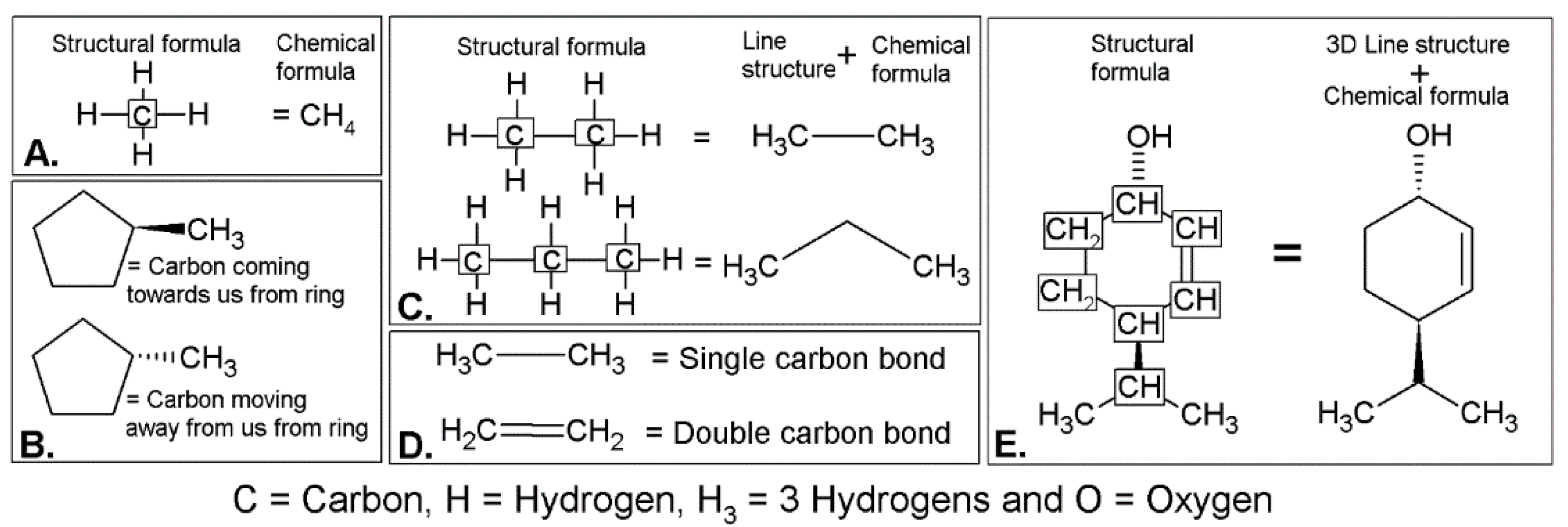
This review is a comprehensive introduction to pertinent aspects of the extraction methodology, chemistry, analysis and pharmacology of essential oils, whilst providing a background of general organic chemistry concepts to readers from non-chemistry oriented backgrounds. Furthermore, it describes the historical aspects of essential oil research whilst exploring contentious issues of terminology. This follows with an examination of essential oil producing plants in the Australian context with particular attention to Aboriginal custom use, historical successes and contemporary commercial prospects. Due to the harsh dry environment of the Australian landmass, particularly to the cyclical climatic variation attendant upon repeated glaciation/post-glaciation cycles, the arid regions have evolved a rich assortment of unique endemic essential oil yielding plants. Though some of these aromatic plants (particularly myrtaceous species) have given birth to commercially valuable industries, much remains to be discovered. Given the market potential, it is likely that recent discoveries in our laboratory and elsewhere will lead to new product development. This review concludes with an emphasis on the use of chemotaxonomy in selection of commercially viable cultivar chemotypes from the Australian continent. Finally, drawing largely from our own results we propose a list of Australian endemic species with novel commercial potential.
Keywords: essential oil; organic chemistry; pharmacology; Australian; cultivation; chemotype; cultivar; history; Aboriginal essential oil; organic chemistry; pharmacology; Australian; cultivation; chemotype; cultivar; history; Aboriginal