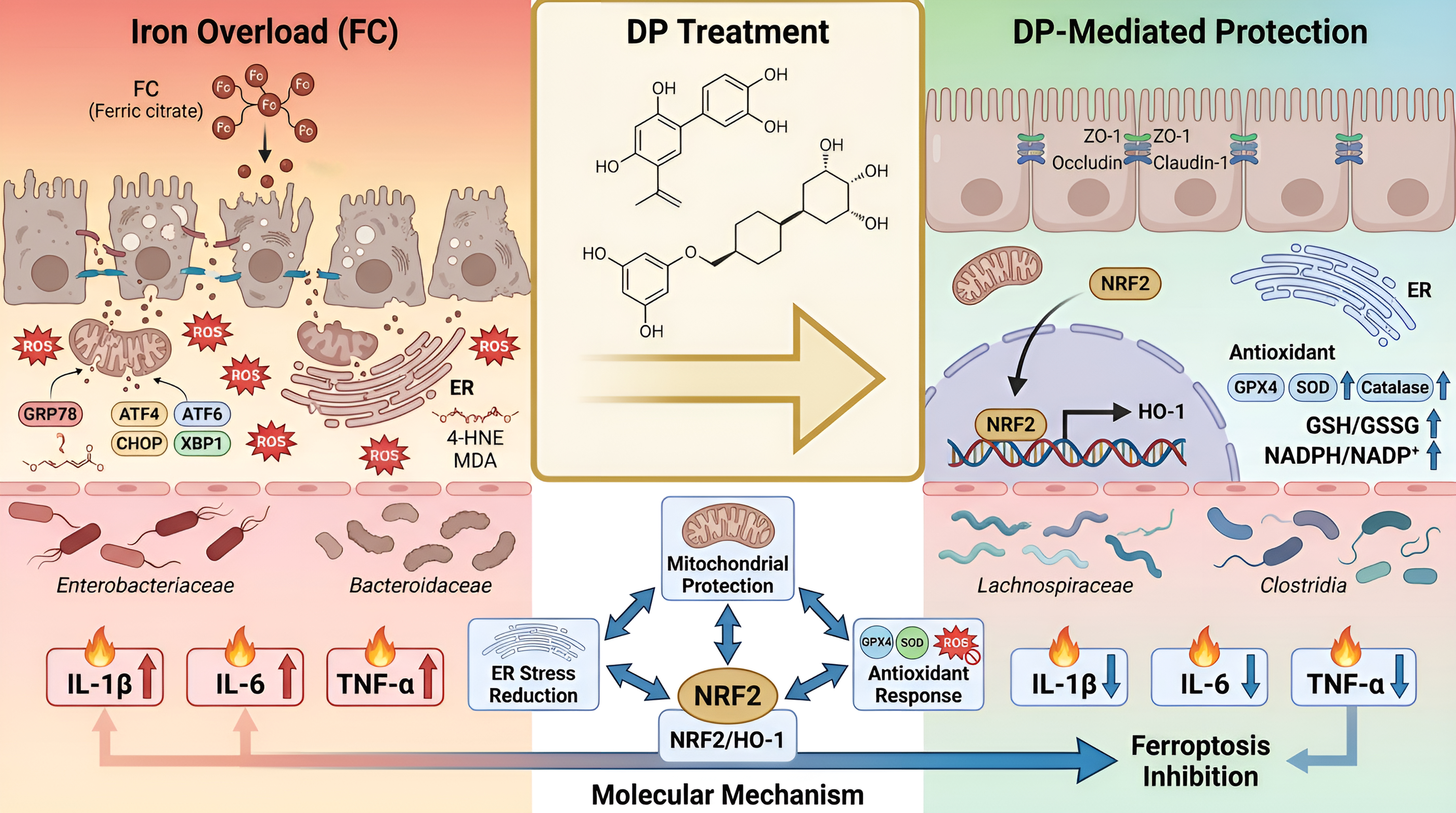
Dimercaprol Reprograms Intestinal Redox Homeostasis and Organelle Crosstalk to Combat Iron-Induced Gut Dysbiosis Through NRF2/HO-1 Signaling

 , ,
, ,
Abstract
1. Introduction
2. Materials and Methods
2.1. Animal Care, Maintenance and Experimental Design
2.2. Behavioral Tests
Sucrose Preference Test
2.3. Gastrointestinal Function Test
2.3.1. Total Gastrointestinal Transit Time
2.3.2. Colonic Motility
2.4. 16S Amplicon Library Preparation and Sequencing
2.5. Liquid Chromatography–Mass Spectrometry (LC-MS)
2.6. Colon Histopathological Examination
2.7. Immunohistochemistry (IHC)
2.8. Immunofluorescence (IF) Assay
2.9. Transmission Electron Microscopy (TEM)
2.10. Cell Culture, FC Exposure and DP Treatment
2.11. RNA Interference and IPEC-J2 Transfection
2.12. Determination of mRNA Levels via Reverse Transcription–Quantitative PCR
2.13. Quantification of Protein by Western Blotting
2.14. Lactate Dehydrogenase (LDH) Test
2.15. Measurement of Cytochrome C Release
2.16. Oxidation and Antioxidant Indices: Quantitative Detection
2.17. Statistical Analysis
3. Results
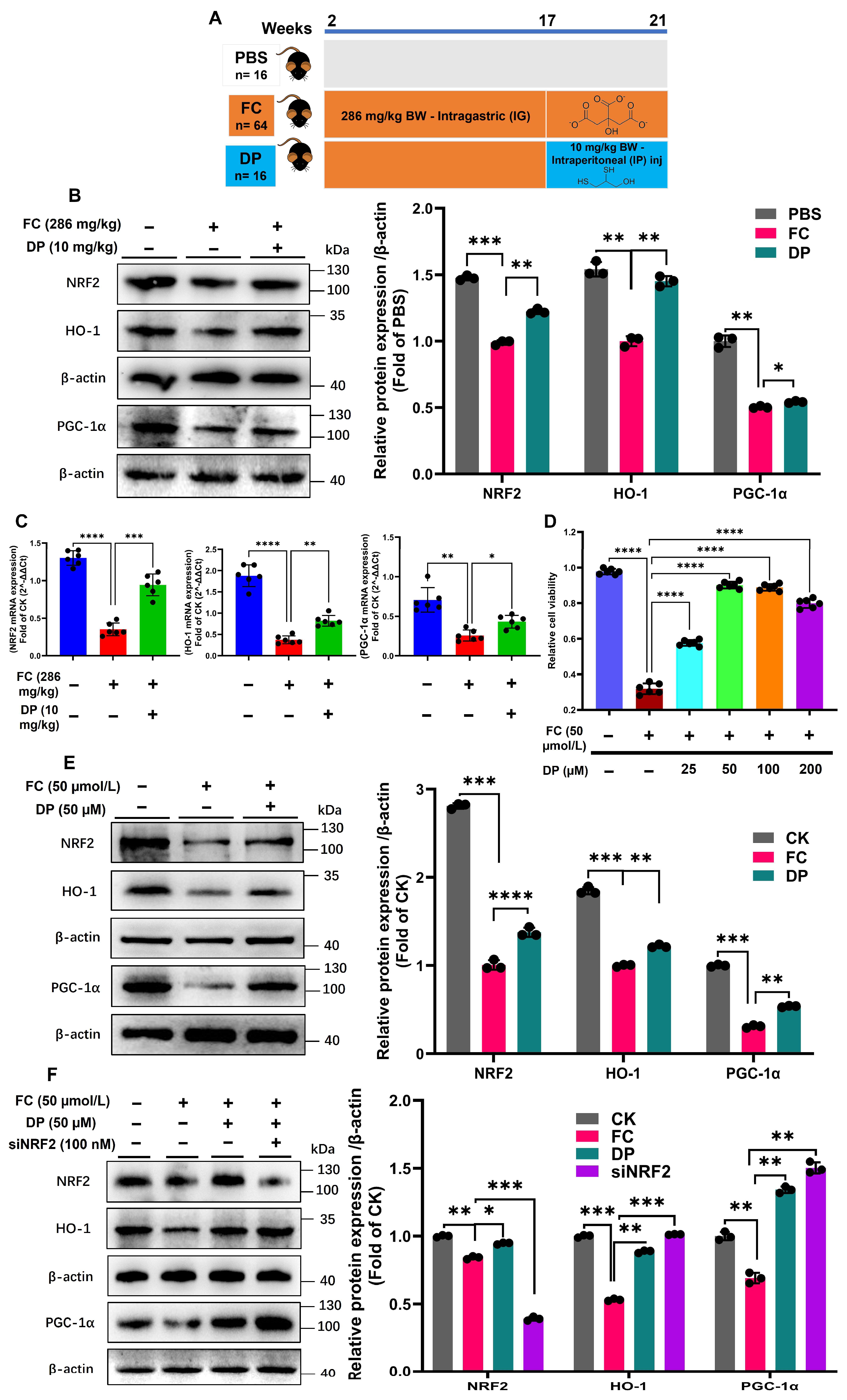
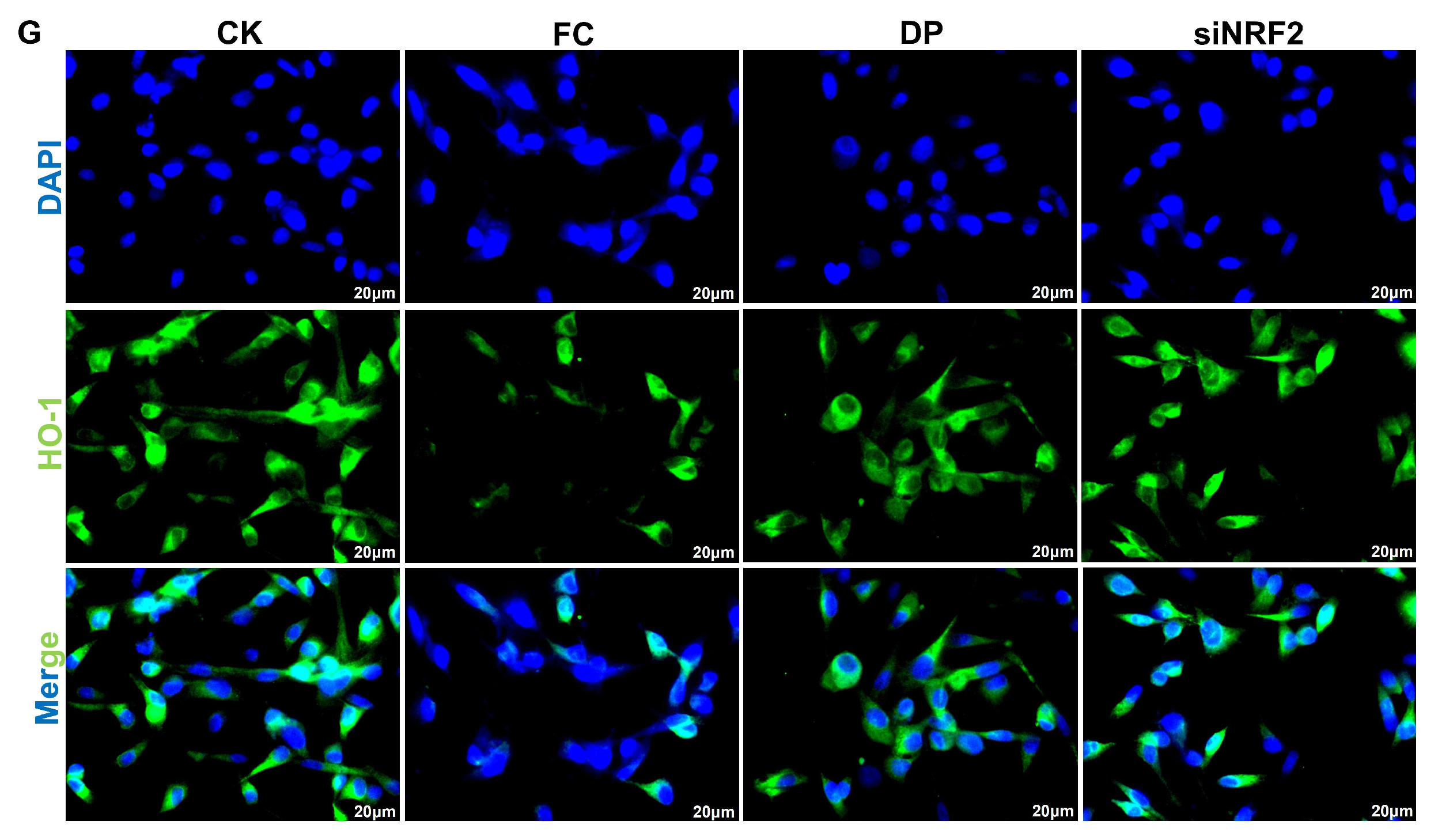
3.1. DP Reactivates the Cytoprotective NRF2/HO-1 Pathway
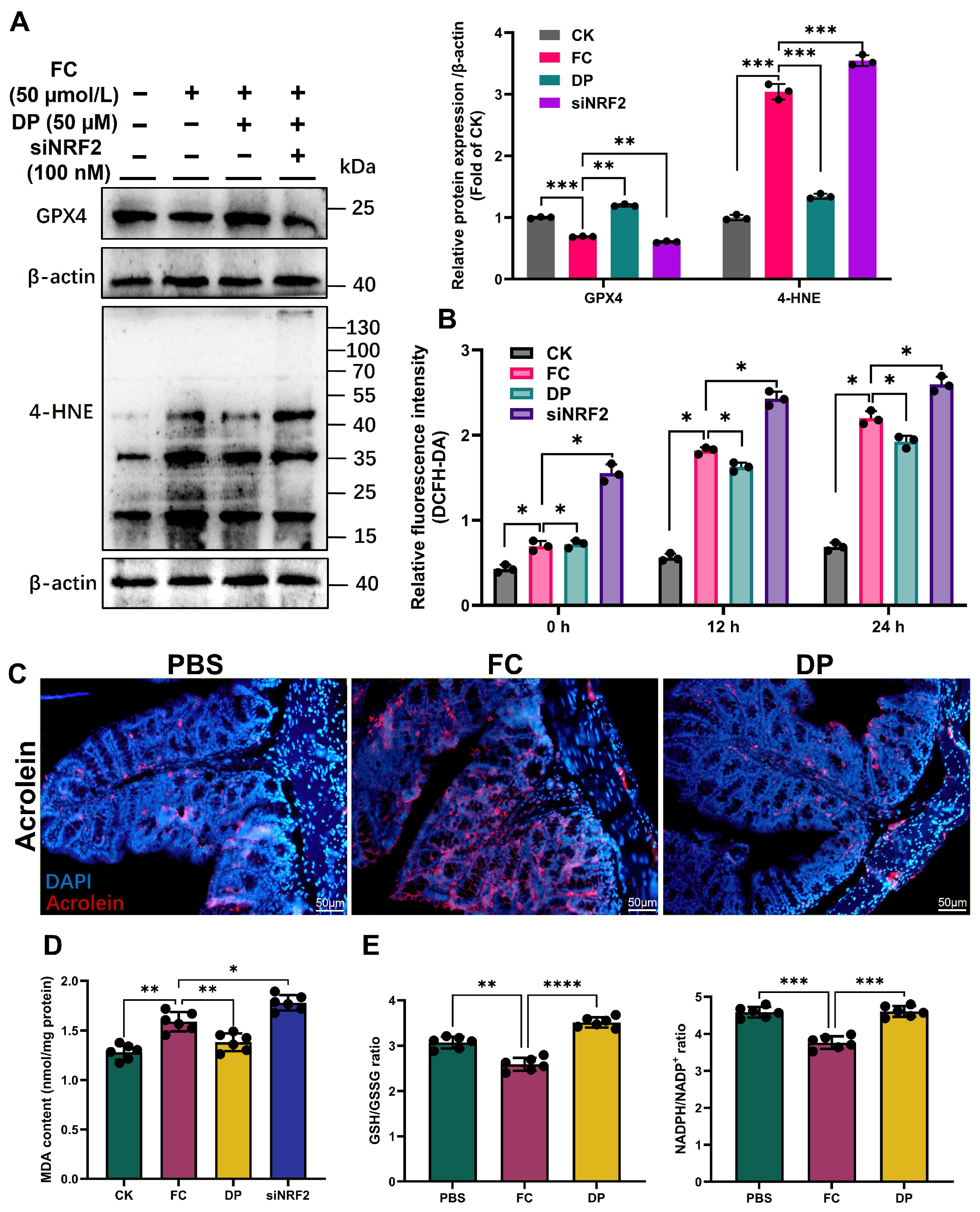
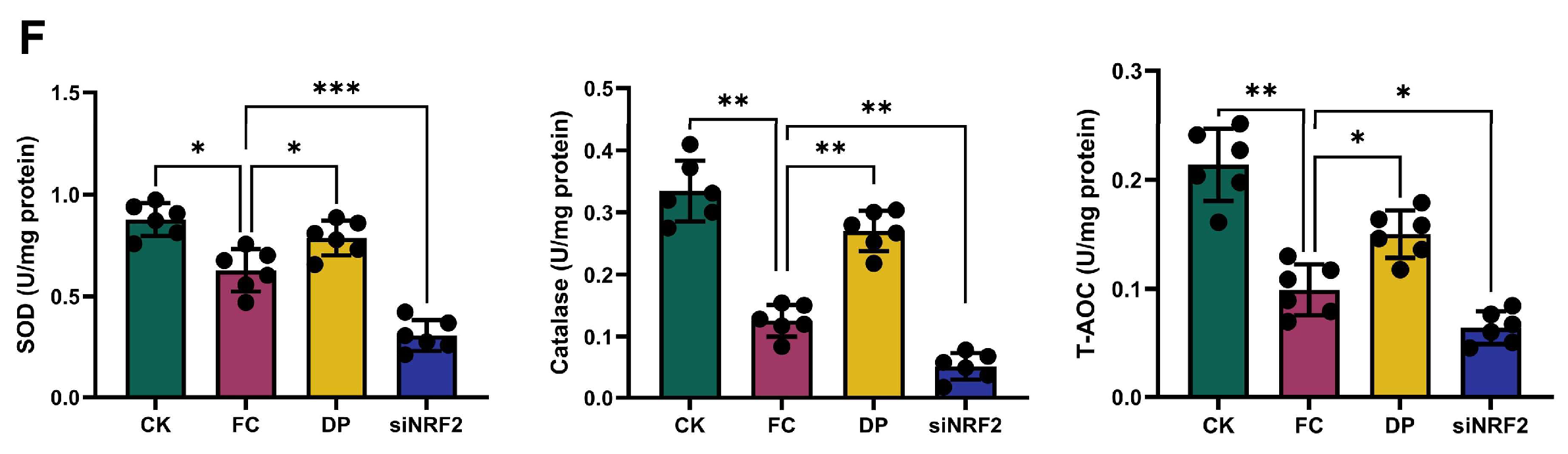
3.2. Mechanistic NRF2/HO-1 DP-Dependent Pathway Enhances Antioxidants and Reduces Oxidative Stress
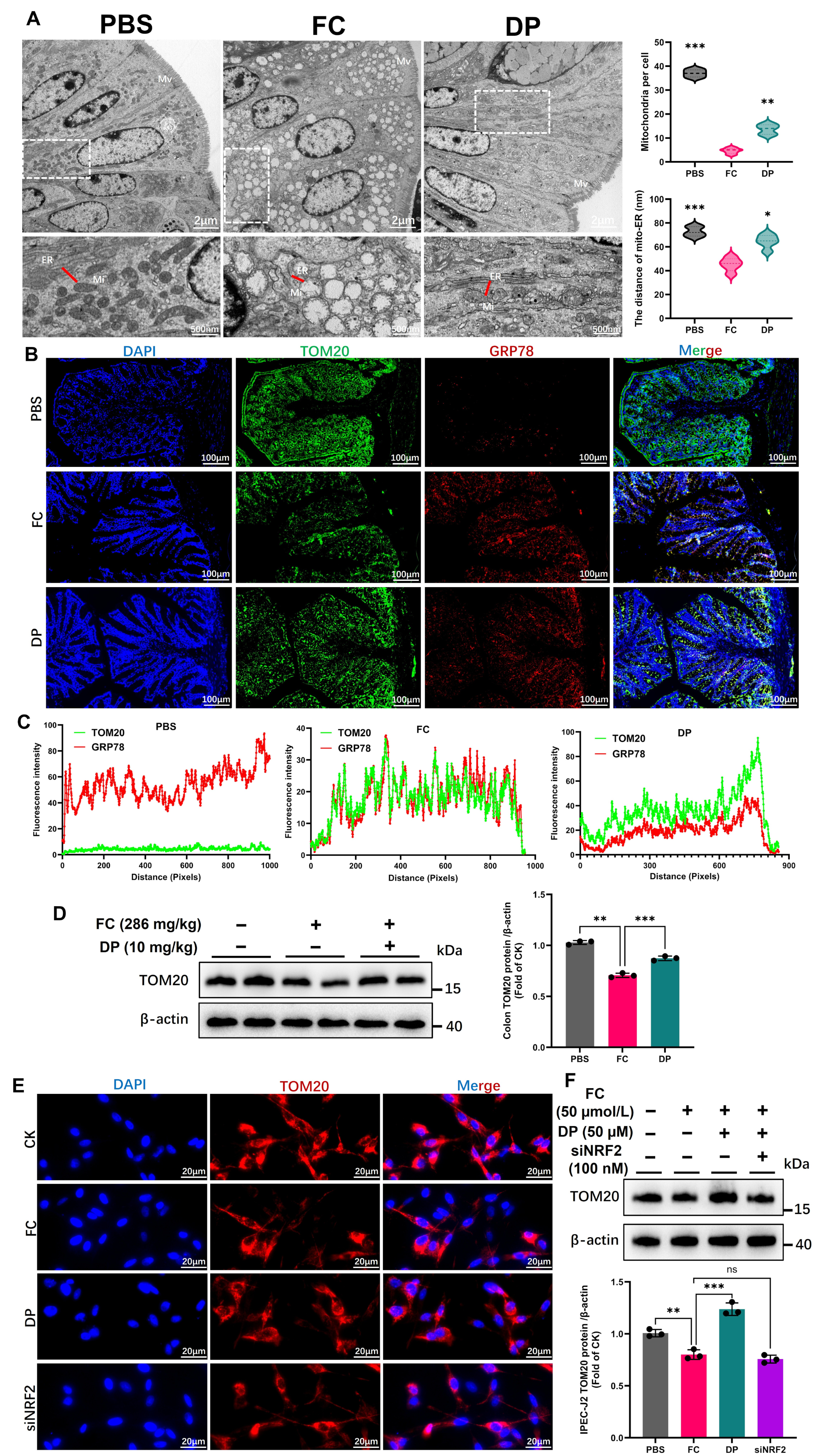
3.3. DP Restores Mitochondrial–ER Crosstalk Integrity via the NRF2 Pathway
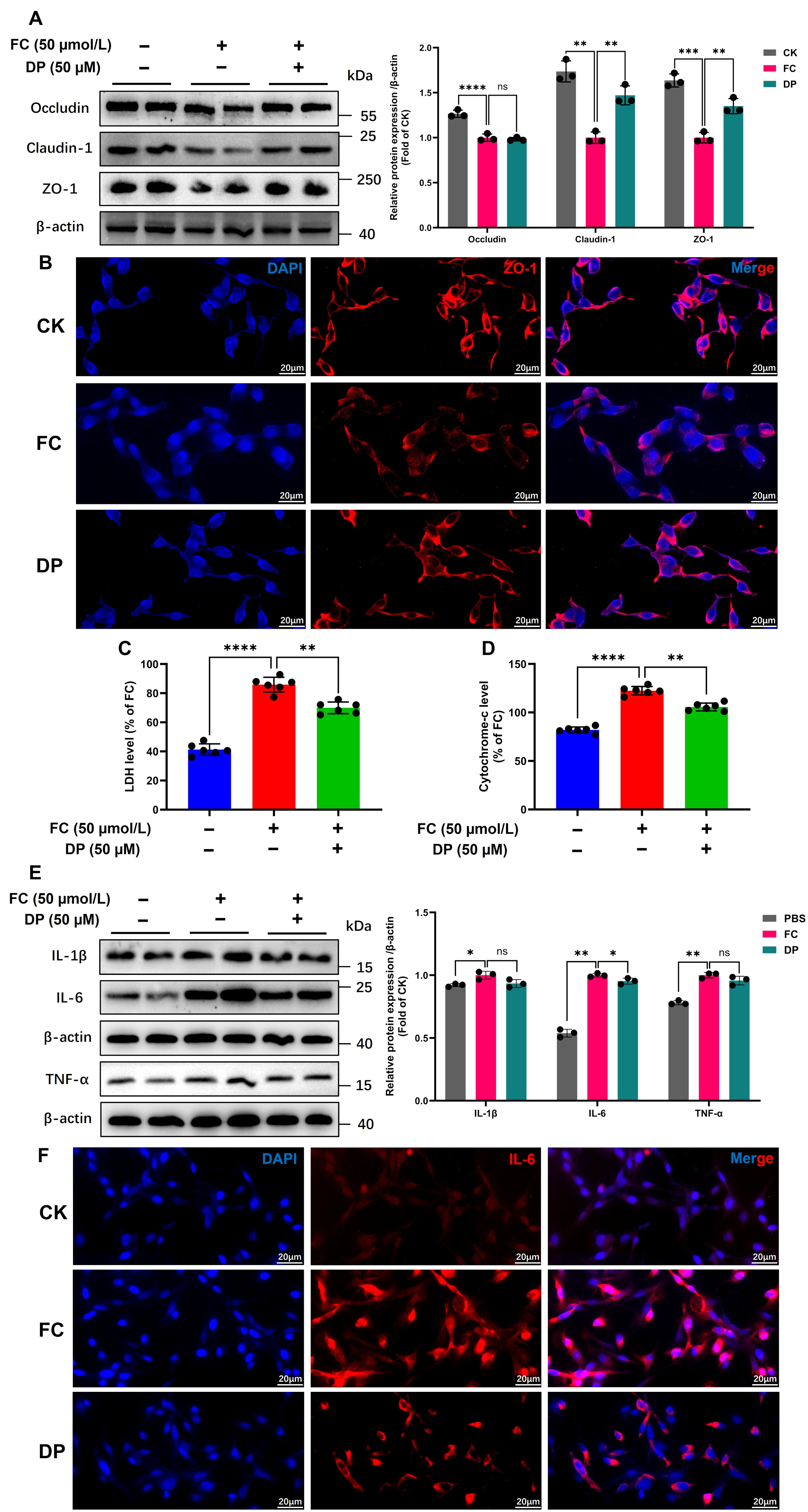
3.4. DP Alleviates Iron-Induced Barrier Dysfunction, Mitochondrial Loss and Inflammation
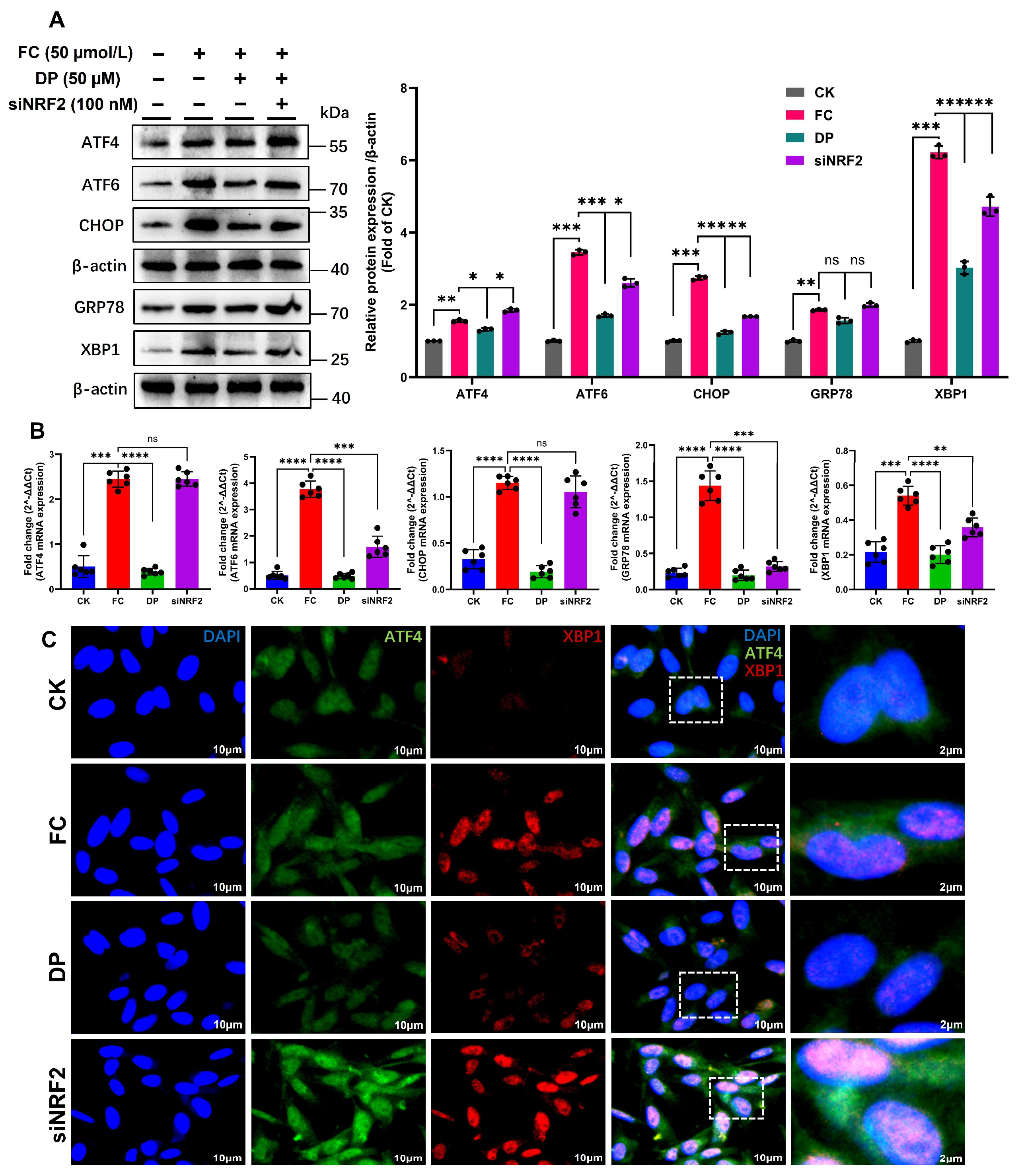
3.5. DP Recovers the NRF2/HO-1 Pathway by Mitigating the ERS
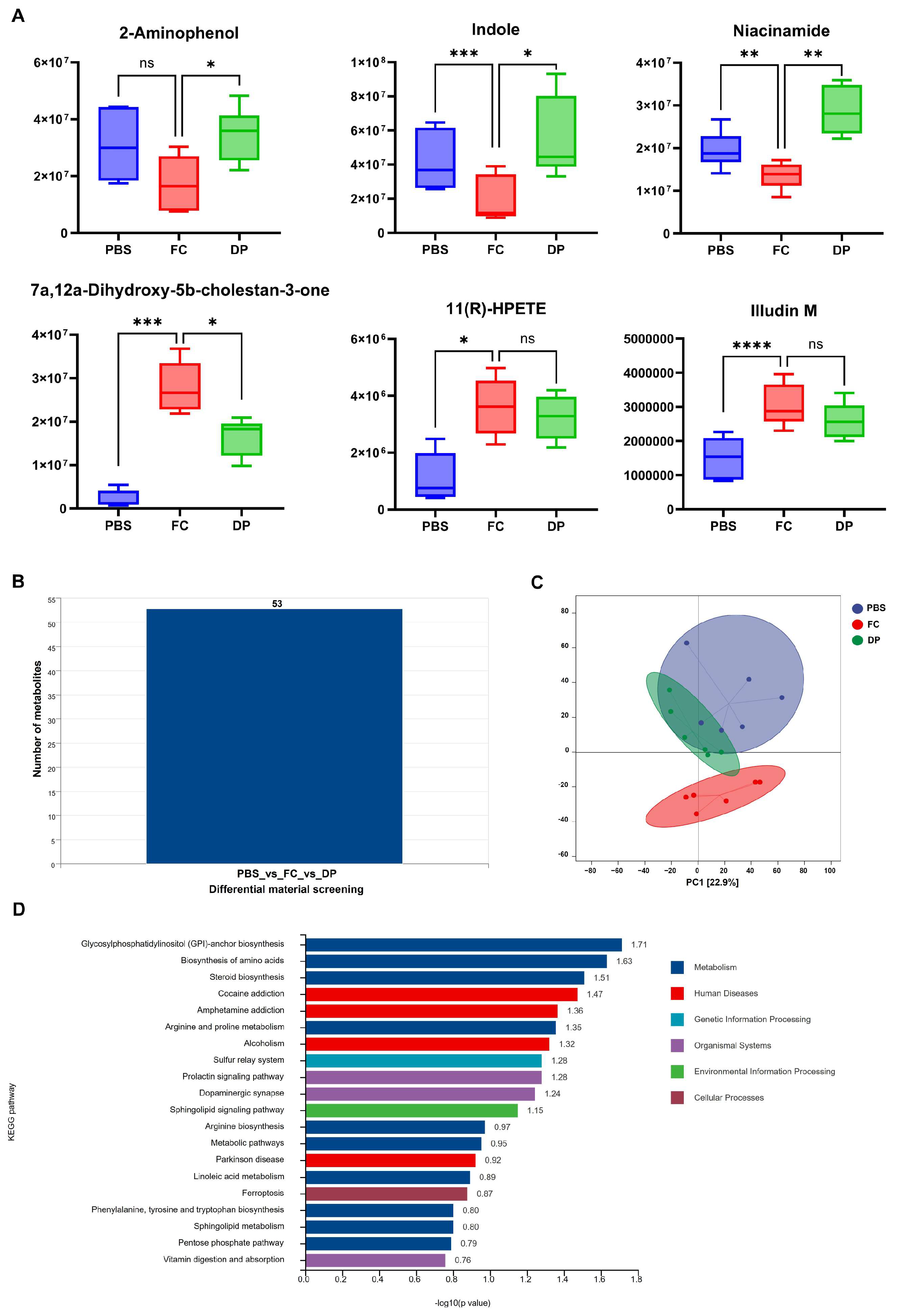
3.6. DP Treatment Alleviates Ferroptosis by Reshaping the Gut Metabolome
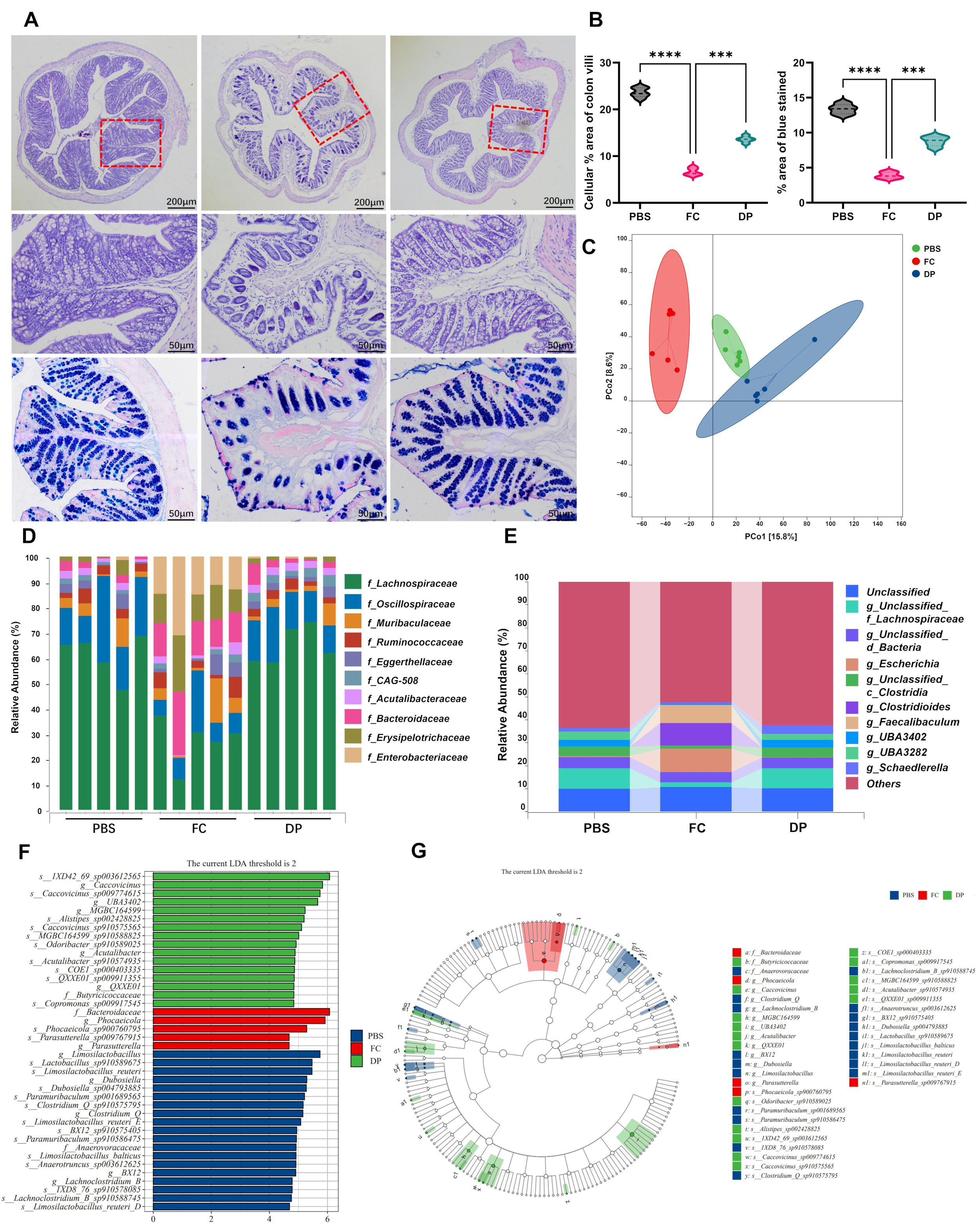
3.7. DP Repairs Gut Damage and Restores a Healthy Microbiome in Mice
4. Discussion
5. Conclusions
Supplementary Materials
Author Contributions
Funding
Institutional Review Board Statement
Informed Consent Statement
Data Availability Statement
Conflicts of Interest
Abbreviations
| BW | Body weight |
| IPEC-J2 | Intestinal porcine epithelial cells-jejunum 2 |
| NRF2 | Nuclear factor erythroid 2-related factor 2 |
| siRNA | Small interfering ribonucleic acid |
| qRT-PCR | Quantitative reverse transcription polymerase chain reaction |
| ELISA | Enzyme-linked immunosorbent assay |
| HO-1 | Heme oxygenase-1 |
| MCE | MedChem express |
| ASV | Amplicon sequence variant |
| TNF-α | Tumor necrosis factor-alpha |
| BSA | Bovine serum albumin |
| DAPI | 4′,6-diamidino-2-phenylindole |
| TOM20 | Translocase of the outer mitochondrial membrane 20 |
| GRP78 | Glucose-regulated protein 78 |
| ATF4 | Activating transcription factor 4 |
| CHOP | C/EBP homologous protein |
| XBP1 | X-box binding protein 1 |
| SOD | Superoxide dismutase |
| T-AOC | Total-antioxidant capacity |
| GSSG/GSH | Glutathione disulfide/reduced glutathione |
| NADPH/NADP | Reduced nicotinamide adenine dinucleotide phosphate/Nicotinamide adenine dinucleotide |
| AB-PAS | Alcian blue/periodic acid–Schiff |
| LefSe | Linear discriminant analysis effect size |
| PGC1-α | Peroxisome proliferator-activated receptor gamma coactivator 1-alpha |
References
- Perera, D.N.; Palliyaguruge, C.L.; Eapasinghe, D.D.; Maleesha, L.D.; Seneviratne, H.; Demini, D.; Jayasinghe, M.; Rajagopalan, U.; Senathilake, K.; Galhena, B.P.; et al. The Role of Iron as a Micronutrient in Key Biological Functions, Health and Diseases in Human. Nutr. Bull. 2025, 50, 539–553. [Google Scholar] [CrossRef]
- Ru, Q.; Li, Y.; Chen, L.; Wu, Y.; Min, J.; Wang, F. Iron homeostasis and ferroptosis in human diseases: Mechanisms and therapeutic prospects. Signal Transduct. Target. Ther. 2024, 9, 271. [Google Scholar] [CrossRef]
- Huo, C.; Li, G.; Hu, Y.; Sun, H. The Impacts of Iron Overload and Ferroptosis on Intestinal Mucosal Homeostasis and Inflammation. Int. J. Mol. Sci. 2022, 23, 14195. [Google Scholar] [CrossRef]
- Dixon, S.J.; Lemberg, K.M.; Lamprecht, M.R.; Skouta, R.; Zaitsev, E.M.; Gleason, C.E.; Patel, D.N.; Bauer, A.J.; Cantley, A.M.; Yang, W.S.; et al. Ferroptosis: An iron-dependent form of nonapoptotic cell death. Cell 2012, 149, 1060–1072. [Google Scholar] [CrossRef]
- Liu, S.; Yin, J.; Wan, D.; Yin, Y. The Role of Iron in Intestinal Mucus: Perspectives from Both the Host and Gut Microbiota. Adv. Nutr. 2024, 15, 100307. [Google Scholar] [CrossRef] [PubMed]
- Xia, Y.; Luo, Q.; Huang, C.; Shi, L.; Jahangir, A.; Pan, T.; Wei, X.; He, J.; Liu, W.; Shi, R.; et al. Ferric citrate-induced colonic mucosal damage associated with oxidative stress, inflammation responses, apoptosis, and the changes of gut microbial composition. Ecotoxicol. Environ. Saf. 2023, 249, 114364. [Google Scholar] [CrossRef]
- Yamashita, S.I.; Sugiura, Y.; Matsuoka, Y.; Maeda, R.; Inoue, K.; Furukawa, K.; Fukuda, T.; Chan, D.C.; Kanki, T. Mitophagy mediated by BNIP3 and NIX protects against ferroptosis by downregulating mitochondrial reactive oxygen species. Cell Death Differ. 2024, 31, 651–661. [Google Scholar] [CrossRef]
- Ding, S.Q.; Lei, Y.; Zhao, Z.M.; Li, X.Y.; Lang, J.X.; Zhang, J.K.; Li, Y.S.; Zhang, C.D.; Dai, D.Q. Crosstalk Between Microbiome and Ferroptosis in Diseases: From Mechanism to Therapy. Compr. Physiol. 2025, 15, e70042. [Google Scholar] [CrossRef] [PubMed]
- Xia, Y.; Chen, Z.; Huang, C.; Shi, L.; Ma, W.; Chen, X.; Liu, Y.; Wang, Y.; Cai, C.; Huang, Y.; et al. Investigation the mechanism of iron overload-induced colonic inflammation following ferric citrate exposure. Ecotoxicol. Environ. Saf. 2024, 275, 116241. [Google Scholar] [CrossRef]
- Zhou, J.; Lu, P.; He, H.; Zhang, R.; Yang, D.; Liu, Q.; Liu, Q.; Liu, M.; Zhang, G. The metabolites of gut microbiota: Their role in ferroptosis in inflammatory bowel disease. Eur. J. Med. Res. 2025, 30, 248. [Google Scholar] [CrossRef] [PubMed]
- Kortman, G.A.; Raffatellu, M.; Swinkels, D.W.; Tjalsma, H. Nutritional iron turned inside out: Intestinal stress from a gut microbial perspective. FEMS Microbiol. Rev. 2014, 38, 1202–1234. [Google Scholar] [CrossRef]
- Yilmaz, B.; Li, H. Gut Microbiota and Iron: The Crucial Actors in Health and Disease. Pharmaceuticals 2018, 11, 98. [Google Scholar] [CrossRef]
- Entezari, S.; Haghi, S.M.; Norouzkhani, N.; Sahebnazar, B.; Vosoughian, F.; Akbarzadeh, D.; Islampanah, M.; Naghsh, N.; Abbasalizadeh, M.; Deravi, N. Iron Chelators in Treatment of Iron Overload. J. Toxicol. 2022, 2022, 4911205. [Google Scholar] [CrossRef]
- Flora, S.J.S.; Pachauri, V. Chelation in Metal Intoxication. Int. J. Environ. Res. Public Health 2010, 7, 2745–2788. [Google Scholar] [CrossRef] [PubMed]
- Jain, P.; Sudandira Doss, C. Identification of potential andrographolide-based drug candidate against Keap1-Nrf2 pathway through rigorous cheminformatics screening. Mol. Divers. 2023, 27, 341–356. [Google Scholar] [PubMed]
- Shanmugam, G.; Challa, A.K.; Litovsky, S.H.; Devarajan, A.; Wang, D.; Jones, D.P.; Darley-Usmar, V.M.; Rajasekaran, N.S. Enhanced Keap1-Nrf2 signaling protects the myocardium from isoproterenol-induced pathological remodeling in mice. Redox Biol. 2019, 27, 101212. [Google Scholar] [CrossRef] [PubMed]
- Kerr, F.; Sofola-Adesakin, O.; Ivanov, D.K.; Gatliff, J.; Gomez Perez-Nievas, B.; Bertrand, H.C.; Martinez, P.; Callard, R.; Snoeren, I.; Cochemé, H.M.; et al. Direct Keap1-Nrf2 disruption as a potential therapeutic target for Alzheimer’s disease. PLoS Genet. 2017, 13, e1006593. [Google Scholar] [CrossRef]
- Abed, D.A.; Goldstein, M.; Albanyan, H.; Jin, H.; Hu, L. Discovery of direct inhibitors of Keap1-Nrf2 protein-protein interaction as potential therapeutic and preventive agents. Acta Pharm. Sin. B 2015, 5, 285–299. [Google Scholar] [CrossRef]
- Dodson, M.; de la Vega, M.R.; Cholanians, A.B.; Schmidlin, C.J.; Chapman, E.; Zhang, D.D. Modulating NRF2 in Disease: Timing Is Everything. Annu. Rev. Pharmacol. Toxicol. 2019, 59, 555–575. [Google Scholar] [CrossRef]
- Tan, X.; Han, M.; Han, M.; Ren, S.; Sun, Y.; Zeng, X.; Liu, X.; Yan, L.; Gabriel, A.; Yao, Q.; et al. Dimercaprol attenuates oxidative stress-induced damage of retinal ganglion cells in an in vitro and in vivo model of traumatic optic neuropathy. Neuropharmacology 2025, 277, 110525. [Google Scholar] [CrossRef]
- Tian, R.; Shi, R. Dimercaprol is an acrolein scavenger that mitigates acrolein-mediated PC-12 cells toxicity and reduces acrolein in rat following spinal cord injury. J. Neurochem. 2017, 141, 708–720. [Google Scholar] [PubMed]
- Huang, C.; Ma, W.; Luo, Q.; Shi, L.; Xia, Y.; Lao, C.; Liu, W.; Zou, Y.; Cheng, A.; Shi, R.; et al. Iron overload resulting from the chronic oral administration of ferric citrate induces parkinsonism phenotypes in middle-aged mice. Aging 2019, 11, 9846–9861. [Google Scholar] [CrossRef]
- Luo, Q.; Lao, C.; Huang, C.; Xia, Y.; Ma, W.; Liu, W.; Chen, Z. Iron Overload Resulting from the Chronic Oral Administration of Ferric Citrate Impairs Intestinal Immune and Barrier in Mice. Biol. Trace Elem. Res. 2021, 199, 1027–1036. [Google Scholar] [CrossRef]
- Wang, Y.; Huang, Y.; Zhao, M.; Yang, L.; Su, K.; Wu, H.; Wang, Y.; Chang, Q.; Liu, W. Zuojin pill improves chronic unpredictable stress-induced depression-like behavior and gastrointestinal dysfunction in mice via the theTPH2/5-HT pathway. Phytomedicine 2023, 120, 155067. [Google Scholar] [CrossRef]
- Bolyen, E.; Rideout, J.R.; Dillon, M.R.; Bokulich, N.A.; Abnet, C.C.; Al-Ghalith, G.A.; Alexander, H.; Alm, E.J.; Arumugam, M.; Asnicar, F.; et al. Reproducible, interactive, scalable and extensible microbiome data science using QIIME 2. Nat. Biotechnol. 2019, 37, 852–857. [Google Scholar]
- Martin, M. Cutadapt Removes Adapter Sequences from High-Throughput Sequencing Reads. EMBnet. J. 2011, 17, 10–12. [Google Scholar] [CrossRef]
- Callahan, B.J.; Wong, J.; Heiner, C.; Oh, S.; Theriot, C.M.; Gulati, A.S.; McGill, S.K.; Dougherty, M.K. High-throughput amplicon sequencing of the full-length 16S rRNA gene with single-nucleotide resolution. Nucleic Acids Res. 2019, 47, e103. [Google Scholar] [PubMed]
- Segata, N.; Izard, J.; Waldron, L.; Gevers, D.; Miropolsky, L.; Garrett, W.S.; Huttenhower, C. Metagenomic biomarker discovery and explanation. Genome Biol. 2011, 12, R60. [Google Scholar] [CrossRef] [PubMed]
- Khan, A.; Khan, I.A.; Huang, C.; Luo, Q.; Qadeer, A.; Jia, L.; Aboul-Soud, M.A.M.; Alkubaisi, N.A.; Chen, Z. Infectious bronchitis-virus-like QX strain transmission, pathogenesis, replication, and host miRNA biogenesis pathway hijacking mechanism. Front. Cell. Infect. Microbiol. 2025, 15, 1645086. [Google Scholar] [CrossRef]
- Liu, S.; Pi, J.; Zhang, Q. Signal amplification in the KEAP1-NRF2-ARE antioxidant response pathway. Redox Biol. 2022, 54, 102389. [Google Scholar] [CrossRef]
- Kerins, M.J.; Ooi, A. The Roles of NRF2 in Modulating Cellular Iron Homeostasis. Antioxid. Redox Signal. 2018, 29, 1756–1773. [Google Scholar] [CrossRef]
- Shi, L.; Lin, Y.; Jiao, Y.; Herr, S.A.; Tang, J.; Rogers, E.; Chen, Z.; Shi, R. Acrolein scavenger dimercaprol offers neuroprotection in an animal model of Parkinson’s disease: Implication of acrolein and TRPA1. Transl. Neurodegener. 2021, 10, 13. [Google Scholar] [CrossRef] [PubMed]
- Liu, C.H.; Lin, Y.Y. Modelling ferroptosis in IPEC-J2 cells: Insights into iron-dependent cell death. Ital. J. Anim. Sci. 2025, 24, 164–173. [Google Scholar]
- Li, Y.; Hansen, S.L.; Borst, L.B.; Spears, J.W.; Moeser, A.J. Dietary Iron Deficiency and Oversupplementation Increase Intestinal Permeability, Ion Transport, and Inflammation in Pigs. J. Nutr. 2016, 146, 1499–1505. [Google Scholar] [CrossRef] [PubMed]
- Stockwell, B.R.; Friedmann Angeli, J.P.; Bayir, H.; Bush, A.I.; Conrad, M.; Dixon, S.J.; Fulda, S.; Gascón, S.; Hatzios, S.K.; Kagan, V.E.; et al. Ferroptosis: A Regulated Cell Death Nexus Linking Metabolism, Redox Biology, and Disease. Cell 2017, 171, 273–285. [Google Scholar] [CrossRef] [PubMed]
- Dodson, M.; Castro-Portuguez, R.; Zhang, D.D. NRF2 plays a critical role in mitigating lipid peroxidation and ferroptosis. Redox Biol. 2019, 23, 101107. [Google Scholar] [CrossRef]
- Lin, J.; Li, B.; Guo, X.; Li, G.; Zhang, Q.; Wang, W. Key Mechanisms of Oxidative Stress-Induced Ferroptosis in Heart Failure with Preserved Ejection Fraction and Potential Therapeutic Approaches. Rev. Cardiovasc. Med. 2025, 26, 26613. [Google Scholar] [CrossRef]
- Jin, X.; Song, L.; Li, Z.; Newton, I.P.; Zhao, M.; Liu, W. Dichlorodiphenyldichloroethylene exposure reduces r-GCS via suppressed Nrf2 in HepG2 cells. Environ. Toxicol. 2016, 31, 350–359. [Google Scholar] [CrossRef]
- Kensler, T.W.; Wakabayashi, N.; Biswal, S. Cell survival responses to environmental stresses via the Keap1-Nrf2-ARE pathway. Annu. Rev. Pharmacol. Toxicol. 2007, 47, 89–116. [Google Scholar] [CrossRef]
- Fan, X.; Staitieh, B.S.; Jensen, J.S.; Mould, K.J.; Greenberg, J.A.; Joshi, P.C.; Koval, M.; Guidot, D.M. Activating the Nrf2-mediated antioxidant response element restores barrier function in the alveolar epithelium of HIV-1 transgenic rats. Am. J. Physiol. Lung Cell. Mol. Physiol. 2013, 305, L267–L277. [Google Scholar] [CrossRef]
- Saito, Y.; Kuse, Y.; Inoue, Y.; Nakamura, S.; Hara, H.; Shimazawa, M. Transient acceleration of autophagic degradation by pharmacological Nrf2 activation is important for retinal pigment epithelium cell survival. Redox Biol. 2018, 19, 354–363. [Google Scholar] [CrossRef] [PubMed]
- Bellezza, I.; Giambanco, I.; Minelli, A.; Donato, R. Nrf2-Keap1 signaling in oxidative and reductive stress. Biochim. Biophys. Acta Mol. Cell Res. 2018, 1865, 721–733. [Google Scholar]
- Liu, Y.; Bao, Z.; Xu, X.; Chao, H.; Lin, C.; Li, Z.; Liu, Y.; Wang, X.; You, Y.; Liu, N.; et al. Extracellular Signal-Regulated Kinase/Nuclear Factor-Erythroid2-like2/Heme Oxygenase-1 Pathway-Mediated Mitophagy Alleviates Traumatic Brain Injury-Induced Intestinal Mucosa Damage and Epithelial Barrier Dysfunction. J. Neurotrauma 2017, 34, 2119–2131. [Google Scholar] [CrossRef]
- Zhang, A.; Suzuki, T.; Adachi, S.; Naganuma, E.; Suzuki, N.; Hosoya, T.; Itoh, K.; Sporn, M.B.; Yamamoto, M. Distinct Regulations of HO-1 Gene Expression for Stress Response and Substrate Induction. Mol. Cell. Biol. 2021, 41, e0023621. [Google Scholar] [CrossRef]
- Ma, Q. Role of nrf2 in oxidative stress and toxicity. Annu. Rev. Pharmacol. Toxicol. 2013, 53, 401–426. [Google Scholar] [CrossRef]
- Moyano, P.; Vicente-Zurdo, D.; Blázquez-Barbadillo, C.; Menéndez, J.C.; González, J.F.; Rosales-Conrado, N.; Del Pino, J. Neuroprotective Action of Multitarget 7-Aminophenanthridin-6(5H)-one Derivatives against Metal-Induced Cell Death and Oxidative Stress in SN56 Cells. ACS Chem. Neurosci. 2021, 12, 3358–3372. [Google Scholar] [CrossRef]
- Baruah, P.; Moorthy, H.; Ramesh, M.; Padhi, D.; Govindaraju, T. A natural polyphenol activates and enhances GPX4 to mitigate amyloid-β induced ferroptosis in Alzheimer’s disease. Chem. Sci. 2023, 14, 9427–9438. [Google Scholar] [CrossRef]
- Stavely, R.; Ott, L.C.; Sahakian, L.; Rashidi, N.; Sakkal, S.; Nurgali, K. Oxidative Stress and Neural Dysfunction in Gastrointestinal Diseases: Can Stem Cells Offer a Solution? Stem Cells Transl. Med. 2023, 12, 801–810. [Google Scholar] [CrossRef]
- Zhang, P.; Konja, D.; Zhang, Y.; Wang, Y. Communications between Mitochondria and Endoplasmic Reticulum in the Regulation of Metabolic Homeostasis. Cells 2021, 10, 2195. [Google Scholar] [CrossRef] [PubMed]
- Sánchez-Quintero, M.J.; Rodríguez-Díaz, C.; Rodríguez-González, F.J.; Fernández-Castañer, A.; García-Fuentes, E.; López-Gómez, C. Role of Mitochondria in Inflammatory Bowel Diseases: A Systematic Review. Int. J. Mol. Sci. 2023, 24, 17124. [Google Scholar] [CrossRef] [PubMed]
- Shen, L.; Chen, J.; Tou, J. Inhibition of ferroptosis in inflammatory macrophages alleviates intestinal injury in neonatal necrotizing enterocolitis. Cell Death Discov. 2025, 11, 365. [Google Scholar] [CrossRef]
- Akanyibah, F.A.; He, C.; Cai, P.; Wang, X.; Wang, Y.; Mao, F. Mechanism of cell death and its application in the repair of inflammatory bowel disease by mesenchymal stem cells. Front. Immunol. 2025, 16, 1597462. [Google Scholar] [CrossRef]
- Deng, L.; He, S.; Guo, N.; Tian, W.; Zhang, W.; Luo, L. Molecular mechanisms of ferroptosis and relevance to inflammation. Inflamm. Res. 2023, 72, 281–299. [Google Scholar] [CrossRef]
- Watanabe, S.; Yamanaka, K. Mitochondria and Endoplasmic Reticulum Contact Site as a Regulator of Proteostatic Stress Responses in Neurodegenerative Diseases. BioEssays 2025, 47, e70016. [Google Scholar] [CrossRef]
- Naresh Amin, K.; Rajagru, P.; Sarkar, K.; Ganesh, M.R.; Suzuki, T.; Ali, D.; Kunka Mohanram, R. Pharmacological Activation of Nrf2 by Rosolic Acid Attenuates Endoplasmic Reticulum Stress in Endothelial Cells. Oxidative Med. Cell. Longev. 2021, 2021, 2732435. [Google Scholar] [CrossRef] [PubMed]
- Esteras, N.; Abramov, A.Y. Nrf2 as a regulator of mitochondrial function: Energy metabolism and beyond. Free Radic. Biol. Med. 2022, 189, 136–153. [Google Scholar] [CrossRef] [PubMed]
- Cantoni, O.; Zito, E.; Guidarelli, A.; Fiorani, M.; Ghezzi, P. Mitochondrial ROS, ER Stress, and Nrf2 Crosstalk in the Regulation of Mitochondrial Apoptosis Induced by Arsenite. Antioxidants 2022, 11, 1034. [Google Scholar] [CrossRef] [PubMed]
- Zhernakova, A.; Kurilshikov, A.; Bonder, M.J.; Tigchelaar, E.F.; Schirmer, M.; Vatanen, T.; Mujagic, Z.; Vila, A.V.; Falony, G.; Vieira-Silva, S.; et al. Population-based metagenomics analysis reveals markers for gut microbiome composition and diversity. Science 2016, 352, 565–569. [Google Scholar] [CrossRef]
- Sommer, F.; Rühlemann, M.C.; Bang, C.; Höppner, M.; Rehman, A.; Kaleta, C.; Schmitt-Kopplin, P.; Dempfle, A.; Weidinger, S.; Ellinghaus, E.; et al. Microbiomarkers in inflammatory bowel diseases: Caveats come with caviar. Gut 2017, 66, 1734–1738. [Google Scholar] [CrossRef]
- Duarte, P.; Michalska, P.; Crisman, E.; Cuadrado, A.; León, R. Novel Series of Dual NRF2 Inducers and Selective MAO-B Inhibitors for the Treatment of Parkinson’s Disease. Antioxidants 2022, 11, 247. [Google Scholar] [CrossRef]
- Zeitler, L.; Fiore, A.; Meyer, C.; Russier, M.; Zanella, G.; Suppmann, S.; Gargaro, M.; Sidhu, S.S.; Seshagiri, S.; Ohnmacht, C.; et al. Anti-ferroptotic mechanism of IL4i1-mediated amino acid metabolism. eLife 2021, 10, e64806. [Google Scholar] [CrossRef]
- Zhen, A.X.; Piao, M.J.; Kang, K.A.; Fernando, P.D.S.M.; Kang, H.K.; Koh, Y.S.; Yi, J.M.; Hyun, J.W. Niacinamide Protects Skin Cells from Oxidative Stress Induced by Particulate Matter. Biomol. Ther. 2019, 27, 562–569. [Google Scholar] [CrossRef] [PubMed]
- Yao, T.; Li, L. The influence of microbiota on ferroptosis in intestinal diseases. Gut Microbes 2023, 15, 2263210. [Google Scholar] [CrossRef] [PubMed]
- Mao, Z.H.; Gao, Z.X.; Pan, S.K.; Liu, D.W.; Liu, Z.S.; Wu, P. Ferroptosis: A potential bridge linking gut microbiota and chronic kidney disease. Cell Death Discov. 2024, 10, 234. [Google Scholar] [CrossRef] [PubMed]
- Gu, K.; Wu, A.; Yu, B.; Zhang, T.; Lai, X.; Chen, J.; Yan, H.; Zheng, P.; Luo, Y.; Luo, J.; et al. Iron overload induces colitis by modulating ferroptosis and interfering gut microbiota in mice. Sci. Total Environ. 2023, 905, 167043. [Google Scholar] [CrossRef]
- Zhao, M.; Chu, J.; Feng, S.; Guo, C.; Xue, B.; He, K.; Li, L. Immunological mechanisms of inflammatory diseases caused by gut microbiota dysbiosis: A review. Biomed. Pharmacother. 2023, 164, 114985. [Google Scholar] [CrossRef]
- Zhou, M.; Wu, J.; Wu, L.; Sun, X.; Chen, C.; Huang, L. The utilization of N-acetylgalactosamine and its effect on the metabolism of amino acids in Erysipelotrichaceae strain. BMC Microbiol. 2024, 24, 397. [Google Scholar] [CrossRef]
- Kelly, L.S.; Apple, C.G.; Gharaibeh, R.; Pons, E.E.; Thompson, C.W.; Kannan, K.B.; Darden, D.B.; Efron, P.A.; Thomas, R.M.; Mohr, A.M. Stress-related changes in the gut microbiome after trauma. J. Trauma Acute Care Surg. 2021, 91, 192–199. [Google Scholar] [CrossRef]
- Yin, Q.; da Silva, A.C.; Zorrilla, F.; Almeida, A.S.; Patil, K.R.; Almeida, A. Ecological dynamics of Enterobacteriaceae in the human gut microbiome across global populations. Nat. Microbiol. 2025, 10, 541–553. [Google Scholar] [CrossRef]
- Liu, P.; Liu, Z.; Wang, J.; Wang, J.; Gao, M.; Zhang, Y.; Yang, C.; Zhang, A.; Li, G.; Li, X.; et al. Immunoregulatory role of the gut microbiota in inflammatory depression. Nat. Commun. 2024, 15, 3003. [Google Scholar] [CrossRef]
- Wang, H.; Chen, B.; Xiao, P.; Han, D.; Gao, B.; Yan, Y.; Zhao, R.; Pan, T.; Zhang, J.; Zhou, M.; et al. Yersiniabactin produced by Escherichia coli promotes intestinal inflammation through lipid peroxidation and ferroptosis. Front. Microbiol. 2025, 16, 1542801. [Google Scholar] [CrossRef] [PubMed]
- Martinez, E.; Taminiau, B.; Rodriguez, C.; Daube, G. Gut Microbiota Composition Associated with Clostridioides difficile Colonization and Infection. Pathogens 2022, 11, 781. [Google Scholar] [CrossRef] [PubMed]
- Cao, Y.G.; Bae, S.; Villarreal, J.; Moy, M.; Chun, E.; Michaud, M.; Lang, J.K.; Glickman, J.N.; Lobel, L.; Garrett, W.S. Faecalibaculum rodentium remodels retinoic acid signaling to govern eosinophil-dependent intestinal epithelial homeostasis. Cell Host Microbe 2022, 30, 1295–1310.e8. [Google Scholar] [CrossRef] [PubMed]



| Antibodies | Source | Identifier | Application |
|---|---|---|---|
| Anti-NRF2 | ZEN (Chengdu, China) | R380773 | WB |
| Anti-HO-1 | Proteintech (Wuhan, China) | 10701-1-AP | WB, IF |
| Anti-PGC-1α | ABclonal (Wuhan, China) | A20995 | WB |
| Anti-GPX4 | ABclonal (Wuhan, China) | A25009 | WB |
| Anti-4-HNE | ABclonal (Wuhan, China) | A26085 | WB |
| Acrolein | Abcam (Waltham, MA, USA) | ab48501 | IF |
| Anti-TOM20 | Proteintech (Wuhan, China) | 11802-1-AP | WB, IF |
| Anti-Occludin | Beyotime (Shanghai, China) | AF7644 | WB |
| Anti-Claudin-1 | Beyotime (Shanghai, China) | AF6504 | WB |
| Anti-ZO-1 | Beyotime (Shanghai, China) | AF8394 | WB, IF |
| Anti-IL-1β | ABclonal (Wuhan, China) | A16288 | WB |
| Anti-IL-6 | Huabio (Hangzhou, China) | EM1701-45 | WB, IF |
| Anti-TNF-α | Cell Signaling Technology (Danvers, MA, USA) | 11948T | WB, IHC |
| Anti-GRP78 | Proteintech (Wuhan, China) | 11587-1-AP | WB, IF |
| ATF4 | Huabio (Hangzhou, China) | ET1612-37 | WB, IF |
| ATF6 | Huabio (Hangzhou, China) | EM1701-94 | WB |
| CHOP | Proteintech (Wuhan, China) | 15204-1-AP | WB |
| XBP1 | BOSTER (Wuhan, China) | PB9463 | WB |
| Anti-β-actin | ABclonal (Wuhan, China) | AC026 | WB |
| Alexa Fluor® 488 Goat anti-Rabbit | Thermo Fischer Scientific (Waltham, MA, USA) | A-11070 | IF (Green) |
| Alexa Fluor® 594 Goat anti-Rabbit | Thermo Fischer Scientific (Waltham, MA, USA) | A-11012 | IF (Red) |
| Alexa Fluor® 488 Goat anti-Mouse | Thermo Fischer Scientific (Waltham, MA, USA) | A-11029 | IF (Green) |
| Alexa Fluor® 594 Goat anti-Mouse | Thermo Fischer Scientific (Waltham, MA, USA) | A-11032 | IF (Red) |
| Gene | Primer (5′–3′) | Accession Number | |
|---|---|---|---|
| β-actin (Mus Musculus) | F R | AGAGGGAAATCGTGCGTGAC CAATAGTGATGACCTGGCCGT | NM_007393.5 |
| NRF2 | F R | CAGCCATGACTGATTTAAGCAG CAGCTGCTTGTTTTCGGTATTA | NM_010902.5 |
| HO-1 | F R | AGGTACACATCCAAGCCGAGA CATCACCAGCTTAAAGCCTTCT | NM_010442.2 |
| PGC-1a | F R | GGATATACTTTACGCAGGTCGA CGTCTGAGTTGGTATCTAGGTC | NM_001402987.1 |
| IL-1b | F | CCCCAGGGCATGTTAAGGAG | NM_008361.4 |
| R | TCTTGGCCGAGGACTAAGGA | ||
| IL-6 | F | CTTCCATCCAGTTGCCTTCTTG | NM_031168.2 |
| R | AATTAAGCCTCCGACTTGTGAAG | ||
| TNF-a | F | ACGGCATGGATCTCAAAGAC | NM_013693.3 |
| R | GTGGGTGAGGAGCACGTAG | ||
| β-actin (Sus Scrofa) | F | GGACTTCGAGCAGGAGATGG | XM_003357928.4 |
| R | GCACCGTGTTGGCGTAGAGG | ||
| NRF2 | F R | GCACCGTGTTGGCGTAGAGG TCCATGTCCCTTGACAGCAA | XM_003133500 |
| HO-1 | F R | GGCTGAGAATGCCGAGTT ATGTAGCGGGTGTAGGCGTGGG | NM_001004027.1 |
| PGC-1a | F R | GAGATTCCGTATCACCACC CTTTCAGACTCCCGCTTCC | AB106108 |
| Occludin | F | ACGAGCAGCAAAGGGATTCTTC | NM_001163647.2 |
| R | TCACACCCAGGATAGCACTCATT | ||
| Claudin-1 | F R | TGCCTCAGTGGAAGATTTACTCC TGGTGTTCAGATTCAGCAAGGA | NM_013693.3 |
| ZO-1 | F | AGTTTGATAGTGGCGTTGACAC | XM_005659811.1 |
| R | GCTGAAGGACTCACAGGAACA | ||
| ATF4 | F | ATGCCCTGTCGGGTATAGATGA | NM_001123078.1 |
| R | ATCCAACGTGGCCAAAAGC | ||
| ATF6 | F | GGGAGTGAGCTGCAGGTGTATT | XM_021089516.1 |
| R | TCTGCGGATGGCTTCAAAGA | ||
| CHOP | F | GGAAATGAGGAGGAGTCAAAAACC | NM_001144845.1 |
| R | CTCAGTCAGCCAAGCCAGAGA | ||
| GRP78 | F R | TGGGAAAGAAGGTTACTCATGCA CTGGCGTTGGGCATCATT | X92446.1 |
| XBP1 | F R | CAGACTGCCAGAGACCGAAAGA TCTTCCAAATCTACCACTTGTTGCT | NM_001142836.1 |
Disclaimer/Publisher’s Note: The statements, opinions and data contained in all publications are solely those of the individual author(s) and contributor(s) and not of MDPI and/or the editor(s). MDPI and/or the editor(s) disclaim responsibility for any injury to people or property resulting from any ideas, methods, instructions or products referred to in the content. |
© 2026 by the authors. Licensee MDPI, Basel, Switzerland. This article is an open access article distributed under the terms and conditions of the Creative Commons Attribution (CC BY) license.
Share and Cite
Khan, A.; Xiong, Z.; Khan, I.A.; Cheng, X.; Luo, Q.; Jia, L.; Liu, W.; Huang, C.; Chen, Z. Dimercaprol Reprograms Intestinal Redox Homeostasis and Organelle Crosstalk to Combat Iron-Induced Gut Dysbiosis Through NRF2/HO-1 Signaling. Antioxidants 2026, 15, 356. https://doi.org/10.3390/antiox15030356
Khan A, Xiong Z, Khan IA, Cheng X, Luo Q, Jia L, Liu W, Huang C, Chen Z. Dimercaprol Reprograms Intestinal Redox Homeostasis and Organelle Crosstalk to Combat Iron-Induced Gut Dysbiosis Through NRF2/HO-1 Signaling. Antioxidants. 2026; 15(3):356. https://doi.org/10.3390/antiox15030356
Chicago/Turabian StyleKhan, Asad, Zongliang Xiong, Iftikhar Ali Khan, Xiangyu Cheng, Qihui Luo, Lanlan Jia, Wentao Liu, Chao Huang, and Zhengli Chen. 2026. "Dimercaprol Reprograms Intestinal Redox Homeostasis and Organelle Crosstalk to Combat Iron-Induced Gut Dysbiosis Through NRF2/HO-1 Signaling" Antioxidants 15, no. 3: 356. https://doi.org/10.3390/antiox15030356
APA StyleKhan, A., Xiong, Z., Khan, I. A., Cheng, X., Luo, Q., Jia, L., Liu, W., Huang, C., & Chen, Z. (2026). Dimercaprol Reprograms Intestinal Redox Homeostasis and Organelle Crosstalk to Combat Iron-Induced Gut Dysbiosis Through NRF2/HO-1 Signaling. Antioxidants, 15(3), 356. https://doi.org/10.3390/antiox15030356