


Abstract
Lantana camara L. (Verbenaceae) is a medicinal plant widely used in traditional medicine in Angola, especially for its anti-inflammatory effects. This study evaluated the chemical composition of L. camara essential oil from leaves (Lc-EO) collected in Uíge Province, Angola. GC–MS analysis enabled the identification of 96 volatile compounds, with sesquiterpenes and monoterpenes as the predominant constituents. Among them, β-caryophyllene (14.49%), sabinene (9.13%), bicyclogermacrene (8.18%), α-humulene (5.66%), nerolidol (5.29%), and 1,8-cineole (5.14%) were identified as major components. The antioxidant activity of Lc-EO was assessed using DPPH, ABTS, and superoxide anion (O2•−) assays. Lc-EO showed strong activity in the DPPH assay (IC50 = 0.72 µg/mL), moderate activity in the ABTS assay (IC50 = 87.5 µg/mL), but minimal effect on O2•− radicals (IC50 = 1491 µg/mL). It also significantly inhibited lipid peroxidation (IC50 = 236.2 µg/mL). The anti-inflammatory activity of Lc-EO was assessed through its ability to inhibit protein denaturation, exhibiting a moderate effect with 28% inhibition. In silico ADMET predictions suggested drug-like properties and low predicted systemic toxicity for major compounds. The Artemia salina lethality assay indicated moderate general toxicity (IC50 = 154.1 µg/mL), whereas the MTT viability assay revealed higher cytotoxic potency of Lc-EO (IC50 = 31.58 µg/mL), highlighting model-dependent differences in sensitivity. Overall, L. camara essential oil shows relevant bioactivity consistent with its traditional use, particularly antioxidant and anti-inflammatory effects, while its cytotoxicity highlights the need for safety evaluation. These findings indicate that the assayed oil is a promising source of bioactive compounds, but further studies are required to support its development as a safe pharmaceutical raw material.
1. Introduction
L. camara L. is an invasive plant species widely distributed across multiple regions worldwide [1]. In Angola, it is known by vernacular names such as “Cambumbulu,” “Cambumbe,” and “Flor-de-cerca,” particularly in areas where Kikongo, Kimbundu, and Umbundu are spoken. Although often regarded as a weed, the species is traditionally used in folk medicine primarily for the management of inflammatory conditions and topical skin applications [2,3], uses that are consistent with the biological activities investigated in the present study. In addition to its medicinal uses, L. camara has attracted scientific interest for its pesticidal, antimicrobial, and larvicidal activities, which have been validated in several studies [4,5,6].
Phytochemical analyses of L. camara essential oil, especially from leaves, have consistently revealed a predominance of mono- and sesquiterpenes, including β-caryophyllene, α-humulene, bicyclogermacrene, and related constituents [7,8,9]. These terpenoid compounds have been associated with antioxidant and anti-inflammatory properties [10,11,12,13], while their lipophilic nature may also contribute to cytotoxic or irritant effects, underscoring the importance of concurrent safety evaluation. However, previous studies have shown that different varieties of L. camara, influenced by geographical origin, plant parts, and environmental conditions, may contain varying types and concentrations of lantadenes and other phytochemicals, resulting in distinct bioactive profiles [14,15,16].
Despite the widespread traditional use of L. camara, information regarding the chemical variability, antioxidant activity, and safety profile of its essential oil from Angola remains limited. We hypothesized that essential oil obtained from leaves collected in Uíge Province exhibits chemical compositions associated with measurable antioxidant activity and model-dependent cytotoxic effects. Therefore, this study aimed to (i) characterize the chemical composition of leaf essential oil, (ii) evaluate its antioxidant and anti-inflammatory activities, and (iii) assess preliminary safety through in silico ADMET predictions and in vitro cytotoxicity assays. This approach allows a balanced evaluation of both bioactivity and safety within the analytical scope of the study.
2. Materials and Methods
2.1. Location and Origin of Samples
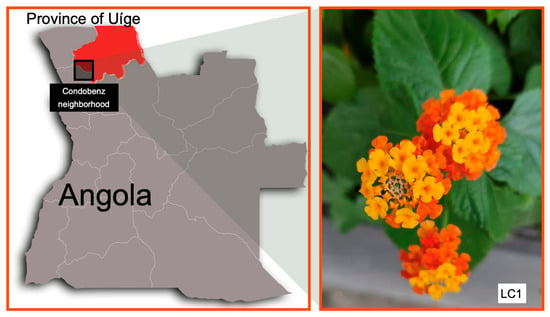
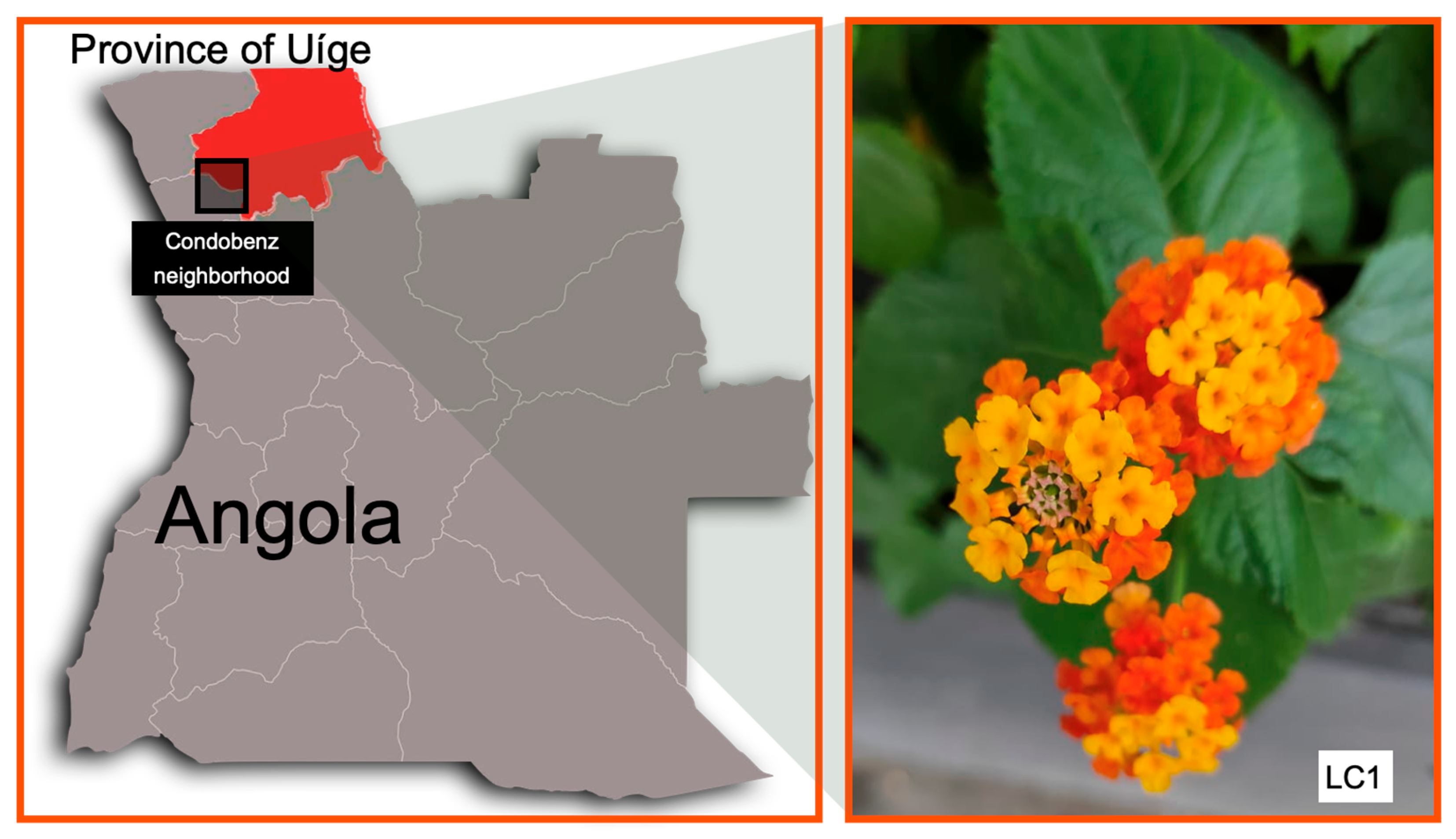
Leaves of L. camara L. were collected in November 2022 from three individual plants located in the Condobenz neighborhood, Uíge Province, northern Angola (7°35′59″ S, 15°00′13″ E) (Figure 1). After collection, the leaves were carefully homogenized to form a composite sample representative of the local population. Taxonomic identification was performed by Professor Mawunu Monizi, Department of Agronomy, Kimpavita University (Uíge, Angola).
Figure 1.
Geographic location of sample collection of L. camara.
2.2. Preparation of Essential Oil
Fresh L. camara leaves were air-dried in a shaded environment protected from direct sunlight for 5 days to preserve the integrity of the active compounds and the natural coloration. After drying, the material was stored in plastic bags until distillation.
The essential oil was obtained by hydrodistillation using a Clevenger-type apparatus, with a solid-to-liquid ratio of 1:8 (g/mL). Distillation was carried out in triplicate, each run lasting three hours. At the end of each distillation, the essential oil was carefully separated from the aqueous phase, dried over anhydrous sodium sulfate, and filtered to remove residual moisture. Then the essential oil from L. camara leaves (Lc-EO) was stored in amber glass vials with airtight seals and kept under refrigeration (4 °C) until analysis.
Since the three distillations were performed using the same plant material and yielded similar results, only one representative oil sample was used for subsequent chemical and biological analyses. The yield was calculated based on the dry weight of the plant material and the volume of oil obtained.
2.3. Gas Chromatography-Mass Spectrometry Analysis
The chemical composition of Lc-EO was analyzed using Gas Chromatography coupled to Mass Spectrometry (GC-MS), a technique that enables efficient separation and precise identification of volatile and semi-volatile compounds.
GC-MS analyses were performed using an Agilent 7890A gas chromatograph equipped with a DB-5 capillary column (30 m × 0.25 mm, film thickness: 0.25 µm, J&W Scientific, Folsom, CA, USA) and coupled to an Agilent 5975C Inert XL MSD mass spectrometer with a triple-axis quadrupole detector. A 1 µL aliquot of each essential oil sample was injected in splitless mode at an injector temperature of 250 °C. The oven temperature program started at 50 °C (held for 2 min), followed by a temperature ramp of 3 °C/min to 190 °C and 10 °C/min to 300 °C, for each sample, to ensure optimal separation of the components. Helium was used as the carrier gas at a constant flow rate of 1 mL/min.
Mass spectra were acquired using electron impact (EI) ionization at 70 eV, with the ion source temperature set at 230 °C. Data acquisition and processing were carried out using ChemStation software C.01.10 (Agilent Technologies). The identification of the compounds was performed based on the Kováts Index (KI), which considers the chromatographic behavior of the substances. This index was used as a tool to characterize and differentiate the compounds present in essential oils, ensuring accurate identification. Compound identification was performed by comparing the obtained mass spectra with reference spectra from the NIST Mass Spectral Library (NIST/EPA/NIH).
2.4. In Silico Prediction of ADME and Toxicity Properties
The absorption, distribution, metabolism, and excretion (ADME) properties of the identified compounds were evaluated using the OSIRIS Property Explorer (https://www.organic-chemistry.org/prog/) (accessed on 12 May 2025) and the SwissADME platform (http://www.swissadme.ch) (accessed on 2 May 2025) [17]. OSIRIS was employed to predict key physicochemical and drug-likeness parameters, including calculated lipophilicity (cLogP), aqueous solubility (cLogS), molecular weight (MW), topological polar surface area (TPSA), drug-likeness, and drug score. Gastrointestinal absorption (GIA) and blood–brain barrier (BBB) permeability were predicted using the BOILED-Egg model available on the SwissADME platform [18].
Assessment of oral bioavailability was conducted according to Lipinski’s Rule of Five (Ro5) [19], which considers a compound drug-like if it fulfills the following criteria: molecular weight < 500 Da, logP ≤ 5, hydrogen-bond donors (HBD) ≤ 5, hydrogen-bond acceptors (HBA) ≤ 10, and no more than one violation of these rules.
Toxicity risk prediction was performed using two independent web-based platforms: PASS (http://www.way2drug.com/passonline) (accessed on 19 May 2025) and ADMETlab 3.0 (https://admetlab3.scbdd.com) (accessed on 13 May 2025) [20]. A compound was considered to have a potential toxicological risk if the predicted outcome was classified as “active” or if the model’s confidence score was ≥0.7 (ADMETlab 3.0). Additional predictive platforms were employed for comparative purposes, and their extended outputs are provided in the Supplementary Materials.
2.5. Evaluation of Antioxidant Activity of Lc-EO
The Lc-EO was dissolved in DMSO and vortex-mixed at 2000 rpm for 2 min to ensure homogeneous dispersion prior to the in vitro assays.
2.5.1. DPPH Radical Scavenging Assay
The percentage inhibition of the DPPH (2,2-diphenyl-1-picrylhydrazyl), ABTS (2,2′-azino-bis(3-ethylbenzothiazoline-6-sulfonic acid)) radical was determined following the methodology proposed by Jianu et al. [21]. In each well of a 96-well microplate, 100 µL of DPPH solution and 100 µL of Lc-EO, previously dissolved in DMSO, were added at concentrations ranging from 15.6 to 500 µg/mL. Quercetin was used as the positive control. A negative control consisting of DMSO at concentrations equivalent to those used in the test samples was included and showed no antioxidant activity under the experimental conditions. The microplate was incubated in the dark at room temperature for 30 min, and the absorbance was measured at 492 nm using an EPOCH™).
All assays were performed in triplicate. The DPPH radical scavenging activity was expressed as the percentage of inhibition, calculated using Formula (1).
where Acontrol is the absorbance of the reaction media without the test sample, and Atest is the absorbance in the presence of the essential oil or Quercetin.
2.5.2. ABTS Radical Cation Scavenging Assay
The free radical scavenging capacity of Lc-EO was evaluated as described by Valarezo et al. [22]. Two stock solutions were prepared: ABTS (2,2′-Azino-bis(3-ethylbenzthiazoline-6-sulfonic Acid)) (7.4 µM) and potassium persulfate (2.6 µM). Equal volumes of both solutions were mixed under constant stirring and incubated in the dark for 12 h to generate the ABTS working solution. Subsequently, 333 µL of the resulting solution was diluted with 20 mL of methanol to adjust the absorbance to 1.1 ± 0.02 at 734 nm, as measured using a UV–Vis spectrophotometer (EPOCH™ microplate reader, model M491, BioTek Instruments, Inc., Winooski, VT, USA).
For the assay, 10 µL of Lc-EO was mixed with 190 µL of the ABTS working solution in a 96-well plate and tested at various concentrations (15.6–500 µg/mL). The mixture was incubated at room temperature for 2 h, after which the absorbance was recorded at 734 nm. Quercetin was used as the positive control, and DMSO at a maximum concentration of 5% served as the negative control. The ABTS radical scavenging activity (%) was calculated using Formula (1).
2.5.3. NBT Superoxide Radical Scavenging Assay
The superoxide anion radical (O2•−) scavenging activity was evaluated using a non-enzymatic system, following the method described by Saha et al. [23]. The assay was conducted in 96-well microplates. A volume of 50 μL of the Lc-EO, prepared to assay various concentrations (15.6 to 500 µg/mL), was mixed with 50 µL of each of the following reagents: phenazine methosulfate (PMS, 120 µM), nicotinamide adenine dinucleotide (NADH, 936 µM), and nitroblue tetrazolium (NBT, 300 µM). The reaction mixtures were incubated at 25 °C for 5 min, after which the absorbance was measured at 560 nm using a microplate reader as previously described.
All experiments were performed in triplicate for each concentration tested. The percentage of superoxide scavenging activity was calculated using the same formula applied for the DPPH radical inhibition assay.
2.5.4. Lipid Peroxidation Inhibition Assay
The effect of Lc-EO (15.6 to 500 µg/mL) on egg yolk lipid peroxidation was assessed using the method described by Ruberto et al. [24], which quantifies malondialdehyde (MDA), a marker of fatty acid peroxidation. This assay was selected as a preliminary screening model for lipid peroxidation inhibition, acknowledging its simplified nature and limited extrapolation to in vivo systems. Briefly, 100 μL of egg yolk homogenate (1:25 v/v in phosphate-buffered saline, PBS, pH 7.4) was mixed with 10 µL of the essential oil, 50 μL of FeSO4 (25 mmol/L), and 300 µL of PBS. The mixture was incubated at 37 °C for 15 min, after which 50 µL of 15% (w/v) trichloroacetic acid (TCA) was added to stop the reaction. The samples were centrifuged at 3500 rpm for 15 min, and the resulting supernatants were collected. The absorbance of the sample (15.6 to 500 µg/mL) was measured at 532 nm to quantify the MDA levels.
The percentage inhibition of lipid peroxidation was calculated using Formula (2).
where Acontrol is the absorbance of an egg yolk emulsion in a blank buffer without the test sample, and Atest is the absorbance of the egg yolk emulsion containing either the Lc-EO or the standard substance (quercetin).
2.6. Anti-Inflammatory Activity by Inhibition of Protein Denaturation
The in vitro anti-inflammatory activity of Lc-EO was evaluated using a method adapted from Gîlcescu Florescu et al. [25], optimized for use in 96-well microplates. In this assay, 5 µL of Lc-EO (at concentrations ranging from 15.6 to 500 µg/mL) was mixed with 245 µL of bovine serum albumin (0.4% BSA) prepared in phosphate-buffered saline (PBS, pH 6.4). The mixtures were incubated at 37 °C for 10 min, followed by heating at 70 °C for 5 min to induce protein denaturation. After cooling, the absorbance was measured at 660 nm using a microplate reader as previously described. Diclofenac was used as a positive control. A negative control was prepared under identical conditions, replacing Lc-EO with a solution of DMSO in proportions equivalent to those used in the test samples.
The percentage inhibition of albumin denaturation, which reflects the anti-inflammatory potential of the Lc-EO, was calculated using Formula (3).
where Acontrol is the absorbance of the negative control, and Atest is the absorbance of the sample containing either Lc-EO or diclofenac.
2.7. Toxicity Test of Lc-EO
2.7.1. Toxicity Test with Artemia salina
The toxicity of Lc-EO was evaluated using the Artemia salina (EG Artemia, SEP-Art®, Great Salt Lake, UT, USA) bioassay, adapted for 96-well microplates as described by Mesquita et al. [26]. In each well, 100 µL of seawater containing 10 to 15 A. salina larvae was combined with 98 µL of artificial seawater (ASW) Instant Ocean (United Pet Group, Blacksburg, VA, USA) (prepared by dissolving 35 g/L in distilled water) and 2 µL of Lc-EO or DMSO (control), to achieve final concentrations ranging from 15.5 to 300 µg/mL. After 24 h of exposure, toxicity was assessed by determining the percentage of dead larvae in each well.
The median lethal dose (LD50) was defined as the concentration required to cause 50% mortality of Artemia salina nauplii. Based on established criteria, samples with LC50 values greater than 1000 µg/mL were considered non-toxic, whereas those with LD50 values between 500 and 1000 µg/mL were classified as weakly toxic, values between 100 and 500 µg/mL as moderately toxic, and values below 100 µg/mL as strongly toxic, according to Meyer et al. (1982) and Nguta et al. (2012) [27,28].
2.7.2. MTT-Based Cytotoxicity Screening in RAW 264.7 Macrophages
RAW 264.7 murine macrophages were obtained from the National Centre for Cell Science (NCCS, Pune, India) and cultured in high-glucose DMEM as described by Taciak et al. [29]. Cytotoxicity was evaluated using the MTT (3-[4,5-dimethylthiazol-2-yl]-2,5 diphenyl tetrazolium bromide) assay, which quantifies mitochondrial dehydrogenase activity via the reduction of MTT to formazan. Cells were seeded in 96-well plates (1.2 × 10⁵ cells/mL) and incubated for 24 h to allow adherence and proliferation, following protocols by Selvaraj et al. [30] and Marques et al. [31]. Subsequently, cells were treated with Lc-EO (12.5–300 µg/mL in DMSO) for 24 h at 37 °C and 5% CO2. In all experiments, the final DMSO concentration was kept below 0.5%, and DMSO at equivalent proportions was used as the negative control. After treatment, MTT solution (0.5 mg/mL) was added and incubated for 12 h. Formazan crystals were solubilized in acidified isopropanol, and absorbance was measured at 570 nm using a microplate reader (EPOCH, BioTek Instruments, Inc., USA). Cytotoxicity was expressed relative to untreated controls.
2.8. In Silico Prediction of Biological Activity
To predict the potential pharmacological effects and molecular targets associated with the compounds identified in the Lc-EO, the PASS (Prediction of Activity Spectra for Substances) online platform was employed (http://www.way2drug.com/passonline) (accessed on 19 May 2025) [32].
For each compound, predicted activities are expressed as probability values: Pa (probability to be active) and Pi (probability to be inactive). In this study, only those predicted activities with Pa ≥ 0.7 were considered significant and retained for further analysis, as this threshold indicates a high likelihood of biological relevance.
2.9. Statistical Analysis
Data are expressed as mean ± standard deviation (SD). Statistical analyses were performed using GraphPad Prism software (version 10.0; GraphPad Software Inc., San Diego, CA, USA). Differences among groups were assessed by one-way analysis of variance (ANOVA), followed by Tukey’s multiple comparisons test. Dose-response curves were fitted by nonlinear regression using a four-parameter logistic model with variable slope. In the anti-inflammatory activity assay, IC50 values were estimated relative to the fitted Emax due to the limited maximal efficacy of Lc-EO (~72%), rather than by direct interpolation. Statistical significance was denoted as * p < 0.05, ** p < 0.01, and *** p < 0.001.
3. Results
3.1. Yields and Phytochemical Characterization of Essential Oil
The essential oil yields from leaf samples of L. camara were comparable, exhibiting minor variations in volume and yield (Table 1).
Table 1.
Extraction yield of essential oil from L. camara leaves.
3.2. Phytochemical Characterization of Essential Oil
GC–MS analysis allowed the identification of 96 compounds in the Lc-EO, excluding non-identified peaks. The composition was dominated by sesquiterpenes (51.5%), followed by monoterpenes (27.3%), with minor proportions of aromatic compounds and other trace constituents.
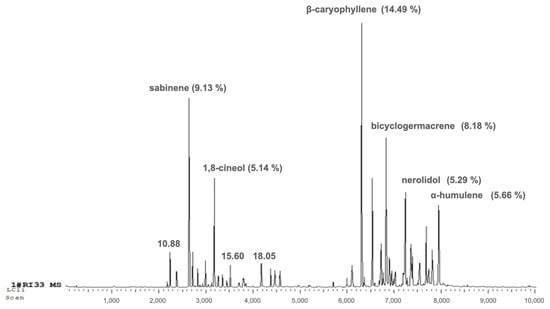
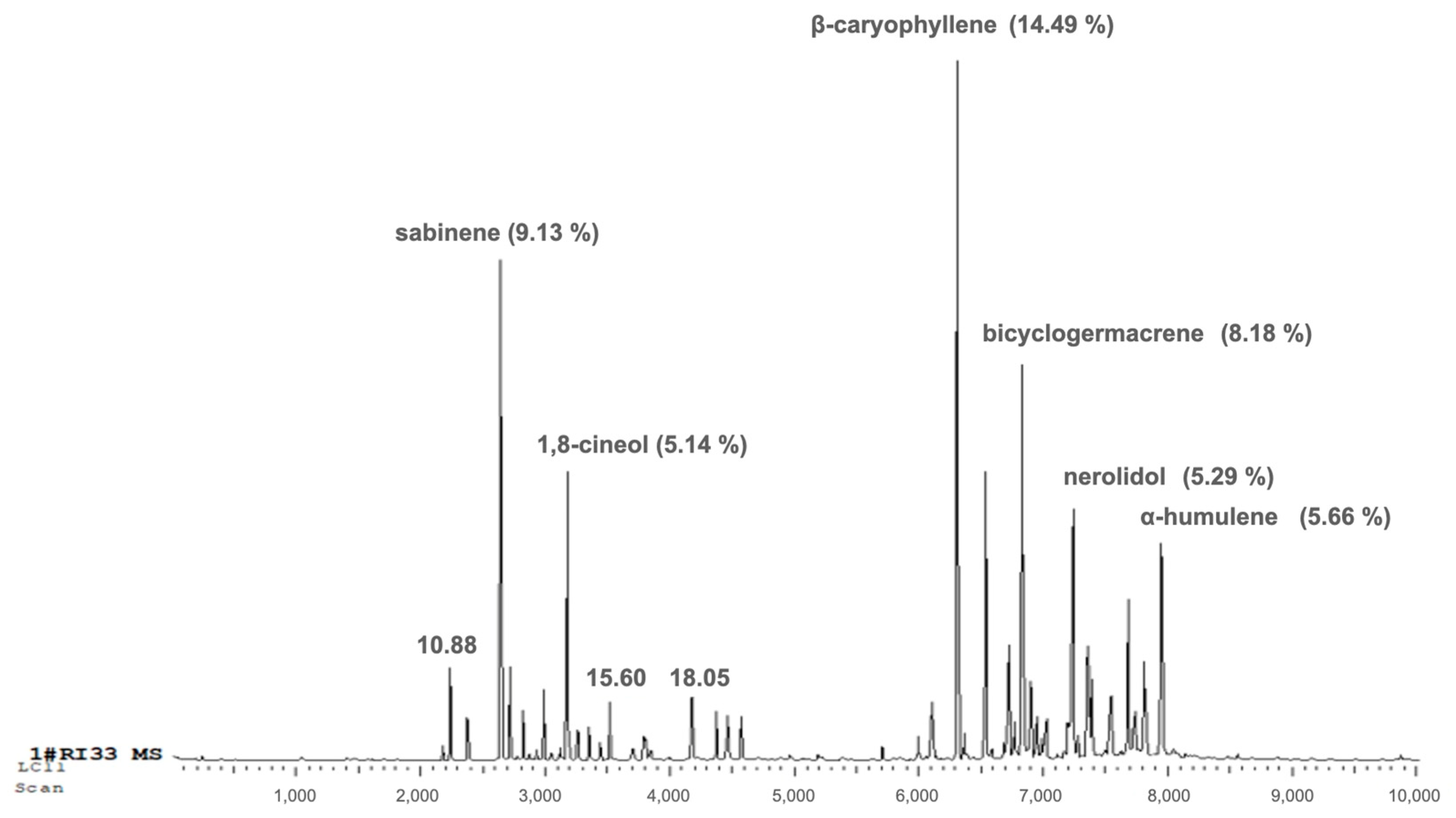
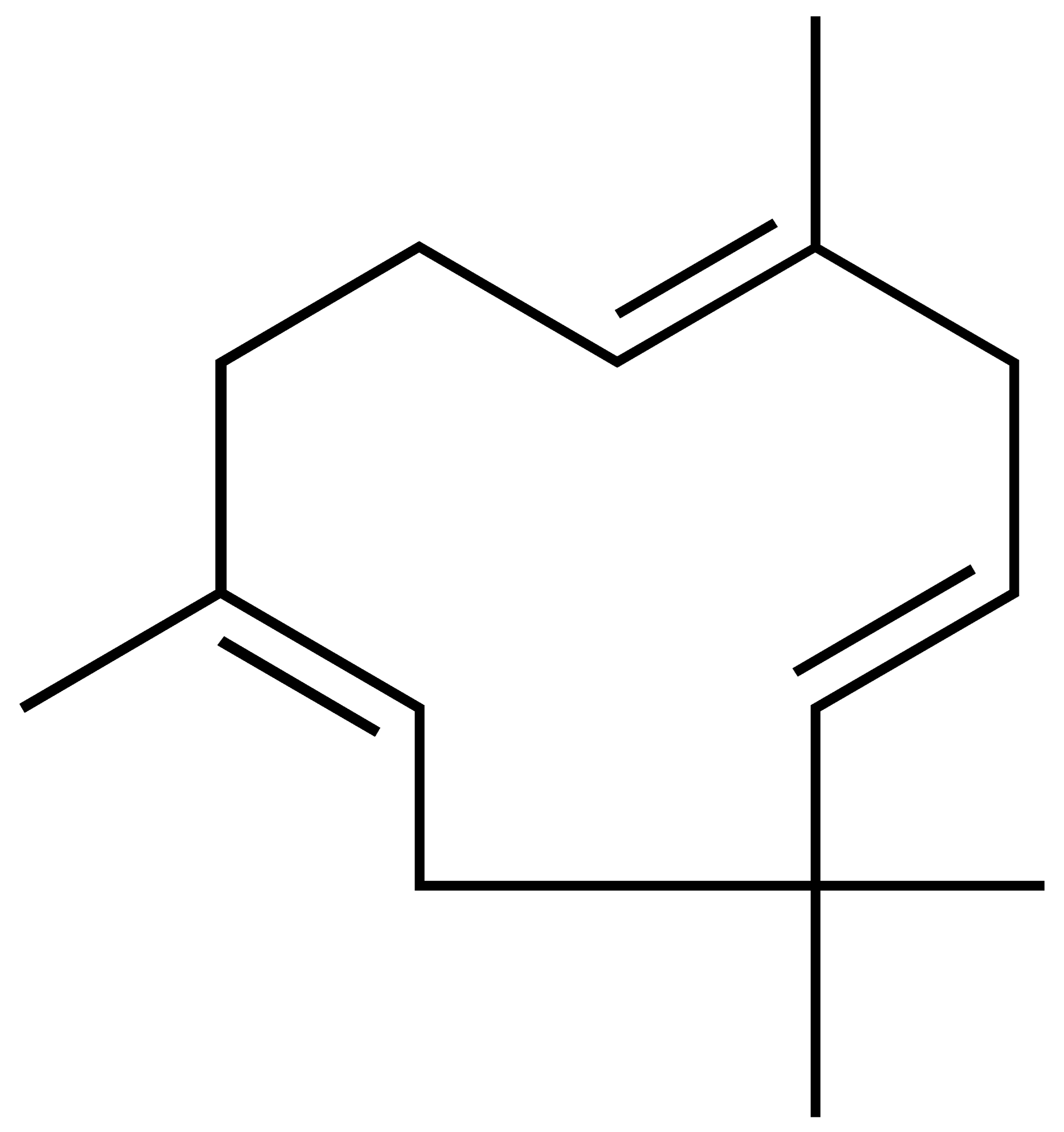
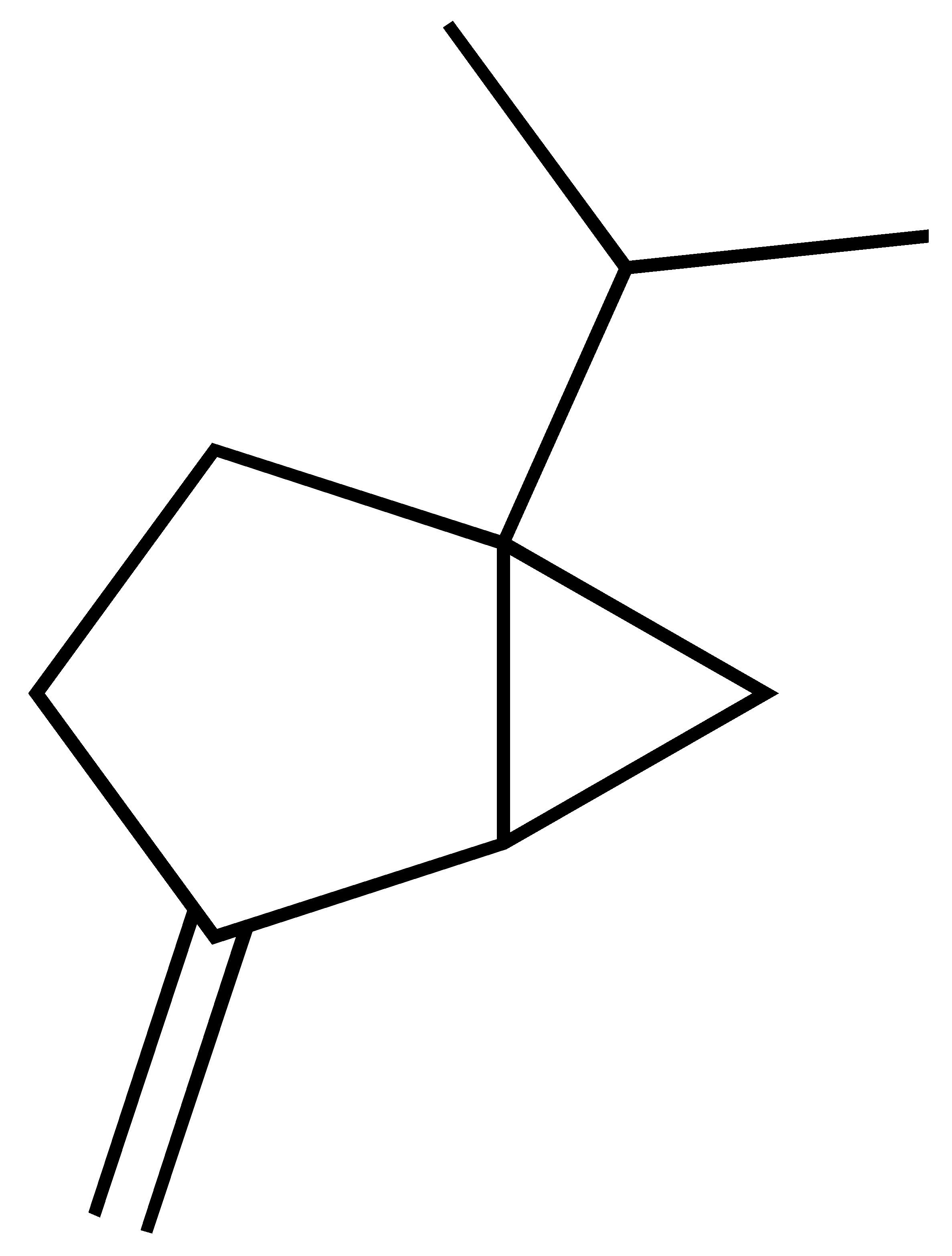
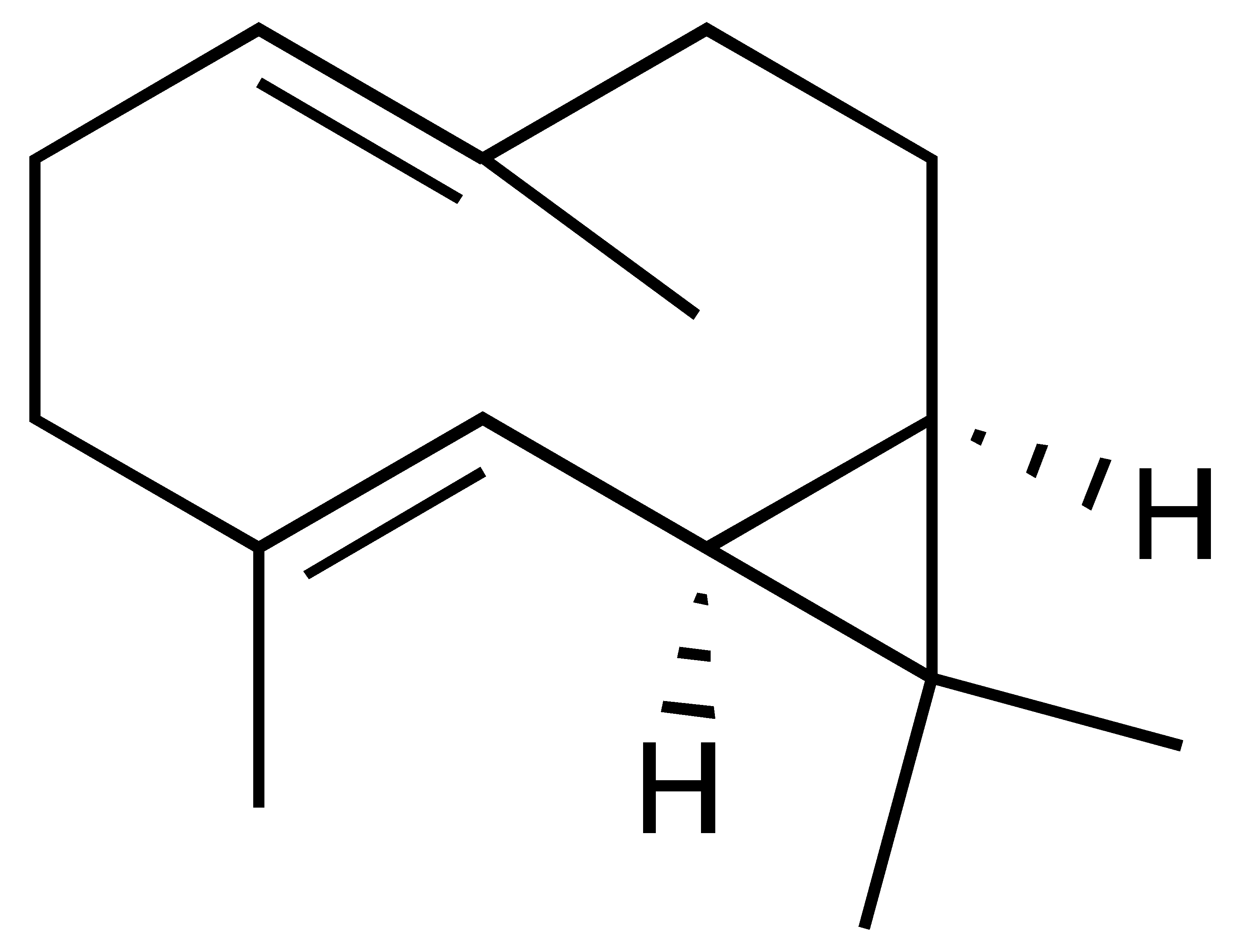
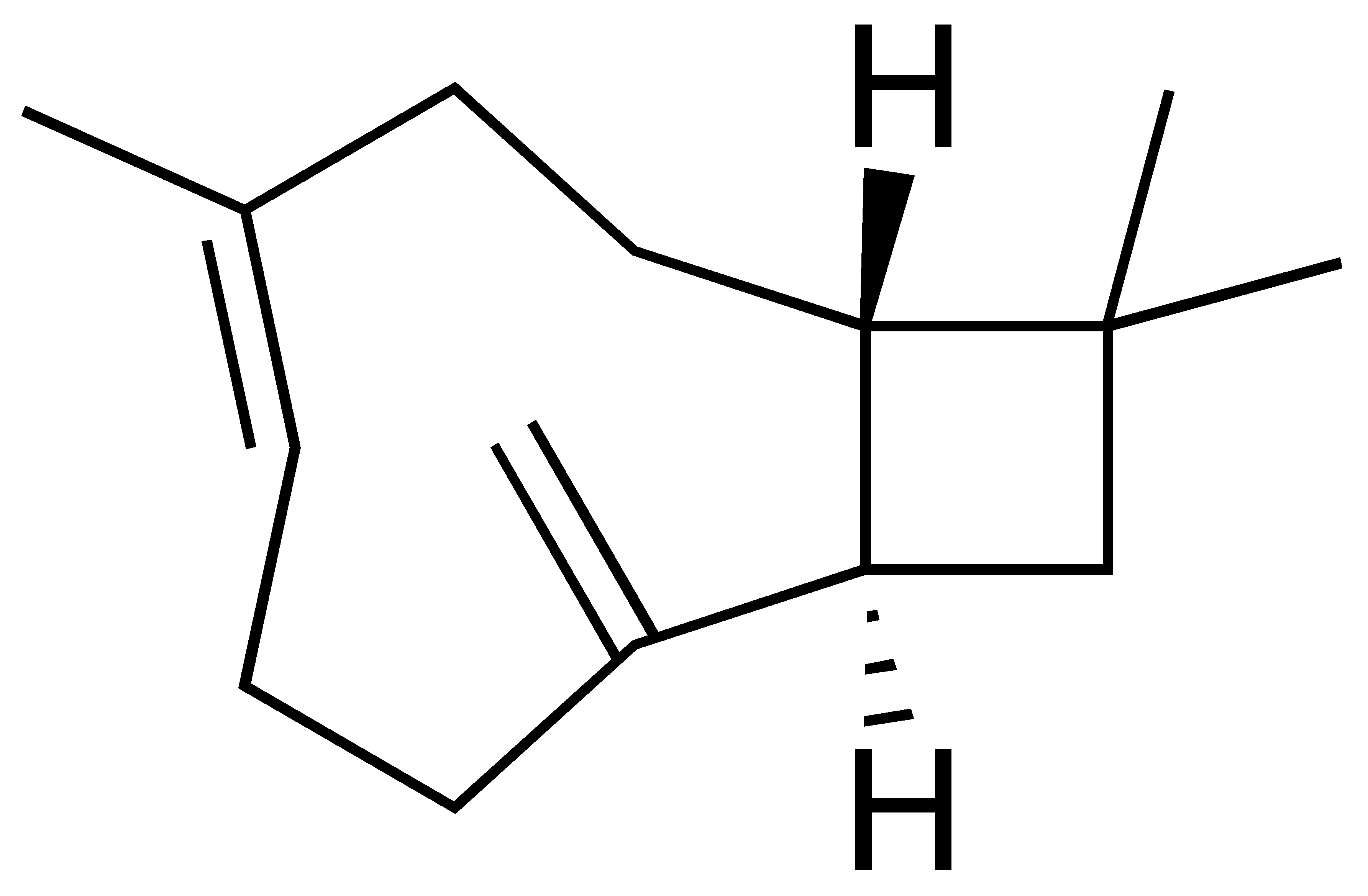
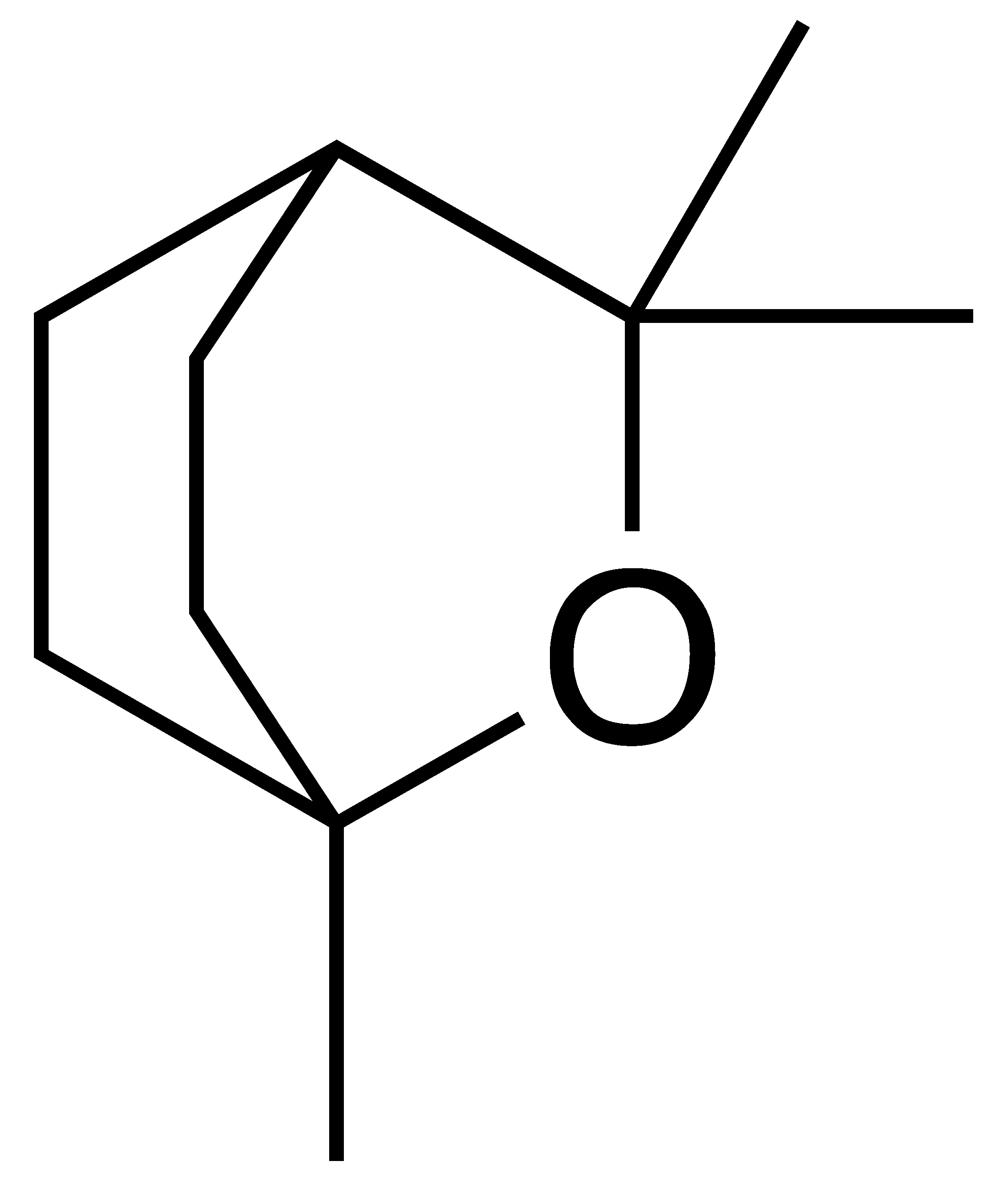
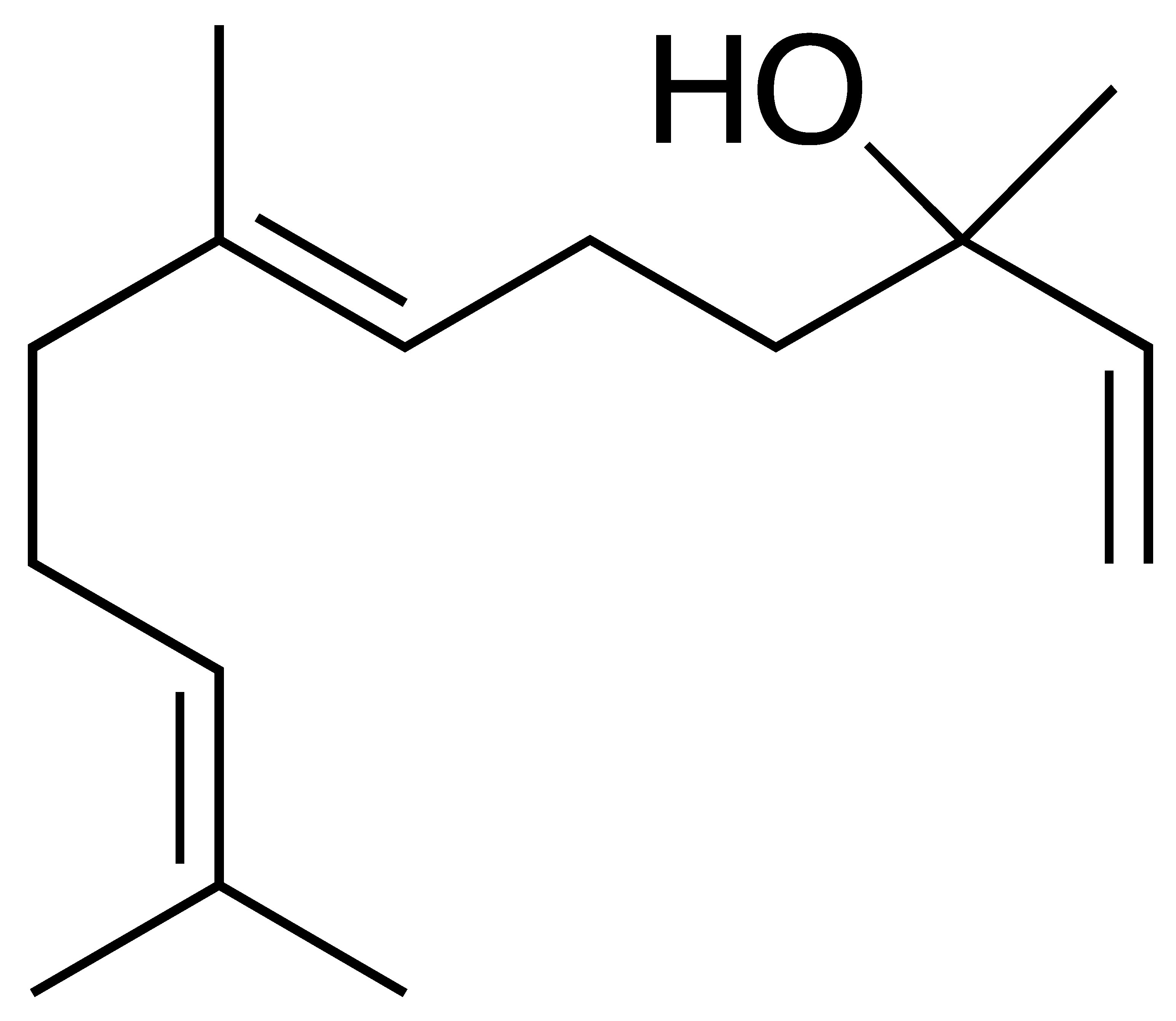
The chromatogram (Figure 2) showed well-defined and high-intensity peaks corresponding to the major constituents. Among them, β-caryophyllene (14.49%), sabinene (9.13%), bicyclogermacrene (8.18%), α-humulene (5.66%), nerolidol (5.29%), and 1,8-cineole (5.14%) were the most abundant compounds, together accounting for 47.89% of the total oil composition.
Figure 2.
Representative GC-MS total ion chromatograms of Lc-EO collected from the Condobenz neighborhood, Angola.
In addition to the major constituents, other characteristic components were identified in the Lc-EO sample, including α-pinene, β-pinene, δ-3-carene, 2-bornanone, 1-octen-3-ol, and Davana ether 1. Table 2 presents the complete list of volatile constituents identified in the analyzed essential oil.
Table 2.
Volatile compounds identified by gas chromatography–mass spectrometry (GC–MS) in the leaf essential oil of L. camara L., showing Kovats index (KI), molecular ions (M+), and relative percentages.
3.3. Prediction of ADME and Toxicity Properties
Computational ADMET analysis indicated that major compounds possess drug-like properties, with only one violation of Lipinski’s Rule of Five (Table 3). The compounds displayed a range of lipophilicity (cLogP 2.11–6.24), with α-humulene being the most lipophilic (6.24) and 1,8-cineole the least (2.11), while all showed low water solubility (cLogS −2.48 to −3.66). 1,8-cineole (eucalyptol) and nerolidol demonstrated high gastrointestinal absorption (GIA), and three compounds (sabinene, 1,8-cineole, and nerolidol) were predicted to cross blood–brain barrier (BBB). All compounds were predicted not to be substrates of P-glycoprotein (P-gp), suggesting a lower likelihood of active efflux, which may enhance their intracellular bioavailability.
Table 3.
Calculated ADME properties and in silico toxicity risk predictions for the major compounds identified in Lc-EO.
On the other hand, the major compounds of Lc-EO showed no predicted structural alerts for pan-assay interference (PAINS) and yielded synthetic accessibility scores ranging from 2.87 to 4.51. However, sabinene exhibited the highest predicted drug score (0.45).
Toxicological prediction identified six compounds with potential irritant effects, with skin sensitization, carcinogenicity, respiratory effect, and hepatotoxicity being the most frequently predicted toxicological endpoints.
Despite the utility of tools for ADMET profiling, these results must be interpreted as theoretical predictions requiring experimental validation. The predictive values are inherently constrained by the underlying algorithms and the varying quality of training data, which may suffer from class imbalance or subjective annotations.
3.4. Antioxidant Activity of Lc-EO
The antioxidant capacity of Lc-EO was evaluated using DPPH, ABTS, O2•−, and lipid peroxidation inhibition assays. The results are expressed as half-maximal inhibitory concentrations (IC50, µg/mL) and compared with the reference antioxidant quercetin (Table 4).
Table 4.
Half-maximal inhibitory concentration (IC50) obtained with Lc-EO tested against the DPPH, ABTS• and O2•− radicals, and lipid peroxidation.
The Lc-EO exhibited a strong radical-scavenging effect against DPPH with an IC50 value of 0.72 ± 0.2 µg/mL, markedly lower than that of quercetin (17.32 ± 3.2 µg/mL). This finding highlights a high efficiency of the oil in neutralizing DPPH radicals. Similarly, in the ABTS assay, the essential oil showed an IC50 of 87.5 ± 4.6 µg/mL, which, although higher than that of quercetin (15.8 µg/mL), still demonstrates relevant antioxidant potential.
In contrast, Lc-EO displayed limited scavenging activity against O2•−, with a high IC50 of 1491 µg/mL, indicating weak activity compared to quercetin (13.92 ± 9.1 µg/mL).
The lipid peroxidation assay further corroborated the antioxidant potential of Lc-EO, in agreement with the results obtained in the DPPH and ABTS radical scavenging assays. The Lc-EO sample achieved a maximum inhibition of 72.2 ± 1.4%, which, although lower than that observed for the reference compound quercetin (92.4 ± 0.1%), confirms its relevant antioxidant activity.
3.5. Anti-Inflammatory Activity of L. camara Essential Oil
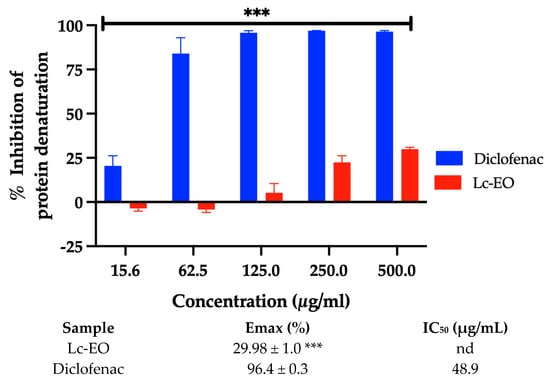
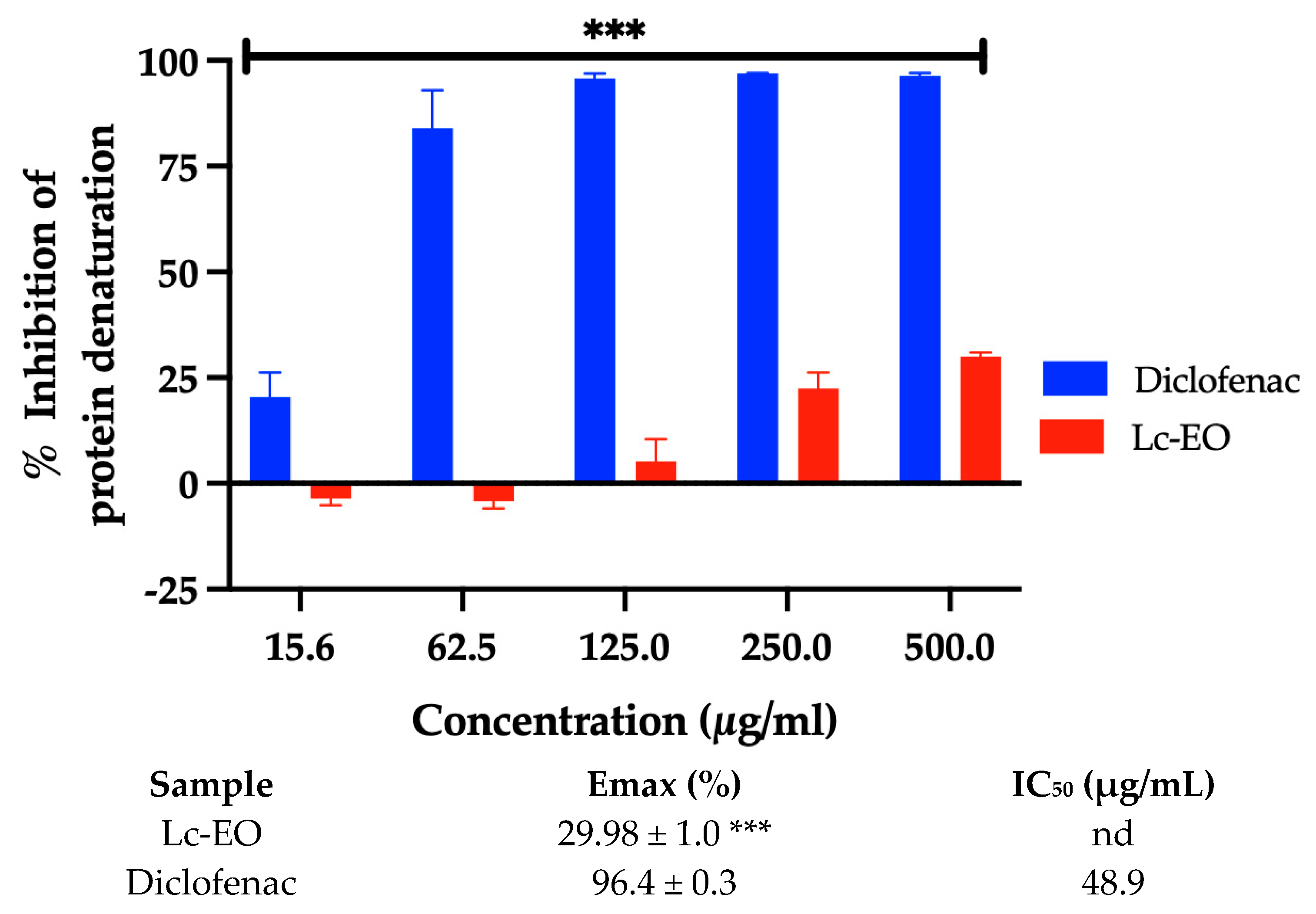
The anti-inflammatory activity of Lc-EO was evaluated based on its ability to inhibit protein denaturation (in vitro model). As shown in Figure 3, Lc-EO exhibited a moderate inhibitory effect compared to the reference drug diclofenac sodium (p < 0.05). While diclofenac achieved nearly complete inhibition (~100%) of protein denaturation, Lc-EO showed a dose-dependent effect, reaching a maximum inhibition of approximately 28% at the highest tested concentration. The IC50 value for Lc-EO could not be determined, as the maximum inhibition did not reach 50%, preventing reliable curve fitting. This was reported as “not determined” (nd), indicating limited anti-inflammatory activity within the tested concentration range.
Figure 3.
Percent inhibition (Emax) and half-maximal inhibitory concentration (IC50) of Lc-EO against protein denaturation assay. Emax data are presented as mean SD for n = 3. *** p < 0.001 vs. Diclofenac and. nd = not determined.
3.6. Toxicity Assays
3.6.1. Preliminary Toxicity Assessment Using the Artemia Salina
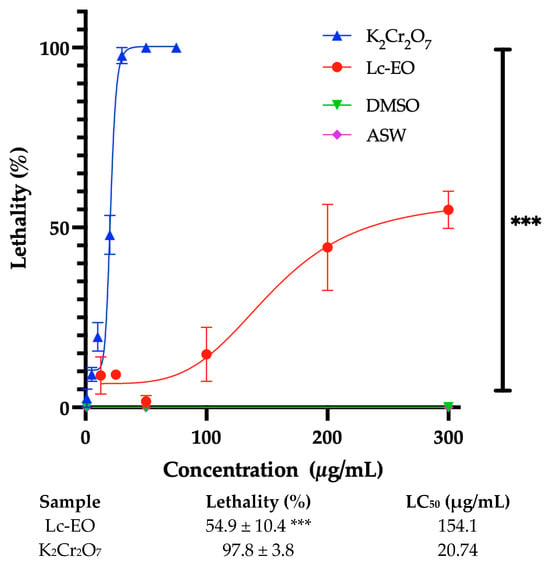
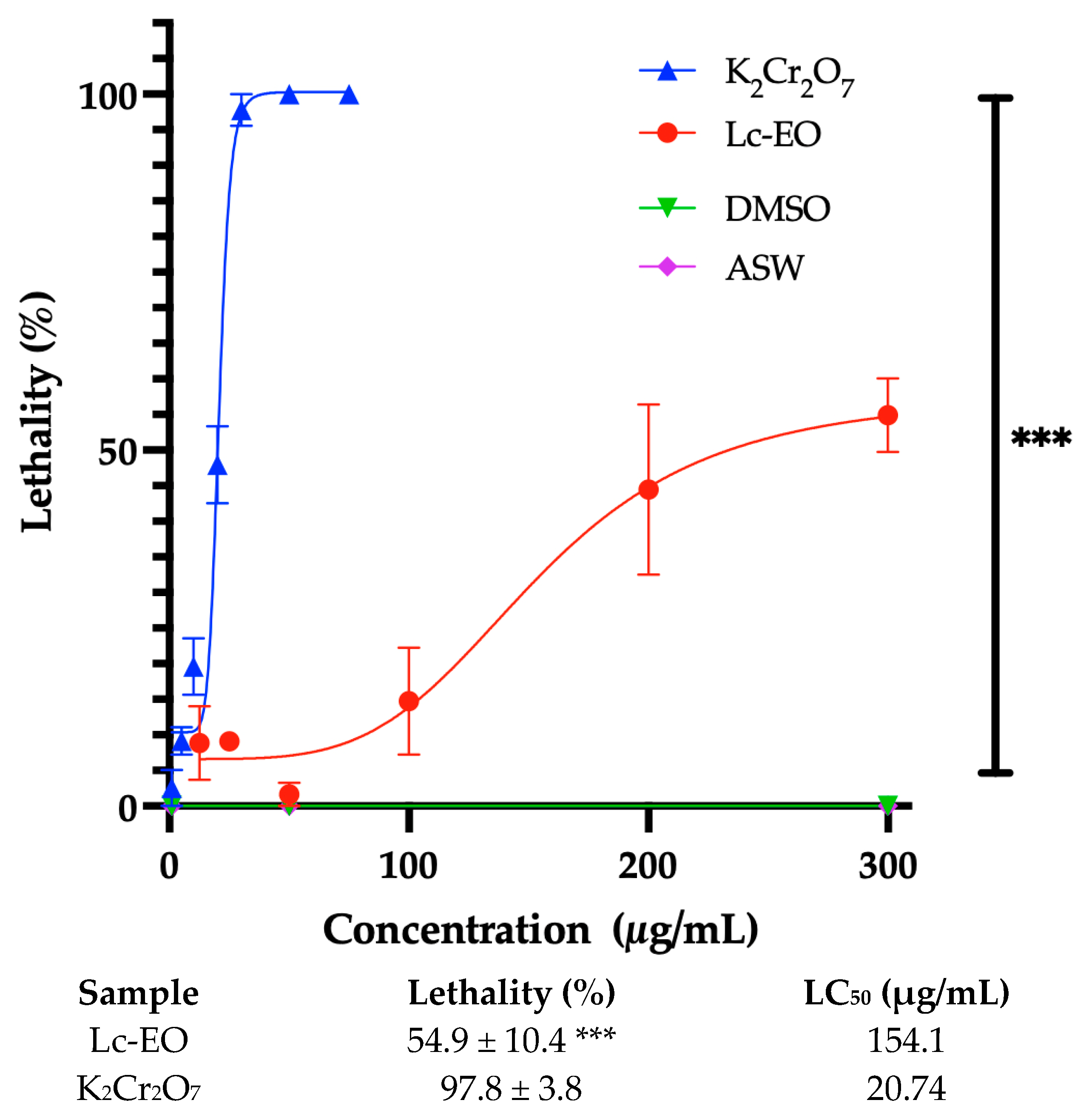
No mortality was observed in the control group, indicating that 1% DMSO does not significantly affect nauplius viability (Figure 4). Lc-EO exhibited a concentration-dependent mortality, ranging from 10% to 60% across the tested concentrations. The Lc-EO induced a maximum mortality rate of 54.9 ± 10.4%, whereas the positive control (potassium dichromate) caused 97.8 ± 3.8% mortality. The calculated LC50 values were 154.1 µg/mL for the essential oil and 20.74 µg/mL for the standard.
Figure 4.
Maximum mortality data and lethal concentration 50 (LC50) obtained from the evaluation of Lc-EO in the toxicity model in Artemia salina. Lethality percentages are presented as the mean ± SD for n = 3. *** p < 0.001 vs. K2Cr2O7. ASW: artificial seawater.
3.6.2. Cytotoxicity Screening in RAW 264.7
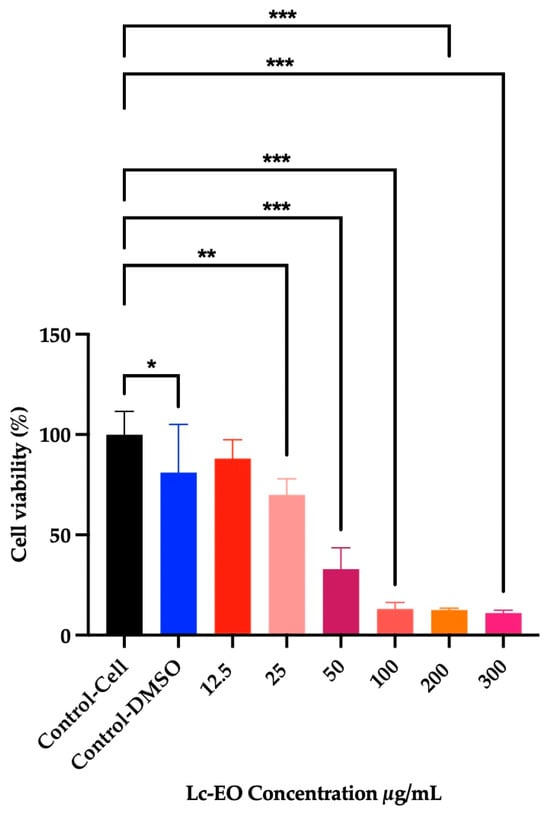
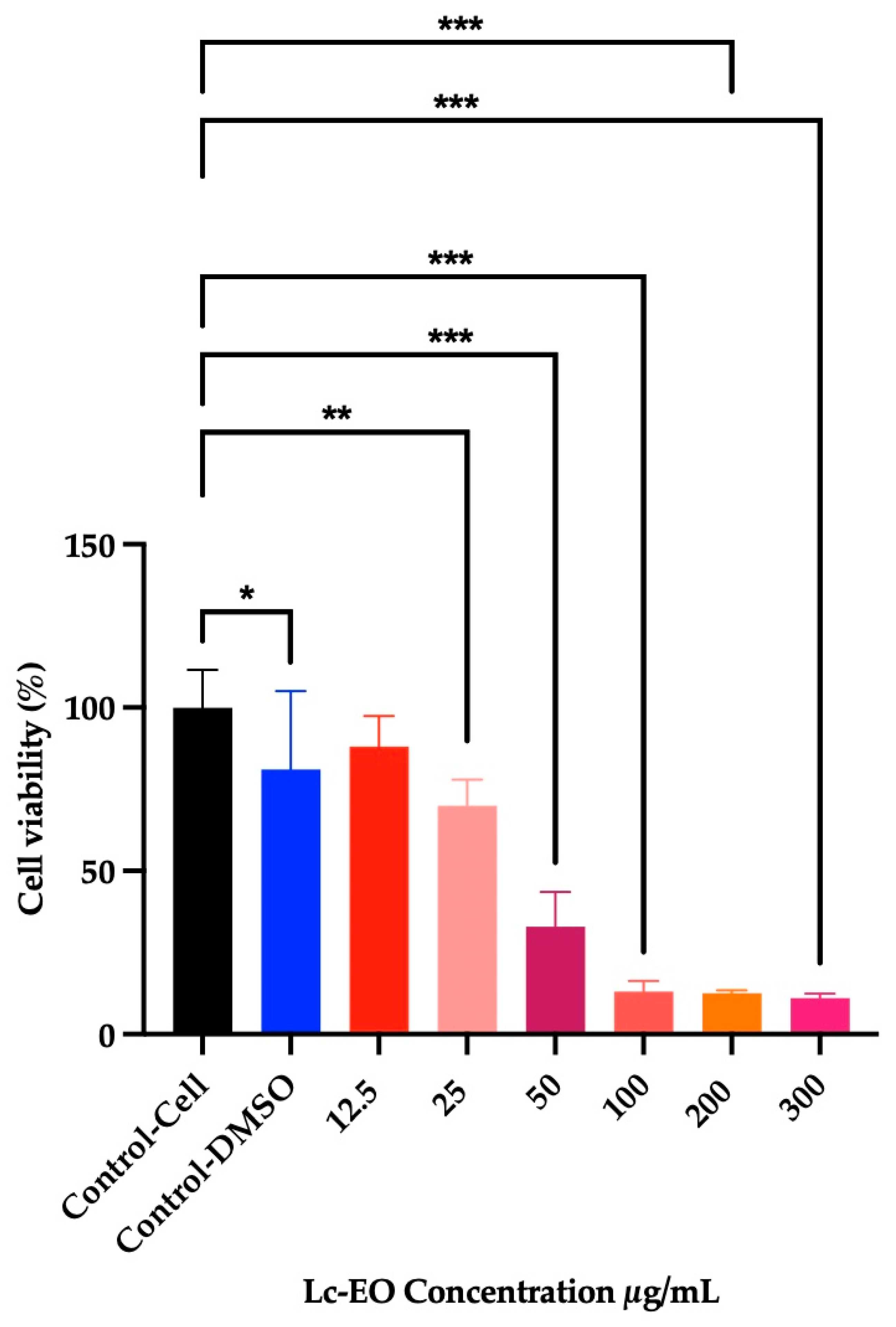
The relative metabolic activity of RAW 264.7 macrophages decreased in a concentration-dependent manner following exposure to increasing concentrations of Lc-EO at 12.5, 25, 50, 100, 200, and 300 µg/mL (Figure 5). After 24 h of treatment, the IC50 value was determined to be 31.58 µg/mL, indicating a significant cytotoxic effect of Lc-EO. At the highest concentration tested (100 to 300 µg/mL), cell viability was reduced by up to 88% compared to untreated control cells.
Figure 5.
Cell viability as measured by MTT assay by treating cells with different concentrations of Lc-EO (12.5–300 μg/mL). Viability percentages are presented as the mean ± SD for n = 6. * p < 0.05, ** p < 0.01, and *** p < 0.001 vs. Control-cell.
3.7. Prediction of Biological Activity
Using the PASS online tool, we screened the six primary Lc-EO compounds for potential biological activities. Table 5 details the predicted activities for each compound. Our data indicate some interesting pharmacological activities, considering probably activity ≥ 0.7 as highly probable for experimental validation. The most highlighted evidence is targeted for anti-cancer, anti-inflammatory, and dermatologic applications. Some multiple-effect compounds, such as sabinene and β-caryophyllene, show broad activity (bone, skin, and cancer), and 1,8-cineole and nerolidol may benefit the liver, mental health, and some metabolic disorders.
Table 5.
Pharmacological activities of Lc-EO majoritarian compounds: a computational assessment.
4. Discussion
This study presents a comprehensive phytochemical, pharmacological, and toxicological evaluation of essential oil obtained from L. camara leaves collected in Uíge, Angola. The objective of determining the chemical composition of L. camara essential oil from Uíge Province, Angola, was motivated by previous reports indicating that chemical composition and relative abundance can vary according to geographical origin, climatic conditions, and soil characteristics [35]. Thus, the data from our study, consistent with previous reports, identify L. camara as a significant source of monoterpenes and sesquiterpenes, with β-caryophyllene, sabinene, and α-humulene as the main and most abundant compounds [5,6,36].
Several studies have shown that the chemical composition of L. camara exhibits high geographic variability, giving rise to different chemotypes. Satyal et al. (2016) [35] reported marked differences among samples from Yemen, Cuba, and Nepal, with significant changes in the proportions of monoterpenes and sesquiterpenes. Similarly, research conducted in Brazil identified distinct chemical profiles among populations of the species, highlighting relevant variations in the predominance of γ-curcumenes, zingiberene, and germacrenes [7,12]. In contrast, the essential oil from Uíge presents a sesquiterpene-rich chemotype characterized by high concentrations of β-caryophyllene and bicyclogermacrene, in addition to sabinene levels higher than those generally reported in the literature. This differentiation confirms the strong influence of environmental, edaphoclimatic, and genetic factors on the species’ ability to alter its chemical composition according to the surrounding conditions [6,26], indicating that the Uíge chemotype constitutes a unique phytochemical signature and reinforcing the importance of characterizing L. camara populations from different geographic regions.
The PASS online platform predicted various pharmacological activities for the major compounds identified in the Lc-EO sample. The most prominent predicted effects included antineoplastic, anti-inflammatory, and dermatological applications. Additional potential benefits included lipid metabolism regulation, antiulcer activity, and hepatoprotective effects. These computational predictions are consistent with findings from biological studies. For instance, anti-inflammatory activity has been previously described for α-humulene [10,37], sabinene [38], β-caryophyllene [39], 1,8-cineole [40], and nerolidol [41]. Nevertheless, these predicted activities should be regarded as exploratory indicators of potential biological relevance rather than confirmed therapeutic effects.
These compounds have also been reported to exhibit antioxidant properties [42,43,44], which are relevant to their proposed antitumor and anti-inflammatory activities. The findings regarding the individual pharmacological potential of L. camara constituents are further supported by this study, in which the Lc-EO demonstrated significant antioxidant activity. This activity was demonstrated by its strong capacity to scavenge the DPPH radical. Comparable results have been reported by other authors, who confirmed the antioxidant potential of L. camara leaf essential oil against DPPH [45,46,47]. The antioxidant capacity exhibited by Lc-EO is likely attributable to its principal constituents, and a similar synergistic antiradical effect has been documented in essential oils from other geographical origins [6,36]. Furthermore, individual contributions from major compounds such as β-caryophyllene are well-supported in the literature, as this sesquiterpene has demonstrated the ability to inhibit lipid peroxidation in both in vitro and in vivo models [48,49,50].
Regarding experimental anti-inflammatory activity, the essential oil exhibited a moderate effect, inhibiting 28% of protein denaturation, which was lower than the inhibition observed for diclofenac (Emax ≈ 100%). The protein denaturation assay has been previously employed by Khairan et al. (2024) to evaluate the anti-inflammatory potential of an ethanolic extract of L. camara, where the authors reported a concentration-dependent increase in inhibition of protein denaturation [2]. The anti-inflammatory properties described for the terpenoids present in L. camara are part of the findings that reinforce the results obtained in our study [51]. Collectively, these results demonstrate the potential anti-inflammatory effect of L. camara, whose magnitude appears to depend on the extraction method employed.
In terms of toxicity, previous studies have demonstrated that L. camara essential oil exhibits notable acaricidal activity, primarily attributed to major constituents such as γ-curcumene and nerolidol, both of which were also identified as abundant components in Lc-EO [52]. Beyond nerolidol, other predominant constituents, including bicyclogermacrene and α-humulene, have been reported to exert cytotoxic effects [43,53].
In our study, Lc-EO displayed moderate toxicity in the Artemia salina assay (IC50 = 154.1 μg/mL), according to the classification proposed by Rajabi et al. (2015) [54] and marked cytotoxicity in the MTT assay (IC50 = 31.58 μg/mL), suggesting a relationship with the antiparasitic action described for L. camara essential oil [6].
The pronounced cytotoxic response observed in the MTT assay, together with the presence of bioactive sesquiterpenes, provides strong support for the toxicological profile of Lc-EO and is consistent with the antitumoral and acaricidal activities previously reported for this species [11,52]. Thus, while the oil displays promising pharmacological potential, its therapeutic margin should be carefully evaluated. In this context, the detected cytotoxicity suggests that its practical applications may be limited, particularly for oral formulations, and reinforces the need for dose optimization and route-of-administration considerations.
Finally, it is important to emphasize that the use of L. camara by communities in Uíge is largely empirical and rooted in tradition, without formal scientific support. Although the plant is widely used for medicinal purposes, the findings of this study show that the local chemotype contains compounds with toxic potential, indicating that indiscriminate use may pose health risks. In this context, the data presented here provide an essential scientific basis to guide safer practices and support educational initiatives aimed at the population, contributing to a more informed and responsible use of the species.
5. Conclusions
This study highlights the importance of integrated phytochemical and biological characterization of L. camara in the context of its ethnobotanical use in Angola. The identification of bioactive terpenoid constituents, together with the observed antioxidant activity, moderate anti-inflammatory effects, and model-dependent cytotoxicity, provides partial pharmacological support for its traditional medicinal applications. Importantly, the detection of cytotoxic effects also emphasizes the need for careful safety assessment, dose consideration, and route-of-administration evaluation, as these factors may limit certain applications, particularly oral use. Collectively, these findings contribute mechanistic and experimental evidence that helps to contextualize the ethnomedicinal use of L. camara and supports a more rational, evidence-based, and informed utilization of this species.
Supplementary Materials
The following supporting information can be downloaded at: https://www.mdpi.com/article/10.3390/antiox15030291/s1, Table S1: In silico prediction toxicity properties.
Author Contributions
Conceptualization, N.K., J.M.R., L.S. and E.G.D.L.; formal analysis (Chemestry study), N.K., J.M.R., M.M., N.S., L.S. and N.S.; Writing—original draft preparation, N.K., J.A.M.-P. and E.G.D.L.; project administration, E.G.D.L. and J.M.R.; methodology, E.G.D.L., J.M.R., L.S. and J.A.M.-P.; investigation, N.K., A.M., H.A.S.-M., M.D. and M.M.; writing—review and editing, N.K., L.S., J.M.R. and E.G.D.L., funding acquisition, J.M.R., L.S. and E.G.D.L.; software, H.A.S.-M.; resources, M.M., J.M.R., J.A.M.-P. and E.G.D.L.; visualization, A.M., L.S., N.K., M.D. and N.S.; validation, J.M.R., L.S. and E.G.D.L.; data curation, N.K., J.A.M.-P. and E.G.D.L., supervision, J.A.M.-P., M.M., L.S. and E.G.D.L. All authors have read and agreed to the published version of the manuscript.
Funding
This research was funded by Secretaría Nacional de Ciencia Tecnología e Innovación, grant numbers FID2024-072 and SNI-EGDL. The authors are grateful for the Research Unit of Fiber Materials and Environmental Technologies (FibEnTech-UBI) through the Project reference UIDB/00195/2020, funded by the Fundação para a Ciência e a Tecnologia, IP/MCTES through national funds (PIDDAC) and DOI: 10.54499/UIDB/00195/2020 (https://doi.org/10.54499/UIDB/00195/2020).
Institutional Review Board Statement
Not applicable.
Informed Consent Statement
Not applicable.
Data Availability Statement
The data supporting the reported results are available at https://data.mendeley.com/drafts/7xvd9pmwc9 (accessed on 27 May 2025).
Acknowledgments
To the Research and Postgraduate Department of the Faculty of Medicine, University of Panama, for the administrative support provided in the management of funds and development of research. During the preparation of this manuscript, the authors used the NAPROC-13 database to confirm the structures and biological relevance of the main constituents of Lc-EO. The NMR spectrometers are part of the National NMR Facility supported by FCT-Portugal (ROTEIRO/0031/2013-PINFRA/22161/2016, financed by FEDER through COMPETE 2020, POCI, and PORL and FCT through PIDDAC).
Conflicts of Interest
The authors declare no conflicts of interest.
References
- Bhagwat, S.A.; Breman, E.; Thekaekara, T.; Thornton, T.F.; Willis, K.J. A Battle Lost? Report on Two Centuries of Invasion and Management of Lantana Camara L. in Australia, India and South Africa. PLoS ONE 2012, 7, e32407. [Google Scholar] [CrossRef] [Scilit]
- Khairan, K.; Maulydia, N.B.; Faddillah, V.; Tallei, T.E.; Fauzi, F.M.; Idroes, R. Uncovering Anti-Inflammatory Potential of Lantana Camara Linn: Network Pharmacology and in Vitro Studies. Narra J. 2024, 4, e894. [Google Scholar] [CrossRef] [Scilit]
- Seyoum, A.; Pålsson, K.; Kung’a, S.; Kabiru, E.W.; Lwande, W.; Killeen, G.F.; Hassanali, A.; Knols, B.G.J. Traditional Use of Mosquito-Repellent Plants in Western Kenya and Their Evaluation in Semi-Field Experimental Huts against Anopheles Gambiae: Ethnobotanical Studies and Application by Thermal Expulsion and Direct Burning. Trans. R. Soc. Trop. Med. Hyg. 2002, 96, 225–231. [Google Scholar] [CrossRef] [Scilit]
- Braga, F.G.; Bouzada, M.L.M.; Fabri, R.L.; de O. Matos, M.; Moreira, F.O.; Scio, E.; Coimbra, E.S. Antileishmanial and Antifungal Activity of Plants Used in Traditional Medicine in Brazil. J. Ethnopharmacol. 2007, 111, 396–402. [Google Scholar] [CrossRef] [Scilit]
- Aisha, K.; Visakh, N.U.; Pathrose, B.; Mori, N.; Baeshen, R.S.; Shawer, R. Extraction, Chemical Composition and Insecticidal Activities of Lantana Camara Linn. Leaf Essential Oils against Tribolium castaneum, Lasioderma serricorne and Callosobruchus chinensis. Molecules 2024, 29, 344. [Google Scholar] [CrossRef] [Scilit]
- Barros, L.M.; Duarte, A.E.; Morais-Braga, M.F.B.; Waczuk, E.P.; Vega, C.; Leite, N.F.; De Menezes, I.R.A.; Coutinho, H.D.M.; Rocha, J.B.T.; Kamdem, J.P. Chemical Characterization and Trypanocidal, Leishmanicidal and Cytotoxicity Potential of Lantana camara L. (Verbenaceae) Essential Oil. Molecules 2016, 21, 209. [Google Scholar] [CrossRef] [Scilit]
- Kurade, N.P.; Jaitak, V.; Kaul, V.K.; Sharma, O.P. Chemical Composition and Antibacterial Activity of Essential Oils of Lantana camara, Ageratum houstonianum and Eupatorium adenophorum. Pharm. Biol. 2010, 48, 539–544. [Google Scholar] [CrossRef] [Scilit] [PubMed]
- Passos, J.L.; Almeida Barbosa, L.C.; Demuner, A.J.; Alvarenga, E.S.; Da Silva, C.M.; Barreto, R.W. Chemical Characterization of Volatile Compounds of Lantana camara L. and L. radula Sw. and Their Antifungal Activity. Molecules 2012, 17, 11447–11455. [Google Scholar] [CrossRef] [Scilit] [PubMed]
- Luz, T.R.S.A.; Leite, J.A.C.; de Mesquita, L.S.S.; Bezerra, S.A.; Gomes Ribeiro, E.C.; Silveira, D.P.B.; Mesquita, J.W.C.d.; do Amaral, F.M.M.; Coutinho, D.F. Seasonal Variation in the Chemical Composition and Larvicidal Activity against Aedes aegypti L. of Essential Oils from Brazilian Amazon. Exp. Parasitol. 2022, 243, 108405. [Google Scholar] [CrossRef] [Scilit] [PubMed]
- Rogerio, A.P.; Andrade, E.L.; Leite, D.F.P.; Figueiredo, C.P.; Calixto, J.B. Preventive and Therapeutic Anti-Inflammatory Properties of the Sesquiterpene α-Humulene in Experimental Airways Allergic Inflammation. Br. J. Pharmacol. 2009, 158, 1074–1087. [Google Scholar] [CrossRef] [Scilit]
- Hoang, T.C.; Nguyen, M.T.; Nguyen, T.Q.; Ho, B.T.Q.; Nguyen, H.T.; Ngo, T.P.D.; Tran, H.N.K.; Bui, T.K.L. In Vitro Anti-Leukemia, Antioxidant, and Anti-Inflammatory Properties of Lantana camara. Braz. J. Biol. 2024, 84, e279899. [Google Scholar] [CrossRef] [Scilit] [PubMed]
- Fidyt, K.; Fiedorowicz, A.; Strządała, L.; Szumny, A. β-Caryophyllene and β-Caryophyllene Oxide-Natural Compounds of Anticancer and Analgesic Properties. Cancer Med. 2016, 5, 3007–3017. [Google Scholar] [CrossRef] [Scilit]
- Dahham, S.S.; Tabana, Y.; Asif, M.; Ahmed, M.; Babu, D.; Hassan, L.E.; Ahamed, M.B.K.; Sandai, D.; Barakat, K.; Siraki, A.; et al. β-Caryophyllene Induces Apoptosis and Inhibits Angiogenesis in Colorectal Cancer Models. Int. J. Mol. Sci. 2021, 22, 10550. [Google Scholar] [CrossRef] [Scilit]
- Sharma, O.P.; Vaid, J.; Sharma, P.D. Comparison of Lantadenes Content and Toxicity of Different Taxa of the Lantana Plant. J. Chem. Ecol. 1991, 17, 2283–2291. [Google Scholar] [CrossRef] [Scilit]
- Mahdi-Pour, B.; Jothy, S.L.; Latha, L.Y.; Chen, Y.; Sasidharan, S. Antioxidant Activity of Methanol Extracts of Different Parts of Lantana camara. Asian Pac. J. Trop. Biomed. 2012, 2, 960. [Google Scholar] [CrossRef] [Scilit]
- Swamy, M.K.; Sinniah, U.R.; Akhtar, M.S. In Vitro Pharmacological Activities and GC-MS Analysis of Different Solvent Extracts of Lantana camara Leaves Collected from Tropical Region of Malaysia. Evid.-Based Complement. Altern. Med. 2015, 2015, 506413. [Google Scholar] [CrossRef] [Scilit]
- Daina, A.; Michielin, O.; Zoete, V. SwissADME: A Free Web Tool to Evaluate Pharmacokinetics, Drug-Likeness and Medicinal Chemistry Friendliness of Small Molecules. Sci. Rep. 2017, 7, 42717. [Google Scholar] [CrossRef] [Scilit]
- Daina, A.; Zoete, V. A BOILED-Egg To Predict Gastrointestinal Absorption and Brain Penetration of Small Molecules. ChemMedChem 2016, 11, 1117–1121. [Google Scholar] [CrossRef] [Scilit] [PubMed]
- Lipinski, C.A.; Lombardo, F.; Dominy, B.W.; Feeney, P.J. Experimental and Computational Approaches to Estimate Solubility and Permeability in Drug Discovery and Development Settings. Adv. Drug Deliv. Rev. 2001, 46, 3–26. [Google Scholar] [CrossRef] [Scilit] [PubMed]
- Fu, L.; Shi, S.; Yi, J.; Wang, N.; He, Y.; Wu, Z.; Peng, J.; Deng, Y.; Wang, W.; Wu, C.; et al. ADMETlab 3.0: An Updated Comprehensive Online ADMET Prediction Platform Enhanced with Broader Coverage, Improved Performance, API Functionality and Decision Support. Nucleic Acids Res. 2024, 52, W422–W431. [Google Scholar] [CrossRef] [Scilit]
- Jianu, C.; Rusu, L.C.; Muntean, I.; Cocan, I.; Lukinich-Gruia, A.T.; Goleț, I.; Horhat, D.; Mioc, M.; Mioc, A.; Șoica, C.; et al. In Vitro and In Silico Evaluation of the Antimicrobial and Antioxidant Potential of Thymus Pulegioides Essential Oil. Antioxidants 2022, 11, 2472. [Google Scholar] [CrossRef] [Scilit]
- Valarezo, E.; Flores-Maza, P.; Cartuche, L.; Ojeda-Riascos, S.; Ramírez, J. Phytochemical Profile, Antimicrobial and Antioxidant Activities of Essential Oil Extracted from Ecuadorian Species Piper ecuadorense Sodiro. Nat. Prod. Res. 2021, 35, 6014–6019. [Google Scholar] [CrossRef] [Scilit]
- Saha, A.; Basak, B.B.; Manivel, P.; Kumar, J. Valorization of Java Citronella (Cymbopogon winterianus Jowitt) Distillation Waste as a Potential Source of Phenolics/Antioxidant: Influence of Extraction Solvents. J. Food Sci. Technol. 2020, 58, 255. [Google Scholar] [CrossRef] [Scilit]
- Ruberto, G.; Baratta, M.T.; Deans, S.G.; Dorman, H.J.D. Antioxidant and Antimicrobial Activity of Foeniculum vulgare and Crithmum maritimum Essential Oils. Planta Med. 2000, 66, 687–693. [Google Scholar] [CrossRef] [Scilit]
- Gîlcescu Florescu, C.A.; Stanciulescu, E.C.; Berbecaru-Iovan, A.; Balasoiu, R.M.; Pisoschi, C.G. In Vitro Assessment of Free Radical Scavenging Effect and Thermal Protein Denaturation Inhibition of Bee Venom for an Anti-Inflammatory Use. Curr. Health Sci. J. 2024, 50, 81–86. [Google Scholar] [CrossRef]
- Mesquita, K.d.S.M.; Feitosa, B.d.S.; Cruz, J.N.; Ferreira, O.O.; Franco, C.d.J.P.; Cascaes, M.M.; Oliveira, M.S.d.; Andrade, E.H.d.A. Chemical Composition and Preliminary Toxicity Evaluation of the Essential Oil from Peperomia circinnata Link var. circinnata. (Piperaceae) in Artemia salina Leach. Molecules 2021, 26, 7359. [Google Scholar] [CrossRef] [Scilit] [PubMed]
- Meyer, B.N.; Ferrigni, N.R.; Putnam, J.E.; Jacobsen, L.B.; Nichols, D.E.; McLaughlin, J.L. Brine Shrimp: A Convenient General Bioassay for Active Plant Constituents. Planta Med. 1982, 45, 31–34. [Google Scholar] [CrossRef] [Scilit] [PubMed]
- Nguta, J.M.; Mbaria, J.M.; Gakuya, D.W.; Gathumbi, P.K.; Kabasa, J.D.; Kiama, S.G. Evaluation of Acute Toxicity of Crude Plant Extracts from Kenyan Biodiversity Using Brine Shrimp, Artemia salina L. (Artemiidae). Open Conf. Proc. J. 2012, 3, 30–34. [Google Scholar] [CrossRef] [Scilit]
- Taciak, B.; Białasek, M.; Braniewska, A.; Sas, Z.; Sawicka, P.; Kiraga, Ł.; Rygiel, T.; Król, M. Evaluation of Phenotypic and Functional Stability of RAW 264.7 Cell Line through Serial Passages. PLoS ONE 2018, 13, e0198943. [Google Scholar] [CrossRef] [Scilit]
- Selvaraj, V.; Nepal, N.; Rogers, S.; Manne, N.D.P.K.; Arvapalli, R.; Rice, K.M.; Asano, S.; Fankenhanel, E.; Ma, J.Y.; Shokuhfar, T.; et al. Lipopolysaccharide Induced MAP Kinase Activation in RAW 264.7 Cells Attenuated by Cerium Oxide Nanoparticles. Data Brief 2015, 4, 96–99. [Google Scholar] [CrossRef] [Scilit]
- Marques, J.I.; Alves, J.S.F.; Torres-Rêgo, M.; Furtado, A.A.; Siqueira, E.M.d.S.; Galinari, E.; Araújo, D.F.d.S.; Guerra, G.C.B.; Azevedo, E.P.d.; Fernandes-Pedrosa, M.D.F.; et al. Phytochemical Analysis by HPLC-HRESI-MS and Anti-Inflammatory Activity of Tabernaemontana catharinensis. Int. J. Mol. Sci. 2018, 19, 636. [Google Scholar] [CrossRef] [Scilit]
- Filimonov, D.A.; Lagunin, A.A.; Gloriozova, T.A.; Rudik, A.V.; Druzhilovskii, D.S.; Pogodin, P.V.; Poroikov, V.V. Prediction of the Biological Activity Spectra of Organic Compounds Using the Pass Online Web Resource. Chem. Heterocycl. Compd. 2014, 50, 444–457. [Google Scholar] [CrossRef] [Scilit]
- Kliks, J.; Kawa-Rygielska, J.; Gasiński, A.; Głowacki, A.; Szumny, A. Analysis of Volatile Compounds and Sugar Content in Three Polish Regional Ciders with Pear Addition. Molecules 2020, 25, 3564. [Google Scholar] [CrossRef] [Scilit] [PubMed]
- Masoudi, S.; Masoudi, S. Volatile Constituents from Different Parts of Three Lamiacea Herbs from Iran. Iran. J. Pharm. Res. 2018, 17, 365–376. [Google Scholar] [CrossRef] [PubMed]
- Satyal, P.; Crouch, R.A.; Monzote, L.; Cos, P.; Awadh Ali, N.A.; Alhaj, M.A.; Setzer, W.N. The Chemical Diversity of Lantana camara: Analyses of Essential Oil Samples from Cuba, Nepal, and Yemen. Chem. Biodivers. 2016, 13, 336–342. [Google Scholar] [CrossRef]
- Nea, F.; Kambiré, D.A.; Genva, M.; Tanoh, E.A.; Wognin, E.L.; Martin, H.; Brostaux, Y.; Tomi, F.; Lognay, G.C.; Tonzibo, Z.F.; et al. Composition, Seasonal Variation, and Biological Activities of Lantana camara Essential Oils from Côte d’Ivoire. Molecules 2020, 25, 2400. [Google Scholar] [CrossRef] [Scilit]
- Fernandes, E.S.; Passos, G.F.; Medeiros, R.; da Cunha, F.M.; Ferreira, J.; Campos, M.M.; Pianowski, L.F.; Calixto, J.B. Anti-Inflammatory Effects of Compounds Alpha-Humulene and (−)-Trans-Caryophyllene Isolated from the Essential Oil of Cordia verbenacea. Eur. J. Pharmacol. 2007, 569, 228–236. [Google Scholar] [CrossRef] [Scilit]
- Valente, J.; Zuzarte, M.; Gonçalves, M.J.; Lopes, M.C.; Cavaleiro, C.; Salgueiro, L.; Cruz, M.T. Antifungal, Antioxidant and Anti-Inflammatory Activities of Oenanthe crocata L. Essential Oil. Food Chem. Toxicol. 2013, 62, 349–354. [Google Scholar] [CrossRef] [Scilit]
- Scandiffio, R.; Geddo, F.; Cottone, E.; Querio, G.; Antoniotti, S.; Pia Gallo, M.; Maffei, M.E.; Bovolin, P. Protective Effects of (E)-β-Caryophyllene (BCP) in Chronic Inflammation. Nutrients 2020, 12, 3273. [Google Scholar] [CrossRef] [Scilit]
- Seo, E.J.; Fischer, N.; Efferth, T. Phytochemicals as Inhibitors of NF-ΚB for Treatment of Alzheimer’s Disease. Pharmacol. Res. 2018, 129, 262–273. [Google Scholar] [CrossRef] [Scilit]
- Fonsêca, D.V.; Salgado, P.R.R.; de Carvalho, F.L.; Salvadori, M.G.S.S.; Penha, A.R.S.; Leite, F.C.; Borges, C.J.S.; Piuvezam, M.R.; Pordeus, L.C.d.M.; Sousa, D.P.; et al. Nerolidol Exhibits Antinociceptive and Anti-Inflammatory Activity: Involvement of the GABAergic System and Proinflammatory Cytokines. Fundam. Clin. Pharmacol. 2016, 30, 14–22. [Google Scholar] [CrossRef] [Scilit]
- Ryu, Y.; Lee, D.; Jung, S.H.; Lee, K.J.; Jin, H.; Kim, S.J.; Lee, H.M.; Kim, B.; Won, K.J. Sabinene Prevents Skeletal Muscle Atrophy by Inhibiting the MAPK–MuRF-1 Pathway in Rats. Int. J. Mol. Sci. 2019, 20, 4955. [Google Scholar] [CrossRef] [Scilit]
- Vinholes, J.; Gonçalves, P.; Martel, F.; Coimbra, M.A.; Rocha, S.M. Assessment of the Antioxidant and Antiproliferative Effects of Sesquiterpenic Compounds in in Vitro Caco-2 Cell Models. Food Chem. 2014, 156, 204–211. [Google Scholar] [CrossRef] [Scilit] [PubMed]
- Vinholes, J.; Rudnitskaya, A.; Gonçalves, P.; Martel, F.; Coimbra, M.A.; Rocha, S.M. Hepatoprotection of Sesquiterpenoids: A Quantitative Structure–Activity Relationship (QSAR) Approach. Food Chem. 2014, 146, 78–84. [Google Scholar] [CrossRef] [Scilit] [PubMed]
- Sousa, E.O.; Rocha, J.B.T.; Barros, L.M.; Barros, A.R.C.; Costa, J.G.M. Phytochemical Characterization and in Vitro Antioxidant Properties of Lantana camara L. and Lantana montevidensis Briq. Ind. Crops Prod. 2013, 43, 517–522. [Google Scholar] [CrossRef] [Scilit]
- Zénabou, S.; Jean, K.; Gilles, F.; Cheikna, Z.; Marius, S.K.; Hagrétou, L.; Alfred, T.S. Chemical Composition, Antioxidant and Antimicrobial Activities of Lantana camara Linn Leaves Essential Oil from Burkina Faso. GSC Biol. Pharm. Sci. 2018, 5, 124–135. [Google Scholar] [CrossRef] [Scilit]
- Baouahi, N.; Bouhadi, M.; Elagdi, C.; Hamdane, H.; Yousfi, S.; Bouamrani, M.L.; El Kouali, M.; Talbi, M.; Bennani, L. Evaluation, Efficacy and Function of Essential Oils from Lantana camara L. Morocco Leaves for the Antioxidant Activity and as a Bio-Insecticide against the Wheat Weevil Sitophilus granarius in Post-Harvest Crops. Euro-Mediterr. J. Environ. Integr. 2025, 10, 1–14. [Google Scholar] [CrossRef] [Scilit]
- Wu, Y.T.; Zhong, L.S.; Huang, C.; Guo, Y.Y.; Jin, F.J.; Hu, Y.Z.; Zhao, Z.B.; Ren, Z.; Wang, Y.F. β-Caryophyllene Acts as a Ferroptosis Inhibitor to Ameliorate Experimental Colitis. Int. J. Mol. Sci. 2022, 23, 16055. [Google Scholar] [CrossRef] [Scilit]
- Li, Y.; Wu, W.; Song, Y.; Zhang, J.; Han, D.; Shu, C.; Lian, F.; Fang, X. β-Caryophyllene Confers Cardioprotection by Scavenging Radicals and Blocking Ferroptosis. J. Agric. Food Chem. 2024, 72, 18003–18012. [Google Scholar] [CrossRef] [Scilit] [PubMed]
- Yovas, A.; Stanely, S.P.; Issac, R.; Ponnian, S.M.P. β-Caryophyllene Blocks Reactive Oxygen Species-Mediated Hyperlipidemia in Isoproterenol-Induced Myocardial Infarcted Rats. Eur. J. Pharmacol. 2023, 960, 176102. [Google Scholar] [CrossRef] [Scilit]
- Wu, P.; Song, Z.; Wang, X.; Li, Y.; Li, Y.; Cui, J.; Tuerhong, M.; Jin, D.Q.; Abudukeremu, M.; Lee, D.; et al. Bioactive Triterpenoids from Lantana camara Showing Anti-Inflammatory Activities in Vitro and in Vivo. Bioorg. Chem. 2020, 101, 104004. [Google Scholar] [CrossRef] [Scilit]
- Ramírez, J.; Balcázar, K.; López, J.; Castillo, L.N.; Ortega, R.; López, H.V.; Delgado-Fernández, E.; Vacacela, W.; Calva, J.; Armijos, C. Chemical Composition and Acaricidal Activity of Lantana camara L. Essential Oils Against Rhipicephalus microplus. Plants 2025, 14, 2336. [Google Scholar] [CrossRef] [Scilit] [PubMed]
- El Hajj, J.; Karam, L.; Jaber, A.; Cheble, E.; Akoury, E.; Kobeissy, P.H.; Ibrahim, J.N.; Yassin, A. Evaluation of Antiproliferative Potentials Associated with the Volatile Compounds of Lantana camara Flowers: Selective In Vitro Activity. Molecules 2024, 29, 5431. [Google Scholar] [CrossRef] [Scilit] [PubMed]
- Rajabi, S.; Ramazani, A.; Hamidi, M.; Naji, T. Artemia salina as a Model Organism in Toxicity Assessment of Nanoparticles. DARU J. Pharm. Sci. 2015, 23, 20. [Google Scholar] [CrossRef] [Scilit] [PubMed]

Disclaimer/Publisher’s Note: The statements, opinions and data contained in all publications are solely those of the individual author(s) and contributor(s) and not of MDPI and/or the editor(s). MDPI and/or the editor(s) disclaim responsibility for any injury to people or property resulting from any ideas, methods, instructions or products referred to in the content. |
© 2026 by the authors. Licensee MDPI, Basel, Switzerland. This article is an open access article distributed under the terms and conditions of the Creative Commons Attribution (CC BY) license.