

Evaluation of Anticancer Potential of Ganoderma lucidum on MCF-7 Breast Cancer Cells Through Genetic Transcription of Energy Metabolism


Abstract
1. Introduction
2. Material and Methods
2.1. Mushroom Material and Extract Preparation
2.2. Phytochemical Measurements
2.2.1. Total Phenolics (TPC)
2.2.2. Total Flavonoids and Anthocyanins
2.2.3. Soluble Proteins and Carbohydrates Analysis
2.2.4. Total Antioxidant Capacity Analysis
2.3. Phenolic Compound Profiling by HPLC
2.4. Determination of Volatile Compounds
2.5. Cell Culture and Cytotoxicity Assays
2.6. Metabolic Pathway Modulation in Cancer Cells
2.7. Flow Cytometry Analyses
2.7.1. Cell Cycle Distribution (PI Staining) Assay
2.7.2. Apoptosis (Annexin V FITC/PI)
2.8. Gene Expression Profiling
2.9. Statistical Analysis
3. Results
3.1. Phytochemical and Antioxidant Profiles
3.1.1. Total Phenolics, Flavonoids, and Anthocyanins
3.1.2. Soluble Proteins and Carbohydrates
3.1.3. Total Antioxidant Capacity
3.2. Phenolic Compound Profiling
3.3. Effects of Volatile Compounds
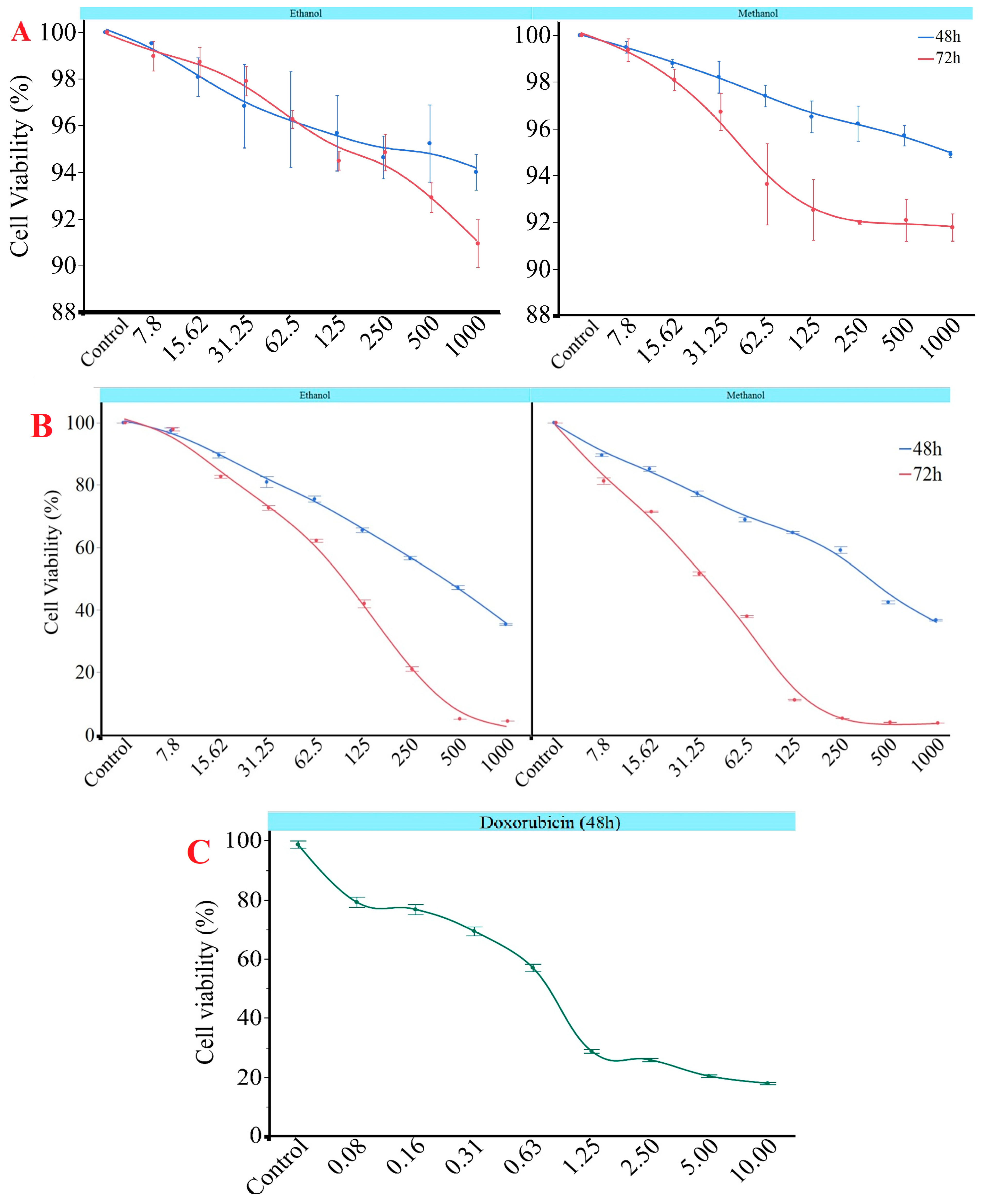
3.4. Cell Culture and Cytotoxicity
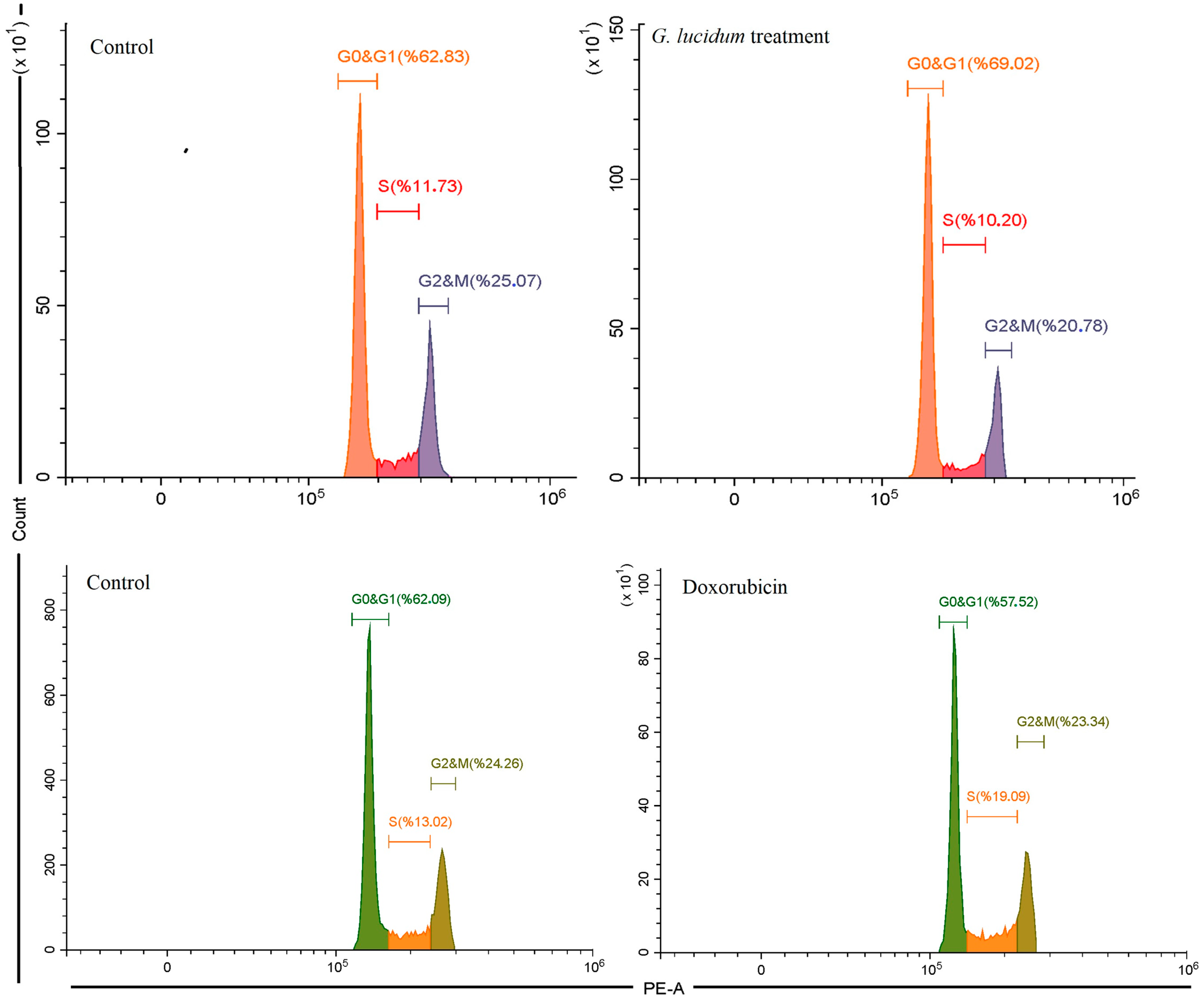
3.5. Flow Cytometry Analyses
3.5.1. Cell Cycle Distribution (PI Staining)
3.5.2. Apoptotic Induction-Apoptosis (Annexin V FITC/PI)
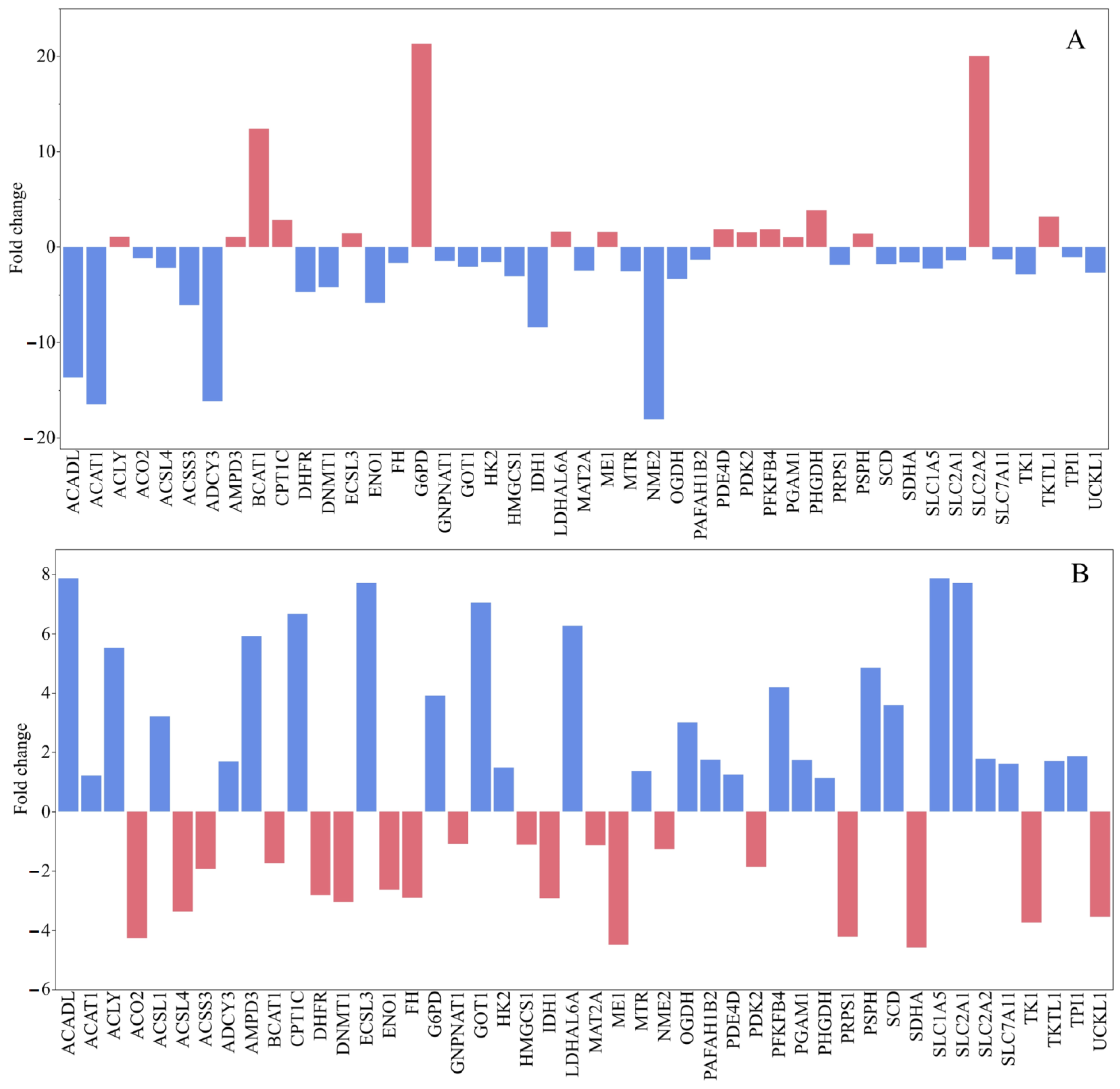
3.6. Modulation of Cancer Metabolism Genes
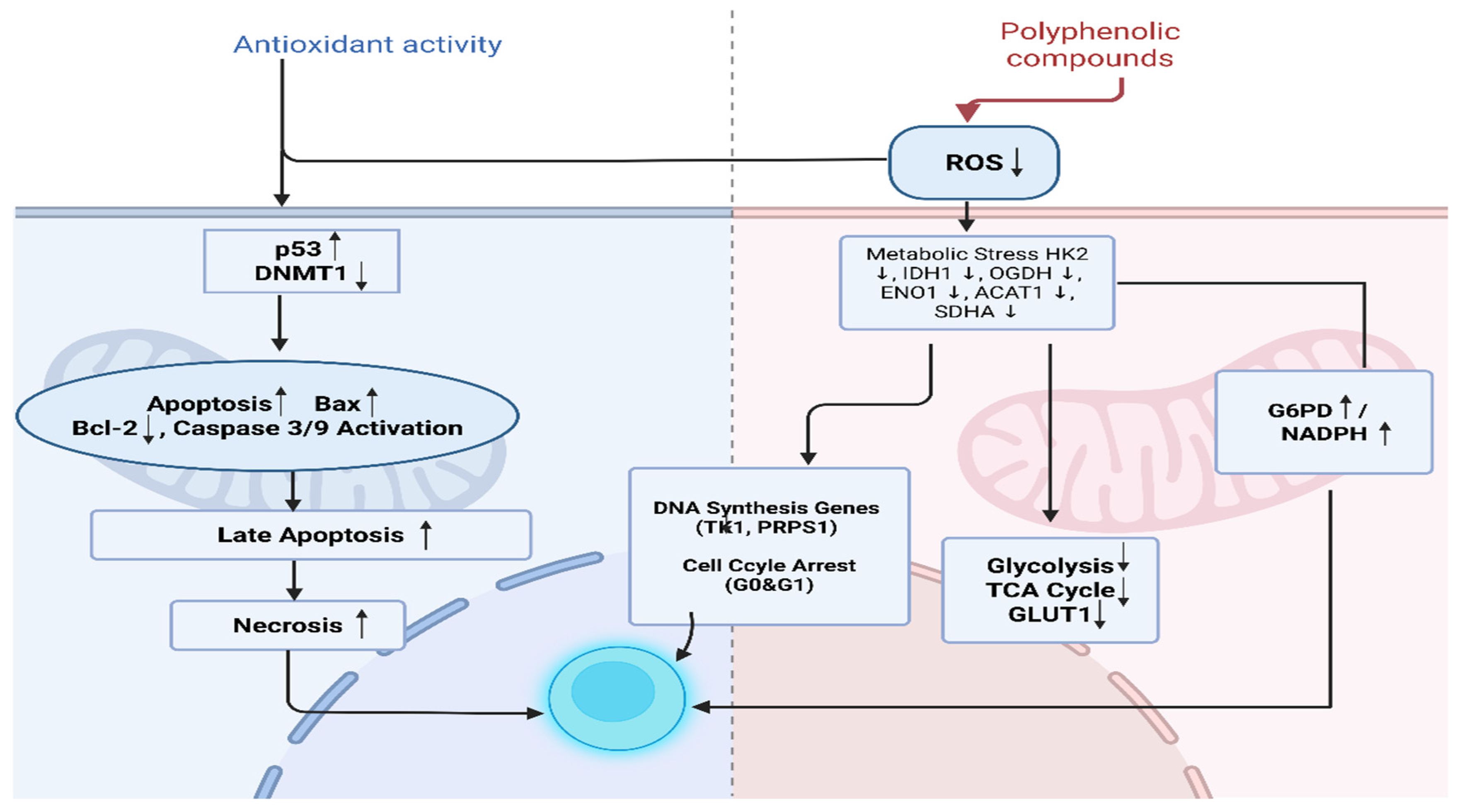
4. Discussion
5. Conclusions
Supplementary Materials
Author Contributions
Funding
Institutional Review Board Statement
Informed Consent Statement
Data Availability Statement
Acknowledgments
Conflicts of Interest
Abbreviations
| G. lucidum | Ganoderma lucidum |
| ESCC | Esophageal squamous cell carcinoma |
| FRAP | Ferric reducing antioxidant power |
| CUPRAC | Cupric reducing antioxidant capacity |
| ABTS | 2,2′-azino-bis(3ethylbenzothiazoline-6-sulfonic acid |
| DPPH | 2,2-diphenyl-1-picrylhydrazyl |
| BCAA | Branched-Chain Amino Acids |
| PPP | Pentose Phosphate Pathway |
| MTT | [3-(4,5-dimethylthiazol-2-yl)-2,5-diphenyltetrazolium bromide] |
| PCR | Polymerase chain reaction |
| DMEM | Dulbecco’s modified eagle medium |
| EDTA | Ethylenediaminetetraacetic acid |
| DMSO | Dimethyl sulfoxide |
References
- Jiang, Y.; Ye, X.; Liu, Y.; Cui, C.; Shi, S.; Wu, H.; Tian, H.; Song, D.; Yao, J.; Wang, L.; et al. Go Beyond Image-Based Benign-Malignant Classification: AI Can Identify Responsible Frames Better Than Physicians in Breast Ultrasound Screening Video. Research Square 2022. [Google Scholar] [CrossRef]
- Adanu, K.K.; Bansah, E.C.; Adedia, D.; Aikins, M. Household Treatment Cost of Breast Cancer and Cost Coping Strategies from a Tertiary Facility in Ghana. PLOS Glob. Public Health 2022, 2, e0000268. [Google Scholar] [CrossRef]
- Jiang, Q.; Liao, J.; Tan, J.; Hu, H. Comparison of Minimal Access and Open Breast Surgery: A Propensity Score-Matched Study on Postoperative Immune Function in Breast Cancer. World J. Surg. Oncol. 2024, 22, 183. [Google Scholar] [CrossRef] [PubMed]
- Li, N.; Deng, Y.; Zhou, L.; Tian, T.; Yang, S.; Wu, Y.; Zheng, Y.; Zhai, Z.; Hao, Q.; Song, D.; et al. Global Burden of Breast Cancer and Attributable Risk Factors in 195 Countries and Territories, from 1990 to 2017: Results from the Global Burden of Disease Study 2017. J. Hematol. Oncol. 2019, 12, 140. [Google Scholar] [CrossRef] [PubMed]
- Dell’Albani, P.; Carbone, C.; Sposito, G.; Spatuzza, M.; Chiacchio, M.A.; Grasso, R.; Legnani, L.; Santonocito, D.; Puglia, C.; Parenti, R.; et al. Effect of Ferulic Acid Loaded in Nanoparticle on Tissue Transglutaminase Expression Levels in Human Glioblastoma Cell Line. Int. J. Mol. Sci. 2024, 25, 8397. [Google Scholar] [CrossRef]
- Tuli, H.S.; Kumar, A.; Ramniwas, S.; Coudhary, R.; Aggarwal, D.; Kumar, M.; Sharma, U.; Parashar, N.C.; Haque, S.; Sak, K. Ferulic Acid: A Natural Phenol That Inhibits Neoplastic Events through Modulation of Oncogenic Signaling. Molecules 2022, 27, 7653. [Google Scholar] [CrossRef]
- Muchtaridi, M.; Az-Zahra, F.; Wongso, H.; Setyawati, L.U.; Novitasari, D.; Khairul Ikram, E.H. Molecular Mechanism of Natural Food Antioxidants to Regulate ROS in Treating Cancer: A Review. Antioxidants 2024, 13, 207. [Google Scholar] [CrossRef]
- Forcados, G.E.; James, D.B.; Sallau, A.B.; Muhammad, A.; Mabeta, P. Oxidative Stress and Carcinogenesis: Potential of Phytochemicals in Breast Cancer Therapy. Nutr. Cancer 2017, 69, 365–374. [Google Scholar] [CrossRef]
- Ham, S.L.; Nasrollahi, S.; Shah, K.N.; Soltisz, A.M.; Paruchuri, S.; Yun, Y.; Luker, G.D.; Bishayee, A.; Tavana, H. Phytochemicals Potently Inhibit Migration of Metastatic Breast Cancer Cells. Integr. Biol. 2015, 7, 792–800. [Google Scholar] [CrossRef]
- Khurana, N.; Sikka, S.C. Targeting Crosstalk between NRF-2, NF-κB and Androgen Receptor Signaling in Prostate Cancer. Cancers 2018, 10, 352. [Google Scholar] [CrossRef]
- Ovadje, P.; Roma, A.; Steckle, M.; Nicoletti, L.; Arnason, J.T.; Pandey, S. Advances in the Research and Development of Natural Health Products as Mainstream Cancer Therapeutics. Evid.-Based Complement. Altern. Med. 2015, 2015, 751348. [Google Scholar] [CrossRef]
- Bahadoran, Z.; Karimi, Z.; Houshiarrad, A.; Mirzayi, H.R.; Rashidkhani, B. Dietary Phytochemical Index and the Risk of Breast Cancer: A Case Control Study in a Population of Iranian Women. Asian Pac. J. Cancer Prev. 2013, 14, 2747–2751. [Google Scholar] [CrossRef]
- Chiou, Y.; Li, S.; Ho, C.; Pan, M. Prevention of Breast Cancer by Natural Phytochemicals: Focusing on Molecular Targets and Combinational Strategy. Mol. Nutr. Food Res. 2018, 62, e1800392. [Google Scholar] [CrossRef]
- Lin, S.; Chang, C.; Hsu, C.; Tsai, M.; Cheng, H.; Leong, M.K.; Sung, P.; Chen, J.; Weng, C. Natural Compounds as Potential Adjuvants to Cancer Therapy: Preclinical Evidence. Br. J. Pharmacol. 2019, 176, 1390–1410. [Google Scholar] [CrossRef]
- Eluvathingal, A.B.; Amitha, T.V.; Rosario, J.C.J.; S, V.P. An In Vitro Anticancerous and Antioxidant Potential of the Brown Seaweed Sargassum polycystum C. Agardh. Kongunadu Res. J. 2023, 10, 13. [Google Scholar] [CrossRef]
- Haq, S.H.; Alruwaished, G.I.; Almutlaq, M.; Naji, S.A.; Almogren, M.; Al-Rashed, S.; Ain, Q.T.; Alamro, A.; Al-Mussallam, A. Antioxidant, Anticancer Activity and Phytochemical Analysis of Green Algae Chaetomorpha Collected from the Arabian Gulf. Sci. Rep. 2019, 9, 20025. [Google Scholar] [CrossRef] [PubMed]
- He, D.; Liang, L.; Li, L.; Zeng, J.; Gao, Y.; Chen, Y.-L.; Wang, Z.-Q.; Wang, X.-Y.; Chang, L.S. Inhibitory Effect of Silibinin on EGFR Signal-Induced Renal Cell Carcinoma Progression via Suppression of the EGFR/MMP-9 Signaling Pathway. Oncol. Rep. 2012, 28, 999–1005. [Google Scholar] [CrossRef]
- Ahmad, R.; Ahmad, N.; Naqvi, A.A.; Shehzad, A.; Al-Ghamdi, M.S. Role of Traditional Islamic and Arabic Plants in Cancer Therapy. J. Tradit. Complement. Med. 2017, 7, 195–204. [Google Scholar] [CrossRef] [PubMed]
- Zhou, X.; Lin, J.; Yin, Y.; Zhao, J.; Sun, X.; Tang, K. Ganodermataceae: Natural Products and Their Related Pharmacological Functions. Am. J. Chin. Med. 2007, 35, 559–574. [Google Scholar] [CrossRef]
- Abdulal, Z.A.; Altahhan, M.Y.; Qindil, A.F.; Al-Juhani, A.M.; Alatawi, M.A.; Hassan, H.M.; Al-Gayyar, M.M.H. Ferulic Acid Inhibits Tumor Proliferation and Attenuates Inflammation of Hepatic Tissues in Experimentally Induced HCC in Rats. J. Investig. Med. 2024, 72, 900–910. [Google Scholar] [CrossRef] [PubMed]
- Karimvand, M.N.; Kalantar, H.; Khodayar, M.J. Cytotoxic and Apoptotic Effects of Ferulic Acid on Renal Carcinoma Cell Line (ACHN). Jundishapur J. Nat. Pharm. Prod. 2020, 15, e81969. [Google Scholar] [CrossRef]
- Zhang, X.; Lin, D.; Jiang, R.; Li, H.; Wan, J.; Li, H. Ferulic Acid Exerts Antitumor Activity and Inhibits Metastasis in Breast Cancer Cells by Regulating Epithelial to Mesenchymal Transition. Oncol. Rep. 2016, 36, 373–378. [Google Scholar] [CrossRef]
- Grasso, R.; Dell’Albani, P.; Carbone, C.; Spatuzza, M.; Bonfanti, R.; Sposito, G.; Puglisi, G.; Musumeci, F.; Scordino, A.; Campisi, A. Synergic Pro-Apoptotic Effects of Ferulic Acid and Nanostructured Lipid Carrier in Glioblastoma Cells Assessed through Molecular and Delayed Luminescence Studies. Sci. Rep. 2020, 10, 4833. [Google Scholar] [CrossRef]
- Luo, L.; Zhu, S.; Tong, Y.; Peng, S. Ferulic Acid Induces Apoptosis of HeLa and CaSki Cervical Carcinoma Cells by Down-Regulating the Phosphatidylinositol 3-Kinase (PI3K)/Akt Signaling Pathway. Med. Sci. Monit. 2020, 26, e920095. [Google Scholar] [CrossRef] [PubMed]
- Senawong, T.; Khaopha, S.; Misuna, S.; Komaikul, J.; Senawong, G.; Wongphakham, P.; Yunchalard, S. Phenolic Acid Composition and Anticancer Activity Against Human Cancer Cell Lines of the Commercially Available Fermentation Products of Houttuynia cordata. ScienceAsia 2014, 40, 420–427. [Google Scholar] [CrossRef]
- Park, J.E.; Han, J.S. Improving the Effect of Ferulic Acid on Inflammation and Insulin Resistance by Regulating the JNK/ERK and NF-κB Pathways in TNF-α-Treated 3T3-L1 Adipocytes. Nutrients 2024, 16, 294. [Google Scholar] [CrossRef] [PubMed]
- Youssef, M.; Aboufarrag, H.T. Ferulic Acid in Foods: An Overview. Alex. J. Food Sci. Technol. 2012, 9, 1–7. [Google Scholar] [CrossRef]
- Chowdhury, S.; Ghosh, S.; Das, A.; Sil, P.C. Ferulic Acid Protects Hyperglycemia-Induced Kidney Damage by Regulating Oxidative Insult, Inflammation and Autophagy. Front. Pharmacol. 2019, 10, 27. [Google Scholar] [CrossRef]
- Isbilen, O.; Volkan, E. Allium willeanum Holmboe Exerts Anticancer Activities on Metastatic Breast Cancer Cells MCF-7 and MDA-MB-231. Heliyon 2021, 7, e07730. [Google Scholar] [CrossRef]
- Tan, J.; Tian, Y.; Cai, R.; Luo, R.; Guo, J.J. Chemical Composition and Antiproliferative Effects of a Methanol Extract of Aspongopus chinensis Dallas. Evid.-Based Complement. Altern. Med. 2019, 2019, 2607086. [Google Scholar] [CrossRef]
- Karabagias, I.K.; Karabagias, V.K.; Badeka, A.V. The Honey Volatile Code: A Collective Study and Extended Version. Foods 2019, 8, 508. [Google Scholar] [CrossRef] [PubMed]
- Shabana, S.; Bhargavi, R.; Satya, A.K. In Vitro Antioxidant and Anticancer Potential of Intracellular Ethyl Acetate Extract of Marine-Derived Fungus Talaromyces tratensis SS10. J. Phytol. 2024, 16, 8829. [Google Scholar] [CrossRef]
- Diniatik, D.; Retnowati, E.; Djalil, A.D. Molecular Docking Analysis of Volatile Compounds from Fraction of Eichhornia crassipes Herbs Ethanol Extract as α-Glucosidase Inhibitor. Indones. J. Pharm. Sci. Technol. 2023, 10, 32399. [Google Scholar] [CrossRef]
- Teramura, H.; Sasaki, K.; Oshima, T.; Matsuda, F.; Okamoto, M.; Shirai, T.; Kawaguchi, H.; Ogino, C.; Hirano, K.; Sazuka, T.; et al. Organosolv Pretreatment of Sorghum Bagasse Using a Low Concentration of Hydrophobic Solvents Such as 1-Butanol or 1-Pentanol. Biotechnol. Biofuels 2016, 9, 13. [Google Scholar] [CrossRef]
- Su, Y.; Wei, X.; Liu, H. Influence of 1-Pentanol on the Micellization of Poly(Ethylene Oxide)–Poly(Propylene Oxide)–Poly(Ethylene Oxide) Block Copolymers in Aqueous Solutions. Langmuir 2003, 19, 4245–4250. [Google Scholar] [CrossRef]
- Wang, Y.; Xia, Y.; Lu, Z. Metabolic Features of Cancer Cells. Cancer Commun. 2018, 38, 35. [Google Scholar] [CrossRef]
- Mátyási, B.; Petővári, G.; Dankó, T.; Butz, H.; Likó, I.; Lőw, P.; Petit, I.; Bittar, R.; Bonnefont-Rousselot, D.; Farkas, Z.; et al. Extracellular Vesicle-Mediated Metastasis Suppressors NME1 and NME2 Modify Lipid Metabolism in Fibroblasts. Cancers 2022, 14, 3913. [Google Scholar] [CrossRef]
- Granja, S.; Pinheiro, C.; Reis, R.M.; Martinho, O.; Baltazar, F. Glucose Addiction in Cancer Therapy: Advances and Drawbacks. Curr. Drug Metab. 2015, 16, 18–30. [Google Scholar] [CrossRef] [PubMed]
- Xie, S.; Pan, J.; Xu, J.; Zhu, W.; Qin, L. The Critical Function of Metabolic Reprogramming in Cancer Metastasis. Aging Cancer 2022, 3, 137–147. [Google Scholar] [CrossRef]
- Li, H.; Zhou, J.; Sun, H.; Qiu, Z.; Gao, X.; Xu, Y. CaMeRe: A Novel Tool for Inference of Cancer Metabolic Reprogramming. Front. Oncol. 2020, 10, 207. [Google Scholar] [CrossRef]
- Mousavi, R.S.; Nateghi, L.; Soltani, M.; Asgarpanah, J. Optimization of the Phenolics and Antioxidants Extraction from Ganoderma lucidum Using Ultrasound Method. Iran. J. Chem. Chem. Eng. 2024, 41, 1275–1287. [Google Scholar]
- Singleton, V.L.; Rossi, J.A. Colorimetry of Total Phenolics with Phosphomolybdic–Phosphotungstic Acid Reagents. Am. J. Enol. Vitic. 1965, 16, 144–158. [Google Scholar] [CrossRef]
- Singleton, V.L.; Orthofer, R.; Lamuela-Raventós, R.M. Analysis of Total Phenols and Other Oxidation Substrates and Antioxidants by Means of Folin–Ciocalteu Reagent. In Methods in Enzymology; Academic Press: San Diego, CA, USA, 1999; Volume 299, pp. 152–178. [Google Scholar]
- Guler, E. Differentiations in Total Contents of Major Components in Grape Leaves Influenced by Cultivar. Ști. Educ. Cult. 2025, 1, 518–522. [Google Scholar]
- Atanacković, M.; Cvejić, J.; Gojković-Bukarica, L.; Veljović, M.; Despotović, S.; Pecić, S.; Leskošek-Čukalović, I. Quantitative Determination of Total Anthocyanins and Flavonoids in Natural Products Obtained from Grapes and Malt. In Proceedings of the 6th Central European Congress on Food (CEFood 2012), Novi Sad, Serbia, 23–26 May 2012; pp. 183–188. [Google Scholar]
- Gülüm, L.; Güler, E.; Zırhlı, Ç.B.; Çelik, A.B.; Tutar, Y. Phytochemical profiling and anticancer potential of pistachio wastes against MCF-7 breast cancer cells: A metabolic and apoptotic pathway analysis. BMC Complement. Med. Ther. 2025, 25, 275. [Google Scholar] [CrossRef] [PubMed]
- Gülüm, L.; Güler, E.; Aktaş, F.L.; Çelik, A.B.; Yılmaz, H.; Tutar, Y. In Vitro Effects of Rumex confertus Extracts on Cell Viability and Molecular Pathways in MCF-7 Breast Cancer Cells. Antioxidants 2025, 14, 879. [Google Scholar] [CrossRef] [PubMed]
- Apak, R.; Güçlü, K.; Özyürek, M.; Çelik, S.E. Mechanism of Antioxidant Capacity Assays and the CUPRAC (Cupric Ion Reducing Antioxidant Capacity) Assay. Microchim. Acta 2008, 160, 413–419. [Google Scholar] [CrossRef]
- Bulut, M.; Akpolat, H.; Tunçtürk, Y.; Alwazeer, D.; Türkhan, A. Determination of Optimum Ethanolic Extraction Conditions and Phenolic Profiles of Thyme, Mint, Üçkün, Grape Seeds and Green Tea Waste Fiber. Int. J. Agric. Wildl. Sci. 2020, 6, 605–614. [Google Scholar] [CrossRef]
- Benzie, I.F.; Devaki, M. The Ferric Reducing/Antioxidant Power (FRAP) Assay for Non-Enzymatic Antioxidant Capacity: Concepts, Procedures, Limitations and Applications. In Measurement of Antioxidant Activity & Capacity: Recent Trends and Applications; Wiley–Blackwell: Hoboken, NJ, USA, 2018; pp. 77–106. [Google Scholar]
- Rodríguez-Delgado, M.A.; Malovana, S.; Pérez, J.P.; Borges, T.; Montelongo, F.G. Separation of Phenolic Compounds by High-Performance Liquid Chromatography with Absorbance and Fluorimetric Detection. J. Chromatogr. A 2001, 912, 249–257. [Google Scholar] [CrossRef]
- Wang, S.; Li, X.; Jiang, M.; Wu, X.; Zhao, Y.; Liu, M.; Yang, W. Headspace Solid-Phase Microextraction Gas Chromatography/Mass Spectrometry (HS-SPME-GC/MS)-Based Untargeted Metabolomics Analysis for Comparing the Volatile Components from 12 Panax Herbal Medicines. Phyton 2022, 91, 1405–1420. [Google Scholar] [CrossRef]
- Çapan, İ.; Hawash, M.; Qaoud, M.T.; Gülüm, L.; Tunoglu, E.N.Y.; Çifci, K.U.; Çevrimli, B.S.; Sert, Y.; Servi, S.; Koca, İ.; et al. Synthesis of Novel Carbazole Hydrazine-Carbothioamide Scaffold as Potent Antioxidant, Anticancer and Antimicrobial Agents. BMC Chem. 2024, 18, 102. [Google Scholar] [CrossRef]
- Shi, W.Z.; Chen, Q.Y.; Wang, X.C.; Wan, J. Research on Predominant Volatile Compounds of Grass Carp Meat. Adv. Mater. Res. 2013, 781–784, 1852–1855. [Google Scholar] [CrossRef]
- Johnson, B.O.; Golonka, A.M.; Blackwell, A.; Vázquez, I.M.; Wolfram, N. Floral Scent Variation in the Heterostylous Species Gelsemium sempervirens. Molecules 2019, 24, 2818. [Google Scholar] [CrossRef]
- Bittante, G.; Ni, Q.; Khomenko, I.; Gallo, L.; Biasioli, F. Rapid Profiling of the Volatilome of Cooked Meat by PTR-TOF-MS: Underlying Latent Explanatory Factors. Foods 2020, 9, 1738. [Google Scholar] [CrossRef]
- Sarv, V.; Bhat, R.; Jūrienė, L.; Baranauskienė, R.; Urbonavičienė, D.; Viškelis, P.; Venskutonis, P.R. Supercritical Fluid Extraction of Lipids from Rowanberry Pomace with Pure CO2 and Its Mixtures with Ethanol Followed by the On-Line Separation of Fractions. Molecules 2025, 30, 964. [Google Scholar] [CrossRef]
- Joshi, R.; Gulati, A. Fractionation and Identification of Minor and Aroma-Active Constituents in Kangra Orthodox Black Tea. Food Chem. 2015, 167, 290–298. [Google Scholar] [CrossRef]
- Chen, Q.; Zhu, Y.; Yan, H.; Chen, M.; Xie, D.; Wang, M.; Lin, Z. Identification of Aroma Composition and Key Odorants Contributing to Aroma Characteristics of White Teas. Molecules 2020, 25, 6050. [Google Scholar] [CrossRef]
- Wang, B.; Chen, H.; Qu, F.; Song, Y.; Di, T.; Wang, P.; Zhang, X. Identification of Aroma-Active Components in Black Teas Produced by Six Chinese Tea Cultivars in a High-Latitude Region by GC–MS and GC–O Analysis. Eur. Food Res. Technol. 2021, 248, 647–657. [Google Scholar] [CrossRef]
- Malićanin, M.; Danilović, B.; Stojanović, S.S.; Cvetković, D.; Lazić, M.; Karabegović, I.; Savić, D. Pre-Fermentative Cold Maceration and Native Non-Saccharomyces Yeasts as a Tool to Enhance Aroma and Sensory Attributes of Chardonnay Wine. Horticulturae 2022, 8, 212. [Google Scholar] [CrossRef]
- Jiao, Y.; Song, Y.; Yan, Z.; Wu, Z.; Yu, Z.; De, Z.; Chen, Y. New Insight into the Effects of Different Fixing Technologies on Flavor and Bioactivities of Orange Dark Tea. Molecules 2023, 28, 1079. [Google Scholar] [CrossRef] [PubMed]
- Li, N.; Li, G.; Li, A.; Tao, Y. Synergy Effect between Fruity Esters and Potential Odorants on the Aroma of Hutai-8 Rose Wine Revealed by Threshold, S-Curve, and σ–τ Plot Methods. J. Agric. Food Chem. 2023, 71, 13869–13879. [Google Scholar] [CrossRef]
- Barros, L.; Ferreira, M.J.; Queirós, B.; Ferreira, I.C.; Baptista, P. Total Phenols, Ascorbic Acid, β-Carotene, and Lycopene in Portuguese Wild Edible Mushrooms and Their Antioxidant Activities. Food Chem. 2007, 103, 413–419. [Google Scholar] [CrossRef]
- Koklesova, L.; Liskova, A.; Samec, M.; Buhrmann, C.; Samuel, S.M.; Varghese, E.; Ashrafizadeh, M.; Najafi, M.; Shakibaei, M.; Büsselberg, D.; et al. Carotenoids in Cancer Apoptosis—The Road from Bench to Bedside and Back. Cancers 2020, 12, 2425. [Google Scholar] [CrossRef]
- Thapa, I.; Pandey, A.; Tiwari, S.; Awal, S.C. Evaluation of Bioactive Compounds, Antioxidant Activity, and Anticancer Potential of Wild Ganoderma lucidum Extracts from High-Altitude Regions of Nepal. Curr. Issues Mol. Biol. 2025, 47, 624. [Google Scholar] [CrossRef]
- Ruzi, I.I.; Mohd Shahpudin, S.N.; Mohamad, S.; Kassim, M.A. Impact of Extraction Techniques and Solvent Systems on the Antioxidant Activity and Fatty Acid Composition of Scenedesmus parvus Extracts. Food Anal. Methods 2025, 18, 2220–2229. [Google Scholar] [CrossRef]
- Hamdan, N.; Al-Abboodi, A. In Vitro Cytotoxicity of Reishi Mushroom Extract against Two Human Cell Lines. Egypt. J. Chem. 2021, 64, e3380. [Google Scholar] [CrossRef]
- Tran, V.; Thang, P.; Hien, H.; Diệp, V.; Thu, N.; Tan, D.; Huynh, D. Cytotoxic Activities and Fingerprint Analysis of Triterpenes by HPTLC Technique for Distinguishing Ganoderma Species from Vietnam and Other Asian Countries. Plants 2022, 11, 3397. [Google Scholar] [CrossRef]
- Wu, G.; Qian, Z.; Guo, J.; Hu, D.; Bao, J.; Xie, J.; Wang, Y. Ganoderma lucidum Extract Induces G1 Cell Cycle Arrest and Apoptosis in Human Breast Cancer Cells. Am. J. Chin. Med. 2012, 40, 631–642. [Google Scholar] [CrossRef] [PubMed]
- Hu, H.; Ahn, N.S.; Yang, X.; Lee, Y.S.; Kang, K.S. Ganoderma lucidum extract induces cell cycle arrest and apoptosis in MCF-7 human breast cancer cells. Int. J. Cancer 2002, 102, 250–253. [Google Scholar] [CrossRef]
- Jiang, J.; Slivova, V.; Harvey, K.; Valachovicova, T.; Slíva, D. Ganoderma lucidum suppresses growth of breast cancer cells through the inhibition of AKT/NF-κB signaling. Nutr. Cancer 2004, 49, 209–216. [Google Scholar] [CrossRef] [PubMed]
- Sugimoto, M.; Martin, N.G.; Wilks, D.P.; Tamai, K.; Huot, T.J.G.; Pantoja, C.; Hara, E. Activation of cyclin D1-kinase in murine fibroblasts lacking both p21Cip1 and p27Kip1. Oncogene 2002, 21, 8067–8074. [Google Scholar] [CrossRef]
- Pereyra-Vergara, F.; Olivares-Corichi, I.M.; Ruiz, A.G.P.; Luna-Arias, J.P.; García-Sánchez, J.R. Apoptosis Induced by (−)-Epicatechin in Human Breast Cancer Cells Is Mediated by Reactive Oxygen Species. Molecules 2020, 25, 1020. [Google Scholar] [CrossRef]
- Ahmadi, N.; Mohamed, S.; Rahman, H.S.; Rosli, R. Epicatechin and scopoletin-rich Morinda citrifolia leaf ameliorated leukemia via anti-inflammatory, anti-angiogenesis, and apoptosis pathways in vitro and in vivo. J. Food Biochem. 2019, 43, e12868. [Google Scholar] [CrossRef] [PubMed]
- Cancemi, G.; Caserta, S.; Gangemi, S.; Pioggia, G.; Allegra, A. Exploring the Therapeutic Potential of Ganoderma lucidum in Cancer. J. Clin. Med. 2024, 13, 1153. [Google Scholar] [CrossRef] [PubMed]
- Thyagarajan, A.; Jiang, J.; Hopf, A.; Adamec, J.; Slíva, D. Inhibition of oxidative stress-induced invasiveness of cancer cells by Ganoderma lucidum is mediated through the suppression of interleukin-8 secretion. Int. J. Mol. Med. 2006, 18, 657–663. [Google Scholar] [CrossRef]
- Cör Andrejč, D.; Knez, Ž.; Knez Marevci, M. Antioxidant, antibacterial, antitumor, antifungal, antiviral, anti-inflammatory, and neuro-protective activity of Ganoderma lucidum: An overview. Front. Pharmacol. 2022, 13, 934982. [Google Scholar] [CrossRef] [PubMed]
- Alam, F.; Mohammadin, K.; Shafique, Z.; Amjad, S.T.; Asad, M.H.H.B. Citrus flavonoids as potential therapeutic agents: A review. Phytother. Res. 2022, 36, 1417–1441. [Google Scholar] [CrossRef]
- Abotaleb, M.; Líšková, A.; Kubatka, P.; Büsselberg, D. Therapeutic Potential of Plant Phenolic Acids in the Treatment of Cancer. Biomolecules 2020, 10, 221. [Google Scholar] [CrossRef]
- Li, J.; Liu, T.; Zhao, L.; Chen, W.; Hou, H.; Ye, Z.; Li, X. Ginsenoside 20(S)-Rg3 inhibits the Warburg effect through STAT3 pathways in ovarian cancer cells. Int. J. Oncol. 2015, 46, 775–781. [Google Scholar] [CrossRef]
- Gui, J.-L.; Zhou, S.; Yang, S. Vanillic Acid Suppresses HIF-1α Expression via Inhibition of mTOR/p70S6K/4E-BP1 and Raf/Mek/Erk Pathways in Human Colon Cancer HCT116 Cells. Int. J. Mol. Sci. 2019, 20, 465. [Google Scholar] [CrossRef]
- Venkidasamy, B.; Subramanian, U.; Almoallim, H.S.; Alharbi, S.A.; Chennam Lakshmikumar, R.R.; Thiruvengadam, M. Vanillic Acid Nanocomposite: Synthesis, Characterization Analysis, Antimicrobial, and Anticancer Potentials. Molecules 2024, 29, 3098. [Google Scholar] [CrossRef]
- Gao, J.; Yu, H.; Guo, W.; Kong, Y.; Gu, L.; Li, Q.; Yang, S.; Zhang, Y.; Wang, Y. The Anticancer Effects of Ferulic Acid Is Associated with Induction of Cell Cycle Arrest and Autophagy in Cervical Cancer Cells. Cancer Cell Int. 2018, 18, 102. [Google Scholar] [CrossRef] [PubMed]
- Wang, Y.; Yang, J.; Lee, O.O.; Dash, S.; Lau, S.C.K.; Al-Suwailem, A.; Qian, P. Hydrothermally generated aromatic compounds are consumed by bacteria colonizing in Atlantis II Deep of the Red Sea. ISME J. 2011, 5, 1652–1659. [Google Scholar] [CrossRef]
- Takimoto, D.; Suzuki, K.; Futamura, R.; Iiyama, T.; Hideshima, S.; Sugimoto, W. Zero-Overpotential Redox Reactions of Quinone-Based Molecules Confined in Carbon Micropores. ACS Appl. Mater. Interfaces 2022, 14, 31131–31139. [Google Scholar] [CrossRef] [PubMed]
- Feng, Y.; Liu, S.; Fang, Y.; Li, J.; Ma, M.; Zhen-fu, Y.; Shang, L.; Guo, X.; Rong, H.; Sun, D. Volatile Flavor of Tricholoma Matsutake From the Different Regions of China by Using GC×GC-TOF MS. Foods 2025, 14, 1824. [Google Scholar] [CrossRef] [PubMed]
- Kong, F.-K.; Kou, Y.; Zhang, X.; Tian, Y.; Yang, B.; Wang, W. Comparative Analysis of Metabolites of Wild and Cultivated Notopterygium Incisum From Different Origins and Evaluation of Their Anti-Inflammatory Activity. Molecules 2025, 30, 468. [Google Scholar] [CrossRef]
- Lei, P.; Gao, W.; Song, M.; Li, M.; He, D.; Wang, Z. Integrated Metabolome and Transcriptome Analysis of Fruit Flavor and Carotenoids Biosynthesis Differences Between Mature-Green and Tree-Ripe of Cv. “Gold. Phoenix” Mangoes (Mangifera indica L.). Front. Plant Sci. 2022, 13, 816492. [Google Scholar] [CrossRef]
- Kamimura, M.; Sasaki, A.; Otani, Y.; Nakamura, Y.; Nakamura, T.; Kuramochi, K.; Imai, T.; Kubo, N.; Okamoto, S. Methylthioacetic Acid, a Derivative of Aroma Compounds From Cucumis melo var. conomon Dose-Dependently Triggers Differentiation and Apoptosis of RCM-1 Human Colorectal Cancer Cells. J. Toxicol. Sci. 2023, 48, 25–34. [Google Scholar] [CrossRef]
- Jiang, J.; Slivova, V.; Slíva, D. Ganoderma lucidum inhibits proliferation of human breast cancer cells by down-regulation of estrogen receptor and NF-κB signaling. Int. J. Oncol. 2007, 29, 695–703. [Google Scholar] [CrossRef]
- Rahimnia, R.; Akbari, M.R.; Yasseri, A.F.; Taheri, D.; Mirzaei, A.; Ghajar, H.A.; Aghamir, S.M.K. The effect of Ganoderma lucidum polysaccharide extract on sensitizing prostate cancer cells to flutamide and docetaxel: An in vitro study. Sci. Rep. 2023, 13, 18940. [Google Scholar] [CrossRef]
- Barbieri, A.; Quagliariello, V.; Del Vecchio, V.; Falco, M.; Luciano, A.; Nagoth, J.A.; Arra, C. Anticancer and Anti-Inflammatory Properties of Ganoderma lucidum Extract Effects on Melanoma and Triple-Negative Breast Cancer Treatment. Nutrients 2017, 9, 210. [Google Scholar] [CrossRef]
- Iser-Bem, P.N.; Lobato, T.B.; Alecrim-Zeza, A.L.; de Souza Oliveira, L.C.; Passos, M.E.P.; Manuel, R.; Gorjão, R. Ganoderma lucidum dry extract supplementation modulates T lymphocyte function in older women. Br. J. Nutr. 2024, 132, 130–140. [Google Scholar] [CrossRef]
- Suarez-Arroyo, I.J.; Loperena-Álvarez, Y.; Rosario-Acevedo, R.; Martínez-Montemayor, M. Ganoderma spp.: A Promising Adjuvant Treatment for Breast Cancer. Medicines 2017, 4, 15. [Google Scholar] [CrossRef] [PubMed]
- Ye, D.; Xiong, Y.; Guan, K.L. The mechanisms of IDH mutations in tumorigenesis. Cell Res. 2012, 22, 1102–1104. [Google Scholar] [CrossRef][Green Version]
- Ježek, P. 2-Hydroxyglutarate in Cancer Cells. Antioxid. Redox Signal. 2020, 33, 903–926. [Google Scholar] [CrossRef]
- Tobias, D.K.; Chai, B.; Tamimi, R.M.; Manson, J.E.; Hu, F.B.; Willett, W.C.; Eliassen, A.H. Dietary Intake of Branched Chain Amino Acids and Breast Cancer Risk in the NHS and NHS II Prospective Cohorts. JNCI Cancer Spectr. 2021, 5, pkab032. [Google Scholar] [CrossRef]
- Pilco-Ferreto, N.; Calaf, G.M. Influence of doxorubicin on apoptosis and oxidative stress in breast cancer cell lines. Int. J. Oncol. 2016, 49, 753–762. [Google Scholar] [CrossRef]
- Uzuner, S.C. Epigenetic Code for Cell Fate During Development and Disease in Human. Eurasian J. Med. Oncol. 2023, 7, 95–104. [Google Scholar] [CrossRef]
- Bai, J.; Zhang, X.; Hu, K.; Liu, B.; Wang, H.; Li, A.; Song, J. Silencing DNA methyltransferase 1 (DNMT1) inhibits proliferation, metastasis and invasion in ESCC by suppressing methylation of RASSF1A and DAPK. Oncotarget 2016, 7, 44129–44141. [Google Scholar] [CrossRef]
- Zhao, S.; Ye, G.; Fu, G.; Cheng, J.; Yang, B.B.; Peng, C. Ganoderma lucidum exerts anti-tumor effects on ovarian cancer cells and enhances their sensitivity to cisplatin. Int. J. Oncol. 2011, 38, 1319–1327. [Google Scholar] [CrossRef] [PubMed]
- Zhou, W.; Chen, H.; Hong, X.; Niu, X.; Lu, Q. Knockdown of DNA methyltransferase-1 inhibits proliferation and derepresses tumor suppressor genes in myeloma cells. Oncol. Lett. 2014, 8, 2130–2134. [Google Scholar] [CrossRef]
- Yao, C.-H.; Chow, J.-M.; Yang, C.-F.; Kuo, H.-H.; Chang, C.-L.; Lee, H.-J.; Lai, G.-M. Chinese Herbal Mixture, Tien-Hsien Liquid, Induces G2/M Cycle Arrest and Radiosensitivity in MCF-7 Human Breast Cancer Cells through Mechanisms Involving DNMT1 and Rad51 Downregulation. Evid.-Based Complement. Altern. Med. 2016, 2016, 3251046. [Google Scholar] [CrossRef]
- Sharif, T.; Martell, E.; Dai, C.; Ghassemi-Rad, M.S.; Lee, K.; Singh, S.K.; Gujar, S. Phosphoglycerate dehydrogenase inhibition induces p-mTOR-independent autophagy and promotes multilineage differentiation in embryonal carcinoma stem-like cells. Cell Death Dis. 2018, 9, 1010. [Google Scholar] [CrossRef]
- Liu, J.; Zhang, C.; Wu, H.; Sun, X.; Li, Y.; Huang, S.; Feng, Z. Parkin ubiquitinates phosphoglycerate dehydrogenase to suppress serine synthesis and tumor progression. J. Clin. Investig. 2020, 130, 3253–3269. [Google Scholar] [CrossRef]
- Yoon, S.; Kim, J.G.; Seo, A.N.; Park, S.Y.; Kim, H.J.; Park, J.S.; Kang, B.W. Clinical Implication of Serine Metabolism-Associated Enzymes in Colon Cancer. Oncology 2015, 89, 351–359. [Google Scholar] [CrossRef] [PubMed]
- van Noorden, C.J.F.; Hira, V.V.K.; van Dijck, A.J.R.M.; Novak, M.; Breznik, B.; Molenaar, R.J. Energy Metabolism in IDH1 Wild-Type and IDH1-Mutated Glioblastoma Stem Cells: A Novel Target for Therapy? Cells 2021, 10, 705. [Google Scholar] [CrossRef] [PubMed]
- Jiang, P.; Iqbal, A.; Wang, M.; Li, X.; Fang, X.; Yu, H.; Zhao, Z. Transcriptomic Analysis of Short/Branched-Chain Acyl-Coenzyme A Dehydrogenase Knocked Out bMECs Revealed Its Regulatory Effect on Lipid Metabolism. Front. Vet. Sci. 2021, 8, 744287. [Google Scholar] [CrossRef] [PubMed]
- Li, Y.; Zheng, F.; Zhang, Y.; Lin, Z.; Yang, J.; Han, X.; Li, C. Targeting glucose-6-phosphate dehydrogenase by 6-AN induces ROS-mediated autophagic cell death in breast cancer. FEBS J. 2023, 290, 763–779. [Google Scholar] [CrossRef]



| Mushroom/Solvent | TPC (mM) | TFC (mM) | Tant (mM) |
|---|---|---|---|
| G. lucidum Ethanol | 8.21 ± 0.34 a | 3.31 ± 0.14 a | 4.53 ± 0.19 a |
| G. lucidum Methanol | 3.54 ± 0.15 b | 1.16 ± 0.05 b | 0.59 ± 0.02 b |
| Mushroom/Solvent | Tprotein (%) | Tcarb (%) |
|---|---|---|
| G. lucidum Ethanol | 14.11 ± 0.59 a | 76.21 ± 3.18 a |
| G. lucidum Methanol | 7.40 ± 0.31 b | 36.70 ± 1.53 b |
| Mushroom/Solvent | DPPH (mM) | CUPRAC (mM) | ABTS (mM) | FRAP (mM) |
|---|---|---|---|---|
| G. lucidum Ethanol | 23.02 ± 0.96 a | 95.98 ± 4.01 a | 42.59 ± 1.78 a | 35.37 ± 1.48 a |
| G. lucidum Methanol | 9.93 ± 0.41 b | 30.32 ± 1.27 b | 18.15 ± 0.76 b | 15.09 ± 0.63 b |
| Mushroom/Phenolic and Organic Acid Profiles | G. lucidum Ethanol (µg/g) | G. lucidum Methanol (µg/g) |
|---|---|---|
| Gallic Acid | 18.81 | 123.18 |
| 4-Aminobenzoic Acid | n.d. | n.d. |
| Pro Catechin | 137.58 | 112.16 |
| Chlorogenic Acid | 67.09 | 58.41 |
| Syringic Acid | 122.65 | n.d. |
| 4-Hydroxybenzoic Acid | 44.58 | 67.31 |
| Syringin Hydrate | 216.49 | n.d. |
| Caffeic Acid | 30.84 | 26.86 |
| Vanillic Acid | 340.44 | 275.59 |
| Ferulic Acid | 279.72 | 122.81 |
| Synapic Acid | 92.20 | 119.05 |
| Coumaric Acid | n.d. | n.d. |
| Rutintrihydrate | n.d. | n.d. |
| Quercitrin | n.d. | 63.10 |
| (−)-Epicatechin | n.d. | 226.70 |
| (+)-Catechin | n.d. | n.d. |
| Salicylic Acid | n.d. | n.d. |
| Succinic Acid | 1900.41 | 63.81 |
| Group | Compound Name | % Area | RI |
|---|---|---|---|
| 1. Aldehydes | Acetaldehyde (Ethanal) | 2.37 | 691 |
| Butanal, 3-methyl-(3-Methylbutanal) | 1.28 | 725 | |
| Butanal, 2-methyl-(2-Methylbutanal) | 0.66 | 729 | |
| Pentanal | 2.21 | 743 | |
| Hexanal | 21.67 | 816 | |
| Octanal | 3.44 | 1095 | |
| Nonanal | 6.37 | 1305 | |
| Capraldehyde | 1.06 | 1495 | |
| Benzaldehyde | 5.02 | 1027 | |
| Phenylacetaldehyde | 2.06 | 1169 | |
| N-Heptanal | 1.70 | 941 | |
| Total | 47.84 | ||
| 2. Alcohols | Ethanol | 1.46 | 694 |
| 1-Pentanol (Amylol) | 3.58 | 787 | |
| 1-Octen-3-ol | 1.92 | 1059 | |
| Total | 6.96 | ||
| 3. Ketones | 2-Propanone (Acetone) | 1.45 | 696 |
| 3-Penten-2-one (E) | 1.09 | 776 | |
| 6-Methyl-5-hepten-2-one | 4.67 | 1070 | |
| 2-Heptenal (E) | 0.59 | 1024 | |
| 2-Undecanone | 0.66 | 1657 | |
| Total | 8.46 | ||
| 4. Carboxylic Acids & Esters | Acetic acid | 13.99 | 709 |
| Octanoic acid | 0.63 | 927 | |
| 2-Pyridinepropanoic acid ethyl ester (1st) | 6.03 | 688 | |
| 1,2-Benzenedicarboxylic acid, 3-nitro- | 1.10 | 3019 | |
| Total | 21.75 | ||
| 5. Aromatic Compounds | Benzene, 1,3-bis(1,1-dimethylethyl)- | 1.72 | 1578 |
| Furfural | 1.04 | 859 | |
| Total | 2.76 | ||
| 6. Hydrocarbons (Alkanes) | Dodecane | 1.47 | 1487 |
| Heptadecane | 1.58 | 1631 | |
| Tetradecane | 2.87 | 1899 | |
| Santalene (alpha) | 1.24 | 1949 | |
| Total | 7.16 | ||
| 7. Other Compounds | Formamide, N,N-dimethyl- | 1.01 | 809 |
| Furan 2-amyl- | 3.08 | 1077 | |
| 1,4-Epoxycyclohex-2-ene | 0.98 | 1054 | |
| Total | 5.07 |
| Solvent/Moiety | 48 h | 72 h | |
|---|---|---|---|
| MCF-7 Cell Line | G. lucidum Ethanol | 469.81 ± 81.69 a | 116.91 ± 11.72 a |
| G. lucidum Methanol | 408.12 ± 137.94 a | 62.37 ± 18.81 b | |
| MCF-10A Cell Line | G. lucidum Ethanol | >1000 | |
| G. lucidum Methanol | >1000 | ||
| Doxorubicin | 0.0.36 ± 0.06 | ||
| Variation Source | DF | Sum of Squares | F Ratio | p-Value |
|---|---|---|---|---|
| Solvent | 1 | 1765.69 | 1352.58 | 2.06057 × 10−48 |
| Time | 1 | 14,541.18 | 11,139.01 | 1.12172 × 10−80 |
| Concentration | 8 | 81,998.71 | 7851.71 | 1.19 × 10−102 |
| Time × Solvent | 1 | 791.34 | 606.19 | 8.5256 × 10−37 |
| Solvent × Concentration | 8 | 947.27 | 90.71 | 1.73786 × 10⁻³⁴ |
| Time × Concentration | 8 | 6546.74 | 626.88 | 2.36669 × 10−63 |
| Solvent × Time × Concentration | 8 | 705.82 | 67.58 | 2.11984 × 10⁻³⁰ |
Disclaimer/Publisher’s Note: The statements, opinions and data contained in all publications are solely those of the individual author(s) and contributor(s) and not of MDPI and/or the editor(s). MDPI and/or the editor(s) disclaim responsibility for any injury to people or property resulting from any ideas, methods, instructions or products referred to in the content. |
© 2025 by the authors. Licensee MDPI, Basel, Switzerland. This article is an open access article distributed under the terms and conditions of the Creative Commons Attribution (CC BY) license (https://creativecommons.org/licenses/by/4.0/).
Share and Cite
Gülüm, L.; Güler, E.; Çapkınoğlu, E.; Çelik, A.B.; Tutar, Y. Evaluation of Anticancer Potential of Ganoderma lucidum on MCF-7 Breast Cancer Cells Through Genetic Transcription of Energy Metabolism. Antioxidants 2025, 14, 1471. https://doi.org/10.3390/antiox14121471
Gülüm L, Güler E, Çapkınoğlu E, Çelik AB, Tutar Y. Evaluation of Anticancer Potential of Ganoderma lucidum on MCF-7 Breast Cancer Cells Through Genetic Transcription of Energy Metabolism. Antioxidants. 2025; 14(12):1471. https://doi.org/10.3390/antiox14121471
Chicago/Turabian StyleGülüm, Levent, Emrah Güler, Emir Çapkınoğlu, Ayşe Büşranur Çelik, and Yusuf Tutar. 2025. "Evaluation of Anticancer Potential of Ganoderma lucidum on MCF-7 Breast Cancer Cells Through Genetic Transcription of Energy Metabolism" Antioxidants 14, no. 12: 1471. https://doi.org/10.3390/antiox14121471
APA StyleGülüm, L., Güler, E., Çapkınoğlu, E., Çelik, A. B., & Tutar, Y. (2025). Evaluation of Anticancer Potential of Ganoderma lucidum on MCF-7 Breast Cancer Cells Through Genetic Transcription of Energy Metabolism. Antioxidants, 14(12), 1471. https://doi.org/10.3390/antiox14121471