

Exercise as a Promising Adjunct Treatment for Methamphetamine Addiction: Advances in Understanding Neuroplasticity and Clinical Applications


Abstract
1. Introduction
2. Methods
2.1. Review Scope and Theoretical Foundation
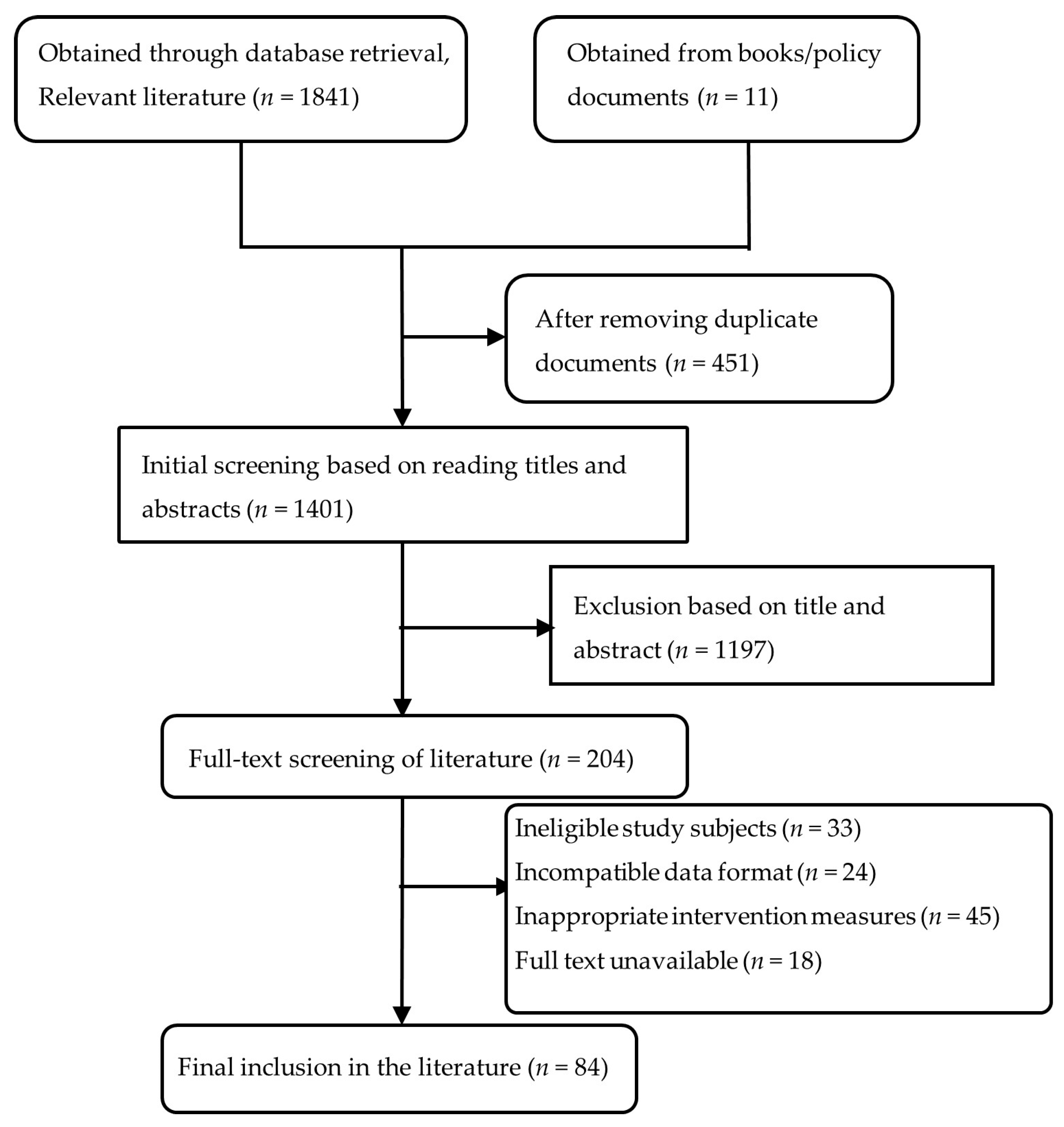
2.2. Literature Search and Study Selection Process
2.3. Data Extraction and Synthesis Method
2.3.1. Phase 1: Categorisation and Within-Modal Analysis
2.3.2. Phase 2: Cross-Modal Comparison and Model Development
3. Meth Mechanisms of Meth Use Disorder
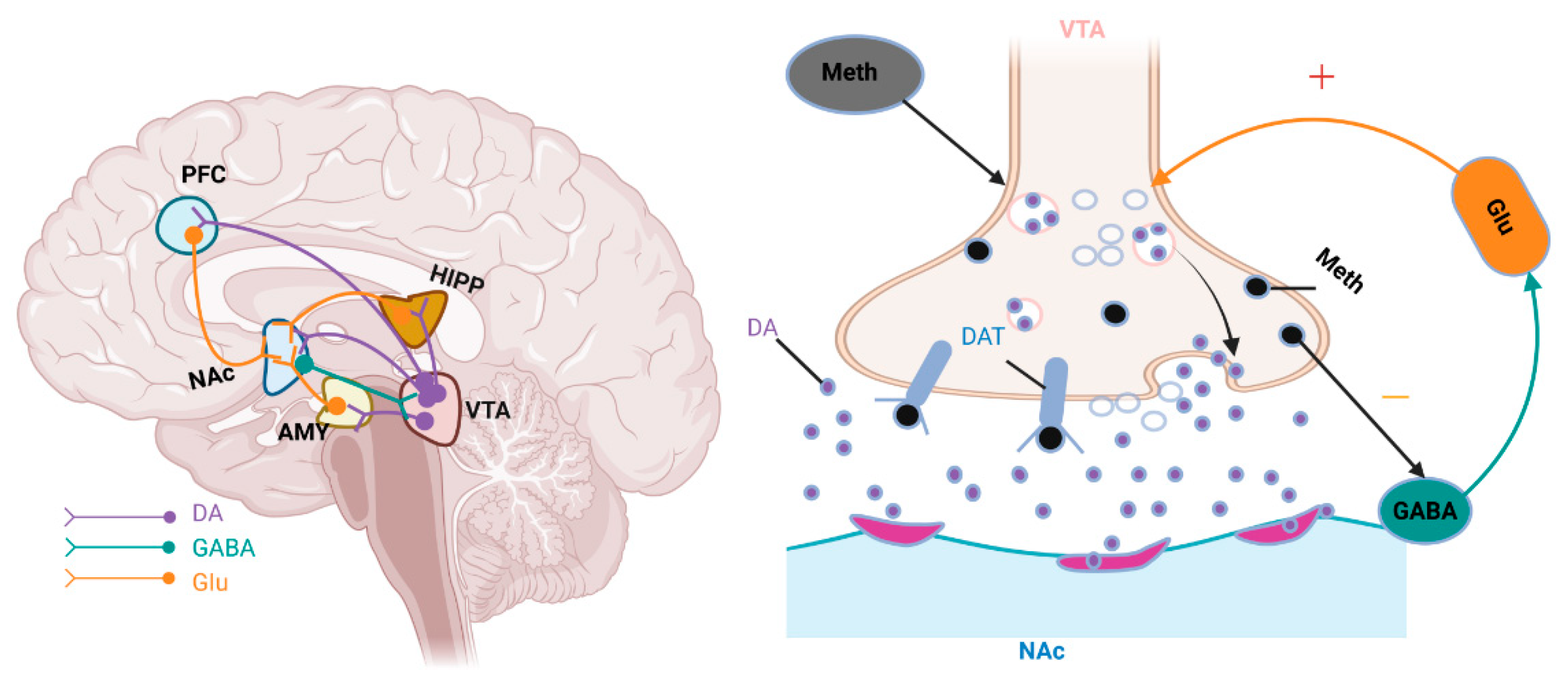
3.1. Neurobiological Mechanisms
3.2. Social Environment
4. Exercise Interventions for Meth Use Disorder
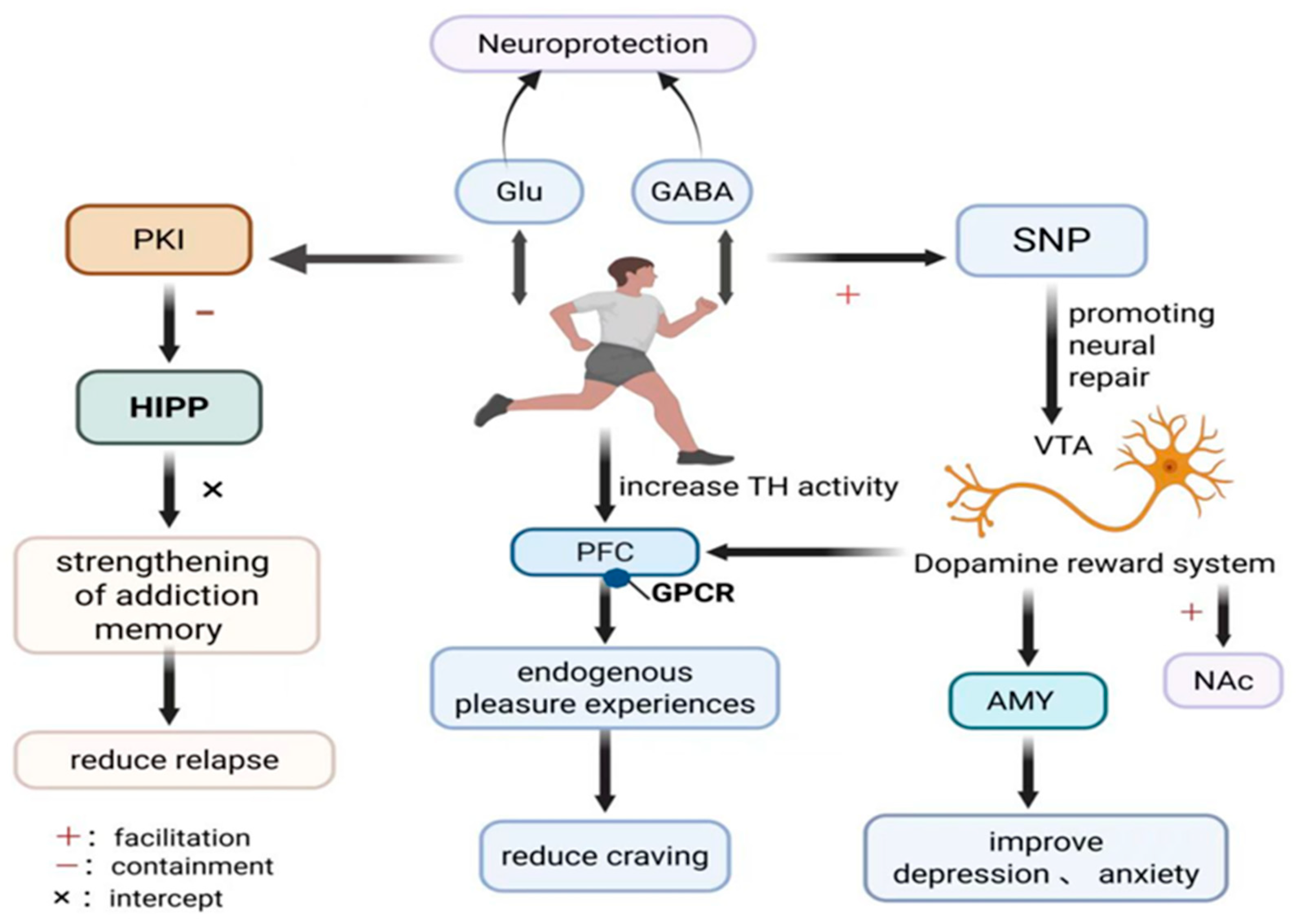
4.1. Mechanisms of Action of Exercise Intervention in Meth Use Disorder
4.2. Effect of Exercise Type on Craving in Meth Use Disorder
4.2.1. Aerobic Exercise Reduces Craving in Meth Use Disorder
4.2.2. Effects of Resistance Training on Craving in Meth Use Disorder
4.2.3. Comparison of Aerobic and Resistance Training Effects on Improving Meth Craving Levels
4.2.4. Effects of Mind–Body Exercises on Craving in Meth Use Disorder
4.3. Exercise Intervention Improves Psychosocial Functioning in Meth Use Disorder
4.4. Exercise Enhances Physical Health in Meth Use Disorder Patients
5. Exercise Prescription for Meth Use Disorder Formulation
5.1. Timing of Exercise Interventions for Meth Use Disorder
5.2. Development of Exercise Prescriptions for People in Different Stages of Meth Use Disorder
5.2.1. Exercise Prescription for the Physiological Detoxification Stage in Meth
5.2.2. Exercise Prescription for Rehabilitation Consolidation Phase in Meth Recovery
5.2.3. Exercise Prescription for Social Reintegration Coaching in Meth Recovery
5.3. The Role of Age and Gender in Exercise Interventions
5.4. Impact of the Rehabilitation Environment on the Implementation of Exercise Intervention
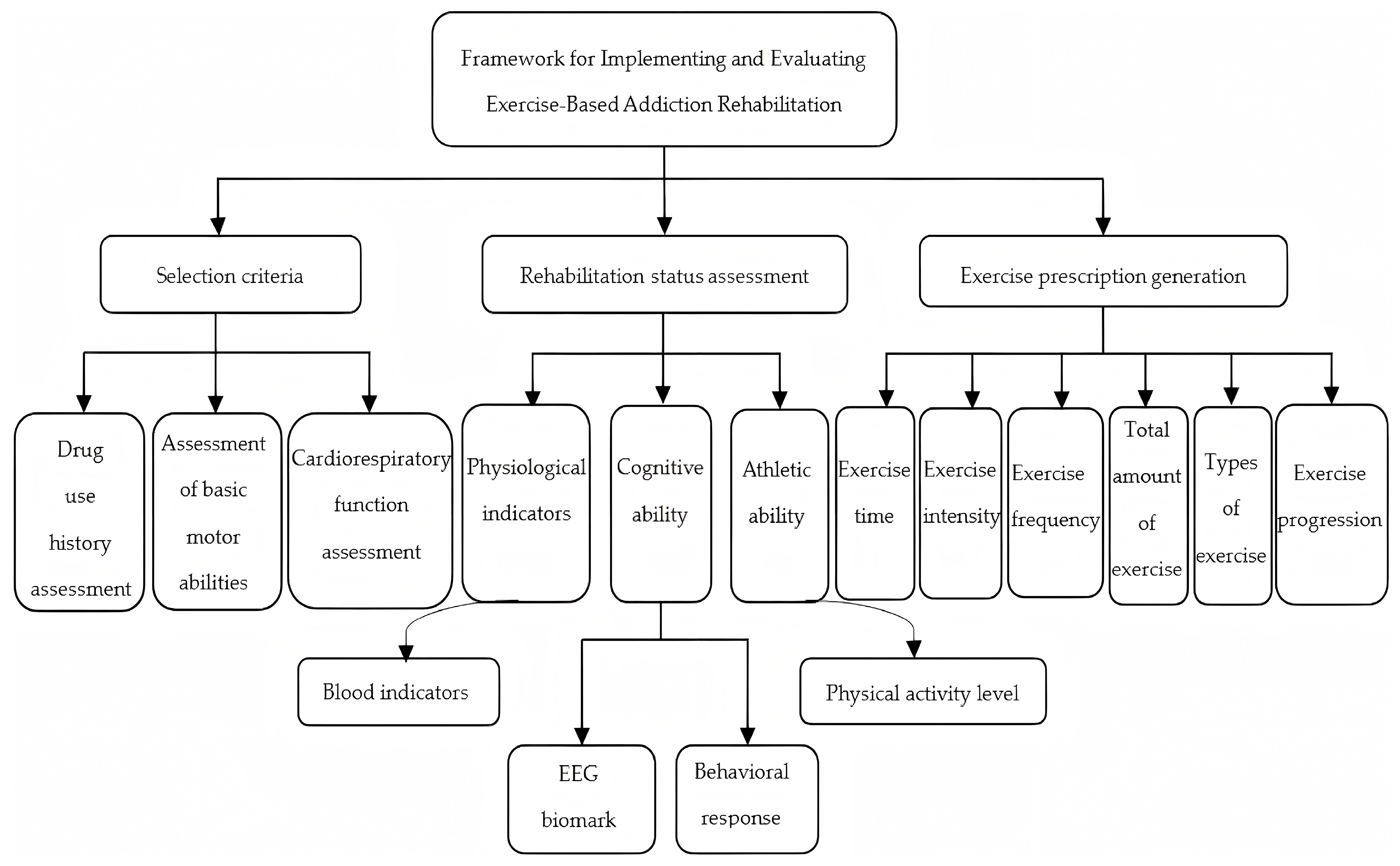
5.5. Evaluation Criteria for Exercise Interventions in Promoting Rehabilitation of Meth Use Disorder
- (1)
- A tri-level screening protocol (incorporating drug use history, basic motor capacity, and cardiopulmonary function) using standardised questionnaires and medical imaging to exclude high-risk individuals;
- (2)
- A physiological-cognitive-motor triaxial assessment model integrating blood biomarkers, EEG spectral features, and behavioural data for quantitative evaluation of neurofunctional impairment in drug use disorder;
- (3)
- A personalised exercise prescription system dynamically modulated by FITT-VP principles (exercise intensity: 40–70% VO2 max; progression rhythm: ≤10% weekly load increment).
6. Summary and Discussion
6.1. Contributions
6.2. Discussion
6.3. Future Outlook
Supplementary Materials
Author Contributions
Funding
Data Availability Statement
Acknowledgments
Conflicts of Interest
Abbreviations
| Meth | Methamphetamine |
| VTA | ventral tegmental area |
| PFC | prefrontal cortex |
| GABA | gamma-aminobutyric acid |
| PKI | Protein Kinase Inhibitor Peptide |
| DA | dopamine |
| NAc | nucleus accumbens |
| HIPP | hippocampus |
| TH | tyrosine hydroxylase |
| SNP | Synaptophysin |
| Glu | Glutamatergic |
| AMY | amygdala |
| DAT | dopamine transporter |
| GPCR | G protein-coupled receptor |
References
- United Nations Office on Drugs and Crime. World Drug Report 2024. Available online: https://www.unodc.org/unodc/en/data-and-analysis/world-drug-report-2024.html (accessed on 9 January 2025).
- Stephans, S.E.; Yamamoto, B.K. Methamphetamine-induced neurotoxicity: Roles for glutamate and dopamine efflux. Synapse 1994, 17, 203–209. [Google Scholar] [CrossRef]
- China Youth Network. Basic Knowledge of Drugs. Available online: https://qnzs.youth.cn/zt/2019jd/jdbk/201906/t20190628_11994824.htm (accessed on 9 January 2025).
- China National Narcotics Control Commission. 2023 National Drug Situation Report of China. Available online: http://www.nncc.org.cn/20240619/d1a1ffb1f3fb4c93bb05f6e73fb50414/c.html (accessed on 9 January 2025).
- Shen, H.; Chen, K.; Marino, R.A.M.; McDevitt, R.A.; Xi, Z.X. Deletion of VGLUT2 in midbrain dopamine neurons attenuates dopamine and glutamate responses to methamphetamine in mice. Pharmacol. Biochem. Behav. 2021, 202, 173104. [Google Scholar] [CrossRef]
- Xu, X.; Huang, E.; Tai, Y.; Zhao, X.; Chen, X.; Chen, C.; Chen, R.; Liu, C.; Lin, Z.; Wang, H.; et al. Nupr1 Modulates Methamphetamine-Induced Dopaminergic Neuronal Apoptosis and Autophagy through CHOP-Trib3-Mediated Endoplasmic Reticulum Stress Signaling Pathway. Front. Mol. Neurosci. 2017, 10, 203. [Google Scholar] [CrossRef]
- Qu, X.; Yang, P.; Zhai, R.; Xiong, Z.Q. Inhibition of RtTg neurons reverses methamphetamine-induced attention deficits. Acta Neuropathol. Commun. 2024, 12, 179. [Google Scholar] [CrossRef] [PubMed]
- Liang, J.C.; Li, J.; Li, S.X.; Xiang, J.S.; Li, X.D.; Zhang, R.M.; Huang, T.; Li, H.; Deng, Y.P. Characteristics of clinical changes of psychotic symptoms among methamphetamine addicts after withdrawal. Chin. J. Drug Depend. 2020, 29, 274–284. [Google Scholar]
- Gordon, D.G.; de Jong, G. Gaps in the ice: Methamphetamine in Australia; its history, treatment, and ramifications for users and their families. Int. J. Ment. Health Nurs. 2018, 27, 1861–1868. [Google Scholar] [CrossRef] [PubMed]
- Hasoon, J.; Nguyen, A.; Viswanath, O.; Abd-Elsayed, A. Challenges in Transitioning from Methadone to Buprenorphine-Naloxone for Chronic Pain Management: Two Cases. Psychopharmacol. Bull. 2025, 55, 60–65. [Google Scholar] [CrossRef]
- Petzold, J.; Weber, B.; Bassett, T.R.; Bauer, M.; Bernhardt, N.; Groß, C.; Hasler, H.; Schützwohl, M.; Pilhatsch, M. Effectiveness of the first German-language group psychotherapy manual to accompany short-term treatment in methamphetamine dependence. Front. Psychiatry 2020, 11, 130. [Google Scholar] [CrossRef]
- Chen, C.; Nakagawa, S. Physical activity for cognitive health promotion: An overview of the underlying neurobiological mechanisms. Ageing Res. Rev. 2023, 86, 101868. [Google Scholar] [CrossRef]
- Ministry of Justice of the People‘s Republic of China. The Beauty of Yoga: A Path to Recovery—Inner Mongolia Women’s Drug Rehabilitation Center Issues First Exercise “Prescription” for Female Inmates. Available online: https://www.chinalaw.gov.cn/pub/sfbgw/zwgkztzl/sfbjdzh/sfbjdzhjdjs/202103/t20210308_192729.html (accessed on 9 January 2025).
- Alessi, S.M.; Rash, C.J.; Pescatello, L.S. Reinforcing exercise to improve drug abuse treatment outcomes: A randomized controlled study in a substance use disorder outpatient treatment setting. Psychol. Addict. Behav. 2020, 34, 52–64. [Google Scholar] [CrossRef]
- Catalfio, A.M.; Fetterly, T.L.; Nieto, A.M.; Robinson, T.E.; Ferrario, C.R. Cocaine-induced sensitization and glutamate plasticity in the nucleus accumbens core: Effects of sex. Biol. Sex Differ. 2023, 14, 41. [Google Scholar] [CrossRef]
- Li, X.; Li, K.; Zhu, Z.; Jin, Y.; Gao, Z.; Xu, J.; Zhang, L. Exercise regulates the metabolic homeostasis of methamphetamine dependence. Metabolites 2022, 12, 606. [Google Scholar] [CrossRef]
- Ding, J.R.; Chen, Y.M. Effects of different exercise modalities on mood and drug craving in female MA-dependent individuals during abstinence. Hubei Sports Sci. 2023, 42, 852–857. [Google Scholar]
- AshaRani, P.V.; Hombali, A.; Seow, E.; Ong, W.J.; Tan, J.H.; Subramaniam, M. Non-pharmacological interventions for methamphetamine use disorder: A systematic review. Drug Alcohol. Depend. 2020, 212, 108060. [Google Scholar] [CrossRef] [PubMed]
- Rawson, R.A.; Chudzynski, J.; Mooney, L.; Gonzales, R.; Ang, A.; Dickerson, D.; Penate, J.; Salem, B.A.; Dolezal, B.; Cooper, C.B. Impact of an exercise intervention on methamphetamine use outcomes post-residential treatment care. Drug Alcohol Depend. 2015, 156, 21–28. [Google Scholar] [CrossRef]
- Jayanthi, S.; Daiwile, A.P.; Cadet, J.L. Neurotoxicity of methamphetamine: Main effects and mechanisms. Exp. Neurol. 2021, 344, 113795. [Google Scholar] [CrossRef]
- Li, K.F.; Yan, Q.; Ding, L.J.; Bi, J.; Bu, L.G.; Tang, L.; Li, X.; Wang, Y.; Dong, G.-J. Effects of moderate-intensity resistance training on brain functional connectivity in methamphetamine addicts. Chin. J. Sports Sci. 2021, 41, 25–33. [Google Scholar]
- Peng, B.; Chen, J.C.; Su, R.; Tao, W.J.; Wang, D.S. Effects of Resistance Exercise on Subjective Craving and Inducing Factors of Methamphetamine-dependent Individuals. Chin. J. Sports Med. 2021, 40, 46–54. [Google Scholar]
- Zhao, Q.; Liu, J.; Zhou, C.; Liu, T. Effects of Chronic Aerobic Exercise on Attentional Bias Among Women with Methamphetamine Addiction. Heliyon 2024, 10, e29847. [Google Scholar] [CrossRef] [PubMed]
- Rawson, R.A.; Chudzynski, J.; Gonzales, R.; Mooney, L.; Dickerson, D.; Ang, A. The impact of exercise on depression and anxiety symptoms among abstinent methamphetamine-dependent individuals in a residential treatment setting. J. Subst. Abus. Treat. 2015, 57, 36–40. [Google Scholar] [CrossRef]
- Wang, D.; Zhu, T.; Zhou, C.; Chang, Y.K. Aerobic exercise training ameliorates craving and inhibitory control in methamphetamine dependencies: A randomized controlled trial and event-related potential study. Psychol. Sport. Exerc. 2017, 30, 82–90. [Google Scholar] [CrossRef]
- Li, H.; Wang, C.; Huang, X.; Xu, L.; Cao, Y.; Luo, J.; Zhang, G. Chan-Chuang and resistance exercise for drug rehabilitation: A randomized controlled trial among Chinese male methamphetamine users. Front. Public Health 2023, 11, 1180503. [Google Scholar] [CrossRef]
- Jin, J.; Zhang, X.; Li, M.; Zhu, T.; Peng, B.; Wang, D.; Wang, K. Comparative acute effects of aerobic versus resistance exercise on ameliorating cravings and associated emotional and cognitive factors in individuals with methamphetamine use disorders. Int. J. Sport. Exerc. Psychol. 2025, 1, 1–21. [Google Scholar] [CrossRef]
- Ubeja, R.; Szujewski, C. The central mechanisms by which illicit drugs lead to addiction. J. Stud. Res. 2022, 11, 1–11. [Google Scholar] [CrossRef]
- Kroll, S.L.; Hulka, L.M.; Kexel, A.K.; Vonmoos, M.; Preller, K.H.; Treyer, V.; Ametamey, S.M.; Baumgartner, M.R.; Boost, C.; Pahlisch, F. Plasma endocannabinoids in cocaine dependence and their relation to cerebral metabotropic glutamate receptor 5 density. Transl. Psychiatry 2023, 13, 325. [Google Scholar] [CrossRef] [PubMed]
- Puig, S.; Xue, X.; Salisbury, R.; Shelton, M.A.; Kim, S.M.; Hildebrand, M.A.; Glausier, J.R.; Freyberg, Z.; Tseng, G.C.; Yocum, A.K. Circadian rhythm disruptions associated with opioid use disorder in synaptic proteomes of human dorsolateral prefrontal cortex and nucleus accumbens. Mol. Psychiatry 2023, 28, 4777–4792. [Google Scholar] [CrossRef] [PubMed]
- Li, Y.Y.; Li, J.; Yang, G.M.; Huang, J.; Liu, L.; Shen, B.Y.; Wang, C.; Xu, Y.; Lin, S.C.; Zeng, X.F. Research progress on neurotoxic effects and mechanisms of methamphetamine. J. Kunming Med. Univ. 2021, 42, 153–157. [Google Scholar]
- He, Z.; Chen, Y.; Dong, H.; Su, R.; Gong, Z.; Yan, L. Inhibition of vesicular glutamate transporters contributes to attenuating methamphetamine-induced conditioned place preference in rats. Behav. Brain Res. 2014, 267, 1–5. [Google Scholar] [CrossRef]
- Huang, M.B.; Bai, J. Research progress on GABA receptors and drug dependence. Chem. Life 2016, 36, 874–878. [Google Scholar]
- Mejias, R.; Rodriguez-Gotor, J.J.; Niwa, M.; Krasnova, I.N.; Adamczyk, A.; Han, M.; Thomas, G.M.; Xi, Z.X.; Huganir, R.L.; Pletnikov, M.V.; et al. Increased novelty-induced locomotion, sensitivity to amphetamine, and extracellular dopamine in striatum of Zdhhc15-deficient mice. Transl. Psychiatry 2021, 11, 65. [Google Scholar] [CrossRef] [PubMed]
- Curtis, M.G.; Reed, M.; Newman, A.; Doraivelu, K.; Patel, S.A.; Crawford, N.D.; Holland, D.P.; Hussen, S.A. Exploring the association between indicators of socioeconomic instability, survival sex, and methamphetamine use among young adult Black gay, bisexual, and other men who have sex with men: A cross-sectional study. J. Assoc. Nurses AIDS Care 2023, 34, 538–547. [Google Scholar] [CrossRef]
- Knerich, V.; Jones, A.A.; Seyedin, S.; Siu, C.; Dinh, L.; Mostafavi, S.; Barr, A.M.; Panenka, W.J.; Thornton, A.E.; Honer, W.G.; et al. Social and structural factors associated with substance use within the support network of adults living in precarious housing in a socially marginalized neighborhood of Vancouver, Canada. PLoS ONE 2019, 14, e0222611. [Google Scholar] [CrossRef]
- Aschengrau, A.; Grippo, A.; Winter, M.R. Influence of Family and Community Socioeconomic Status on the Risk of Adolescent Drug Use. Subst. Use Misuse 2021, 56, 577–587. [Google Scholar] [CrossRef]
- Otten, R.; Mun, C.J.; Shaw, D.S.; Wilson, M.N.; Dishion, T.J. A developmental cascade model for early adolescent-onset substance use: The role of early childhood stress. Addiction 2019, 114, 326–334. [Google Scholar] [CrossRef]
- Marzban, M.; Hadji, M.; Gholipour, M.; Rashidian, H.; Rezaianzadeh, A.; Hasanzadeh, J.; Haghdoost, A.A.; Rahimi-Movaghar, A.; Ghiasvand, R.; Moradi, A.; et al. Association of socioeconomic status with consumption of cigarettes, illicit drugs, and alcohol. J. Ethn. Subst. Abuse 2019, 18, 309–318. [Google Scholar] [CrossRef] [PubMed]
- Zhang, D. The Shaping and Adherence of Adolescent Social Education: Reflections Based on Celebrity Drug Abuse Incidents. China Youth Study 2015, 7, 106–110. [Google Scholar]
- McDonough, M.H.; Jose, P.E.; Stuart, J. Bi-directional Effects of Peer Relationships and Adolescent Substance Use: A Longitudinal Study. J. Youth Adolesc. 2016, 45, 1652–1663. [Google Scholar] [CrossRef] [PubMed]
- Zhu, Y.; Zhu, J.; Song, G. The impact of aerobic exercise training on cognitive function and gut microbiota in methamphetamine-dependent individuals in the community. Physiol. Behav. 2023, 270, 114302. [Google Scholar] [CrossRef]
- Morais, A.P.D.; Pita, I.R.; Fontes-Ribeiro, C.A.; Pereira, F.C. The neurobiological mechanisms of physical exercise in methamphetamine addiction. CNS Neurosci. Ther. 2018, 24, 85–97. [Google Scholar] [CrossRef]
- Liao, S.X.; Deng, K.; Bai, N.; Yang, W.; Wang, F.; Hao, Z.; Li, X. Mechanism by which exercise improves inhibitory control and drug craving in methamphetamine abstinent patients. Chin. J. Tissue Eng. Res. 2024, 28, 4390–4396. [Google Scholar]
- Saanijoki, T.; Nummenmaa, L.; Tuulari, J.J.; Tuominen, L.; Arponen, E.; Kalliokoski, K.K.; Hirvonen, J. Aerobic exercise modulates anticipatory reward processing via the μ-opioid receptor system. Hum. Brain Mapp. 2018, 39, 3972–3983. [Google Scholar] [CrossRef]
- Li, Y.; Re, G.F.; Zhao, Y.; Kong, D.; Mao, J.H.; Wang, K.H.; Kuang, Y.Q. Messenger RNA expression profiles and bioinformatics analysis of mouse hippocampi during exercise alleviates methamphetamine dependence via mRNA profile change in hippocampi. Ann. Transl. Med. 2022, 10, 957. [Google Scholar] [CrossRef]
- Hadadgar, S.; Peimani, J.; Hassani-Abharian, P.; Mashayekh, M.; Peivandi, P.; Fekrazad, R. Comparative Effects of Cognitive Rehabilitation and Photobiomodulation on Drug Craving in Treatment-Seeking Opioid Addicts. Photobiomodul. Photomed. Laser Surg. 2024, 42, 54–65. [Google Scholar] [CrossRef] [PubMed]
- Chen, Y.F.; Zhou, Y.; Wang, J.K.; Zhou, C.L.; Lu, Y.Z. Effects of acute aerobic exercise on drug craving among methamphetamine abstainers and moderation effect of cognitive function. Chin. J. Drug Depend. 2019, 28, 371–378. [Google Scholar]
- Qi, L.; Tian, Z.H.; Yue, Y.; Guan, S.; Tang, L.; Dong, Z. Effects of acute exercise on craving and cortical hemodynamics under drug-cue exposure in MA-dependent individuals. Neurosci. Lett. 2022, 781, 136672. [Google Scholar] [CrossRef]
- Somkuwar, S.S.; Staples, M.C.; Fannon, M.J.; Ghofranian, A.; Mandyam, C.D. Evaluating exercise as a therapeutic intervention for methamphetamine addiction-like behavior. Brain Plast. 2015, 1, 63–81. [Google Scholar] [CrossRef]
- Ciccolo, J.T.; Whitworth, J.W.; Dunsiger, S.I.; SantaBarbara, N.J.; Nosrat, S.; LaBrec, J.E. Acute effects of resistance exercise on affect, arousal, and urge to drink in temporarily abstinent young adult hazardous drinkers. Am. J. Addict. 2016, 25, 623–627. [Google Scholar] [CrossRef] [PubMed]
- Focht, B.C.; Koltyn, K.F. Influence of resistance exercise of different intensities on state anxiety and blood pressure. Med. Sci. Sports Exerc. 1999, 31, 456–463. [Google Scholar] [CrossRef] [PubMed]
- Vonk, M.; Wikkerink, S.; Regan, K.; Middleton, L.E. Similar changes in executive function after moderate resistance training and loadless movement. PLoS ONE 2019, 14, e0212122. [Google Scholar] [CrossRef]
- Wilke, J.; Giesche, F.; Klier, K.; Vogt, L.; Herrmann, E.; Banzer, W. Acute Effects of Resistance Exercise on Cognitive Function in Healthy Adults: A Systematic Review with Multilevel Meta-Analysis. Sports Med. 2019, 49, 905–916. [Google Scholar] [CrossRef]
- Arazi, H.; Shiva Dadvand, S.; Tavakoli Fard, M. Neurotransmitters and Cardiovascular Responses to Aerobic and Resistance Exercise in Men Addicted to Methamphetamine. Balt. J. Sport. Health Sci. 2017, 3, 2–10. [Google Scholar] [CrossRef]
- Guo, Y.; Liu, J.L.; Huang, T.; Tan, J.; Zhang, J.; Zheng, L. Effects of aerobic exercise combined with resistance training on plasma oxytocin, vasopressin, and anxiety state in male opioid-dependent patients. Chin. J. Behav. Med. Brain Sci. 2021, 30, 440–445. [Google Scholar]
- Zhang, T.; Liu, W.; Gao, S. Effects of mind-body exercises on cognitive impairment in people with Parkinson’s disease: A mini-review. Front. Neurol. 2022, 13, 931460. [Google Scholar] [CrossRef]
- Zhu, D.; Jiang, M.; Xu, D.; Schöllhorn, W.I. Long-term effects of mind-body exercises on the physical fitness and quality of life of individuals with substance use disorder—A randomized trial. Front. Psychiatry 2020, 11, 528373. [Google Scholar] [CrossRef]
- Liu, X.; Zhang, Y.; Cheng, H.; Dong, H.; You, Y.; Wu, Y.; Yang, C.; Jing, L. Mindfulness-based relapse prevention targeting psychological craving and trait mindfulness in young Chinese women with methamphetamine dependence: A randomized controlled trial. Front. Psychiatry 2024, 15, 1339517. [Google Scholar] [CrossRef]
- Petker, T.; Yanke, C.; Rahman, L.; Whalen, L.; Demaline, K.; Whitelaw, K.; Bang, D.; Holshausen, K.; Amlung, M.; MacKillop, J. Naturalistic evaluation of an adjunctive yoga program for women with substance use disorders in inpatient treatment: Within-treatment effects on cravings, self-efficacy, psychiatric symptoms, impulsivity, and mindfulness. Subst. Abus. Res. Treat. 2021, 15, 11782218211026651. [Google Scholar] [CrossRef]
- Cui, J.; Liu, F.; Liu, X.; Li, R.; Chen, X.; Zeng, H. The impact of Qigong and Tai Chi exercise on drug addiction: A systematic review and meta-analysis. Front. Psychiatry 2022, 13, 826187. [Google Scholar] [CrossRef] [PubMed]
- Wang, M.; Chen, Y.; Xu, Y.; Zhang, X.; Sun, T.; Li, H.; Yuan, C.; Li, J.; Ding, Z.H.; Ma, Z.; et al. A Randomized Controlled Trial Evaluating the Effect of Tai Chi on Drug Craving in Women. Int. J. Ment. Health Addict. 2022, 20, 1103–1115. [Google Scholar] [CrossRef]
- Bardo, M.T.; Compton, W.M. Does Physical Activity Protect Against Drug Abuse Vulnerability? Drug Alcohol Depend. 2015, 153, 3–13. [Google Scholar] [CrossRef] [PubMed]
- Gao, S.; Zhou, C.; Chen, Y. Effects of Acute Moderate- and High-Intensity Aerobic Exercise on Oxygenation in the Prefrontal Cortex of Male Methamphetamine-Dependent Patients. Front. Psychol. 2022, 13, 801531. [Google Scholar] [CrossRef] [PubMed]
- Zhu, Z.; Xu, J.; Jin, Y.; Wang, L.; Li, X. Effects of Aerobic Exercise on Markers of Brain Injury in Methamphetamine-Dependent Individuals: A Randomized Controlled Trial. Brain Sci. 2022, 12, 1521. [Google Scholar] [CrossRef]
- Claes, J.; Buys, R.; Budts, W.; Smart, N.; Cornelissen, V.A. Longer-term effects of home-based exercise interventions on exercise capacity and physical activity in coronary artery disease patients: A systematic review and meta-analysis. Eur. J. Prev. Cardiol. 2017, 24, 244–256. [Google Scholar] [CrossRef]
- Dolezal, B.A.; Chudzynski, J.; Storer, T.W.; Abrazado, M.; Penate, J.; Mooney, L.; Dickerson, D.; Rawson, R.A.; Cooper, C.B. Eight weeks of exercise training improve fitness measures in methamphetamine-dependent individuals in residential treatment. J. Addict. Med. 2013, 7, 122–128. [Google Scholar] [CrossRef]
- Wang, K.; Zhang, T.R.; Luo, J. Reversibility of inhibitory control impairment in methamphetamine addicts: Improvement mechanisms and application progress of aerobic exercise. Chin. J. Sports Sci. 2021, 41, 88–97. [Google Scholar]
- Zhou, Y.; Finlayson, G.; Liu, X.; Zhou, Q.; Liu, T.; Zhou, C. Effects of acute dance and aerobic exercise on drug craving and food reward in women with methamphetamine dependence. Med. Sci. Sports Exerc. 2021, 53, 2245–2253. [Google Scholar] [CrossRef] [PubMed]
- Roessler, K.K. Exercise treatment for drug abuse--A Danish pilot study. Scand. J. Public Health 2010, 38, 664–669. [Google Scholar] [CrossRef]
- Li, Y.L.; Song, E. Experts’ Consensus on Exercise Prescription for Drug Abusers. Chin. J. Sports Med. 2020, 39, 837–844. [Google Scholar]
- Gil, F.; de Andrade, A.G.; Castaldelli-Maia, J.M. Discussing prevalence, impacts, and treatment of substance use disorders in athletes. Int. Rev. Psychiatry 2016, 28, 572–578. [Google Scholar] [CrossRef] [PubMed]
- Ruisniemi, A.; Itäpuisto, M.; Kuusisto, K. Relational parenthood in addiction recovery. Nord. Stud. Alcohol. Drugs 2024, 41, 175–185. [Google Scholar] [CrossRef]
- Bliuc, A.M.; Best, D.; Iqbal, M.; Upton, K. Building addiction recovery capital through online participation in a recovery community. Soc. Sci. Med. 2017, 193, 110–117. [Google Scholar] [CrossRef]
- Abranes, A.M.; Battle, C.L.; Strong, D.R.; Ing, E.; Dubreuil, M.E.; Gordon, A.; Brown, R.A. Exercise preferences of patients in substance abuse treatment. Ment. Health Phys. Act. 2011, 4, 79–87. [Google Scholar] [CrossRef]
- Fadus, M.C.; Squeglia, L.M.; Valadez, E.A.; Tomko, R.L.; Bryant, B.E.; Gray, K.M. Adolescent Substance Use Disorder Treatment: An Update on Evidence-Based Strategies. Curr. Psychiatry Rep. 2019, 21, 96. [Google Scholar] [CrossRef]
- Han, B.; Gfroerer, J.C.; Colliver, J.D.; Penne, M.A. Substance Use Disorder among Older Adults in the United States. Addiction 2009, 104, 88–96. [Google Scholar] [CrossRef]
- Malandish, A.; Rahmati-Yamchi, M. The effect of moderate intensity aerobic exercise on cardiovascular function, cardiorespiratory fitness and estrogen receptor alpha gene in overweight/obese postmenopausal women: A randomized controlled trial. J. Mol. Cell. Cardiol. Plus 2022, 2, 100026. [Google Scholar] [CrossRef] [PubMed]
- T/JD 0002-2020; Guidelines for Exercise-Based Rehabilitation Evaluation of Compulsory Isolated Drug Addicts. Standard Press: Beijing, China, 2020; pp. 12–24.
- Feng, L.S. Exercise Prescription; Higher Education Press: Beijing, China, 2020; pp. 191–241. [Google Scholar]
- Zhou, C.L. Theoretical Interpretation and Application of Exercise-Based Drug Rehabilitation Standards; Northeastern University Press: Shenyang, China, 2020; pp. 81–112. [Google Scholar]
- Morris, L.; Stander, J.; Ebrahim, W.; Eksteen, S.; Meaden, O.A.; Ras, A.; Wessels, A. Effect of exercise versus cognitive behavioural therapy or no intervention on anxiety, depression, fitness and quality of life in adults with previous methamphetamine dependency: A systematic review. Addict. Sci. Clin. Pract. 2018, 13, 4. [Google Scholar] [CrossRef] [PubMed]
- Xu, C.; Zhang, Z.; Hou, D.; Wang, G.; Li, C.; Ma, X.; Wang, K.; Luo, H.; Zhu, M. Effects of exercise interventions on negative emotions, cognitive performance and drug craving in methamphetamine addiction. Front. Psychiatry 2024, 15, 1402533. [Google Scholar] [CrossRef]
- Etnier, J.L.; Wideman, L.; Labban, J.D.; Piepmeier, A.T.; Pendleton, D.M.; Dvorak, K.K.; Becofsky, K. The Effects of Acute Exercise on Memory and Brain-Derived Neurotrophic Factor (BDNF). J. Sport. Exerc. Psychol. 2016, 38, 331–340. [Google Scholar] [CrossRef] [PubMed]



| Research (Year) | Evidence Levels and Design | Research Subjects and Core Interventions | Key Performance Indicators | Core Contributions to the Theoretical Model |
|---|---|---|---|---|
| Alessi et al. (2020) [14] | RCT | Outpatients with Substance Use Disorders: Intensive Exercise (3 times/week, 12 weeks) | Relapse rate, treatment adherence | Provide Level I evidence that long-term regular exercise reduces relapse as a hard endpoint during community rehabilitation |
| Ding et al. (2023) [17] | Controlled trial | Female Meth users: Different types of exercise (e.g., aerobic/yoga, 2–3 times per week × 8 weeks) | Emotional state, level of drug craving | Exercise Regulates Neurotransmitters to Improve Mood and Cravings. Group-matched control bias; generaliza-ble to similar female postmenopausal populations |
| Jayanthi et al. (2021) [20] | Literature Review | Integrate existing evidence to elucidate the neurotoxic mechanisms of Meth | Mechanism Analysis | Provide the theoretical basis for Meth-induced neurological damage and identify neuroprotective targets for exercise intervention |
| Li et al. (2021) [21] | RCT | Meth use disorder patients: moderate-intensity resistance training (12 weeks) | Brain functional connectivity metrics (fMRI detection) | Provide mechanistic evidence that resistance training improves functional connectivity within brain networks |
| Peng et al. (2021) [22] | Dose–response study | Meth use disorder patients; different intensities of resistance training (8–12 weeks) | Psychological craving score, response to triggers | Revealing a dose-dependent relationship between resistance training intensity and craving reduction |
| Zhao et al. (2024) [23] | RCT | Female Meth addicts, chronic aerobic exercise at moderate intensity (3 times/week × 12 weeks) | Attention bias | Evidence suggests that chronic exercise enhances cognitive control and reduces attentional bias toward drug cues |
| Rawson et al. (2015) [24] | RCT | Meth-dependent individuals after hospitalisation; Combined aerobic and strength training (12 weeks) | Relapse rate, frequency of use | Evidence confirms that combined exercise offers sustained benefits in consolidating long-term abstinence and preventing relapse |
| Wang et al. (2017) [25] | RCT | Meth dependence in individuals: aerobic exercise (3 times per week, 12 weeks) | Rating craving, inhibitory control, ERP | Provides electrophysiological evidence linking recent improvements in motor and inhibitory control functions to reduced craving |
| Li et al. (2023) [26] | RCT | Chinese male Meth users; Chan-Chuang + resistance training | Craving intensity, withdrawal symptoms, and treatment adherence | Demonstrate the comprehensive rehabilitative benefits of mind–body integrated exercise patterns among the Chinese population. |
| Jin et al. (2025) [27] | Intervention-controlled study | Meth use disorder patients: acute aerobic exercise vs. resistance training of equal intensity | Craving, Emotion, Cognitive Function | Directly comparing the acute effects of different exercise types provides a basis for personalised prescriptions |
| Parameters | Aerobic Exercise | Resistance Training | Mind–Body Exercise |
|---|---|---|---|
| Primary Neural Target | Prefrontal–striatal circuit (cognitive control) | Amygdala–striatal circuit (emotional regulation) | Autonomic Nervous System/Insula (interoception) |
| Primary Mechanism | Upregulates BDNF, enhances dopamine D1 receptor function | Modulates dopamine/serotonin balance, increases GABAergic tone | Increases heart rate variability, reduces cortisol enhances mindfulness |
| Key Symptom Target | Cognitive impairment, attentional bias | Emotional dysregulation, impulse control | Craving, anxiety, stress reactivity |
| Optimal Intervention Stage | Early abstinence (cognitive rehab), Maintenance | Rehabilitation consolidation (emotional stability) | Across all stages (esp. stress management and relapse prevention) |
| Typical Protocol | 30–50 min, 60–75% HRmax, 3–5×/week | 60–70% 1 RM, 3 sets of 8–12 reps, 2–3×/week | 30–60 min, low-moderate intensity, 3–7×/week |
| Parameters | Physiological Detoxification Stage | Rehabilitation Consolidation Phase | Social Reintegration Coaching |
|---|---|---|---|
| Primary Goals | Alleviate withdrawal symptoms, reduce acute cravings, and establish an exercise routine. | Improve emotional stability, enhance cognitive function, and prevent relapse | Rebuild healthy lifestyles, promote social integration, and consolidate long-term abstinence. |
| Recommended Modalities | Primarily aerobic exercise | Combining aerobic and resistance training | Physical and Mental Exercise and Community Group Activities |
| Exercise Intensity | Low intensity (approximately 40% of maximum heart rate) | Moderate intensity as the primary focus (Cardio: 60–70% of maximum heart rate; Resistance training: 60–70% of 1 RM) | Moderate intensity, emphasising enjoyment and sustainability |
| Age and Gender Considerations | Adolescents: Focus on short-duration, highly engaging gamified exercise to prevent resistance. Perimenopausal women: Prioritise bone health and incorporate low-impact resistance training. | Adult males: Team-based competitive activities can be introduced to satisfy social dominance needs; Females: Strengthen practices like yoga and tai chi that simultaneously improve emotional well-being and body image. | Women: Recommended to prioritise group aerobics. Men: Focus on group ball sports. Older adults: Engage primarily in low-impact activities like walking or tai chi to enhance well-being. |
| Frequency & Duration | 3 times per week, 10–30 min per session | 3–5 times per week, 30–60 min per session | ≥3 times per week, 30–60 min per session, encouraged to integrate into daily life |
| Key Neural Targets | Activate the mesolimbic dopamine pathway to compensate for reward deficiency; promote endorphin release. | Regulate the amygdala–striatal circuit to improve emotional control, and enhance prefrontal cortex function to strengthen inhibitory control. | Balance the autonomic nervous system to manage stress and cravings; Promote brain health through social engagement. |
| Implementation Environment | Closed institution | Semi-open institutions/Community transition zones | Community + Family |
Disclaimer/Publisher’s Note: The statements, opinions and data contained in all publications are solely those of the individual author(s) and contributor(s) and not of MDPI and/or the editor(s). MDPI and/or the editor(s) disclaim responsibility for any injury to people or property resulting from any ideas, methods, instructions or products referred to in the content. |
© 2025 by the authors. Licensee MDPI, Basel, Switzerland. This article is an open access article distributed under the terms and conditions of the Creative Commons Attribution (CC BY) license (https://creativecommons.org/licenses/by/4.0/).
Share and Cite
Li, Y.; Chen, X.; Wang, T.; Zou, W.; Tang, Y.; Li, Z. Exercise as a Promising Adjunct Treatment for Methamphetamine Addiction: Advances in Understanding Neuroplasticity and Clinical Applications. Brain Sci. 2025, 15, 1339. https://doi.org/10.3390/brainsci15121339
Li Y, Chen X, Wang T, Zou W, Tang Y, Li Z. Exercise as a Promising Adjunct Treatment for Methamphetamine Addiction: Advances in Understanding Neuroplasticity and Clinical Applications. Brain Sciences. 2025; 15(12):1339. https://doi.org/10.3390/brainsci15121339
Chicago/Turabian StyleLi, Yongting, Xiaolong Chen, Tingting Wang, Wanlin Zou, Yong Tang, and Zhigang Li. 2025. "Exercise as a Promising Adjunct Treatment for Methamphetamine Addiction: Advances in Understanding Neuroplasticity and Clinical Applications" Brain Sciences 15, no. 12: 1339. https://doi.org/10.3390/brainsci15121339
APA StyleLi, Y., Chen, X., Wang, T., Zou, W., Tang, Y., & Li, Z. (2025). Exercise as a Promising Adjunct Treatment for Methamphetamine Addiction: Advances in Understanding Neuroplasticity and Clinical Applications. Brain Sciences, 15(12), 1339. https://doi.org/10.3390/brainsci15121339