1. Introduction
Microwave heating is a volumetric heating method based on the interaction between electromagnetic energy and matter [
1]. It offers advantages such as rapid heating speed, high energy transfer efficiency, and strong controllability [
2,
3], and has been widely applied in fields like chemical engineering [
4], material sintering [
5], and food engineering [
6]. However, unlike traditional conductive heating or infrared heating, the essence of microwave heating is a dynamic coupling process between the spatial distribution of the electromagnetic field energy and the absorption characteristics of the dielectric material. When multiple microwave sources act simultaneously, the superposition of electric fields within the cavity forms complex interference patterns [
7,
8] resulting in significant spatial non-uniformity of electromagnetic energy. This inherent non-uniformity in the field distribution directly leads to the emergence of “hot spots” and “cold areas” within the material, which not only reduces energy utilisation efficiency but may also cause issues such as overheating and structural damage to the material. Existing research on optimizing the spatial distribution of electromagnetic energy in microwave heating processes has primarily evolved along two pathways. The first approach involves indirectly reconstructing the electromagnetic field through cavity structure design and boundary condition control to improve the energy distribution in the heating zone. Early work predominantly focused on employing physical perturbation methods to break standing wave patterns within the cavity, such as introducing rotating turntables [
9], periodically changing the positions of waveguide apertures [
10], adding mode stirrers [
11], or inducing spatial displacement of the heated sample [
12]. These methods promote the redistribution of field energy within the cavity, thereby enhancing the coverage of the electromagnetic field and the resulting temperature field. Building upon this, some studies have further explored the synergistic effects of structural perturbation and dynamic adjustment. For instance, Ye et al. [
13] combined a low-speed rotating turntable with a high-speed mode stirrer to enhance the multi-scale effect of field pattern disturbance; Zhu et al. [
14] designed a rotatable waveguide structure that enables microwave sources to switch angular positions during heating, thereby enhancing the time-varying distribution capability of electromagnetic energy inside the cavity; Zhou et al. [
15] employed a hybrid Lagrangian–Eulerian modelling method to establish a tunable geometry optimisation framework for the adaptive adjustment of cavity shape, achieving the co-optimisation of “field pattern shaping” and thermal distribution control.
However, although mechanical-disturbance-based enhancement techniques have demonstrated significant effectiveness in improving the dynamic distribution of electromagnetic and thermal fields and have achieved successful applications in many practical scenarios, their deployment in industrial environments may be influenced by multiple factors such as installation space, sealing compatibility, maintenance convenience, and operational cost. Therefore, in application scenarios where mechanical adjustment is limited or the integration of mechanical components is difficult—such as high-viscosity media, solid-material heating, and sealed cavity systems—exploring strategies that enable dynamic optimisation and controllable reconstruction of electromagnetic field distribution without relying on mechanical actuation holds substantial research significance and potential engineering value.
As the limitations of mechanical perturbation methods in terms of engineering feasibility became increasingly apparent, the research focus began shifting from passive adjustment at the cavity structure level to active control at the microwave source end. Under this rationale, the second optimisation pathway enhances heating performance through the intelligent scheduling of microwave-source parameters. This strategy aims to actively regulate the electromagnetic field distribution using programmable electrical parameters such as power and frequency without altering the cavity structure, thereby improving energy utilisation efficiency and temperature field uniformity. Representative work includes power allocation optimisation [
16], frequency selection strategies [
17], and combined power–frequency control methods [
18]. For example, Cheng et al. [
19] introduced a predictive control framework that dynamically adjusts the power allocation among multiple sources based on target temperature changes and material response, enabling more precise energy projection control; Bae et al. [
20] constructed a multi-channel array microwave system combined with continuous power adjustment to improve spatial heating uniformity. Meanwhile, frequency control strategies have been proven effective in exciting different resonant modes, breaking local standing wave concentration, and thus improving the distribution balance of electromagnetic energy within the cavity [
21]. In further studies, Yang et al. [
22,
23] proposed online frequency drift and complementary frequency cooperative control strategies, introducing a feedback regulation mechanism in the frequency domain to achieve joint optimisation of power and frequency.
Despite the significant progress achieved by both cavity structure regulation and source-side active control strategies in improving microwave heating uniformity and energy efficiency, challenges remain in terms of applicability and coordination capability when dealing with complex coupling scenarios and dynamic load conditions. Structure-disturbance-based approaches can effectively modify standing-wave field distributions and have demonstrated excellent performance in many liquid-phase reactions and continuous-flow systems. However, their practical implementation often requires mechanical components such as rotating, translating, or deformable structures, and therefore involves comprehensive considerations including equipment integration space, sealing compatibility, maintenance requirements, and operational costs; moreover, in certain working conditions, the real-time responsiveness of mechanical adjustment may be constrained by process demands or material properties. In contrast, source-side active control offers greater flexibility and engineering potential by directly adjusting power, frequency, or phase parameters of microwave sources. Nevertheless, existing research primarily focuses on single-variable static or preset regulation, lacking multi-parameter coordinated control mechanisms, and is therefore insufficient to maintain globally optimal performance under conditions involving load variations, multi-zone thermal coupling, and dynamic feedback. Additionally, although multi-source solid-state microwave generation technology enables independent and fine-grained parameter control, high-power semiconductor microwave generators with controllable phase, frequency, and amplitude currently remain relatively costly and technically demanding in terms of system integration. Therefore, at the current stage, source-side control should be regarded as a promising research direction, rather than an immediate engineering replacement for mature mechanical stirring or structure-disturbance-based solutions. Furthermore, multi-source microwave systems inherently exhibit heterogeneity in spatial influence and energy contribution among different sources. However, most existing strategies treat the system as a single unified control entity, without fully exploiting the potential of differentiated collaboration among sources. Consequently, motivated by practical engineering needs, it is of great significance and application value to explore an active control strategy that can simultaneously incorporate inter-source differentiation, dynamic system feedback, and spatiotemporal collaborative regulation, thereby enhancing the adaptability and overall heating performance of multi-source microwave heating systems.
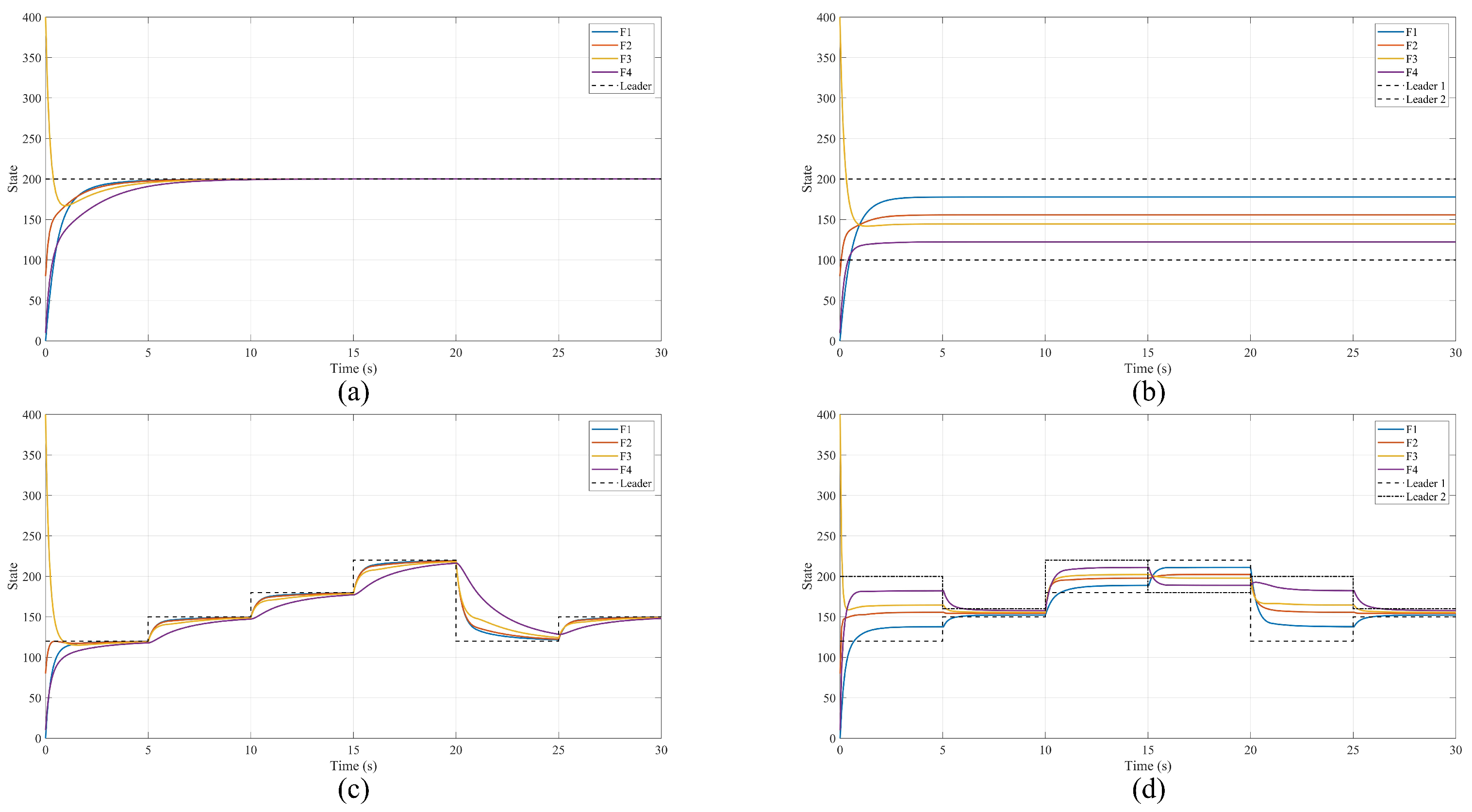
To overcome the limitations of traditional cavity perturbation and source-side parameter control, such as delayed response and insufficient adaptability in complex thermal environments, researchers have begun to introduce the modelling concept of multi-agent systems (MAS), offering a more hierarchical and self-organizing system optimisation pathway for microwave heating processes. This approach abstracts each microwave source as an independent intelligent agent with perception, decision-making, and execution capabilities, and on this basis, constructs a distributed control architecture featuring local information interaction, autonomous feedback, and group collaboration. In this way, the system can achieve task decoupling and coordinated response under complex working conditions such as intricate global coupling, unbalanced thermal zone responses, or dynamic load changes, thereby significantly enhancing overall control flexibility and stability [
24,
25]. Currently, the core research direction in multi-agent systems focuses on consensus control theory. This theory drives the convergence of individual states through local neighbor interaction, thereby achieving coordinated behavior of the overall system. Mainstream models can be broadly classified into two categories: (1) Leaderless consensus models. Relevant research includes Xu et al. [
26], who proposed two types of fully distributed observer structures based on adaptive event-triggering, achieving system consensus control without requiring global information; Luo et al. [
27] analysed conditions for group consensus under arbitrary coupling strengths for general topological structures and proposed an acyclic criterion and feasibility determination algorithm. (2) Leader–follower consensus models. Zhao et al. [
28] designed a hybrid consensus strategy based on asynchronous sampled data, improving system convergence performance under non-synchronous sampling by introducing a reset mechanism and Lyapunov function analysis; Wang et al. [
29], focusing on security, established an event-triggered compensation mechanism against false data injection attacks, effectively mitigating the impact of data pollution on state consensus. Although consensus theory has been widely applied in fields such as communication networks, distributed robotics, and energy system control, its in-depth study in multi-source microwave heating scenarios remains relatively limited. In recent years, some scholars have attempted to introduce the consensus framework into microwave heating control. For instance, references [
30,
31] proposed intelligent stirring and energy distribution control systems based on multi-agent consensus models, achieving spatiotemporal reconstruction of electromagnetic energy within the cavity through multi-source synchronous perturbation and significantly improving heating uniformity and energy efficiency performance. However, such research still mostly focuses on coupling design at the level of source synchronisation or local thermal feedback, leaving significant gaps in areas such as electromagnetic spatial characteristic modelling, dynamic topology evolution, energy feedback consensus constraints, and inter-layer information fusion.
This study focuses on three long-standing bottlenecks in multi-source microwave heating systems: the highly complex coupling of electromagnetic field distribution, the severely limited dimensionality of energy regulation, and the significantly unbalanced thermal responses among different regions. The objective of this research is to construct a control mechanism capable of achieving collaborative optimisation of the spatial distribution and amplitude modulation of electromagnetic energy, thereby significantly improving heating efficiency and achieving high-temperature uniformity without increasing total power input. To achieve this objective, a distributed optimisation control method based on phase–power collaborative regulation and consensus-feedback constraints is proposed within the framework of a Multi-Agent System (MAS). Each microwave source is modelled as an agent with independent perception, computation, and local decision-making capability. Under a hierarchical structure, spatiotemporal dual-scale optimisation is accomplished through a two-stage cooperative control strategy—“phase leading, power following”. In the phase layer, adaptive reconstruction of the electromagnetic interference pattern is realised through relative phase definition and a two-level search strategy, rapidly forming a low-reflection, high-absorption, and stable electromagnetic field distribution. In the power layer, a source–region energy coupling matrix and a consensus-feedback mechanism are introduced, where power reallocation is driven by regional energy deviation and neighbourhood consistency relationships, constructing a regional energy collaboration network to balance hot-spot suppression and cold-region compensation, forming a dual time-scale dynamic process of fast reconstruction and slow balancing.
3. Development of a Distributed Framework for Multi-Microwave-Source Heating Based on Power–Phase Synergy
3.1. Problem Description
Consider a hierarchical multi-agent system composed of n microwave-source agents and k material-partitioned regions. According to their functions and interaction mechanisms, the agents in the system are divided into two layers: the power–phase virtual interaction layer and the material-region feedback layer . A graph-based structure is established between these layers to achieve power–phase synergistic regulation between the electromagnetic and thermal fields.
(1) Power–Phase Interaction Layer :
In this layer, each microwave-source agent performs dual functions of power regulation and phase adjustment. The state vector of the
i-th agent is defined as
where
represents the power component of source
i, and
denotes its phase component. The system dynamics are described by
where
and
denote the power and phase adjustment parameters of source
i, respectively, and
represents the adjacency set associated with source
i, reflecting the electromagnetic–thermal coupling relationship between sources and regions.
(2) Material-Region Feedback Layer :
This layer consists of agents corresponding to material-partitioned regions, each of which characterises the thermal response of the region through its temperature state vector. The state vector of the
i-th region agent is defined as
and its dynamics are expressed as
where
represents the adjacency set of region
i, describing the thermal diffusion and state interaction relationships among regions. The function
is continuous in time
t and satisfies the piecewise Lipschitz condition with respect to
, ensuring the existence and uniqueness of system solutions.
In summary, the dual-layer agent architecture establishes models from two perspectives: power–phase regulation () and thermal-diffusion feedback (). Through inter-layer interactions constructed by graph structures, the electromagnetic and thermal fields are cooperatively optimised.
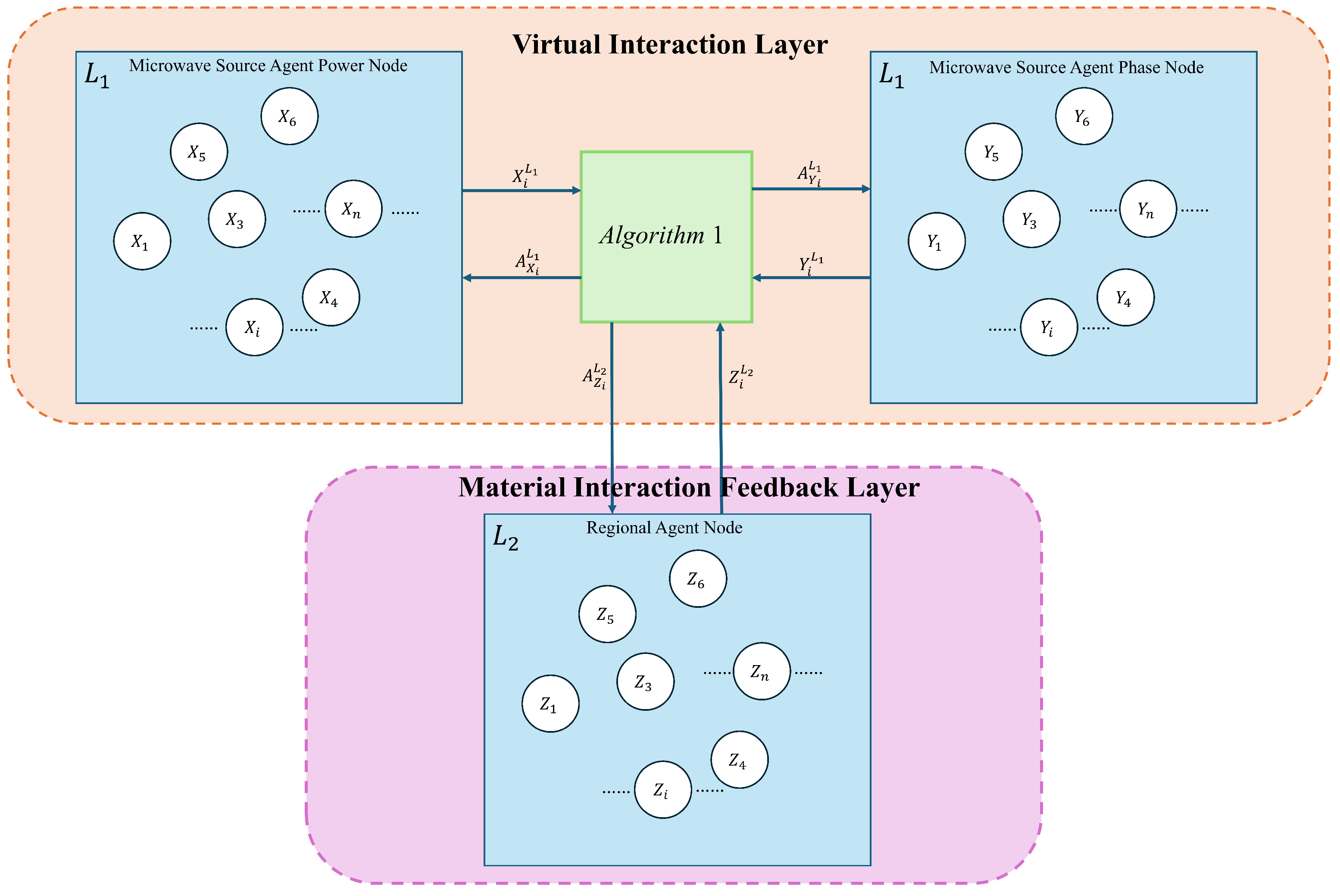
Under the multilayered architecture shown in
Figure 1, the agent nodes in layer
are divided into two categories: the microwave-source power agents and the microwave-source phase agents, denoted, respectively, as
and
. The overall agent set of layer
can thus be expressed as
. Here,
represents the set of agents associated with power regulation, while
corresponds to the agents responsible for phase regulation.
Furthermore, in the material feedback layer , to characterise the real-time thermal states of the heated material, the set of regional material agents is defined as . These regional agents correspond to spatial partitions of the material, and their states reflect local temperature dynamics and feedback information.
Based on this structure, the intra-layer edge sets are defined as follows:
Accordingly, for any agent
i in each layer, the neighborhood sets are defined as
Here, and denote the neighborhood sets of agent i in the power–phase layer and the material feedback layer, respectively. and represent the maximum communication radii within each layer. In this study, all agents are assumed to be within mutual communication range. Based on the above definitions, the multilayer communication topology can be formalised as and , where V denotes the set of agent nodes, E the set of edges, and A the weighted adjacency matrix.
Within this hierarchical multi-agent framework, a distributed regulation mechanism based on power–phase synergy is proposed. Its core concept builds upon the sensitivity difference between phase and power derived in
Section 2.3: phase modulation directly acts on the interference terms, exhibiting high sensitivity and global influence on the spatial distribution pattern, whereas power adjustment only performs linear amplitude scaling, enabling limited local correction of the existing field distribution. Accordingly, the proposed control mechanism consists of phase-dominated global interference reconstruction, combined with power-based local amplitude compensation, to achieve efficient optimisation of the electromagnetic and thermal field distributions within the cavity.
(1) Global Phase Optimisation.
In this stage, discrete phase scanning and heating simulations are performed to evaluate temperature uniformity under different candidate phase configurations. The phase configuration yielding the most uniform temperature distribution is selected as the optimal working point, thereby achieving rapid reconstruction of the electromagnetic interference pattern. This process effectively promotes spatial migration and balance between hot and cold spots, significantly improving overall heating uniformity.
(2) Power Fine-Tuning Based on Potential Function.
After determining the optimal phase, a potential-function-based temperature feedback model is introduced to impose multidimensional constraints on compensating low-energy zones, suppressing high-energy zones, and improving temperature uniformity. By gradually adjusting the output amplitudes of the power nodes, local temperature discrepancies are refined without altering the overall interference pattern. The power modulation amplitude remains relatively small, mainly serving a compensatory role to ensure stability and robustness of the regulation process.
(3) Closed-Loop Optimisation.
Phase and power adjustments operate synergistically on different time scales: phase optimisation governs the construction and reconstruction of global field patterns, while power fine-tuning provides localised compensation and correction based on these patterns. Together, they form a dynamic closed-loop mechanism that enables the system to maintain high temperature uniformity and energy efficiency under complex heating conditions.
3.2. Distributed Architecture
According to the problem description presented in
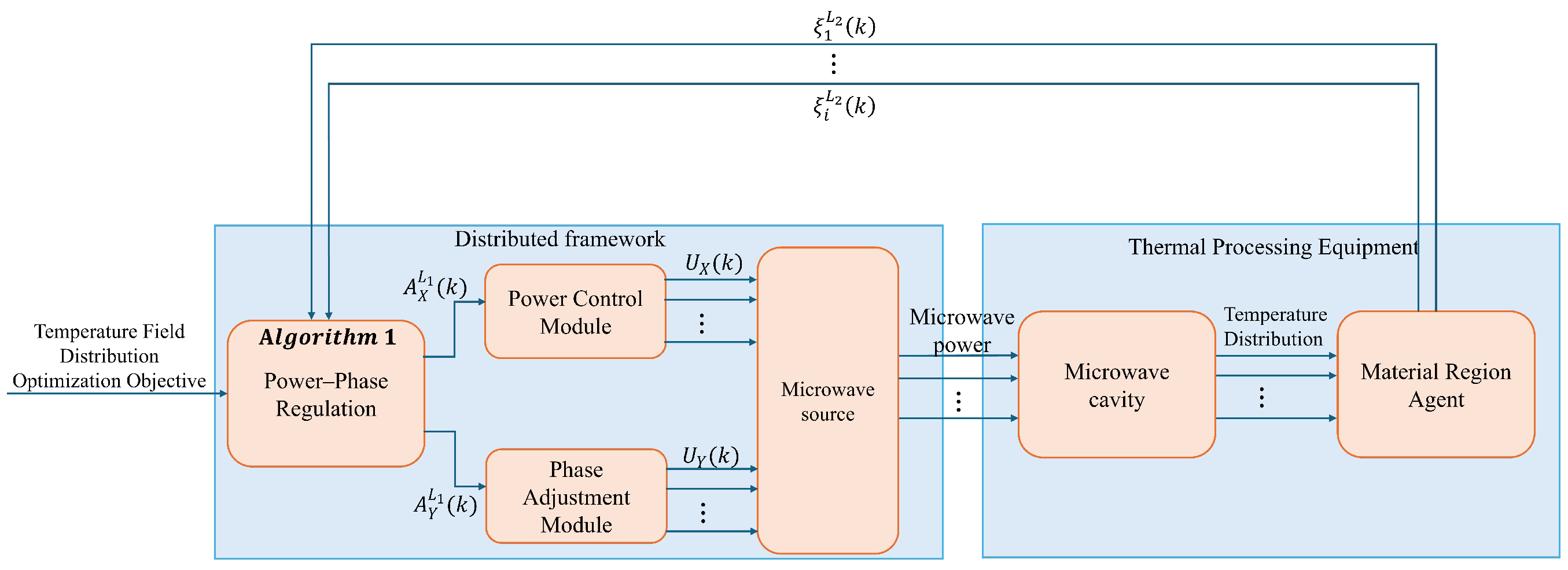
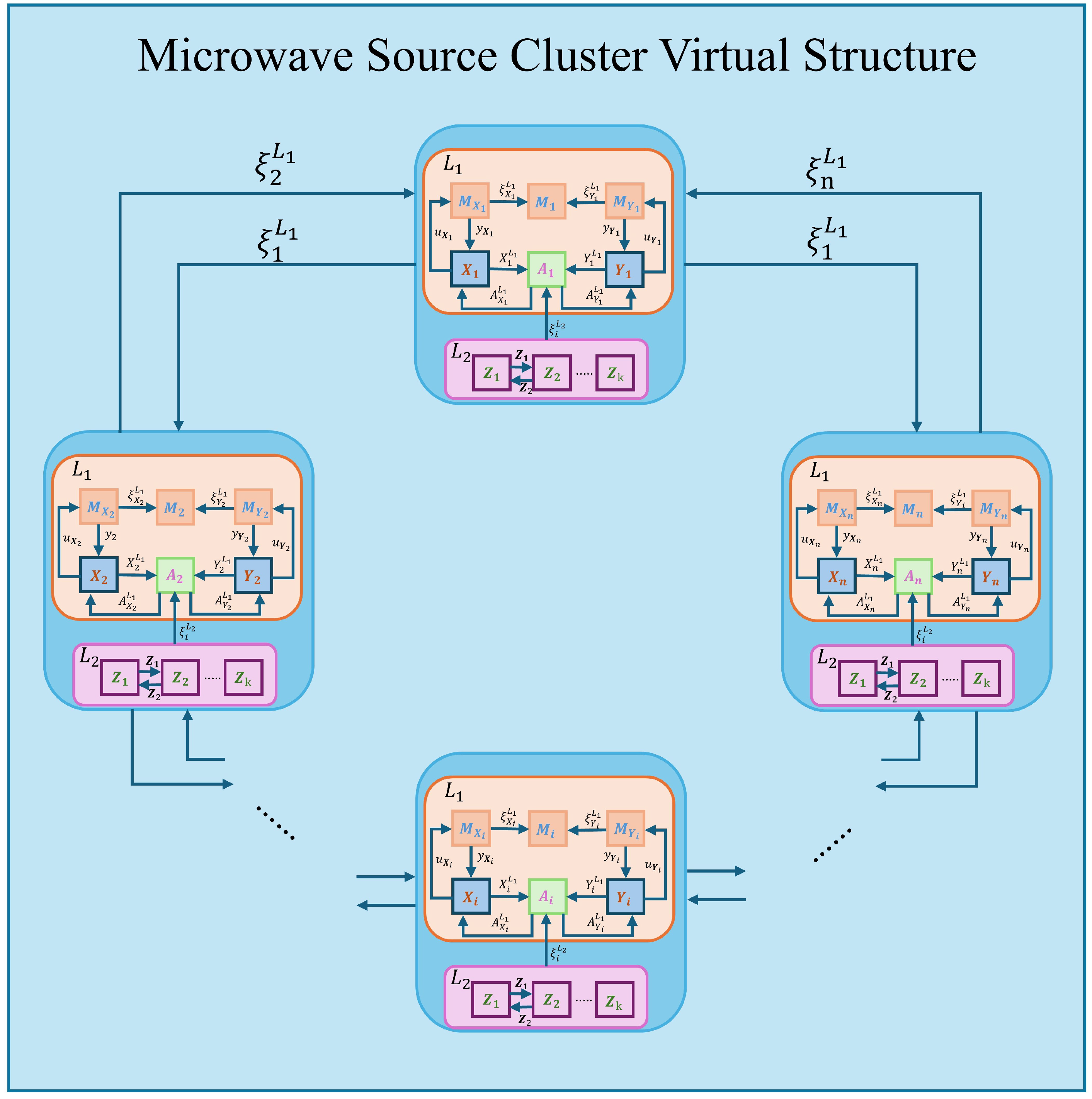
Section 3.1, the multi-source microwave heating problem is abstracted as a distributed power–phase cooperative control problem. Accordingly, a distributed framework is constructed to achieve coordinated heating among multiple microwave sources, as illustrated in
Figure 2.
In the distributed hierarchical architecture
shown in
Figure 2, module
A represents the power–phase cooperative optimisation algorithm. Its core task is to achieve joint optimisation of power and phase through distributed phase control and a power regulation mechanism based on material feedback driven by a potential function. Modules
X and
Y denote the power regulation and phase regulation units, respectively, which dynamically control each microwave source under the supervision of algorithm module
A.
For each microwave source , its corresponding power-state feedback module is denoted as , and the phase-state feedback module is denoted as . These two modules are responsible for real-time monitoring of the power and phase states of the microwave source. The feedback information is transmitted back to the power–phase optimisation algorithm A through the feedback loop, thereby ensuring the closed-loop adaptivity and stability of the distributed control system.
In the lower layer , represents the regional intelligent agent corresponding to the partitioned regions of the heated material. Each region agent perceives the local temperature-field evolution and its interaction with the electromagnetic field, and transmits this feedback to the upper-layer source-agent group. Through the feedback of , the source agents obtain material state information during the heating process, realizing distributed cooperative regulation between regional thermal demands and microwave-source outputs.
The operation process of the distributed framework is as follows: During the heating process, the phase regulation module first adjusts the electric-field distribution inside the cavity according to the phase-adjustment parameter generated by the algorithm module , thereby forming an initially optimised electromagnetic field. Meanwhile, the regional material agents in layer interact with one another and transmit their cooperative state variables to the algorithm module . The algorithm module continuously updates the phase parameter based on and feeds it back in real time to the phase regulation module . During the iterative process, converts into the output and stores it in the phase memory module . Simultaneously, retrieves the historical phase information stored in , generates the current phase state , and sends it back to the algorithm module to assist in the selection of the optimal initial phase.
After the initial phase is determined, the system enters the power-adjustment stage. The power regulation module receives the power-adjustment parameter generated by the algorithm module and performs fine adjustment of the electromagnetic field distribution. During this process, the algorithm module , based on the optimised initial phase and the regional state feedback , continuously updates the power parameter and transmits it to the power regulation module . The power module outputs and stores it in the power memory module , thus forming the power-state feedback. Subsequently, the algorithm module , while updating the regional states , compares them with the historical power data stored in , and achieves dynamic optimisation of power adjustment through iterative searching.
Finally, after the optimal power–phase combination is determined, the memory modules and generate the corresponding cooperative variables and , respectively, and transmit them to the microwave source . Through this mechanism, adaptive optimisation of the heating process is achieved.
3.3. Microwave Heating Cooperative Control System
Based on the above design, an overall model of the multi-microwave-source cooperative heating system can be established. At discrete time step
k, the control input of the system consists of the phase vector
and the power vector
. Together, they form the distributed control input of the system, while the system output is represented by the temperature-field distribution
. The distributed control process of the system can be described as follows:
The control block diagram is shown in
Figure 3 below.
6. Numerical Simulations and Results Analysis
To verify the effectiveness of the proposed control strategy, an experimental platform was constructed based on the multi-microwave-source model developed in
Section 4. Under identical total power, cavity structure, and material parameters, COMSOL simulations were performed at a frequency of 2.45 GHz, with a total heating duration of 30 s and a rated total power of 1200 W. Four types of control strategies were compared as follows:
- (1)
Power-only adjustment strategy (Control Group 1): This strategy employs only the power adjustment mechanism based on energy–zone feedback, dynamically modulating the output power of each source while keeping the phase constant. Its purpose is to assess the individual contribution of power-magnitude correction to improving temperature-field uniformity.
- (2)
Phase-only adjustment strategy (Control Group 2): In this strategy, only phase adjustment is performed. With fixed power, phase variations are used to optimise the electromagnetic interference pattern and reconstruct the spatial heating field, thereby revealing the influence of phase reconfiguration on energy distribution and heating uniformity.
- (3)
Constant-power strategy (Control Group 3): All microwave sources operate at constant power without any phase or power adjustments. This baseline case reflects the natural heating performance of the system without feedback or optimisation.
- (4)
Proposed power–phase cooperative optimisation strategy: The proposed algorithm simultaneously updates phase and power parameters within each fixed 5 s cycle, achieving joint adaptive optimisation of the electromagnetic interference pattern and the local energy distribution. This strategy aims to validate the synergistic enhancement of temperature-field uniformity and energy utilisation efficiency achieved by coupling power and phase adjustments.
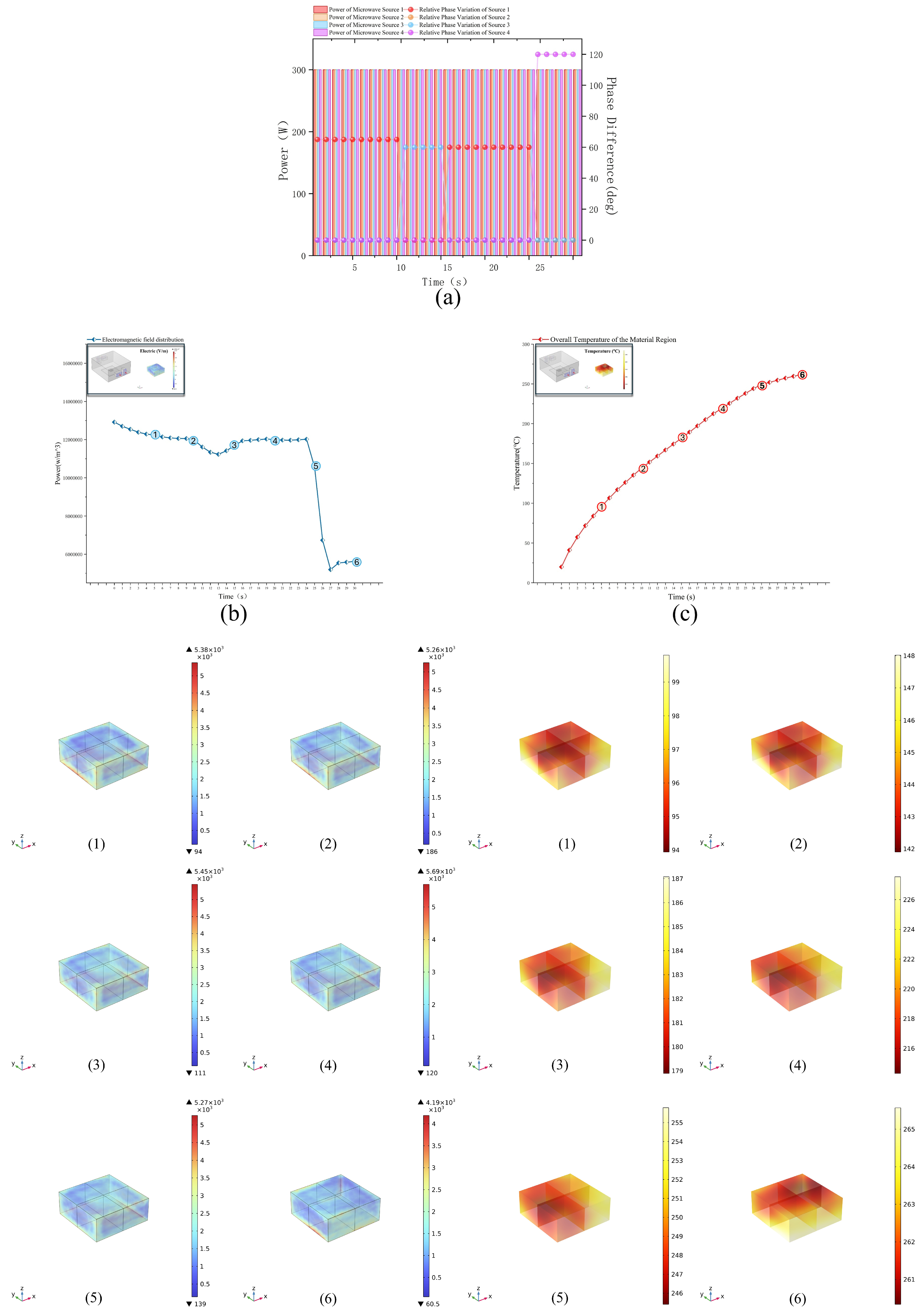
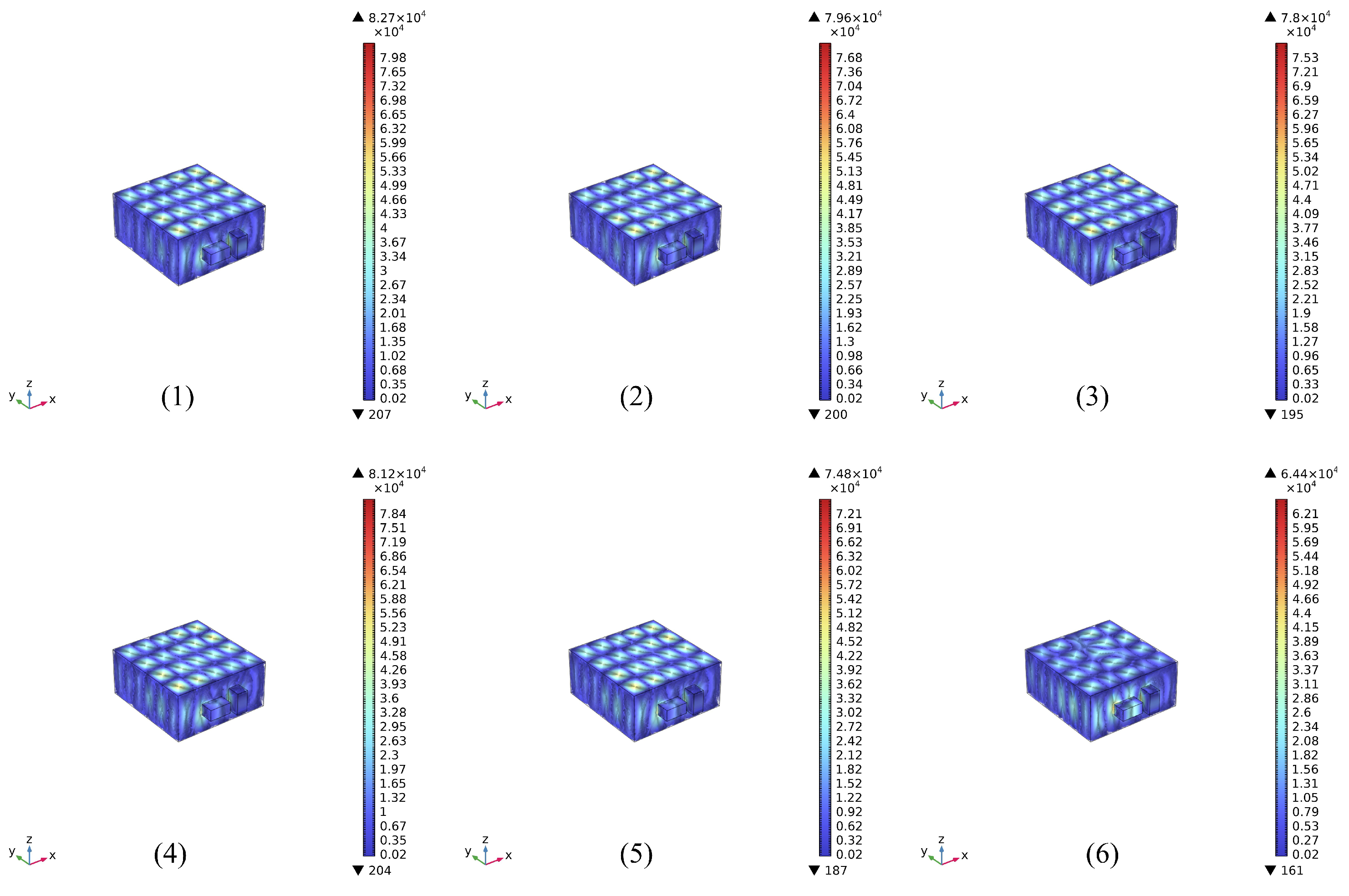
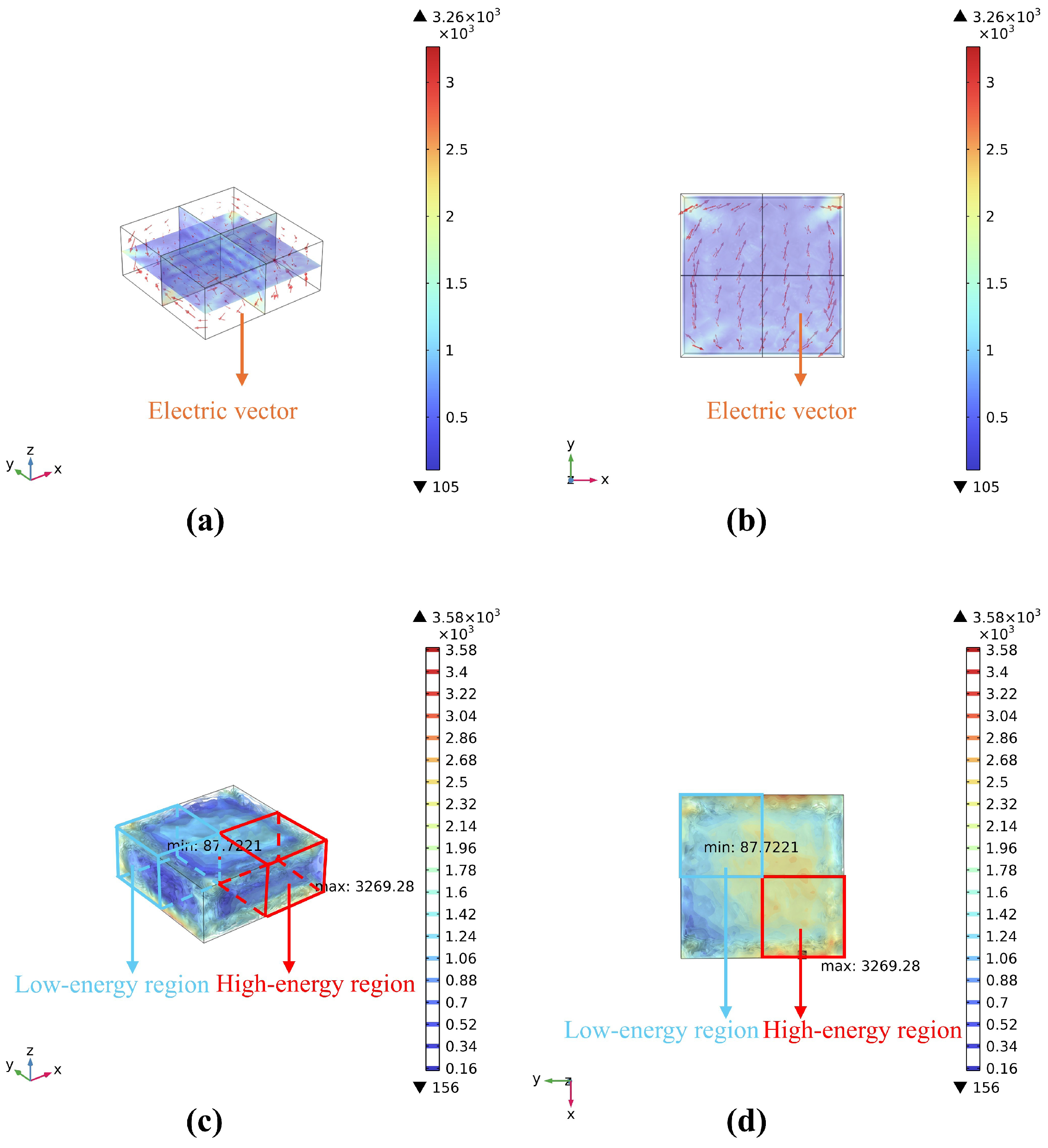
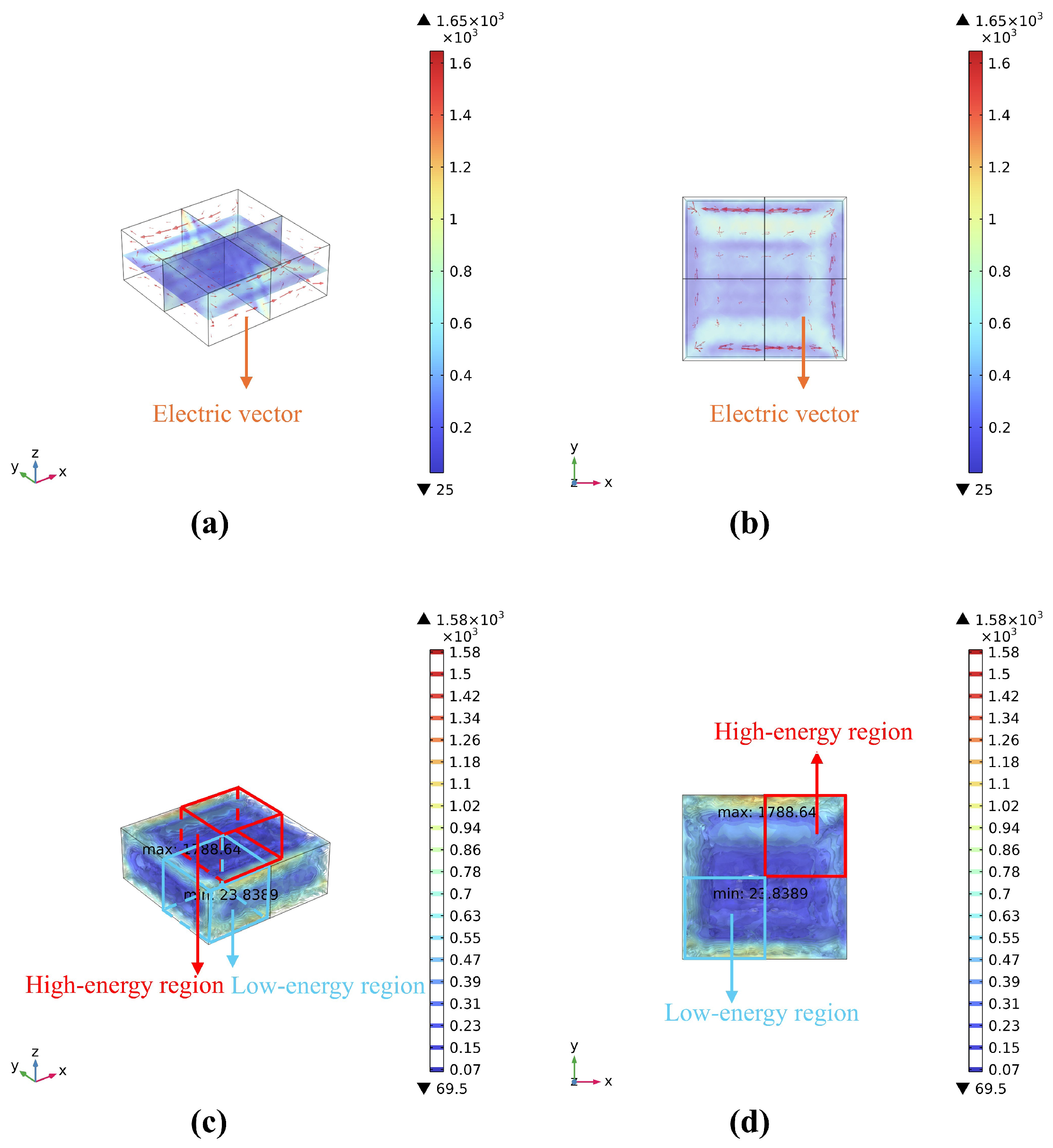
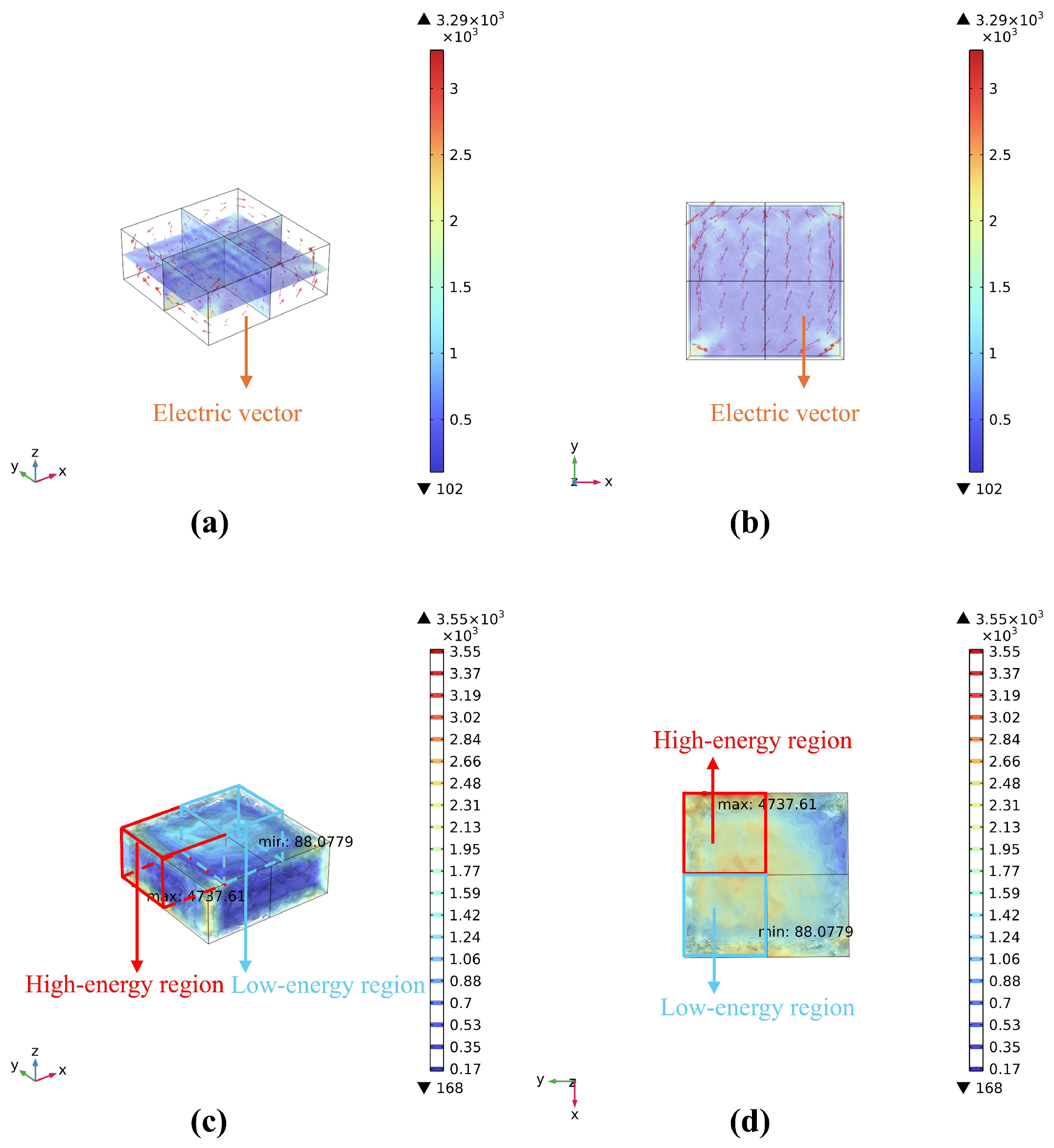
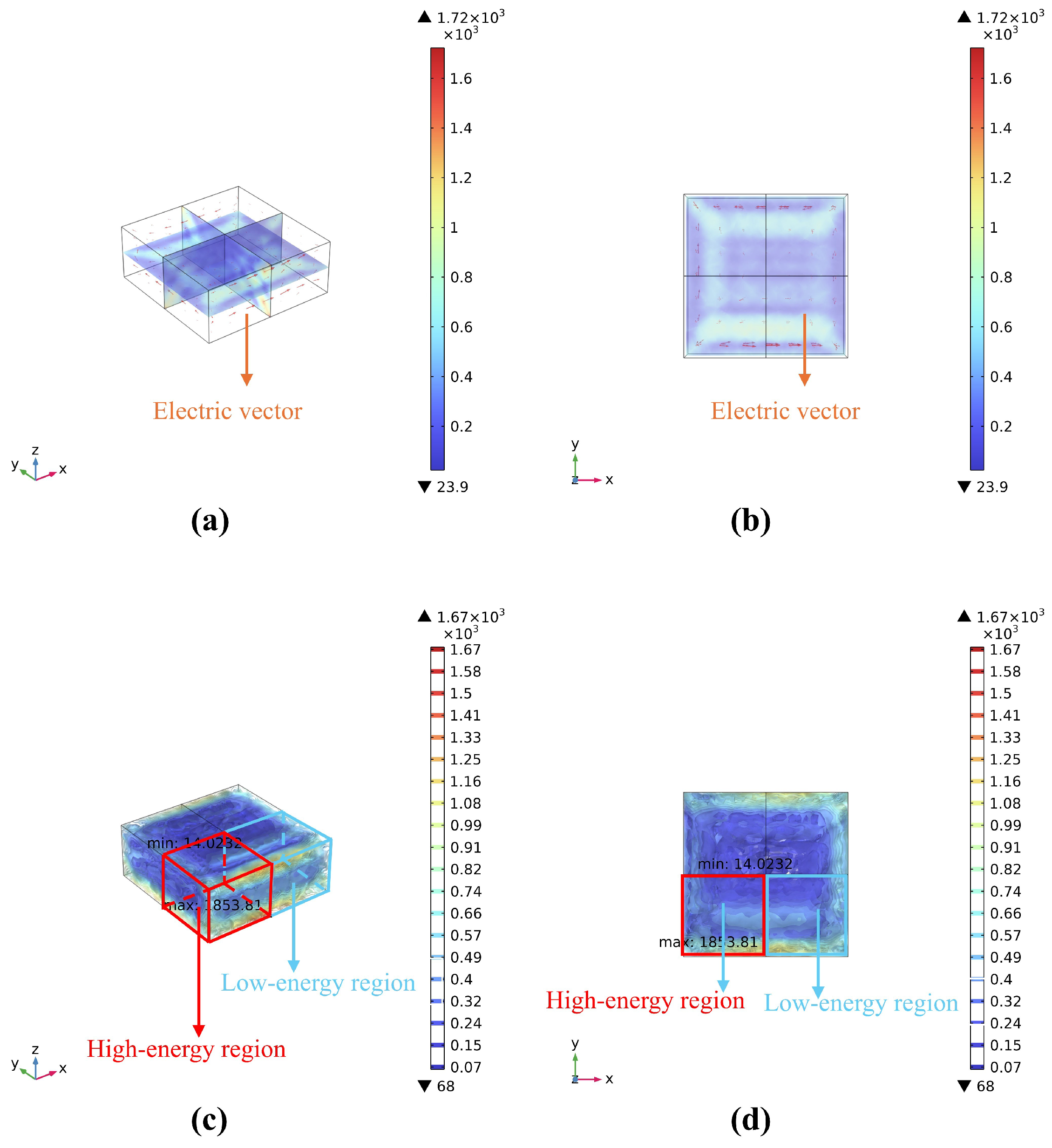
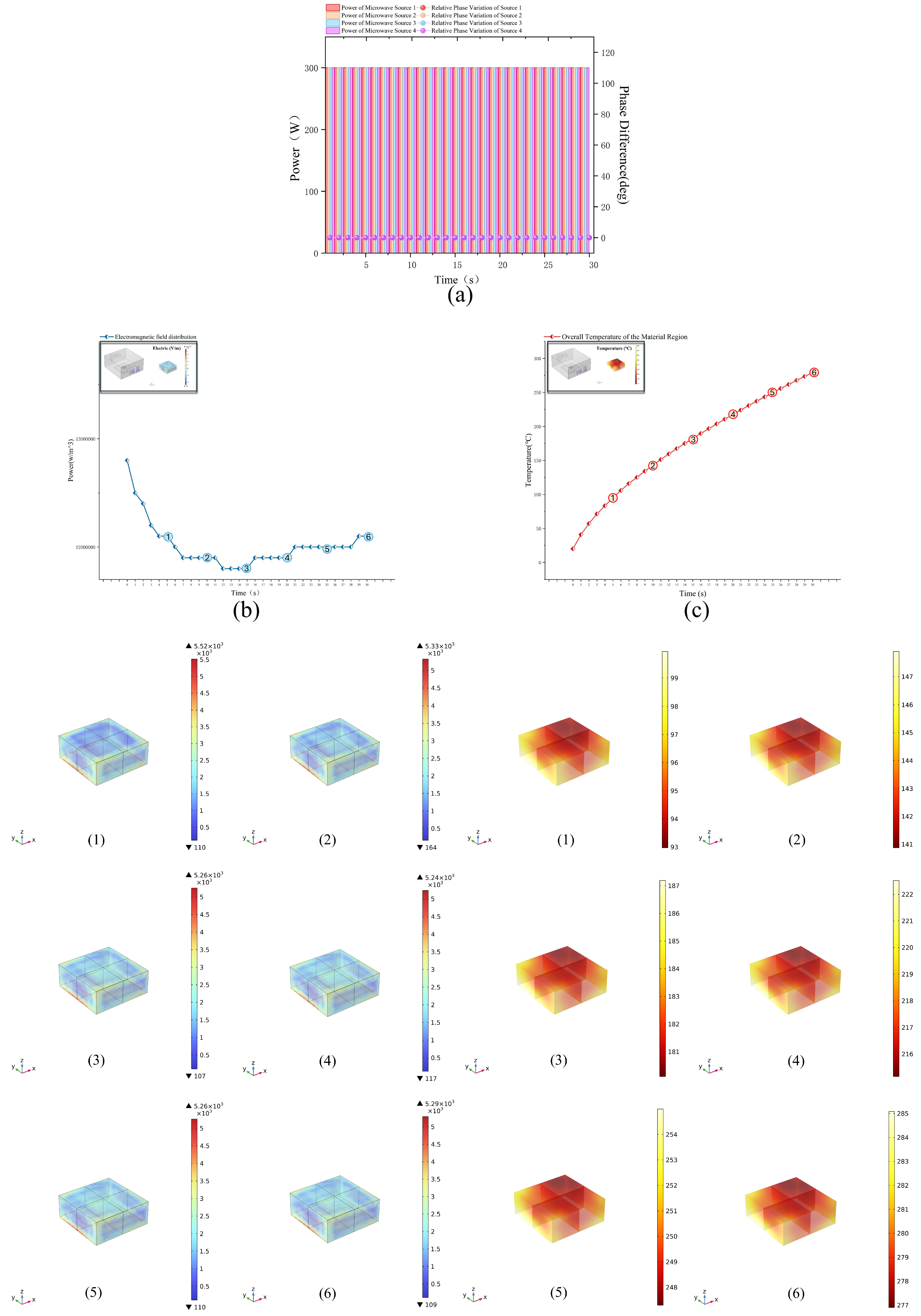
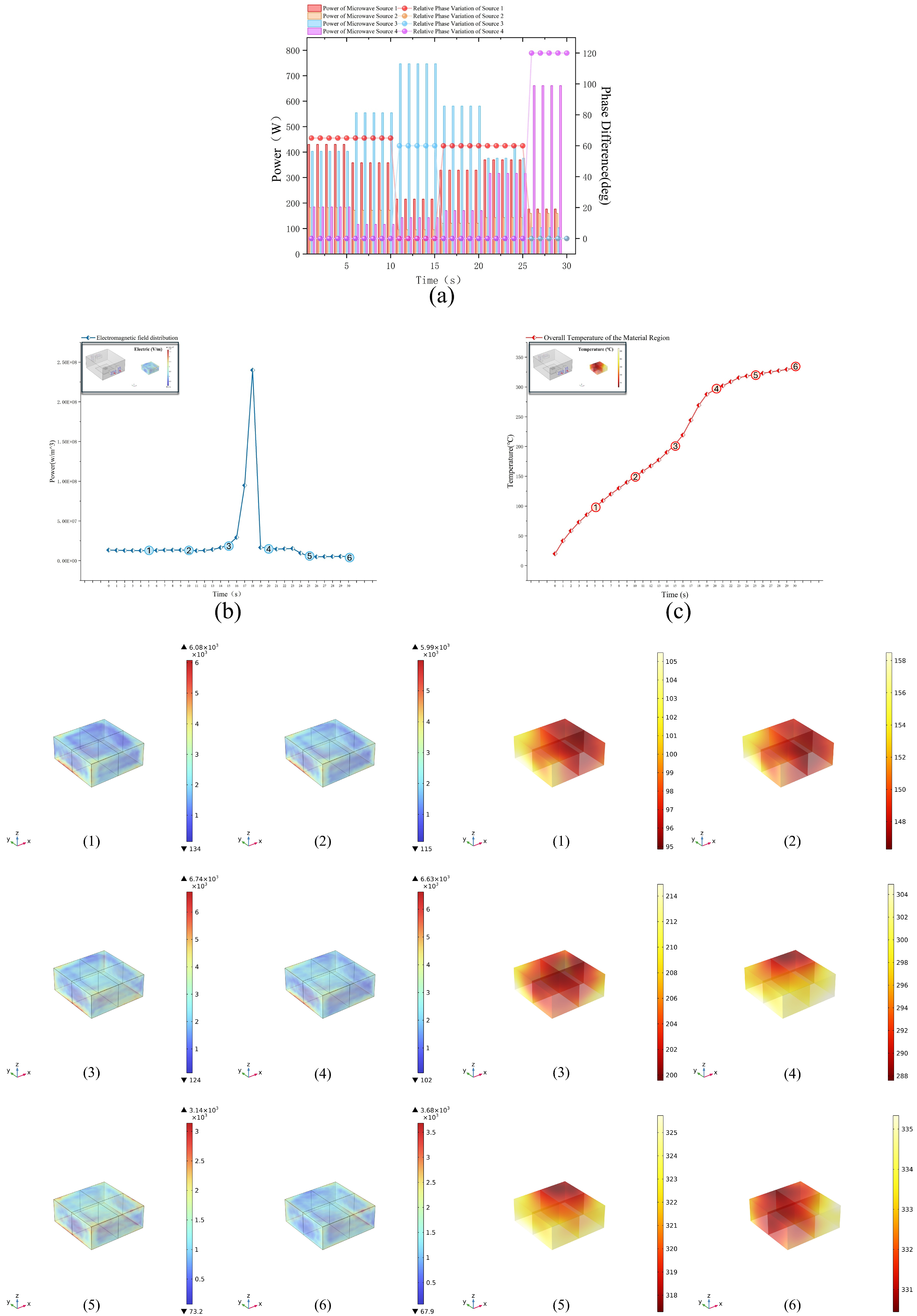
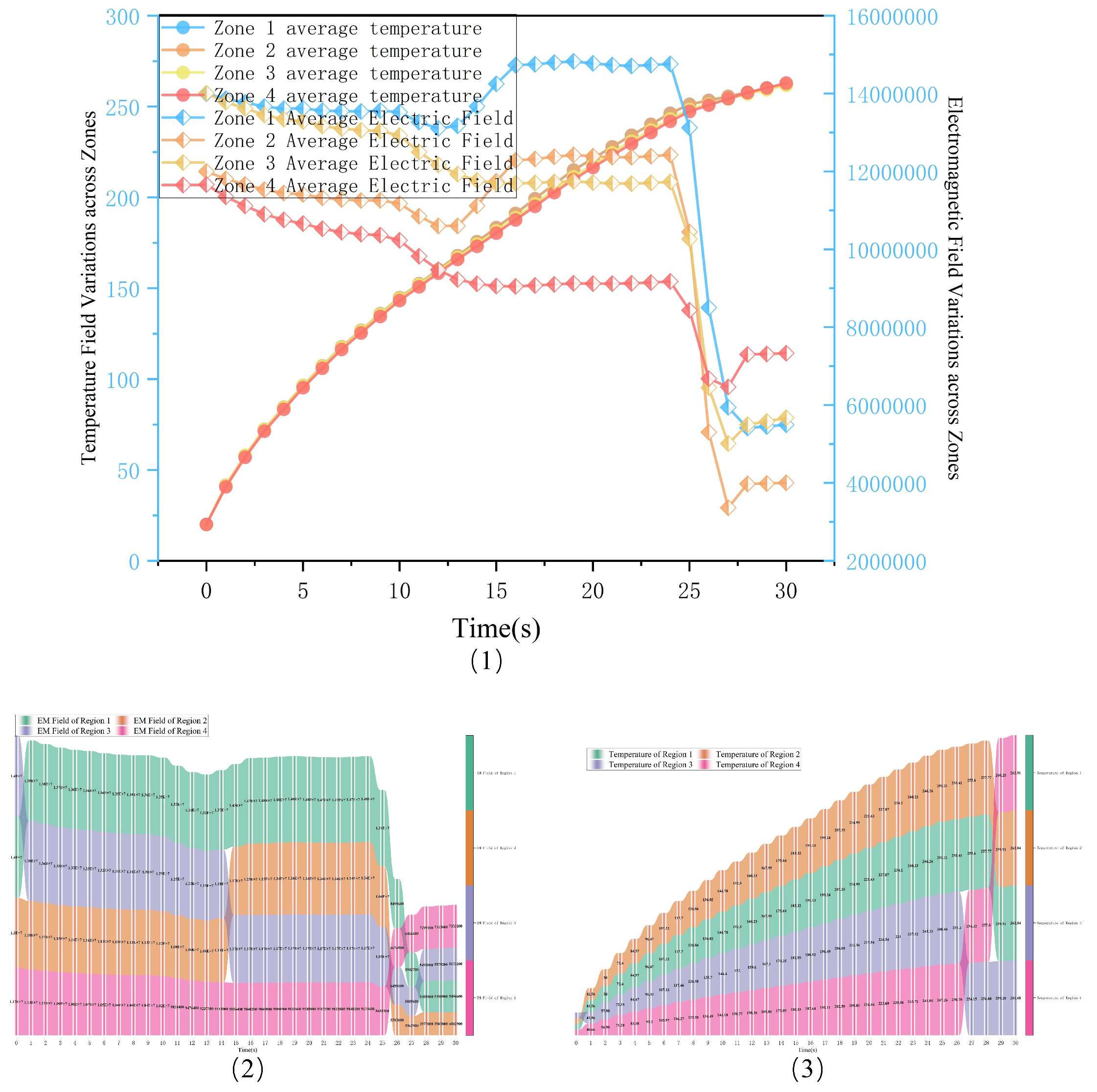
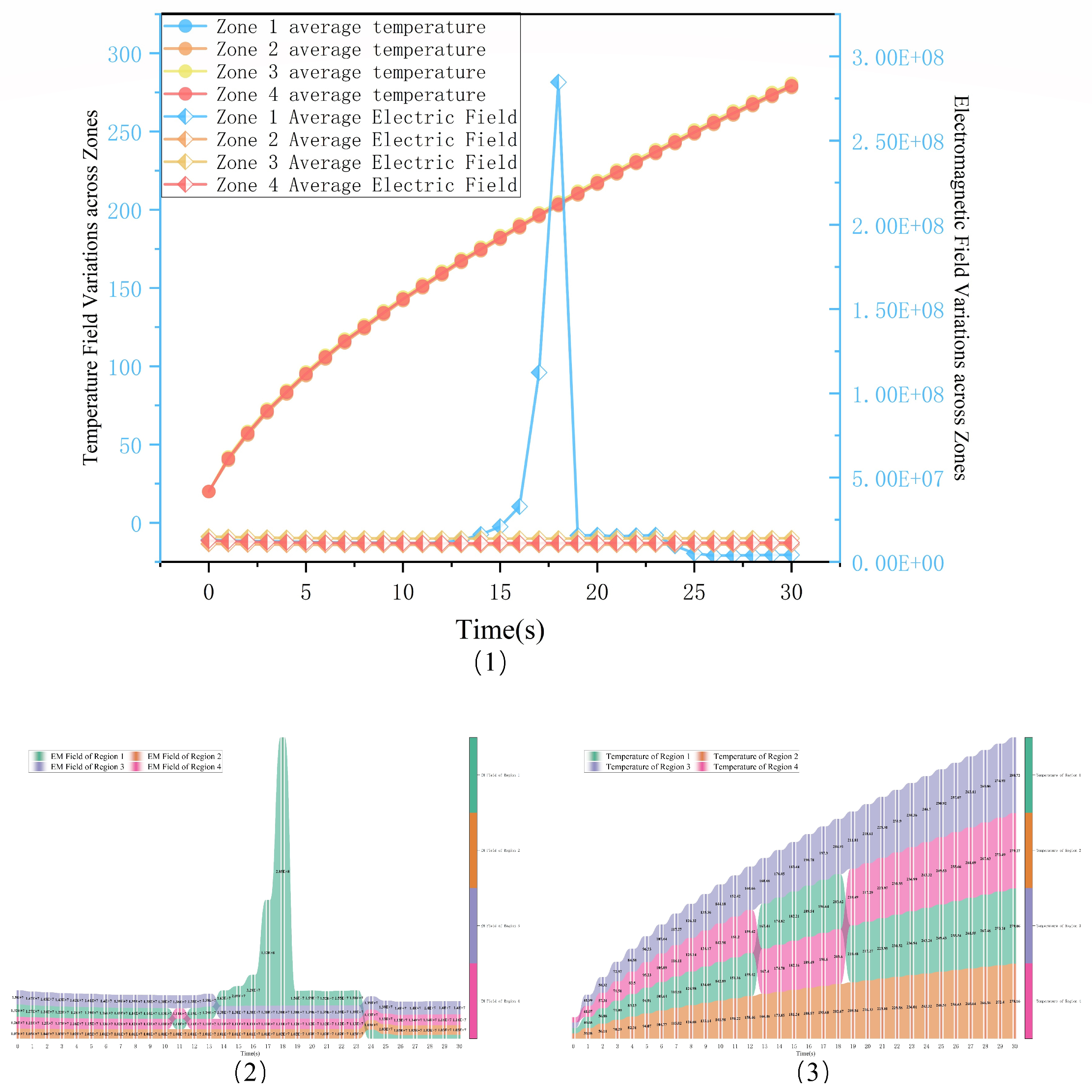
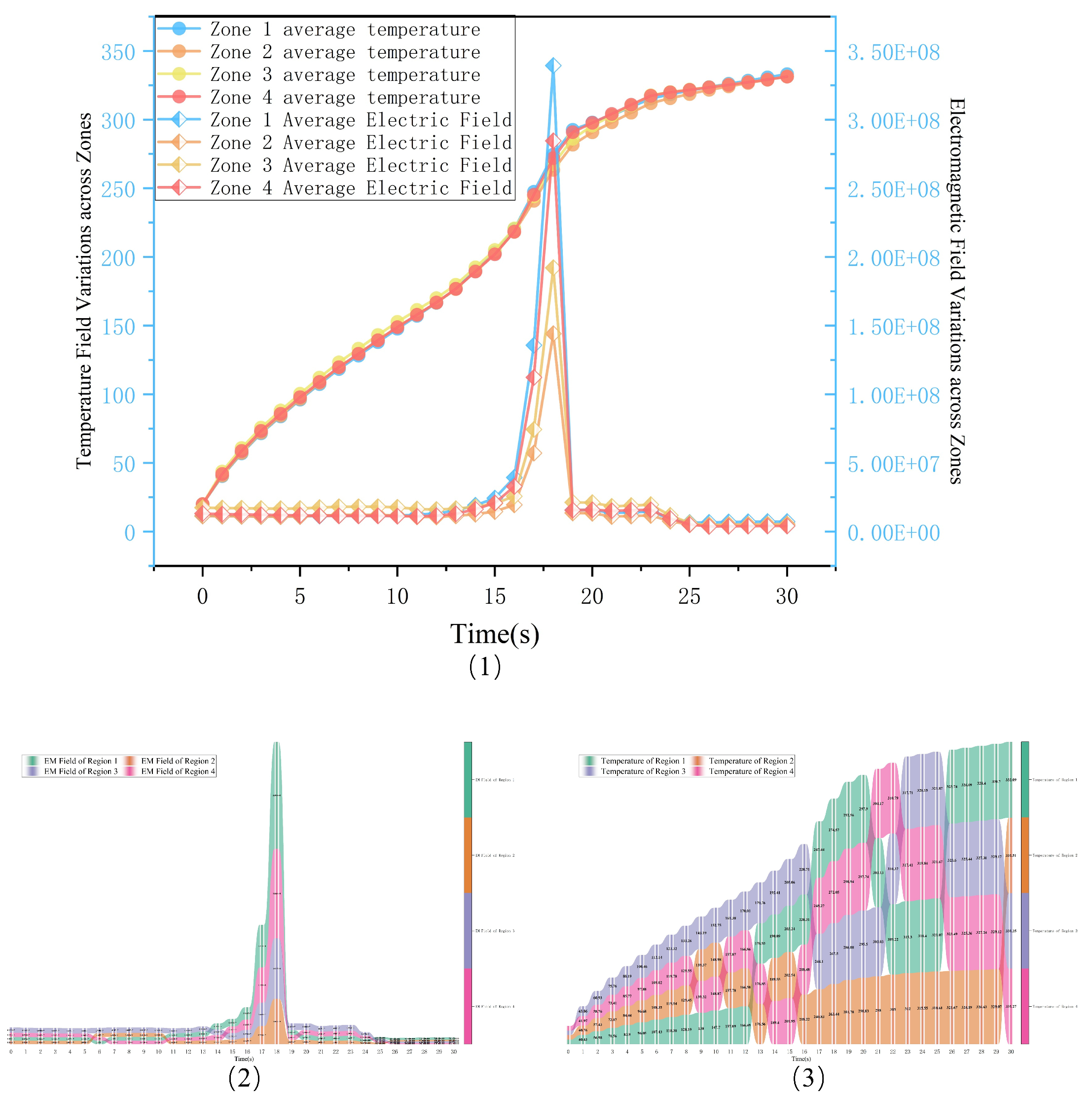
On this basis, to comprehensively evaluate the regulation performance of the four strategies in controlling energy-field distribution during heating,
Figure 14,
Figure 15,
Figure 16 and
Figure 17 illustrate the typical evolution characteristics of the electromagnetic and temperature fields under each strategy.
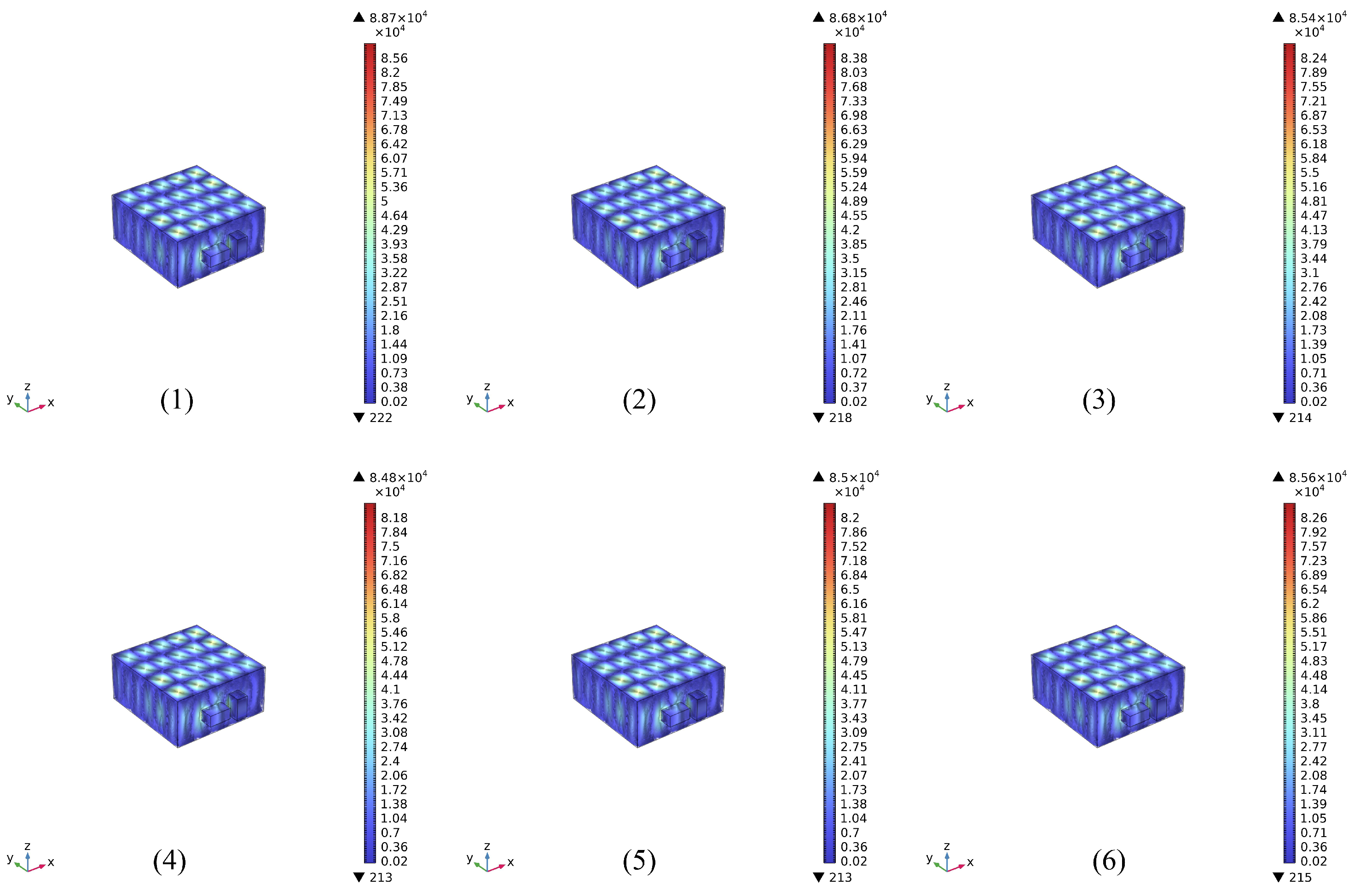
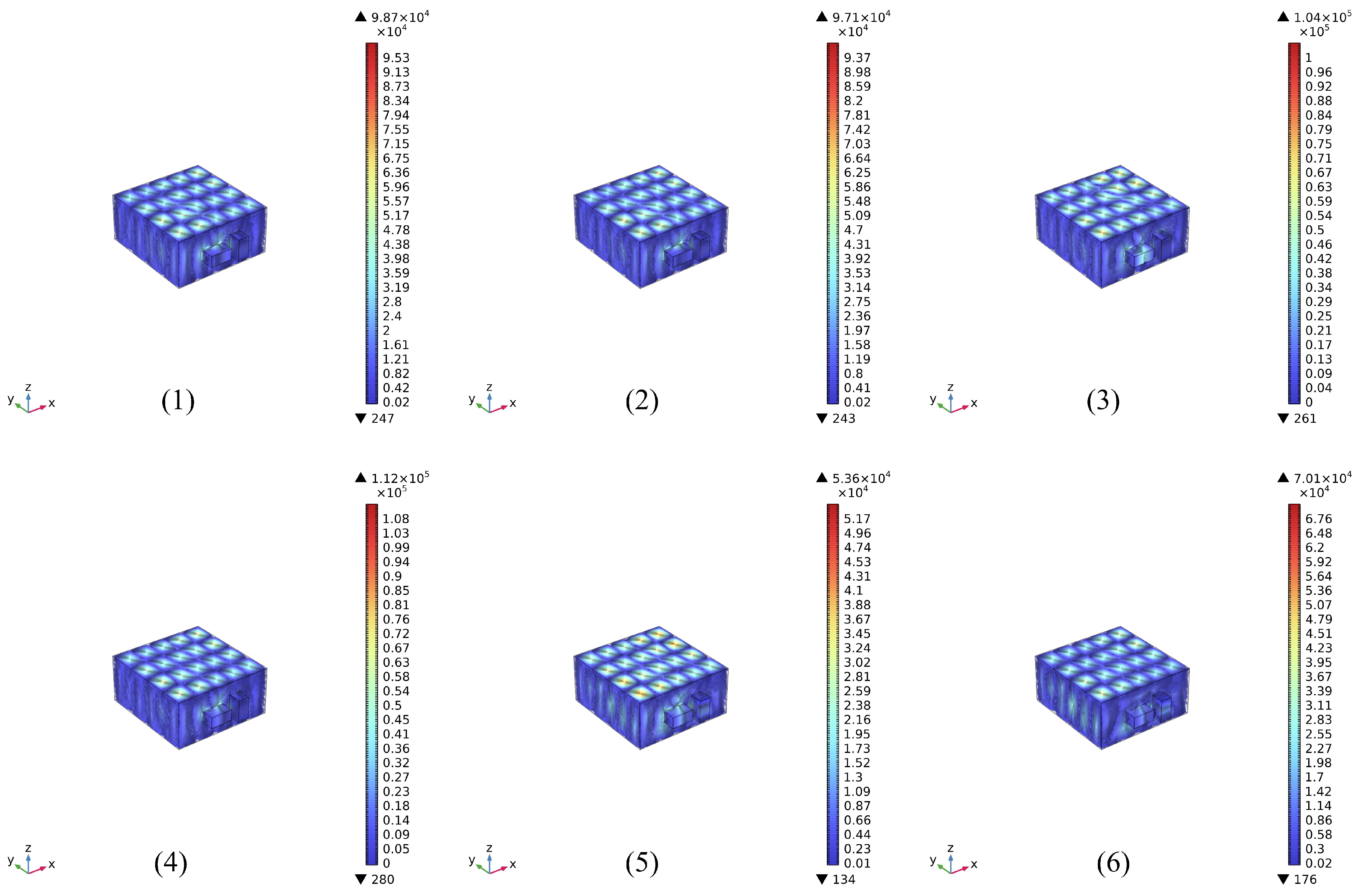
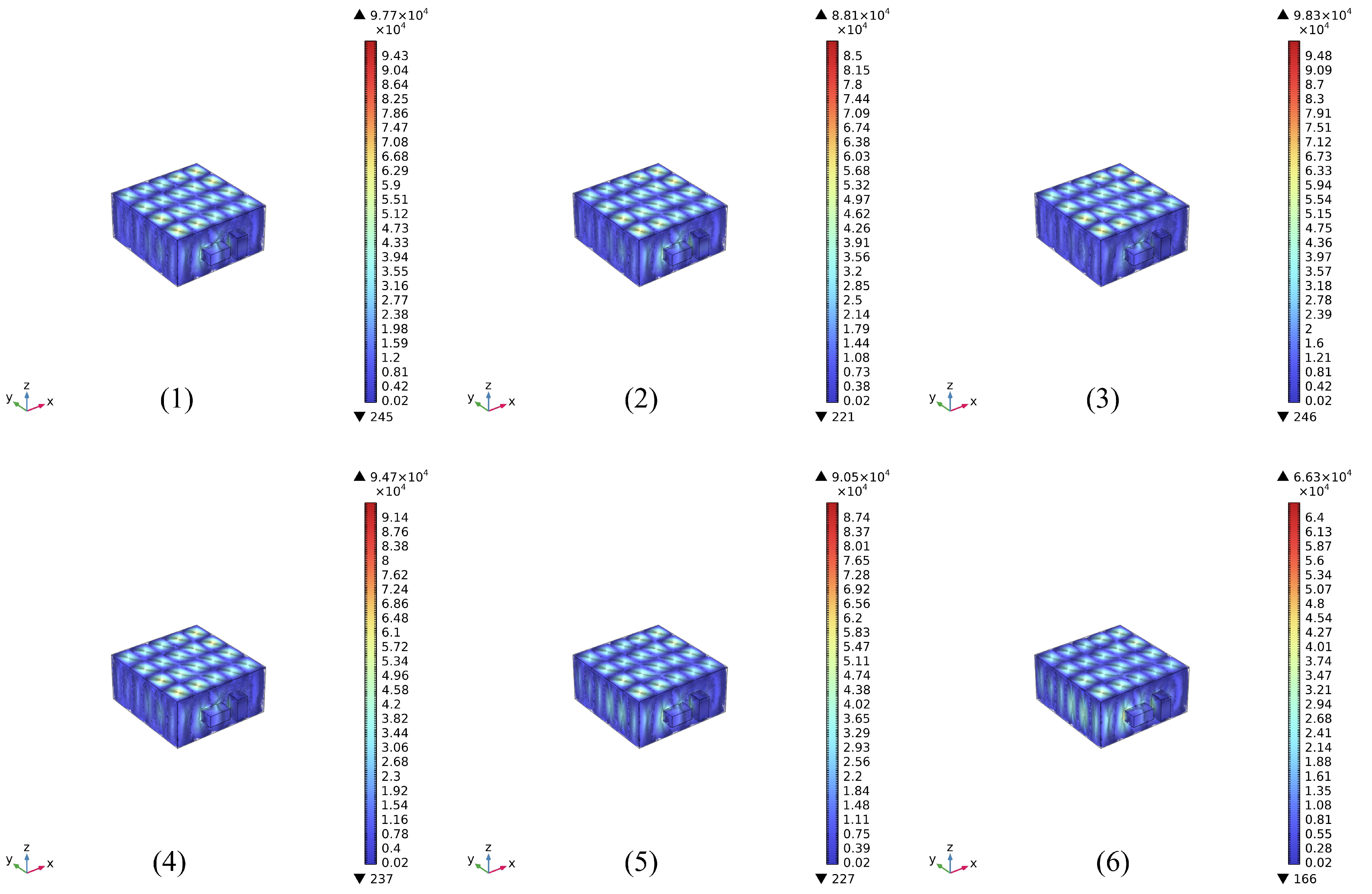
Figure 18,
Figure 19,
Figure 20 and
Figure 21 compare the spatial distribution of electromagnetic energy within the cavity and its radiation behaviour on the heated object, while
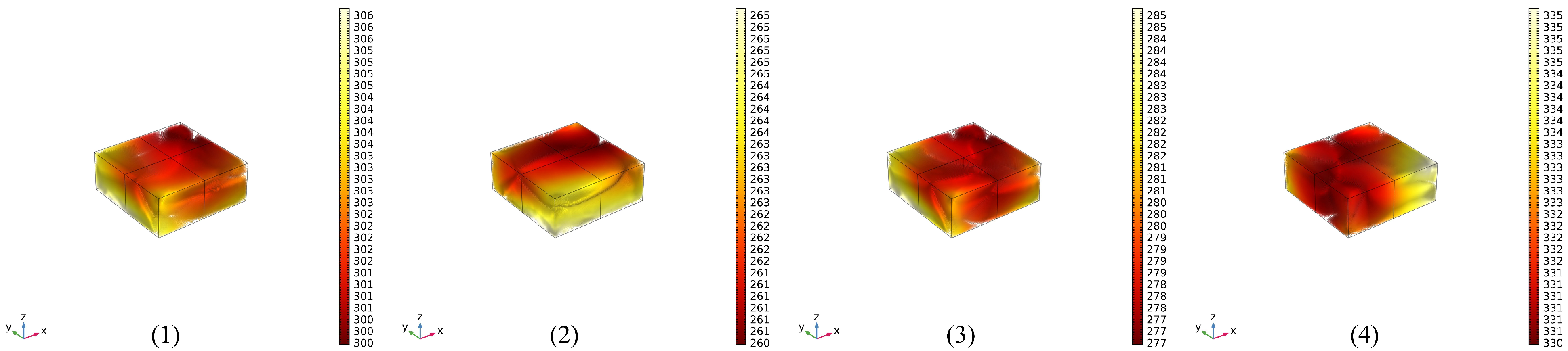
Figure 22 focuses on the temperature-field response, showing the overall heating performance and the improvement in spatial temperature uniformity.
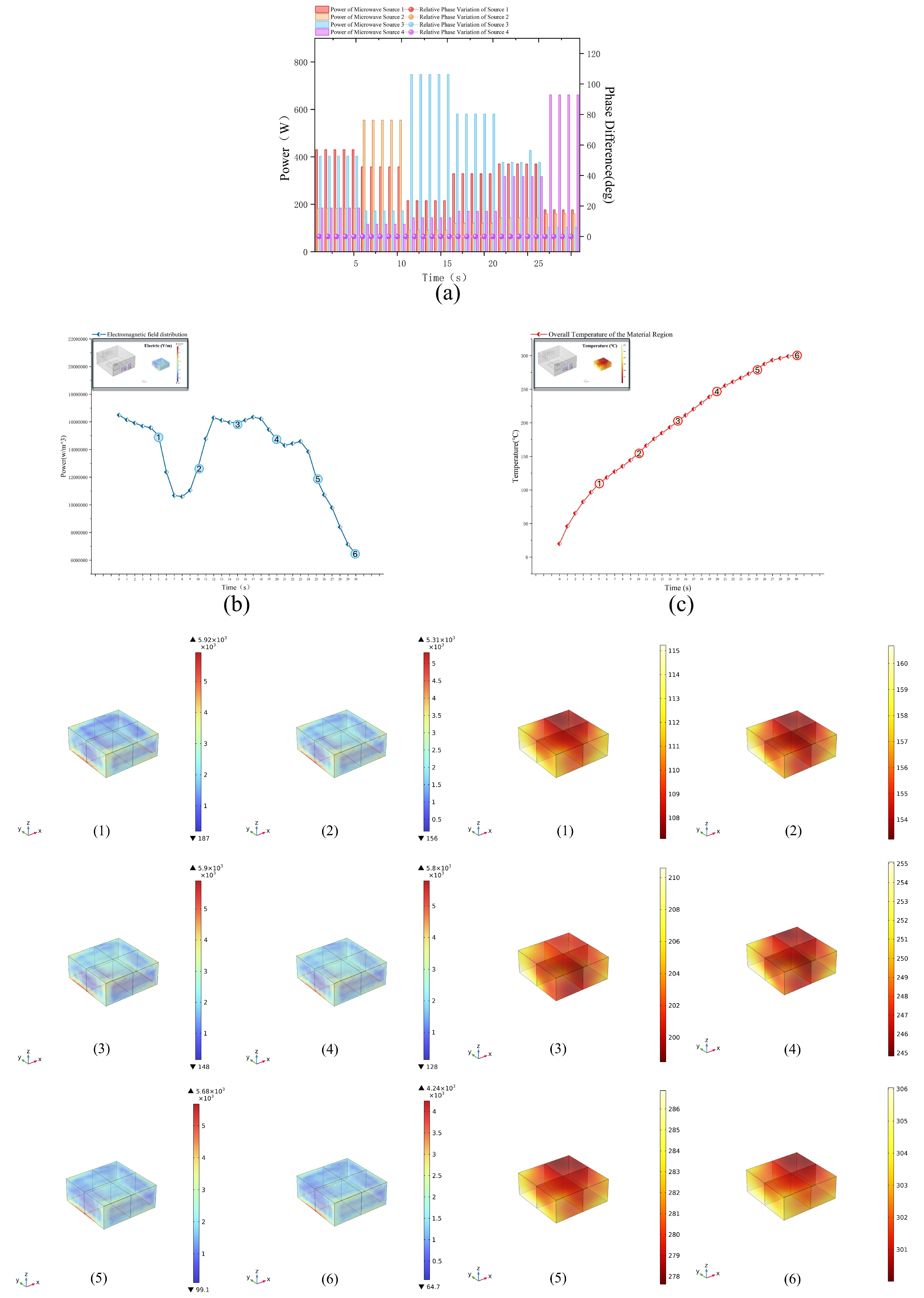
Figure 14,
Figure 15,
Figure 16 and
Figure 17 illustrate the control inputs and response characteristics of the system under different heating strategies. Subfigures (a)–(c) correspond respectively to (a) the temporal evolution of control inputs for each heating strategy; (b) the dynamic evolution of the electromagnetic field distribution within the heated object; and (c) the corresponding temperature field evolution. In addition, in
Figure 14,
Figure 15,
Figure 16 and
Figure 17 the subfigures (1)–(6) in panels (b) and (c) denote the representative moments highlighted in the time sequences, showing the electromagnetic field mode and temperature field distributions inside the heated object at these typical instants. These snapshots reveal the differences among various strategies in terms of local energy concentration and heat transfer processes.
Figure 18,
Figure 19,
Figure 20 and
Figure 21 further present the spatial distribution characteristics during the regulation stage. In
Figure 18,
Figure 19,
Figure 20 and
Figure 21 the Subfigures (1)–(6) depict the electromagnetic field distributions within the cavity at representative regulation moments, thereby verifying the migration tendency and equilibrium variation of electromagnetic energy throughout the continuous adjustment process.
Figure 22 shows the temperature field distributions at the final steady state for different heating strategies. In
Figure 22 the Subfigures (1)–(4) correspond respectively to (1) power-only regulation, (2) phase-only regulation, (3) constant-power heating, and (4) the proposed power–phase collaborative regulation strategy.
From the comparative results in
Figure 14,
Figure 15,
Figure 16 and
Figure 17, it is evident that the proposed power–phase collaborative control strategy significantly outperforms the constant-power, phase-only, and power-only schemes in terms of heating uniformity, energy utilisation efficiency, and system stability. Within the dual-layer electromagnetic–control framework, this strategy achieves dynamic adjustment of energy transmission paths and adaptive balancing of injection intensity, enabling higher energy efficiency and more stable spatial convergence under multi-source coupling conditions.
From the perspective of electromagnetic field dynamics, the power–phase collaborative strategy exhibits only a single transient peak around 18 s during the entire heating process, while maintaining highly stable field intensity for the remainder of the time. This peak is not induced by any fixed periodic trigger but arises from spontaneous topological reconfiguration as the multi-source interference pattern crosses an energy-potential threshold. The phase update repairs the coherent interference relationships among the sources, leading to a momentary enhancement of local field intensity within the cavity and a short-term electromagnetic energy transition. Subsequently, the power regulation module rapidly redistributes source outputs based on the constrained feedback mechanism, attenuating the over-driven regions and restoring overall equilibrium. Consequently, the system quickly transitions from interference-mode mutation to steady-state reconvergence. This “transient perturbation–constraint absorption–steady reconstruction” behaviour demonstrates strong disturbance resistance and self-recovery capability.
From the temperature evolution perspective, the volume-averaged temperature curve under the collaborative strategy exhibits a distinct step-like rise. Within each fixed period, the system experiences two alternating phases: a rapid transition dominated by phase regulation and a gradual equilibrium adjustment dominated by power regulation. The phase update reshapes the global interference pattern, redistributing the energy channels in space, while the power regulation continuously refines the amplitude ratios to achieve local energy rebalancing under this new pattern. Their alternating effects produce a “rise–plateau–rise again” periodic progression of energy injection on a macroscopic timescale. In contrast, the constant-power, phase-only, and power-only strategies display smoother curves but considerably lower energy transfer rates, indicating their limited ability to integrate energy under multi-source coupling conditions.
From the perspective of energy reflection, the cooperative optimisation strategy proposed in this work operates under fixed cavity impedance conditions and improves electromagnetic energy-coupling efficiency through coordinated phase–power regulation, rather than relying on real-time electronic adaptive impedance-matching hardware. The reduction in reflected power represents an optimisation of field–load coupling at the control level, rather than hardware-based adaptive tuning. Under the cooperative control strategy, the reflected power measured at the cavity port is the lowest among all tested cases, indicating that the system achieves superior electromagnetic energy-coupling performance in the sense of control. Phase regulation reconstructs the multi-source interference-field pattern, making the effective load characteristics of the combined “material–cavity” system more compatible with the source-side characteristics, thereby reducing energy reflection caused by field-pattern mismatch. On this basis, power redistribution suppresses local over-driving according to regional temperature feedback, further enhancing energy-absorption efficiency and spatial coordination of energy delivery. Through the synergistic action of phase and power regulation, reflected energy is significantly reduced and absorbed power is substantially increased, enabling the system to achieve a higher volumetric average temperature and a more uniform distribution of energy under the same total input power. The isothermal contours of the final temperature field are the smoothest, with the smallest spatial temperature differences and a markedly reduced temperature gradient, confirming the effectiveness of the cooperative strategy in improving energy-coupling efficiency and mitigating local thermal imbalance.
At the control-mechanism level, the power–phase collaborative strategy essentially performs dual-layer energy shaping under electromagnetic consistency constraints. The phase layer governs global reconstruction of the interference pattern, determining spatial energy reachability, whereas the power layer, constrained by total power conservation, performs bounded amplitude redistribution among sources based on source–zone coupling relationships to achieve local energy balancing. These two layers correspond, respectively, to “field-pattern reconstruction” and “amplitude adjustment”. Through temporal-scale decoupling, a periodic, convergent, distributed optimisation process is established, allowing the system to form a new steady electromagnetic configuration within each control cycle.
The role of the regional-layer feedback lies in maintaining electromagnetic consistency within the spatial domain. Its constraint relationship is constructed based on the source–zone energy correlation matrix, ensuring that the states of all regions gradually converge to the leader’s reference state in terms of electromagnetic energy density. This feedback does not directly rely on temperature signals; instead, it guarantees the overall stability and controllability of the heating process through the energy consistency of the electromagnetic layer.
The power redistribution at the source layer and the consensus constraint at the regional layer act cooperatively under the conservation framework, maintaining the system’s energy distribution within the convex hull of the leader’s reference state. As a result, spatial energy consensus convergence is achieved for the multi-source system.
In summary, the superiority of the proposed power–phase collaborative control strategy stems from the synergy among three key mechanisms: interference-topology reconstruction, amplitude-constrained balancing, and distributed electromagnetic-consistency feedback. Without increasing the total power input, this strategy markedly enhances both energy absorption efficiency and field-energy uniformity, providing a verifiable, scalable, and physically consistent solution for efficient cooperative control in multi-source microwave heating systems.
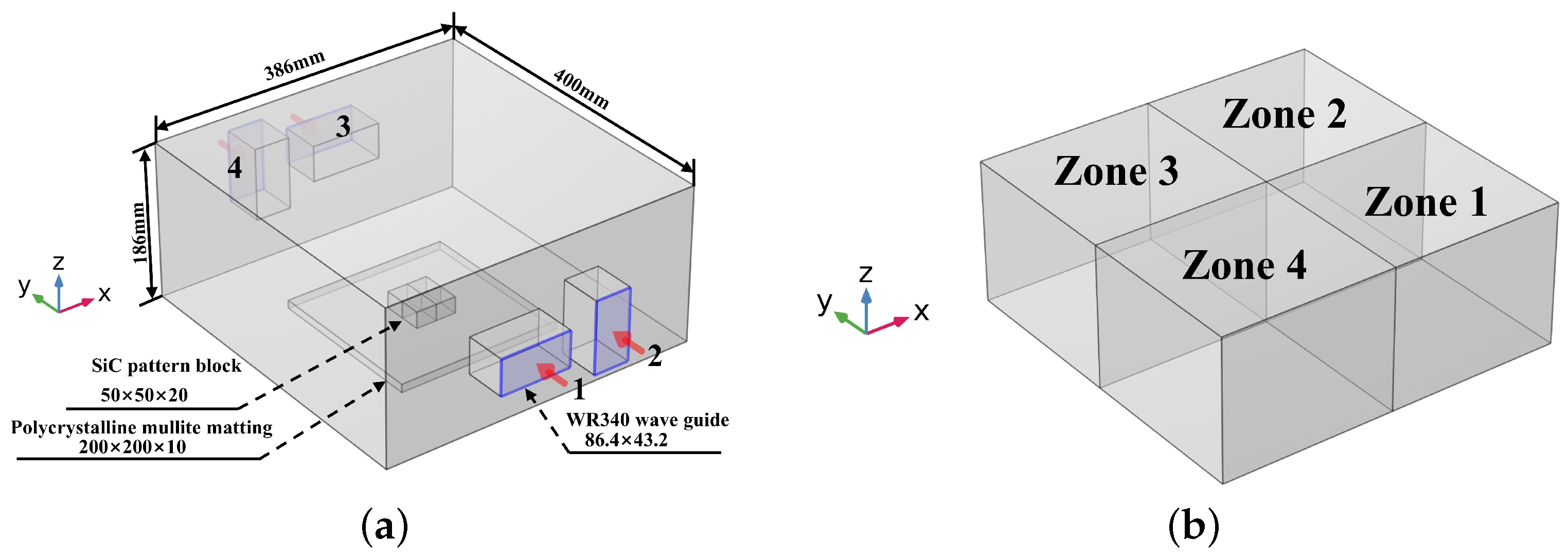
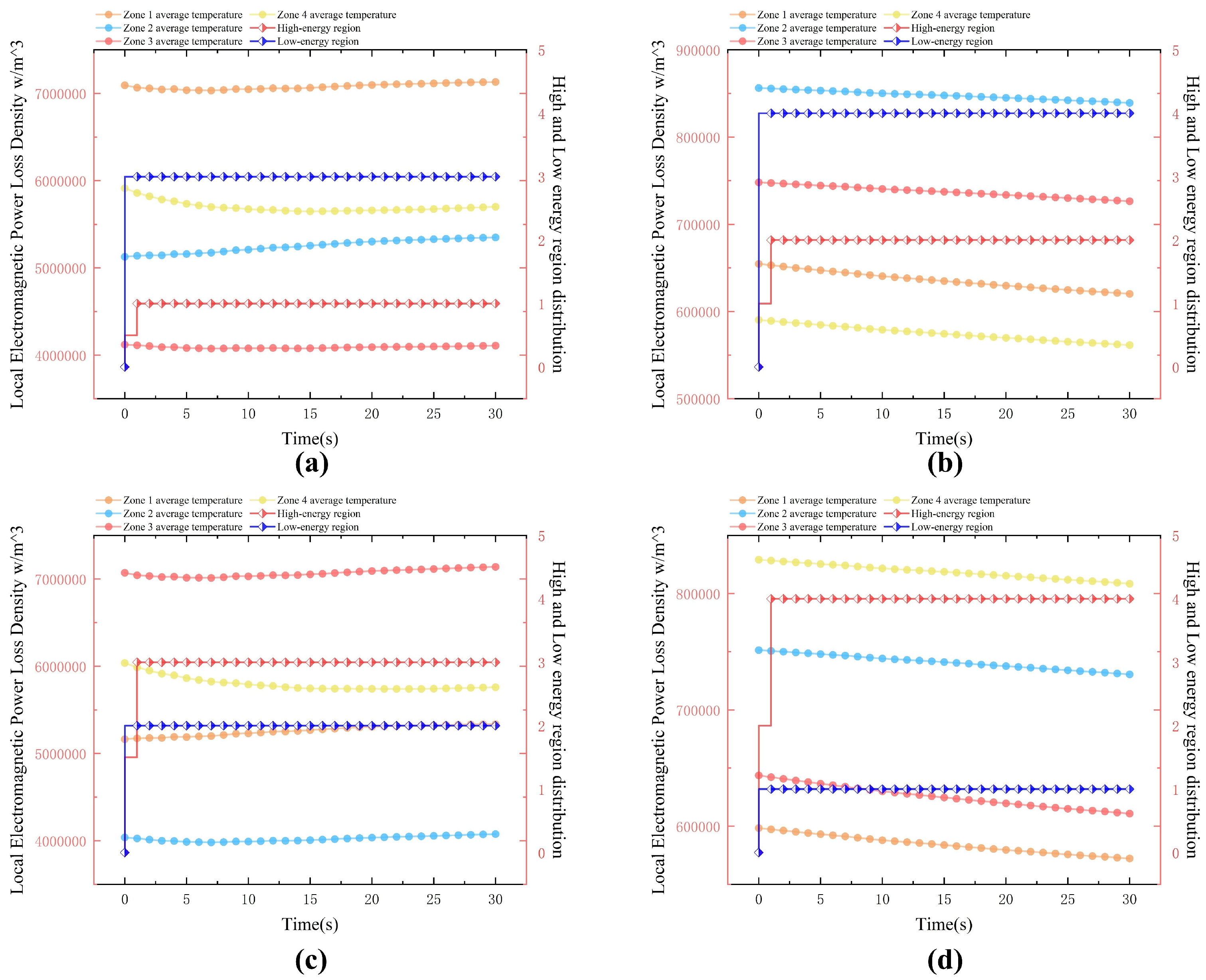
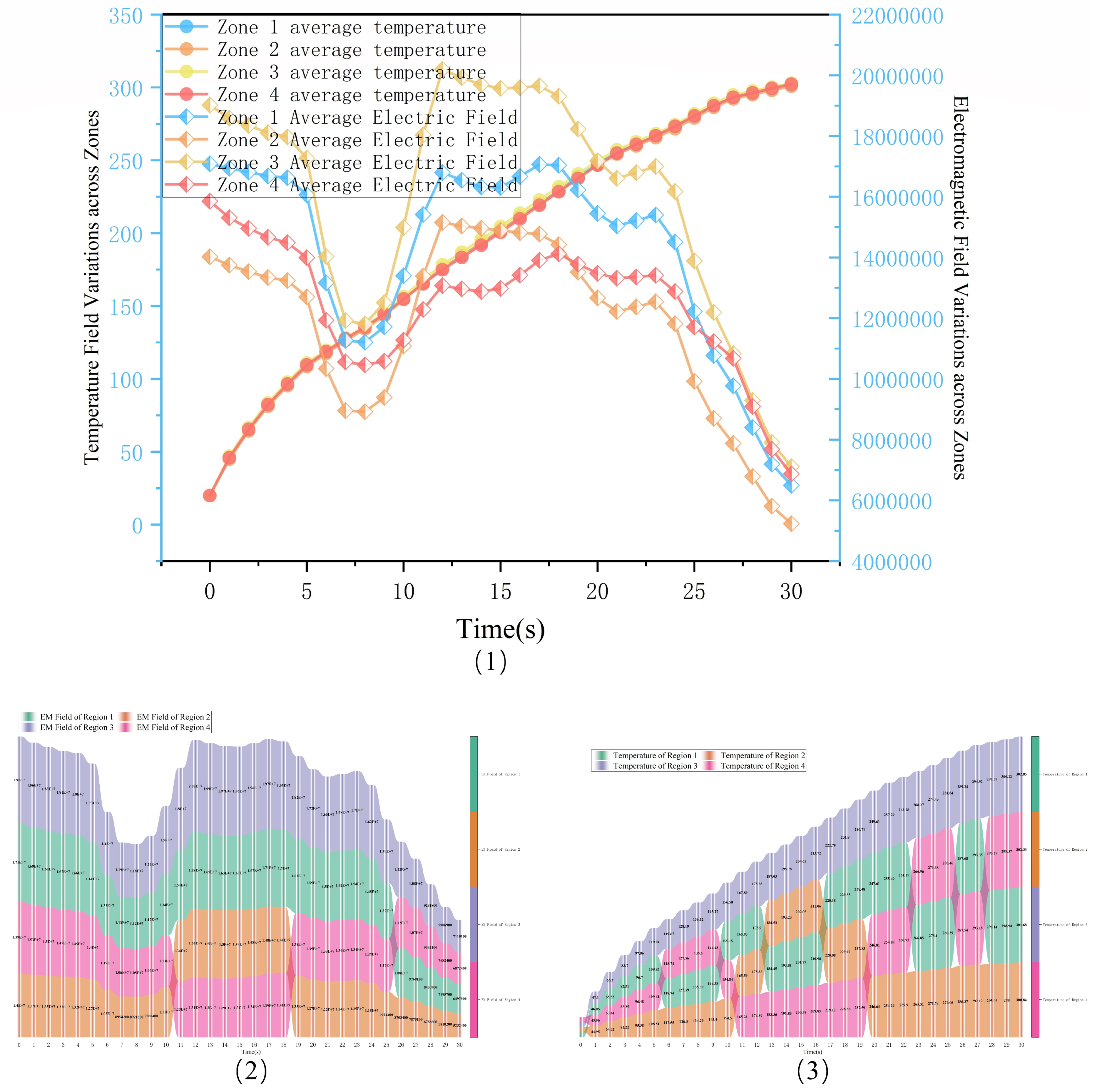
To further analyse the influence of the proposed strategy on different regions of the heated object during the heating process, the material is divided into several regions according to the partitioning method illustrated in
Figure 4b. The variations of electromagnetic field intensity and temperature field in each region under different strategies are presented in
Figure 23,
Figure 24,
Figure 25 and
Figure 26.
From the electromagnetic and thermal responses of different regions, it can be observed that the power–phase collaborative regulation strategy not only enhances the uniformity and convergence rate of the temperature field at the macroscopic level, but also enables active reconstruction and coupled coordination of energy distribution at the regional level. Its core advantage does not arise from a simple “superposition of phase and power”, but rather from the synergistic interaction of three aspects within the control mechanism—namely, electromagnetic interference pattern reconstruction, energy-path redistribution, and distributed constraint feedback. These mechanisms collectively form a self-organising dynamic equilibrium process for energy transfer in space. The following aspects are analysed in detail.
(1) Reconstruction of electromagnetic interference patterns and reshaping of regional energy channels: In the cooperative strategy, the primary role of phase regulation is to actively reconstruct the relative phase relationships of multi-source interference fields, transforming the system from traditional “passive superposition–passive interference” into “tunable cooperation–controllable interference”. Each phase update alters the coherent superposition among sources, thereby reshaping the propagation paths and spatial distribution of electromagnetic energy within the material. A comparison of the electromagnetic field data across Regions 1–4 reveals that, under the cooperative strategy, the local field-intensity peaks are no longer fixed in the originally high-coupling areas (Regions 3–4), but migrate partially toward Regions 1–2 following phase reconstruction, forming new energy-injection channels. This migration effect converts the cavity’s standing-wave pattern from a static segmentation into a dynamically balanced structure, effectively preventing long-term energy accumulation and hot-spot formation in localised regions under static field conditions. As the phase relationships among multiple sources change, the effective incident-wave characteristics of the system are simultaneously adjusted, leading to a more coordinated response between the incident wave and the combined “material–cavity” system, thereby reducing energy reflection and enhancing energy-coupling efficiency. Essentially, phase regulation manipulates the equivalent phase-difference matrix among sources, enabling controlled displacement of antinodes and nodes within the standing-wave field and reallocating energy-flux density across spatial regions. This active reconstruction of energy channels establishes a controllable foundation and expanded regulation space for subsequent power-amplitude adjustment.
(2) Adaptive power redistribution and regional energy-gradient constraint: The power regulation mechanism is not a simple amplitude scaling process but a weighted correction based on the source–zone energy correlation matrix, effectively projecting the system’s spatial energy distribution into the source-control space. The power adjustment acts as a form of weighted negative feedback: when the energy density of a certain region is high, the strongly correlated sources reduce their power outputs proportionally, while those correlated with low-energy regions receive a power gain, achieving spatial reverse balancing of energy. This mechanism establishes a “gradient-constrained” regulation of electromagnetic energy flow. Power variations directly modify field amplitudes, causing the energy density to diffuse from high- to low-energy regions, thereby flattening peaks and filling valleys. As the entire process is governed by a zero-sum constraint, the system’s total power remains constant, avoiding energy overflow or cavity-mode instability. Consequently, energy peaks in high-energy regions are effectively suppressed, while low-energy regions receive sustained compensation, leading to temporal convergence of inter-regional energy differences.
Furthermore, from a structural perspective, the amplitude adjustment is constrained through normalisation. Normalisation compresses each source’s response strength to regional feedback signals into a finite range, suppressing excessive responses of highly coupled sources and establishing “bounded-response stability” at the system level. This mechanism ensures that, even in complex interference environments, power regulation does not trigger high-frequency oscillations but instead converges smoothly towards a new equilibrium state.
(3) Coordinating role of distributed consensus feedback at the regional layer: At the regional layer, the system achieves dynamic coordination of electromagnetic energy distribution states through consensus constraints. The field-energy states of different regions evolve in a coupled manner via the network topology matrix and pinning matrix, forming an interconnected feedback structure. The steady-state solution of this structure indicates that each region’s final energy state can be represented as a non-negative convex combination of all leader (reference) states. This implies that the inter-regional energy relationships are confined within a globally constrained domain, preventing localised energy accumulation or long-term lag in any region.
Physically, this mechanism establishes a “multi-region energy-compensation loop”. When phase adjustment causes local energy reconstruction, the consensus feedback at the regional layer immediately diffuses the change to neighbouring regions in a weighted manner, ensuring a continuous spatial transition of electromagnetic energy density. This feedback property ensures that even after a phase mutation (such as at 18 s in
Figure 26), the system rapidly rebalances energy distribution, thereby preventing overheating risks caused by transient energy concentration.
(4) Local response mechanism under electromagnetic–control–thermal coupling: From the thermal-response perspective, the spatial evolution of the temperature field is the temporal integral of the electromagnetic field distribution and material absorption characteristics. The collaborative strategy, through dual phase–power regulation, shapes the spatiotemporal distribution of input energy to better match the thermal diffusion characteristics of the material. Phase regulation ensures spatial coverage of energy flow, while power regulation aligns the absorbed power in each region with its thermal conduction capability. When local energy is excessive, the feedback system automatically reduces the corresponding source’s injection strength, suppressing secondary temperature escalation over time. Conversely, in low-energy regions, power is increased to achieve energy compensation, accelerating temperature recovery.
This mechanism leads to regional temperature-rise curves exhibiting convergent slopes rather than high–low divergence. The temperature differences decrease markedly in the later stages, while the “stepwise” temperature increase corresponds to the establishment of new steady states following each phase–power reconstruction cycle, reflecting the system’s hierarchical convergence under dual timescale coupling.
(5) Evolution of inter-regional energy coupling and global optimality of the system: Comprehensive analysis of the electromagnetic and thermal responses demonstrates that the regional energy redistribution achieved by the power–phase collaborative strategy reduces spatial energy gradients and improves overall energy utilisation efficiency. The underlying reason is threefold: the phase layer reduces reflected power by optimising interference patterns, allowing incident energy to couple more effectively into the material; the power layer aligns the direction of energy injection with the regions’ absorption capacity, achieving dual matching of “energy density–absorption rate”; and the regional layer enforces convex-combination constraints via consensus feedback, ensuring that local regulation converges stably under global constraints.
These three layers form a self-consistent interlayer feedback system: the phase layer provides global guidance, the power layer performs local correction, and the regional layer maintains global equilibrium. This configuration transforms the energy flow from a “one-way injection” process into a “closed-loop regulation” mechanism, thereby achieving active shaping and structural optimisation of the electromagnetic–thermal process in physical terms.
Furthermore, to quantitatively evaluate the heating performance, the system input power
is defined as shown in Equation (
58). To characterise the overall performance of the heating process, an energy utilisation efficiency index
(defined in Equation (
59)) is introduced to quantify the conversion efficiency of input electromagnetic energy into effective thermal energy. Meanwhile, to assess the spatial uniformity of the electromagnetic and temperature fields, the coefficient of variation (cov) is employed, as given in Equation (
60).
The system input power
is obtained by summing the cumulative output power of all microwave sources over the entire heating period, as expressed in Equation (
58), where
denotes the instantaneous power of the
ith microwave source at time
. The energy utilisation efficiency
(Equation (
59)) is defined as the ratio between the accumulated absorbed electromagnetic loss power
within the heated body of volume
V and the total system input power
. This index represents the efficiency of energy conversion from electromagnetic input to effective thermal output during the heating process. The coefficient of temperature variation (cov) (Equation (
60)) is introduced to quantify the uniformity of the temperature field within the heated object. It is calculated based on the deviation of the temperature at each sampling point
from the volume-averaged temperature
. The relative temperature rise is denoted as
. A smaller cov value indicates a more uniform temperature distribution inside the sample and thus better heating consistency.
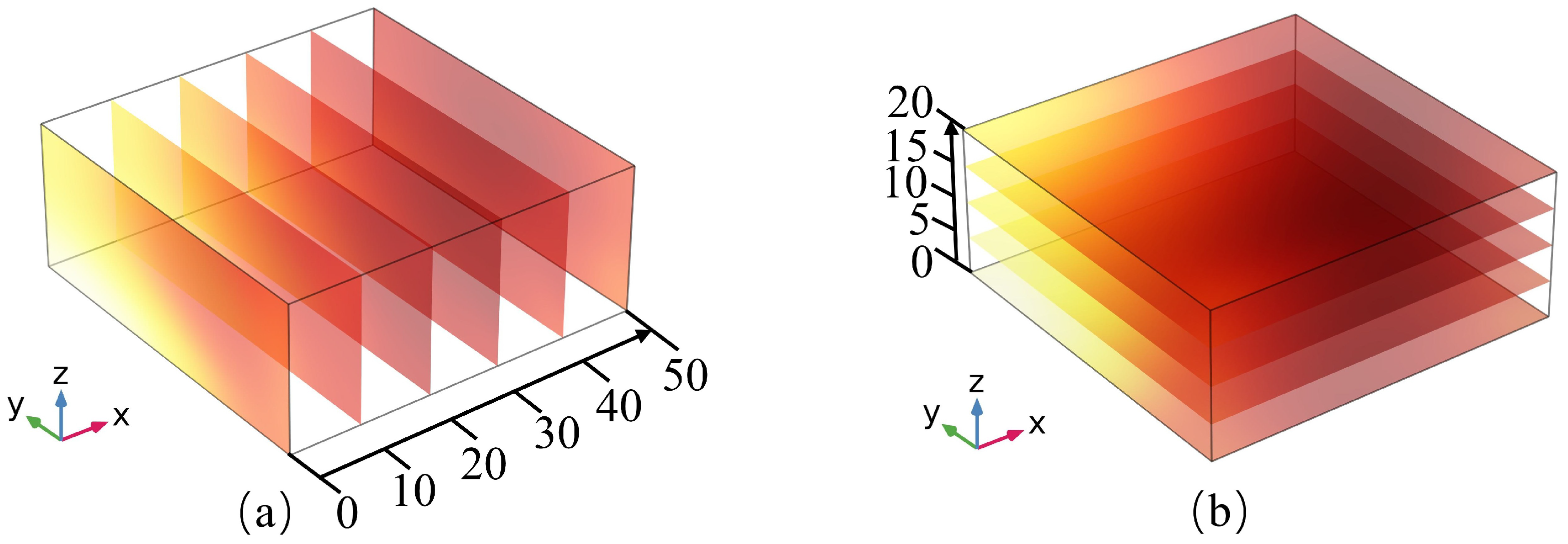
Furthermore, to gain deeper insight into the heating performance of different strategies, a slicing analysis method is employed to examine the spatial tomography of the temperature distribution within the heated material. By extracting and comparing temperature-field distributions on representative cross-sections, the differences in heat transfer and energy accumulation under various control strategies can be visualised. The corresponding slices are shown in
Figure 27.
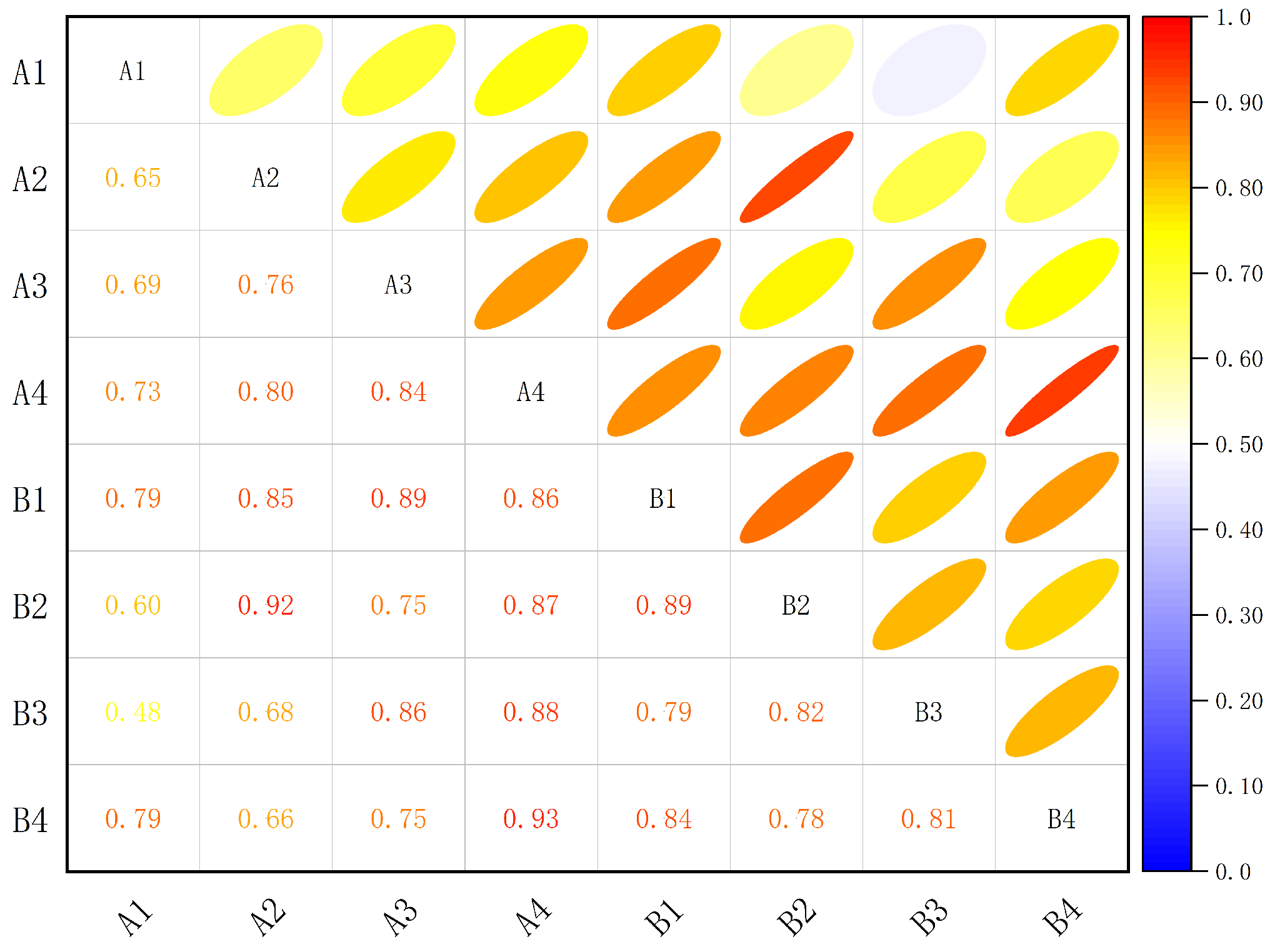
From the data presented in the tables, it can be observed that the proposed power–phase cooperative heating strategy significantly outperforms the other three control schemes in terms of overall heating efficiency and spatial uniformity. Specifically, this strategy achieves efficiency improvements of 16.62%, 44.74%, and 32.87% compared with the constant-power, phase-only, and power-only adjustment methods, respectively, demonstrating a higher level of energy transfer effectiveness and enhanced thermo-electromagnetic coupling utilisation.
Furthermore, the heating efficiencies under different heating strategies are presented in
Table 3, the vertical-interface heating efficiency is provided in
Table 4, and the horizontal-section heating efficiency is given in
Table 5.
From the perspective of vertical section characteristics, the proposed power–phase coordination strategy improves temperature uniformity by approximately 8.84–32.94%, 21.42–42.57%, and 29.90–55.87% relative to the three control groups, respectively. This indicates that the method effectively suppresses vertical energy imbalance and establishes a more stable thermal gradient along the vertical conduction path. The underlying mechanism lies in the global reconstruction of the electromagnetic interference pattern achieved through phase adjustment, while the power feedback dynamically constrains the local energy amplitude, thereby maintaining a consistent heat transfer along the vertical direction.
In the horizontal sections, the uniformity improvement achieved by the proposed strategy ranges from 11.41 to 31.03%, 22.58 to 33.85%, and 16.03 to 40.54% compared with the three benchmark schemes, respectively. This demonstrates that the power–phase coordination approach also exhibits strong balancing capability in lateral energy diffusion. Its core advantage arises from the adaptive power allocation mechanism driven by the source–zone coupling matrix, which enables dynamic equilibrium of electromagnetic energy density among regions, effectively mitigating the formation of local hot spots.