
Article

Simulation of Engine Power Requirement and Fuel Consumption in a Self-Propelled Crop Collector
1
Department of Bio-Industrial Machinery Engineering, Kyungpook National University, Daegu 41566, Republic of Korea
2
Department of Agricultural Engineering, National Institute of Agricultural Science, Rural Development Administration, Jeonju 54875, Republic of Korea
3
Bulls Co., Ltd., Seongju 40053, Republic of Korea
4
Department of Smart Bio-Industrial Mechanical Engineering, Kyungpook National University, Daegu 41566, Republic of Korea
5
Upland Field Machinery Research Center, Kyungpook National University, Daegu 41566, Republic of Korea
*
Author to whom correspondence should be addressed.
Actuators 2026, 15(1), 8; https://doi.org/10.3390/act15010008 (registering DOI)
Submission received: 22 October 2025 / Revised: 3 December 2025 / Accepted: 11 December 2025 / Published: 23 December 2025
(This article belongs to the Special Issue Advances in Fluid Power Systems and Actuators)

Abstract

This study attempted to develop and validate a data-driven simulation model that integrates field-measured data to assess the power requirement and fuel consumption characteristics of a self-propelled collector. The collector is a hydrostatic transmission-based, crawler-type platform designed for garlic and onion harvesting, equipped with multiple hydraulic subsystems for collection and sorting. During field experiments, the power requirements of each subsystem and fuel flow rate were recorded, and Willans line method was applied to estimate engine power and subsystem power transmission efficiencies. Because many small agricultural machines do not support electronically instrumented engines (e.g., CAN-bus/ECU-based measurements), the proposed model was formulated as a data-driven, low-order representation derived from on-site measurements rather than a full physics-based model. Using the identified parameters, the simulation framework predicts engine power and fuel efficiency under various operating conditions. The simulation results exhibited high agreement with field data, achieving R2 and mean absolute percentage error values of 0.935–0.981 and 1.79–4.18%, respectively, confirming reliable reproduction of real field performance. A comprehensive analysis of the simulation results revealed that both engine speed and travel speed significantly influence power distribution and fuel rate, while also indicating that hydraulic working power is the dominant contributor to total power demand at higher engine speeds. These findings provide practical guidance for improving the fuel efficiency of compact self-propelled collectors.

1. Introduction

Global agricultural mechanization has steadily expanded to address structural labor shortages, rising wages, and the need to secure stable productivity. Within this trend, crop collection machinery has historically been developed with an emphasis on large-scale harvest systems for high-volume crops—such as rice, wheat, maize, and potato—where economies of scale make full mechanization most cost-effective. However, mechanization is no longer confined to large grain-based production systems; it is increasingly becoming indispensable in regions characterized by small or fragmented fields and the cultivation of specialty crops. In this context—including Korea, smallholder or specialty-crop farms in North America and Europe, and the small-parcel agriculture common across many Asian countries—demand is growing for compact, versatile platforms that can bridge the operational gap between large harvesting machinery and manual labor.
Korean agriculture faces a critical challenge from an aging and declining population, driven by a steady decline in new entrants [1]. As of 2024, farmers aged 60 years and above represent approximately 70% of the total agricultural workforce [2]. This demographic imbalance has led to labor shortages and reduced productivity, highlighting the urgent need to transition from labor-intensive farming to mechanization [3,4,5]. Since 2012, the Korean government has implemented nationwide initiatives to promote the mechanization of upland crop production. For major crops such as garlic and onions, the average mechanization rates across the production cycle have reached 68.9 and 66.1%, respectively. However, harvesting remains a bottleneck, with rates of only 31.4 and 59.7% for garlic and onions, respectively [6]. As mechanization progresses elsewhere in the production cycle, manual collection has become increasingly critical limitation. Consequently, rising labor costs and shortages have intensified demand for crop collectors.
The current harvesting machines for garlic and onions are predominantly tractor-mounted diggers that loosen the soil and excavate the crops, leaving them on the soil surface. Although effective for excavation, they do not handle subsequent processes such as collection, sorting, and packaging, which still depend heavily on manual labor [7]. The persistence of manual collection stems partly from the common practice of field-drying crops for several days to improve storability. This gap has driven growing interest in self-propelled collectors as a practical alternative for upland crops. With narrow working widths and track-type undercarriages, these machines are well-suited for maneuvering in small and fragmented fields [8]. They also offer advantages over tractor-mounted implements by enabling shorter turning radius and providing sufficient space for conveyor systems, which improves crop collection and sorting.
Self-propelled collectors are typically developed as compact platforms powered by small diesel engines and equipped with track-type undercarriages and hydrostatic transmissions (HST). This powertrain layout is broadly consistent with other compact self-propelled agricultural machines—such as small vegetable harvesters, carriers, sprayers, and rotary tillers—suggesting that insights from collector performance analysis can inform a wider class of small-field mechanization platforms. However, their development is still at an early stage, and empirical data on operating loads and subsystem power demand are limited. Field operation introduces complex and dynamic loads affected by soil–track interaction, rolling resistance, and foreign material ingress into conveyors [9,10,11]. Understanding the power requirements of each subsystem under various field conditions is essential for selecting appropriate component capacities and identifying opportunities for improvement. Therefore, a simulation-based approach, supported by field measurements, is needed to quantify subsystem power requirements and associated fuel-use characteristics across diverse operating conditions.
Simulation-based analysis has been widely recognized as a practical solution for agricultural machinery design because it enables prediction of field loads under diverse operating conditions that are difficult to reproduce experimentally. Han et al. (2023) developed a tractor tillage-depth control model via AMESim–MATLAB/Simulink (v2018b) co-simulation to capture the dynamic relationship between engine load and soil resistance and to support engine-speed optimization under varying tillage conditions [12]. Shao et al. (2023) proposed a dynamic tire–soil interaction model for tractors implemented in MATLAB/Simulink to analyze load transfer behavior and the influence of slip on driveline loading [13]. Similarly, Kolator and Białobrzewski (2011) developed a simulation model of a 2WD tractor with a suspended implement to evaluate tractive efficiency, drawbar pull, and overall energy efficiency on different soils [14]. Barbosa et al. (2025) introduced Python-based software (v3.9) that couples mathematical models of traction and fuel consumption to analyze wheeled-tractor performance over a range of slip, ballast, and operating conditions [15].
In parallel, fuel-efficiency optimization has received increasing attention in agricultural machinery for both economic and environmental reasons, and a number of simulation-coupled studies have demonstrated the benefits of integrated powertrain control and optimization. Zhu et al. (2022) presented a fuzzy-assisted equivalent fuel consumption minimization strategy for a hybrid tractor with a hydro-mechanical continuously variable transmission, achieving a 6.71% reduction in fuel use relative to a conventional strategy [16]. Chang et al. (2023) optimized tractor driveline gear ratios using a Gradient-Crowding-based evaluation method and reported up to 62.8% reductions in specific fuel consumption [17]. Zhu et al. (2022) further developed a mechanic–electronic–hydraulic integrated powertrain system and simulated its economic gear-ratio control, underscoring the potential of coordinated multi-domain control to improve drivetrain efficiency [18]. Complementary studies have focused on operational strategies and real-world duty cycles: Lacour et al. (2014) proposed a model that combines bench-test engine and transmission maps with field driving cycles to derive fuel-, time-, and field-efficiency indicators for representative tractor tasks [19]. Gonzalez-de-Soto et al. (2015) integrated a mechanical-energy and terrain-elevation model with path planning for robotic tractors to reduce fuel consumption and emissions during weed and pest control [20]. Damanauskas and Janulevičius (2015) experimentally compared single-wheel 4WD and dual-wheel 2WD systems, showing that appropriate management of tire inflation pressure and ballast can reduce slip and fuel consumption while maintaining field performance [21]. Collectively, these studies indicate that integrated control and optimization of powertrains, traction, and operating strategies play a vital role in minimizing energy losses and enhancing operational economy in modern agricultural machinery.
However, this body of work has focused primarily on major machines such as tractors, leaving a clear research gap for compact self-propelled collectors. Unlike tractors, small self-propelled platforms are often equipped with mechanically governed engines with limited electronic control, restricting the availability of CAN-bus or onboard diagnostic signals and making direct engine-power analysis challenging. In this context, the Willans line approach has been used as a useful tool to estimate diesel-engine output from fuel-consumption data [22]. Therefore, by measuring subsystem loads and fuel use with field sensors and estimating engine power via the Willans line, it becomes feasible to develop and validate a simulation model for a self-propelled collector. Such a model can provide a transparent, measurement-based framework for quantifying subsystem power demand and fuel-use characteristics over a wide range of realistic operating conditions, even when only limited engine and drivetrain signals are available.
Therefore, this study attempts to develop and validate a data-driven, low-order simulation model of a self-propelled crop collector to comprehensively analyze power demand and fuel consumption characteristics under diverse working conditions utilizing field-measured load data. The specific objectives of this study are as follows: (1) development of an integrated measurement system; (2) acquisition of load data under actual operating conditions; (3) analysis of power output and fuel consumption characteristics; (4) development of a simulation model; (5) validation of a simulation model; and (6) evaluation of power requirement and fuel consumption. By documenting this workflow and the associated experimental dataset, the study aims to provide a practical reference for the early-stage design and energy assessment of compact self-propelled agricultural machines employing hydrostatic transmissions and small diesel engines.

2. Materials and Methods

2.1. Development Process of Simulation Model

To develop the fuel consumption simulation model for the self-propelled collector, it was necessary to establish an engine fuel rate model that reflected variable load conditions. The overall simulation framework was divided into several main stages, as illustrated in Figure 1.
  • Measurement and Data Acquisition Setup: A measurement system was configured to measure the power requirements of the collector’s major operating units and to characterize engine fuel-consumption behavior.
  • Parameter Identification Tests: Fuel consumption under no-load conditions was measured and combined with the engine full-load curve to identify a Willans line-based engine model. In addition, standalone tests of the collecting and sorting units were conducted to estimate the power-transmission efficiency of the hydraulic working system.
  • Field Working Tests (System-Level Data): Field experiments under real operating conditions were performed to further determine the power-transmission efficiency of driving unit and to acquire system-level datasets for model validation.
  • Integrated Simulation Model Development: A comprehensive simulation model of the self-propelled collector was developed by integrating the Willans line-based engine model with the machine’s subsystem models.
  • Model Validation and Simulation Analysis: The reliability of the developed simulation model was verified, and the model was adopted to assess engine power and fuel consumption characteristics across a wide range of operating scenarios.

2.2. Self-Propelled Collector

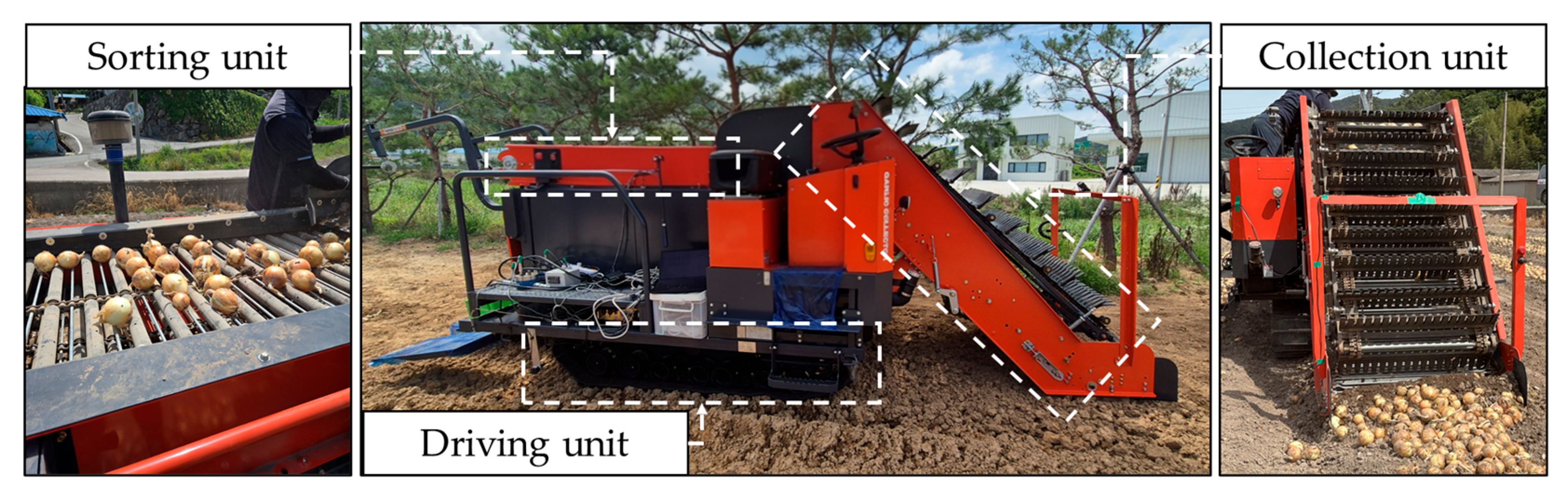
The self-propelled collector is presented in Figure 2. The machine was developed as a prototype equipped with a 25 kW engine and comprises two major subsystems: a hydraulic working system for crop handling and a driving unit for vehicle movement. The hydraulic working system is divided into a collecting unit and a sorting unit, each powered by an independent hydraulic motor. The collecting unit is inclined forward and composed of a lower chain conveyor that supports crops and an upper rubber reel conveyor that prevents rolling loss, both rotating toward the sorting unit. The sorting unit has a horizontal chain conveyor that transfers crops to the rear storage net, where an operator beside the collector can manually remove foreign materials. The driving unit employs a crawler-type undercarriage, with engine power transmitted to the drive sprocket for vehicle movement.

2.3. Power Transmission and Hydraulic System Configuration

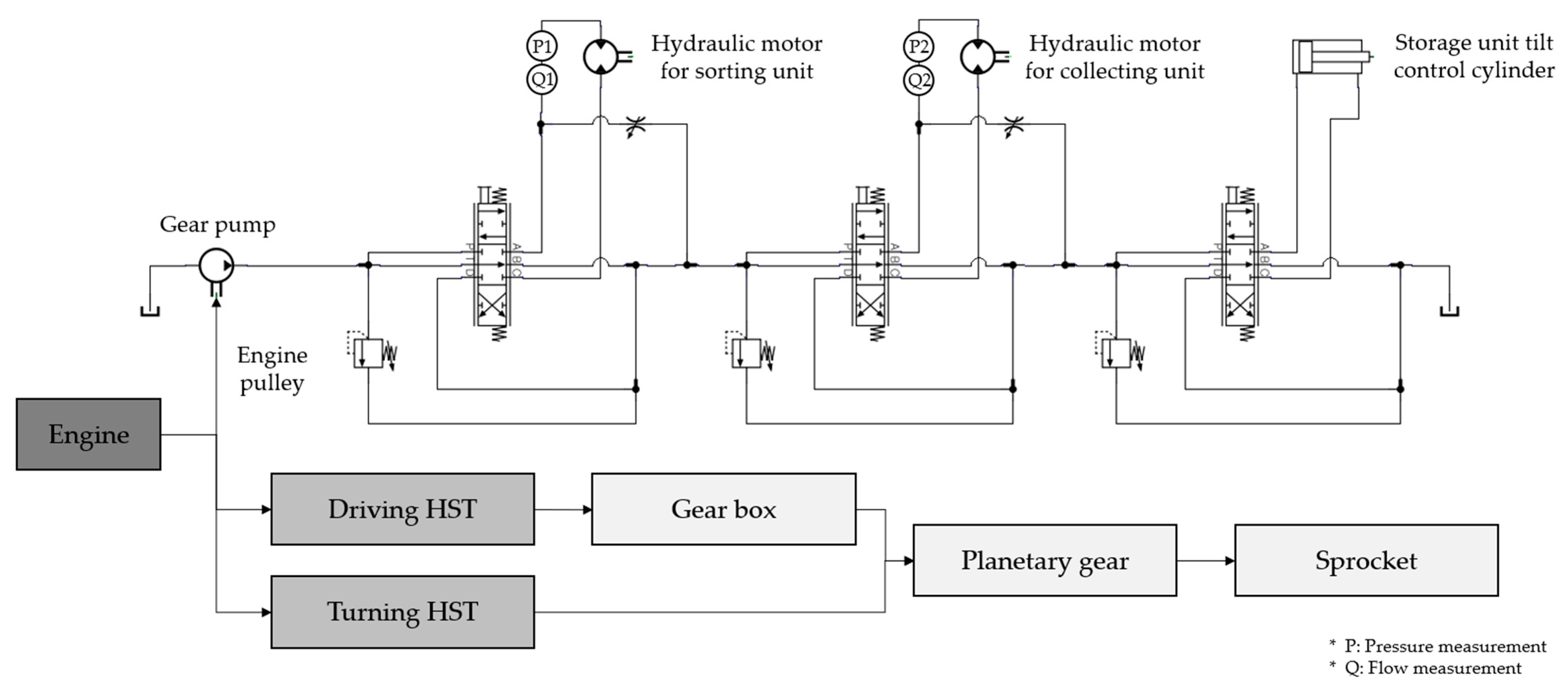
The layout of the collector’s power transmission system is illustrated in Figure 3. The hydraulic working system is powered by a gear pump linked to the engine pulley, which sequentially supplies oil to the sorting unit motor, collecting unit motor, and the tilt-control cylinder of the storage unit. Directional control valves regulate forward, reverse, and neutral operation of each motor, and the outlet flow from the sorting unit motor is directed to the collecting unit motor. Flow-control orifices are installed in both units to adjust the rotation speed. At this stage, the flow and pressure sensors were installed on the supply line to the hydraulic motor, positioned downstream of the pump and the directional control valve during forward operation. The driving unit comprises a HST coupled with a mechanical auxiliary gearbox, providing three travel speed ranges (low, standard, and high). Two identical HSTs are utilized—one for driving and one for steering. The steering HST operates through a planetary gear differential, enabling skid-steering, in which the inner track moves forward and the outer track reverses to minimize the turning radius. During the collecting operation, the low-speed range was utilized, and the HST output power was transmitted to the drive sprockets of the crawler undercarriage. The detailed specifications of the self-propelled collector are presented in Table 1.
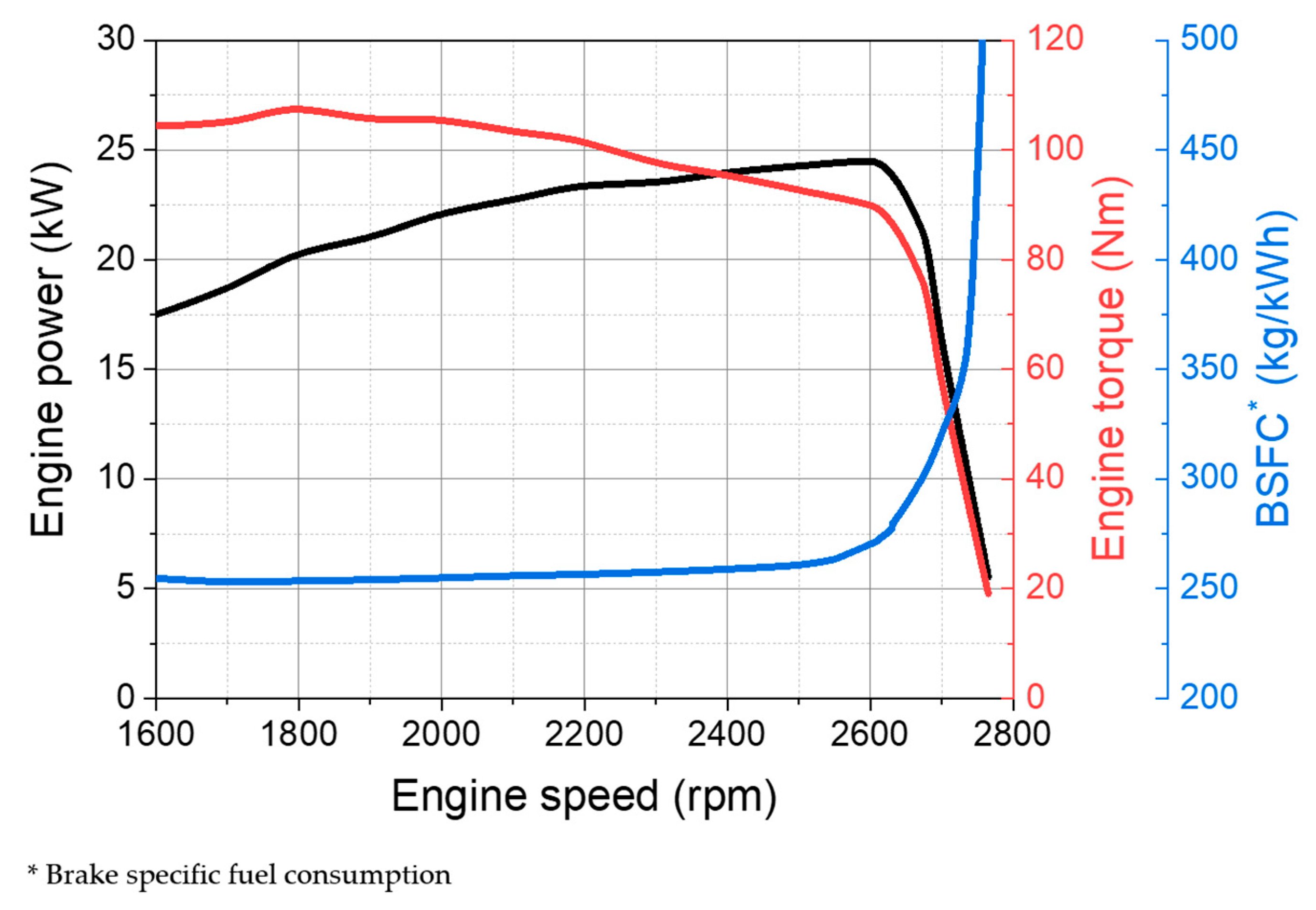
The detailed specifications of the engine (3A165LWS, Daedong Co., Ltd., Daegu, Republic of Korea) utilized in the collector are presented in Table 2. The engine is a three-cylinder diesel type with a displacement of 1647 cm3, featuring direct fuel injection and natural aspiration. According to the response of the mechanical governor, a decrease in engine speed and an increase in fuel supply occurred as the load increased. Because this engine is mechanically controlled and does not support controller area network communication, real-time electronic data acquisition for fuel injection and torque signals was unavailable. Therefore, as shown in Figure 4, the full-load engine performance map provided by the manufacturer—including power, torque, and brake specific fuel consumption (BSFC)—was applied to the Willans line method to estimate the effective engine power.

2.4. Measurement System

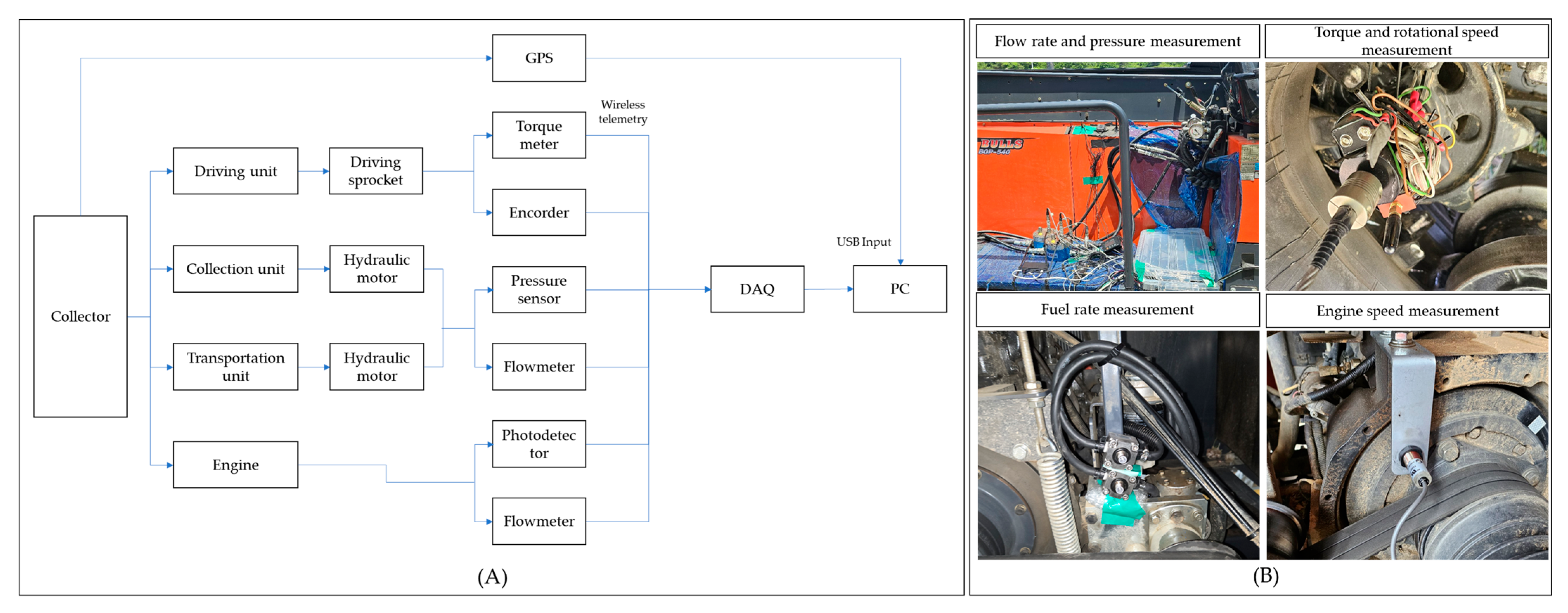
The measurement system of the self-propelled collector was configured as illustrated in Figure 5. It was designed to acquire signals related to the hydraulic working system, driving system, engine operation, and vehicle speed. For the hydraulic working system, flowmeters and pressure sensors were installed on the supply lines of the hydraulic motors that drive the collecting and sorting conveyors. For the traveling system, strain gauges were attached to the drive sprocket of the crawler track in a full-bridge configuration, and the torque signal was transmitted via a wireless telemetry unit. The sprocket rotational speed was determined by extending the sprocket shaft and mounting an encoder on the vehicle frame. The engine speed was measured by attaching a reflective marker to the flywheel and measuring its rotational frequency with a photodetector. To calculate fuel rate, a micro-flowmeter was installed on both the fuel delivery line to the injection pump and the return line from the injector. The collector is not equipped with any additional external fuel return line. The traveling speed was determined with a GPS module mounted on the vehicle body. The data were sampled at a rate of 300 Hz. The strain gauges mounted on the sprocket were statically calibrated in accordance with DIN 51309, whereas the remaining measurement sensors were used based on the manufacturer-calibrated certificates and specifications. The specifications of the sensors utilized in the measurement system are summarized in Table 3.

2.5. Field Test

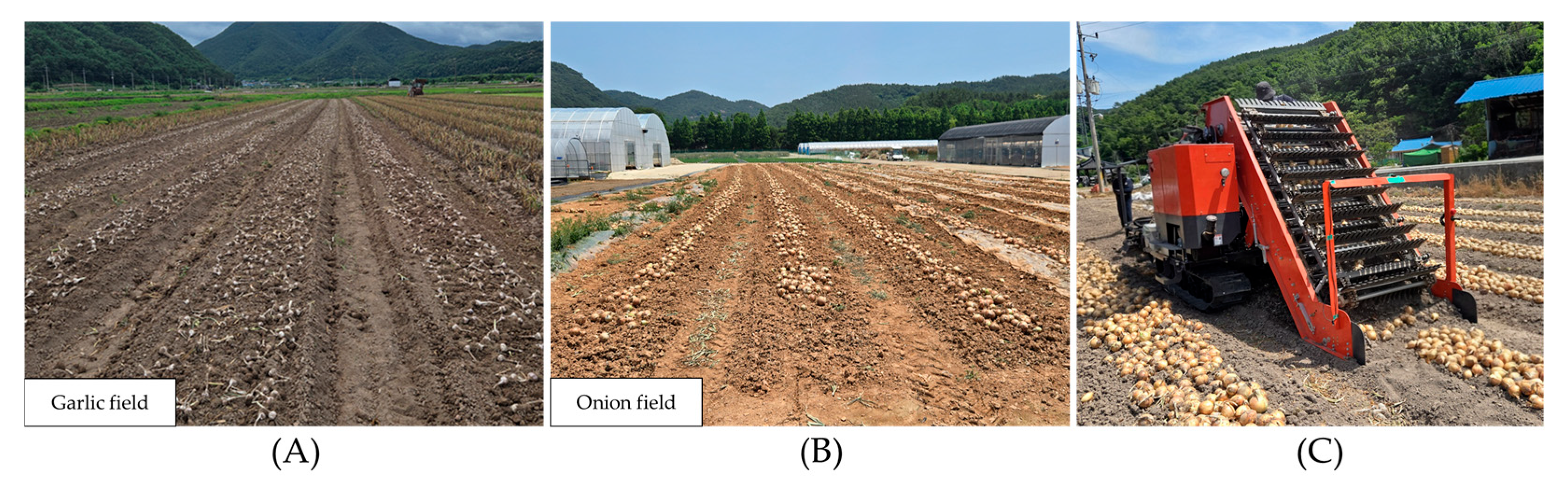
Field experiments for the self-propelled collector were conducted as illustrated in Figure 6. Tests were performed at four field sites representing two major garlic cultivars and onion cultivation types commonly grown in the Republic of Korea—namely, southern-type garlic, northern-type garlic, paddy-field onion, and upland onion. These sites were selected to ensure representativeness of the typical crop varieties and cultivation environments found in Korean open-field production systems. The field soil properties are summarized in Table 4, indicating that the test site exhibited conditions representative of typical Korean agricultural farmland. The experiments were conducted under three engine speed levels (approximately 2000, 2300, and 2600 rpm) and three travel speed levels (approximately 0.1, 0.2, and 0.3 m/s), with each condition recorded for more than 30 s. Combining three engine speeds with three travel speed ranges across four fields resulted in 36 distinct operating conditions for the field experiments.
Both the engine speed and travel speed of the collector were manually controlled with the levers on the operator’s seat. As these levers are linked to the engine governor and HST swash-plate angle, it was difficult to precisely set and maintain constant operating conditions. The engine speed, in particular, tended to decrease naturally under load because of the mechanical governor’s response. Therefore, each test was initiated after the levers were adjusted to approximate the target conditions under no-load, and data were collected once the engine speed stabilized at slightly reduced but steady values during operation. For the same reason, travel speed could only be maintained within approximate ranges, and thus three speed intervals—0.1–0.2, 0.2–0.3, and 0.3–0.4 m/s—were adopted as representative levels.

2.6. Data Analysis

A modeling procedure was developed to estimate engine power and fuel rate of the self-propelled collector based on field-measured data. Several preprocessing steps were performed to ensure the raw data’s validity. The rotational speeds of the sprocket and engine were smoothed with a moving-average filter to remove noise from the encoder and photodetector signals. In addition, a Hampel filter was applied to the fuel flow sensor data on the supply line to eliminate spikes caused by pump cavitation under certain conditions. For each operating condition, representative values were obtained as the average after the engine speed had stabilized following load-induced reduction and until the completion of each working cycle.
The power demand of the hydraulic working system for the collecting and sorting units was calculated with Equation (1). As the system employed a pump–motor series configuration with two hydraulic motors connected in series, the pressure required by the upstream sorting motor inherently includes the additional pressure imposed by the downstream collecting motor. Therefore, when the collecting and sorting units were operated independently, the required power of each unit was determined from the measured pressure and flow rate at the corresponding motor. When both units were activated simultaneously, the pump power was computed based on the pressure and flow rate measured at the sorting motor.
P h = p Q h / 600 ,
where P h , p , and Q h represent the required hydraulic power (kW), pressure of pump (bar), and flow rate of the pump (L/min), respectively.
The power requirement of the driving unit was determined using Equation (2), based on the drive sprocket torque and rotational speed. The sprocket torque was taken as the sum of the left and right sprocket torques. Because no differential steering control was applied, the left and right sprocket rotational speeds are structurally expected to be identical; however, to mitigate minor sensor-related deviations in the field data, the average of the two measured speeds was used.
P d = 2 π T N d / 60,000 ,
where P d , T , and N d represent the required driving power (kW), torque of sprocket (Nm), and rotational speed of the sprocket (rpm), respectively.
The engine power of the self-propelled collector was estimated by applying Willans line method, as expressed in Equation (3). The Willans line assumes an approximately linear relationship between fuel consumption rate and brake power at a given engine speed. In this formulation, the intercept represents the fuel required to overcome speed-dependent friction and auxiliary loads, whereas the slope reflects the incremental fuel-to-power conversion efficiency at that speed.
The no-load fuel rate was measured with the engine installed on the collector; thus, the intercept represents an installed no-load state that inherently includes parasitic losses from auxiliary components (e.g., cooling fan, oil and water pumps, alternator), rather than a dynamometer zero-output condition. This approach was adopted to avoid separate parasitic-loss modeling and to maintain a practical, simplified simulation framework in which field-measured fuel rate and subsystem power demands can be directly used. Accordingly, the estimated engine power corresponds to net (effective) installed brake power, and the transmission efficiencies of the hydraulic and traveling systems are defined with respect to this net power basis.
The slope of the Willans line at each engine speed was identified from the difference between the full-load fuel rate derived from the manufacturer’s BSFC map and the measured installed no-load fuel rate, divided by the corresponding full-load brake power at that speed. A limitation of this formulation is that variations in parasitic losses with thermal or auxiliary operating conditions may bias both the intercept and slope, and the resulting net power is not strictly comparable to gross dynamometer-based brake power. Nevertheless, this Willans-line-based approach provides a practical and robust means of estimating engine power for machines lacking direct CAN/ECU-based power signals.
P t h = ( Q b Q a ) / B ,
where P t h , Q a , B , and Q b represent the theoretical engine power (kW), fuel rate under no-load condition (kg/h), slope of Willans line (kg/kWh), and fuel rate under each test conditions (kg/h), respectively.
The engine net power estimated using the Willans line was related to the power demands of the hydraulic working system and the traveling system through their respective power-transmission efficiencies, as expressed in Equation (4). These efficiencies were identified to obtain calibration parameters for the simulation model. Specifically, the hydraulic power-transmission efficiency was first determined from hydraulic-only tests conducted in a stationary condition, where the traveling power demand was set to zero. This identified hydraulic efficiency was then applied to the field-operation data to isolate and estimate the traveling-system transmission efficiency. Because both efficiencies were derived with respect to the Willans-line-based net (installed) engine power, they may differ from gross drivetrain efficiencies defined at the subsystem level; therefore, they should be interpreted as net-power-based calibration factors intended primarily for predicting fuel consumption under varying operating conditions in the simulation framework.
P t h = η h P h + η d P d ,
where P t h , η h , P h , η d , and P d represent the theoretical engine power (kW), power transmission efficiency of the hydraulic working system (–), required hydraulic power (kW), power transmission efficiency of the driving unit (–), and required driving power (kW), respectively.
The HST displacement ratio of the collector was calculated as the ratio of the actual travel speed to the maximum travel speed at each engine speed, as expressed in Equation (5). The maximum travel speed of the collector was 0.9 m/s at 2600 rpm, which already reflects volumetric losses such as internal leakage. Because the axial piston-type variable displacement pump theoretically exhibits a linear relationship between swash-plate angle and displacement, a linear approximation was applied with respect to the maximum travel speed at each engine speed. To simplify the simulation model, a uniform volumetric efficiency was assumed across the operating ranges of pump displacement and engine speed. This assumption is supported by the estimated HST operating pressure, which was approximately 30–50 bar under field conditions, considering the actual torque and gear ratio, which indicates relatively minor internal leakage and a stable efficiency characteristic of the hydrostatic transmission.
H S T   d i s p l c e m e n t   r a t i o = ( 0.9 N e V / 2600 ) × 100 % ,
where N e and V represent the rotational speed of engine (rpm) and actual travel speed of the collector (m/s), respectively.

2.7. Simulation Model

The simulation model was developed with the commercial software Simcenter AMESim (version 2021.2, Siemens Digital Industries Software, Munich, Germany), based on the actual specifications of the self-propelled collector. Table 5 summarizes the simulation parameters not specified in the collector’s technical data. The total vehicle mass was set as the dry weight of the collector plus 150 kg, corresponding to two adult male operators. The Coulomb friction of the vehicle was adjusted to reproduce the average sprocket torque of 709 Nm obtained from field experiments. The overall power transmission efficiencies of the hydraulic drive pump and the HST were derived from the experimental data.

3. Results

3.1. Measurement Result

3.1.1. No-Load Fuel Rate

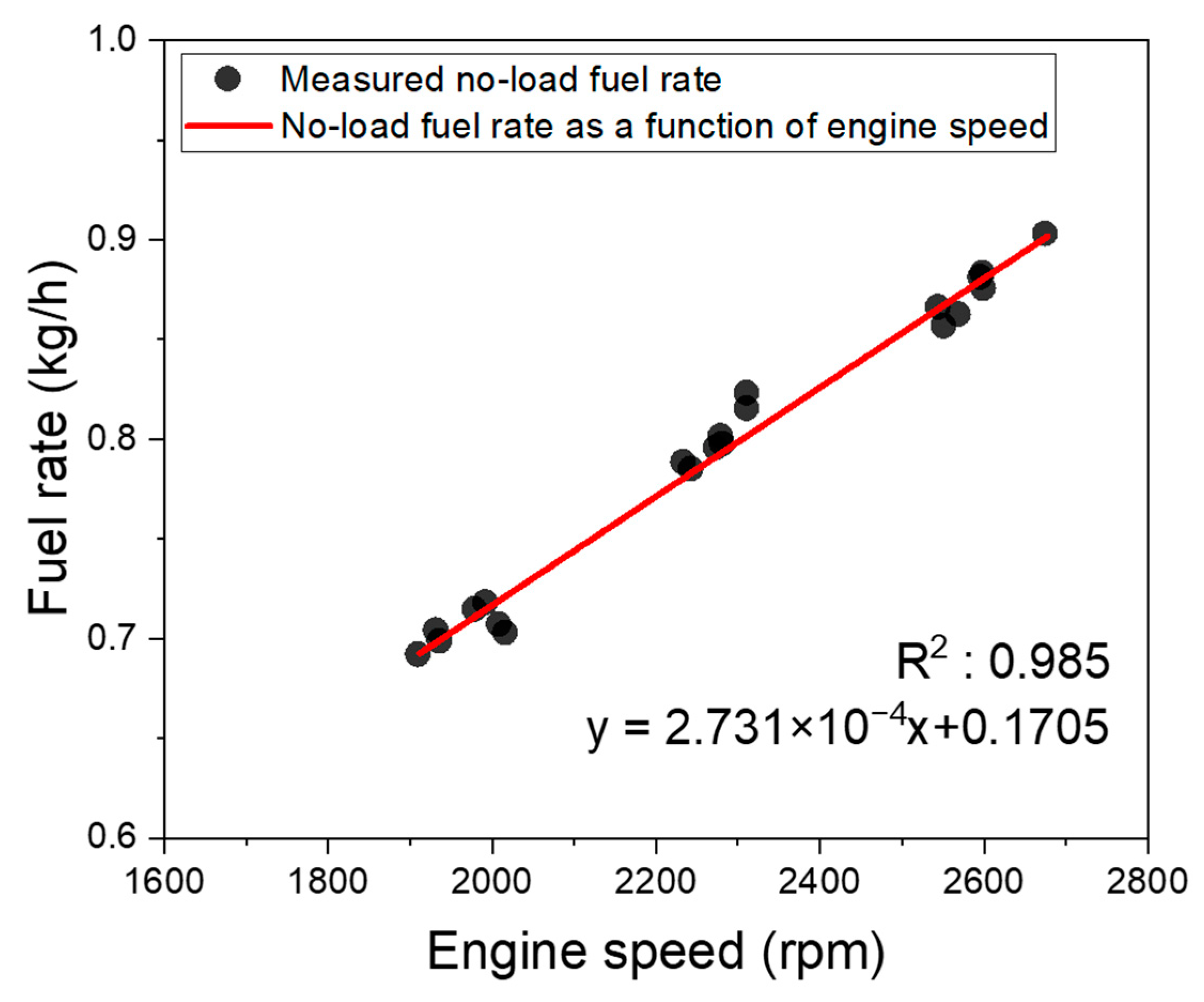
The no-load fuel consumption was measured 21 times under different engine speed conditions. Based on these data, the relationship between fuel rate and engine speed was approximated with a first-order linear function, as illustrated in Figure 7. It should be noted that this installed no-load fuel consumption value constitutes the intercept of the Willans line and inherently includes parasitic losses from auxiliary components. The results exhibited a strong linear correlation with the fitted no-load fuel consumption function, yielding an R2 value of 0.985.

3.1.2. Collecting-Sorting Unit Measurement Result

The experimental results and analysis of the hydraulic working system are summarized in Table 6. The collecting motor pressure ranged from 40.14 to 42.38 bar, while the pressure of the sorting motor was 97.8–100.0 and 147.1–150.2 bar during individual and during simultaneous operations, respectively. The flow rate of the sorting motor was measured with the flow control orifice partially open, and the collecting motor flow rate increased with engine speed. The hydraulic drive efficiency was calculated as the ratio of required hydraulic power to the corresponding net engine power estimated from the Willans line, yielding values of 0.715–0.726. Accordingly, an average value of 0.720 was adopted as the representative net-power-based transmission efficiency for the hydraulic working system in the simulation model.

3.1.3. Measurement Result of Self-Propelled Collector Under Various Working Conditions

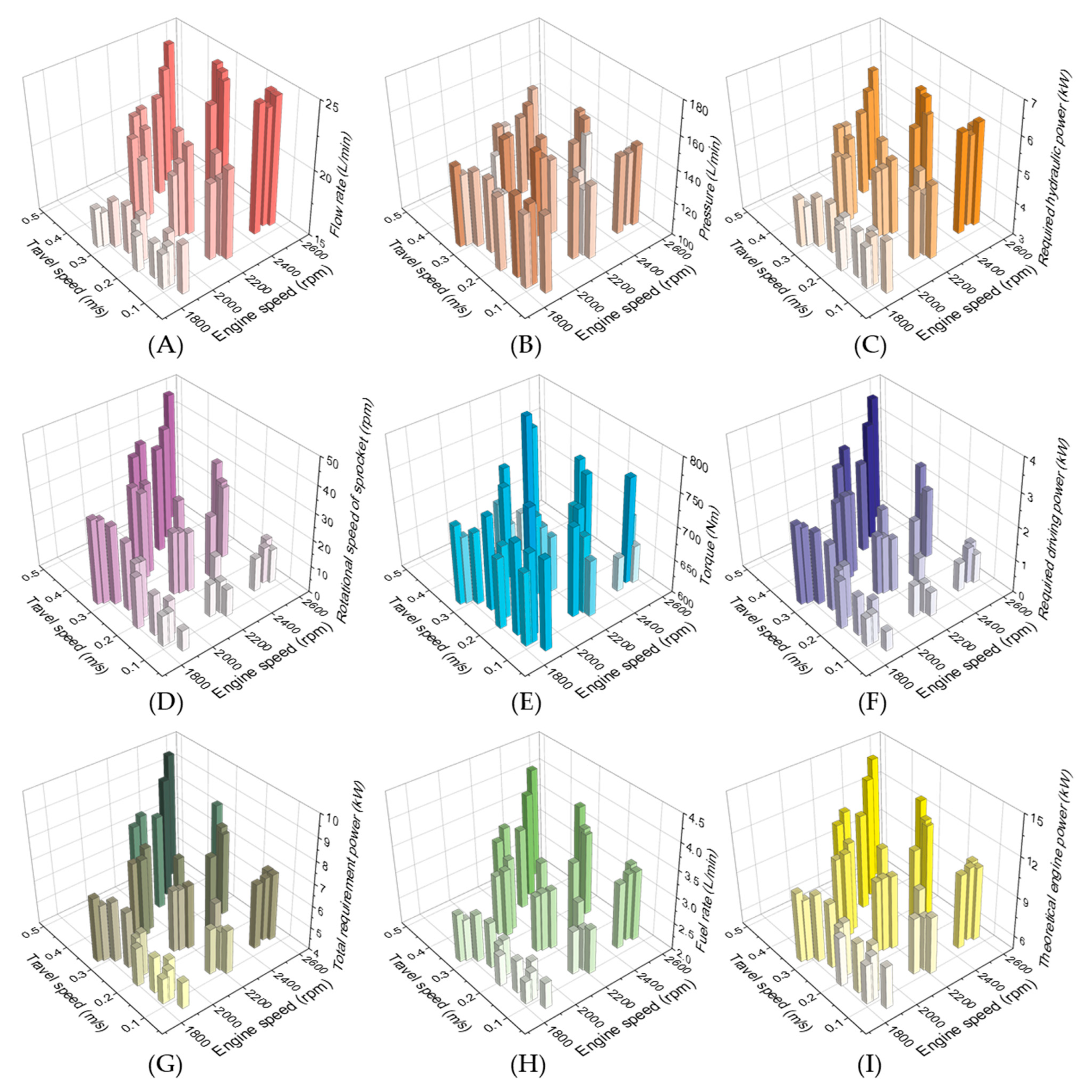
The measurement results from the field operation of the self-propelled collector are presented in Figure 8. As described in Section 2.5, the field measurements were conducted under 36 operating conditions defined by three engine speeds and three representative travel speed ranges (0.1–0.2, 0.2–0.3, and 0.3–0.4 m/s) across four fields. Because the dataset comprises 36 operating conditions obtained under practical lever-based control, travel speed and engine speed were not strictly paired; thus, Figure 8 summarizes representative relationships, and Appendix A provides the detailed tabulated data (Table A1). The hydraulic working unit pressure remained between 140 and 152 bar, while the driving sprocket torque varied between 641 and 788 Nm, corresponding to approximately 90–111% of the average torque of 709 Nm. Both variables fluctuated only slightly and showed no clear dependence on travel speed or engine speed, implying that they were governed mainly by external load factors (soil resistance and crop inflow) and relatively consistent mechanical losses. In contrast, the hydraulic flow rate increased proportionally with engine speed, leading to a corresponding rise in hydraulic power demand, whereas the sprocket rotational speed increased with travel speed, resulting in higher driving power. Consequently, the total power requirement—defined as the sum of hydraulic and traveling demands—increased with both operating variables, and the measured fuel consumption (2.42–4.07 kg/h) varied consistently with the total power requirement (5.13–9.61 kW).
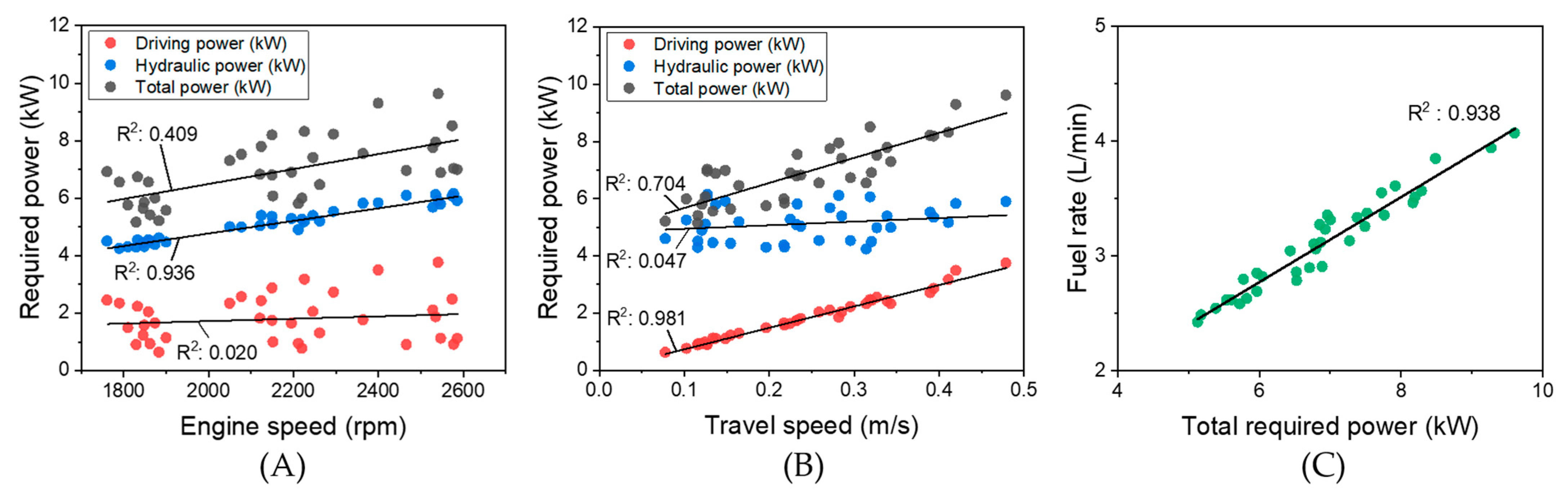
As illustrated in Figure 9, the regression analysis reinforces the observed relationships between operating parameters and subsystem power characteristics. Hydraulic power exhibited a strong linear correlation with engine speed (R2 = 0.936), confirming that the pump flow rate increased proportionally under nearly constant pressure. Likewise, driving power displayed a linear correlation with travel speed (R2 = 0.981), consistent with the measured torque–speed behavior of the driving unit. Consequently, the total power requirement—defined as the sum of hydraulic and driving powers—depended on both engine and travel speeds, representing the collector’s load characteristics. The total required power and fuel rate also exhibited a strong linear correlation (R2 = 0.938), indicating that fuel rate rose proportionally with overall power demand. These linear relationships established a quantitative basis for applying Willans line method to estimate engine output and assess power transmission efficiency in subsequent analysis.
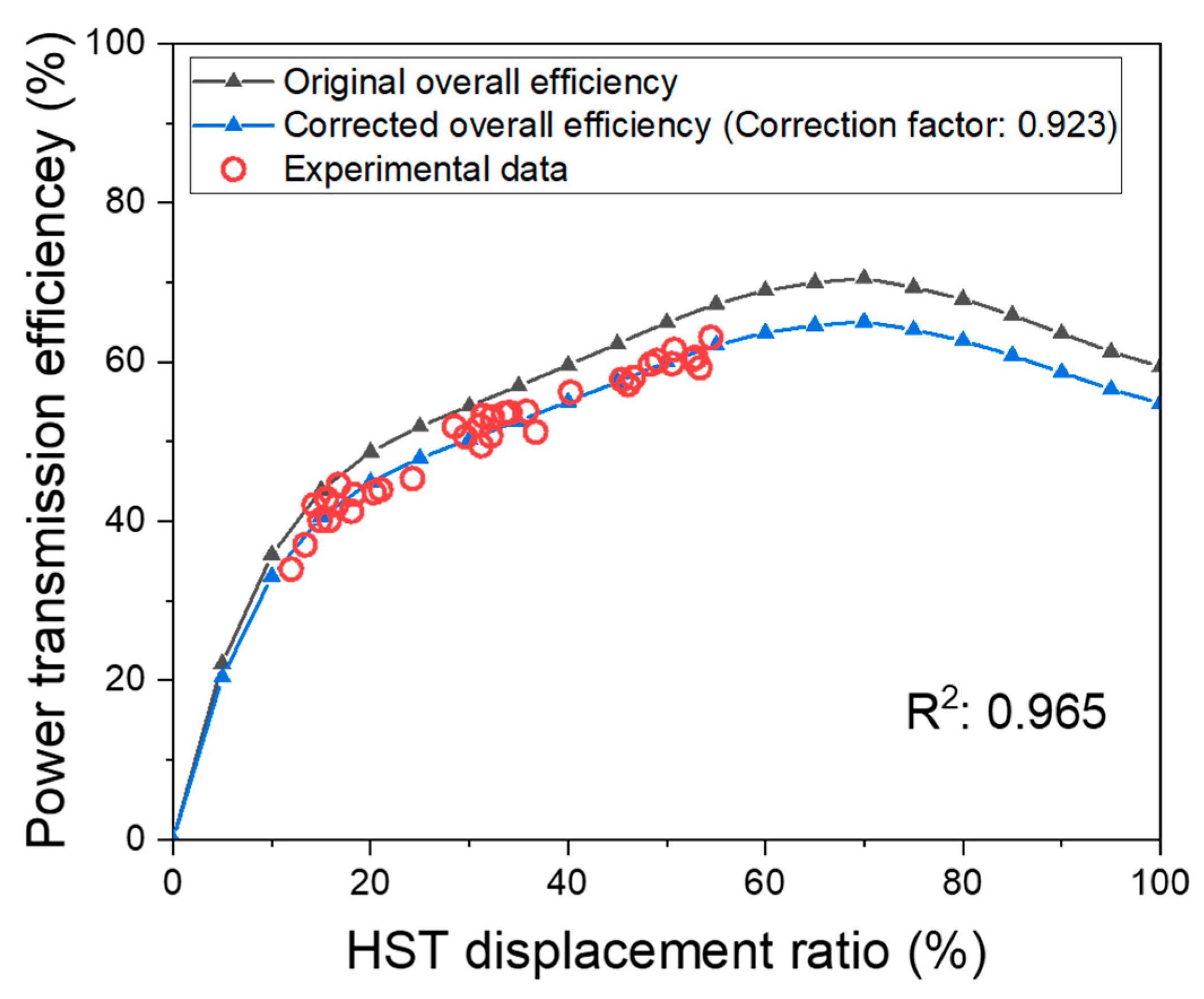
Figure 10 illustrates the engine–HST power transmission efficiency according to the HST displacement ratio. The measured efficiency increased nonlinearly up to approximately 70% displacement and then gradually decreased. To parameterize the simulation with a realistic efficiency profile while preserving the manufacturer-reported shape, the reference efficiency curve provided by the HST manufacturer was used as a baseline and scaled by a single multiplicative correction factor. This factor was identified by least-squares fitting to maximize agreement with the field-measured efficiency data, resulting in a correction factor of 0.923. The need for this scaling arises because manufacturer curves are typically obtained under bench conditions for the HST unit alone, whereas the present measurements reflect installed, in-field operation; thus the factor accounts for systematic differences attributable to installation effects, oil-temperature variation, and minor mechanical losses upstream/downstream of the HST.
It should be noted that the efficiency reported here represents the relationship between the Willans-line-based net (installed) engine power and the traveling-system power demand at the drive sprockets, rather than a pure component-level HST efficiency referenced to gross dynamometer power. The HST displacement ratio, derived from the travel-speed ratio at each engine speed, therefore provides a practical indicator of displacement utilization under field conditions. The corrected efficiency curve was subsequently implemented in the simulation model to reproduce the installed engine–HST power-transmission characteristics observed in the experiments.

3.2. Development of Self-Propelled Collector Simulation Model

3.2.1. Simulation Model Development

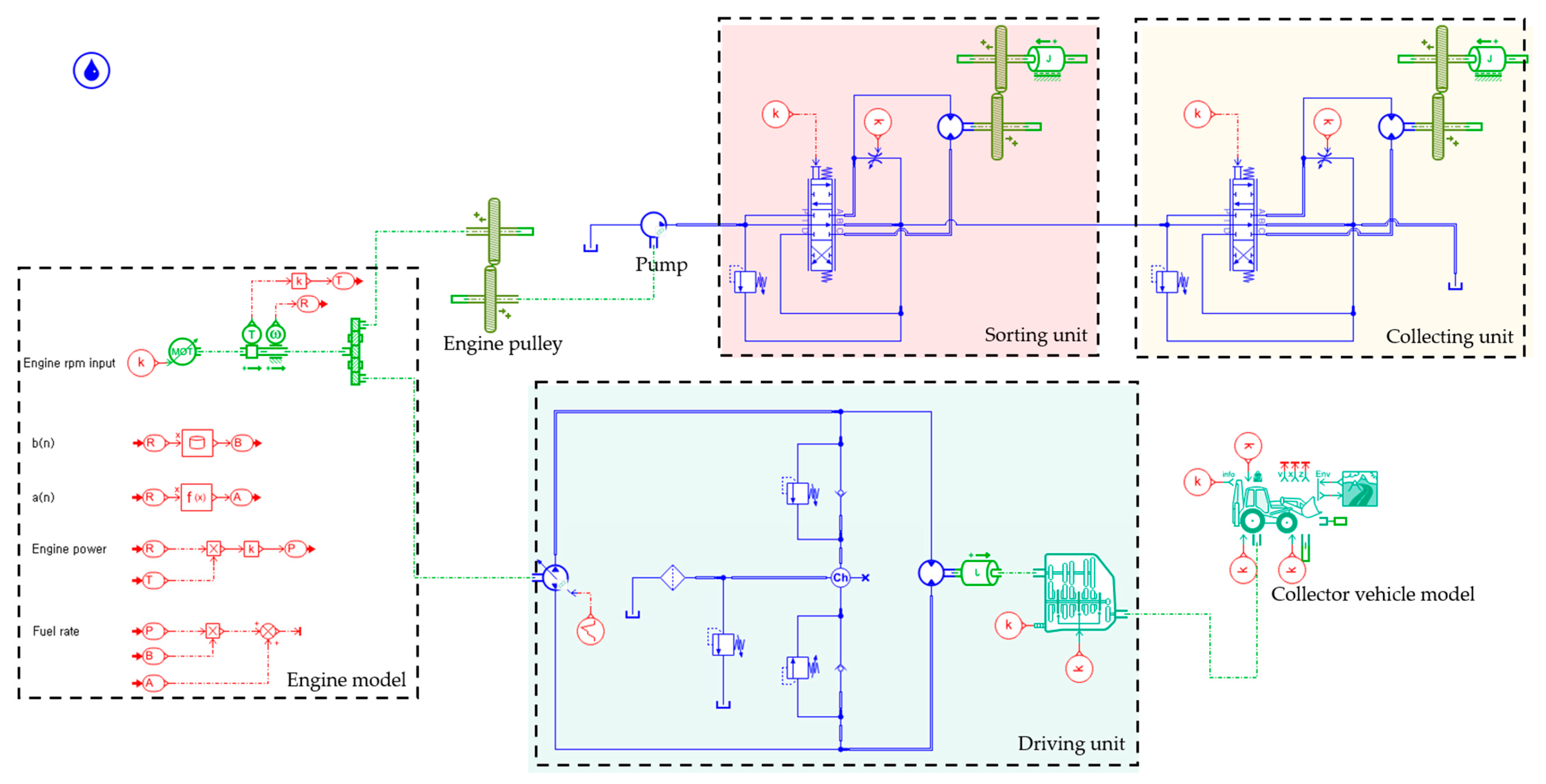
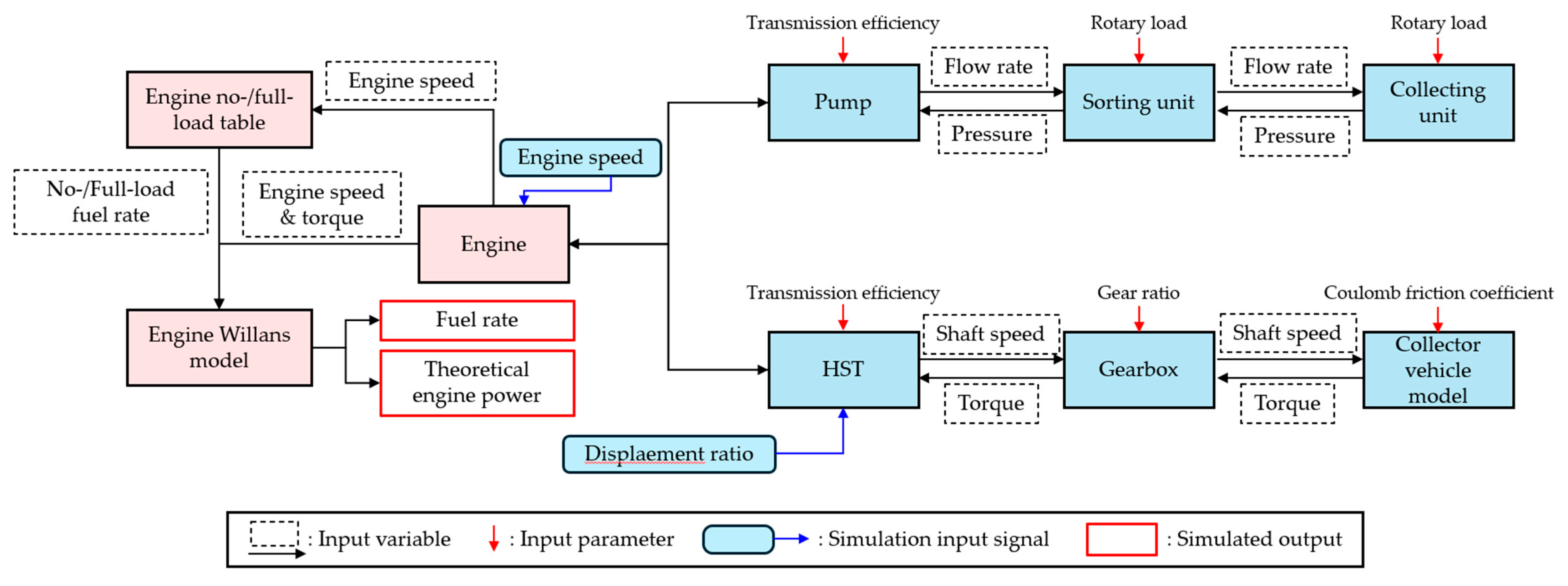
Figure 11 presents the configuration of the simulation model for the self-propelled collector. The engine model accepted the engine speed as an input variable and received rotational loads from the hydraulic working and driving units. Based on the engine speed and shaft torque, the fuel rate was computed from the engine map and Willans line parameters. A load factor function was incorporated to determine whether the engine power exceeded the maximum available power at each speed. The hydraulic working system was modeled with a gear unit instead of a pulley to transmit reduced-speed power from the engine to the hydraulic pump. The pump drove the hydraulic motors for the collecting and sorting units, each producing pressure according to its respective rotational load model. The driving unit incorporated an HST model and a mechanical sub-transmission, while the vehicle model validated the simulated sprocket torque and travel speed. The architecture of the input variables and signals in the simulation model is illustrated in Figure 12.

3.2.2. Simulation Model Validation

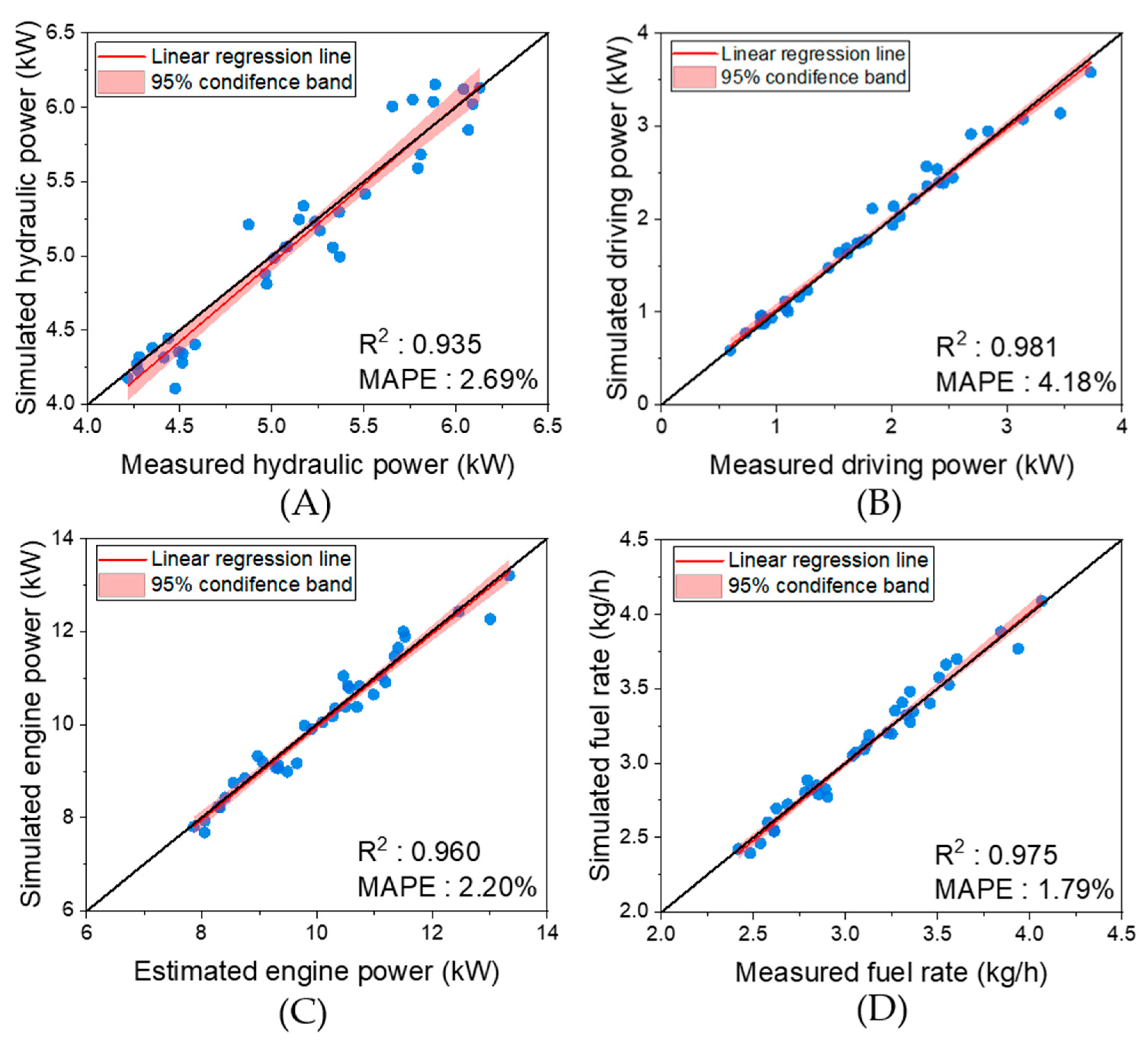
Figure 13 presents the validation results of the simulation model based on 36 field experiments. The red shaded area indicates the 95% confidence band of the fitted regression line, representing the uncertainty of the mean relationship between measured and simulated values. Individual data points may fall outside this band because it does not represent a prediction interval for individual observations but rather the confidence region for the population regression line. Differences between the measured and simulated values of hydraulic and driving power primarily resulted from the assumption of identical load conditions introduced to simplify the model. This simplification established a generalized simulation framework using representative pressure and torque values to evaluate the model’s ability to reproduce field conditions. Consequently, deviations in hydraulic power largely originated from variations in pump pressure, while discrepancies in driving power arose from variations between measured and simulated sprocket torque. Despite these simplifications, the model demonstrated high accuracy, yielding R2 of 0.935 and 0.981, and mean absolute percentage error (MAPE) of 2.69% and 4.18% for hydraulic and driving power, respectively. These results confirm that the simplified load conditions maintained consistent prediction reliability within the simulation framework.
The engine power was calculated by integrating the hydraulic and driving power while accounting for HST power transmission efficiencies. The simulated engine power exhibited an R2 of 0.961 and an MAPE of 2.38% compared with the theoretical values derived from Willans line method. This level of agreement is significant because the engine output forms the basis for inverse fuel rate estimation utilizing Willans line correlation. The simulated fuel rate achieved an R2 of 0.975 and an MAPE of 1.79% compared with the measured fuel data. This strong agreement can be interpreted as a natural outcome of the model structure—because Willans line-based estimation links fuel consumption and engine output through a consistent energy balance—but it also confirms that the adopted efficiency parameters and system modeling accurately reproduced the physical behavior observed in field measurements.

3.3. Evaluation of Engine Power and Fuel Efficiency of Self-Propelled Collector

3.3.1. Simulation-Based Evaluation of Engine Power and Fuel Efficiency

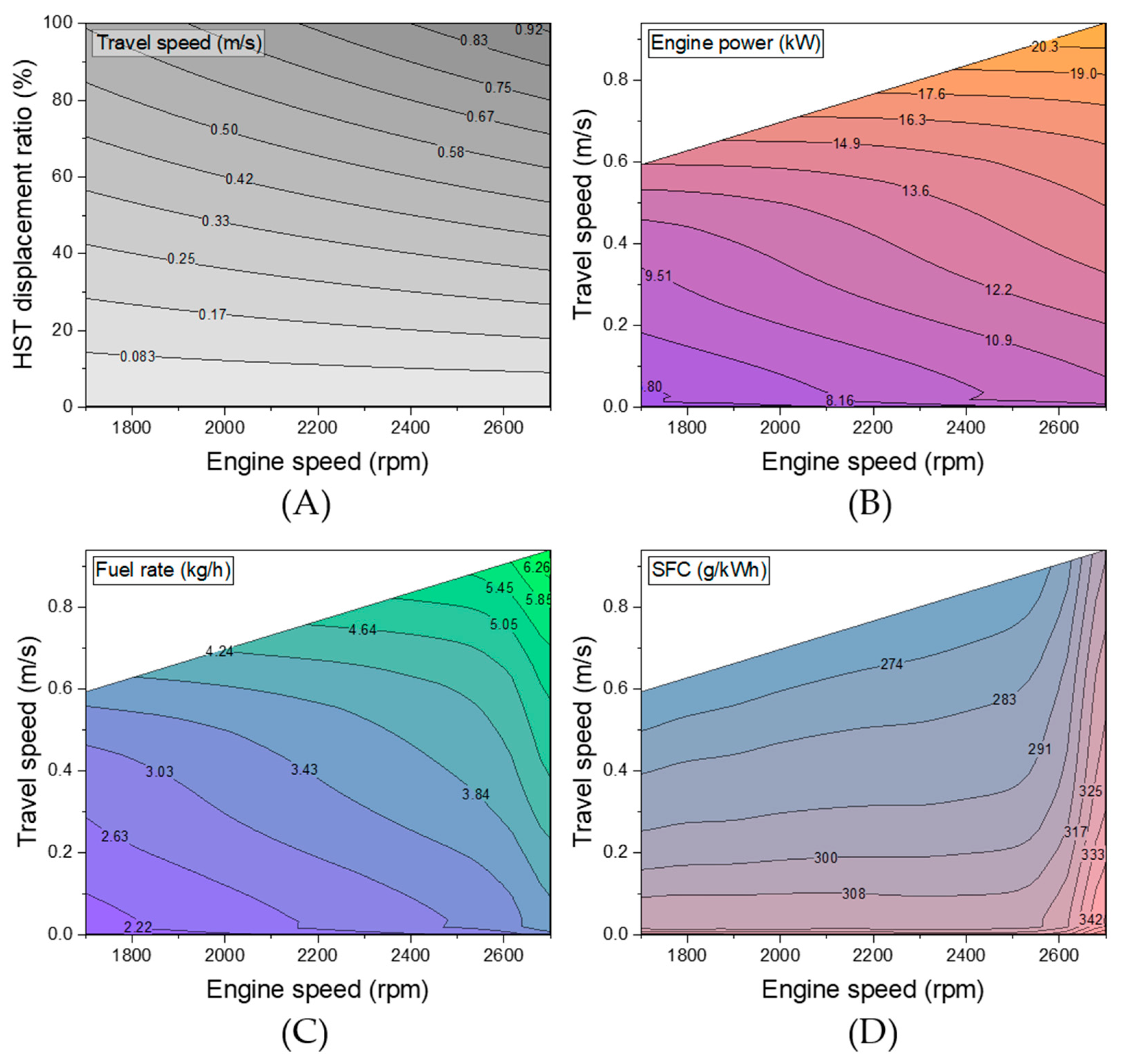
Figure 14 presents the simulated overall engine and fuel consumption characteristics for engine speeds ranging from 1700 to 2700 rpm and HST displacement ratios from 0 to 100%. Figure 14A illustrates the vehicle travel speed of the collector as a function of engine speed and swash-plate displacement. For subsequent analyses (Figure 14A–D), the swash-plate displacement was converted to the corresponding travel speed to better reflect actual field operation conditions.
Figure 14B illustrates how engine load varies with engine and travel speeds. The load increased with both variables because higher engine speeds and larger HST displacements jointly raised the total power requirement. Even at the same travel speed, engine power differed with engine speed owing to simultaneous changes in hydraulic power and HST displacement. The HST exhibited its maximum power transmission efficiency near 70% displacement; therefore, two operating regions were examined. When the displacement exceeded this level, increasing the engine speed was beneficial from the driving power perspective to maintain approximately 70% displacement. However, the associated increase in hydraulic power with engine speed was greater than the reduction in driving power, causing engine power to rise. Below 70% displacement, reducing the engine speed decreased both hydraulic and driving power, lowering the engine power. Consequently, the minimum engine power occurred at 1700 rpm within the simulated range, while beyond approximately 0.6 m/s, the minimum occurred at the lowest engine speed capable of achieving each corresponding travel speed.
Figure 14C presents the fuel rate, which exhibits a slightly stronger nonlinear relationship with engine and travel speeds than engine power at higher engine-speed conditions. This nonlinearity stems from variations in combustion efficiency represented by the slope of the Willans line. Overall, fuel consumption increased with both engine speed and travel speed, similar to the trend in engine power. The most fuel-efficient operating point occurred at 1700 rpm, which corresponds to the engine’s maximum-torque speed.
Although lower engine speeds could theoretically provide better fuel efficiency at low travel speeds, the minimum engine speed in the simulation was set to 1700 rpm to reflect the collector’s actual operating characteristics. Operation below this speed was excluded for two reasons: (1) insufficient charge pressure and delayed response cause unstable HST performance, and (2) the torque reserve declines rapidly, increasing the risk of engine stalling under transient loads. During field tests, when hard materials such as stones entered the collecting or sorting units, pump pressure occasionally reached the relief limit of 220 bar. In such cases, the additional power demand at 1700 rpm was approximately an engine load of 16%, and this proportion increased further at lower engine speeds.
Figure 14D illustrates the specific fuel consumption (SFC) characteristics. The SFC rises sharply above the rated speed (2600 rpm), indicating reduced fuel efficiency caused by reduced combustion efficiency and parasitic power losses. Below the rated speed, SFC remains almost constant at low travel speeds but gradually rises with engine speed under high travel-speed conditions. This pattern reflects the trade-off between engine efficiency and hydraulic power demand: at higher travel speeds, additional hydraulic losses dominate, reducing overall fuel efficiency.
In summary, the simulation results confirm that the collector’s energy and fuel-use characteristics are strongly influenced by both travel speed and engine speed. For a given travel speed, operating at a lower engine speed enhances energy utilization and fuel efficiency. This improvement primarily results from the proportionally larger hydraulic power demand that increases with engine speed, which becomes the dominant loss factor in the overall power distribution of the self-propelled collector.
Table 7 presents the results of the correlation and multiple regression analyses performed to assess the effects of engine speed and travel speed on the principal performance indicators of the self-propelled collector. Both independent variables displayed strong positive correlations with engine power (Adj. R2 = 0.983) and fuel rate (Adj. R2 = 0.968), confirming that increases in these parameters directly led to higher engine power and fuel rate. The standardized regression coefficients (β) indicated that travel speed (β = 0.735–0.855) had a greater impact than engine speed (β = 0.358–0.512), implying that travel speed variations induced larger fluctuations in engine power.
In contrast, the relationship with SFC was weaker (Adj. R2 = 0.761) and exhibited a negative regression coefficient with respect to travel speed, suggesting that higher travel speed combined with lower engine speed enhanced fuel efficiency per unit of output. All correlation coefficients (r), standardized β values, and t- and F-statistics were significant at p < 0.01. These results indicate that both engine speed and travel speed exert considerable and systematic influence on the collector’s power and fuel-use characteristics, confirming that the regression model can reliably predict machine performance under diverse operating conditions.

3.3.2. Comparison of Fuel Rate and Optimal Operating Points Between Full Collector System and Driving Unit Only

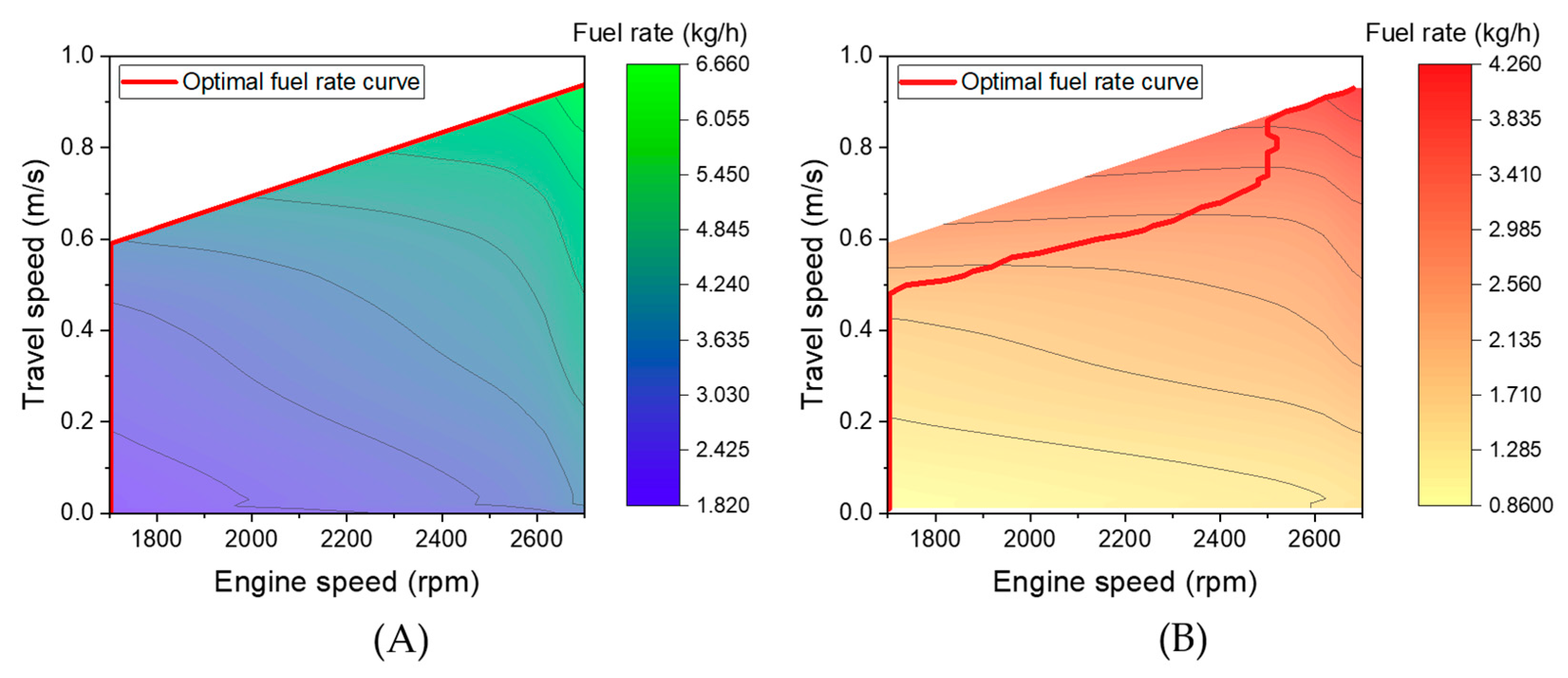
Figure 15 compares the fuel consumption characteristics of the full collector system and the driving unit operated independently. Figure 15A shows the fuel consumption map for the current configuration, in which the engine, HST, and hydraulic working units are all included, whereas Figure 15B presents the results for the driving unit considered as an independent subsystem. In both cases, the fuel consumption maps were calculated for engine speeds between 1700 and 2600 rpm, where 1700 rpm was selected as the lower bound because it corresponds to the maximum torque point and represents a practical lower limit for field operation. The optimal fuel consumption curve in each figure connects the engine speed points that yield the minimum fuel consumption for a given travel speed within this range. Since the travel speed of the collector is determined by the combination of engine speed and HST displacement ratio, these optimal curves provide a compact representation of the interaction between engine speed and HST displacement under given travel speed conditions.
In Figure 15A, the optimal fuel consumption curve for the full collector system essentially follows “the lowest engine speed at which the required travel speed can be achieved” over the entire operating range. For travel speeds up to approximately 0.48 m/s, all required speeds can be realized at 1700 rpm solely by adjusting the HST displacement ratio; therefore, the optimal points are uniformly located at 1700 rpm in this region. When the travel speed exceeds 0.48 m/s, the HST displacement ratio reaches 100%, after which the travel speed increases with engine speed while the displacement ratio remains at its maximum. This behavior indicates that, in the current full-system configuration, there is effectively no additional fuel-optimal operating region that can be exploited by adjusting the HST displacement ratio, and selecting the lowest feasible engine speed for a given travel speed becomes the only meaningful strategy for reducing fuel consumption.
By contrast, the results for the driving unit alone in Figure 15B show that distinct optimal operating points exist that provide lower fuel consumption at the same travel speed. Compared with the optimal curve of the full system, the optimal fuel consumption points for the driving unit are shifted downward in the fuel consumption map and are concentrated in the region where the HST displacement ratio is approximately 80–82%. This implies that, instead of operating at 100% displacement, a strategy that reduces the HST displacement ratio to around 80% and appropriately adjusts the engine speed can achieve higher fuel efficiency at a given travel speed. For example, increasing the HST displacement ratio from 70% (the peak efficiency point) to 80% results in only a minor reduction in transmission efficiency (about 2.5%), while the engine speed required to maintain the same travel speed decreases by approximately 14.2%, leading to an overall improvement in SFC.
This difference can be attributed to the current system architecture, in which the hydraulic working units of the collector are driven by a fixed-displacement pump directly coupled to the engine pulley. Because the flow rate and hydraulic power of a fixed-displacement pump increase almost linearly with engine speed, additional energy is consumed by the hydraulic working units as engine speed rises, regardless of the power actually required by the driving unit. Quantitative analysis showed that, at an engine speed of 2600 rpm, each 10% reduction in pump flow corresponds to an approximate decrease in fuel consumption of 0.20–0.22 kg/h. When compared with the optimal operating points around 80–82% HST displacement observed in the driving-unit-only simulation, these results clearly indicate that the current full-system configuration leaves a considerable margin for fuel savings due to the way the hydraulic working units are driven.

4. Discussion

Under the moderate crop loads and soil strength conditions considered in this study, the hydraulic pressure level and HST loading varied within a limited range. Consequently, the observed fuel consumption trends were mainly governed by the characteristic efficiency peak of the HST near 70–80% displacement and by the reduction in SFC at lower engine speeds. Under substantially heavier crop loads or harder soils, however, both hydraulic pressure and track power demand would be expected to increase, amplifying throttling and leakage losses in the hydraulic circuit and potentially shifting the fuel-optimal combinations of engine speed and HST displacement.
In the current configuration, the fixed-displacement pump is rigidly coupled to the engine pulley, so pump flow and hydraulic power increase almost linearly with engine speed, even when the additional hydraulic power is not required by the harvesting and sorting units. This coupling restricts the ability to operate the HST around its most efficient displacement range identified in the fuel consumption maps. Replacing the fixed-displacement pump with a variable-displacement unit that is mechanically or electronically synchronized with travel speed and actual hydraulic load would decouple the working-unit speed from engine speed and allow the engine–HST system to remain closer to the 70–80% displacement region. In parallel, optimizing the mechanical secondary reduction ratio of the HST driveline so that typical field travel speeds are achieved at HST displacements around 80% would further concentrate real operating conditions in the high-efficiency area of the fuel consumption map. However, the present study did not explicitly model the characteristics of a variable-displacement pump or quantify the associated changes in hydraulic efficiency (e.g., part-load volumetric and mechanical losses, control dynamics). Therefore, the potential fuel-saving benefits of these design modifications should be regarded as conceptual and require confirmation through additional modeling and experimental validation.
In this study, a low-order fuel consumption modeling framework was established by combining a Willans-line-based engine model, experimentally identified subsystem parameters, and field-measured load and fuel rate data. Once the key parameters were identified, the model enabled engine output power and fuel consumption to be estimated directly from subsystem power demand over a range of operating conditions, while remaining simple enough to be used as a practical design and evaluation tool. Vukovic et al. (2017) proposed a fuel consumption prediction model for hydraulic excavators by integrating a Willans-approximated engine with hydraulic system efficiencies [23], and Milićević et al. (2024) developed a numerical fuel consumption analysis model for a parallel hybrid tracked vehicle by combining a Willans-based internal combustion engine model with vehicle dynamics, electric motor, and battery models [24]. These studies demonstrate that Willans-line-based frameworks are useful tools for exploring fuel-saving strategies in off-road machinery. In addition, owing to its low-order structure, the proposed model can be evaluated with negligible computational cost, making it suitable for rapid parametric studies and integration into design workflows for self-propelled collectors and similar agricultural machinery.

5. Conclusions

This study developed and validated a data-driven, low-order dynamic simulation model that integrates field-measured data and a Willans-line-based engine representation to evaluate the power requirement and fuel consumption characteristics of a self-propelled collector. The model combined a manufacturer-supplied engine performance map with installed no-load fuel measurements and subsystem power measurements to estimate net engine power and transmission efficiencies for the hydraulic working and driving units. The simulated component power and fuel rate showed high agreement with field data, achieving R2 of 0.935–0.981 and MAPE of 1.79–4.18%, indicating that the proposed framework can reasonably reproduce the observed power and fuel-use behavior of a compact self-propelled collector under the tested conditions.
The main findings of this study can be summarized as follows:
  • The Willans-line-based modeling approach, calibrated using installed no-load fuel rate and manufacturer engine maps, provides a practical and robust means of estimating engine power for small agricultural machines that lack direct CAN/ECU-based power signals. By focusing on a net (effective) installed brake power basis, the framework avoids separate parasitic-loss modeling while remaining sufficiently accurate for system-level simulation and design.
  • A comprehensive analysis of the simulation results revealed that both engine speed and travel speed strongly affect the distribution of engine power between the hydraulic working units and the driving unit, as well as the overall fuel rate and SFC. Operating near 1700 rpm with an HST displacement ratio of approximately 80–82% was identified as an efficient operating region, and the hydraulic working units were found to be the dominant contributors to total power demand, particularly at higher engine speeds.
  • The simulation results indicated that reducing hydraulic load is the most effective means of improving fuel efficiency, suggesting that design and control strategies for compact self-propelled collectors should prioritize minimizing hydraulic power demand, for example, through the adoption of variable-displacement pumps, optimized displacement control according to crop load and desired travel speed, and improved hydraulic circuit and HST gear-ratio design.
In summary, the proposed modeling framework demonstrates that a combination of field measurements and Willans-line-based engine characterization can be used to construct an efficient and transparent simulation model for evaluating power and fuel consumption characteristics of compact self-propelled collectors. This framework can be adapted to other small agricultural machinery platforms that share similar hydrostatic and hydraulic architectures, providing a practical tool for guiding design optimization and control strategy development. Future work will focus on extending the model to include transient operating conditions, a wider range of load scenarios and crop yields, and advanced control strategies that exploit variable-displacement hydraulic components and integrated yield information to further improve fuel efficiency and operational performance.

Author Contributions

Conceptualization, Y.-S.M. and W.-S.K.; methodology, Y.-S.M., S.-H.L., S.-G.K. and W.-S.K.; software, Y.-S.M. and Y.-W.D.; validation, Y.-S.M. and W.-S.K.; formal analysis, Y.-S.M. and Y.-W.D.; investigation, Y.-S.M., Y.-W.D., Y.Y., S.-H.L. and S.-G.K.; resources, Y.Y., S.-G.K. and W.-S.K.; data curation, Y.-S.M. and Y.-W.D.; writing—original draft preparation, Y.-S.M. and Y.-W.D.; writing—review and editing, Y.-S.M., Y.Y., S.-H.L., S.-G.K. and W.-S.K.; visualization, Y.-S.M. and W.-S.K.; supervision, W.-S.K.; project administration, Y.Y. and S.-H.L.; funding acquisition, Y.Y., S.-H.L. and W.-S.K. All authors have read and agreed to the published version of the manuscript.

Funding

This work was carried out with the support of “Cooperative Research Program for Agriculture Science and Technology Development (Project No. RS-2023-00232108)” Rural Development Administration, Republic of Korea.

Data Availability Statement

The raw data supporting the conclusions of this article will be made available by the authors on request.

Conflicts of Interest

Co-author S.-G.K. is employed as the director of the research institute at Bulls Co., Ltd. The remaining authors declare no potential conflicts of interest.

Appendix A

Detailed measurement results and the corresponding theoretical engine power estimated with Willans line are summarized in Table A1.
Table A1. Field experiment results of self-propelled collector under three engine speed levels and three travel speed levels at four test sites.
FieldActual
Engine Speed
(rpm)
Travel Speed
(m/s)
Pump Pressure
(bar)
Pump Flow Rate
(L/min)
Total Sprocket Torque
(Nm)
Average Sprocket Rotational Speed
(rpm)
Required Hydraulic Power
(kW)
Required Driving Power
(kW)
Fuel Rate
(kg/h)
Theoretical Engine Power
(kW)
A18310.11614517.771111.64.270.863.377.87
18120.19714517.770619.74.281.463.508.41
17920.31514417.670231.54.222.313.719.29
22130.12114020.971512.14.880.913.828.98
21510.23214820.670123.25.071.714.0910.11
20520.34414021.364134.44.972.314.1210.32
25800.12814924.765712.86.130.884.6110.75
25370.28214924.662028.26.091.834.7411.51
22960.39014822.466039.05.512.694.5211.42
B19020.13414418.578713.44.441.103.528.30
18760.21814118.671021.84.351.623.628.75
18340.29614618.670929.64.522.203.839.66
22640.16514321.773616.55.171.274.109.92
22480.28614921.767528.65.372.024.2510.54
22280.41214321.673041.25.153.154.4511.36
25880.14914324.769414.95.891.084.5510.47
25760.31914824.573331.96.042.455.0712.48
25430.47914624.274347.95.883.735.2413.35
C18850.07814718.77367.84.590.603.448.06
18480.15515017.773815.54.421.203.498.32
18600.25914518.774125.94.522.013.769.33
21540.12514720.873512.55.090.963.889.33
21230.23815219.871923.85.011.794.009.80
20790.32715119.874032.74.962.534.2210.71
24680.12714824.765212.76.070.874.4210.51
23660.23314723.770923.35.801.734.5411.20
21260.33914921.767533.95.372.404.3110.99
D18640.11714918.173411.74.500.903.438.06
18500.21914218.167621.94.281.553.568.56
17630.32114918.072032.14.482.423.769.50
22220.10314521.768510.35.240.743.859.07
21970.22514521.768422.55.261.614.1510.28
21520.39414721.768839.45.332.844.3511.13
25490.13714523.975913.75.771.094.5210.57
25300.27214124.172927.25.662.084.7411.54
24020.42014823.678842.05.813.475.0513.02

References

  1. Seok, J.H.; Moon, H.; Kim, G.; Reed, M.R. Is aging the important factor for sustainable agricultural development in Korea? Evidence from the relationship between aging and farm technical efficiency. Sustainability 2018, 10, 2137. [Google Scholar] [CrossRef]
  2. Statistics Korea. 2024 Agriculture, Forestry and Fisheries Survey; Statistics Korea: Daejeon, Republic of Korea, 2024. [Google Scholar]
  3. Kim, J.H.; Cho, Y.H.; Kim, K.M.; Lee, C.Y.; Lee, W.S.; Nam, J.S. Sweet potato farming in the USA and South Korea: A comparative study of cultivation pattern and mechanization status. J. Biosyst. Eng. 2025, 50, 210–224. [Google Scholar] [CrossRef]
  4. Wang, J.; Shan, C.; Gou, F.; Qian, Z.; Ni, Y.; Liu, Z.; Jin, C. A review of key technologies and intelligent applications in soybean mechanized harvesting: Chinese and international perspectives. J. Biosyst. Eng. 2025, 50, 79–104. [Google Scholar] [CrossRef]
  5. Abhiram, G. The evolution of tea harvesting: A comprehensive review of machinery and technological advancements. J. Biosyst. Eng. 2024, 49, 346–367. [Google Scholar] [CrossRef]
  6. National Institute of Agricultural Sciences. A Study on the Using State of Agricultural Machinery and Mechanized Rate; Rural Development Administration: Jeonju, Republic of Korea, 2023. [Google Scholar]
  7. Ding, A.; Peng, B.; Yang, K.; Zhang, Y.; Yang, X.; Zou, X.; Zhu, Z. Design of a Machine Vision-Based Automatic Digging Depth Control System for Garlic Combine Harvester. Agriculture 2022, 12, 2119. [Google Scholar] [CrossRef]
  8. Kim, J.H.; Lee, C.Y.; Cho, Y.H.; Yu, Z.; Kim, K.M.; Yang, Y.J.; Nam, J.S. Potato farming in the United States and South Korea: Status comparison of cultivation patterns and agricultural machinery use. J. Biosyst. Eng. 2024, 49, 252–269. [Google Scholar] [CrossRef]
  9. Kiraga, S.; Reza, M.N.; Lee, K.H.; Gulandaz, M.A.; Karim, M.R.; Habineza, E.; Kabir, M.S.; Lee, D.H.; Chung, S.O. Vibration and slope harvesting conditions affect real-time vision-based radish volume measurements: Experimental study using a laboratory test bench. J. Biosyst. Eng. 2025, 50, 193–209. [Google Scholar] [CrossRef]
  10. Chouriya, A.; Kumar, P.; Tewari, V.K.; Singh, N. Development of a low-cost telemetry system for draft measurement of agriculture implements. J. Biosyst. Eng. 2024, 49, 368–381. [Google Scholar] [CrossRef]
  11. Kumari, A.; Raheman, H. Development of a novel draft sensing device with lower hitch attachments for tractor-drawn implements. J. Biosyst. Eng. 2024, 49, 20–28. [Google Scholar] [CrossRef]
  12. Han, J.; Yan, X.; Tang, H. Method of controlling tillage depth for agricultural tractors considering engine load characteristics. Biosyst. Eng. 2023, 227, 95–106. [Google Scholar] [CrossRef]
  13. Shao, X.; Yang, Z.; Mowafy, S.; Zheng, B.; Song, Z.; Luo, Z.; Guo, W. Load characteristics analysis of tractor drivetrain under field plowing operation considering tire–soil interaction. Soil Tillage Res. 2023, 227, 105620. [Google Scholar] [CrossRef]
  14. Kolator, B.; Białobrzewski, I. A simulation model of 2WD tractor performance. Comput. Electron. Agric. 2011, 76, 231–239. [Google Scholar] [CrossRef]
  15. Barbosa, I.A.; de Freitas Coelho, A.L.; de Queiroz, D.M.; Furtado Junior, M.R.; Villibor, G.P. Development of software for performance analysis of wheeled tractors. J. Terramech. 2025, 119, 101054. [Google Scholar] [CrossRef]
  16. Zhu, Z.; Zeng, L.; Chen, L.; Zou, R.; Cai, Y. Fuzzy Adaptive Energy Management Strategy for a Hybrid Agricultural Tractor Equipped with HMCVT. Agriculture 2022, 12, 1986. [Google Scholar] [CrossRef]
  17. Chang, F.; Yuan, F.; Lu, Z. A Multi-Objective Optimization Method for a Tractor Driveline Based on the Diversity Preservation Strategy of Gradient Crowding. Agriculture 2023, 13, 1324. [Google Scholar] [CrossRef]
  18. Zhu, Z.; Yang, Y.; Wang, D.; Cai, Y.; Lai, L. Energy Saving Performance of Agricultural Tractor Equipped with Mechanic-Electronic-Hydraulic Powertrain System. Agriculture 2022, 12, 436. [Google Scholar] [CrossRef]
  19. Lacour, S.; Burgun, C.; Perilhon, C.; Descombes, G.; Doyen, V. A model to assess tractor operational efficiency from bench test data. J. Terramech. 2014, 54, 1–18. [Google Scholar] [CrossRef]
  20. Gonzalez-de-Soto, M.; Emmi, L.; García, I.; Gonzalez-de-Santos, P. Reducing fuel consumption in weed and pest control using robotic tractors. Comput. Electron. Agric. 2015, 114, 96–113. [Google Scholar] [CrossRef]
  21. Damanauskas, V.; Janulevičius, A. Differences in tractor performance parameters between single-wheel 4WD and dual-wheel 2WD driving systems. J. Terramech. 2015, 60, 63–73. [Google Scholar] [CrossRef]
  22. Pachernegg, S.J. A Closer Look at the Willans-Line; SAE International: Warrendale, PA, USA, 1969. [Google Scholar] [CrossRef]
  23. Vukovic, M.; Leifeld, R.; Murrenhoff, H. Reducing Fuel Consumption in Hydraulic Excavators—A Comprehensive Analysis. Energies 2017, 10, 687. [Google Scholar] [CrossRef]
  24. Milićević, S.; Blagojević, I.; Milojević, S.; Bukvić, M.; Stojanović, B. Numerical Analysis of Optimal Hybridization in Parallel Hybrid Electric Powertrains for Tracked Vehicles. Energies 2024, 17, 3531. [Google Scholar] [CrossRef]
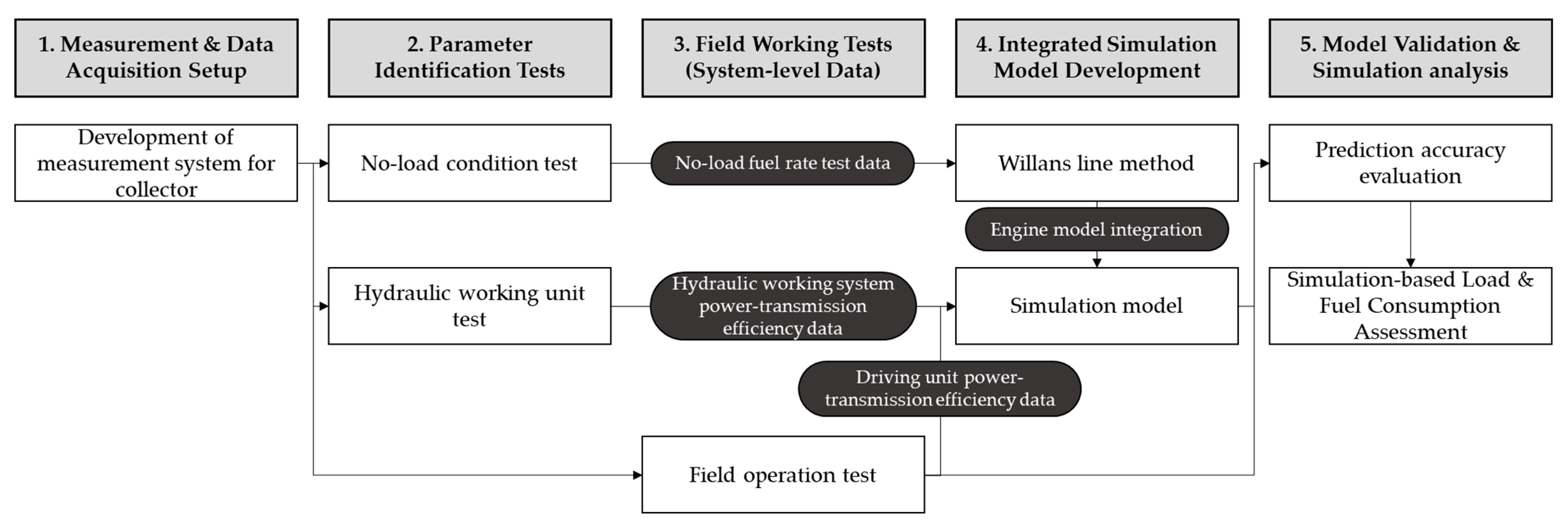
Figure 1. Schematic of the model development process for the self-propelled collector; arrows indicate the direction of data flow between steps.
Actuators 15 00008 g001
Figure 2. Photographs of self-propelled collector; white dotted frames delineate the main components.
Actuators 15 00008 g002
Figure 3. Schematic of the power transmission system for a self-propelled collector.
Actuators 15 00008 g003
Figure 4. Full-load performance curves of the engine; Line colors correspond to the y-axis labels in the same color.
Actuators 15 00008 g004
Figure 5. Overview of measurement system for self-propelled collector: (A) Schematic layout; (B) Photograph of installed system; Arrows indicate the direction of data flow between components.
Actuators 15 00008 g005
Figure 6. Overview of field experiments for self-propelled collector: (A) experimental field for southern-type garlic; (B) experimental field for upland onion; and (C) actual operation of collector during field tests.
Actuators 15 00008 g006
Figure 7. Measurement results of no-load fuel rate of self-propelled collector.
Actuators 15 00008 g007
Figure 8. Comparison of measured operating parameters for self-propelled collector under field conditions: (A) Pressure of hydraulic working unit; (B) Flow rate of hydraulic working unit; (C) Required hydraulic power; (D) Fuel rate of engine; (E) Total torque of sprocket; (F) Rotational speed of sprocket; (G) Required driving power; (H) Total required power; (I) Theoretical engine power; Color intensity indicates the magnitude of the values (lighter = lower, darker = higher).
Actuators 15 00008 g008
Figure 9. Power analysis results of self-propelled collector: (A) Required power with respect to engine speed; (B) Required power with respect to travel speed; (C) Fuel rate with respect to total required power.
Actuators 15 00008 g009
Figure 10. HST power transmission efficiency curve according to HST displacement ratio.
Actuators 15 00008 g010
Figure 11. Developed simulation model of self-propelled collector.
Actuators 15 00008 g011
Figure 12. Overall architecture of the self-propelled collector simulation model.
Actuators 15 00008 g012
Figure 13. Validation results of the self-propelled collector simulation model: (A) Required hydraulic power; (B) Required driving power; (C) Engine power; (D) Fuel rate.
Actuators 15 00008 g013
Figure 14. Predicted performance and fuel consumption characteristics of self-propelled collector under varying engine speeds (1700–2700 rpm) and HST displacement ratio (0–100%): (A) Travel speed of collector; (B) Engine load characteristics according to engine speed and travel speed; (C) Fuel rate map estimated from Willans line model; (D) SFC distribution.
Actuators 15 00008 g014
Figure 15. Comparison of fuel rate and optimal fuel rate curve between full collector system and driving unit only; (A) Simulation results of full collector system; (B) Simulation results of driving unit only.
Actuators 15 00008 g015
Table 1. Specifications of self-propelled collector.
ItemSpecification
CollectorDimension (L × W × H) (mm)5580 × 2205 × 2100
Curb weight (kg)3170
Pump displacement (cm3/rev)14
Transmission ratio of engine pulley
(Engine: Pump)
30:21
Hydraulic working systemDisplacement of collecting unit motor (cm3/rev)130
Displacement of sorting unit motor (cm3/rev)100
Relief pressure (bar)220
Width of collecting unit (mm)1240
Hydraulic oil gradeISO VG 32
HSTMaximum pump displacement (cm3/rev)45
Motor displacement (cm3/rev)45
Relief pressure (bar)380
Travel speed by auxiliary mechanical transmission stage (m/s)Low: 0–0.9
Standard: 0–1.5
High: 0–2.5
Driving unitPitch circle diameter of sprocket (mm)191
Track width (mm)450
Track contact length (mm)1580
Table 2. Specifications of engine of self-propelled collector.
ItemSpecifications
Dimension (L × W × H) (mm)615 × 495 × 628
Dry weight (kg)178
Type3-cylinder, 4-cycle, Diesel
Displacement (cm3)1647
Cylinder bore × stroke (mm)Ø87 × 92.4
Combustion systemIndirect Injection
Rated power (kW)25.4 @2600rpm
Maximum torque (Nm)105 @1700 rpm
Idle/Maximum speed (rpm)1000/2800
AspirationNaturally aspirated
Compression ratio21.7:1
Governor typeMechanical
Emission regulationEPA Tier 4
EEC Stage 3A
Fuel supply systemForced feed
Table 3. Specifications of measurement system for the self-propelled collector.
ItemSpecification
Data logger
(SV_S4a, Manner, Munich, Germany)
Maximum sampling rate (Hz)4000
Resolution (bit)16
Bridge typeFull Bridge
Data receiver
(AW_P, Manner)
Maximum sampling rate (Hz)4000
Resolution (bit)16
Output signal bandwidth (Hz)0–1000
Sprocket torque
(KFGS-2-350-D31-11, KYOWA, Tokyo, Japan)
Calibration factor of left sprocket396.65 Nm/V
Calibration factor of right sprocket393.35 Nm/V
Allowable error (%)0.1
Gauge factor tolerance (%)1
Encoder
(E50S8, Autonics, Yangsan, South Korea)
Resolution (pulses/rev)3600
Maximum speed (rpm)5000
Flowmeter of motor
(HysenseQG100, Hydrotechnik, Limburg, Germany)
Measurement range (L/min)0.7–70
Accuracy (%)0.4 (±0.3 L/min)
Pressure sensor
(HysensePR130, Hydrotechnik)
Range (bar)0–250
Accuracy (%)0.5 (±1.25 bar)
Non-linearity (%)0.4 (±1 bar)
Photodetector
(BRQT100, Autonics)
Detection distance (mm)100
Response time (ms)≤1
Flowmeter of fuel line
(OG2, Titan Enterprise, Dorset, UK)
Measurement range (L/min)0.03–4
Accuracy (%)0.75 (±0.03 L/min)
Repeatability (%)0.1 (±0.04 L/min)
Resolution (pulses/L)1100
DAQ
(MX840B, Manner)
Channels8
Maximum sampling rate (Hz)40,000
GNSSRTK accuracy (mm)≤10 + 1 parts per million
Convergence time (s)≤10
Navigation update rate (Hz)≤8
Table 4. Information of test fields for analyzing the load for self-propelled collector.
FieldLocationCropCone index (kPa)SMC 1
(%)
Soil
Texture
0–5 cm5–10 cm10–15 cm15–20 cm
A35°37′16.9″ N 128°21′26.7″ ESouthern-type garlic70580984114429.64Silt loam
B35°37′40.8″ N 128°19′2.9″ EPaddy-field onion3835562273929.68Silt loam
C34°58′6.6″ N 126°27′18.2″ EUpland onion316581776160432.14Loam
D36°19′58.6″ N, 128°42′ 17.0″ ENorthern-type garlic15521728876826.77Loam
1 Soil volumetric moisture content.
Table 5. Simulation model parameters for self-propelled collector.
ItemSpecifications
Oil density (kg/m3)840
Oil bulk modulus (bar)13,000
Oil absolute viscosity (cP)32
Gear ratio of collecting unit (–)5:11
Gear ratio of sorting unit (–)5:7
Transmission ratio of row gear stage (–)287:10
Total static vehicle mass (kg)3320
Coulomb friction coefficient (–)0.228
Rear wheel radius (mm)95.5
Hydraulic-mechanical efficiency of crop collection system pump (–)0.72
Hydraulic-mechanical efficiency of HST pump (–)Defined as HST displacement ratio
Table 6. Measurement and analysis results of hydraulic working system for self-propelled collector.
Initial Engine Speed
(rpm)
Operating ModeActual Engine Speed
(rpm)
Sorting Unit
Motor
Collecting Unit
Motor
Fuel Rate
(kg/h)
P h  1
(kW)
P t h  2
(kW)
η h  3
(-)
Pressure
(bar)
Flow Rate
(L/min)
Pressure
(bar)
Flow Rate
(L/min)
2000Collection only190597.815.0297.80.011.6423.074.300.715
Sorting only193842.50.0242.518.861.1051.311.830.716
Both operate1870150.216.61150.218.551.9594.185.780.723
2300Collection only226197.915.1597.90.001.9213.655.070.720
Sorting only227942.90.0242.922.361.2791.562.180.717
Both operate2235147.117.52147.121.732.2604.796.620.724
2600Collection only2571100.017.86100.00.012.2294.235.880.720
Sorting only264343.50.0343.525.401.5081.792.500.719
Both operate2596149.818.16149.825.822.7465.807.980.726
1 Required hydraulic power. 2 Theoretical engine power. 3 Power transmission efficiency of hydraulic working system.
Table 7. Descriptive and multiple regression analysis results for simulated engine power and fuel rate data.
Dependent
Variable
Independent
Variable
r * β *t *Adj. R2EquationF *
Engine power
(kW)
Engine speed0.5440.358135.60.983 y = 0.00375 N + 11.2 V 0.381 72,001
Travel speed0.9280.849317.2
Fuel rate
(kg/h)
Engine speed0.6740.512140.40.968 y = 0.00141 N + 2.57 V 0.555 38,225
Travel speed0.8480.735201.6
SFC
(g/kWh)
Engine speed0.2560.44444.20.761 y = 0.256 N 0.757 V 261 3974
Travel speed−0.757−0.855−85.2
* Significant at p < 0.01.
Disclaimer/Publisher’s Note: The statements, opinions and data contained in all publications are solely those of the individual author(s) and contributor(s) and not of MDPI and/or the editor(s). MDPI and/or the editor(s) disclaim responsibility for any injury to people or property resulting from any ideas, methods, instructions or products referred to in the content.