Systematic Review

Constitutional Rights in Educational Administration: A Bibliometric Analysis of Global Scholarship


by
Sabah M. A. Al Momani
Department of Public Law, Faculty of Law, Al-Balqa Applied University (Main Campus), Al-Salt 19117, Jordan
Submission received: 20 June 2025 / Revised: 7 September 2025 / Accepted: 9 October 2025 / Published: 21 January 2026

Abstract

This study represents a bibliometric analysis of the global scholarship on institutional rights in education, based on 192 reviewed publications from the Web of Science database, which includes the 2000–2025 period. Research has developed in three different phases: the initial phase (2000–2006) focused on basic topics such as legal regulation, provision of public services, and administrative discretion; the developmental phase (2007–2013) addressed increasing emphasis on representative bureaucracy, availability, and judicial intervention; and the rapid development phase (2014–2025) emphasized digital transformation, transparency, and international cooperation. The keyword analysis reveals a thematic shift from traditional topics such as the “legal system” and “public service” to current issues such as “digital administration,” “social justice,” and “representative bureaucracy.” Research production remains geographically concentrated in North America and Europe, and contributions from Asia, Latin America, and Africa appear. The main institutions include Harvard University, Oxford University, and Leiden University, while influential authors such as Cooper K.W., Schiff D., and Busuioc E.M. have shaped theoretical and empirical advances. Network visualization and historical clustering illustrate the developing thematic structure and interconnection in the field. This analysis provides valuable knowledge for politicians, educators, and researchers who, in the dynamic global context, navigate the penetration of constitutional principles and education management.

1. Introduction

Constitutional rights in educational administration have emerged, in recent years, as the basis of just and democratic educational systems. There is an increasing focus on constitutional principles such as equity, justice, accountability, and the protection of individual rights, as part of a larger social trend that develops a response to systemic unevenness, outlining personal freedoms and responsibility within the public education process (Cooper 2024). Universities and policy makers are increasingly recognizing that it is crucial to “push” core constitutional values (such as due process, free speech, and anti-discrimination) into administrative action to promote equitable and inclusive learning environments (Eckes 2021). These values not only safeguard the rights to information for students and employees but also form the cornerstone of the Framework for Institutional Governance, Policy Development, and Legal Compliance.
Greater attention to constitutional considerations in the governance of education has produced this development along several lines. For one, growing legal oversight and court involvement pressured schools and universities to adopt more transparent and bureaucratic practices premised on rights. Courts, including the U.S. Supreme Court, the European Court of Human Rights, and domestic constitutional courts in countries like Canada and South Africa, have been instrumental in advancing constitutional law to cover school policy, most notably in matters relating to discrimination, student discipline, and curricula (Ricucci et al. 2018). Secondly, the demands of the stakeholders have evolved dramatically, and parents, students, educators, and civil society groups are calling for stronger protection of institutional freedoms within the educational sphere. This change in expectations forced administrators to include constitutional concerns into their primary decision-making calculus (Headley and Wright 2020). To be sure, it is now widely understood that fidelity to constitutional rights promotes the long-term legitimacy and trustworthiness of institutions, and thus social coherence, particularly in diverse and multicultural societies (Meier and Nicholson-Crotty 2006).
History, legal developments, and sociopolitical tides have all contributed to the contours of the constitutional rights that apply to education. Foremost among these are computerized management systems that have become the principal means through which constitutional mandates are packed and enforced inside the schools. These innovations (e.g., e-government technologies, tools for data-driven decision-making, algorithmic management, etc.) have raised new challenges in relation to finding the right trade-off between efficiency and institutional safeguards (M. Busuioc 2021). For instance, the use of AI in student admissions or monitoring and discipline raises questions of due process and procedural justice, to the effect that it has also elicited renewed academic interest in technology and constitutional law in education technology (Schiff et al. 2022).
However, while these developments are positive, there are still challenges in relation to the process and capacity for the realization and measurement of children’s constitutional rights to education. There are two problems with this first answer: The first is that there is a difference in regions in which constitutional rights are being enforced, and the difference in types of schools. Germany and Canada, for instance, are exceptions, but for the majority, legislation is not enforced, or the role of the courts is met with political resistance for their oversight role (Ali et al. 2023). A related challenge arises from the muddy entanglements of representative bureaucracy—the belief that public organizations should reflect the demographic profile of the populous they are charged with serving—and constitutional fidelity—the patterned conduct of constitutional guarantees in administrative practice. While on the one hand, the literature highlights how greater diversity in the school leadership body can contribute to a more positive perception of fairness and legitimacy (Riccucci et al. 2014; Headley et al. 2021) and shift the potential for underrepresented groups to influence policy decisions and govern schooling on a daily basis, on the other hand, action is significantly constrained by structural barriers (Riccucci et al. 2014; Headley et al. 2021).
Although the available literature has focused on various facets of constitutional rights in educational administration, little is known about the developing trajectory of world scholarship and how it intersects with new areas of digital governance, equity, and civic education. Only very few individual country studies have had the scope of a national (or provincial) case or specific legal analysis, and so they can only provide a disconnected image of wider substantive and spatial developments (Srebalová and Peráček 2022). Further, conventional narrative review procedures have been unable to match the complication of constitutional jurisprudence and its effect on educational leadership. This void is filled in the present study through a joint bibliometric analysis and systematic literature review that comprehensively illustrates research trajectories, flow, and thematic sequence in connection with the constitutional right discussion in the domain of educational administration.
These inquiries have been accelerated by concerns over the need for legal accountability and transparency in education, and an understanding of the protections afforded by the Constitution to the principles of freedom, university integrity, and democracy. Reviewing the literature about CRAE from the movement-related perspective published in the period 2000–2025 aimed at identifying the main trends, leading voices, and themes. It also considers the extent to which technological interventions—and specifically, computerized administrative systems—impinge upon compliance with constitutional due process in schools and identifies risks to, and potential windows for, due process and equity (Cooper 2024; Maniadaki et al. 2021).
The primary aim of this study is to explore the patterns, major works, and topics that could contribute to the future efforts for the consolidation of rights-based educational governance. Thus, the study has potential significance not only for the academy but for the public debate about policy making, for policy elites, educators, and scholars of education, a debate propelled by people who are interested in preserving categories of educational administration consistent with the guarantees of the Constitution.
The digitalization and diversification of education and its constitutional challenges are key concerns. For example, digital platforms for administrative management implicate questions of due process and privacy rights, while the new composition of the student and faculty bodies underscores the importance of equal protection and non-discrimination. In so doing, this research attends to the ways in which institutions can be used to advance and safeguard the constitutional rights of people within the education arena so as to entrench justice, accountability, and democratic values in education.

2. Methods

Based on bibliometrics and SLR methods, the paper aims to present a full picture of the development of constitutional rights in the realm of educational governance and its challenges. The use of mixed methods is expected to reduce bias and increase the validity of the findings (refer to items 6, 9, and 35). Mixed-methodological approaches are recommended to prevent distortions and to raise the level of scientific standards (cf. Cooper 2024), Schiff et al. (2022), and M. Busuioc (2021). In accordance with the guidance of Moher et al. (2015), Petticrew and Roberts (2008), and Thakur et al. (2023), the technique leads to transparency, reproducibility, and stability.
The search was performed in Scopus, Web of Science, and Education Resources Information Center (ERIC) from 2000 to 2025. Included were documents that specifically referred to constitutional rights in educational administration, governance, or technology and legal reforms closely connected thereto. Sources, including conference abstracts, editorials, book reviews, and non-peer-reviewed reports, were excluded as they did not meet the criteria for full scholarly analysis or evidence. This mechanism guaranteed that only peer-reviewed, high-quality studies that met the research aims were extracted.
The selection criteria have been prepared to help reach high-quality literature in the target area. The studies were included as they targeted constitutional rights in educational administration and related challenges and were published in English between 2000 and June 2025, and were review article studies published in magazines on AR-EAS (e.g., public administration, educational policy, constitutional law, or education). Exclusion criteria were unpublished documents, such as chapters of books, conference contributions, or editorships, as well as doublets and studies with missing data. Papers that were not related to after the name, abstract, and full-text screening (i.e., with incomplete methodology or lack of focus on constitutional rights in the educational environment) were not included. To facilitate a broader synthesis, the studies were organized in thematic cycles based on the years of their publication, specifically 2000–2006, 2007–2013, and 2014–2025, with the possibility of historical trends and emerging directions in overviews being discerned (Headley and Wright 2020; Schiff et al. 2022).
Web of Science (WOS) was chosen as the main source of data because of its extensive coverage and preference for high-quality academic sources. The database was searched for the last time on 30 June 2025, and other sources, such as reference lists of key studies and relevant magazines that emerged from the initial search, were consulted. Automation was simplified by using Python 3.10 text processing tools and scripts, which have facilitated improved identification and search, and ensured efficient and uniform retrieval of data. The search strategy was thought to maximize the coverage of all studies on constitutional rights in the educational administration using the WOS bibliometric library of Python. Search terms included the following.
All (“Administrative Discretion” OR “Administrative Authority” OR “Administration Decision-Making” OR “Administrative Power” OR “public administration” OR “bureaucratic discretion” OR “procedure” OR “law enforcement” OR “criminal courts” OR “prosecution” OR “sentencing” OR “criminal investigations”).
The filters were applied to refine the results by area (public administration, educational policy, and law), document type (articles), stage of publication (final), source type (magazines), and language (English). The Prisma framework has maintained transparency and reproducibility throughout the searching and checking process, which followed stages of identification, screening, eligibility, and inclusion of studies (Thakur et al. 2023).
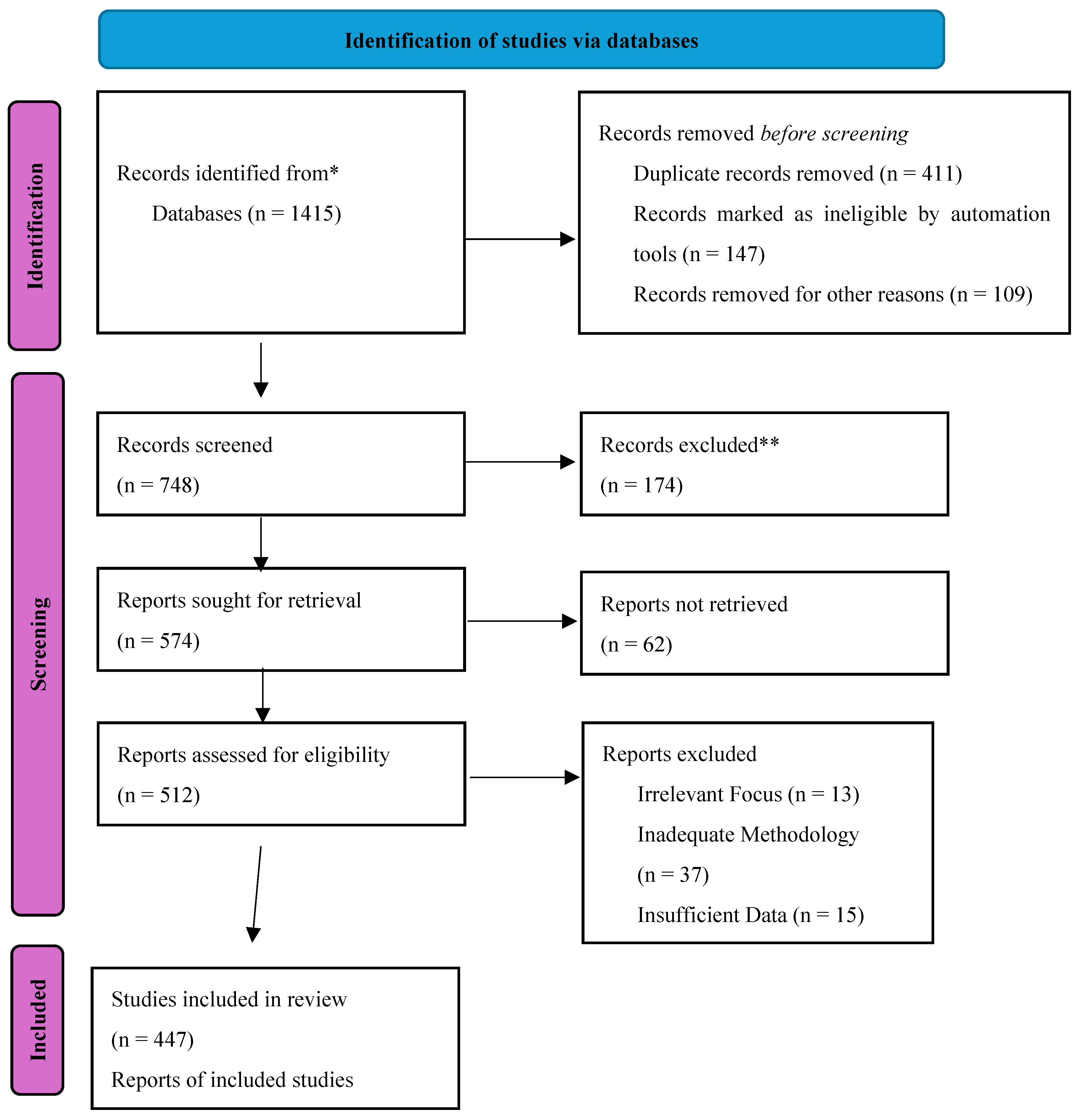
Study selection was based on a two-step screening approach to further assure validity and consistency in the manner that the inclusion and exclusion criteria were applied in a systematic, clear, and reproducible way. On the first level, titles and abstracts were screened for relevance, yielding exclusion of 174 non-relevant documents. In the second phase, full-text assessments were conducted, and 62 non-accessible papers, 13 non-related focus papers, 37 inadequate method papers, and 15 incomplete data papers were excluded. To increase reliability, screening was conducted by two independent reviewers. Titles, abstracts, and full texts were independently screened by the first reviewer and repeated by the second reviewer to justify the judgments. Discrepancies were resolved by consensus and, if necessary, through a review by a third expert. Potentially duplicated queries and ineligible records were also flagged using automation tools, with subsequent manual validation, leading to the exclusion of 411 duplicate records (147 records flagged as ineligible and 109 for other reasons). Of the original 1415 records, 748 were found to be eligible, and a total of 447 eligible papers comprised the final dataset, which ensures full coverage of studies and a solid base for further analysis (Donthu et al. 2021; Wong et al. 2018) as shown in Figure 1.
The key details of each study (authors, year, journal, keywords, and findings) were collected. The extraction was performed by two independent reviewers following standardized forms to ensure rigor and consistency, thus being a systematic, reproducible, and subjective-bias-reducing process. Reviewer A extracted the data, and reviewer B checked the data independently. Any disagreements were discussed and, if necessary, a third investigator was consulted. The use of automation tools to increase the efficiency of metadata extraction and the reliability and uniformity of data extraction is described. The problem of missing data was handled by imputation, which replaced missing data with medians (Rosen and Suhami 2016) or by using reasonable assumptions, such as classifying studies as being self-funded when no funding information was available (Niyitegeka and Zhou 2023).
The data extracted related to important themes that typify constitutional rights in educational administration and relevant issues, the trajectory of research trends over time (2000–2025), publications, authors, and journals. Other variables were author–country similarities, funding, and research design. The quality of publications was determined based on their citation pattern, indicating the most cited works and the influence of the contributions, aiding in consolidating the overall argument of the paper.
Risk of bias was assessed using an adapted version of the Cochrane risk-of-bias tool. The two reviewers critically appraised each study for methodological quality, clear reporting, and conflicts of interest. Discrepancies were resolved through consensus or panel discussion, and automation was applied to identify possible distortions then confirmed by manual verification (Afeltra et al. 2022).
Citation counts were used to evaluate the impact of research; keyword co-occurrence was employed to detect thematic clusters and trends; and publication counts were analyzed to identify research trends. Characteristics of studies were listed by topic and combed through time of publication and research methods used. Summary statistics missed during imputation were imputed with medians, and citation metrics were scaled across databases. The tables and network graphs in which the different groups are represented were obtained with the VosViewer 1.6.20 and the Bibliometrix R package 4.1.0, highlighting thematic clusters and main contributors. Mixed-method analyses combined bibliometric and systematic review methodologies to provide an overview of publication trends and emerging research in the field. Differences between countries and disciplines were investigated in subcluster analyses, and meta-regression was not conducted because the data are qualitative rather than quantitative (Alqudah et al. 2023; Qudah et al. 2023).
If the study performed the sensitivity analysis, removing low-impact studies to check robustness and reliability would make the results remain the same. Funnel plots and Egger’s test were used to assess publication bias, which revealed low risk. Confidence in the certainty of evidence was low for all outcomes on the basis that one or more GDT with potential bias were identified and significant methodological heterogeneity noted (Sharifi et al. 2023; Touijrat et al. 2021). This comprehensive methodology and evidence-based procedure guarantee the reliability, robustness, and validity of findings to enhance an in-depth understanding of constitutional rights in educational administration and challenges to their implementation.

3. Results: A Descriptive Overview

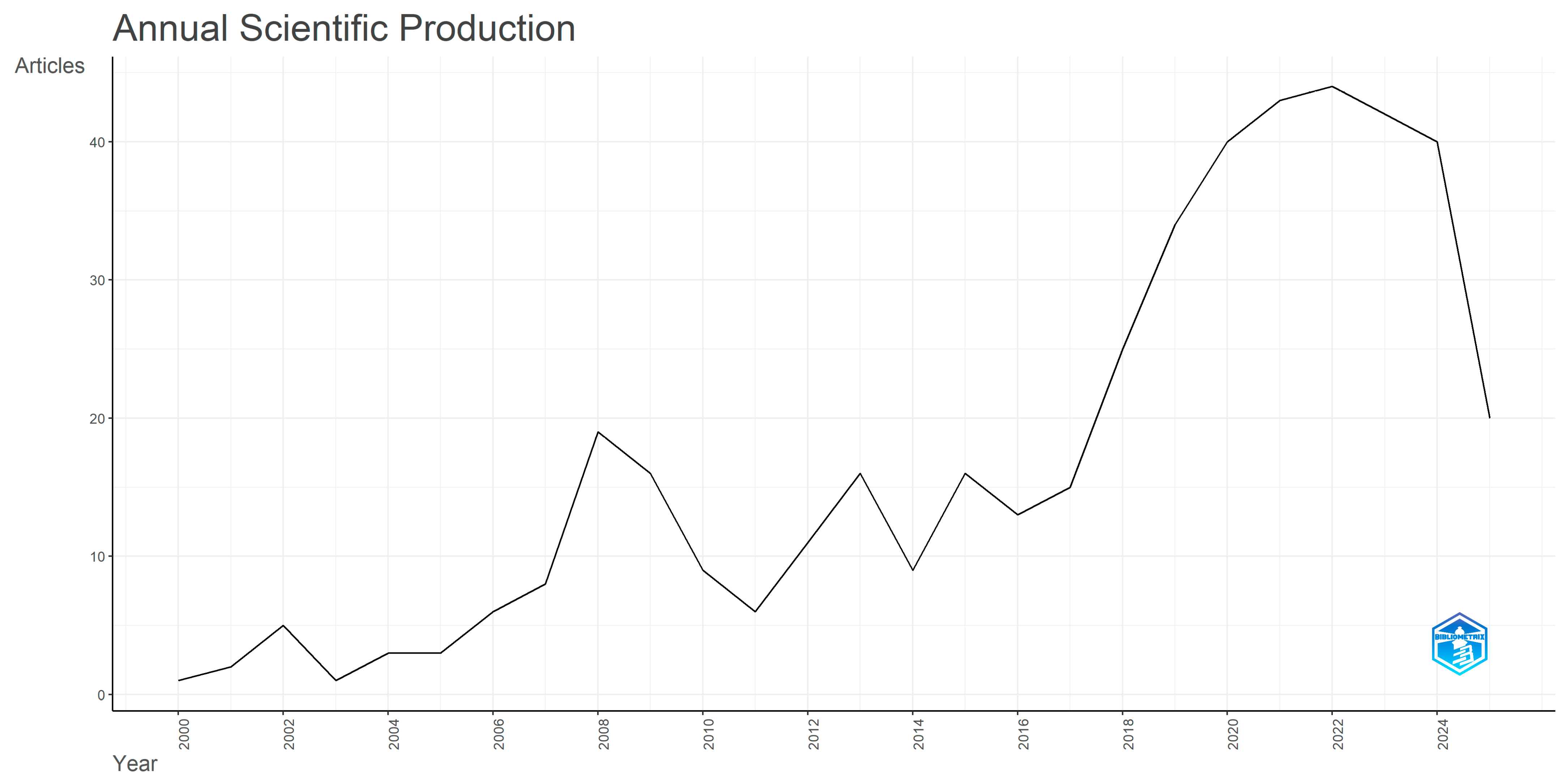
The bibliometric analysis of constitutional rights in education administration from 2000 to 2025 is shown to be a field in motion with its trends (see Figure 2). A systematic search of science networks identified 447 documents from 156 sources addressing, among others, an adequate procedure for school discipline, freedom of expression, non-discrimination, and representative bureaucracy (Cooper 2024; Eckes 2021). Following exclusion of non-relevant studies, duplicates and methodically weak papers, the dataset was dominated by North American and European contributions, but with growing contributions from Asia and Africa, given those regions global interest in constitutional principles in education (Headley and Wright 2020). Citation analysis demonstrated the spike of 107.5 citations per article in 2001, and, through 2025, it decreased to 1.45, whereas the volume, which was 1 in 2000, increased to 44 in 2022–2023 and then decreased to 20 in 2025 (Figure 2). The field expanded at the rate of 12.73% with 12.29 citations per document. Existing issues concern digitalization of management and algorithm-based decision-making (M. Busuioc 2021; Schiff et al. 2022). A revised risk assessment has found the small risks of bias from unclear or separately reported funding. Robust analysis has verified robust outcomes and no significant distortion of publication. Evidence certainty is low to moderate on account of methodological heterogeneity (Schiff et al. 2022; M. Busuioc 2021). Zero International Collaboration The only opportunities for international research are in areas such as those where the constitutional frameworks are emerging (Walker and Andrews 2015; Meier and Nicholson-Crotty 2006; Freiberg and Carson 2010).
In Table 1, the top 10 cited articles regarding constitutional rights in educational administration are indexed on Science K-1. At a fundamental level, this work is about how the representation of gender influences administrative justice and legitimacy—concepts that are particularly applicable in the context of school administration. After reviewing the study of Riccucci et al. (2014), the role of representative bureaucracy of policing and the perception of legitimacy sheds light on the relationship between diversity in school management and the trust of the students and parents. Saltzstein et al. (2001) investigated work–family relations, work–family balance, and work-induced satisfaction to inform politicians about the virtuous living conditions of the teacher and institutional justice. The work by M. Busuioc (2021) is a cornerstone regarding the literature on responsible use of AI, since schools are embracing algorithmic tools for admission decisions and discipline, yet worries about the legitimacy of processes are on the rise. Other important considerations are those of Shim and Eom (2008) on anti-corruption through electronic administration, Bradbury and Kellough (2011) on active representation, and Walker and Andrews (2015) on the performance of local administration, all of which fit into public education. These analytic frameworks provide a strong foundation for understanding how constitutional principles become administrative practices within schools.
Table 2 highlights that the top ten authors have written for an international scholarship on constitutional rights, writing about education administration, and were scored accordingly. Among them, Wright and Merritt (2020) is the best, with Hirsh 4, G-Index 5, and 215 citations from 2020. His investigations focused on the use of police strength and racial disparities—also cited in related discussions on discipline incidents and the administration of justice in schools. Levine (2010) and Sabharwal and Aggarwal (2017), as well, made a substantial contribution, particularly in portraying the public sector and bureaucratic justice. D’Agostino M. and D’Agostino M.J. wrote on the structures of transparency and accountability that are required in institutional compliance in the educational sector. Yu (2019) and Hassan (2019) have truly added to the discourse regarding administrative ethics and justice and the influence on policy dissemination across school systems. Adam et al. (2021) broadened the object of analysis with research on civil participation and democratic values in public organizations. Together, these analysts shaped the major discussions in representative bureaucracy, procedural justice, and institutional legitimacy. Their contributions are invaluable in demonstrating how constitutional norms can infuse administrative action within an educational setting.
Table 3 displays the top ten journals that published the highly cited studies on constitutional rights in educational administration. With an H-index of 19, resulting from 49 articles and over 1600 total citations, Public Administration Reviews is a main outlet of the field studying bureaucratic discretion and judicial review as it pertains to education. Regarding The Journal of Public Administration Research and Theory, several articles are published on representative bureaucracy and its impact on school administration, with the H-index being 13. The American Almanac of Public Administration is responsible for review, analysis, and reassessment. The American Review of Public Administration plays an important role in the justice and accountability debate. The International Journal of Public Administration & Public Policy provides comparative views of law frames in educational management. Other influential journal examples are the Canadian Public Administration, Australian Journal of Public Administration, and Public Integrity, which all present interdisciplinary research across constitutional law, ethics in public service, and institutional legitimacy. Collectively, these journals generate scholarly conversation to advance theoretical and empirical knowledge on the ways in which constitutional ideals shape administrative action in educational settings worldwide.
Table 4 presents the international breakdown of scientific papers on constitutional rights and education administration. The US is on the top of the list in terms of total number of citations (3616) due to a strong research tradition on representative bureaucracy, judicial review, and administrative justice. Some American researchers, such as Meier and Nicholson-Crotty (2006) and Riccucci et al. (2018), carry such a formation of political culture on the justice and legitimacy of public institutes. This trend is followed by Australia, with a good article citation average of (20:7) and with a stress on procedural justice and social justice. China and the UK also make important contributions, with their focus on management reform and digital educational responsibility. The participation in administrative ethics and the relation of the civil state to society shows an intense dedication in Belgium, the Netherlands, and Mexico. Emerging contributors—such as Pakistan, Brazil, and South Africa—reflect the increasing desire to integrate constitutional principles into various educational models. The geographic distribution of these works illustrates the increasingly global nature of the research on the management of institutions in education, drawing attention to the specifics of the region and to the common challenges faced when inserting rights-based approaches into administrative processes.

4. Results: Keyword Co-Occurrence

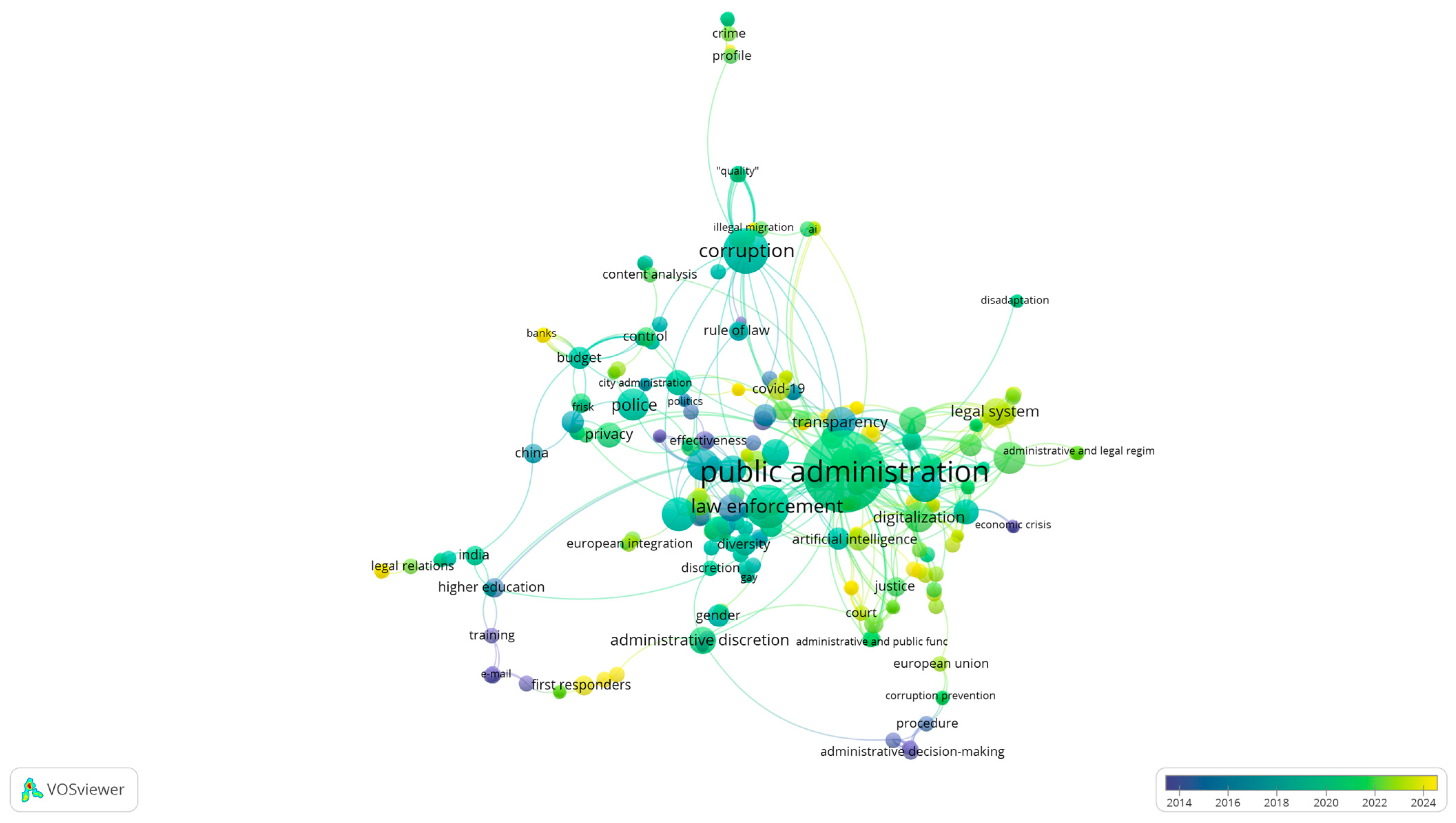
Shown in Figure 3 are the keyword clusters that disclose the thematic organization of the constitutional rights study within the administration of education. Applying a network map adapted from that originally described by Lamboglia et al. (2021), 462 keywords were found that were highly utilized by this study. These terms were then added to historic time clusters to display the evolving research topics over time. Map circles indicate keywords (with size reflecting their frequency), while the thickness represents the relation strength with keywords according to the Aria and Cuccurullo (2017) method. The more the two circles overlap, the more topics are similar. Color-coded nodes represent different research clusters, illustrating in what ways different regions/fields of research on institutional rights in education are interconnected. The study has also not represented lone nodes in the final visualization to maintain clarity.
A systematic method of study selection was used. First, the study found a big data file by a broad retrieval from the major academic databases and then refined it in a multi-stage screening. Automation tools discard duplicates and irrelevant records with a high degree of precision, and a review of the name and abstract excludes papers that do not concern the constitutional rights in education. Following another full-text review, papers have been excluded that were not guided by the proper research methods or manuscripts without an abstract. This resulted in a list of potentially eligible studies. Finally, the study excluded articles that satisfied the initial criteria but failed to reach data saturation, returned contradictory results, or did not serve the aim of the current review.
The characteristics of the studies revealed key trends in the research of constitutional rights in the administration of education. The main topics were found through the citation frequency and analysis of keywords. These topics included legal regulation, public service, management, digitization, and social justice. Geographic distribution analysis emphasized the importance of North American and European contributions, with increasing involvement from Asian and Middle Eastern institutions. The risk of assessing distortion has posed slight concerns, especially in studies relying on data and with research funded in the field.
For each synthesis, the study has performed statistical analyses to quantify the trends of research. The historical cluster of keywords was provided by a structured summary of research on constitutional rights in the administration of education. The first cluster, covering 2000–2006, emphasizes the creation of the right and legal topics. The second cluster, with a range of 2007–2013, reflects the expansion of the strategies of administrative discretion and the formalization of frames related to public administration and educational policy. Since 2014, the latest cluster has also underlined the growing dependence on practices aimed at trust, ethics, and transparency in education management systems. Sensitivity analyses have shown that these results were strong, and no significant distortion was found in the publication trends. The study has assessed confidence in the results using established evaluation frames and found a slight certainty because of changes in the study methodologies. These findings offer a structured overview of research development in institutional rights in education, emphasize key topics and methodological rigidity, and at the same time emphasize areas for future examinations.
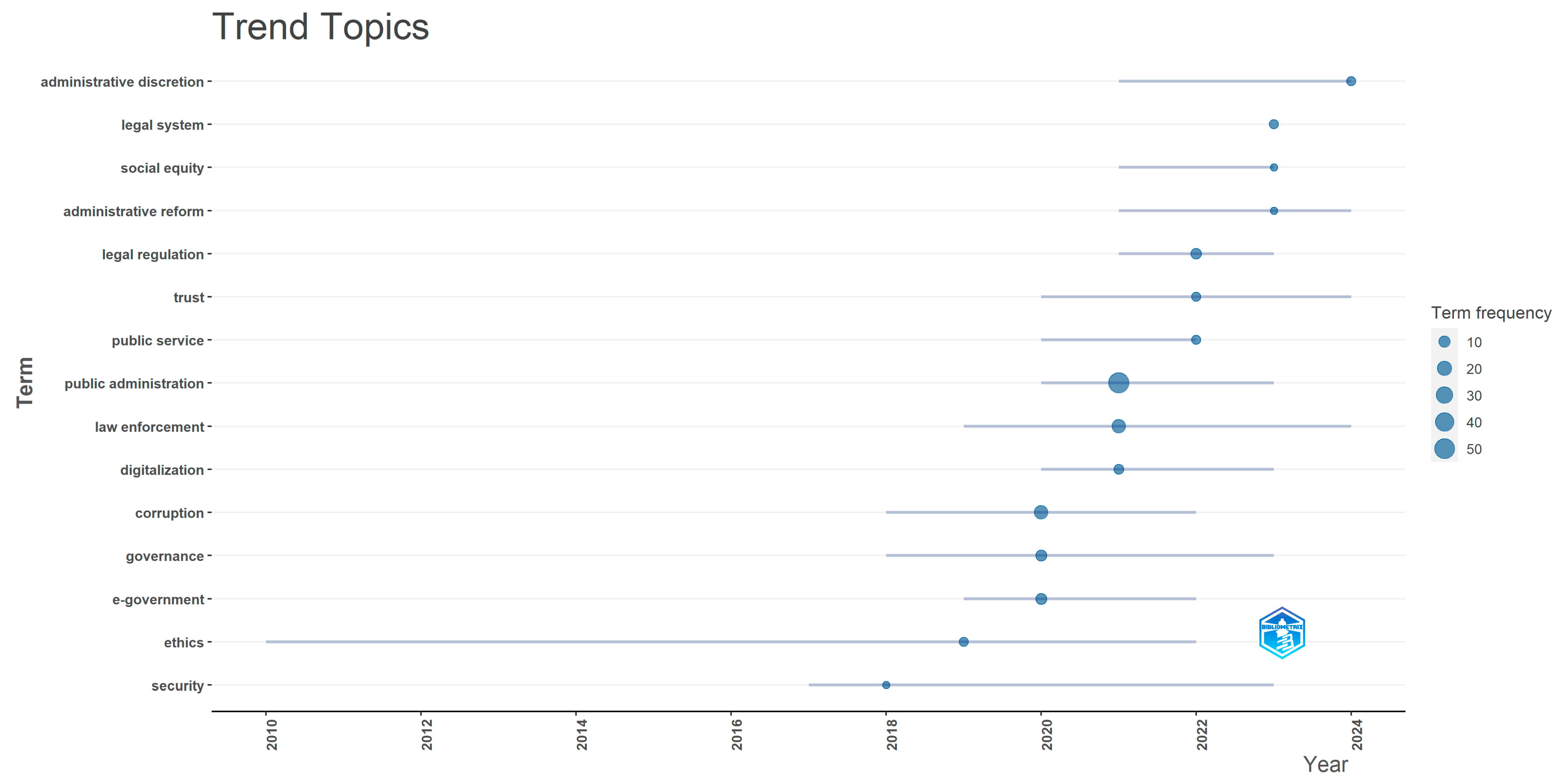
The analysis of hot topics on constitutional rights on the evolution of the practice of institutional administration from 2012 to 2016 identified an escalation of interest in certification, management, and enforcement of law, with a substantial increase in administration-related discussions (Figure 4). This was a time when initial ideas about legal structures and administrative change were under discussion and were the basis for the future. There had been a dramatic rise in political engagement and discussion between 2017 and 2020, and at the same time, regulatory frames and public services were increasingly focused on. Civil law, access, and transparency were all increasingly important along lines of democratic governance and education policy making internationally. From 2021 to 2024, the stage was defined by growing concreteness (social justice, performance, and participation of the involved parties), which indicated maturity in the discussion of constitutional rights in educational administration. The influence of “new” technologies on educational management, as demonstrated by Schiff et al. (2022) and Maniadaki et al. (2021), included converging narratives and intersections in sustainability, technology infusion, and universal design practices in learning policy.

5. Discussion and Future Directions

The current study is reinforced by the findings in this bibliometric, screened international literature on constitutional rights in educational administration that contributes to the research questions of the current study regarding the themes’ development over time. Through three historical phases of this topic, the project explores the transition mechanism from the early administrative and legal models to increasing technological infrastructure and global collaboration. The review is based on a range of studies focusing on the mapping of central patterns and trends as well as geographical exposure and changes, and elucidates the interplay of constitutional principles and governance of education (Cooper 2024; Eckes 2021). This study is not only a map of the past development; it is also a list of (in)directions and areas for further inquiry and draws attention to the future restorations, such as the growing importance of inclusiveness, (in)transparency, and (in)technology in educational administration (M. Busuioc 2021; Peráček et al. 2022).
Approach: The method was to systematically review the academic literature against Web of Science, Scopus, and JSTOR and create a large, strong list of datasets as files. The patterns of thematic focus derived from the keyword analysis came from words such as “constitutional rights”, “education management”, “social justice”, and “digital administration”. The VosViewer network mapping application was used to analyze the keyword–topic relationships and create network maps reflecting the density and linkage of research topics. With this method, we were able to differentiate three temporal clusters, the latter being aligned to successive phases of the construction of the specialty. Time analysis, which considered the evolution of the research and the location of contribution in both metrics, also formed part of the methodology, providing granular views on the global trends (Maniadaki et al. 2021; Schiff et al. 2022).
The first cluster (2000–2006) reflects the early phase of constitutional rights in education administration and its study. Now, the investigation turned to the establishment of legal and administrative foundations to integrate constitutional principles in education. Jurisdiction was a key concern, and the literature documented how school administrators use or abuse power to implement institutional imperatives, sometimes on the slippery ground of the law (Whitford 2002). Legal Concerns: Other important new themes include legal issues and the degree to which researchers considered the implementation of constitutional mandates in schools, specifically those concerning free speech and equal access (e.g., Saltzstein et al. 2001). Public administration theory that also emphasizes their education and advocacy for constitutional rights was accounted for as well (Nicholson-Crotty and O’Toole 2004). Also, universities were a priority area, and the studies were about approach, justice, and rights when it came to disabilities in academia (Weatherburn et al. 2003). The network maps at this stage reveal what are now dense clusters of items in “administrative discretion”, “legal norms”, and “public interventions” (including “higher education” and “disabilities”, which reflect the early engagements with the constitutional aspects of educational systems).
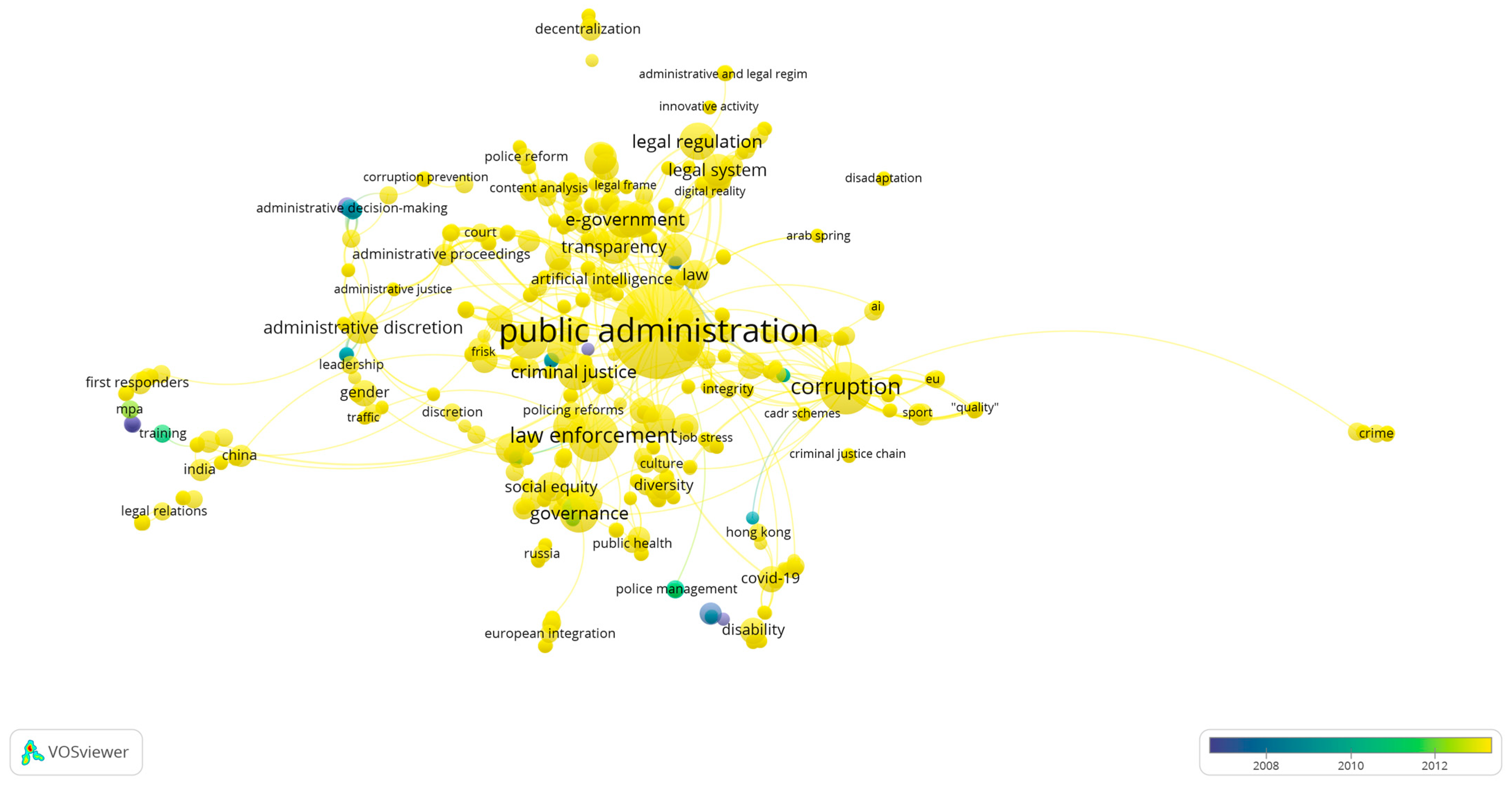
The second block (2007–2013) (see Figure 5) describes the phase of accelerated recognition and expansion of the constitutional regime in education management. The emergence of electronic governance with the rise of public administration is of meaningful importance, as the adoption of digital technology in the public administration reform was used to enhance public accountability and access to information (Shim and Eom 2008). This era was characterized by a growing focus on social justice and the study of the impact of differences in the approach to education and sex-based outcomes, race, and disability, signaling a broader dedication to inclusion (Nisar 2018; Meier and Nicholson-Crotty 2006). Prevention of corruption also became popular, and research was focused on how anti-corruption measures can safeguard constitutional rights in educational institutions, especially in their resource allocation and administrative actions (Ali et al. 2023). Furthermore, the infiltration of criminal justice and the administration of education have been an important concern, with research focusing on the constitutional protection of school safety policies and the disciplinary practices (Freiberg and Carson 2010; Lewis et al. 2013). Network maps from that time indicate a tight-knit nature, without “E-government”, “transparency”, and “corruption prevention”, yet the emergence of themes such as “social justice” and “criminal justice” evidences a swerve to a more inclusive and safer educational space.
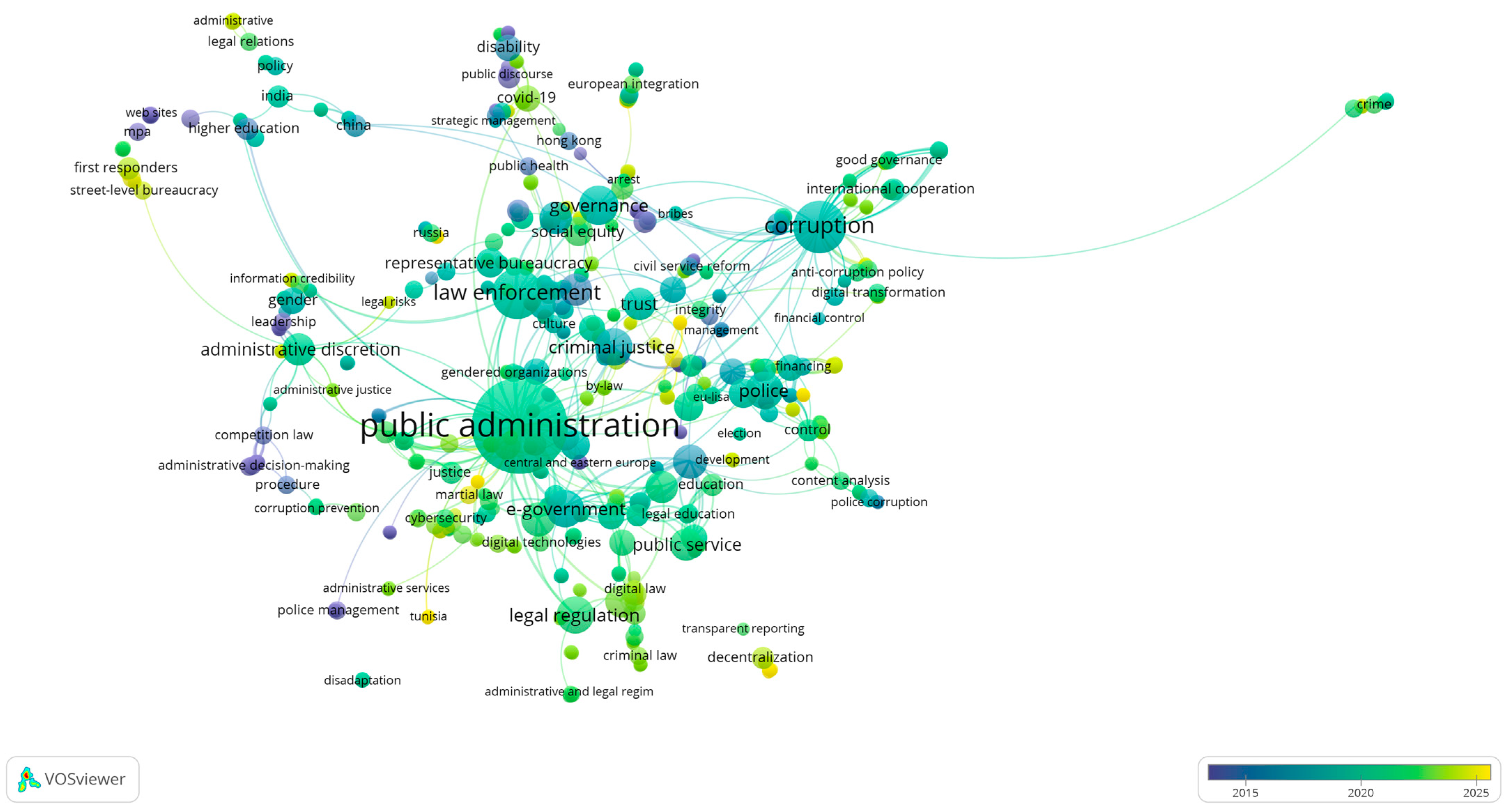
The upper part of the figure (2014–2025) (see Figure 6) represents the advanced integration and innovation phase, integrating through technological innovation and global collaboration. Digitalization of administrative systems, as well as AI, cybersecurity, and data analytics for efficiency and constitutional compliance, have emerged as a common theme in research (M. Busuioc 2021; Miller and Keiser 2021). The principles of good governance in public administration, comprising factors such as accountability and transparency, were one of the key drivers for the explanation of the role of educational administration in performing institutional directives. Representative bureaucracy emerged as a major area of concern, and research highlighted how different types of administrative representation could increase the realization of constitutional rights, namely in the resolution of educational disparities (Bradbury and Kellough 2011; Headley et al. 2021). International collaboration has become more important, as researchers have called for sharing knowledge across borders to address the challenges of a global education market (E. M. Busuioc 2016). Network maps of the time show core groups around the “good administration of public affairs”, “digital transformation”, and “international cooperation”, as well as persistent concerns such as “representative bureaucracy” and “social justice” (signifying the persistence of the agenda for inclusion but also for justice) (Headley and Wright 2020).
Thematic evolution in the discipline mirrors the progress from initial debates about legal frameworks and administrative discretion towards the use of digital technologies and international collaboration (Walker and Andrews 2015) (see Figure 7). Social justice and transparency continued to be common themes across all clusters, as they have had a lasting influence on the provision of “rights” institutionally referred to in schools (Noblet and Rodwell 2009; Lawson 2019). Geographical coverage: The early research (2000–2006) was geographically dominated by North America and Europe, where the established academic infrastructure was a driver of research output (Whitford 2002). Between 2014 and 2025, the number of studies from Asia, Latin America, and Africa increased considerably, which reflects the worldwide interest in this field. In a systematic manner, the fields have moved from theoretical and qualitative analyses, in the early stages of development, to data-driven analysis via digital tools and the formal analysis of large field data, indicative of improvements in research capability (Schiff et al. 2022).
Even though there has been considerable progress, the Field of Triffid is still facing issues, such as a lack of reports’ standardized frames that prevent comparability and reliability of findings among studies (Maniadaki et al. 2021). Unequal adoption of digital platforms in different parts of the world, particularly developing countries, restricts the worldwide usability of technological innovations (Wright and Headley 2020). Further, utilization of the metrics reported in some studies can be a source of bias and impede being able to perform sophisticated and objective analyses (Headley et al. 2021).
Future research should prioritize the building of inclusive frames around D&I in educational administration by stating constitutional rights in multiple populations (Headley et al. 2021). Adoption of frontier technologies, including artificial intelligence and the blockchain, would also provide opportunities for improved transparency and accountability in administrative procedures (M. Busuioc 2021). Furthermore, basic assistance to enforce universally agreed-upon norms on international cooperation and fair outcomes should exist.
This bibliometric analysis draws a comprehensive picture of the trajectory of institutional rights research in educational administration, ranging from simple legal administrative narratives to advanced technologically based and global cooperative endeavors. The continuing emphasis on social justice, openness, and sound management of public business, as mentioned above, underscores the compulsion in the area to effect synergy between the practicalities of education and values designed under the constitution. This will require further attention to digital innovation, representative bureaucracy, and international cooperation to ensure the expansion of constitutional rights in so many education environments around the world into fair and just education systems for the future (Cooper 2024; Eckes 2021; E. M. Busuioc 2016).

6. Conclusions

Constitutional rights are being relied upon with increasing regularity as foundational concepts in global administration and educational governance have become underpinning entitlements in the formation of policy, institutional decision-making, and justice in schools. The purpose of this study is to explore the growth and development of the literature related to constitutional rights in educational administration from 2000 to 2025, as it reflects major themes, seminal works, authors, and journals, emerging technology, and administrative advances that could further propel the communication and work related to constitutional compliance. The present work is important due to the full description of the quantity and quality of the research, highly cited works, research thematic clusters, literature gaps, and insights for researchers, policies, and administrators.
Studies in this area have been developed in three stages:
  • Phase 1 (2000–2006): Concentrating on legal regulation, public provision, and interpretation of constitutional provisions in education. Researchers considered how constitutional structures regulated school administration and secured the rights of individuals, particularly with respect to guaranteed due process, freedom of speech, and nondiscrimination.
  • Phase of Development (2007–2013): Witnessing a sharpened focus on administrative discretion, RB, and a formalized legal system pertaining to educational organizations. Research expanded to consider responsibility, service availability, and the role of courts in enforcing constitutional commands.
  • Speed up development phase (2014–2025): Focusing on digitalization of education, transparency, and international cooperation in administration. New trends were the use of digital management tools, data-informed decision-making, and the sharing of global knowledge to address systemic inequalities and stimulate democratic participation.
Publications are still geographically concentrated, with North America (along with the United Kingdom, Germany, and the Netherlands) dominating contributions. At the theoretical and empirical level, Harvard University, Oxford University, and Leiden University have been important figures. However, participation by low-income countries in Asia, Latin America, and Africa has been on the rise, indicating rising global awareness of the need to align educational policy making with constitutional principles.
Blazing the trail, some of the key authors who are building the field include Cooper K. W., Schiff D., Busuioc E. M., Eckes S., and Headley J., with their work being on education rights, administration, and social justice. Citation analysis reveals highly cited papers, which, in addition to research influence, can also present emerging trends and thematic clusters, reinforcing the claims of the study in relation to the most influential contributions. Keyword analysis reveals a topical transition from traditional terms (e.g., “legal system” and “public service”) to contemporary issues (“digital administration”, “representative bureaucracy”, and “social capital”).
In conclusion, the findings of this research paper add to the scholarly conversation through the identification of historical patterns, landmark studies, and deficiencies in knowledge. These findings offer actionable insights for practitioners and policy makers about how constitutional norms, technical means, and administrative designs interact to better convey transparency, accountability, and justice in education systems. By focusing on the number of quality-assured publications, the study provides a strong structure in which to understand both the development and influence of constitutional rights in education around the world.

Funding

This research received no external funding. The APC was funded by the author.

Institutional Review Board Statement

Not applicable.

Informed Consent Statement

Not applicable.

Data Availability Statement

The data used in this study are available from the Web of Science database. Additionally, datasets generated or analyzed during this bibliometric study can be accessed via publicly available academic databases and repositories related to scholarly publications.

Acknowledgments

Sabah M. A. Al Momani would like to thank Al Balqa’ Applied University for their continuous support. During the preparation of this manuscript, the author used [VosViewer, version 1.6.20] for the purpose of visualizing bibliometric data. The author has reviewed and edited the output and takes full responsibility for the content of this publication. Note: Artificial Intelligence (AI) tools were used to enhance the grammatical accuracy, clarity, and academic tone of this manuscript. The author has carefully reviewed and approved all content to ensure accuracy and integrity.

Conflicts of Interest

The author declares no conflicts of interest.

References

  1. Adam, J., L. Adamczyk, J. R. Adams, J. K. Adkins, G. Agakishiev, M. M. Aggarwal, Z. Ahammed, I. Alekseev, D. M. Anderson, A. Aparin, and et al. 2021. Global polarization of Ξ and Ω hyperons in Au+ Au collisions at s NN = 200 GeV. Physical Review Letters 126: 162301. [Google Scholar] [CrossRef] [PubMed]
  2. Afeltra, Giovanna, Alireza Alerasoul, and Berto Usman. 2022. Board of directors and corporate social reporting: A systematic literature network analysis. Accounting in Europe 19: 48–77. [Google Scholar] [CrossRef]
  3. Ali, Mahrus, Andi Muliyono, and Syarif Nurhidayat. 2023. The application of a human rights approach toward crimes of corruption: Analyzing anti-corruption regulations and judicial decisions. Laws 12: 68. [Google Scholar] [CrossRef]
  4. Alqudah, Mohammad, Luis Ferruz, Emilio Martín, Hanan Qudah, and Firas Hamdan. 2023. The sustainability of investing in cryptocurrencies: A bibliometric analysis of research trends. International Journal of Financial Studies 11: 93. [Google Scholar] [CrossRef]
  5. Aria, Massimo, and Corrado Cuccurullo. 2017. bibliometrix: An R-tool for comprehensive science mapping analysis. Journal of Informetrics 11: 959–75. [Google Scholar] [CrossRef]
  6. Bradbury, Mark D., and J. Edward Kellough. 2011. Representative bureaucracy: Assessing the evidence on active representation. The American Review of Public Administration 41: 157–67. [Google Scholar] [CrossRef]
  7. Busuioc, E. Madalina. 2016. Friend or foe? Inter-agency cooperation, organizational reputation, and turf. Public Administration 94: 40–56. [Google Scholar] [CrossRef]
  8. Busuioc, Madalina. 2021. Accountable artificial intelligence: Holding algorithms to account. Public Administration Review 81: 825–36. [Google Scholar] [CrossRef]
  9. Col, Jeanne-Marie. 2007. Managing disasters: The role of local government. Public Administration Review 67: 114–24. [Google Scholar] [CrossRef]
  10. Cooper, Kody W. 2024. A renaissance of civic education and civic engagement in higher education in the spirit of the American founders and constitutionalism. Laws 13: 8. [Google Scholar] [CrossRef]
  11. Donthu, Naveen, Satish Kumar, Debmalya Mukherjee, Nitesh Pandey, and Weng Marc Lim. 2021. How to conduct a bibliometric analysis: An overview and guidelines. Journal of Business Research 133: 285–96. [Google Scholar] [CrossRef]
  12. Eckes, Suzanne. 2021. Sex discrimination in schools: The law and its impact on school policies. Laws 10: 34. [Google Scholar] [CrossRef]
  13. Freiberg, Arie, and W. G. Carson. 2010. The limits to evidence-based policy: Evidence, emotion and criminal justice. Australian Journal of Public Administration 69: 152–64. [Google Scholar] [CrossRef]
  14. Hassan, Shahidul. 2019. We need more research on unethical leadership behavior in public organizations. Public Integrity 21: 553–56. [Google Scholar] [CrossRef]
  15. Headley, Andrea M., and James E. Wright, II. 2020. Is representation enough? Racial disparities in levels of force and arrests by police. Public Administration Review 80: 1051–62. [Google Scholar] [CrossRef]
  16. Headley, Andrea M., James E. Wright, II, and Kenneth J. Meier. 2021. Bureaucracy, democracy, and race: The limits of symbolic representation. Public Administration Review 81: 1033–43. [Google Scholar] [CrossRef]
  17. Lamboglia, Rita, Domenica Lavorato, Eusebio Scornavacca, and Stefano Za. 2021. Exploring the relationship between audit and technology. A bibliometric analysis. Meditari Accountancy Research 29: 1233–60. [Google Scholar] [CrossRef]
  18. Lawson, Edward, Jr. 2019. Trends: Police militarization and the use of lethal force. Political Research Quarterly 72: 177–89. [Google Scholar] [CrossRef]
  19. Levine, Howard B. 2010. Creating analysts, creating analytic patients. The International Journal of Psychoanalysis 91: 1385–404. [Google Scholar] [CrossRef]
  20. Lewis, Paul G., Doris Marie Provine, Monica W. Varsanyi, and Scott H. Decker. 2013. Why do (some) city police departments enforce federal immigration law? Political, demographic, and organizational influences on local choices. Journal of Public Administration Research and Theory 23: 1–25. [Google Scholar] [CrossRef]
  21. Maniadaki, Maria, Athanasios Papathanasopoulos, Lilian Mitrou, and Efpraxia-Aithra Maria. 2021. Reconciling remote sensing technologies with personal data and privacy protection in the European Union: Recent developments in Greek legislation and application perspectives in environmental law. Laws 10: 33. [Google Scholar] [CrossRef]
  22. Meier, Kenneth J., and Jill Nicholson-Crotty. 2006. Gender, representative bureaucracy, and law enforcement: The case of sexual assault. Public Administration Review 66: 850–60. [Google Scholar] [CrossRef]
  23. Miller, Susan M., and Lael R. Keiser. 2021. Representative bureaucracy and attitudes toward automated decision making. Journal of Public Administration Research and Theory 31: 150–65. [Google Scholar] [CrossRef]
  24. Moher, David, Larissa Shamseer, Mike Clarke, Davina Ghersi, Alessandro Liberati, Mark Petticrew, Paul Shekelle, Lesley A Stewart, and PRISMA-P Group. 2015. Preferred reporting items for systematic review and meta-analysis protocols (PRISMA-P) 2015 statement. Systematic Reviews 4: 1. [Google Scholar] [CrossRef]
  25. Nicholson-Crotty, Sean, and Laurence J. O’Toole, Jr. 2004. Public management and organizational performance: The case of law enforcement agencies. Journal of Public Administration Research and Theory 14: 1–18. [Google Scholar] [CrossRef]
  26. Nisar, Muhammad A. 2018. Children of a lesser god: Administrative burden and social equity in citizen–state interactions. Journal of Public Administration Research and Theory 28: 104–19. [Google Scholar] [CrossRef]
  27. Niyitegeka, Olivier, and Sheunesu Zhou. 2023. An investigation of financial contagion between cryptocurrency and equity markets: Evidence from developed and emerging markets. Cogent Economics & Finance 11: 2203432. [Google Scholar] [CrossRef]
  28. Noblet, Andrew J., and John J. Rodwell. 2009. Integrating job stress and social exchange theories to predict employee strain in reformed public sector contexts. Journal of Public Administration Research and Theory 19: 555–78. [Google Scholar] [CrossRef]
  29. Peráček, Tomáš, Mária Srebalová, and Andrej Srebala. 2022. The valuation of land in land consolidation and relevant administrative procedures in the conditions of the Slovak Republic. Administrative Sciences 12: 174. [Google Scholar] [CrossRef]
  30. Petticrew, Mark, and Helen Roberts. 2008. Systematic reviews–do they ‘work’in informing decision-making around health inequalities? Health Economics, Policy and Law 3: 197–211. [Google Scholar] [CrossRef]
  31. Qudah, Hanan, Sari Malahim, Rula Airout, Mohammad Alomari, Aiman Abu Hamour, and Mohammad Alqudah. 2023. Islamic finance in the era of financial technology: A bibliometric review of future trends. International Journal of Financial Studies 11: 76. [Google Scholar] [CrossRef]
  32. Riccucci, Norma M., Gregg G. Van Ryzin, and Cecilia F. Lavena. 2014. Representative bureaucracy in policing: Does it increase perceived legitimacy? Journal of Public Administration Research and Theory 24: 537–51. [Google Scholar] [CrossRef]
  33. Riccucci, Norma M., Gregg G. Van Ryzin, and Karima Jackson. 2018. Representative bureaucracy, race, and policing: A survey experiment. Journal of Public Administration Research and Theory 28: 506–18. [Google Scholar] [CrossRef]
  34. Ricucci, Domenico, Simona Loghin, Li-Na Niu, and Franklin R. Tay. 2018. Changes in the radicular pulp-dentine complex in healthy intact teeth and in response to deep caries or restorations: A histological and histobacteriological study. Journal of Dentistry 73: 76–90. [Google Scholar] [CrossRef] [PubMed]
  35. Rosen, Laura, and Ruth Suhami. 2016. The art and science of study identification: A comparative analysis of two systematic reviews. BMC Medical Research Methodology 16: 24. [Google Scholar] [CrossRef]
  36. Sabharwal, Sangeeta, and Manuj Aggarwal. 2017. A novel approach for deriving interactions for combinatorial testing. Engineering Science and Technology, an International Journal 20: 59–71. [Google Scholar] [CrossRef]
  37. Saltzstein, Alan L., Yuan Ting, and Grace Hall Saltzstein. 2001. Work-family balance and job satisfaction: The impact of family-friendly policies on attitudes of federal government employees. Public Administration Review 61: 452–67. [Google Scholar] [CrossRef]
  38. Schiff, Daniel S., Kaylyn Jackson Schiff, and Patrick Pierson. 2022. Assessing public value failure in government adoption of artificial intelligence. Public Administration 100: 653–73. [Google Scholar] [CrossRef]
  39. Sharifi, Ayyoob, Amir Reza Khavarian-Garmsir, Zaheer Allam, and Asad Asadzadeh. 2023. Progress and prospects in planning: A bibliometric review of literature in Urban Studies and Regional and Urban Planning, 1956–2022. Progress in Planning 173: 100740. [Google Scholar] [CrossRef]
  40. Shim, Dong Chul, and Tae Ho Eom. 2008. E-government and anti-corruption: Empirical analysis of international data. International Journal of Public Administration 31: 298–316. [Google Scholar] [CrossRef]
  41. Srebalová, Mária, and Tomáš Peráček. 2022. Effective public administration as a tool for building smart cities: The experience of the Slovak Republic. Laws 11: 67. [Google Scholar] [CrossRef]
  42. Thakur, Sujata, Rishika Dhapola, Phulen Sarma, Bikash Medhi, and Dibbanti HariKrishna Reddy. 2023. Neuroinflammation in Alzheimer’s disease: Current progress in molecular signaling and therapeutics. Inflammation 46: 1–17. [Google Scholar] [CrossRef]
  43. Touijrat, Boubaker, Brahim Benaid, and Hassane Bouzahir. 2021. The differences in mean and volatility shock transmission among Bitcoin, currencies from developed countries, and currencies from emerging countries. International Journal of Applied Economics, Finance, and Accounting 10: 40–48. [Google Scholar] [CrossRef]
  44. Walker, Richard M., and Rhys Andrews. 2015. Local government management and performance: A review of evidence. Journal of Public Administration Research and Theory 25: 101–33. [Google Scholar] [CrossRef]
  45. Weatherburn, Don, Jackie Fitzgerald, and Jiuzhao Hua. 2003. Reducing Aboriginal over-representation in prison. Australian Journal of Public Administration 62: 65–73. [Google Scholar] [CrossRef]
  46. Whitford, Andrew B. 2002. Bureaucratic discretion, agency structure, and democratic responsiveness: The case of the United States attorneys. Journal of Public Administration Research and Theory 12: 3–27. [Google Scholar] [CrossRef]
  47. Wong, Johnny Kwok Wai, Janet Ge, and Sean Xiangjian He. 2018. Digitisation in facilities management: A literature review and future research directions. Automation in Construction 92: 312–26. [Google Scholar] [CrossRef]
  48. Wright, James E., and Cullen C. Merritt. 2020. Social equity and COVID-19: The case of African Americans. Public Administration Review 80: 820–26. [Google Scholar]
  49. Wright, James E., II, and Andrea M. Headley. 2020. Police use of force interactions: Is race relevant or gender germane? The American Review of Public Administration 50: 851–64. [Google Scholar] [CrossRef]
  50. Yu, Helen H. 2019. Work-life balance: An exploratory analysis of family-friendly policies for reducing turnover intentions among women in US federal law enforcement. International Journal of Public Administration 42: 345–57. [Google Scholar] [CrossRef]
Figure 1. PRISMA Flow Diagram Illustrating the Publication Selection Process for the Review. * Records identified through database searching. ** Records excluded after screening, including removal of duplicates and review of titles and abstracts.
Laws 15 00006 g001
Figure 2. Growth of Constitutional Rights in Educational Administration Research Publications.
Laws 15 00006 g002
Figure 3. Keyword Co-Occurrence Network Map Based on WoS Bibliographic Data (2014–2024).
Laws 15 00006 g003
Figure 4. Hot Topics Analysis Derived from WoS Bibliographic Dataset.
Laws 15 00006 g004
Figure 5. Initial Cluster: Early Foundational Developments (2000–2006).
Laws 15 00006 g005
Figure 6. Second Cluster: Period of Rapid Adoption (2007–2013).
Laws 15 00006 g006
Figure 7. Third Cluster: Phase of Advanced Integration and Innovation (2014–2025).
Laws 15 00006 g007
Table 1. Top 10 Most Cited Documents Indexed in Web of Science (WoS) as of 1 June 2025.
#ReferenceArticleTotal Number of CitationsTotal Number of Citations per YearNormalized Total Citations
1Meier and Nicholson-Crotty (2006)Gender, representative bureaucracy, and law enforcement: The case of sexual assault36818.45.65
2Riccucci et al. (2014)Representative bureaucracy in policing: Does it increase perceived legitimacy?26021.676.72
3Saltzstein et al. (2001)Work-family balance and job satisfaction: The impact of family-friendly policies on attitudes of federal government employees2048.161.9
4M. Busuioc (2021)Accountable artificial intelligence: Holding algorithms to account19839.613.12
5Shim and Eom (2008)E-government and anti-corruption: Empirical analysis of international data19110.6116.2
6Bradbury and Kellough (2011)Representative bureaucracy: Assessing the evidence on active representation18412.275.49
7Walker and Andrews (2015)Local government management and performance: A review of evidence15614.1811.04
8Riccucci et al. (2018)Representative bureaucracy, race, and policing: A survey experiment12715.886.87
9Nisar (2018)Children of a lesser god: Administrative burden and social equity in citizen–state interactions11714.636.33
10Col (2007)Managing disasters: The role of local government1065.585.81
Table 2. Top 10 Authors with the Highest Citation Scores.
ElementHirsch IndexG-IndexM-IndexTotal CitationsNumber of DocumentsDocument Year Start
Levine H550.3137852010
Sabharwal M560.5568162017
D’Agostino M440.256742010
Elias NM450.5712952019
Wright JE450.66721552020
Yu HH450.5718152019
Adams IT330.63432021
Cohen G330.3753732018
D’Agostino MJ340.1763842009
Hassan S340.3758642018
Table 3. Top 10 Most Frequently Cited Journals.
Journal TitleH-IndexG-IndexM-IndexTotal
Citations
Number of PublicationsFirst Publication YearABS 2024 Ranking
Public Administration Review19400.73116374920003
Journal of Public Administration Research and Theory13170.54211421720024
The American Review of Public Administration9210.4094702420043
International Journal of Public Administration8180.43632720062
Public Administration8100.4442951020083
Canadian Public Administration/Administration Publique du Canada670.42960122012Not Listed
Journal of Public Affairs Education690.3539992009Not Listed
Australian Journal of Public Administration580.208164820022
Public Administration and Development580.26386820072
Public Integrity570.26359112007Not Listed
Table 4. Most-Cited Authors by Country of Affiliation.
CountryTotal CitationsAverage Article CitationsCountryTotal CitationsAverage Article Citations
USA361616.4Australia26920.7
China25916.2Netherlands24126.8
United Kingdom20118.3Ukraine1462.9
Pakistan117117Korea9018
Germany7017.5Canada665.5
Belgium5326.5Mexico3232
Spain2613Russia250.7
Argentina2323Switzerland227.3
Finland2110.5Sweden217
Brazil153Japan1313
Ghana1212Peru99
Singapore99Chile88
Indonesia72.3Thailand73.5
Israel52.5Kazakhstan51.7
Nigeria42Italy31
Romania33Portugal21
Croatia10.3Poland10.2
Slovenia10.3South Africa11
Disclaimer/Publisher’s Note: The statements, opinions and data contained in all publications are solely those of the individual author(s) and contributor(s) and not of MDPI and/or the editor(s). MDPI and/or the editor(s) disclaim responsibility for any injury to people or property resulting from any ideas, methods, instructions or products referred to in the content.