


Simple Summary
This review synthesizes biological control and Integrated Pest Management (IPM) strategies for Camellia oleifera arthropod pests. We comprehensively document the natural enemy complex, key ecological interactions, and practical management methods. The paper provides a robust framework for sustainable, ecologically balanced pest control, highlighting the potential of emerging biorational technologies.
Abstract
Camellia oleifera, commonly known as oil-tea, serves as one of China’s most economically important oil crops. To ensure continued production yield and quality, biological control measures, operating within the framework of integrated pest management, have been extensively adopted nationwide. Integrated pest management facilitates effective management of arthropod pests afflicting C. oleifera by integrating biological control strategies with traditional chemical control methods. This approach significantly reduces the reliance on chemical pesticides and minimizes adverse environmental impacts. Over 600 natural enemy species targeting pests have been documented within the C. oleifera agroecosystems in China including approximately 38 viral agents along with 41 fungal, 166 parasitoid, 336 predator, and several bacterial species. Notably, both insectile natural enemies and fungal biopesticides derived from microbial resources are currently being used at scale in C. oleifera cultivation regions, serving as crucial alternatives to the use of conventional chemical pesticides. This paper comprehensively reviews recent progress in research and the application of synergistic integration of biological control with traditional pest management strategies for C. oleifera. The current status of research on natural enemy resources is analyzed and knowledge gaps in the domain of C. oleifera pest management are identified. Furthermore, future research trajectories are proposed that are intended to provide a scientific basis for the green and sustainable development of the C. oleifera industry.
1. Introduction
Camellia oleifera (oil-tea) is a woody oil-bearing species native to East Asia, particularly China, where it plays a vital role in both agricultural production and ecosystem services. Cultivated mainly between 18° N and 34° N across more than 20 Chinese provinces. Since the 1990s, the global cultivation area has expanded from 2.4 to 5.2 million hectares (Mha), and annual tea oil production has tripled, reaching approximately 1.2 million tons [1]. Historically recorded over 2000 years ago, C. oleifera remains an economically significant species in China. Its oil, rich in unsaturated fatty acids, is widely used in culinary, cosmetic, and medicinal industries, thereby earning the accolade “Olive Oil of the East” [2].
The C. oleifera industry in China has expanded since the mid-20th century, with emphasis by the government on its strategic importance for providing edible oil security while advancing rural revitalization. Since the 1950s, national efforts to reclaim and restore plantations have steadily expanded the industry. By 2020, 4.451 Mha were under cultivation, with an annual production level of 720,000 tons valued at over 150 billion RMB. The Forestry and Grassland Industry Development Plan (2021–2025) aims to increase output to over 2 million tons on more than 6 Mha by 2025 [1,3,4].
Ecologically, C. oleifera is adapted to subtropical monsoon climates with red soil hills between 98° E and 121° E longitude. Its deep-rooted and evergreen canopy supports soil and water conservation, highlighting its environmental importance [5,6]. However, its widespread monoculture cultivation increases vulnerability to pests. A total of 392 damage-causing arthropod species have been recorded, including 386 insects and six mites across nine orders and 67 families, with Hemiptera and Lepidoptera as dominant orders (Table 1) [7,8,9,10,11,12,13,14,15,16,17]. Leaf- and stem-feeding pests constitute 72.8% and 19.2% of this fauna, while root, fruit, and flower pests comprise only 8% [18]. Pests include defoliators such as Biston marginata, borers like Bacchisa atritarsis, the seed weevil Curculio chinensis, and subterranean termites (Odontotermes formosanus) [10,19]. It is imperative to direct specific attention towards those pests characterized by exhibiting regional specificity or endemicity (Table 2) [14,18,20].
Table 1.
List of pest, parasitoid and predator orders and their family and species number in oil-tea gardens in China.
Table 2.
Insect and mite pests of oil-tea in four growing regions of China.
From the 1970s to the 1990s, pest control relied heavily on chemical pesticides, particularly organophosphates, resulting in resistance development, ecological disruption, and contamination issues. Since the 21st century, Integrated Pest Management (IPM) has gained prominence, emphasizing biological control, habitat management, and reduced-toxicity pesticides [21,22]. Biological methods, such as the use of native parasitoids, microbial agents, and predators, are now widely implemented, contributing to increased production of organic tea oil.
The widespread adoption of biological control strategies for this species is predicated upon extensive research conducted over the last three decades. This research has included comprehensive surveys and the identification of indigenous natural enemies such as microbial agents, parasitoids, and predators within C. oleifera agroecosystems. The biological characteristics of those enemies have been used in the formulation of effective application strategies for field deployment. Because both the tea plant (Camellia sinensis) and oil-tea (C. oleifera) belong to the genus Camellia, insect pests typically associated with tea are also likely to infest oil-tea. Ongoing investigations suggest a considerable overlap in the natural enemy groups associated with both host plants, indicating potential synergies in biocontrol research [10]. Furthermore, nucleic acid-based pesticides that leverage RNA interference (RNAi) technology represent an emerging frontier. These agents enable target-specific suppression of essential gene functions in oil-tea pests. Environmental benignity and minimal residual persistence contribute to their potential. This technology can mitigate the contamination of oil-tea by conventional chemical residues. As such, RNAi-based approaches are a potentially transformative, innovative research direction central to the development of green and sustainable pest management systems for oil-tea. This review comprehensively analyzes the current research advancements related to both biological control methods and the development of nucleic acid-based pesticides for managing oil-tea pests. Additionally, prospective avenues for future research within this critical domain are delineated.
2. Surveys and Taxonomy of Natural Enemies
The natural biodiversity within oil-tea agroecosystems is a foundational element critical to the effectiveness of biological control programs targeting pests of C. oleifera. Extensive research into the use of natural enemies has been undertaken by numerous Chinese investigators since the 1980s. These efforts have included systematic surveys and the taxonomic identification of natural enemies of oil-tea in the main oil-tea production regions. To date, these inventories have documented a rich natural enemy fauna associated with oil-tea pests, comprising over 600 species which include vertebrate predators such as various avian species [14,18].
2.1. Entomopathogens
Entomopathogens used in biological control encompass a range of microorganisms, including viruses, bacteria, fungi, and nematodes. These organisms typically exhibit potent pathogenicity towards insects and are capable of inducing a wide variety of diseases that frequently culminate in host mortality. To date, these entomopathogenic microorganisms comprise over 700 recorded species. However, despite this considerable taxonomic richness, only a limited subset of approximately 20 species has been successfully developed and used in pest management programs [23,24].
2.1.1. Viruses
The investigation into viruses that infect insects started in the early 19th century, while research on this subject within China was initiated in the 1970s [25,26]. The identification of viruses specifically infecting insect hosts and so possessing the capacity to effectively regulate pest populations has led to the development and widespread adoption of several viral biopesticide formulations to date. Thus far, a total of 38 viral species associated with pests of oil-tea have been documented; the categories of their respective types are listed in Supplementary Table S1.
2.1.2. Bacteria
Bacillus thuringiensis (Bt) represents the predominant species identified among the entomopathogenic bacteria isolated from pests afflicting C. oleifera. This bacterium has an abundance of varieties and strains that exhibit potent insecticidal activity particularly against larvae of various Lepidopterans. Consequently, numerous Bt varieties or strains have been successfully cultivated in vitro and subsequently have been used in agricultural production, including the strains designated as HD-1, 7216, and 140, which are used in China [27]. Specifically, within the context of oil-tea IPM research in China, in 1973, forestry scientists isolated B. thuringiensis subsp. galleriae from B. marginata, subsequently designated as strain “735” [28]. Furthermore, additional isolation and screening efforts have led to the identification of strains 111 and 119 from the tea leafroller (Protapanteles theivorae) and the oil-tea tussock moth, E. pseudoconspersa, respectively [20].
2.1.3. Fungi
Among microbial pathogens, entomopathogenic fungi (EPF) in general represent the most speciose group. They are a crucial biological control resource for IPM of insect pest populations and play a significant role in the management of pests affecting oil-tea [29]. The isolation and identification of EPF species directly from oil-tea plantations, complemented by surveys of pathogenic fungi associated with shared pests on the tea plant, have led to the identification of 41 species of EPF associated with pests [18,27,30,31] (Supplementary Table S2). These fungal species are classified within four primary taxa (reflecting historical and current classifications): Ascomycotina, Basidiomycotina, Deuteromycotina, and Zygomycotina. Among the recorded EPF species, Beauveria bassiana and species within the genus Metarhizium are the most extensively used in practical applications to date. Researchers are actively engaged in the isolation, screening, and cultivation of these fungi, resulting in the development and characterization of numerous effective strains. Notable examples include B. bassiana strains designated as BbIII22, Bb01, and BbHA-11, as well as Metarhizium spp. strains Ma1775, Ma09, and FJMa201101 [32,33,34,35,36].
2.1.4. Nematodes
Entomopathogenic nematodes (EPNs) are a specialized group of parasitic natural enemies targeting insects. With their active host-seeking behavior and parasitic mode of action, EPNs are particularly effective against pests in concealed environments, such as soil-dwelling and boring insects. Consequently, EPNs are recognized internationally as a unique class of environmentally compatible and highly effective biological insecticides [37]. Studies have primarily concentrated on evaluating the potential of using nematodes in the genus Heterorhabditis and the species Steinernema carpocapsae for the control of soil-inhabiting insect pests. Examples of target species in these studies include the tea seed weevil C. chinensis and the scarab beetle Anomala corpulenta [38,39].
2.2. Parasitoids
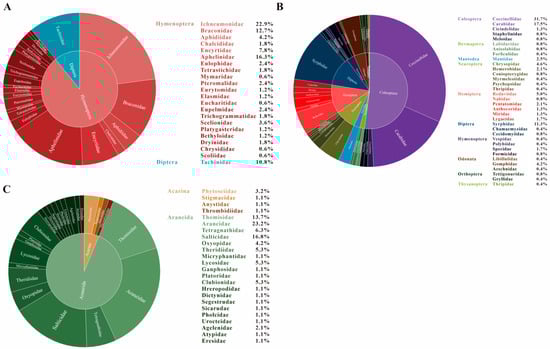
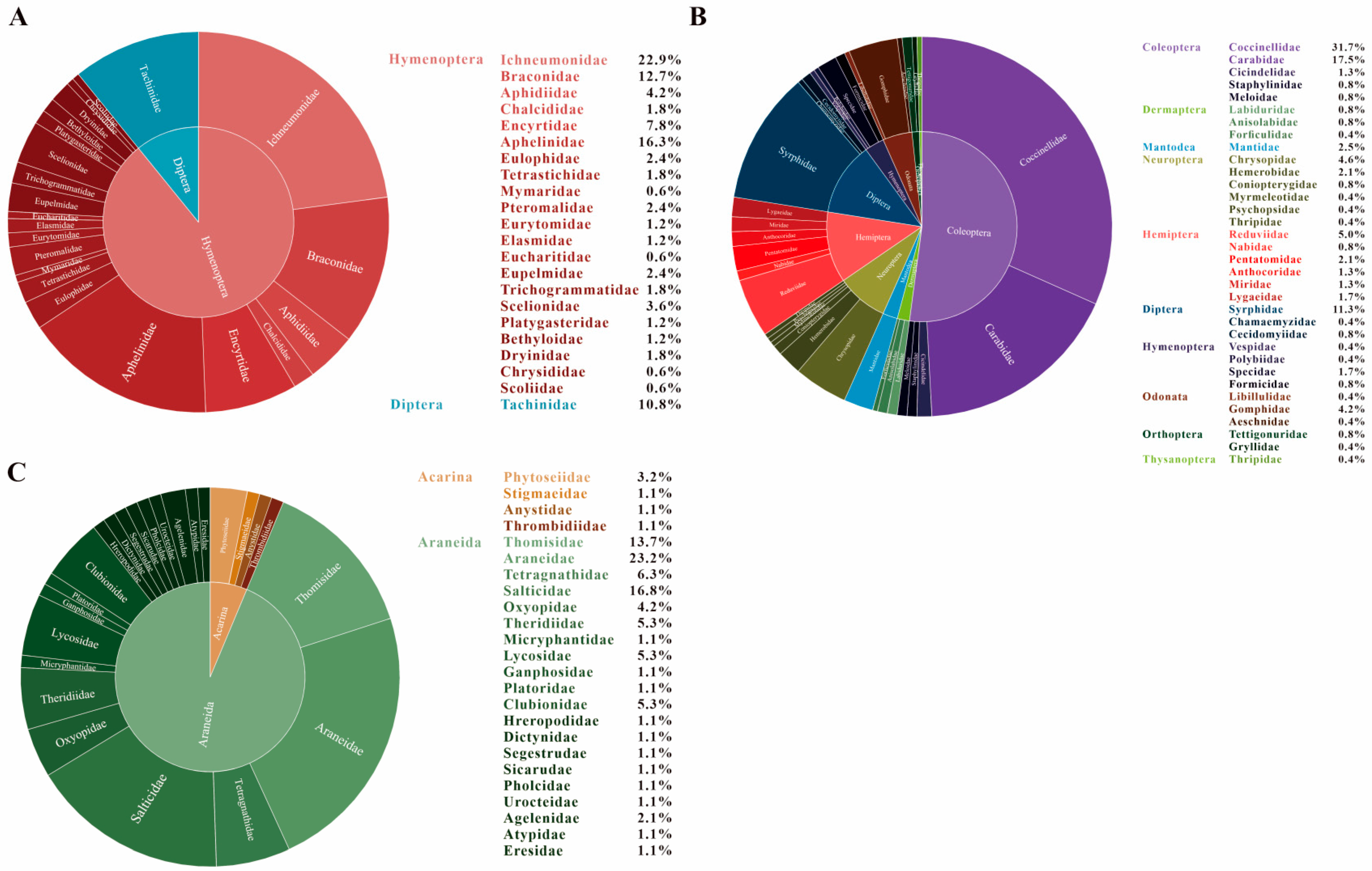
Investigations into the parasitic Hymenoptera associated with pests of C. oleifera began in the 1980s. Initial studies, primarily conducted in Hunan and Zhejiang provinces, documented six parasitoid wasp species in two important host insects: the lappet moth, Lebeda nobilis, and the Japanese felt scale, Metaceronema japonica [40,41,42]. Concurrently, an egg parasitoid in the family Scelionidae was identified attacking eggs of the shield bug, Poecilocoris latus [43]. Subsequent research focusing on parasitic natural enemies within oil-tea agroecosystems has largely adopted an ecological-level perspective. The principal goal of these more recent surveys has been to characterize the dominant pest species present and identify their associated natural enemy complexes [15,16,44,45,46,47,48,49,50]. These investigations have resulted in the documentation of 148 species of parasitoid wasps in 21 families of the Hymenoptera (Table 1). Among the parasitoid fauna taxa associated with oil-tea pests, the families Ichneumonidae, Aphelinidae, Braconidae, Encyrtidae, and Aphidiidae exhibited the highest species richness. These five families collectively account for 22.9%, 16.3%, 12.7%, 7.8%, and 4.2% of the total identified parasitoid wasp species, respectively (Figure 1A). Parasitic wasps associated with several prevalent and economically significant insect pests of oil tea are detailed in Supplemental Table S3.
Figure 1.
Family structures of parasitoids and predators associated with oil-tea pests in recorded China. (A): Parasitoids; (B): Predatory insects; (C): Spiders and predatory mites. The displayed data shows the proportion of species counts by family.
Regarding parasitic Diptera, Wang and Wan [51] identified 12 species of Tachinid flies (Diptera: Tachinidae) within tea plantations whose known hosts include pest species affecting oil-tea. Integrating these findings with research by Chen, Zhang, and potentially others, a total of 18 tachinid species associated with oil-tea pests have been documented. The majority of these tachinids function as parasitoids primarily targeting Lepidopteran pests of C. oleifera. Notably, seven of these tachinid species have been confirmed to parasitize the oil-tea tussock moth, E. pseudoconspersa, during its larval or pupal stages [27,52].
2.3. Predators
The predatory natural enemies targeting insects and mites comprise both arthropod and vertebrate taxa. Comprehensive reviews have synthesized data from various studies documenting a diverse predator fauna [18,27,46,53,54,55]. This includes 336 species of predatory arthropods along with three amphibian, 12 avian, and one rodent species. The primary prey spectrum for this predator complex consists mostly of pests in the orders Lepidoptera and Hemiptera. Other frequently-targeted prey species include smaller insect taxa such as thrips and weevil larvae. The details regarding the identified vertebrate predator species are shown in Supplementary Table S4.
2.3.1. Predatory Insects
Investigations into predatory natural enemies within oil-tea agroecosystems began in the 1960s. Shen and Shen [56] documented that the lady beetle Chilocorus rubidus effectively controlled populations of the Japanese felt scale, a significant pest of C. oleifera. Subsequent studies identified another lady beetle, Hyperaspis sinensis, as a principal predator of Japanese felt scale [57,58]. More recently, surveys focusing specifically on predatory insects were carried out in 2015 within oil-tea plantations located in the Yunnan and Hunan provinces, documenting a diverse predatory insect fauna, totaling 51 species belonging to 15 families across eight insect orders: Coleoptera, Dermaptera, Diptera, Hemiptera, Hymenoptera, Mantodea, Neuroptera, and Odonata. The observed prey spectrum for these predators primarily encompassed aphids, Lepidopteran larvae, scale insects, and various other small insects [46,54].
The present study accounts for 240 predatory insect species (Table 1), distributed across 10 orders and 33 families. The five families with the highest representation in terms of species number are Coccinellidae, Carabidae, Syrphidae, Reduviidae, and Chrysopidae, contributing 31.7%, 17.5%, 11.3%, 5%, and 4.6% to the total, respectively (Figure 1B).
2.3.2. Spiders and Predatory Mites
Spiders are the numerically dominant predatory arthropods in many agricultural settings, including C. oleifera agroecosystems. Surveys in Hunan oil-tea plantations (1997–1998) documented 89 spider species across 20 families [53]. Comparative analysis with data from tea garden spider assemblages indicated that about 25% of the spider species identified in oil-tea plantations have not been reported from tea gardens. This ecological difference might be linked to the structure of oil-tea plantations, particularly the dominance of canopy-dwelling spider sub-communities. The overall community structure and stability of spiders may be influenced by the denser understory vegetation often present in these plantations.
While no specific surveys of predatory mite populations in oil-tea plantations exist, Zhang and Tan [27] identified seven predatory mite species from four families that prey on C. oleifera pests. These included Amblyseius nicholsi, which has been observed to feed on C. oleifera pollen following overwintering [59]. Future research should document the occurrence, population dynamics, and survival of these beneficial mites within oil-tea agroecosystems. Despite limited current data, predatory mites, with their predatory habits and associations with pests or resources like pollen, represent a promising, largely unexplored resource for biological control strategies against oil-tea pests. Figure 1C shows the percentage distribution of species numbers. Supplementary Table S5 provides a comprehensive catalogue of all identified spider and predatory mite species relevant to this context.
3. Implementation of Biological Control and Development of Integrated Management Strategies
Biological control of C. oleifera pests began in China in the 1960s, focusing on native natural enemies and their ecological roles. Recent advances have integrated biological control into comprehensive IPM systems, combining attractant-based methods, resistant cultivars, and pest forecasting. These strategies enhance natural enemy conservation, provide effective pest suppression, and improve yield stability in oil-tea cultivation
3.1. Application of Natural Enemies
3.1.1. Viruses
Among the viruses used for controlling pests relevant to Camellia species, two have achieved large-scale application, particularly within tea plantations, and have been officially registered as biological control agents in China. These are the NPVs of the Euproctis pseudoconspersa (EpNPV) and the NPV of Ectropis obliqua (EoNPV) [60,61]. Beyond these established viral agents, extensive research, notably by Tang, et al. [62], has focused on the formulation and application strategies for the NPV isolated from the nettle caterpillar, Iragoides fasciata (IfNPV). Laboratory bioassays allowed the determination of the optimal concentration for IfNPV application to be 1 × 10⁷ PIBs/mL. Furthermore, studies investigated synergistic effects when combined with Bt, identifying an optimal Bt concentration of 2000 International Units (IU)/µL for the mixture. Subsequent field trials at three distinct geographical locations involved applying this IfNPV-Bt admixture against successive generations (1st, 2nd, and 3rd) of I. fasciata. A mortality rate of 100% was achieved against the first-generation larvae. However, mortality rates observed for the second and third generations were somewhat lower at about 88% [62,63].
Several other entomopathogenic viruses targeting pests also relevant to oil-tea have been deployed within tea plantation management programs. These include the NPV of Buzura suppressaria (BsNPV), the Granulosis Virus of Andraca bipunctata (AbGV), and the GV of Adoxophyes orana (AoGV). Ye, et al. [64] provided detailed information regarding the application and characteristics of these viruses, and therefore, will not be reiterated in the present review.
3.1.2. Bacteria
While widely used elsewhere, Bacillus thuringiensis (Bt) application for C. oleifera pest control remains largely limited to small-scale trials. Early investigations using Bt strain “735” against the oil-tea geometrid (B. marginata) showed promising results, achieving over 95% mortality by day 7 [28]. However, standalone Bt applications against other significant C. oleifera pests have been less effective, yielding only 33.83% population reduction for C. patrona [65] and approximately 50% efficacy for Dasychira baibarana [66].
These findings suggest limitations for Bt as a sole control agent, highlighting the need for integrated approaches. Synergistic effects have been explored, such as co-application with viral agents like IfNPV (as previously mentioned). Further supporting this, He, et al. [67] isolated two synergistic bacterial strains, Paenibacillus azoreducens strain X-11 and Staphylococcus sp. strain X-2, from the nettle caterpillar Thosea sinensis. A mixture of these isolates with Bt achieved a maximum control efficacy of 67.20% against T. sinensis in tea plantations, an 8.8% improvement over Bt alone [68].
3.1.3. Fungi
Beauveria bassiana and Metarhizium anisopliae are the primary fungal biocontrol agents used against oil-tea pests. Studies show B. bassiana effectively controls Lepidopteran pests Porthesia atereta and Andraca bipunctata, achieving 70–80% mortality within nine days [35,69]. For Coleopteran pests, foliar B. bassiana sprays achieved 72% control of Basilepta melanopus adults [70], while soil incorporation yielded 59–71% control against Myllocerinus aurolineatus larvae and pupae [71].
Metarhizium anisopliae demonstrates efficacy against the leafhopper Empoasca vitis, achieving 74% control after 14 days with a single application [72]. Soil incorporation against tea seed weevil larvae resulted in 51% mortality after 30 days [36].
Integrating entomopathogenic fungi with other biocontrol agents or compatible pesticides significantly enhances control. Co-applying B. bassiana with the entomopathogenic nematode (EPN) Heterorhabditis beicherriana resulted in 100% mortality of Anomala corpulenta larvae [39]. Similarly, B. bassiana combined with Steinernema carpocapsae achieved 74.5% control of tea seed weevil larvae [38]. Joint application of B. bassiana and 1.5% pyrethrin also provided superior control against E. vitis [73].
To facilitate broader adoption, optimizing fungal production is crucial. Qiu, et al. [74] successfully increased Aschersonia placenta mycelial biomass by 3.6-fold and conidial yield by 10-fold through culture media optimization, significantly enhancing production feasibility for commercial application.
3.1.4. Parasitoids and Predators
Compared to entomopathogenic microorganisms, research and field applications of macroscopic parasitoids and predators for oil-tea pest management are less extensive, often confined to small-scale trials.
Lei, et al. [75] assessed the parasitoid wasp Sclerodermus guani against the longhorn beetle Chreonoma atritarsis. Parasitoid-to-host release ratios of 1:1, 1:2, and 1:3 resulted in 50.9%, 67.3%, and 72.7% C. atritarsis mortality, respectively. However, Dastarcus helophoroides could not complete its life cycle on this host, precluding its use.
Huang [76] investigated Aphidoletes abietis (aphid midge) and Harmonia axyridis (lady beetle) against the tea aphid. After 14 days, their control efficacies were 57.5% and 66.9%, respectively. A combined release significantly increased efficacy to 75.4%, suggesting synergistic effects. Sun [77] observed high predation rates by Chilocorus rubidus and Hyperaspis sinensis lady beetles, with adults consuming over 85% of Japanese felt scale ovisacs, highlighting their potential for scale insect management in oil-tea.
3.2. Development of IPM Strategies for C. oleifera
3.2.1. Selection of Pest-Resistant Camellia Cultivars
Host plant resistance, a core component of Integrated Pest Management (IPM), leverages genetic traits within cultivars to confer pest resistance or tolerance. These mechanisms include constitutive or induced production of deterrent secondary metabolites and morphological features that impede pest establishment or feeding. C. oleifera exhibits significant genetic diversity, leading to varied pest responses across genotypes. However, research explicitly investigating host plant resistance mechanisms against C. oleifera pests remains limited.
Notably, Zhao, et al. [78] found “Guangning red flower oil-tea” significantly less susceptible to tea seed weevil due to its thick pericarp, physically preventing oviposition and larval infestation. Complementing this, Li [79] observed “Changlin 2” displayed remarkably low fruit drop (14.96%) and weevil infestation (12.4%) rates induced by weevil activity compared to other cultivars. These findings suggest “Changlin 2” possesses inherent resistance to the tea seed weevil, though the precise underlying mechanisms require further investigation.
3.2.2. Research and Application of Semiochemicals
Semiochemicals, especially attractants, offer valuable tools for IPM in C. oleifera. Research primarily focuses on the tea seed weevil: palmitic acid attracts males, while phytol attracts females [80]. Conversely, n-octadecane repels the weevil, and oleamide strongly attracts it [81].
Studies also show that semiochemicals influence beneficial insects. Zhong found nonanal, n-tridecane, and (E)-2-decenal elicit EAG responses in the egg parasitoid Trissolcus halyomorphae, with a preference for n-tridecane [82]. Intriguingly, pest sex pheromones can act as kairomones, attracting natural enemies. For example, a 1:9 ratio of nepetalactone and nepetalactol from the tea aphid’s sex pheromone strongly attracts lacewings (C. sinica and C. septempunctata) [83]. This highlights the potential for exploiting semiochemicals to enhance biological control.
3.2.3. Physical Control Methods
Physical methods, like colored sticky traps and light traps, are crucial for C. oleifera pest management. Yellow sticky traps effectively capture pests like thrips, leafhoppers, and aphids [84]. However, their use requires careful consideration due to potential non-target captures, including beneficial natural enemies. For instance, yellow and green traps attract lacewings (C. sinica and C. septempunctata) [83]. Minimizing attractive colors to beneficials or designing non-sticky traps that attract natural enemies to trapped pests could mitigate this.
Blacklight traps (320–400 nm UV) are effective against nocturnal pests. Strategic placement at 1.5 m in open C. oleifera areas can significantly reduce fruit infestation. Wang, et al. [85] reported blacklight trapping reduced peach fruit borer (Conogethes punctiferalis) infestation from 28.78% to 10.72% over two years. Specific light wavelengths also show direct inhibitory effects. Qiao, et al. [86,87] found 520–525 nm and 590 nm LED light reduced survival, shortened development, and decreased fecundity in Ectropis grisescens larvae. Biochemical analysis revealed increased protective enzyme activity in adults exposed to these wavelengths [88]. However, blacklight traps also incur non-target effects on beneficial insects like fireflies, nocturnal pollinators and natural enemies, necessitating strategic deployment to minimize ecological impact [89].
Combining physical methods enhances efficacy. Hong, et al. [90] demonstrated that integrating sex pheromone lures for Ectropis obliqua with blacklight trapping achieved a 71% pest reduction, significantly outperforming either method alone.
3.2.4. Forecasting Indicators and Systems
Effective pest management in C. oleifera relies on robust early warning systems. Lin, et al. [91] developed a predictive model for the tea seed weevil, integrating 36 indicators (weevil activity, environmental conditions, host phenology) into a composite risk index. Chen, et al. [92] identified six key ecological factors (canopy closure, aspect, planting density, and three others) influencing Casmara patrona outbreaks. They then constructed a highly accurate regression model (97% success rate) to forecast larval infestation probability and severity. These models exemplify progress in proactive pest management for C. oleifera.
3.3. Development and Prospects of Nucleic Acid-Based Pesticides (RNAi Pesticides)
Exogenous RNA interference (RNAi) represents a transformative frontier for enhancing C. oleifera pest management. Unlike broad-spectrum chemical pesticides, nucleic acid-based pesticides utilize double-stranded RNA (dsRNA) to silence essential genes in target pests with high specificity, thereby offering a “biorational” alternative that minimizes harm to non-target organisms, including natural enemies [93]. While research on Camellia pests is still emerging, studies on the polyphagous pest Spodoptera litura (common cutworm), which also infests Theaceae, have demonstrated the efficacy of targeting genes related to pheromone perception (Orco, OBPs) [94,95], detoxification (P450s, GSTs) [96,97,98,99], and reproduction [100,101]. Crucially, recent advancements have begun translating these findings to specific oil-tea pests. For instance, silencing the Notch gene in the tea leaf beetle, Basilepta melanopus, significantly impaired ovarian development and reduced fecundity [102]. Although challenges regarding formulation stability and production costs remain, RNAi technology holds significant promise for integration into IPM programs. By reducing reliance on chemical insecticides, RNAi strategies can potentially preserve the populations of the extensive natural enemy complexes documented in C. oleifera agroecosystems, promoting a more sustainable ecological balance.
4. Conclusions
Effective C. oleifera cultivation demands sophisticated pest management. China has documented 392 pest species and over 600 natural enemies, including pathogens and nematodes, within its agroecosystems. Biological control, via natural enemy releases and microbial biopesticides like B. bassiana, is increasingly integrated into IPM frameworks alongside host resistance, forecasting, and physical methods.
Concurrent advances in RNAi pesticide technology, driven by new target gene discoveries and cost-effective dsRNA production, offer significant IPM promise. However, expanding C. oleifera cultivation, with diverse cultivars and environments, highlights regional IPM variations and the need for diverse natural enemy complexes. Continuous knowledge updates and sustained innovation in biological control are crucial for organic certification and sustainable oil-tea industry growth.
5. Policy Implementation Recommendations
China contributes over 90% of the global C. oleifera production, with an annual seed yield exceeding 2 million tons and a comprehensive industry chain valuation surpassing 160 billion CNY (22 billion US dollars). As a unique strategic woody oil-producing resource endemic to China that possesses both significant ecological value and economic potential, strategic investment in the scientifically sound management of C. oleifera, particularly integrated pest control, promises substantial dividends. These include bolstering food and edible oil security in China, fostering economic transformation in mountainous regions, and enhancing China’s international standing in the woody oil-producing crop sector. Accordingly, this section outlines important recommendations with the goal of advancing C. oleifera pest management strategies in China towards alignment with international best practices.
First, research related to macroscopic natural enemies and the application of control measures should be prioritized. Because predatory and parasitic arthropods represent the most diverse guilds of natural enemies within C. oleifera agroecosystems, investment in this field of study is crucial for identifying novel beneficial species and optimizing their practical application through augmentative biological control. Addressing documented instances of suboptimal field efficacy (e.g., ~20% control of Japanese felt scale by C. rubidus [56]) requires advanced mass-rearing technology to enable sufficiently high initial release densities. Furthermore, research into kairomonal responses (e.g., to pest pheromones) and visual attractants (specific colors attractive to beneficial species [83] offers a promising avenue for developing “attract-and-retain” strategies. Such approaches could involve the targeted deployment of specific attractants or colors post-release to enhance the establishment, persistence, and overall control efficacy of introduced natural enemies.
Second, advanced microbial control and RNAi technologies should be considered. Because microbial control is currently the most widely applied biological control method, continued basic research on entomopathogenic viruses, bacteria, and fungi is essential to improve formulation stability, environmental resilience, persistence, and virulence, potentially using enhanced techniques via genetic engineering [103]. Concurrently, RNA interference (RNAi) technology presents significant opportunities for biological control of pests. Exploring synergistic strategies, such as RNAi targeting of host immunocompetence genes designed to enhance microbial biopesticide efficacy [104,105], holds promise. However, overcoming challenges related to cost-effective, large-scale dsRNA production remains important for the commercial viability of nucleic acid-based pesticides.
Third, judicious pesticide application strategies that are compatible with natural enemy conservation need to be developed and implemented. Addressing the current knowledge gaps will require research into synergistic frameworks that minimize effects on non-target species and preserve ecosystem self-regulation. This involves advancing precision application technologies, such as UAVs equipped with variable-rate application systems and sensors for targeted treatment; this should be coupled with optimizing application parameters such as droplet control and timing to avoid peak natural enemy activity, potentially guided by micro-environmental modeling. Crucially, this requires researchers to prioritize the selection of environmentally benign, low-toxicity pesticides which should be combined with targeted delivery techniques (e.g., stratified canopy application) to reduce non-target exposure. Ultimately, establishing dynamic action thresholds that integrate both pest incidence and natural enemy population data is a major part of avoiding unnecessary interventions and maintaining the ecological balance in ecosystems, thus creating a “natural enemy-aware” chemical application system that ensures efficacy while preserving ecological functions.
While genetic engineering to enhance host plant resistance against key pests is technically conceivable, significant consumer concerns and market barriers associated with genetically modified food products present substantial commercialization risks for C. oleifera oil. Therefore, investment in genetically modified oil-tea development specifically for pest resistance is considered inadvisable under current conditions. Future re-evaluation may be warranted if public perception and regulatory policies evolve over time. As a vital woody oil-producing crop, the sustainable management of C. oleifera pests using environmentally sound strategies remains paramount. Despite challenges, cumulative advancements in IPM, particularly in natural enemy conservation and biopesticide development, engender optimism. The next fifty years are poised to witness further iterations of safer, more efficient, ecologically integrated control solutions, supporting the green transformation and sustainable intensification of the oil-tea industry through IPM.
Supplementary Materials
The following supporting information can be downloaded at: https://www.mdpi.com/article/10.3390/insects16121244/s1, Table S1: List of viruses of oil-tea insect pests recorded in China; Table S2: List of entomophageous fungi from oil-tea pests in China; Table S3: List of parasitic wasps associated with some common and serious oil-tea insect pests; Table S4: Prominent vertebrate predators of oil-tea pests in China; Table S5: List of spiders and predatory mites recorded in oil-tea gardens in Hunan, China.
Author Contributions
Writing—original draft preparation, Y.X.; writing—modification and editing of manuscript, M.L. and W.D.; writing—reviewing, all authors; formal analysis of data, C.L. and J.Y.; advice and design ideas, W.Z. and X.W.; funding acquisition, M.L. and S.P. All authors have read and agreed to the published version of the manuscript.
Funding
This research was funded by Seed Industry Special Projects for Yuelu Shan Laboratory (YLS-2025-ZY02048), Changsha Scientific and Technological Projects (kq2306024) and The project of Hunan Provincial Forestry Ecological Protection, Restoration and Development Special Funds (LB2024A015).
Institutional Review Board Statement
Not applicable.
Informed Consent Statement
Not applicable.
Data Availability Statement
No new data were created or analyzed in this study. Data sharing is not applicable to this article.
Acknowledgments
We gratefully acknowledge the assistance of Chen Xiaosu and Chen Hao from Central South University of Forestry and Technology in data and information collection for this study.
Conflicts of Interest
Author Chi Li was employed by the company Hunan Shennongguo Oil Eco-Agriculture Development Co., Ltd. The remaining authors declare that the research was conducted in the absence of any commercial or financial relationships that could be construed as a potential conflict of interest.
References
- Chen, Y.Z. Scientific and technological progress and future core technologies of oil-tea Camellia in China. J. Cent. South Univ. For. Technol. 2023, 43, 1–22. [Google Scholar]
- Deng, S.L.; Chen, Y.Z. Chinese Oil-Tea; Hunan Science and Technology Press: Changsha, China, 2019; pp. 62–93. [Google Scholar]
- Chen, Y.Z.; Chen, L.S. High-Yield Innovative Techniques Supporting Promoted Improved Varieties of Tea-Oil Tree; Hunan Science and Technology Press: Changsha, China, 2024. [Google Scholar]
- Li, Q.P. Analysis of sustainable development in China’s Camellia oleifera industry. In Proceedings of the 2008 International Symposium on Sustainable Forest Management and Ecological Civilization, Zhengzhou, China, 17–19 September 2008; pp. 211–213. [Google Scholar]
- Wang, Y. Comprehensive Evaluation of Different Composite Management Models of Camellia oleifera and Construction of Its Management Technology System; Central South University of Forestry & Technology: Changsha, China, 2024. [Google Scholar]
- Cheng, J. A Study on Industrial Chain of Camellia Industry and Cooperating Pattern in China; Beijing Jiaotong University: Beijing, China, 2011. [Google Scholar]
- He, X.Y.; Cai, S.P.; Zeng, L.Q.; Lin, G.; Guo, J.J.; Huang, J.C. Three newly recorded pests on Camellia oleifera in China. Fujian For. 2016, 1, 33–37. [Google Scholar]
- He, X.Y.; Cai, S.P.; Zeng, L.Q.; Wu, P.Y.; Pan, A.F.; Chen, Y. Descriptions of eight new insect pests to Camellia oil-tea. In Proceedings of the 2015 China Forestry Youth Science and Technology Innovation Academic Symposium, Yichang, China, 22–24 July 2015; p. 153. [Google Scholar]
- He, X.Y.; Cai, S.P.; Zhan, Z.R.; Han, G.Y.; Chen, Y.D.; Li, Z.Z. Nine newly recorded Lepidopterous insect pests on Camellia oleifera in China. J. Fujian Coll. For. 2014, 34, 237–243. [Google Scholar]
- He, X.Y.; Xiong, Y.; Cai, S.P.; Han, G.Y.; Zhan, Z.R.; Chen, D.L.; Zhong, J.H. A pest insects and mites list of Camellia oleifera in China. Wuyi Sci. J. 2010, 26, 11–30. [Google Scholar]
- Luo, J.; Jiang, X.J.; Chen, W.G.; Zhao, J.J.; Li, F.S.; Huang, W.Z.; Xie, Q.R.; Deng, Y. New records of Camellia spp. pests and their damage in Guangxi. China Plant Prot. 2020, 40, 28–34. [Google Scholar]
- Shi, L.; Yin, G.L.; Yang, J.L.; Shen, Y.X. The newly recorded Lepidopterous pests on Camellia oleifera in Sichuan province and their prevention and control method. J. Sichuan For. Sci. Technol. 2016, 37, 125–127. [Google Scholar]
- Zhao, D.Y.; Huang, H.H.; Huang, H.Y.; Huang, Y.H.; Hu, L.L.; Chen, L.S. Redescriptions and notes on the biology of Acalolepta speciosa (Gahan) (Coleoptera, Cerambycidae), a new pest of Camellia trees in northern Guangdong Province, Southern China. J. Environ. Entomol. 2021, 43, 1446–1452. [Google Scholar]
- Li, M.; Yu, J.X.; Deng, W. Atlas for Identification and Management of Pests and Diseases in Camellia oleifera of Hunan Province; China Forestry Publishing House: Changsha, China, 2022. [Google Scholar]
- Hua, Z.Y.; Wang, J.T.; Liu, J.; Wang, H.J.; Shu, J.P.; Xu, T.S. Insect pests of Camellia oleifera and their natural enemies in Quzhou, China. J. Zhejiang A F Univ. 2012, 29, 232–243. [Google Scholar]
- Zhang, Q.; Shu, J.P.; Hua, Z.Y.; Ye, B.H.; Wu, X.S.; Liu, D.F.; Jin, Y.M.; Geng, X.S.; Wang, H.J. Diversity and population dynamics of pest insects of Camellia oleifera captured by ultra violet light in Quzhou. Chin. J. Ecol. 2015, 34, 2201–2209. [Google Scholar]
- Huang, D.Y.; Yu, J.F.; Hao, J.S.; Zhang, Q.S.; Zhu, C.D. Comparison of occurrence and damage degrees of Dasmithius camellia in Camellia forest of different habitats. J. Cent. South Univ. For. Technol. 2010, 30, 59–64. [Google Scholar]
- Liu, L.; Ze, S.Z.; Ji, M.; Yan, Z.L.; Zhou, N.; Chen, F. Review on the pests, mites and natural enemies on Camellia oleifera in China. J. West China For. Sci. 2013, 42, 96–104. [Google Scholar]
- Li, M.; He, Z.; Xia, Y.G.; Wu, Y.P.; Liu, Y.J.; Tan, J.C. Occurrence and control of Basilepta melanopus Lefevre in main oil Camellia production area of Hunan Province. For. Pest Dis. 2013, 32, 32–35. [Google Scholar]
- Tan, J.C.; Lu, X.C. A preliminary study on Bacillus thuringiensis var. tea garden strain for controlling tea caterpillar. J. Hunan Agric. Coll. 1985, 2, 45–53. [Google Scholar]
- Li, D.Z.; Xu, L.; Liu, H.Y.; Chen, X.L.; Zhou, L. Metabolism and antioxidant activity of SlGSTD1 in Spodoptera litura as a detoxification enzyme to pyrethroids. Sci. Rep. 2022, 12, 10108. [Google Scholar] [CrossRef] [Scilit]
- Yao, B.Z.; Ling, Z.Z.; Zhou, D.F. Current situation and response measures for the prevention and control of oil-tea diseases and pests. Rural Sci. Exp. 2025, 1, 120–122. [Google Scholar]
- Liu, P.P.; Li, S.J.; Deng, H.B.; Zhang, J.X.; Shen, H.F.; Sun, D.Y.; Yang, Q.Y.; Pu, X.M. Current knowledge to auto-dissemination strategies of entomopathogen combined with semiochemicals. J. Environ. Entomol. 2024, 46, 578–588. [Google Scholar]
- Qiu, D.W. Research progress and prospects of bio-pesticides. Plant Prot. 2013, 39, 81–89. [Google Scholar]
- Xi, F.S. Insect virus. J. Guangxi For. Sci. 1978, 4, 36–46. [Google Scholar]
- Tsai, S.Y.; Hwang, G.H.; Ding, T. Some insect viruses discovered in China. Acta Enotomol. Sin. 1978, 21, 101–102. [Google Scholar]
- Zhang, H.H.; Tan, J.C. Tea Pests in China and Their Contaminant-Free Management; Anhui Scientific and Technical Publishers: Hefei, China, 2004. [Google Scholar]
- Forestry, C.I. A Bacillus thuringiensis subsp. galleriae isolated from Biston marginata. J. Fujian For. Sci. Technol. 1976, 2, 59–64. [Google Scholar]
- Pu, Z.L.; Li, Z.Z. Entomopathogenic Mycology; Anhui Scientific and Technical Publishers: Hefei, China, 1996. [Google Scholar]
- Liu, Y.J.; Chen, L.S.; Zhou, H.B.; Cai, Q.X.; Xu, S.W. Species diversity and seasonal variation of entomopathogenic fungi in Camellia oleifera forest in She County of Anhui Province. Plant Prot. 2019, 45, 178–181. [Google Scholar]
- Hu, J.X.; Liu, Y.J.; Han, Y.R.; Wang, T.; Li, J.; Chen, M.J. Species diversity and temporal niche of entomopathogenic fungi in Camellia oleifera rhizosphere from Xianyu mountains, Qimen. Chin. J. Biol. Control 2023, 39, 533–541. [Google Scholar]
- Deng, X.J.; Zhou, G.Y.; Liu, J.A.; Wu, Y.; Bu, T.T.; Zhao, Y.; Li, S.L. Mutation breeding of a high virulence Beauveria bassiana strain by N+ implantation and its virulence against the pests of Camellia oleifera. Chin. J. Biol. Control 2012, 28, 341–347. [Google Scholar]
- Li, W.L. The Pathogenicity of Beauveria bassiana and Metarhizium anisopliae Against Empoasca Vitis and Transcriptional Analysis of M. anisopliae; Fujian Agriculture and Forestry University: Fuzhou, China, 2015. [Google Scholar]
- Lian, T.; Qin, C.S.; Jie, Y.Z.; Xu, J.Z.; Zhao, D.Y.; Qiu, H.L.; Yang, H.; Lai, G.D. Biological characteristics of six strains of entomophytic fungi and their pathogenicity against Curculio chinensis (Coleoptera: Curculionidae). J. Environ. Entomol. 2019, 41, 642–649. [Google Scholar]
- Cai, S.P.; Lu, J.M.; He, X.Y.; Han, G.Y.; Ding, B.; Huang, J.S. Study on the biocontrol experiment of Porthesia atereta by Beauveria bassiana in the field. J. Fujian For. Sci. Technol. 2013, 40, 25–28. [Google Scholar]
- He, X.Y.; Cai, S.P.; Du, Y.F.; Chen, D.L.; Huang, J.S.; Li, K.Q. Screening of Metarhizium anisopliae strain with high virulence against larvae of Curculio chinensis (Coleoptera: Curculionidae). Sci. Silvae Sin. 2015, 51, 52–59. [Google Scholar]
- Georgis, R.; Koppenhöfer, A.M.; Lacey, L.A.; Bélair, G.; Duncan, L.W.; Grewal, P.S.; Samish, M.; Tan, L.; Torr, P.; van Tol, R. Successes and failures in the use of parasitic nematodes for pest control. Biol. Control 2006, 38, 103–123. [Google Scholar] [CrossRef] [Scilit]
- Wang, Y.; Zhou, X.J.; Zhu, L.Y.; He, X.C.; Jiang, L. The control effect of entomopathogenic nematodes on larvae of Curculio chinensis. J. Zhejiang Agric. Sci. 2019, 60, 1768–1769. [Google Scholar]
- Wang, W.J. Studies on the Combination of Beauveria asiatica and Entomopathogenic Nematodes for the Control of Anomala corpulenta Larvae; Chinese Academy of Agricultural Sciences: Beijing, China, 2023. [Google Scholar]
- Chen, T.L.; Tong, X.W. A new species of Telenomus (Hymenoptera: Scelionidae) parasitic on the eggs of Lebeda nobilis. Acta Zootaxonomica Sin. 1980, 4, 310–311. [Google Scholar]
- Sun, D.Y. Preliminary studies on parasitic wasps as natural enemies of Metaceronema japonica. Nat. Enemies Insects 1987, 9, 130–134. [Google Scholar]
- Sun, D.Y. Observations on two parasitic wasp species associated with Ceroplastes rubens. J. Zhejiang For. Sci. Technol. 1984, 4, 33–35. [Google Scholar]
- Gan, J.S. Preliminary observations on Poecilocoris latus and its egg parasitoid wasp (Scelionidae). J. West China For. Sci. 1982, 1, 61–63. [Google Scholar]
- Wu, T.L.; Dai, M.Z.; Xie, F.Y. Preliminary report on the damage of Camellia oleifera scale insects and their biological control. For. Prot. 2013, 10, 38–39. [Google Scholar]
- Fang, T.S.; Zhao, D.Y.; Ye, Y.H.; Qin, C.S.; Xu, J.Z.; Jie, Y.Z.; Liao, F.Y.; Pan, Z.P. Three species of natural enemies on Lepidopera pests of oil-tea. J. Environ. Entomol. 2015, 37, 671–674. [Google Scholar]
- Li, M.; He, Z.; Liao, X.W.; Xia, Y.G.; Yan, X.W. Investigation on resources and appraisal of dominant species of natural enemies in Camellia oleifera forests in Hunan Province. Hunan For. Sci. Technol. 2015, 42, 43–49. [Google Scholar]
- Su, G.H.; Ou, L.S.; Qin, L.H.; He, Y.Q.; Jian, F. Preliminary report on Camellia oleifera Abel diseases and insects and their natural enemy insect’s species in Jinxiu County of Guangxi. J. Guangxi Agric. 2014, 29, 37–41. [Google Scholar]
- Liu, S.L. Investigation on pests, diseases, and natural enemy species in Leiyang city’s oil-tea forests. In Proceedings of the 2004 Academic Symposium of the Entomological Society of Hunan Province, Changsha, China, 1–2 December 2004; pp. 27–36. [Google Scholar]
- Liu, L.; Ji, M.; Ze, S.Z.; Zhou, N.; Chen, F.; Yan, Z.L. Community structure of arthropod in Camellia oleifera garden in the southeast of Yunnan. Southwest China J. Agric. Sci. 2016, 29, 1623–1627. [Google Scholar]
- Zhou, S.F. Biological characteristics of Chrysocoris grandis. Guangxi Plant Prot. 1994, 7, 12–14. [Google Scholar]
- Wang, R.Z.; Wan, L. Investigation and research on the species of tachinid flies and nematodes as natural enemies of tea tree pests in Jiangxi province. Newsl. Seric. Tea 2015, 6, 33–34. [Google Scholar]
- Chen, C.M.; Song, H.Y.; Xiao, T.G. Insect natural enemies of tea pests in Hunan. Chin. J. Biol. Control 1999, 15, 121–123. [Google Scholar]
- Wang, D.L. Spider community in oil-tea Camellia plantations of Hunan province. Econ. For. Res. 1999, 17, 19–21. [Google Scholar]
- Liu, L.; Yan, Z.L.; Zhou, N.; Ze, S.Z.; Ji, M.; Chen, F. The composition and diversity of arthropod community in Camellia oleifera garden in Guangnan county of Yunnan province. J. West China For. Sci. 2015, 44, 33–38. [Google Scholar]
- Li, Z.W.; Sun, H.S. Interactions of Camellia meiocarpa, Curculio chinensis (Coleoptera: Curculionidae) and a rodent (Rodentia: Muridae) in oil-tea Camellia meiocarpa) farm in Yiyang, Hunan, South Central China. Acta Enotomol. Sin. 2016, 59, 1123–1132. [Google Scholar]
- Shen, F.J.; Shen, X.F. Preliminary observation of the black-fate ladybug, Chilocorus rubidus. Chin. J. Appl. Entomol. 1960, 1, 12–13. [Google Scholar]
- Sun, D.Y. Chilocorus rubidus, natural enemy of the oil-tea scale (Metaceronema japonica). Chin. J. Biol. Control 1985, 1, 18. [Google Scholar]
- Sun, D.Y.; Lei, Q.Q. Research on Hyperaspis sinensis, a natural enemy of the oil-tea scale (Metaceronema japonica). J. Environ. Entomol. 1983, 3, 142–145. [Google Scholar]
- Jin, D.C.; Guan, H.Q.; Xiong, J.W. Primary study on the biology of Amblysius nicholsi (Parasitiformes: Phytoseiidae). J. Guizhou Agric. Coll. 1988, 2, 42–45. [Google Scholar]
- Tang, M.J.; Li, T.J.; Guo, W.H.; Leng, Y.; Xiao, Q. Preliminary study and promotion overview of the application effect of Ectropis obliqua virus preparation. China Plant Prot. 2021, 41, 78–80. [Google Scholar]
- Xiao, Q.; Yin, K.S.; Tang, M.J.; Jin, W.D. Effectiveness on the large-scale control of Euproctis pseudoconspersa by using the NPV preparation. China Tea 2004, 26, 19–20. [Google Scholar]
- Tang, M.J.; Xiao, Q.; Guo, H.W.; Yin, K.S. Demonstration application test of nuclear polyhedral virus preparation for Iragoides fasciata. China Tea 2007, 29, 28–29. [Google Scholar]
- Tang, M.J.; Xiao, Q.; Guo, H.W.; Yin, K.S. Development of Iragoides fasciata Moore nuclear polyhedrosis virus (IfNPV) preparations. J. Tea 2007, 33, 82–84. [Google Scholar]
- Ye, G.Y.; Xiao, Q.; Chen, M.; Chen, X.X.; Yuan, Z.J.; Stanley, D.W.; Hu, C. Tea: Biological control of insect and mite pests in China. Biol. Control 2014, 68, 73–91. [Google Scholar] [CrossRef] [Scilit]
- Liu, D.F.; Wang, J.T.; Jin, Y.M.; Li, M.M.; Shu, J.P. Study on the control of Casmarona patrona in field. J. Anhui Agric. Sci. 2018, 46, 143–145. [Google Scholar]
- Zheng, X.Z. The trial report on the control of Bt formulation (Sudeli) to Dasychira baibarana. J. Tea Bus. 2001, 23, 29. [Google Scholar]
- He, W.X.; Xie, X.Q.; Yang, P.X.; Li, W.J.; Li, Y.S. Identification and culture optimization of effective biocontrol agent on Thosea senensis for tea plantations. Fujian J. Agric. Sci. 2022, 37, 1463–1469. [Google Scholar]
- He, W.X.; Xie, X.Q.; Li, Y.S.; Li, W.J.; Yang, P.X.; Jiang, X.F.; Jiang, L.H.; Zhang, C.Y. Control effect of two strains of biocontrol bacteria mixed with Bacillus thuringiensis on Thosea sinensis in tea garden. Acta Agric. Jiangxi 2024, 36, 79–83. [Google Scholar]
- Lin, H.Y. Preliminary study on the control effectiveness of Beauveria bassiana against Andraca bipunctata. Wuyi Sci. J. 2024, 40, 132–135. [Google Scholar]
- Nong, H.Q.; Lin, X.Q.; Cai, X.Y.; Lin, M.X.; Liang, C.E.; Liang, Y.P.; Li, J.L. Test for the effect of white marrow prevention and treatment of Basilepta melanopus. Guangdong Tea Ind. 2021, 3, 13–17. [Google Scholar]
- Li, H.L.; Liu, F.J.; Zhang, H.; Li, L.D.; Li, J.Y.; Wang, D.F. Control efficacy of Beauveria bassiana on Myllocerinus aurolineatus at tea plantations. Acta Tea Sin. 2023, 64, 48–52. [Google Scholar]
- Zhang, Y. Demonstration trial on the control of Empoasca vitis using 8×10⁹ spores/ml Metarhizium anisopliae CQMA421 dispersible oil-based suspension (od). Mod. Agric. Sci. Technol. 2021, 18, 107–108. [Google Scholar]
- Li, W.L.; Bao, Y.X.; Lin, X.T.; Xu, C.; Tong, Y.H. Control over Empoasca vitis Gothe with Beauveria bassiana and Metarhizium anisopliae powder and mixture. Acta Agric. Univ. Jiangxiensis 2017, 39, 699–705. [Google Scholar]
- Qiu, J.Z.; Song, F.F.; Qiu, Y.F.; Li, X.X.; Guan, X. Optimization of the medium composition of a biphasic production system for mycelial growth and spore production of Aschersonia placenta using response surface methodology. J. Invertebr. Pathol. 2013, 112, 108–115. [Google Scholar] [CrossRef] [Scilit]
- Lei, Y.H.; Lan, Y.L.; Chen, Y.S.; Luo, Z.D. Research and demonstration of biological control technology of Chreonoma atritarsis Pic. on Camellia oleifera. Mod. Agric. Sci. Technol. 2023, 14, 79–82. [Google Scholar]
- Huang, H. Research on Green Control Techniques for Major Pests of Camellia oleifera in Guizhou Province; Guizhou University: Guiyang, China, 2023. [Google Scholar]
- Sun, D.Y. Artificial breeding and application of the natural enemy of Metaceronema japonica—Ladybug Chilocores rubidus and Hyperaspis sinensis. J. Zhejiang For. Sci. Technol. 1985, 1, 39–44. [Google Scholar]
- Zhao, D.Y.; Qin, C.S.; Xu, J.Z.; Liao, F.Y.; Jie, Y.Z. Relative preferences of Curculio chinensis adults for different varieties of tea-oil tree, Camellia oleifera. Chin. Agric. Sci. Bull. 2015, 31, 100–104. [Google Scholar]
- Li, M.M. Research on the Hazards of Curculio chinensis to Camellia oleifera and Risk Assessment; Chinese Academy of Forestry: Beijing, China, 2016. [Google Scholar]
- Xu, C.Y. Study on Behavioral Responses of Curculio chinensis to Extracts of Plant and Function of Olfactory Recognition on Its Head; Hunan Agricultural University: Changsha, China, 2020. [Google Scholar]
- Zeng, J.C.; Qin, C.S.; Zhao, D.Y.; Xu, J.Z.; Yang, H. Electroantennogram and behavioral responses of Curculio chinensis to volatiles of Camellia oleifera fruits. For. Environ. Sci. 2020, 36, 30–34. [Google Scholar]
- Zhong, Y.Z. Host Location of Trissolcus japonicus by Utilizing the Infochemicals Released by Halymorpha halys; Anhui Normal University: Hefei, China, 2015. [Google Scholar]
- Ye, H.X.; Han, S.J.; Zheng, Y.C.; Han, B.Y. Trapping lacewings at tea plantations by colored sticky boards or tea aphid sexpheromone. Acta Tea Sin. 2015, 56, 254–258. [Google Scholar]
- Chang, M.S.; Deng, Y.; Jiang, X.J.; Wu, Y.J.; Zhou, H.Y.; Luo, J.; Huang, H.Y. Two yellow trap board trapping pests in different varieties of Camellia oleifera. For. Environ. Sci. 2019, 35, 78–84. [Google Scholar]
- Wang, F.; Fu, H.M.; Hu, S.Y.; Wen, C.Y.; Zhang, N.F.; Zhang, W. Study on biological properties and light trap of Conogethes punctiferalis damaging to Camellia oleifera Seeds. J. Zhejiang For. Sci. Technol. 2020, 40, 54–59. [Google Scholar]
- Qiao, L.; Zhang, M.M.; Gong, Z.J.; Geng, S.B.; Hong, F. Effects of yellow LED light of different intensity on the development and reproduction of Ectropis grisescens Warren. Chin. J. Appl. Entomol. 2022, 59, 785–793. [Google Scholar]
- Qiao, L.; Zhang, T.H.; Zhou, G.T.; Geng, S.B.; Jiang, Y.L.; Pan, P.L.; Lei, Z.S. Effects of green light intensity on development and reproduction of Ectropis grisescens Warren. J. Northwest A F Univ. 2023, 51, 95–100. [Google Scholar]
- Qiao, L.; Zhao, X.C.; Chen, L.; Zhou, Z.; Geng, S.B. Effects of LED light on the activities of protective enzymes in Ectropis grisescens (Lepidoptera: Geometridae) adults. Acta Enotomol. Sin. 2023, 66, 1510–1517. [Google Scholar]
- Owens, A.C.S.; Lewis, S.M. Artificial light impacts the mate success of female fireflies. R. Soc. Open Sci. 2022, 9, 220468. [Google Scholar] [CrossRef] [Scilit]
- Hong, H.L.; Hong, D.F.; Li, L.; Li, G.; Ding, K.M. The prevention and treatment effect of lamp and sexual inducement and their combination on Ectropis obliqua. Hubei Plant Prot. 2023, 2, 27–29. [Google Scholar]
- Lin, H.Y.; Qin, C.S.; Zhao, D.Y.; Xu, J.Z.; Qiu, H.L. Study on early-warning index system to insect attack of Curculio chinensis. For. Environ. Sci. 2017, 33, 53–57. [Google Scholar]
- Chen, Y.S.; Huang, J.L.; Luo, Z.D.; Pan, Y.L. A study on ecological characteristics and occurrence prediction of Casmara patrona larvae. Biol. Disaster Sci. 2024, 47, 7–12. [Google Scholar]
- Wytinck, N.; Manchur, C.L.; Li, V.H.; Whyard, S.; Belmonte, M.F. dsRNA uptake in plant pests and pathogens: Insights into RNAi-based insect and fungal control technology. Plants 2020, 9, 1780. [Google Scholar] [CrossRef] [Scilit]
- Ma, S.; Li, L.L.; Yao, W.C.; Yin, M.Z.; Li, J.Q.; Xu, J.W.; Dewer, Y.; Zhu, X.Y.; Zhang, Y.N. Two odorant-binding proteins involved in the recognition of sex pheromones in Spodoptera litura larvae. J. Agric. Food Chem. 2022, 70, 12372–12382. [Google Scholar] [CrossRef] [Scilit]
- Zhang, X.F.; Liu, P.J.; Qin, Q.J.; Li, M.; Meng, R.J.; Zhang, T. Characterizing the role of orco gene in detecting aggregation pheromone and food resources in Protaetia brevitarsis Leiws (Coleoptera: Scarabaeidae). Front. Physiol. 2021, 12, 649590. [Google Scholar] [CrossRef] [Scilit] [PubMed]
- Wang, R.L.; Zhu-Salzman, K.; Baerson, S.R.; Xin, X.W.; Li, J.; Su, Y.J.; Zeng, R.S. Identification of a novel cytochrome P450 CYP321B1 gene from tobacco cutworm (Spodoptera litura) and RNA interference to evaluate its role in commonly used insecticides. Insect Sci. 2017, 24, 235–247. [Google Scholar] [CrossRef] [Scilit]
- Sun, Z.X.; Shi, Q.; Li, Q.L.; Wang, R.M.; Xu, C.C.; Wang, H.H.; Ran, C.X.; Song, Y.Y.; Zeng, R.S. Identification of a cytochrome P450 CYP6AB60 gene associated with tolerance to multi-plant allelochemicals from a polyphagous caterpillar tobacco cutworm (Spodoptera litura). Pestic. Biochem. Physiol. 2019, 154, 60–66. [Google Scholar] [CrossRef] [Scilit]
- Jin, L.; Yan, K.P.; Kong, H.R.; Li, J.Y.; Fan, C.C.; Pan, Y.; Shang, Q.L. The fat body-specific gst gene slgste11 enhances the tolerance of Spodoptera litura to cyantraniliprole and nicotine. J. Agric. Food Chem. 2024, 72, 19680–19688. [Google Scholar] [CrossRef] [Scilit]
- Zou, X.P.; Xu, Z.B.; Zou, H.W.; Liu, J.S.; Chen, S.N.; Feng, Q.L.; Zheng, S.C. Glutathione S-transferase SIGSTE1 in Spodoptera litura may be associated with feeding adaptation of host plants. Insect Biochem. Mol. Biol. 2016, 70, 32–43. [Google Scholar] [CrossRef] [Scilit]
- Dai, Y.; Yang, F.Q.; Li, J.; Fu, H.N.; Wang, X.; Wan, B.; Cai, M.T.; Xin, T.R.; Xia, B.; Zhong, L.; et al. Sublethal effects of emamectin benzoate on development and reproduction and RNAi of the vitellogenin gene in Spodoptera frugiperda. J. Agric. Food Chem. 2023, 72, 200–208. [Google Scholar] [CrossRef] [Scilit] [PubMed]
- Sun, R.R.; Xu, Y.H.; Liu, J.; Yang, L.Y.; Cui, G.F.; Zhong, G.H.; Yi, X. Proteomic profiling for ovarian development and azadirachtin exposure in Spodoptera litura during metamorphosis from pupae to adults. Ecotoxicol. Environ. Saf. 2022, 237, 113548. [Google Scholar] [CrossRef] [Scilit] [PubMed]
- Xie, Y.F.; Tan, Y.F.; Wen, X.Y.; Deng, W.; Yu, J.X.; Li, M.; Meng, F.H.; Wang, X.D.; Zhu, D.H. The expression and function of notch involved in ovarian development and fecundity in Basilepta melanopus. Insects 2024, 15, 292. [Google Scholar] [CrossRef] [Scilit] [PubMed]
- Lin, Q.Q. Peptide Selection and Modification of Bacillus thuringiensis Cry Against Empoasca vitis; Fujian Agriculture and Forestry University: Fuzhou, China, 2016. [Google Scholar]
- Chen, M.F. Cloning, Expression, and In Vitro Binding Analysis of the Potential Receptor of APN7, a Empoasca flavescens, Bt, and Its Potential Binding to Cry Toxin; Fujian Agriculture and Forestry University: Fuzhou, China, 2018. [Google Scholar]
- Mao, T.F.; Fu, J.Y.; Sun, L.; Zhou, X.G.; Bai, J.H. The Expression of the Antibacterial Peptide Genes from Two Sibling Species of Tea Geometrid was Different in Resistance to EoNPV Infection. Chin. J. Biol. Control 2017, 33, 472–480. [Google Scholar]

Disclaimer/Publisher’s Note: The statements, opinions and data contained in all publications are solely those of the individual author(s) and contributor(s) and not of MDPI and/or the editor(s). MDPI and/or the editor(s) disclaim responsibility for any injury to people or property resulting from any ideas, methods, instructions or products referred to in the content. |
© 2025 by the authors. Licensee MDPI, Basel, Switzerland. This article is an open access article distributed under the terms and conditions of the Creative Commons Attribution (CC BY) license (https://creativecommons.org/licenses/by/4.0/).