Article

Petrogenesis of Heavy Rare Earth Element Enriched Rhyolite: Source and Magmatic Evolution of the Round Top Laccolith, Trans-Pecos, Texas

The Bureau of Economic Geology, The University of Texas at Austin, Austin, TX 78712, USA
Minerals 2018, 8(10), 423; https://doi.org/10.3390/min8100423
Submission received: 9 August 2018 / Revised: 11 September 2018 / Accepted: 17 September 2018 / Published: 22 September 2018
(This article belongs to the Special Issue Mineral Deposits of Critical Elements)

Abstract

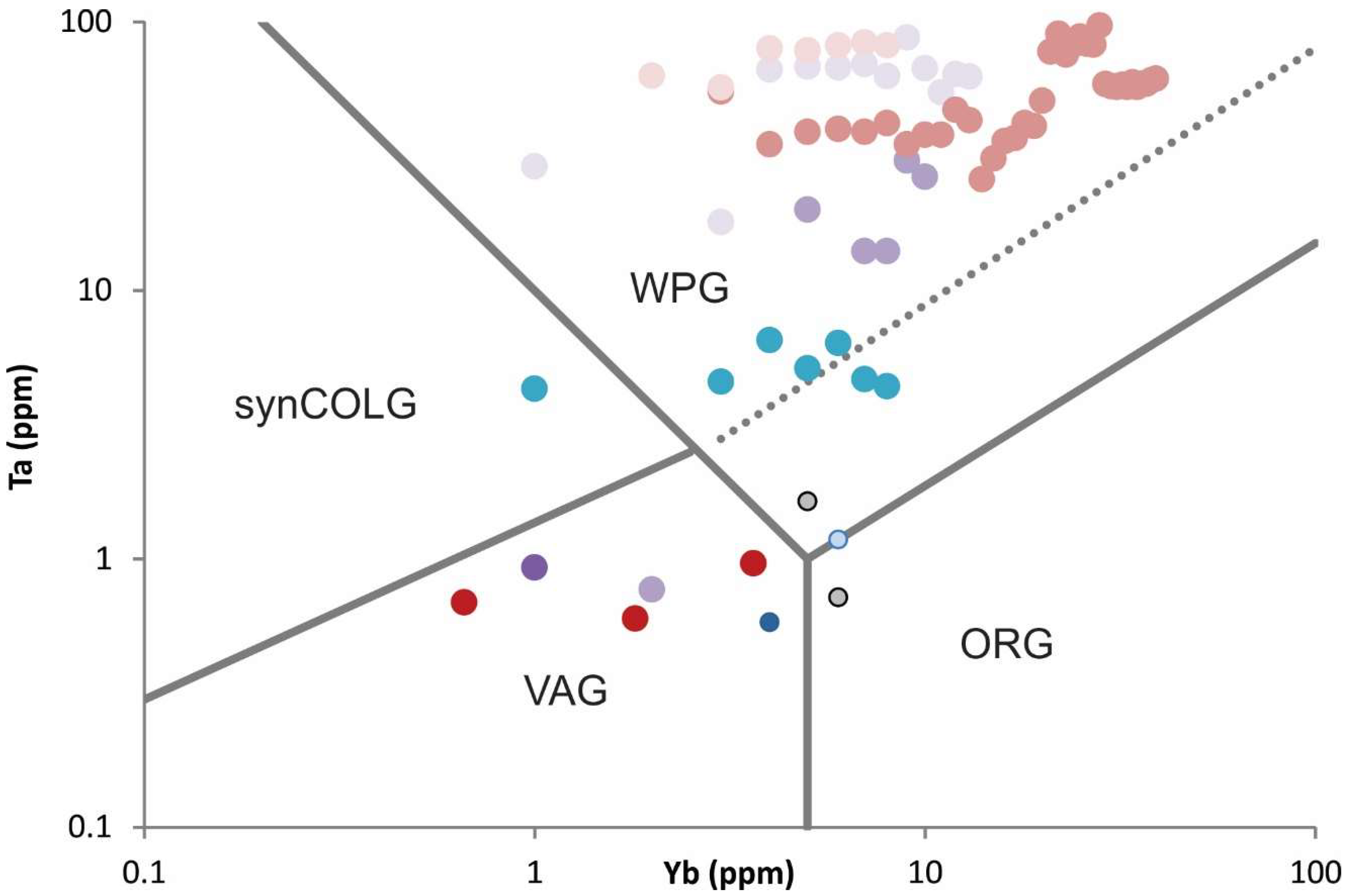
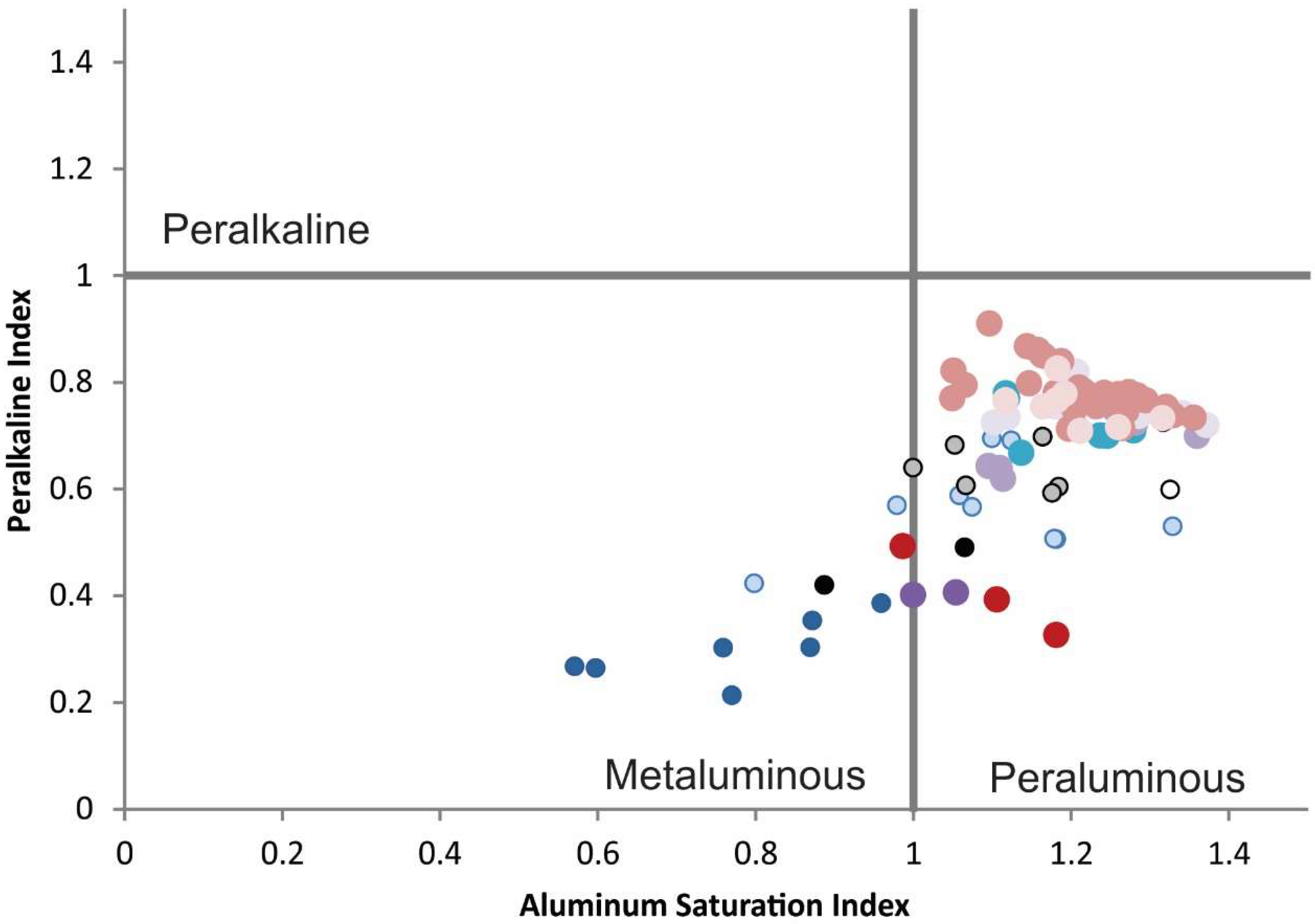
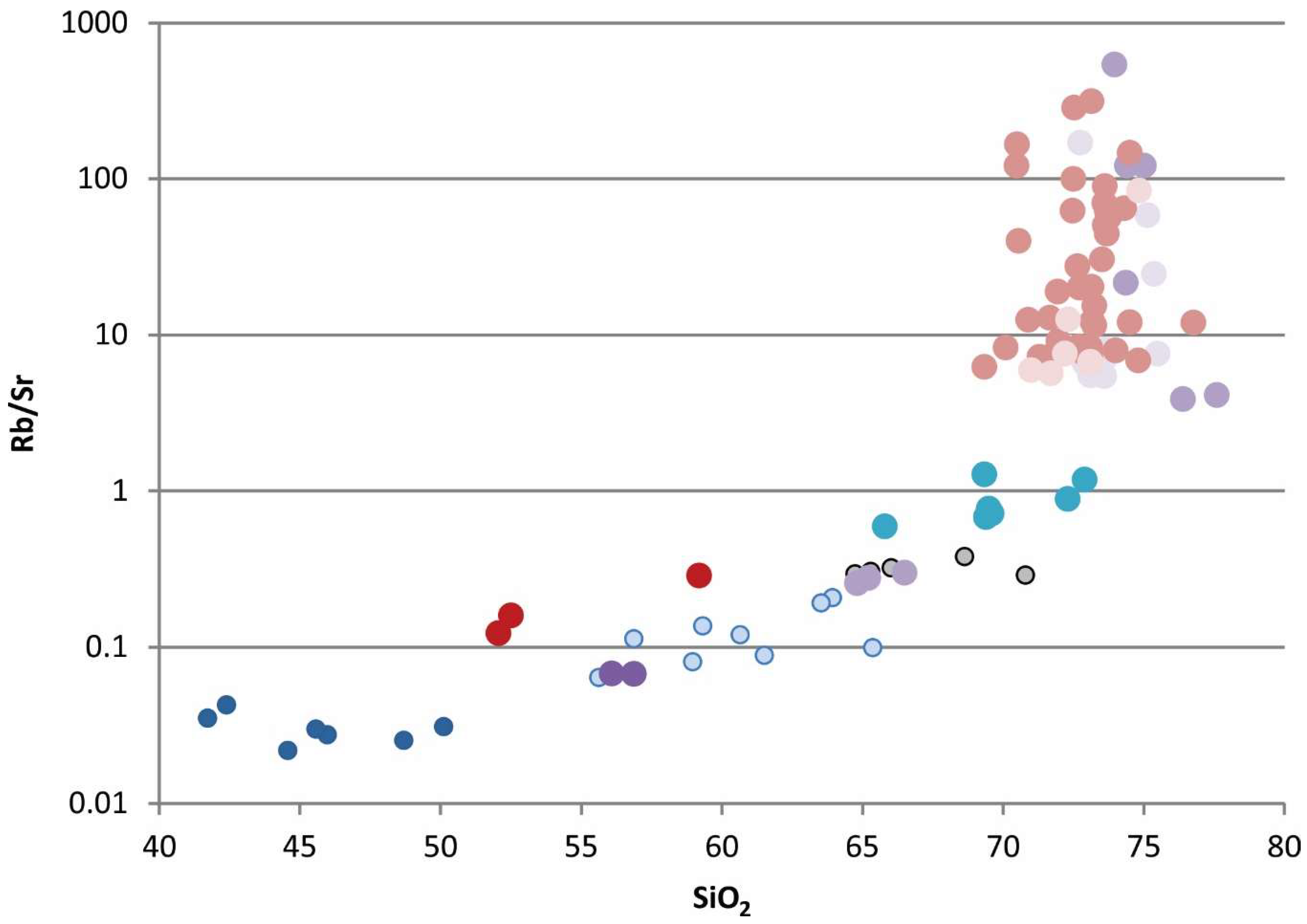
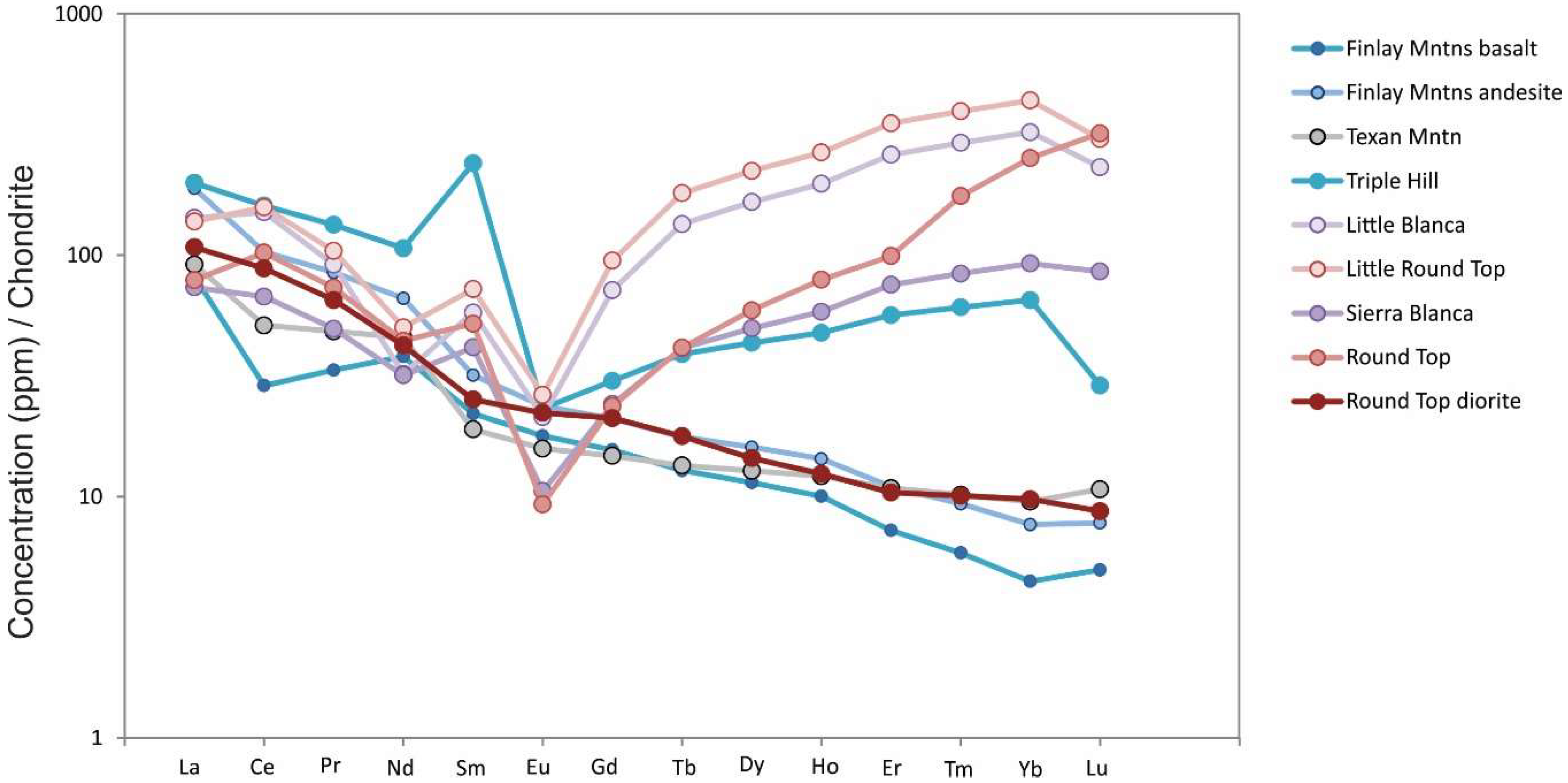
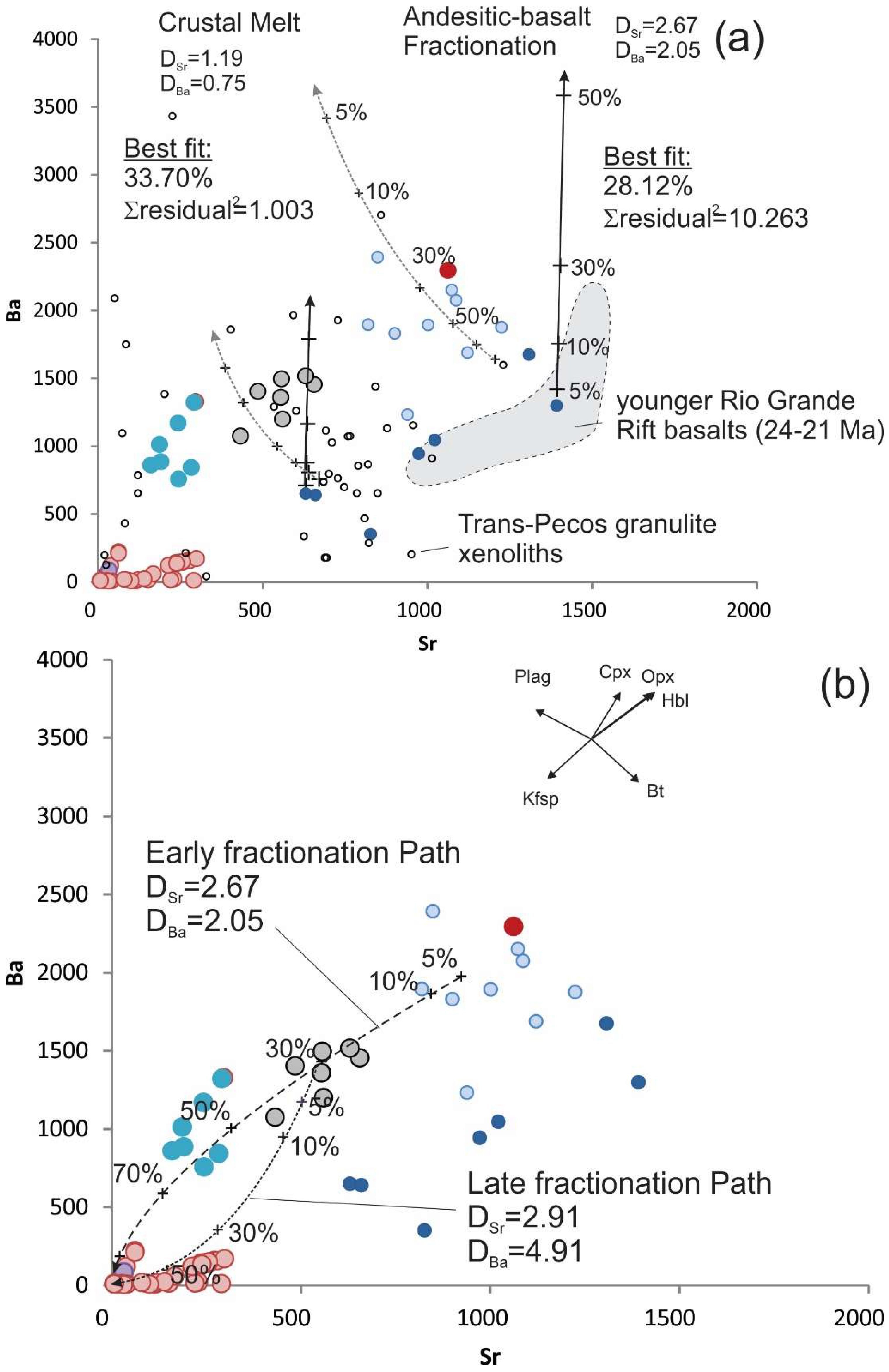
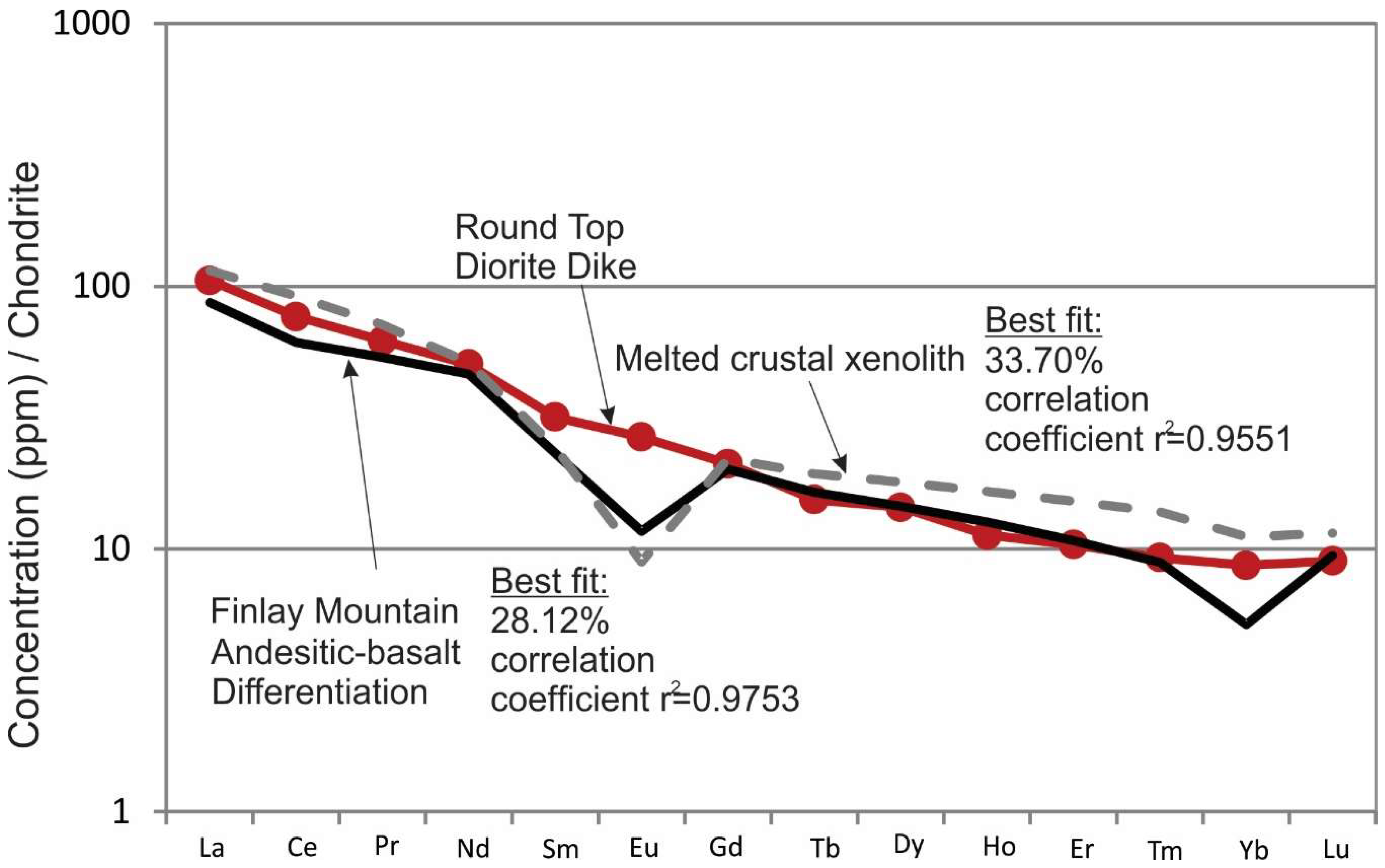
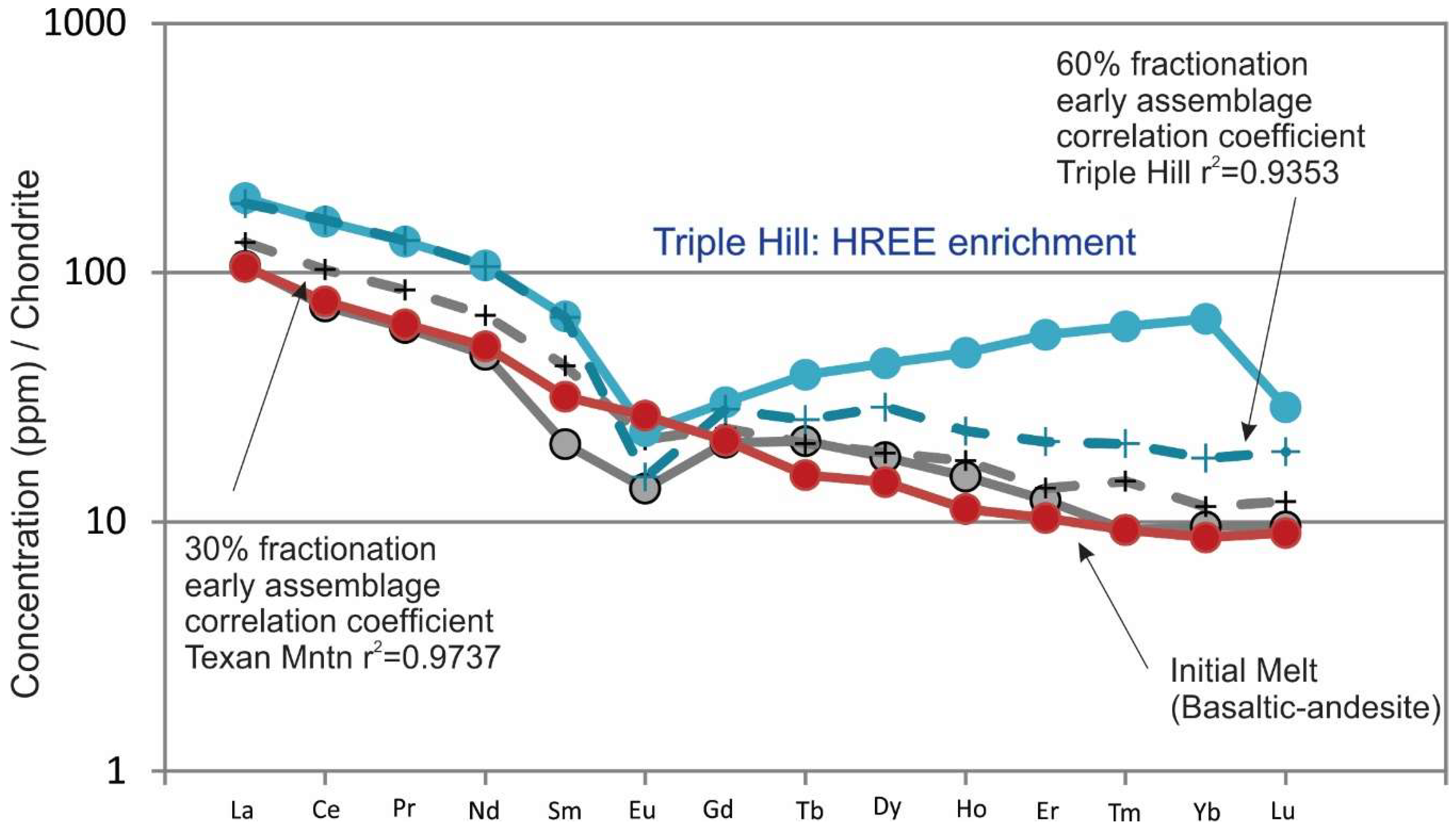
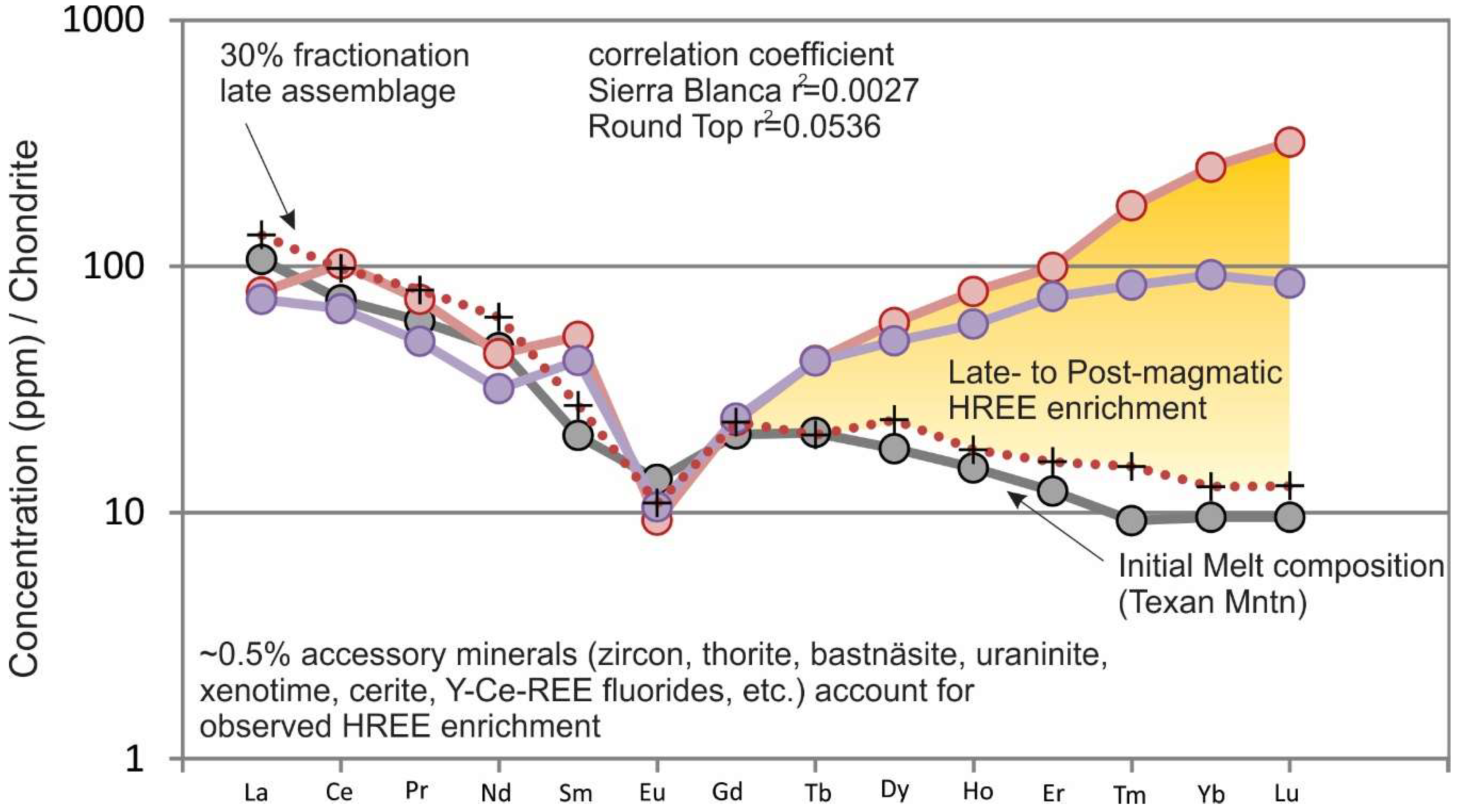
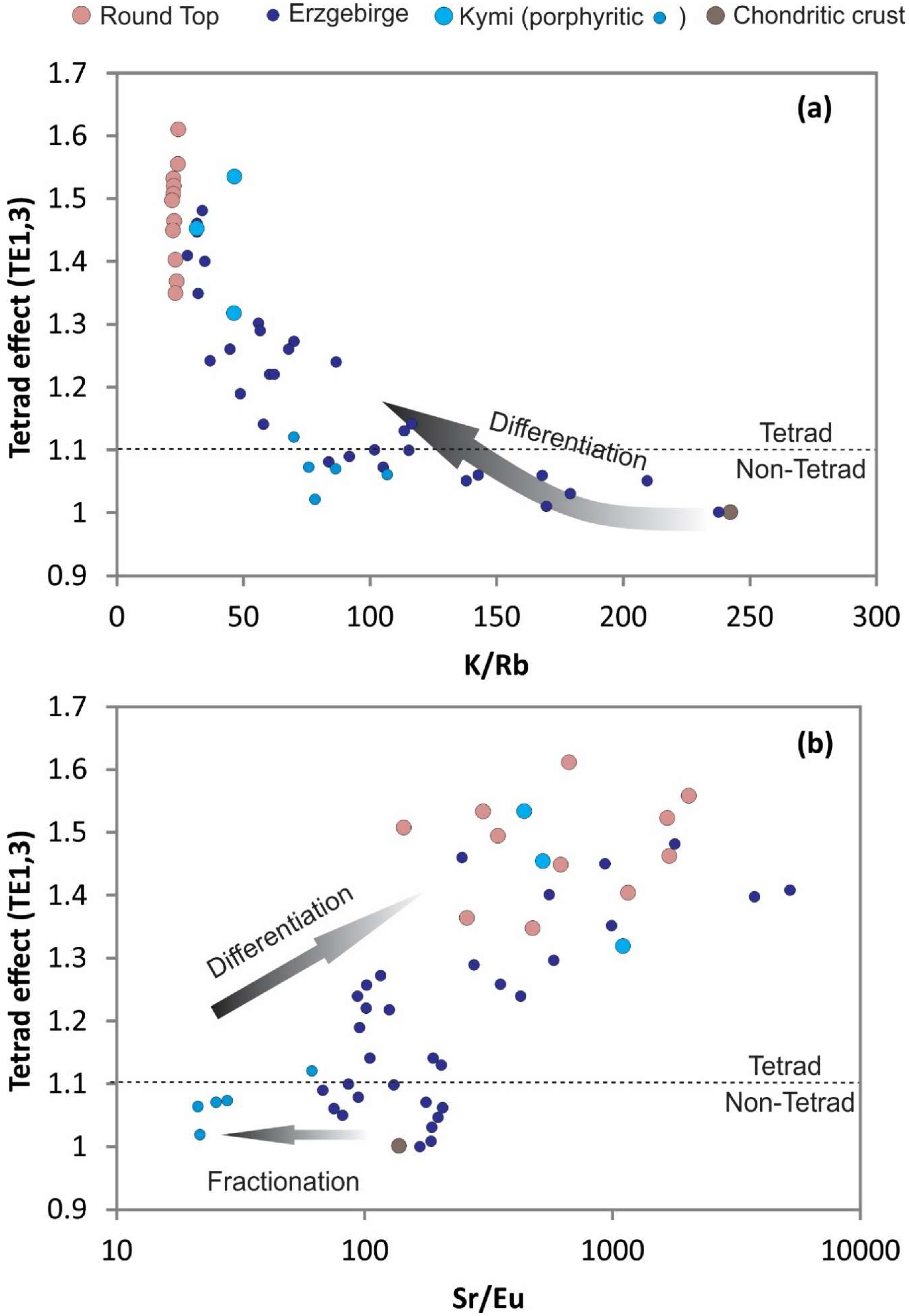
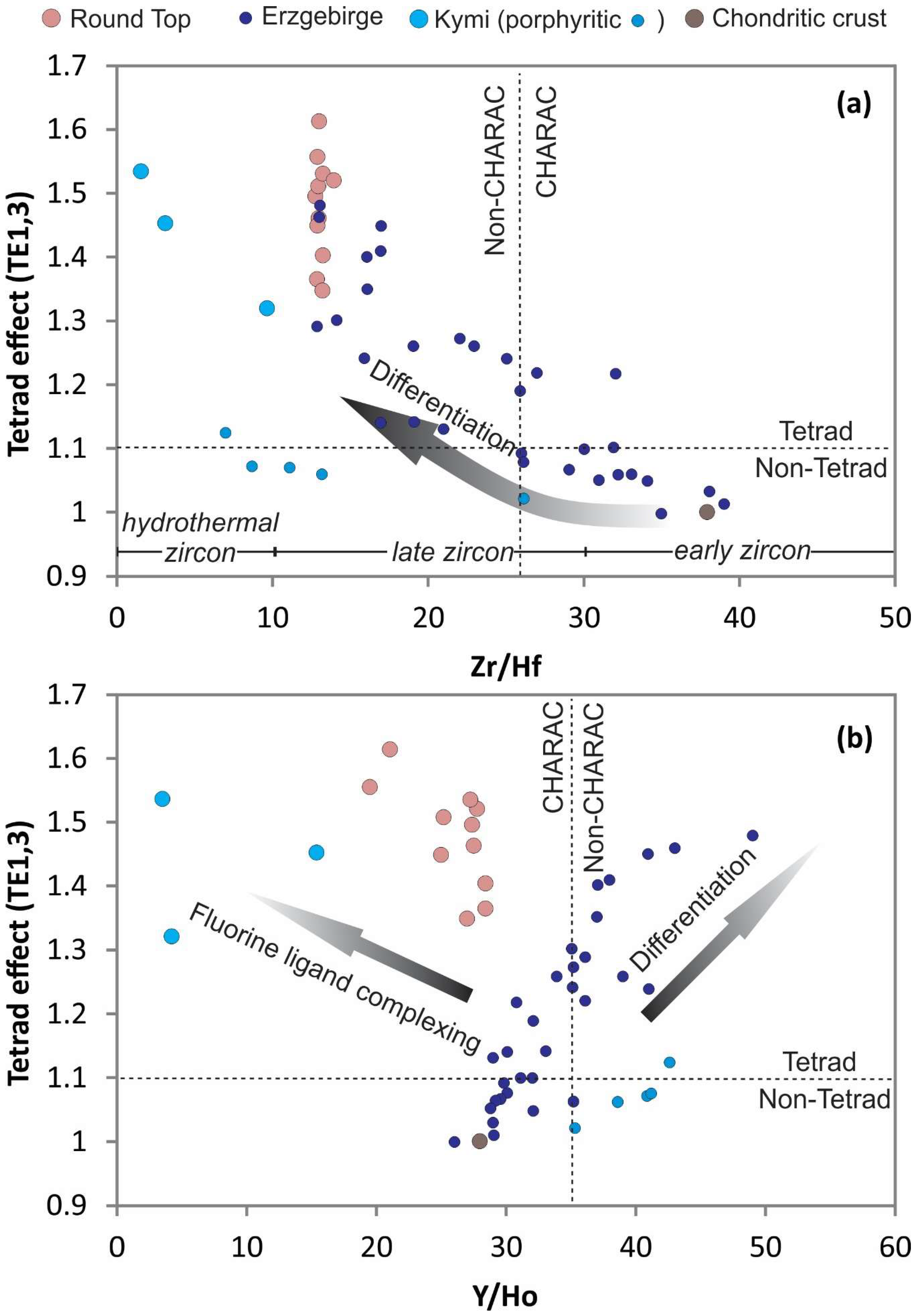
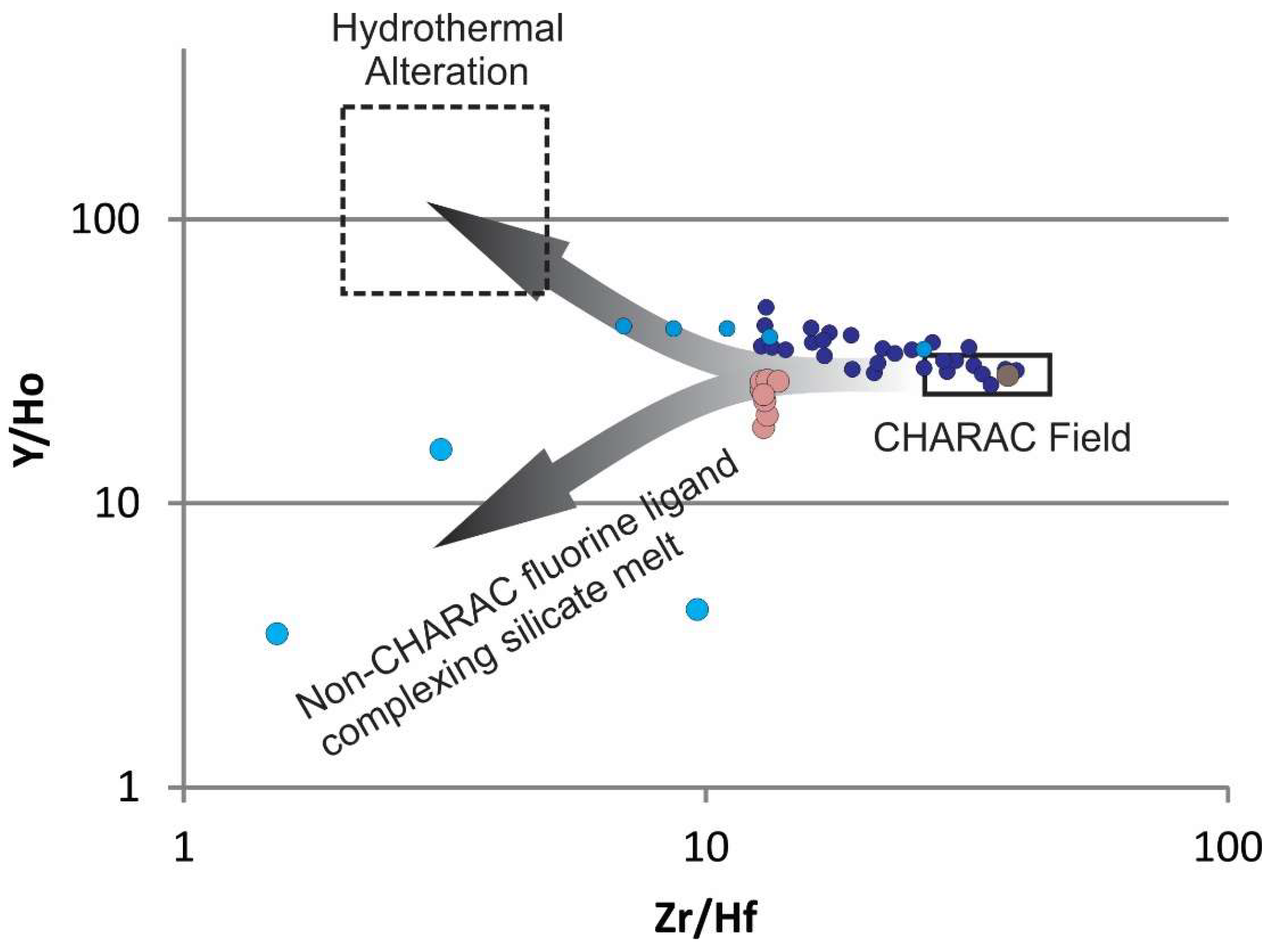
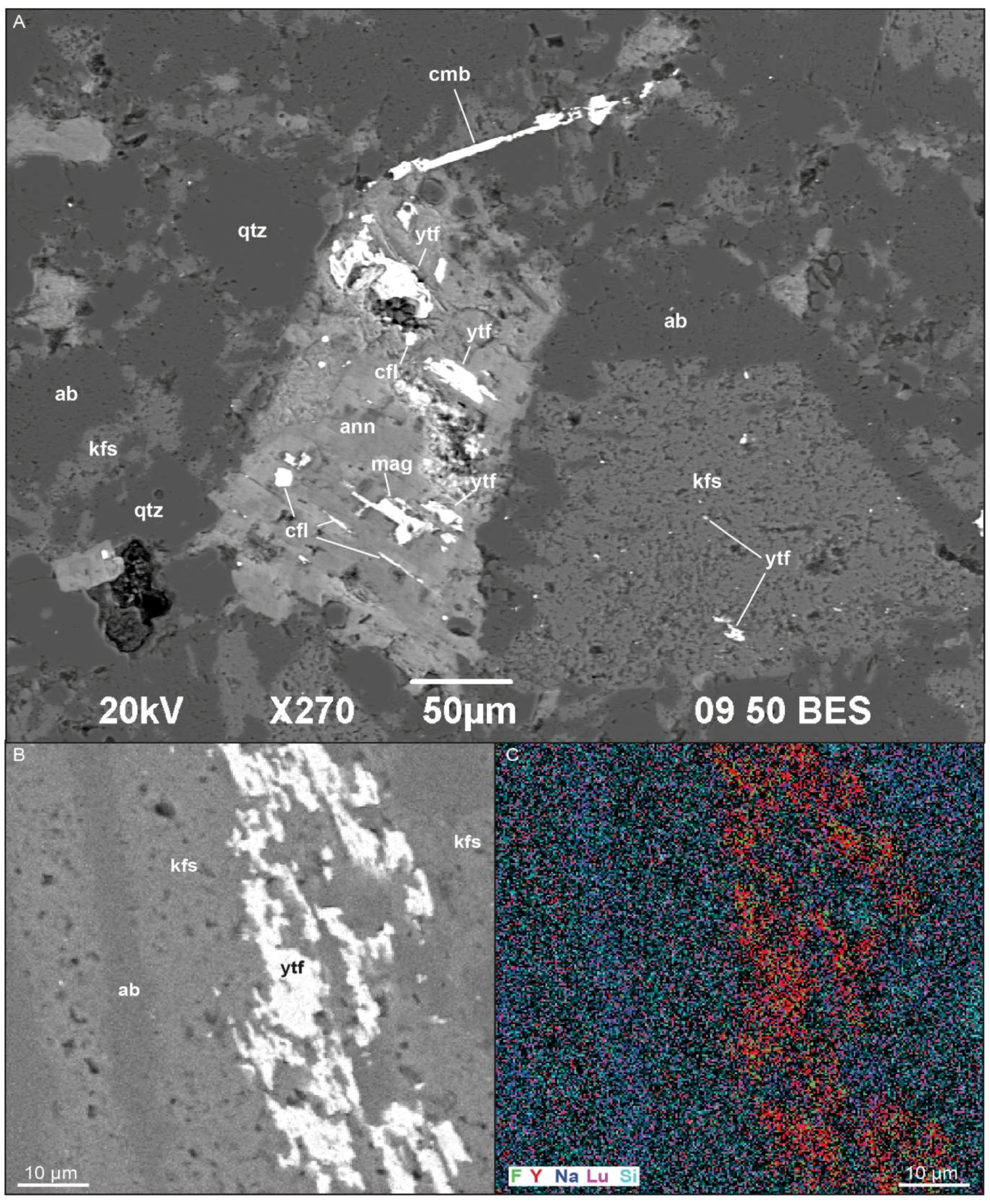
The Round Top rhyolite located in Trans-Pecos Texas is enriched in Be, F, Li, Nb, Rb, Sn, Th, U, Y, Zr, and rare earth elements (REEs). REE-bearing minerals are mainly ubiquitous nano-scale accessory phases throughout the groundmass, incorporated in synchysite-group minerals, xenotime-(Y), Y- and Ce-rich fluorite, and zircon. The rhyolite is peraluminous, high-silica, alkaline (not peralkaline), with elevated heavy rare earth element concentrations and anonymously negative Eu values. Pervasive spongy groundmass and recrystallization textures are consistent with the elevated and remobilized Zr, Th, and Y + HREE (heavy rare earth element) concentrations and a high field strength element (HFSE) soluble, sub-alkalic, F-rich, magmatic system. REE-bearing minerals are present as late-magmatic, interstitial phases and attributed with closed-system, post-magmatic, hydrothermal alteration. Petrogenetic modeling provides scenarios that explain the geochemical evolution and REE complexing behavior in evolved rhyolite magmas, and determines possible source compositions and evolution. Trace element models suggest a system typical of having extensive magmatic differentiation. The resulting rhyolite magma is indicative of a silica-rich magmatic system enriched in H2O, Li, and/or F that could be considered transitional between pure silicate melt and hydrothermal fluid, where fluorine-ligand complexing was prevalent through late magmatic cooling and crystallization processes. Thorough differentiation and high fluorine activity contributed to the late stage crystallization of REE-bearing minerals in the Round Top rhyolite.
Keywords: petrology; geochemistry; rhyolite; rare earth elements; petrogenesis petrology; geochemistry; rhyolite; rare earth elements; petrogenesis