Article

Hornblende and Plagioclase Micro-Texture and Compositions: Evidence for Magma Mixing in High-Mg Adakitic Pluton, North China Craton

School of Earth Sciences, China University of Geosciences, Wuhan 430074, China
*
Author to whom correspondence should be addressed.
Minerals 2025, 15(6), 604; https://doi.org/10.3390/min15060604
Submission received: 30 April 2025 / Revised: 29 May 2025 / Accepted: 1 June 2025 / Published: 4 June 2025
(This article belongs to the Section Mineral Geochemistry and Geochronology)

Abstract

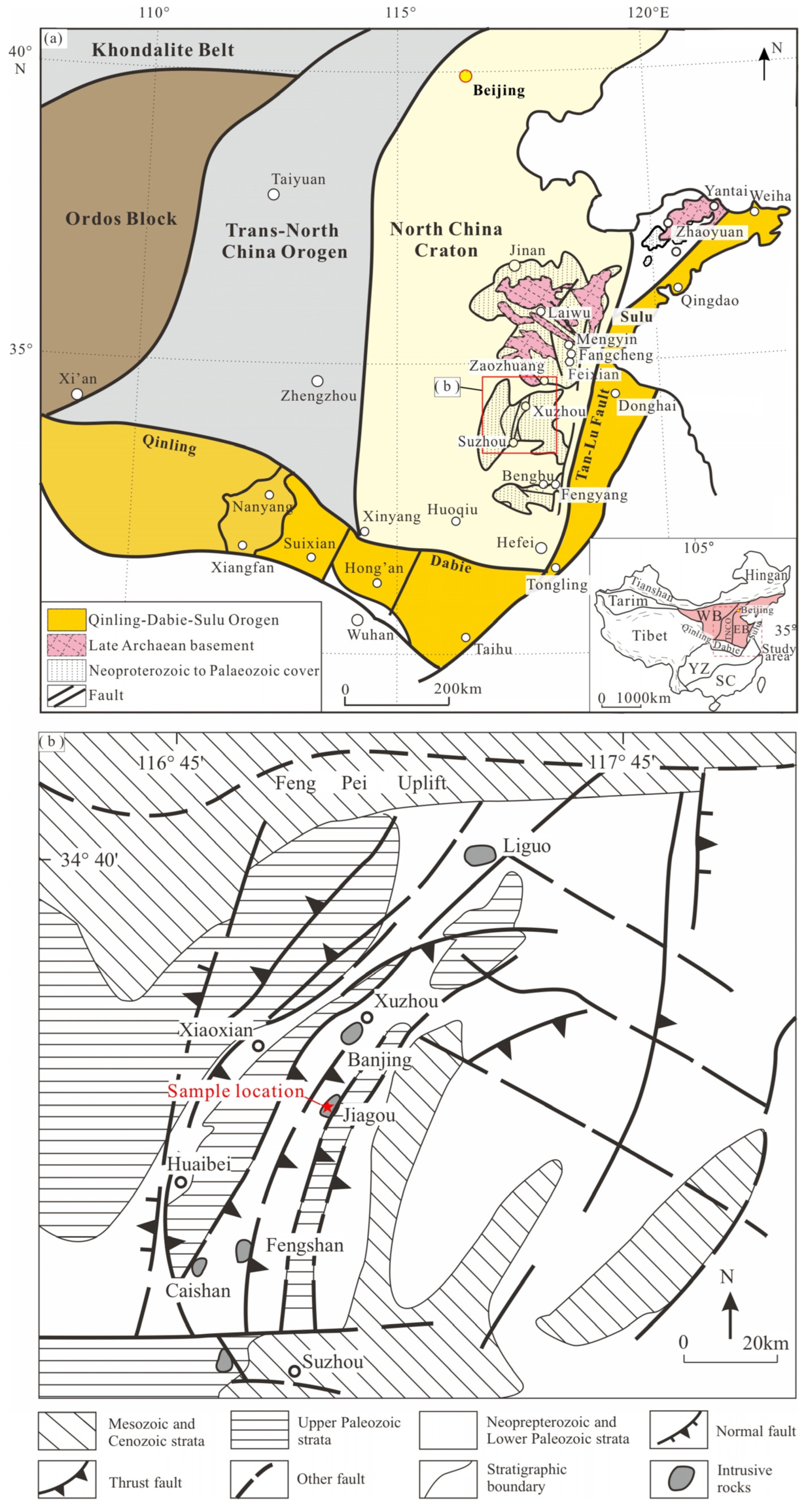
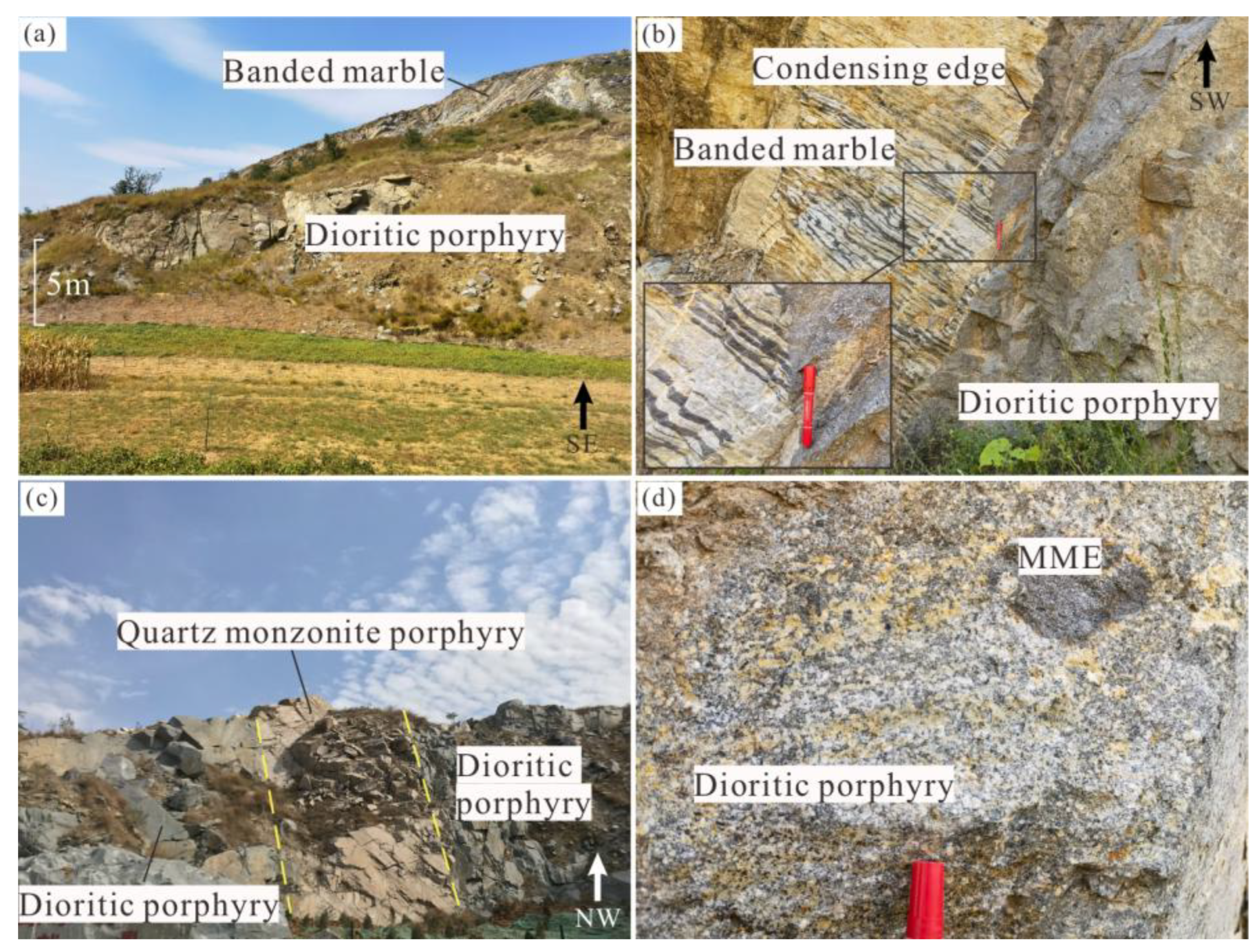
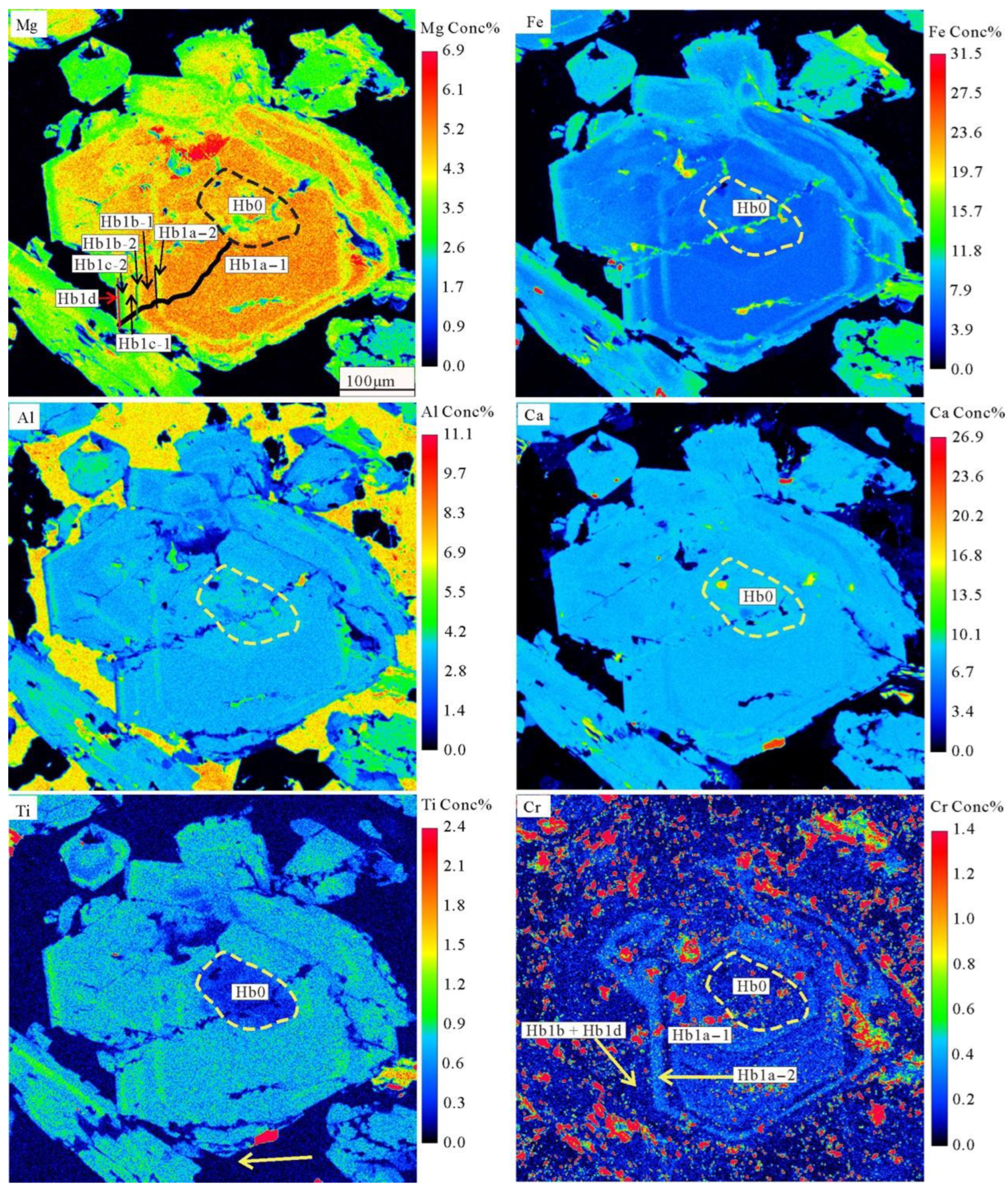
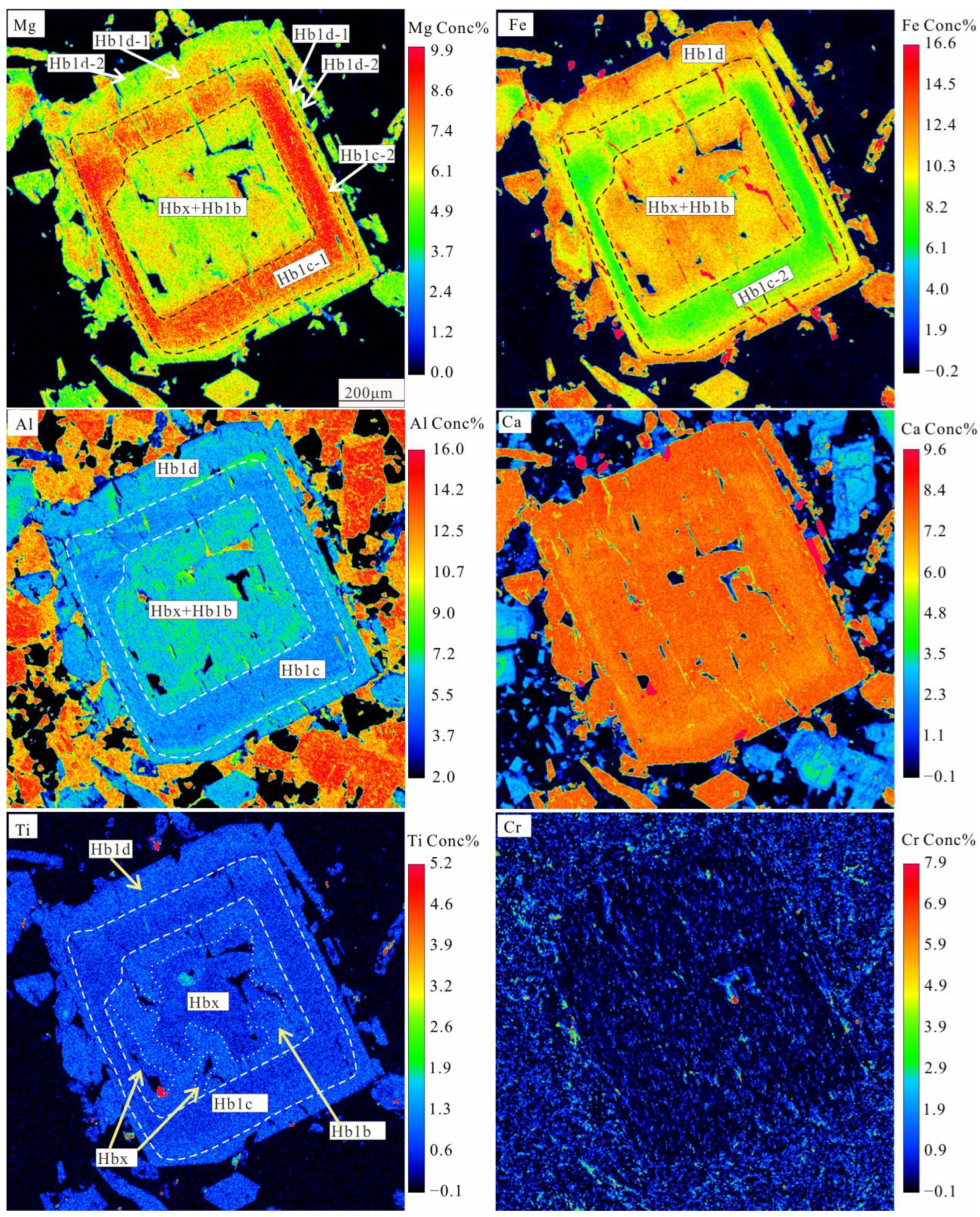
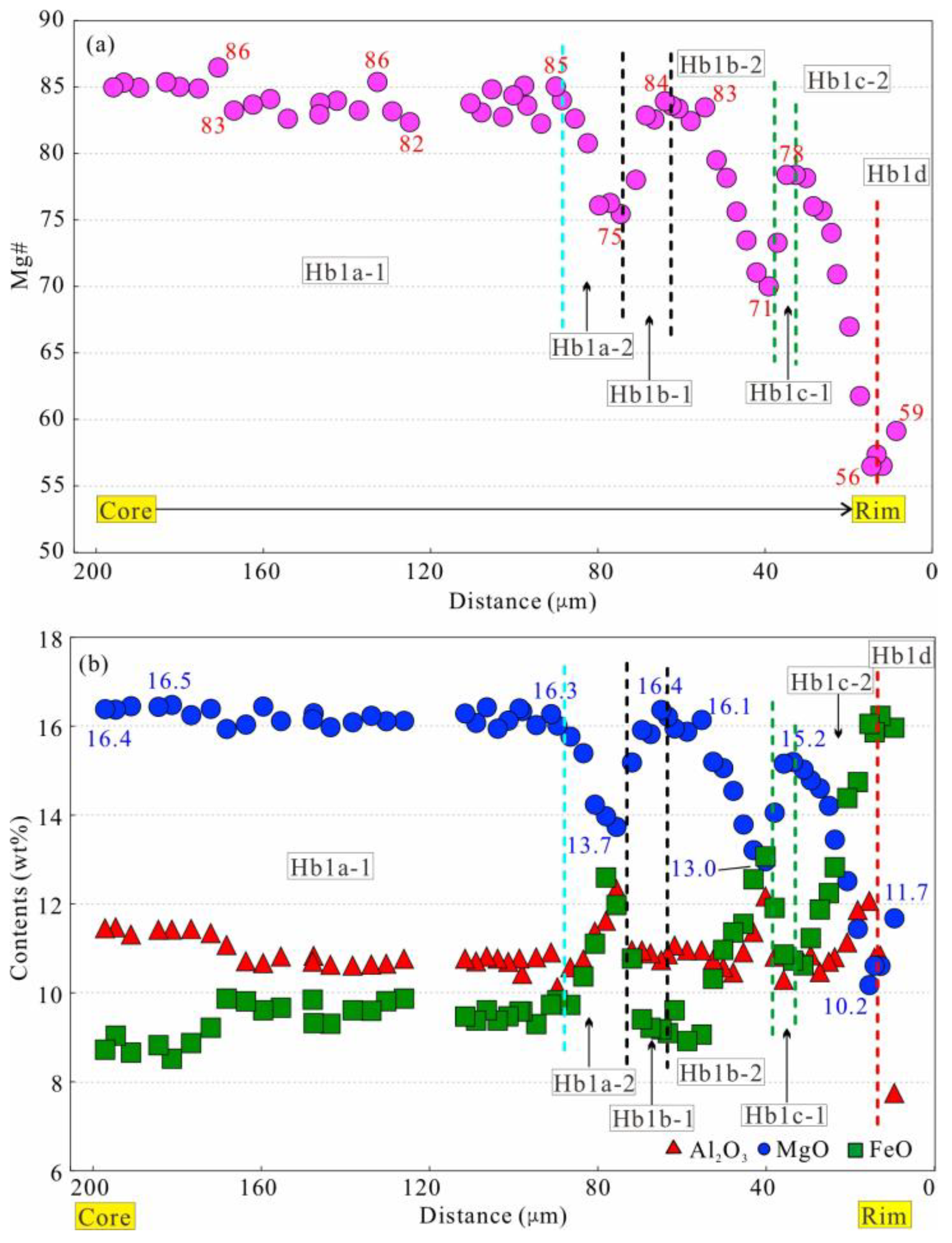
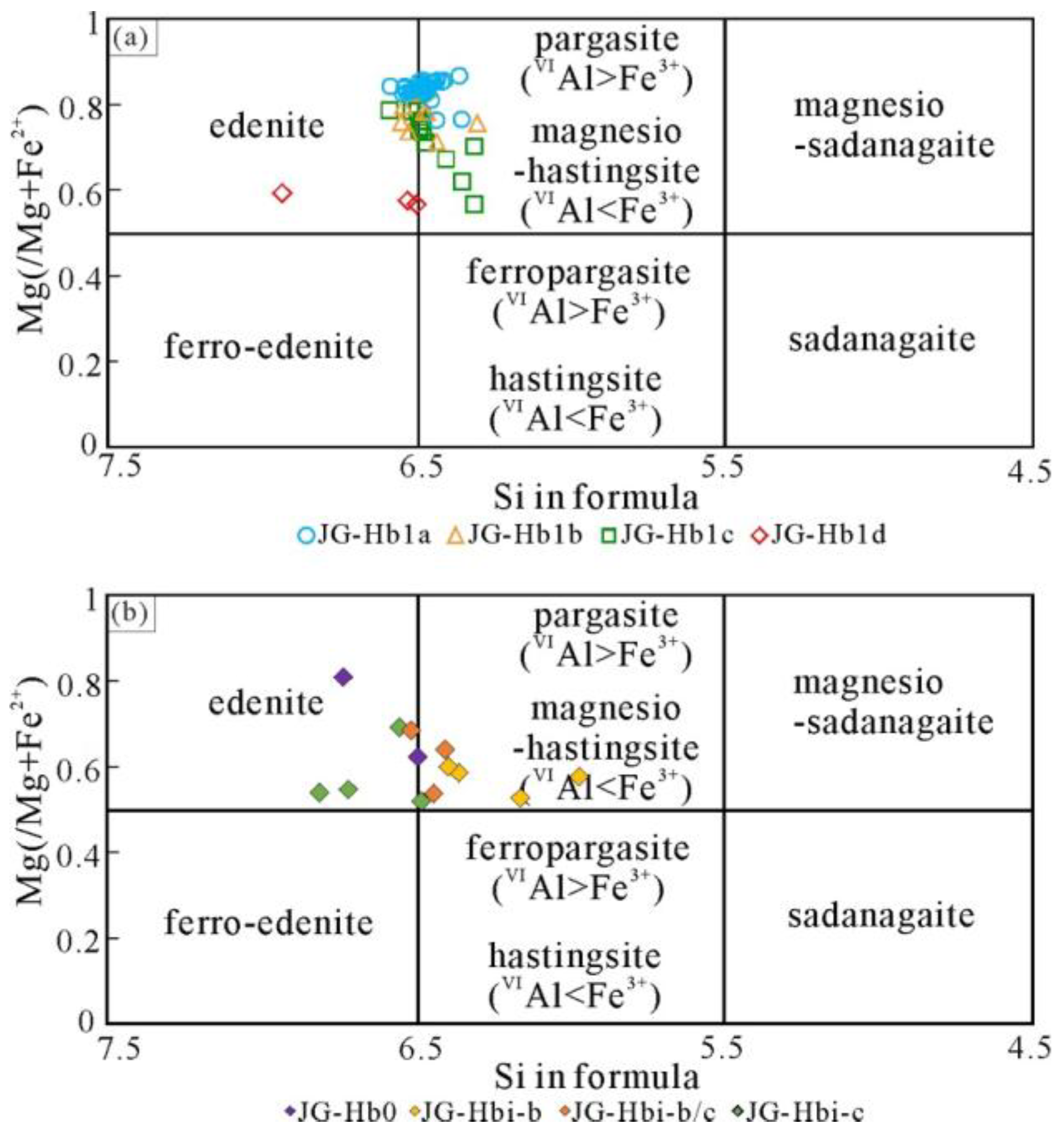
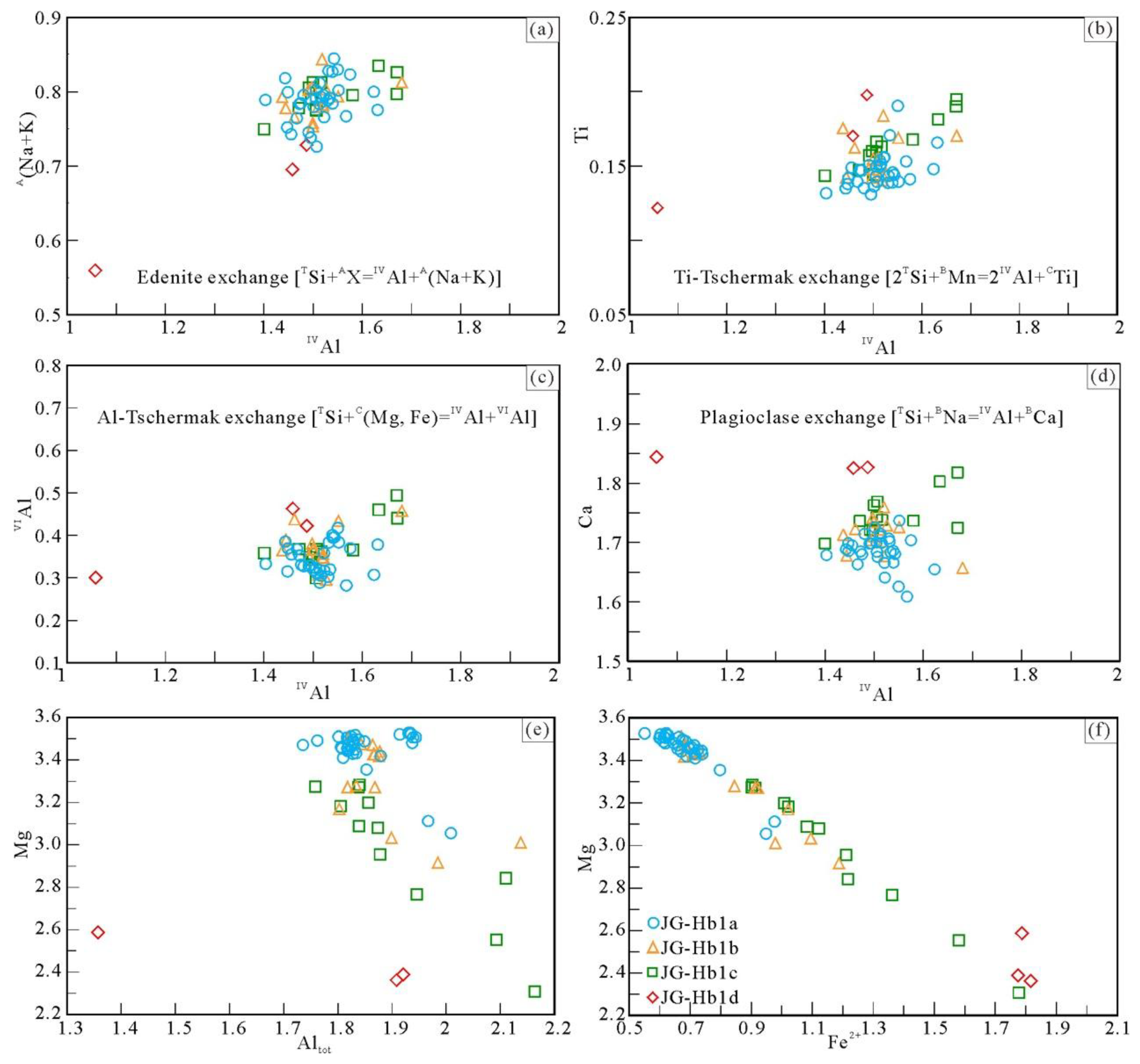
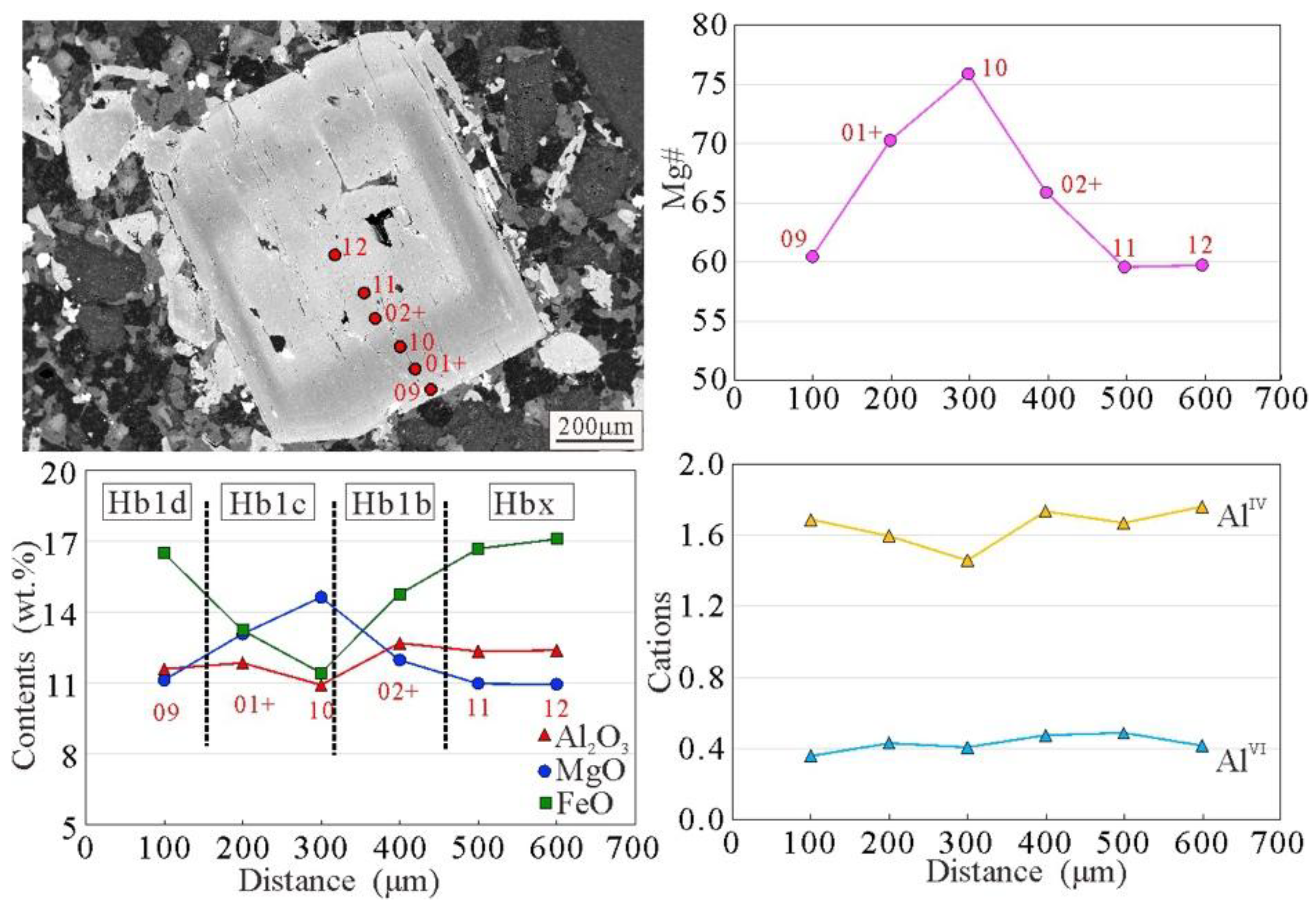
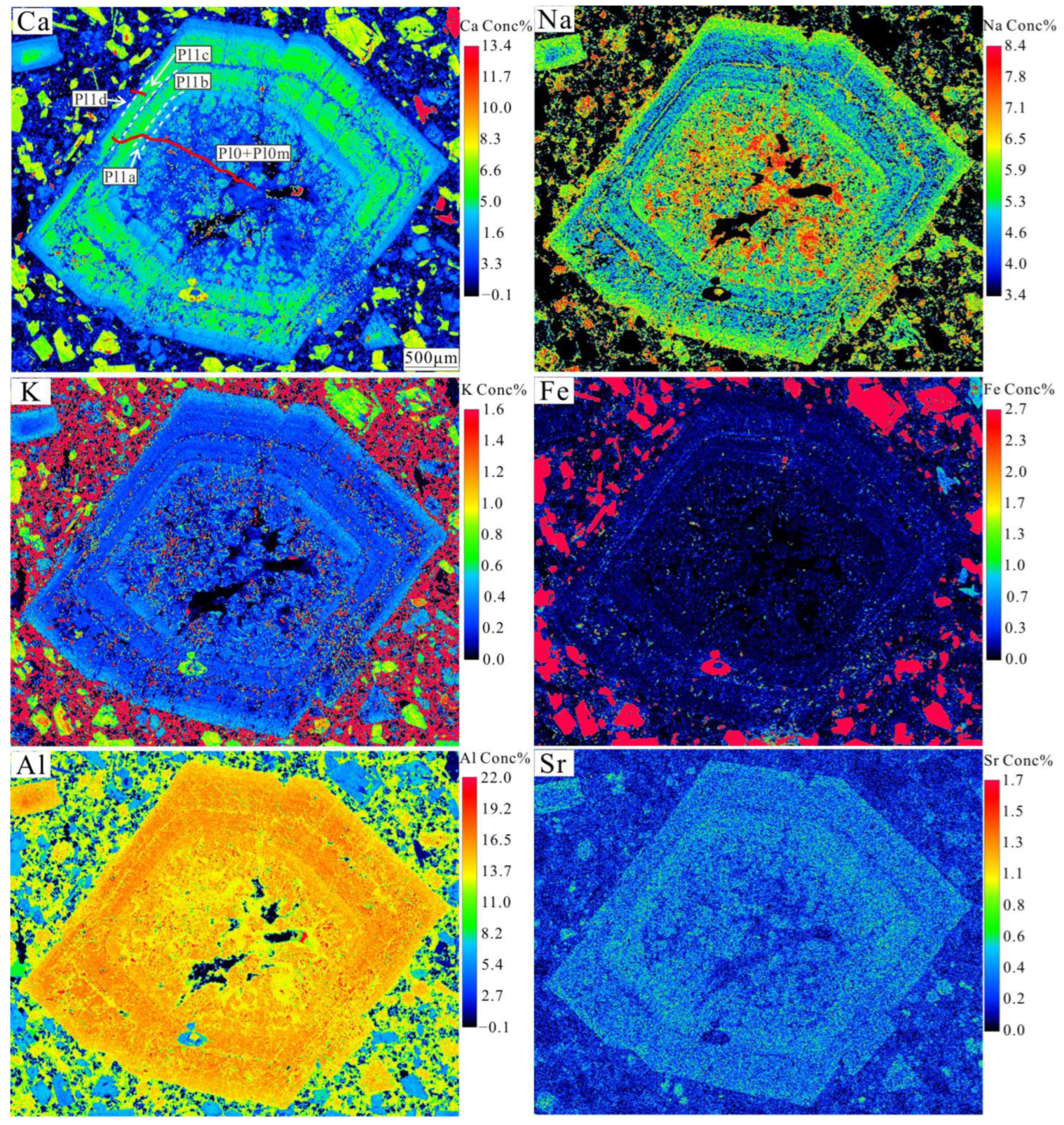
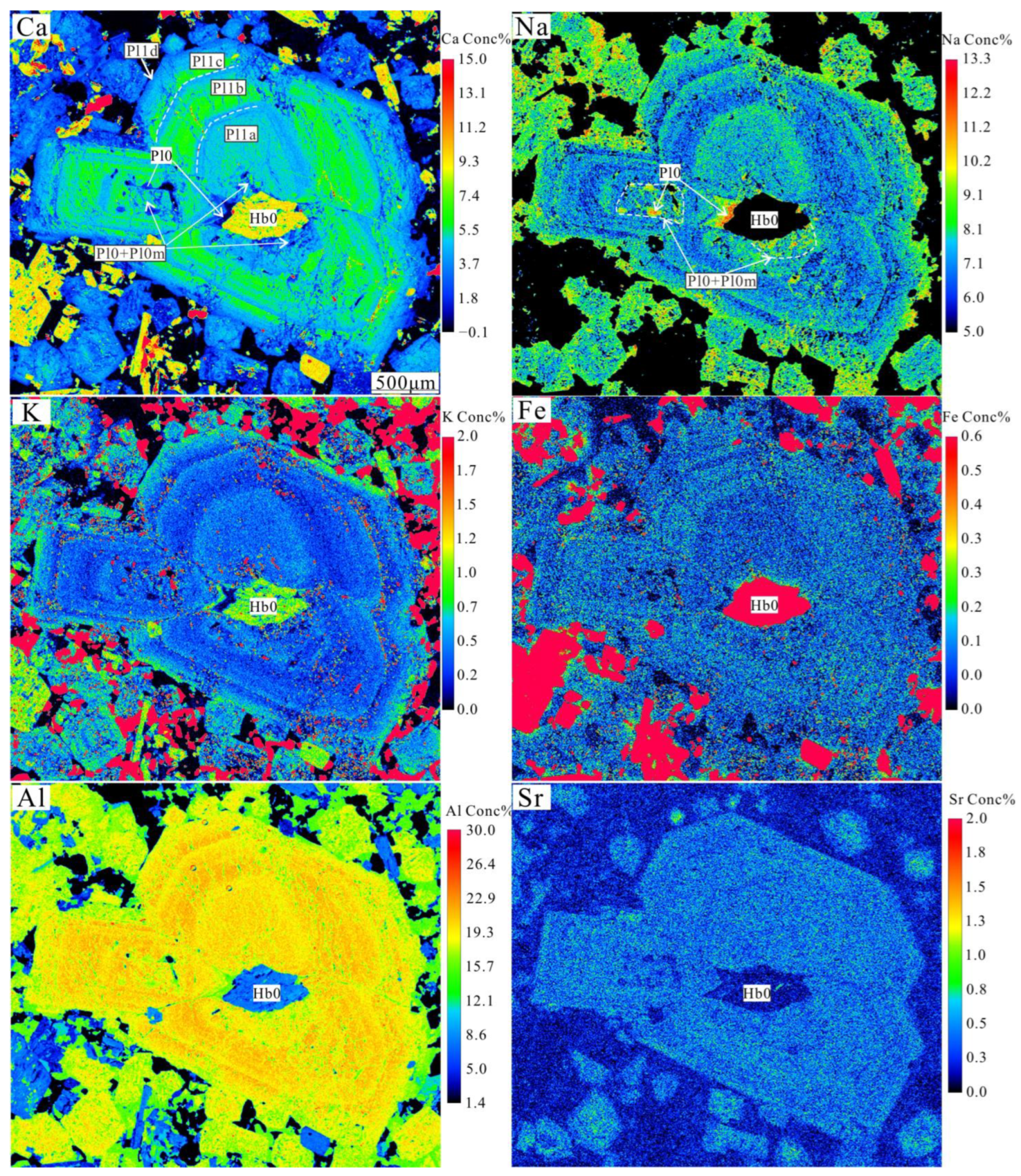
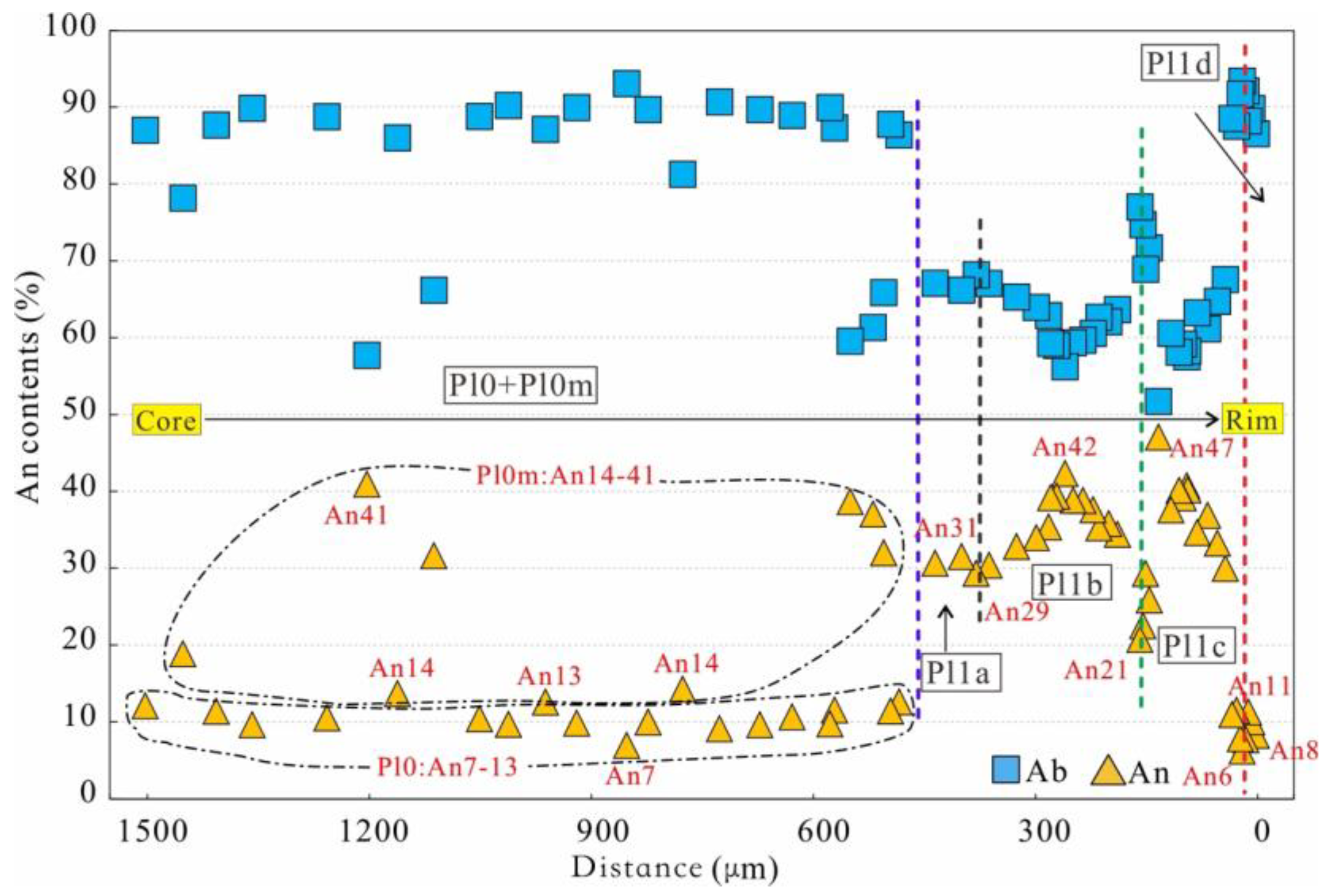
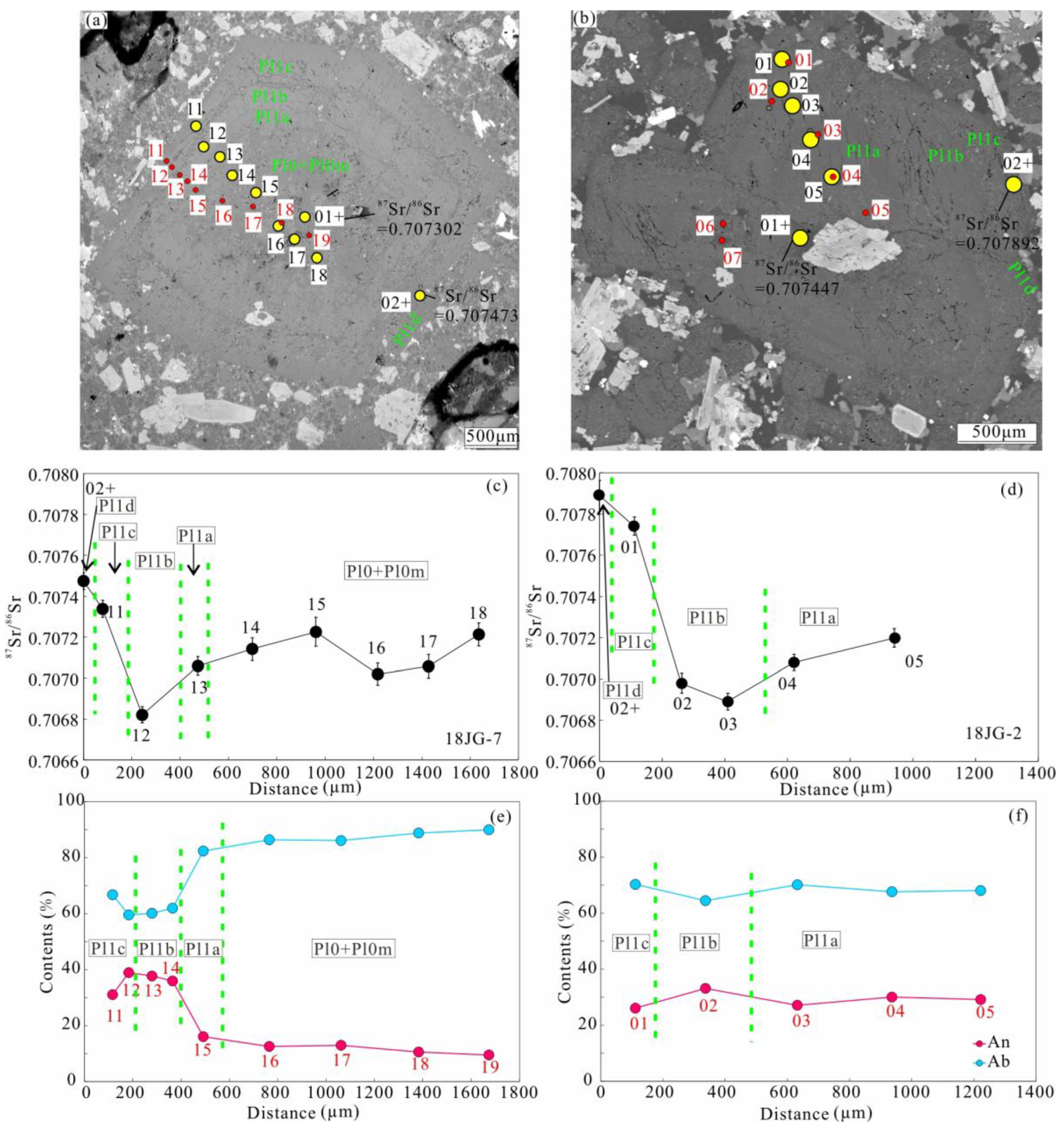
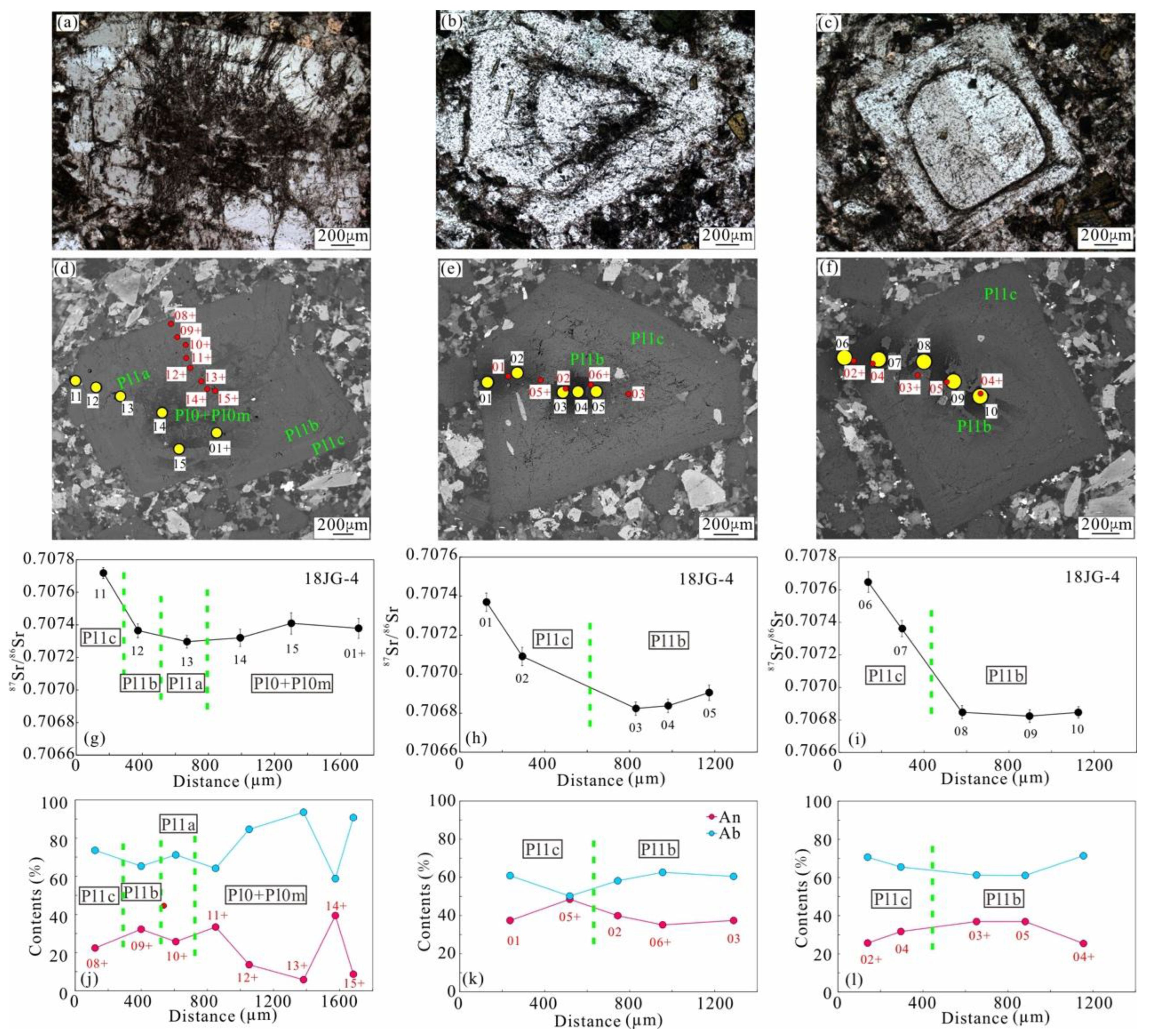
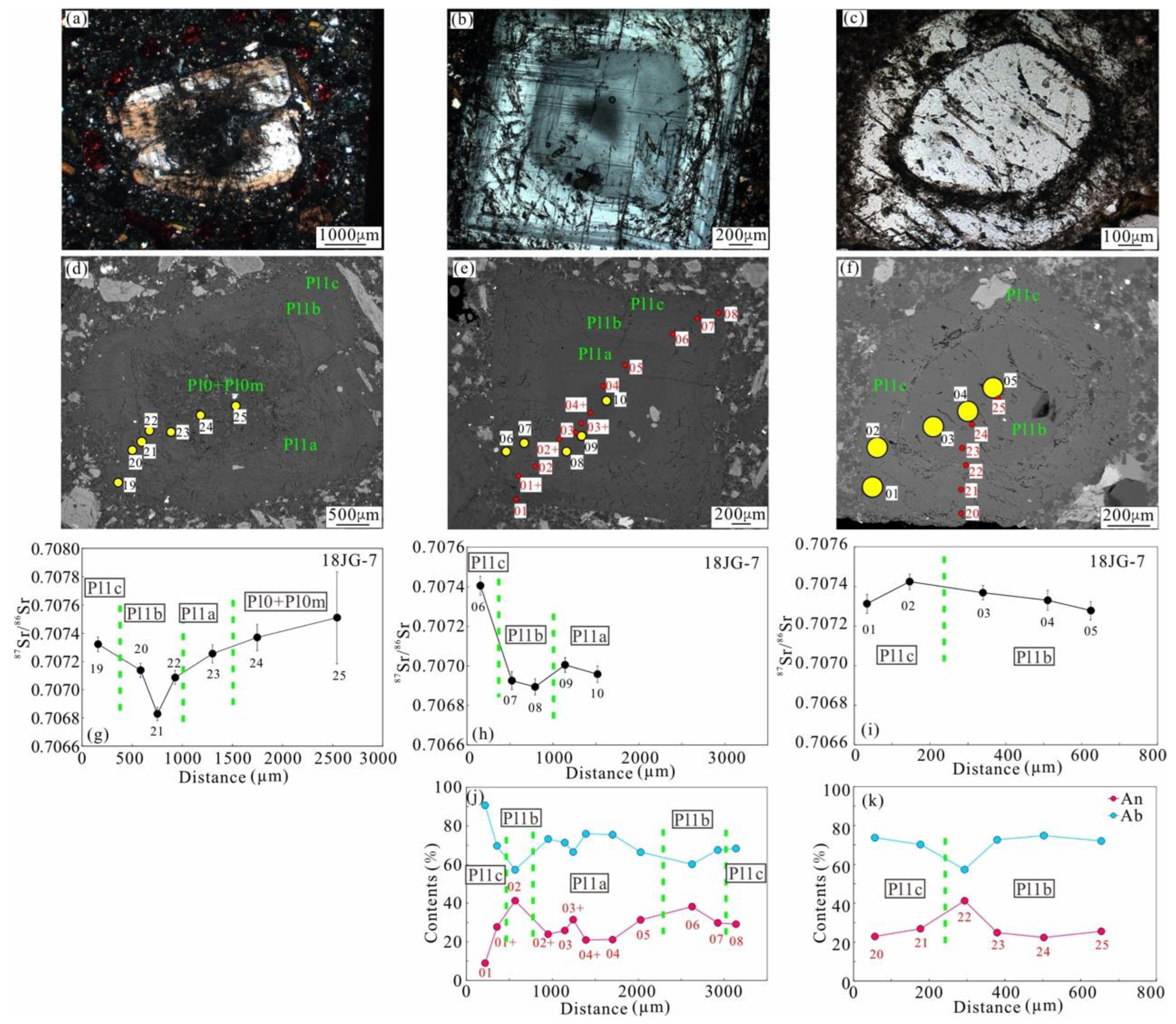
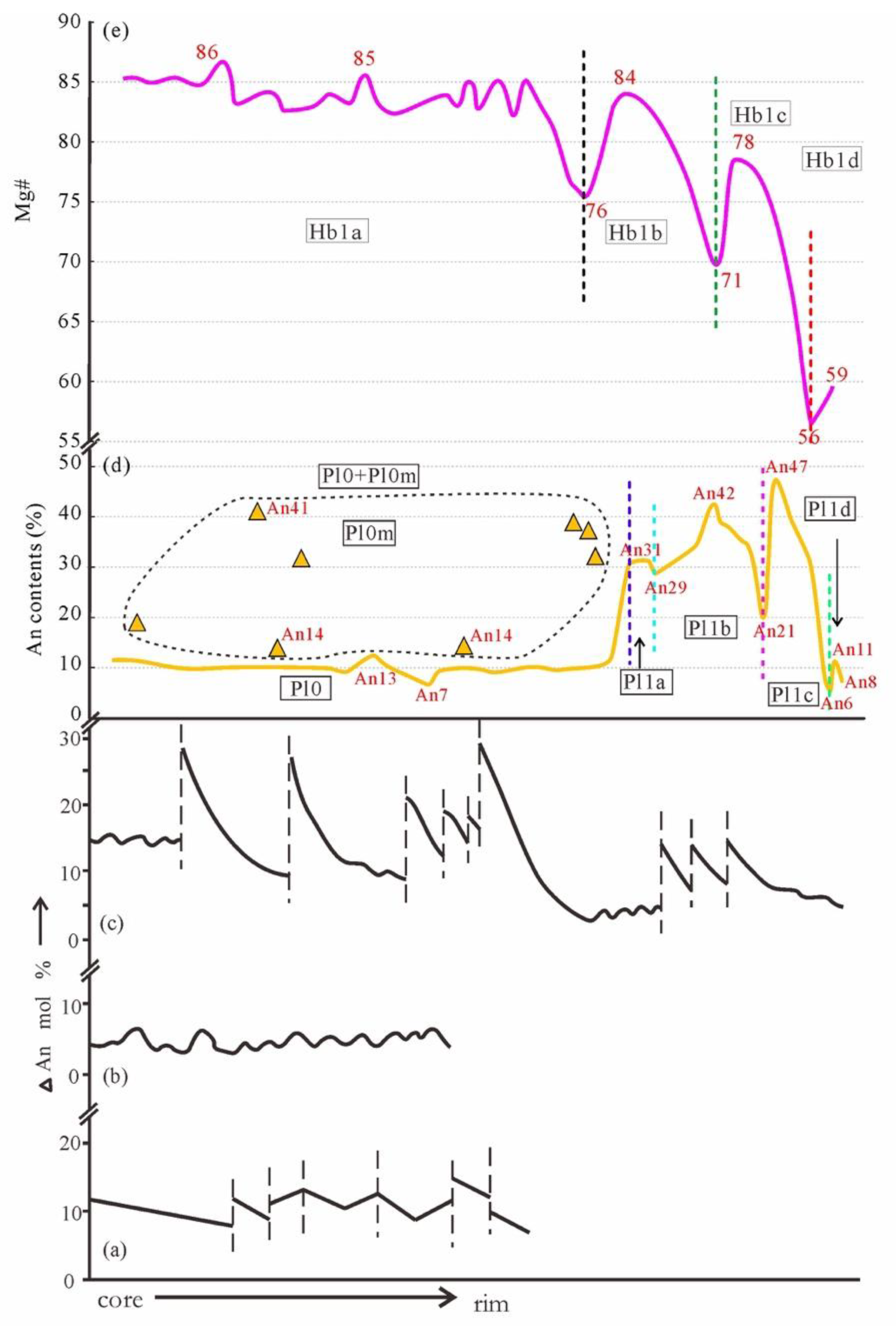
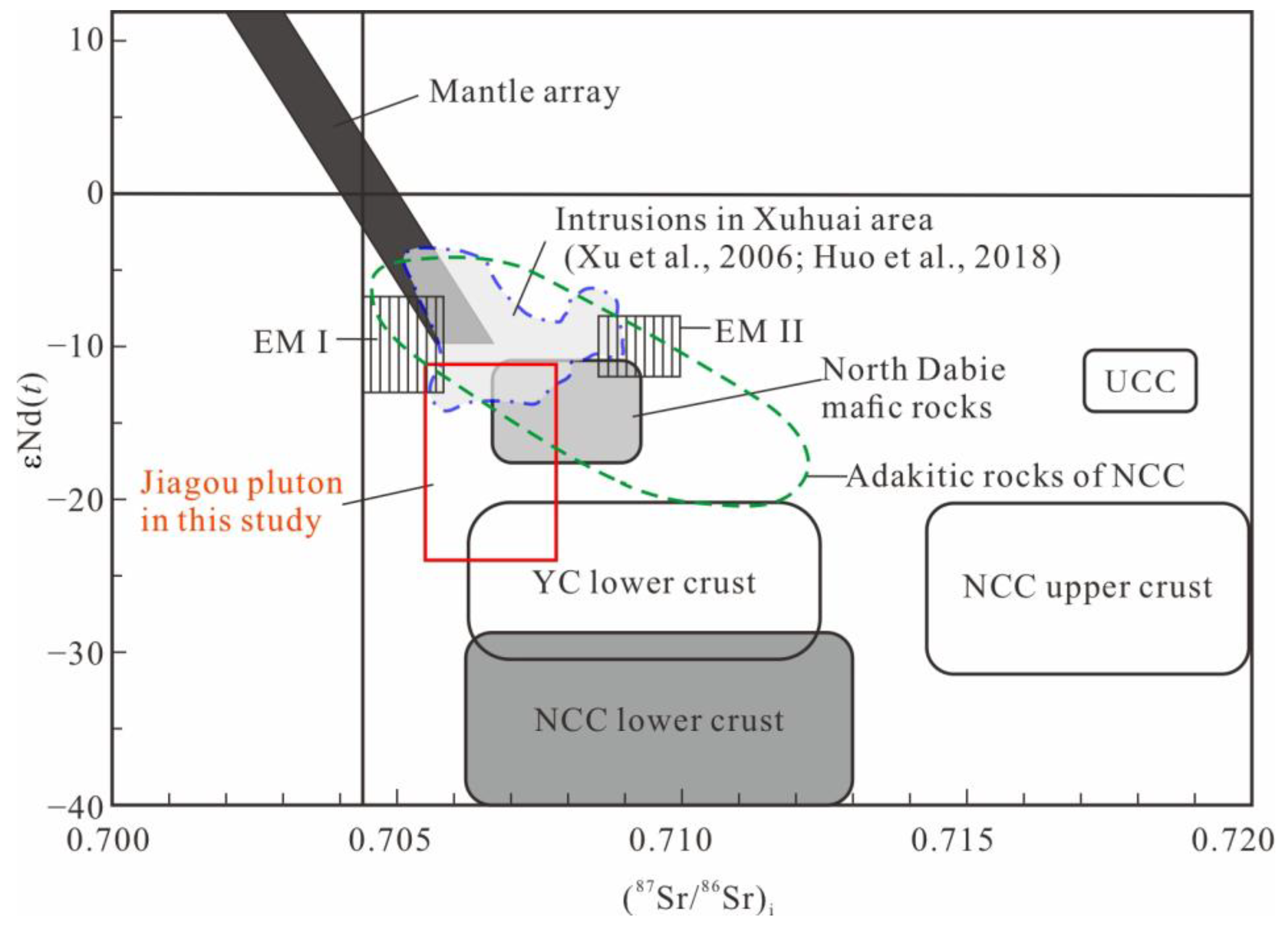
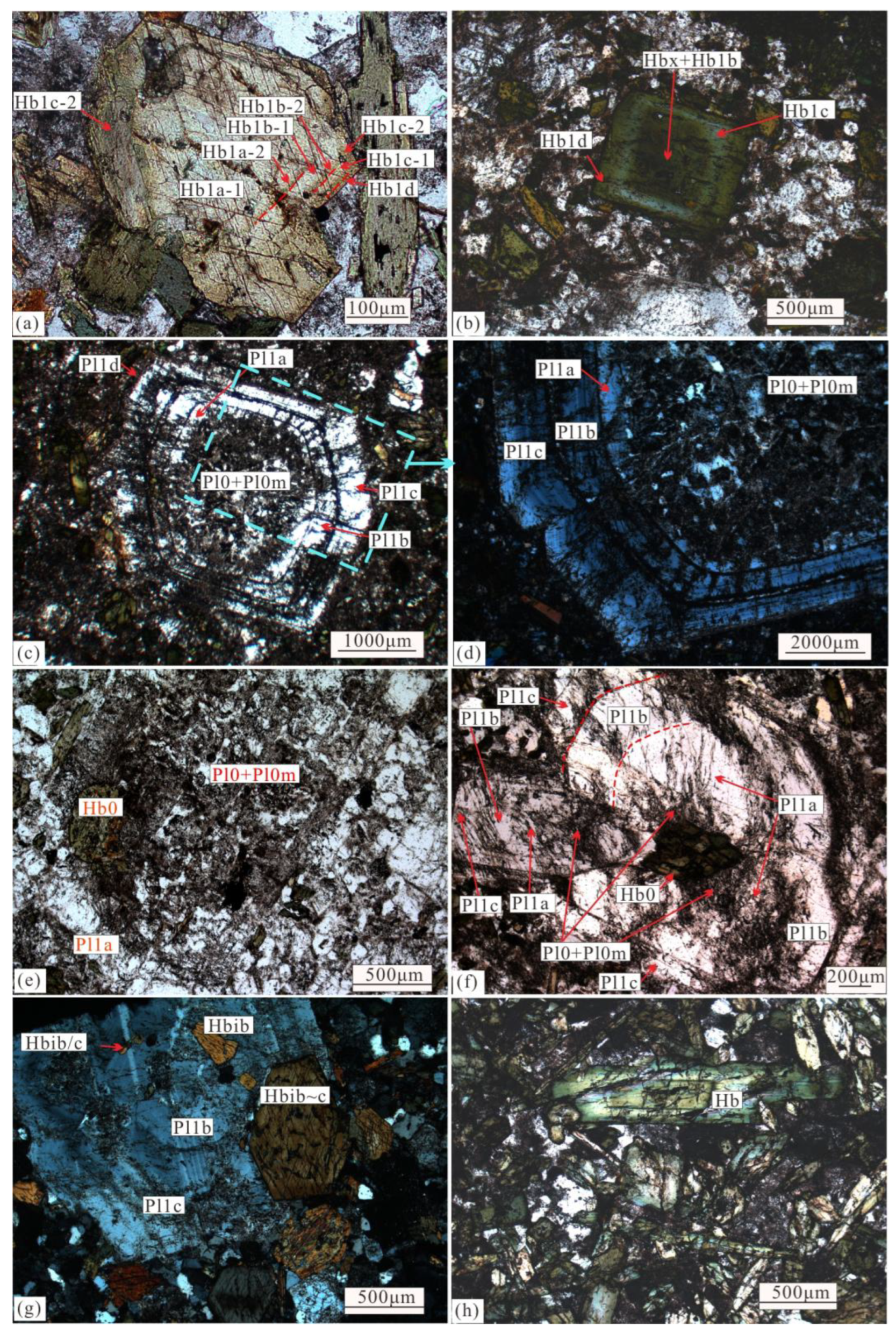
In this study, we performed microtextural, major/minor element, and Sr-isotope analyses on hornblende and plagioclase (as phenocrysts, groundmass, or inclusions) from the Early Cretaceous Jiagou pluton (eastern North China Craton), to elucidate the magma source, possible magma mixing process, and the transition from low-Mg to high-Mg adakitic magmas. Petrographic study and electron microprobe (EMP) analyses reveal well-defined compositional zoning in hornblende and plagioclase phenocrysts. Outward from the core (first zone), the second and third zones show pronounced oscillatory zoning and significant variations in Mg# and An%, while the fourth zone is relatively homogeneous. A corroded albitic plagioclase core with sieve texture is enclosed in the first zone and locally intergrows with worm-like quartz streaks and fine hornblende inclusions, featuring Mg# = 81 (core) and 62 (rim). The new plagioclase infill has An% = 14–41. The corroded plagioclase has an initial 87Sr/86Sr = 0.7074, while that of zoned phenocrystic plagioclase ranges from 0.7068 to 0.7079, suggesting EMI and EMII mantle input. Inclusion hornblende is low in Ti and Cr, while phenocrystic hornblende shows higher Cr in the first zone and lower Cr in the outer zones. The newly discovered mafic microgranular enclaves (MMEs) and regional geochemical data suggest three major magma mixing events. The felsic parental magma was likely originated from a mixed EMI–EMII mantle source before mixing with a mafic magma derived from the partial melting of, successively, a low-Cr and a high-Cr peridotite. Our findings support a petrogenetic model of lower crustal delamination and highlight the critical role of repeated mafic injections in generating high-Mg adakitic magmas.
Keywords: zonal texture; hornblende and plagioclase; magma mixing; high-Mg adakitic rocks; North China Craton zonal texture; hornblende and plagioclase; magma mixing; high-Mg adakitic rocks; North China Craton