Article

Optimal Node Grouping for Water Distribution System Demand Estimation

1
Research Center for Disaster Prevention Science and Technology, Korea University, Seoul 136-713, Korea
2
School of Civil, Environmental and Architectural Engineering, Korea University, Anam-ro 145, Seongbuk-gu, Seoul 136-713, Korea
*
Author to whom correspondence should be addressed.
Water 2016, 8(4), 160; https://doi.org/10.3390/w8040160
Submission received: 29 February 2016 / Revised: 12 April 2016 / Accepted: 15 April 2016 / Published: 20 April 2016
(This article belongs to the Special Issue Water Systems towards New Future Challenges)

Abstract

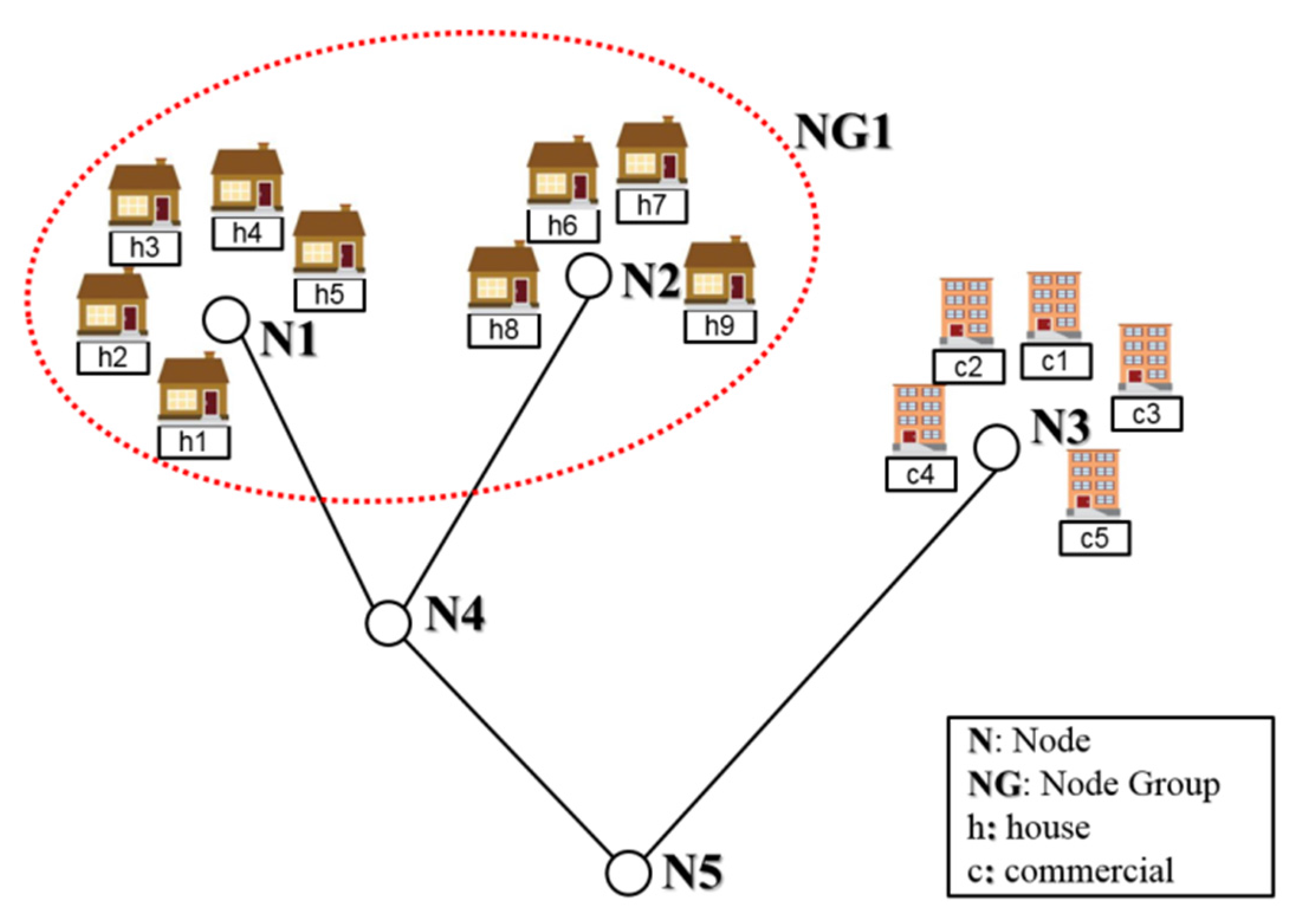
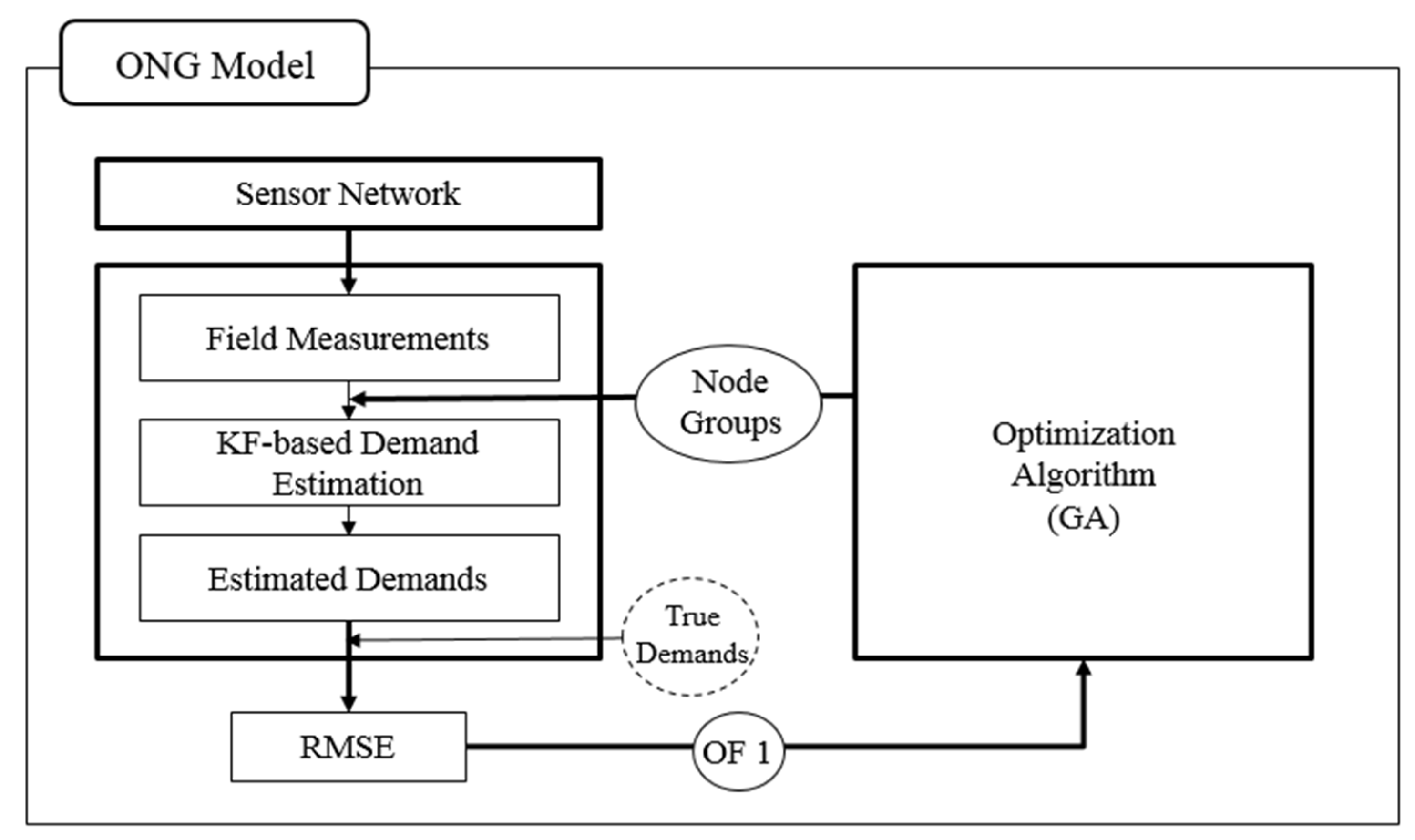
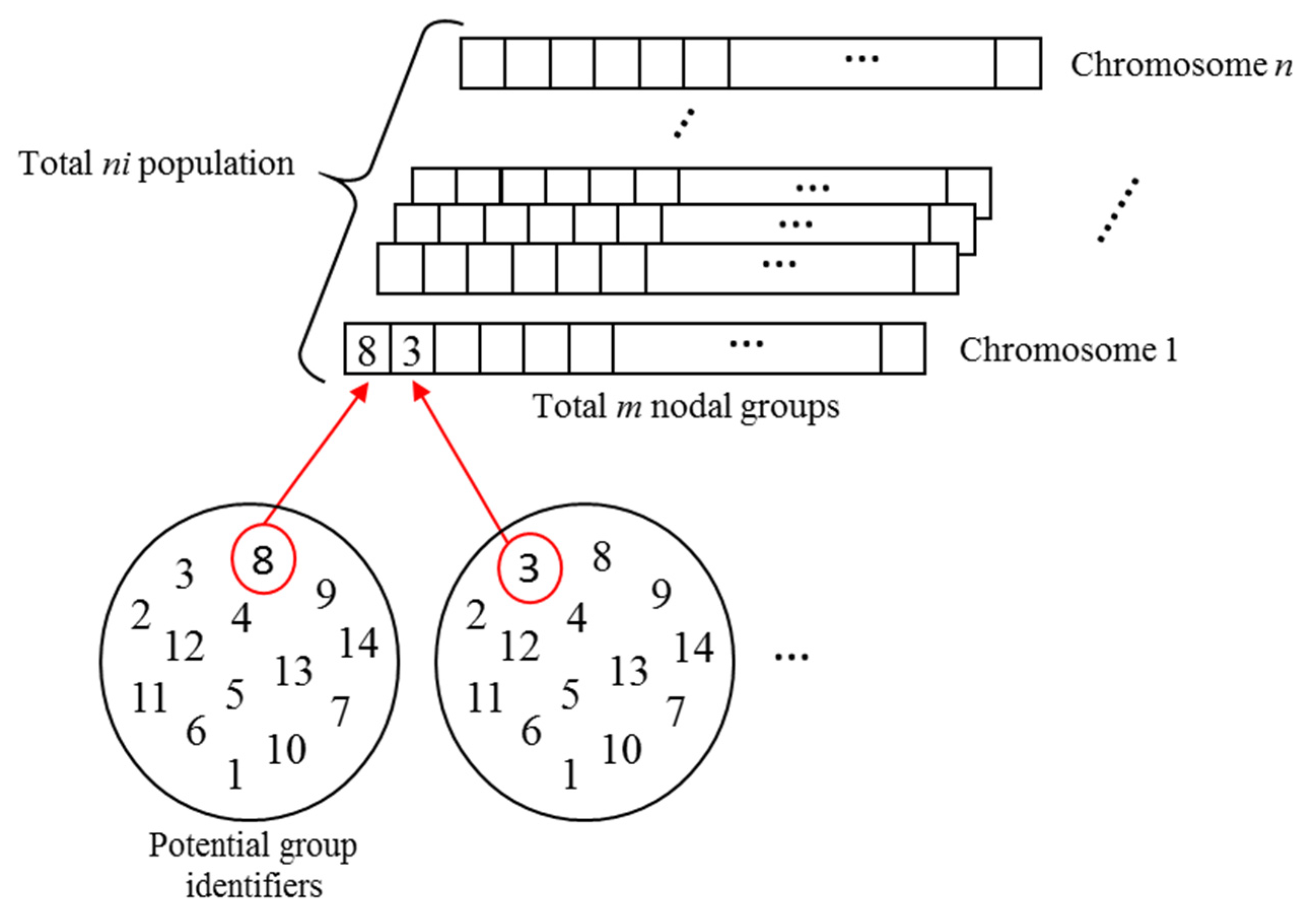
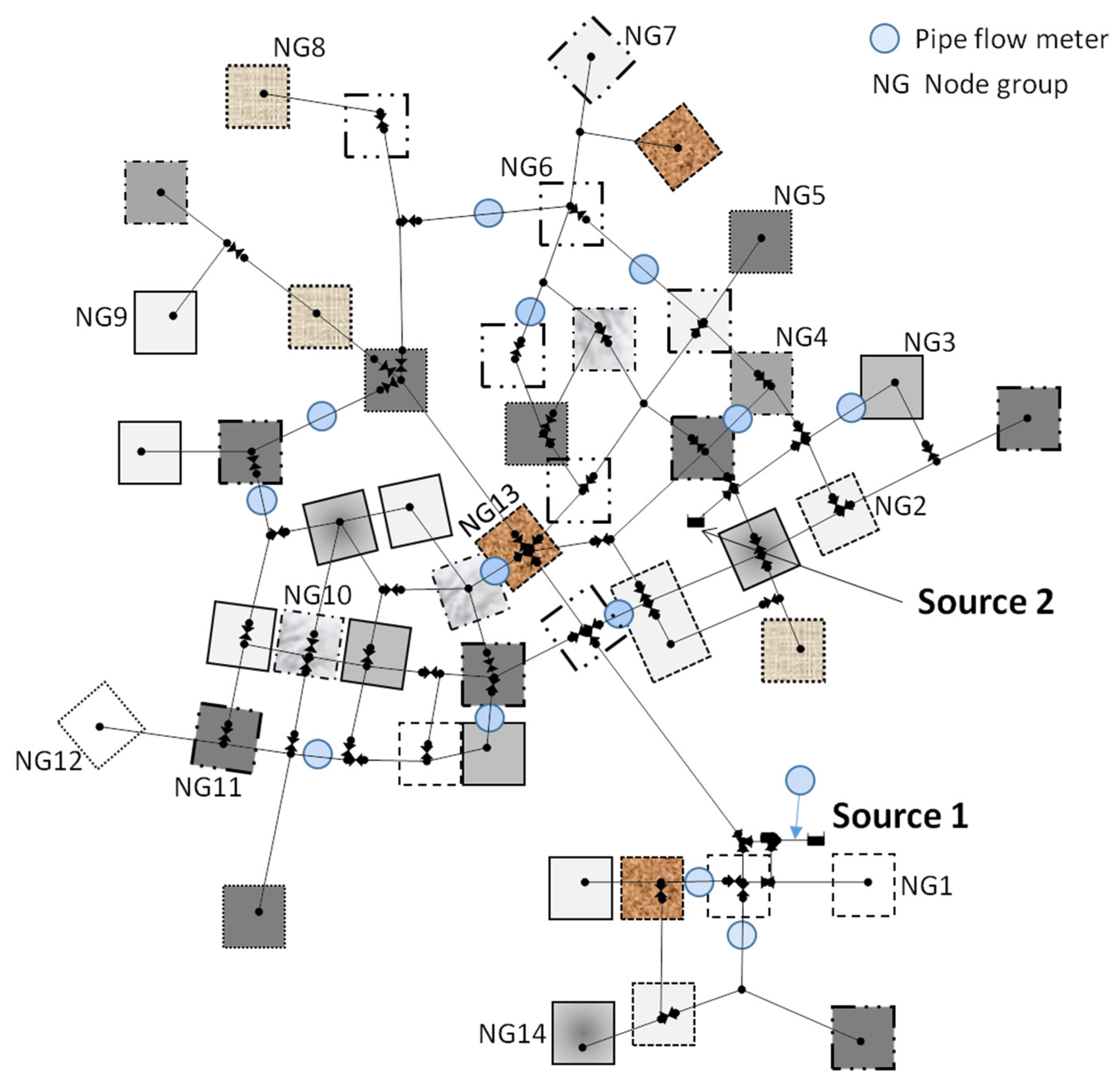
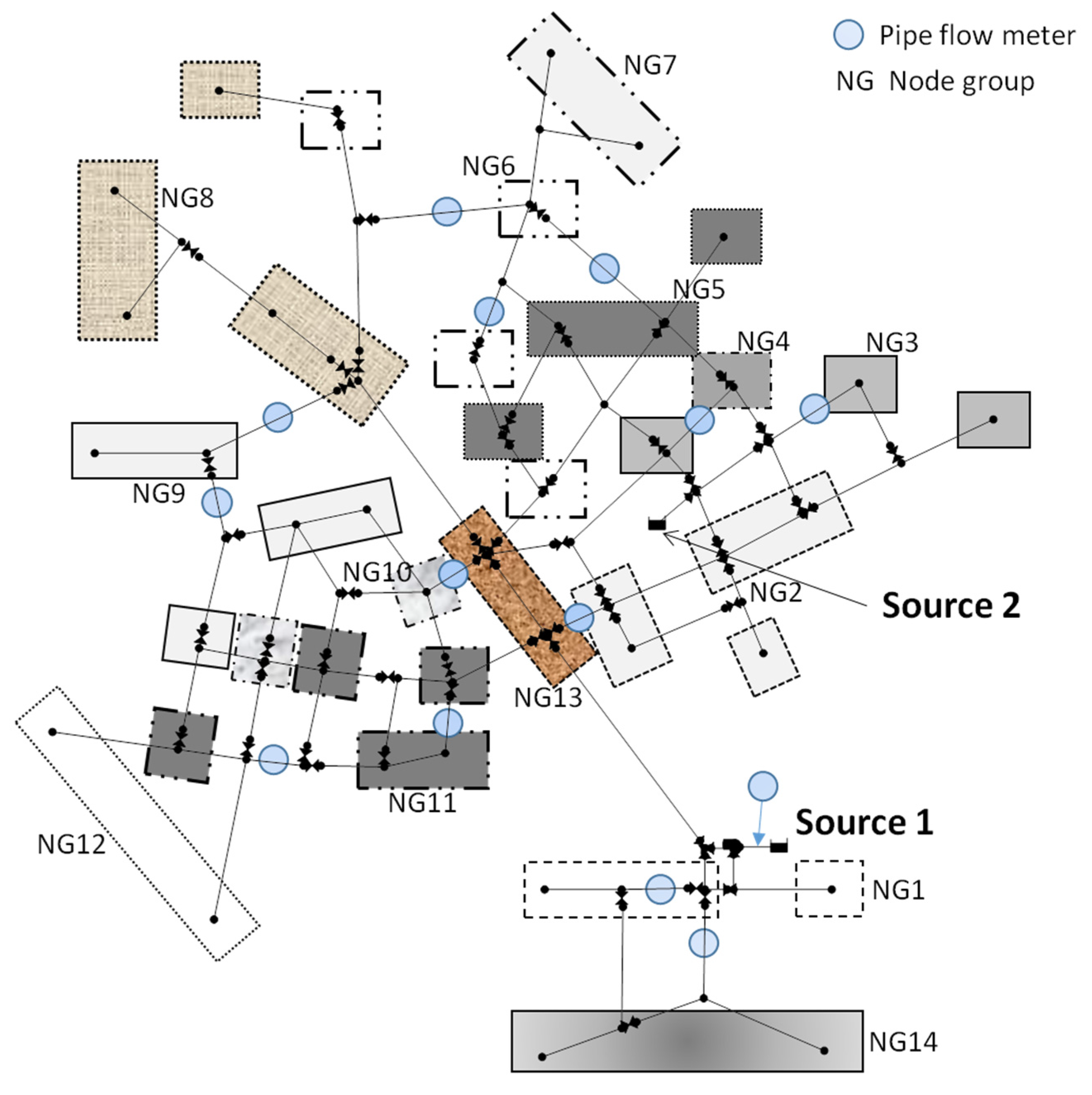
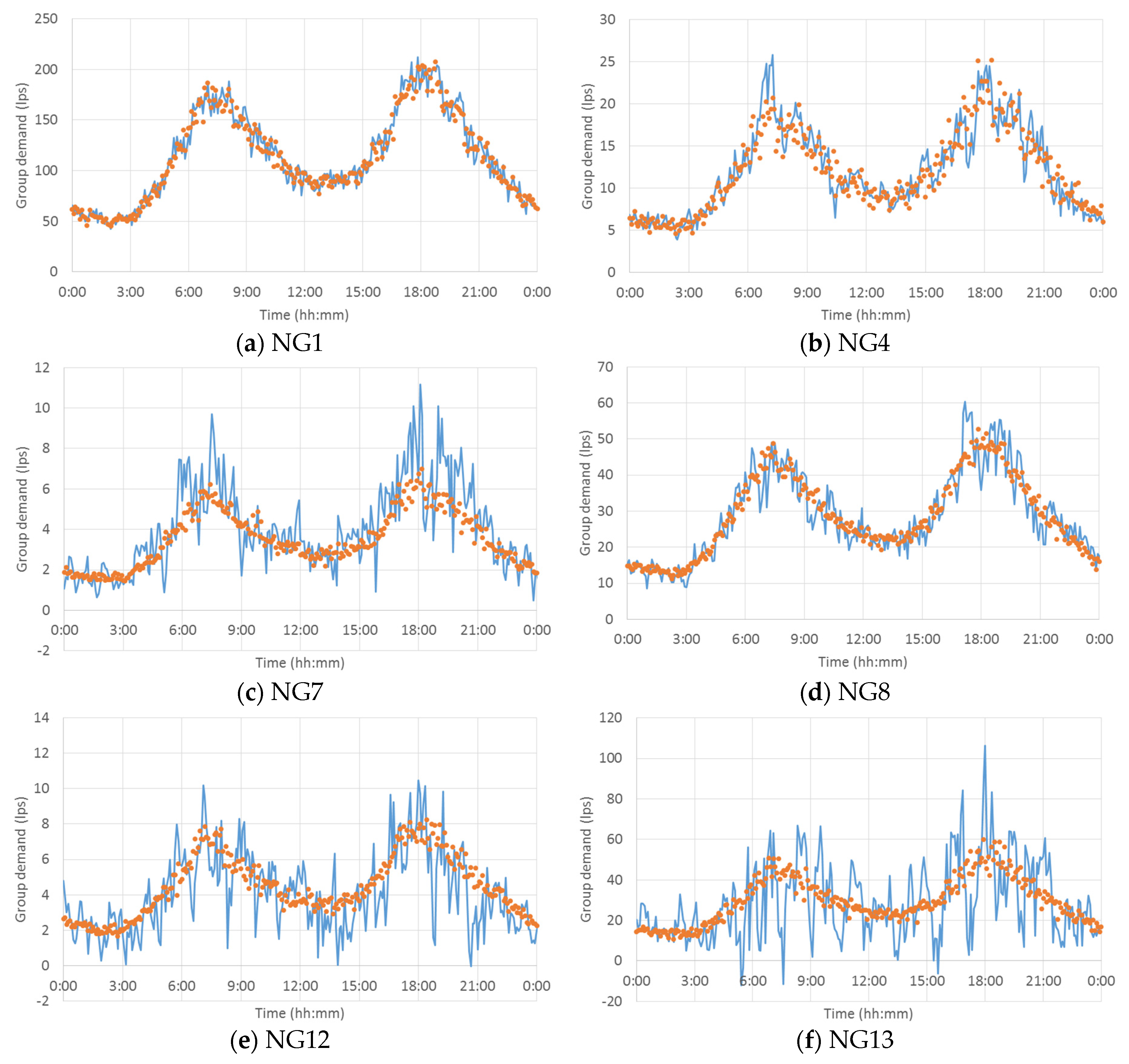
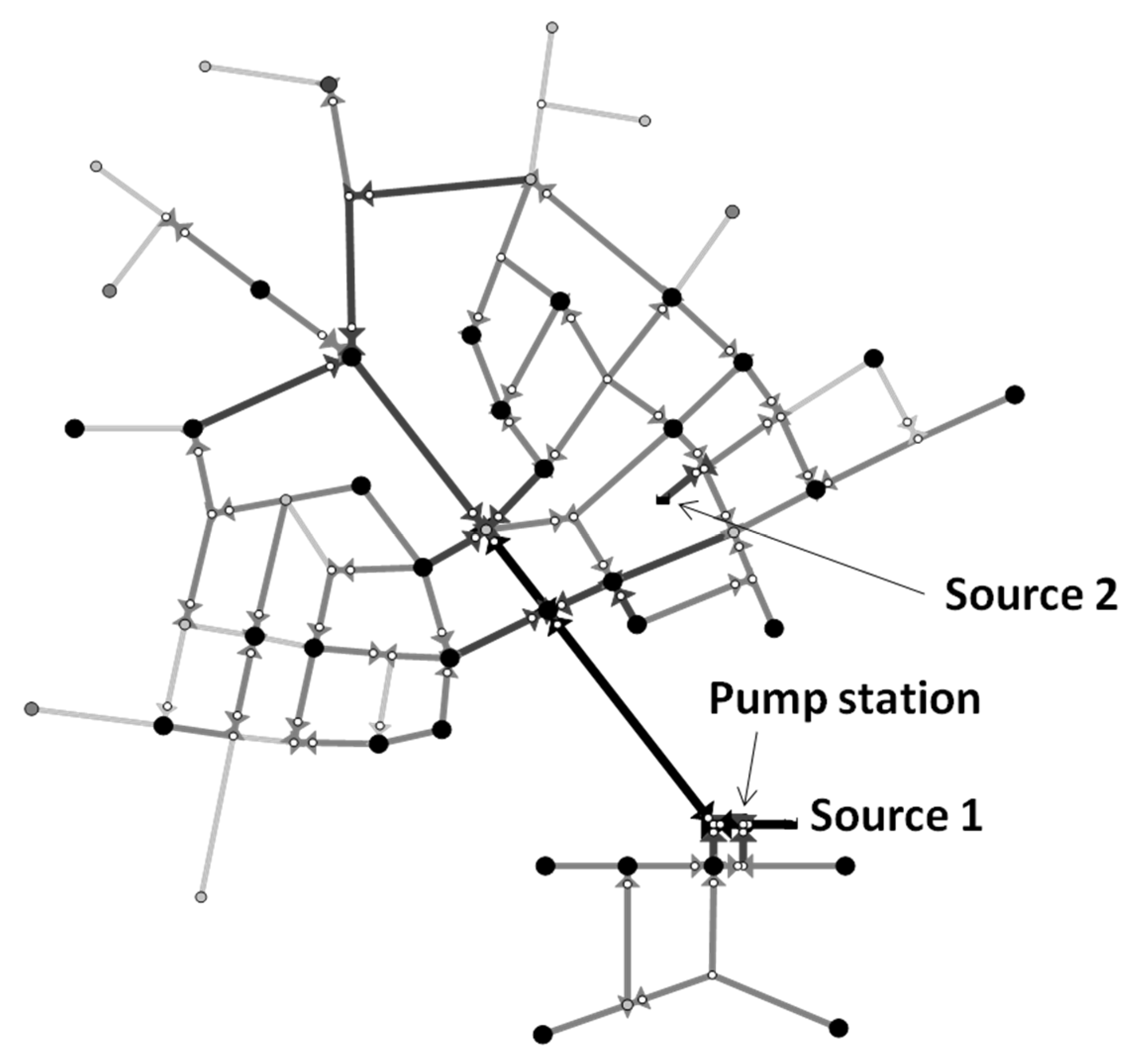
Real-time state estimation is defined as the process of calculating the state variable of interest in real time not being directly measured. In a water distribution system (WDS), nodal demands are often considered as the state variable (i.e., unknown variable) and can be estimated using nodal pressures and pipe flow rates measured at sensors installed throughout the system. Nodes are often grouped for aggregation to decrease the number of unknowns (demands) in the WDS demand estimation problem. This study proposes an optimal node grouping model to maximize the real-time WDS demand estimation accuracy. This Kalman filter-based demand estimation method is linked with a genetic algorithm for node group optimization. The modified Austin network demand is estimated to demonstrate the proposed model. True demands and field measurements are synthetically generated using a hydraulic model of the study network. Accordingly, the optimal node groups identified by the proposed model reduce the total root-mean-square error of the estimated node group demand by 24% compared to that determined by engineering knowledge. Based on the results, more pipe flow sensors should be installed to measure small flows and to further enhance the demand estimation accuracy.
Keywords: water distribution system; demand estimation; Kalman filter; node grouping; genetic algorithm water distribution system; demand estimation; Kalman filter; node grouping; genetic algorithm