Review

Main Parameters of Fixed-Bed Column Systems Using White-Rot Fungi (Pleurotus spp., Trametes versicolor) and Their Effect on the Removal of Micropollutants from Water: An Overview


1
Geographical Institute, HUN-REN Research Centre for Astronomy and Earth Sciences, Budaörsi út 45, H-1112 Budapest, Hungary
2
HUN-REN CSFK, MTA Centre of Excellence, Konkoly Thege Miklós út 15-17, H-1121 Budapest, Hungary
3
Department of Environmental and Landscape Geography, Eötvös Loránd University, Pázmány Péter Sétány 1/C, H-1117 Budapest, Hungary
4
Plant Protection Institute, HUN-REN Centre for Agricultural Research, Fehérvári út 130., H-1116 Budapest, Hungary
5
Department of Plant Anatomy, Eötvös Loránd University, Pázmány Péter sétány 1/C, H-1117 Budapest, Hungary
*
Author to whom correspondence should be addressed.
Water 2026, 18(3), 334; https://doi.org/10.3390/w18030334
Submission received: 25 November 2025 / Revised: 21 January 2026 / Accepted: 25 January 2026 / Published: 29 January 2026

Abstract

The use of white-rot fungi Pleurotus spp. and Trametes versicolor in continuous-flow fixed-bed systems has emerged as a promising and sustainable approach for the removal of different pollutants from aqueous media. This overview presents the most important design and operating parameters, the efficiency of fixed-bed systems using these fungi and their spent substrate, and the effect of operating parameters on changes in removal efficiency. After a literature screening based on the Scopus database, the overview focuses specifically on 55 studies that present the results of several hundred tests, meeting the criteria for continuous-flow fixed-bed systems, which include ensuring uninterrupted flow, constant adsorbent mass, and continuous interaction between the stationary and mobile phases. Results reported in the literature show the varying importance of biodegradation and biosorption processes in the removal of metals and organic pollutants (e.g., dyes, pharmaceuticals, pesticides, volatile compounds). The overview highlights the impact of operational parameters on removal efficiency, including bed depth, flow rate, type of polluted water, and initial concentration. It also determines that these fixed-bed systems using Pleurotus spp. and Trametes versicolor are primarily suitable for modelling the adsorption-based removal of given pollutants and the bioremediation of smaller amounts of municipal, industrial, or agricultural wastewater.

1. Introduction

Mycoremediation is a method that employs fungal biomass to remove pollutants through four principal pathways, such as extracellular enzyme-mediated biodegradation and transformation (e.g., laccase, peroxidase, catalase); cellular uptake and bioaccumulation within fungal biomass; mycoprecipitation that converts dissolved species into insoluble forms; and biosorption and adsorptive removal onto both living and non-living biomass [1,2,3,4]. Mycoremediation is an eco-friendly, promising advanced treatment process for contaminated water in particular, both for various xenobiotics such as toxic metals and organic contaminants with emerging concern (CECs), which are of growing concern worldwide (Sahithya et al. 2022) (Shruthi and Hemavathy 2024) [5,6,7,8,9]. The use of low-cost materials and biological matrices (e.g., fungi) for remediation has several advantages over conventional wastewater treatment processes, which are not designed to remove micropollutants (MPs) and their byproducts. In addition, other advanced techniques, such as membrane and advanced oxidation processes (AOPs), have higher investment and operating costs and can also generate a number of toxic by-products [10]. Water remediation with fungi, like other biological treatments, can also be characterized by disadvantages, for example, the adverse effects of changes in selected operational parameters (temperature, pH, pollution level of influent water) [11].
Some white-rot fungi (WRF), e.g., Pleurotus spp. (oyster mushrooms), Lentinula edodes (shiitake mushroom), cultivated for medicinal or edible purposes, are of particular relevance for bioremediation of polluted water, as they are produced in large quantities worldwide. Especially in the case of edible mushrooms, there is also a significant amount of spent mushroom substrate (SMS) available that can also be used for water treatment [5,12,13]. Although ca. 100 species of edible mushrooms are cultivated economically and about 60 species are grown commercially, only a few species are grown on an industrial scale in different countries [12]. The Pleurotus species are particularly important, accounting for about 27% of total global production [14]. Pleurotus ostreatus, one of the most important and commonly cultivated species, has received considerable research attention, both for remediation of contaminated water and solid matrices, mainly soils and wastes [15,16,17,18]. This fungus grows very rapidly, allowing it to adapt quickly to specific environmental and microbial conditions, has diverse ligninolytic enzyme set, including extracellular laccases and peroxidases, as well as intracellular cytochrome P450 monooxygenases and oxidoreductase, and the substrate used for cultivation is easier to prepare than other species [19,20,21]. Another white-rot fungus is Trametes versicolor, which has a high capacity to remove toxic organic and inorganic MPs [22]. Due to its exceptional biodegradation capacity, similar to Pleurotus spp., numerous tests have also been conducted, focusing on both small-scale batch and larger-scale column experiments [23,24].
The ability of individual fungal species or their spent mushroom substrate (SMS) to remove MPs can be investigated using a variety of methods adjusted to study the targeted removal pathway. When enzymatic degradation, transformation, and cellular uptake are in focus, the most common laboratory method is cultivating the fungus in controlled liquid or solid media containing target contaminants and then analyzing the decrease in pollutant concentration over time, coupled with enzyme activity measurements and kinetic modelling. In liquid culture biodegradation studies, fungi are inoculated into liquid media enriched with specific MPs at environmentally relevant concentrations [25]. Enzyme activity, in particular ligninolytic enzymes such as laccase and manganese peroxidase, is being investigated to link enzyme activity to contaminant removal efficiency. To control enzymatic degradation, bioreactors are also known that use a laccase enzyme extracted from the fungus and bound to a carrier such as glass beads or granulated active carbon (GAC) [26,27]. When adsorption or biosorption pathways are targeted, pulverized mushroom fruiting bodies or SMS are frequently employed as low-cost adsorbents. In such studies, enzymatic contributions are rarely quantified, and observed declines in MPs concentrations are attributed primarily to adsorption and immobilization onto the biomass matrix rather than catalytic transformation (e.g., Das, Vimala, and Das 2013 [28]). Hybrid designs that study degradation and adsorption together are also employed, for example the use of the lignocellulosic substrate or SMS colonized by living Pleurotus spp. is used as a biofilter or biodegradation medium and the enzyme activities of the colonized substrate is measured [5].
Depending on scale, goal, and treatment design, both liquid culture and SMS-based methods can be implemented in batch or column systems depending on scale, goal and treatment design. Although the efficiency of experiments can rely on the extent of contamination, flow, and other parameters [29], biodegradation and/or adsorption can generally be efficient for both batch and column systems, including continuous flow fixed-bed systems, immobilized biomass, or substrates that allow continuous treatment and higher throughput [30]. In comparison with batch systems, column systems require a higher initial capital investment. However, they are generally more suitable for modelling industrial applications. This system has the capacity to process larger quantities of water, and its design and operating parameters can be more easily scaled up to meet industrial requirements [31]. Column systems include several effective subtypes, e.g., fixed-(packed)-bed, fluidized bed, stirred tank, etc. [32,33]. In fixed-bed systems, the adsorbent is in a fixed state. Therefore, no further steps are required to separate the adsorbent and the adsorbate, and the used adsorbent is easier to replace than, for example, in fluidized-bed solutions. The main advantages of fixed-bed reactors include their simple design, the ability to select the ideal flow behaviour to improve contact between the adsorbate and the adsorbent, and lower maintenance costs [34].
The comparison of continuous-flow fixed-bed experiments is limited by several factors. Column setups are non-standardized and can be varied to best address specific research questions or compounds [35]. Furthermore, a comparison of the results of experiments with synthetic solutions and real wastewater can be misleading, and the pre-setting of experimental parameters prevents the evaluation of interactions between variables [36]. However, by analyzing the operating environment and technological elements of fixed-bed systems, the technical parameters and factors affecting the performance of columns can be identified. These factors can shape the transport and degradation parameters of pollutants, and thus the efficiency of remediation on a larger scale, e.g., in wastewater treatment plants (WWTPs).
This paper aims to describe the main design and operational parameters of fixed-bed experiments using Pleurotus spp., Trametes versicolor, and their substrates. The findings of previous studies on the removal of organic and inorganic pollutants using these fungal species in fixed-bed columns are reviewed. In addition, the factors identified as influencing the effectiveness of contaminated water mycoremediation are discussed. As the results of the experiments reported in the literature are highly dependent on the parameters of the non-standard fixed-bed reactors employed, e.g., the type of contaminant, the characteristics of the contaminated water, and the specific objectives of the studies (sorption or biodegradation), this overview is subject to several limitations and therefore does not aim to provide a systematic review. For this reason, the presented performance of fixed-bed systems can only be compared to a very limited extent. Nevertheless, by consolidating dispersed experimental evidence on mycoremediation systems based on the globally produced and extensively studied fungi Pleurotus spp. and Trametes versicolor, this work aims to provide a knowledge base to support process design, performance modelling, and the scale-up of fixed-bed reactors for water treatment applications.

2. Methodology

This literature overview was conducted using the Scopus database. The database encompasses all publications published prior to 31 August 2025. First, the following terms were searched in the title, keywords, and abstract: Pleurotus or T. versicolor +fixed-bed’, ‘column study’, ‘fixed-bed column’, ‘continuous-flow’, ‘packed-bed’, ‘bubble column’, ‘trickle bed’, ‘trickling bed’, ‘organic micropollutant’, ‘inorganic micropollutant’, ‘dye’, ‘metal’, ‘pesticide’, ‘pharmaceutical’, ‘drug’, ‘adsorption’, ‘desorption’, ‘sorption’. Secondly, as a check, these keywords were searched in the entire text, excluding the title, abstract, and keywords used earlier. Thus, a total of 86 studies were found in the Scopus database. Finally, studies that did not meet the fundamental criteria of continuous-flow fixed-bed column systems (e.g., uninterrupted flow and interaction between the stationary and mobile phases, with the adsorbent maintaining a constant mass) or that did not provide information on design and operational parameters were also excluded. Batch systems, fluidized-bed columns, stirred tanks, torus reactors, and some of the review papers were also excluded from the scope of this overview. Furthermore, studies cited within the reviewed literature were also examined, and we also searched the Google Scholar database using the above terms for verification purposes but did not find any new articles that met the criteria.
As a result of the restrictions, this overview is based on data published in a total of 55 publications, and analyses a total of 39 described experiments with Pleurotus spp. (P. ostreatus (n = 31), P. platypus (n = 3), P. eryngii (n = 3), P. mutilus (n = 1), P. cornucopiae (n = 1), P. pulmonarius (n = 1, in parallel with P. ostreatus)), and 16 with T. versicolor. Table S1 summarizes the reviewed studies, including targeted micropollutants, applied column and filter materials, key water parameters, and removal efficiencies. The studies examine various types of remediation, using different water matrices (Table 1). Approximately 60% of the papers focusing on Pleurotus spp. and 75% of the articles investigating T. versicolor have been published in the last 10 years (Figures S1 and S2). The studies summarize the results of at least 350 laboratory experiments, as several papers present multiple tests with changing experimental parameters.
During the research, basic statistics were performed, and distribution characteristics for the parameters were calculated that were generally included in the revised studies, e.g., physical parameters and capacity of columns; weight, material, and type of the filter materials; pollutants tested; operational conditions such as temperature, pH conditions, flow rate, etc. The calculations were performed for both Pleurotus spp. and T. versicolor. Since there are fewer articles focusing on T. versicolor and overlap in authorship among several articles, data that differ significantly from the statistics of experiments conducted with Pleurotus spp. have been highlighted.

3. Main Design Parameters of the Fixed-Bed Systems

A schematic representation of fixed-bed column systems used for continuous-flow experiments is shown in Figure 1. The system usually consists of a feed reservoir, a pump, vertically oriented fixed-bed columns packed with filter material, sampling ports, an effluent reservoir, and associated piping.
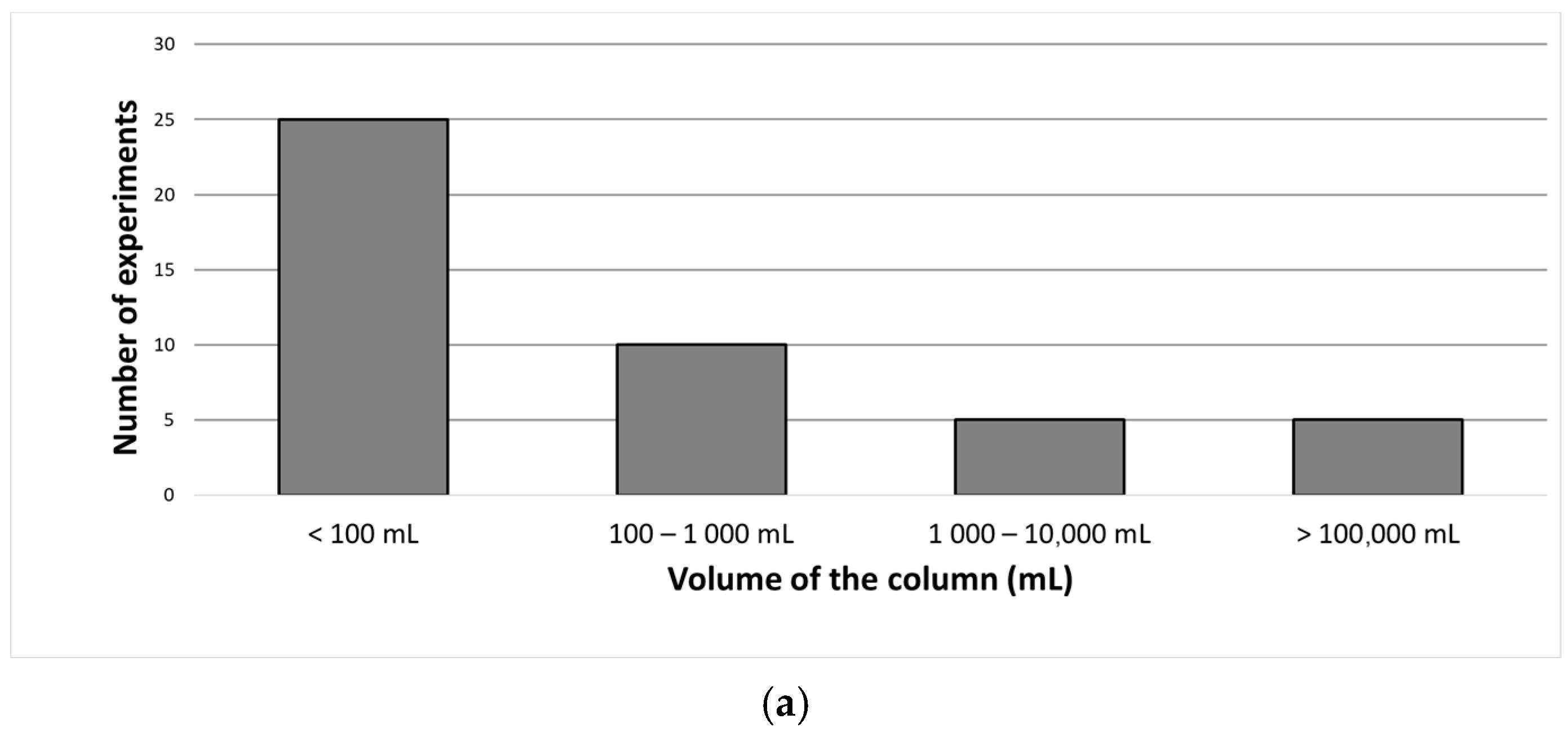
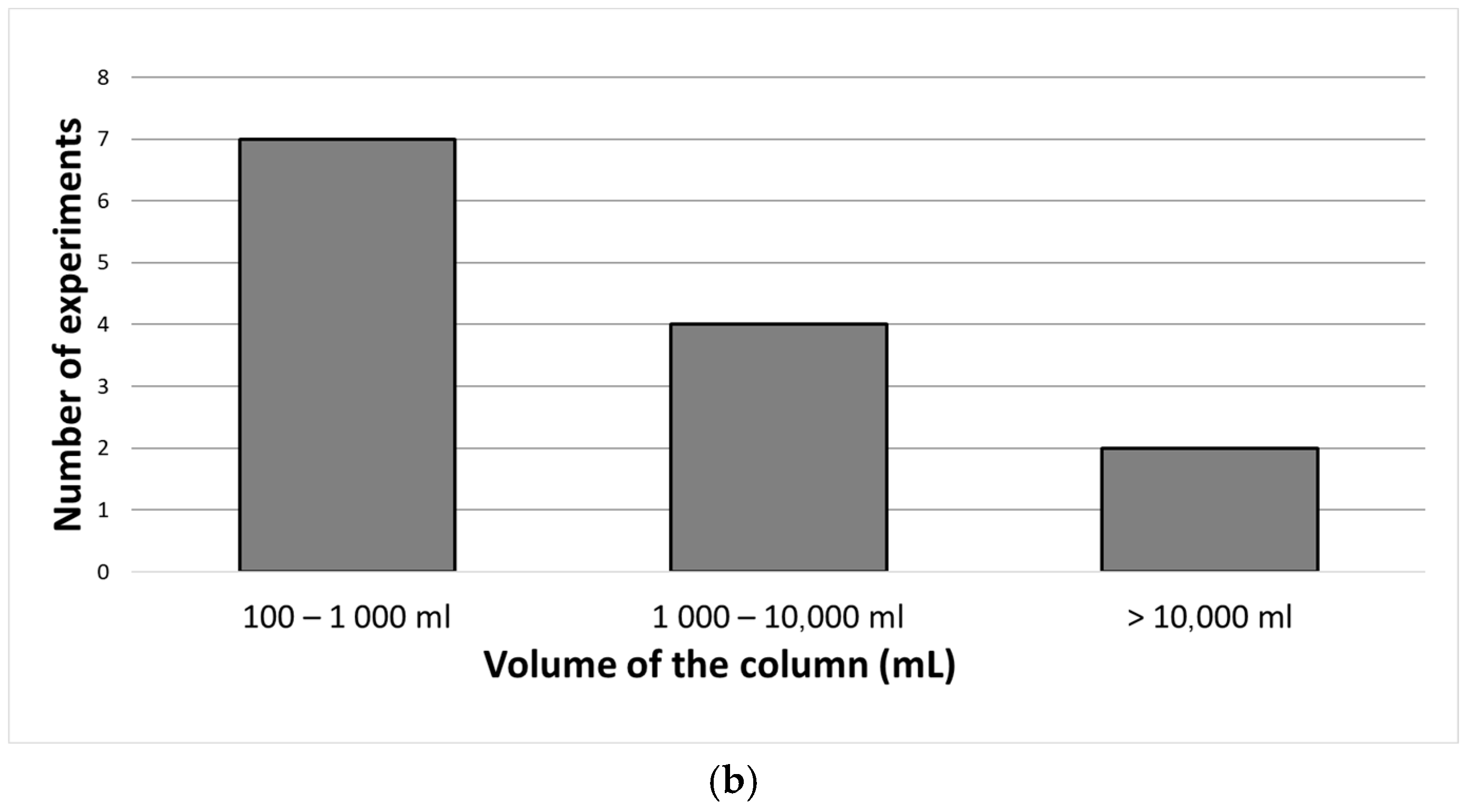
More than 60% of columns used in the experiments were made of glass, with a smaller proportion composed of plastic (PVC, polypropylene, methacrylate). Metal was used in only one experiment. Most of the columns using Pleurotus spp. were micro-scale reactors, with a volume of less than 100 mL, and only in 22% of the experiments was the volume of the columns greater than 1 L, some of which were trickling fixed-bed reactors (e.g., [37,38] (Figure 2a)). The length-to-diameter ratio of the columns used was typically 6:1 on average; in micro-scale experiments, very thin columns were used. In the case of T. versicolor, the reactors were larger with no micro-scale reactors (<100 mL), and several experimental fixed trickle-bed reactors were applied (Figure 2b). In addition, experiments were conducted to examine the effect of varying bed heights on remediation. In some experiments, the actual working volume was maintained below the maximum capacity of the columns.

4. Type and Stability of the Filters

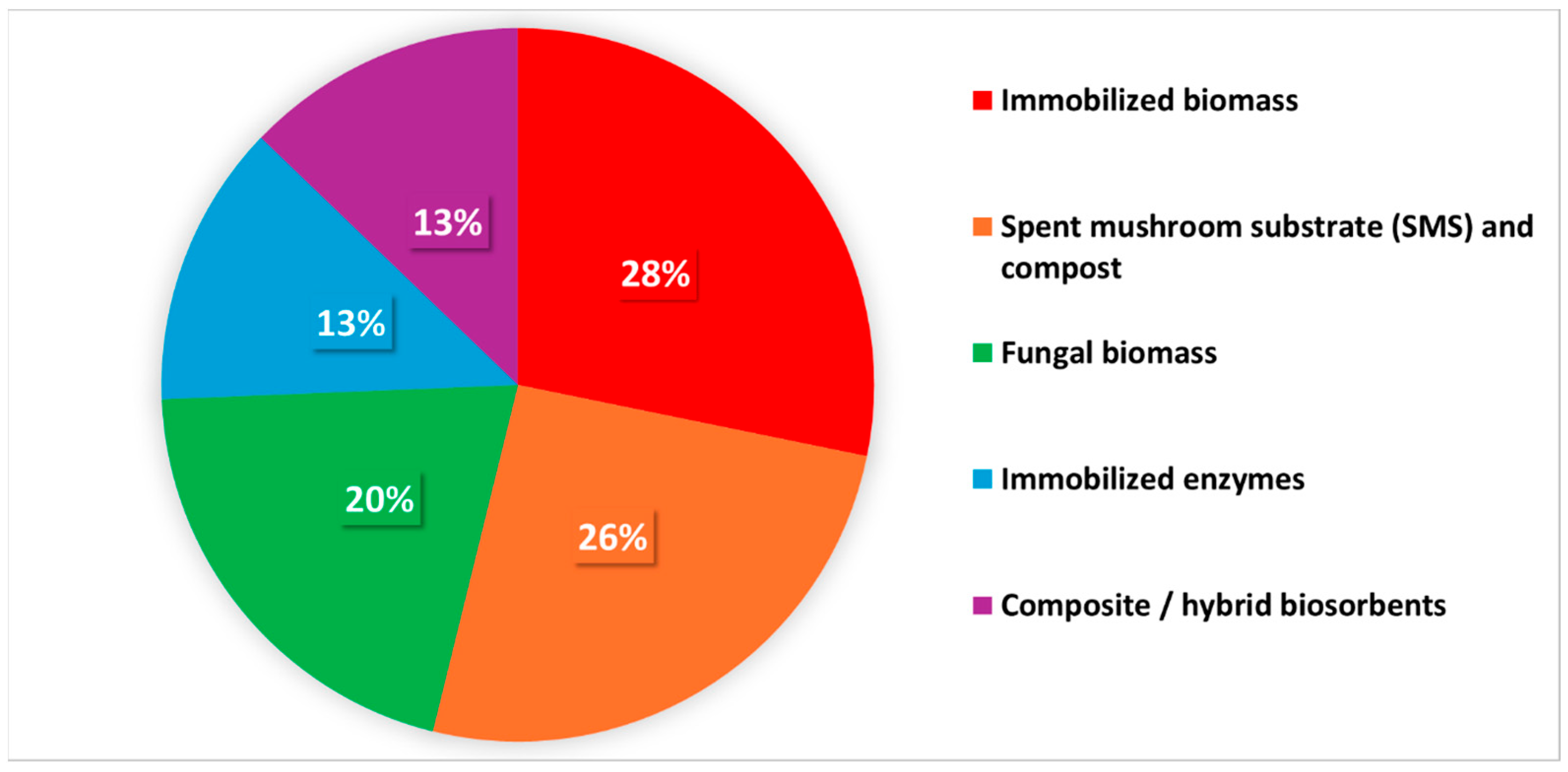
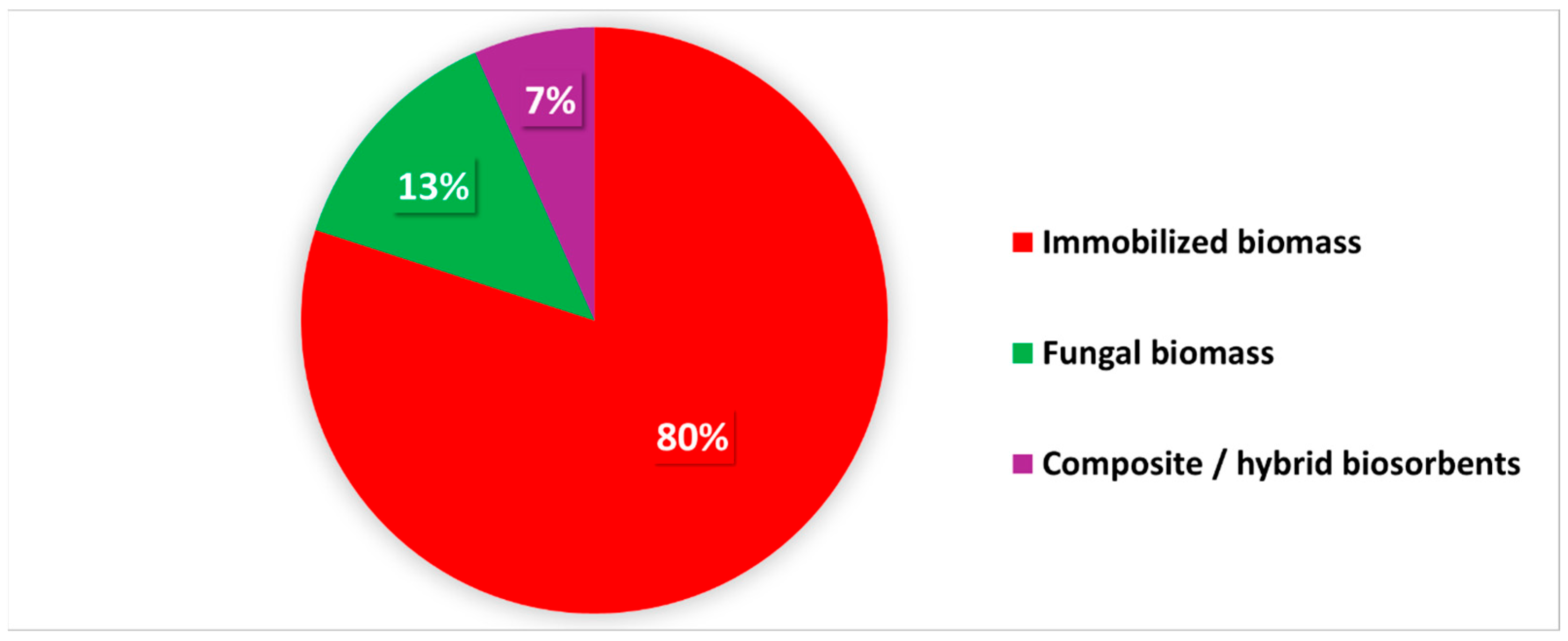
In the reviewed tests, the fixed filters can be classified into three main groups: systems consisting of raw fruiting bodies, columns with immobilized biomass, and hybrid systems. Twenty-eight percent of Pleurotus spp.–based filters were immobilized biomass, 26% were SMS and/or compost. Twenty percent of the filter material contained mycelium or pellets (Figure 3). In the case of T. versicolor, 80% of the experiments used biomass immobilized on a lignocellulosic or synthetic carrier. In the case of the latter species, SMS did not appear as a substrate, which may be due to the smaller volume of cultivation and, thus, the lower number of experiments (Figure 4). Due to the small column size, the weight of the filters was less than 100 g in 66% of all tests. In the case of Pleurotus spp., 51% of the mass of filters remained below 10 g, and 80% of the tests with T. versicolor were conducted with filters below 100 g (Figures S3 and S4).
The use of raw fruiting bodies is a simple and cost-effective method, as it does not require complicated preparation procedures [39]. In the case of Pleurotus spp., this has been demonstrated by several studies. In many cases, fresh or dried, then chopped or granulated fruiting bodies were filled into a fixed-bed column [40,41,42]. A similar solution was also used for T. versicolor, for example, in the form of live pellets [43] or using autoclaved mycelium [44]. However, these methods have a disadvantage in that the mechanical stability of the fruiting bodies is relatively low. During longer operating times, the biomass breaks down rapidly, resulting in increased hydraulic resistance in fixed-bed columns [42].
The use of immobilized biomass in fixed-bed reactors partially eliminates these problems and helps to increase stability [45]. In the case of Pleurotus spp., the biomass or the enzyme is immobilized mainly on lignocellulose-based substrates. However, other various carriers can also be applied such as bentonite [46], perlite [47], alginate [48], polyurethane foam [49], Eupergit®C macroporous copolymer [50], gum arabic–mushroom composite [51] etc. Low-density materials appear to be a favourable substrate for Pleurotus spp. These materials are highly permeable to water flow, thus providing low hydraulic resistance and long-term operation of fixed-bed systems. Different carriers have various environments for the fungal partners, which produce enzymes and absorb various toxic compounds. The efficiency of detoxification varies among carriers, as the fungal partner binds differently to the surface of carriers. Some inorganic carriers, such as perlite, zeolite, and silica gel, have better mechanical stability and resistance to fluid flow and biological contamination. As a result, the mushroom partner binding is more efficient, which increases the operating time of the column during wastewater treatment [47]. The most important parameter of the synthetic carriers is pore size, which affects the specific surface area available to the mushroom [49,50]. Two advantages of organic polymers are reusability and the secondary adsorption on the polymer surface; these are interrelated, so organic polymers can be regenerated with different desorption solvents [48]. The use of perlite, for example, also enabled the immobilization of fungal laccase enzymes. These enzymes were responsible for the breakdown of the aromatic structure of the contaminants, e.g., dyes of the dye [47]. According to the findings of Eliescu et al. (2020) [52], focusing on Pb(II), the maximum binding capacity of the substrate that had been immobilized in calcium alginate was 85.91 mg/g.
Laccase enzyme immobilization from different bacterial and fungal sources is known by various methods. These methods differ in terms of their operational stability, regeneration potential, and cost-effectiveness. The stability of immobilization efficiency depends on different environmental parameters, such as pH, temperature, and dosage concentration [53,54]. The use of the free-form laccase enzyme has several limitations, including limited reusability, decreased stability over time, and limited cost-effectiveness [55]. These disadvantages can be overcome by immobilization methods that enable reuse and improve stability, such as immobilization on the surface of biochar [56]. It appears that the most effective immobilization solutions can be achieved by designing different enzyme-polymer surfaces [57,58]. Fungi offer a dual advantage in bioremediation, as fungal cells contain both laccases and biopolymers (chitin) [59]. In summary, different immobilization methods contribute to improving enzyme-based bioremediation applications, making them more effective and affordable.
In the case of T. versicolor, lignocellulose-based substrates such as oak and pine sawdust [60,61,62,63], rice husks [64], and pallet wood [24] have been used for the preparation of immobilized biomass. Examples of immobilization on synthetic carriers include polyurethane foam (PUF) [65], ceramic beads [66] or cellulose-based plates [67]. Ceramic beads and polyurethane foam proved to be suitable synthetic carriers, both of which contributed to the greater mechanical stability of the fixed-bed columns. The key benefit of these materials is that they provide the biomass with a more stable structure, ensuring the long-term operation of the fixed-bed column.
Polyurethane foam was studied by [49], where it served as an inert carrier in the experimental treatment of petrochemical wastewater. Although PUF-supported fungal growth of species Bjerkandera adusta and P. ostreatus in preliminary experiments, straw proved to be a more effective carrier in fixed-bed reactors, ensuring continuous, non-sterile operation for three months. A similar approach can be seen in the case of T. versicolor, where immobilization on various wood chips (e.g., oak, pine, acacia) ensured long-term stability of the biomass in fixed-bed systems [68,69].
In hybrid systems, fungal biomass is combined with other biosorbents or filters. For example, in the case of Pleurotus ostreatus, this was demonstrated by the Agave tequilana fibre-combined system, which showed outstanding efficiency in removing dyes [70]. Studies show that immobilizing the mycelium of P. ostreatus onto nanomaterials significantly improves its efficiency for Ni(II) and Pb(II) removal [71]. Immobilizing biomass on nanoparticles may be part of a strategy to increase column stability, which may support high regenerability and cost-effectiveness in the removal of certain metals. Such solid carriers not only provide a stable matrix for the biomass and, as particles are magnetic, the biosorbent can be easily removed from the treated solution by magnetic separation, which simplifies fixed-bed water purification processes. In the case of T. versicolor, a composite system was formed when it was immobilized on granulated activated carbon (GAC) as part of a mixed culture with Phanerochaete chrysosporium [72]. This solution ensured high efficiency in fixed-bed systems through the combined effects of biological degradation and adsorption. These systems are particularly effective in the case of heterogeneous contaminants, as they combine biological degradation processes with rapid adsorption mechanisms. Combined possibility is the production of active biochar from Pleurotus spp., which is obtained by growing them on cellulose fiber waste [73]. The by-product formed in this way effectively removes pollutants from water, thus providing a double benefit. Industrial and agricultural by-products, such as red mud (RM), can also be recycled for freshwater purification [74]. In this study, the authors produced porous ceramics from these materials using RM and SMS acidified with oxalic acid or hydrochloric acid, as well as non-acidified RM and SMS.
A major challenge in aqueous media is the long-term stability of the filters within the column [75]. The hydrodynamic stability of fixed-bed filters is closely related to geometry, bed height, operating parameters (flow rate, contact time), and substrate selection for Pleurotus spp. and T. versicolor. There are various solutions for physical stabilization: nitrocellulose membranes [52], stainless steel mesh [37,48], and dialysis membrane [76]. A widespread approach is to place additives at the bottom and top of the column to improve flow distribution and/or prevent washout, for example, gravel [40,74,77], glass wool and glass beads [78,79]. Stability is also critical in terms of the reusability of biosorbents. With adequate stability, Pleurotus and Trametes-based biosorbents can be regenerated, demonstrating reusability without a significant decrease in adsorption capacity, similar to other mycelium-based adsorbents in fixed bed systems (e.g., Auricularia auricula (Zang et al. 2017) [80], Bjerkandera adusta [81], and Hypsizygus marmoreus [82], etc.). This recycling improves the long-term operability and cost-effectiveness of fixed-bed systems [41,52].

5. Water Types, Contaminants, and Efficiency

In the case of Pleurotus spp., model waters were evaluated in more than half of the experiments (see Table 1). These tests were often controlled by adjusting factors such as the contaminant concentration, electrical conductivity, pH, temperature, and other parameters. The matrix effects and influencing factors that can reduce adsorption efficiency in the environment were excluded. In many cases, concentrations applied in model waters are much higher than those in natural systems. However, studies have shown that even at such high concentrations, Pleurotus spp. and SMS can achieve sufficient removal efficiency. The other part of the studies uses environmental water samples, such as industrial, agricultural, or hospital wastewater. Trametes versicolor testing was typically conducted with real wastewater with a higher pH value (pH 7.5–10). In these cases, the samples were usually acidified before adsorption experiments to improve adsorption capacity and biodegradation. Nevertheless, in water containing a mixture of pollutants or complex environmental samples, lower removal efficiencies were often observed compared to model waters [28,41].
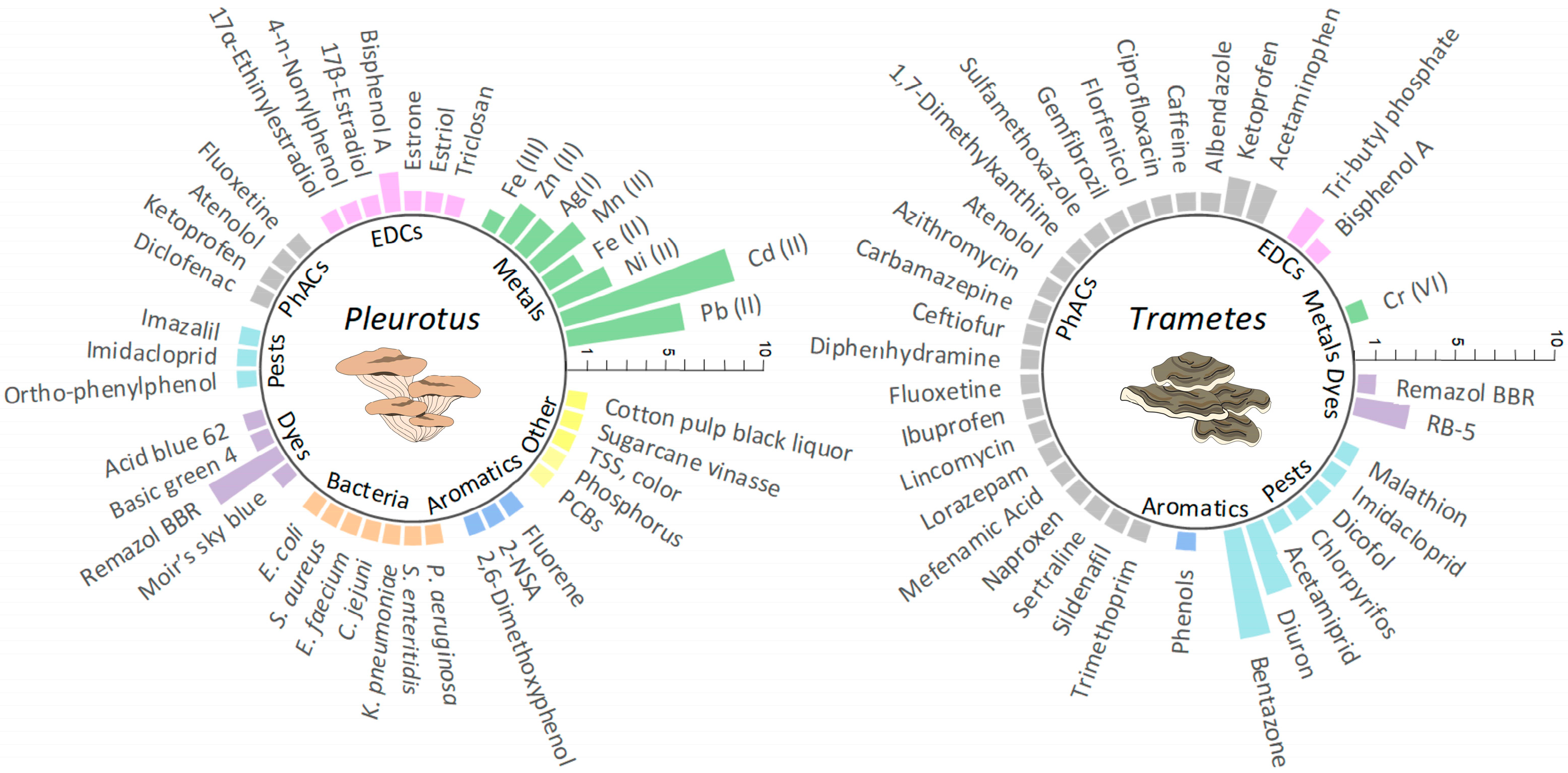
The types of contaminants removed during studies using fruiting bodies or SMS are remarkably diverse. Of the papers reviewed, a total of 35 focus on organic contaminants, 19 analyze metals, and one study (Mnkandla et al. 2024) [83] includes both metals and organic ions. A total of 41 pollutants were tested with Pleurotus spp., including 8 different metals (Ag(I), Cd(II), Cu (II), Fe(II) and Fe(III), Mn(II), Ni(II), Pb(II), and Zn(II)) (see Table S1). A total of 38 substances were tested with T. versicolor, which was primarily used in the fixed-bed experiments presented to remove organic pollutants (Figure 5).

5.1. Removal of Inorganic Pollutants

Most frequently examined inorganic elements are the heavy metals Pb(II), Cd(II), Ni(II), Mn(II), Cu(II), and Cr(VI). Only one metal, Cr(IV), was assessed with T. versicolor, as presented in one article; therefore, the following is based on metal tests conducted with Pleurotus spp. The main sources of the investigated toxic metals are industrial emissions, including battery manufacturing, printing, paint production, electroplating, plastics manufacturing, and the automotive industry. These metals can pose serious risks to both the environment and human health, even in small quantities. Their biosorption occurs primarily through electrostatic interactions between the metal ions and the functional groups of the biomass. The kinetics of this process are well-described by the pseudo-second-order model, suggesting that chemisorption, involving ion exchange and complexation, is the rate-determining step. Key functional groups, such as hydroxyl, carboxyl, and amide, on the biosorbent surface are instrumental in binding these metal ions. The performance of these systems is susceptible to operating conditions, with increased bed depth and decreased flow rate and influent concentration leading to prolonged breakthrough and exhaustion times, as confirmed by models like the Thomas and Bed Depth Service Time (BDST) models [79]. These optimized experiments indicate that, in both the Thomas and BDST models, adsorption is primarily governed by surface reaction kinetics rather than by mass transfer limitations [84]. The economic viability is further underscored by the successful regeneration and reusability of the biosorbents for multiple cycles with only a minor loss in capacity.
The two most frequently tested heavy metals were Pb(II) (n = 6) and Cd(II) (n = 8), as they generally occur in the highest emissions and concentrations in wastewaters [42]. Sorption studies on fungal fruiting bodies and SMS reported high adsorption capacities for both metals. In the case of Pb(II), the adsorption capacity ranged from 2.78 to 98.7 mg/g, and the adsorption efficiency between 57% and 99.9% in model water, depending on the operational parameters (e.g., pH, flow rate, bed height, etc.) and the applied methodology [52,79,85]. For treated wastewater and environmental samples, the adsorption efficiency ranged from 87.7% to nearly 100%. However, the initial concentrations were much lower than in the model water studies [46,52,71,79]. For Cd(II), in model waters with concentrations ranging from 50 to 200 mg/L (and in one case 0.025 mg/L), the maximum adsorption capacity varied between 6.5 mg/g and 84.85 mg/g [41,48,77,78,86], and adsorption efficiency ranged between 60% and 95.6% [85]. In contrast to the experiments with Pb(II), the adsorption capacity was lower in the case of environmental samples contaminated with Cd(II), ranging from 4.26 to 26.3 mg/g [41,46,86].
Other heavy metals (Ni, Mn) have only been examined in a few fixed-bed studies (n = 3). In the case of Ni(II), the adsorption capacity of P. ostreatus and P. cornucopiae, or SMS ranged from 1.5 to 28.6 mg/g [42,71]. Morales-Fonseca et al. (2010) [85] also observed competition between Ni(II) and Pb(II) by ligands of the living mushroom cell walls. For Mn(II), adsorption capacities were reported between 1.681 and 3.341 mg/g; the applied initial concentrations were typically in the range of 10–100 mg/L [87,88,89]. Other inorganic contaminants also exhibited notable adsorption behaviour: the removal efficiency of Fe(III) reached 94% [83], while the adsorption capacity of Fe(II) was reported between 2.56 and 3.80 mg/g depending on the experimental conditions [89,90].
When using filter media containing living fungal mycelium, the water quality parameters of real wastewater (turbidity, biochemical oxygen demand (BOD), chemical oxygen demand (COD), total dissolved solids (TDS), and electrical conductivity) improved substantially, with reductions ranging from 67% to 92% [91]. Additionally, TN decreased by 86% and TP decreased by 96%. In another study, when only SMS was applied, the removal efficiencies were lower, with 67% for TN and 77% for TP [74].

5.2. Removal of Organic Pollutants

A large number (n = 11) of tests conducted with the investigated WRFs have focused on various classes of synthetic dyes. Dye-containing effluents often exhibit extreme physicochemical properties: their pH may range from neutral to strongly alkaline, and their temperature is frequently elevated at the point of discharge [65]. Such conditions make the effective treatment of dye-polluted wastewaters particularly challenging and highlight the need for alternative and cost-effective biological removal of dyes with fungal biomass or SMS [70,81,92]. Some reactors operate rapidly with short contact times, primarily relying on adsorption processes, while others function over longer periods, or with very low flow rates, where removal is mainly driven by biological and enzymatic degradation [93]. In long-term systems operated at low flow rates, living Pleurotus spp. strains degraded various dyes with an efficiency of 72–99.3% (Ottoni et al. 2014) (Castillo-Carvajal et al. 2013) [65,70,94]. Continuous degradation with immobilized enzymes proved to be highly effective as well, with laccase immobilized on different carriers achieving 40–70% decolorization [26,47,93,95,96]. In the case of T. versicolor, experiments lasting 25 and 28 days showed high efficiency, with 80–100% remediation of Reactive Black 5 textile dye [65,67,72].
Adsorbents based on fungal mycelium or SMS of Pleurotus spp. are capable of effectively removing pesticides and fungicides under appropriate operating conditions. In the case of fungicides, high-rate adsorption and biodegradation were observed on SMS even at elevated concentrations, resulting in more than 98% removal of ortho-phenylphenol and imazalil (IMZ) [40]. More than half of the applied OPP was recovered from the substrate, indicating a predominance of adsorption over degradation for this pollutant. Conversely, a higher contribution of biodegradation processes was observed for IMZ, particularly in SMS and straw mixture, highlighting the potential for bioremediation even of recalcitrant compounds [40].
However, the pesticide compound imidacloprid showed much lower sorption efficiency, with only 31% being adsorbed by the fungal mycelium [97]. In the case of T. versicolor, diuron and bentazone were investigated in trickle-bed and fixed-bed reactors. Beltrán-Flores et al. (2021) [68] pointed out that the differences in the removal of diuron and bentazone were related to their different hydrophobic properties and their affinity for the wood (Quercus ilex) adsorbent material. Wood sorption was found to be a more dominant factor than fungal biodegradation.
The hospital sector represents a concentrated source of pharmaceutically active compounds (PhACs), which in most countries are discharged into the sewage network without prior treatment. Nevertheless, only three studies have addressed the removal of PhACs from hospital wastewater using P. ostreatus pellets or lignocellulosic colonized mushroom substrate [98]. Ref. [99] reported that under very low flow conditions, the removal of diclofenac, ketoprofen, and atenolol from (spiked) hospital wastewater was effective when living fungal pellets were applied. In the investigated continuous-flow system, the maximum removal efficiencies for diclofenac, ketoprofen, and atenolol reached 100%, 85%, and 80%, respectively. In this case, removal occurred through biodegradation. However, for diclofenac, approximately 30% of the removal could be attributed to adsorption. Trickle-bed reactors are also suitable for removing endocrine-disrupting PhACs from wastewater samples. Křesinová et al. (2018) [38] presented removal efficiencies for triclosan (82%) and 17β-estradiol (73%) on P. ostreatus SMS. Using model water, a removal efficiency of the compound fluoxetine was 70% even at a low flow rate (3 mL/min) after 8 h of operation [98]. Tormo-Budowski et al. (2021) [64] tested immobilized T. versicolor on rice husks with 20 PhACs, and they pointed out that during the two-week trial period, 73.3% of the removal was due to adsorption to the beds’ biomass.
The removal of other organic pollutants from various industrial activities and the widespread use of plastics have also been investigated. In the case of bisphenol A (BPA), removal efficiencies by P. ostreatus reached 90% in an experimental fixed-bed reactor using model water [100] and 71% in a trickle-bed reactor treating wastewater [38]. For polychlorinated biphenyls (PCBs), Šrédlová et al. (2020) [37] presented that removal efficiencies were 82% for dichlorinated congeners, 80% for trichlorinated, 65% for tetrachlorinated, and only 30–50% for pentachlorinated forms, while hexa- and heptachlorinated PCBs showed no degradation by fungal enzymes. This experiment was conducted at pilot scale, treating a total of 4000 L of contaminated groundwater at high flow rates, with the sample passed through the reactor twice. The distinction between adsorption and biodegradation was not examined. The biodegradation of 2-naphthalenesulfonic acid polymers from wastewater was relatively low, at around 30% (Palli et al. 2016) [49]. In contrast, the degradation of fluorene was investigated in both model water and synthetic wastewater, with efficiencies of 82.5% and ~70%, respectively [101]. The degradation of PCBs in a trickle-bed bioreactor using Pleurotus spp. SMS was highly dependent on the level of chlorination. The amount of di- and trichlorinated PCBs decreased by 80%, while only 30–50% of pentachlorinated PCBs were removed, with no degradation for congeners containing six or more chlorine substituents. This suggests a direct correlation between molecular structure and the efficiency of the fungal-based system [37].
Sen et al. (2023) [102] utilized biofilters containing Stropharia rugosoannulata in combination with Pleurotus spp. to eliminate pathogenic and antibiotic-resistant bacteria. Pleurotus pulmonarius removed E. coli and five other bacteria with an efficiency of 50–90% during the first hour of the test, but P. ostreatus was not effective against E. coli. This also shows that there may be differences in efficiency between Pleurotus species.

6. Factors Altering Removal Efficiency

The efficiency of fixed-bed systems is determined by complex interactions between the filter and supporting materials, as well as the operating parameters (Table 2). The combined mechanisms of biosorption and biodegradation contribute to remediation efficiency. Bioremediation is primarily driven by the production of extracellular ligninolytic enzymes, with the efficiency and stability of the system being highly dependent on optimized operating conditions, the specific fungal strain, and the properties of the immobilization support.

6.1. Parameters of Filter Materials

The performance and efficiency of column systems are fundamentally determined by the preparation and physicochemical characteristics of the biosorbents. The physical state and condition of fungi, and the associated changes in enzymatic activity, are crucial to the system’s efficiency. Eliescu et al. (2020) [52] proved that SMS is more effective than raw fungal biomass. A comparison of fresh mushroom substrate and SMS revealed that actively growing P. ostreatus in the FMS was more effective at degrading phenolic compounds, such as ortho-phenylphenol (OPP) [40]. FMS breaks down OPPs more effectively than the fungal mycelium still present in SMS, which is depleted of nutrients and energy sources.
In addition to the raw biomass and substrate, the effects of free and immobilized laccase were also tested. Enzyme immobilization onto supports such as acrylic resin with epoxy functionalities or by entrapment in alginate beads can lead to a greater deactivation time-scale compared to free enzymes. This allows the treatment of a larger volume of dye-bearing liquid [93,95]. Both free and immobilized fungal cells of T. versicolor achieved similar profiles of dye decolorization and enzymatic activity, with immobilized systems maintaining a high efficiency of 85% or more for up to 40 days [65].
If the filters contain more than one mushroom species, they can be more effective, especially in cases where wastewater contains multiple pollutants. This is because species react differently to individual contaminants [102]. For example, using T. versicolor and P. ostreatus immobilized on agave fibre, near-complete decolorization (99.3%) of Basic Green 4 was achieved [70]. The particle size of the filter material can also determine the efficiency, as demonstrated by the study by Osarenotor et al. (2021) [91]. Sawdust colonized with three different sizes of mycelium (0.6 mm, 1.18 mm, 2.36 mm) was used, with the larger particle size mycelium showing the best cleaning efficiency in treating slaughterhouse wastewater.
The removal of organic contaminants is a multifaceted process that can involve a synergistic effect between biosorption and enzymatic biodegradation, which can also be modified by the substrate material itself. For recalcitrant compounds like fluoxetine, a lignocellulosic substrate colonized by P. ostreatus showed that high removal efficiencies are due to the combined activity of extracellular ligninolytic enzymes, specifically laccase, coupled with sorption onto the substrate matrix [98]. In an experimental fixed-bed column, this substrate demonstrated excellent performance over eight hours of continuous operation, achieving complete removal for the first thirty minutes, before progressively declining to 70% after eight hours due to ligninolytic enzymes washout. The decolorization of dyes in fixed-bed systems is also not just a physical removal process but a biological transformation of complex organic molecules. The degradation process involves the breaking of chromophore groups, such as azo bonds, and the formation of new, often colourless compounds. This is evidenced by the disappearance of the dye’s characteristic peak in the visible spectrum and the appearance of new peaks in the UV region, corresponding to degradation intermediates like leucomalachite green or products of lignin degradation [70].
Beltrán-Flores et al. (2021) [68] and Tormo-Budowski et al. (2021) [64] pointed out that the differences in the removal of organic pollutants (given herbicides and pharmaceuticals) with different physicochemical properties were related to their different hydrophobic properties and thus their affinity for substrate materials (e.g., wood chips, rice husks). Thus, it can be observed that the contribution of bed biomass proves to be dominant compared to fungal sorption or biological degradation.

6.2. Supporting Materials and Microbiology

The choice of carbon source is also a key factor, as it can influence the competitive dynamics within a non-sterile environment. Natural lignocellulosic materials have been confirmed as effective biocarriers, providing both a support structure and a source of carbon that induces enzymatic activity [70]. The addition of carbon sources like sucrose and glycerol to a fixed-bed bioreactor with T. versicolor dramatically increased its decolorization rate to over 90% for the dye Reactive Black 5 (RB5) and boosted laccase activity to a maximum of 102.2 U/L [65]. This result is consistent with other studies showing that a simple carbon source, such as glucose, promotes primary metabolism and enzyme production in fungi, thereby enhancing decomposition [70].
Composite solutions (e.g., GAC + immobilized mixed culture) also showed high efficiency with shorter contact times. Kalnake et al. (2023) [72] reported 93% COD removal and 100% colour removal in a 25-day experiment with a contact time of 10.8 h. Adding chemical additives to the system can help regenerate biosorbents. Research has shown that biosorbents derived from P. platypus, P. eryngii, and Hypsizygus marmoreus can be successfully regenerated using a 0.01 M HCl solution. Furthermore, the regeneration efficiencies remain high even after three cycles [28,79]. Although a slight decrease in removal efficiency may occur with each cycle due to the gradual loss of active sites, this process’s overall effectiveness and cost-effectiveness are maintained.
White-rot fungi are aerobic microorganisms whose degradation capacity may decrease in an oxygen-deficient environment [104]. The efficiency of bioreactors can be improved by good aeration or the addition of oxygen, as described by Beltrán-Flores et al. (2023) [60]. Kang et al. (2023) [103] presented that the performance of bioremediation can be improved by co-occurring microbial communities: in a test with T. versicolor, Bisphenol A and carbamazepine were removed by enzymatic activity and adsorption. Maintenance of removal efficiency was controlled by the enzymatic system of these fungi and may also be influenced by co-occurring microbial communities [105]. For the treatment of petrochemical wastewater containing non-biodegradable naphthalene sulfonated polymers (NSAP), the addition of easily biodegradable carbon sources, such as glucose, fostered bacterial growth, which in turn impaired fungal activity. Conversely, using a lignocellulosic substrate like straw allowed P. ostreatus to outcompete bacteria, resulting in stable and significant degradation over a three-month period. A combined experimental treatment of the fungal packed-bed reactor effluent with activated sludge could theoretically achieve a reduction of up to 73% in the original COD [49]. Although not addressed in the overviewed experiments, polymers and toxic substances present in the water to be treated, such as heavy metals and micro-/nanoplastics, can significantly influence or inhibit microbial degradation processes. Therefore, further investigation of these effects is essential for a comprehensive assessment of the factors governing the degradation capacity of Pleurotus spp. and T. versicolor.

6.3. Operating Conditions

Studies consistently point out that key operational variables such as bed depth, flow rate, pH, temperature, concentration of influent pollutants, etc., can directly alter the removal efficiency. Breakthrough and exhaustion times increase with bed height, while they decrease with higher flow rates and higher influent concentrations. For example, in the removal of Fe(II) using Pleurotus SMS, the optimum conditions were identified as a flow rate of 1 mL/min, a bed depth of 30 cm, and an initial Fe(II) concentration of 25 mg/L, which yielded a breakthrough time of 7.95 h and an exhaustion time of 13.65 h [90]. Similarly, studies on Pb(II) removal using P. eryngii biomass have demonstrated that increasing the bed depth from 3 cm extends the breakthrough time due to increased contact time and a higher number of available binding sites [14]. Mathematical modelling, such as the Thomas model, has shown a good fit with fixed-bed experimental data for Pleurotus spp.-based columns, suggesting that under certain conditions, external and internal diffusion are not necessarily limiting factors [77,88]. This is because the sorption process exhibits pseudo-second-order kinetics and primarily takes place through surface interactions under constant flow conditions.
For the removal of Ag(I), Das et al. (2013) [28] demonstrate the effect of different bed heights (4–12 cm), flow rates (1–5 mL/min), and initial metal concentrations (50–200 mg/L) on adsorption efficiency using P. platypus. The authors concluded that exhaustion time increased with an increase in bed height and a decrease in flow rate and initial metal concentration. The maximum Ag(I) removal rate was 85.30% at a bed height of 12 cm, a flow rate of 1 mL/min, and an initial concentration of 50 mg/L, at which point the specific capacity reached 23.42 mg/g. As the concentration increased, the adsorption capacity increased (e.g., 65.35 mg/g at 250 mg/L), but the removal rate decreased (74.07%). Based on the BDST model data, which is mathematically linked to breakthrough time and column length, the sorption capacity ranged from 96.94 to 276.91 mg/L as the concentration increased. Meanwhile, the sorption rate constant (Ka) decreased from 0.0011 to 0.0003 L/mg/min. A chromate study conducted with T. versicolor showed that the reduction rate increased with an increase in initial Cr(VI) concentration from 10 mg/L to 60 mg/L, then gradually decreased [66].
The biosorbent’s adsorption capacity is also impacted by the concentration of the pollutants. By Eliescu et al. (2020) [52], the maximum dynamic biosorption capacity for Pb(II) was determined to be 22.12 mg/g at a 100 mg/L influent concentration and 13.21 mg/g at a 50 mg/L concentration, with 1 g of the P. ostreatus spent substrate capable of purifying 2.4 L of lead-contaminated water to a 93% removal efficiency in a column setup. Some biomasses demonstrate reusability for five or more cycles [48]. The reuse of fungal mycelial pellets for multiple cycles also provides significant economic benefits, albeit with a gradual decrease in efficiency [41,94].
Most of the tests were conducted at an acidic pH, even when using real wastewater. In such cases, the water was acidified. Mnkandla and Voua Otomo (2024) [97] noted that adsorption of polypropylene was only observed in a solution with a pH of 2; at higher pH values (7.5), no adsorption occurred. In a bubble-column reactor, the strain P. ostreatus B1 exhibited peak laccase activity of 460 U/L at an aeration rate of 1.2 L/min and an optimal temperature of 30 °C, leading to a maximum colour removal rate of 72% from cotton pulp black liquor [94]. Similarly, a pH of 6.0 yielded the highest laccase activity (490 U/L) and colour removal (76%), although the fungus remained effective even at a high pH of 8.0, demonstrating its potential for treating alkaline industrial effluent. The column tests were conducted at room temperature (20–25 °C) for optimal efficiency of enzymes; however, higher temperatures also occurred. Lower temperature conditions were presented when using a real wastewater inlet [98]. Although temperature affects enzyme velocity, the role of temperature in removal efficiency has not been studied in detail, despite the assumption that it has an influence. Even if Pleurotus spp. prefers cold weather in the range of 5–22 °C depending on the strain [106].
Finally, it should be highlighted that reactor size can also play a role in efficiency. Smaller reactors can be easier to control. In order to maintain the long-term performance of larger reactors, special attention must be paid to maintaining the bioactivity in the reactor space and to the problem of clogging or channelling resulting from continuous fungal growth [62]. It is essential that the design accounts for the temporal rearrangement of the filters. In larger-scale T. versicolor reactors, clogging problems have been successfully addressed by rearranging the filter without compromising the biofilm. In the case of bioreactors with long operating times of several weeks, high porosity must be ensured, and, in this case, the substrate has to serve as a good source of nutrients for the fungus [24].

7. Future Perspectives and Conclusions

The results of this overview confirmed that the continuous-flow fixed-bed experimental method can be applied in many ways to demonstrate that filters using Pleurotus spp. and T. versicolor can remove various pollutants from aqueous solutions under optimal design and operational conditions. Biodegradation and biosorption are fundamentally interconnected in these systems, though the dominant mechanism may differ for pollutants with different physicochemical and operational parameters. It can be concluded that the applicability of larger fixed-bed systems in water treatment depends on a careful balance of different factors that influence efficiency. The efficiency can vary depending on the specific physical and chemical properties of the pollutants. They are only partially applicable for treating complex contaminated waters, e.g., untreated or treated municipal wastewater. In these complex matrices, efficiency can be improved by using more than one species together. All this may suggest that the presence of Pleurotus spp. and Trametes versicolor in microbial consortia formed by fungal species [107] may increase the efficiency of biological remediation processes. Investigating these consortia and their integration to microbial biotechnology, e.g., to microbial-associated nanoparticles [108] could be promising new directions for future research.
The review highlighted that fixed-bed systems operating at higher flow rates (above 10 mL/min) are primarily suitable for testing adsorption-based treatment processes. Such fixed-bed reactors often achieve 80–100% efficiency in removing toxic metals and dyes, and can be utilized, for example, to treat wastewater from the heavy metals and textile industries. Reactors with extremely low flow capacities, designed primarily for the biodegradation of organic pollutants, and even circulation systems, can be applicable for the treatment of periodically generated wastewater with a high organic content (e.g., rinsing water of seasonal fruits and vegetables).
Based on the reviewed studies, it can be concluded that WRF-based fixed-bed column systems are a useful complementary solution for removing toxic metals through biosorption. For organic pollutants, practical use is possible if the volume of wastewater is smaller or if wastewater generation is not continuous. This can promote biological degradation by reducing the flow rate, which increases retention time. Although the adaptability, reusability, and ability to valorize agricultural waste products make fungal-based technology a highly promising and economically viable alternative for treating water, fixed-bed experiments have revealed several limitations regarding its applicability in wastewater treatment. Compared to real wastewater treatment plants, the presented fixed-bed reactors are smaller, their flow rates are lower, and the conditions are at least partially controlled. Treating real wastewater, which contains both organic and inorganic components and exhibits variable physicochemical parameters, combined with increasing reactor size, leads to reduced controllability and continuous variation in these parameters. It also initiates numerous microbiological processes in the fixed bed, which fundamentally affect efficiency. Since predictive modelling has been successfully developed for batch systems using yeasts to interpret the relationship between treatment efficiency and operating parameters [109], a similar approach could also be applied to the results of fixed-bed experiments with multicellular filamentous fungi. The use of AI and machine learning algorithms is particularly justified when fungi are integrated into complex bioprocesses, such as microbial consortia [110]. Future application of AI tools could help overcome the limitations identified in this paper and increase the applicability of the results of fixed-bed experiments in the field of wastewater treatment.

Supplementary Materials

The following supporting information can be downloaded at: https://www.mdpi.com/article/10.3390/w18030334/s1.

Author Contributions

Conceptualization: A.C.K., L.B. and L.S.; methodology: A.C.K., L.B. and L.S.; investigation: A.C.K., L.B. and L.S.; data curation: A.V., P.S., Z.S., D.K. and A.P.; writing—original draft preparation A.C.K., L.B., A.V. and L.S.; writing—review and editing D.K., Z.S., P.S. and A.P., funding acquisition: A.C.K., L.B., Z.S., D.K., A.P. and L.S. All authors have read and agreed to the published version of the manuscript.

Funding

National Research, Development and Innovation Office OTKA K142865 (ZSZ); National Research, Development and Innovation Office STARTING 152507 (LSZ); National Multidisciplinary Laboratory for Climate Change, RRF-2.3.1-21-2022-00014 project (ZSZ); National Research, Development and Innovation Office (NKFIH 2020–1.1.2-PIACI-KFI-2021-00309 and 2024-1.2.11-TÉT-IPARI-TR-2025-00024) (ACSK); European Regional Development Fund (ERDF) (HUSK_2302_1.2_070 INTERREG) (ACSK); National Research, Development and Innovation Office (DKOP-23_03) (LB); Hungarian Academy of Sciences János Bolyai Research Scholarship (BO/00 199/25/10) (LSZ); Project no. FK142971 and PD134467 have been implemented with the support provided by the Ministry of Culture and Innovation of Hungary from the National Research, Development and Innovation Fund, financed under the FK_22 and PD_20 funding schemes. This research was supported by the János Bolyai Research Scholarship of the Hungarian Academy of Sciences (awarded to Alexandra Pintye; BO/00695/25/4).

Data Availability Statement

The original contributions presented in this study are included in the article and Supplementary Material. Further inquiries can be directed to the corresponding author.

Conflicts of Interest

The authors declare no conflicts of interest.

References

  1. Dasgupta, D.; Barman, S.; Sarkar, J.; Mridha, D.; Labrousse, P.; Roychowdhury, T.; Acharya, K.; Sarkar, J.; Chakraborty, N. Mycoremediation of different wastewater toxicants and its prospects in developing value-added products: A review. J. Water Process Eng. 2024, 58, 104747. [Google Scholar] [CrossRef]
  2. Golovko, O.; Kaczmarek, M.; Asp, H.; Bergstrand, K.-J.; Ahrens, L.; Hultberg, M. Uptake of perfluoroalkyl substances, pharmaceuticals, and parabens by oyster mushrooms (Pleurotus ostreatus) and exposure risk in human consumption. Chemosphere 2022, 291, 132898. [Google Scholar] [CrossRef] [PubMed]
  3. Mohamadhasani, F.; Rahimi, M. Growth response and mycoremediation of heavy metals by fungus Pleurotus sp. Sci. Rep. 2022, 12, 19947. [Google Scholar] [CrossRef] [PubMed]
  4. Kumar, A.; Chandra, R. Ligninolytic enzymes and its mechanisms for degradation of lignocellulosic waste in environment. Heliyon 2020, 6, e03170. [Google Scholar] [CrossRef]
  5. Gupta, G.; Maurya, S.; Jha, P.N.; Chauhan, P.S. Valorization of Spent Mushroom Substrate (SMS) as a sustainable approach to remediation of xenobiotic compounds in groundwater—A comprehensive review. Groundw. Sustain. Dev. 2024, 26, 101290. [Google Scholar] [CrossRef]
  6. Negi, B.B.; Das, C. Mycoremediation of wastewater, challenges, and current status: A review. Bioresour. Technol. Rep. 2023, 22, 101409. [Google Scholar] [CrossRef]
  7. Sahithya, K.; Mouli, T.; Mercy Scorlet, T. Remediation potential of mushrooms and their spent substrate against environmental contaminants: An overview. Biocatal. Agric. Biotechnol. 2022, 42, 102323. [Google Scholar] [CrossRef]
  8. Shruthi, S.; Hemavathy, R.V. Myco-remediation of chromium heavy metal from industrial wastewater: A review. Toxicol. Rep. 2024, 13, 101740. [Google Scholar] [CrossRef]
  9. Stiebeling, D.A.; Labes, A. Mycoremediation of sewage sludge and manure with marine fungi for the removal of organic pollutants. Front. Mar. Sci. 2022, 9, 946220. [Google Scholar] [CrossRef]
  10. Silva, A.; Delerue-Matos, C.; Figueiredo, S.A.; Freitas, O.M. The use of algae and fungi for removal of pharmaceuticals by bioremediation and biosorption processes: A review. Water 2019, 11, 1555. [Google Scholar] [CrossRef]
  11. Iakovleva, E.; Sillanpää, M. The use of low-cost adsorbents for wastewater purification in mining industries. Environ. Sci. Pollut. Res. 2013, 20, 7878–7899. [Google Scholar] [CrossRef]
  12. Ghose, A.; Mitra, S. Spent waste from edible mushrooms offers innovative strategies for the remediation of persistent organic micropollutants: A review. Environ. Pollut. 2022, 305, 119285. [Google Scholar] [CrossRef]
  13. Mayans, B.; Camacho-Arévalo, R.; García-Delgado, C.; Antón-Herrero, R.; Escolástico, C.; Segura, M.L.; Eymar, E. An assessment of Pleurotus ostreatus to remove sulfonamides, and its role as a biofilter based on its own spent mushroom substrate. Environ. Sci. Pollut. Res. 2021, 28, 7032–7042. [Google Scholar] [CrossRef] [PubMed]
  14. Jarial, R.S.; Jarial, K.; Bhatia, J.N. Comprehensive review on oyster mushroom species (Agaricomycetes): Morphology, nutrition, cultivation and future aspects. Heliyon 2024, 10, e26539. [Google Scholar] [CrossRef] [PubMed]
  15. Marín-Benito, J.M.; Sánchez-Martín, M.J.; Rodríguez-Cruz, M.S. Impact of spent mushroom substrates on the fate of pesticides in soil, and their use for preventing and/or controlling soil and water contamination: A review. Toxics 2016, 4, 17. [Google Scholar] [CrossRef]
  16. Roy, A.; Gogoi, N.; Haider, F.U.; Farooq, M. Mycoremediation for sustainable remediation of environmental pollutants. Biocatal. Agric. Biotechnol. 2025, 64, 103526. [Google Scholar] [CrossRef]
  17. Valentín, L.; Oesch-Kuisma, H.; Steffen, K.T.; Kähkönen, M.A.; Hatakka, A.; Tuomela, M. Mycoremediation of wood and soil from an old sawmill area contaminated for decades. J. Hazard. Mater. 2013, 260, 668–675. [Google Scholar] [CrossRef]
  18. Zapaśnik, A.; Bryła, M.; Sokołowska, B.; Waśkiewicz, A. Pleurotus spp.—An effective way in degradation mycotoxins? A comprehensive review. Mycotoxin Res. 2024, 41, 1–13. [Google Scholar] [CrossRef]
  19. Akpasi, S.O.; Anekwe, I.M.S.; Tetteh, E.K.; Amune, U.O.; Shoyiga, H.O.; Mahlangu, T.P.; Kiambi, S.L. Mycoremediation as a Potentially Promising Technology: Current Status and Prospects—A Review. Appl. Sci. 2023, 13, 4978. [Google Scholar] [CrossRef]
  20. Hultberg, M.; Ahrens, L.; Golovko, O. Use of lignocellulosic substrate colonized by oyster mushroom (Pleurotus ostreatus) for removal of organic micropollutants from water. J. Environ. Manag. 2020, 272, 111087. [Google Scholar] [CrossRef]
  21. Innes, C. Pleurotus spp. as Agents of Mycoremediation: A Review; Portland State University: Portland, OR, USA, 2023. [Google Scholar] [CrossRef]
  22. Zhuo, R.; Fan, F. A comprehensive insight into the application of white rot fungi and their lignocellulolytic enzymes in the removal of organic pollutants. Sci. Total Environ. 2021, 778, 146132. [Google Scholar] [CrossRef] [PubMed]
  23. Mir-Tutusaus, J.A.; Caminal, G.; Sarrà, M. Influence of process variables in a continuous treatment of non-sterile hospital wastewater by Trametes versicolor and novel method for inoculum production. J. Environ. Manag. 2018, 212, 415–423. [Google Scholar] [CrossRef] [PubMed]
  24. Torán, J.; Blánquez, P.; Caminal, G. Comparison between several reactors with Trametes versicolor immobilized on lignocellulosic support for the continuous treatments of hospital wastewater. Bioresour. Technol. 2017, 243, 966–974. [Google Scholar] [CrossRef]
  25. Migliore, L.; Fiori, M.; Spadoni, A.; Galli, E. Biodegradation of oxytetracycline by Pleurotus ostreatus mycelium: A mycoremediation technique. J. Hazard. Mater. 2012, 215–216, 227–232. [Google Scholar] [CrossRef]
  26. Festa, G.; Giardina, P.; Faraco, V. Atypical laccases from the white-rot fungus Pleurotus ostreatus and their application for the treatment of industrial coloured effluents. In Proceedings of the VI Meeting on Genetics and Cellular Biology of Basidiomycetes, Pamplona, Spain, 3–6 June 2005; pp. 235–249. [Google Scholar]
  27. Nguyen, L.N.; Hai, F.I.; Dosseto, A.; Richardson, C.; Price, W.E.; Nghiem, L.D. Continuous adsorption and biotransformation of micropollutants by granular activated carbon-bound laccase in a packed-bed enzyme reactor. Bioresour. Technol. 2016, 210, 108–116. [Google Scholar] [CrossRef] [PubMed]
  28. Das, D.; Vimala, R.; Das, N. Column studies on removal of Ag(I) from electroplating wastewater by macrofungus Pleurotus platypus: Use of modelling and response surface methodology. Nat. Environ. Pollut. Technol. 2013, 12, 273–280. [Google Scholar]
  29. Dichiara, A.B.; Weinstein, S.J.; Rogers, R.E. On the Choice of Batch or Fixed Bed Adsorption Processes for Wastewater Treatment. Ind. Eng. Chem. Res. 2015, 54, 8579–8586. [Google Scholar] [CrossRef]
  30. Patel, H. Comparison of batch and fixed bed column adsorption: A critical review. Int. J. Environ. Sci. Technol. 2021, 19, 10409–10426. [Google Scholar] [CrossRef]
  31. Ahmed, M.J.; Hameed, B.H. Removal of emerging pharmaceutical contaminants by adsorption in a fixed-bed column: A review. Ecotoxicol. Environ. Saf. 2018, 149, 257–266. [Google Scholar] [CrossRef]
  32. Malik, D.S.; Jain, C.K.; Yadav, A.K. Heavy Metal Removal by Fixed-Bed Column—A Review. ChemBioEng Rev. 2018, 5, 173–179. [Google Scholar] [CrossRef]
  33. Rodarte-Morales, A.; Feijoo, G.; Moreira, M.; Lema, J. Operation of stirred tank reactors (STRs) and fixed-bed reactors (FBRs) with free and immobilized Phanerochaete chrysosporium for the continuous removal of pharmaceutical compounds. Biochem. Eng. J. 2012, 66, 38–45. [Google Scholar] [CrossRef]
  34. Wang, B.; Liao, Y.; Wang, T. Compare fixed-bed reactor with fluidized-bed reactor in electrocatalytic advanced oxidation for high-concentration phenol wastewater. J. Water Process Eng. 2025, 75, 107874. [Google Scholar] [CrossRef]
  35. Banzhaf, S.; Hebig, K.H. Use of column experiments to investigate the fate of organic micropollutants—A review. Hydrol. Earth Syst. Sci. 2016, 20, 3719–3737. [Google Scholar] [CrossRef]
  36. Rajandran, P.; Masngut, N.; Manas, N.H.A.; Azelee, N.I.W.; Fuzi, S.F.Z.M.; Bunyamin, M.A.H. Fixed-bed adsorption for industrial wastewater purification: An in-depth review. Int. J. Environ. Sci. Technol. 2024, 22, 3943–3964. [Google Scholar] [CrossRef]
  37. Šrédlová, K.; Škrob, Z.; Filipová, A.; Mašín, P.; Holecová, J.; Cajthaml, T. Biodegradation of PCBs in contaminated water using spent oyster mushroom substrate and a trickle-bed bioreactor. Water Res. 2020, 170, 115274. [Google Scholar] [CrossRef]
  38. Křesinová, Z.; Linhartová, L.; Filipová, A.; Ezechiáš, M.; Mašín, P.; Cajthaml, T. Biodegradation of endocrine disruptors in urban wastewater using Pleurotus ostreatus bioreactor. New Biotechnol. 2018, 43, 53–61. [Google Scholar] [CrossRef]
  39. Zhang, X.; Zhao, C.; Xue, F.; Xia, B.; Lu, Y.; Ying, R.; Hu, Z. Adsorption of Zinc(II) Ion by Spent and Raw Agaricus bisporus in Aqueous Solution. Processes 2024, 12, 717. [Google Scholar] [CrossRef]
  40. Karas, P.A.; Makri, S.; Papadopoulou, E.S.; Ehaliotis, C.; Menkissoglu-Spiroudi, U.; Karpouzas, D.G. The potential of organic substrates based on mushroom substrate and straw to dissipate fungicides contained in effluents from the fruit-packaging industry—Is there a role for Pleurotus ostreatus? Ecotoxicol. Environ. Saf. 2016, 124, 447–454. [Google Scholar] [CrossRef]
  41. Vimala, R.; Charumathi, D.; Das, N. Packed bed column studies on Cd(II) removal from industrial wastewater by macrofungus Pleurotus platypus. Desalination 2011, 275, 291–296. [Google Scholar] [CrossRef]
  42. Long, Y.; Li, Q.; Ni, J.; Xu, F.; Xu, H. Treatment of metal wastewater in pilot-Scale packed bed systems: Efficiency of single- vs. Mixed-Mushrooms. RSC Adv. 2015, 5, 29145–29152. [Google Scholar] [CrossRef]
  43. Cerrone, F.; Barghini, P.; Pesciaroli, C.; Fenice, M. Efficient removal of pollutants from olive washing wastewater in bubble-column bioreactor by Trametes versicolor. Chemosphere 2011, 84, 254–259. [Google Scholar] [CrossRef] [PubMed]
  44. Binupriya, A.R.; Sathishkumar, M.; Dhamodaran, K.; Jayabalan, R.; Swaminathan, K.; Yun, S.E. Liquid-phase separation of reactive dye by wood-rotting fungus: A biotechnological approach. Biotechnol. J. 2007, 2, 1014–1025. [Google Scholar] [CrossRef]
  45. Sá, H.; Michelin, M.; Tavares, T.; Silva, B. Current Challenges for Biological Treatment of Pharmaceutical-Based Contaminants with Oxidoreductase Enzymes: Immobilization Processes, Real Aqueous Matrices and Hybrid Techniques. Biomolecules 2022, 12, 1489. [Google Scholar] [CrossRef]
  46. Kocaoba, S.; Arısoy, M. Biosorption of cadmium(II) and lead(II) from aqueous solutions using Pleurotus ostreatus immobilized on bentonite. Sep. Sci. Technol. 2018, 53, 1703–1710. [Google Scholar] [CrossRef]
  47. Pezzella, C.; Russo, M.E.; Marzocchella, A.; Salatino, P.; Sannia, G. Immobilization of a Pleurotus ostreatus laccase mixture on perlite and its application to dye decolourisation. BioMed Res. Int. 2014, 2014, 308613. [Google Scholar] [CrossRef]
  48. Jin, Y.; Teng, C.; Yu, S.; Song, T.; Dong, L.; Liang, J.; Bai, X.; Liu, X.; Hu, X.; Qu, J. Batch and fixed-bed biosorption of Cd(II) from aqueous solution using immobilized Pleurotus ostreatus spent substrate. Chemosphere 2018, 191, 799–808. [Google Scholar] [CrossRef]
  49. Palli, L.; Gullotto, A.; Tilli, S.; Caniani, D.; Gori, R.; Scozzafava, A. Biodegradation of 2-naphthalensulfonic acid polymers by white-rot fungi: Scale-up into non-sterile packed bed bioreactors. Chemosphere 2016, 164, 120–127. [Google Scholar] [CrossRef] [PubMed]
  50. Hublik, G.; Schinner, F. Characterization and immobilization of the laccase from Pleurotus ostreatus and its use for the continuous elimination of phenolic pollutants. Enzym. Microb. Technol. 2000, 27, 330–336. [Google Scholar] [CrossRef]
  51. Das, D.; Vimala, R.; Das, N. Removal of Ag(I) and Zn(II) ions from single and binary solution using sulfonated form of gum arabic-powdered mushroom composite hollow semispheres: Equilibrium, kinetic, thermodynamic and ex-situ studies. Ecol. Eng. 2015, 75, 116–122. [Google Scholar] [CrossRef]
  52. Eliescu, A.; Georgescu, A.A.; Nicolescu, C.M.; Bumbac, M.; Cioateră, N.; Mureșeanu, M.; Buruleanu, L.C. Biosorption of Pb(II) from Aqueous Solution Using Mushroom (Pleurotus ostreatus) Biomass and Spent Mushroom Substrate. Anal. Lett. 2020, 53, 2292–2319. [Google Scholar] [CrossRef]
  53. Chen, C.; Yu, G.; Guo, Z.; Yang, Q.; Su, W.; Xie, Q.; Yang, G.; Ren, Y.; Li, H. Expression, Characterization, Fermentation, Immobilization, and Application of a Novel Esterase Est804 from Metagenomic Library in Pesticide Degradation. Front. Microbiol. 2022, 13, 922506. [Google Scholar] [CrossRef]
  54. Guzik, U.; Hupert-Kocurek, K. Immobilization as a Strategy for Improving Enzyme Properties-Application to Oxidoreductases. Molecules 2014, 19, 8995–9018. [Google Scholar] [CrossRef]
  55. Zou, Y.; Ran, F.; Huang, Q.; Liu, X.; Zhang, H. Facile Fabrication of a Novel and Reusable 3D Laccase Reactor for Efficient Removal of Pollutants from Wastewater. Catal. Lett. 2019, 149, 2706–2717. [Google Scholar] [CrossRef]
  56. Zhang, H.; Hay, A.G. Magnetic biochar derived from biosolids via hydrothermal carbonization: Enzyme immobilization, immobilized-enzyme kinetics, environmental toxicity. J. Hazard. Mater. 2020, 384, 121272. [Google Scholar] [CrossRef]
  57. Vallejo, J.L.; Vallejos, S.; Trigo-López, M.; García, M. Optimization and stability of a reusable laccase-polymer hybrid film for the removal of bisphenol A in water. Environ. Technol. Innov. 2025, 38, 104093. [Google Scholar] [CrossRef]
  58. Wang, D.; Cai, L.; Zhu, R.; Dai, L.; Yang, X. Colloids and Surfaces A: Physicochemical and Engineering Aspects Preparation of Lac @ MOF-PVA/CMC hydrogel bio-composite for enhancing laccase stability and dye decolorization efficiency. Colloids Surf. A Physicochem. Eng. Asp. 2025, 727, 138170. [Google Scholar] [CrossRef]
  59. Othman, A.M.; Flaifil, A.G. Characterization and evaluation of the immobilized laccase enzyme potential in dye degradation via one factor and response surface methodology approaches. Sci. Rep. 2025, 15, 735. [Google Scholar] [CrossRef] [PubMed]
  60. Beltrán-Flores, E.; Tayar, S.; Blánquez, P.; Sarrà, M. Effect of dissolved oxygen on the degradation activity and consumption capacity of white-rot fungi. J. Water Process Eng. 2023, 55, 104105. [Google Scholar] [CrossRef]
  61. García-Vara, M.; Hu, K.; Postigo, C.; Olmo, L.; Caminal, G.; Sarrà, M.; de Alda, M.L. Remediation of bentazone contaminated water by Trametes versicolor: Characterization, identification of transformation products, and implementation in a trickle-bed reactor under non-sterile conditions. J. Hazard. Mater. 2021, 409, 124476. [Google Scholar] [CrossRef] [PubMed]
  62. D’enginyeria, E.; Hu, K. Developing and Scaling Up a Trickle Bed Reactor for Degrading Pesticides from Agricultural Wastewater by Fungi; Universitat Autònoma de Barcelona: Bellaterra, Spain, 2021. [Google Scholar]
  63. Tayar, S.; Losantos, D.; Villagra, J.; Hu, K.; Shokrollahzadeh, S.; Sarrà, M.; Gaju, N.; Martínez-Alonso, M. Biodegradation of tri-butyl phosphate by Trametes versicolor and its application in a trickle bed reactor under non-sterile conditions. Environ. Technol. Innov. 2024, 36, 103867. [Google Scholar] [CrossRef]
  64. Tormo-Budowski, R.; Cambronero-Heinrichs, J.C.; Durán, J.E.; Masís-Mora, M.; Ramírez-Morales, D.; Quirós-Fournier, J.P.; Rodríguez-Rodríguez, C.E. Removal of pharmaceuticals and ecotoxicological changes in wastewater using Trametes versicolor: A comparison of fungal stirred tank and trickle-bed bioreactors. Chem. Eng. J. 2021, 410, 128210. [Google Scholar] [CrossRef]
  65. Ottoni, C.; Lima, L.; Santos, C.; Lima, N. Effect of different carbon sources on decolourisation of an industrial textile dye under alkaline-saline conditions. Curr. Microbiol. 2014, 68, 53–58. [Google Scholar] [CrossRef] [PubMed]
  66. Sanghi, R.; Srivastava, A. Long-term chromate reduction by immobilized fungus in continuous column. Chem. Eng. J. 2010, 162, 122–126. [Google Scholar] [CrossRef]
  67. Ottoni, C.; Simões, M.F.; Fernandes, S.; Santos, C.R.; Lima, N. High laccase expression by Trametes versicolor in a simulated textile effluent with different carbon sources and PHs. Int. J. Environ. Res. Public Health 2016, 13, 778. [Google Scholar] [CrossRef]
  68. Beltrán-Flores, E.; Sarrà, M.; Blánquez, P. Pesticide bioremediation by Trametes versicolor: Application in a fixed-bed reactor, sorption contribution and bioregeneration. Sci. Total Environ. 2021, 794, 148386. [Google Scholar] [CrossRef] [PubMed]
  69. Hu, K.; Sarrà, M.; Caminal, G. Oak wood provides suitable nutrients for long-term continuous pesticides removal by Trametes versicolor in a pilot plant trickle bed reactor. J. Clean. Prod. 2022, 380, 135059. [Google Scholar] [CrossRef]
  70. Castillo-Carvajal, L.C.; Pedroza-Rodríguez, A.M.; Barragán-Huerta, B.E. Adsorption and biological removal of basic green 4 dye using white-rot fungi immobilized on agave tequilana weber waste. Fresenius Environ. Bull. 2013, 22, 2334–2343. [Google Scholar]
  71. Özdemir, S.; Yalçın, M.S.; Kılınç, E. Preconcentrations of Ni(II) and Pb(II) from water and food samples by solid-phase extraction using Pleurotus ostreatus immobilized iron oxide nanoparticles. Food Chem. 2021, 336, 127675. [Google Scholar] [CrossRef]
  72. Kalnake, R.P.; Raval, R.; Murthy, D.; Vanzara, P.B.; Raval, K. Enhanced degradation of azo dye using mixed cultures of white-rot fungi in a modified rotating packed disc bioreactor and reuse of treated water. Bioresour. Technol. Rep. 2023, 22, 101449. [Google Scholar] [CrossRef]
  73. Grimm, A.; Chen, F.; dos Reis, G.S.; Dinh, V.M.; Khokarale, S.G.; Finell, M.; Mikkola, J.-P.; Hultberg, M.; Dotto, G.L.; Xiong, S. Cellulose Fiber Rejects as Raw Material for Integrated Production of Pleurotus spp. Mushrooms and Activated Biochar for Removal of Emerging Pollutants from Aqueous Media. ACS Omega 2023, 8, 5361–5376. [Google Scholar] [CrossRef]
  74. Zhen, Z.; Yang, Y.; Liu, Z.; Sun, H.; He, C. Porous red mud ceramsite for aquatic phosphorus removal: Application in constructed wetlands. Environ. Pollut. 2024, 360, 124688. [Google Scholar] [CrossRef]
  75. Zhao, Q.; Long, C.; Jiang, Z.; Yin, W.; Tang, A.; Yang, H. Highly stable natural zeolite/montmorillonite hybrid microspheres with green preparation process for efficient adsorption of ammonia nitrogen in wastewater. Appl. Clay Sci. 2023, 243, 106787. [Google Scholar] [CrossRef]
  76. Iandolo, D.; Amore, A.; Birolo, L.; Leo, G.; Olivieri, G.; Faraco, V. Fungal solid state fermentation on agro-industrial wastes for acid wastewater decolorization in a continuous flow packed-bed bioreactor. Bioresour. Technol. 2011, 102, 7603–7607. [Google Scholar] [CrossRef]
  77. Qu, J.; Li, Y.; Zang, T.; Jin, Y.; Liu, X.; Yan, L. Removal of Cd(II) ions from aqueous solutions using immobilized spent substrates of pleurotus ostreatus in a fixed-bed column. Environ. Eng. Sci. 2019, 36, 1162–1169. [Google Scholar] [CrossRef]
  78. Khitous, M.; Moussous, S.; Selatnia, A.; Kherat, M. Biosorption of Cd(II) by Pleurotus mutilus biomass in fixed-bed column: Experimental and breakthrough curves analysis. Desalin. Water Treat. 2016, 57, 16559–16570. [Google Scholar] [CrossRef]
  79. Amin, F.; Talpur, F.N.; Balouch, A.; Afridi, H.I.; Khaskheli, A.A. Efficient entrapping of toxic Pb(II) ions from aqueous system on a fixed-bed column of fungal biosorbent. Geol. Ecol. Landsc. 2018, 2, 39–44. [Google Scholar] [CrossRef][Green Version]
  80. Zang, T.; Cheng, Z.; Lu, L.; Jin, Y.; Xu, X.; Ding, W.; Qu, J. Removal of Cr(VI) by modified and immobilized Auricularia auricula spent substrate in a fixed-bed column. Ecol. Eng. 2017, 99, 358–365. [Google Scholar] [CrossRef]
  81. Anastasi, A.; Spina, F.; Prigione, V.; Tigini, V.; Giansanti, P.; Varese, G.C. Scale-up of a bioprocess for textile wastewater treatment using Bjerkandera adusta. Bioresour. Technol. 2010, 101, 3067–3075. [Google Scholar] [CrossRef]
  82. Yang, Y.; Lin, E.; Tao, X.; Hu, K. High efficiency removal of Pb(Ii) by modified spent compost of Hypsizygus marmoreus in a fixed-bed column. Desalin. Water Treat. 2018, 102, 220–228. [Google Scholar] [CrossRef]
  83. Mnkandla, S.M.; Mosoabisane, M.F.T.; Basopo, N.; Otomo, P.V. Mycofiltration of Aqueous Iron (III) and Imidacloprid Solutions, and the Effects of the Filtrates on Selected Biomarkers of the Freshwater Snail Helisoma duryi. Arch. Environ. Contam. Toxicol. 2024, 86, 187–197. [Google Scholar] [CrossRef]
  84. Patel, H. Fixed-Bed column adsorption study: A comprehensive review. Appl. Water Sci. 2019, 9, 45. [Google Scholar] [CrossRef]
  85. Morales-Fonseca, D.; Ruiz-Tovar, K.; Martínez-Salgado, M.M.; Soto-Guzmán, A.B.; Falcony-Guajardo, C.; Vázquez, R.R.; Pedroza-Rodríguez, A.M. Desarrollo de un bioadsorbente laminar con Phanerochaete chrysosporium hipertolerante al cadmio, al níquel y al plomo para el tratamiento de aguas. Rev. Iberoam. Micol. 2010, 27, 111–118. [Google Scholar] [CrossRef] [PubMed]
  86. Georgescu, A.A.; Eliescu, A.; Nicolescu, C.M.; Bumbac, M.; Cioateră, N.; Mureșeanu, M.; Buruleanu, L.C. Performance of Pleurotus ostreatus Mushrooms and Spent Substrate for the Biosorption of Cd(II) From Aqueous Solution. Anal. Lett. 2019, 52, 2007–2027. [Google Scholar] [CrossRef]
  87. Madani, A.; Selatnia, A.; Chergui, A. Modeling of Manganese (II) biosorption by a dead biomass in a fixed bed-column. Alger. J. Environ. Sci. Technol. 2018, 4, 714–719. [Google Scholar]
  88. Kamarudzaman, A.N.; Chay, T.C.; Amir, A.; Talib, S.A. Biosorption of Mn(II) ions from Aqueous Solution by Pleurotus Spent Mushroom Compost in a Fixed-Bed Column. Procedia-Soc. Behav. Sci. 2015, 195, 2709–2716. [Google Scholar] [CrossRef]
  89. Kamarudzaman, A.N.; Chay, T.C.; Amir, A.; Talib, S.A.; Aziz, R.A.; Ab Jalil, M.F. Competitive biosorption study of Fe(II) and Mn(II) from aqueous solution by Pleurotus spent mushroom compost in a fixed-bed column. AIP Conf. Proc. 2019, 2157, 020021. [Google Scholar] [CrossRef]
  90. Kamarudzaman, A.N.; Chay, T.C.; Amir, A.; Abdul-Talib, S. Study of Fe(II) biosorption using pleurotus spent mushroom compost in a fixed-bed column. Appl. Mech. Mater. 2014, 664, 392–396. [Google Scholar] [CrossRef]
  91. Osarenotor, O.; Essandoh, H.M.K.; Aighewic, I.T. Removal of pollutants by mycelium-colonized sawdust. Water Pract. Technol. 2021, 16, 1036–1047. [Google Scholar] [CrossRef]
  92. Çetinkaya, H.F.; Zeytunluoglu, A.; Poustforoosh, A.; Çetintaş, H.I.; Sari, M.; Çaylak, O.; Kutluca, H.; Tüzün, B. Biosorptive removal of textile dye Eriochrome black T from aqueous solutions using the mushroom Morchella esculenta. J. Mol. Liq. 2025, 437, 128561. [Google Scholar] [CrossRef]
  93. Russo, M.; Giardina, P.; Marzocchella, A.; Salatino, P.; Sannia, G. Assessment of anthraquinone-dye conversion by free and immobilized crude laccase mixtures. Enzym. Microb. Technol. 2008, 42, 521–530. [Google Scholar] [CrossRef]
  94. Zhao, L.H.; Zhou, J.T.; Lv, H.; Zheng, C.L.; Yang, Y.S.; Sun, H.J.; Zhang, X.H. Decolorization of cotton pulp black liquor by Pleurotus ostreatus in a bubble-column reactor. Bull. Environ. Contam. Toxicol. 2008, 80, 44–48. [Google Scholar] [CrossRef]
  95. Palmieri, G.; Giardina, P.; Sannia, G. Laccase-mediated Remazol Brilliant Blue R decolorization in a fixed-bed bioreactor. Biotechnol. Prog. 2005, 21, 1436–1441. [Google Scholar] [CrossRef] [PubMed]
  96. Tapie, W.A.; Prato Garcia, D.; Sánchez Guerrero, H. Biodegradation of sugarcane vinasses by the white-rot fungi Pleurotus ostreatus in a packed bed reactor. Trop. Subtrop. Agroecosyst. 2016, 19, 145–150. [Google Scholar]
  97. Mnkandla, S.M.; Otomo, P.V. Fixed bed mycofilter column optimization and performance evaluation through the removal of a food coloring agent from an aqueous solution. Bioremediat. J. 2024, 28, 368–377. [Google Scholar] [CrossRef]
  98. Silva, A.D.M.; Sousa, J.; Hultberg, M.; Figueiredo, S.A.; Freitas, O.M.; Delerue-Matos, C. Fluoxetine Removal from Aqueous Solutions Using a Lignocellulosic Substrate Colonized by the White-Rot Fungus Pleurotus ostreatus. Int. J. Environ. Res. Public Health 2022, 19, 2672. [Google Scholar] [CrossRef]
  99. Palli, L.; Castellet-Rovira, F.; Pérez-Trujillo, M.; Caniani, D.; Sarrà-Adroguer, M.; Gori, R. Preliminary evaluation of Pleurotus ostreatus for the removal of selected pharmaceuticals from hospital wastewater. Biotechnol. Prog. 2017, 33, 1529–1537. [Google Scholar] [CrossRef] [PubMed]
  100. Yonten, V.; Ince, M.; Tanyol, M.; Yildirim, N. Adsorption of bisphenol A from aqueous solutions by Pleurotus eryngii immobilized on Amberlite XAD-4 using as a new adsorbent. Desalin. Water Treat. 2016, 57, 22362–22369. [Google Scholar] [CrossRef]
  101. Akdogan, H.A.; Pazarlioglu, N.K. Fluorene biodegradation by P. osteratus—Part II: Biodegradation by immobilized cells in a recycled packed bed reactor. Process Biochem. 2011, 46, 840–846. [Google Scholar] [CrossRef]
  102. Sen, K.; Llewellyn, M.; Taheri, B.; Turner, R.J.; Berglund, T.; Maloney, K. Mechanism of fungal remediation of wetland water: Stropharia rugosoannulata as promising fungal species for the development of biofilters to remove clinically important pathogenic and antibiotic resistant bacteria in contaminated water. Front. Microbiol. 2023, 14, 1234586. [Google Scholar] [CrossRef]
  103. Kang, B.R.; Kim, J.J.; Hong, J.-K.; Schlosser, D.; Lee, T.K. Continuous operation of fungal wheel reactor based on solid-state fermentation for the removal of pharmaceutical and personal care products. J. Environ. Manag. 2023, 331, 117316. [Google Scholar] [CrossRef]
  104. Legorreta-Castañeda, A.J.; Lucho-Constantino, C.A.; Beltrán-Hernández, R.I.; Coronel-Olivares, C.; Vázquez-Rodríguez, G.A. Biosorption of water pollutants by fungal pellets. Water 2020, 12, 1155. [Google Scholar] [CrossRef]
  105. Hu, K.; Sarrà, M.; Caminal, G. Comparison between two reactors using Trametes versicolor for agricultural wastewater treatment under non-sterile condition in sequencing batch mode. J. Environ. Manag. 2021, 293, 112859. [Google Scholar] [CrossRef] [PubMed]
  106. Rigas, F.; Dritsa, V.; Marchant, R.; Papadopoulou, K.; Avramides, E.; Hatzianestis, I. Biodegradation of lindane by Pleurotus ostreatus via central composite design. Environ. Int. 2005, 31, 191–196. [Google Scholar] [CrossRef] [PubMed]
  107. Efremenko, E.; Stepanov, N.; Senko, O.; Aslanli, A.; Maslova, O. Using Fungi in Artificial Microbial Consortia to Solve Bioremediation Problems. Microorganisms 2024, 12, 470. [Google Scholar] [CrossRef]
  108. Prasad, B.; Malik, T.; Sarkar, O.; Gupta, S.; Negi, K.S. A comprehensive review on sustainable removal of micropollutants in wastewater by micro- biotechnological approaches with special reference to microbial associated nanoparticles. Bioremediat. J. 2024, 1–27. [Google Scholar] [CrossRef]
  109. Hamimed, S.; Ben Ammar, N.E.; Slimi, H.; Asses, N.; Hamzaoui, A.H.; Chatti, A. Innovative entrapped Yarrowia lipolytica within polyvinylpyrrolidone (PVP)/ polyethylene glycol (PEG)/agar for improving olive mill wastewater bioremediation. J. Clean. Prod. 2024, 449, 141828. [Google Scholar] [CrossRef]
  110. Renganathan, P.; Gaysina, L.A.; Gutiérrez, C.G.; Puente, E.O.R.; Sainz-Hernández, J.C. Harnessing Engineered Microbial Consortia for Xenobiotic Bioremediation: Integrating Multi-Omics and AI for Next-Generation Wastewater Treatment. J. Xenobiotics 2025, 15, 133. [Google Scholar] [CrossRef]
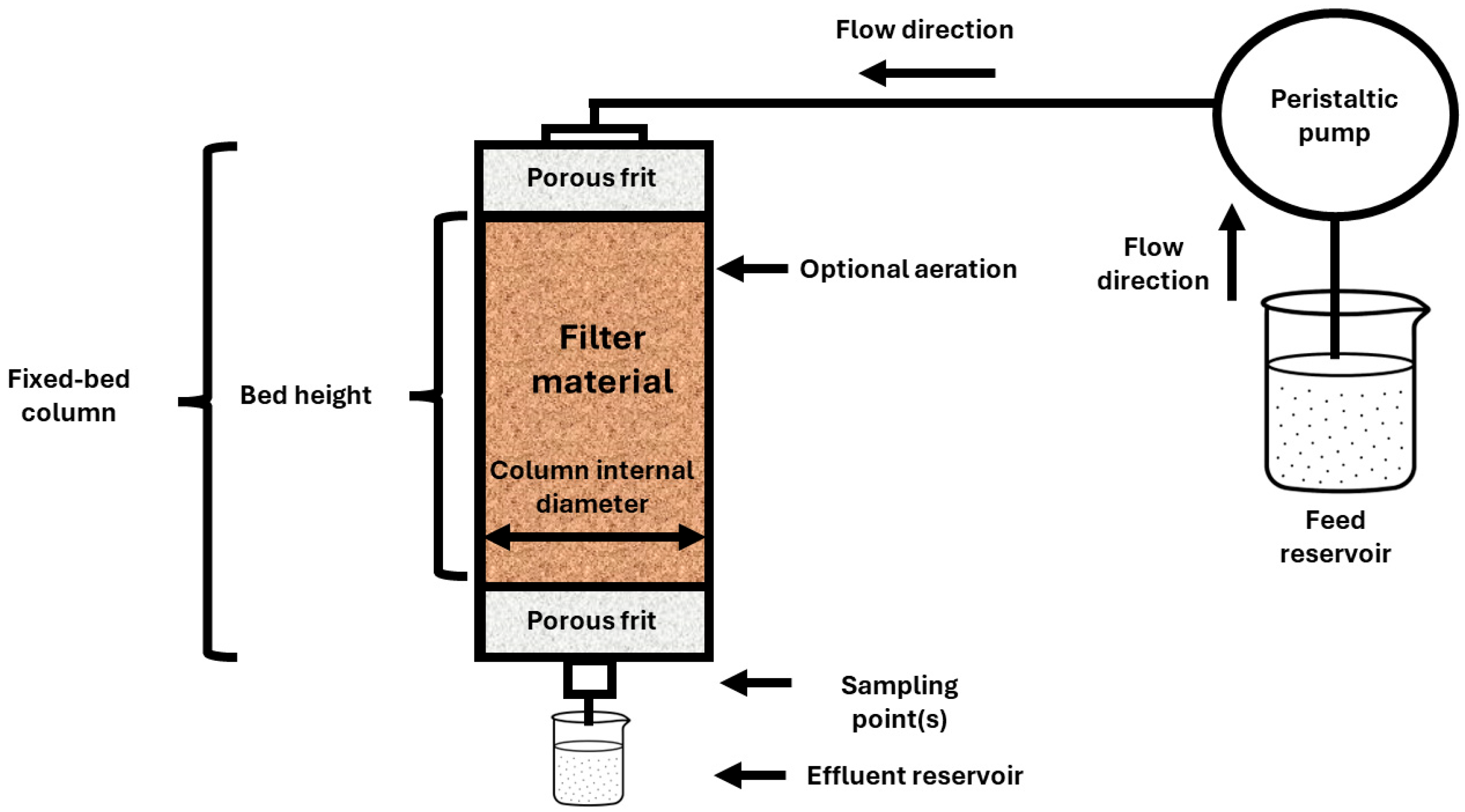
Figure 1. Schematic representation of a fixed-bed column system.
Water 18 00334 g001
Figure 2. Volume of the column (Pleurotus spp. (a) and Trametes versicolor (b)).
Water 18 00334 g002aWater 18 00334 g002b
Figure 3. Materials used in fixed-bed system filters (Pleurotus spp.).
Water 18 00334 g003
Figure 4. Materials used in fixed-bed system filters (Trametes versicolor).
Water 18 00334 g004
Figure 5. Contaminants tested in the investigated fixed-bed studies and their frequency of occurrence in papers (total number).
Water 18 00334 g005
Table 1. Number of reviewed papers by the remediation type and aqueous matrices (bold data: Pleurotus spp., italic data: Trametes versicolor).
Type of Removal StudiedReal WastewaterSynthetic Solution
Biodegradation, transformation7
7
7
2
Sorption8
0
12
1
Combined (biodegradation and sorption)2
5
3
1
Table 2. Key factors influencing efficiency based on the literature reviewed.
Group of FactorsMain Presented FactorsReference
Parameters of filter materialsCondition of fungi and enzymes[52]
Number of species used[102]
Substrate materials[40]
Particle size[91]
Supporting materials, actorsAdded carbon sources[70]
Added chemicals and supplementation[28]
Microbiology of substrates[103]
Added oxygen/aeration[60]
Operating parametersBed height[48]
Flow rate[97]
Physicochemical parameters of pollutants[89]
Concentrations of pollutants[28]
Number of pollutants[85]
pH[97]
Reuse[94]
Size of the bioreactor[62]
Disclaimer/Publisher’s Note: The statements, opinions and data contained in all publications are solely those of the individual author(s) and contributor(s) and not of MDPI and/or the editor(s). MDPI and/or the editor(s) disclaim responsibility for any injury to people or property resulting from any ideas, methods, instructions or products referred to in the content.