
Article

Settlement Induction in Mytilus coruscus Is Driven by Cue Diversity: Evidence from Natural Biofilms and Bacterial Isolates


1
National Engineering Research Center for Marine Aquaculture, Zhejiang Ocean University, Zhoushan 316022, China
2
Marine Science and Technology College, Zhejiang Ocean University, Zhoushan 316022, China
*
Author to whom correspondence should be addressed.
Water 2025, 17(23), 3395; https://doi.org/10.3390/w17233395
Submission received: 10 October 2025 / Revised: 17 November 2025 / Accepted: 26 November 2025 / Published: 28 November 2025
(This article belongs to the Section Water, Agriculture and Aquaculture)

Abstract

Mytilus coruscus, a commercially important mariculture mussel in China, has shown a marked decline in larval settlement and metamorphosis over the past decade, a trend often linked to environmental degradation and resource depletion. Numerous studies have identified bacterial biofilms as key modulators of mussel larval settlement. To investigate this, we deployed PVC plates in situ within aquaculture zones near Shengsi (Zhoushan, Zhejiang) and Lianjiang (Fuzhou, Fujian). After natural biofilm colonization on the plates, juvenile M. coruscus were introduced to assess settlement rates. The attached juveniles were homogenized, leading to the isolation of four dominant bacterial strains: Pseudomonas sp. LJBF001, Vibrio sp. LJBF002, Pseudomonas sp. LJBF003 and Bacillus sp. LJBF004. Compared to control PVC plates, natural biofilms significantly promoted juvenile settlement, with the Lianjiang (LJ) group reaching up to >29% under our assay conditions. In contrast, monospecific biofilms prepared from these isolates did not significantly increase larval metamorphosis; the numerically highest response (LJBF004) reached ~9% and was not significant versus the control. These contrasting outcomes are consistent with a threshold–multi-cue synergy mechanism, whereby cue diversity and partial redundancy in natural biofilms favour threshold crossing, while restricted cue sets in single-strain films often fall short. Guided by this framework, priority next steps include testing c-di-GMP delivery (soluble and via OMVs), probing EPS structure–function and EPS–OMV/LPS–free-fatty-acid blends alongside minimal multi-strain consortia, and adopting stage-gated assays with time-to-event endpoints and effect-size/CI reporting.

1. Introduction

Mytilus coruscus, a bivalve species of the genus Mytilus, is naturally distributed along the coasts of China, including the Yellow Sea, the Bohai Sea, and the East China Sea. Similarly to most marine invertebrates, M. coruscus larvae pass through planktonic and benthic stages during development [1]. During the planktonic stage, larvae must locate suitable substrates on which to initiate settlement and then undergo metamorphosis before transitioning into the benthic adult stage [2,3].
Recent studies on M. coruscus have primarily focused on aquaculture optimization, immune-related gene functions, proteomic profiling, functional analyses, and the mechanisms governing larval and juvenile settlement and metamorphosis [4,5,6]. Chen et al. employed RNA interference to knock down α2-AR expression and observed a pronounced suppression of M. coruscus larval metamorphosis, establishing α2-AR as a pivotal regulator of this process [7]. Li et al. showed that antithyroid drugs methimazole (MMI) and propylthiouracil (PTU) markedly inhibit larval settlement and metamorphosis, underscoring the critical role of thyroid hormones in M. coruscus development [8]. Zhu et al. further revealed that L-arginine modulates larval settlement and metamorphosis by promoting NO synthesis [9].
Microbial biofilms play a key role in regulating the settlement and metamorphosis of M. coruscus larvae [10]. Depending on their composition, bacterial biofilms can either promote or inhibit settlement and metamorphosis. Biofilms attract larvae by releasing chemical cues that activate surface receptors, initiating settlement behaviours and downstream signalling. Moreover, biofilm components such as extracellular polysaccharides and proteins significantly influence larval settlement and metamorphosis. Satuito et al. [11] provided early direct evidence that specific bacterial strains within biofilms can mediate mussel larval settlement and metamorphosis. Yang et al. [12] demonstrated that live bacteria play a crucial role in mussel larval settlement and metamorphosis, and that bacterial extracellular products such as polysaccharides and lipids also significantly contribute to this process. Wu et al. [13] suggested that specific chemical signals in biofilms may exert synergistic effects on larval metamorphosis. Hu et al. [14] demonstrated that inactivation of the tesA gene alters the fatty-acid profile of bacterial biofilms and elevates c-di-GMP levels, thereby attenuating the inductive activity of the biofilm on larval metamorphosis; supplementation with exogenous fatty-acid mixtures partially restores this activity. Yang et al. [15] indicated that substrate type influences bacterial community structure and density, thereby affecting the settlement of mussel juveniles. In addition to microbial cues, environmental factors—including light, temperature [16], salinity, pH, ions [2], and substrate properties—also modulate mussel settlement.
M. coruscus is primarily cultivated in high-yield aquaculture zones located in Zhejiang and Fujian provinces [17,18,19]. Driven by growing market demand and advances in aquaculture technologies, the industry has continued to grow. However, Zhoushan relies heavily on sourcing seedlings from Fujian Province. This dependency presents several challenges, including unstable seedling supply and low survival rates [20]. Concurrently, local hatcheries experience procurement disruptions caused by price fluctuations, which hinder the selective breeding of improved varieties. Aquaculture in Zhoushan is further challenged by declining biomass and germplasm degradation, driven by over-harvesting, habitat destruction, and environmental pollution [21]. Additionally, there are technical bottlenecks in seedling breeding, inconsistent seedling quality, and slow expansion of improved varieties. In particular, low success rates of metamorphosis induction during artificial production in the Zhoushan area have severely constrained local seed supply, further weakening Zhoushan’s capacity for self-sufficient juvenile production [22,23].
In response to the pressing challenges in seedling supply for M. coruscus aquaculture in Zhoushan, we initiated this study to explore microbial solutions. We examine how biofilm communities from aquaculture waters in different regions affect the settlement behaviour of M. coruscus. We also test monospecific biofilms produced from dominant bacterial strains isolated from successfully settled juveniles, assessing their effects on larval settlement and metamorphosis. The goal is to elucidate the functional role of these microbial communities in regulating M. coruscus larval settlement and metamorphosis, thereby offering insights to improve aquaculture practices.

2. Materials and Methods

2.1. Preparation of Natural Biofilms, Juveniles and Larvae of M. coruscus

Based on mussel hatchery practice in which PVC plates are commonly used for spat collection, fifty white 20 cm-diameter PVC plates (Shenzhen Fenyuxing Plastic Co., Ltd., Shenzhen, China) were deployed in situ in aquaculture zones at Shengsi (SS, 122°45′46″ E, 30°42′42″ N) and Lianjiang (LJ, 119°47′31″ E, 26°16′36″ N) for a 120-day (January to May) (Figure 1). To ensure stability under flow, holes were drilled 5 cm and 15 cm from one edge of each 20 cm-diameter PVC plates, with an additional hole 10 cm from the opposite edge. The upper two holes were tied with nylon rope (Binzhou Youyang Rope Net Co., Ltd., Binzhou, China) to attach the PVC plate to a floating raft, while the bottom hole was connected to a lead weight (Taihe Jinhong Fishing Tackle Co., Ltd., Anhui, China) to keep the plate vertically suspended in the water column. Plates were deployed at 1 m depth with 0.5 m spacing between plates. Before deployment, the PVC plates were disinfected with potassium permanganate solution (Hubei Zhongshui Chemical Co., Ltd., Wuhan, China) and rinsed with sterile seawater to remove surface contaminants and ensure experimental consistency.
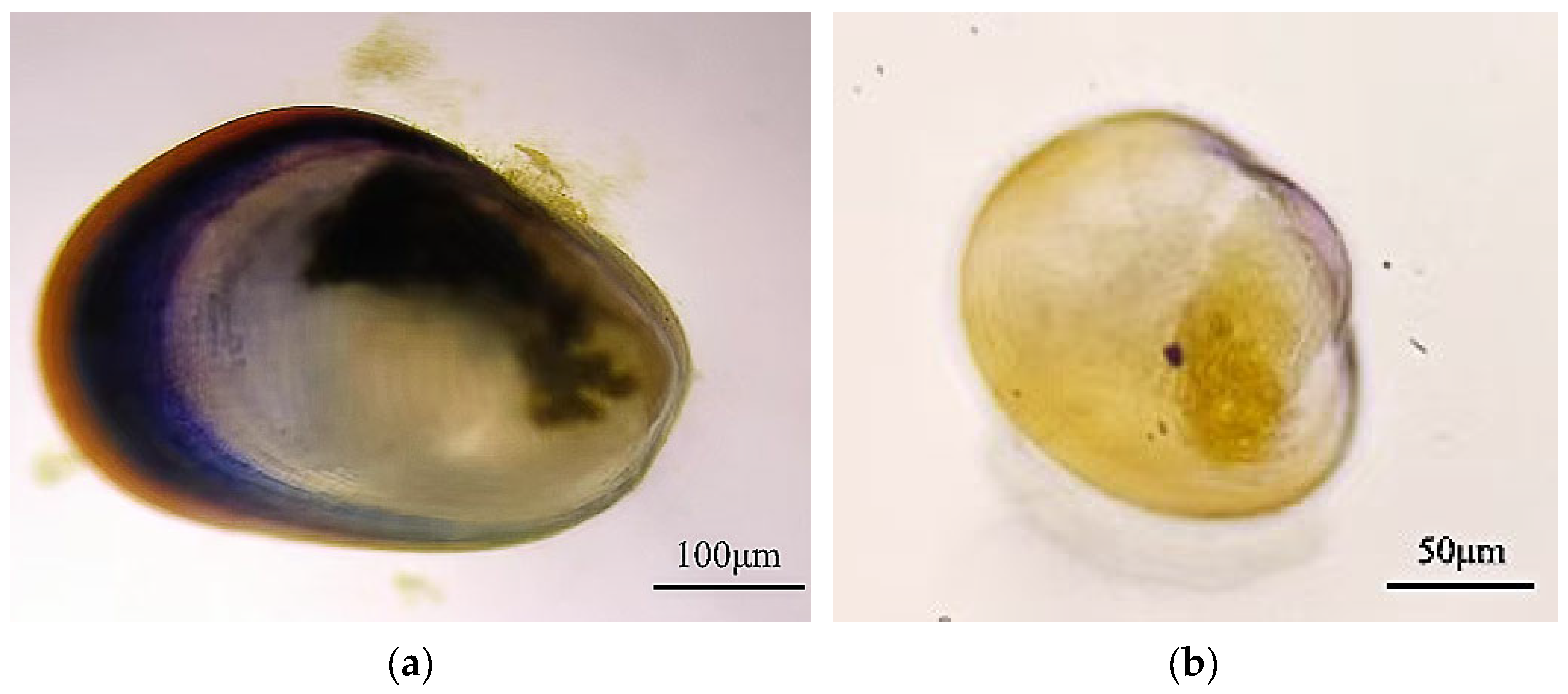
The juvenile settlement experiment was conducted in January 2024. Juveniles (Figure 2a) were obtained from a commercial hatchery located in Pinghai Town, Putian City, Fujian Province. Upon arrival at the laboratory, the juveniles were acclimated for one week under controlled conditions before being used in settlement assays. During acclimation, culture water was maintained at 18 °C with continuous aeration via air stones, and filtered seawater (salinity 25 ‰) was renewed every 24 h. Juveniles were fed three times daily with a mixed algal diet consisting of Isochrysis galbana, Platymonas subcordiformis, and Phaeodactylum tricornutum.
The larval settlement experiment was conducted out in March 2025. Eyed larvae (Figure 2b) were purchased from the Mussel Breeding Center of Donghai Mussel Co., Ltd., located in Shengsi County, Zhoushan, China. The larvae were acclimated for one week before being used in the biofilm-induced settlement assays. During acclimation, larvae were cultured at 18 °C with constant aeration; seawater (salinity 25 ‰) was replaced daily. Larvae were fed three times daily with the same mixed microalgal diet as in the juvenile trial.

2.2. Natural Biofilm-Induced Settlement Assay for M. coruscus Juvenile

Settlement plates bearing natural biofilms were placed in sterile containers filled with 5 L of sterile, filtered seawater. A micropipette (Taizhou Bodi Medical Equipment Co., Ltd., Taizhou, China) was used to evenly distribute 100 juveniles onto the surface of each settlement plate. Sterile settlement plates were used as the control group, and the settlement rate of juveniles was recorded. All conditions (experimental and control) were run in triplicate (n = 3 biological replicates) to ensure reproducibility.

2.3. Isolation and Identification of Bacteria from Attached Juveniles

Successfully settled juveniles were collected and thoroughly homogenised. The resulting mixture was centrifuged, and the precipitate was resuspended in liquid culture medium (Qingdao High-tech Industrial Park Hope Bio-technology Co., Ltd., Qingdao, China). This suspension was then incubated in a shaking incubator (Beijing DSA Instruments Co., Ltd., Pinggu District, Beijing, China) at 20 °C until it reached the logarithmic growth phase. An aliquot was streaked onto nutrient agar and incubated at 20 °C for 24 h. Single colonies were picked and further purified on fresh nutrient agar, incubated at 20 °C for 12 h. Purified isolates were then expanded for downstream assays. A sample of the bacterial suspension was subjected to Gram staining and observed under an optical microscope (Beijing Precise Instrument Co., Ltd., Beijing, China).
The bacterial suspension was centrifuged to collect the pellet, from which genomic DNA was extracted using the salt-extraction method [24]. The concentration and purity of the extracted DNA were measured using a NanoDrop UV-Vis spectrophotometer (Thermo Fisher Scientific (China) Co., Ltd., Shanghai, China). Fragments of the bacterial 16S rRNA gene were amplified using universal primers 27F and 1492R [25]. PCR amplification followed the protocol of Kadri [26], with minor modifications. PCR was performed in a 20 μL reaction mixture containing 4 μL of 5× FastPfu buffer, 2 μL of 2.5 mM dNTPs, 0.8 μL each of forward and reverse primers (5 μM), 0.4 μL of FastPfu polymerase, and 10 ng of template DNA. The thermal cycling conditions were as follows: initial denaturation at 95 °C for 5 min; 30 cycles of denaturation at 95 °C for 30 s, annealing at 58 °C for 30 s, and extension at 72 °C for 45 s; followed by a final extension at 72 °C for 10 min. Each sample was amplified in triplicate to ensure reproducibility. PCR products were verified and purified by 2% agarose gel electrophoresis and subsequently sent to Beijing Qingke Biotechnology Co., Ltd. (Beijing, China) for Sanger sequencing. The resulting sequences were aligned against the NCBI GenBank database using BLAST (https://www.ncbi.nlm.nih.gov/), and a phylogenetic tree was constructed using MEGA 11 software.

2.4. Larval Settlement Induced by Different Bacterial Biofilms

Bacterial biofilms were prepared indoors using a photo incubator (Aianmu Scientific Instrument (Beijing) Co., Ltd., Beijing, China) maintained at 20 ± 1 °C. Sterilized PVC plates were immersed in 2 L beakers (Sichuan Shubo (Group) Co., Ltd., Chongzhou, Sichuan, China) containing bacterial suspensions diluted at a ratio of 1:100. A control group was established using sterile PVC plates without biofilm. Each beaker received 20 mL of bacterial suspension at a concentration of 1 × 10⁴ cells/mL. One hundred larvae were evenly distributed onto each PVC plate in both experimental and control groups. Larval development was observed under a light microscope, and the percentage of metamorphosed individuals was recorded at 24, 48, 72 and 96 h. All experiments were conducted at 20 °C, with each condition replicated in triplicate to ensure result reliability.

2.5. Statistical Analysis

In this study, all data were subjected to statistical analysis, and the standard errors were calculated for all results. One-way analysis of variance (ANOVA) was used to assess significant differences among group means, with p-values < 0.05 considered statistically significant. Each group included three biological replicates (n = 3). All statistical analyses were conducted using SPSS (version 23.0) (IBM SPSS Statistics for Windows, IBM Corp., Armonk, NY, USA) and Origin (version 2022) (OriginLab Corp, Northampton, MA, USA).

3. Results

3.1. Analysis of M. coruscus Juvenile Settlement on Natural Microbial Biofilms

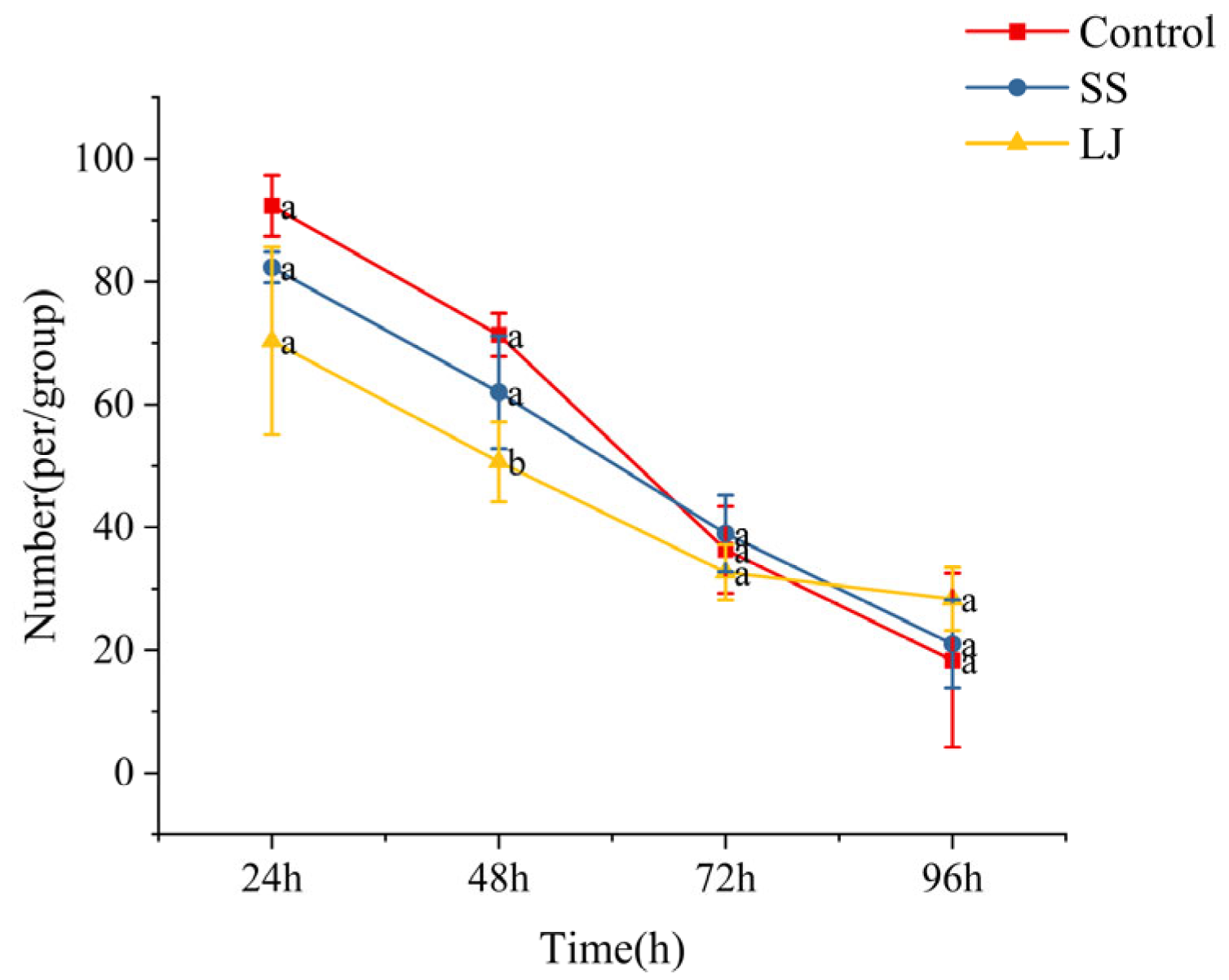
The inductive activity of natural biofilms from the SS and LJ marine areas on juvenile settlement of M. coruscus exhibited similar trends during the experimental period. Therefore, only the inductive activity results within the 0–96 h period are presented. As shown in Figure 3, the number of juveniles attached to the settlement plates gradually decreased over time, while an increasing proportion of individuals sank to the bottom of the tank. At 24 h, the settlement rate was relatively high, with the highest settlement observed in the control group. At 48 h, the settlement rate began to decline in all three groups. At 72 h, the SS group exhibited the highest settlement rate. At 96 h, all three groups showed their lowest settlement rates, with the LJ group exhibiting the relatively highest rate among them. The contrasting profiles—LJ plateau versus continued decline in the control and SS—support a site-specific advantage of LJ biofilms, leading to earlier stabilization of settlement in line with field practice.

3.2. Bacterial Isolation and Identification

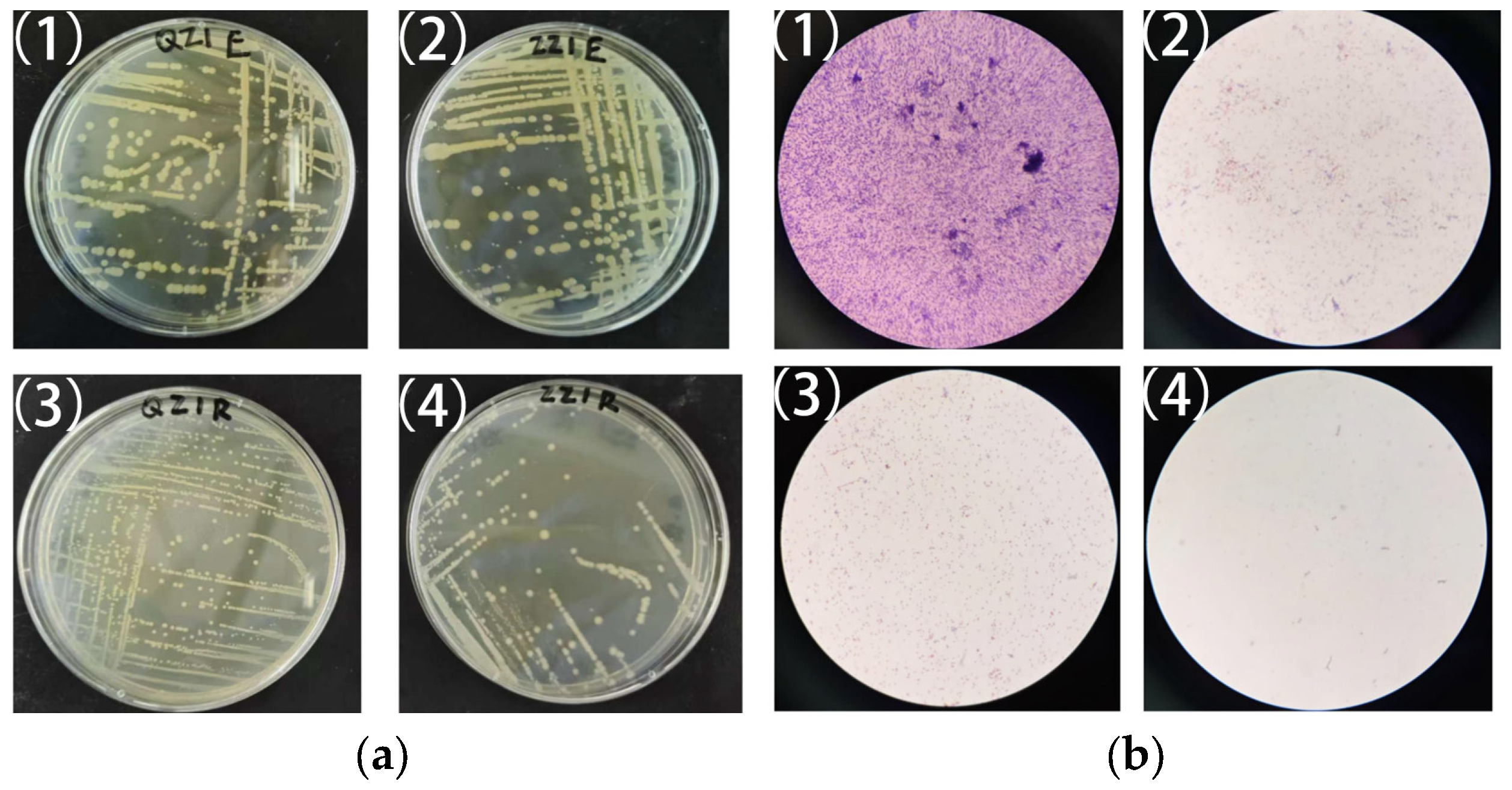
The colony morphology of the selected strains on 2216E solid medium and Nutrient Broth solid medium, as well as the results of Gram staining, are shown in Figure 4. As shown in Figure 4, strains 1 (LJBF001) and 3 (LJBF003) appeared grayish-white, were Gram-negative, and were identified as Pseudomonas by 16S rRNA sequencing. Strain 2 (LJBF002) exhibited a beige color, was Gram-negative, and was identified as Vibrio. Strain 4 (LJBF004) showed a milky-white color, was Gram-positive, and was assigned to the genus Bacillus.
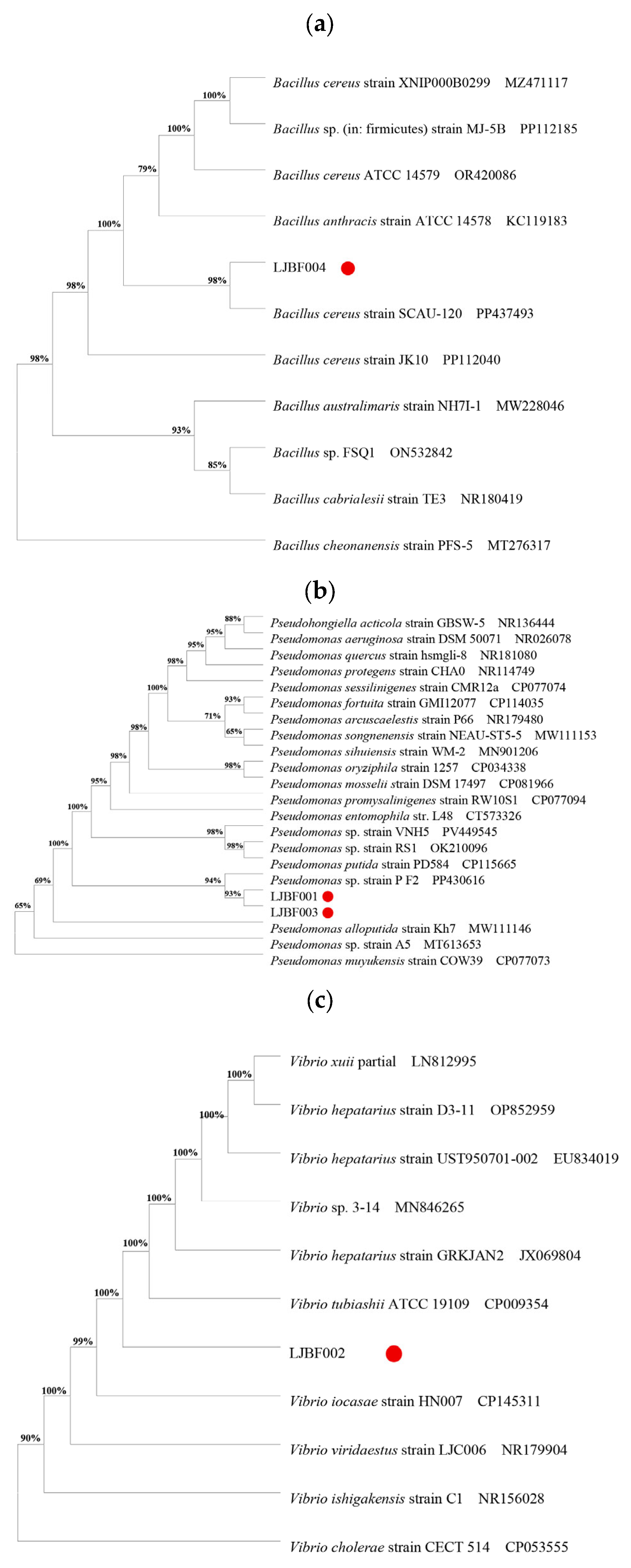
The sequencing results showed 16S rRNA gene fragment lengths of 959 bp (LJBF001), 967 bp (LJBF002), 910 bp (LJBF003), and 1020 bp (LJBF004). The sequences were compared with known sequences in GenBank using the NCBI BLAST tool. Phylogenetic trees were constructed using the 16S rRNA gene sequences of LJBF001, LJBF002, LJBF003 and LJBF004 in MEGA version 11 (Figure 5a–c). Strains LJBF001 and LJBF003 were identified as belonging to the genus Pseudomonas. Phylogenetic analysis using high-similarity reference sequences showed that LJBF001 and LJBF003 clustered together and then grouped with Pseudomonas sp. strain P F2 PP430616. Based on this phylogenetic evidence, these strains could be reliably assigned to the genus level. Strain LJBF002 was assigned to the genus Vibrio. Phylogenetic analysis with closely related sequences indicated that LJBF002 clustered with Vibrio reference strains (accessions CP009354, JX069804, and MN846265), supporting its placement at the genus level without species-level resolution. Strain LJBF004 was assigned to the genus Bacillus. Phylogenetic analysis using high-similarity reference sequences showed that LJBF004 clustered with Bacillus cereus strains PP437493. Based on this phylogenetic analysis, this strain could be reliably assigned at the genus level.

3.3. Dominant Bacteria Induce Metamorphic Development in M. coruscus Larvae

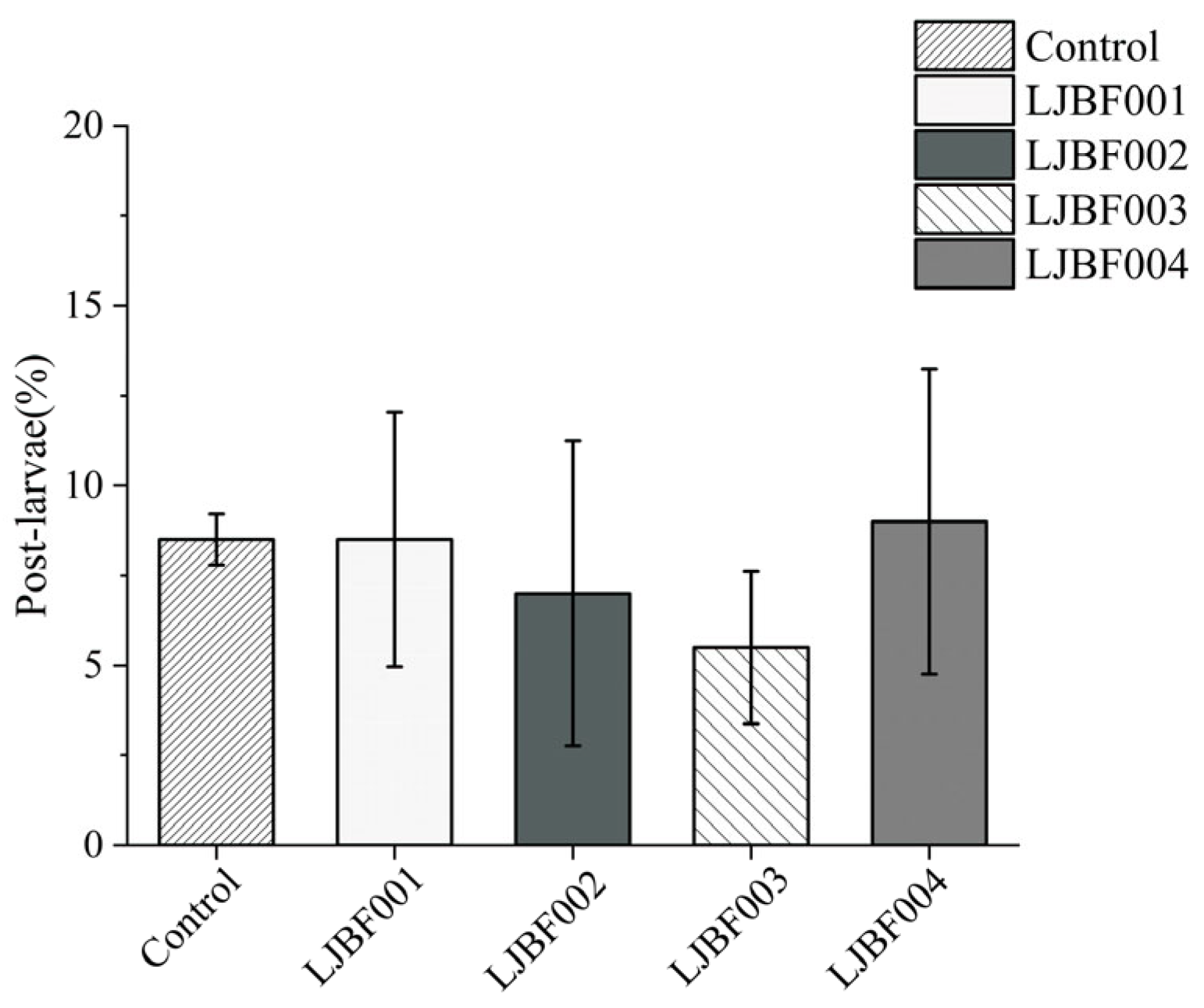
Here, we report the 48 h data, which showed that all biofilms resulted in similarly low metamorphic success. As illustrated in Figure 6, none of the four bacterial biofilms significantly promoted larval metamorphosis compared with the control group, and the number of successfully metamorphosed larvae remained low across all treatments. Among the tested treatments, the LJBF004 plates showed the highest metamorphosis rate in M. coruscus larvae (9%). Although LJBF004 yielded the highest observed metamorphosis, it was not significantly different from the control (Dunnett’s test after one-way ANOVA on arcsine–square-root transformed proportions, α = 0.05; p > 0.05).

3.4. Mechanistic Conceptual Framework: Threshold–Multi-Cue Synergy

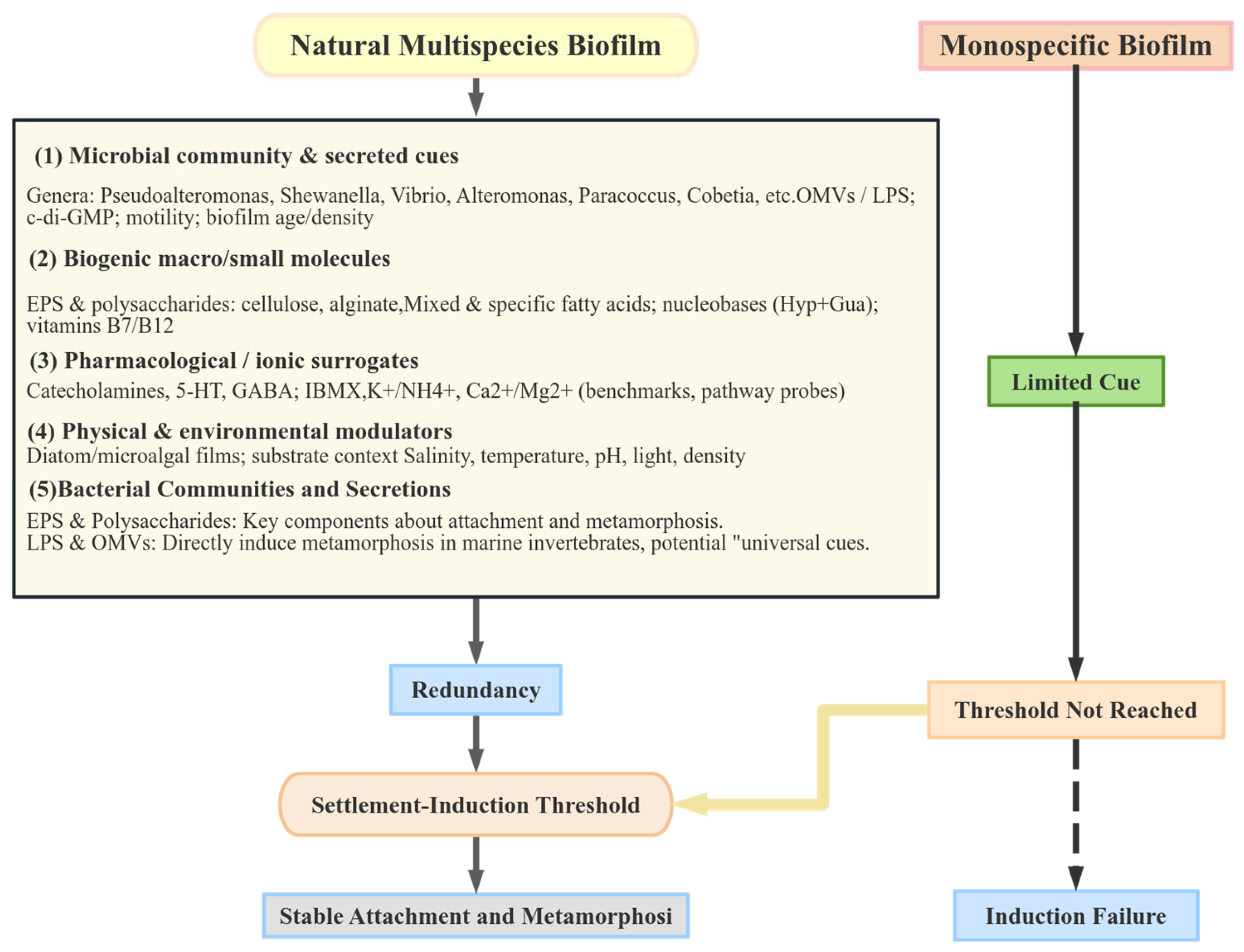
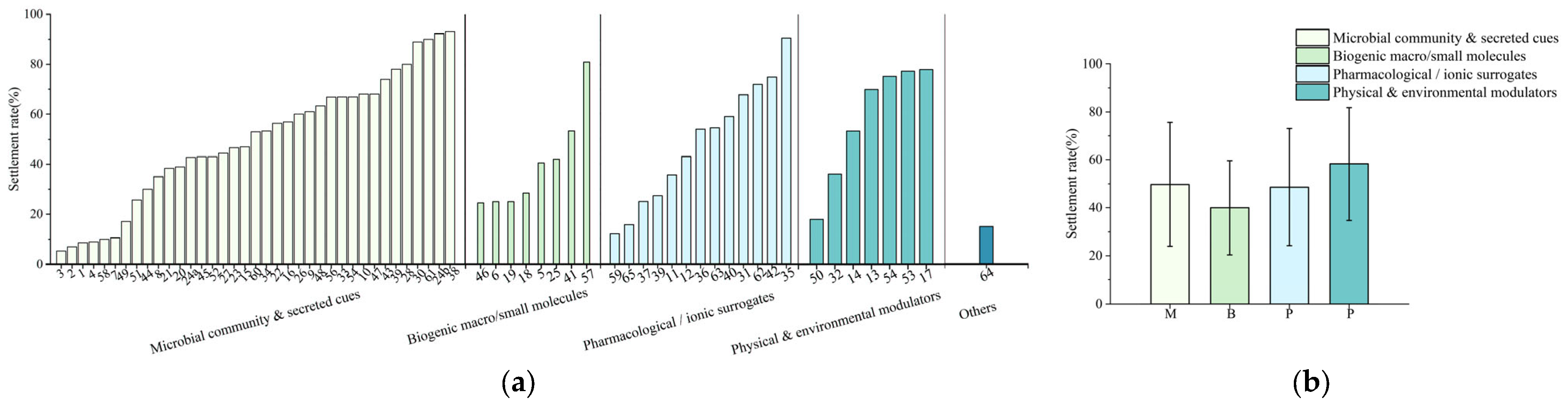
Here, we propose a “Threshold–Multi-Cue Synergy” framework. Natural multispecies biofilms provide diverse and redundant chemical and physical cues (EPS, polysaccharides/lipids, OMVs/LPS, second-messenger molecules), which more readily enable them to surpass the “settlement–metamorphosis induction threshold” (Table 1). In contrast, monospecific biofilms offer limited cues, often failing to reach this threshold, resulting in weak or failed induction efficacy. This concept is illustrated via two parallel pathways: a left-hand “Success Path” (solid arrows) and a right-hand “Failure Path” (dashed arrows), demarcated by a central “Threshold” ellipse (Figure 7). This framework simultaneously explains our results—wherein natural biofilms were effective while monospecific biofilms showed limited effects—and aligns with existing research findings on the influence of biofilm age, bacterial density, and community structure on induction success.
Natural biofilms, particularly mature, high-density communities, are potent inducers of M. coruscus settlement and metamorphosis, largely owing to extracellular polymeric substances (EPS). Specific bacterial taxa from diverse environments can trigger the complete settlement–metamorphosis cascade, whereas bacterial outer-membrane components such as lipopolysaccharides (LPS) and outer membrane vesicles (OMVs) may serve as universal cues [3,12,27,28]. Emerging evidence highlights bacterial bis-(3′-5′)-cyclic dimeric guanosine monophosphate (c-di-GMP) as a direct metamorphosis-inducing signal, with intra-species production variation explaining differential inductive capacities [29,30]. Microalgae-bacterial consortia form synergistic “composite cues” that enhance settlement across taxa [31,32,33], whereas neuroactive substances (epinephrine, dopamine, serotonin, GABA) and ions (K+, NH4+) act primarily as pharmacological benchmarks rather than ecological cues, inducing metamorphosis at 10−6 to 10−4 M [8,34,35,36]. A broader review suggests settlement in bivalves is linked to dopaminergic pathways, while metamorphosis involves distinct or synergistic signalling pathways, indicating cue-specific roles for these critical developmental endpoints [9,37].
Table 1. Settlement Induction Effectiveness.
No.SpeciesNatural Metamorphosis TimeAttaches Post-Metamorphosis?Inducing FactorInducing Environmental ParametersInducing TimeInducing Success RateRef.
STpHDO
1M. coruscusMay–OctoberYPseudomonas LJBF00125207.6-7 d8.6%This study
2M. coruscusMay–OctoberYVibrio LJBF00225207.6-7 d7%This study
3M. coruscusMay–OctoberYPseudomonas LJBF00325207.6-7 d5.3%This study
4M. coruscusMay–OctoberYBacillus LJBF00425207.6-7 d9%This study
5M. coruscusMay–OctoberYFatty acids (5 mg/L)----48 h40.5%[38]
6M. coruscusMay–OctoberYCellulose (2 mg/L)----48 h25%[39]
7M. coruscusMay–OctoberYPseudoalteromonas marina pilZ----48 h10.56%[40]
8M. coruscusMay–OctoberYVirgibacillus sp.1----48 h35%[41]
9M. coruscusMay–OctoberYParacoccus sp.1----24 h61%[34]
10M. coruscusMay–OctoberYBacillus sp.2----12 h68%[42]
11M. coruscusMay–OctoberYCalcium, Pseudoalteromonas marina----24 h35.56%[43]
12M. coruscusMay–OctoberYAdrenergic (10−4 mol/L)----24 h43%[44]
13M. coruscusMay–OctoberYMiddle wettability surfaces Cobetia sp.3----48 h70%[45]
14M. coruscusMay–OctoberYLight intensity, Water temperature and density13–23---12 h53.3%[16]
15M. coruscusMay–OctoberYSilanizing surfaces Staphylococcus sp.1----12 h47%[46]
16M. coruscusMay–OctoberYVibrio cyclitrophicus----48 h57%[27]
17M. coruscusMay–OctoberYSalinity, Temperature27.4–35.321–247.7–8.5-10 d78%[47]
18M. coruscusMay–OctoberYVitamin B7--7.6-72 h28.33%[48]
19M. coruscusMay–OctoberYCellulose----48 h25%[49]
20M. coruscusMay–OctoberYWild-type----48 h38.89%[28]
21M. coruscusMay–OctoberYPseudoalteromonas marina----48 h38.33%[50]
22M. coruscusMay–OctoberYOMV----48 h56.42%[51]
23M. coruscusMay–OctoberYShewanella marisflavi----48 h46.67%[52]
24M. coruscusMay–OctoberYBacillus sp.4 (larvae) ----48 h42.78%[53]
Phaeobacter sp.1 (plantigrades)24 h92.22%
25M. coruscusMay–OctoberYAlginate----48 h42%[54]
26Mytilus galloprovincialisJune–OctoberYAlteromonas sp. 128–3222–26, 10–148.0–8.5-24 h>60%[29]
27M. coruscusMay–OctoberYPseudomonas sp.30187.8-24 h44.44%[55]
28M. galloprovincialisJune–OctoberYNatural biofilm-12–28--48 h>80%[12]
29M. galloprovincialisJune–OctoberY3 weeks old natural biofilm-17 ± 1--48 h78%[56]
30M. coruscusMay–OctoberYShewanella sp.13018--48 h88.9%[57]
31Mytilopsis Sallei-YHyp + Gua3028--48 h67.8%[58]
32M. coruscusMay–OctoberYTemperature (22 °C)-14–31--48 h36%[59]
33M. coruscusMay–OctoberYVibrio sp.17-18--12 h67%[60]
34M. coruscusMay–OctoberYPseudoalteromonas marina3018--48 h53.3%[61]
35Oyster-YNH4Cl--8.0-<5 min90.6%[62]
36Pinctada MaximaDecember–MarchYBiofilm + Serotonin (10−3M)----6 h54%[63]
37Pinctada MargaritiferaOctober–MayYGABA----24 h25%[64]
38M. coruscusMay–OctoberYNatural biofilms of different ages-18--48 h93%[37]
39M. coruscusMay–OctoberYGABA (10−4 M)-18--96 h27.2%[35]
40Mercenaria mercenariaApril–OctoberYCa2+/Mg2+----24 h59.16%[65]
41M. coruscusMay–OctoberY10 mg/L LPS3018--48 h53.3%[66]
42Mytilus EdulisJune–OctoberYIBMX (10−6–10−4 M)2411--24 h75%[67]
43M. galloprovincialisMay–OctoberYAlteromonas sp.1-11--48 h74%[13]
44M.coruscusMay–OctoberYPseudoalteromonas marina-18--72 h30%[30]
45M.coruscusMay–OctoberYFerric ions, Shewanella marisflavi ECSMB14101 biofilms-18--96 h43%[68]
46Phragmatopoma califomicaMay–OctoberYFFA-20--24 h24.5%[69]
47M. coruscusMay–OctoberYBacterial biofilms10, 20, 308, 18, 28--48 h68%[70]
48M. coruscusMay–OctoberYBacterial biofilms-18--48 h63.33%[71]
49Amusium pleuronectesMarch–NovemberYMicroalgae3328--21 d17.21%[31]
50Pinctada maximaOctober–MayYDensity30.8–32.527.5–31.08.0–8.3--18%[72]
51P. maximaOctober–MayYBacterial biofilms----48 h25.78%[73]
52Chlamys farreriMarch–NovemberYBenthic diatom bacterial biofilms-8—10--7 d43.02%[32]
53Perna viridisOctober–MayYSalinity26–2824.3–29.27.5–8.4-15 d77.32%[33]
54P. maximaOctober–MayYSalinity (31.1)11.53–46.76---24 h75.36%[74]
55Haliotis discus hannaiMarch–NovemberYBenthic diatoms31.0620--21 d67%[75]
56Styela canopusMarch–NovemberYPhotorhabdus-25--48 h66.96%[76]
57M. coruscusMay–OctoberYMytilus galloprovincialis peptide3018--48 h81%[77]
58Serpula vermicularis, BryozoaMarch–NovemberYBacterial biofilms-28--1 h10%[78]
59S.vermicularisMarch–NovemberY10−4 IBMX-28--48 h12%[79]
60Balanus amphitriteMarch–NovemberYNavicula ramosissima-25--24 h53%[80]
61BryozoaMarch–NovemberYMixed bacterial and diatom biofilms-----90%[81]
62Argopecten irradiansMay–OctoberYKCl----12 h72%[36]
63Crassostrea nipponaOctober–MayYEpinephrine32–3326–28--1 h54.55%[82]
64Scapharca subcrenataMarch–NovemberYPolyethylene mesh sheet substrate----24 h14.9%[83]
65Ostrea edulis (L.)April–NovemberYGABA, Bacterial biofilms -18--24 h15.7%[84]
Note: Y: Yes; S: Salinity, ‰; T: Temperature, °C; DO: Dissolved Oxygen.

3.5. Future Research Directions Inferred from the Comparative Evidence

Building on the evidence map and our re-analysis, we propose a focused, testable agenda to pinpoint causal cues that complete metamorphosis in M. coruscus. First, bacterial second-messenger signalling should be prioritized: we hypothesize that c-di-GMP (delivered as a soluble metabolite and/or via OMVs) functions as a direct metamorphic trigger; it should elicit dose–response effects and show pharmacological specificity (e.g., sensitivity to phosphodiesterase depletion or competitive analogs), with strain-level differences in production explaining divergent biofilm potencies. Second, we posit an EPS structure–function threshold, whereby distinct EPS architectures or selected free fatty acids supply the additional signals required to cross the induction threshold and complete metamorphosis. Third, we predict community redundancy and complementarity: minimal sets of co-occurring taxa should be sufficient to reproduce induction, and potency should track composite exudate/vesicle spectra rather than cell counts alone. Fourth, we advocate stage-gated assays that decouple “settlement” from “metamorphosis”, using partial induction cues and mechanistic probes to test the settlement-to-metamorphosis transition. Fifth, neuroactive agents (catecholamines, 5-HT, GABA) should be used as mechanistic surrogates to map downstream pathways—by comparing transcriptomic/proteomic readouts and inhibitor sensitivities with ecological cues, we can identify convergent signalling nodes. Across all experiments, we recommend the use of time-to-event endpoints (hazard ratios for time to stable settlement and metamorphosis), together with clear effect-size estimates and confidence intervals. Full experimental conditions should be archived alongside raw counts and code, so that the evidence map can be iteratively refined and cue combinations that robustly and reproducibly induce complete metamorphosis can be identified.

4. Discussion

Microorganisms dominate numerically in marine environments, playing crucial roles in the origin of life, the decomposition of organic matter, biogeochemical cycling, and the maintenance of ecosystem stability [85,86]. Biofilms are complex microbial communities embedded within an extracellular polymeric substance (EPS) matrix. They develop on submerged surfaces through the accumulation of metabolic products and are composed primarily of bacteria [87]. This structure functions as an important defense mechanism against external environmental stresses [88,89]. Owing to their remarkable taxonomic diversity and broad habitat range, these microbes are pervasive across marine, terrestrial, and artificial surfaces, and in aquatic systems their composition and function are shaped by environmental factors—including temperature, salinity, pH, light, and substrate properties [90,91,92]. Compared with terrestrial microbes, marine microorganisms have evolved unique adaptations to extreme oceanic conditions—such as high salinity, elevated hydrostatic pressure, and low light availability—and are widely distributed in aquatic environments [93]. In these environments, they provide essential ecosystem services, including primary production, organic matter decomposition, and nutrient cycling [94,95,96]. In natural marine environments, biofilm formation begins with bacterial settlement on solid surfaces, followed by the release of metabolic products that attract protozoa and algae. This process ultimately facilitates the settlement of larger organisms, such as shellfish and fish, thereby contributing to marine biodiversity formation and material cycling [97].
The interaction between offshore bacteria and invertebrate recruitment has long been widely recognized. Satuito et al. first demonstrated that specific bacterial strains can directly induce Mytilus larval settlement and metamorphosis [11]. Subsequently, Hadfield’s group showed that Hydroides elegans settlement is not dependent on any single taxon but is instead triggered by insoluble, surface-bound components of the biofilm [98]. Rahim et al. further revealed that, in larvae of Pseudocentrotus depressus and Anthocidaris crassispina, bacterial cues outweigh diatom-derived signals, and that the inductive activity can be abolished by heat, ethanol, or HCl [99]. Huggett’s combined field and laboratory assays identified Pseudoalteromonas biofilms as potent inducers of settlement in Heliocidaris erythrogramma [100]. Michael et al. demonstrated that H. elegans larvae exhibit a selective response to bacterial constituents within biofilms [101]. Yang et al. documented a synchronous increase in metamorphic activity with biofilm age, season, dry weight, and bacterial density, confirming that live bacteria and their EPS are pivotal agents [12]. Bao et al. elucidated a density-dependent effect of Alteromonas sp. 1, implying a synergistic chemical signalling mechanism [13]. Yang et al. quantified the biofilm–larva relationship in M. coruscus, establishing a positive correlation among biofilm age, thickness, and microbial density, and providing direct evidence that bacteria govern mussel larval settlement and metamorphosis [3].
M. coruscus is a marine invertebrate that exhibits secondary settlement behaviour. In this study, natural microbial biofilms formed in different marine areas were evaluated for their capacity to induce settlement in this mussel. The results showed that all tested natural biofilms promoted settlement activity in juveniles, with no significant differences in inductive potency among geographic origins. Natural multispecies biofilms outperformed single-strain films because cue diversity and partial redundancy increase the probability of crossing a settlement-induction threshold (Figure 8). In practical terms, diverse biofilms co-deliver adhesive and physical cues (EPS-mediated surface properties) together with chemical triggers (OMVs/LPS-associated signals and second-messenger-related molecules). This framing also explains the earlier stabilisation under LJ biofilms in our time-course (72–96 h plateau), whereas the control and SS treatments continued to decline. LJ biofilms likely provided an earlier, sufficiently rich cue set to reach a stable state, while reduced cue sets failed to maintain settlement over time. The evidence map (Figure 7) indicates stage specificity: adhesive/physical cues (EPS, biofilm age/density, substrate-linked properties) tend to favour settlement, whereas distinct chemical triggers are typically required to complete metamorphosis. A testable sequence is: (i) surface recognition/near-surface behaviour driven by community exudates/EPS (substrate receptors, tactile/chemo-reception); (ii) signal transduction via bacterial products associated with OMVs/LPS and second-messenger exposure (c-di-GMP), converging on larval neural/epithelial signalling nodes; and (iii) cellular/behavioural effects (adhesion strengthening, ciliary/velum remodelling) that consolidate stable settlement, and—only when sufficient chemical triggers are present—initiate metamorphic pathways. In our single-strain assays, the restricted cue spectrum did not reach this threshold, consistent with the numerically higher but non-significant metamorphosis rate observed under LJBF004 and the overall low efficacy of monospecific biofilms. This indicates that settlement induction strength is not directly correlated with the geographic provenance of the biofilm. Instead, the observed variation in inductive activity is likely attributable to differences in bacterial taxonomic composition. The dominant inductive bacterial strains isolated from settled juvenile were distributed across distinct genera. Strains LJBF001 and LJBF003, belonging to the same genus, exhibited no significant difference in inductive capacity. Likewise, LJBF002 and LJBF004 did not differ significantly in the percentage of post-larval settlement. Because bacterial species within the same genus do not necessarily exhibit identical inducing activities, this finding is in line with those of Yang et al. [57] and Hadfield [101]. These findings suggest that bacterial taxonomic identity alone may not determine the capacity to induce larval settlement, and the underlying mechanisms remain to be elucidated. Anchored to Figure 8, our data yield three practical implications without additional experiments: (1) Interpretation—single-strain negative results are mechanistically informative (insufficient cue breadth), not merely inconclusive. (2) Design—adopt stage-gated assays (report time-to-stable-settlement and effect sizes with 95% CIs) so that settlement and metamorphosis are analytically decoupled in future comparisons. (3) Prioritisation—within existing samples and the literature synthesis (Figure 7), focus on EPS structure–function and candidate chemical triggers (OMVs/LPS-associated signals, c-di-GMP exposure) as minimal composite cue sets most likely to account for LJ’s earlier stabilisation and the weakness of single-strain films.
Consistent with the threshold–multi-cue synergy framework, our data support the view that natural multispecies biofilms supply a diverse and partly redundant set of cues—encompassing EPS/polysaccharides and lipids, OMV/LPS-associated signals, c-di-GMP and community attributes such as biofilm age and density—that jointly increase the probability of crossing a settlement-induction threshold. By contrast, single-strain biofilms undersupply cues and therefore often fail to elicit complete metamorphosis [3,12,30]. The evidence map further benchmarks inducer classes across bivalves and endpoints, indicating that settlement is frequently associated with adhesive/physical signals (e.g., EPS and substrate properties), while metamorphosis typically requires distinct chemical triggers; pharmacological positives (catecholamines, 5-HT, GABA) should thus be regarded as pathway probes/assay benchmarks rather than ecological cues [8,34,35]. Building on this synthesis, we outline testable priorities for future work: (i) quantify bacterial c-di-GMP production as a direct metamorphosis-inducing messenger with clear dose–response and pharmacological specificity; (ii) resolve an EPS structure–function threshold, including potential synergy with OMV/LPS-associated signals or selected free fatty acids; (iii) evaluate minimal multi-strain consortia to probe community redundancy and complementarity; and (iv) adopt stage-gated assays that first secure stable settlement and then metamorphosis, using time-to-event endpoints, effect-size estimates with 95% confidence intervals (CIs) and equivalence/non-inferiority margins, while archiving informative negative results to iteratively refine the evidence base [3,8,29,35].

5. Conclusions

Natural multispecies biofilms from two aquaculture regions consistently promoted juvenile settlement in Mytilus coruscus, whereas single-strain biofilms prepared from dominant isolates showed low, non-significant metamorphosis relative to the control under our assay conditions. These results support a threshold–multi-cue synergy framework in which diverse, partly redundant chemical/physical cues in natural biofilms increase the probability of crossing the settlement induction threshold, while restricted cue sets in monospecific films often fall short. Future work should prioritise testing c-di-GMP delivery (soluble and via OMVs), probing EPS structure–function and EPS–OMV/LPS–FFA blends to define minimal effective cue sets, and adopting stage-gated designs with time-to-event endpoints and effect-size/CI reporting.

Author Contributions

Conceptualization, J.L.; methodology, N.C. and Y.F.; software, N.C., Q.Z. and W.L.; validation, N.C. and J.D.; formal analysis, N.C. and X.L.; data curation, N.C.; writing—original draft preparation, N.C.; writing—review and editing, J.L.; funding acquisition, J.L. and Y.Y. All authors have read and agreed to the published version of the manuscript.

Funding

This research was funded by the Township Science & Technology Commissioner Program of Bureau of Science & Technology of Zhoushan, grant number 2024C71028.

Data Availability Statement

The original contributions presented in the study are included in the article, further inquiries can be directed to the corresponding author.

Conflicts of Interest

The authors declare no conflicts of interest.

Abbreviations

The following abbreviations are used in this manuscript:
PVCPolyvinyl Chloride
SSShengsi Group
LJLianjiang Group
ZMA 2216Zobell Marine Agar 2216
NANutrient Agar

References

  1. Chang, R.-H.; Yang, L.-T.; Luo, M.; Fang, Y.; Peng, L.-H.; Wei, Y.; Fang, J.; Yang, J.-L.; Liang, X. Deep-Sea Bacteria Trigger Settlement and Metamorphosis of the Mussel Mytilus coruscus Larvae. Sci. Rep. 2021, 11, 919. [Google Scholar] [CrossRef]
  2. Yang, J.L.; Li, S.H.; Bao, W.Y.; Yamada, H.; Kitamura, H. Effect of Different Ions on Larval Metamorphosis of the Mussel Mytilus galloprovincialis. Aquac. Res. 2015, 46, 155–162. [Google Scholar] [CrossRef]
  3. Yang, J.L.; Li, X.; Liang, X.; Bao, W.Y.; Shen, H.D.; Li, J.-L. Effects of Natural Biofilms on Settlement of Plantigrades of the Mussel Mytilus coruscus. Aquaculture 2014, 424–425, 228–233. [Google Scholar] [CrossRef]
  4. Li, N.; Tan, L.; Yang, L.; Shi, G.; Wang, Z.; Liao, Z. Purification, cDNA Clone and Recombinant Expression of Foot Protein-3 from Mytilus coruscus. Protein Pept. Lett. 2011, 18, 1265–1272. [Google Scholar] [CrossRef] [PubMed]
  5. Gao, P.; Liao, Z.; Wang, X.; Bao, L.; Fan, M.; Li, X.; Wu, C.; Xia, S. Layer-by-Layer Proteomic Analysis of Mytilus galloprovincialis Shell. PLoS ONE 2015, 10, e0133913. [Google Scholar] [CrossRef]
  6. Xu, K.; Tang, Z.; Liu, S.; Liao, Z.; Xia, H.; Liu, L.; Wang, Z.; Qi, P. Effects of Low Concentrations Copper on Antioxidant Responses, DNA Damage and Genotoxicity in Thick Shell Mussel Mytilus coruscus. Fish Shellfish. Immunol. 2018, 82, 77–83. [Google Scholar] [CrossRef] [PubMed]
  7. Liang, X.; Chen, K.; Li, Y.F.; Bao, W.Y.; Yoshida, A.; Osatomi, K.; Yang, J.-L. An A2-Adrenergic Receptor Is Involved in Larval Metamorphosis in the Mussel, Mytilus coruscus. Biofouling 2019, 35, 986–996. [Google Scholar] [CrossRef]
  8. Li, Y.F.; Wang, Y.Q.; Zheng, Y.; Shi, X.; Wang, C.; Cheng, Y.L.; Zhu, X.; Yang, J.L.; Liang, X. Larval Metamorphosis Is Inhibited by Methimazole and Propylthiouracil That Reveals Possible Hormonal Action in the Mussel Mytilus coruscus. Sci. Rep. 2021, 11, 19288. [Google Scholar] [CrossRef]
  9. Zhu, Y.T.; Liang, L.L.; Liu, T.T.; Liang, X.; Yang, J.L. Effects of L-Arginine on Nitric Oxide Synthesis and Larval Metamorphosis of Mytilus coruscus. Genes 2023, 14, 450. [Google Scholar] [CrossRef]
  10. Li, Y.F.; Guo, X.P.; Yang, J.L.; Liang, X.; Bao, W.Y.; Shen, P.J.; Shi, Z.Y.; Li, J.L. Effects of Bacterial Biofilms on Settlement of Plantigrades of the Mussel Mytilus coruscus. Aquaculture 2014, 433, 434–441. [Google Scholar] [CrossRef]
  11. Satuito, C.G.; Natoyama, K.; Yamazaki, M.; Fusetani, N. Inductin of Attachment and Metamorphosis of Laboratory Cultures Mussel Mytilus Edulis galloprovincialis Larvae by Microbial Film. Fish. Sci. 1995, 61, 223–227. [Google Scholar] [CrossRef]
  12. Bao, W.Y.; Satuito, C.G.; Yang, J.L.; Kitamura, H. Larval Settlement and Metamorphosis of the Mussel Mytilus galloprovincialis in Response to Biofilms. Mar. Biol. 2007, 150, 565–574. [Google Scholar] [CrossRef]
  13. Bao, W.Y.; Yang, J.L.; Satuito, C.G.; Kitamura, H. Larval Metamorphosis of the Mussel Mytilus galloprovincialis in Response to Alteromonas Sp. 1: Evidence for Two Chemical Cues? Mar. Biol. 2007, 152, 657–666. [Google Scholar] [CrossRef]
  14. Hu, X.M.; Zhang, J.; Ding, W.Y.; Liang, X.; Wan, R.; Dobretsov, S.; Yang, J.L. Reduction of Mussel Metamorphosis by Inactivation of the Bacterial Thioesterase Gene via Alteration of the Fatty Acid Composition. Biofouling 2021, 37, 911–921. [Google Scholar] [CrossRef]
  15. Li, Y.; Chen, Y.; Yang, J.; Bao, W.; Guo, X.; Liang, X.; Shi, Z.; Li, J.; Ding, D. Effects of Substratum Type on Bacterial Community Structure in Biofilms in Relation to Settlement of Plantigrades of the Mussel Mytilus coruscus. Int. Biodeterior. Biodegrad. 2014, 96, 41–49. [Google Scholar] [CrossRef]
  16. Xu, J.K.; Peng, L.H.; Gao, W.; Shen, H.D.; Liang, X.; Yang, J.L. Effects of Light Intensity, Water Temperature and Density on Aggregation of Juvenile mussel Mytilus coruscus. J. Dalian Fish. Univ. 2017, 32, 275–279. [Google Scholar] [CrossRef]
  17. Xu, D.; Qiu, C.; Yan, Y. Role of the South China Sea Summer Upwelling in Tropical Cyclone Intensity. Am. J. Clim. Change 2019, 8, 1–13. [Google Scholar] [CrossRef]
  18. Lian, E.; Yang, S.; Wu, H.; Yang, C.; Li, C.; Liu, J.T. Kuroshio Subsurface Water Feeds the Wintertime Taiwan Warm Current on the Inner East China Sea Shelf. J. Geophys. Res. Ocean. 2016, 121, 4790–4803. [Google Scholar] [CrossRef]
  19. Qian, J.; Deng, F.; Shumway, S.E.; Hu, M.; Wang, Y. The Thick-Shell Mussel Mytilus Coruscus: Ecology, Physiology, and Aquaculture. Aquaculture 2024, 580, 740350. [Google Scholar] [CrossRef]
  20. Wei, X.; Fu, Z.; Li, J.; Guo, B.; Ye, Y. Genetic Structure and Phylogeography of Commercial Mytilus unguiculatus in China Based on Mitochondrial COI and Cytb Sequences. Fishes 2023, 8, 89. [Google Scholar] [CrossRef]
  21. Zhang, W.; Li, R.; Chen, X.; Wang, C.; Gu, Z.; Mu, C.; Song, W.; Zhan, P.; Huang, J. Molecular Identification Reveals Hybrids of Mytilus coruscus × Mytilus galloprovincialis in Mussel Hatcheries of China. Aquacult. Int. 2020, 28, 85–93. [Google Scholar] [CrossRef]
  22. Ye, Y.; Li, J.; Wu, C.; Xu, M.; Guo, B. Genetic Analysis of Mussel (Mytilus coruscus) Populations on the Coast of East China Sea Revealed by ISSR-PCR Markers. Biochem. Syst. Ecol. 2012, 45, 1–6. [Google Scholar] [CrossRef]
  23. Liang, J.; Yu, B.C.; Bi, Y.X.; Wang, W.D. The Biological Characteristics and Growth Patterns of Mytilus coruscus in the Waters of Zhongjieshan Islands. Chin. J. Ecol. 2015, 34, 471. [Google Scholar]
  24. Aljanabi, S.M.; Martinez, I. Universal and Rapid Salt-Extraction of High Quality Genomic DNA for PCR-Based Techniques. Nucleic Acids Res. 1997, 25, 4692–4693. [Google Scholar] [CrossRef] [PubMed]
  25. Ge, Y.; Xue, Y.; Yang, Q.; Xing, W.; Zhu, S.; Jiang, W.; Liu, J. Benzalkonium Chloride Disinfection Increases the Difficulty of Controlling Foodborne Pathogens Identified in Aquatic Product Processing. J. Hazard. Mater. 2025, 488, 137140. [Google Scholar] [CrossRef]
  26. Kadri, K. Polymerase Chain Reaction (PCR): Principle and Applications. In Synthetic Biology—New Interdisciplinary Science; IntechOpen: London, UK, 2019; ISBN 978-1-78984-090-2. [Google Scholar]
  27. Liang, X.; Liu, H.Y.; Yang, L.T.; Chang, R.H.; Peng, L.H.; Li, Y.F.; Yang, J.L. Effects of Dynamic Succession of Vibrio Biofilms on Settlement of the Mussel Mytilus coruscus. J. Fish. China 2020, 44, 118–129. [Google Scholar] [CrossRef]
  28. Yang, J.L.; Mu, J.Y.; Hu, X.M.; Zhu, Y.T.; Peng, L.H.; Liang, X. Effects of Bacterial Motility on Dynamic Succession of Biofilms and Settlement of the Mussel Mytilus coruscus. Prog. Fish. Sci. 2023, 44, 200–208. [Google Scholar] [CrossRef]
  29. Bao, W.Y.; Satuito, C.G.; Kitamura, H. Larval Settlement Mechanism of the Mussel Mytilus Galloprovincialis. Sess. Org. 2008, 25, 11–15. [Google Scholar] [CrossRef]
  30. Hu, X.M.; Peng, L.; Wu, J.; Wu, G.; Liang, X.; Yang, J.L. Bacterial C-Di-GMP Signaling Gene Affects Mussel Larval Metamorphosis through Outer Membrane Vesicles and Lipopolysaccharides. npj Biofilms Microbiomes 2024, 10, 38. [Google Scholar] [CrossRef]
  31. Yan, J.X.; Wang, Y.; Chen, M.Q.; Li, Y.N.; Ma, Z.H.; Yu, G.; Deng, Z.H.; Wu, K.C. Effects of Alone and Combined Microalgae and Marine Yeasts on Growth and Survival of Larval Long Rib Solar Moon Shell Amusium pleuronectes. Fish. Sci. 2018, 37, 756–761. [Google Scholar] [CrossRef]
  32. Du, M.R.; Fang, J.G.; Mao, Y.Z.; Li, F.; Gao, Y.P.; Fang, J.H.; Wang, T.Y.; Jiang, Z.J. Effect of Benthic Diatom Filmed Substrate on Settlement and Metamorphosis of Scallop. Oceanol. Limnol. Sin. 2020, 51, 125–131. [Google Scholar] [CrossRef]
  33. Peng, Y.; Zhang, G.F.; Yang, F.; Chi, J.X.; Liang, J.; Liu, Z.; Huo, Z.M.; Sang, S.T.; Han, H.; Y, X.W. The Influence of Salinity on Hatching, Growth and Survival of Larvae and Juveniles in Green Mussel Perna viridis. J. Dalian Fish. Univ. 2013, 28, 549–552. [Google Scholar]
  34. Yang, N.; Yang, J.L.; Shen, H.D.; Peng, L.H.; Liang, X. Effects of gut bacteria on the settlement of spats of Mytilus coruscus. Mar. Sci. 2017, 41, 45–54. [Google Scholar] [CrossRef]
  35. Shi, L.Y.; Wang, X.; Yang, Y.; Wang, Y.; Liang, X.; Li, Y.; Yang, J. Effects of GABA Receptor Antagonists Bicuculline and CGP52432 on Larval Settlement and Metamorphosis of the Mussel (Mytilus coruscus). J. Fish. China 2022, 46, 942–949. [Google Scholar] [CrossRef]
  36. Yu, R.H.; Dong, Q.H.; Wang, Z.P.; Tian, C.Y.; Wang, R.C. A Study on Adhering Metamorphosis in Eyebot Larvae of Bay Scallop Argopecten irradians by KCL of Different Concentrations. Trans. Oceanol. Limnol. 2001, 4, 28–32. [Google Scholar]
  37. Wang, C.; Bao, W.Y.; Gu, Z.Q.; Li, Y.F.; Liang, X.; Ling, Y.; Cai, S.L.; Shen, H.D.; Yang, J.L. Larval Settlement and Metamorphosis of the Mussel Mytilus coruscus in Response to Natural Biofilms. Biofouling 2012, 28, 249–256. [Google Scholar] [CrossRef] [PubMed]
  38. Peng, L.H.; Li, X.; Liang, X.; Yang, J.L. Effects of Three Fatty Acids on Biofilm Formation and Settlement and Metamorphosis of Hard Shelled Mussel Mytilus coruscus. J. Dalian Fish. Univ. 2021, 36, 580–586. [Google Scholar] [CrossRef]
  39. Shao, A.Q.; Li, J.Z.; Zhang, J.B.; Liang, X.; Wan, R.; Yang, J.L. Effect of Cellulose on Pseudoalteromonas Marina Biofilm Biological Characteristics and Larval Settlement and Metamorphosis of Mytilus coruscus. J. Fish. China 2023, 47, 089611. [Google Scholar] [CrossRef]
  40. Zhang, C.; Wang, J.S.; Yang, J.L.; Zhang, J.B.; Wan, R.; Liang, X. Knockout of Pseudoalteromonas Marina pilZ Gene Inhibited the Settlement and Metamorphosis of Mytilus coruscus. Acta Oecologica Sin. 2022, 44, 95–103. [Google Scholar] [CrossRef]
  41. Liang, X.; Yang, J.; Fang, J.; Peng, L.; Wei, Y.L.; Yang, L. Effects of Biofilms of Deep-Sea Bacteria under Varying Temperatures on Larval Metamorphosis of Mytilus Coruscus. J. Fish. China 2020, 44, 1728–1741. [Google Scholar] [CrossRef]
  42. Zhou, X.; Chen, Y.R.; Guo, X.P.; Li, J.L.; Yang, J.L. Effects of Bacterial Biofilms Formed on Low Surface Wettability on Settlement of Plantigrades of the Mussel Mytilus coruscus. J. Dalian Fish. Univ. 2015, 30, 30–35. [Google Scholar] [CrossRef]
  43. Chang, R.H.; Xu, K.H.; Liang, X.; Yang, J.L.; Cai, Y.S. Effects of Calcium on Biofilm Formation of the Bacterium Pseudoalteromonas Marina and Settlement of Mussel Mytilus coruscus. J. Dalian Fish. Univ. 2020, 35, 893–900. [Google Scholar] [CrossRef]
  44. Yang, J.L.; Chen, Y.R.; Guo, X.P.; Lin, Y.F.; Xuan, H.C.; Li, J.L. Effects of Cholinoceptor Compounds on Larval Metamorphosis of the Mussel Mytilus coruscus. J. Fish. China 2014, 12, 2012–2017. [Google Scholar]
  45. Yang, J.L.; Guo, X.P.; Chen, Y.R.; Shen, H.D.; Ding, D.W. Effects of Bacterial Biofilms Formed on Middle Wettability Surfaces on Settlement of Plantigrades of the Mussel Mytilus coruscus. J. Fish. China 2015, 3, 421–428. [Google Scholar]
  46. Sun, J.; Zhang, X. Effects of Marinebacteria from Silanizing Surfaces on Plantigrade Settlement of the Mussel Mytilus coruscus. J. Fish. China 2015, 39, 1530–1538. [Google Scholar] [CrossRef]
  47. Huang, Z.H.; Wang, Y.H.; Ke, A.Y.; Chen, X.X. Effect of ecological factors on growth and survival rate of thick shell mussel (Mytilus coruscus Gloud) eyebot larval. J. Aquac. 2015, 36, 41–44. [Google Scholar]
  48. Yang, J.L.; Duan, Z.H.; Ding, W.Y.; Xu, J.K.; Gu, Z.Q.; Liang, X. Effects of VB7 and VB12 on Biofilm Formation and Larval Metamorphosis of the Mussel Mytilus coruscus. Prog. Fish. Sci. 2021, 42, 113–123. [Google Scholar]
  49. Peng, L.H.; Zhen, X.; Li, X.; Liang, X.; Yang, J.L. Regulation of Formation of Biofilms and Larval Settlement and Metamorphosis of Mussel Mytilus coruscus by Cellulose. J. Dalian Fish. Univ. 2020, 35, 75–82. [Google Scholar] [CrossRef]
  50. Peng, L.H.; Liang, X.; Xu, J.K.; Dobretsov, S.; Yang, J.L. Monospecific Biofilms of Pseudoalteromonas Promote Larval Settlement and Metamorphosis of Mytilus coruscus. Sci. Rep. 2020, 10, 2577. [Google Scholar] [CrossRef]
  51. Wu, G.J.; Miao, T.Y.; Hu, X.M.; Zhang, W.; Yang, J.L. Effects of Exogenous Addition of Outer Membrane Vesicles on Biofilm Formation of Pseudoalteromonas Marina and Settlement of Mussel (Mytilus coruscus). J. Dalian Fish. Univ. 2024, 38, 994–1002. [Google Scholar] [CrossRef]
  52. Xiao, L.; Jinong, Y.; Ju, L.; Xiaoyu, W.; Jingyi, X. Effect of the content of colanic acid in marine bacterial biofilms on the settlement of Mytilus coruscus plantigrades. Acta Oecologica Sin. 2023, 45, 96–107. [Google Scholar]
  53. Xu, J.K.; Wang, J.S.; Fang, Y.H. Effects of Intestinal Bacterial Biofilms on Settlement Process of Larvae and Plantigrades in Mytilus coruscus. Acta Oecologica Sin. 2021, 43, 81–91. [Google Scholar] [CrossRef]
  54. Liang, X.; Yang, J.L.; Zhu, Y.T.; He, C.H.; He, K.; Chen, H.E. Effects of Alginate on Biofilm Formation of Pseudoalteromonas Marina and Larval Settlement and Metamorphosis of the Mussel Mytilus coruscus. J. Dalian Fish. Univ. 2022, 37, 620–626. [Google Scholar] [CrossRef]
  55. Hu, X.M.; Peng, L.; Wang, Y.; Ma, F.; Tao, Y.; Liang, X.; Yang, J.L. Bacterial C-Di-GMP Triggers Metamorphosis of Mussel Larvae through a STING Receptor. npj Biofilms Microbiomes 2024, 10, 51. [Google Scholar] [CrossRef]
  56. Toupoint, N.; Mohit, V.; Linossier, I.; Bourgougnon, N.; Myrand, B.; Olivier, F.; Lovejoy, C.; Tremblay, R. Effect of Biofilm Age on Settlement of Mytilus Edulis. Biofouling 2012, 28, 985–1001. [Google Scholar] [CrossRef]
  57. Yang, J.L.; Shen, P.J.; Liang, X.; Li, Y.F.; Bao, W.-Y.; Li, J.L. Larval Settlement and Metamorphosis of the Mussel Mytilus coruscus in Response to Monospecific Bacterial Biofilms. Biofouling 2013, 29, 247–259. [Google Scholar] [CrossRef]
  58. He, J.; Dai, Q.; Qi, Y.; Su, P.; Huang, M.; Ke, C.; Feng, D. Bacterial Nucleobases Synergistically Induce Larval Settlement and Metamorphosis in the Invasive Mussel Mytilopsis sallei. Appl. Environ. Microbiol. 2019, 85, e01039-19. [Google Scholar] [CrossRef]
  59. Ma, F.; TAO, Y.; Yiang, J.L.; Liang, X. Effects of Ocean Warming on Bacterial Biofilm Formation and Biofilm-Induced Larval Metamorphosis of the Mussel Mytilus coruscus. J. Dalian Fish. Univ. 2025, 40, 241–249. [Google Scholar] [CrossRef]
  60. Liang, X.; Huang, D.F.; Peng, L.H.; Guo, X.P.; Zhang, D.M.; Yang, J.L. Effects of Vibrio Biofilms of Different Sources on Settlement of Plantigrades of the Mussel Mytilus coruscus. J. Fish. China 2017, 41, 1140–1147. [Google Scholar] [CrossRef]
  61. Li, H.R.; Liang, X.; Wang, Y.Y.; He, Z.P.; Yang, J.L. Characterization and Role in Settlement of Mussel Mytilus Coruscus of Eight Hadal Bacterial Biofilms. J. Dalian Fish. Univ. 2025, 39, 986–995. [Google Scholar] [CrossRef]
  62. Coon, S.L.; Walch, M.; Fitt, W.K.; Weiner, R.M.; Bonar, D.B. Ammonia Induces Settlement Behavior in Oyster Larvae. Biol. Bull. 1990, 179, 297–303. [Google Scholar] [CrossRef]
  63. Zhao, B.; Zhang, S.; Qian, P.Y. Larval Settlement of the Silver- or Goldlip Pearl Oyster Pinctada maxima (Jameson) in Response to Natural Biofilms and Chemical Cues. Aquaculture 2003, 220, 883–901. [Google Scholar] [CrossRef]
  64. Doroudi, M.S.; Southgate, P.C. The Effect of Chemical Cues on Settlement Behaviour of Blacklip Pearl Oyster (Pinctada margaritifera) Larvae. Aquaculture 2002, 209, 117–124. [Google Scholar] [CrossRef]
  65. Liang, J.; Shi, B.; Li, Y.; Liang, S.; Liu, H.; Dai, W.; Guo, Y. Induction of Larval Settlement and Metamorphosis of Mercenaria mercenaria Using Excess Ca2+ and Mg2+ alone or in Combination. Aquac. Rep. 2025, 40, 102588. [Google Scholar] [CrossRef]
  66. Wu, J.X.; Li, J.Z. Effects of lipopolysaccharide on biofilm formation and larval metamorphosis of the mussel Mytilus coruscus. J. Fish. China 2022, 46, 2134–2142. [Google Scholar] [CrossRef]
  67. Dobretsov, S.V.; Qian, P.-Y. Pharmacological Induction of Larval Settlement and Metamorphosis in the Blue Mussel Mytilus edulis L. Biofouling 2003, 19, 57–63. [Google Scholar] [CrossRef]
  68. Tao, Y.; Ma, F. Effects of ferric ions on the capacity of Shewanella marisflavi ECSMB14101 biofilms to induce the settlement and metamorphosis of Mytilus coruscus. J. Shanghai Ocean Univ. 2025, 34, 69–79. [Google Scholar] [CrossRef]
  69. Pawlik, J.R.; Faulkner, D.J. Specific Free Fatty Acids Induce Larval Settlement and Metamorphosis of the Reef-Building Tube Worm Phragmatopoma califomica (Fewkes). J. Exp. Mar. Biol. Ecol. 1986, 102, 301–310. [Google Scholar] [CrossRef]
  70. Gao, W.; Guo, X.P.; Xu, J.K.; Peng, L.H.; Chen, H.D.; Yang, J.L.; Liang, X. Effects of Environmental Factors on Formation of Bacterial Biofilms and Settlement of Plantigrades of Mussel Mytilus coruscus. J. Dalian Fish. Univ. 2017, 32, 405–409. [Google Scholar] [CrossRef]
  71. Liang, X.; He, C.H.; Yu, X.B.; Yang, J.L. The Effect of Mono-Species Bacterial Biofilms Formed on the Surface of Artificial Reef on Settlement of Plantigrades in Mytilus coruscus. Prog. Fish. Sci. 2024, 45, 224–234. [Google Scholar] [CrossRef]
  72. Liang, F.L.; Xie, S.H.; Deng, Y.W.; Wang, Q.G. Effects of Stocking Density on Hatching, Growth, Survival and Metamorphosis at Larval Stages of Pearl Oyster Pinctada maxima. Trans. Oceanol. Limnol. 2017, 75–81. [Google Scholar] [CrossRef]
  73. Di, T.; Aimin, W.; Yaohua, S.; Zhifeng, G.; Ling, H.; Weiwei, D. Culture of Biofilm and Its Influence on Settlement of Pinctada maxima Larvae. Genom. Appl. Biol. 2016, 35, 158–165. [Google Scholar] [CrossRef]
  74. Xie, R.Z.; Zhou, Y.H.; Liang, X.X.; Huang, H.L.; Chu, Q.Z. Effects of sea salinity on the growth and survival of Pinctada margaritifera granosa Larvae and juveniles. J. Guandong Ocean. Univ. 2013, 33, 57–61. [Google Scholar]
  75. Zhao, Y.M.; Tian, X.L. Effects of Species Composition of Benthic Diatoms on Growth and Survival of Postlarval and Juvenile Abalone Haliotis discus hannai. Fish. Sci. 2011, 30, 144–147. [Google Scholar] [CrossRef]
  76. Zhang, Z.X.; Lu, J.Y.; Zhou, S.Q.; Huang, Y.; Feng, D.Q.; Ke, C.H. Influences of marine adhesive bacteria on settlement and metamorphosis of Styela conopus Savigny larvae. Acta Oecologica Sin. 2005, 27, 96–102. [Google Scholar]
  77. Zhou, S.Z.; Yang, J.L.; Liang, X.; Lin, Q.; He, C.H. Effects of Mytilus Galloprovincialis Peptide on Settlement Ofmussel Juveniles Induced by Bacterial Biofilms. J. Fish. China 2024, 48, 160–170. [Google Scholar]
  78. Dobretsov, S.; Dahms, H.; Yili, H.; Wahl, M.; Qian, P.Y. The Effect of Quorum-Sensing Blockers on the Formation of Marine Microbial Communities and Larval Attachment. FEMS Microbiol. Ecol. 2007, 60, 177–188. [Google Scholar] [CrossRef]
  79. Xu, Y.; Li, H.; Li, X.; Xiao, X.; Qian, P.-Y. Inhibitory Effects of a Branched-Chain Fatty Acid on Larval Settlement of the Polychaete Hydroides Elegans. Mar. Biotechnol. 2009, 11, 495–504. [Google Scholar] [CrossRef]
  80. Jouuchi, T.; Satuito, C.G.; Kitamura, H. Sugar Compound Products of the Periphytic Diatom Navicula ramosissima Induce Larval Settlement in the Barnacle, Amphibalanus Amphitrite. Mar. Biol. 2007, 152, 1065–1076. [Google Scholar] [CrossRef]
  81. Dahms, H.; Dobretsov, S.; Qian, P.Y. The Effect of Bacterial and Diatom Biofilms on the Settlement of the Bryozoan Bugula Neritina. J. Exp. Mar. Biol. Ecol. 2004, 313, 191–209. [Google Scholar] [CrossRef]
  82. Wang, T.; Li, Q. The induction of metamorphosis in Iwagaki oyster (Crassostrea nippona). J. Fish. China 2018, 42, 1729–1736. [Google Scholar] [CrossRef]
  83. Gao, X.L.; Li, Q.; Zheng, Y.Y.; Kong, L.F.; Qiu, Z.X.; Li, L. The Effect of Different Substrates on Bloody Clams (Scapharca subcrenata) Larvae Settlement and Metamorphosis. Mar. Sci. 2013, 37, 61–66. [Google Scholar]
  84. Mesías Gansbiller, C.; Silva, A.; Maneiro, V.; Pazos, A.; Sánchez, J.L.; Pérez-Parallé, M.L. Effects of Chemical Cues on Larval Settlement of the Flat Oyster (Ostrea edulis L.): A Hatchery Approach. Aquaculture 2013, 376–379, 85–89. [Google Scholar] [CrossRef]
  85. Whitman, W.B.; Coleman, D.C.; Wiebe, W.J. Prokaryotes: The Unseen Majority. Proc. Natl. Acad. Sci. USA 1998, 95, 6578–6583. [Google Scholar] [CrossRef]
  86. Azam, F.; Malfatti, F. Microbial Structuring of Marine Ecosystems. Nat. Rev. Microbiol. 2007, 5, 782–791. [Google Scholar] [CrossRef]
  87. Donlan, R.M. Biofilms: Microbial Life on Surfaces. Emerg. Infect. Dis. 2002, 8, 881–890. [Google Scholar] [CrossRef]
  88. Wingender, J.; Neu, T.R.; Flemming, H.-C. (Eds.) Microbial Extracellular Polymeric Substances; Springer: Berlin/Heidelberg, Germany, 1999; ISBN 978-3-642-64277-7. [Google Scholar]
  89. Costerton, J.W.; Cheng, K.J.; Geesey, G.G.; Ladd, T.I.; Nickel, J.C.; Dasgupta, M.; Marrie, T.J. Bacterial Biofilms in Nature and Disease. Annu. Rev. Microbiol. 1987, 41, 435–464. [Google Scholar] [CrossRef]
  90. Davey, M.E.; O’toole, G.A. Microbial Biofilms: From Ecology to Molecular Genetics. Microbiol. Mol. Biol. Rev. MMBR 2000, 64, 847–867. [Google Scholar] [CrossRef]
  91. Stoodley, P.; Sauer, K.; Davies, D.G.; Costerton, J.W. Biofilms as Complex Differentiated Communities. Annu. Rev. Microbiol. 2002, 56, 187–209. [Google Scholar] [CrossRef]
  92. Costerton, J.W.; Lewandowski, Z.; Caldwell, D.E.; Korber, D.R.; Lappin-Scott, H.M. Microbial Biofilms. Annu. Rev. Microbiol. 1995, 49, 711–745. [Google Scholar] [CrossRef]
  93. Salazar, G.; Sunagawa, S. Marine Microbial Diversity. Curr. Biol. 2017, 27, R489–R494. [Google Scholar] [CrossRef]
  94. Wagner, K.; Besemer, K.; Burns, N.R.; Battin, T.J.; Bengtsson, M.M. Light Availability Affects Stream Biofilm Bacterial Community Composition and Function, but Not Diversity. Environ. Microbiol. 2015, 17, 5036–5047. [Google Scholar] [CrossRef]
  95. Ardón, M.; Pringle, C.M. The Quality of Organic Matter Mediates the Response of Heterotrophic Biofilms to Phosphorus Enrichment of the Water Column and Substratum. Freshw. Biol. 2007, 52, 1762–1772. [Google Scholar] [CrossRef]
  96. Battin, T.J.; Kaplan, L.A.; Denis Newbold, J.; Hansen, C.M.E. Contributions of Microbial Biofilms to Ecosystem Processes in Stream Mesocosms. Nature 2003, 426, 439–442. [Google Scholar] [CrossRef] [PubMed]
  97. Zobell, C.E.; Allen, E.C. The Significance of Marine Bacteria in the Fouling of Submerged Surfaces. J. Bacteriol. 1935, 29, 239–251. [Google Scholar] [CrossRef] [PubMed]
  98. Huang, S.; Hadfield, M.G. Composition and Density of Bacterial Biofilms Determine Larval Settlement of the Polychaete Hydroides Elegans. Mar. Ecol. Prog. Ser. 2003, 260, 161–172. [Google Scholar] [CrossRef]
  99. Rahim, S.A.K.A.; Li, J.-Y.; Kitamura, H. Larval Metamorphosis of the Sea Urchins, Pseudocentrotus Depressus and Anthocidaris Crassispina in Response to Microbial Films. Mar. Biol. 2004, 144, 71–78. [Google Scholar] [CrossRef]
  100. Huggett, M.J.; Williamson, J.E.; de Nys, R.; Kjelleberg, S.; Steinberg, P.D. Larval Settlement of the Common Australian Sea Urchin Heliocidaris Erythrogramma in Response to Bacteria from the Surface of Coralline Algae. Oecologia 2006, 149, 604–619. [Google Scholar] [CrossRef]
  101. Hadfield, M.G. Biofilms and Marine Invertebrate Larvae: What Bacteria Produce That Larvae Use to Choose Settlement Sites. Annu. Rev. Mar. Sci. 2011, 3, 453–470. [Google Scholar] [CrossRef]
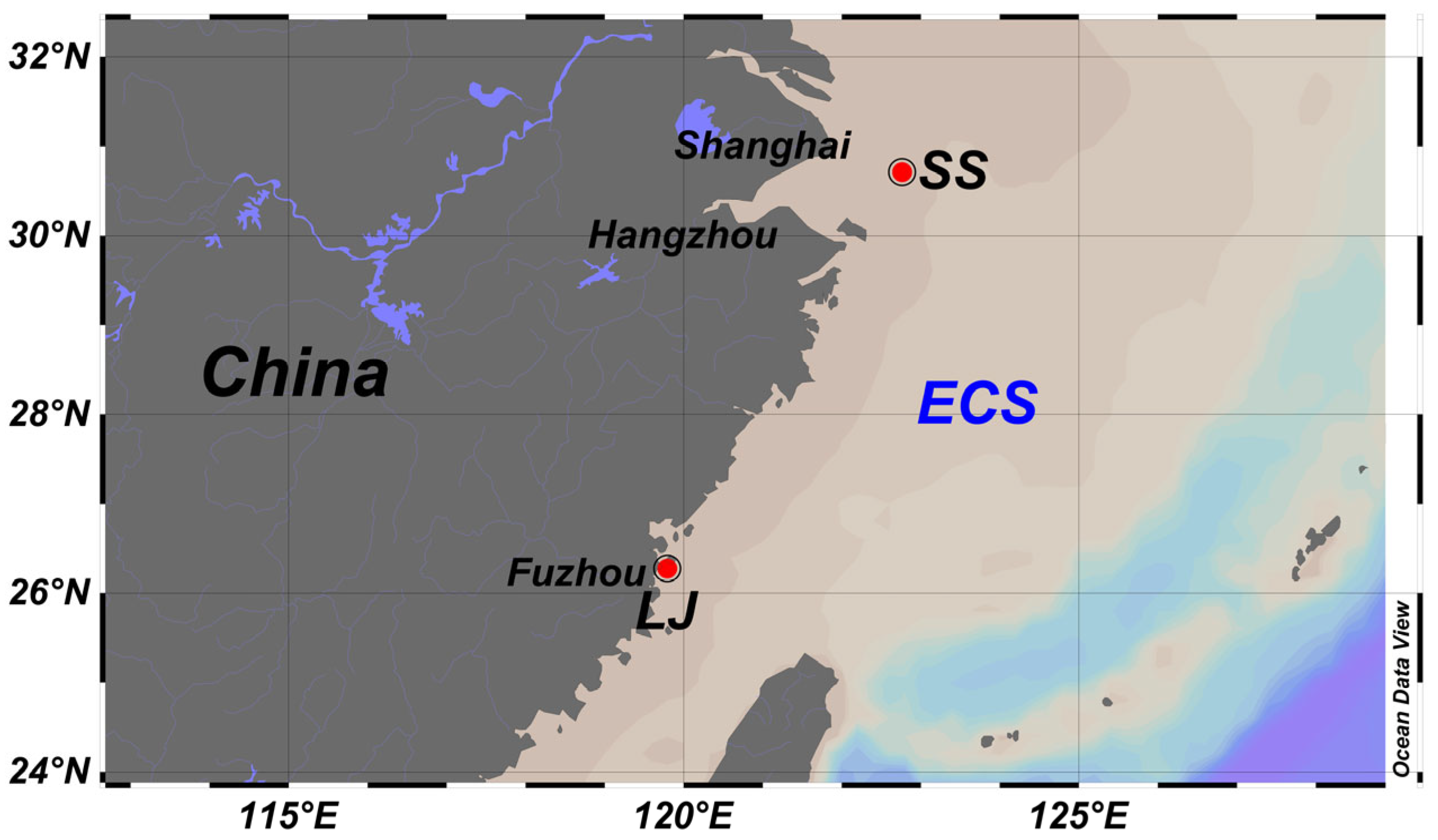
Figure 1. Locations of PVC plate deployment in Shengsi and Lianjiang.
Water 17 03395 g001
Figure 2. Laboratory observation of a juvenile (a) and a larva (b) of M. coruscus.
Water 17 03395 g002
Figure 3. Juvenile settlement on natural biofilms originating from different marine environments. Letter labels (a, b) denote significant differences between groups, as determined by ANOVA. The significance threshold was set at p < 0.05.
Water 17 03395 g003
Figure 4. (a) Colony morphology of strains on ZMA 2216 and NA selective medium; (b) Gram staining and microscopic examination. Both panels (a) and (b) contain four photographs labeled (1), (2), (3), and (4) in the upper left corner, corresponding to strains LJBF001, LJBF002, LJBF003, and LJBF004, respectively.
Water 17 03395 g004
Figure 5. (a) Phylogenetic tree of LJBF001 and LJBF003 (Pseudomonas sp.); (b) phylogenetic tree of LJBF002 (Vibrio sp.); (c) Phylogenetic tree of LJBF004 (Bacillus sp.). Red dots highlight the four bacterial strains isolated in this study.
Water 17 03395 g005
Figure 6. Percentages of M. coruscus post-larvae on the bacterial biofilms formed by different strains at 48 h. Bars represent the mean ± standard deviation (SD) of replicate measurements. No significant differences were detected between any treatment and the control (p > 0.05).
Water 17 03395 g006
Figure 7. Horizontal listing of key literature points. (Natural multi-species biofilms provide diverse and redundant cues (e.g., EPS, lipids, nucleotide signals, OMVs-LPS), enabling larvae to cross the induction threshold for full metamorphosis. Single-species biofilms offer limited cues, which often proves insufficient to trigger complete metamorphosis, resulting in only settlement or induction failure. Supporting evidence: Efficacy correlates with biofilm age/density in natural systems; single-species biofilms consistently underperform in comparative studies.).
Water 17 03395 g007
Figure 8. A threshold–multi-cue synergy model for bivalve settlement and metamorphosis. (a) A schematic diagram of the threshold–multi-cue synergy model; (b) Comparative analysis of multi-cue-induced settlement and metamorphosis responses. Natural multispecies biofilms supply diverse and partially redundant cues—including microbial community signals (OMVs/LPS, c-di-GMP, strain motility, biofilm age/density; genera such as Pseudoalteromonas, Shewanella, Vibrio, Alteromonas, Paracoccus, Cobetia), biogenic molecules (EPS/polysaccharides such as cellulose/alginate; mixed and specific free fatty acids; nucleobases Hyp + Gua; vitamins B7/B12), pharmacological/ionic surrogates (catecholamines/5-HT/GABA, IBMX, K+/NH4+, Ca2+/Mg2+), and physical/environmental modulators (diatom/microalgal films, substrate context; salinity, temperature, pH, light, density). These cues jointly increase the probability of crossing a settlement-induction threshold, yielding stable settlement and full metamorphosis. Monospecific films or impoverished cue sets often fail to reach the threshold, resulting in induction failure. Stage-specificity is highlighted: some cues predominantly drive settlement, whereas others are necessary to complete metamorphosis. The cue list is synthesized from our literature matrix.
Water 17 03395 g008
Disclaimer/Publisher’s Note: The statements, opinions and data contained in all publications are solely those of the individual author(s) and contributor(s) and not of MDPI and/or the editor(s). MDPI and/or the editor(s) disclaim responsibility for any injury to people or property resulting from any ideas, methods, instructions or products referred to in the content.