Article

Streambank Alluvial Unit Contributions to Suspended Sediment and Total Phosphorus Loads, Walnut Creek, Iowa, USA


1
Department of Natural Resource Ecology and Management, Iowa State University, 2310 Pammel Dr., Ames, IA 50011, USA
2
Iowa Geological Survey, University of Iowa, 340A Trowbridge Hall, Iowa City, IA 52242, USA
3
National Laboratory for Agriculture and the Environment, Agricultural Research Service, United States Department of Agriculture, 2110 University Boulevard, Ames, IA 50011, USA
*
Author to whom correspondence should be addressed.
Water 2018, 10(2), 111; https://doi.org/10.3390/w10020111
Submission received: 16 January 2018 / Revised: 23 January 2018 / Accepted: 25 January 2018 / Published: 28 January 2018
(This article belongs to the Special Issue Streambank Erosion: Monitoring, Modeling and Management)

Abstract

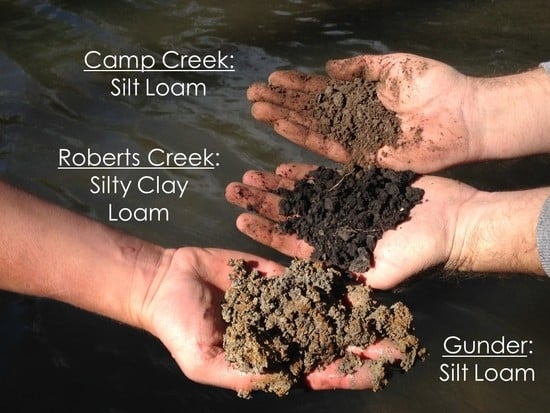
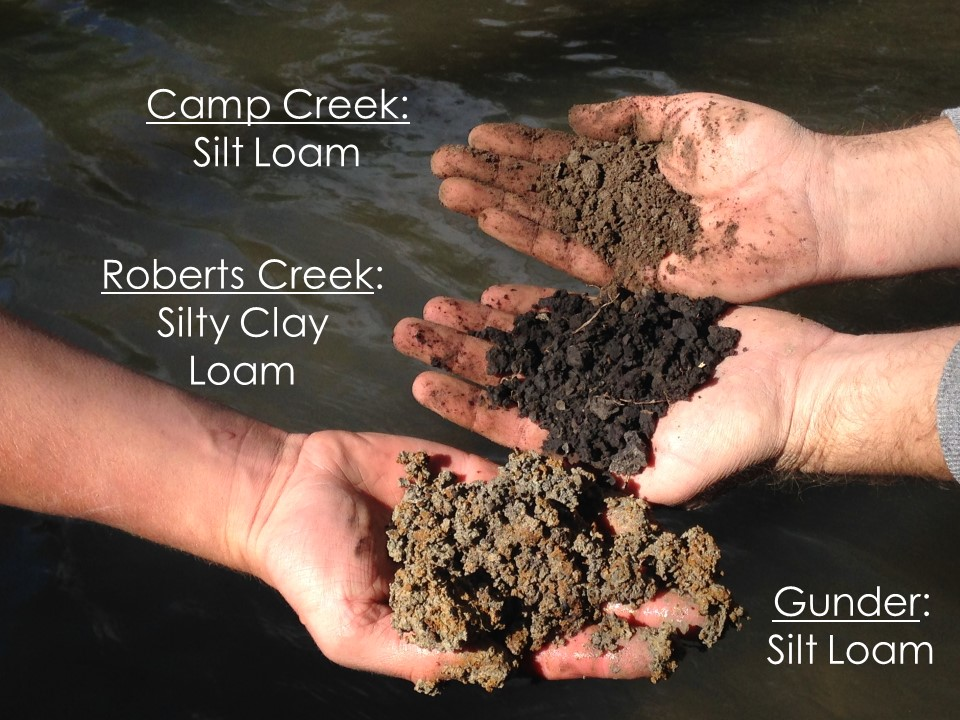
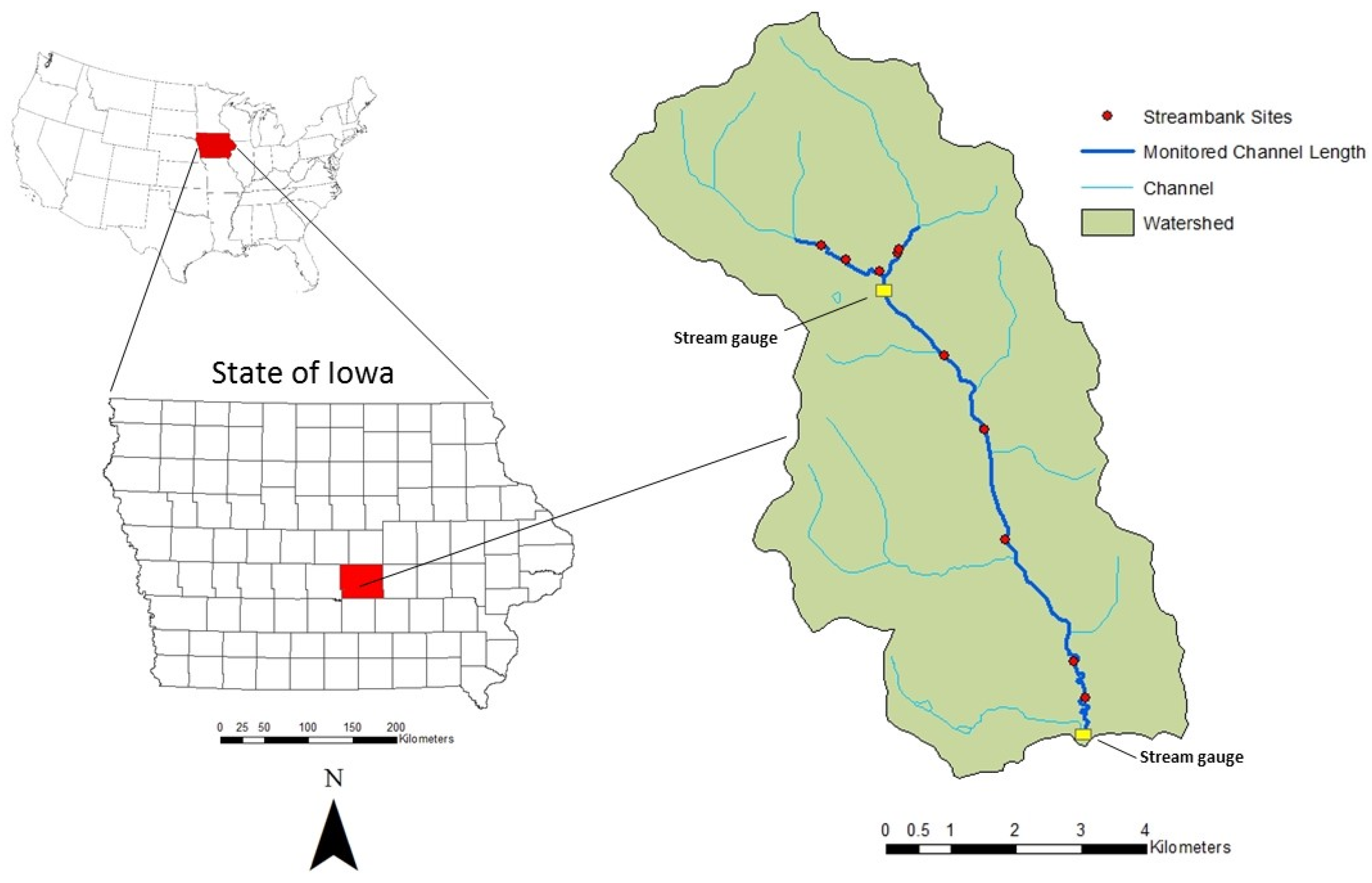
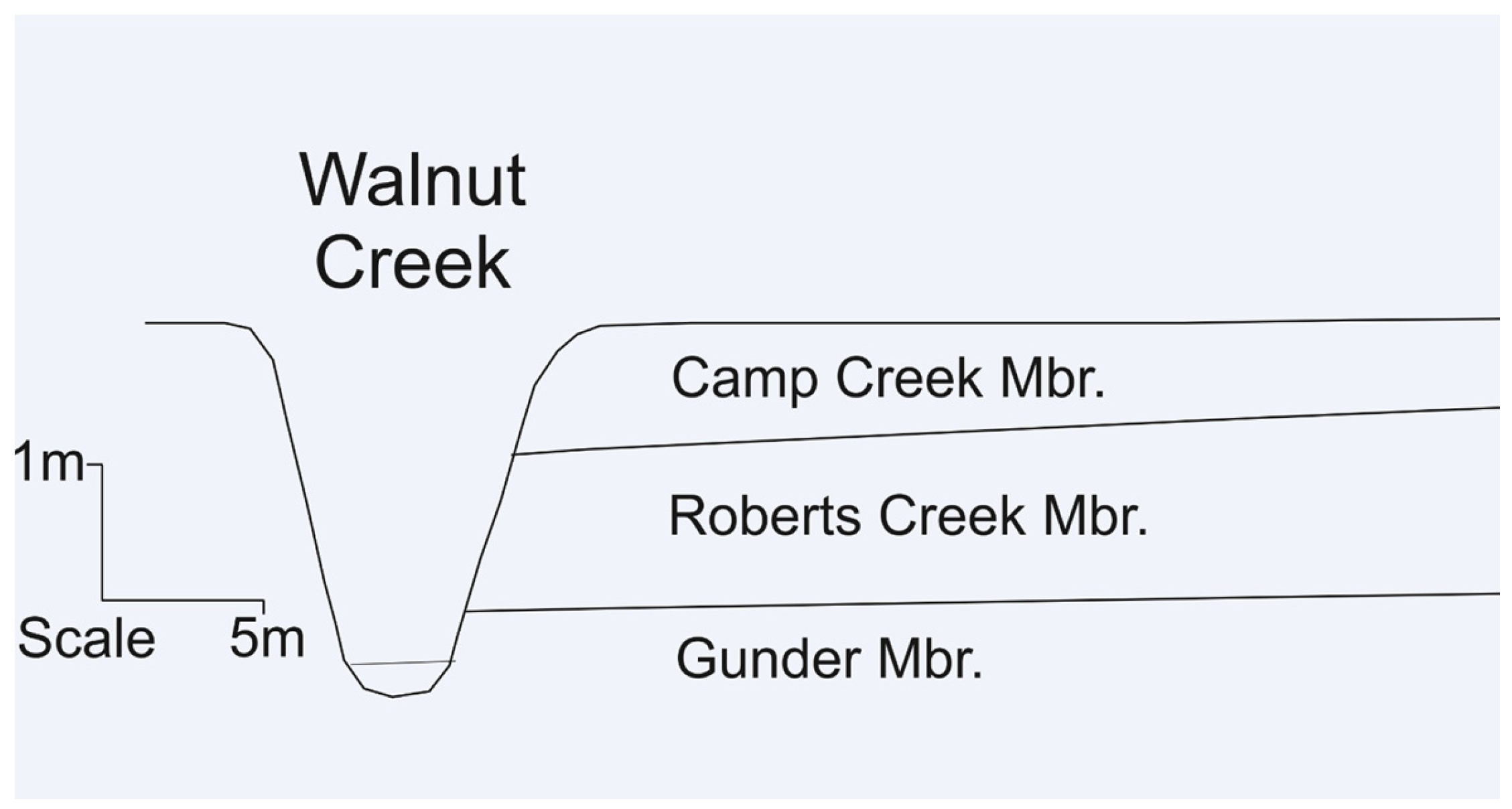
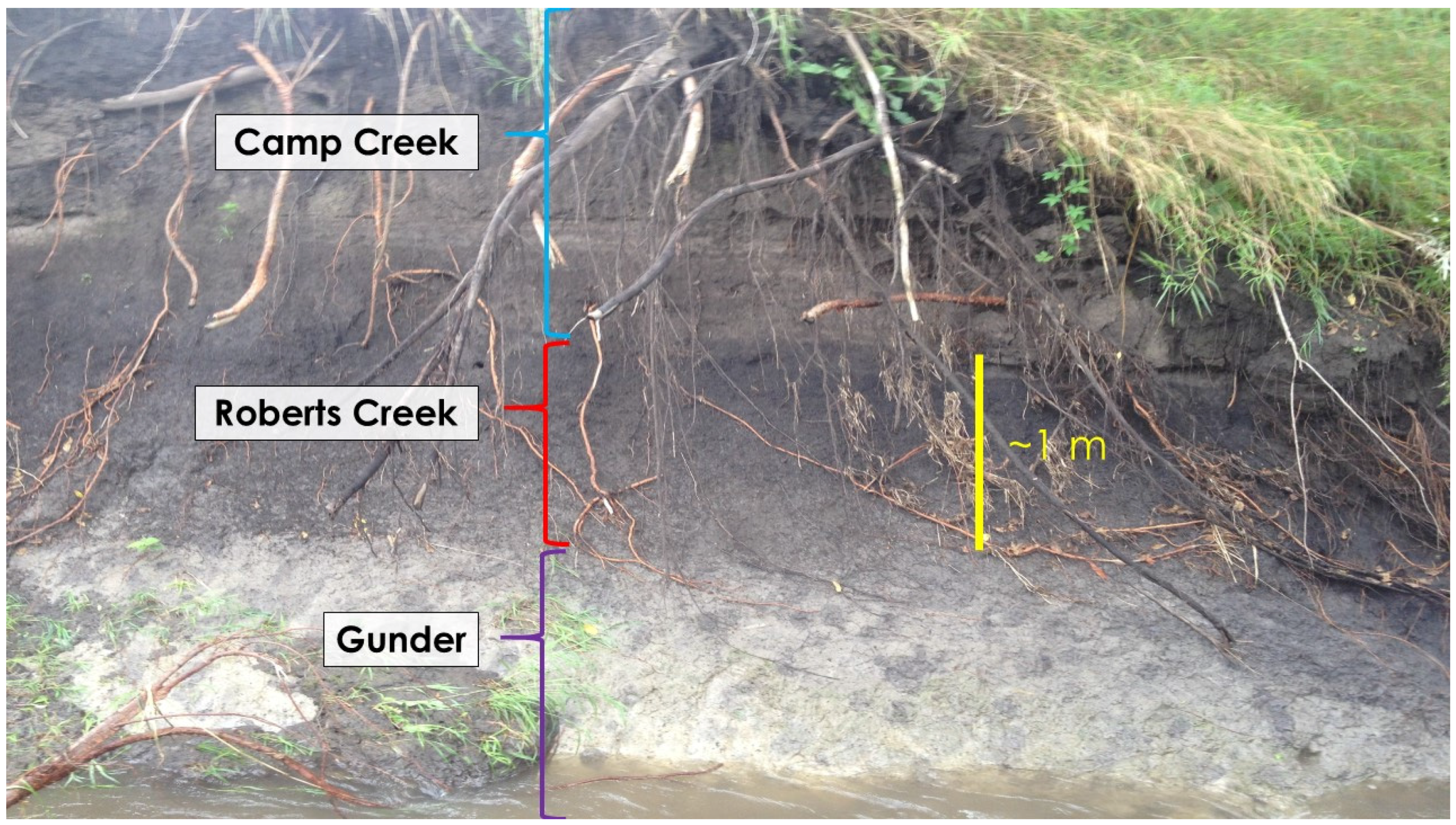
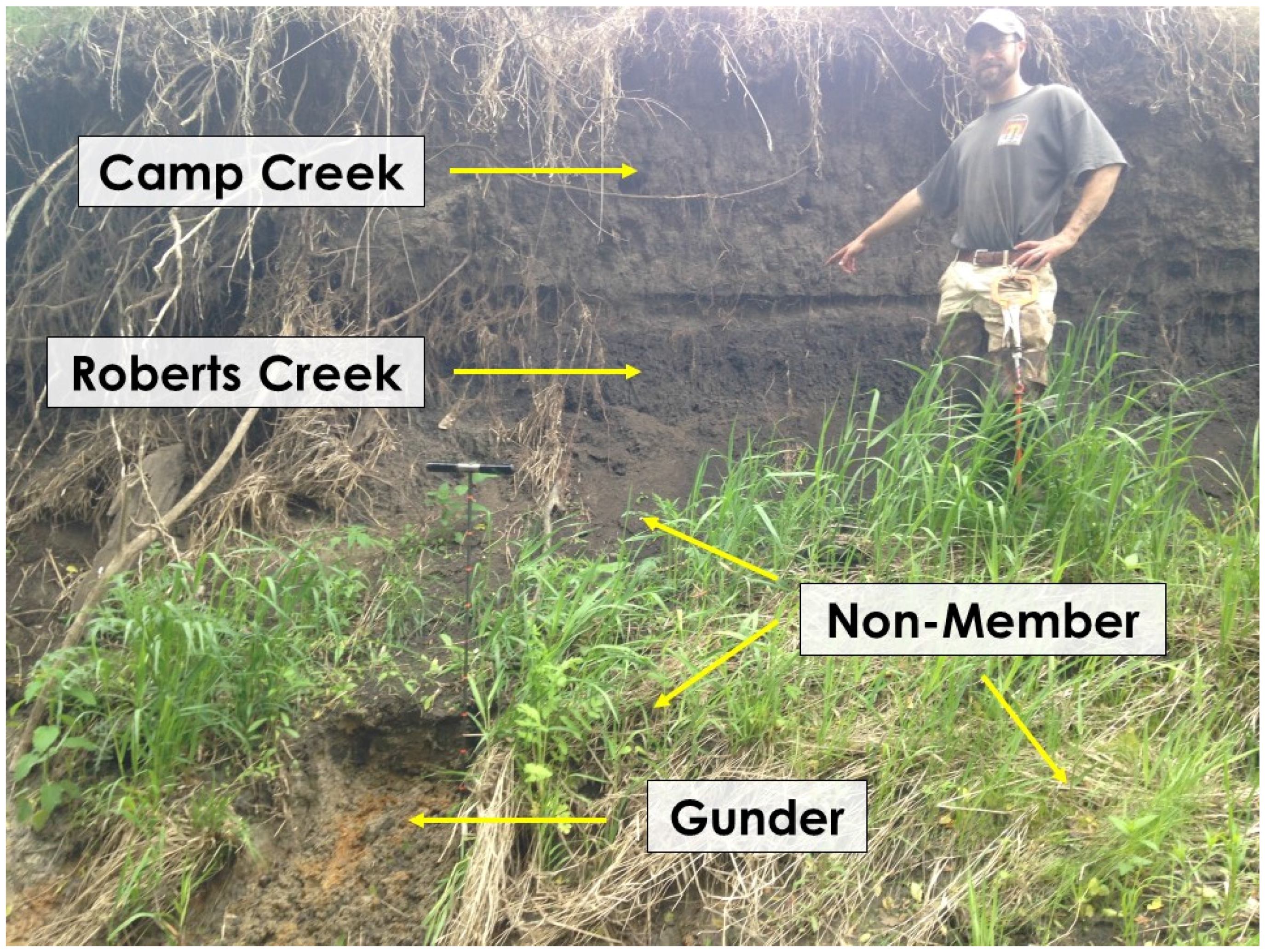
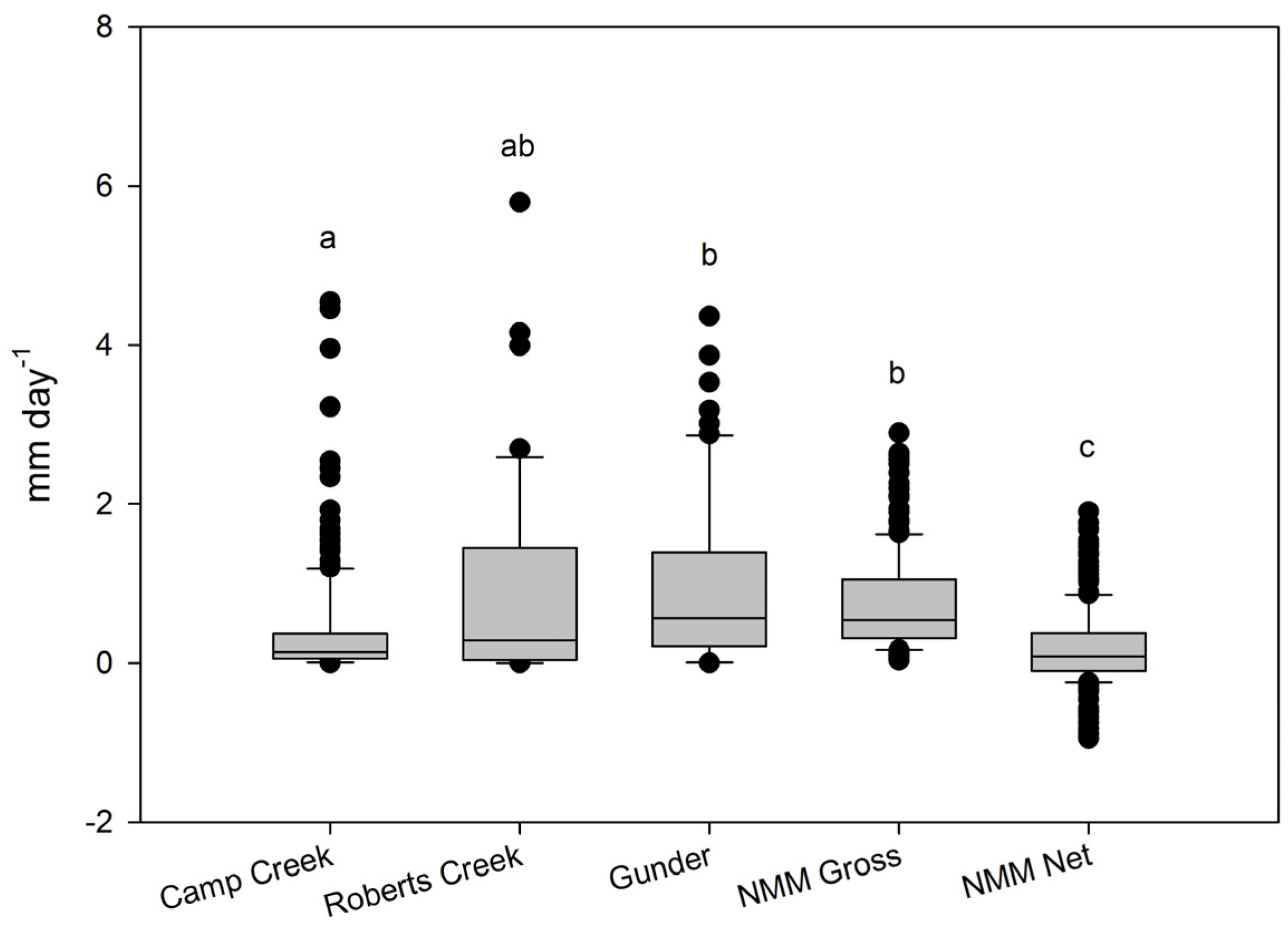
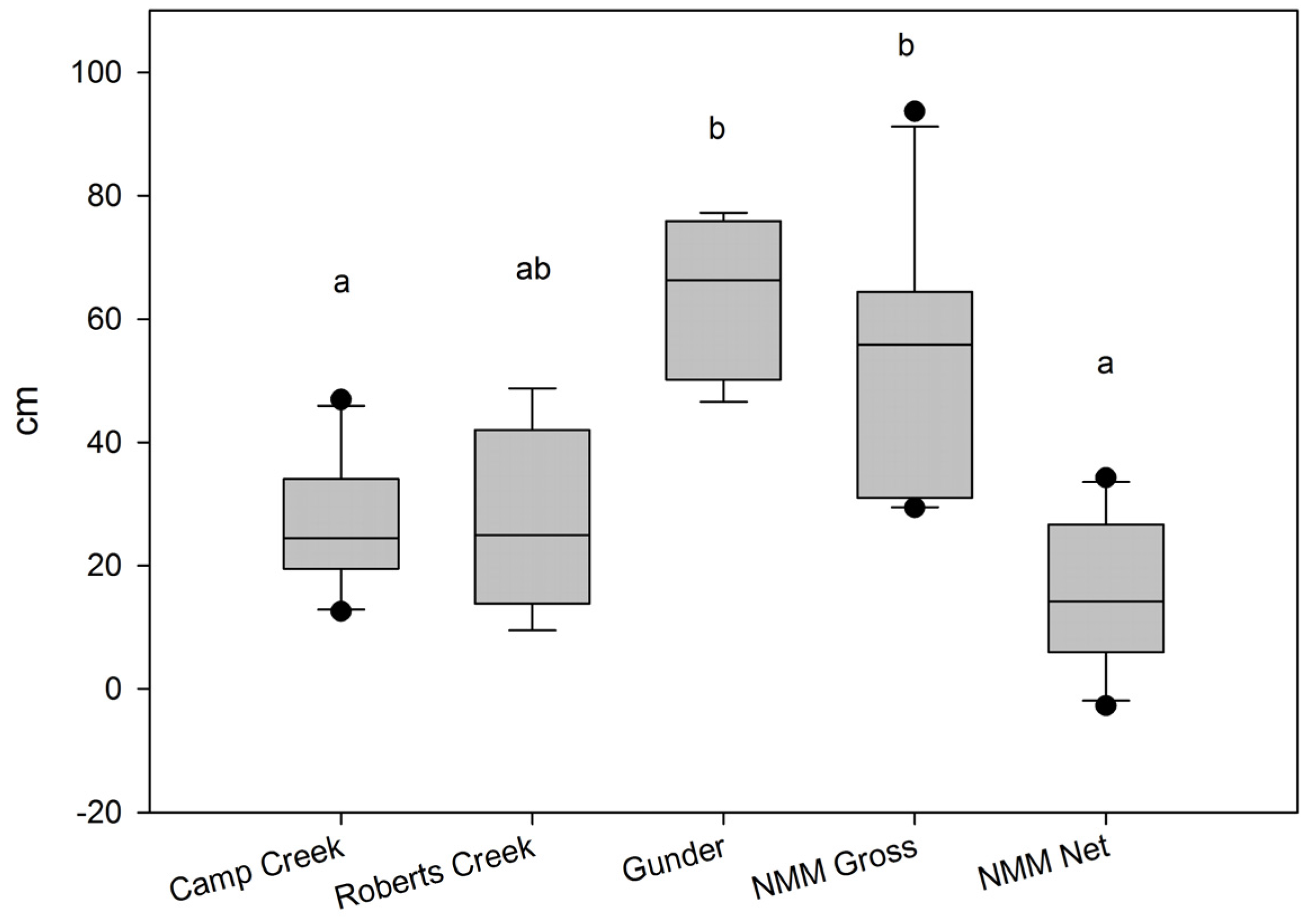
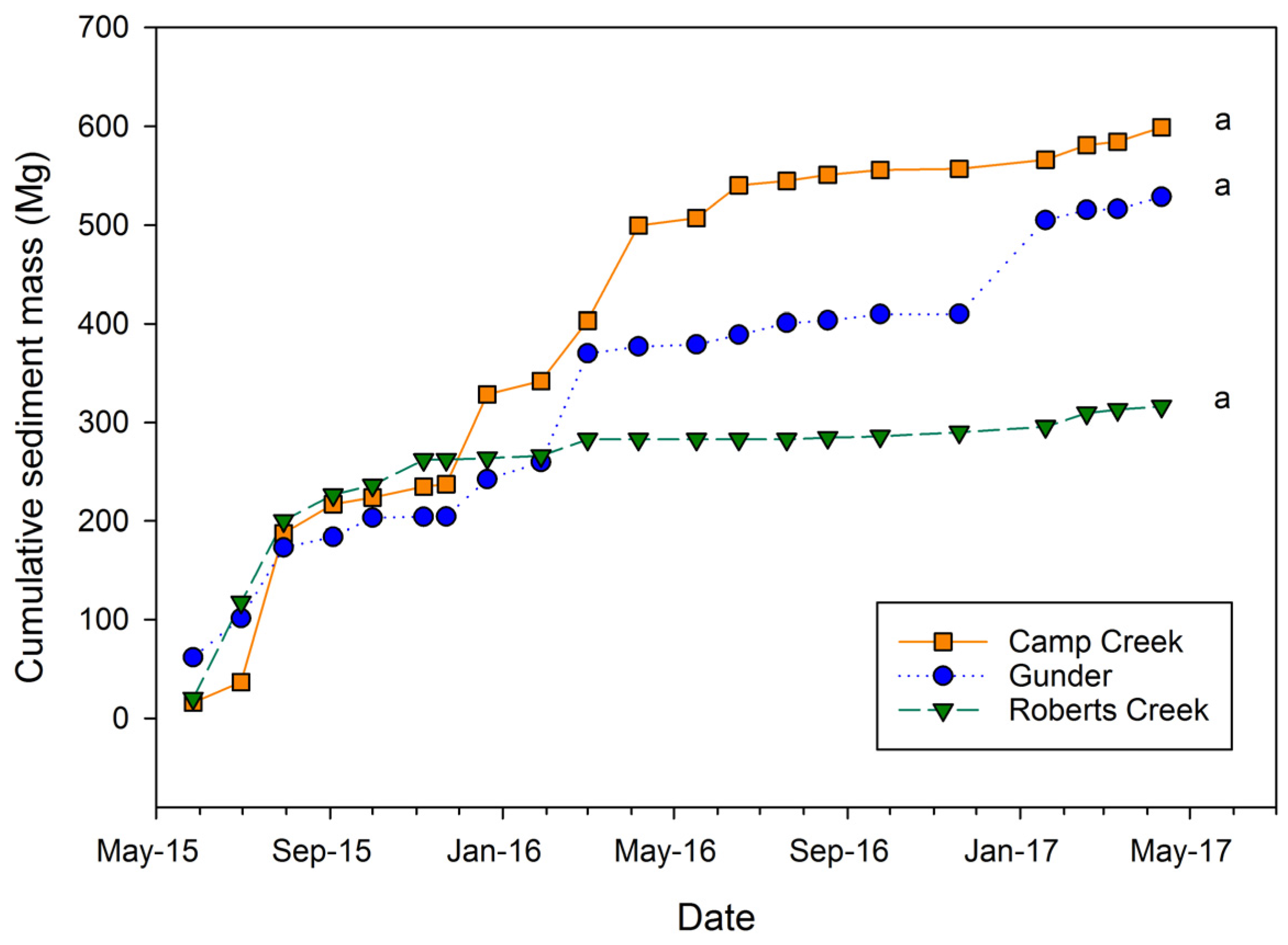
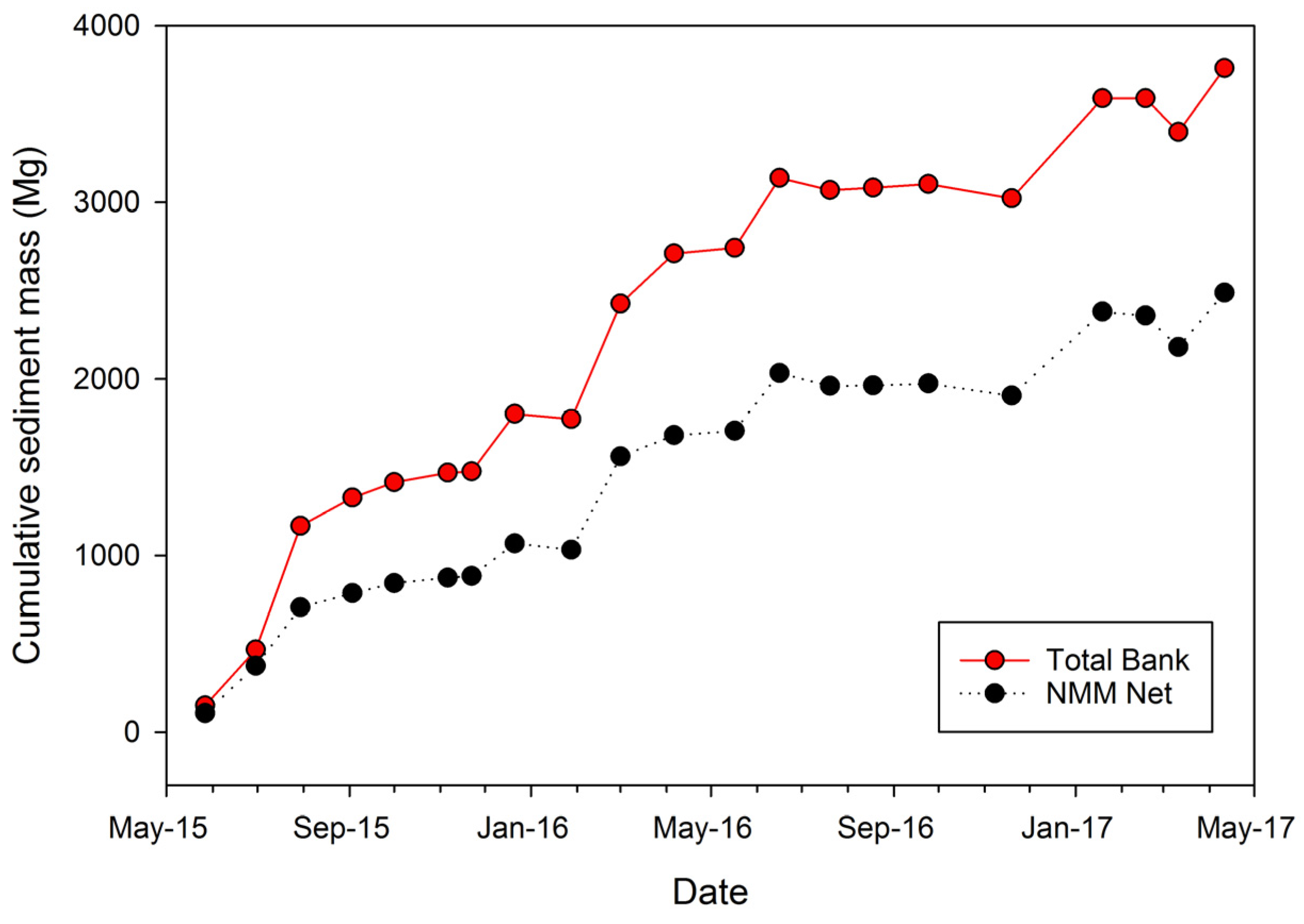
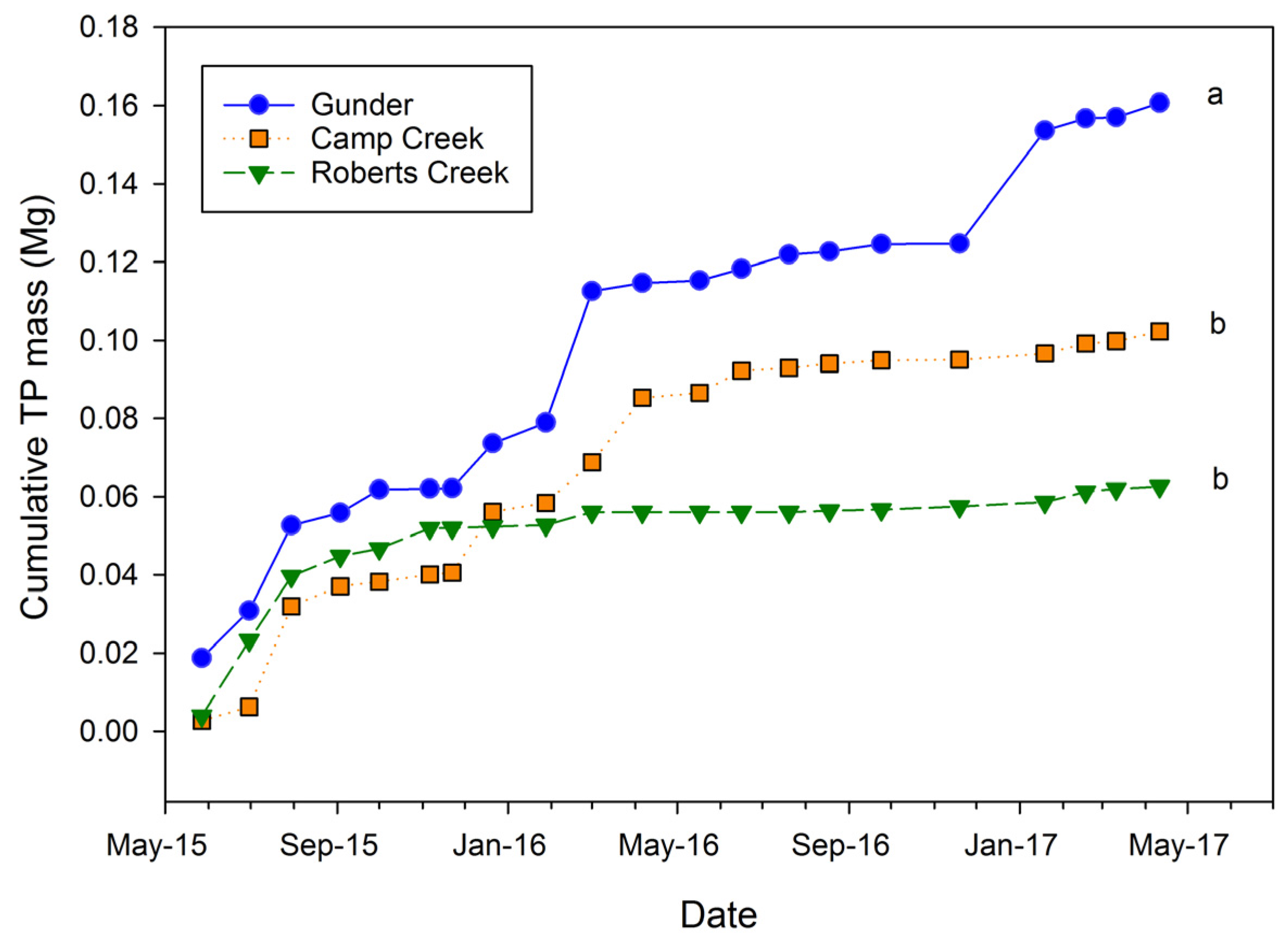
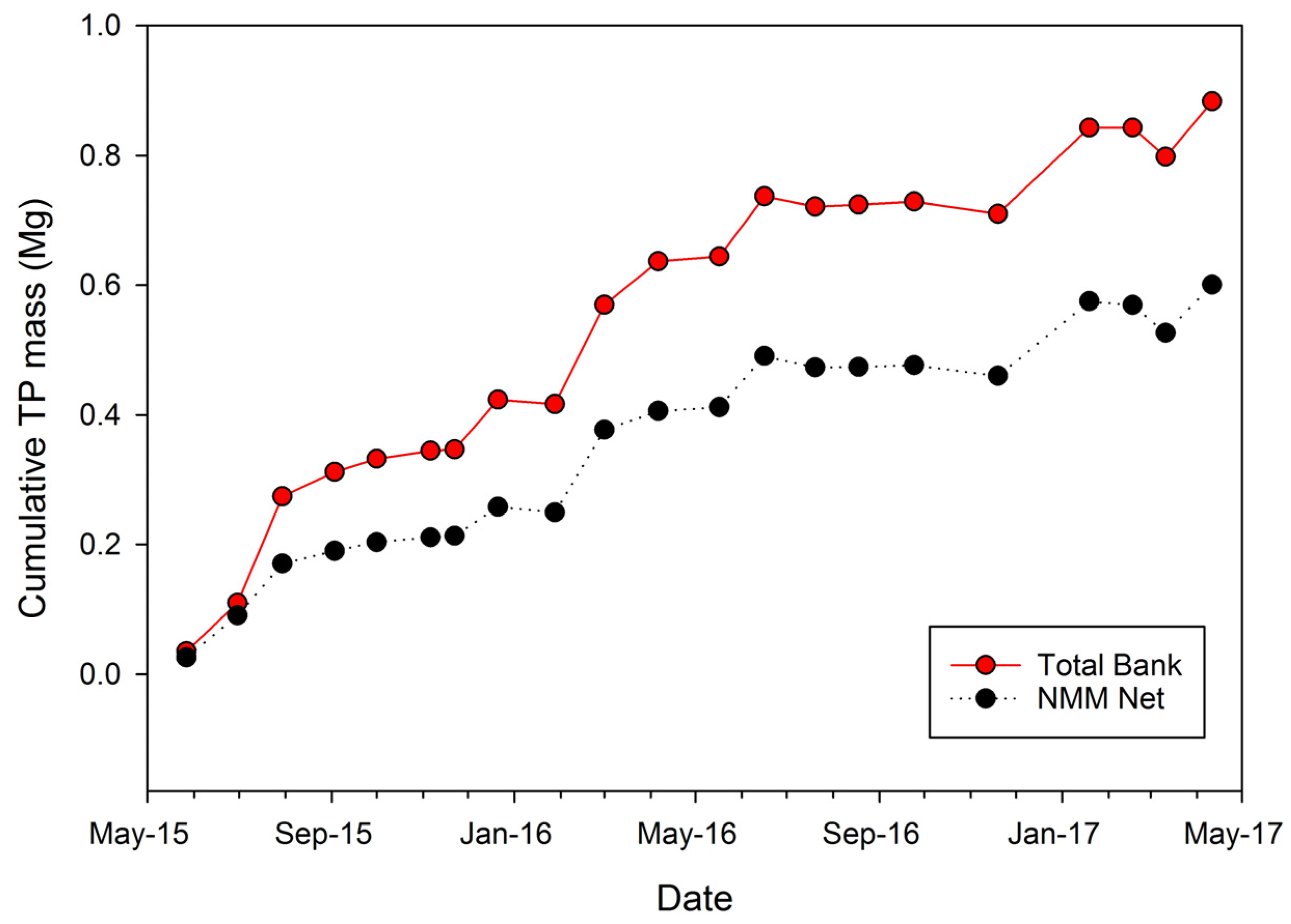
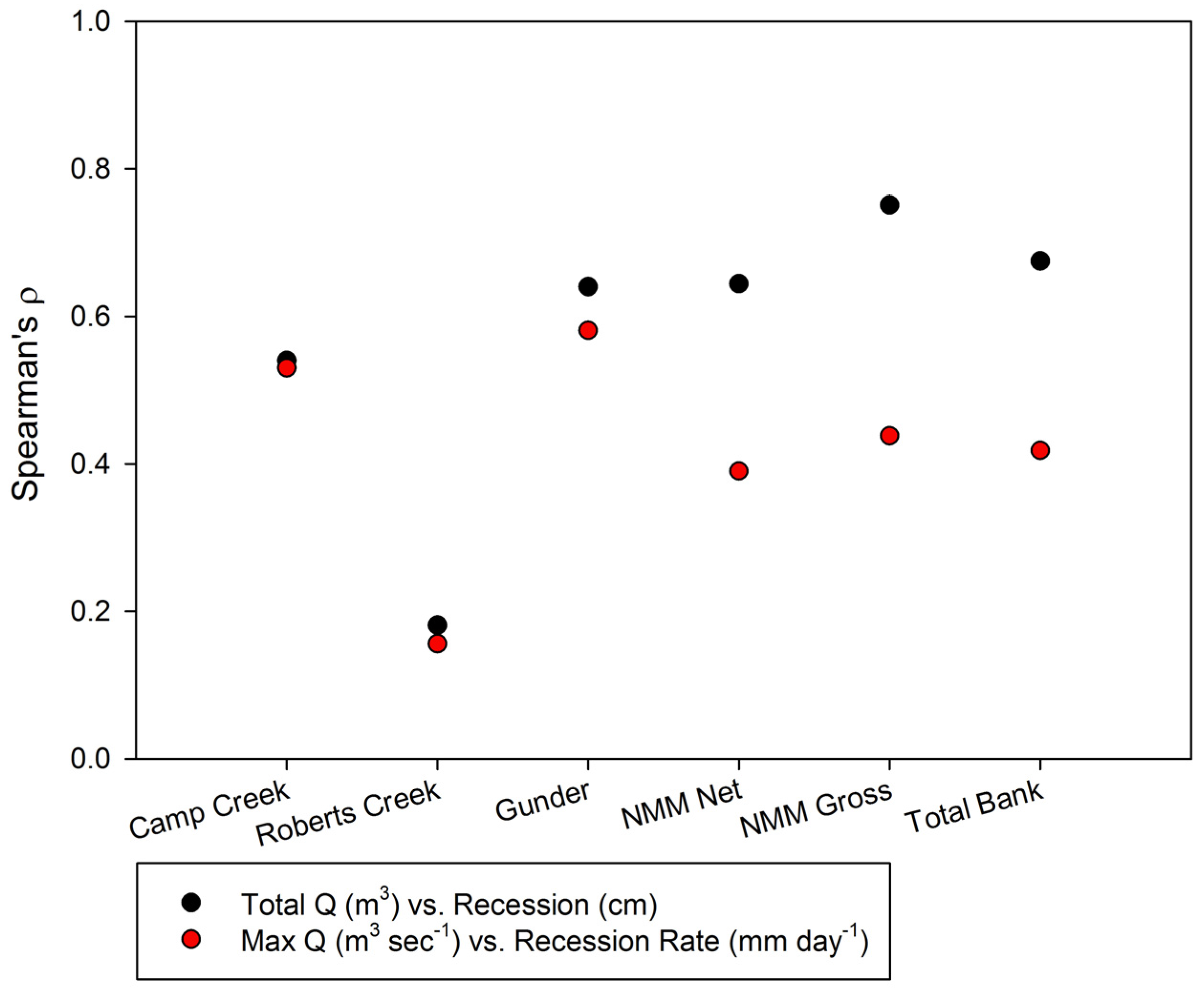
Streambank erosion may represent a significant source of sediment and phosphorus (P) to overall watershed loads; however, watershed-scale quantification of contributions is rare. In addition, streambanks are often comprised of highly variable stratigraphic source materials (e.g., alluvial deposits), which may differentially impact in-channel P dynamics once eroded. The objective of this study was to quantify sediment and total phosphorus (TP) losses from four materials comprising streambanks within a 5218 ha watershed in Iowa, USA. Streambank-face surveys, erosion pins, and soil analyses were used to quantify surface area representation, recession, and losses of sediment and TP over a two-year period. Cumulative, whole-bank gross mean recession totaled 18.6 cm over two years, and material-specific gross mean recession ranged from 15.5 to 64.1 cm. Cumulative, whole-bank mean gross mass losses totaled 0.28 Mg sediment and 0.7 × 10⁻⁵ Mg TP per meter channel length. Annual sediment losses equated to 4–44% of historic suspended sediment loads. Stratigraphy was significant in gross material erosion and losses, with lower materials (i.e., bank toe region) exhibiting the greatest recession rates and cumulative recession. Weathered/colluvial material dominated total bank face surface area (88.3%), and contributed the greatest proportion of sediment and TP mass loss (66, 68%, respectively) versus other streambank materials.
Keywords: streambank erosion; phosphorus; sediment; water quality; watershed streambank erosion; phosphorus; sediment; water quality; watershed
Graphical Abstract