Endogenous Curing Mechanism and Self-Healing Properties of an Epoxy Resin (E-51) in Alkaline Environments of Cement-Based Materials
 ,
,
Abstract
1. Introduction
2. Experimental Details
2.1. Materials
2.2. Sample Preparation
2.2.1. Epoxy–NaOH Blending Systems
2.2.2. Preparation of Epoxy Capsules
2.2.3. Preparation of Mortar Specimens
- (1)
- The uniformly mixed mortar was cast into 40 mm × 40 mm × 160 mm prismatic molds. The specimens were cured under designated conditions until the specified ages. Compressive strength tests were performed for the cured samples.
- (2)
- The uniformly mixed mortar sample was poured into cylindrical molds with dimensions of Ø100 mm × 50 mm. The samples were cured under the specified conditions until predetermined ages. The cured samples were analyzed via electrochemical impedance spectroscopy (EIS).
2.2.4. Preparation of Paste Specimens
2.2.5. Preparation of Concrete Specimens
2.3. Test Methods
2.3.1. DSC Analysis
2.3.2. EIS Method
2.3.3. SEM Method
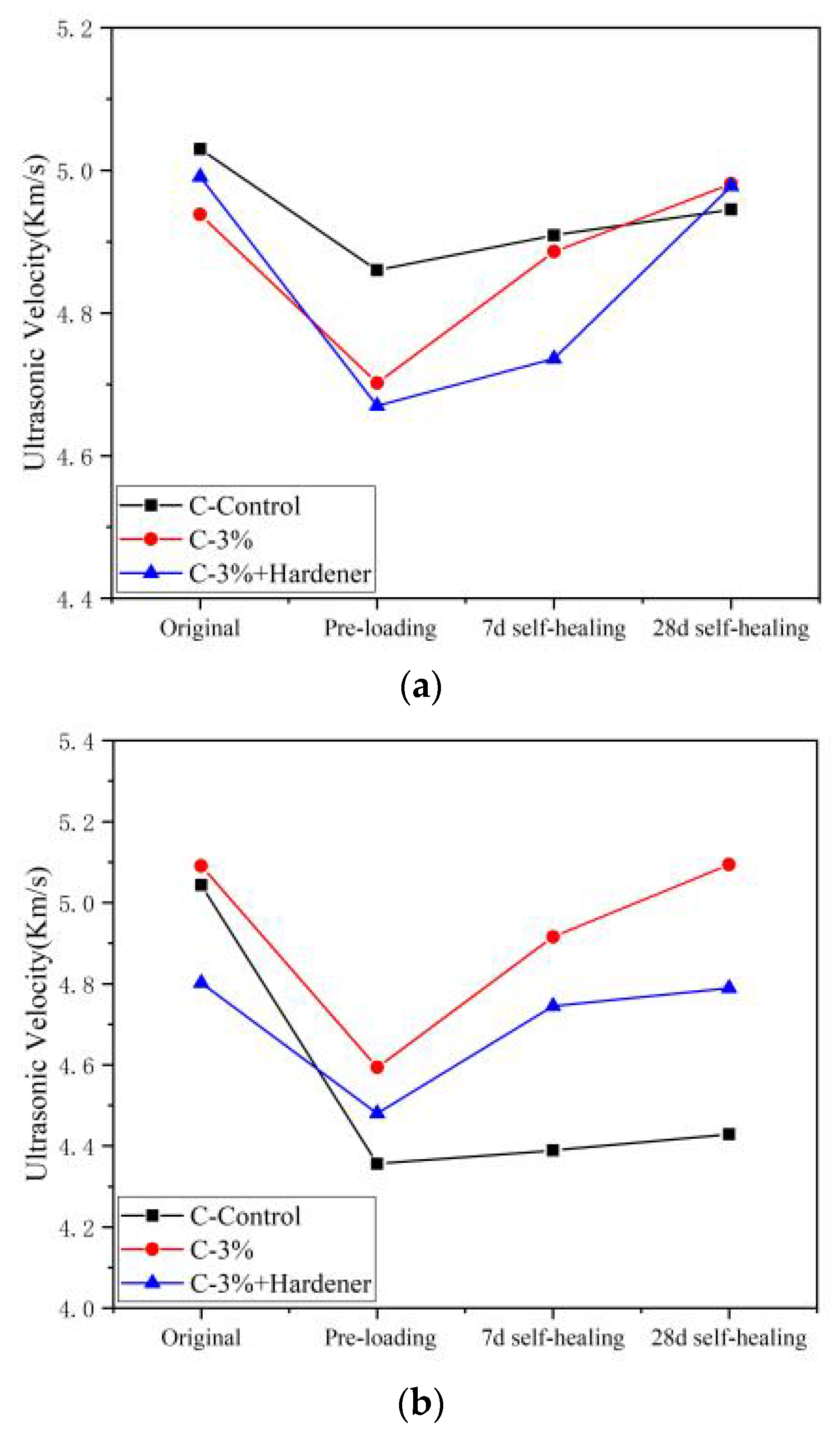
2.3.4. Ultrasonic Testing Method
2.3.5. Compressive Strength Testing of the Mortar
3. Results and Discussion
3.1. Alkali-Catalyzed Curing of E-51
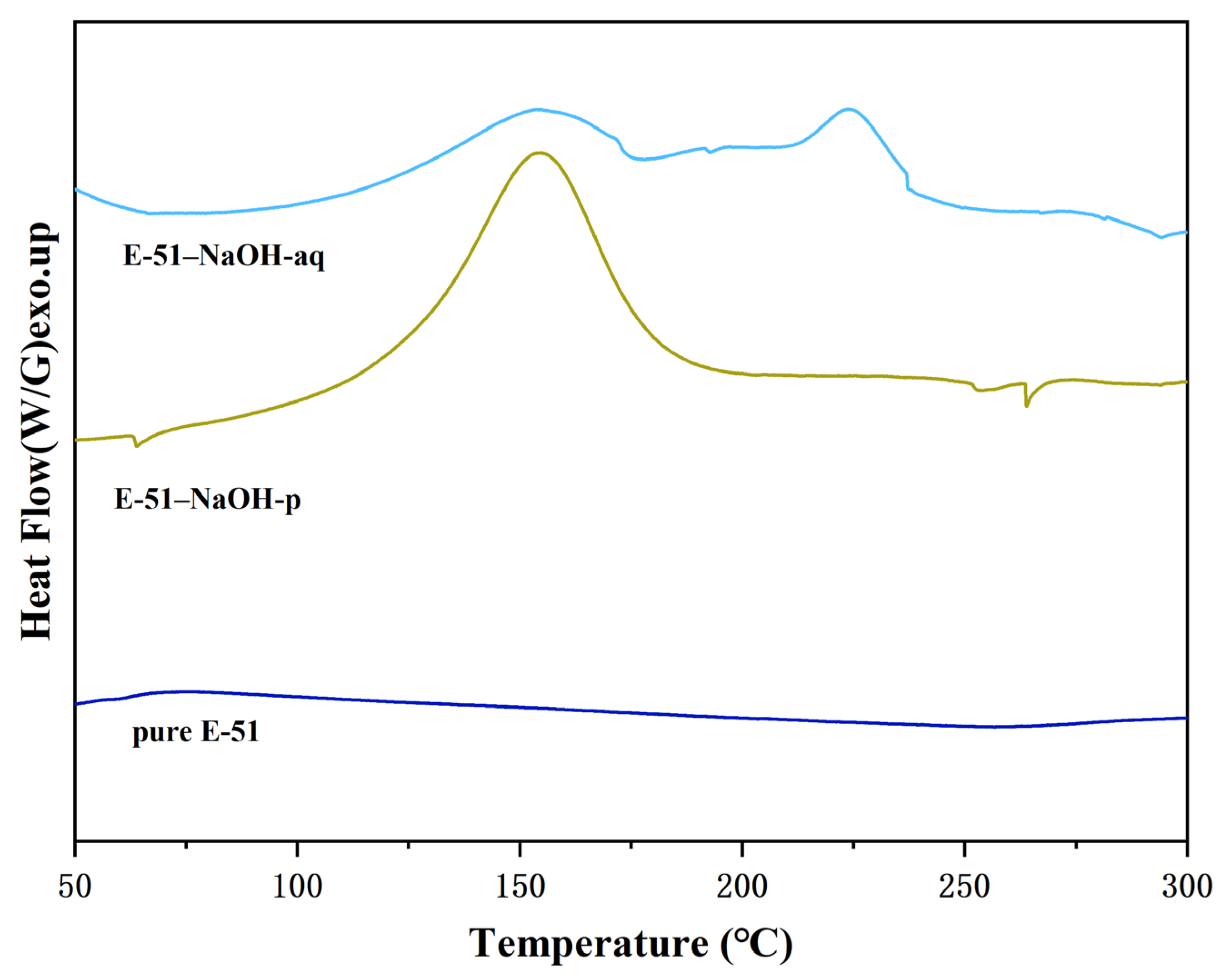
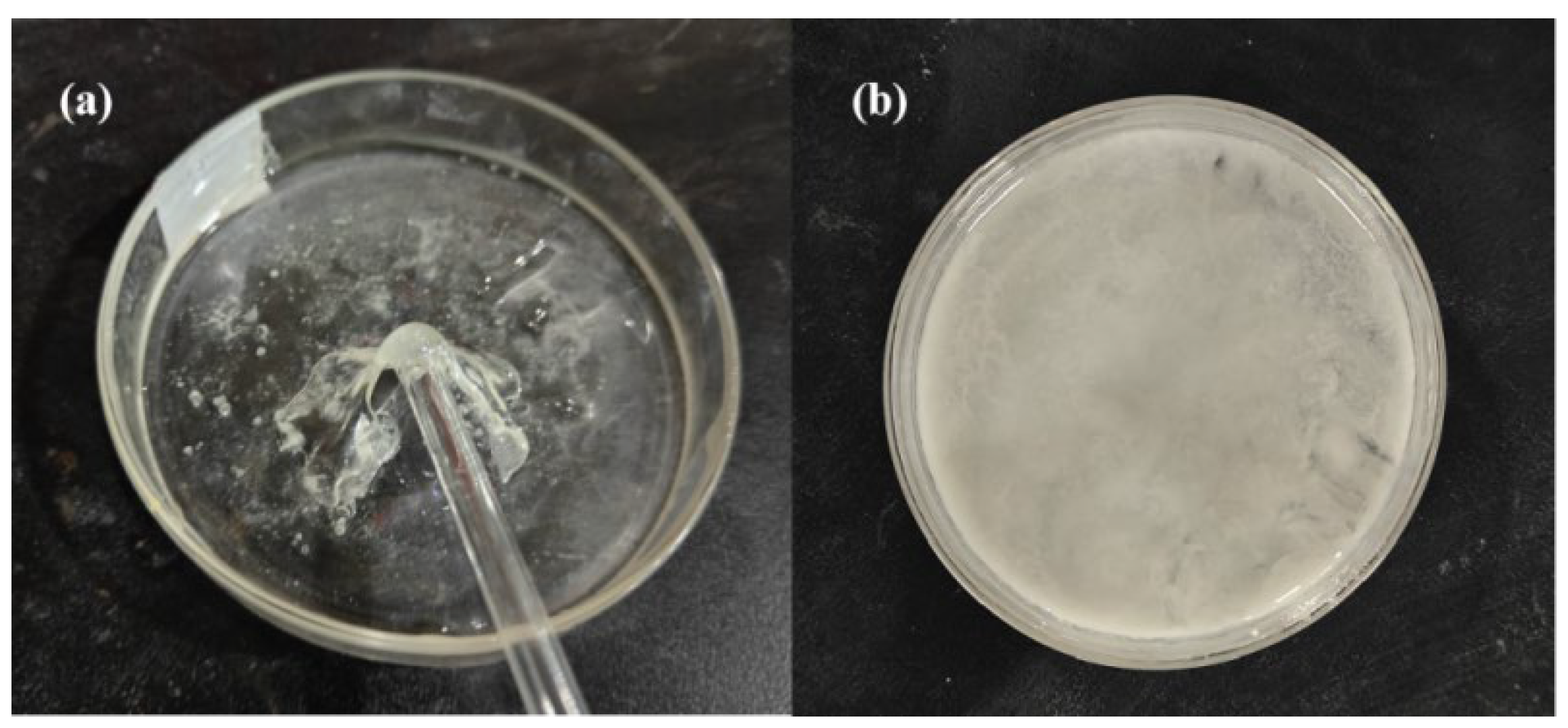
3.1.1. Curing Behavior of E-51 with NaOH at Room Temperature
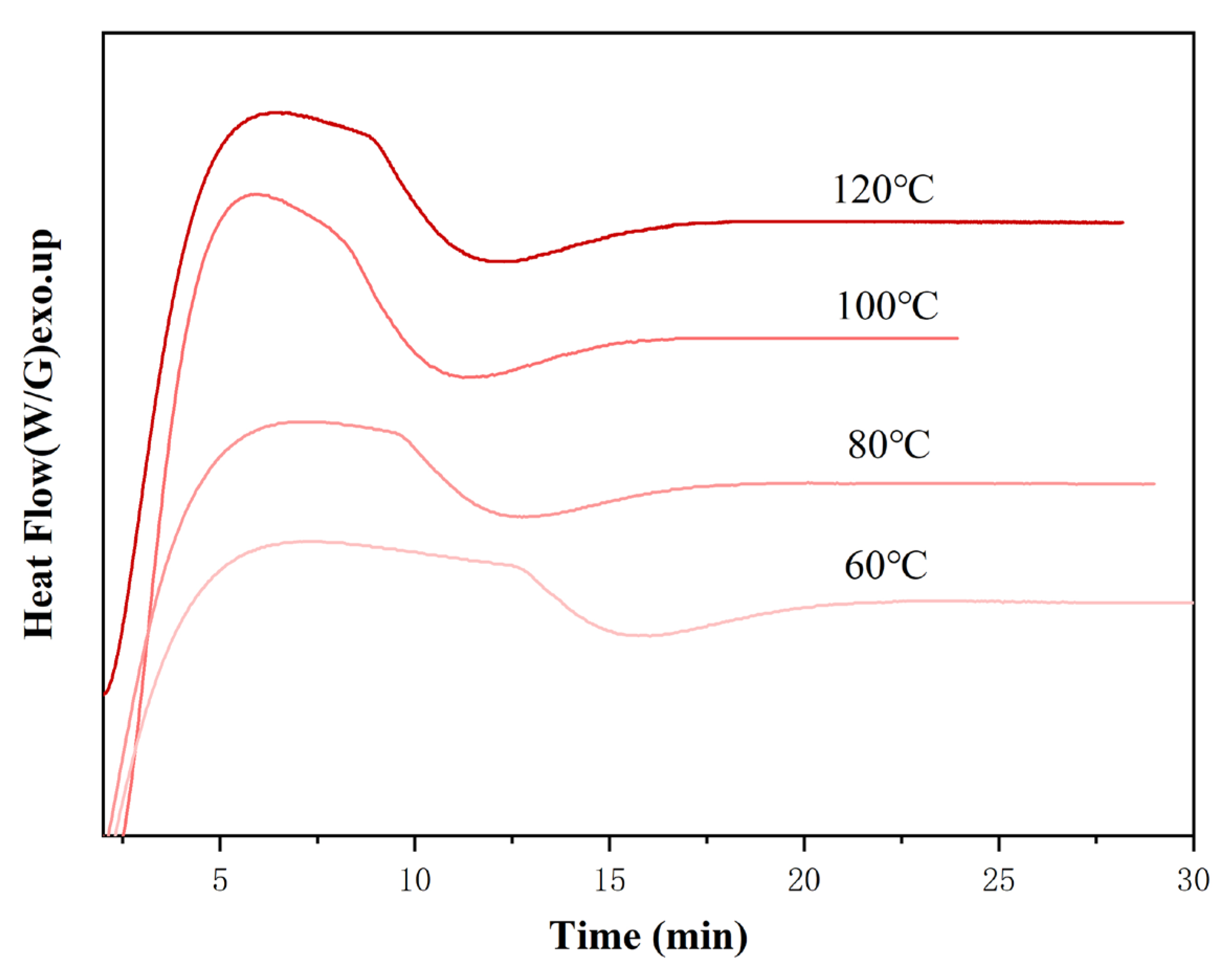
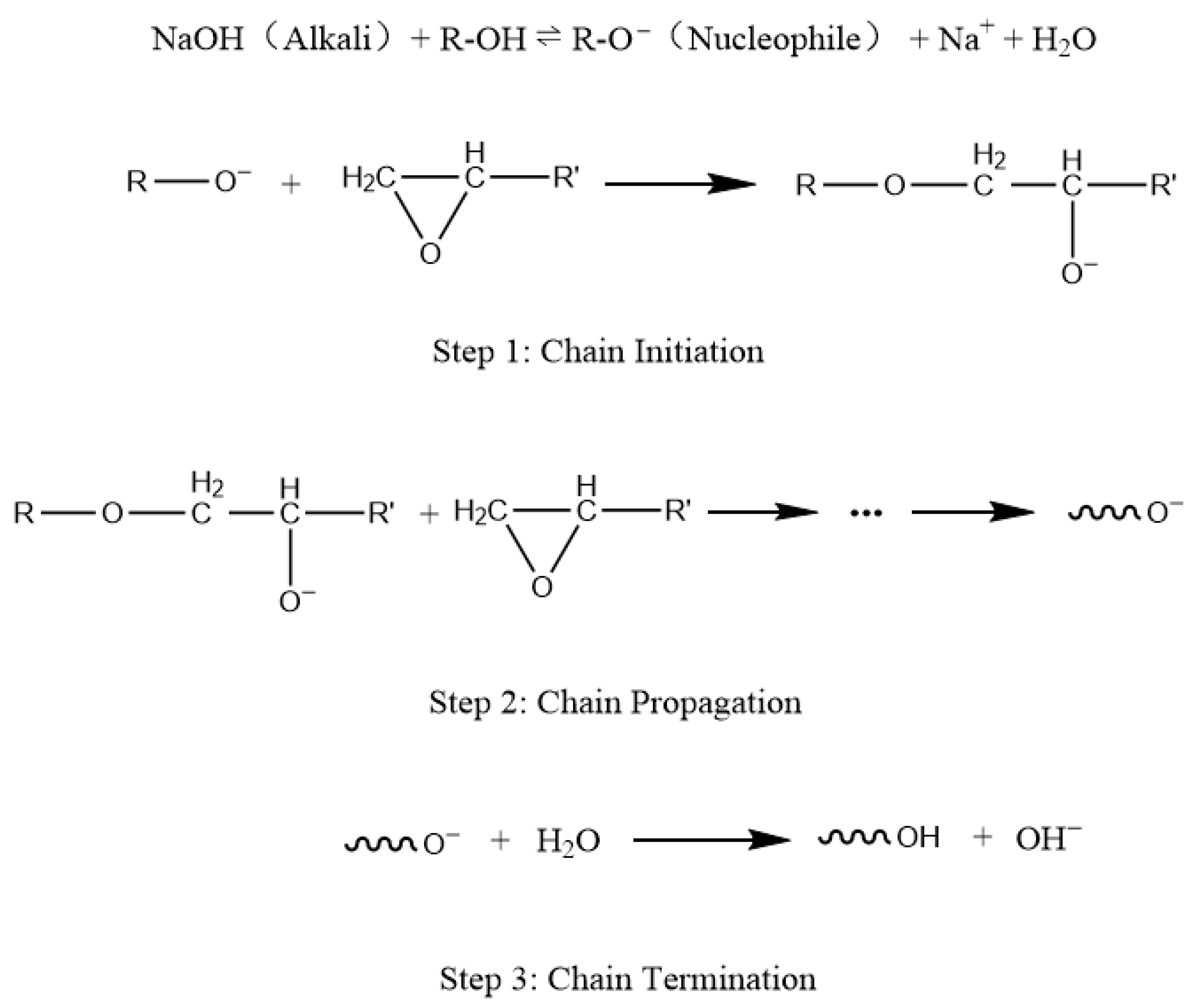
3.1.2. Kinetics of Base-Catalyzed Epoxy Curing
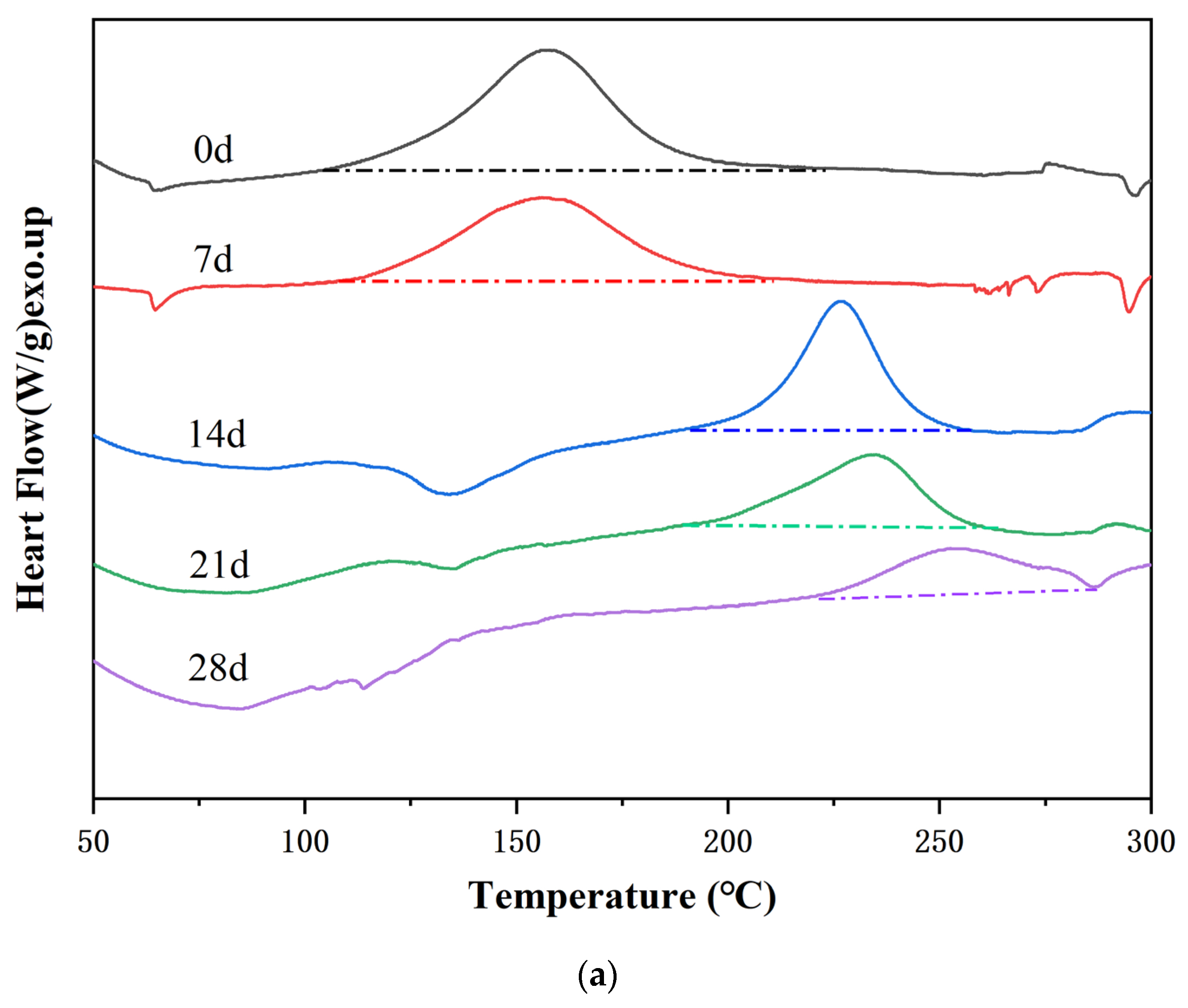
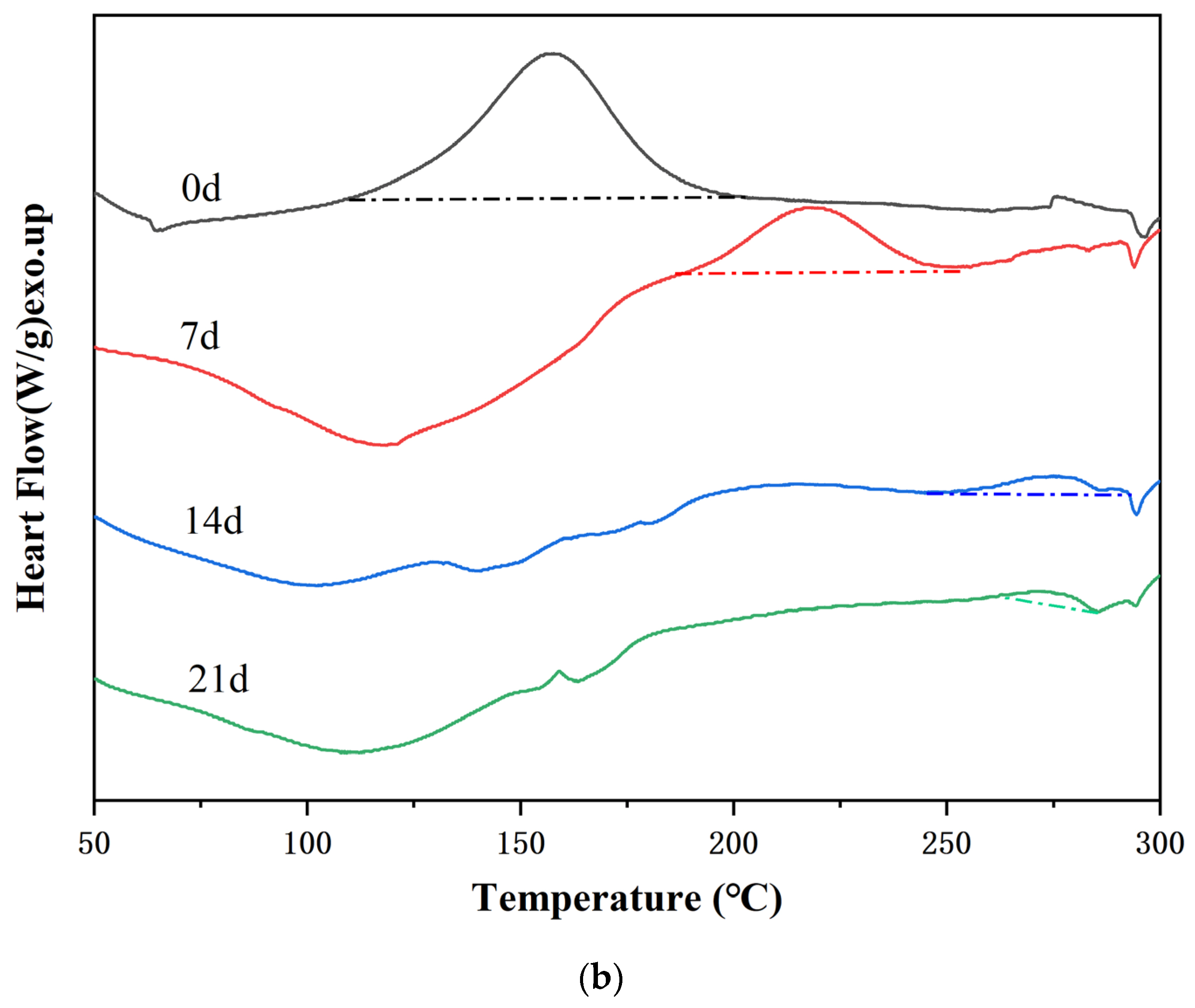
3.1.3. Quantitative Characterization of the Relative Degree of Epoxy Curing
3.2. Endogenous Curing of E-51-Added Mortar
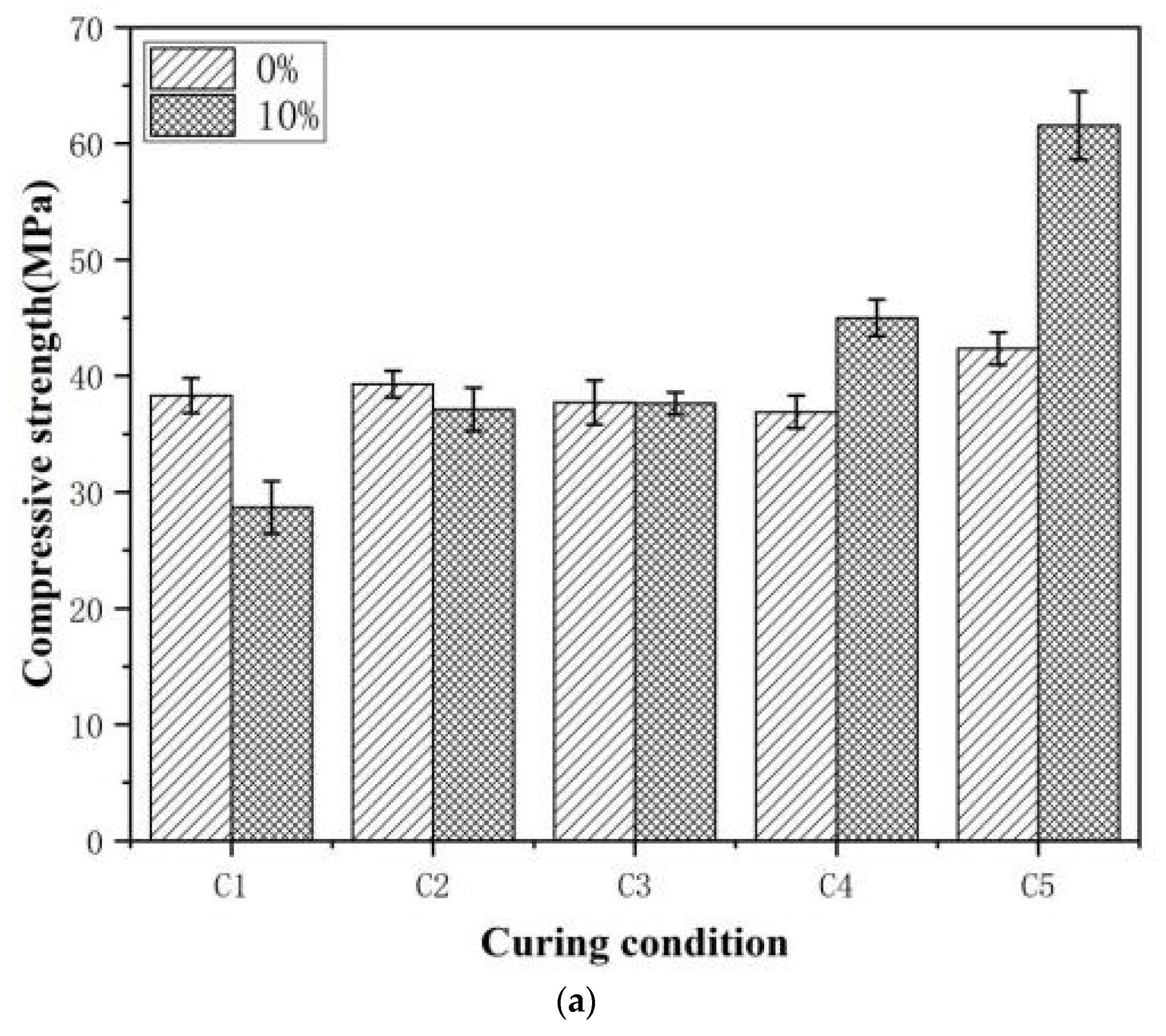
- C1: immersed in water at 25 °C.
- C2: 25 °C and 95 ± 5% RH.
- C3: 25 °C and 55 ± 5% RH.
- C4: an oven at 40 °C.
- C5: an oven at 60 °C.
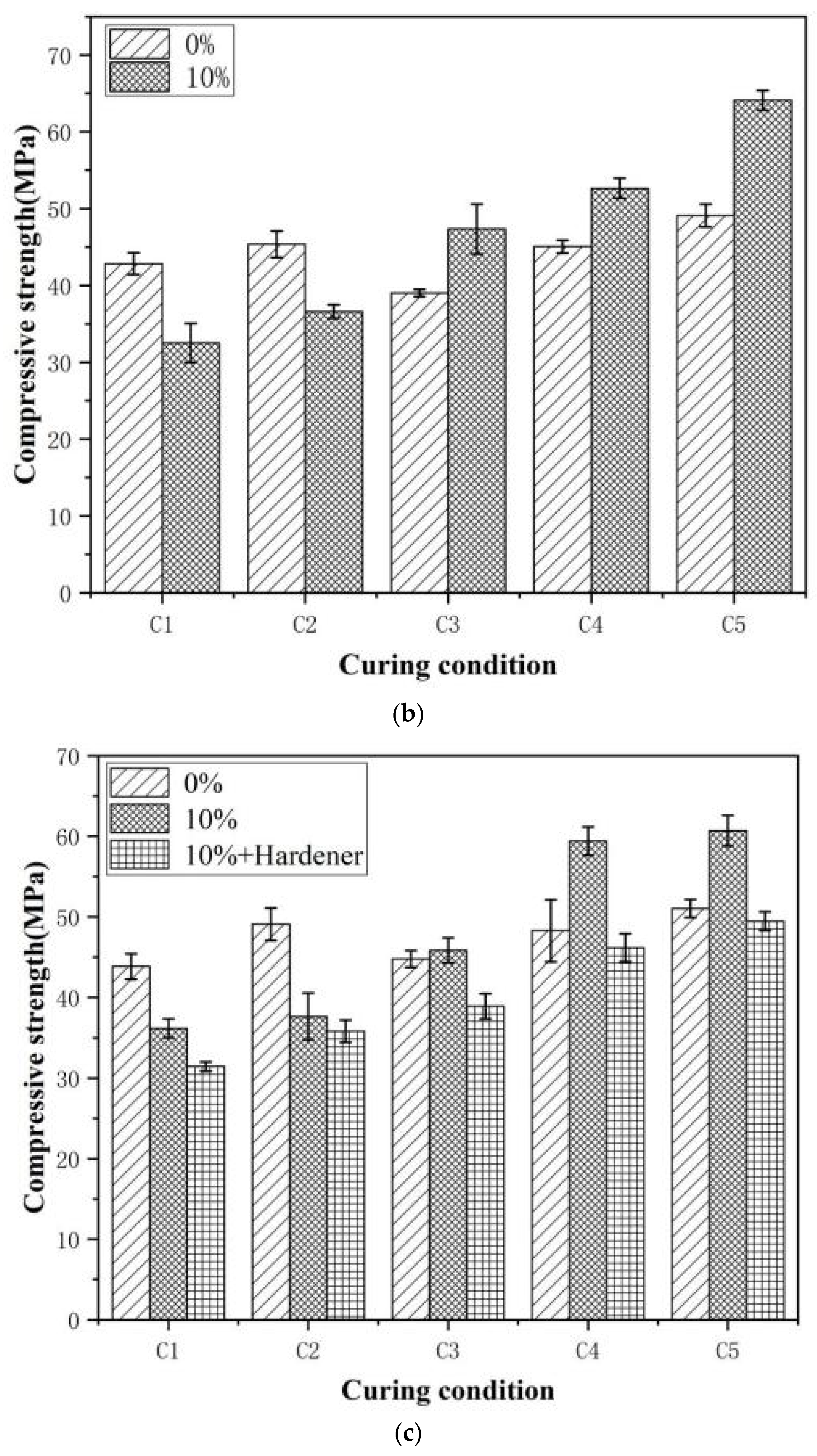
3.2.1. Effect of Endogenous Epoxy Curing on Compressive Strength of Mortar
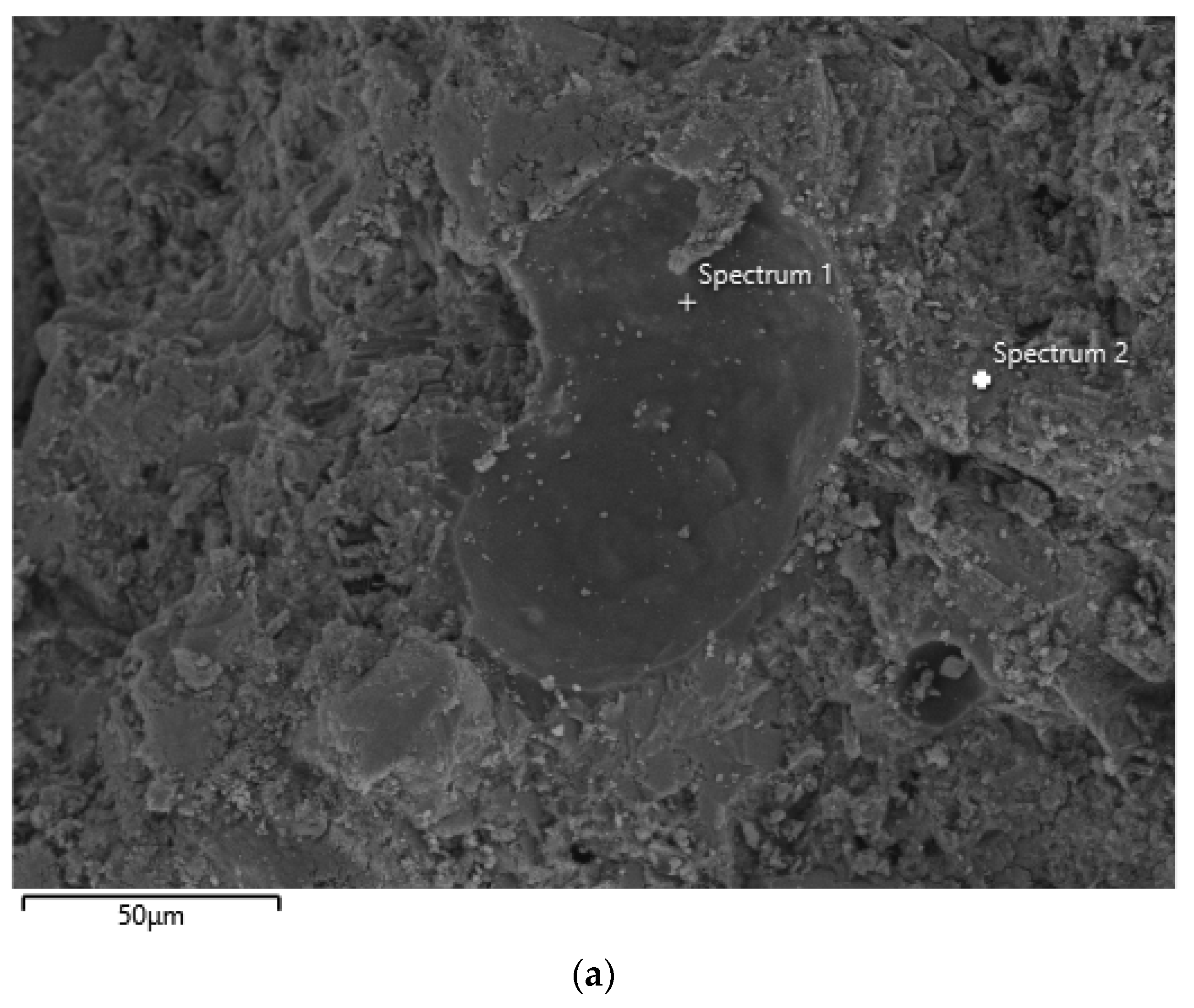
3.2.2. Observing the Curing of Epoxy Resin in Cementitious Materials
3.2.3. Detection of Epoxy Curing in Mortar via EIS
3.3. Application of Endogenous Epoxy Curing in Self-Healing Concrete
4. Conclusions
- E-51 could achieve self-curing via alkali catalysis in an alkaline environment, but moisture significantly inhibited this reaction. At ambient temperature, the reaction was slow and required a prolonged curing time. Elevated temperature markedly accelerated the process, and curing could be completed within ~16 min at 60 °C.
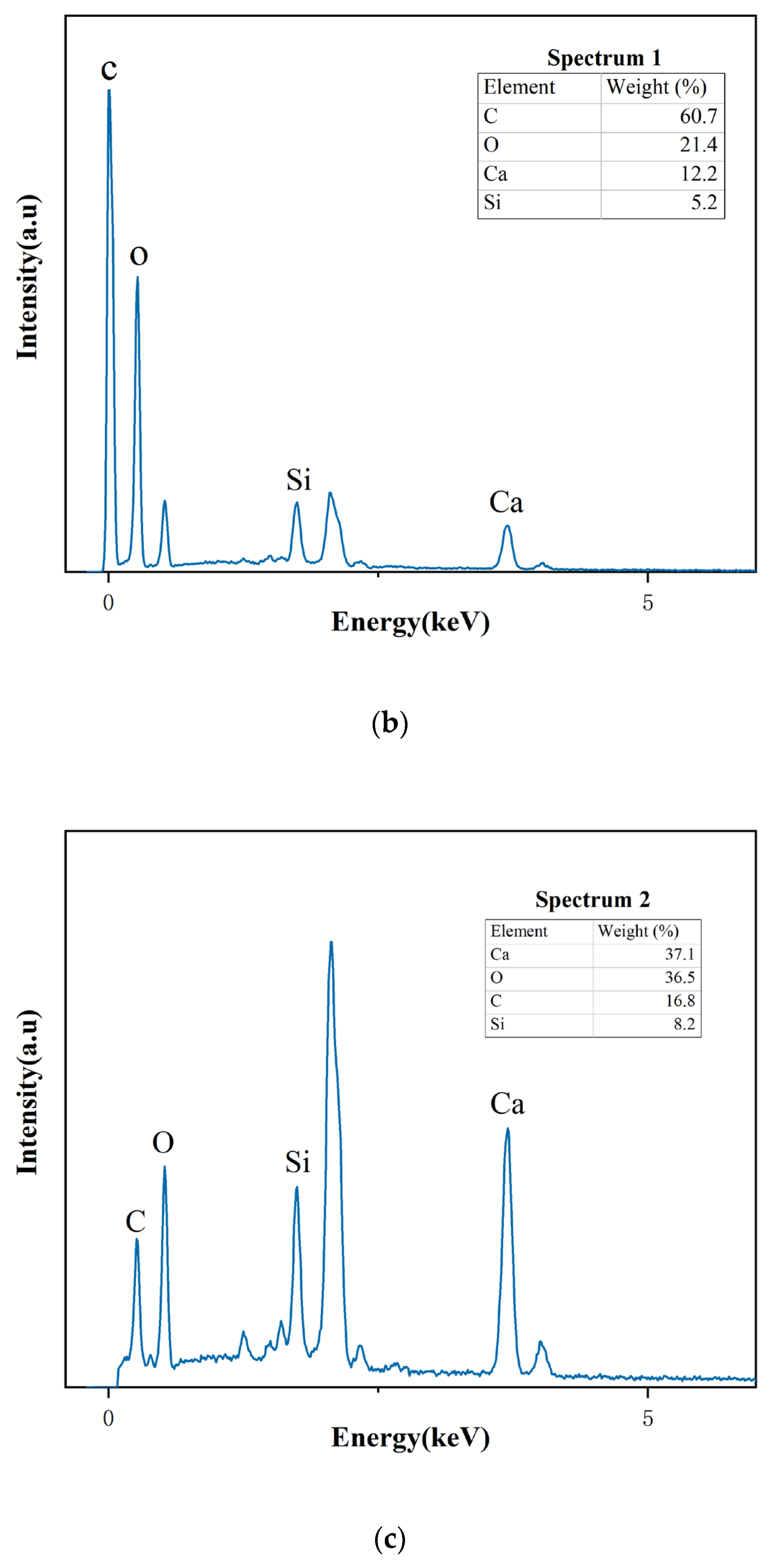
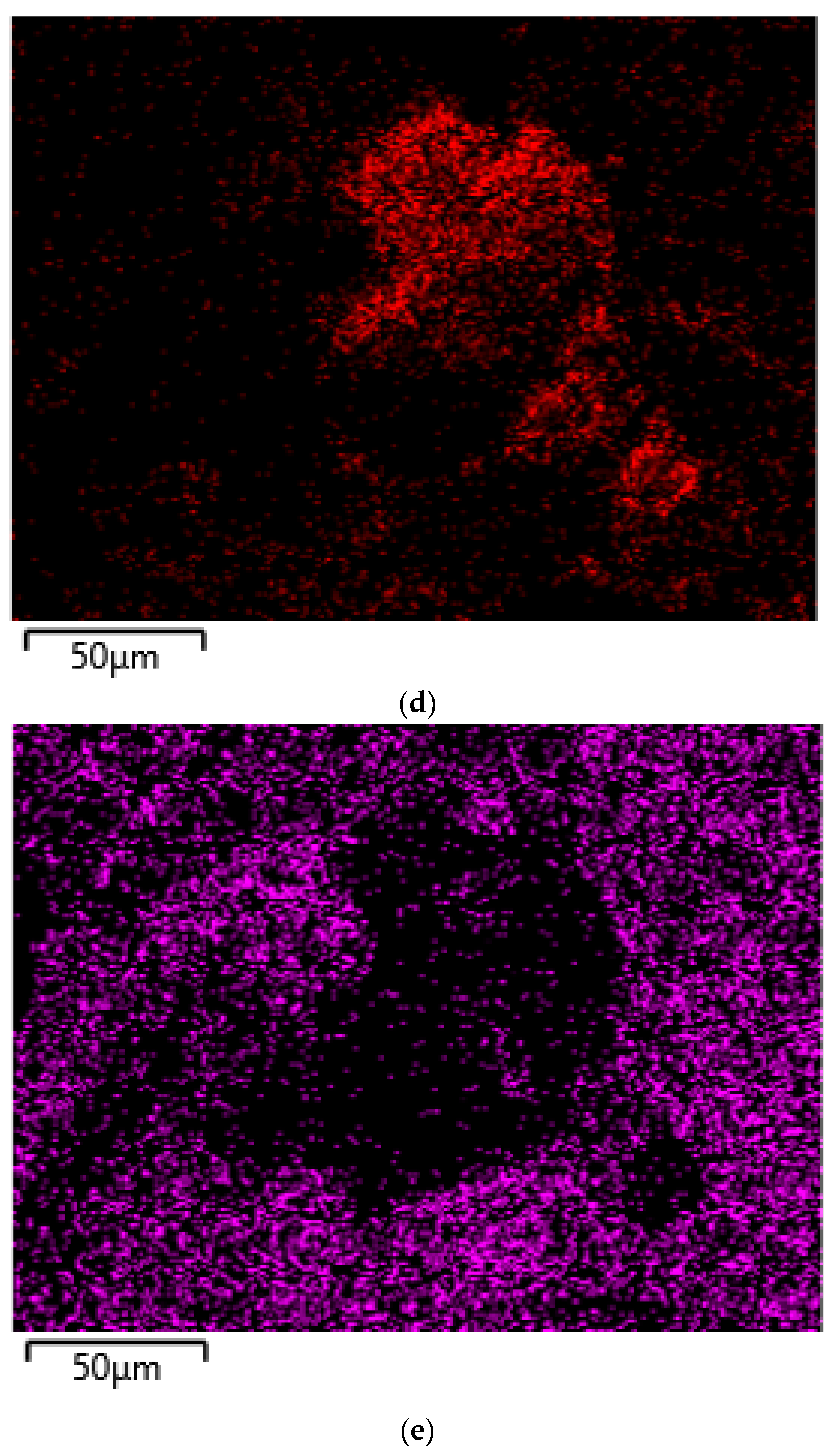
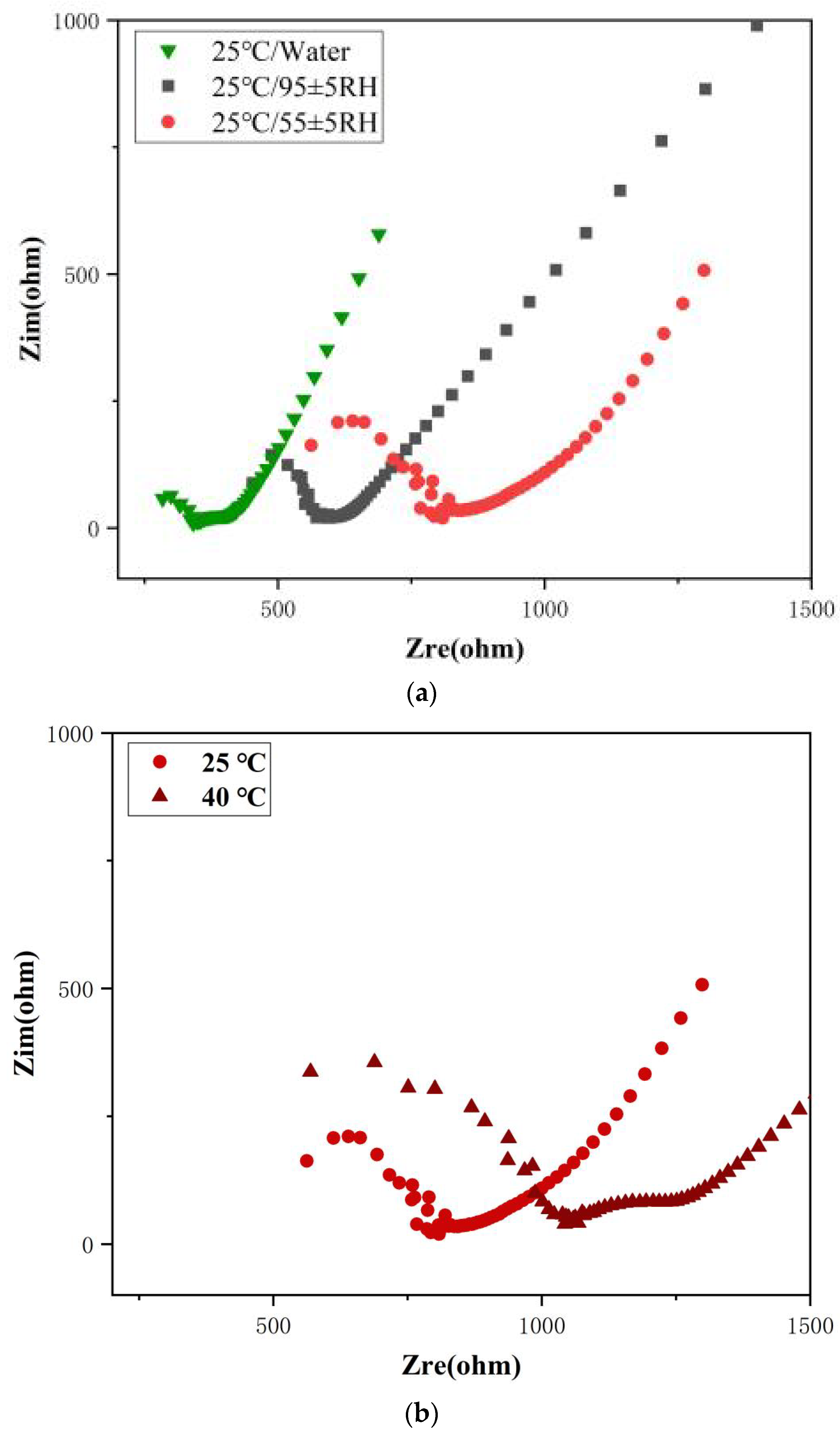
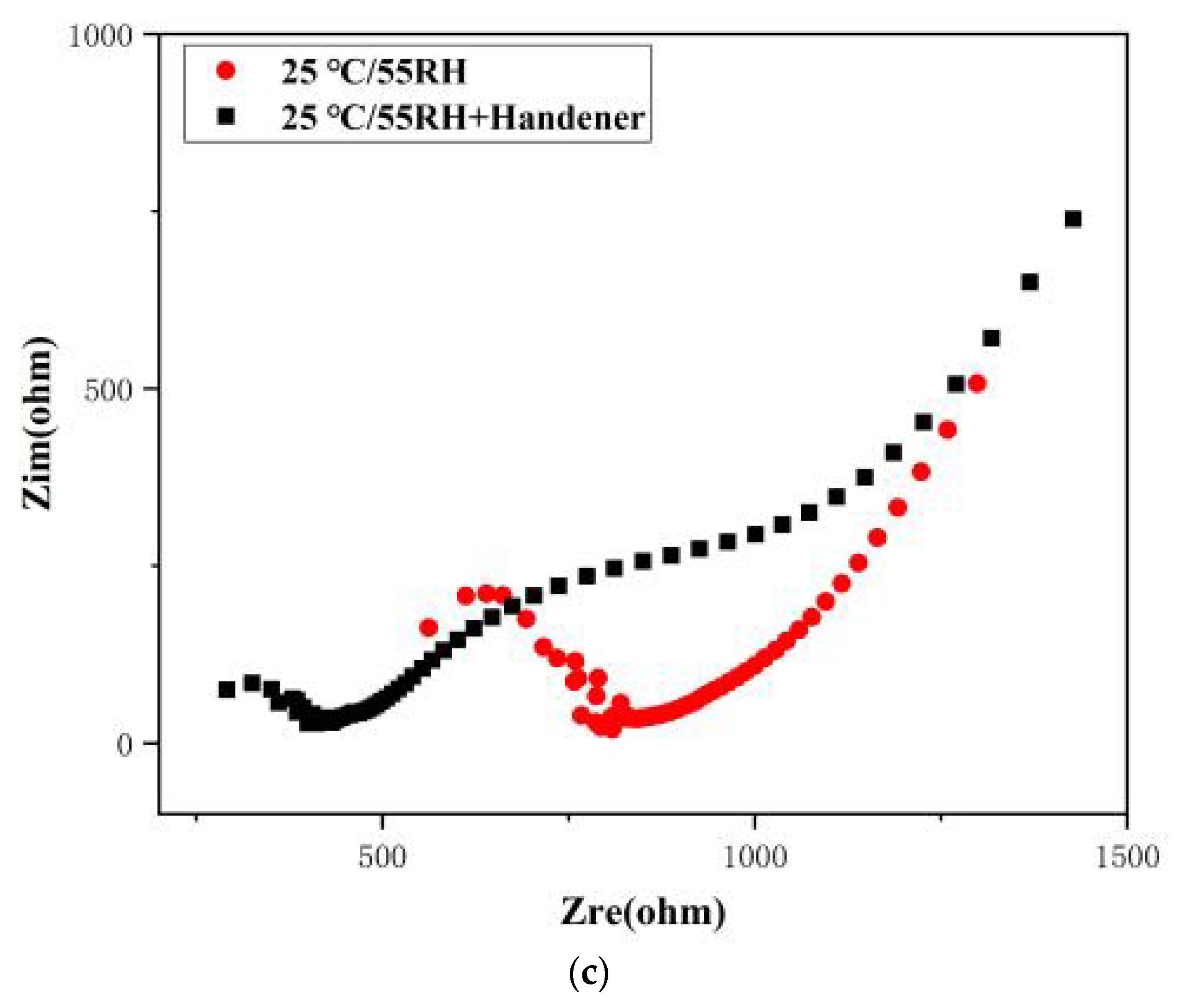
- In cement-based materials, E-51 could undergo endogenous curing without relying on external curing agents. Higher temperatures and lower humidity favored the curing reaction, enhancing the compressive strength of mortar. In contrast, high-humidity environments (e.g., water curing or standard curing) hindered curing, resulting in lower strength than the reference group. At 60 °C, the compressive strength of mortar containing 10 wt.% epoxy (by cement mass) was 1.5-fold higher than that of the control group after 14 d. At 40 °C, the 28 d compressive strength of epoxy-modified mortar was 1.2-fold higher than that of the control group and 1.3-fold higher than that of the group with an added curing agent. However, the compressive strength of epoxy mortar under high humidity conditions is not satisfactory. Meanwhile, at 25 °C, a longer curing time is required to achieve the effect of improving the compressive strength of the mortar.
- Self-healing concrete based on endogenous epoxy curing exhibited excellent self-healing performance. After 28 d of self-healing, the R values of epoxy microcapsule-containing specimens aged 28 d were 100%. Moreover, the healing effect of the system without a curing agent was superior to that of the system with a curing agent.
Author Contributions
Funding
Institutional Review Board Statement
Data Availability Statement
Conflicts of Interest
References
- Singh, M.; Saini, B.; Chalak, H.D. Performance and composition analysis of engineered cementitious composite (ECC)—A review. J. Build. Eng. 2019, 26, 100851. [Google Scholar] [CrossRef]
- Tumwiine, H.; Chala, T.; Ssenyonjo, H.; Kirigoola, D.; Al-Fakih, A. On the use of self-healing materials in concrete technology: A comprehensive review of materials, mechanisms, and field applications. J. Mater. Today Chem. 2025, 48, 103001. [Google Scholar] [CrossRef]
- Eom, A.H.; Won, J.P.; Sam, A.R.M.; Bhutta, M.A.R.; Khalid, N.H.A.; Mirza, J. Strength properties and molecular composition of epoxy-modified mortars. Constr. Build. Mater. 2015, 94, 315–322. [Google Scholar] [CrossRef]
- Guo, S.Y.; Zhang, X.; Ren, J.; Chen, J.Z.; Zhao, T.J.; Li, T.W.; Zhang, L. Preparation of TiO2/epoxy resin composite and its effect on mechanical and bonding properties of OPC mortars. Constr. Build. Mater. 2021, 272, 121960. [Google Scholar] [CrossRef]
- Ma, E.; Chen, X.; Lai, J.; Kong, X.; Guo, C. Self-healing of microcapsule-based materials for highway construction: A review. J. Traffic Transp. Eng. 2023, 10, 368–384. [Google Scholar] [CrossRef]
- Liu, Q.; Cao, X.; Tang, B.; Wu, S.; Shan, B. A comprehensive review of self-healing technology for cementitious materials: Mechanisms, influencing factors, and healing performance. J. Mater. Chem. Phys. 2026, 347, 131499. [Google Scholar] [CrossRef]
- Mao, Q.J.; Wu, W.W.; Liang, P.; Wang, Z.M.; Cui, S.P. Self-healing effect of calcium alginate/epoxy microcapsules in cementitious materials. Mater. Rev. 2018, 32, 4016–4021. [Google Scholar] [CrossRef]
- Mao, Q.; Chen, J.; Wu, W.; Li, R.; Shi, S.; Wang, Z.; Cui, S. Multiple Self-Healing Effects of Water-Absorbing Microcapsules in Cementitious Materials. Polymers 2023, 15, 428. [Google Scholar] [CrossRef]
- Wang, X.; Chen, Z.; Xu, W.; Wang, X. Fluorescence labelling and self-healing microcapsules for detection and repair of surface microcracks in cement matrix. Compos. Part B Eng. 2020, 184, 107744. [Google Scholar] [CrossRef]
- Liu, W.; Zou, S.; Pan, J.; Zhang, Z.; Chen, J.; Liu, B.; Yue, Z. Carbon nanotubes/carbon black reinforced epoxy resin microcapsule-based cement composites with combined self-healing and self-sensing capacities. J. Build. Eng. 2025, 103, 112171. [Google Scholar] [CrossRef]
- Mao, Q.; Chen, J.; Qi, W.; Liu, H.; Wang, Z.; Cui, S. Improving Self-Healing and Shrinkage Reduction of Cementitious Materials Using Water-Absorbing Polymer Microcapsules. Materials 2022, 15, 847. [Google Scholar] [CrossRef] [PubMed]
- Xue, Q.; Feng, X.; Sun, Y.; Si, Z.; Zhang, L.; Zhou, Z.; Zhong, Y.; Mei, K.; Lin, G.; Zhao, H. A systematic review of concrete self-healing mechanism and analysis of new research directions. J. Environ. Chem. Eng. 2025, 13, 119009. [Google Scholar] [CrossRef]
- Zhou, S.; Qi, N.; Zhang, Z.; Jiang, P.; Li, A.; Lu, Y.; Su, X. Recent progress in intrinsic self-healing polymer materials: Mechanisms, challenges and potential applications in oil and gas development. Chem. Eng. J. 2025, 511, 161906. [Google Scholar] [CrossRef]
- Baldissera, A.F.; Schütz, M.K.; Vecchia, F.D.; Seferin, M.; Ligabue, R.; Menezes, S.C.; Einloft, S. Epoxy-modified portland cement: Effect of the resin hardener on the chemical degradation by carbon dioxide. J. Energy Procedia 2017, 114, 5256–5265. [Google Scholar] [CrossRef]
- Anagnostopoulos, C.A.; Sapidis, G.; Papastergiadis, E. Fundamental properties of epoxy resin-modified cement grouts. Constr. Build. Mater. 2016, 125, 184–195. [Google Scholar] [CrossRef]
- Yan, H.; Wang, C.; Yao, Y.; Ma, B.; Qian, S.; Zhao, Q. Synthesis of self-crosslinking waterborne epoxy resin and its strengthening effect on CO 2-H 2 S corrosion resistance of oil well cement. Chin. J. Synth. Chem. 2022, 30, 930–936. (In Chinese) [Google Scholar] [CrossRef]
- Peng, Z.; Zhang, S.; Feng, Q.; Zheng, Y. Effects of self-emulsifying and self-crosslinking epoxy resin on the mechanical properties of oil well cement stone. Coll. Sur. A Physicochem. Eng. Asp. 2025, 727, 138199. [Google Scholar] [CrossRef]
- Peng, Z.; Zhou, Z.; Feng, Q.; Zheng, Y.; Yang, Q.; Liu, X. Synthesis and performance application of self-crosslinking water-borne epoxy resin for cementing. J. Appl. Polym. Sci. 2021, 138, 51351. [Google Scholar] [CrossRef]
- Jo, Y.K. Basic properties of epoxy cement mortars without hardener after outdoor exposure. Constr. J. Build. Mater. 2008, 22, 911–920. [Google Scholar] [CrossRef]
- Zhu, J.P.; Li, Z.J.; Zhang, Y.M. Initiation of Single-part Epoxy in Cementitious System-II. J. Wuhan Univ. Technol. 2016, 31, 1043–1047. (In Chinese) [Google Scholar] [CrossRef]
- Yan, P.Y.; Yue, L.; Dai, D.; Luo, Y.W. Effect of epoxy resin emulsion on the hydration process and mechanical properties of oil well cement. Bull. Chin. Ceram. Soc. 2016, 35, 2019–2023. (In Chinese) [Google Scholar] [CrossRef]
- Ohama, Y.; Demura, K.; Endo, T. Properties of polymer-modified mortars using epoxy resin without hardener. In Polymer-Modified Hydraulic-Cement Mixtures; Kuhlmann, L.A., Walters, D.G., Eds.; ASTM International: Conshohocken, PA, USA, 1993. [Google Scholar] [CrossRef]
- GB/T 29756−2013[S]; Test Method for Physical Properties of Dry Mixed Mortar. Standards Press of China: Beijing, China, 2013. (In Chinese)
- Wang, X.; Zhang, J.; Han, R.; Han, N.; Xing, F. Evaluation of damage and repair rate of self-healing microcapsule-based cementitious materials using electrochemical impedance spectroscopy. J. Clean. Prod. 2019, 235, 966–976. [Google Scholar] [CrossRef]





| Constitute | SiO2 | Fe2O3 | CaO | Mg | SO3 | Na2O eq. | f-CaO | 2CaO·SiO2 | 3CaO·SiO2 | 3CaO·Al2O3 | 4CaO·Al2O3·Fe2O3 |
| Content/wt.% | 22.15 | 3.12 | 64.76 | 2.98 | 0.65 | 0.57 | 0.90 | 19.01 | 59.42 | 6.36 | 9.48 |
| Square Hole Side Length (mm) | Cumulative Screening Margin (%) | Square Hole Side Length (mm) | Cumulative Screening Margin (%) |
|---|---|---|---|
| 2.0 | 0 | 0.5 | 67 ± 5 |
| 1.6 | 7 ± 5 | 0.16 | 86 ± 5 |
| 1.0 | 33 ± 5 | 0.08 | 99 ± 5 |
| Constitute | SiO2 | Al2O3 | CaO | MgO | SO3 |
| Content (wt.%) | 33.06 | 15.04 | 39.29 | 9.96 | 1.9 |
| Property | Al2O3 | SiO2 | Water Content | Cl− | SO3 | CaO | Alkali Content | Fe Content |
| Test Result/wt% | 24.2 | 45.1 | 0.85 | 0.015 | 2.1 | 5.6 | 1.2 | 0.85 |
| Sample | Material Dosage (kg m−3) | Hardener | Micro Capsules (%) | |||||
|---|---|---|---|---|---|---|---|---|
| Water | Cement | Fly Ash | Slag Powder | Sand | Aggregate | |||
| C-Control | 160 | 369 | 55 | 138 | 610 | 1087 | 0 | 0 |
| C-3% | 160 | 369 | 55 | 138 | 610 | 1087 | 0 | 3 |
| C-3% + Hardener | 160 | 369 | 55 | 138 | 610 | 1087 | 10% of the microcapsule mass | 3 |
| Storage Temperature (°C) | Curing Time (d) | Reaction Enthalpy (J mg−1) | Relative Curing Degree (%) |
|---|---|---|---|
| 25 | 0 | 2.64 | 0 |
| 7 | 2.27 | 13.70 | |
| 14 | 1.70 | 35.67 | |
| 21 | 1.18 | 55.22 | |
| 28 | 0.50 | 81.04 | |
| 40 | 0 | 2.66 | 0 |
| 7 | 1.04 | 60.88 | |
| 14 | 1.65 | 93.80 | |
| 21 | 0.73 | 97.26 |
| Age (d) | Test Group | R (%) | |
|---|---|---|---|
| 7 d Self-Healing | 28 d Self-Healing | ||
| 7 | C-Control | 97.59 | 98.31 |
| C-3% | 98.95 | 100.87 | |
| C-3% + Hardener | 94.89 | 99.74 | |
| 28 | C-Control | 87.01 | 87.8 |
| C-3% | 96.56 | 100.06 | |
| C-3% + Hardener | 98.81 | 99.73 | |
Disclaimer/Publisher’s Note: The statements, opinions and data contained in all publications are solely those of the individual author(s) and contributor(s) and not of MDPI and/or the editor(s). MDPI and/or the editor(s) disclaim responsibility for any injury to people or property resulting from any ideas, methods, instructions or products referred to in the content. |
© 2026 by the authors. Licensee MDPI, Basel, Switzerland. This article is an open access article distributed under the terms and conditions of the Creative Commons Attribution (CC BY) license.
Share and Cite
Mao, Q.; Wang, Y.; Li, R.; Zhou, Y.; Shi, S.; Cui, S. Endogenous Curing Mechanism and Self-Healing Properties of an Epoxy Resin (E-51) in Alkaline Environments of Cement-Based Materials. Polymers 2026, 18, 262. https://doi.org/10.3390/polym18020262
Mao Q, Wang Y, Li R, Zhou Y, Shi S, Cui S. Endogenous Curing Mechanism and Self-Healing Properties of an Epoxy Resin (E-51) in Alkaline Environments of Cement-Based Materials. Polymers. 2026; 18(2):262. https://doi.org/10.3390/polym18020262
Chicago/Turabian StyleMao, Qianjin, Yuanlong Wang, Runfeng Li, Yuhuan Zhou, Shuqing Shi, and Suping Cui. 2026. "Endogenous Curing Mechanism and Self-Healing Properties of an Epoxy Resin (E-51) in Alkaline Environments of Cement-Based Materials" Polymers 18, no. 2: 262. https://doi.org/10.3390/polym18020262
APA StyleMao, Q., Wang, Y., Li, R., Zhou, Y., Shi, S., & Cui, S. (2026). Endogenous Curing Mechanism and Self-Healing Properties of an Epoxy Resin (E-51) in Alkaline Environments of Cement-Based Materials. Polymers, 18(2), 262. https://doi.org/10.3390/polym18020262