
Article

Viscosity-Dependent Shrinkage Behavior of Flowable Resin Composites

1
Department of Conservative and Preventive Dentistry, Center for Dental Medicine, University of Zurich, Plattenstrasse 11, 8032 Zurich, Switzerland
2
Department of Health Sciences and Technology, Institute of Food, Nutrition and Health, ETH Zurich, 8092 Zurich, Switzerland
*
Author to whom correspondence should be addressed.
Polymers 2025, 17(24), 3292; https://doi.org/10.3390/polym17243292
Submission received: 28 October 2025 / Revised: 3 December 2025 / Accepted: 9 December 2025 / Published: 11 December 2025
(This article belongs to the Special Issue Advanced Polymeric Materials for Dental Applications III)

Abstract

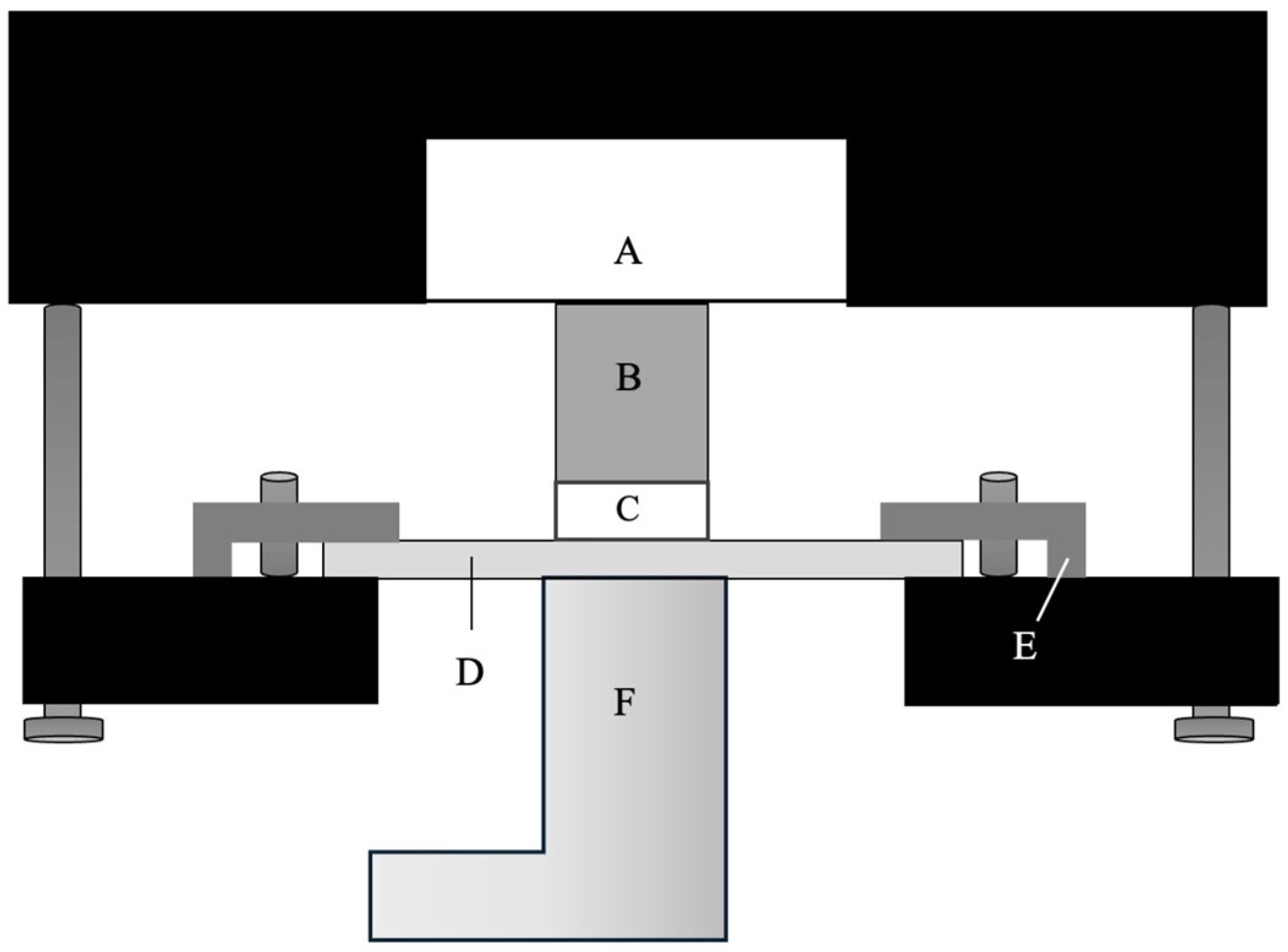
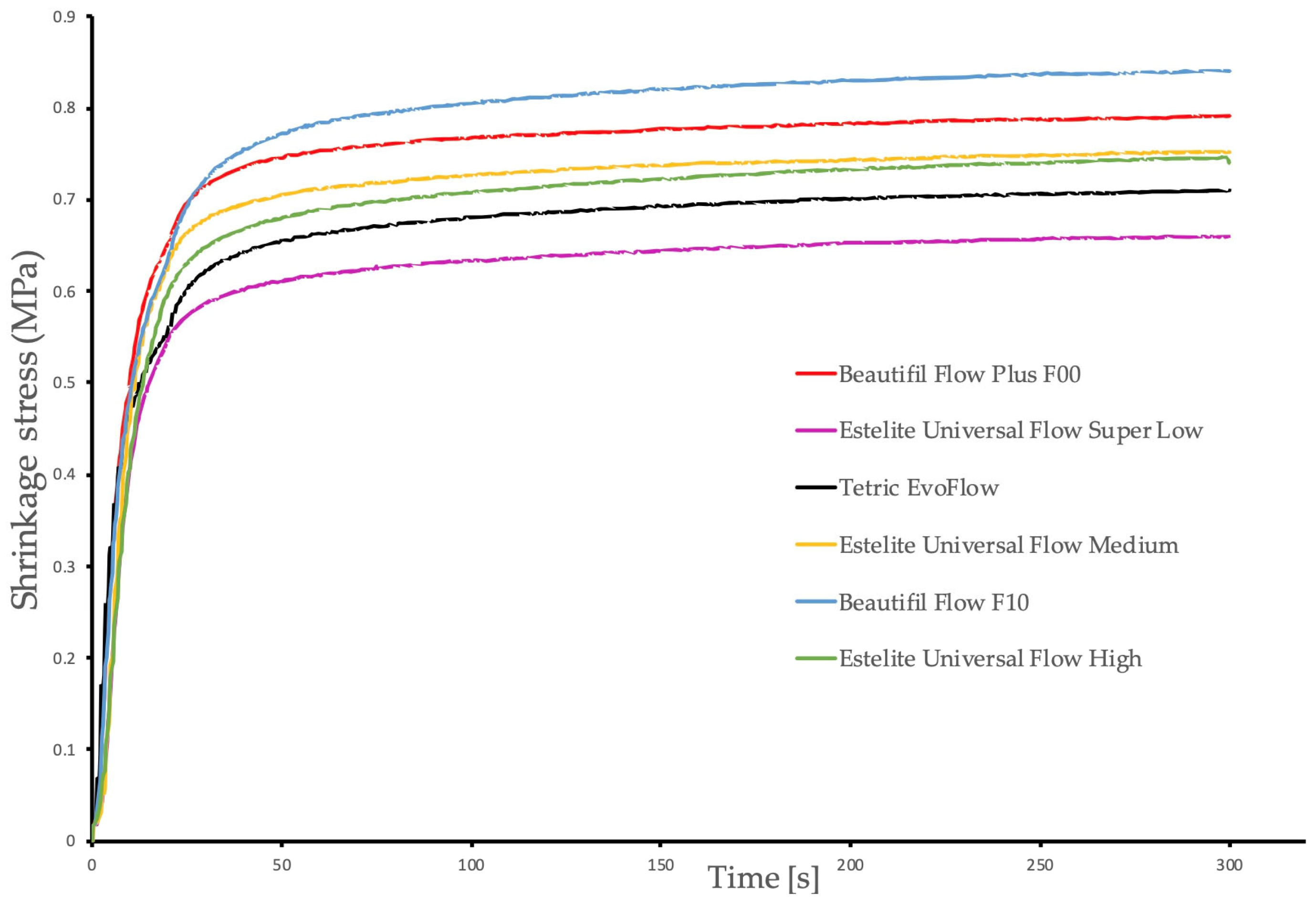
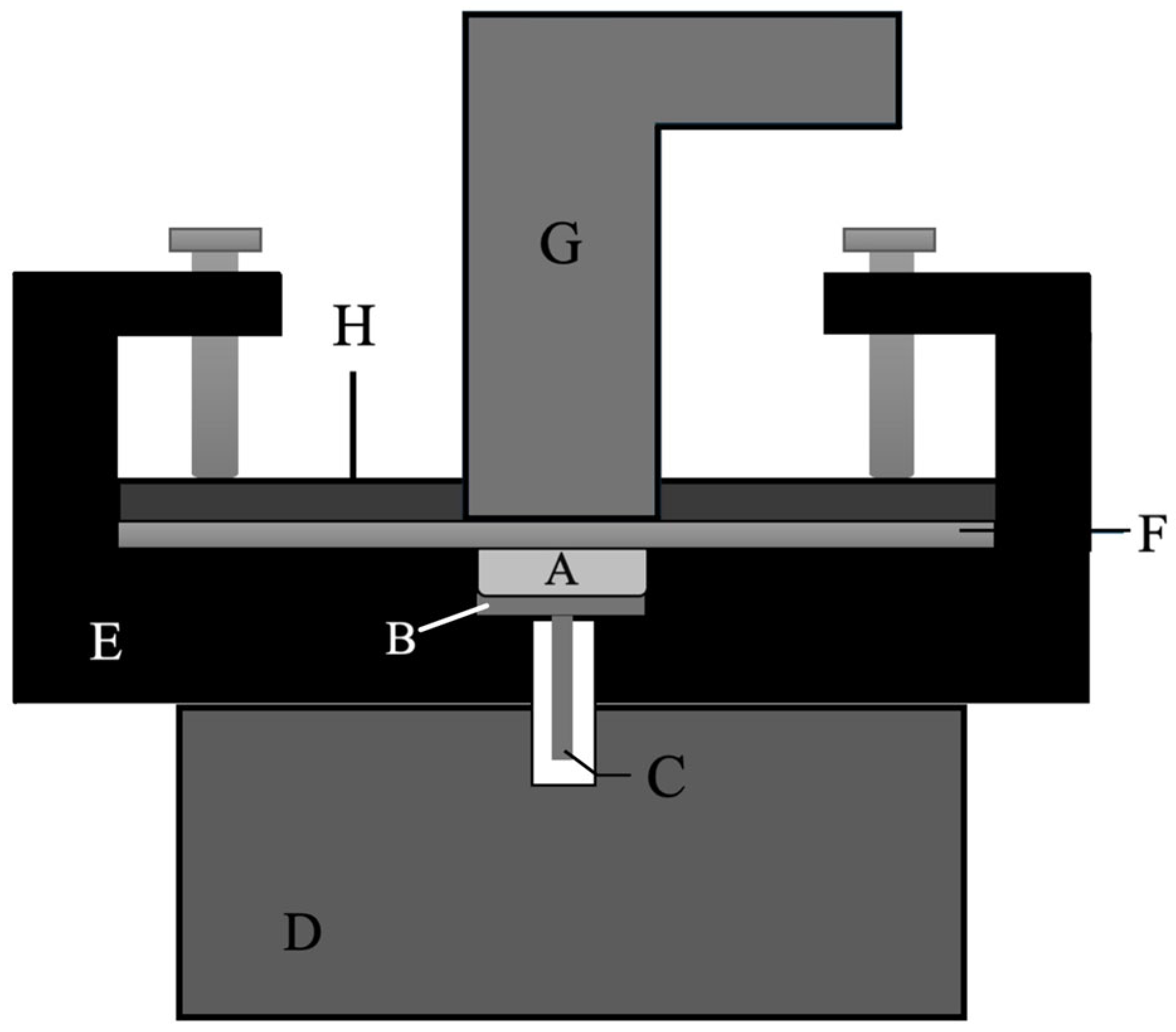
Flowable resin composites are extensively used in restorative dentistry, where linear polymerization shrinkage and the resulting shrinkage stress are critical for clinical success. This study investigated the relationship between viscosity, linear polymerization shrinkage, and shrinkage stress in flowable resin composite materials. Two low-flow resin composites (Beautifil Flow Plus F00, Estelite Universal Flow SuperLow), two medium-flow resin composites (Tetric EvoFlow, Estelite Universal Flow Medium), and two high-flow resin composites (Beautifil Flow F10, Estelite Universal Flow High) were examined. Viscosity (n = 3) of the unset materials was determined using a cone–plate rheometer. The composites were photoactivated for 20 s at 1226 mW/cm2, and linear polymerization shrinkage (n = 8) and shrinkage stress (n = 8) of 1.5 mm-thick specimens were recorded in real time for 5 min using a custom-made linometer and stress analyzer, respectively. Data were analyzed with Kruskal–Wallis rank tests followed by Conover post hoc tests, and Spearman correlation analyses were conducted to assess relationships between parameters (α = 0.05). A significant negative correlation was observed between viscosity and shrinkage stress (r = −0.943, p = 0.017). Beautifil Flow F10 exhibited the significantly lowest viscosity (14.60 ± 0.17 Pa·s) and the highest shrinkage stress (0.83 ± 0.14 MPa) among the materials, whereas low-flow composite Estelite Universal Flow SuperLow showed the lowest shrinkage stress (0.65 ± 0.10 MPa). Linear shrinkage ranged from 1.89 ± 0.13% to 3.18 ± 0.21%, but was not correlated with viscosity or stress (p > 0.05). In conclusion, viscosity critically influences polymerization-induced shrinkage stress development in flowable resin composites. Higher-viscosity flowable composites might be beneficial regarding stress build-up during polymerization compared with high-flow composites.
Keywords: flowable resin composites; viscosity; polymerization shrinkage; shrinkage stress flowable resin composites; viscosity; polymerization shrinkage; shrinkage stress