Investigation into the Materials and Methods for the Prevention and Control of Carbon Monoxide During Underground Coal Mine Blasting

 , ,
, ,
Abstract
1. Introduction
2. Results and Analysis
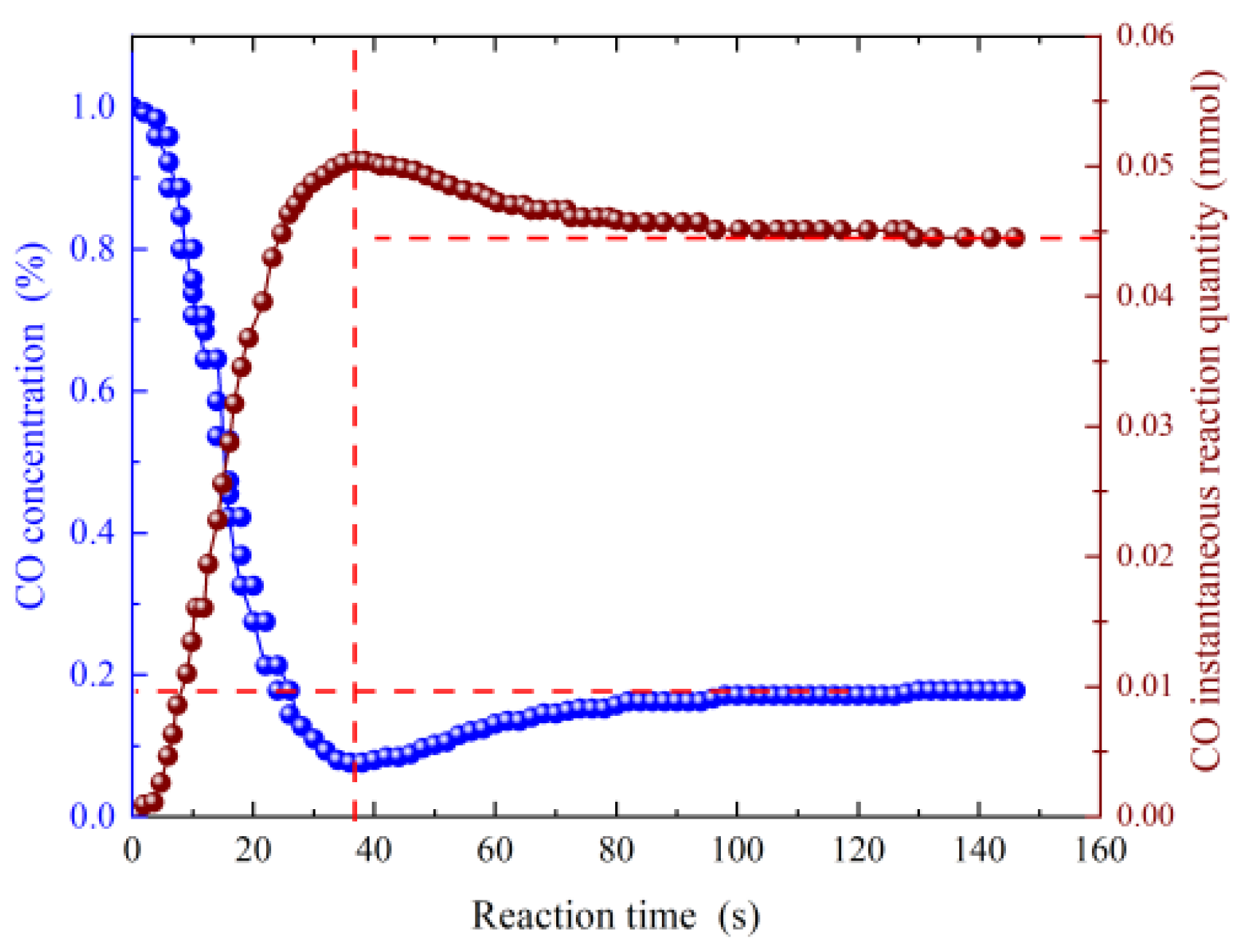
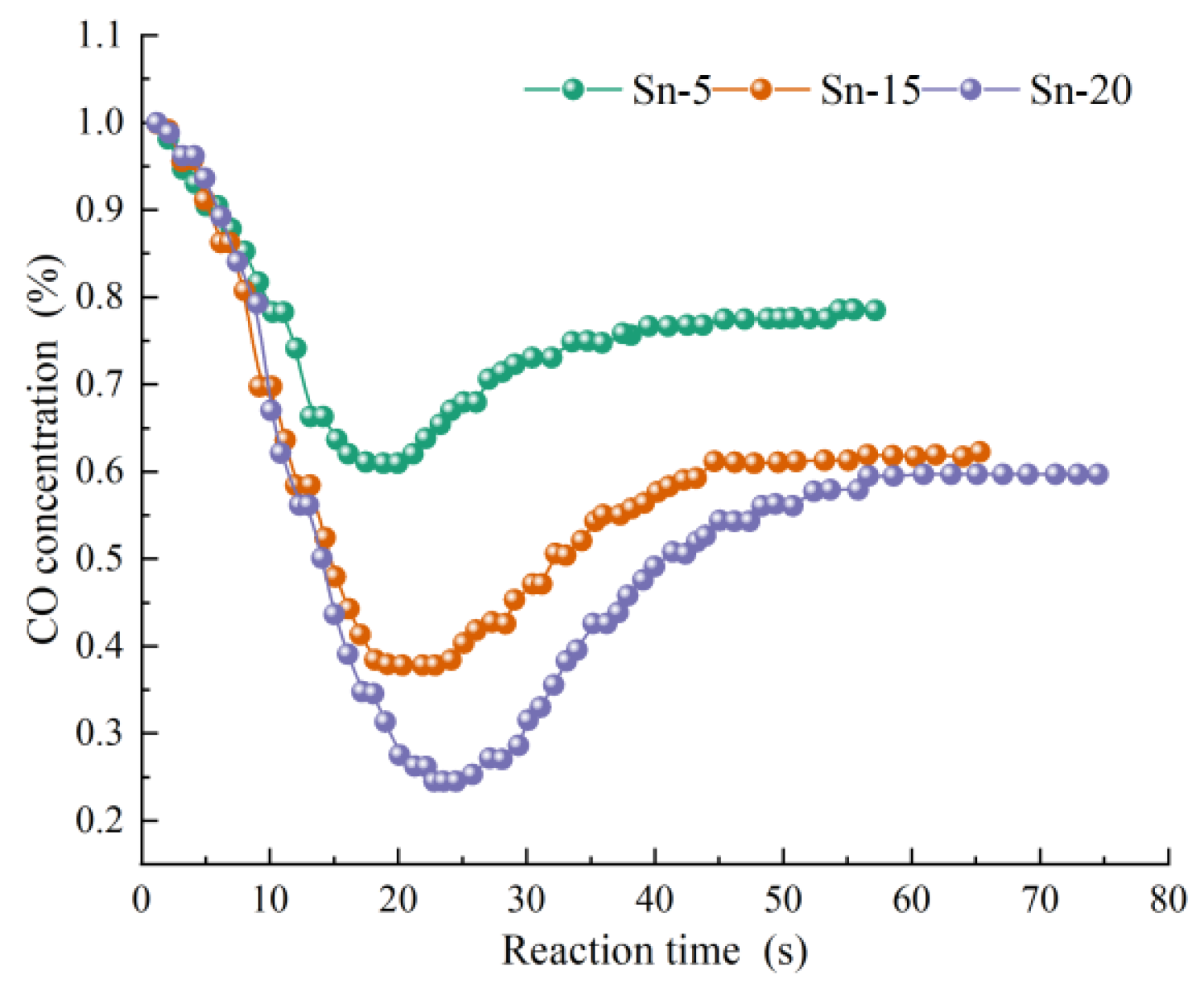
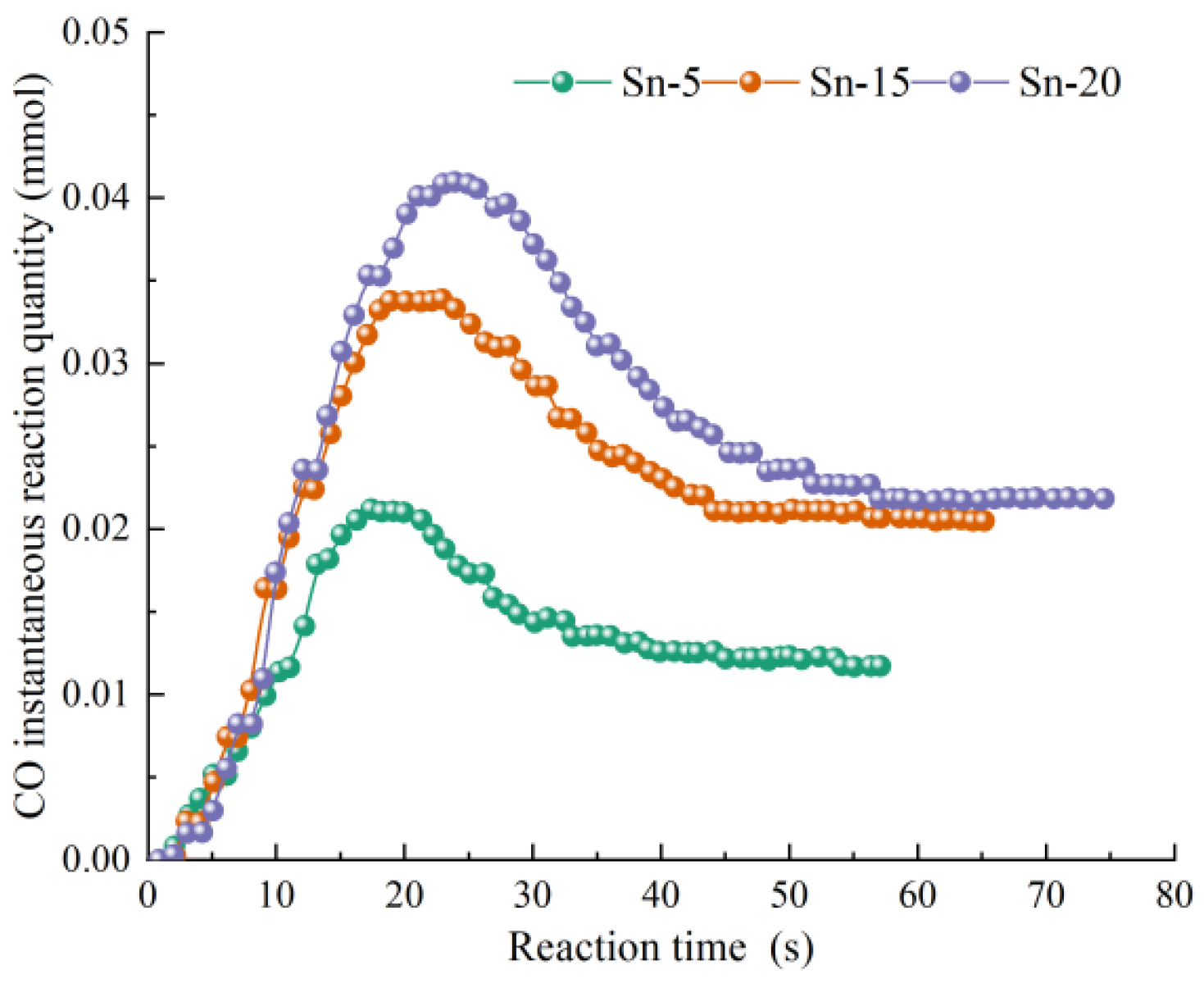
2.1. Activity Analysis of CO Catalysts
2.2. Analysis of the Water Resistance of CO Catalysts
3. Materials and Methods
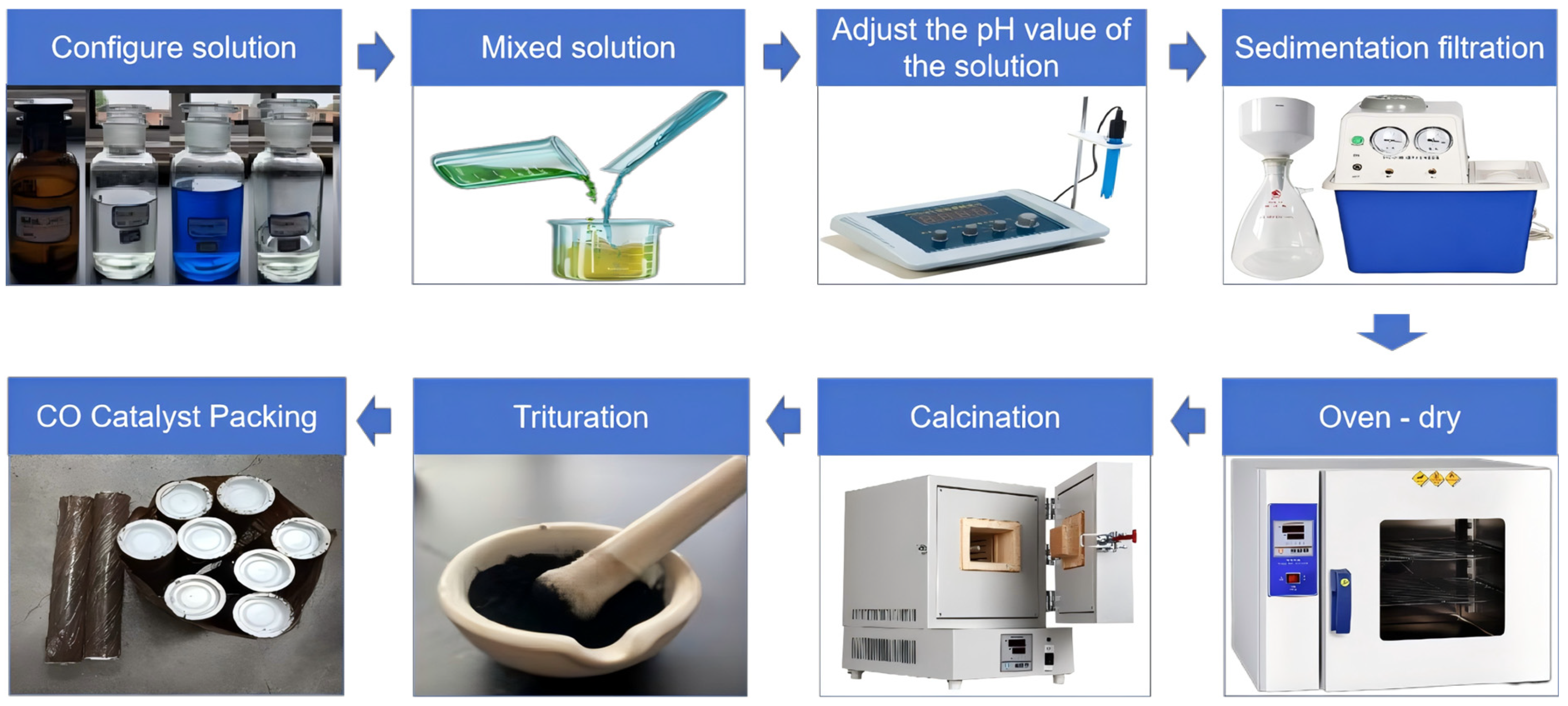
3.1. Preparation Process of CO Catalysts
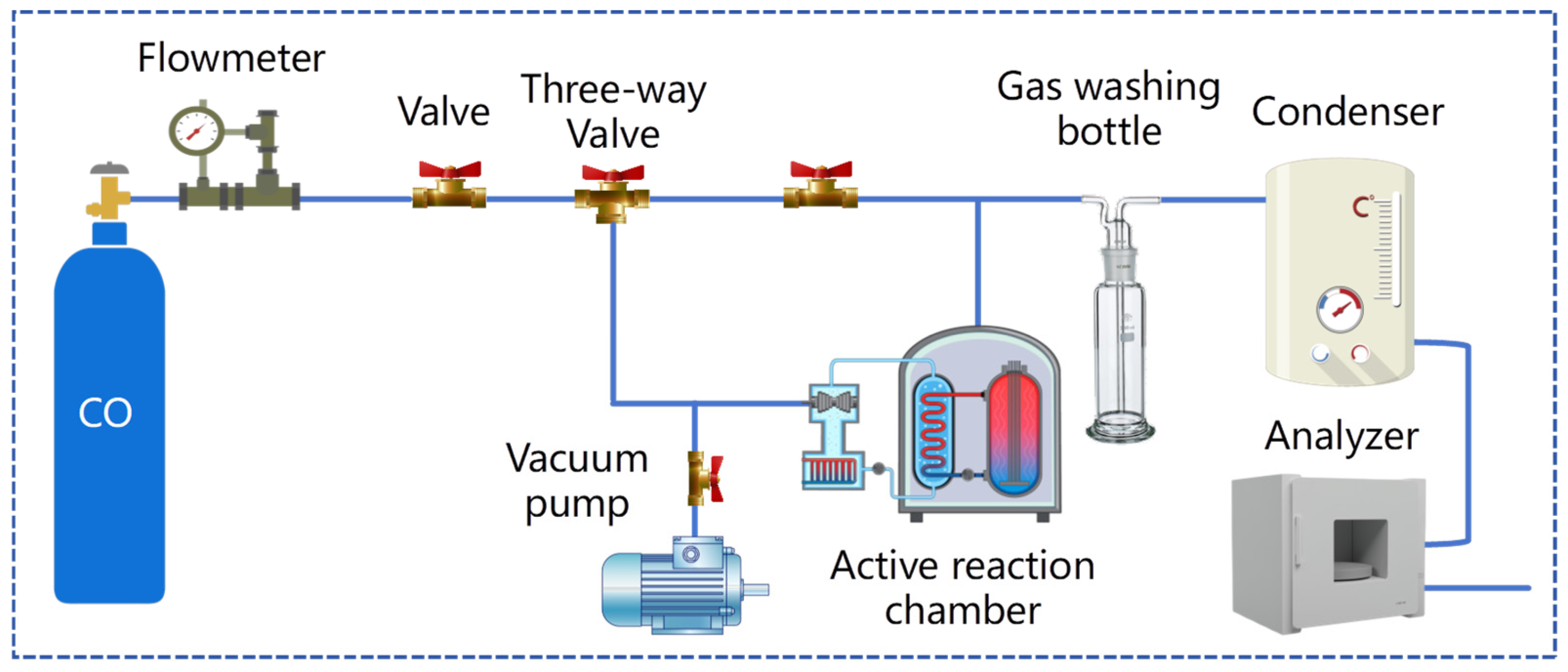
3.2. Activity Test of CO Catalyst
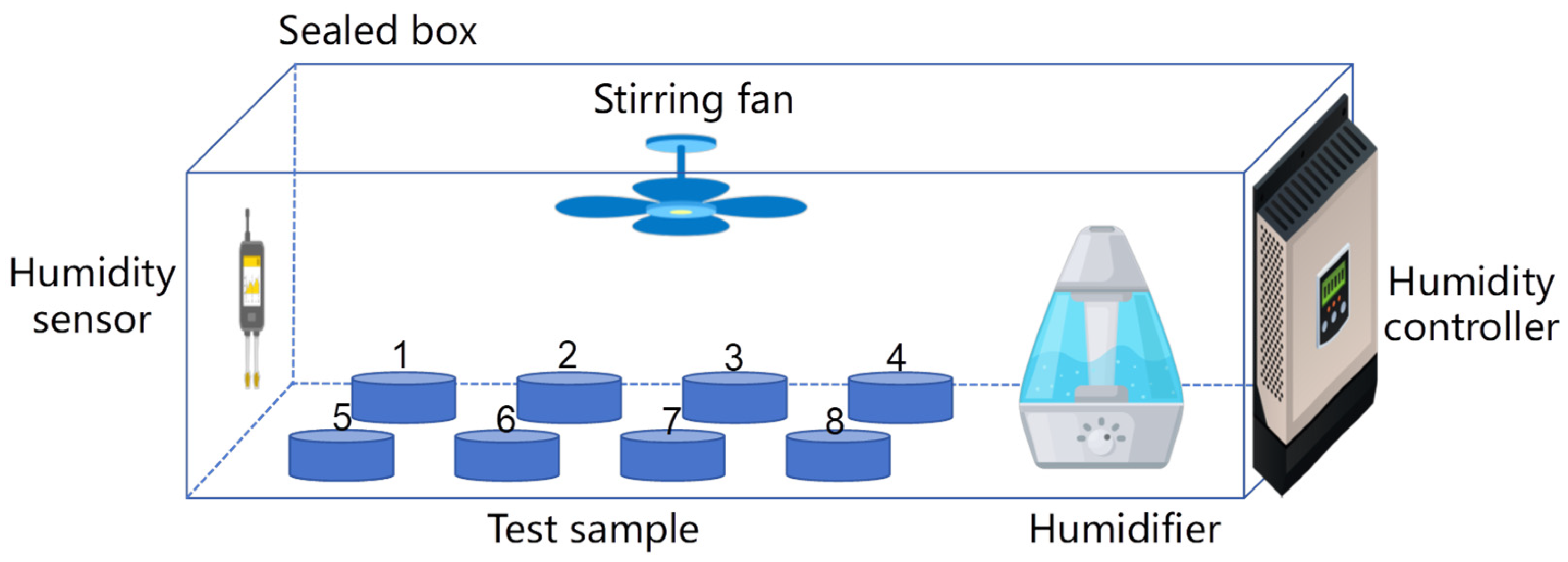
3.3. Analysis of Water Poisoning Resistance of CO Catalysts
3.4. Characterization Indicators of Catalytic Oxidation Performance
3.4.1. Activity
3.4.2. Instantaneous Reaction Rate
3.4.3. Catalytic Efficiency
3.5. Catalyst Characterization Methods
- N2 adsorption–desorption: Measured by BET method to analyze specific surface area, pore size distribution, and total pore volume;
- XRD: Rigaku Ultima IV diffractometer to determine crystal phase composition and crystallization degree;
- SEM: ZEISS MERLIN Compact scanning electron microscope to observe surface morphology and pore structure;
- XPS: Al Kα excitation source to analyze surface element valence states;
- FTIR: Nicolet iS50 spectrometer to characterize surface hydroxyl and water adsorption characteristics.
4. Principle and Field Experiment of In Situ CO Removal Technology
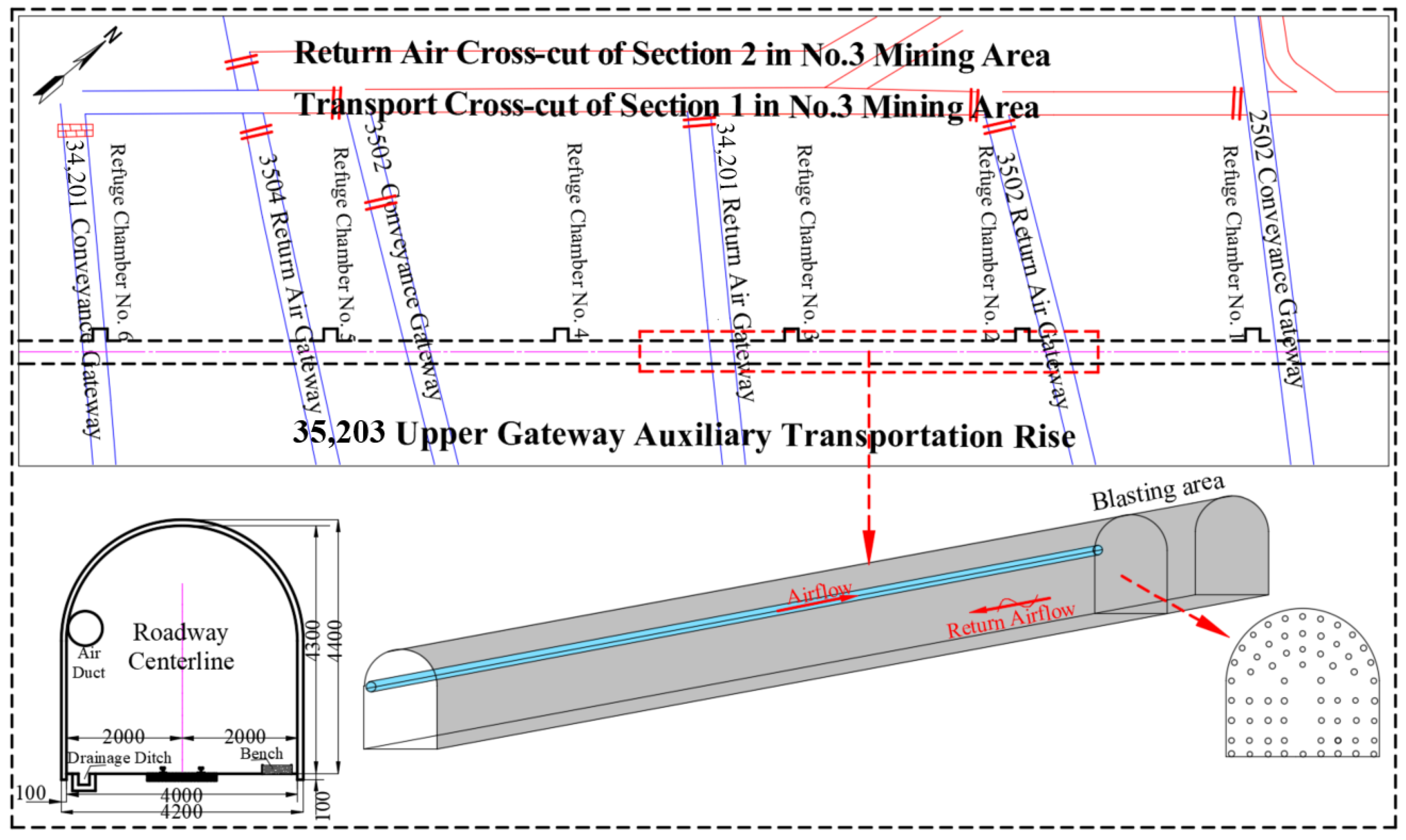
4.1. Project Overview
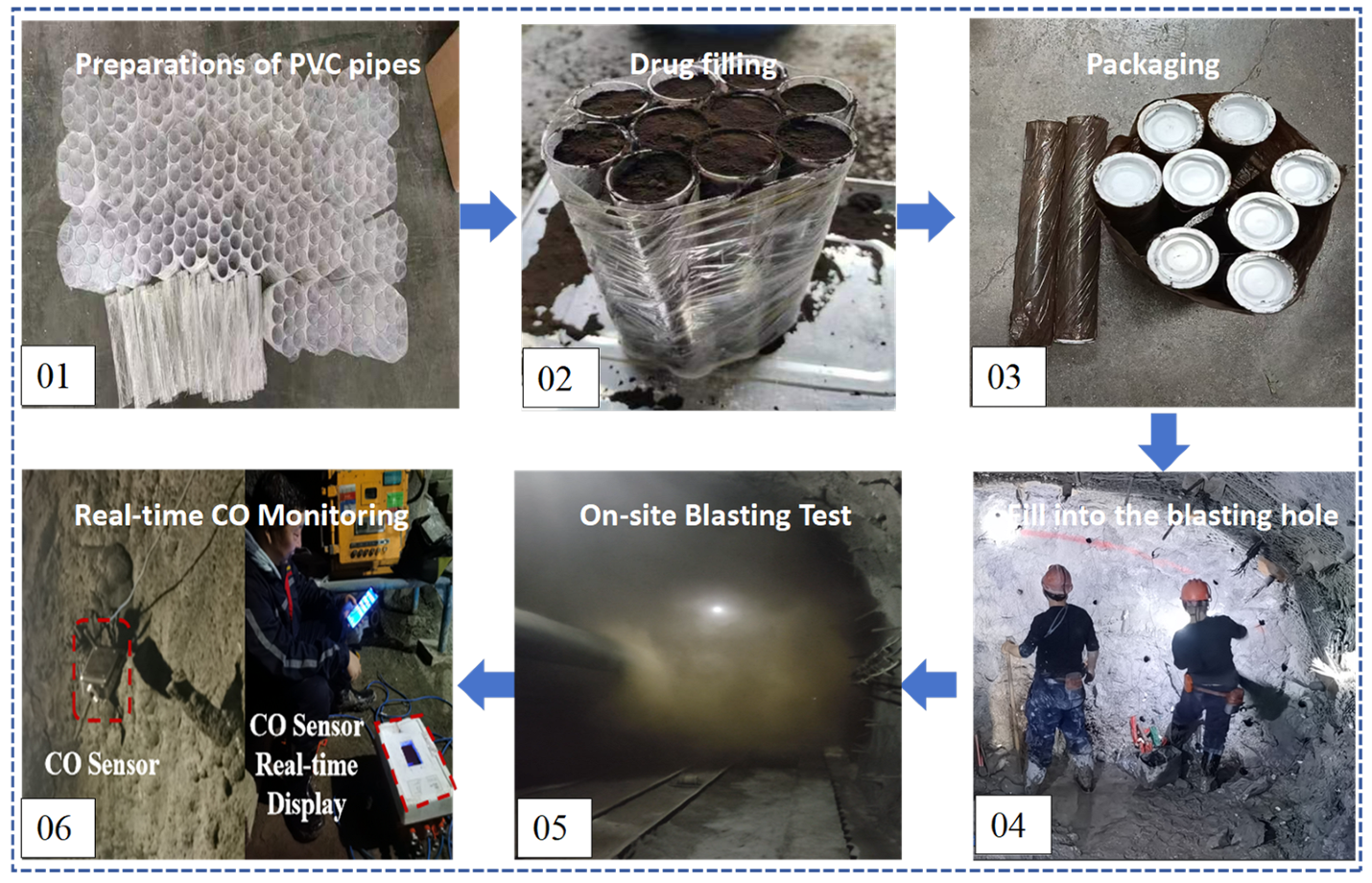
4.2. Technical Principle of In Situ CO Elimination in Blasting Holes
- (1)
- Casing Material and Structure
- (2)
- Waterproofing and Sealing
- (3)
- Internal Immobilization and Vibration Resistance
- (4)
- Connection and Synergistic Activation Mechanism
- (5)
- Storage Stability
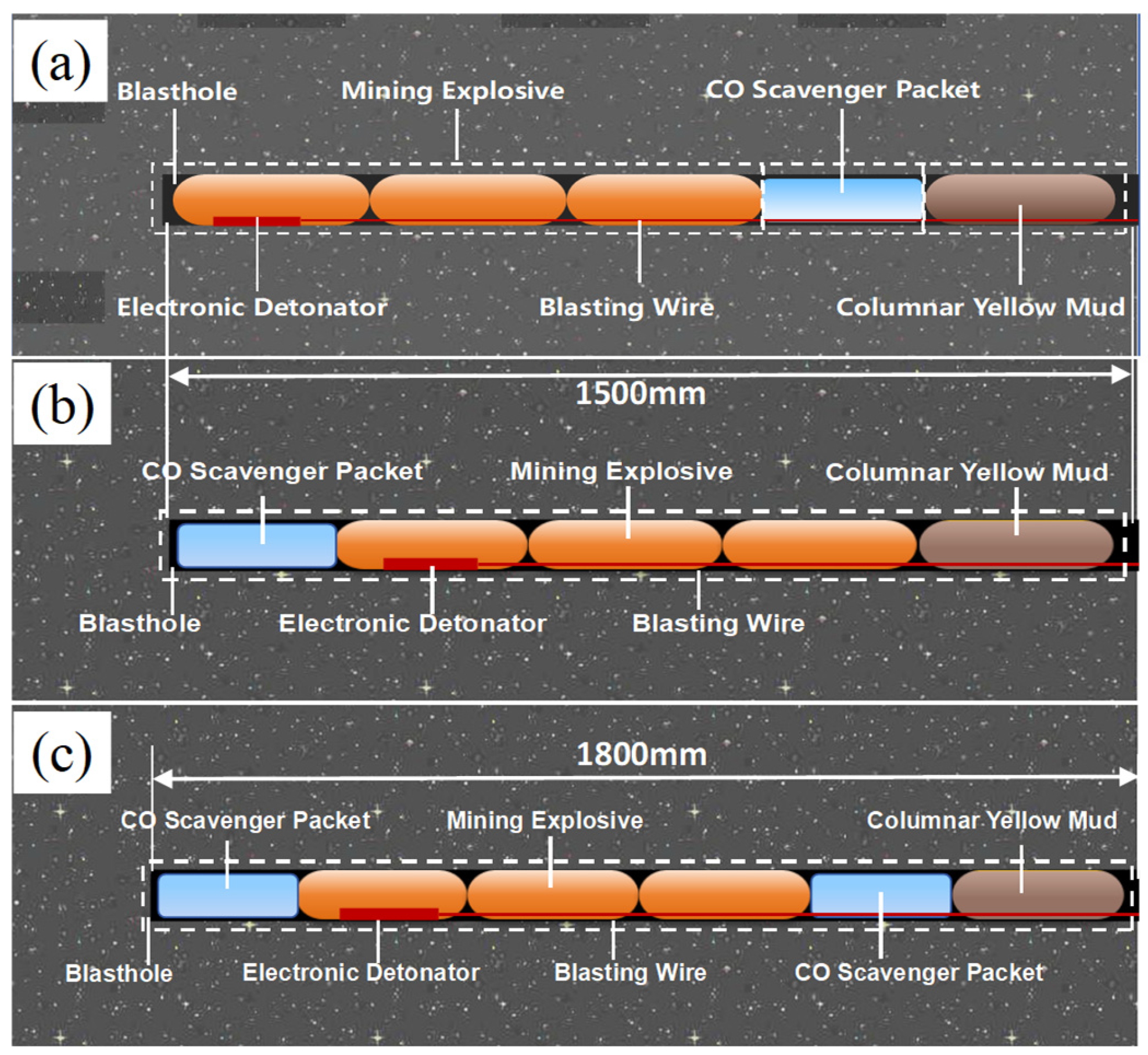
4.3. Field Test Design
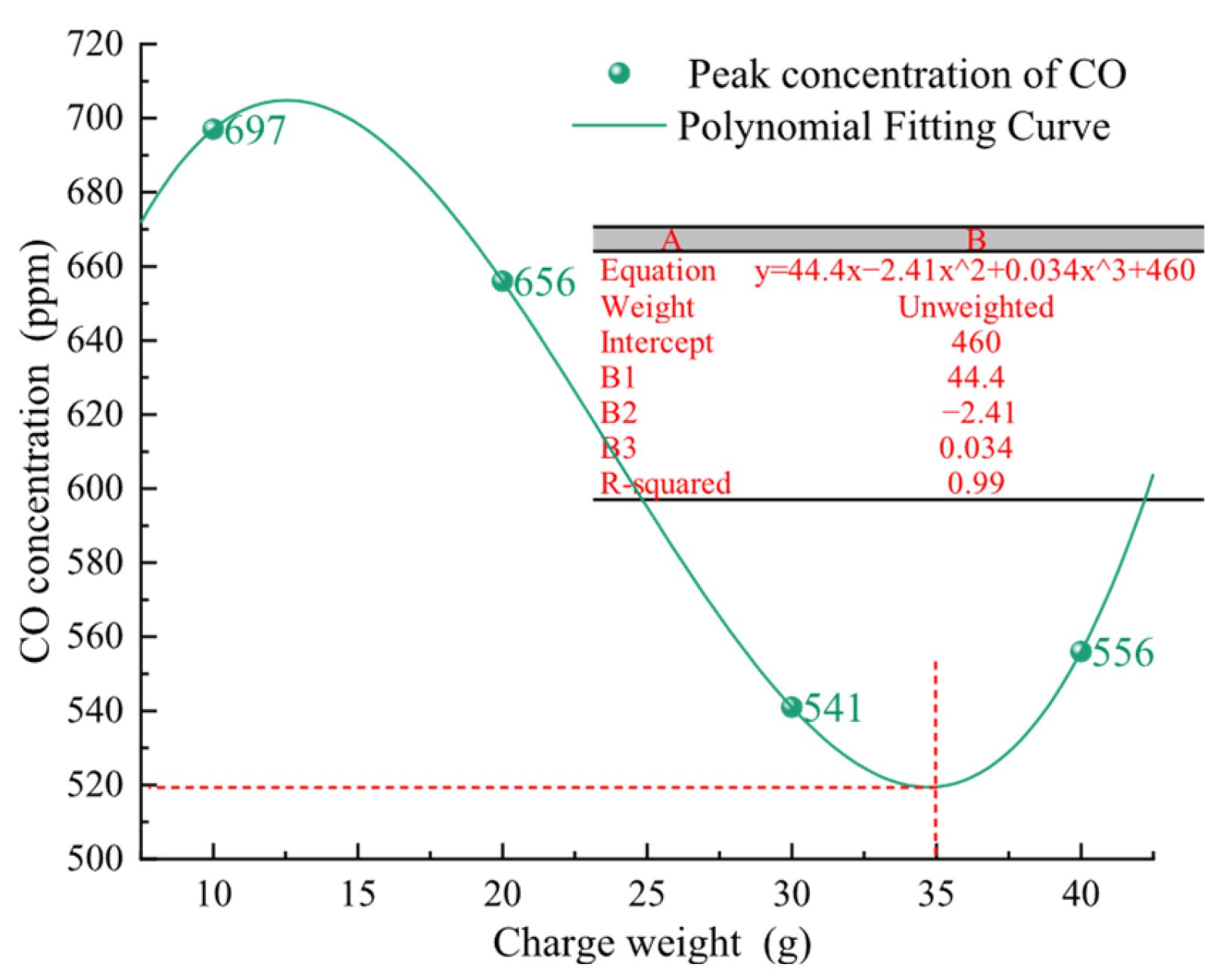
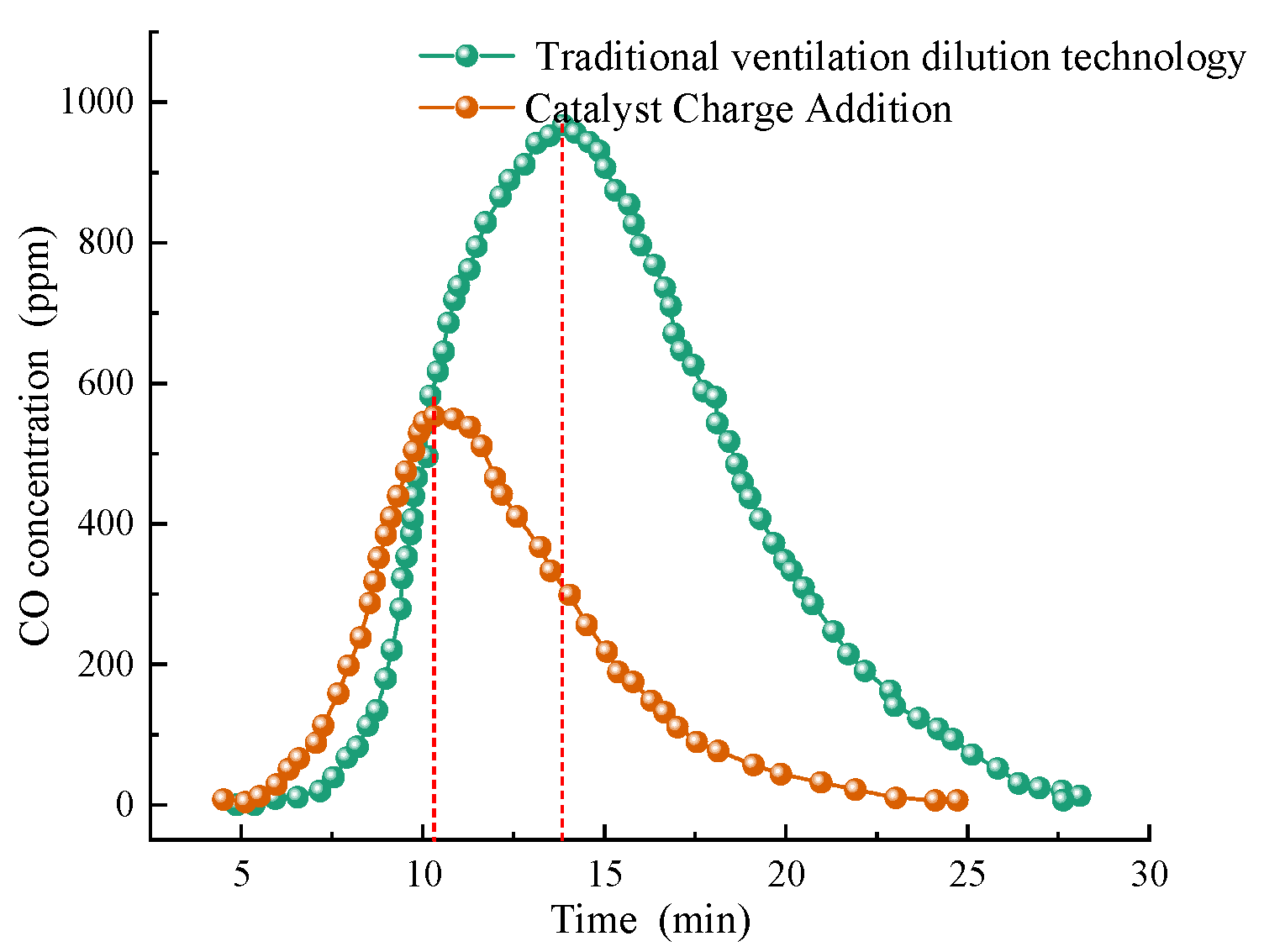
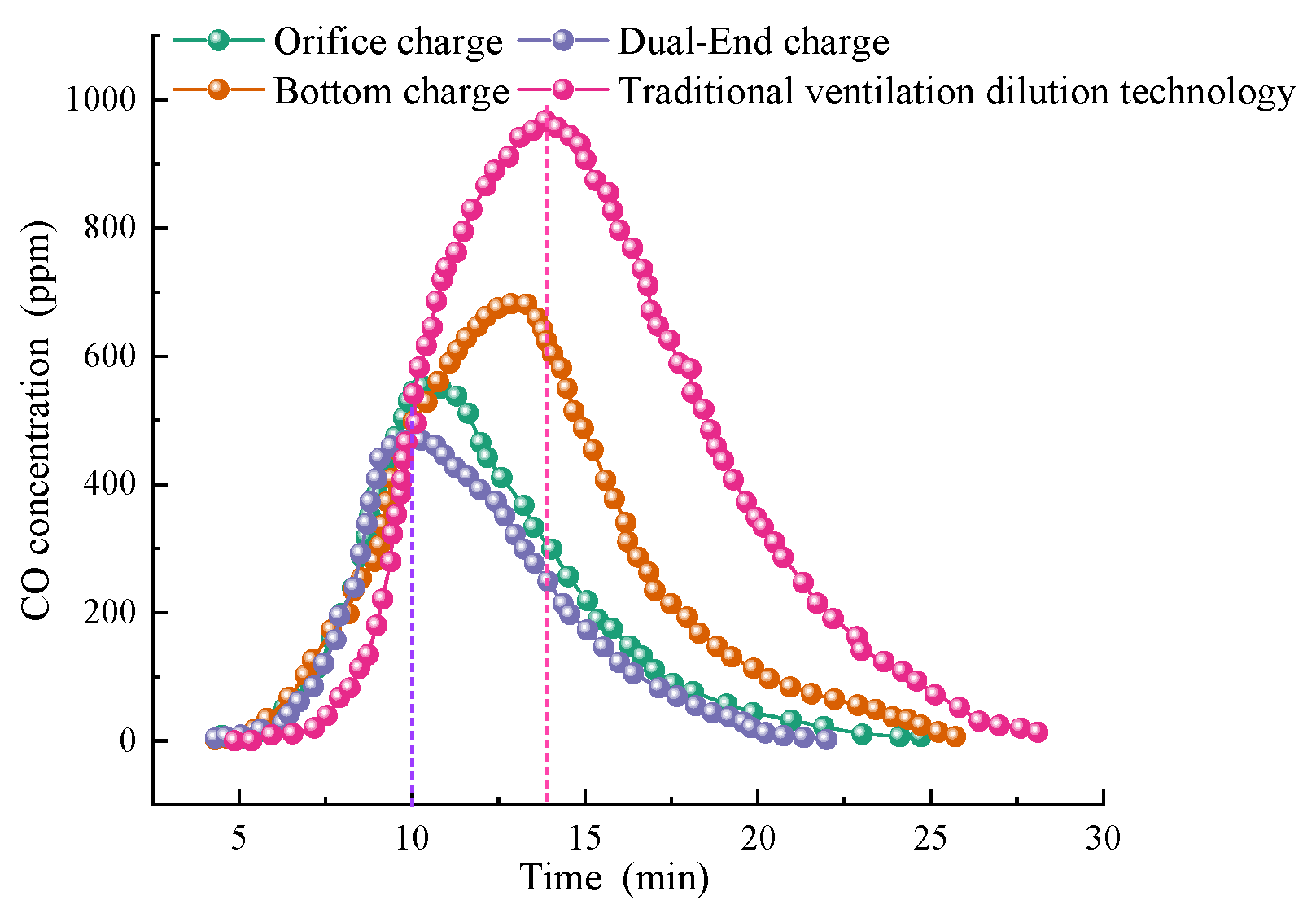
4.4. Analysis of Results
5. Conclusions
- (1)
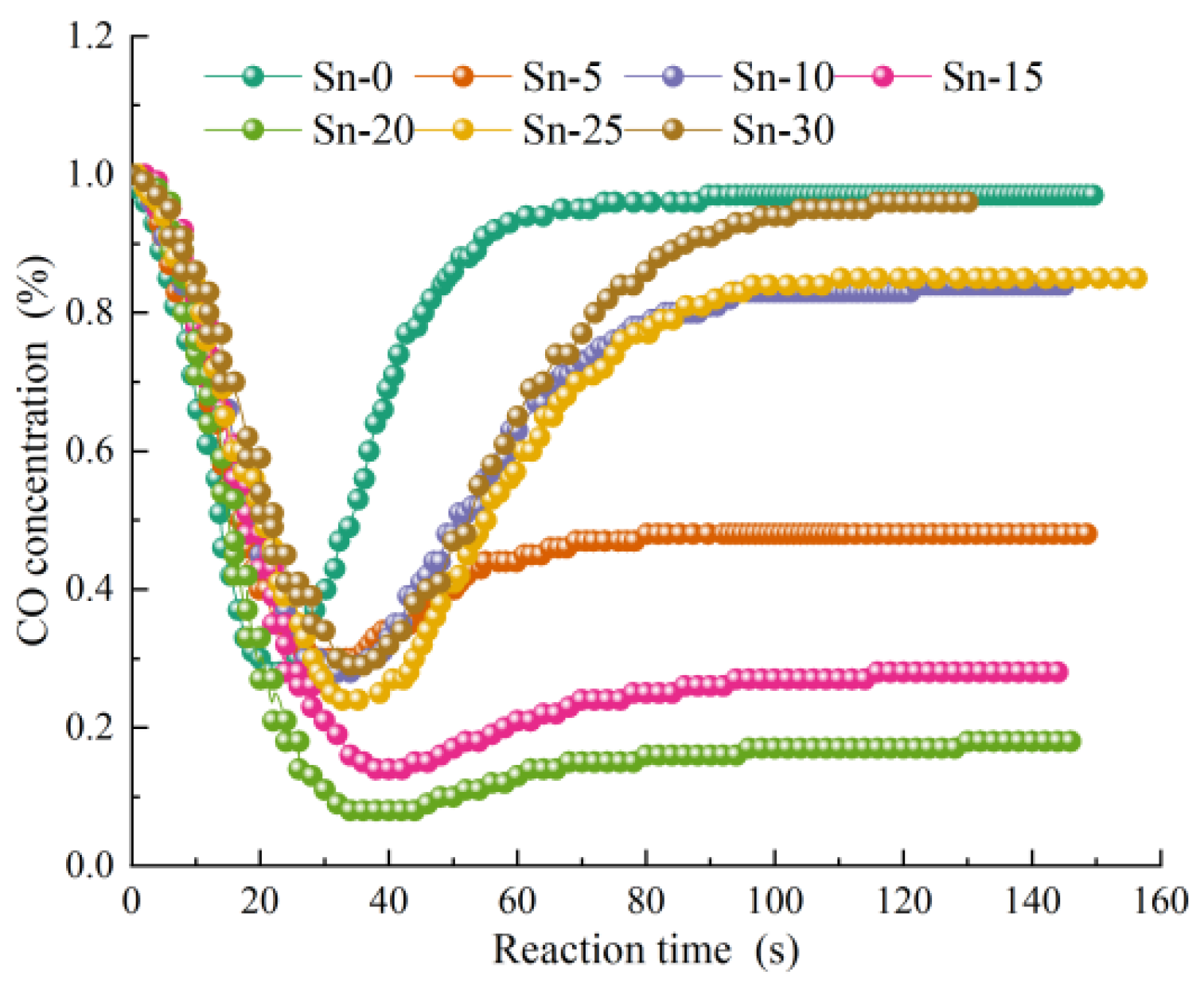
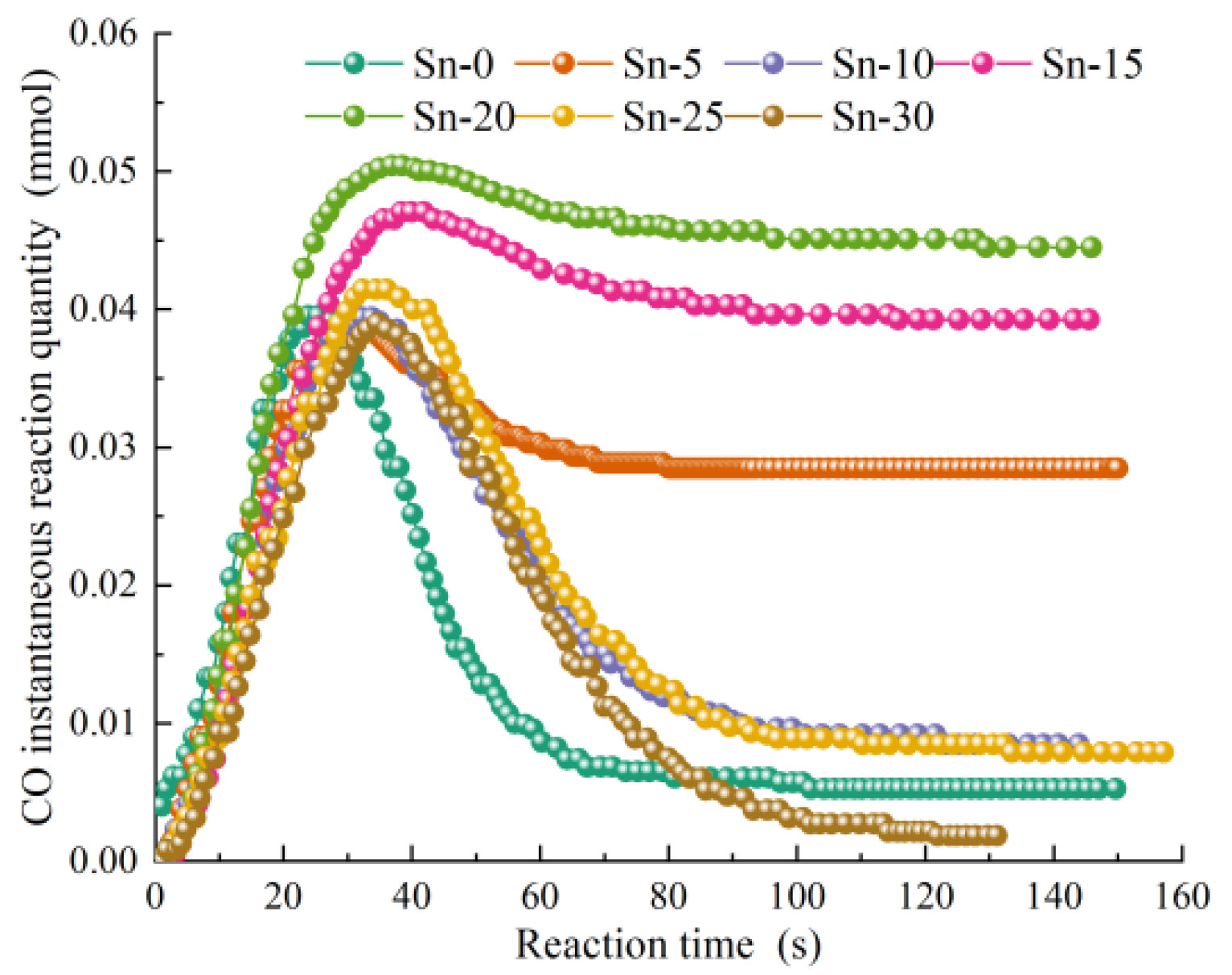
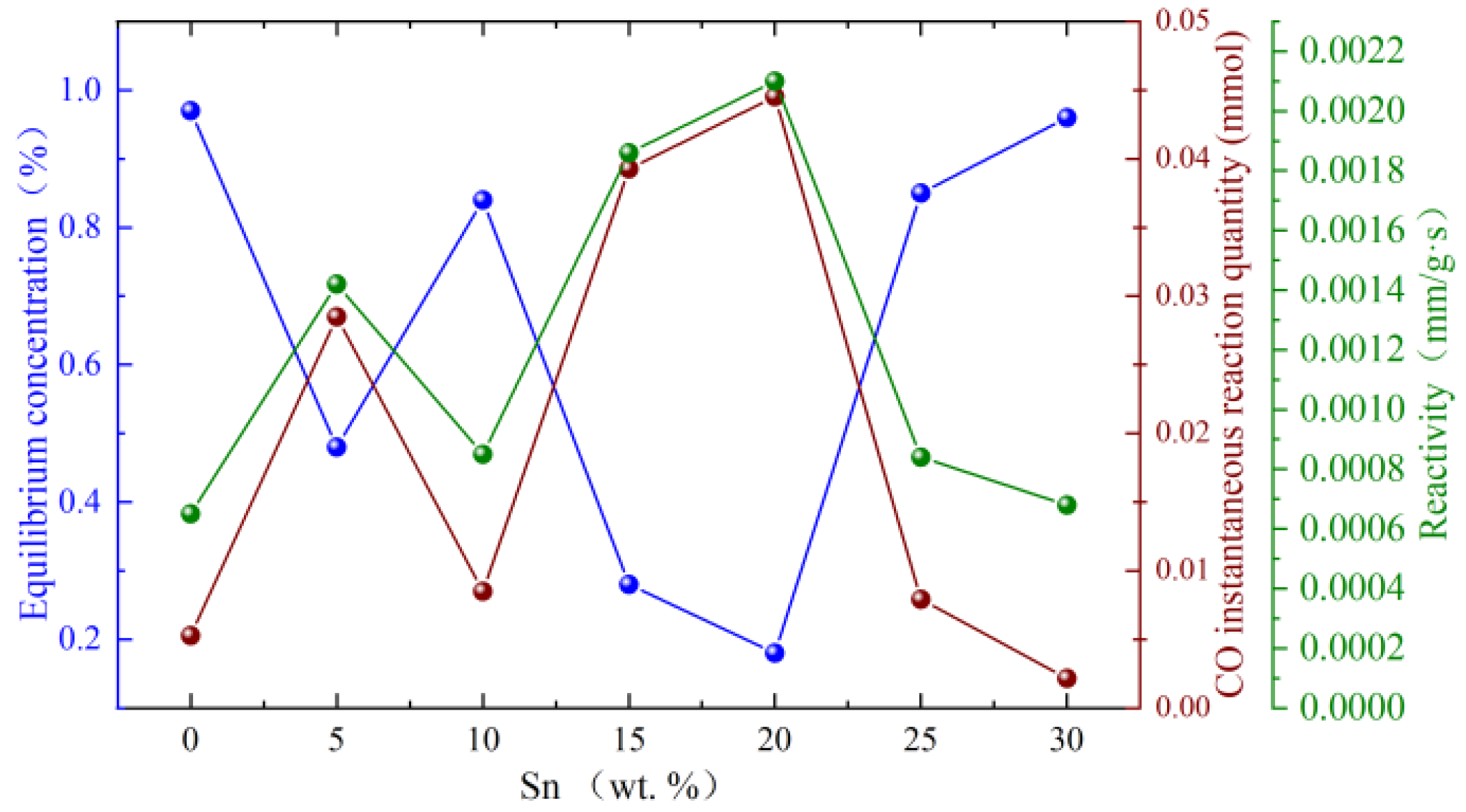
- The elimination performance of the water-resistant Cu-Mn-Sn eliminator was quantitatively characterized by means of catalytic activity and instantaneous reaction rate, and the influence mechanisms of dry and humid environments on the catalytic oxidation of CO by the Cu-Mn-Sn catalyst were explored. The results indicate that when the tin content is 20%, the catalytic oxidation effect of carbon monoxide is optimal in both dry and humid environments.
- (2)
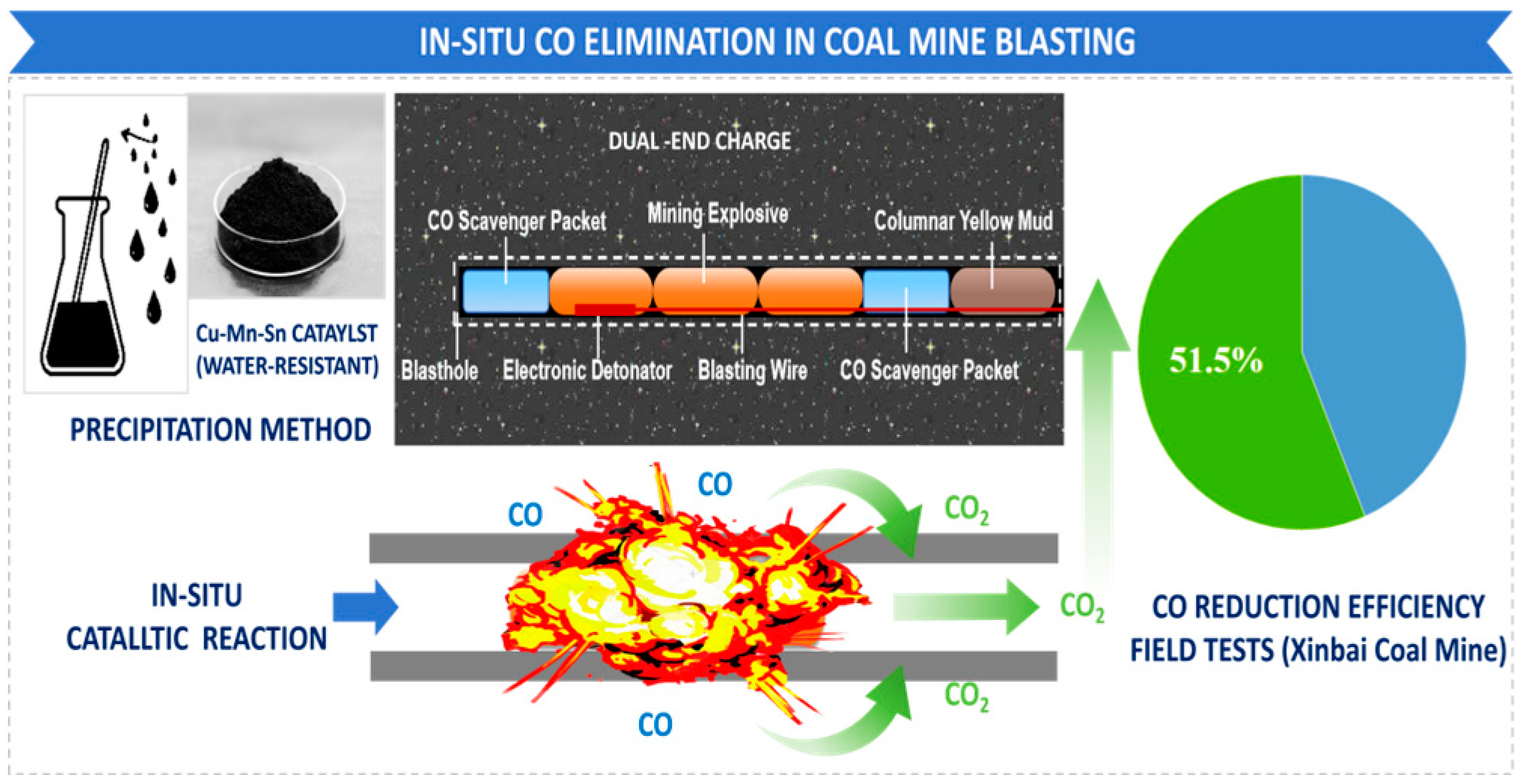
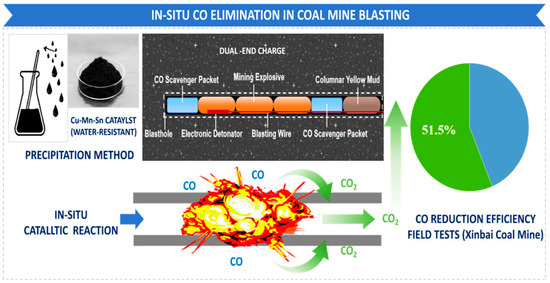
- An in situ CO elimination method for blasting holes at the driving face was proposed. Based on the principle of “heat-driven catalytic oxidation”, this method realizes the instantaneous synchronization of CO generation and elimination through the design of a segmented integrated blasting hole structure, offering a feasible active prevention and control scheme for CO prevention and control during coal mine excavation blasting.
- (3)
- Field investigations have confirmed that the “dual-end charge” structure of CO catalyst cartridges can effectively mitigate the hazard of blasting-derived CO. By leveraging the spatial synergistic effect between the hole bottom and hole orifice, this structure couples the explosive gas flow field, significantly extends the gas–solid reaction time, and enhances the elimination efficiency. It provides an innovative solution and theoretical paradigm for green blasting in coal mines and active gas purification in confined spaces.
Author Contributions
Funding
Data Availability Statement
Acknowledgments
Conflicts of Interest
References
- Srivalli, G. Study on Coal Mine Safety Monitoring and Alerting System Using IOT. Int. J. Res. Appl. Sci. Eng. Technol. 2023, 11, 3786. [Google Scholar] [CrossRef]
- Naik, A.S.; Reddy, S.K.; Raj, M.G. RTEPMS: Real-Time Environmental Parameters Monitoring System Using IoT-Based LoRa 868-MHz Wireless Communication Technology in Underground Mines. IEEE Access 2024, 12, 7430–7455. [Google Scholar] [CrossRef]
- Liang, J.; Xue, Y. Analysis of characteristics and patterns of coal mine accidents in China from 2018 to 2023. Saf. Coal Mines 2025, 56, 248–256. (In Chinese) [Google Scholar] [CrossRef]
- Zhao, Y.; Zhang, Z.; Jia, T. Analysis of Coal Mine Safety Accidents and Research on Safety Countermeasures in China from 2010 to 2021. Coal Technol. 2023, 42, 128–131. (In Chinese) [Google Scholar] [CrossRef]
- Wang, H.; Qi, Q.; Liang, Y.; Qi, Q.; Liu, Y.; Sun, Z. Statistical analysis and countermeasures of major accidents in coal mines in China. China Saf. Sci. J. 2024, 34, 9–18. (In Chinese) [Google Scholar] [CrossRef]
- Zhao, L.; Li, Y.; Lyu, W.; Yu, Z.; Wang, X.; Hao, H.; Yang, B.; Gao, M.; Chi, M.; Duan, H. Research and prevention of coal mine roof accident based on grey correlation analysis. Min. Saf. Environ. Prot. 2024, 51, 54–62. (In Chinese) [Google Scholar] [CrossRef]
- Xiong, S.; Liang, Y.; Jia, B.; Tian, F.; Xu, Y. Study on the occurrence regularity and spatiotemporal characteristics of coal mine accidents in China from 2000–2023. J. Saf. Sci. Technol. 2025, 21, 121–129. [Google Scholar] [CrossRef]
- Schneising, O.; Buchwitz, M.; Reuter, M.; Bovensmann, H.; Burrows, J.P.; Borsdorff, T.; Deutscher, N.M.; Feist, D.G.; Griffith, D.W.T.; Hase, F.; et al. A scientific algorithm to simultaneously retrieve carbon monoxide and methane from TROPOMI onboard Sentinel-5 Precursor. Atmos. Meas. Tech. 2019, 12, 6771–6802. [Google Scholar] [CrossRef]
- Cronje, D.C. Exposure of Workers to Ammonia and Oxides of Nitrogen from Blasting Fumes in an Underground Mining Setup. Ph.D. Thesis, North-West University, Potchefstroom, South Africa, 2010. Available online: http://hdl.handle.net/10394/4720 (accessed on 21 November 2025).
- Saing, C.I. Carbon monoxide poisoning: Systemic manifestations and complications. J. Korean Med. Sci. 2001, 16, 253–261. [Google Scholar] [CrossRef]
- Ryter, S.W.; Ma, K.C.; Choi, A.M.K. Carbon Monoxide in Lung Cell Physiology and Disease. Am. J. Physiol. Cell Physiol. 2018, 314, C211–C227. [Google Scholar] [CrossRef]
- Kara, H.; Bayir, A.; Ak, A.; Degirmenci, S. Cerebrovascular ischaemia after carbon monoxide intoxication. Singapore Med. J. 2015, 56, e26–e28. [Google Scholar] [CrossRef]
- Laws and Regulations. Available online: https://www.mem.gov.cn/fw/flfgbz/fg/ (accessed on 7 July 2025).
- Menéndez, J.; Merlé, N.; Fernández-Oro, J.M.; Galdo, M.; de Prado, L.Á.; Loredo, J.; Bernardo-Sánchez, A. Concentration, Propagation and Dilution of Toxic Gases in Underground Excavations under Different Ventilation Modes. Int. J. Environ. Res. Public Health 2022, 19, 7092. [Google Scholar] [CrossRef]
- Li, J.; Li, X.; Chen, S.; Cao, J.; Gao, F. Study on generation, migration and accumulation of CO in the mining goaf of shallow-buried close distance coal seam group. Sci. Rep. 2022, 12, 14424. [Google Scholar] [CrossRef] [PubMed]
- Li, P.; Zhuo, Y.; Feng, C.; Hu, P. Catalytic oxidation of carbon monoxide over copper oxide with interfering gases involved for industrial buildings: An experimental and theoretical study. Sep. Purif. Technol. 2024, 335, 125865. [Google Scholar] [CrossRef]
- Bonthula, S.; Bonthula, S.; Pothu, R.; Srivastava, R.K.; Boddula, R.; Radwan, A.B.; Al-Qahtani, N. Recent Advances in Copper-Based Materials for Sustainable Environmental Applications. Sustain. Chem. 2023, 4, 271–297. [Google Scholar] [CrossRef]
- Zulfugarova, S.M.; Azimova, G.R.; Aleskerova, S.; Tagiyev, D. Cobalt-Containing Oxide Catalysts Obtained by the Sol-Gel Method with Auto-Combustion in the Reaction of Low-Temperature Oxidation of Carbon Monoxide. J. Turk. Chem. Soc. A Chem. 2023, 10, 579–588. [Google Scholar] [CrossRef]
- Kim, H.S.; Kim, H.J.; Kim, J.; Kang, S.-H.; Ryu, J.-H.; Park, N.-K.; Yun, D.-S.; Bae, J.-W. Noble-Metal-Based Catalytic Oxidation Technology Trends for Volatile Organic Compound (VOC) Removal. Catalysts 2022, 12, 63. [Google Scholar] [CrossRef]
- Peng, P.; Li, J.; Mo, S.; Zhang, Q.; Shen, T.; Xie, Q. Bimetallic Pt-Co Nanoparticle Deposited on Alumina for Simultaneous CO and Toluene Oxidation in the Presence of Moisture. Processes 2021, 9, 230. [Google Scholar] [CrossRef]
- Li, X.; Ren, S.; Chen, Z.; Wang, M.; Chen, L.; Chen, H.; Yin, X. A Review of Mn-Based Catalysts for Abating NOx and CO in Low-Temperature Flue Gas: Performance and Mechanisms. Molecules 2023, 28, 6885. [Google Scholar] [CrossRef]
- He, S.; Gao, S.; Li, J.; He, S.; Yu, Y.; Wu, J.; Wang, X.; Wang, G.; Chen, X.; Zhou, F. Research on an in-situ synchronous CO elimination method in blasting operations and engineering experimental application based on nano-CO catalysts. J. Environ. Chem. Eng. 2024, 12, 113260. [Google Scholar] [CrossRef]
- Sun, Y.; Zhou, X.; Xin, T.; Bai, G.; Wang, Y.; Li, X.; Xiao, M. Effect of Sn on the CO Catalytic Activity and Water Resistance of Cu–Mn Catalyst. ACS Omega 2022, 7, 12390–12400. [Google Scholar] [CrossRef] [PubMed]
- Lezcano, G.; Realpe, N.; Kulkarni, S.R.; Sayas, S.; Cerrillo, J.; Morlanes, N.; Mohamed, H.O.; Velisoju, V.K.; Aldilajan, R.F.; Katikaneni, S.P.; et al. Unraveling the promoter role of Ba in Co–Ce catalysts for ammonia decomposition using microkinetic modeling. Chem. Eng. J. 2023, 471, 144623. [Google Scholar] [CrossRef]
- Preet, A.; Lin, T.E. A Review: Scanning Electrochemical Microscopy (SECM) for Visualizing the Real-Time Local Catalytic Activity. Catalysts 2021, 11, 594. [Google Scholar] [CrossRef]





| Time | Location | Analysis of Accident Causes | Casualties |
|---|---|---|---|
| 15 January 2025 | Heichong Coal Mine, Yunnan | CO poisoning caused by irregular operations during the unsealing of sealed areas. | 2 fatalities |
| 20 April 2023 | Shanjiaoshu Coal Mine, Guizhou | CO poisoning resulting from a conveyor belt fire in the mine | 16 fatalities, 3 injuries |
| 19 January 2021 | Ruifeng Coal Mine, Guizhou | CO over-limit poisoning during the excavation process | 3 fatalities, 1 injuries |
| 27 September 2020 | Songzao Coal Mine, Chongqing | CO poisoning resulting from a conveyor belt fire in the mine | 16 fatalities, 38 injuries |
| 5 November 2017 | Guanyao Yongan Coal Mine, Shanxi | Exceedance of the limit concentration of CO in underground coal mines | 3 fatalities, 3 injuries |
| 15 January 2015 | Chenli Coal Mine, Fujian | CO poisoning occurred among workers during equipment demolition work in the shutdown period | 4 fatalities, 5 injuries |
| Serial Number | Mass Fraction (wt%) | Cu(NO3)2·3H2O (aq, 0.58 mol/L) | Solution Volume (mL) | Na2CO3 (aq 2.5 mol/L) | |||
|---|---|---|---|---|---|---|---|
| Cu | Mn | Sn | Mn(NO3)2 (aq, 50 wt%) | SnCl4·5H2O (aq, 0.16 mol/L) | |||
| 1 | 26.67 | 53.33 | 20.00 | 150 | 47.5 | 218.49 | 200 |
Disclaimer/Publisher’s Note: The statements, opinions and data contained in all publications are solely those of the individual author(s) and contributor(s) and not of MDPI and/or the editor(s). MDPI and/or the editor(s) disclaim responsibility for any injury to people or property resulting from any ideas, methods, instructions or products referred to in the content. |
© 2026 by the authors. Licensee MDPI, Basel, Switzerland. This article is an open access article distributed under the terms and conditions of the Creative Commons Attribution (CC BY) license.
Share and Cite
Feng, J.; Jia, X.; Sun, Y.; He, S.; Sun, L.; Zhang, X. Investigation into the Materials and Methods for the Prevention and Control of Carbon Monoxide During Underground Coal Mine Blasting. Catalysts 2026, 16, 189. https://doi.org/10.3390/catal16020189
Feng J, Jia X, Sun Y, He S, Sun L, Zhang X. Investigation into the Materials and Methods for the Prevention and Control of Carbon Monoxide During Underground Coal Mine Blasting. Catalysts. 2026; 16(2):189. https://doi.org/10.3390/catal16020189
Chicago/Turabian StyleFeng, Jialiang, Xinlei Jia, Yashengnan Sun, Shuanghu He, Lifeng Sun, and Xiaogang Zhang. 2026. "Investigation into the Materials and Methods for the Prevention and Control of Carbon Monoxide During Underground Coal Mine Blasting" Catalysts 16, no. 2: 189. https://doi.org/10.3390/catal16020189
APA StyleFeng, J., Jia, X., Sun, Y., He, S., Sun, L., & Zhang, X. (2026). Investigation into the Materials and Methods for the Prevention and Control of Carbon Monoxide During Underground Coal Mine Blasting. Catalysts, 16(2), 189. https://doi.org/10.3390/catal16020189