This is an early access version, the complete PDF, HTML, and XML versions will be available soon.
Article

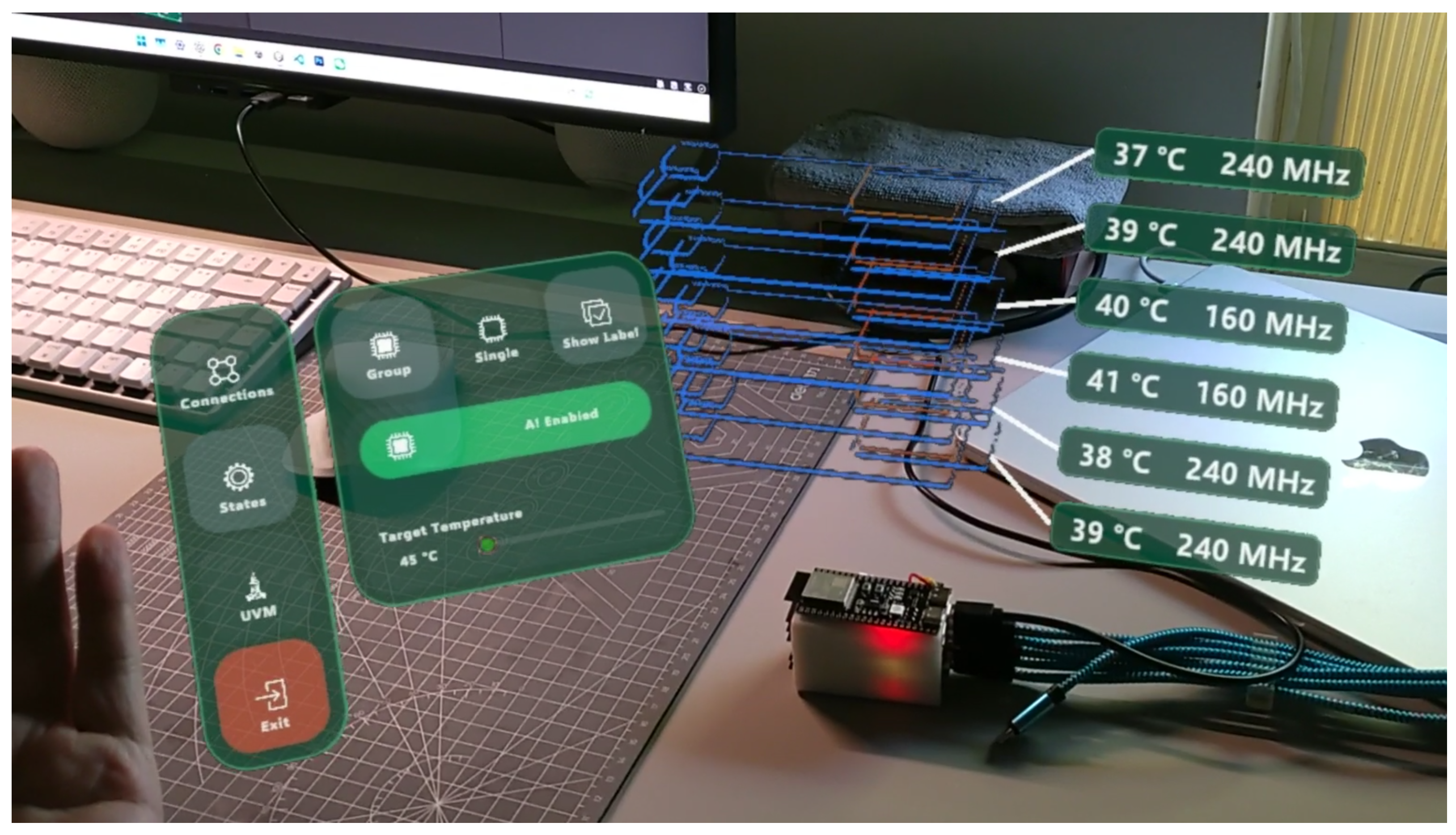
Self-Referencing Digital Twin for Thermal and Task Management in Package Stacked ESP32-S3 Microcontrollers with Mixture-of-Experts and Neural Networks


1
Department of Mechanical Engineering, University of Vermont, Burlington, VT 05405, USA
2
Intel Corporation, Rio Rancho, NM 87124, USA
3
Department of Electrical and Biomedical Engineering, University of Vermont, Burlington, VT 05405, USA
*
Authors to whom correspondence should be addressed.
Computers 2026, 15(1), 4; https://doi.org/10.3390/computers15010004 (registering DOI)

Submission received: 13 November 2025 / Revised: 9 December 2025 / Accepted: 18 December 2025 / Published: 21 December 2025

Abstract

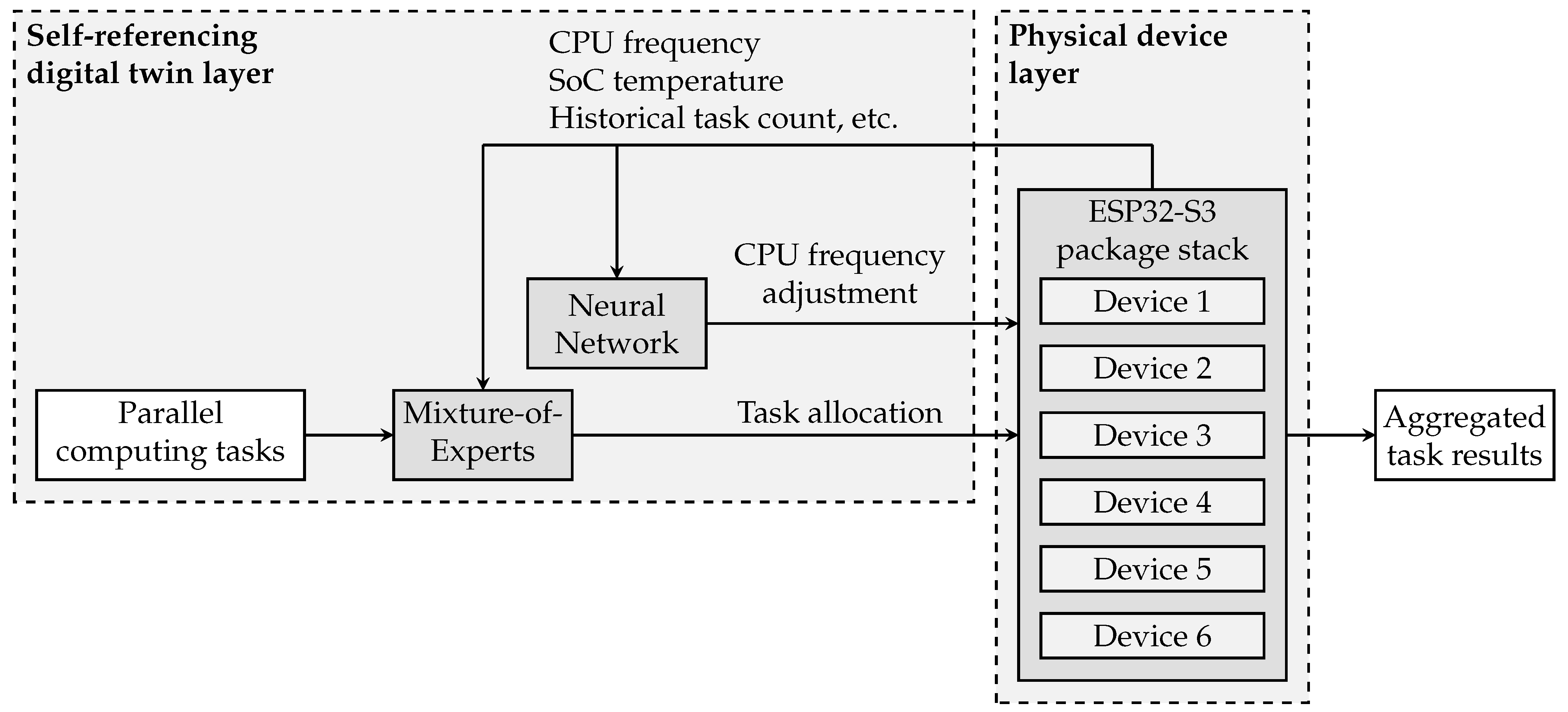
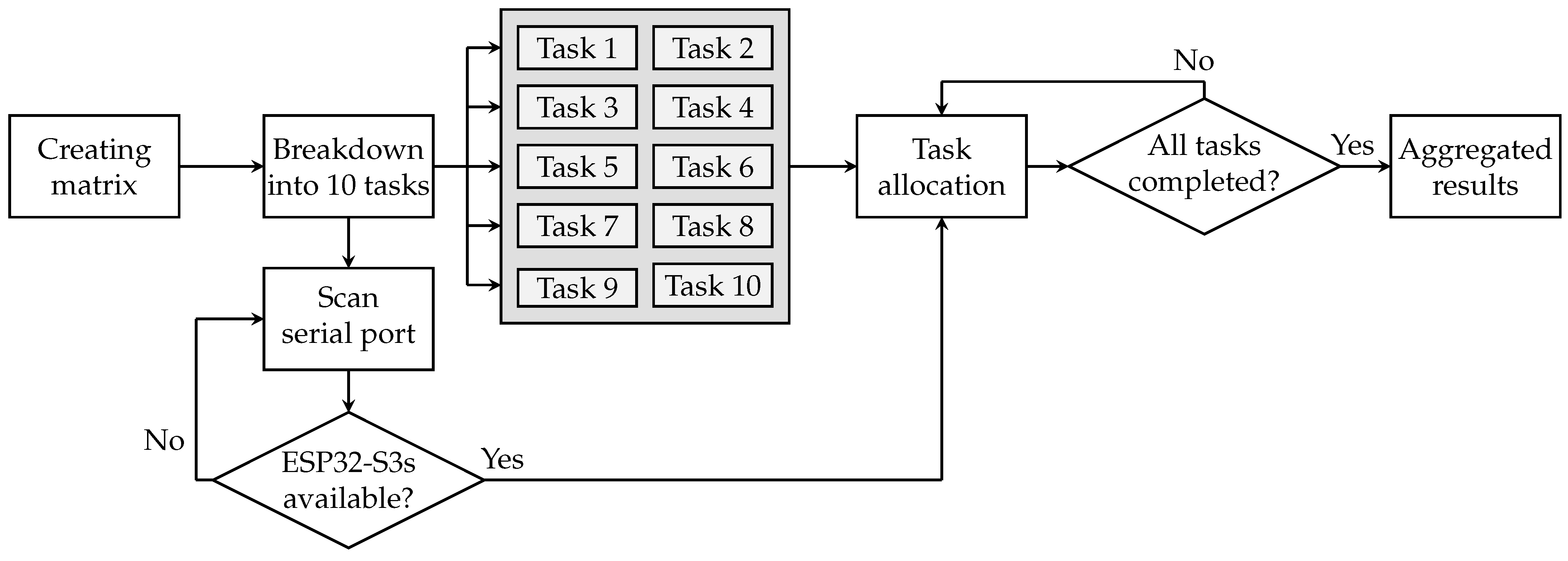
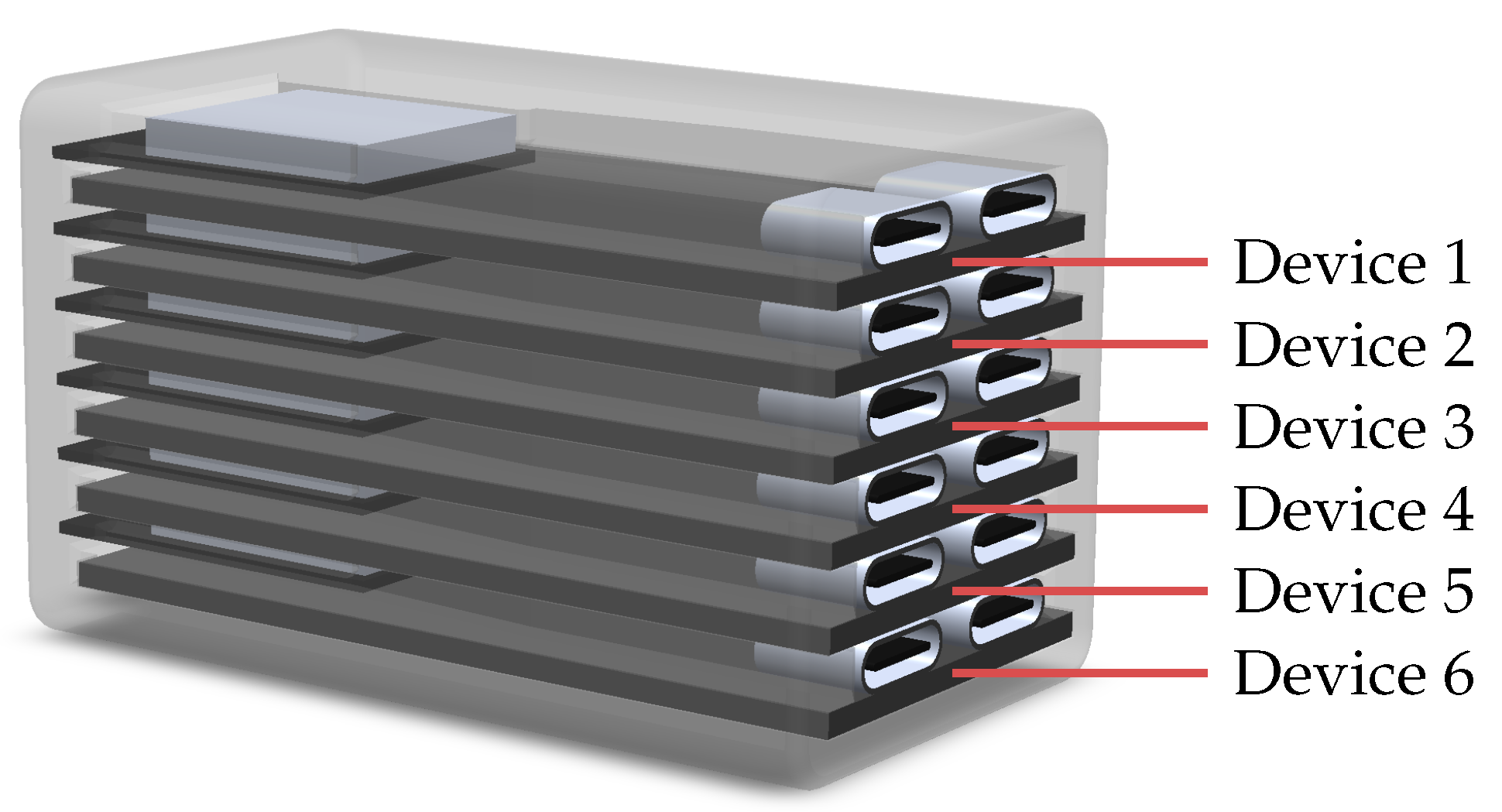
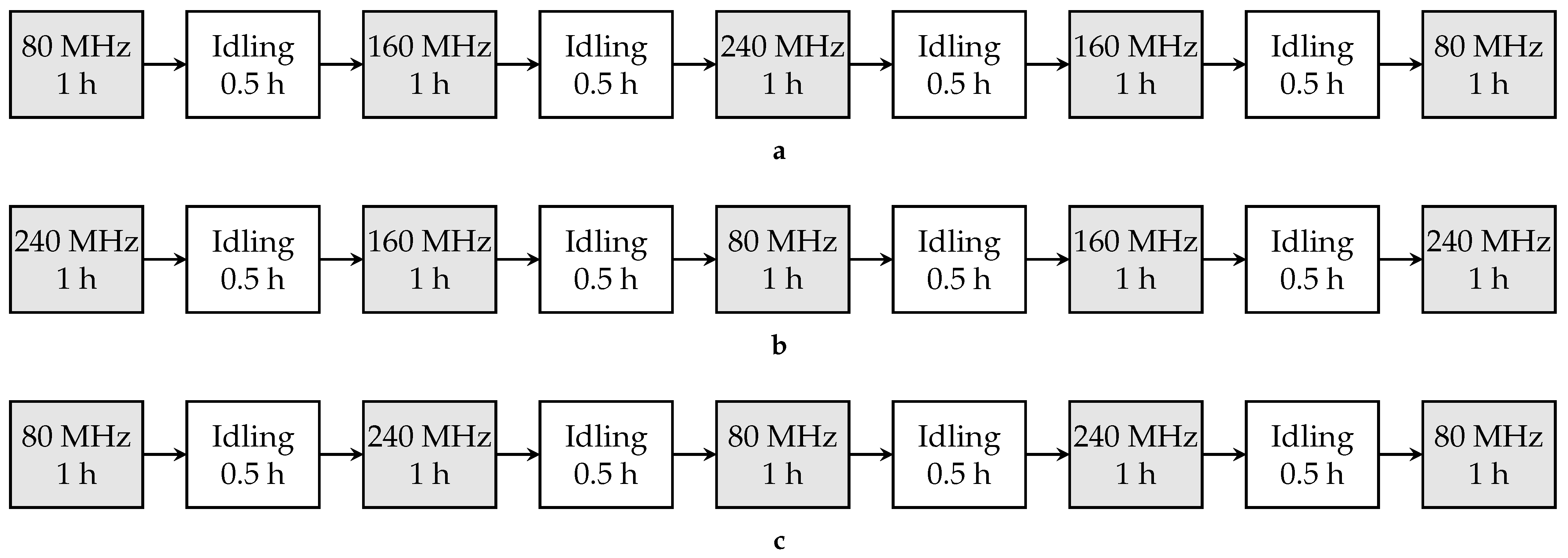
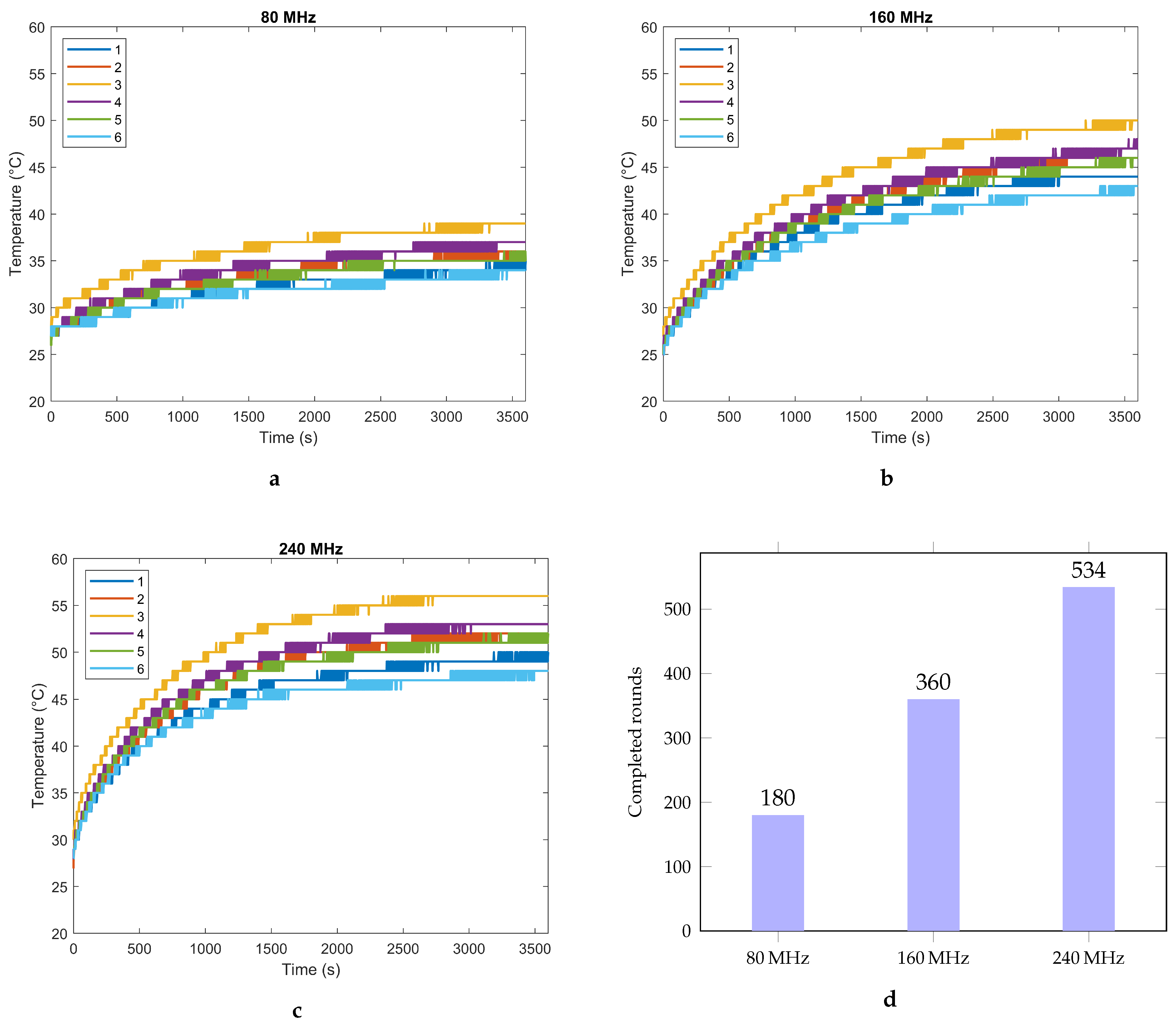
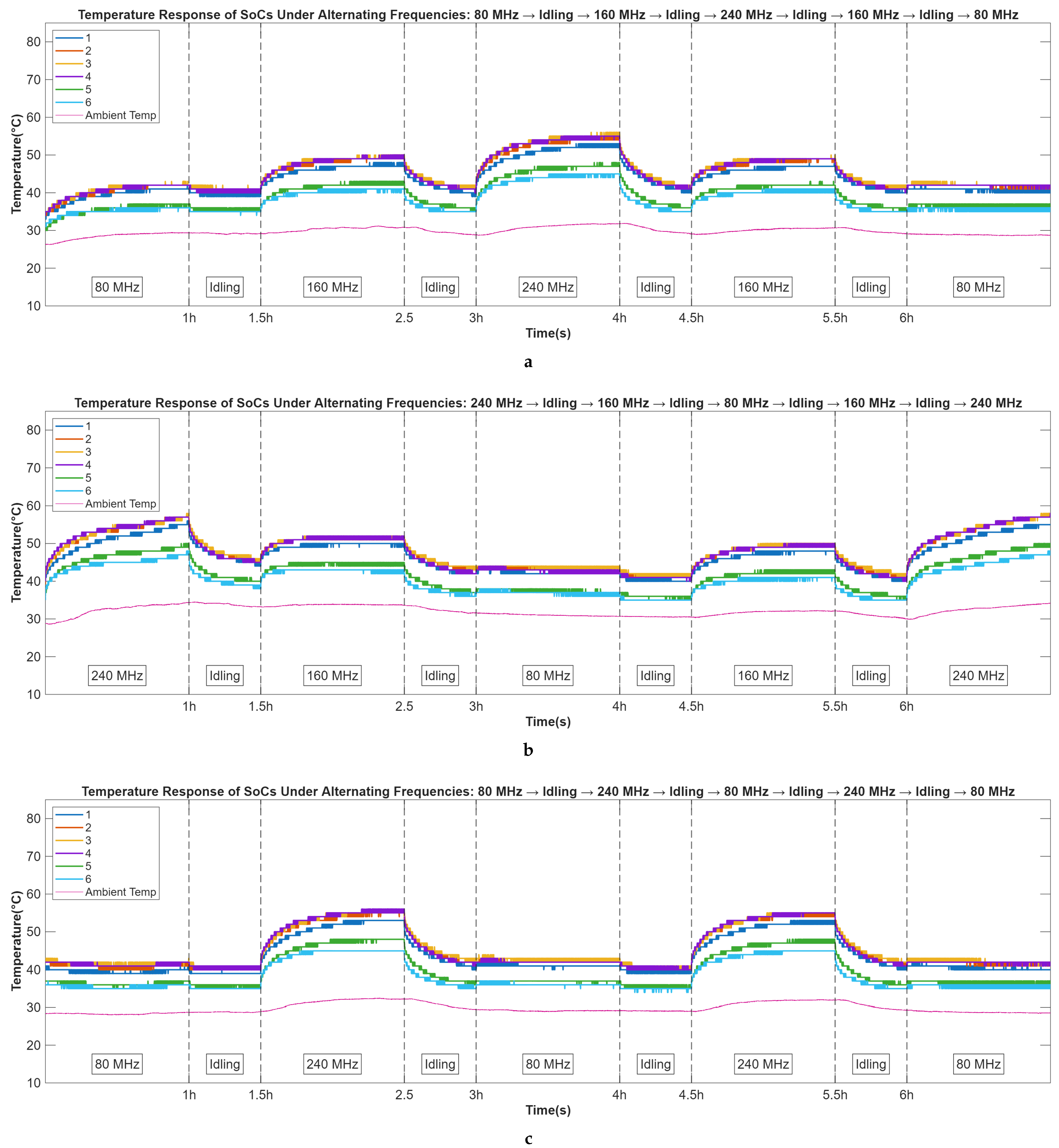
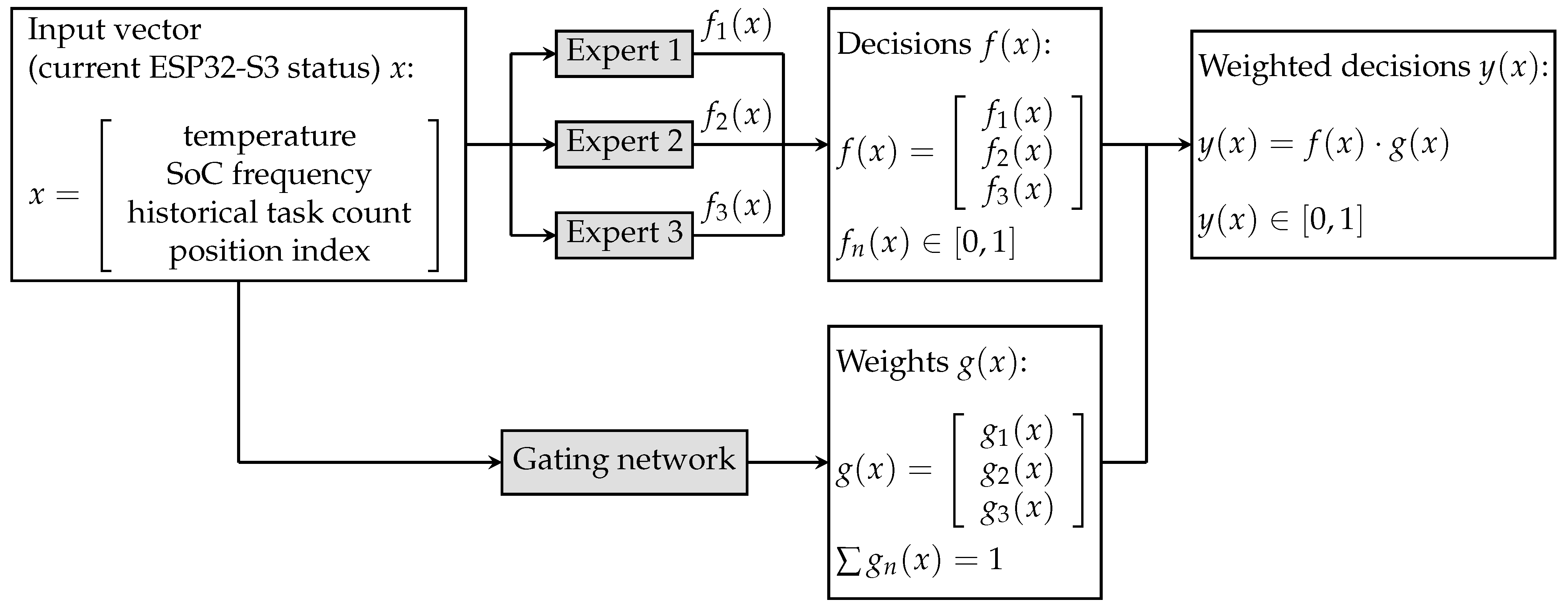
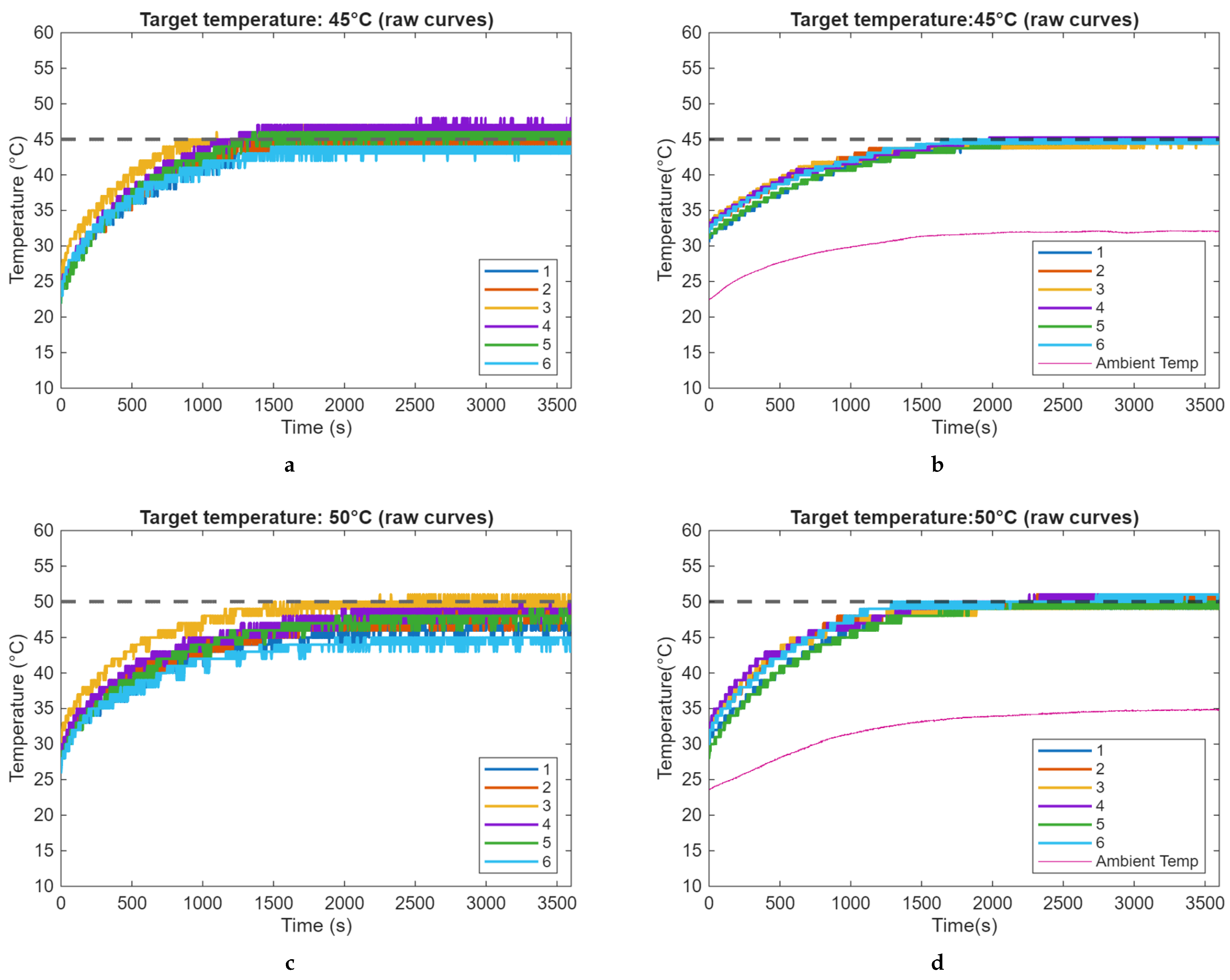
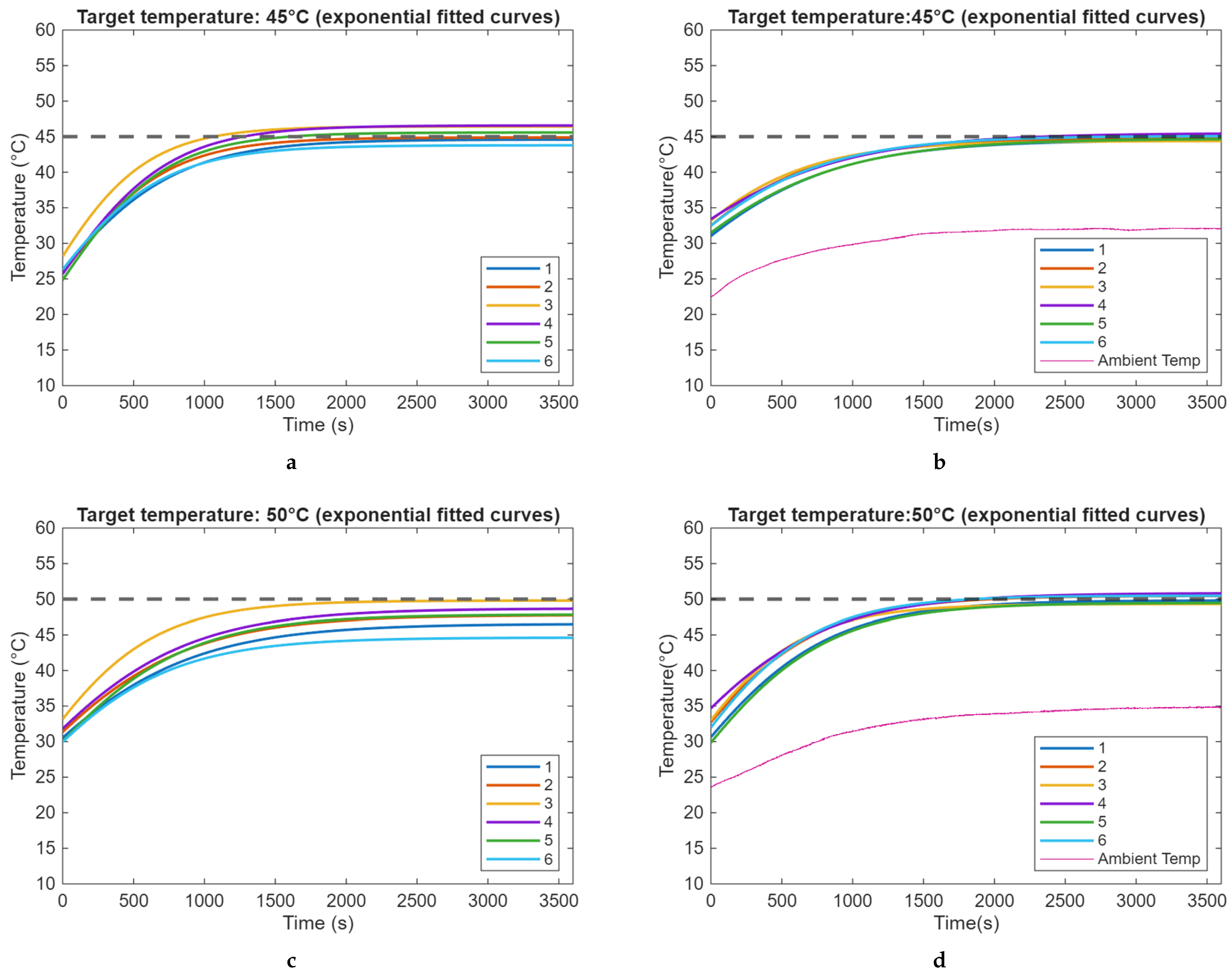
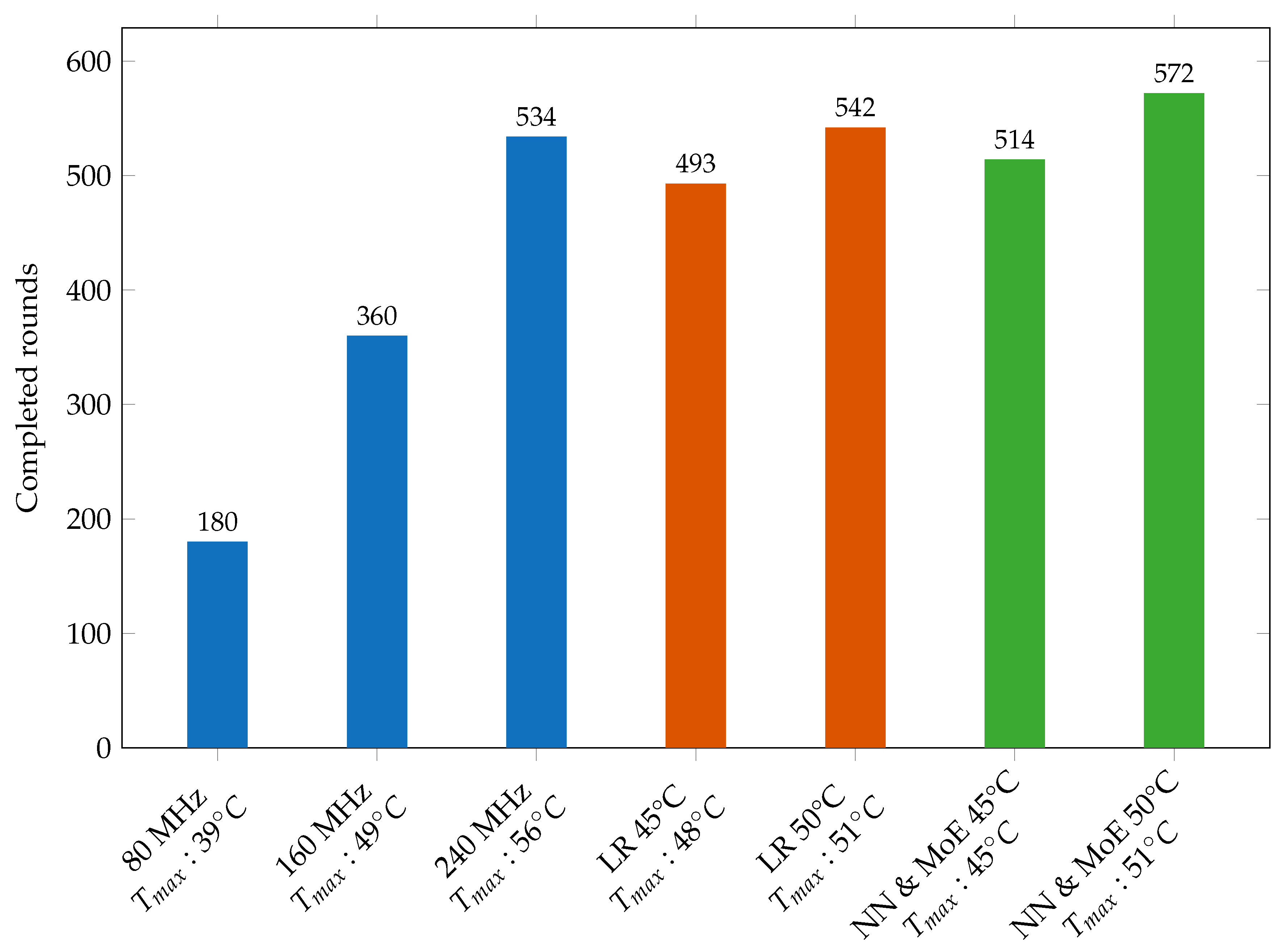
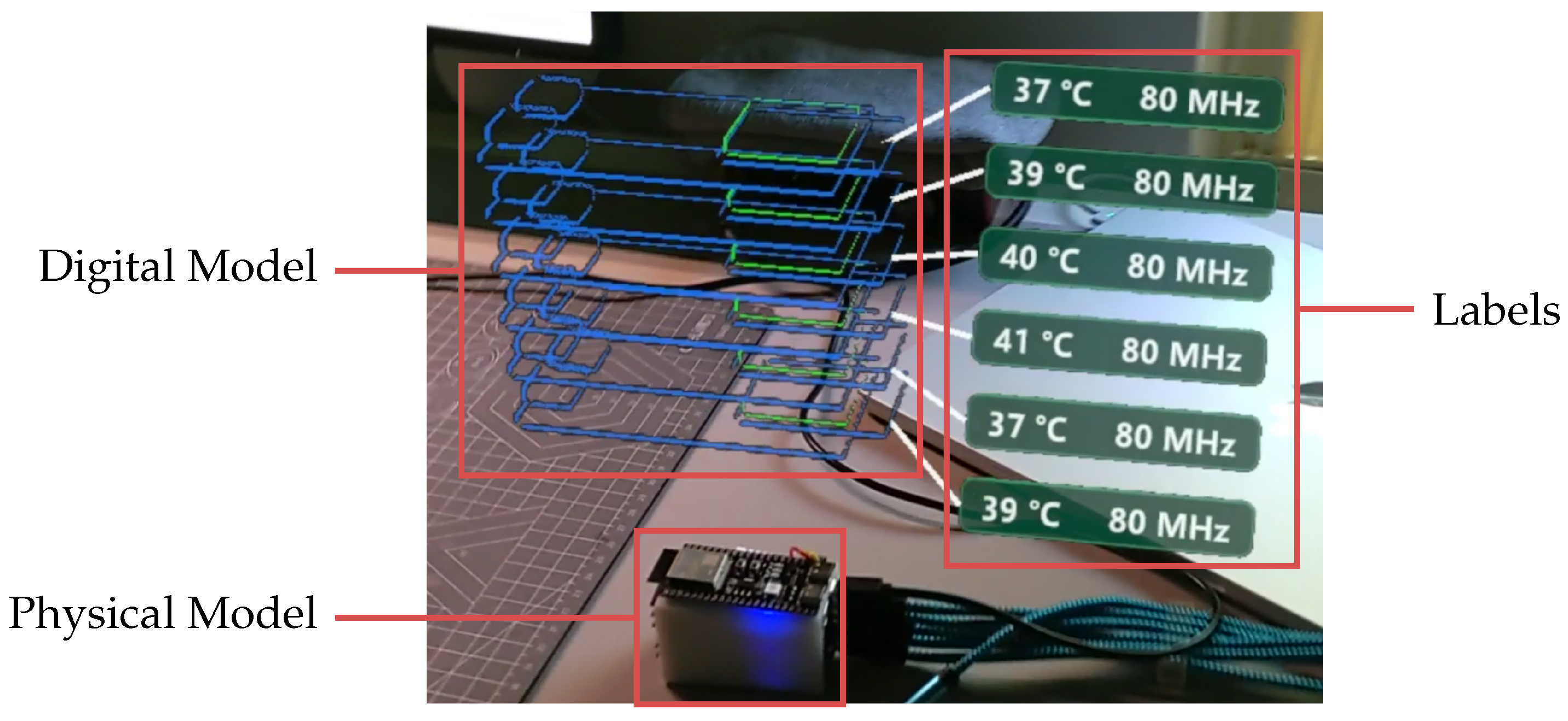
Thermal limitations restrict the performance of low-cost, vertically stacked embedded systems. This paper presents a self-referencing digital twin framework for thermal and task management in a multi-device ESP32-S3 stack. The system combines a Mixture-of-Experts (MoE) model for task allocation with a neural network for short-term temperature prediction. Acting as a lightweight digital replica of the physical stack, the digital twin continuously monitors device states, forecasts thermal behavior 30 s into the future, and adapts workload distribution accordingly. The MoE model evaluates each device individually and asynchronously, estimating the portion of workload it should receive based on current state features including SoC temperature, CPU frequency, stack position, and recent task history. A separate neural network predicts future temperatures using real-time data from local and neighboring devices, enabling proactive thermal-aware scheduling. Training data for both models is collected through controlled experiments involving fixed-frequency operation and structured frequency switching with idle phases. All predictions and control actions are driven by in-built sensor feedback from the ESP32-S3 microcontrollers. The resulting digital twin supports distributed task scheduling based on temperature and works well in simple, low-cost edge systems with heat constraints. In one-hour experiments on a 6 ESP32-S3 stack, the proposed scheduling method completes up to 572 computation rounds at a 50C temperature limit, compared with 493 and 542 rounds under logistic regression based control and 534 rounds at fixed 240 MHz operation, while keeping peak temperature at 51C.
Keywords: digital twin; 3D package stack; thermal management; task allocation; temperature prediction; mixture-of-experts; neural network; ESP32 digital twin; 3D package stack; thermal management; task allocation; temperature prediction; mixture-of-experts; neural network; ESP32