Next Article in Journal
Open Surgical Management of Renal Cell Carcinoma with Infradiaphragmatic Venous Tumor Thrombus (Mayo Levels 0–III): The Epitome of Surgical Self-Reliance in Urology
Previous Article in Journal
Aminosteroid RM-581 Induces G0/G1 Arrest and Endoplasmic Reticulum Stress-Mediated Apoptosis in Human Acute and Chronic Leukemia Cell Lines
Previous Article in Special Issue
MicroRNA Profiling Identifies Diagnostic and Prognostic Markers in Pediatric Sarcoma
 
 
Due to scheduled maintenance work on our servers, there may be short service disruptions on this website between 11:00 and 12:00 CEST on March 28th.
Review

Tumor Microenvironment in Neuroblastoma and Immunotherapeutic Approaches: Towards More Effective Treatment


by
Irina Zh. Shubina
1,*,
Chi-Bao Bui
2,*,
Truc Ly Nguyen
2,
Anatoly P. Kazantsev
1,
Duy Khang Nguyen
2,
Quynh Giang Nguyen
2,
Khang Thinh Tran
2,
Natalya A. Burlaka
1,
Nikolay Yu. Sokolov
3,
Kirill I. Kirgizov
1,
Svetlana R. Varfolomeeva
1 and
Mikhail V. Kiselevskiy
1
1
FSBI “N.N. Blokhin National Medical Research Center of Oncology” of the Ministry of Health of Russia, Kashirskoye sh. 24, Moscow 115522, Russia
2
Department of Biochemistry and Immunology, University of Health Sciences, Vietnam National University Ho Chi Minh City, Ho Chi Minh City 700000, Vietnam
3
SBHI S.P. Botkin Hospital, 2nd Botkinsky pr-d, 5, Moscow 125284, Russia
*
Authors to whom correspondence should be addressed.
Cancers 2026, 18(7), 1079; https://doi.org/10.3390/cancers18071079
Submission received: 4 March 2026 / Revised: 23 March 2026 / Accepted: 25 March 2026 / Published: 26 March 2026
(This article belongs to the Special Issue Pediatric Cancer Research from Basic Biology to Experimental Therapy)

Simple Summary

Neuroblastoma is the most common extracranial solid tumor in young patients. High-risk neuroblastoma still remains a major cause of cancer-related death among children. The standard treatment is provided according to the risk assessment, which is based on clinical, biochemical and molecular genetic factors. Over the last years, innovative technologies and cell-based therapies, including autologous stem cell transplantation and CAR-T cell immunotherapy, have shown their potential for high-risk neuroblastoma. Recent studies have been aimed at the integration of artificial intelligence for diagnostic and therapeutic purposes. This review presents an up-to-date view on neuroblastoma biology, current schemes of the effective therapy and future potential of innovative technologies.

Abstract

Background/Objectives: High-risk neuroblastoma (HR-NB) is a major cause of cancer-related death among children. The review aims to discuss various biochemical and genetic traits of neuroblastoma (NB) used for the potential of cell-based therapies. Methods: A comprehensive search was performed through MEDLINE, PubMed, Scopus, and ScienceDirect using various combinations of “neuroblastoma”, “tumor microenvironment (TME)”, “immune cells”, “non-immune cells”, “hematopoietic stem cell transplantation (HSCT)”, “autologous stem cell transplantation (ASCT)”, “natural killer cells (NK)”, “chimeric antigen receptor T cells (CAR-T)”, “CAR-NKT”, “tumor infiltrating lymphocytes (TIL)”, “bioinformatics”, and “neuro-antigens” in the published papers over the last decade. Reviews, systematic reviews, and clinical trials related to children’s NB were selected. The final set included 106 articles of interest. Results: Recent studies have shown that TME is crucial in determining the malignancy, immune evasion, and drug resistance of NB. Innate immune or non-immune cells play important roles in shaping the NB TME. Depleting or reprogramming TME factors can improve the effectiveness of immunotherapy. A number of clinical trials have studied and showed feasibility of using ASCT, NK cells, CAR-T, and CAR-NKT cells in the adoptive therapy for HR-NB. However, an unambiguous evaluation of the effectiveness of cell-based technologies in the HR-NB therapy is still complicated due to the lack of large randomized trials. Conclusions: The reported small and non-randomized studies that demonstrated controversial results cannot prove, undoubtedly, the promising potential of the cell-based technologies including ASCT, NKs, CAR-T, and CAR-NKT cells. Further randomized clinical trials, using the same treatment, will help determine the role in the multimodal treatment for HR-NB.

1. Introduction

1.1. Overview of Neuroblastoma

Neuroblastoma (NB) is the most common extracranial solid tumor in young patients [1]. It accounts for 8–10% of all juvenile malignancies, yet it is the main cause of cancer-related death in this age range, particularly among children under the age of five [2]. NB usually begins in the abdomen (frequently in the adrenal glands), but it can also start in the chest, neck, or pelvis, which correlates to sympathetic nervous system locations. The condition is caused by neural crest cells, a flexible cell population that forms throughout embryogenesis and serves as a precursor for many structures in the peripheral nervous system, including the sympathetic nervous system [1,3]. NB tumors can emerge as a result of abnormal cell development and differentiation. NB’s clinical presentation and disease course are highly heterogeneous, making it a unique and serious problem. Some tumors can regress spontaneously without therapy, especially in newborns, a condition called spontaneous regression [1]. In contrast, high-risk NB (HR-NB) cases tend to spread significantly, display treatment resistance, and have a dismal prognosis despite vigorous therapy [4,5]. Genetic and molecular variables have a significant impact on disease prognosis. For example, MYCN gene amplification is typically associated with severe illness, rapid disease progression, and a poor prognosis. Furthermore, DNA methylation changes, deletions of chromosomal 1p or 11q, and gains of chromosome 17q are associated with high-risk disease [5]. Understanding NB’s various biochemical and genetic traits is critical for risk assessment, allowing for personalized treatment regimens ranging from observation to chemotherapy, surgery, radiation, and bone marrow transplantation [3,5]. Advances in precision medicine and genomic research are paving the door for new therapeutic approaches to this complex disease.

1.2. Tumor Microenvironment: A Critical Factor

For many years, research on NB concentrated on intrinsic tumor factors such as genetic alterations, MYCN amplification, and chromosomal abnormalities. However, new research suggests that the tumor microenvironment (TME) is crucial in determining the malignancy, immune evasion, and treatment resistance of NB [3,4]. The TME is made up of different non-cancerous components such as immune cells (macrophages and T cells), blood vessels, fibroblasts, the extracellular matrix (ECM), and cytokines. These components have complex interactions with tumor cells, which promote tumor growth and metastatic dissemination [3,4]. Notably, the prevalence of tumor-associated macrophages (TAM) and immunosuppressive cells such as regulatory T cells (Treg) and myeloid-derived suppressor cells (MDSC) in NB has been linked to poor prognosis and resistance to immunotherapy [4]. Therapeutic methods have recently evolved to focus on the TME, such as restoring immune responses by combining checkpoint inhibitors with innate immune activators or blocking TAMs to undermine the tumor’s protective barrier [4]. These techniques show potential for enhancing treatment efficacy in NB, especially for patients with “cold” and treatment-resistant lesions [6,7,8].

1.2.1. Immune Cells

The NB TME is a complex ecosystem of immune and non-immune cells that significantly influences tumor progression, immune evasion, and therapeutic prognosis/outcomes. Immune cells within the TME are categorized into innate and adaptive immune cells, each with distinct roles in modulating tumor behavior. Recent studies leveraging single-cell transcriptomics and computational algorithms have elucidated their functions, mechanisms, and novel therapeutic implications [7,9].
Innate immune cells, including TAMs, natural killer (NK) cells, dendritic cells (DC), and MDSCs play critical roles in shaping the NB TME. TAMs are a dominant population, particularly in high-risk, MYCN-amplified tumors, where they often adopt an M2-like immunosuppressive phenotype [10]. TAMs function together with cancer-associated fibroblasts (CAF) to promote tumor growth and immune evasion by secreting immunosuppressive cytokines [11]. These cytokines inhibit cytotoxic immune responses and enhance tumor cell survival. Also, TAMs’ role in chemoresistance emphasizes their production of sIL-6R, which promotes CAF-mediated STAT3 signaling in tumor cells, encouraging drug resistance [12]. Moreover, TAMs in NB induce hypoxia-inducible factor 2α (HIF-2α) production, fostering a hypoxic TME that inhibits NK cells and supports tumor progression [13]. As a result, high TAM infiltration correlates with poor prognosis in MYCN-amplified tumors [10], and boosts vascular endothelial growth factor (VEGF) production as it is a downstream target of HIF2α [14]. Therapeutic strategies targeting TAMs, such as CSF1R inhibitors, show promise in reprogramming TAMs toward an M1-like antitumor phenotype [4].
Another essential innate component, NK cells, have strong cytotoxic effects on NB cells, especially those that express low MHC class I, which is a characteristic of NB. However, studies showed that TAM-derived tumor growth factor (TGF)-β and IL-10 suppress NK cell activity, reducing their cytotoxic potential [15,16]. Adoptive NK cell therapies or the use of anti-GD2 antibodies or an immune-modulating drug that activates IL-2 secreting T cells (e.g., lenalidomide) to improve NK function can overcome TME-mediated suppression [6,15]. DCs, though less abundant, are crucial for antigen presentation and associated with a better prognosis, but are often functionally impaired in the TME due to TAM- and tumor-derived immunosuppressive signals [17]. Promising clinical strategies related to DCs include anti-PD-1/PD-L1 therapies increasing CD11c+ MHC II+ DC infiltration in murine NB models, thereby enhancing antigen presentation and synergizing with T cell responses [18] or the DCs vaccines [19]. MDSCs, particularly polymorphonuclear (PMN), contribute to immunosuppression by generating reactive oxygen species and arginase-1, or producing IL-10 and TGF-β, limiting T and NK cell activities [4,13] and Tregs [20]. The identification of LOX-1 and CD84 as particular markers for PMN-MDSCs allows them to be distinguished from neutrophils and provides opportunities for targeted depletion techniques employing anti-LOX-1 therapeutics [13]. These results demonstrate how immunosuppressive innate cells may be depleted or reprogrammed to increase the effectiveness of immunotherapy.
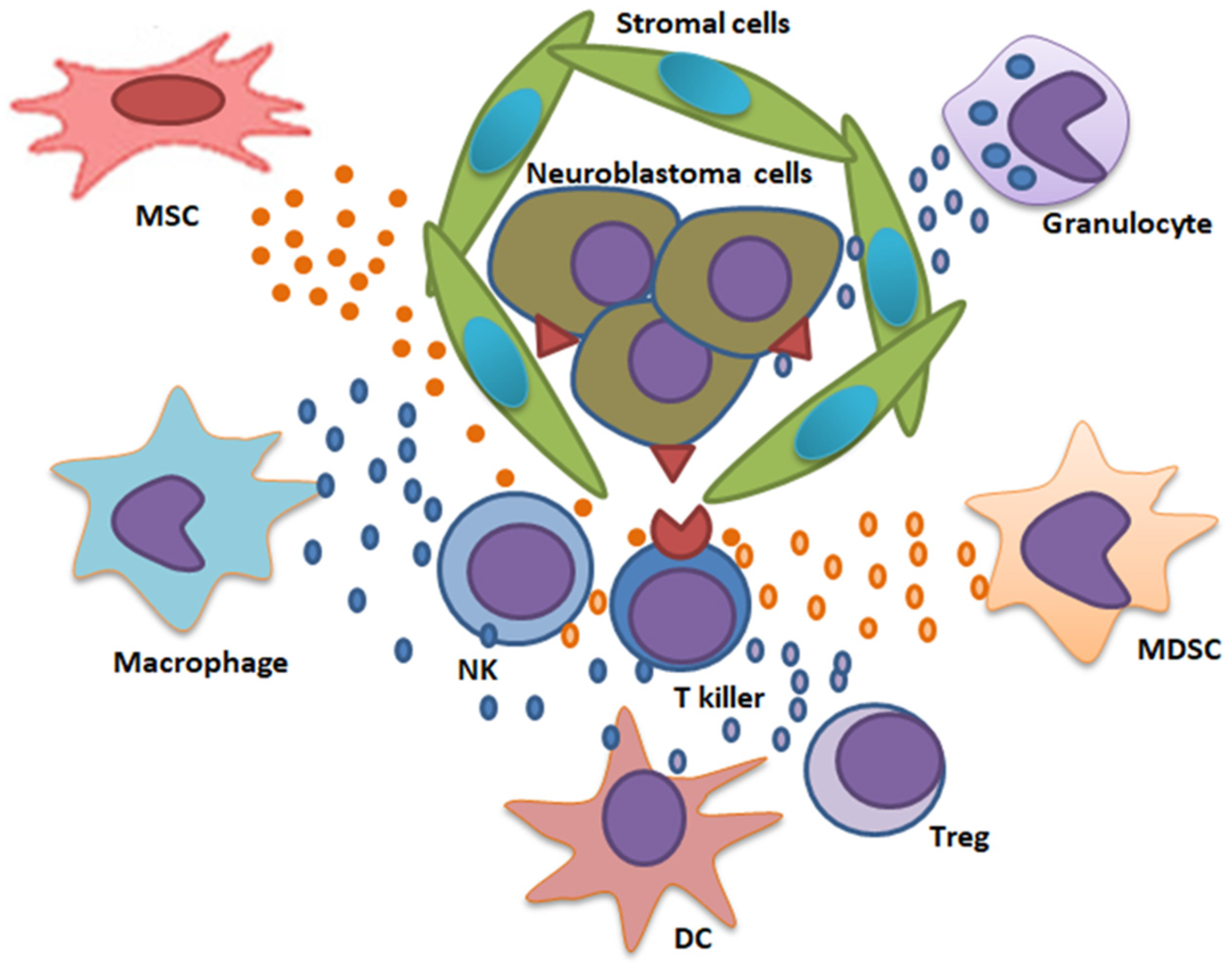
Adaptive immune cells, primarily T cells and B cells, are pivotal in mounting specific antitumor responses but face significant challenges in the NB TME. T cells, including cytotoxic CD8+ T cells and Tregs, exhibit heterogeneous infiltration patterns. MYCN-non-amplified tumors display higher cytotoxic T cell infiltration, correlating with an inflammatory, “hot” TME and better survival outcomes. Conversely, MYCN-amplified tumors are “cold,” with low T cell infiltration due to immunosuppressive signals from TAMs and Tregs [6]. Tregs are identified as a key suppressor, via IL-10 and TGF-β production, inhibiting antigen-presenting cell maturation to dampen T cell activity [20]. A significant insight from recent studies is the prognostic value of immune cell composition, which developed a prognostic cell risk score that incorporates T cell and Treg abundance to predict patient outcomes, validated across multiple datasets [9]. B cells, though less studied, contribute to the TME through antibody production and antigen presentation. However, this suggestion is still controversial: on the one hand, a study showed that B cell infiltration is higher in the low-risk but absent in the high-risk NB [6], while another study found a significant increase in memory B cells in the intermediate- and high-risk disease compared with the low-risk tumors [21]. Like TAMs, MDSCs produce multiple immunosuppressive factors. They proliferate and increase in numbers as the tumor progresses and play a crucial role in tumor development, metastasis, and resistance to treatment. MDSCs are a heterogeneous population of immune cells, which contribute to the immunosuppression of the TME via direct and indirect modulation of other immune cells, such as T cells, NK cells, antigen-presenting cells, DCs and B cells, and may stimulate tumor development through the secretion of factors such as reactive oxygen species, Arg-1, and TGF-β [22,23]. The stroma surrounding NB cells makes a mechanical barrier that prevents direct interaction of effector lymphocytes (T killers and NKs) with tumor cells. MSCs with tollerogenic properties produce suppressor factors, in particular, TGF-β. MDSCs producing a range of cytokines have a suppressive effect on the immune cell functions. In addition, T regulatory cells (T regs) may have their impact in immune cell suppression (Figure 1).

1.2.2. Non-Immune Cells and Components

CAFs make up the most abundant stromal component in the TME and are characterized by the expression of alpha-smooth muscle actin (αSMA) and fibroblast activation protein (FAP). They facilitate tumor growth and the subsequent spread of the tumor to other parts of the body by remodeling the ECM and by the secretion of growth factors such as VEGF and TGF-β [1,6,19]. CAFs have also been found to promote metastasis by increasing angiogenesis through VEGF release and changing the ECM via collagen synthesis [6]. They also interact with tumor and immune cells, including TAM. Together, they promote a more immunosuppressive TME by producing inflammatory cytokines and TGF-β, which inhibit immune response and enhance tumor cell survival [11,19]. Hashimoto et al. showed that CAFs significantly correlate with more aggressive features of NB, such as MYCN amplification (p = 0.045) and more advanced clinical stage (p = 0.001), and bone marrow metastasis (p = 0.009). They performed immunohistochemistry to quantify αSMA-positive CAFs, deducting h-caldesmon-positive areas to identify CAFs rather than vascular smooth muscle cells, and showed their association with TAMs, implying synergistic interactions. The NB-conditioned medium was able to activate CAF-like BM-MSCs by upregulating αSMA and FAP expression in a time-dependent manner, indicating stromal cell activation [11]. Another novel finding highlights that CAFs in MYCN-A tumors secrete pro-inflammatory lipid mediators, such as prostaglandin E2, which enhance TAM infiltration and tumor growth [19].
Endothelial cells make up the tumor vasculature, which facilitates nutrition and oxygen supply to promote tumor development and spread. In NB, endothelial cells are stimulated by VEGF and other angiogenic factors secreted by tumor cells, CAFs, and TAMs, which promote angiogenesis and vascular mimicry [3,11]. Noguera et al. discovered that high HIF-2α protein levels in NB (due to high TAMs infiltration) are linked to poor outcomes because HIF-1α and HIF-2α can transcribe VEGF in hypoxic conditions, as demonstrated in vitro and in vivo, leading to vascular formation. Anti-angiogenic therapies, such as bevacizumab, could disrupt this process, though resistance remains a challenge due to CAF- and TAM-derived compensatory signals. The NANT consortium has completed a Phase I trial targeting endothelial cells in NB with bevacizumab, cyclophosphamide, and zoledronic acid in patients with recurrent or refractory HR-NB (NCT00885326) [3].
Schwannian stromal cells are specific to NB and are associated with less aggressive phenotypes such as ganglioneuroblastomas. The International Neuroblastoma Pathology Committee divides NB into diagnostic groups depending on the quantity of Schwannian stromal cells, emphasizing the significance of this component [24]. They release neurotrophic substances (e.g., nerve growth factor), which promote tumor cell differentiation and suppress proliferation, resulting in spontaneous regression in low-risk tumors. [3]. Zeine et al. [25] discovered an adverse association between Schwannian stromal cell populations and CAF abundance, with high CAF concentration associated with poorly differentiated and high-risk malignancies. This suggests that Schwannian cells may counteract CAF-driven tumor progression.
Collagen is a key ECM component in the NB TME, functioning not only as a structural scaffold but also as an active regulator of tumor progression. COL11A1—a gene providing instructions for making a component of type XI collagen—is shown to be related to and upregulated by CAFs [26]. High COL11A1 expression is correlated with advanced stage, recurrence, undifferentiated histology, and poor prognosis, and its silencing lowers NB invasiveness, highlighting it as a potential therapeutic target [26,27]. Beyond structural roles, collagen influences tumor cell behavior through mechanotransduction; increased ECM stiffness and collagen alignment activate integrin-FAK and downstream PI3K/AKT/MAPK signaling, promoting epithelial–mesenchymal transition, while certain collagen contexts can enhance neuronal differentiation and reduce N-Myc expression [28,29]. Recent advances in 3D collagen-based NB models have recapitulated in vivo architecture, ECM–cell interactions, and chemoresistance patterns, providing powerful platforms for studying ECM-driven tumor biology and testing therapies that target collagen synthesis, crosslinking, or signaling [30,31,32]. Moreover, thermal ablation has been applied in NB experiments to discover its impact on collagen and TME [32,33]. Studies showed that thermal ablation not only is more effective in destroying NB cells, compared to cryo-ablation but also could permanently break down collagen structure in TME and alter the immune cells, components in a positive way, especially in stage III-IV NB [34]. Together, these findings underscore collagen’s multifaceted role in NB pathobiology and its promise as both a biomarker and therapeutic target.

2. Current Therapy

2.1. Search Strategy for the Relevant Therapy Reports

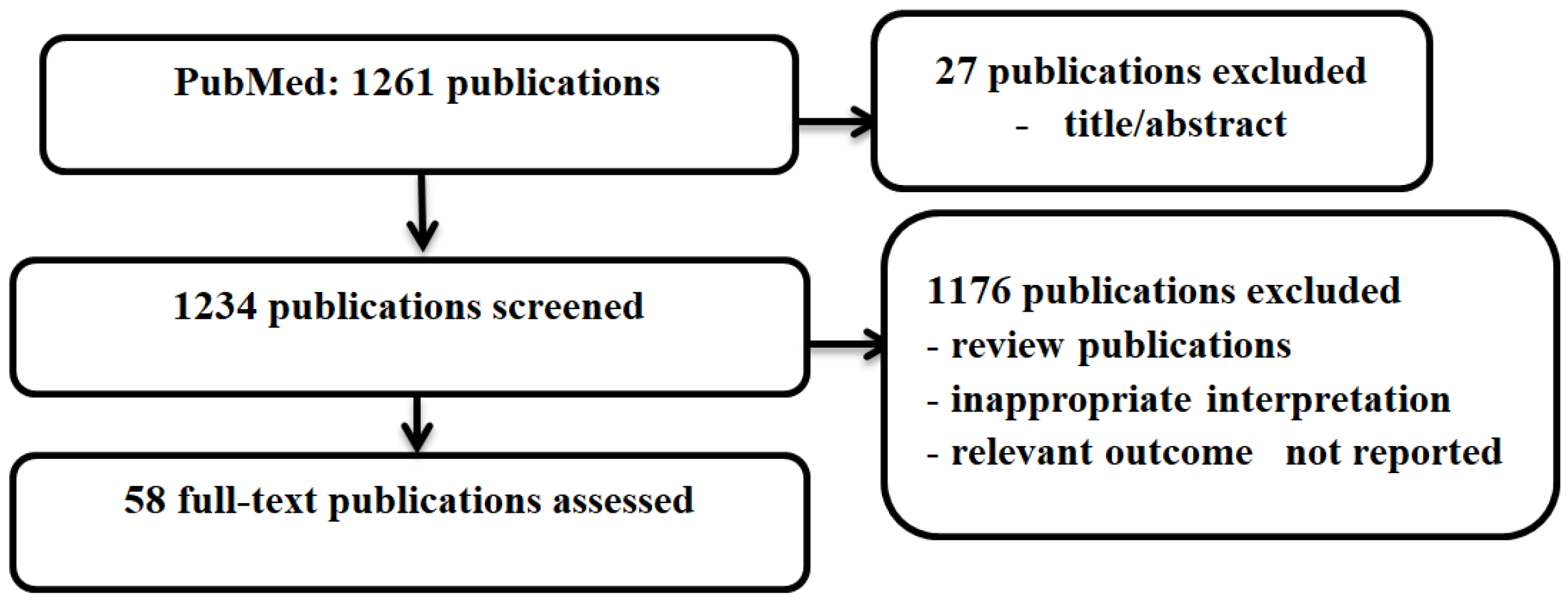
To evaluate the available HB-NB treatment approaches, a systematic search was performed in the electronic databases of MEDLINE through PubMed. The search strategy included randomized, non-randomized, and pilot studies. The literature search yielded 1261 results; the final set resulted in 58 publications with the reports of clinical trials included in the review of current therapy for HR-NB (Figure 2). Of these, seven papers included information on four randomized controlled trials (RCT), and the others referred to non-RCT studies. The studies were different in terms of the populations included, induction therapy regimens, and responses to the induction therapy, additional therapies, and transplantation procedures.
At present, NB is considered as one of the most difficult childhood malignancies to cure, especially in high-risk populations. Current treatments often include surgery, chemotherapy, radiation, stem cell transplantation, and immunotherapy [4].
Surgery remains the primary treatment option for localized malignancies, particularly when total resection can be achieved. However, in cases of metastatic or high-risk cancer, surgery has a limited role and is frequently added by systemic therapy. Chemotherapy is a critical component of NB treatment, especially during the induction and consolidation phases. Cyclophosphamide, doxorubicin, vincristine, cisplatin, and etoposide are all commonly utilized medicines. Due to tumor cell chemoresistance, patients frequently require high-dose chemotherapy followed by autologous stem cell transplantation to restore bone marrow function [4]. Radiotherapy is used to treat residual disease following surgery or chemotherapy, usually focusing on the main tumor site. Furthermore, systemic irradiation using meta-iodobenzylguanidine paired with radioactive iodine is increasingly used and has demonstrated great benefit in patients with recurrent diseases [35].

2.2. Anti-GD2 Immunotherapy

Immunotherapy has emerged as a significant breakthrough in the last decade. The FDA has approved monoclonal antibodies for high-risk NB (HR-NB), including dinutuximab (Unituxin) and, more recently, naxitamab (Danyelza), which target the GD2 antigen expressed on the surface of the NB cells. According to the National Cancer Institute’s 2022 report, these medicines considerably increase progression-free and overall survival in children with HR-NB [4,36]. However, not all patients react to anti-GD2 treatment; about 50% of patients develop relapses due to limited antibody penetration, immune resistance, or potential antigen loss (GD2-negative/low), especially in relapsed or refractory high-risk diseases [8]. Ongoing research aims to improve efficacy by combining these treatments with IL-2 or GM-CSF or integrating immunotherapy with checkpoint inhibitors, but their impact in NB treatment remains limited due to its “immunologically cold” tumor features. Most of the studies that involved patients with relapse/refractory (R/R) NB used a 5-cycle anti-GD2 therapy. Although some studies reported 6–10 cycles, no evidence of the improved survival was provided that could show the benefit of the increased number of cycles of the anti-GD2 therapy [37].
The first-line therapy does not require confirmation of high level of GD2 expression on the neuroblastoma cells [38]. Usually, GD2 expression on the NB cells is well-detected during the anti-GD2 treatment; however, some authors reported that the antigen shedding could occur in course of the therapy [39]. Obviously, this mechanism of avoiding the anti-GD2 antibody exposure contributes to the decreased effectiveness of the increased number of dinutuximab beta (DB) cycles. In addition, it was shown that neutralizing antibodies might be produced in response to anti-GD2 antibody treatment, which could also reduce the clinical effectiveness of anti-GD2 treatment, although there is no evidence of a negative effect on anti-GD2 antibodies [40].
The toxicity of DB in the first-line maintenance therapy has been well studied, and the side effects of this therapy are manageable [41]. The toxicity profile described in the R/R HR-NB clinical trial was comparable to the profile observed in the first-line therapy. Low doses of inteleukin-2 (IL-2) were used to improve the effectiveness of the anti-GD2 therapy. However, the combination of DB with IL-2 in patients with HR-NB and R/R NB did not reveal the advantages of the combination compared with the DB monotherapy [42].
Additionally, cellular therapies such as anti-GD2 CAR-T cell therapy are being studied in preclinical and early-phase clinical trials. In vitro and in vivo experiments have shown that GD2-targeted CAR-T cells can destroy NB cells, although problems such as toxicity and tumor evasion still remain unresolved [4].

2.3. HSC Transplantation

Allogeneic hematopoietic stem cell transplantation is an integral stage of therapy, demonstrating high efficacy in patients with hematological malignancies, especially in high-risk patients [43]. On the other hand, autologous stem cell transplantation (ASCT) is not the standard treatment for a number of high-risk extracranial solid tumors. Moreover, several studies reported that high-dose chemotherapy in combination with ASCT in different types of sarcomas, Wilms tumors, and hepatoblastomas did not significantly increase the relapse-free survival and overall survival (OS) [44,45,46,47]. Unlike other solid tumors, the results of high-dose chemotherapy in combination with ASCT for patients with HR-NB were more optimistic. In particular, tandem ASCT after high-dose chemotherapy for patients with HR-NB improved the treatment effectiveness. A large randomized clinical trial involving 652 patients with HR-NB demonstrated that tandem ASCT significantly improved event-free survival (EFS) (61.6% vs. 48.4%) compared with single ASCT, though OS did not differ significantly in those groups [48]. Another randomized trial recruited 539 patients aged 1 to 18 years with newly diagnosed HR-NB. This clinical study compared myeloablative chemotherapy and radiation therapy combined with ASCT with continuing intensive chemotherapy without ASCT. The myeloablative therapy and ASCT resulted in a significantly beneficial 5-year progression-free survival and overall survival as compared to the non-myeloablative chemotherapy [49].
An early randomized trial evaluated the effectiveness of a conditioning regimen followed by infusion of autologous purged bone marrow transplantation (ABMT) in comparison with the chemotherapy alone. The study did not show a significant improvement in OS in the ABMT group [50]. Similarly, in 2013, a Cochrane meta-analysis found no improvement in OS in patients with HR-NB after ABMT/ASCT. A later analysis conducted by the SIOPEN group showed that ABMT in patients with HR-NB led to a slightly positive effect on EFS [51]. To date, the question whether to perform single or tandem ASCT in patients with HR-NB remains unresolved; since even the clinical trials that showed effectiveness, did not achieve OS improvement, and they demonstrated effectiveness only at surrogate endpoints such as EFS. Determining the place of ASCT in the treatment strategy for patients with HR-NB, it should be well understood that it most likely plays the role of a concomitant therapy aimed at restoring hematopoiesis after high-dose chemotherapy, rather than a part of antitumor treatment. However, an opportunity of antitumor function of natural killers within the hematopoietic stem cell transplant was noted in a few studies [52]. In most cases, the biomedical product for stem cell transplantation includes not only isolated CD34+ hematopoietic cells, which represent a minor subset of the cell transplant, but also mononuclear leukocytes, most of which are represented by lymphocytes. It is likely that the use of G-CSF for the mobilization of peripheral hematopoietic stem cells may contribute to the activation of antitumor immune effectors in vivo. To date, the content and functional status of NK and T cells within the graft and their antitumor potential has not been practically evaluated during ASCT procedure. The existing controversial data require rethinking the strategy of high-dose chemotherapy and ASCT in patients with HR-NB taking into account the risk–benefit ratio and economic costs [53,54]. Most studies demonstrated the advantage of ASCT over standard chemotherapy. However, the studies were different in patient cohorts, induction therapies, types of substitution therapy, and treatment methods, which explains the differences in the clinical outcomes of the analyzed studies. In addition, an unambiguous assessment of the effectiveness of ASCT is complicated, since most of the data were received in the non-randomized trials. So far, only a few randomized controlled trials have been reported.

2.4. Adoptive Immunotherapy

2.4.1. NK Cells

NK cells are effector cells of the innate immunity that play a key role in antitumor immunological surveillance [55]. Solid tumors in children, including NB, have low immunogenicity because of low expression of the main histocompatibility complex I (MHC-I) and little mutational burden [56]. NK cells implement their killer activity against tumor cells in an antigen/MHC-independent manner and, unlike cytotoxic T-lymphocytes, can recognize and eliminate NB cells. In addition, NKs mediate antibody-dependent cellular cytotoxicity in the course of targeted monoclonal antibody-based (mAbs) therapy. Anti-GD2 mAbs, along with cytokine therapy (including IL-2 and GM-CSF), is a promising area in the treatment of HR-NB. Cytokine therapy promotes NK activation in vivo and, obviously, mediates antibody-dependent cell-mediated cytotoxicity (ADCC) in combination with Anti-GD2 mAbs.
A prospective single-arm phase II clinical trial evaluated the effectiveness of combined chemoimmunotherapy in children with HR-NB. Sixty-two patients received six cycles of induction chemotherapy in combination with anti-GD2 mAbs (hu14.18K322A), granulocyte–macrophage colony-stimulating factor (GM-CSF) and low doses of interleukin-2 (IL-2). Sixty patients (97%) had a partial response. None of the patients had any disease progression during the induction phase. The three-year event-free survival (EFS) reached 73.7%, and OS was 86.0% [57].
NK cells can improve survival outcomes through direct cytotoxic effects on tumor cells and through NK cell-mediated ADCC [58]. Various sources are used for NK cell therapy: autologous and allogeneic NK cells isolated from peripheral blood apheresis products or obtained from umbilical cord blood [59]. In experiments on the HR-NB mouse model, adoptive immunotherapy with activated NK cells in combination with dinutuximab showed a significant increase in animal survival [60]. In a Phase I clinical trial, four patients with HR-NB received adoptive immunotherapy with activated NK cells (1–5 × 10⁷ cells/kg) after consolidation and ASCT. Two patients achieved complete remission within 9–18 months. One patient registered a partial effect and one patient developed disease progression. Despite a small size of the patient cohort and the non-randomized study, the authors reported a favorable safety profile of allogeneic NK cells (1–59.5 × 10⁶ CD3-/CD56+ cells/kg) used in combination with anti-GD2 mAbs and IL-2, and noted the potential of the strategy as a neoadjuvant therapy in patients with HR-NB [61].
In a pilot study, five patients with NB received haploidentical NK cells after lymphodepletion with the subsequent ASCT. All patients achieved successful neutrophil and platelet engraftment. No adverse reactions were observed during and after NK cell infusion. The study showed acceptable tolerance of including NK cell infusion before ASCT as a component of a conditioning phase for consolidation therapy in children with HR-NB [62]. A phase II clinical trial involving 62 patients with HR-NB evaluated the kinetics, phenotype, and functions of NK cells throughout the multimodal treatment, including ASCT and subsequent NK cell therapy at a dose of 25 × 106 cells/kg. Temporary engraftment was observed in all patients; however, the authors could not show that the engraftment of NK cells led to the improved clinical effect [63]. Kanold et al. [64] described a case of treating relapses developing 22 months after haplo-ASCT in a six-year-old child with HR-NB. Complete remission was achieved with combined chemoimmunotherapy using allogeneic NK cells, IL-2, and temozolomide/topotecan.
Talleur et al. performed a phase II study involving 30 patients with HR-NB who received a consolidation therapy with experimental immunotherapy. The consolidation phase included a busulfan/melphalan (Bu/Mel) conditioning regimen, autologous hematopoietic cell transplant (AHCT), immunotherapy with hu14.18K322A (anti-GD2 mAb), GM-CSF, IL-2, and adoptive transfer of haploidentical NKs. The authors registered grade 3/4 adverse events (AE), but no 5 grade AE. Eight patients had veno-occlusive disease (VOD) and 3 had VOD with mild multi-organ dysfunction, which were well managed and resulted in complete resolution. Other toxicities were similar to those previously reported with AHCT with Bu/Mel conditioning. Regarding tolerance of NK infusions, no acute graft-versus-host disease or additional toxicities were observed as compared to those patients who did not receive NK transfers. Taking into account the intensive multimodal regimen for HR-NB treatment and the need for improved therapies, the authors reported good tolerance of AHCT and adequate hematologic recovery after the procedure. The occurrences of VOD in patients who received NKs were similar to those patients who had no NK transfers. Thus, the authors confirmed that NK therapy showed no increased adverse events, demonstrated the feasibility of the consolidation regimen, and had an acceptable acute toxicity profile [65].
Another pilot study evaluated the safety and efficacy of anti-GD2 mAbs (hu14.18K322A) in combination with chemotherapy, cytokines, and haploidentical NK cells in 13 patients with HR-NB. The study demonstrated no NK-therapy-associated adverse events. The objective response was 61.5% with a CR/VGPR (complete response/very good partial response) rate of 38.5%. The median time to progression was 274 days and the 1-year survival rate achieved 77% [66].
Adoptive cell therapy (ACT) with the ex vivo activated NK cells is considered as a promising immunotherapeutic approach for improving the treatment effectiveness in children with HR-NB [67]. However, the presented data suggest a conclusion only about the safety of NK therapy, while the effectiveness of the adoptive immunotherapy requires more evidence. To date, no randomized clinical trials were registered to evaluate the feasibility of including NK cells in the multimodal treatment strategy for patients with HR-NB. In the future, it is necessary to determine the range of effective doses of NK cells and the place of NK therapy in the treatment of patients with HR-NB.

2.4.2. CAR Lymphocytes

The technology for generating genetically modified lymphocytes with a chimeric T cell receptor (CAR) has been rapidly developing in the last decade. Anti-CD19-CAR-T therapy revolutionized the treatment of B cell hemoblastoses [68]. However, the effectiveness of CAR-T therapy in solid tumors has not yet shown high efficacy. The success of the first CAR-T cell therapies initiated the design of new variants of CAR-T cells targeting various tumor-associated antigens, including glycolipid antigen GD2 expressed on the tumor cells of neuroectodermal origin, in particular, on NB cells [69]. A later study of CAR-(EBV)-specific T cells in 19 patients with HR-NB achieved the following: eight patients were in remission and three had complete response (CR). No severe or dose-limiting toxicities or no neurological toxicity were detected. Three patients had localized pain of grades 1–3 [70]. GD2 CAR-T cells of the third generation achieved an antitumor effect, but the effect was transient and it was similar to that of GD2 CAR-T cells of the first generation. In a Phase I clinical trial involving 12 children (male with a median age of 4.5 years, range 1.8–7 years) with R/R NB (relapse/refractory NB), second-generation GD2 CAR-T cells with the CD28/CD3 signaling domain demonstrated safety and absence of non-tumor toxicity in NB patients. However, a partial effect in the form of regression of soft tissue and bone marrow lesions was observed in three out of six patients who received the maximum dose of GD2 CAR-T cells (108 CAR-T cells/m2) [71].
A single-group Phase I study of 4SCAR-GD2 T cell treatment included 10 children with HR-NB. Before the introduction of 4SCAR-GD2 T cells, patients received fludarabine and cyclophosphamide for lymphodepletion. 4SCAR-GD2 T cells were infused one to three times with an interval of 3–6 months. The study demonstrated that the 4SCAR-GD2 T cells persisted for more than 6 months after infusion. Four patients achieved disease stabilization within 1 year and OS over 4 years [72].
A recent Phase I clinical study evaluated the efficacy of the first-generation GD2-CAR-T cells in eleven patients under 21 years old with HR-NB; three of them achieved a CR, which remained stable in two patients: one for 8 years and the other for more than 18 years. Five of the other eight patients, who had no signs of the disease at the time of CAR-T cell therapy, had an event-free period of 10–15 years. Thus, the use of first-generation vectors achieved a long-term disease control in patients with NB after GD2 CAR-T cell therapy [73].
Another study enrolled nineteen patients with NB, including eleven with relapses and eight patients with no signs of the disease, though five of them had a history of relapses, and three received standard HD treatment. After GD2 CAR-T cell therapy, three out of eleven patients had a CR, and one had a partial response. One of the patients with the CR subsequently relapsed, but the other two had a response that persisted: one—for 8 years until the patient was not available for the follow-up, and the other—for over 18 years. The EFS after 15 years was 31.6%, and the OS reached 36.8% [74].
Natural killer T cells (NKT) in the peripheral blood of cancer patients play an important role in the antitumor response, and a favorable outcome seems to be associated with a high number of NKT cells. The use of NKT cells has become interesting for the rapidly developing CAR lymphocyte technology [75]. A Phase I study including 12 children with NB evaluated GD2-CAR NKT therapy. The main objectives were safety and the determination of the maximum tolerated dose (MTD). The antitumor activity of GD2-CAR NKT was evaluated as a secondary endpoint. No dose-limiting toxicity was observed; one patient had grade 2 cytokine release syndrome, which was treated with tocilizumab. The objective response rate (ORR) was 25%, including two partial responses and one CR. The authors made a conclusion that GD2-CAR NKT therapy was safe and could mediate ORR in patients with NB [76]. In a Phase I/II study, 27 children with R/R HR-NB received autologous GD2-CAR-T cells of the third generation expressing the inducible caspase 9 suicide gene. Six weeks after GD2-CAR-T cell infusion, nine (33%) of patients achieved a CR. At the median follow-up period of 1.7 years, five out of nine patients had a CR, two patients had relapses and received further infusions, two patients died [77].
So far, clinical studies have shown the potential therapeutic activity of GD2 CAR-T cells in patients with low tumor burden. Obviously, the insufficient efficacy of GD2 CAR-T cells in HR-NB is determined by the heterogeneity of the tumor and the selection of GD2- cell clones evading specific immunotherapy. It should be noted that to date, the published data refer to small and non-randomized clinical trials only, which do not allow us to unambiguously assess the effectiveness of CAR-T and CAR-NKT therapy for HR-NB. Significant differences in clinical results were determined by the different variants and generations of CAR-T cells and a fairly wide range of therapeutic doses from 1 × 10⁶ to 1 × 10⁹ cells/kg. In addition, certain difficulties in comparing the results of clinical trials of CAR-T and CAR-NKT therapy are associated with the inclusion of patients with different NB stages, previous therapies, and combined treatments (Table 1).
One of the promising directions for increasing the efficiency of CAR lymphocytes is the design of tandem or multi-modular CARs targeting various NB-associated antigens. Another option for improving CAR therapeutic functions suggests the development of a universal CAR, where the antigen-recognizing site is replaced by CD16 receptor with high affinity that determines ADCC. Such universal CAR-T cells can be designed to target various tumor cell clones by combining with monoclonal antibodies. An important and still unresolved problem is the identification of the place of CAR-T therapy in the treatment of HR-NB, which limits a wider use of this strategy.

2.4.3. TIL Therapy

Tumor-infiltrating lymphocytes (TIL) are found in most solid tumors; therefore, they can be used for immunotherapy. In particular, a clinical study demonstrated an objective response in over 50% of patients with advanced melanoma after treatment with activated and expanded ex vivo TILs in combination with high doses of IL-2. The studies demonstrated that TIL therapy had therapeutic potential against a number of solid tumors. In particular, in patients with head and neck squamous cell carcinoma, non-small cell lung cancer, cervical cancer, and ovarian cancer, the ORR was 55.6% and partial response was 44.4%, and disease control achieved 77.8% [78].
The NB microenvironment predominantly consists of anti-inflammatory immune cells such as tumor-associated macrophages (TAM) and myeloid suppressor cells (MDSC), which limit TIL therapy effectiveness in this population of patients [79]. Interestingly, T-lymphocytes were found in the NB microenvironment [80]. Ollé Hurtado et al. [81] managed to isolate T-lymphocytes from the removed NB samples and achieved their expansion in vitro. The expanded TILs effectively destroyed the cells of the transplanted tumor cell lines in vitro, but were practically useless against autologous NB cells. The authors also showed that activated TILs could be successfully modified by viral vector transduction, and the generated CAR-TILs had high cytotoxic activity against NB cell lines. Despite encouraging experimental results, so far, no data are available on the clinical use of TILs in NB patients, and the perspectives for this therapeutic strategy require preclinical confirmation. An important factor limiting the technology for NB treatment is the lack of killer activity of the activated TILs against autologous tumor cells. Obviously, the cells forming the tumor have gone through all the stages of immune editing and acquired the state evading the host’s immunity. Another negative factor for TIL therapy is low NB immunogenicity, resulting primarily from the low MHC expression, which blocks T killer antitumor functions, even in the presence of a tumor antigen. CAR-TILs can overcome this barrier due to the MHC-independent cytotoxicity towards targeted tumor cells. However, the question arises as to whether CAR-TILs have any advantage over classical CAR-T cells. In addition, it is necessary to remember that TIL-based treatment should be combined with several cycles of high-dose IL-2 therapy, which is associated with marked adverse events [82].

3. Bioinformatics and Neuro-Antigen Discovery in the Tumor Microenvironment of Neuroblastoma

NB is a pediatric malignancy arising from neural crest-derived sympathoadrenal progenitors and remains one of the leading causes of cancer-related mortality in children worldwide [83,84]. The clinical outcomes for high-risk NB patients remain suboptimal despite aggressive multimodal therapy including chemotherapy, radiotherapy, autologous stem cell transplantation, and immunotherapy. This has driven an intensified focus on deciphering the TME and identifying tumor-specific targets to enable effective immunotherapeutic interventions [32].

3.1. The Neuroblastoma Tumor Microenvironment and Immune Landscape

The NB TME is a complex and dynamic ecosystem comprising tumor cells, cancer-associated fibroblasts, immune infiltrates (such as CD8+ T cells, regulatory T cells, and myeloid-derived suppressor cells), vasculature, and ECM components. Unlike many adult solid tumors, NB typically demonstrates a relatively immune-cold phenotype with sparse effector T cell infiltration and dominant immunosuppressive populations [85]. One critical barrier is the dense ECM, particularly fibrillar collagens such as types I and XI, which increase tumor stiffness and impede T cell trafficking. Experimental interventions such as collagen-targeted thermal ablation have shown promise in softening the ECM, reducing lysyl oxidase (LOX) activity, and enhancing immune cell access [31,32]. ECM plays a crucial role in modulating antitumor immunity. In particular, preclinical and a few clinical studies showed that selective inhibition of functional components of cell–ECM interaction, such as hyaluronic acid (HA), matrix metalloproteinases (MMPs), and integrins could suppress tumor progression and enhance the efficacy of ICI treatment, chemotherapy, or immunotherapy in melanoma [86].

3.2. Neuro-Antigens: Developmentally Restricted Tumor Targets

A hallmark of NB is its low tumor mutational burden (TMB), resulting in a paucity of classical neoantigens derived from somatic mutations [87]. However, NB reactivates a suite of embryonic neural crest-related proteins known as “neuro-antigens”, tumor-associated antigens (TAAs) that are minimally expressed in postnatal tissues but highly expressed in NB tumors [88]. These include transcription factors (e.g., PHOX2B), enzymes involved in catecholamine synthesis (e.g., tyrosine hydroxylase, TH), membrane glycosylation enzymes (e.g., GD2 synthase), and other lineage-specific proteins (e.g., GAP43, ALDH1A2) [89,90,91]. Their restricted expression pattern and immunogenic potential make them attractive targets for vaccines, T cell receptor (TCR) therapies, and CAR-T cell development. A selection of representative neuro-antigens with therapeutic relevance is presented in Table 2.

3.3. Immunoinformatics Tools for Epitope Discovery

Immunoinformatics has become essential in the systematic identification of immunogenic epitopes within neuro-antigens. Tools such as NetMHCpan 4.0 and MHCflurry 2.0 utilize machine learning and mass spectrometry-trained models to predict peptide binding to major histocompatibility complex (MHC) molecules across diverse human leukocyte antigen (HLA) genotypes [92,93]. The Immune Epitope Database (IEDB) 3.0 provides a comprehensive platform integrating multiple predictors for antigen processing, MHC binding, and epitope clustering [94]. Motif-based methods like SYFPEITHI offer complementary approaches [95].
Other tools include VaxiJen 2.0 for alignment-free antigenicity prediction [96], AllerTOP v.2 for allergenicity classification [97], and PickPocket for structure-based binding affinity estimation [98]. Importantly, population coverage analysis from IEDB enables selection of epitopes likely to elicit immune responses across diverse ethnic groups [94]. Table 3 provides an overview of key bioinformatics tools commonly used for predicting neuro-antigen epitopes and evaluating their immunogenic, allergenic, and population-specific potential.

3.4. AI and Multi-Omics in Epitope Prioritization

To enhance the prediction of clinically relevant neoantigens, artificial intelligence (AI) and multi-omics data integration are being increasingly adopted. Single-cell RNA sequencing (scRNA-seq), immunopeptidomics, and spatial transcriptomics enable high-resolution mapping of antigen expression and presentation across tumor and immune cell subsets [99,100].
AI-powered models such as DeepHLApan, MHCnuggets, and EPIC integrate deep neural networks, long short-term memory (LSTM) architectures, and transcriptomic data to improve binding and immunogenicity prediction [101,102,103]. DeepVacPred evaluates physicochemical features to rank epitopes [104], while CancerEpitopeAI combines gene expression, antigen processing, and structural features to identify prioritized targets [105]. Tools like scANNA apply transformer-based models to scRNA-seq data for high-fidelity mapping of antigen presentation networks [106]. Table 4 presents an overview of cutting-edge algorithms that combine artificial intelligence and high-dimensional omics profiling in NB immunogenomics. Prediction of clinically relevant neoantigens in neuroblastoma aims to identify highly immunogenic tumor-specific peptides in samples with low mutational burden for the development of personalized vaccines and improved immunotherapy response, particularly in high-risk diseases. Prediction processes include exome/RNA sequencing to identify somatic mutations (e.g., ALK) and machine learning (e.g., NetMHCpan) to estimate HLA binding, expression, and T cell recognition. These approaches are currently used to design individual antitumor vaccines [107,108].

4. Future Directions

The integration of bioinformatics and immunogenomics has substantially advanced our ability to identify actionable antigens in NB. Although the low TMB poses a challenge, the presence of neuro-antigens and advances in AI-guided, multi-omics-integrated platforms offer significant opportunities. Future research should prioritize the functional validation of predicted epitopes through human T cell assays, organoid systems, and in vivo tumor models. Additionally, patient-specific HLA typing and immune deconvolution will be essential to enable personalized vaccine and T cell therapy strategies in HR-NB.

5. Conclusions

Cell-based technologies have a high potential for the treatment of patients with HR-NB. In particular, a number of clinical trials have studied ASCT, NK cells, CAR-T, and CAR-NKT cells in the adoptive therapy for HR-NB. However, the results are often controversial due to the lack of large randomized trials done using replicated treatments and, so far, it seems impossible to make a distinct conclusion regarding the effectiveness of each type of the adoptive therapy. Hopefully, further randomized clinical trials will help determine the role of cell-based technologies in the multimodal treatment of patients with HR-NB.

Author Contributions

Conceptualization, M.V.K., I.Z.S., T.L.N., C.-B.B. and K.T.T.; Methodology, M.V.K., I.Z.S., T.L.N., D.K.N., Q.G.N. and C.-B.B.; Validation, N.A.B., N.Y.S. and A.P.K.; Investigation, N.A.B., N.Y.S., T.L.N., D.K.N. and Q.G.N.; Resources, M.V.K., K.I.K., T.L.N., D.K.N., Q.G.N. and C.-B.B.; Writing—Original Draft Preparation, T.L.N., D.K.N., Q.G.N., C.-B.B., M.V.K. and I.Z.S.; Writing—Review and Editing, C.-B.B., M.V.K. and I.Z.S.; Visualization, D.K.N., Q.G.N. and C.-B.B.; Supervision, K.I.K., A.P.K., I.Z.S. and C.-B.B.; Project Administration, S.R.V. and M.V.K. All authors have read and agreed to the published version of the manuscript.

Funding

This research received no external funding.

Institutional Review Board Statement

Not applicable.

Informed Consent Statement

Not applicable.

Data Availability Statement

No new data were created or analyzed in this study. Data sharing is not applicable to this article.

Acknowledgments

Authors would like to acknowledge Natalya Anisimova for her assistance in designing the schemes for this paper.

Conflicts of Interest

The authors declare no conflicts of interest.

Abbreviations

The following abbreviations are used in this manuscript:
ABMTAutologous bone marrow transplantation
ADCCCell-mediated cytotoxicity
AMLAcute myeloid leukemia
ASCTAutologous stem cell transplantation
CAFCancer-associated fibroblasts
CARChimeric T cell receptor
CRComplete response
DBDinutuximab beta
DCDendritic cell
EBVEpstein–Barr virus
ECMExtracellular matrix
EFSEvent-free survival
HIFHypoxia-inducible factor
GM-CSFGranulocyte–macrophage colony-stimulating factor
GD2 Disialoganglioside
HR-NBHigh-risk neuroblastoma
haplo-HSCTHaploidentical hematopoietic stem cell transplantation
IL-2Interleukin-2
MDSCMyeloid-derived suppressor cells
MHC-IMain histocompatibility complex I
MTDMaximum tolerated dose
mAbMonoclonal antibody-based
NBNeuroblastoma
NKNatural killer
NKTNatural killer T cells
OSOverall survival
TAMTumor-associated macrophage
TILTumor-infiltrating lymphocytes
TGFTumor growth factor
TMETumor microenvironment
TregRegulatory T cells
VEGFVascular endothelial growth factor

References

  1. Colon, N.C.; Chung, D.H. Neuroblastoma. Adv. Pediatr. 2011, 58, 297–311. [Google Scholar] [CrossRef]
  2. Park, J.R.; Eggert, A.; Caron, H. Neuroblastoma: Biology, Prognosis, and Treatment. Hematol./Oncol. Clin. N. Am. 2010, 24, 65–86. [Google Scholar] [CrossRef] [PubMed]
  3. Borriello, L.; Seeger, R.C.; Asgharzadeh, S.; DeClerck, Y.A. More than the genes, the tumor microenvironment in neuroblastoma. Cancer Lett. 2016, 380, 304–314. [Google Scholar] [CrossRef] [PubMed]
  4. Liu, K.X.; Joshi, S. “Re-educating” Tumor Associated Macrophages as a Novel Immunotherapy Strategy for Neuroblastoma. Front. Immunol. 2020, 11, 1947. [Google Scholar] [CrossRef] [PubMed]
  5. Challagundla, K.B. Neuroblastoma; StatPearls Publishing: Treasure Island, FL, USA, 2025. Available online: https://www.ncbi.nlm.nih.gov/books/NBK448111/ (accessed on 2 February 2026).
  6. Blavier, L.; Yang, R.-M.; DeClerck, Y.A. The Tumor Microenvironment in Neuroblastoma: New Players, New Mechanisms of Interaction and New Perspectives. Cancers 2020, 12, 2912. [Google Scholar] [CrossRef]
  7. Masih, K.E.; Wei, J.S.; Milewski, D.; Khan, J. Exploring and Targeting the Tumor Immune Microenvironment of Neuroblastoma. J. Cell. Immunol. 2021, 3, 305–316. [Google Scholar] [CrossRef]
  8. Zadran, S.K.; Facchinello, N.; De Rosa, P.; Saporetti, R.; Costantini, P.E.; Ulfo, L.; Nigro, M.; Petrosino, A.; Pappagallo, L.; Aloisi, S.; et al. Systematic Targeting of GD2-Positive Neuroblastoma Tumors With a Photooncolytic Phage Nanovector Platform. Adv. Sci. 2025, 12, e15356. [Google Scholar] [CrossRef]
  9. Zhong, X.; Zhang, Y.; Wang, L.; Zhang, H.; Liu, H.; Liu, Y. Cellular components in tumor microenvironment of neuroblastoma and the prognostic value. PeerJ 2019, 7, e8017. [Google Scholar] [CrossRef]
  10. Asgharzadeh, S.; Salo, J.A.; Ji, L.; Oberthuer, A.; Fischer, M.; Berthold, F.; Hadjidaniel, M.; Liu, C.W.-Y.; Metelitsa, L.S.; Pique-Regi, R.; et al. Clinical Significance of Tumor-Associated Inflammatory Cells in Metastatic Neuroblastoma. J. Clin. Oncol. 2012, 30, 3525–3532. [Google Scholar] [CrossRef]
  11. Hashimoto, O.; Yoshida, M.; Koma, Y.; Yanai, T.; Hasegawa, D.; Kosaka, Y.; Nishimura, N.; Yokozaki, H. Collaboration of cancer-associated fibroblasts and tumour-associated macrophages for neuroblastoma development. J. Pathol. 2016, 240, 211–223. [Google Scholar] [CrossRef]
  12. Ara, T.; Nakata, R.; Sheard, M.A.; Shimada, H.; Buettner, R.; Groshen, S.G.; Ji, L.; Yu, H.; Jove, R.; Seeger, R.C.; et al. Critical Role of STAT3 in IL-6–Mediated Drug Resistance in Human Neuroblastoma. Cancer Res. 2013, 73, 3852–3864. [Google Scholar] [CrossRef]
  13. Stip, M.C.; Teeuwen, L.; Dierselhuis, M.P.; Leusen, J.H.W.; Krijgsman, D. Targeting the myeloid microenvironment in neuroblastoma. J. Exp. Clin. Cancer Res. 2023, 42, 337. [Google Scholar] [CrossRef]
  14. Noguera, R.; Fredlund, E.; Piqueras, M.; Pietras, A.; Beckman, S.; Navarro, S.; Påhlman, S. HIF-1α and HIF-2α Are Differentially Regulated In vivo in Neuroblastoma: High HIF-1α Correlates Negatively to Advanced Clinical Stage and Tumor Vascularization. Clin. Cancer Res. 2009, 15, 7130–7136. [Google Scholar] [CrossRef]
  15. Xu, Y.; Sun, J.; Sheard, M.A.; Tran, H.C.; Wan, Z.; Liu, W.Y.; Asgharzadeh, S.; Sposto, R.; Wu, H.W.; Seeger, R.C. Lenalidomide overcomes suppression of human natural killer cell anti-tumor functions by neuroblastoma microenvironment-associated IL-6 and TGFβ1. Cancer Immunol. Immunother. 2013, 62, 1637–1648. [Google Scholar] [CrossRef] [PubMed]
  16. Bottino, C.; Dondero, A.; Bellora, F.; Moretta, L.; Locatelli, F.; Pistoia, V.; Moretta, A.; Castriconi, R. Natural Killer Cells and Neuroblastoma: Tumor Recognition, Escape Mechanisms, and Possible Novel Immunotherapeutic Approaches. Front. Immunol. 2014, 5, 56. [Google Scholar] [CrossRef]
  17. Melaiu, O.; Chierici, M.; Lucarini, V.; Jurman, G.; Conti, L.A.; De Vito, R.; Boldrini, R.; Cifaldi, L.; Castellano, A.; Furlanello, C.; et al. Cellular and gene signatures of tumor-infiltrating dendritic cells and natural-killer cells predict prognosis of neuroblastoma. Nat. Commun. 2020, 11, 5992. [Google Scholar] [CrossRef] [PubMed]
  18. Inoue, S.; Horiuchi, Y.; Setoyama, Y.; Takeuchi, Y.; Beck, Y.; Murakami, T.; Odaka, A. Immune Checkpoint Inhibition Followed by Tumor Infiltration of Dendritic Cells in Murine Neuro-2a Neuroblastoma. J. Surg. Res. 2020, 253, 201–213. [Google Scholar] [CrossRef] [PubMed]
  19. Polychronopoulos, P.A.; Bedoya-Reina, O.C.; Johnsen, J.I. The Neuroblastoma Microenvironment, Heterogeneity and Immunotherapeutic Approaches. Cancers 2024, 16, 1863. [Google Scholar] [CrossRef]
  20. Joshi, S. Targeting the Tumor Microenvironment in Neuroblastoma: Recent Advances and Future Directions. Cancers 2020, 12, 2057. [Google Scholar] [CrossRef]
  21. Verhoeven, B.M.; Mei, S.; Olsen, T.K.; Gustafsson, K.; Valind, A.; Lindström, A.; Gisselsson, D.; Fard, S.S.; Hagerling, C.; Kharchenko, P.V.; et al. The immune cell atlas of human neuroblastoma. Cell Rep. Med. 2022, 3, 100657. [Google Scholar] [CrossRef]
  22. Li, K.; Shi, H.; Zhang, B.; Ou, X.; Ma, Q.; Chen, Y.; Shu, P.; Li, D.; Wang, Y. Myeloid-derived suppressor cells as immunosuppressive regulators and therapeutic targets in cancer. Signal Transduct. Target. Ther. 2021, 6, 362. [Google Scholar] [CrossRef] [PubMed]
  23. Mao, C.; Poimenidou, M.; Craig, B.T. Current Knowledge and Perspectives of Immunotherapies for Neuroblastoma. Cancers 2024, 16, 2865. [Google Scholar] [CrossRef] [PubMed]
  24. Shimada, H.; Ambros, I.M.; Dehner, L.P.; Hata, J.-i.; Joshi, V.V.; Roald, B. Terminology and morphologic criteria of neuroblastic tumors: Recommendations by the International Neuroblastoma Pathology Committee. Cancer 1999, 86, 349–363. [Google Scholar] [CrossRef]
  25. Zeine, R.; Salwen, H.R.; Peddinti, R.; Tian, Y.; Guerrero, L.; Yang, Q.; Chlenski, A.; Cohn, S.L. Presence of cancer-associated fibroblasts inversely correlates with Schwannian stroma in neuroblastoma tumors. Mod. Pathol. 2009, 22, 950–958. [Google Scholar] [CrossRef]
  26. Truong, D.Q.; Ho, B.T.; Chau, G.-C.; Pham, T.T.T.; Nakagawara, A.; Bui, C.-B. Collagen XI Alpha 1 (COL11A1) Expression in the Tumor Microenvironment Drives Neuroblastoma Dissemination. Pediatr. Dev. Pathol. 2021, 25, 91–98. [Google Scholar] [CrossRef]
  27. Luu, T.T.P.; Bui, B.C. Study on collagen type 11A1 and collagen type 4A1 expression in neuroblastoma. VNUHCM J. Health Sci. 2021, 2, 289–297. [Google Scholar] [CrossRef]
  28. Xu, S.; Xu, H.; Wang, W.; Li, S.; Li, H.; Li, T.; Zhang, W.; Yu, X.; Liu, L. The role of collagen in cancer: From bench to bedside. J. Transl. Med. 2019, 17, 309. [Google Scholar] [CrossRef]
  29. Horwacik, I. The Extracellular Matrix and Neuroblastoma Cell Communication—A Complex Interplay and Its Therapeutic Implications. Cells 2022, 11, 3172. [Google Scholar] [CrossRef]
  30. Lam, W.A.; Cao, L.; Umesh, V.; Keung, A.J.; Sen, S.; Kumar, S. Extracellular matrix rigidity modulates neuroblastoma cell differentiation and N-myc expression. Mol. Cancer 2010, 9, 35. [Google Scholar] [CrossRef]
  31. Curtin, C.; Nolan, J.; Conlon, R.; Deneweth, L.; Gallagher, C.; Tan, Y.; Cavanagh, B.; Asraf, A.; Harvey, H.; Miller-Delaney, S.; et al. A physiologically relevant 3D collagen-based scaffold–neuroblastoma cell system exhibits chemosensitivity similar to orthotopic xenograft models. Acta Biomater. 2018, 70, 84–97. [Google Scholar] [CrossRef]
  32. Bui, C.-B.; To, K.D.; Vu, D.M.; Nguyen, Q.-G.; Nguyen, H.T.; Nguyen, S.-B. Denatured collagen inhibits neuroblastoma tumor-sphere migration and growth via the LOX/LOXL2—FAK signaling pathway. J. Therm. Biol. 2023, 115, 103624. [Google Scholar] [CrossRef] [PubMed]
  33. Nguyen, G.Q.; Nguyen, K.D.; Nguyen, Q.T.; Pham, C.N.; Nguyen, B.S.; Bui, B.C.; Nguyen, B.S. Optimizing Fiber Laser Ablation for Enhancing the Tumor Microenvironment in Neuroblastoma. VNUHCM J. Health Sci. 2023, 4, 611–618. [Google Scholar] [CrossRef]
  34. Nguyen, D.K.; Nguyen, Q.G.; Nguyen, T.Q.; Bui, C.B.; Nguyen, S.B. Enhancing Immune Surveillance and Tumor Microenvironment Modulation in Neuroblastoma Through Thermal Laser Ablation via Single-Cell RNA Sequencing. In 10th International Conference on the Development of Biomedical Engineering in Vietnam; Springer: Cham, Switzerland, 2025; pp. 277–291. [Google Scholar] [CrossRef]
  35. ACSmaectASoCO (ASCO). Treating Neuroblastoma; American Cancer Society: Atlanta, GA, USA, 2025; Available online: https://www.cancer.org/cancer/types/neuroblastoma/treating.html (accessed on 2 February 2026).
  36. National Cancer Institute. FDA Approves First Therapy for High-Risk Neuroblastoma; National Cancer Institute: Bethesda, MD, USA, 2015. Available online: https://www.cancer.gov/news-events/cancer-currents-blog/2015/dinutuximab-neuroblastoma (accessed on 2 February 2026).
  37. Lode, H.; Valteau-Couanet, D.; Gray, J.; Luksch, R.; Wieczorek, A.; Castel, V.; Ash, S.; Laureys, G.; Papadakis, V.; Owens, C.; et al. Randomized use of anti-GD 2 antibody dinutuximab beta (DB) long-term infusion with and without subcutaneous interleukin-2 (scIL-2) in high-risk neuroblastoma patients with relapsed and refractory disease: Results from the SIOPEN LTI-trial. J. Clin. Oncol. 2019, 37, 10014. [Google Scholar] [CrossRef]
  38. Ladenstein, R.; Pötschger, U.; Valteau-Couanet, D.; Luksch, R.; Castel, V.; Yaniv, I.; Laureys, G.; Brock, P.; Michon, J.M.; Owens, C.; et al. Interleukin 2 with anti-GD2 antibody ch1418/CHO (dinutuximab beta) in patients with high-risk neuroblastoma (HR-NBL1/SIOPEN): A multicentre, randomised, phase 3 trial. Lancet Oncol. 2018, 19, 1617–1629. [Google Scholar] [CrossRef]
  39. Schumacher-Kuckelkorn, R.; Volland, R.; Gradehandt, A.; Hero, B.; Simon, T.; Berthold, F. Lack of immunocytological GD2 expression on neuroblastoma cells in bone marrow at diagnosis, during treatment, and at recurrence. Pediatr. Blood Cancer 2017, 64, 46–56. [Google Scholar] [CrossRef]
  40. Siebert, N.; Troschke-Meurer, S.; Marx, M.; Zumpe, M.; Ehlert, K.; Gray, J.; Garaventa, A.; Manzitti, C.; Ash, S.; Klingebiel, T.; et al. Impact of HACA on immunomodulation and treatment toxicity following ch14.18/CHO long-term infusion with interleukin-2: Results from a SIOPEN phase 2 trial. Cancers 2018, 10, 387. [Google Scholar] [CrossRef]
  41. Barone, G.; Barry, A.; Bautista, F.; Brichard, B.; Defachelles, A.S.; Herd, F.; Manzitti, C.; Reinhardt, D.; Rubio, P.M.; Wieczorek, A.; et al. Managing adverse events associated with dinutuximab beta treatment in patients with high-risk neuroblastoma: Practical guidance. Paediatr. Drugs 2021, 23, 537–548. [Google Scholar] [CrossRef]
  42. Ladenstein, R.L.; Poetschger, U.; Valteau-Couanet, D.; Gray, J.; Luksch, R.; Balwierz, W.; Castel, V.; Ash, S.; Popovic, M.B.; Laureys, G.; et al. Randomization of dose-reduced subcutaneous inter-leukin-2 (scIL2) in maintenance immunotherapy (IT) with anti-GD2 antibody dinutuximab beta (DB) long-term infusion (LTI) in front-line high-risk neuroblastoma patients: Early results from the HR-NBL1/SIOPEN trial. J. Clin. Oncol. 2019, 37, 10013. [Google Scholar]
  43. Lucchini, G.; Labopin, M.; Beohou, E.; Dalissier, A.; Dalle, J.H.; Cornish, J.; Zecca, M.; Samarasinghe, S.; Gibson, B.; Locatelli, F.; et al. Impact of Conditioning Regimen on Outcomes for Children with Acute Myeloid Leukemia Undergoing Transplantation in First Complete Remission. An Analysis on Behalf of the Pediatric Disease Working Party of the European Group for Blood and Marrow Transplantation. Biol. Blood Marrow Transplant. 2017, 23, 467–474. [Google Scholar] [CrossRef]
  44. Mora, J. Autologous Stem-Cell Transplantation for High-Risk Neuroblastoma: Historical and Critical Review. Cancers 2022, 14, 2572. [Google Scholar] [CrossRef]
  45. Haveman, L.M.; van Ewijk, R.; van Dalen, E.C.; Breunis, W.B.; Kremer, L.C.; Berg, H.v.D.; Dirksen, U.; Merks, J.H. High-dose chemotherapy followed by autologous haematopoietic cell transplantation for children, adolescents, and young adults with primary metastatic Ewing sarcoma. Cochrane Database Syst. Rev. 2021, 2021, CD011405. [Google Scholar] [CrossRef]
  46. Sauerbrey, A.; Bielack, S.; Kempf-Bielack, B.; Zoubek, A.; Paulussen, M.; Zintl, F. High-dose chemotherapy (HDC) and autologous hematopoietic stem cell transplantation (ASCT) as salvage therapy for relapsed osteosarcoma. Bone Marrow Transplant. 2001, 27, 933–937. [Google Scholar] [CrossRef] [PubMed][Green Version]
  47. Häberle, B.; Maxwell, R.; von Schweinitz, D.; Schmid, I. High Dose Chemotherapy with Autologous Stem Cell Transplantation in Hepatoblastoma does not Improve Outcome. Results of the GPOH Study HB99. Klin. Pädiatrie 2019, 231, 283–290. [Google Scholar] [CrossRef] [PubMed]
  48. Park, J.R.; Kreissman, S.G.; London, W.B.; Naranjo, A.; Cohn, S.L.; Hogarty, M.D.; Tenney, S.C.; Haas-Kogan, D.; Shaw, P.J.; Kraveka, J.M.; et al. Effect of Tandem Autologous Stem Cell Transplant vs Single Transplant on Event-Free Survival in Patients With High-Risk Neuroblastoma. JAMA 2019, 322, 746–755. [Google Scholar] [CrossRef]
  49. Ladenstein, R.; Pötschger, U.; Hartman, O.; Pearson, A.D.J.; Klingebiel, T.; Castel, V.; Yaniv, I.; Demirer, T.; Dini, G.; EBMT Paediatric Working Party. 28 years of high-dose therapy and SCT for neuroblastoma in Europe: Lessons from more than 4000 procedures. Bone Marrow Transplant. 2008, 41, S118–S127. [Google Scholar] [CrossRef]
  50. Park, J.R.; Villablanca, J.G.; London, W.B.; Gerbing, R.B.; Haas-Kogan, D.; Adkins, E.S.; Attiyeh, E.F.; Maris, J.M.; Seeger, R.C.; Reynolds, C.P.; et al. Outcome of high-risk stage 3 neuroblastoma with myeloablative therapy and 13-cis-retinoic acid: A report from the Children’s Oncology Group. Pediatr. Blood Cancer 2009, 52, 44–50. [Google Scholar] [CrossRef] [PubMed] [PubMed Central]
  51. Ladenstein, R.; Pötschger, U.; Valteau-Couanet, D.; Luksch, R.; Castel, V.; Ash, S.; Laureys, G.; Brock, P.; Michon, J.M.; Owens, C.; et al. Investigation of the Role of Dinutuximab Beta-Based Immunotherapy in the SIOPEN High-Risk Neuroblastoma 1 Trial (HR-NBL1). Cancers 2020, 12, 309. [Google Scholar] [CrossRef]
  52. Tsirigotis, P.D.; Resnick, I.B.; Shapira, M.Y. The role of natural killer cells in hematopoietic stem cell transplantation. Ann. Med. 2011, 44, 130–145. [Google Scholar] [CrossRef]
  53. Bird, N.; Scobie, N.; Palmer, A.; Ludwinski, D. To transplant, or not to transplant? That is the question. A patient advocate evaluation of autologous stem cell transplant in neuroblastoma. Pediatr. Blood Cancer 2022, 69, e29663. [Google Scholar] [CrossRef]
  54. A Ratko, T.; E Belinson, S.; Brown, H.M.; Noorani, H.Z.; Chopra, R.D.; Marbella, A.; Samson, D.J.; Bonnell, C.J.; Ziegler, K.M.; Aronson, N. Hematopoietic Stem-Cell Transplantation in the Pediatric Population [Internet]; Report No.: 12-EHC018-EF; Agency for Healthcare Research and Quality (US): Rockville, MD, USA, 2012. [Google Scholar] [PubMed]
  55. Vivier, E.; Raulet, D.H.; Moretta, A.; Caligiuri, M.A.; Zitvogel, L.; Lanier, L.L.; Yokoyama, W.M.; Ugolini, S. Innate or Adaptive Immunity? The Example of Natural Killer Cells. Science 2011, 331, 44–49. [Google Scholar] [CrossRef]
  56. Prigione, I.; Corrias, M.V.; Airoldi, I.; Raffaghello, L.; Morandi, F.; Bocca, P.; Cocco, C.; Ferrone, S.; Pistoia, V. Immunogenicity of Human Neuroblastoma. Ann. N. Y. Acad. Sci. 2004, 1028, 69–80. [Google Scholar] [CrossRef]
  57. Furman, W.L.; McCarville, B.; Shulkin, B.L.; Davidoff, A.; Krasin, M.; Hsu, C.-W.; Pan, H.; Wu, J.; Brennan, R.; Bishop, M.W.; et al. Improved Outcome in Children With Newly Diagnosed High-Risk Neuroblastoma Treated with Chemoimmunotherapy: Updated Results of a Phase II Study Using hu14.18K322A. J. Clin. Oncol. 2022, 40, 335–344. [Google Scholar] [CrossRef]
  58. Yu, A.L.; Gilman, A.L.; Ozkaynak, M.F.; London, W.B.; Kreissman, S.G.; Chen, H.X.; Smith, M.; Anderson, B.; Villablanca, J.G.; Matthay, K.K.; et al. Anti-GD2 Antibody with GM-CSF, Interleukin-2, and Isotretinoin for Neuroblastoma. N. Engl. J. Med. 2010, 363, 1324–1334. [Google Scholar] [CrossRef]
  59. Van Elssen, C.H.M.J.; Ciurea, S.O. NK cell therapy after hematopoietic stem cell transplantation: Can we improve anti-tumor effect? Int. J. Hematol. 2018, 107, 151–156. [Google Scholar] [CrossRef] [PubMed]
  60. Barry, W.; Jackson, J.R.; Asuelime, G.E.; Wu, H.-W.; Sun, J.; Wan, Z.; Malvar, J.; Sheard, M.A.; Wang, L.; Seeger, R.C.; et al. Activated Natural Killer Cells in Combination with Anti-GD2 Antibody Dinutuximab Improve Survival of Mice after Surgical Resection of Primary Neuroblastoma. Clin. Cancer Res. 2019, 25, 325–333. [Google Scholar] [CrossRef] [PubMed]
  61. Mohseni, R.; Sharif, P.M.; Behfar, M.; Shojaei, S.; Shoae-Hassani, A.; Jafari, L.; Khosravi, A.; Nikfetrat, Z.; Hamidieh, A.A. Phase I study of safety and efficacy of allogeneic natural killer cell therapy in relapsed/refractory neuroblastomas post autologous hematopoietic stem cell transplantation. Sci. Rep. 2024, 14, 20971. [Google Scholar] [CrossRef] [PubMed]
  62. Rostami, T.; Ahmadvand, M.; Azari, M.; Kasaeian, A.; Chahardouli, B.; Nia, M.R.S.; Azari, M.; Rostami, M.R.; Ahangar-Sirous, R.; Kiumarsi, A.; et al. Ex vivo-expanded and activated haploidentical natural killer cells infusion before autologous stem cell transplantation in high-risk neuroblastoma: A phase I/II pilot study. Cancer Immunol. Immunother. 2025, 74, 160. [Google Scholar] [CrossRef]
  63. Nguyen, R.; Sahr, N.; Sykes, A.; McCarville, M.B.; Federico, S.M.; Sooter, A.; Cullins, D.; Rooney, B.; E Janssen, W.; Talleur, A.C.; et al. Longitudinal NK cell kinetics and cytotoxicity in children with neuroblastoma enrolled in a clinical phase II trial. J. Immunother. Cancer 2020, 8, e000176. [Google Scholar] [CrossRef]
  64. Kanold, J.; Paillard, C.; Tchirkov, A.; Lang, P.; Kelly, A.; Halle, P.; Isfan, F.; Merlin, E.; Marabelle, A.; Rochette, E.; et al. NK Cell immunotherapy for high-risk neuroblastoma relapse after haploidentical HSCT. Pediatr. Blood Cancer 2011, 59, 739–742. [Google Scholar] [CrossRef]
  65. Talleur, A.C.; Triplett, B.M.; Federico, S.; Mamcarz, E.; Janssen, W.; Wu, J.; Shook, D.; Leung, W.; Furman, W.L. Consolidation Therapy for Newly Diagnosed Pediatric Patients with High-Risk Neuroblastoma Using Busulfan/Melphalan, Autologous Hematopoietic Cell Transplantation, Anti-GD2 Antibody, Granulocyte-Macrophage Colony–Stimulating Factor, Interleukin-2, and Haploidentical Natural Killer Cells. Biol. Blood Marrow Transplant. 2017, 23, 1910–1917. [Google Scholar] [CrossRef]
  66. Federico, S.M.; McCarville, M.B.; Shulkin, B.L.; Sondel, P.M.; Hank, J.A.; Hutson, P.; Meagher, M.; Shafer, A.; Ng, C.Y.; Leung, W.; et al. A Pilot Trial of Humanized Anti-GD2 Monoclonal Antibody (hu14.18K322A) with Chemotherapy and Natural Killer Cells in Children with Recurrent/Refractory Neuroblastoma. Clin. Cancer Res. 2017, 23, 6441–6449. [Google Scholar] [CrossRef]
  67. Anderson, J.; Majzner, R.G.; Sondel, P.M. Immunotherapy of Neuroblastoma: Facts and Hopes. Clin. Cancer Res. 2022, 28, 3196–3206. [Google Scholar] [CrossRef] [PubMed]
  68. Park, J.H.; Rivière, I.; Gonen, M.; Wang, X.; Sénéchal, B.; Curran, K.J.; Sauter, C.; Wang, Y.; Santomasso, B.; Mead, E.; et al. Long-Term Follow-up of CD19 CAR Therapy in Acute Lymphoblastic Leukemia. N. Engl. J. Med. 2018, 378, 449–459. [Google Scholar] [CrossRef] [PubMed]
  69. Pule, M.A.; Savoldo, B.; Myers, G.D.; Rossig, C.; Russell, H.V.; Dotti, G.; Huls, M.H.; Liu, E.; Gee, A.P.; Mei, Z.; et al. Virus-specific T cells engineered to coexpress tumor-specific receptors: Persistence and antitumor activity in individuals with neuroblastoma. Nat. Med. 2008, 14, 1264–1270. [Google Scholar] [CrossRef] [PubMed]
  70. Louis, C.U.; Savoldo, B.; Dotti, G.; Pule, M.; Yvon, E.; Myers, G.D.; Rossig, C.; Russell, H.V.; Diouf, O.; Liu, E.; et al. Antitumor activity and long-term fate of chimeric antigen receptor–positive T cells in patients with neuroblastoma. Blood 2011, 118, 6050–6056. [Google Scholar] [CrossRef]
  71. Straathof, K.; Flutter, B.; Wallace, R.; Jain, N.; Loka, T.; Depani, S.; Wright, G.; Thomas, S.; Cheung, G.W.-K.; Gileadi, T.; et al. Antitumor activity without on-target off-tumor toxicity of GD2–chimeric antigen receptor T cells in patients with neuroblastoma. Sci. Transl. Med. 2020, 12, eabd6169. [Google Scholar] [CrossRef]
  72. Yu, L.; Huang, L.; Lin, D.; Lai, X.; Wu, L.; Liao, X.; Liu, J.; Zeng, Y.; Liang, L.; Zhang, G.; et al. GD2-specific chimeric antigen receptor-modified T cells for the treatment of refractory and/or recurrent neuroblastoma in pediatric patients. J. Cancer Res. Clin. Oncol. 2021, 148, 2643–2652. [Google Scholar] [CrossRef]
  73. Li, C.-H.; Sharma, S.; Heczey, A.A.; Woods, M.L.; Steffin, D.H.M.; Louis, C.U.; Grilley, B.J.; Thakkar, S.G.; Wu, M.; Wang, T.; et al. Long-term outcomes of GD2-directed CAR-T cell therapy in patients with neuroblastoma. Nat. Med. 2025, 31, 1125–1129. [Google Scholar] [CrossRef]
  74. Li, C.H.; Sharma, S.; Heczey, A.A.; Woods, M.L.; Steffin, D.H.M.; Louis, C.U.; Grilley, B.J.; Thakkar, S.G.; Wu, M.; Wang, T.; et al. Eighteen-year survival after GD2-directed Chimeric Antigen Receptor-Modified Immune Effector Cell Treatment for Neuroblastoma. Res. Sq. 2024, preprint. [Google Scholar] [CrossRef]
  75. Kriegsmann, K.; Kriegsmann, M.; von Bergwelt-Baildon, M.; Cremer, M.; Witzens-Harig, M. NKT cells—New players in CAR cell immunotherapy? Eur. J. Haematol. 2018, 101, 750–757. [Google Scholar] [CrossRef]
  76. Heczey, A.; Courtney, A.N.; Montalbano, A.; Robinson, S.; Liu, K.; Li, M.; Ghatwai, N.; Dakhova, O.; Liu, B.; Raveh-Sadka, T.; et al. Anti-GD2 CAR-NKT cells in patients with relapsed or refractory neuroblastoma: An interim analysis. Nat. Med. 2020, 26, 1686–1690. [Google Scholar] [CrossRef] [PubMed]
  77. Del Bufalo, F.; De Angelis, B.; Caruana, I.; Del Baldo, G.; De Ioris, M.A.; Serra, A.; Mastronuzzi, A.; Cefalo, M.G.; Pagliara, D.; Amicucci, M.; et al. GD2-CART01 for Relapsed or Refractory High-Risk Neuroblastoma. N. Engl. J. Med. 2023, 388, 1284–1295. [Google Scholar] [CrossRef] [PubMed]
  78. Ma, Y.; Su, X.; Feng, H. Novel tumor-infiltrating lymphocytes therapy in solid tumors: Latest updates from 2025 ASCO annual meeting. Exp. Hematol. Oncol. 2025, 14, 121. [Google Scholar] [CrossRef] [PubMed]
  79. Frosch, J.; Leontari, I.; Anderson, J. Combined Effects of Myeloid Cells in the Neuroblastoma Tumor Microenvironment. Cancers 2021, 13, 1743. [Google Scholar] [CrossRef] [PubMed]
  80. Carlson, L.-M.; De Geer, A.; Sveinbjørnsson, B.; Orrego, A.; Martinsson, T.; Kogner, P.; Levitskaya, J. The microenvironment of human neuroblastoma supports the activation of tumor-associated T lymphocytes. OncoImmunology 2013, 2, e23618. [Google Scholar] [CrossRef]
  81. Olle Hurtado, M.O.; Wolbert, J.; Fisher, J.; Flutter, B.; Stafford, S.; Barton, J.; Jain, N.; Barone, G.; Majani, Y.; Anderson, J. Tumor infiltrating lymphocytes expanded from pediatric neuroblastoma display heterogeneity of phenotype and function. PLoS ONE 2019, 14, e0216373. [Google Scholar] [CrossRef]
  82. Radvanyi, L.G.; Bernatchez, C.; Zhang, M.; Fox, P.S.; Miller, P.; Chacon, J.; Wu, R.; Lizee, G.; Mahoney, S.; Alvarado, G.; et al. Specific Lymphocyte Subsets Predict Response to Adoptive Cell Therapy Using Expanded Autologous Tumor-Infiltrating Lymphocytes in Metastatic Melanoma Patients. Clin. Cancer Res. 2012, 18, 6758–6770. [Google Scholar] [CrossRef]
  83. Matthay, K.K.; Maris, J.M.; Schleiermacher, G.; Nakagawara, A.; Mackall, C.L.; Diller, L.; Weiss, W.A. Neuroblastoma. Nat. Rev. Dis. Primers 2016, 2, 16078. [Google Scholar] [CrossRef]
  84. DuBois, S.G.; Moreno, L.; Anderson, J.; Asgharzadeh, S.; Bagatell, R.; Beck-Popovic, M.; Belle, J.; Berlanga, P.; Bird, N.J.; Chesler, L.; et al. Accelerating Drug Development for Neuroblastoma: Consensus Statement from the Third Neuroblastoma Drug Development Strategy Forum. Pediatr. Blood Cancer 2025, 72, e31831. [Google Scholar] [CrossRef]
  85. Pinto, N.R.; Applebaum, M.A.; Volchenboum, S.L.; Matthay, K.K.; London, W.B.; Ambros, P.F.; Nakagawara, A.; Berthold, F.; Schleiermacher, G.; Park, J.R.; et al. Advances in Risk Classification and Treatment Strategies for Neuroblastoma. J. Clin. Oncol. 2015, 33, 3008–3017. [Google Scholar] [CrossRef]
  86. Baldari, S.; Di Modugno, F.; Nisticò, P.; Toietta, G. Strategies for Efficient Targeting of Tumor Collagen for Cancer Therapy. Cancers 2022, 14, 4706. [Google Scholar] [CrossRef] [PubMed]
  87. Valentijn, L.J.; Koster, J.; Zwijnenburg, D.A.; Hasselt, N.E.; Van Sluis, P.; Volckmann, R.; Van Noesel, M.M.; George, R.E.; Tytgat, G.A.M.; Molenaar, J.J.; et al. TERT rearrangements are frequent in neuroblastoma and identify aggressive tumors. Nat. Genet. 2015, 47, 1411–1414. [Google Scholar] [CrossRef] [PubMed]
  88. Cheung, N.-K.V.; Dyer, M.A. Neuroblastoma: Developmental biology, cancer genomics and immunotherapy. Nat. Rev. Cancer 2013, 13, 397–411. [Google Scholar] [CrossRef] [PubMed]
  89. Mosse, Y.P.; Laudenslager, M.; Khazi, D.; Carlisle, A.J.; Winter, C.L.; Rappaport, E.; Maris, J.M. Germline PHOX2B Mutation in Hereditary Neuroblastoma. Am. J. Hum. Genet. 2004, 75, 727–730. [Google Scholar] [CrossRef]
  90. Shusterman, S.; London, W.B.; Gillies, S.D.; Hank, J.A.; Voss, S.D.; Seeger, R.C.; Reynolds, C.P.; Kimball, J.; Albertini, M.R.; Wagner, B.; et al. Antitumor Activity of Hu14.18-IL2 in Patients With Relapsed/Refractory Neuroblastoma: A Children’s Oncology Group (COG) Phase II Study. J. Clin. Oncol. 2010, 28, 4969–4975. [Google Scholar] [CrossRef]
  91. Yang, J.; Zhou, J.; Li, C.; Wang, S. Integrated analysis of the functions and prognostic values of RNA-binding proteins in neuroblastoma. PLoS ONE 2021, 16, e0260876. [Google Scholar] [CrossRef]
  92. Reynisson, B.; Alvarez, B.; Paul, S.; Peters, B.; Nielsen, M. NetMHCpan-4.1 and NetMHCIIpan-4.0: Improved predictions of MHC antigen presentation by concurrent motif deconvolution and integration of MS MHC eluted ligand data. Nucleic Acids Res. 2020, 48, W449–W454. [Google Scholar] [CrossRef]
  93. O’DOnnell, T.J.; Rubinsteyn, A.; Bonsack, M.; Riemer, A.B.; Laserson, U.; Hammerbacher, J. MHCflurry: Open-Source Class I MHC Binding Affinity Prediction. Cell Syst. 2018, 7, 129–132.e4. [Google Scholar] [CrossRef]
  94. Vita, R.; Blazeska, N.; Marrama, D.; Members, I.C.T.; Shackelford, D.; Zalman, L.; Foos, G.; Zarebski, L.; Chan, K.; Reardon, B.; et al. The Immune Epitope Database (IEDB): 2024 update. Nucleic Acids Res. 2024, 53, D436–D443. [Google Scholar] [CrossRef]
  95. Rammensee, H.-G.; Bachmann, J.; Emmerich, N.P.N.; Bachor, O.A.; Stevanović, S. SYFPEITHI: Database for MHC ligands and peptide motifs. Immunogenetics 1999, 50, 213–219. [Google Scholar] [CrossRef]
  96. A Doytchinova, I.; Flower, D.R. VaxiJen: A server for prediction of protective antigens, tumour antigens and subunit vaccines. BMC Bioinform. 2007, 8, 4. [Google Scholar] [CrossRef]
  97. Dimitrov, I.; Bangov, I.; Flower, D.R.; Doytchinova, I. AllerTOP v.2—A server for in silico prediction of allergens. J. Mol. Model. 2014, 20, 2278. [Google Scholar] [CrossRef] [PubMed]
  98. Zhang, H.; Lund, O.; Nielsen, M. The PickPocket method for predicting binding specificities for receptors based on receptor pocket similarities: Application to MHC-peptide binding. Bioinformatics 2009, 25, 1293–1299. [Google Scholar] [CrossRef] [PubMed]
  99. Liu, Q.; Wang, Z.; Jiang, Y.; Shao, F.; Ma, Y.; Zhu, M.; Luo, Q.; Bi, Y.; Cao, L.; Peng, L.; et al. Single-cell landscape analysis reveals distinct regression trajectories and novel prognostic biomarkers in primary neuroblastoma. Genes Dis. 2022, 9, 1624–1638. [Google Scholar] [CrossRef] [PubMed]
  100. Bassani-Sternberg, M.; Gfeller, D. Unsupervised HLA Peptidome Deconvolution Improves Ligand Prediction Accuracy and Predicts Cooperative Effects in Peptide–HLA Interactions. J. Immunol. 2016, 197, 2492–2499. [Google Scholar] [CrossRef]
  101. Wu, J.; Wang, W.; Zhang, J.; Zhou, B.; Zhao, W.; Su, Z.; Gu, X.; Wu, J.; Zhou, Z.; Chen, S. DeepHLApan: A Deep Learning Approach for Neoantigen Prediction Considering Both HLA-Peptide Binding and Immunogenicity. Front. Immunol. 2019, 10, 2559. [Google Scholar] [CrossRef]
  102. Shao, X.M.; Bhattacharya, R.; Huang, J.; Sivakumar, I.A.; Tokheim, C.; Zheng, L.; Hirsch, D.; Kaminow, B.; Omdahl, A.; Bonsack, M.; et al. High-Throughput Prediction of MHC Class I and II Neoantigens with MHCnuggets. Cancer Immunol. Res. 2020, 8, 396–408. [Google Scholar] [CrossRef]
  103. Racle, J.; Gfeller, D. EPIC: A Tool to Estimate the Proportions of Different Cell Types from Bulk Gene Expression Data. Methods Mol. Biol. 2020, 2120, 233–248. [Google Scholar] [CrossRef]
  104. Suri, S.; Dakshanamurthy, S. IntegralVac: A Machine Learning-Based Comprehensive Multivalent Epitope Vaccine Design Method. Vaccines 2022, 10, 1678. [Google Scholar] [CrossRef]
  105. Shrungare, S.S.; Dube, P.; Aher, A.; Thitame, S. An AI-enabled single-cell approach to analyze the cancer immune microenvironment. Int. J. Biol. Sci. 2025, 7, 238–345. [Google Scholar] [CrossRef]
  106. Davalos, O.A.; Heydari, A.A.; Fertig, E.J.; Sindi, S.S.; Hoyer, K.K. Boosting single-cell RNA sequencing analysis with simple neural attention. bioRxiv 2023. [Google Scholar] [CrossRef]
  107. De Mattos-Arruda, L.; Vazquez, M.; Finotello, F.; Lepore, R.; Porta, E.; Hundal, J.; Amengual-Rigo, P.; Ng, C.K.Y.; Valencia, A.; Carrillo, J.; et al. Neoantigen prediction and computational perspectives towards clinical benefit: Recommendations from the ESMO Precision Medicine Working Group. Ann. Oncol. 2020, 31, 978–990. [Google Scholar] [CrossRef]
  108. King, E.; Struck, R.; Piskareva, O. The triad in current neuroblastoma challenges: Targeting antigens, enhancing effective cytotoxicity and accurate 3D in vitro modelling. Transl. Oncol. 2025, 51, 102176. [Google Scholar] [CrossRef]
Figure 1. Microenvironment of the neuroblastoma cells including immune suppressor cells. MSC—mesenchymal stem cells; NK—natural killer cells; DC—dendritic cells; MDSC—myeloid-derived suppressor cells; T killer—cytotoxic T cells; T reg—T regulatory cells.
Cancers 18 01079 g001
Figure 2. Search strategy for including recent therapy reports for the analysis.
Cancers 18 01079 g002
Table 1. Representative studies of the adoptive cell immunotherapy for HR-NB and R/R NB.
Study, Cells, Ref.Patients, nDiagnosisAdditional Therapy Response
Phase I. GD2-CAR-T cells, 1.2 × 10⁷–3.1 × 10⁸ cells/m2 [70]19HR-NBEBV-specific CTLOS: 931 days
CR: 16%.
Phase I. GD2-CAR-T cells, 108 cells/m2 [71]12R/R NBN/ANo ORR
Phase I. 4SCAR-GD2 T cell, 0.13–34 × 106 cells/kg [72]10R/R NBN/A6: SD at 6 mon
4: SD at 1 year
OS: 25 mon
PFS: 8 mon
Phase I. GD2-CAR-T cells, 2 × 10⁷ cells/m2 [73]11HR-NBEBV-specific T-lymphocytes3: CR at 8 mon
Phase I. GD2-CAR NKT, 3 × 10⁶–1 × 10⁹ cells/kg [76]12R/R NBN/AORR: 25%
Phase I/II. GD2-CART01 expressing the inducible caspase 9 suicide gene. 3–10 × 106 cells/kg [77]27R/R NBN/AORR: 63%
CR: 9 pts
PR: 8pts
Phase I. Allogeneic NK, 1 and 5 × 10⁷ cells/kg [61] 4HR-NBauto-HSCT>20 mon
Activated haploidentical natural killer cells. Phase I/II pilot study, 1 × 10⁶ CD56+ cells/kg [62]5HR-NBauto-HSCT,
High-activity
(8.8–14.2 mCi/kg)
131I-MIBG
6 mon after auto-HSCT, CR: all patients
Pilot trial. Humanized Anti-GD2 mAb with chemotherapy and NK, 4.7 × 10⁶ to 59.5 × 10⁶ CD56+ cells/kg [66]13R/R NBAnti-GD2 mAb with chemotherapyORR: 61.5%, CR + VGPR: 38.5%
Phase I. Adoptive immunotherapy with haploidentical NK and Anti-GD2 mAb, 1 × 10⁶–50 × 106 CD3-CD56+ cells/kg [65] 30R/R NBAnti-GD2 mAbCR + PR: 29%
Note: HR-NB—high-risk neuroblastoma, R/R NB—relapse/refractory neuroblastoma, OS—overall survival, CR—complete response, PFS—progress free survival, SD—stable disease, EBV—Epstein–Barr virus, CTL—cytotoxic T-lymphocytes, VGPR—very good partial response, NK—natural killer cells, mAb—monoclonal antibody, HSCT—hematopoietic stem cell transplantation, mon—months, N/A—not available.
Table 2. Representative neuro-antigens in neuroblastoma.
AntigenFunctionExpression in NBTherapeutic PotentialReference
PHOX2BTranscription factorHighVaccine, TCR therapy[89]
THCatecholamine biosynthesisHighImmune marker[90]
GD2 synthaseGanglioside GD2 biosynthesisHighCAR-T therapy[90]
GAP43Axonal growth cone markerModeratePeptide-based immunotherapy[91]
ALDH1A2Retinoic acid biosynthesisModerateNeoantigen candidate[91]
Table 3. Bioinformatics tools for neuro-antigen epitope prediction.
ToolMain FunctionTarget MHC ClassStrengthsReference
NetMHCpan 4.0Predicts peptide–HLA binding affinityI, IIPan-specific, MS data-integrated, high accuracy[92]
MHCflurry 2.0Machine learning epitope predictionICombines presentation and processing model[93]
IEDB Tools 3.0Epitope binding, processing, clusteringI, IIBroadly validated, widely used, integrates multiple methods[94]
SYFPEITHIMotif-based epitope predictionISimple interface, motif-based approach[95]
VaxiJen 2.0Antigenicity prediction (alignment-free)N/AFast, good for tumor antigen screening[96]
AllerTOP v.2Allergenicity classification based on auto-cross covarianceN/ASupports filtering potential allergens[97]
PickPocketBinding affinity prediction using pocket similarityIWorks with limited data, complement to NetMHCpan[98]
IEDB Population Coverage Tool 3.0Population-specific HLA coverage analysisI, IIKey for evaluating candidate global applicability[94]
MHC class I, MHC class II, N/A= not available.
Table 4. AI and multi-omics frameworks in neuroblastoma antigen discovery.
FrameworkKey FeaturesApplication in NeuroblastomaReference
DeepHLApanDeep learning for MHC bindingEpitope ranking across HLAs[101]
MHCnuggetsLSTM model for class I/II predictionTumor antigen prioritization[102]
EPICExpression-integrated epitope predictorImmunogenicity scoring[103]
DeepVacPredImmunogenicity + physiochemical encodingNeoantigen candidate selection[104]
scANNAAI-enabled single-cell antigen presentationTME-specific antigen mapping[106]
Disclaimer/Publisher’s Note: The statements, opinions and data contained in all publications are solely those of the individual author(s) and contributor(s) and not of MDPI and/or the editor(s). MDPI and/or the editor(s) disclaim responsibility for any injury to people or property resulting from any ideas, methods, instructions or products referred to in the content.