Tumor Microenvironment in Neuroblastoma and Immunotherapeutic Approaches: Towards More Effective Treatment

 ,
,  , , , , ,
Simple Summary
Abstract
1. Introduction
1.1. Overview of Neuroblastoma
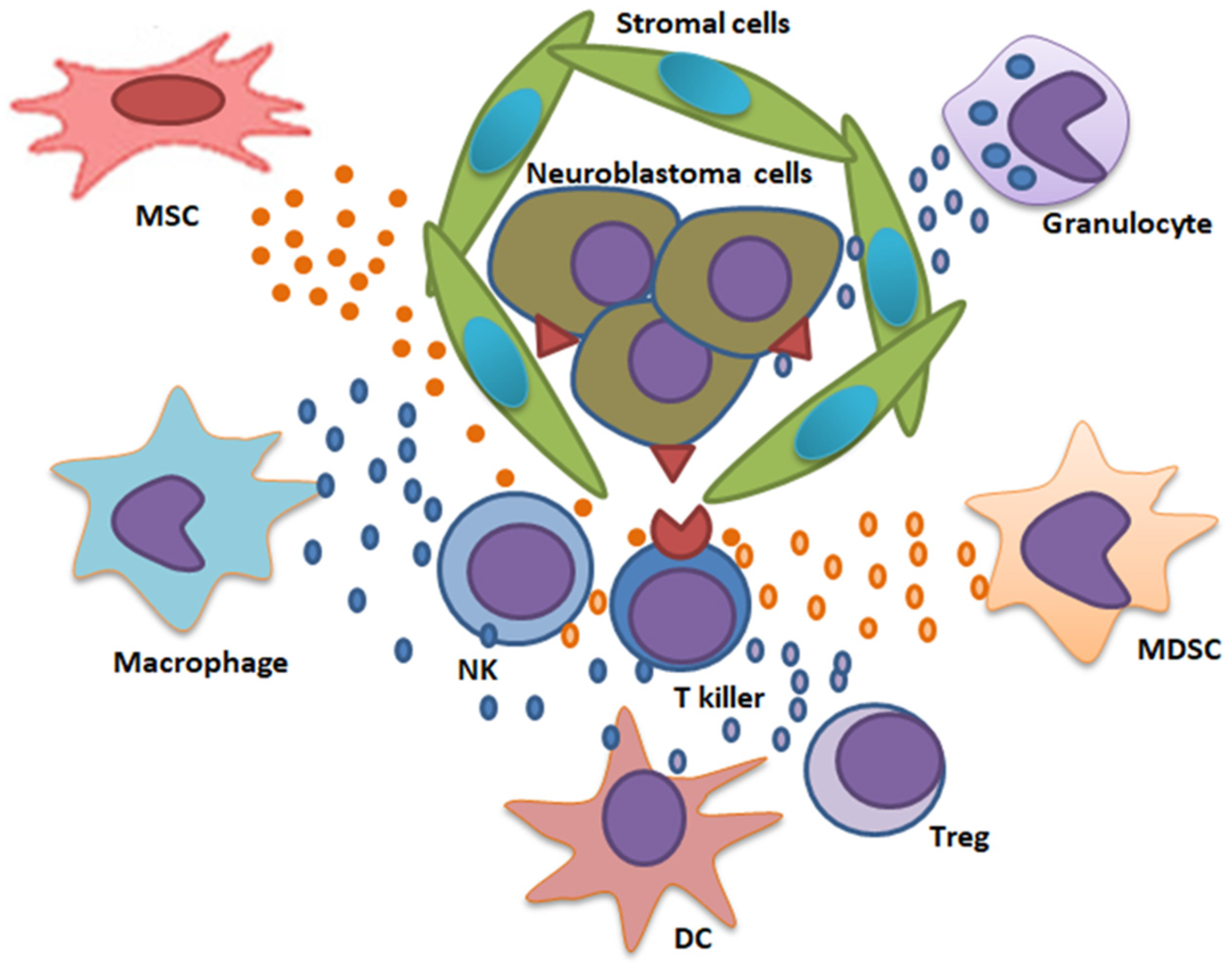
1.2. Tumor Microenvironment: A Critical Factor
1.2.1. Immune Cells
1.2.2. Non-Immune Cells and Components
2. Current Therapy
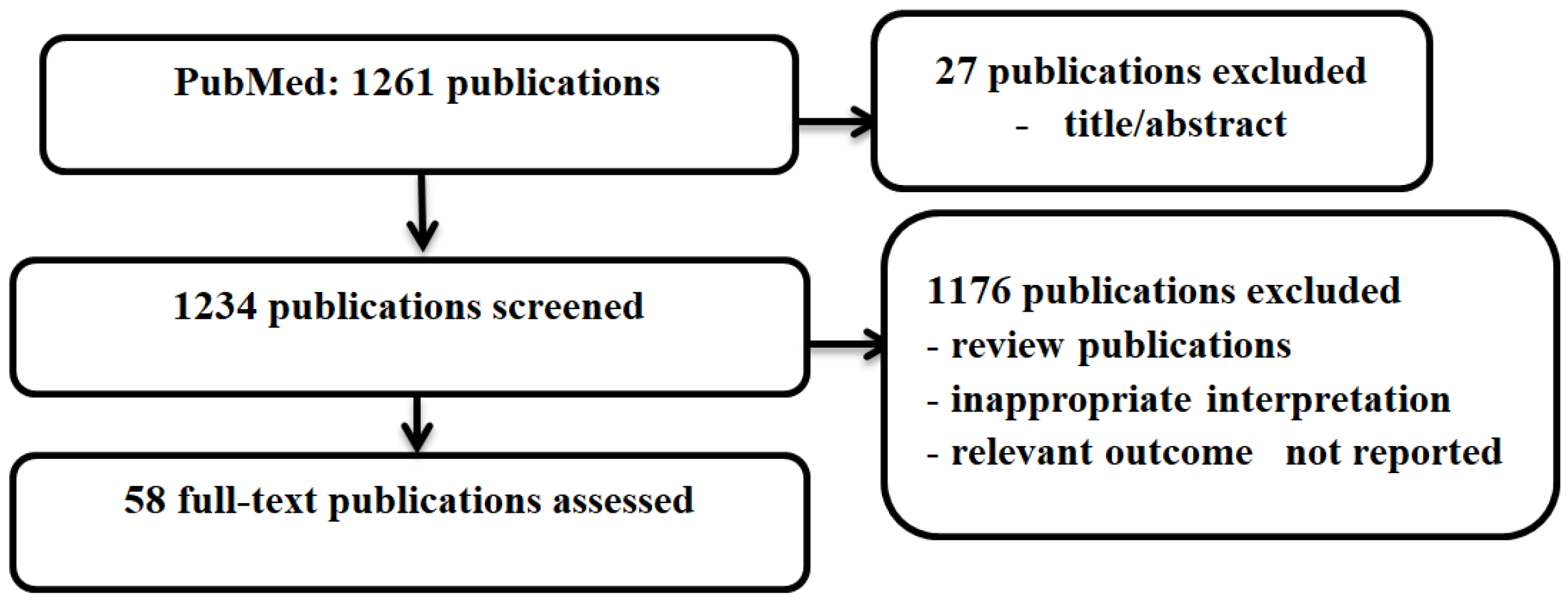
2.1. Search Strategy for the Relevant Therapy Reports
2.2. Anti-GD2 Immunotherapy
2.3. HSC Transplantation
2.4. Adoptive Immunotherapy
2.4.1. NK Cells
2.4.2. CAR Lymphocytes
2.4.3. TIL Therapy
3. Bioinformatics and Neuro-Antigen Discovery in the Tumor Microenvironment of Neuroblastoma
3.1. The Neuroblastoma Tumor Microenvironment and Immune Landscape
3.2. Neuro-Antigens: Developmentally Restricted Tumor Targets
3.3. Immunoinformatics Tools for Epitope Discovery
3.4. AI and Multi-Omics in Epitope Prioritization
4. Future Directions
5. Conclusions
Author Contributions
Funding
Institutional Review Board Statement
Informed Consent Statement
Data Availability Statement
Acknowledgments
Conflicts of Interest
Abbreviations
| ABMT | Autologous bone marrow transplantation |
| ADCC | Cell-mediated cytotoxicity |
| AML | Acute myeloid leukemia |
| ASCT | Autologous stem cell transplantation |
| CAF | Cancer-associated fibroblasts |
| CAR | Chimeric T cell receptor |
| CR | Complete response |
| DB | Dinutuximab beta |
| DC | Dendritic cell |
| EBV | Epstein–Barr virus |
| ECM | Extracellular matrix |
| EFS | Event-free survival |
| HIF | Hypoxia-inducible factor |
| GM-CSF | Granulocyte–macrophage colony-stimulating factor |
| GD2 | Disialoganglioside |
| HR-NB | High-risk neuroblastoma |
| haplo-HSCT | Haploidentical hematopoietic stem cell transplantation |
| IL-2 | Interleukin-2 |
| MDSC | Myeloid-derived suppressor cells |
| MHC-I | Main histocompatibility complex I |
| MTD | Maximum tolerated dose |
| mAb | Monoclonal antibody-based |
| NB | Neuroblastoma |
| NK | Natural killer |
| NKT | Natural killer T cells |
| OS | Overall survival |
| TAM | Tumor-associated macrophage |
| TIL | Tumor-infiltrating lymphocytes |
| TGF | Tumor growth factor |
| TME | Tumor microenvironment |
| Treg | Regulatory T cells |
| VEGF | Vascular endothelial growth factor |
References
- Colon, N.C.; Chung, D.H. Neuroblastoma. Adv. Pediatr. 2011, 58, 297–311. [Google Scholar] [CrossRef]
- Park, J.R.; Eggert, A.; Caron, H. Neuroblastoma: Biology, Prognosis, and Treatment. Hematol./Oncol. Clin. N. Am. 2010, 24, 65–86. [Google Scholar] [CrossRef] [PubMed]
- Borriello, L.; Seeger, R.C.; Asgharzadeh, S.; DeClerck, Y.A. More than the genes, the tumor microenvironment in neuroblastoma. Cancer Lett. 2016, 380, 304–314. [Google Scholar] [CrossRef] [PubMed]
- Liu, K.X.; Joshi, S. “Re-educating” Tumor Associated Macrophages as a Novel Immunotherapy Strategy for Neuroblastoma. Front. Immunol. 2020, 11, 1947. [Google Scholar] [CrossRef] [PubMed]
- Challagundla, K.B. Neuroblastoma; StatPearls Publishing: Treasure Island, FL, USA, 2025. Available online: https://www.ncbi.nlm.nih.gov/books/NBK448111/ (accessed on 2 February 2026).
- Blavier, L.; Yang, R.-M.; DeClerck, Y.A. The Tumor Microenvironment in Neuroblastoma: New Players, New Mechanisms of Interaction and New Perspectives. Cancers 2020, 12, 2912. [Google Scholar] [CrossRef]
- Masih, K.E.; Wei, J.S.; Milewski, D.; Khan, J. Exploring and Targeting the Tumor Immune Microenvironment of Neuroblastoma. J. Cell. Immunol. 2021, 3, 305–316. [Google Scholar] [CrossRef]
- Zadran, S.K.; Facchinello, N.; De Rosa, P.; Saporetti, R.; Costantini, P.E.; Ulfo, L.; Nigro, M.; Petrosino, A.; Pappagallo, L.; Aloisi, S.; et al. Systematic Targeting of GD2-Positive Neuroblastoma Tumors With a Photooncolytic Phage Nanovector Platform. Adv. Sci. 2025, 12, e15356. [Google Scholar] [CrossRef]
- Zhong, X.; Zhang, Y.; Wang, L.; Zhang, H.; Liu, H.; Liu, Y. Cellular components in tumor microenvironment of neuroblastoma and the prognostic value. PeerJ 2019, 7, e8017. [Google Scholar] [CrossRef]
- Asgharzadeh, S.; Salo, J.A.; Ji, L.; Oberthuer, A.; Fischer, M.; Berthold, F.; Hadjidaniel, M.; Liu, C.W.-Y.; Metelitsa, L.S.; Pique-Regi, R.; et al. Clinical Significance of Tumor-Associated Inflammatory Cells in Metastatic Neuroblastoma. J. Clin. Oncol. 2012, 30, 3525–3532. [Google Scholar] [CrossRef]
- Hashimoto, O.; Yoshida, M.; Koma, Y.; Yanai, T.; Hasegawa, D.; Kosaka, Y.; Nishimura, N.; Yokozaki, H. Collaboration of cancer-associated fibroblasts and tumour-associated macrophages for neuroblastoma development. J. Pathol. 2016, 240, 211–223. [Google Scholar] [CrossRef]
- Ara, T.; Nakata, R.; Sheard, M.A.; Shimada, H.; Buettner, R.; Groshen, S.G.; Ji, L.; Yu, H.; Jove, R.; Seeger, R.C.; et al. Critical Role of STAT3 in IL-6–Mediated Drug Resistance in Human Neuroblastoma. Cancer Res. 2013, 73, 3852–3864. [Google Scholar] [CrossRef]
- Stip, M.C.; Teeuwen, L.; Dierselhuis, M.P.; Leusen, J.H.W.; Krijgsman, D. Targeting the myeloid microenvironment in neuroblastoma. J. Exp. Clin. Cancer Res. 2023, 42, 337. [Google Scholar] [CrossRef]
- Noguera, R.; Fredlund, E.; Piqueras, M.; Pietras, A.; Beckman, S.; Navarro, S.; Påhlman, S. HIF-1α and HIF-2α Are Differentially Regulated In vivo in Neuroblastoma: High HIF-1α Correlates Negatively to Advanced Clinical Stage and Tumor Vascularization. Clin. Cancer Res. 2009, 15, 7130–7136. [Google Scholar] [CrossRef]
- Xu, Y.; Sun, J.; Sheard, M.A.; Tran, H.C.; Wan, Z.; Liu, W.Y.; Asgharzadeh, S.; Sposto, R.; Wu, H.W.; Seeger, R.C. Lenalidomide overcomes suppression of human natural killer cell anti-tumor functions by neuroblastoma microenvironment-associated IL-6 and TGFβ1. Cancer Immunol. Immunother. 2013, 62, 1637–1648. [Google Scholar] [CrossRef] [PubMed]
- Bottino, C.; Dondero, A.; Bellora, F.; Moretta, L.; Locatelli, F.; Pistoia, V.; Moretta, A.; Castriconi, R. Natural Killer Cells and Neuroblastoma: Tumor Recognition, Escape Mechanisms, and Possible Novel Immunotherapeutic Approaches. Front. Immunol. 2014, 5, 56. [Google Scholar] [CrossRef]
- Melaiu, O.; Chierici, M.; Lucarini, V.; Jurman, G.; Conti, L.A.; De Vito, R.; Boldrini, R.; Cifaldi, L.; Castellano, A.; Furlanello, C.; et al. Cellular and gene signatures of tumor-infiltrating dendritic cells and natural-killer cells predict prognosis of neuroblastoma. Nat. Commun. 2020, 11, 5992. [Google Scholar] [CrossRef] [PubMed]
- Inoue, S.; Horiuchi, Y.; Setoyama, Y.; Takeuchi, Y.; Beck, Y.; Murakami, T.; Odaka, A. Immune Checkpoint Inhibition Followed by Tumor Infiltration of Dendritic Cells in Murine Neuro-2a Neuroblastoma. J. Surg. Res. 2020, 253, 201–213. [Google Scholar] [CrossRef] [PubMed]
- Polychronopoulos, P.A.; Bedoya-Reina, O.C.; Johnsen, J.I. The Neuroblastoma Microenvironment, Heterogeneity and Immunotherapeutic Approaches. Cancers 2024, 16, 1863. [Google Scholar] [CrossRef]
- Joshi, S. Targeting the Tumor Microenvironment in Neuroblastoma: Recent Advances and Future Directions. Cancers 2020, 12, 2057. [Google Scholar] [CrossRef]
- Verhoeven, B.M.; Mei, S.; Olsen, T.K.; Gustafsson, K.; Valind, A.; Lindström, A.; Gisselsson, D.; Fard, S.S.; Hagerling, C.; Kharchenko, P.V.; et al. The immune cell atlas of human neuroblastoma. Cell Rep. Med. 2022, 3, 100657. [Google Scholar] [CrossRef]
- Li, K.; Shi, H.; Zhang, B.; Ou, X.; Ma, Q.; Chen, Y.; Shu, P.; Li, D.; Wang, Y. Myeloid-derived suppressor cells as immunosuppressive regulators and therapeutic targets in cancer. Signal Transduct. Target. Ther. 2021, 6, 362. [Google Scholar] [CrossRef] [PubMed]
- Mao, C.; Poimenidou, M.; Craig, B.T. Current Knowledge and Perspectives of Immunotherapies for Neuroblastoma. Cancers 2024, 16, 2865. [Google Scholar] [CrossRef] [PubMed]
- Shimada, H.; Ambros, I.M.; Dehner, L.P.; Hata, J.-i.; Joshi, V.V.; Roald, B. Terminology and morphologic criteria of neuroblastic tumors: Recommendations by the International Neuroblastoma Pathology Committee. Cancer 1999, 86, 349–363. [Google Scholar] [CrossRef]
- Zeine, R.; Salwen, H.R.; Peddinti, R.; Tian, Y.; Guerrero, L.; Yang, Q.; Chlenski, A.; Cohn, S.L. Presence of cancer-associated fibroblasts inversely correlates with Schwannian stroma in neuroblastoma tumors. Mod. Pathol. 2009, 22, 950–958. [Google Scholar] [CrossRef]
- Truong, D.Q.; Ho, B.T.; Chau, G.-C.; Pham, T.T.T.; Nakagawara, A.; Bui, C.-B. Collagen XI Alpha 1 (COL11A1) Expression in the Tumor Microenvironment Drives Neuroblastoma Dissemination. Pediatr. Dev. Pathol. 2021, 25, 91–98. [Google Scholar] [CrossRef]
- Luu, T.T.P.; Bui, B.C. Study on collagen type 11A1 and collagen type 4A1 expression in neuroblastoma. VNUHCM J. Health Sci. 2021, 2, 289–297. [Google Scholar] [CrossRef]
- Xu, S.; Xu, H.; Wang, W.; Li, S.; Li, H.; Li, T.; Zhang, W.; Yu, X.; Liu, L. The role of collagen in cancer: From bench to bedside. J. Transl. Med. 2019, 17, 309. [Google Scholar] [CrossRef]
- Horwacik, I. The Extracellular Matrix and Neuroblastoma Cell Communication—A Complex Interplay and Its Therapeutic Implications. Cells 2022, 11, 3172. [Google Scholar] [CrossRef]
- Lam, W.A.; Cao, L.; Umesh, V.; Keung, A.J.; Sen, S.; Kumar, S. Extracellular matrix rigidity modulates neuroblastoma cell differentiation and N-myc expression. Mol. Cancer 2010, 9, 35. [Google Scholar] [CrossRef]
- Curtin, C.; Nolan, J.; Conlon, R.; Deneweth, L.; Gallagher, C.; Tan, Y.; Cavanagh, B.; Asraf, A.; Harvey, H.; Miller-Delaney, S.; et al. A physiologically relevant 3D collagen-based scaffold–neuroblastoma cell system exhibits chemosensitivity similar to orthotopic xenograft models. Acta Biomater. 2018, 70, 84–97. [Google Scholar] [CrossRef]
- Bui, C.-B.; To, K.D.; Vu, D.M.; Nguyen, Q.-G.; Nguyen, H.T.; Nguyen, S.-B. Denatured collagen inhibits neuroblastoma tumor-sphere migration and growth via the LOX/LOXL2—FAK signaling pathway. J. Therm. Biol. 2023, 115, 103624. [Google Scholar] [CrossRef] [PubMed]
- Nguyen, G.Q.; Nguyen, K.D.; Nguyen, Q.T.; Pham, C.N.; Nguyen, B.S.; Bui, B.C.; Nguyen, B.S. Optimizing Fiber Laser Ablation for Enhancing the Tumor Microenvironment in Neuroblastoma. VNUHCM J. Health Sci. 2023, 4, 611–618. [Google Scholar] [CrossRef]
- Nguyen, D.K.; Nguyen, Q.G.; Nguyen, T.Q.; Bui, C.B.; Nguyen, S.B. Enhancing Immune Surveillance and Tumor Microenvironment Modulation in Neuroblastoma Through Thermal Laser Ablation via Single-Cell RNA Sequencing. In 10th International Conference on the Development of Biomedical Engineering in Vietnam; Springer: Cham, Switzerland, 2025; pp. 277–291. [Google Scholar] [CrossRef]
- ACSmaectASoCO (ASCO). Treating Neuroblastoma; American Cancer Society: Atlanta, GA, USA, 2025; Available online: https://www.cancer.org/cancer/types/neuroblastoma/treating.html (accessed on 2 February 2026).
- National Cancer Institute. FDA Approves First Therapy for High-Risk Neuroblastoma; National Cancer Institute: Bethesda, MD, USA, 2015. Available online: https://www.cancer.gov/news-events/cancer-currents-blog/2015/dinutuximab-neuroblastoma (accessed on 2 February 2026).
- Lode, H.; Valteau-Couanet, D.; Gray, J.; Luksch, R.; Wieczorek, A.; Castel, V.; Ash, S.; Laureys, G.; Papadakis, V.; Owens, C.; et al. Randomized use of anti-GD 2 antibody dinutuximab beta (DB) long-term infusion with and without subcutaneous interleukin-2 (scIL-2) in high-risk neuroblastoma patients with relapsed and refractory disease: Results from the SIOPEN LTI-trial. J. Clin. Oncol. 2019, 37, 10014. [Google Scholar] [CrossRef]
- Ladenstein, R.; Pötschger, U.; Valteau-Couanet, D.; Luksch, R.; Castel, V.; Yaniv, I.; Laureys, G.; Brock, P.; Michon, J.M.; Owens, C.; et al. Interleukin 2 with anti-GD2 antibody ch1418/CHO (dinutuximab beta) in patients with high-risk neuroblastoma (HR-NBL1/SIOPEN): A multicentre, randomised, phase 3 trial. Lancet Oncol. 2018, 19, 1617–1629. [Google Scholar] [CrossRef]
- Schumacher-Kuckelkorn, R.; Volland, R.; Gradehandt, A.; Hero, B.; Simon, T.; Berthold, F. Lack of immunocytological GD2 expression on neuroblastoma cells in bone marrow at diagnosis, during treatment, and at recurrence. Pediatr. Blood Cancer 2017, 64, 46–56. [Google Scholar] [CrossRef]
- Siebert, N.; Troschke-Meurer, S.; Marx, M.; Zumpe, M.; Ehlert, K.; Gray, J.; Garaventa, A.; Manzitti, C.; Ash, S.; Klingebiel, T.; et al. Impact of HACA on immunomodulation and treatment toxicity following ch14.18/CHO long-term infusion with interleukin-2: Results from a SIOPEN phase 2 trial. Cancers 2018, 10, 387. [Google Scholar] [CrossRef]
- Barone, G.; Barry, A.; Bautista, F.; Brichard, B.; Defachelles, A.S.; Herd, F.; Manzitti, C.; Reinhardt, D.; Rubio, P.M.; Wieczorek, A.; et al. Managing adverse events associated with dinutuximab beta treatment in patients with high-risk neuroblastoma: Practical guidance. Paediatr. Drugs 2021, 23, 537–548. [Google Scholar] [CrossRef]
- Ladenstein, R.L.; Poetschger, U.; Valteau-Couanet, D.; Gray, J.; Luksch, R.; Balwierz, W.; Castel, V.; Ash, S.; Popovic, M.B.; Laureys, G.; et al. Randomization of dose-reduced subcutaneous inter-leukin-2 (scIL2) in maintenance immunotherapy (IT) with anti-GD2 antibody dinutuximab beta (DB) long-term infusion (LTI) in front-line high-risk neuroblastoma patients: Early results from the HR-NBL1/SIOPEN trial. J. Clin. Oncol. 2019, 37, 10013. [Google Scholar]
- Lucchini, G.; Labopin, M.; Beohou, E.; Dalissier, A.; Dalle, J.H.; Cornish, J.; Zecca, M.; Samarasinghe, S.; Gibson, B.; Locatelli, F.; et al. Impact of Conditioning Regimen on Outcomes for Children with Acute Myeloid Leukemia Undergoing Transplantation in First Complete Remission. An Analysis on Behalf of the Pediatric Disease Working Party of the European Group for Blood and Marrow Transplantation. Biol. Blood Marrow Transplant. 2017, 23, 467–474. [Google Scholar] [CrossRef]
- Mora, J. Autologous Stem-Cell Transplantation for High-Risk Neuroblastoma: Historical and Critical Review. Cancers 2022, 14, 2572. [Google Scholar] [CrossRef]
- Haveman, L.M.; van Ewijk, R.; van Dalen, E.C.; Breunis, W.B.; Kremer, L.C.; Berg, H.v.D.; Dirksen, U.; Merks, J.H. High-dose chemotherapy followed by autologous haematopoietic cell transplantation for children, adolescents, and young adults with primary metastatic Ewing sarcoma. Cochrane Database Syst. Rev. 2021, 2021, CD011405. [Google Scholar] [CrossRef]
- Sauerbrey, A.; Bielack, S.; Kempf-Bielack, B.; Zoubek, A.; Paulussen, M.; Zintl, F. High-dose chemotherapy (HDC) and autologous hematopoietic stem cell transplantation (ASCT) as salvage therapy for relapsed osteosarcoma. Bone Marrow Transplant. 2001, 27, 933–937. [Google Scholar] [CrossRef] [PubMed][Green Version]
- Häberle, B.; Maxwell, R.; von Schweinitz, D.; Schmid, I. High Dose Chemotherapy with Autologous Stem Cell Transplantation in Hepatoblastoma does not Improve Outcome. Results of the GPOH Study HB99. Klin. Pädiatrie 2019, 231, 283–290. [Google Scholar] [CrossRef] [PubMed]
- Park, J.R.; Kreissman, S.G.; London, W.B.; Naranjo, A.; Cohn, S.L.; Hogarty, M.D.; Tenney, S.C.; Haas-Kogan, D.; Shaw, P.J.; Kraveka, J.M.; et al. Effect of Tandem Autologous Stem Cell Transplant vs Single Transplant on Event-Free Survival in Patients With High-Risk Neuroblastoma. JAMA 2019, 322, 746–755. [Google Scholar] [CrossRef]
- Ladenstein, R.; Pötschger, U.; Hartman, O.; Pearson, A.D.J.; Klingebiel, T.; Castel, V.; Yaniv, I.; Demirer, T.; Dini, G.; EBMT Paediatric Working Party. 28 years of high-dose therapy and SCT for neuroblastoma in Europe: Lessons from more than 4000 procedures. Bone Marrow Transplant. 2008, 41, S118–S127. [Google Scholar] [CrossRef]
- Park, J.R.; Villablanca, J.G.; London, W.B.; Gerbing, R.B.; Haas-Kogan, D.; Adkins, E.S.; Attiyeh, E.F.; Maris, J.M.; Seeger, R.C.; Reynolds, C.P.; et al. Outcome of high-risk stage 3 neuroblastoma with myeloablative therapy and 13-cis-retinoic acid: A report from the Children’s Oncology Group. Pediatr. Blood Cancer 2009, 52, 44–50. [Google Scholar] [CrossRef] [PubMed] [PubMed Central]
- Ladenstein, R.; Pötschger, U.; Valteau-Couanet, D.; Luksch, R.; Castel, V.; Ash, S.; Laureys, G.; Brock, P.; Michon, J.M.; Owens, C.; et al. Investigation of the Role of Dinutuximab Beta-Based Immunotherapy in the SIOPEN High-Risk Neuroblastoma 1 Trial (HR-NBL1). Cancers 2020, 12, 309. [Google Scholar] [CrossRef]
- Tsirigotis, P.D.; Resnick, I.B.; Shapira, M.Y. The role of natural killer cells in hematopoietic stem cell transplantation. Ann. Med. 2011, 44, 130–145. [Google Scholar] [CrossRef]
- Bird, N.; Scobie, N.; Palmer, A.; Ludwinski, D. To transplant, or not to transplant? That is the question. A patient advocate evaluation of autologous stem cell transplant in neuroblastoma. Pediatr. Blood Cancer 2022, 69, e29663. [Google Scholar] [CrossRef]
- A Ratko, T.; E Belinson, S.; Brown, H.M.; Noorani, H.Z.; Chopra, R.D.; Marbella, A.; Samson, D.J.; Bonnell, C.J.; Ziegler, K.M.; Aronson, N. Hematopoietic Stem-Cell Transplantation in the Pediatric Population [Internet]; Report No.: 12-EHC018-EF; Agency for Healthcare Research and Quality (US): Rockville, MD, USA, 2012. [Google Scholar] [PubMed]
- Vivier, E.; Raulet, D.H.; Moretta, A.; Caligiuri, M.A.; Zitvogel, L.; Lanier, L.L.; Yokoyama, W.M.; Ugolini, S. Innate or Adaptive Immunity? The Example of Natural Killer Cells. Science 2011, 331, 44–49. [Google Scholar] [CrossRef]
- Prigione, I.; Corrias, M.V.; Airoldi, I.; Raffaghello, L.; Morandi, F.; Bocca, P.; Cocco, C.; Ferrone, S.; Pistoia, V. Immunogenicity of Human Neuroblastoma. Ann. N. Y. Acad. Sci. 2004, 1028, 69–80. [Google Scholar] [CrossRef]
- Furman, W.L.; McCarville, B.; Shulkin, B.L.; Davidoff, A.; Krasin, M.; Hsu, C.-W.; Pan, H.; Wu, J.; Brennan, R.; Bishop, M.W.; et al. Improved Outcome in Children With Newly Diagnosed High-Risk Neuroblastoma Treated with Chemoimmunotherapy: Updated Results of a Phase II Study Using hu14.18K322A. J. Clin. Oncol. 2022, 40, 335–344. [Google Scholar] [CrossRef]
- Yu, A.L.; Gilman, A.L.; Ozkaynak, M.F.; London, W.B.; Kreissman, S.G.; Chen, H.X.; Smith, M.; Anderson, B.; Villablanca, J.G.; Matthay, K.K.; et al. Anti-GD2 Antibody with GM-CSF, Interleukin-2, and Isotretinoin for Neuroblastoma. N. Engl. J. Med. 2010, 363, 1324–1334. [Google Scholar] [CrossRef]
- Van Elssen, C.H.M.J.; Ciurea, S.O. NK cell therapy after hematopoietic stem cell transplantation: Can we improve anti-tumor effect? Int. J. Hematol. 2018, 107, 151–156. [Google Scholar] [CrossRef] [PubMed]
- Barry, W.; Jackson, J.R.; Asuelime, G.E.; Wu, H.-W.; Sun, J.; Wan, Z.; Malvar, J.; Sheard, M.A.; Wang, L.; Seeger, R.C.; et al. Activated Natural Killer Cells in Combination with Anti-GD2 Antibody Dinutuximab Improve Survival of Mice after Surgical Resection of Primary Neuroblastoma. Clin. Cancer Res. 2019, 25, 325–333. [Google Scholar] [CrossRef] [PubMed]
- Mohseni, R.; Sharif, P.M.; Behfar, M.; Shojaei, S.; Shoae-Hassani, A.; Jafari, L.; Khosravi, A.; Nikfetrat, Z.; Hamidieh, A.A. Phase I study of safety and efficacy of allogeneic natural killer cell therapy in relapsed/refractory neuroblastomas post autologous hematopoietic stem cell transplantation. Sci. Rep. 2024, 14, 20971. [Google Scholar] [CrossRef] [PubMed]
- Rostami, T.; Ahmadvand, M.; Azari, M.; Kasaeian, A.; Chahardouli, B.; Nia, M.R.S.; Azari, M.; Rostami, M.R.; Ahangar-Sirous, R.; Kiumarsi, A.; et al. Ex vivo-expanded and activated haploidentical natural killer cells infusion before autologous stem cell transplantation in high-risk neuroblastoma: A phase I/II pilot study. Cancer Immunol. Immunother. 2025, 74, 160. [Google Scholar] [CrossRef]
- Nguyen, R.; Sahr, N.; Sykes, A.; McCarville, M.B.; Federico, S.M.; Sooter, A.; Cullins, D.; Rooney, B.; E Janssen, W.; Talleur, A.C.; et al. Longitudinal NK cell kinetics and cytotoxicity in children with neuroblastoma enrolled in a clinical phase II trial. J. Immunother. Cancer 2020, 8, e000176. [Google Scholar] [CrossRef]
- Kanold, J.; Paillard, C.; Tchirkov, A.; Lang, P.; Kelly, A.; Halle, P.; Isfan, F.; Merlin, E.; Marabelle, A.; Rochette, E.; et al. NK Cell immunotherapy for high-risk neuroblastoma relapse after haploidentical HSCT. Pediatr. Blood Cancer 2011, 59, 739–742. [Google Scholar] [CrossRef]
- Talleur, A.C.; Triplett, B.M.; Federico, S.; Mamcarz, E.; Janssen, W.; Wu, J.; Shook, D.; Leung, W.; Furman, W.L. Consolidation Therapy for Newly Diagnosed Pediatric Patients with High-Risk Neuroblastoma Using Busulfan/Melphalan, Autologous Hematopoietic Cell Transplantation, Anti-GD2 Antibody, Granulocyte-Macrophage Colony–Stimulating Factor, Interleukin-2, and Haploidentical Natural Killer Cells. Biol. Blood Marrow Transplant. 2017, 23, 1910–1917. [Google Scholar] [CrossRef]
- Federico, S.M.; McCarville, M.B.; Shulkin, B.L.; Sondel, P.M.; Hank, J.A.; Hutson, P.; Meagher, M.; Shafer, A.; Ng, C.Y.; Leung, W.; et al. A Pilot Trial of Humanized Anti-GD2 Monoclonal Antibody (hu14.18K322A) with Chemotherapy and Natural Killer Cells in Children with Recurrent/Refractory Neuroblastoma. Clin. Cancer Res. 2017, 23, 6441–6449. [Google Scholar] [CrossRef]
- Anderson, J.; Majzner, R.G.; Sondel, P.M. Immunotherapy of Neuroblastoma: Facts and Hopes. Clin. Cancer Res. 2022, 28, 3196–3206. [Google Scholar] [CrossRef] [PubMed]
- Park, J.H.; Rivière, I.; Gonen, M.; Wang, X.; Sénéchal, B.; Curran, K.J.; Sauter, C.; Wang, Y.; Santomasso, B.; Mead, E.; et al. Long-Term Follow-up of CD19 CAR Therapy in Acute Lymphoblastic Leukemia. N. Engl. J. Med. 2018, 378, 449–459. [Google Scholar] [CrossRef] [PubMed]
- Pule, M.A.; Savoldo, B.; Myers, G.D.; Rossig, C.; Russell, H.V.; Dotti, G.; Huls, M.H.; Liu, E.; Gee, A.P.; Mei, Z.; et al. Virus-specific T cells engineered to coexpress tumor-specific receptors: Persistence and antitumor activity in individuals with neuroblastoma. Nat. Med. 2008, 14, 1264–1270. [Google Scholar] [CrossRef] [PubMed]
- Louis, C.U.; Savoldo, B.; Dotti, G.; Pule, M.; Yvon, E.; Myers, G.D.; Rossig, C.; Russell, H.V.; Diouf, O.; Liu, E.; et al. Antitumor activity and long-term fate of chimeric antigen receptor–positive T cells in patients with neuroblastoma. Blood 2011, 118, 6050–6056. [Google Scholar] [CrossRef]
- Straathof, K.; Flutter, B.; Wallace, R.; Jain, N.; Loka, T.; Depani, S.; Wright, G.; Thomas, S.; Cheung, G.W.-K.; Gileadi, T.; et al. Antitumor activity without on-target off-tumor toxicity of GD2–chimeric antigen receptor T cells in patients with neuroblastoma. Sci. Transl. Med. 2020, 12, eabd6169. [Google Scholar] [CrossRef]
- Yu, L.; Huang, L.; Lin, D.; Lai, X.; Wu, L.; Liao, X.; Liu, J.; Zeng, Y.; Liang, L.; Zhang, G.; et al. GD2-specific chimeric antigen receptor-modified T cells for the treatment of refractory and/or recurrent neuroblastoma in pediatric patients. J. Cancer Res. Clin. Oncol. 2021, 148, 2643–2652. [Google Scholar] [CrossRef]
- Li, C.-H.; Sharma, S.; Heczey, A.A.; Woods, M.L.; Steffin, D.H.M.; Louis, C.U.; Grilley, B.J.; Thakkar, S.G.; Wu, M.; Wang, T.; et al. Long-term outcomes of GD2-directed CAR-T cell therapy in patients with neuroblastoma. Nat. Med. 2025, 31, 1125–1129. [Google Scholar] [CrossRef]
- Li, C.H.; Sharma, S.; Heczey, A.A.; Woods, M.L.; Steffin, D.H.M.; Louis, C.U.; Grilley, B.J.; Thakkar, S.G.; Wu, M.; Wang, T.; et al. Eighteen-year survival after GD2-directed Chimeric Antigen Receptor-Modified Immune Effector Cell Treatment for Neuroblastoma. Res. Sq. 2024, preprint. [Google Scholar] [CrossRef]
- Kriegsmann, K.; Kriegsmann, M.; von Bergwelt-Baildon, M.; Cremer, M.; Witzens-Harig, M. NKT cells—New players in CAR cell immunotherapy? Eur. J. Haematol. 2018, 101, 750–757. [Google Scholar] [CrossRef]
- Heczey, A.; Courtney, A.N.; Montalbano, A.; Robinson, S.; Liu, K.; Li, M.; Ghatwai, N.; Dakhova, O.; Liu, B.; Raveh-Sadka, T.; et al. Anti-GD2 CAR-NKT cells in patients with relapsed or refractory neuroblastoma: An interim analysis. Nat. Med. 2020, 26, 1686–1690. [Google Scholar] [CrossRef] [PubMed]
- Del Bufalo, F.; De Angelis, B.; Caruana, I.; Del Baldo, G.; De Ioris, M.A.; Serra, A.; Mastronuzzi, A.; Cefalo, M.G.; Pagliara, D.; Amicucci, M.; et al. GD2-CART01 for Relapsed or Refractory High-Risk Neuroblastoma. N. Engl. J. Med. 2023, 388, 1284–1295. [Google Scholar] [CrossRef] [PubMed]
- Ma, Y.; Su, X.; Feng, H. Novel tumor-infiltrating lymphocytes therapy in solid tumors: Latest updates from 2025 ASCO annual meeting. Exp. Hematol. Oncol. 2025, 14, 121. [Google Scholar] [CrossRef] [PubMed]
- Frosch, J.; Leontari, I.; Anderson, J. Combined Effects of Myeloid Cells in the Neuroblastoma Tumor Microenvironment. Cancers 2021, 13, 1743. [Google Scholar] [CrossRef] [PubMed]
- Carlson, L.-M.; De Geer, A.; Sveinbjørnsson, B.; Orrego, A.; Martinsson, T.; Kogner, P.; Levitskaya, J. The microenvironment of human neuroblastoma supports the activation of tumor-associated T lymphocytes. OncoImmunology 2013, 2, e23618. [Google Scholar] [CrossRef]
- Olle Hurtado, M.O.; Wolbert, J.; Fisher, J.; Flutter, B.; Stafford, S.; Barton, J.; Jain, N.; Barone, G.; Majani, Y.; Anderson, J. Tumor infiltrating lymphocytes expanded from pediatric neuroblastoma display heterogeneity of phenotype and function. PLoS ONE 2019, 14, e0216373. [Google Scholar] [CrossRef]
- Radvanyi, L.G.; Bernatchez, C.; Zhang, M.; Fox, P.S.; Miller, P.; Chacon, J.; Wu, R.; Lizee, G.; Mahoney, S.; Alvarado, G.; et al. Specific Lymphocyte Subsets Predict Response to Adoptive Cell Therapy Using Expanded Autologous Tumor-Infiltrating Lymphocytes in Metastatic Melanoma Patients. Clin. Cancer Res. 2012, 18, 6758–6770. [Google Scholar] [CrossRef]
- Matthay, K.K.; Maris, J.M.; Schleiermacher, G.; Nakagawara, A.; Mackall, C.L.; Diller, L.; Weiss, W.A. Neuroblastoma. Nat. Rev. Dis. Primers 2016, 2, 16078. [Google Scholar] [CrossRef]
- DuBois, S.G.; Moreno, L.; Anderson, J.; Asgharzadeh, S.; Bagatell, R.; Beck-Popovic, M.; Belle, J.; Berlanga, P.; Bird, N.J.; Chesler, L.; et al. Accelerating Drug Development for Neuroblastoma: Consensus Statement from the Third Neuroblastoma Drug Development Strategy Forum. Pediatr. Blood Cancer 2025, 72, e31831. [Google Scholar] [CrossRef]
- Pinto, N.R.; Applebaum, M.A.; Volchenboum, S.L.; Matthay, K.K.; London, W.B.; Ambros, P.F.; Nakagawara, A.; Berthold, F.; Schleiermacher, G.; Park, J.R.; et al. Advances in Risk Classification and Treatment Strategies for Neuroblastoma. J. Clin. Oncol. 2015, 33, 3008–3017. [Google Scholar] [CrossRef]
- Baldari, S.; Di Modugno, F.; Nisticò, P.; Toietta, G. Strategies for Efficient Targeting of Tumor Collagen for Cancer Therapy. Cancers 2022, 14, 4706. [Google Scholar] [CrossRef] [PubMed]
- Valentijn, L.J.; Koster, J.; Zwijnenburg, D.A.; Hasselt, N.E.; Van Sluis, P.; Volckmann, R.; Van Noesel, M.M.; George, R.E.; Tytgat, G.A.M.; Molenaar, J.J.; et al. TERT rearrangements are frequent in neuroblastoma and identify aggressive tumors. Nat. Genet. 2015, 47, 1411–1414. [Google Scholar] [CrossRef] [PubMed]
- Cheung, N.-K.V.; Dyer, M.A. Neuroblastoma: Developmental biology, cancer genomics and immunotherapy. Nat. Rev. Cancer 2013, 13, 397–411. [Google Scholar] [CrossRef] [PubMed]
- Mosse, Y.P.; Laudenslager, M.; Khazi, D.; Carlisle, A.J.; Winter, C.L.; Rappaport, E.; Maris, J.M. Germline PHOX2B Mutation in Hereditary Neuroblastoma. Am. J. Hum. Genet. 2004, 75, 727–730. [Google Scholar] [CrossRef]
- Shusterman, S.; London, W.B.; Gillies, S.D.; Hank, J.A.; Voss, S.D.; Seeger, R.C.; Reynolds, C.P.; Kimball, J.; Albertini, M.R.; Wagner, B.; et al. Antitumor Activity of Hu14.18-IL2 in Patients With Relapsed/Refractory Neuroblastoma: A Children’s Oncology Group (COG) Phase II Study. J. Clin. Oncol. 2010, 28, 4969–4975. [Google Scholar] [CrossRef]
- Yang, J.; Zhou, J.; Li, C.; Wang, S. Integrated analysis of the functions and prognostic values of RNA-binding proteins in neuroblastoma. PLoS ONE 2021, 16, e0260876. [Google Scholar] [CrossRef]
- Reynisson, B.; Alvarez, B.; Paul, S.; Peters, B.; Nielsen, M. NetMHCpan-4.1 and NetMHCIIpan-4.0: Improved predictions of MHC antigen presentation by concurrent motif deconvolution and integration of MS MHC eluted ligand data. Nucleic Acids Res. 2020, 48, W449–W454. [Google Scholar] [CrossRef]
- O’DOnnell, T.J.; Rubinsteyn, A.; Bonsack, M.; Riemer, A.B.; Laserson, U.; Hammerbacher, J. MHCflurry: Open-Source Class I MHC Binding Affinity Prediction. Cell Syst. 2018, 7, 129–132.e4. [Google Scholar] [CrossRef]
- Vita, R.; Blazeska, N.; Marrama, D.; Members, I.C.T.; Shackelford, D.; Zalman, L.; Foos, G.; Zarebski, L.; Chan, K.; Reardon, B.; et al. The Immune Epitope Database (IEDB): 2024 update. Nucleic Acids Res. 2024, 53, D436–D443. [Google Scholar] [CrossRef]
- Rammensee, H.-G.; Bachmann, J.; Emmerich, N.P.N.; Bachor, O.A.; Stevanović, S. SYFPEITHI: Database for MHC ligands and peptide motifs. Immunogenetics 1999, 50, 213–219. [Google Scholar] [CrossRef]
- A Doytchinova, I.; Flower, D.R. VaxiJen: A server for prediction of protective antigens, tumour antigens and subunit vaccines. BMC Bioinform. 2007, 8, 4. [Google Scholar] [CrossRef]
- Dimitrov, I.; Bangov, I.; Flower, D.R.; Doytchinova, I. AllerTOP v.2—A server for in silico prediction of allergens. J. Mol. Model. 2014, 20, 2278. [Google Scholar] [CrossRef] [PubMed]
- Zhang, H.; Lund, O.; Nielsen, M. The PickPocket method for predicting binding specificities for receptors based on receptor pocket similarities: Application to MHC-peptide binding. Bioinformatics 2009, 25, 1293–1299. [Google Scholar] [CrossRef] [PubMed]
- Liu, Q.; Wang, Z.; Jiang, Y.; Shao, F.; Ma, Y.; Zhu, M.; Luo, Q.; Bi, Y.; Cao, L.; Peng, L.; et al. Single-cell landscape analysis reveals distinct regression trajectories and novel prognostic biomarkers in primary neuroblastoma. Genes Dis. 2022, 9, 1624–1638. [Google Scholar] [CrossRef] [PubMed]
- Bassani-Sternberg, M.; Gfeller, D. Unsupervised HLA Peptidome Deconvolution Improves Ligand Prediction Accuracy and Predicts Cooperative Effects in Peptide–HLA Interactions. J. Immunol. 2016, 197, 2492–2499. [Google Scholar] [CrossRef]
- Wu, J.; Wang, W.; Zhang, J.; Zhou, B.; Zhao, W.; Su, Z.; Gu, X.; Wu, J.; Zhou, Z.; Chen, S. DeepHLApan: A Deep Learning Approach for Neoantigen Prediction Considering Both HLA-Peptide Binding and Immunogenicity. Front. Immunol. 2019, 10, 2559. [Google Scholar] [CrossRef]
- Shao, X.M.; Bhattacharya, R.; Huang, J.; Sivakumar, I.A.; Tokheim, C.; Zheng, L.; Hirsch, D.; Kaminow, B.; Omdahl, A.; Bonsack, M.; et al. High-Throughput Prediction of MHC Class I and II Neoantigens with MHCnuggets. Cancer Immunol. Res. 2020, 8, 396–408. [Google Scholar] [CrossRef]
- Racle, J.; Gfeller, D. EPIC: A Tool to Estimate the Proportions of Different Cell Types from Bulk Gene Expression Data. Methods Mol. Biol. 2020, 2120, 233–248. [Google Scholar] [CrossRef]
- Suri, S.; Dakshanamurthy, S. IntegralVac: A Machine Learning-Based Comprehensive Multivalent Epitope Vaccine Design Method. Vaccines 2022, 10, 1678. [Google Scholar] [CrossRef]
- Shrungare, S.S.; Dube, P.; Aher, A.; Thitame, S. An AI-enabled single-cell approach to analyze the cancer immune microenvironment. Int. J. Biol. Sci. 2025, 7, 238–345. [Google Scholar] [CrossRef]
- Davalos, O.A.; Heydari, A.A.; Fertig, E.J.; Sindi, S.S.; Hoyer, K.K. Boosting single-cell RNA sequencing analysis with simple neural attention. bioRxiv 2023. [Google Scholar] [CrossRef]
- De Mattos-Arruda, L.; Vazquez, M.; Finotello, F.; Lepore, R.; Porta, E.; Hundal, J.; Amengual-Rigo, P.; Ng, C.K.Y.; Valencia, A.; Carrillo, J.; et al. Neoantigen prediction and computational perspectives towards clinical benefit: Recommendations from the ESMO Precision Medicine Working Group. Ann. Oncol. 2020, 31, 978–990. [Google Scholar] [CrossRef]
- King, E.; Struck, R.; Piskareva, O. The triad in current neuroblastoma challenges: Targeting antigens, enhancing effective cytotoxicity and accurate 3D in vitro modelling. Transl. Oncol. 2025, 51, 102176. [Google Scholar] [CrossRef]



| Study, Cells, Ref. | Patients, n | Diagnosis | Additional Therapy | Response |
|---|---|---|---|---|
| Phase I. GD2-CAR-T cells, 1.2 × 10⁷–3.1 × 10⁸ cells/m2 [70] | 19 | HR-NB | EBV-specific CTL | OS: 931 days CR: 16%. |
| Phase I. GD2-CAR-T cells, 108 cells/m2 [71] | 12 | R/R NB | N/A | No ORR |
| Phase I. 4SCAR-GD2 T cell, 0.13–34 × 106 cells/kg [72] | 10 | R/R NB | N/A | 6: SD at 6 mon 4: SD at 1 year OS: 25 mon PFS: 8 mon |
| Phase I. GD2-CAR-T cells, 2 × 10⁷ cells/m2 [73] | 11 | HR-NB | EBV-specific T-lymphocytes | 3: CR at 8 mon |
| Phase I. GD2-CAR NKT, 3 × 10⁶–1 × 10⁹ cells/kg [76] | 12 | R/R NB | N/A | ORR: 25% |
| Phase I/II. GD2-CART01 expressing the inducible caspase 9 suicide gene. 3–10 × 106 cells/kg [77] | 27 | R/R NB | N/A | ORR: 63% CR: 9 pts PR: 8pts |
| Phase I. Allogeneic NK, 1 and 5 × 10⁷ cells/kg [61] | 4 | HR-NB | auto-HSCT | >20 mon |
| Activated haploidentical natural killer cells. Phase I/II pilot study, 1 × 10⁶ CD56+ cells/kg [62] | 5 | HR-NB | auto-HSCT, High-activity (8.8–14.2 mCi/kg) 131I-MIBG | 6 mon after auto-HSCT, CR: all patients |
| Pilot trial. Humanized Anti-GD2 mAb with chemotherapy and NK, 4.7 × 10⁶ to 59.5 × 10⁶ CD56+ cells/kg [66] | 13 | R/R NB | Anti-GD2 mAb with chemotherapy | ORR: 61.5%, CR + VGPR: 38.5% |
| Phase I. Adoptive immunotherapy with haploidentical NK and Anti-GD2 mAb, 1 × 10⁶–50 × 106 CD3-CD56+ cells/kg [65] | 30 | R/R NB | Anti-GD2 mAb | CR + PR: 29% |
| Antigen | Function | Expression in NB | Therapeutic Potential | Reference |
|---|---|---|---|---|
| PHOX2B | Transcription factor | High | Vaccine, TCR therapy | [89] |
| TH | Catecholamine biosynthesis | High | Immune marker | [90] |
| GD2 synthase | Ganglioside GD2 biosynthesis | High | CAR-T therapy | [90] |
| GAP43 | Axonal growth cone marker | Moderate | Peptide-based immunotherapy | [91] |
| ALDH1A2 | Retinoic acid biosynthesis | Moderate | Neoantigen candidate | [91] |
| Tool | Main Function | Target MHC Class | Strengths | Reference |
|---|---|---|---|---|
| NetMHCpan 4.0 | Predicts peptide–HLA binding affinity | I, II | Pan-specific, MS data-integrated, high accuracy | [92] |
| MHCflurry 2.0 | Machine learning epitope prediction | I | Combines presentation and processing model | [93] |
| IEDB Tools 3.0 | Epitope binding, processing, clustering | I, II | Broadly validated, widely used, integrates multiple methods | [94] |
| SYFPEITHI | Motif-based epitope prediction | I | Simple interface, motif-based approach | [95] |
| VaxiJen 2.0 | Antigenicity prediction (alignment-free) | N/A | Fast, good for tumor antigen screening | [96] |
| AllerTOP v.2 | Allergenicity classification based on auto-cross covariance | N/A | Supports filtering potential allergens | [97] |
| PickPocket | Binding affinity prediction using pocket similarity | I | Works with limited data, complement to NetMHCpan | [98] |
| IEDB Population Coverage Tool 3.0 | Population-specific HLA coverage analysis | I, II | Key for evaluating candidate global applicability | [94] |
| Framework | Key Features | Application in Neuroblastoma | Reference |
|---|---|---|---|
| DeepHLApan | Deep learning for MHC binding | Epitope ranking across HLAs | [101] |
| MHCnuggets | LSTM model for class I/II prediction | Tumor antigen prioritization | [102] |
| EPIC | Expression-integrated epitope predictor | Immunogenicity scoring | [103] |
| DeepVacPred | Immunogenicity + physiochemical encoding | Neoantigen candidate selection | [104] |
| scANNA | AI-enabled single-cell antigen presentation | TME-specific antigen mapping | [106] |
Disclaimer/Publisher’s Note: The statements, opinions and data contained in all publications are solely those of the individual author(s) and contributor(s) and not of MDPI and/or the editor(s). MDPI and/or the editor(s) disclaim responsibility for any injury to people or property resulting from any ideas, methods, instructions or products referred to in the content. |
© 2026 by the authors. Licensee MDPI, Basel, Switzerland. This article is an open access article distributed under the terms and conditions of the Creative Commons Attribution (CC BY) license.
Share and Cite
Shubina, I.Z.; Bui, C.-B.; Nguyen, T.L.; Kazantsev, A.P.; Nguyen, D.K.; Nguyen, Q.G.; Tran, K.T.; Burlaka, N.A.; Sokolov, N.Y.; Kirgizov, K.I.; et al. Tumor Microenvironment in Neuroblastoma and Immunotherapeutic Approaches: Towards More Effective Treatment. Cancers 2026, 18, 1079. https://doi.org/10.3390/cancers18071079
Shubina IZ, Bui C-B, Nguyen TL, Kazantsev AP, Nguyen DK, Nguyen QG, Tran KT, Burlaka NA, Sokolov NY, Kirgizov KI, et al. Tumor Microenvironment in Neuroblastoma and Immunotherapeutic Approaches: Towards More Effective Treatment. Cancers. 2026; 18(7):1079. https://doi.org/10.3390/cancers18071079
Chicago/Turabian StyleShubina, Irina Zh., Chi-Bao Bui, Truc Ly Nguyen, Anatoly P. Kazantsev, Duy Khang Nguyen, Quynh Giang Nguyen, Khang Thinh Tran, Natalya A. Burlaka, Nikolay Yu. Sokolov, Kirill I. Kirgizov, and et al. 2026. "Tumor Microenvironment in Neuroblastoma and Immunotherapeutic Approaches: Towards More Effective Treatment" Cancers 18, no. 7: 1079. https://doi.org/10.3390/cancers18071079
APA StyleShubina, I. Z., Bui, C.-B., Nguyen, T. L., Kazantsev, A. P., Nguyen, D. K., Nguyen, Q. G., Tran, K. T., Burlaka, N. A., Sokolov, N. Y., Kirgizov, K. I., Varfolomeeva, S. R., & Kiselevskiy, M. V. (2026). Tumor Microenvironment in Neuroblastoma and Immunotherapeutic Approaches: Towards More Effective Treatment. Cancers, 18(7), 1079. https://doi.org/10.3390/cancers18071079