Article

BLF1 Affects ATP Hydrolysis Catalyzed by Native and Mutated eIF4A1 and eIF4A2 Proteins

1
Department of Clinical Microbiology and Immunology, College of Pharmacy and Medical Laboratory, Army Medical University (Third Military Medical University), Chongqing 400038, China
2
Department of Biochemistry and Molecular Biology, School of Basic Medicine, Army Medical University (Third Military Medical University), Chongqing 400038, China
3
Department of Microbiology and Biochemical Pharmacy, College of Pharmacy and Medical Laboratory, Army Medical University (Third Military Medical University), Chongqing 400038, China
4
College of Medical Technology, Chengdu University of Traditional Chinese Medicine, Chengdu 611137, China
*
Author to whom correspondence should be addressed.
Toxins 2025, 17(5), 232; https://doi.org/10.3390/toxins17050232

Submission received: 6 March 2025 / Revised: 30 April 2025 / Accepted: 3 May 2025 / Published: 7 May 2025

Abstract

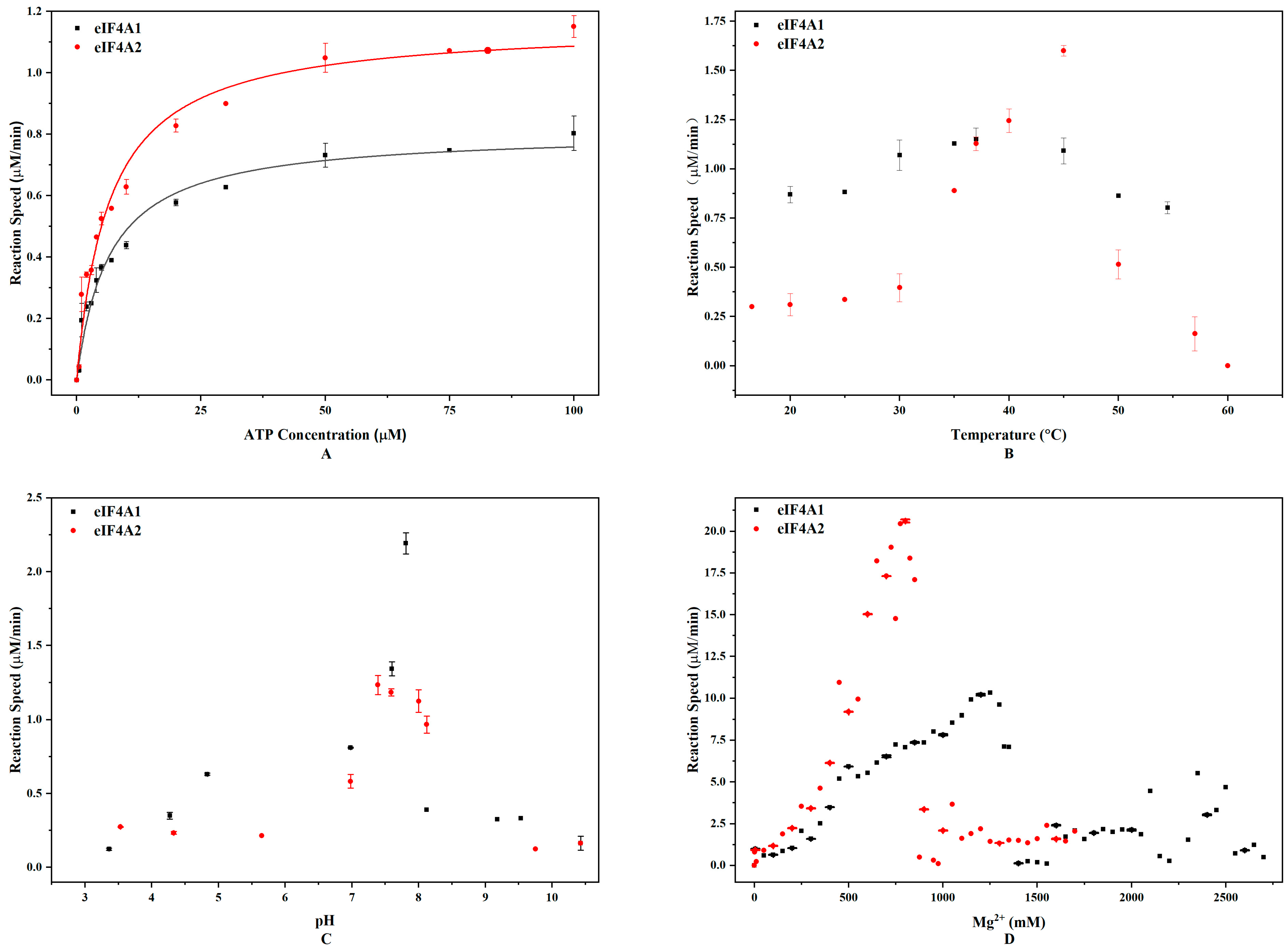
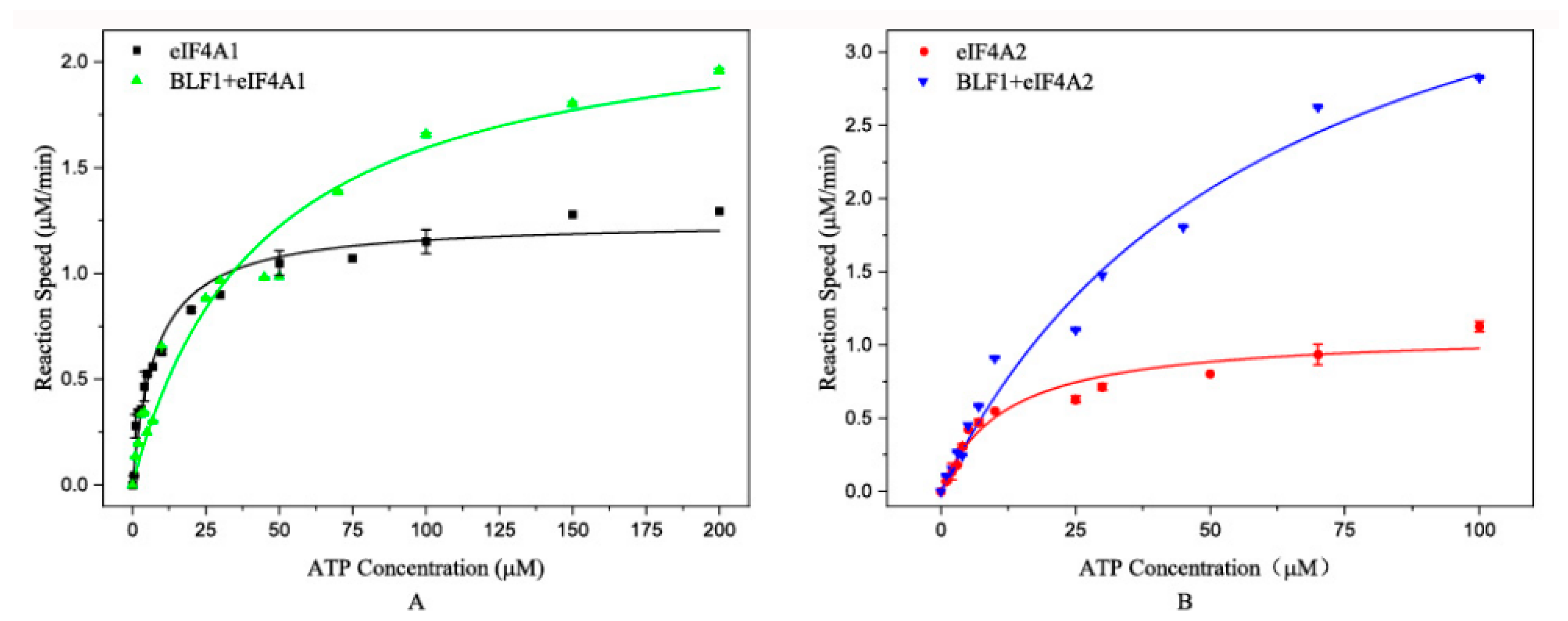
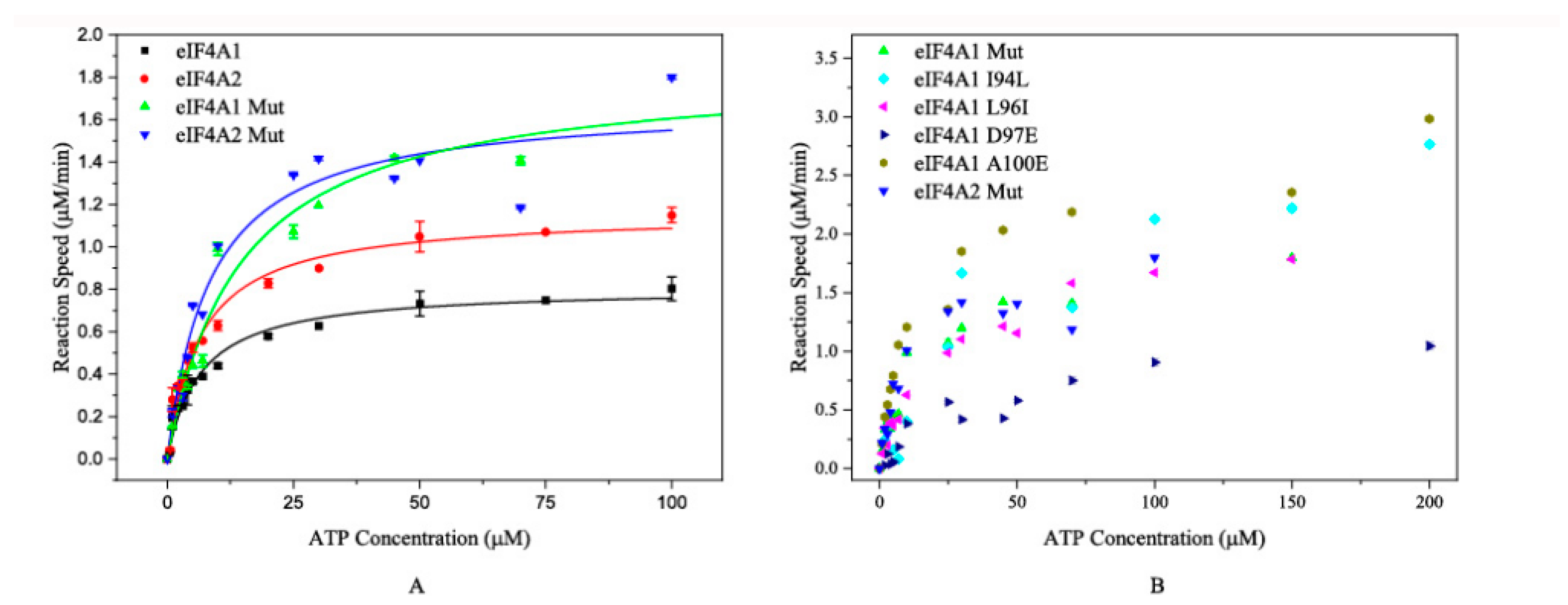
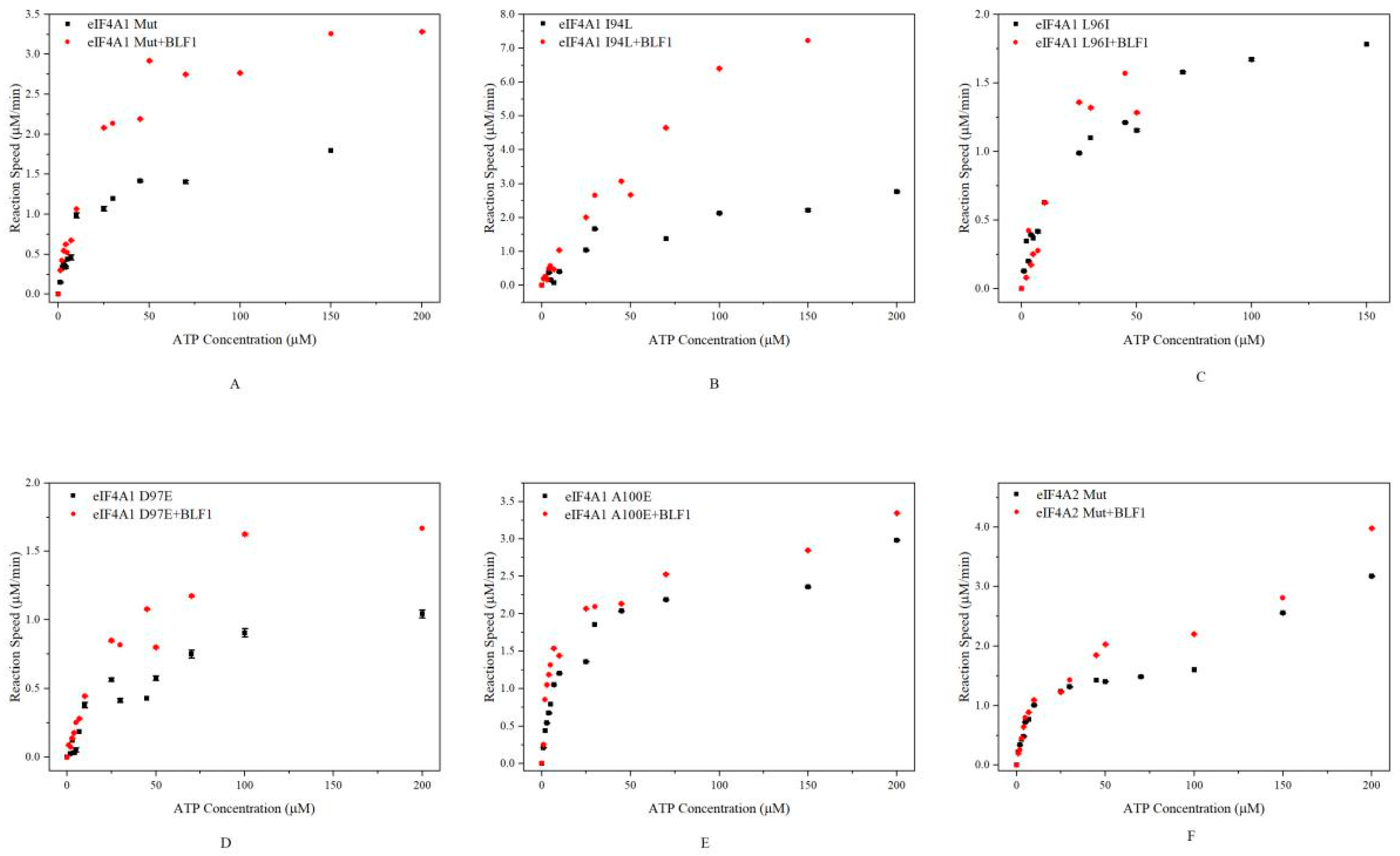
Burkholderia lethal factor 1 (BLF1), a toxin derived from Burkholderia pseudomallei, reacts with eukaryotic initiation factor (eIF) 4A to inhibit protein synthesis. eIF4A1 and eIF4A2 are involved in translation initiation and share over 90% sequence similarity. However, they exert distinct effects on cancer treatment outcomes. To understand the molecular mechanism by which BLF1 modulates eIF4A isoforms in cancer cells, we investigated its effects on eIF4A-mediated adenosine 5′-triphosphate (ATP) hydrolysis. We found that eIF4A1 has a higher ATP-binding affinity compared to eIF4A2 (Km = 6.55 ± 0.78 μM vs. Km = 11.61 ± 2.33 μM). Meanwhile, we also found that eIF4A1 is more sensitive to changes in temperature, pH, and Mg2+ concentration. Through N-terminal swapping and single amino acid mutations, we found that leucine 98 (L98) and alanine 100 (A100) play important roles in the ATPase activities of eIF4A isoforms. Moreover, BLF1 treatment significantly enhanced eIF4A2-mediated ATP hydrolysis at all tested ATP concentrations. These differences in BLF1-regulated eIF4A isoforms may explain its selective cytotoxicity against cancer cells. Our findings provide molecular insights into the functional difference between eIF4A isoforms and suggest that BLF1 might be of promising value for anticancer therapies.
Keywords: eIF4A mutations; cancer treatment; eukaryotic initiation factor 4A; Burkholderia pseudomallei; recombinant proteins eIF4A mutations; cancer treatment; eukaryotic initiation factor 4A; Burkholderia pseudomallei; recombinant proteins