Article

Safety Culture and Pro-Quality Awareness of Employees as Key Factors in Sustainable Management of Food Sector Enterprises

by
Agata Biadała
*,
Tomasz Szablewski
,
Renata Cegielska-Radziejewska
,
Łukasz Tomczyk
,
Oliwia Połatyńska
and
Agata Jasiukiewicz
Department of Food Quality and Safety Management, Faculty of Food Science and Nutrition, Poznan University of Life Sciences, Wojska Polskiego 31, 60-624 Poznan, Poland
*
Author to whom correspondence should be addressed.
Sustainability 2026, 18(3), 1528; https://doi.org/10.3390/su18031528
Submission received: 8 January 2026 / Revised: 23 January 2026 / Accepted: 29 January 2026 / Published: 3 February 2026

Abstract

Sustainable business management in the food sector entails the systematic integration of social, environmental, and economic considerations into organizational decision-making, which has direct implications for food safety assurance systems. This study sought to evaluate how the maturity of an organization’s safety culture influences employees’ pro-quality and food-safety-related behaviors. A complementary objective was to examine employees’ understanding of pro-quality awareness in the context of the principles, goals, and operational procedures associated with sustainable management. The research was carried out in three food industry enterprises located in the Greater Poland region. The methodological framework consisted of internal audits assessing compliance with food safety and quality management standards, combined with a structured questionnaire survey. A total of 169 employees from various operational and administrative departments participated. The results indicate that employees’ professional qualifications and organizational roles significantly affect their awareness of how individual actions contribute to food safety and product quality outcomes. Moreover, the implementation of a sustainable, systems-oriented management approach supported a more comprehensive understanding of food production processes where employees recognize their impacts on public health, the socio-economic environment, natural ecosystems, and future generations. At the same time, this approach underscores the interdependence between employee well-being, organizational performance, and consumer protection.

1. Introduction

Ensuring sustainable management in the food sector requires more than technological innovation and regulatory compliance. It fundamentally relies on the attitudes, awareness, and behaviors of employees. Two critical pillars that support this are a robust safety culture and pro-quality awareness among all staff [1]. Sustainable business management integrates the principles of sustainable development with organizational practices, aiming to establish business models that generate long-term benefits for both current and future generations [1]. This approach necessitates the incorporation of social, environmental, and economic considerations into all decision-making and operational processes.
Employee awareness in these areas plays a critical role in shaping production processes and decision-making within food manufacturing organizations. At each stage of the production process, employees must possess the requisite knowledge and competencies to respond effectively to situations that may compromise both worker safety and consumer protections [2,3]. Frontline production staff are particularly pivotal in preventing and managing food safety risks, as they work directly where hazards are most likely to arise. Effective risk control throughout the food supply chain ultimately relies on employees’ awareness, expertise, and vigilance.
A well-established safety culture promotes consistent adherence to hygiene, occupational safety, and food safety protocols. When employees internalize safety values, they adopt proactive approaches to identifying and mitigating risks, thereby reducing incidents of contamination, workplace accidents, and product recalls. This not only protects consumers but also strengthens the enterprise’s reputation and operational stability A quality system encompasses the entire organization, including its structure, processes, documentation, procedures, resources, and human capital. Among these, employees represent the most critical element. Their experience, knowledge, and skills significantly influence plant operations, organizational competitiveness, and sustainable resource management. Employers who invest in employee development are, in effect, investing in the long-term success of the company [4]. Conversely, engaged and conscientious employees contribute their expertise and effort to enhance organizational performance and drive enterprise success [2]. These factors are intrinsically connected to corporate governance and organizational responsibility. Food safety must be maintained throughout the supply chain, supported by a combination of systems, tools, and training programs implemented within organizations to establish clear guidelines for safe food production [5]. In accordance with Commission Regulation (EU) 2021/382 of the European Parliament and the Council [6], food business operators are required to demonstrate, maintain, and provide evidence of an appropriate food safety culture through active management involvement and the engagement of all employees in producing and distributing safe food.
Consequently, employees develop a heightened awareness of how their actions and decisions influence food safety and the sustainable management of resources. Within the framework of safety culture and organizational sustainability, continuous communication between employees and management, together with active employee participation in system improvement, constitutes a critical success factor. Food safety culture emphasizes the practical application of employees’ knowledge; however, its implementation in daily operations is often inconsistent [7].
Equally important is quality awareness, where employees recognize their responsibility for maintaining and improving product quality throughout production. Continuous training, transparent communication, and empowerment in decision-making foster a sense of ownership and accountability for quality outcomes. This cultural orientation ensures operational practices align with broader sustainability goals, including efficient resource use, waste reduction, and preservation of long-term consumer trust [4].
The aim of this study was to evaluate the influence of an organizational safety culture on the pro-quality behaviors of employees across different departments. Additionally, the study examined the extent to which employees understand the impact of their pro-quality attitudes on the concepts, objectives, and procedures associated with sustainable management.

2. Materials and Methods

2.1. The Assessment of the Progress in Safety Culture Principle Integration in the Enterprise

This study was based on data from internal audits conducted in three food processing plants producing fruit, vegetables, and meat. All plants source their raw materials from local suppliers, reflecting a commitment to sustainable food production. Each facility is part of a well-established company that has operated in the Greater Poland region (Kępno, Śrem) for more than ten years and holds a stable position in the market.
All three plants had implemented internationally recognized food safety management systems, including HACCP, GMP, GHP, and ISO 22000:2018 [8]. The internal audits were designed to assess how effectively the declared food safety culture was applied in practice and how it influenced employees’ pro-quality behaviors. Data collection focused on employee involvement in safety and quality activities, compliance with established procedures, and the incorporation of quality-oriented attitudes into everyday work practices.
The assessment aimed to examine the relationship between organizational safety culture and employee awareness of quality across different departments. The audit results helped identify strengths, weaknesses, and areas for improvement in safety and quality practices, providing a foundation for targeted actions to support sustainable management, particularly in its social dimension.
The audits were carried out by qualified auditors with extensive experience in the food industry and were based on standardized checklists. Each audit began with a formal initiation stage. The lead auditor set the audit date, defined the scope and evaluation criteria, and coordinated the schedule with the management of the audited unit. An audit team was then appointed, consisting of the lead auditor and a junior quality specialist certified as an internal auditor.
Before the audit, the team prepared the necessary working documents, including the audit checklist, and developed a detailed audit plan. Ten days prior to the audit, the lead auditor informed the company’s managers about the audit date, scope, and assessment criteria. These criteria covered organizational policies, GMP and GHP documentation, employee training records, and compliance within production areas.
The audit itself began with an opening meeting attended by the audit team, managers, the Quality Representative, and a member of the Management Board. After completing the audit activities, the auditors prepared a report and submitted it to the managers of the audited unit. Because the primary focus of the audit was safety culture, greater emphasis was placed on observing work practices and interviewing employees than on reviewing documentation.

2.2. The Assessment of Pro-Quality Awareness of Employees

The research materials consisted of the results of a questionnaire (Supplementary Materials) given to employees of the 3 factories studied as part of this research.
The main research tool was a structured questionnaire that was distributed to employees in various departments, including Quality, Research and Development, Warehouse, Purchasing, Production, Human Resources, and Maintenance. The questionnaire consisted of 27 questions covering the key research topics, along with three demographic questions related to gender, department, and length of employment.
The study included 192 employees, of whom, 169 completed the questionnaire, resulting in a high response rate. All responses were collected anonymously to protect confidentiality and reduce the risk of response bias. Data collection took place over a one-month period.
To ensure easy access for all employees, the questionnaire was offered in two formats: an online version (Google Forms) for staff with computer access and a paper-based version for employees working in the Production, Warehouse, Technology, and Investment departments.

2.2.1. Statistical Analysis

Basic Statistical Parameters
Basic statistical parameters were calculated during Principal Component Analysis (PCA) using Statistica 13.3 (StatSoft) to find patterns in the survey results.
Quantifying Effect Size
The effect size measures how much of an effect an independent variable has on a dependent variable or how strong a relationship between variables is. It is used to express practical significance, not just statistical significance.
1.
Gender—categorical effect size.
Cohen’s h is a measure of effect size for differences between two proportions, for example, comparing the proportion of success in two groups.
2.
Department—distribution concentration;
3.
Seniority—dispersion.
Entropy, originally derived from information theory, measures disorder, uncertainty, or diversity in a distribution. Using entropy to measure inequality or diversity in tenure (e.g., length of employment, job tenure, land tenure, etc.) is a powerful approach grounded in information theory and economics.
Chi-2 Test
The results were analyzed using non-parametric statistical methods, including the chi-square test and correspondence analysis. All analyses were performed using STATISTICA 13.3 (StatSoft). A significance level of α = 0.05 was adopted for hypothesis testing.
The chi-square test of independence was used to examine relationships between variables by comparing the distribution of response frequencies across categories. This test is appropriate for nominal variables or for combinations of nominal and ordinal variables. The test determines whether there is a statistically significant association between two variables—that is, whether the distribution of one variable depends on the other. The purpose of this analysis is to assess whether observed differences are sufficiently large to indicate a true relationship rather than being due to random variation or the influence of other factors.

3. Results and Discussion

The sustainability of food primary processing enterprises, including those responsible for the initial handling, cleaning, grading, and preservation of raw agricultural products, is strongly shaped by human-related factors, particularly safety culture and pro-quality awareness. These two elements are closely interconnected and play a critical role in ensuring both food safety and long-term organizational performance. In primary processing operations, the risk of contamination, product deterioration and occupational injuries is especially high due to direct contact with raw materials, biological hazards, and variable environmental conditions.
A well-developed safety culture supports consistent compliance with hygiene standards, correct usage of personal protective equipment, and effective implementation of hazard identification and control measures. Research indicates that organizations with a strong safety culture demonstrate higher levels of employee engagement, fewer non-compliances, and improved food safety outcomes, particularly in high-risk processing environments [9]. Moreover, pro-quality awareness among employees enhances attention to detail, responsibility for process outcomes, and adherence to established procedures, which are essential for maintaining product integrity and traceability throughout the early stages of the food chain.
Continuous training, clear communication of expectations, and visible management commitment are widely recognized as key drivers in strengthening both safety culture and quality-oriented behavior. Leadership involvement signals the importance of food safety and employee well-being, fostering a shared sense of responsibility and accountability at all organizational levels. As emphasized in the literature, integrating safety culture with quality management practices not only contributes to regulatory compliance, but also to sustainable performance, particularly in the social dimension of sustainability by protecting workers, consumers, and organizational reputation [7].
In the study, the safety culture and awareness of employees from three companies dealing in primary food processing were assessed (Table 1). The sample presents a moderately balanced gender distribution, with males representing 59.7% and females 40.3% of the workforce.
In terms of departmental structure, the distribution is strongly dominated by the Production department (52.8%), followed by Quality (15.3%) and Maintenance (13.9%).
The analysis of employee tenure indicates that approximately 73.7% of the workforce has less than ten years of professional experience, reflecting a relatively young and expanding employee base. The calculated entropy ratio of 0.81 suggests a moderate level of diversity in seniority. This value indicates that, despite the predominance of less experienced employees, a substantial proportion of longer-tenured staff remains present, contributing to organizational continuity and knowledge retention (Table 2).
Overall, the workforce structure characterizes a production-oriented organization with a slight predominance of male employees, a strong concentration of staff within core operational departments, and moderate diversity in tenure. Such a profile is typical of a growing industrial or technical enterprise, where the integration of new employees is balanced by the stabilizing influence of experienced personnel.
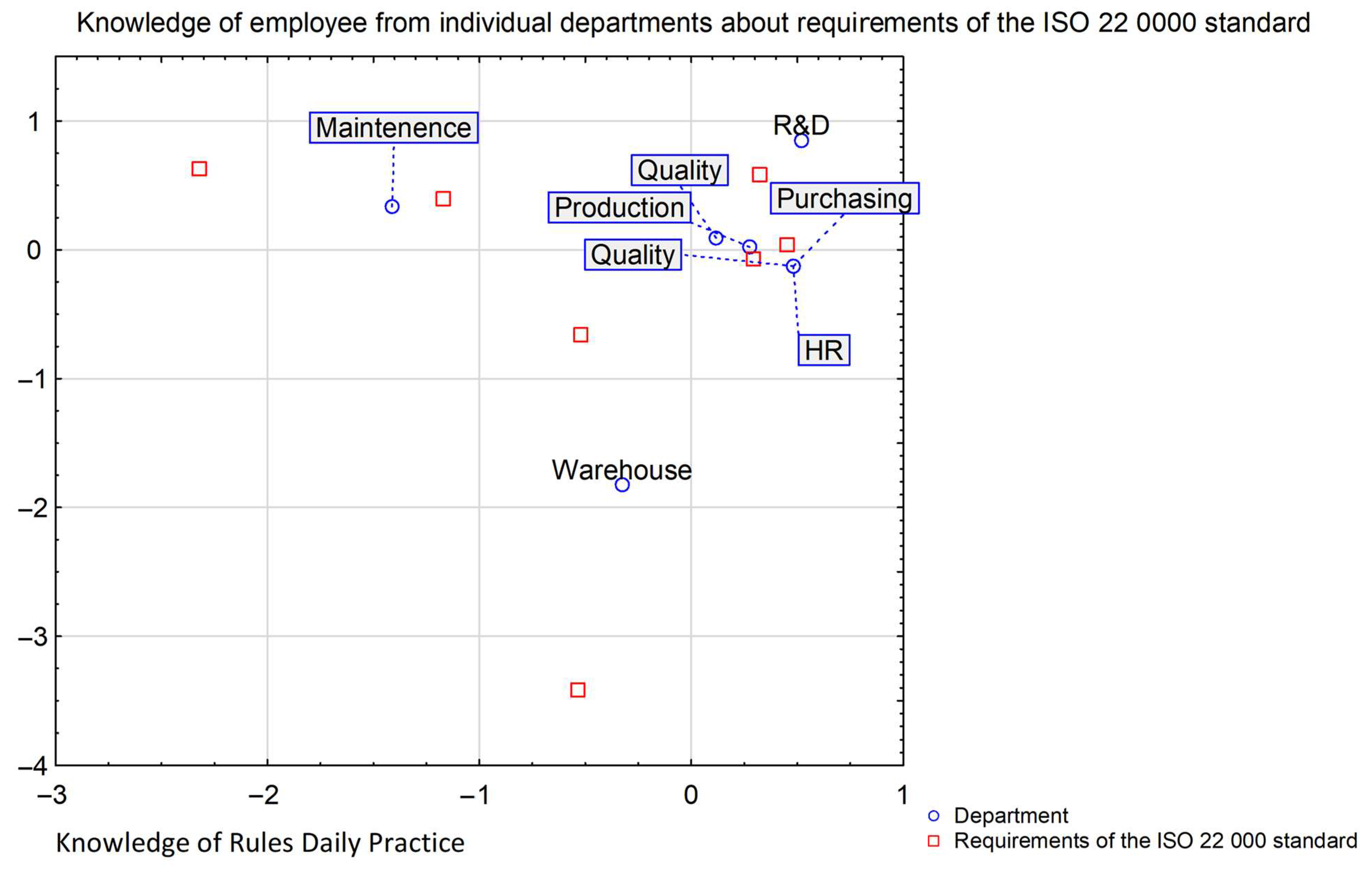
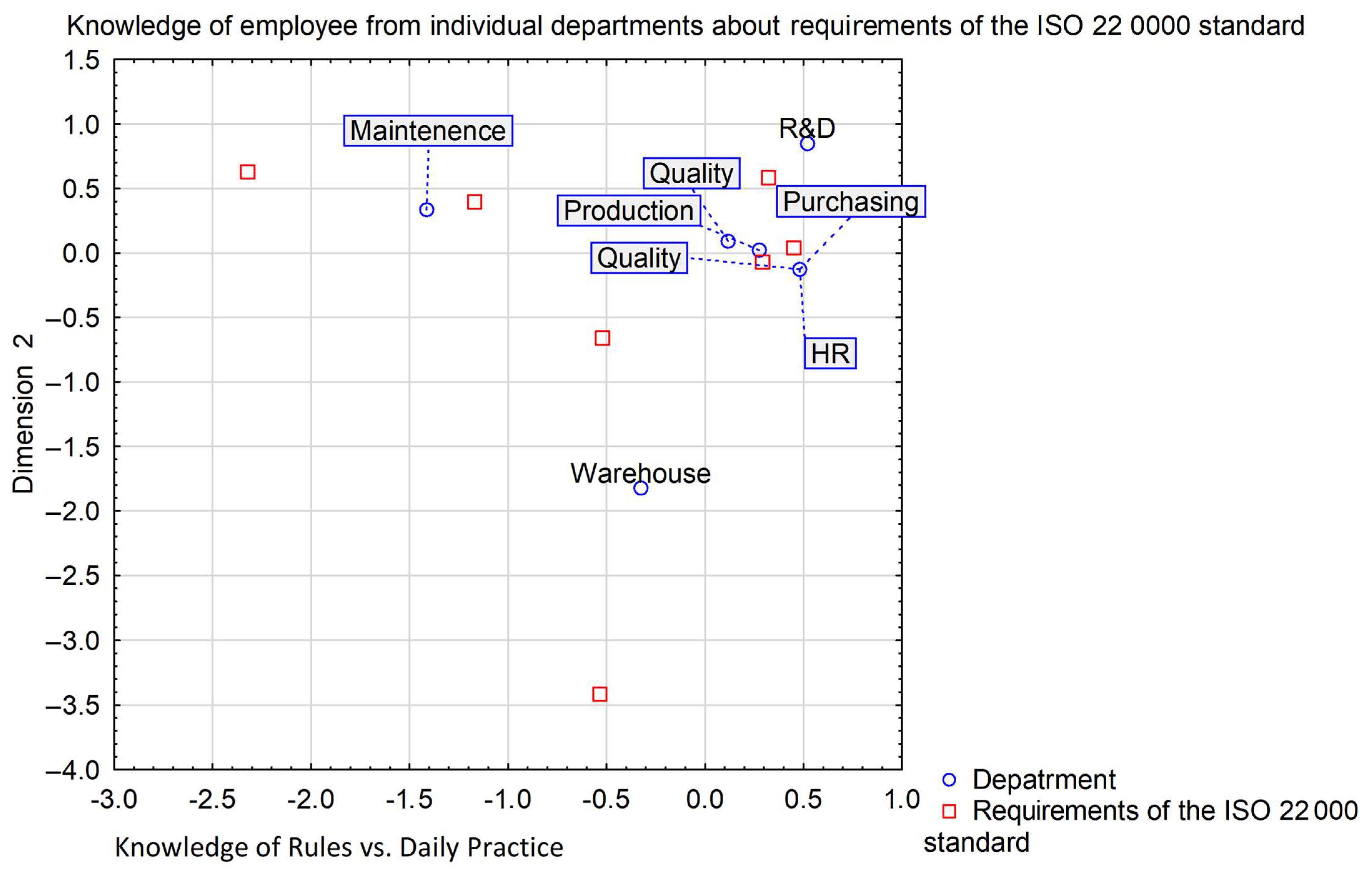
Figure 1 presents a comparative assessment of departmental knowledge levels (blue circles) relative to the ISO 22000 standard requirements (red squares). The relationship was statistically significant (Chi 2 = 64,9275, p = 0.0132). The relative proximity of departmental and requirement points reflects the degree of knowledge alignment. The results indicate that R&D and Purchasing demonstrate strong alignment with ISO 22000 principles, suggesting effective awareness and integration of food safety requirements. The Quality department shows moderate-to-high conformity, which aligns with its core responsibility for maintaining quality systems and documentation. The Production department exhibits a moderate level of understanding, implying the need for improved consistency in applying food safety procedures on the operational floor.
By contrast, the Maintenance, HR, and Warehouse departments show a large training gap (Figure 1). Limited awareness within Maintenance suggests insufficient familiarity with hygiene standards and preventive maintenance protocols, while the low scores observed in HR indicate gaps in understanding competency management and training obligations associated with ISO 22000. The Warehouse department demonstrates the weakest alignment, revealing a critical deficiency in knowledge related to proper handling, storage, and traceability practices.
The results show clear differences in ISO 22000 awareness across departments, indicating that food safety knowledge is not consistently embedded throughout the organization. This uneven distribution of knowledge weakens the effectiveness of the food safety management system and limits its contribution to organizational sustainability. Targeted actions such as focused training for lower-performing departments, improved interdepartmental communication, particularly between Quality and other units, and regular evaluation of staff competence through refresher training and internal audits are therefore required. Addressing these gaps is essential not only for achieving consistent ISO 22000 compliance, but also for supporting sustainable operations by reducing food safety risks, minimizing waste and recalls, and strengthening long-term organizational resilience.
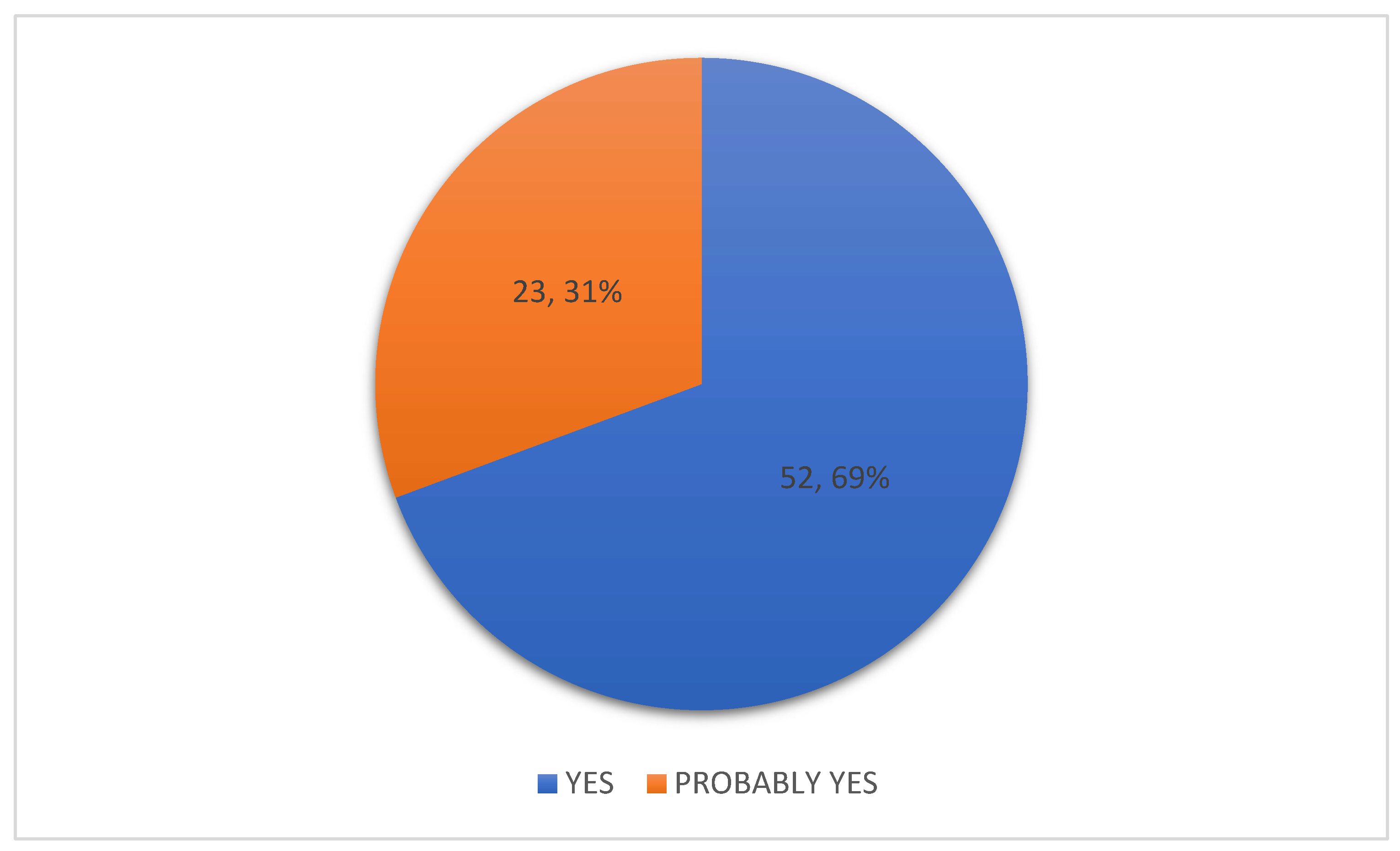
Given the intrinsic relationship between quality and food safety, the respondents were asked to assess whether the implementation of quality management systems within their organization has a significant influence on food safety (Figure 2). The results indicate that a majority of respondents (69%) perceived quality management systems as having a substantial impact on food safety outcomes. Importantly, no respondents expressed a negative opinion regarding this relationship, underscoring a broadly shared recognition of the role of quality management systems in supporting food safety.
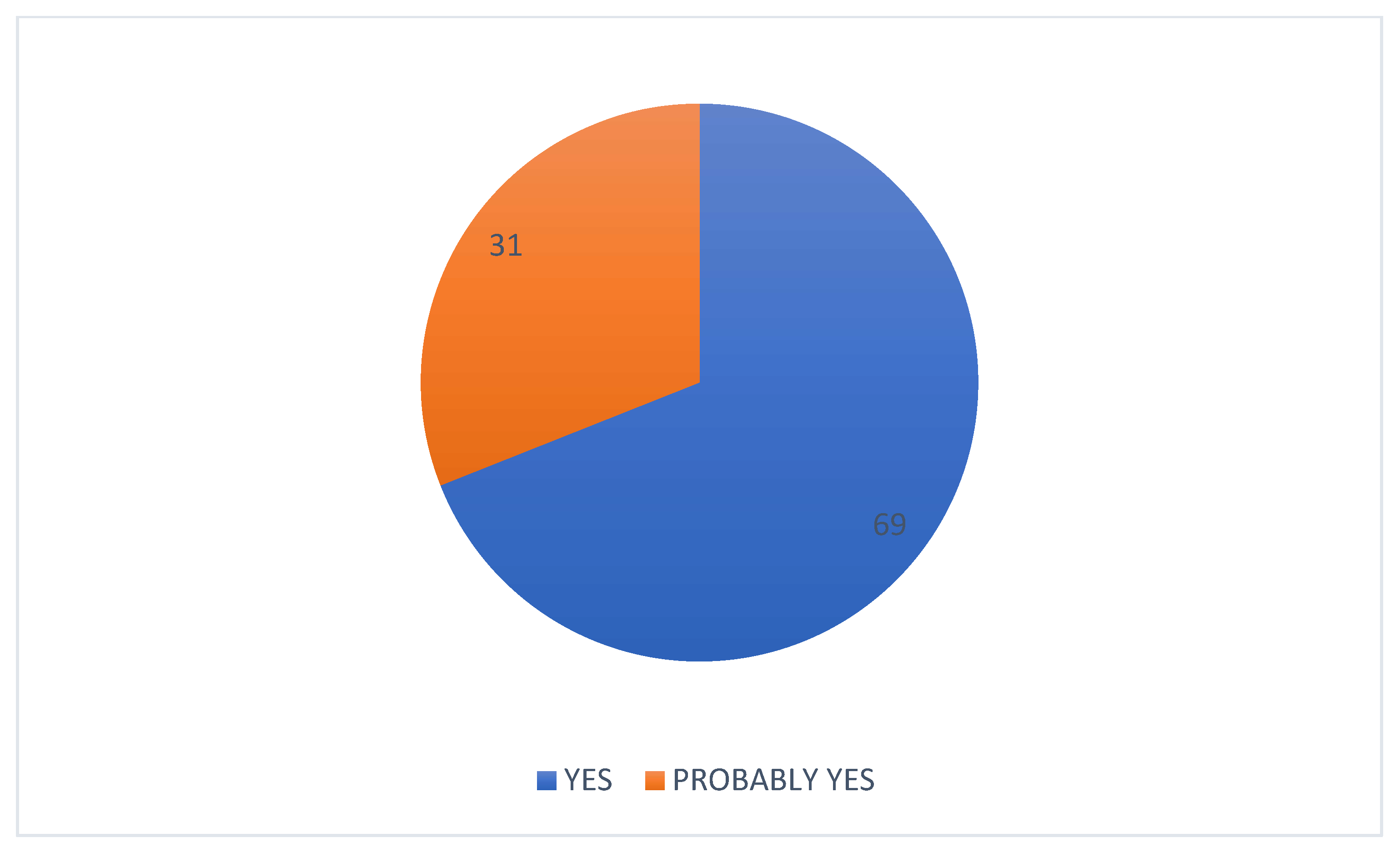
The next question was to indicate whether the quality management systems in the plant were functioning properly. In the opinion of most employees (59%), the systems are functioning properly (Figure 3). No negative answers were recorded for this question.
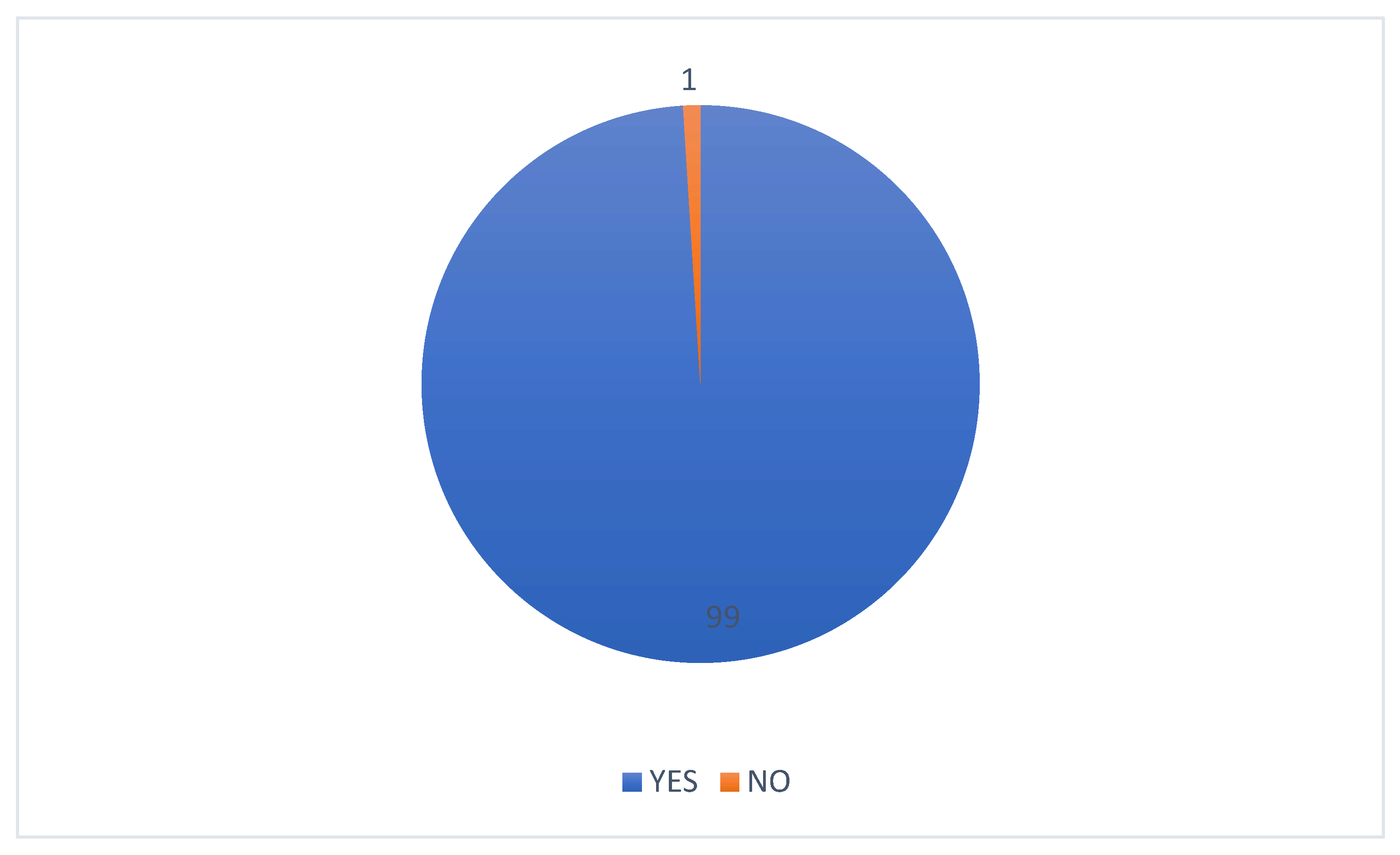
Implementing effective quality management systems offers multiple benefits, often improving market competitiveness and positively influencing financial performance. When asked whether sustainable management practices and the implementation of ISO 22000:2018 systems contributed to additional organizational profit (Figure 4), nearly all respondents (99%) responded yes. This strong consensus highlights that integrating sustainability with food safety standards not only supports business success but also reinforces the company’s long-term resilience by promoting responsible resource use, reducing waste, and meeting stakeholder expectations. Only a small minority (1%) did not perceive these benefits, underscoring the widespread recognition of the value that sustainable food safety management brings to the organization.
A multivariate analysis was performed to evaluate the distribution of departmental knowledge concerning the requirements of the ISO 22000 food safety management system. The analysis extracted two principal dimensions, denoted Dimension 1 and Dimension 2, which together explained 76.72% of the total variance in the dataset (Table 3). Specifically, Dimension 1 accounted for 43.35% of the variance (eigenvalue = 2.60), while Dimension 2 explained 33.37% (eigenvalue = 2.00). This cumulative variance indicates that the two-dimensional configuration provides an adequate and reliable summary of the underlying relationships between departmental knowledge levels and the ISO 22000 requirements.
Departments such as R&D, Purchasing, Quality, and Production show strong alignment with ISO 22000, as they are positioned close to the standard’s requirements in the coordination space (Figure 5). This indicates a high level of food safety knowledge, which is expected given their direct involvement in process design, quality control, and supplier management.
In contrast, Maintenance, Human Resources, and Warehouse are positioned farther from the ISO 22000 requirement cluster, indicating lower awareness and weaker practical application of the standard. Maintenance shows gaps in preventive maintenance and sanitation practices, HR has limited understanding of training and competency requirements, and the Warehouse department demonstrates the greatest deficiencies, particularly in handling, storage, and traceability.
Overall, these patterns reveal uneven implementation of ISO 22000 across departments. The clustering of high-performing departments suggests that food safety knowledge is concentrated in specific functions rather than consistently integrated throughout the organization.
To achieve comprehensive and sustained compliance, targeted capacity-building initiatives should be prioritized for departments exhibiting lower performance, namely Warehouse, Human Resources, and Maintenance. Strengthening interdepartmental communication, particularly between the Quality department and supporting operational units may enhance knowledge exchange and improve the consistency of procedural implementation. Additionally, the adoption of periodic, data-driven evaluations, such as follow-up multivariate analyses and systematic internal audits, is recommended to monitor progress in knowledge alignment and to assess the long-term effectiveness of training and development interventions.
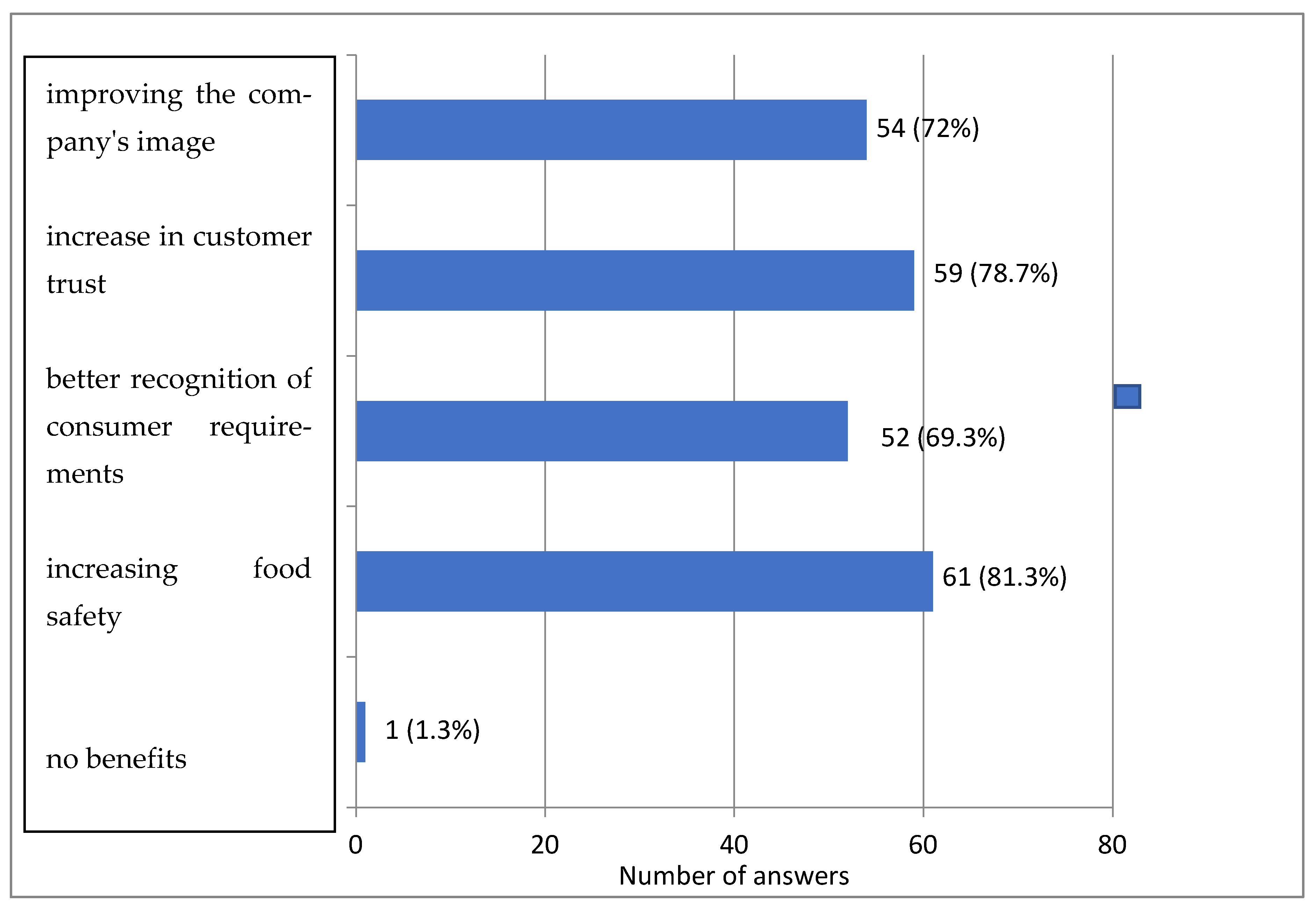
The respondents were also asked about the perceived benefits of implementing sustainable management practices alongside the ISO 22000 food safety management system. The most commonly reported benefit, cited by 81.3% of respondents, was an increase in food safety. This aligns with existing research showing that standardized food safety systems improve hazard identification, control, and prevention throughout the food supply chain. By enhancing food safety, these systems contribute directly to sustainability goals reducing foodborne risks, minimizing waste from contamination or recalls, and promoting consumer health and trust thereby supporting the environmental, economic, and social pillars of sustainable development within the organization [9]. In addition to improved food safety performance, a substantial proportion of respondents reported positive market-related outcomes. Specifically, 69.3% of respondents perceived an improvement in the company’s ability to meet consumer requirements, while 78.7% indicated increased customer trust. These findings align with prior studies demonstrating that the implementation of recognized certification schemes enhances transparency, credibility, and stakeholder confidence, particularly in sectors characterized by high food safety risk [10].
Furthermore, 69.3% of respondents noted an improvement in the company’s market image following the adoption of sustainable management and ISO 22000 principles (Figure 6). This result supports the view that food safety and sustainability certifications function not only as operational tools but also as strategic instruments that strengthen corporate reputation and competitive advantage. As highlighted in the literature, organizations that integrate food safety management systems with broader sustainability objectives are better positioned to respond to regulatory demands, consumer expectations, and social responsibility goals, thereby contributing to long-term organizational sustainability.
Overall, the findings suggest that the implementation of sustainable management and ISO 22000 systems delivers multidimensional benefits, encompassing enhanced food safety performance, improved customer relations, and strengthened market positioning. These outcomes reinforce the role of integrated management systems as a key driver of both operational excellence and sustainable development in the food processing sector.
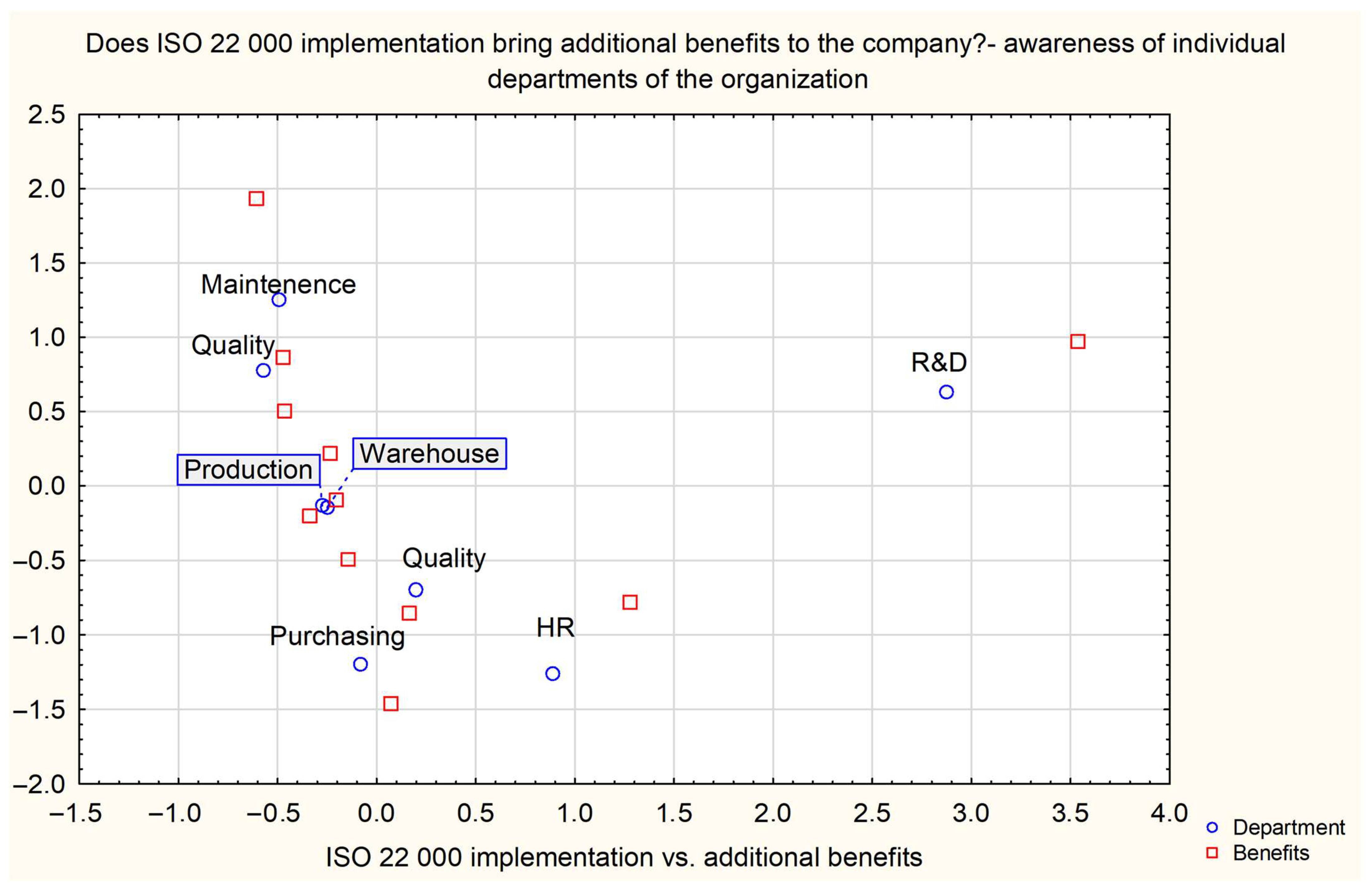
The analysis evaluated employee awareness across individual organizational departments regarding the potential for improving the company’s financial performance through the implementation of a sustainable management approach (Figure 6). Employees in the Quality, Production, and Purchasing departments demonstrated the highest levels of awareness of these relationships. This may be attributed to the indicator calculation methodology used to assess the extent to which departmental objectives are achieved.
Figure 7 shows the relationship between ISO 22000 implementation and perceived additional benefits across departments, together with the level of awareness. R&D is positioned farthest to the right, indicating the strongest perception of benefits from ISO 22000 implementation and relatively high awareness. Production, Quality, Purchasing, and Warehouse are clustered near the center of the plot, suggesting moderate awareness and a moderate perception of additional benefits. Quality and Maintenance appear higher on the vertical axis, indicating higher awareness compared with other departments at similar implementation levels. HR is located in the lower-right area of the figure, reflecting lower awareness despite a moderate perception of benefits. Maintenance and Warehouse are positioned further from the main cluster of benefits, indicating weaker alignment between awareness and perceived value. Overall, the spread of departments across the figure indicates variability in both awareness and perceived benefits of ISO 22000 implementation, with departments differing in how strongly they recognize and experience its added value.
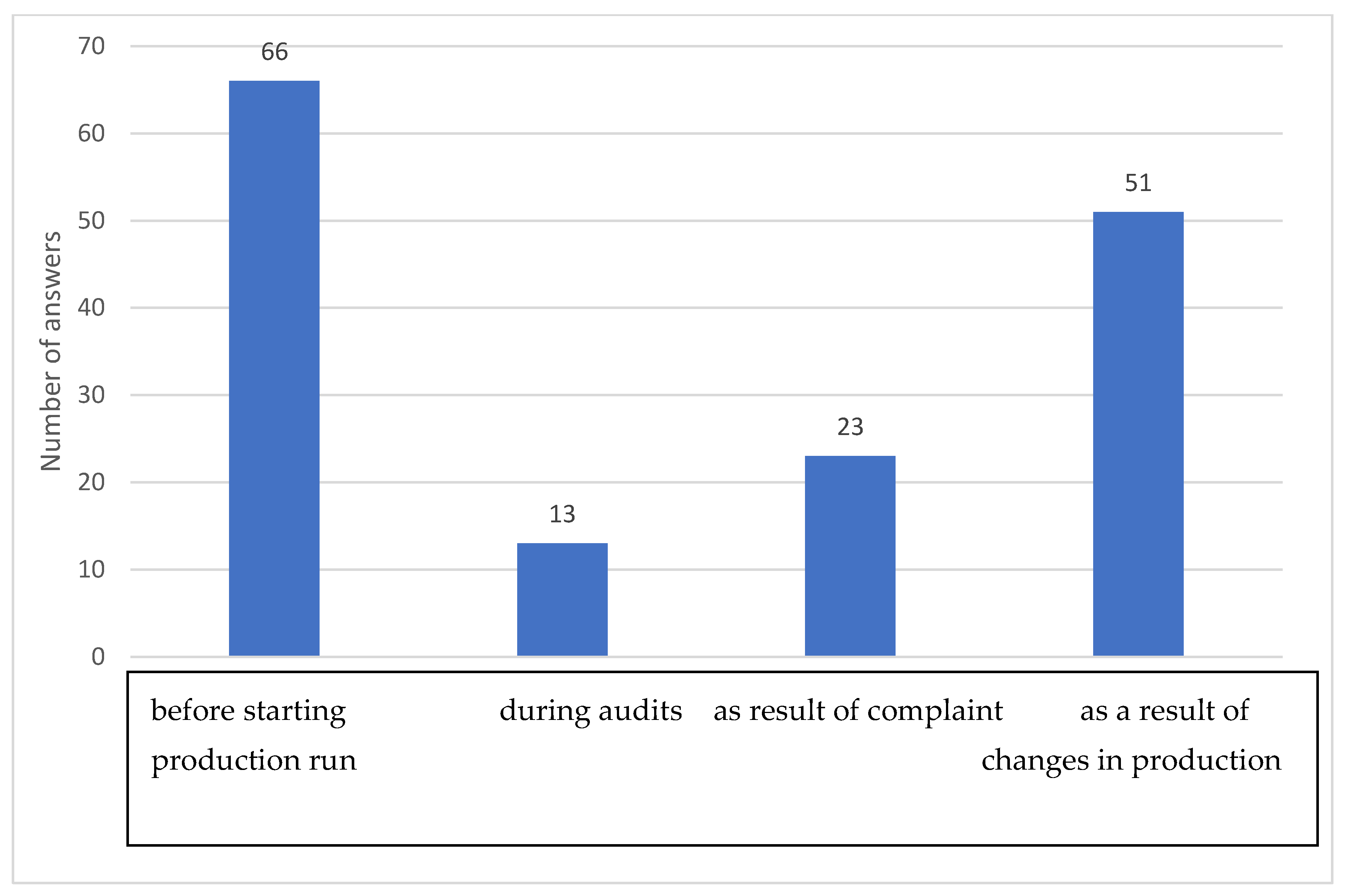
In the conducted work, respondents were asked to indicate how frequently product safety should be verified (Figure 8). The majority (88.9%) stated that food safety verification should occur at the commencement of each new production cycle. Furthermore, 69.4% of respondents indicated that verification should be carried out whenever production changes occur, such as the introduction of new raw materials. In contrast, 31.9% of respondents held the view that product safety verification should only take place in response to customer complaints. A very small proportion of employees (1.3%) responded that such verification activities should only be performed during external audits.
In order for the plant to achieve even greater results, the management of individual departments should motivate its employees to constantly expand knowledge and make every effort to ensure that the employee is fully aware of their role in creating safe food and support it for this purpose. Effective communication between management and employees is also essential. Wajcht and Gola [3] describe how important communication between the manager and the employee is. The authors point to a very important role of the highest management in motivating their employees. Management should constantly train and share their knowledge with the employees. Skrzypek [11] also compares the relationship between quality management and knowledge of the organization. Her research has shown that a proven tool for improvement in the indicated areas are quality and knowledge management systems. Although both knowledge and quality are inherently challenging to quantify, they play a fundamental role in organizational functioning and continuous improvement.
The data presented in Table 4 indicate that employees exhibit a high level of trust in their supervisors. Strong trust is an important aspect of effective management and corporate order, which in turn promotes a positive atmosphere at work and translates into employee involvement. Based on the examination, it can also be suggested that communication between employees and superiors is generally effective, contributing to increased efficiency in daily tasks. Most employees (88%) report feeling motivated by their supervisors, which may enhance their commitment to daily tasks, increase productivity, and strengthen overall job satisfaction. Additionally, more than three-quarters of respondents (77%) indicated that they are consistently informed about company activities, a factor that can foster a sense of belonging, improve understanding of organizational goals, and promote further employee engagement. Moreover, the majority of employees (83%) know who to contact in the event of a problem, suggesting a strong awareness of the organizational structure and established procedures, which facilitates effective problem-solving and may contribute to a calmer, more confident approach to work. To further enhance management practices in this domain, continued emphasis on communication, ongoing training for supervisors in communication and motivational skills, and the implementation of structured recognition programs for employee achievements are recommended. Such measures are likely to strengthen employee engagement and reinforce a culture of accountability and performance.
Analysis of the results presented in Table 5 suggests that employees are strongly connected to their plants, satisfied with their tasks, and aware of their responsibilities toward the company and its clients. They recognize their role in ensuring the quality and safety of raw materials and products, which not only supports smooth plant operations but also contributes to the long-term sustainability of the organization. By maintaining high standards of product safety and quality, employees help reduce waste, prevent recalls, and protect consumer health—key aspects of environmental and social sustainability.
Within the management system, these factors are crucial for safeguarding the company’s reputation, enhancing stakeholder trust, and supporting sustainable business performance. Employee engagement and motivation can be further strengthened through integration programs, company meetings, and social initiatives, which increase a sense of belonging and foster a sustainable organizational culture. To reinforce employees’ responsibility for sustainable outcomes, targeted training in product quality, safety, and the broader impacts of their daily activities should be conducted. Additionally, recognition of individual contributions to company successes can further motivate employees, aligning personal performance with sustainable organizational goals.
The results of the study confirm that employee seniority influences both knowledge and organizational commitment. Higher levels of knowledge and engagement observed among longer-tenured employees may be linked to increased intrinsic motivation [12]. However, these findings differ from those of [13] (2015), which reported that seniority does not significantly affect employee motivation. This inconsistency suggests the need for further research to examine whether contextual factors, such as organizational size or type, moderate the relationship between seniority and employee engagement.
Furthermore, the concept of “quiet knowledge” emphasizes that many skills and competences acquired by employees are not easy to express in words and definitions, but they manifest in their daily and routine activities [14]. In the context of production plants in which this study was conducted, quiet knowledge can play a key role in maintaining high safety and quality, even when employees are not fully aware of theoretical knowledge about their principles. The literature on food safety management emphasizes that regular training and audits are essential for sustaining hygiene and quality standards [15]. Improving the training system in plants can not only improve the theoretical understanding of employees, but also strengthen awareness and commitment to striving for continuous improvement of production processes.
This perspective aligns with the classic motivation theories which highlight the important role of financial factors in motivating employees, especially in production industries [16].
However, it should be emphasized that intangible forms of motivation such as recognition, opportunities for professional development, and supportive workplace relationships also play a critical role in effectively motivating employees. A study conducted in 2015 among randomly selected employees from various enterprises in Slovenia demonstrated that no single factor universally determines employee motivation. Instead, motivation was found to result from different combinations of factors, primarily, though not exclusively, related to personal and interpersonal aspects of professional life. Positive relationships with colleagues and supervisors, access to training and career development opportunities, and well-structured organizational practices were identified as key determinants of favorable working conditions and employee satisfaction [17].
The positive influence of both material and non-material motivators was further confirmed during the COVID-19 pandemic, when organizations that adopted balanced motivational approaches were better able to sustain employee engagement and performance under crisis conditions [18]. Collectively, these findings highlight the importance of integrating both tangible and intangible motivational strategies within organizational frameworks in order to enhance employee commitment, performance, and overall organizational effectiveness.
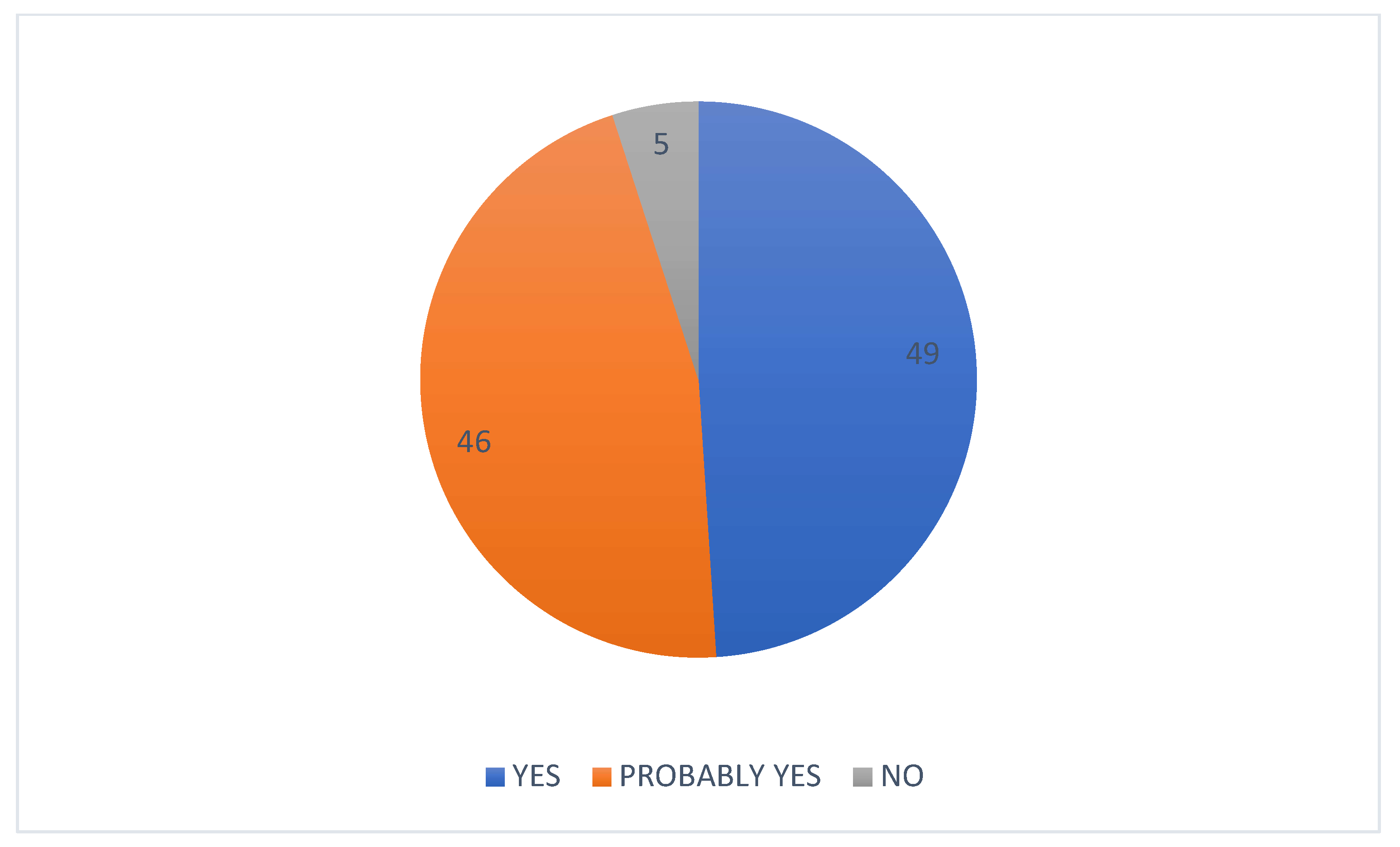
Figure 9 presents the opinions of the respondents on their personal impact on quality management. According to the opinion of 49% of respondents, employees have a personal impact on quality management. Only 5% of respondents had no opinion on this subject.
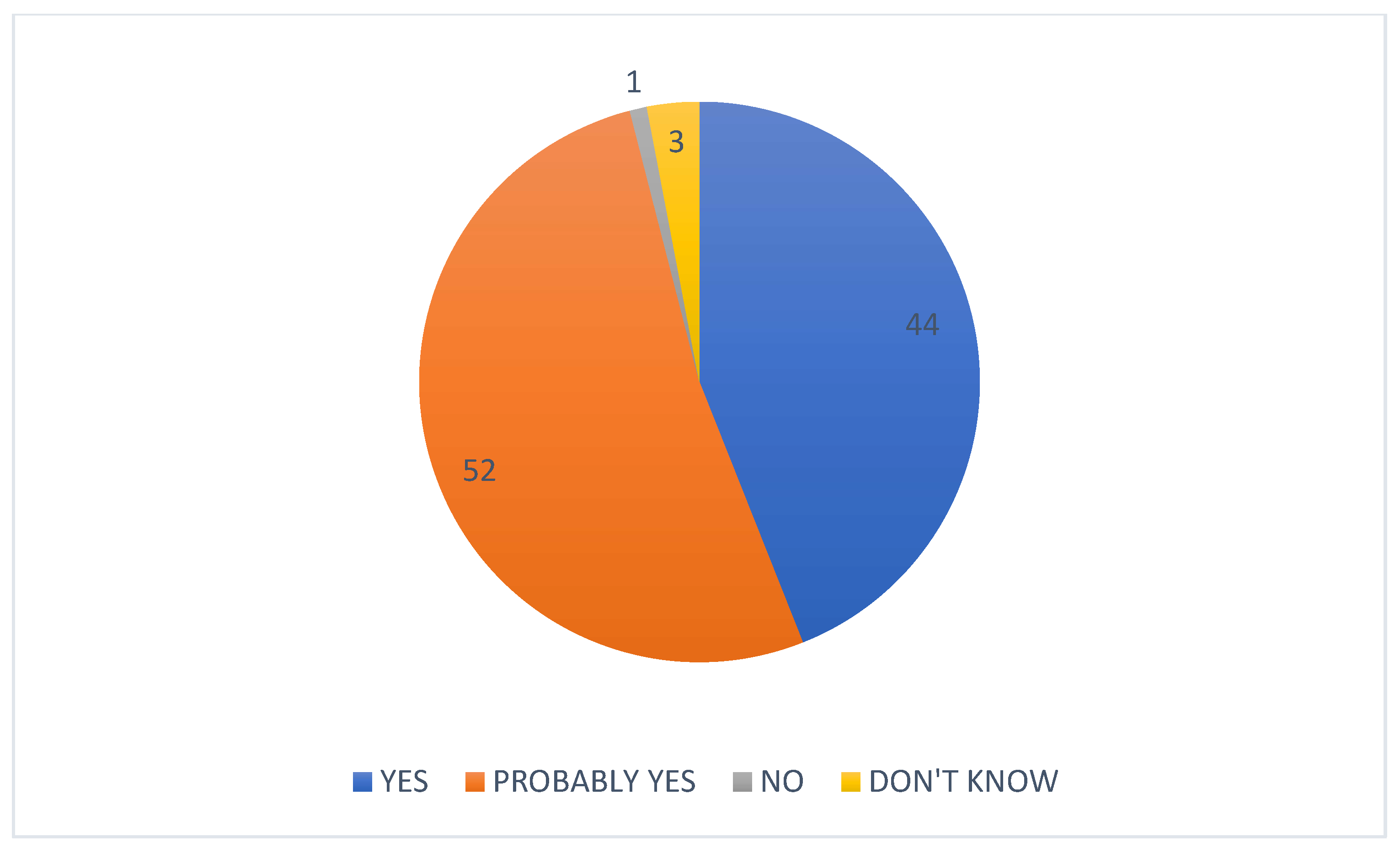
Each quality system incorporates specific rules that employees must follow to ensure the quality of the final product as well as the safety of both workers and consumers. The respondents were asked whether they believed that employees work in accordance with quality management principles; their views are presented in Figure 10. Over half of the respondents (52%) indicated that employees adhere to the established rules, while 3% reported having no opinion. Only one respondent stated that such rules are not consistently followed by plant personnel. Overall, these findings suggest a generally positive perception of compliance with quality management principles, although minor gaps in awareness or practice may still be present.
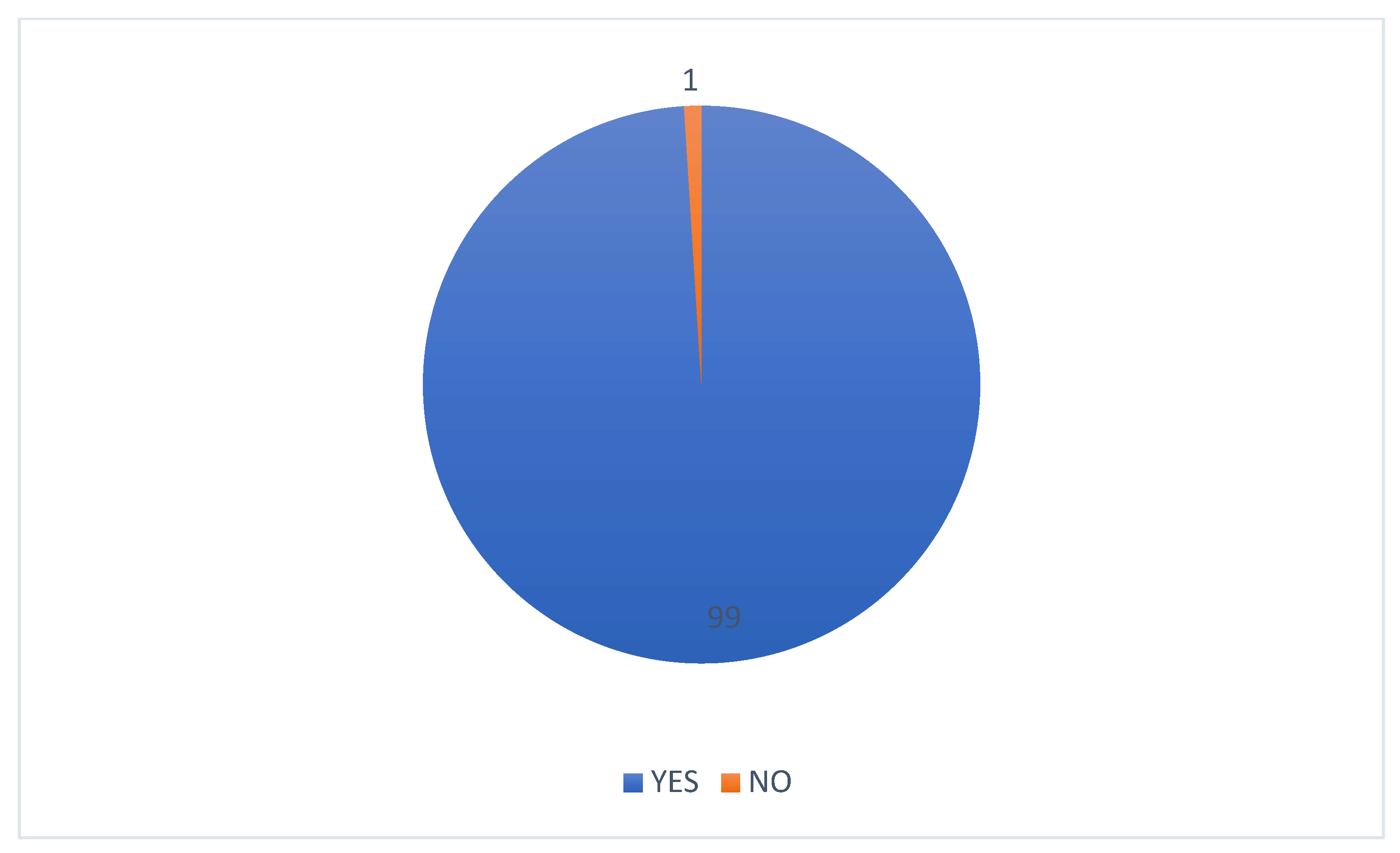
Before the employee begins to perform their duties, they must be properly trained in their position and must become familiar with the individual principles that the plant introduced, including the basic knowledge of the introduced quality management systems. To evaluate the effectiveness of this preparatory training, the respondents were asked whether newly hired employees receive adequate instruction in food safety before beginning work (Figure 11). The results indicate that an overwhelming majority of respondents (98.6%) affirmed that new employees are thoroughly trained in food safety prior to assuming their duties. These findings underscore the plant’s commitment to ensuring that all personnel are equipped with the necessary knowledge and skills to maintain product safety and compliance with quality standards.
Research conducted by Stobiecka et al. [19] in a meat plant showed that the state of knowledge of the plant employees was classified as being sufficient. The meat plant had implemented GMP, GHP, HACCP, ISO 22000, and ISO 9000:2015 [20] systems. The results presented by the authors of the study indicate awareness and understanding of the importance of food safety [17]. Comparable analyses were conducted by Wajcht et al. [3]. These authors’ results indicated that the respondent are aware of the reasons for introducing systems in the food industry. The respondents also noticed the benefits of the introduced systems at the plant. This work also raised the issue of available tools on the market that can help improve implemented systems. A number of proposals can be found in the literature. Wiśniewska et al. [21] proposed food safety culture as a tool to help manage sustainability. According to Costa et al. [22], it is worth introducing a Japanese management model to the plant.

4. Conclusions

The study results indicate that employees’ qualifications and roles strongly influence their awareness of how individual actions affect production safety and product quality. Implementing mandatory and voluntary management systems, alongside a sustainable approach to production, supports continuous development of employee knowledge, quality awareness, and understanding of the broader implications of their work. These effects extend beyond organizational performance to benefit the local community and environment, demonstrating that engaged and well-trained employees contribute not only to corporate sustainability, but also to societal well-being.
An integrated management approach fosters a holistic perspective on food production by incorporating socio-economic and environmental considerations. At the same time, it enhances employee well-being, organizational effectiveness, and consumer satisfaction, illustrating that sustainable practices within the organization generate positive ripple effects throughout society. Safety culture emphasizes prevention and protection, whereas quality awareness focuses on operational excellence or “doing it right the first time.” Both can be systematically assessed through audits using indicators such as achievement of safety objectives, completion of training, implementation of corrective actions, and analysis of customer feedback.
Embedding these practices into daily operations establishes a measurable framework for improving safety and quality standards while promoting long-term, sustainable performance. By linking employee engagement, operational excellence, and responsible resource management, organizations not only strengthen internal efficiency and product quality but also advance societal well-being, environmental protection, and the resilience of the broader food system.
Importantly, the findings of this manuscript can help readers appreciate the central role of employees in achieving organizational and societal sustainability. For educators and trainers, the text provides a basis for integrating sustainability and quality management into pedagogical approaches, highlighting the interplay between knowledge, behavior, and ethical responsibility. For professionals, it encourages reflection on how daily decisions influence safety, quality, and sustainable outcomes, fostering responsible professional positioning and a mindset of continuous improvement. Furthermore, the manuscript lends itself to ongoing scholarly dialog, making it a suitable topic for further reflections or a thematic series within an opinion or educational commentary section. This positions the contribution not only as a standalone study but also as a foundation for sustained discussion on employee-driven sustainability in the food sector.

Supplementary Materials

The following supporting information can be downloaded at: https://www.mdpi.com/article/10.3390/su18031528/s1.

Author Contributions

Conceptualization: A.B. and R.C.-R.; methodology: A.B., T.S., Ł.T., O.P. and A.J.; software: A.B. and Ł.T.; formal analysis, A.B., T.S., O.P. and A.J.; writing—original draft preparation, A.B.; writing—review and editing, A.B., R.C.-R., O.P. and A.J.; visualization, A.B. All authors have read and agreed to the published version of the manuscript.

Funding

This research received no external funding.

Institutional Review Board Statement

Ethical review and approval were waived for this study due to the use of anonymous data obtained from surveys (Order No. 178/2021 of the Rector of the Poznań University of Life Sciences; date: 6 December 2021).

Informed Consent Statement

Verbal informed consent was obtained from the participants. Verbal consent was obtained rather than written consent because of ethical and practical reasons. Firstly, obtaining signatures was considered inappropriate, taking into account the characteristics of the study population and that the study was conducted in the selected companies. Requiring a written signature could have introduced unnecessary anxiety, reduced willingness to participate, or created a perception of corporate risk. Second, verbal consent offered stronger protection of participant anonymity, which was essential due to the sensitive nature of the topics discussed (especially the questions about employee–supervisor relationships).

Data Availability Statement

The original contributions presented in this study are included in the article/Supplementary Materials. Further inquiries can be directed to the corresponding author.

Conflicts of Interest

The authors declare no conflicts of interest.

References

  1. Lowe, P.; Philipson, J.; Lee, R.P. Socio-technical innovation for sustainable food chain: Roles for social science. Trends Food Sci. Technol. 2008, 19, 226–233. [Google Scholar] [CrossRef]
  2. Mohezar, S.; Nor, M.N.M. Could supply chain technology improve food operators’ innovativeness? Adeveloping countrys’ perspective. Trends Food Sci. Technol. 2014, 38, 75–82. [Google Scholar] [CrossRef]
  3. Wajcht, M.; Gola, A. Analiza celowości wdrożenia systemów zarządzania jakością w świetle opini pracowników z branży spożywczej. Zarządzanie Przedsiębiorstwem 2021, 24, 27–39. [Google Scholar]
  4. Psarommatis, F.; Prouvost, S.; May, G.; Kiritsis, D. Product Quality Improvement Policies in Industry 4.0: Characteristic, Enabiling Factors, Barriers and Evolution Toward Zero Defects Manufacturing. Sec. Mob. Ubiquitous Comput. Front. Comput. Sci. 2020, 2, 26. [Google Scholar] [CrossRef]
  5. Kwiatek, K.; Patyra, E. Kultura bezpieczeństwa żywności jako nowy element w systemie zapewnienia jakości bezpieczeństwa. Życie Weter. 2021, 96, 516–519. [Google Scholar]
  6. European Union. Commission Regulation (EU) 2021/382 of 3 March 2021 Amending the Annexes to Regulation (EC) No 852/2004 of the European Parliament and of the Council on the Hygiene of Foodstuffs as Regards Food Allergen Management, Food Redistribution and Food Safety Culture; European Union: Brussels, Belgium, 2021. [Google Scholar]
  7. Cavelius, L.; Goebelbecker, J.; Morlock, G. Legal and normative requirements for food safety culture—A consolidated overview for food companies within the EU. Trends Food Sci. Technol. 2023, 142, 104222. [Google Scholar] [CrossRef]
  8. ISO 22000:2018; Food Safety Management Systems—Requirements for Any Organization in the Food Chain. ISO: Geneva, Switzerland, 2018.
  9. Griffith, C.J.; Livesey, K.M.; Clayton, D.A. Food safety culture: The evolution of an emerging risk factor? Br. Food J. 2010, 112, 426–438. [Google Scholar] [CrossRef]
  10. Chen, K.; Wang, X.-X.; Song, H.-Y. Food safety regulatory systems in Europe and China: A study of how co-regulation can improve regulatory effectiveness. J. Integr. Agric. 2015, 14, 2203–2217. [Google Scholar] [CrossRef]
  11. Skrzypek, E. Relacje pomiędzy zarządzaniem jakością i wiedzą w organizacji. Przedsiębiorstwo Współczesnej Gospod. 2016, 20, 7–22. [Google Scholar] [CrossRef]
  12. Kundu, S.C.; Kumar, S.; Lata, K. Effects of perceived role clarity on innovative work behavior: A multiple mediation model. RAUSP Manag. J. 2020, 55, 457–472. [Google Scholar] [CrossRef]
  13. Hitka, M.; Balážová, Ž. The impact of age, education and seniority on motivation of employees. Bus. Theory Pract. 2015, 16, 113–120. [Google Scholar] [CrossRef]
  14. Polanyi, M. The Tacit Dimension; University of Chicago Press: Chicago, IL, USA, 2009. [Google Scholar]
  15. Motarjemi, Y.; Lelieveld, H. Food Safety Management: A Practical Guide for the Food Industry, 2nd ed.; Academic Press: London, UK, 2013. [Google Scholar]
  16. Herzberg, F.; Jason, W. One More Time: How Do You Motivate Employees? Harvard Business Review: Boston, MA, USA, 2003; pp. 1–13. [Google Scholar]
  17. Damij, N.; Levnajić, Z.; Skrt, V.R.; Suklan, J. What motivates us for work? Intricate web of factors beyond money and prestige. PLoS ONE 2015, 10, e0132641. [Google Scholar] [CrossRef] [PubMed]
  18. Uka, A.; Prendi, A. Motivation as an indicator of performance and productivity from the perspective of employees. Manag. Mark. 2021, 16, 268–285. [Google Scholar] [CrossRef]
  19. Stobiecka, M.; Wawryniuk, A.; Król, J.; Brodziak, A. Stan Wiedzy Pracowników Zakładów Mięsnych na Temat Roli i Znaczenia Systemów Zarządzania Bezpieczeństwem Żywności; Czernyszewicz, E., Kołodziej, E., Eds.; Uniwersytet Przyrodniczy w Lublinie: Lublin, Poland, 2018; pp. 70–83. [Google Scholar]
  20. ISO 9000; Quality Management System. ISO: Geneva, Switzerland, 2015.
  21. Wiśniewska, M.; Malinowska, E.; Piekarska, K. Kultura bezpieczeństwa żywności: Istota i narzędzia pomiaru. Probl. Jakości 2018, 11, 7–15. [Google Scholar]
  22. Costa, L.; Filho, M.; Fredendall, L.D.; Gómez Paredes, F.J. Lean, six sigma and lean six sigma in the food industry: A systematic literature review. Trends Food Sci. Technol. 2018, 82, 122–133. [Google Scholar] [CrossRef]
Figure 1. Employee knowledge of requirements of quality system rules vs. ISO 22000 requirements based on department.
Sustainability 18 01528 g001
Figure 2. Opinions of respondents on whether the use of quality management systems in the company impacts food safety.
Sustainability 18 01528 g002
Figure 3. Opinions of respondents on whether the implemented quality management systems in the company are functioning correctly.
Sustainability 18 01528 g003
Figure 4. Respondents’ opinion on whether the company gains additional profits by implementing new systems such as FSSC 22000.
Sustainability 18 01528 g004
Figure 5. Biplot of departmental knowledge versus ISO 22000 requirements.
Sustainability 18 01528 g005
Figure 6. Benefits obtained by implementing FSSC 22000 systems according to respondents’ opinions.
Sustainability 18 01528 g006
Figure 7. Relationships between departmental knowledge and the answer to the question: Does the implementation of new systems such as ISO 22000 lead to additional benefits in the company?
Sustainability 18 01528 g007
Figure 8. Frequency of product safety verification recommended by respondents.
Sustainability 18 01528 g008
Figure 9. Respondents’ opinion regarding their personal influence on quality management.
Sustainability 18 01528 g009
Figure 10. Compliance with the principles of quality management by employees.
Sustainability 18 01528 g010
Figure 11. Respondents’ opinion on whether sufficient training is given to new employees.
Sustainability 18 01528 g011
Table 1. Characteristics of the study group.
CategoryCharacteristicPercentage Share [%]
GenderFemale40.3
Male59.7
DepartmentQuality15.3
Production52.8
R&D6.9
Maintenance13.9
Warehouse6.9
HR 2.8
Purchasing1.4
SeniorityLess than 1 year2.8
1–543.1
6–1027.8
11–1511.1
16–2011.1
21–251.4
26–302.8
Table 2. Group statistical characteristics.
ParameterValue
Cohen’s h0.39
Entropy ratio 0.81
Table 3. Eigenvalues and variance explained by principal dimensions of ISO 22000 knowledge analysis.
DimensionEigenvalue% of VarianceCumulative %
12.6043.3543.35
22.0033.3776.72
Table 4. Assessment of employees’ communication with their superiors.
AnswerPercentage Share [%]
Respondents believe that they can rely on their superiors82
Respondents believe that their supervisor communicate effectively with them 85
Respondents feel motivated to work by their supervisor88
Respondents believe that they are informed about the company77
Table 5. The degree of job satisfaction in the organization.
AnswerPercentage Share [%]
Respondents identify with the plant in which they work85
Respondents like the work they do82
Respondents feel that their work is important87
Respondents want the raw materials produced by the plant to be of good quality and safe for the consumer78
Disclaimer/Publisher’s Note: The statements, opinions and data contained in all publications are solely those of the individual author(s) and contributor(s) and not of MDPI and/or the editor(s). MDPI and/or the editor(s) disclaim responsibility for any injury to people or property resulting from any ideas, methods, instructions or products referred to in the content.