Article

The Impact of Technology Transfer on Green Total Factor Energy Efficiency: Evidence from the Establishment of National Technology Transfer Centers


Research Center of Management Science and Engineering, Jiangxi Normal University, Nanchang 330022, China
*
Authors to whom correspondence should be addressed.
Sustainability 2026, 18(2), 751; https://doi.org/10.3390/su18020751
Submission received: 28 November 2025 / Revised: 18 December 2025 / Accepted: 9 January 2026 / Published: 12 January 2026
(This article belongs to the Section Economic and Business Aspects of Sustainability)

Abstract

During the global low-carbon transition, technology transfer serves as a crucial channel for the dissemination of knowledge and innovations, which is essential for increasing overall Green Total Factor Energy Efficiency (GTFEE). Leveraging the establishment of national technology transfer centers (NTTCs) in China as a quasinatural experiment, this study employs a multiperiod difference-in-differences (DID) framework and utilizes data from 280 prefecture-level cities (2006–2022) to identify the causal effect of technology transfer on GTFEE. The results demonstrate that this policy substantially boosts city-level GTFEE. Mechanistic tests reveal that technology transfer improves GTFEE primarily via improvements in industrial structure, innovations in green technology, and the accumulation of human capital. Furthermore, well-functioning markets positively moderate the policy effect, not only strengthening the direct impact but also reinforcing the two transmission mechanisms. Heterogeneity analysis reveals a more pronounced impact in municipalities with nascent digital economies, stronger intellectual property protection, nonresource-based profiles, and those serving as transportation hubs. These findings provide empirical support for improving national technology transfer systems and advancing regional green development, offering policy insights for achieving synergistic economic-environmental progress.

1. Introduction

Reconciling economic expansion with decarbonization remains a defining global challenge. The International Energy Agency emphasizes that global energy intensity must decline by more than 4% annually through 2030 to meet climate targets, a trajectory that poses severe difficulties for emerging economies. As the world’s largest energy consumer, China exemplifies this tension. Uniquely, China employs a top-down, government-led innovation system to address these structural rigidities, offering a distinct paradigm for study. Consistent with national frameworks such as the 2025 Government Work Report, China prioritized the increase in GTFEE. Unlike single-factor metrics, GTFEE integrates energy inputs, economic outputs, and environmental costs into a holistic performance indicator [1]. Enhancing GTFEE is therefore strategic: it reduces reliance on fossil fuels while fostering high-quality, innovation-driven growth [2,3].
Achieving these efficiency gains requires the systematic diffusion of clean technologies. Technology transfer serves as a critical conduit, bridging the gap between green R&D and industrial application by lowering adoption costs [4]. However, unregulated diffusion can inadvertently perpetuate pollution [5]. To steer this process toward sustainability, the Chinese government established NTTCs. These centers differ from market-driven intermediaries; they are state-mandated platforms designed to screen for pollution, match clean technologies, and coordinate cross-regional collaboration. Critically, for causal inference, the rollout of NTTCs was determined centrally on the basis of macrostrategic factors—such as regional scientific capacity and administrative hierarchy—rather than local environmental performance. This “top-down” site selection provides a plausible quasinatural experimental setting, allowing for the isolation of the policy’s causal impact on energy efficiency, which distinguishes this study from prior research relying on endogenous innovation metrics.
Academic discourse on GTFEE determinants has generally evolved along three parallel lines. Early studies established technological diffusion as a fundamental driver of efficiency [4,6]. Subsequent research shifted its focus to institutional intermediaries, highlighting how platforms such as NTTCs facilitate commercialization [7,8,9]. A third body of work examines mediating variables such as industrial structure [10,11]. Despite these insights, the fragmentation of these literature streams has left critical gaps. First, empirical evidence linking specific government transfer mandates to environmental outcomes remains scarce. While the general benefits of innovation are well documented, the quantitative impact of the NTTC policy on GTFEE is under-researched. Second, the “black box” of transmission mechanisms—specifically how these platforms interact with industrial and human capital factors—remains unopened. Finally, the boundary conditions of this relationship are often overlooked, particularly how market maturity moderates the effectiveness of state-led transfer.
This paper bridges these gaps by integrating policy analysis, transmission mechanisms, and the market context into a unified framework. Leveraging the phased implementation of NTTCs as a quasinatural experiment, we apply a multiperiod difference-in-differences (DID) model to panel data from 280 Chinese cities (2006–2022). Our results confirm that NTTCs significantly enhance urban GTFEE. Mechanistic analysis reveals that this effect is channeled through industrial upgrading, green technology innovation, and human capital accumulation. Moreover, we find that marketization acts as a catalyst, positively moderating both the direct policy effect and its transmission pathways. Heterogeneity tests further indicate that the policy is most effective in regions with high digital economies, robust intellectual property protection, nonresource-based economies, and transportation hub status.
This study makes three primary contributions to the literature. First, it establishes robust causal evidence linking institutional technology transfer to energy efficiency. By leveraging the quasinatural experimental setting of NTTCs, this study isolates the specific impact of state-mandated transfer on green development, distinguishing it from general technological progress. Second, it clarifies the transmission mechanisms. In addition to direct effects, we validate that NTTCs catalyze industrial upgrading, green innovation, and human capital accumulation, with market mechanisms acting as key amplifiers. Third, it refines the boundary conditions of policy effectiveness. By examining heterogeneities such as digital maturity and resource dependence, this study moves beyond average treatment effects to offer context-specific insights for regional green transformation.
The structure of this paper is as follows. Section 2 surveys the literature that currently exists and points out the gaps in research. Section 3 presents the policy context and formulates the theoretical hypotheses. The empirical strategy is detailed in Section 4, with a focus on the methodological framework and data sources. Section 5 discusses the empirical findings, encompassing baseline regressions, robustness checks, mechanism exploration, and an assessment of moderating influences. Section 6 investigates heterogeneous impacts. The concluding section summarizes the policy implications and acknowledges the limitations of this study.

2. Literature Review

2.1. Influencing Factors of GTFEE

An extensive body of literature has identified a complex array of determinants driving GTFEE, with policy intervention and technological progress acting as primary catalysts. Policy-driven instruments are consistently highlighted as pivotal: environmental regulations and low-carbon pilot zones effectively enhance GTFEE by forcing industrial upgrading and stimulating green innovation [12]. In parallel, fiscal policy plays a formidable role; strategically allocated green expenditures not only improve local efficiency but also generate positive spatial spillovers in adjacent regions [13]. Crucially, the nature of intervention matters: incentive-based policies tend to synergize with industrial digitalization, whereas punitive measures can induce distortionary effects [14].
In addition to policy, digital infrastructure—including internet development and broadband access—facilitates technological diffusion and optimizes resource allocation, thereby exerting a significant positive effect on GTFEE [15,16]. In the financial domain, the convergence of fintech and green finance promotes efficiency by directing capital toward sustainable investments [17,18]. Conversely, traditional financial agglomeration has ambiguous effects, occasionally inhibiting GTFEE due to capital misallocation [11]. These dynamics are further constrained by structural rigidities, such as factor market distortions, and vary significantly across diverse geographical and developmental contexts [19,20].

2.2. The Effect of Technology Transfer

Technology transfer serves as a fundamental engine for converting scientific potential into productivity, yet its implementation frameworks vary substantially across institutional contexts. From an international perspective, developed economies typically rely on established intermediaries to bridge the “valley of death” between basic research and commercialization. For example, studies on U.S. national laboratories emphasize that transfer success depends heavily on specialized personnel and mechanisms that incentivize spin-offs [5]. Similarly, cross-border transfer projects in developing nations demonstrate that the efficacy of knowledge diffusion differs by modality, with distinct impacts on local skill accumulation [21].
Diverging from these market-centric or project-specific models, China employs a distinctive government-led strategy. Recent empirical evaluations have begun to scrutinize this mechanism via rigorous identification strategies. For example, by treating the establishment of NTTCs as a quasinatural experiment, Xiao et al. (2024) reported that these centers significantly drive corporate digital innovation through technology spillover and coinnovation effects [7]. Furthermore, NTTCs have been shown to stimulate regional entrepreneurship, particularly in technology-intensive sectors, by mitigating information asymmetries and enhancing resource accessibility [8]. These findings suggest that structured platforms can effectively increase absorptive capacity, facilitating the integration of external technologies [22,23].

2.3. Impact of Technology Transfer on GTFEE

Scholarly discourse regarding the impact of technology transfer on GTFEE has evolved through three theoretical phases. Early research adopted a linear, optimistic view, positing that knowledge spillovers inherently optimize energy utilization by enhancing corporate capabilities [7]. However, a second stream of literature introduces critical nuance, arguing that environmental benefits are not automatic. Without sufficient absorptive capacity or complementary infrastructure, imported technologies may fail to generate efficiency gains or could even lock regions into pollution-intensive dependencies [5,24]. More recently, an integrative third stream emphasized conditional factors, highlighting that the ultimate environmental impact is contingent upon institutional settings, such as intellectual property protection and market maturity [25,26].
Despite this evolution, a unified conceptual framework linking these domains specifically to environmental performance remains underdeveloped. Theoretically, technology transfer does not operate in a vacuum but triggers specific intermediate mechanisms: the introduction of advanced technologies is postulated to drive industrial structure upgrading and stimulate green innovation, processes that simultaneously demand and cultivate greater human capital. However, methodological limitations persist. The majority of prior studies rely on DEA or standard OLS regressions, which struggle to address endogeneity. While recent works such as Xiao et al. (2024) have employed DID models to isolate innovation effects [7], there is a scarcity of robust causal evidence connecting these mandates specifically to energy efficiency outcomes.
To bridge these gaps, this study utilizes the establishment of NTTCs as a quasinatural experiment. Positioning our work within the emerging wave of causal policy evaluations, we employ a multiperiod DID model to systematically test the hypothesis that NTTCs enhance GTFEE through the synthesized channels of industrial restructuring, green innovation, and human capital accumulation.

3. Policy Background and Research Hypotheses

3.1. Background of the NTTCs

In addition to escalating global technological competition and China’s dedication to innovation-driven economic progress, the strategic role of technology transfer is increasingly recognized as essential. This mechanism facilitates the conversion of research achievements into commercial applications and promotes regional economic expansion. In a systematic attempt to promote this goal, China established the “2 + N” technology transfer system framework within its 12th Five-Year Plan for Technology Markets (2013). This framework initiated a phased strategy for establishing NTTCs in strategically pivotal locations. The progressive implementation began with Beijing in 2013, followed by Suzhou, Qingdao, and Shenzhen in 2014; Shanghai and Changchun in 2015; and Fuzhou, Wuhan, Xi’an, Zhengzhou, and Chengdu in 2016, culminating with Haikou in 2023. This endeavor has resulted in the creation of an integrated network consisting of 12 national centers, the geographic locations of which are shown in Figure 1.
Analytically, NTTCs function as institutional remedies for market frictions, lowering the transaction costs and information asymmetries inherent in green technology adoption through centralized valuation and matching. Crucially, for causal inference, the specific timing and location of these centers were dictated by central macrostrategies—focusing on regional equity and scientific endowments—rather than endogenous local environmental metrics. A critical perspective, however, notes that such government intervention carries inherent risks of resource misallocation or the crowding out of private R&D. However, given the plausibly exogenous variation in their establishment, this setting offers a rigorous quasiexperimental opportunity to isolate the net impact of structured technology transfer on green transformation.

3.2. Theoretical Analysis and Research Hypotheses

3.2.1. Technology Transfer and GTFEE

Integrating dual carbon goals into economic development requires enhancing GTFEE, which essentially represents an outwards shift in the production possibility frontier under environmental constraints. However, the diffusion of green technology is frequently hindered by high search costs and severe information asymmetry in terms of technical viability [27]. Microeconomically, NTTCs aim to correct these market failures by functioning as centralized information hubs. By aggregating dispersed technical data and providing authoritative certification, NTTCs lower the marginal cost of acquiring new technologies, thereby altering firms’ input-output expectations and incentivizing green transformation [28]. Specifically, this influence operates through three microchannels:
(1) Industrial structure. Drawing on the theory of factor reallocation, efficiency gains arise when resources migrate from low-productivity to high-productivity sectors. NTTCs lower the barriers for this structural transformation. In traditional sectors, they enhance the absorptive capacity for green processes. Crucially, in emerging industries, NTTCs mitigate the high fixed costs and market risks of entry [29,30]. By facilitating technology supply and capital matching, they accelerate a process of “creative destruction”, forcing the exit or transformation of inefficient, pollution-intensive capital stock. This mechanism optimizes the aggregate energy structure by reallocating labor and capital toward sectors with higher marginal green productivity [31,32].
(2) Green technology innovation. Green innovation is characterized by dual externalities—knowledge spillovers and environmental benefits—which often lead to private underinvestment. Technology transfer addresses this by internalizing these externalities through organized networks. By establishing collaborations between enterprises and research institutions, NTTCs reduce the transaction costs and R&D uncertainties associated with green innovation [33,34]. This reduction in search friction allows firms to access external knowledge stocks at a lower cost, enhancing regional innovation capacity to expand the technological frontier of GTFEE [35,36].
(3) Human capital. The theory of capital-skill complementarity suggests that advanced green technologies require high-skilled labor for effective operation [37,38]. NTTCs cultivate human capital through a demand-induced mechanism. The operation of these centers creates an exogenous demand shock for specialized talent in technology brokerage and engineering. This signals a premium on green skills in the labor market, incentivizing the accumulation of high-level human capital. The resulting pool of specialized talent improves regional absorptive capacity, ensuring that imported technologies are effectively translated into efficiency gains rather than remaining idle [39,40,41].
However, a critical assessment suggests that this government-led model is not without risks. Potential unintended effects may arise if administrative intervention leads to resource misallocation—where technologies are promoted on the basis of policy mandates rather than actual market demand. Furthermore, public subsidies could theoretically “crowd out” private R&D investment. Despite these potential downsides, we posit that the overarching function of NTTCs is to correct market failures, and the net effect on efficiency remains positive.
Hypothesis 1.
Technology transfer can increase GTFEE through facilitating industrial structure, green technology innovation, and human capital enhancement.

3.2.2. Analysis of Moderating Effects

Modern economic development necessitates a balance between governmental guidance and market mechanisms [42]. Institutional economics theory posits that the efficiency of any transaction—including technology transfer—is contingent upon the institutional environment that defines property rights and enforces contracts [43]. Marketization represents the maturity of these institutional arrangements.
First, a high degree of marketization implies lower transaction costs and stronger protection of intellectual property. In such an environment, the contract enforcement costs for technology trading are reduced, mitigating the risk of opportunism and encouraging firms to utilize NTTC platforms [44]. Second, market mechanisms serve as a filter to prevent potential resource misallocation caused by government intervention. Price signals in a mature market ensure that the technologies introduced by NTTCs are allocated to their highest-value uses. Therefore, a robust institutional environment acts as a multiplier: it ensures that the diffused technologies can be legally protected, commercially monetized, and efficiently allocated [45,46], ultimately amplifying the positive impact of technology transfer on GTFEE.
Hypothesis 2.
Marketization positively moderates the promoting impact of NTTCs on GTFEE.
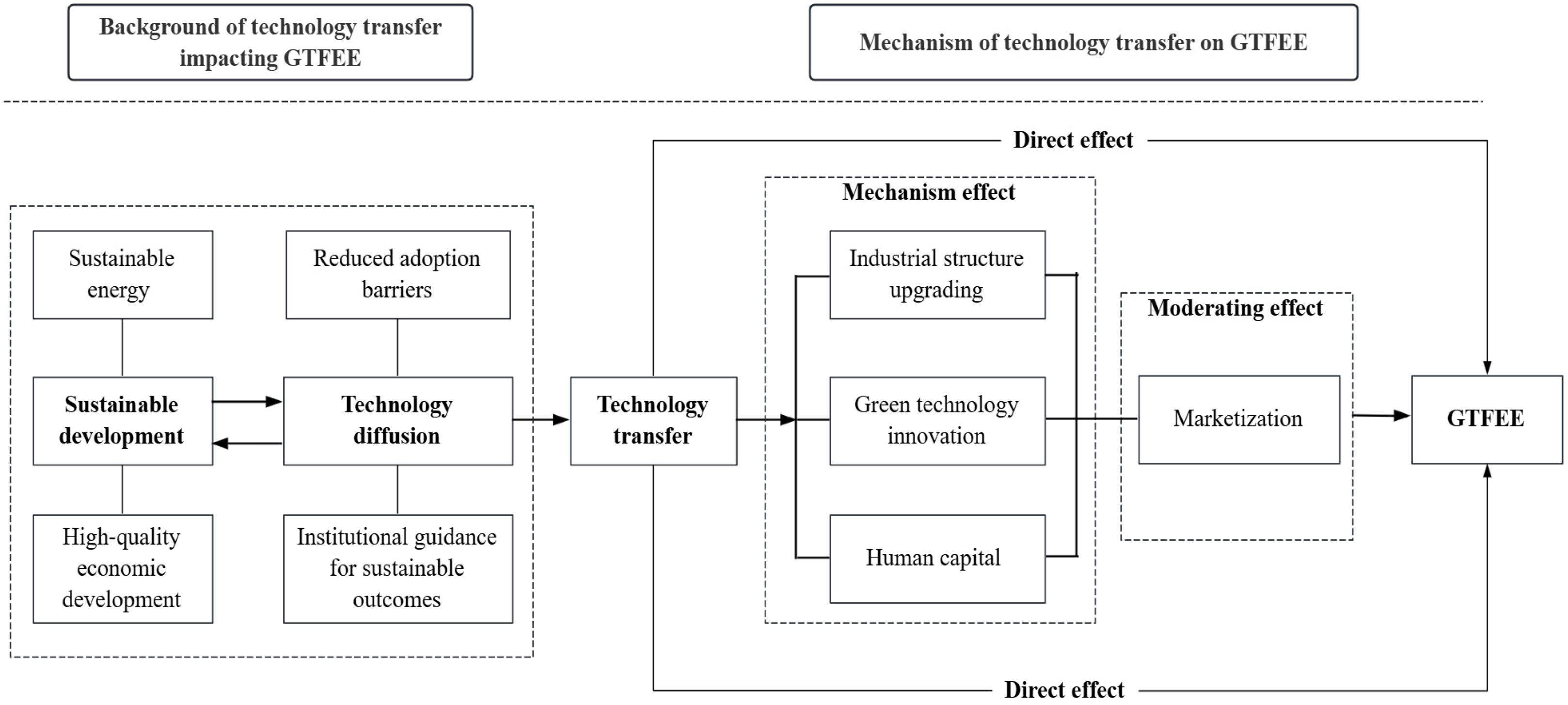
The current investigation, in conformity with the framework depicted in Figure 2, examines the immediate impacts, the intermediary routes, and the moderating factors of the main variable. The mediators include industrial-structure transformation, green technological innovation, and human capital accumulation, whereas the moderating factors are dependent on the extent of marketization.

4. Research Design

4.1. Data Sources and Processing

This study uses panel data for 280 prefecture-level and higher Chinese cities covering 2006–2022, with cities suffering extensive data gaps excluded. Input–output indicators for GTFEE were obtained from the EPS database and the China Energy Statistical Yearbook. Green patent data were retrieved from the National Intellectual Property Administration’s patent search system using IPC classifications for green innovation. Additional variables come from the China City Statistical Yearbook, China Urban Construction Statistical Yearbook, China Electric Power Statistical Yearbook, and relevant municipal yearbooks and bulletins. Missing annual observations were imputed by linear interpolation to produce a complete, consistent dataset.

4.2. Model Construction

Exploiting the staggered rollout of NTTCs across different municipalities and years, we employ a multiperiod DID framework grounded in the two-way fixed effects estimator. This specification is methodologically tailored to the data structure, leveraging quasiexogenous variation in policy timing to identify causal effects while rigorously absorbing time-invariant city heterogeneity and common temporal shocks. The estimation equation is as follows:
G T F E E i t = α 0 + α 1 T e c h i t + α 2 X i t + μ i + σ t + ε i t
In Equation (1), G T F E E i t stands for the green total factor energy efficiency of city i during year t; T e c h i t is the treatment indicator for technology transfer implementation; X i t is a vector of control variables; μ i controls for city fixed effects; σ t controls for year fixed effects; and ε i t is the residual term.

4.3. Variable Definitions

4.3.1. GTFEE

To address the limitations of conventional energy efficiency metrics, which often neglect environmental externalities in sustainability evaluation, this study adopts GTFEE. The GTFEE framework incorporates undesirable outputs, enabling a more balanced assessment of energy performance that integrates both economic and ecological dimensions. The measurement employs an SBM model embedded within a GML index. This combined SBM-GML approach offers two key strengths: the nonradial, nonoriented SBM specification accounts for input/output slacks and incorporates undesirable outputs without imposing proportionality constraints, whereas the GML index provides transitive and comparable efficiency measures over time [47]. In practice, the efficiency score of a base period is normalized to 1, and the scores for subsequent periods are derived by cumulatively multiplying the annual GML indices, thus generating a consistent panel of efficiency values for dynamic analysis.
Drawing upon established methodologies in the literature [12,18], this study constructs a GTFEE evaluation system. The framework is designed to comprehensively assess resource utilization efficiency by explicitly internalizing environmental costs, moving beyond conventional economic-centric measures. It systematically incorporates three categories of inputs, one desirable output, and a set of undesirable outputs to capture the multidimensional trade-offs between economic growth and ecological impact.
The specific variables and their measurements are defined as follows. The inputs include labor, measured by the year-end total employed population; capital stock, estimated via the perpetual inventory method with the formula K i t = K i t 1 ( 1 δ i t ) + Ι i t , where Ι i t represents current investment and the depreciation rate δ i t is set at 9.6% [48]; and energy, represented by total regional electricity consumption. The outputs include the desirable outputs measured by real gross regional products deflated to a constant price base year, and the undesirable outputs include the emissions of sulfur dioxide, soot, dust, and wastewater. The selection of these specific undesirable outputs is intentional. While carbon dioxide emissions are a critical global concern, this study focuses on conventional local air and water pollutants for two primary reasons. First, sulfur dioxide, soot, dust, and wastewater pose more immediate and measurable health and ecological risks at the regional scale, which is the central focus of this analysis. Second, employing this set of pollutants ensures direct comparability with the foundational GTFEE studies upon which the core analytical methodology is built [1,12,18], thereby maintaining consistency within this established research paradigm.

4.3.2. Technology Transfer

The technology transfer variable (Tech) is operationalized at the provincial level to capture the effects of NTTCs. This geographic choice rests on two main considerations. First, although NTTCs are physically sited in particular host cities, they are instituted to operate as province-wide platforms that pool and coordinate scientific and technological resources, thereby promoting diffusion and commercialization across the entire province rather than being confined to a single municipality. Second, defining treatment at the provincial level reduces spatial misclassification: a narrowly defined city-level assignment risks labelling neighbouring cities within the same province as untreated despite shared policy implementation, resource networks, and infrastructure, which would bias downwards estimates of the policy’s true reach. Overall, a provincial-level measure better aligns the empirical treatment with the intended scope and transmission mechanisms of NTTCs.
Operationally, Tech is constructed as a dummy variable that is a product of the Treat and Time variables. Treat is a binary variable denoting whether a city lies within the province where the NTTCs are situated, with a value of 1 if it is within the influence range and 0 otherwise; time distinguishes the period before and after the establishment of the NTTCs. Following the launch of the first NTTC in Beijing in 2013, the time dummy variable is assigned a value of 1 for that year and every year after, and 0 for preceding years, with subsequent batches and years following the same rule. To account for potential lagged effects due to differences in the implementation month of the policy, it is stipulated that if a center is established before June of a given year, it is counted for that year; if it is established after June, it is deferred to the following year.

4.3.3. Control Variables

Drawing on methodologies established in Wen et al. (2022) and Xu et al. (2024) [15,16], the control variables incorporated in this study are as follows: population size (POP) is quantified as the natural logarithm of the city’s year-end resident population. Openness to foreign investment (FDI) is gauged by the natural logarithm of the actual utilized foreign capital in the year. Fiscal expenditure (GOV) is reflected in the ratio of government fiscal expenditure to fiscal revenue. The urbanization rate (URBAN) represents the proportion of the population engaged in nonagricultural activities relative to the year-end population. Technological level (TI) is indicated by the annual internal R&D spending as a percentage of regional GDP. Marketization (MK) is evaluated via the marketization index developed by Wang et al. (2021) [49]. As the underlying report only provides data up to 2019, this research applies the approach of Zeng et al. (2021) [50], extrapolating the marketization index for later years on the basis of its historical average annual growth rate to ensure a continuous and consistent series.

4.3.4. Mechanism Variables

Industrial structure (IS): Enhancing the industrial structure increases both the efficiency of energy provision and utilization, thereby increasing GTFEE [18]. Following Lin & Huang (2022) [51], this paper measures IS as the share of the secondary industry’s output value in GDP.
Green technology innovation (GTIF and GTIS): Green patents serve as a widely accepted metric for assessing the development of green technology innovation. Granted patents offer a more precise capture of genuine advancements in green technology than applications do. Green technology innovation extends beyond quantitative expansion to include qualitative enhancement. Accordingly, drawing on prior research [52], GTIF is defined as the number of approved green invention patents, reflecting the quality of environmentally friendly technologies, whereas GTIS encompasses the quantity dimension through the number of granted green utility model patents. Both indicators are expressed as per capita values using the year-end resident population as the denominator.
Human capital (HC): Employees engaged in scientific and technological activities possess strong innovative awareness and capabilities, which are crucial for improving GTFEE. Hence, this paper adopts the ratio of employment in scientific research and technical services to the year-end resident population as the metric for human capital (see Table 1).

5. Empirical Analysis

5.1. Benchmark Regression: The Impact of Technology Transfer on GTFEE

Table 2 reports the foundational regression findings, illustrating a statistically discernible link between technology transfer and GTFEE. Column (1), which includes only the technology transfer indicator, shows a positively significant coefficient, offering initial evidence that technology transfer contributes to higher GTFEE. In column (2), we add city and year fixed effects to the baseline specification from column (1); the coefficient associated with the technology transfer variable is consistently positive and statistically notable. In column (3), additional control variables are introduced, and the estimated impact of technology transfer remains significantly positive, indicating a persistent positive association with GTFEE after accounting for observed confounders. Column (4) reports the extended model from column (3), incorporating fixed effects for both city and year; the technology transfer coefficient is statistically significant at the 1% level. Collectively, these results exhibit strong explanatory power, affirming that technology transfer facilitates GTFEE improvement and generates cobenefits for energy and environmental outcomes, thus contributing to synergistic gains in both economic performance and ecological quality.
The analysis demonstrates that technology transfer has a positive influence on GTFEE. This finding aligns with emerging evidence indicating that NTTCs promote innovation through technology spillover and collaborative innovation mechanisms [7]. The established institutional framework appears particularly effective in enhancing energy efficiency, corroborating studies that link technology transfer to improved innovation capacities in the environmental sector [53]. While previous research has identified policy instruments and digital infrastructure as crucial determinants of GTFEE [12,14], our results reveal that technology transfer is a complementary channel that systematically bridges green innovation development and implementation. The significant impact of NTTCs underscores the importance of institutional arrangements in technology diffusion processes, supporting the view that adaptable innovation systems are essential for addressing energy efficiency challenges [54]. This study thus extends the current understanding of GTFEE drivers by highlighting the previously underexplored role of formal technology transfer institutions in advancing urban energy efficiency.

5.2. Validity Test of the DID Model

5.2.1. Parallel Trend Test

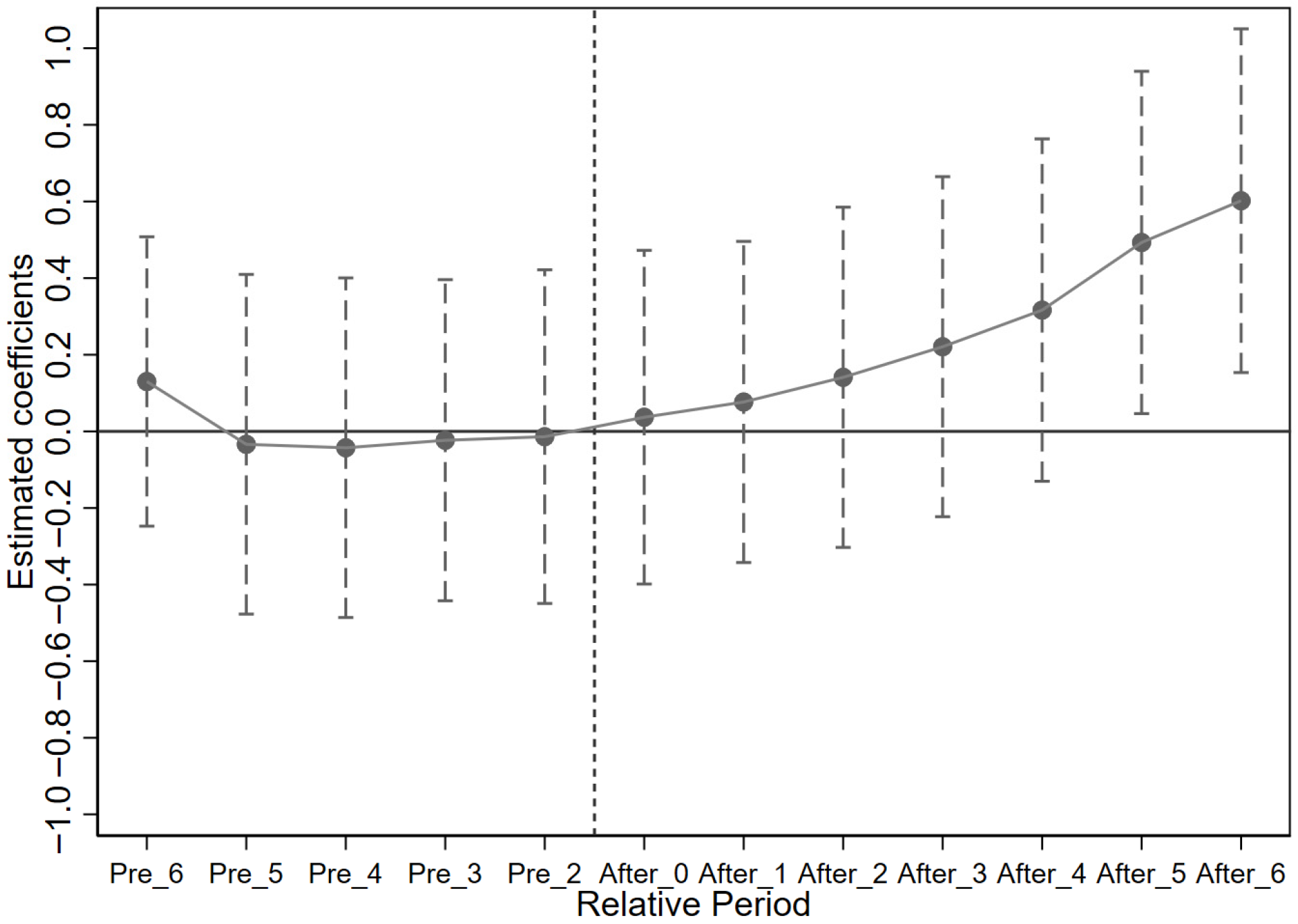
To validate the multiperiod DID design, we test the parallel-trends assumption by estimating a dynamic event-study specification that traces the treatment effect in each period before and after the NTTC policy. Using a dynamic event-study specification with the preintervention period (t = −1) as the baseline, Figure 3 demonstrates statistically indistinguishable GTFEE trends between groups before policy implementation. Following NTTC establishment, the coefficients become statistically significant and gradually increase, indicating a strengthening treatment effect on GTFEE over time.

5.2.2. Placebo Test

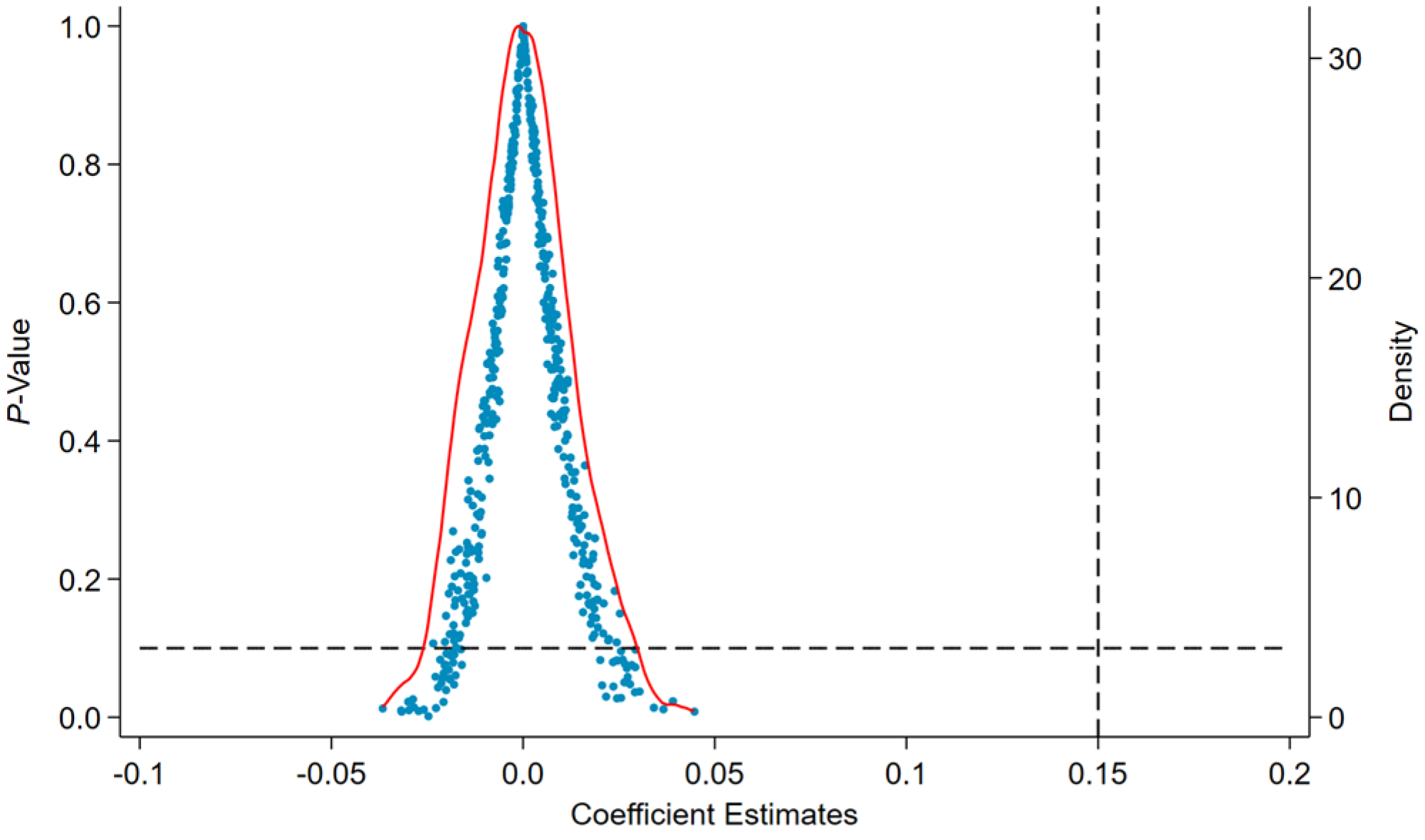
To rule out that the observed improvement in GTFEE is driven by unobserved factors, we implement a placebo test that double-randomizes cities and treatment years. Specifically, the dataset is first randomly grouped by city, and within each group, a random year is selected as the hypothetical establishment time of the NTTCs. The regression model performs 500 random samplings to simulate different time and treatment group settings. Figure 4 presents the resulting distributions of the estimated technology transfer coefficients and their associated p-values. These coefficients generally follow a normal distribution, and most estimates are statistically insignificant, indicating that the improvement in GTFEE is attributed primarily to the impact of technology transfer rather than other potential factors.

5.2.3. Heterogeneous Treatment Effect Tests

Because heterogeneous treatment effects in multiperiod DID can bias the conventional two-way fixed-effects estimator, we first apply a Bacon decomposition to diagnose potential weighting issues. Table 3 indicates that the time-varying treatment groups assign approximately 90.12% of the weight to never-treated individuals that the control group does, whereas within-group weights account for only 1.77%. This finding indicates that the heterogeneity of treatment effects is primarily cross-group rather than within-group, further suggesting that the estimation results are not significantly affected. Second, adopting the approach of Callaway et al. (2021) [55], this research re-estimates the results via a heterogeneity-robust estimator that is based on group-period average treatment effects. The estimated coefficient of 0.097 maintains its significance at the 5% level, thus illustrating the reliability of the findings.

5.3. Robustness Tests

5.3.1. PSM-DID and Entropy Balancing Method

To address potential sampling nonrandomness in assigning experimental and control groups on the basis solely of the timing of policy implementation, as well as confounding influences from city-specific characteristics and economic conditions, this research employs a PSM methodology. A logit model is constructed using a selection of regional characteristics as matching covariates to execute annual 1:1 nearest-neighbor matching without replacement. The baseline regression is subsequently recalculated using this matched sample. In column (1) of Table 4, the policy coefficient emerges at 0.0138, which continues to be statistically significant, reinforcing the notion that technology transfer plays a vital role in bolstering GTFEE.
Given that the PSM-DID method may introduce matching bias, this study references related research and applies the entropy balancing method to address endogeneity, rematch treatment and control group samples on the basis of higher-order moments of covariates from PSM-DID. Column (2) of Table 4 reports a coefficient of 0.0375, significant at the 1% level, aligning with prior results and indicates that technology transfer still significantly positively affects GTFEE.

5.3.2. Mean-Year Joint Fixed Effects

To satisfy the conditional parallel trends assumption (CIA) while avoiding the bad control problem, this paper incorporates interaction terms between the prepolicy averages of city characteristics and year fixed effects to reassess the relationship between technology transfer and GTFEE. Column (1) in Table 5 shows that after incorporating the mean-year joint fixed effects, the technology transfer coefficient maintains a value of 0.0127 and continues to be statistically significant at the 1% threshold, reaffirming the conclusion that technology transfer enhances GTFEE.

5.3.3. Data Trimming Procedure

This paper applies 1% and 5% winsorization to the core explained variables and control variables, respectively. After winsorization, the baseline regression is reconducted. Columns (2) to (3) of Table 5 show the outcomes of these robustness checks. The coefficient of technology transfer remains positive and statistically significant, which is consistent with prior evidence and supports the robustness of the findings.

5.3.4. Alternative Core Variable Specification

As a robustness check, the technology transfer indicator is redefined at the city level. Under this alternative specification, only the city hosting an NTTC is classified as treated. The estimates reported in column (4) of Table 5 show that the coefficient on the city-level treatment remains positive and is statistically significant at the 1% level. This finding indicates that the positive effect of NTTCs on GTFEE increases when the policy is measured with a more geographically precise definition, thereby reinforcing the robustness of the main results.

5.3.5. Policy Exogeneity Test

To test the exogeneity of the policy shock, this study adopts the method of Beck et al. (2010) [56], and directly examines whether the timing of the establishment of NTTCs is influenced by regional GTFEE via the Weibull hazard model. The specific setup is as follows: GTFEE is included in the covariate vector, with the anticipated establishment time of the NTTCs as the explained variable. The anticipated establishment time is measured as the natural logarithm of the gap between the expected implementation year of implementation and the year of observation. Column (5) of Table 5 shows that the GTFEE coefficient is not statistically significant, implying that the timing of NTTC establishment is not driven by GTFEE and can be regarded as an exogenous shock.

5.3.6. Excluding Other Policy Interferences

To address potential confounding effects from other pilot policies within the sample period, this study introduces dummy variables representing low-carbon city pilots, smart city pilots, and carbon trading city pilots into the baseline regression. The findings, presented in Table 6, offer insights into the estimated coefficients, which remain aligned with the baseline results after controlling for these policy interventions, providing additional evidence of robustness.

5.4. Mechanism Analysis

Within the policy context of establishing NTTCs, industrial structure, green technology innovation, and human capital accumulation constitute the principal pathways through which technology transfer enhances GTFEE. To empirically validate these mechanisms, we conducted mediation tests, with the results presented in Table 7.
Column (1) illustrates that technology transfer exerts a positive and statistically significant impact on industrial-structure upgrading (coefficient = 0.0064, p < 0.05). This outcome indicates that technology transfer accelerates the ecological transformation of traditional practices and fosters the growth of green sectors to promote industrial structural optimization [57,58]. Consequently, such structural advancements facilitate the redistribution of production inputs, particularly energy resources, from low-productivity to high-productivity sectors, thereby enhancing GTFEE [59].
Columns (2) and (3) show that technology transfer is positively associated with green invention patents (coefficient = 0.0535, p < 0.01) and green utility model patents (coefficient = 0.2197, p < 0.01). These findings imply that technology transfer expedites both the iterative refinement and large-scale commercialization of carbon-reducing technologies, thereby significantly fostering green technology innovation [29]. By incorporating superior energy-efficient solutions and cleaner production methods through green technological innovation to expand production techniques, such innovation shifts the production possibility frontier outwards to sustain the continuous improvement of GTFEE [60].
Column (4) shows that technology transfer significantly promotes human capital accumulation (coefficient = 0.0004, p < 0.01). This evidence corroborates that technology transfer facilitates the agglomeration of specialized talent and augments professional proficiency within green sectors, thereby significantly enriching human capital accumulation. This high-calibre workforce streamlines production workflows, enhances energy governance, and accelerates the diffusion of technological innovation [61], ultimately furnishing sustained intellectual and operational momentum for the advancement of GTFEE.
Table 8 reports the decomposition of the total effect of technology transfer on GTFEE. The results reveal that the direct effect represents the primary channel, contributing 37.46% of the total influence. Among the indirect pathways, green technology innovation serves as the most substantial mechanism, with its invention and utility model dimensions accounting for 24.47% and 25.68%, respectively. Human capital explains an additional 10.88%, whereas industrial structure plays a modest role, constituting 1.51% of the total effect. Together, these channels fully explain the aggregate impact, highlighting the predominance of the direct transfer effect and the central role of green innovation as a complementary transmission mechanism.

5.5. Moderating Effects Analysis

The 2025 State Council Government Work Report clearly states that “it is necessary to coordinate the effective market and the proactive government”, profoundly reflecting the core demand for building a high-efficiency governance system. Around this demand, as a key policy deployment of the proactive government, its policy effectiveness cannot be unleashed without synergistic cooperation with the effective market. This study therefore adds an interaction between the degree of market centralization and the DID treatment indicator to test whether a more effective market strengthens the impact of technology transfer on GTFEE and its transmission channels.
Table 9 delineates the moderating effect of marketization, providing empirical evidence that elucidates the synergistic interplay between high-efficiency governance mechanisms. The data presented in column (1) highlight that the interaction effect between technology transfer and marketization has a positive coefficient of 0.0106 on GTFEE (p < 0.01). This finding implies that a highly marketized environment serves as a catalyst to augment the dissemination and intensification of the policy efficacy of an adept government, thereby fostering enhanced governance efficiency.
The results in columns (2) to (5) further elucidate the mechanisms driving market synergy. The interaction terms between technology transfer and marketization yield coefficients of −0.0031 for industrial structure (IS), 0.0206 and 0.1060 for green technology innovation (GTIF and GTIS), and 0.0001 for human capital (HC), which are significant at the 1% level. These findings suggest that coupling government guidance with market forces generates synergistic effects by activating endogenous channels to propel green transformation. Notably, the moderating role of marketization is heterogeneous across dimensions. While it amplifies green innovation and human capital development, it has a negative moderating effect on industrial restructuring. This divergence likely stems from the propensity of highly marketized environments to channel transferred technologies toward enhancing the efficiency of incumbent industries rather than inducing radical structural shifts.
The analysis indicates that the amplifying effect is most pronounced for GTIS, as evidenced by a coefficient of 0.1060. This finding underscores the critical preconditions and specific channels required for targeted policy execution within a performance-driven governance framework. An environment characterized by high market efficiency excels in identifying, attracting, and integrating frontier green technologies. Furthermore, such an environment offers essential risk-sharing instruments, robust intellectual property rights, and policy compatibility, all of which collectively optimize the effectiveness of the green transition. Ultimately, the synergistic coupling of proactive governmental strategies with efficient market mechanisms amplifies policy potency, thereby significantly increasing GTFEE.

6. Further Analysis: Heterogeneity Analysis

6.1. Heterogeneity: Digital Economics

The digital economy (DIG) serves as a key enabler for the emergence of technology transfer, while such transfers reciprocally contribute to the evolution of a dynamic innovation ecosystem within the digital economy. By accelerating the transformation and practical application of technological achievements, technology transfer promotes the in-depth convergence of digital technologies with conventional industries and expedites their digital transition. It follows that disparities in digital economic development may result in varying efficacy of technology transfer initiatives. To measure these differences, a composite digital economy development index is constructed following the approach in the literature [62]. The index comprises five dimensions: internet penetration, employment share in computer services and software, per capita telecommunications revenue, mobile phone penetration, and the digital inclusive finance index. The component weights are derived via the entropy method (see Table 10). To mitigate potential biases arising from arbitrary threshold selection in subgroup analyses, we employ a continuous interaction term to examine the heterogeneity associated with the digital economy.
As presented in column (1) of Table 11, the interaction coefficient is significantly positive (0.1081). This result indicates that the digital economy acts as a catalyst, amplifying the positive impact of technology transfer on GTFEE. Rather than a “catch-up” phenomenon, this evidence points to a “cumulative advantage” mechanism, wherein sophisticated digital infrastructure is a prerequisite for fully exploiting transferred technologies. This synergy functions via two primary channels. First, a mature digital ecosystem alleviates the search frictions and transaction costs pervasive in technology markets [63]. By leveraging advanced information networks, regions can achieve precise alignment between green technology supply and industrial demand, thereby enhancing allocative efficiency. Second, intensive digitalization bolsters regional absorptive capacity [64]. The deployment of digital solutions empowers firms to transcend the path dependency of carbon-intensive paradigms, thereby expediting the effective incorporation of external green innovations into value chains.

6.2. Heterogeneity: Intellectual Property Protection

Intellectual property (IP) protection and its enforcement shape the efficiency of technology transfer and firms’ engagement in green technological innovation, and their effects on GTFEE may vary by context. We use the number of adjudicated IP cases in municipal courts as a proxy for IP protection strength. To circumvent the potential biases inherent in median-based grouping and to capture continuous dynamic variations, we utilize an interaction term to analyse the heterogeneity associated with judicial IP protection.
As illustrated in column (2) of Table 11, the interaction coefficient is significantly positive (0.0222). This finding suggests that the efficacy of technology transfer relies on the quality of the institutional environment, with rigorous legal systems serving as catalysts for green transformation. Specifically, robust IP enforcement strengthens the regional innovation ecosystem by guaranteeing the appropriateness of returns from innovation [65]. This legal security reduces transactional uncertainty, thereby motivating firms to acquire cutting-edge green technologies rather than retaining low-cost, obsolete alternatives. Moreover, secure property rights incentivize corporate investment in secondary innovation, which is essential for firms to escape the technological lock-in of traditional carbon-intensive production. Consequently, in regions characterized by strong IP protection, technology transfer is more effectively translated into sustained green productivity.

6.3. Heterogeneity: Resource Endowment

Given the differential distribution of resource allocations across urban centers, it is postulated that the influence of technological transfer on GTFEE will manifest variability. Conforming to the classification schema outlined in China’s “National Sustainable Development Plan for Resource-Based Cities (2013–2020)”, the study categorizes cities into two groups: resource-based and nonresource-based, and estimate the model separately for each category.
The outcomes illustrated in Table 12 reveal that technology transfer yields a significant positive effect on GTFEE, specifically within nonresource-based cities. This heterogeneity underscores the inhibiting influence of path dependency characteristics of resource-reliant economies. In these regions, the dominance of heavily polluting industries engenders a carbon lock-in effect that crowds out innovation capital and talent [66], thereby stifling the vitality of the regional innovation ecosystem. Such structural rigidity limits local absorptive capacity, impeding the effective internalization of external green technologies. Conversely, nonresource-based cities benefit from diversified industrial structures and fluid innovation networks [67], which facilitate the efficient allocation and commercialization of transferred technological elements.

6.4. Heterogeneity: Urban Network Centrality

Variations in the functional positioning of cities within transportation networks may likewise lead to differential impacts of technology transfer on GTFEE. In line with China’s “Medium and Long-term Railway Network Plan (2016)”, the sample cities are classified into transportation hubs and nonhub cities, and separate regression analyses are performed for each category.
As shown in Table 13, technology transfer has a stronger effect on improving GTFEE in transportation-hub cities. This heterogeneity is rooted in the superior open innovation ecosystems characteristic of central nodes. As pivotal conduits for factor mobility, transportation hubs utilize integrated high-speed rail and aviation networks to reduce spatial distances and alleviate information asymmetries [68]. Such heightened connectivity facilitates frequent face-to-face interactions among technical experts, which are indispensable for diffusing the complex, tacit knowledge underpinning green innovation. As a result, these hubs expedite the assimilation and commercialization of transferred technologies, thereby amplifying their marginal contribution to green productivity.

7. Conclusions and Policy Implications

7.1. Conclusions

With the advancement of the implementation of the green development strategy, improving GTFEE has emerged as the central objective for advancing sustainable development. Accordingly, this research employs a multiperiod DID approach, utilizing panel data from 280 prefecture-level cities and above in China, covering the years from 2006 to 2022. This rigorously investigates the influence of technology transfer on GTFEE. The principal results are summarized as follows: (1) Technology transfer has notably promoted GTFEE improvement. (2) Mechanistic analyses indicate that technology transfer increases GTFEE through three main pathways: upgrading the industrial structure, fostering green technology innovation, and developing human capital. (3) Marketization acts as a significant moderator, substantially amplifying the positive effect of technology transfer on GTFEE while also intensifying its supportive role in green technology innovation and human capital development. (4) Heterogeneity tests reveal that the positive impact of urban technology transfer on GTFEE is more pronounced in cities characterized by highly developed digital economies, stronger intellectual property protection, nonresource-based economic structures, and those serving as transport hubs.
Despite these contributions, the study is subject to certain limitations that suggest possible alternative explanations for the findings. One constraint is the reliance on city-level macro data, which may obscure microlevel heterogeneity regarding how individual firms respond to policy incentives. Furthermore, while the model controls for major policy shocks, it is plausible that concurrent unobserved factors such as informal environmental regulations or shifts in public environmental awareness could offer alternative explanations for the observed efficiency gains. Finally, given that these findings are derived from China’s specific institutional context, generalizing the results to economies with differing market mechanisms warrants cautious interpretation.

7.2. Theoretical Contributions

Utilizing the establishment of the NTTC as a quasinatural experiment, this study establishes a rigorous analytical framework to evaluate the causal impact of technology transfer on GTFEE. This research bridges the gap between the literature on energy efficiency determinants and technology transfer policies by identifying structured transfer platforms as pivotal institutional variables beyond conventional factors. Crucially, it elucidates the transmission channels comprising industrial upgrading, green innovation, and human capital accumulation while validating the moderating role of marketization in amplifying these effects. Furthermore, through extensive heterogeneity analysis, the study defines the boundary conditions of policy efficacy by integrating regional institutional and structural contexts into the evaluation framework. Collectively, these findings offer a robust theoretical contribution regarding how government-guided technology transfer, supported by market mechanisms and endogenous pathways, systematically enhances environmental performance.

7.3. Policy Value

First, building upon the identified transmission mechanisms comprising industrial upgrading, green innovation, and human capital accumulation, the government should strengthen the foundational role of technology transfer centers. To effectively activate these channels, a comprehensive support framework is needed. For industrial transformation, specialized technical service platforms should be established to provide customized low-carbon solutions specifically for energy-intensive sectors. With respect to green innovation, policymakers should encourage the formation of collaborative R&D consortia involving enterprises and universities to focus on breakthrough technologies, including high-efficiency photovoltaics. Crucially, to ensure that these technologies are effectively absorbed, tailored talent development programs must be aligned with industrial needs to create a reservoir of skilled human capital capable of driving the green transition.
Second, differentiated strategies should be employed to maximize policy efficacy across diverse regional contexts, as indicated by heterogeneity analysis. Given the catalytic role of the digital economy in reducing search frictions, it is imperative to accelerate the integration of technology transfer platforms with digital infrastructure to create online-offline networks that increase matching efficiency. For resource-based regions facing carbon lock-in, policy intervention should prioritize the introduction of external green technologies to overcome structural rigidities. Conversely, in regions with robust intellectual property protection, the focus should shift toward incentivizing secondary innovation and securing the appropriability of technological returns to foster a virtuous cycle of high-quality development.
Third, policy design must transcend isolated measures by fostering synergy between technology transfer and broader market-oriented reforms. This study positions technology transfer as the supply-side pillar of the national green strategy, which functions in concert with demand-side mechanisms such as carbon trading schemes. While carbon markets impose the necessary cost constraints to curb emissions, technology transfer provides the essential technical solutions to meet these targets efficiently. Simultaneously, the expansion of digital finance and green asset securitization should be leveraged to address the liquidity constraints inherent in technology commercialization, thereby forming a cohesive policy matrix that balances regulation, technology supply, and financial support.
Finally, the implications of this study extend beyond the specific institutional context of China. While administrative structures differ globally, the core challenge of overcoming information asymmetry in green technology markets is universal for emerging economies. The model identified herein, which uses government-guided intermediaries to bridge the gap between R&D and industrial application, offers a scalable blueprint for other developing nations. This demonstrates a viable pathway for balancing state guidance with market mechanisms to correct resource misallocation and achieve sustainable industrial transitions.

8. Limitations and Future Research

Although this study illuminates the pivotal role of technology transfer in driving GTFEE, several limitations remain that suggest avenues for future inquiry. First, regarding data granularity, the reliance on city-level macro indicators and standard proxies, such as patent counts, may not fully reflect the intrinsic quality of transferred technologies or the specific attributes of human capital. Consequently, future research would benefit from employing microlevel firm data to mitigate potential measurement biases. Second, while the multiperiod DID framework effectively identifies average treatment effects, it could be complemented by alternative methodological approaches, such as spatial econometric models or triple-difference strategies, to explicitly capture spatial spillover effects and disentangle sectoral heterogeneity. Finally, given that these findings are rooted in China’s specific institutional environment, expanding the analysis through an international comparative perspective would significantly enhance the external validity and applicability of the conclusions within the global context of carbon neutrality.

Author Contributions

Conceptualization was carried out by S.W. and T.T.; the methodology was developed by S.W.; software work was conducted by S.W.; formal analysis was performed by S.W.; data curation was handled by D.C.; the original draft was prepared by S.W.; D.C. and T.T. contributed to the writing—review and editing; supervision was provided by T.T.; funding acquisition was managed by S.W. and T.T. All authors have read and agreed to the published version of the manuscript.

Funding

This research was funded by the Jiangxi Provincial Department of Education Graduate Innovation Fund Project, Grant number YJS2024016.

Institutional Review Board Statement

Not applicable.

Informed Consent Statement

Not applicable.

Data Availability Statement

The data discussed in this research can be requested from the corresponding authors.

Conflicts of Interest

The authors declare no conflicts of interest.

References

  1. Shao, J.; Wang, L. Can new-type urbanization improve the green total factor energy efficiency? Evidence from China. Energy 2023, 262, 125499. [Google Scholar] [CrossRef]
  2. Li, G.; Gao, D.; Li, Y. Impacts of market-based environmental regulation on green total factor energy efficiency in China. China World Econ. 2023, 31, 92–114. [Google Scholar] [CrossRef]
  3. He, Y.; Liao, N.; Lin, K. Can China’s industrial sector achieve energy conservation and emission reduction goals dominated by energy efficiency enhancement? A multi-objective optimization approach. Energy Policy 2021, 149, 112108. [Google Scholar] [CrossRef]
  4. Calcagnini, G.; Favaretto, I. Models of university technology transfer: Analyses and policies. J. Technol. Transf. 2016, 41, 655–660. [Google Scholar] [CrossRef]
  5. Rogers, E.M.; Takegami, S.; Yin, J. Lessons learned about technology transfer. Technovation 2001, 21, 253–261. [Google Scholar] [CrossRef]
  6. Liang, T.; Zhang, Y.J.; Qiang, W. Does technological innovation benefit energy firms’ environmental performance? The moderating effect of government subsidies and media coverage. Technol. Forecast. Soc. Change 2022, 180, 121728. [Google Scholar] [CrossRef]
  7. Xiao, M.; Wu, H.; Jiang, M.; Yang, J. From transfer to transformation: How national technology transfer centers drive digital innovation. Appl. Econ. Lett. 2024, 1–6. [Google Scholar] [CrossRef]
  8. Li, J.; Huang, Y.; Wang, L. Impact of national technology transfer markets on entrepreneurship in China. China World Econ. 2025, 33, 76–108. [Google Scholar] [CrossRef]
  9. Chen, K.; Zhang, C.; Feng, Z.; Zhang, Y.; Ning, L. Technology transfer systems and modes of national research institutes: Evidence from the Chinese academy of sciences. Res. Policy 2022, 51, 104471. [Google Scholar] [CrossRef]
  10. Lyu, Y.; Wang, W.; Wu, Y.; Zhang, J. How does digital economy affect green total factor productivity? Evidence from China. Sci. Total Environ. 2023, 857, 159428. [Google Scholar] [CrossRef]
  11. Li, X.; Ma, D. Financial agglomeration, technological innovation, and green total factor energy efficiency. Alex. Eng. J. 2021, 60, 4085–4095. [Google Scholar] [CrossRef]
  12. Xiao, Y.; Kong, Q.; Chen, Y.; Zhang, L. Examining the effect of low-carbon City trial on green total factor energy efficiency in China. Environ. Dev. Sustain. 2025, 1–33. [Google Scholar] [CrossRef]
  13. Fang, G.; Chen, G.; Yang, K.; Yin, W.; Tian, L. How does green fiscal expenditure promote green total factor energy efficiency? Evidence from Chinese 254 cities. Appl. Energy 2024, 353, 122098. [Google Scholar] [CrossRef]
  14. Ren, W.; Weng, S.; Zhu, M. “Booster” or “Obstacle”: How does industrial digitalization impact marine green total factor energy efficiency. J. Clean. Prod. 2025, 519, 145998. [Google Scholar] [CrossRef]
  15. Wen, H.; Liang, W.; Lee, C.C. Urban broadband infrastructure and green total-factor energy efficiency in China. Util. Policy 2022, 79, 101414. [Google Scholar] [CrossRef]
  16. Xu, R.Y.; Wang, K.L.; Miao, Z. The impact of digital technology innovation on green total-factor energy efficiency in China: Does economic development matter? Energy Policy 2024, 194, 114342. [Google Scholar] [CrossRef]
  17. Zhang, J.; Sun, Z. Does the synergy between fintech and green finance lead to the enhancement of urban green total factor energy efficiency? Empirical evidence from China. J. Environ. Manag. 2025, 382, 125366. [Google Scholar] [CrossRef] [PubMed]
  18. Yang, S.; Ding, D.; Sun, C. Does innovative city policy improve green total factor energy efficiency? Evidence from China. Sustainability 2022, 14, 12723. [Google Scholar] [CrossRef]
  19. Hao, Y.; Gai, Z.; Wu, H. How do resource misallocation and government corruption affect green total factor energy efficiency? Evidence from China. Energy Policy 2020, 143, 111562. [Google Scholar] [CrossRef]
  20. Lin, B.; Wang, C. Does industrial relocation affect green total factor energy efficiency? Evidence from China’s high energy-consuming industries. Energy 2024, 289, 130002. [Google Scholar] [CrossRef]
  21. Chen, Y.N. Comparing North-South technology transfer and South-South technology transfer: The technology transfer impact of Ethiopian Wind Farms. Energy Policy 2018, 116, 1–9. [Google Scholar] [CrossRef]
  22. Qian, F.; Hong, J.; Ho, B.; Fang, T. Technology Transfer Channels and Innovation Efficiency: Empirical Evidence From Chinese Manufacturing Industries. IEEE Trans. Eng. Manag. 2020, 69, 2426–2438. [Google Scholar] [CrossRef]
  23. Yasar, M.; Paul, C.J.M. Foreign technology transfer and productivity: Evidence from a matched sample. J. Bus. Econ. Stat. 2008, 26, 105–112. [Google Scholar] [CrossRef]
  24. Coccia, M.; Rolfo, S. Technology transfer analysis in the Italian National Research Council. Technovation 2002, 22, 291–299. [Google Scholar] [CrossRef]
  25. Rai, V.; Schultz, K.; Funkhouser, E. International low carbon technology transfer: Do intellectual property regimes matter? Glob. Environ. Change 2014, 24, 60–74. [Google Scholar] [CrossRef]
  26. Hameed, T.; von Staden, P.; Kwon, K.S. Sustainable Economic Growth and the Adaptability of a National System of Innovation. Sustainability 2018, 10, 1397. [Google Scholar] [CrossRef]
  27. Chen, Y.; Lin, B. Understanding the green total factor energy efficiency gap between regional manufacturing—Insight from infrastructure development. Energy 2021, 237, 121553. [Google Scholar] [CrossRef]
  28. Zhou, C.; Qi, S. Has the pilot carbon trading policy improved China’s green total factor energy efficiency? Energy Econ. 2022, 114, 106268. [Google Scholar] [CrossRef]
  29. Cai, Y.; Wang, L. Impact of Digital Economy on Agricultural Green Total Factor Productivity: Evidence from the Quasi-Natural Experiment of the “Broadband China” Strategy. Front. Sustain. Food Syst. 2025, 9, 1607567. [Google Scholar] [CrossRef]
  30. Peltoniemi, M. Reviewing industry life-cycle theory: Avenues for future research. Int. J. Manag. Rev. 2011, 13, 349–375. [Google Scholar] [CrossRef]
  31. Qi, G.; Wang, Z.; Jiao, X.; Wang, C. The spatio-temporal characteristics of intercity green technology innovation transfer and its air pollution reduction effect in China. Ecol. Indic. 2025, 178, 113934. [Google Scholar] [CrossRef]
  32. Temel, S.; Dabić, M.; Ar, I.M.; Howells, J.; Mert, A.; Yesilay, R.B. Exploring the relationship between university innovation intermediaries and patenting performance. Technol. Soc. 2021, 66, 101665. [Google Scholar] [CrossRef]
  33. Ghisetti, C.; Mancinelli, S.; Mazzanti, M.; Zoli, M. Financial barriers and environmental innovations: Evidence from EU manufacturing firms. Clim. Policy 2017, 17, S131–S147. [Google Scholar] [CrossRef]
  34. Libecap, G.D. Addressing global environmental externalities: Transaction costs considerations. J. Econ. Lit. 2014, 52, 424–479. [Google Scholar] [CrossRef]
  35. Autio, E.; Hameri, A.P.; Vuola, O. A framework of industrial knowledge spillovers in big-science centers. Res. Policy 2004, 33, 107–126. [Google Scholar] [CrossRef]
  36. Yan, Z.; Sun, Z.; Shi, R.; Zhao, M. Smart city and green development: Empirical evidence from the perspective of green technological innovation. Technol. Forecast. Soc. Change 2023, 191, 122507. [Google Scholar] [CrossRef]
  37. Mangudhla, T.; Yong, L.; Tong, J.J.J.; Ahakwa, I.; Appiah-Twum, F. Achieving net zero in Africa: Can crowdfunding propel green technological innovation and renewable energy adoption? J. Environ. Manag. 2025, 380, 125037. [Google Scholar] [CrossRef]
  38. Lee, C.C.; Zhao, Y.N. Heterogeneity analysis of factors influencing CO2 emissions: The role of human capital, urbanization, and FDI. Renew. Sustain. Energy Rev. 2023, 185, 113644. [Google Scholar] [CrossRef]
  39. Shi, X.; Sui, F.; Huang, X. Green technology transfer for firms in a multi-layer network perspective: The dual impact of knowledge resources and regional environment. Environ. Technol. Innov. 2025, 39, 104291. [Google Scholar] [CrossRef]
  40. Teixeira, A.A.C.; Queirós, A.S.S. Economic growth, human capital and structural change: A dynamic panel data analysis. Res. Policy 2016, 45, 1636–1648. [Google Scholar] [CrossRef]
  41. Luo, Y.; Wang, Q.; Long, X.; Yan, Z.; Salman, M.; Wu, C. Green innovation and SO2 emissions: Dynamic threshold effect of human capital. Bus. Strategy Environ. 2023, 32, 499–515. [Google Scholar] [CrossRef]
  42. Tian, P.; Pan, Z.; Zeng, X.; Zhu, Y. Who takes the lead: Synergistic emission reduction effects of proactive government and efficient market in atmospheric pollution mitigation. J. Environ. Manag. 2024, 371, 123001. [Google Scholar] [CrossRef]
  43. Xu, S.; He, X.; Xu, L. Market or government: Who plays a decisive role in R&D resource allocation? China Financ. Rev. Int. 2019, 9, 110–136. [Google Scholar]
  44. Wang, W.; Sun, M. How does financial accessibility affect the resource allocation of enterprises? Micro-evidence from the financial geographical structure of investment-oriented enterprises. Financ. Res. Lett. 2025, 84, 107820. [Google Scholar] [CrossRef]
  45. Yuan, B.; Li, C.; Xiong, X. Innovation and environmental total factor productivity in China: The moderating roles of economic policy uncertainty and marketization process. Environ. Sci. Pollut. Res. 2021, 28, 9558–9581. [Google Scholar] [CrossRef] [PubMed]
  46. Zhu, C.; Xia, Y.; Liu, Q.; Hou, B. Deregulation and green innovation: Does cultural reform pilot project matter. Econ. Anal. Policy 2023, 78, 84–105. [Google Scholar] [CrossRef]
  47. Han, J.; Zhang, W.; Liu, X.; Muhammad, A.; Li, Z.; Işık, C. Climate policy uncertainty and green total factor energy efficiency: Does the green finance matter? Int. Rev. Financ. Anal. 2025, 104, 104293. [Google Scholar] [CrossRef]
  48. Hu, J.L.; Kao, C.H. Efficient energy-saving targets for APEC economies. Energy Policy 2007, 35, 373–382. [Google Scholar] [CrossRef]
  49. Wang, X.L.; Hu, L.P.; Fan, G. China Provincial Marketization Index Report (2021); Social Sciences Academic Press: Beijing, China, 2021. [Google Scholar]
  50. Zeng, W.; Li, L.; Huang, Y. Industrial collaborative agglomeration, marketization, and green innovation: Evidence from China’s provincial panel data. J. Clean. Prod. 2021, 279, 123598. [Google Scholar] [CrossRef]
  51. Lin, B.; Huang, C. Analysis of Emission Reduction Effects of Carbon Trading: Market Mechanism or Government Intervention? Sustain. Prod. Consum. 2022, 33, 28–37. [Google Scholar] [CrossRef]
  52. Zhang, Z.M.; Jiang, F. From financing to innovation: How green bond issuance promotes corporate green innovation in China. Financ. Res. Lett. 2025, 86, 108462. [Google Scholar] [CrossRef]
  53. Wei, L.; Zeng, B. Urban Technology Transfer, Spatial Spillover Effects, and Carbon Emissions in China. Sustainability 2024, 16, 9662. [Google Scholar] [CrossRef]
  54. Fu, M.Y. Can low-carbon technology transfer accelerate energy efficiency convergence. Energy 2025, 333, 137365. [Google Scholar] [CrossRef]
  55. Callaway, B.; Sant’Anna, P.H.C. Difference-in-Differences with multiple time periods. J. Econom. 2021, 225, 200–230. [Google Scholar] [CrossRef]
  56. Beck, T.; Levine, R.; Levkov, A. Big Bad Banks? The Winners and Losers from Bank Deregulation in the United States. J. Financ. 2010, 65, 1637–1667. [Google Scholar] [CrossRef]
  57. Tang, C.; Xue, Y.; Wu, H.; Irfan, M.; Hao, Y. How does telecommunications infrastructure affect eco-efficiency? Evidence from a quasi-natural experiment in China. Technol. Soc. 2022, 69, 101963. [Google Scholar] [CrossRef]
  58. Liu, L.; Yang, X.; Meng, Y.; Ran, Q.; Liu, Z. Does the construction of national eco-industrial demonstration parks improve green total factor productivity? Evidence from prefecture-level cities in China. Sustainability 2021, 14, 26. [Google Scholar] [CrossRef]
  59. Zhu, H.; Qi, X.; Xu, M.; Su, J.; Wang, Z. Digital finance, industrial structure upgrading, and energy efficiency in China: A provincial-level empirical analysis. Humanit. Soc. Sci. Commun. 2025, 12, 1259. [Google Scholar] [CrossRef]
  60. Li, W.; Fan, Z.; Yao, D. The impact of industrial robot on green total factor energy efficiency under the “resource curse” perspective: Evidence from cities in China. J. Environ. Manag. 2025, 385, 125641. [Google Scholar] [CrossRef] [PubMed]
  61. Prokop, V.; Gerstlberger, W.; Zapletal, D.; Gyamfi, S. Do we need human capital heterogeneity for energy efficiency and innovativeness? Insights from European catching-up territories. Energy Policy 2023, 177, 113565. [Google Scholar] [CrossRef]
  62. Xu, Q.; Zhong, M.; Dong, Y. Digital economy and risk response: How the digital economy affects urban resilience. Cities 2024, 155, 105397. [Google Scholar] [CrossRef]
  63. Pang, Q.; Zheng, H.; Zhang, L.; Chiu, Y.-H. How does the regional digital innovation ecosystem lead to high energy efficiency? An exploratory study based on fsQCA. Renew. Energy 2025, 253, 123602. [Google Scholar] [CrossRef]
  64. Zhong, X.; Ren, G. Digitalization and firms’ innovation efficiency: Do corporate social responsibility and irresponsibility matter? J. Technol. Transf. 2025, 50, 856–888. [Google Scholar] [CrossRef]
  65. Cha, S.; Lee, J.; Osgood, I.; Park, S. Rapidly innovating firms: Patent lifecycle and support for trade and IP enforcement. Rev. Int. Polit. Econ. 2025, 1–35. [Google Scholar] [CrossRef]
  66. Jiang, B.; Du, M.; Wang, D. Is there heterogeneity and moderating effect of carbon trading pilot in promoting total factor productivity? Environ. Sci. Pollut. Res. 2024, 31, 4290–4309. [Google Scholar] [CrossRef] [PubMed]
  67. Si, R.; Wang, Y.; Cao, M.; Wen, H. Does green technology innovation promote green economic growth?–Examining regional heterogeneity between resource-based and non-resource-based cities. Int. Rev. Econ. Financ. 2024, 94, 103406. [Google Scholar] [CrossRef]
  68. Wang, Y.; Xu, Z.; Liang, J. Impact of transportation hubs on urban economic resilience: Evidence from national comprehensive transportation hub cities. Transp. Res. Part A Policy Pract. 2026, 203, 104751. [Google Scholar] [CrossRef]
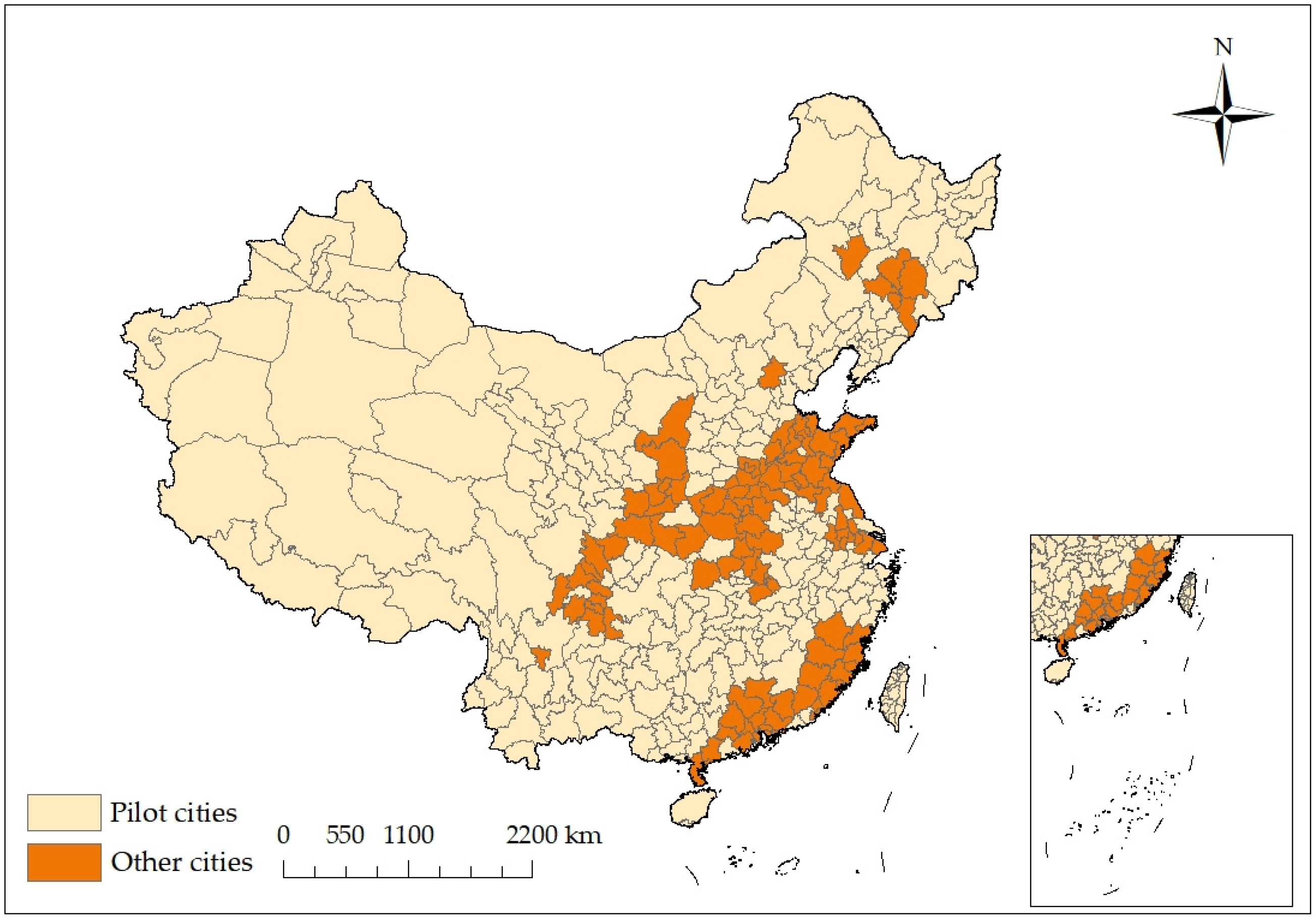
Figure 1. Geographical distribution of NTTCs.
Sustainability 18 00751 g001
Figure 2. Analytical framework.
Sustainability 18 00751 g002
Figure 3. Parallel trend test.
Sustainability 18 00751 g003
Figure 4. Placebo Test.
Sustainability 18 00751 g004
Table 1. Descriptive statistics.
VariableObsMeanStd. Dev.MinMax
GTFEE47600.32280.13330.02131.1770
Tech47600.28400.40650.00001.0000
POP47605.87320.69263.12678.0747
FDI47609.66922.21270.000014.941
GOV47600.01920.03470.00000.9362
URBAN47602.90922.01760.316133.0820
TI47600.53300.17140.11513.0144
MK476011.1613.07733.037121.265
IS47600.45600.11060.00000.8564
GTIF47600.08510.22490.00004.3657
GTIS47600.39150.71600.00008.3532
HC47600.00200.00260.00000.0327
Table 2. Benchmark regression results.
VariableGTFEE
(1)(2)(3)(4)
Tech0.0899 ***
(0.0046)
0.0127 ***
(0.0045)
0.0447 ***
(0.0047)
0.0124 ***
(0.0045)
Constant0.3041 ***
(0.0021)
0.2212 ***
(0.0048)
−0.1112 ***
(0.0184)
0.0603
(0.0667)
ControlsNONOYESYES
Year FENOYESNOYES
City FENOYESNOYES
N4760476047604760
R20.07510.26520.20550.2755
Notes: *** denote 1% sig. levels; standard errors are in parentheses.
Table 3. Bacon decomposition results.
Bacon DecomposeEstimation CoefficientWeight
Time-varying processing group−0.01020.0811
Never vs. time-varying0.01470.9012
Within0.00240.0177
Table 4. PSM-DID and entropy balancing results.
VariablePSM-DIDEntropy Balancing
(1)(2)
Tech0.0138 **
(0.0066)
0.0375 ***
(0.0048)
Constant0.0197
(0.0506)
0.0634 ***
(0.0186)
ControlsYESYES
Year FEYESYES
City FEYESYES
N22552255
R20.27690.1952
Notes: **, *** denote 5%, 1% sig. levels, respectively; standard errors are in parentheses.
Table 5. Robustness test results.
VariableMean-Year Joint FixedTrim 1%Trim 5%Variable ReplacementExogeneity Test
(1)(2)(3)(4)(5)
Tech0.0127 ***
(0.0045)
0.0105 **
(0.0044)
0.0086 ***
(0.0027)
0.1460 ***
(0.0119)
GTFEE 0.3497
(0.6674)
Constant0.2212 ***
(0.0048)
0.1081
(0.0700)
0.0718
(0.0522)
0.1664 **
(0.0659)
−7.4611 ***
(1.1124)
ControlsYESYESYESYESYES
Year FEYESYESYESYESYES
City FEYESYESYESYESYES
N47604760476047603612
R20.26520.28710.40320.29810.1200
Notes: **, *** denote 5%, 1% sig. levels, respectively; standard errors are in parentheses.
Table 6. Interference from other policies is excluded.
VariableLow-carbon City Pilot PolicySmart City Pilot PolicyCarbon Trading City Pilot Policy
(1)(2)(3)
Tech0.0125 ***
(0.0045)
0.0123 ***
(0.0045)
0.0157 ***
(0.0048)
Constant0.0583
(0.0669)
0.0573
(0.0668)
0.0548
(0.0667)
ControlsYESYESYES
Year FEYESYESYES
City FEYESYESYES
N476047604760
R20.27550.27560.2762
Notes: *** denote 1% sig. levels; standard errors are in parentheses.
Table 7. Mechanism test results.
VariableISGTIFGTISHC
(1)(2)(3)(4)
Tech0.0064 **
(0.0025)
0.0535 ***
(0.0077)
0.2197 ***
(0.0225)
0.0004 ***
(0.0000)
Constant0.4660 ***
(0.0370)
−1.9879 ***
(0.1135)
−6.9184 ***
(0.3325)
−0.0002
(0.0006)
ControlsYESYESYESYES
Year FEYESYESYESYES
City FEYESYESYESYES
N4760476047604760
R20.51060.30830.51390.1976
Notes: **, *** denote 5%, 1% sig. levels, respectively; standard errors are in parentheses.
Table 8. Effect decomposition of technology transfer and GTFEE.
Transmission
Channels
Direct
Effect
IS
Effect
GTIF
Effect
GTIS
Effect
HC
Effect
Total
Effect
Absolute
contribution
0.01240.00050.00810.00850.00360.0331
Relative
contribution
37.46%1.51%24.47%25.68%10.88%100%
Table 9. Results of the moderating effects test.
VariableGTFEEISGTIFGTISHC
(1)(2)(3)(4)(5)
Tech−0.0107 *
(0.0056)
0.0131 ***
(0.0031)
0.0086
(0.0096)
−0.0113
(0.0277)
0.0002 ***
(0.0000)
MK−0.0156 ***
(0.0023)
−0.0005
(0.0013)
−0.0209 ***
(0.0040)
−0.0413 ***
(0.0115)
−0.0000 *
(0.0000)
Tech × MK0.0106 ***
(0.0016)
−0.0031 ***
(0.0009)
0.0206 ***
(0.0027)
0.1060 ***
(0.0077)
0.0001 ***
(0.0000)
Constant0.0768
(0.0664)
0.4612 ***
(0.0370)
−1.9559 ***
(0.1128)
−6.7537 ***
(0.3258)
−0.0000
(0.0005)
ControlsYESYESYESYESYES
Year FEYESYESYESYESYES
City FEYESYESYESYESYES
N47604760476047604760
R20.28290.51190.31750.53380.2060
Notes: *, *** denote 10%, 1% sig. levels, respectively; standard errors are in parentheses.
Table 10. Digital economy evaluation index system.
IndicatorsCalculation MethodData SourceWeightAttribute
Internet penetration rateNumber of internet users per 100 peopleChina Urban Statistical Yearbook0.1986positive
Staffing situationPercentage of computer service and
software personnel
China Urban Statistical Yearbook0.2062positive
Output situationPer capita total telecommunications business volumeChina Urban Statistical Yearbook0.2012positive
Mobile phone penetration rateNumber of mobile phone subscribers per 100 peopleChina Urban Statistical Yearbook0.1962positive
Digital inclusive financeDigital inclusive finance indexJointly developed by the digital finance research center at Peking University and Ant Financial Group0.1978positive
Table 11. Results of the heterogeneity test (1).
VariableDigital EconomyIP Protection
(1)(2)
Tech0.0092 **
(0.0046)
0.0092 **
(0.0046)
DIG−0.0724 **
(0.0289)
IP 0.0091 *
(0.0049)
Tech × DIG0.1081 ***
(0.0258)
Tech × IP 0.0222 **
(0.0087)
Constant0.1286 *
(0.0683)
0.0716
(0.0669)
ControlsYESYES
Year FEYESYES
City FEYESYES
N47604760
R20.27930.2775
Notes: *, **, and *** denote 10%, 5%, 1% sig. levels, respectively; standard errors are in parentheses.
Table 12. Results of the heterogeneity test (2).
VariableResource-Based CitiesNonresource-Based Cities
(1)(2)
Tech0.0018
(0.0062)
0.0129 **
(0.0062)
Constant0.0159
(0.0629)
0.0965
(0.0879)
ControlsYESYES
Year FEYESYES
City FEYESYES
N19212839
R20.23420.3175
Notes: ** denote 5% sig. levels; standard errors are in parentheses.
Table 13. Results of the heterogeneity test (3).
VariableTransport Hub CitiesNontransport Hub Cities
(1)(2)
Tech0.0898 ***
(0.0191)
0.0036
(0.0046)
Constant0.4185 **
(0.1779)
0.2280 ***
(0.0845)
ControlsYESYES
Year FEYESYES
City FEYESYES
N3234437
R20.62210.2571
Notes: **, *** denote 5%, 1% sig. levels, respectively; standard errors are in parentheses.
Disclaimer/Publisher’s Note: The statements, opinions and data contained in all publications are solely those of the individual author(s) and contributor(s) and not of MDPI and/or the editor(s). MDPI and/or the editor(s) disclaim responsibility for any injury to people or property resulting from any ideas, methods, instructions or products referred to in the content.