Environmental and Human Health Risks of Estrogenic Compounds: A Critical Review of Sustainable Management Practices



Abstract
1. Introduction
2. Materials and Methods
2.1. Eligibility Criteria
2.2. Search Strategy
2.3. Quality Appraisal
2.4. Risk of Bias
3. Results
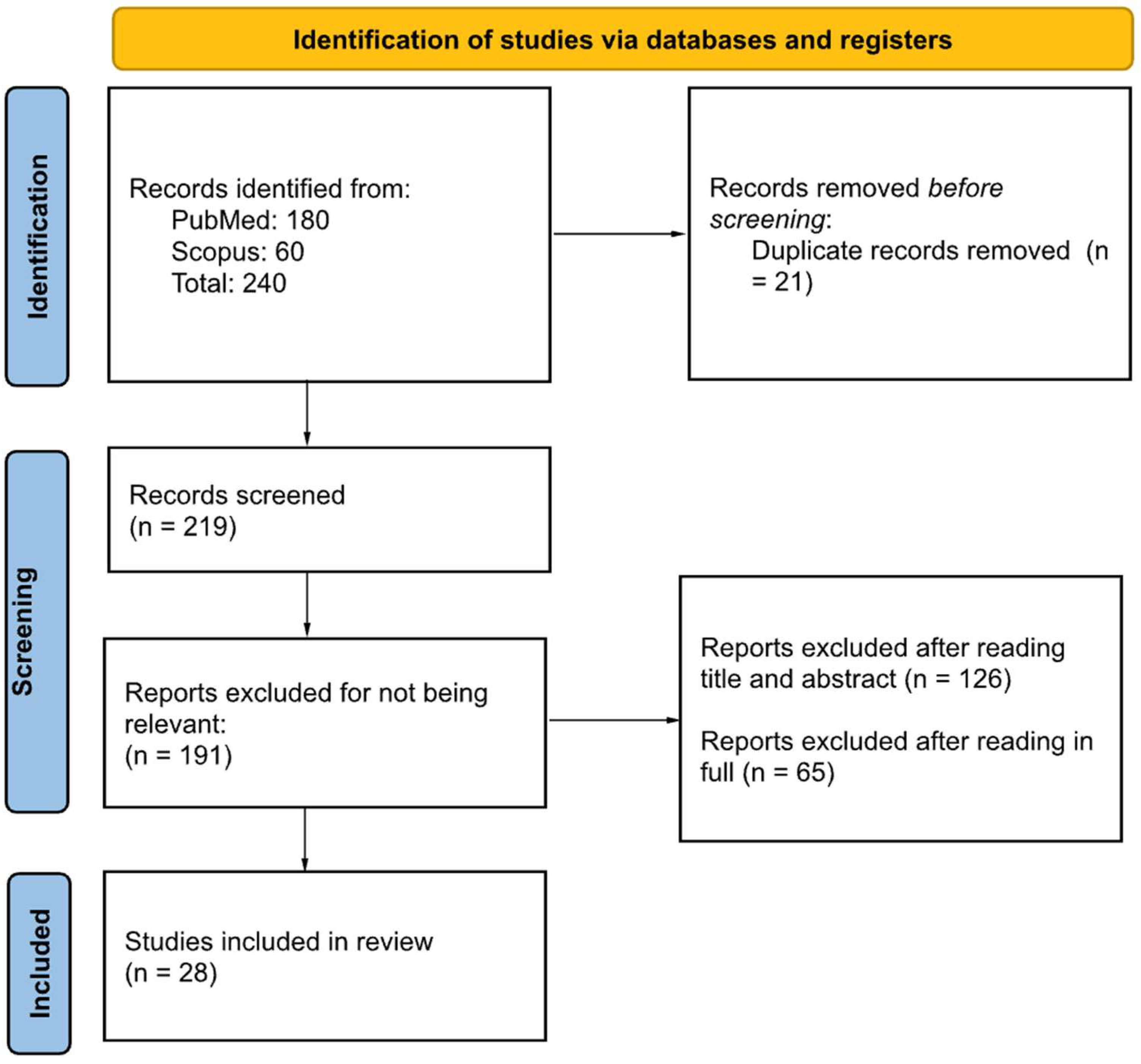
3.1. Search Results
3.2. Study Characteristics
3.3. Risk of Bias
4. Discussion
4.1. Evaluation of Available Literature
4.2. Characterizing Estrogenic Compounds in the Environment
4.3. Consequences of Pharmaceutical Estrogenic Compounds in the Environment
4.4. Evaluation of Estrogen Management Methods
4.4.1. Activated Sludge
4.4.2. Adsorption and Filtration
4.4.3. Algal and Enzymatic Degradation
4.4.4. Other Methods
4.5. Implementation of Management Practices
4.6. Strengths and Limitations
5. Conclusions
Supplementary Materials
Author Contributions
Funding
Institutional Review Board Statement
Informed Consent Statement
Data Availability Statement
Acknowledgments
Conflicts of Interest
References
- Hamilton, K.J.; Hewitt, S.C.; Arao, Y.; Korach, K.S. Estrogen Hormone Biology. Curr. Top. Dev. Biol. 2017, 125, 109–146. [Google Scholar]
- Zamani, M.R.; Desmond, N.L.; Levy, W.B. Estradiol Modulates Long-Term Synaptic Depression in Female Rat Hippocampus. J. Neurophysiol. 2000, 84, 1800–1808. [Google Scholar] [CrossRef] [PubMed][Green Version]
- Falah, N.; Torday, J.; Quinney, S.K.; Haas, D.M. Estriol Review: Clinical Applications and Potential Biomedical Importance. Clin. Res. Trials. 2015, 1, 29–33. Available online: http://oatext.com/Estriol-review-Clinical-applications-and-potential-biomedical-importance.php (accessed on 23 September 2024). [CrossRef]
- Oyelowo, T. Chapter 2—Estrogen Concepts. In Mosby’s Guide to Women’s Health; Oyelowo, T., Ed.; Mosby: Saint Louis, MO, USA, 2007; pp. 8–10. Available online: https://www.sciencedirect.com/science/article/pii/B9780323046015500034 (accessed on 23 September 2024).
- Ishikawa, T.; Glidewell-Kenney, C.; Jameson, J.L. Aromatase-independent testosterone conversion into estrogenic steroids is inhibited by a 5α-reductase inhibitor. J. Steroid Biochem. Mol. Biol. 2006, 98, 133–138. [Google Scholar] [CrossRef]
- Cooper, G.M. Signaling Molecules and Their Receptors. In The Cell: A Molecular Approach, 2nd ed.; Sinauer Associates: Sunderland, MA, USA, 2000. Available online: https://www.ncbi.nlm.nih.gov/books/NBK9924/ (accessed on 23 September 2024).
- Paterni, I.; Granchi, C.; Minutolo, F. Risks and benefits related to alimentary exposure to xenoestrogens. Crit. Rev. Food Sci. Nutr. 2017, 57, 3384–3404. [Google Scholar] [CrossRef] [PubMed]
- Swart, J.C.; Pool, E.J. Estrogenic Endocrine-Disrupting Chemicals. In Encyclopedia of Aquatic Ecotoxicology; Férard, J.F., Blaise, C., Eds.; Springer: Dordrecht, The Netherlands, 2013; pp. 477–490. [Google Scholar] [CrossRef]
- Inadera, H. The immune system as a target for environmental chemicals: Xenoestrogens and other compounds. Toxicol. Lett. 2006, 164, 191–206. [Google Scholar] [CrossRef] [PubMed]
- Srivastava, A.K.; Kumar, D.; Singh, D.; Singh, R.K. Endocrine Disruptor Activity of Xenobiotics in Carcinogenesis. In Xenobiotics in Chemical Carcinogenesis; Elsevier: Amsterdam, The Netherlands, 2022; pp. 175–196. Available online: https://linkinghub.elsevier.com/retrieve/pii/B9780323905602000042 (accessed on 23 September 2024).
- Lobo, R.A.; Stanczyk, F.Z. New knowledge in the physiology of hormonal contraceptives. Am. J. Obstet. Gynecol. 1994, 170 Pt 2, 1499–1507. [Google Scholar] [CrossRef]
- Ciślak, M.; Kruszelnicka, I.; Zembrzuska, J.; Ginter-Kramarczyk, D. Estrogen pollution of the European aquatic environment: A critical review. Water Res. 2023, 229, 119413. [Google Scholar] [CrossRef] [PubMed]
- Adeel, M.; Song, X.; Wang, Y.; Francis, D.; Yang, Y. Environmental impact of estrogens on human, animal and plant life: A critical review. Environ. Int. 2017, 99, 107–119. [Google Scholar] [CrossRef]
- Xu, P.; Zhou, X.; Xu, D.; Xiang, Y.; Ling, W.; Chen, M. Contamination and Risk Assessment of Estrogens in Livestock Manure: A Case Study in Jiangsu Province, China. Int. J. Environ. Res. Public Health 2018, 15, 125. [Google Scholar] [CrossRef]
- Yang, C.Z.; Yaniger, S.I.; Jordan, V.C.; Klein, D.J.; Bittner, G.D. Most Plastic Products Release Estrogenic Chemicals: A Potential Health Problem That Can Be Solved. Environ. Health Perspect. 2011, 119, 989. [Google Scholar] [CrossRef] [PubMed]
- Wojnarowski, K.; Podobiński, P.; Cholewińska, P.; Smoliński, J.; Dorobisz, K. Impact of Estrogens Present in Environment on Health and Welfare of Animals. Animals 2021, 11, 2152. [Google Scholar] [CrossRef]
- Hung, H.S.; Yeh, K.J.C.; Hsieh, C.Y.; Chen, T.C. Occurrence and Degradation of Free and Conjugated Estrogens in a River Receiving Feedlot Animal Discharge. Appl. Sci. 2022, 12, 11961. [Google Scholar] [CrossRef]
- Singh, B.J.; Chakraborty, A.; Sehgal, R. A systematic review of industrial wastewater management: Evaluating challenges and enablers. J. Environ. Manage. 2023, 348, 119230. [Google Scholar] [CrossRef] [PubMed]
- Sharma, R.; Verma, N.; Lugani, Y.; Kumar, S.; Asadnia, M. Conventional and Advanced Techniques of Wastewater Monitoring and Treatment. In Green Sustainable Process for Chemical and Environmental Engineering and Science; Elsevier: Amsterdam, The Netherlands, 2021; pp. 1–48. Available online: https://linkinghub.elsevier.com/retrieve/pii/B9780128218839000096 (accessed on 23 September 2024).
- Awang, N.; Radzi, A.R.M.; Mahat, R.; Fatihhi, S.J.; Johari, A.; Abd Wahid, K.A.; Yajid, M.A.M. Microbial Fuel Cell in Industrial Wastewater: Treatment Processes and Resource Recovery. In Resource Recovery in Industrial Waste Waters; Elsevier: Amsterdam, The Netherlands, 2023; pp. 353–363. Available online: https://linkinghub.elsevier.com/retrieve/pii/B9780323953276000324 (accessed on 23 September 2024).
- Bilal, M.; Rizwan, K.; Adeel, M.; Barceló, D.; Awad, Y.A.; Iqbal, H.M.N. Robust strategies to eliminate endocrine disruptive estrogens in water resources. Environ. Pollut. 2022, 306, 119373. [Google Scholar] [CrossRef] [PubMed]
- Dueñas-Moreno, J.; Mora, A.; Cervantes-Avilés, P.; Mahlknecht, J. Groundwater contamination pathways of phthalates and bisphenol A: Origin, characteristics, transport, and fate—A review. Environ. Int. 2022, 170, 107550. [Google Scholar] [CrossRef]
- De Falco, M.; Laforgia, V. Combined Effects of Different Endocrine-Disrupting Chemicals (EDCs) on Prostate Gland. Int. J. Environ. Res. Public Health 2021, 18, 9772. [Google Scholar] [CrossRef]
- Kim, J.J.; Kumar, S.; Kumar, V.; Lee, Y.M.; Kim, Y.S.; Kumar, V. Bisphenols as a Legacy Pollutant, and Their Effects on Organ Vulnerability. Int. J. Environ. Res. Public Health 2020, 17, 112. [Google Scholar] [CrossRef] [PubMed]
- Rochira, V.; Carani, C. Estrogens, Male Reproduction and Beyond. In Endotext; Feingold, K.R., Anawalt, B., Blackman, M.R., Boyce, A., Chrousos, G., Corpas, E., de Herder, W.W., Dhatariya, K., Dungan, K., Hofland, J., et al., Eds.; MDText.com, Inc.: South Dartmouth, MA, USA, 2000. Available online: http://www.ncbi.nlm.nih.gov/books/NBK278933/ (accessed on 23 September 2024).
- Marlatt, V.; Bayen, S.; Castaneda-Cortès, D.; Delbès, G.; Grigorova, P.; Langlois, V.; Martyniuk, C.; Metcalfe, C.; Parent, L.; Rwigemera, A.; et al. Impacts of endocrine disrupting chemicals on reproduction in wildlife and humans. Environ. Res. 2022, 208, 112584. [Google Scholar] [CrossRef] [PubMed]
- Hong, Q.N.; Fàbregues, S.; Bartlett, G.; Boardman, F.; Cargo, M.; Dagenais, P.; Gagnon, M.-P.; Griffiths, F.; Nicolau, B.; O’cathain, A.; et al. The Mixed Methods Appraisal Tool (MMAT) version 2018 for information professionals and researchers. Educ. Inf. 2018, 34, 285–291. [Google Scholar] [CrossRef]
- Meyer, S.K.; Probert, P.M.E.; Lakey, A.K.; Leitch, A.C.; Blake, L.; Jowsey, P.A.; Cooke, M.P.; Blain, P.G.; Wright, M.C. Environmental Xenoestrogens Super-Activate a Variant Murine ER Beta in Cholangiocytes. Toxicol. Sci. Off. J. Soc. Toxicol. 2017, 156, 54–71. [Google Scholar] [CrossRef][Green Version]
- Wakim, L.; Occelli, F.; Paumelle, M.; Brousmiche, D.; Bouhadj, L.; Cuny, D.; Descat, A.; Lanier, C.; Deram, A. Unveiling the presence of endocrine disrupting chemicals in northern French soils: Land cover variability and implications. Sci. Total Environ. 2024, 913, 169617. [Google Scholar] [CrossRef] [PubMed]
- Sanseverino, I.; Gómez, L.; Navarro, A.; Cappelli, F.; Niegowska, M.; Lahm, A.; Barbiere, M.; Porcel-Rodríguez, E.; Valsecchi, S.; Pedraccini, R.; et al. Holistic approach to chemical and microbiological quality of aquatic ecosystems impacted by wastewater effluent discharges. Sci. Total Environ. 2022, 835, 155388. [Google Scholar] [CrossRef] [PubMed]
- Dai, C.; Li, S.; Duan, Y.; Leong, K.H.; Tu, Y.; Zhou, L. Human health risk assessment of selected pharmaceuticals in the five major river basins, China. Sci. Total Environ. 2021, 801, 149730. [Google Scholar] [CrossRef]
- Liu, Y.-Y.; Lin, Y.-S.; Yen, C.-H.; Miaw, C.-L.; Chen, T.-C.; Wu, M.-C.; Hsieh, C.-Y. Identification, contribution, and estrogenic activity of potential EDCs in a river receiving concentrated livestock effluent in Southern Taiwan. Sci. Total Environ. 2018, 636, 464–476. [Google Scholar] [CrossRef] [PubMed]
- Arya, G.; Tadayon, S.; Sadighian, J.; Jones, J.; de Mutsert, K.; Huff, T.B.; Foster, G.D. Pharmaceutical chemicals, steroids and xenoestrogens in water, sediments and fish from the tidal freshwater Potomac River (Virginia, USA). J. Environ. Sci. Health Part A Toxic/Hazardous Subst. Environ. Eng. 2017, 52, 686–696. [Google Scholar] [CrossRef]
- Xu, E.G.B.; Liu, S.; Ying, G.G.; Zheng, G.J.S.; Lee, J.H.W.; Leung, K.M.Y. The occurrence and ecological risks of endocrine disrupting chemicals in sewage effluents from three different sewage treatment plants, and in natural seawater from a marine reserve of Hong Kong. Mar. Pollut. Bull. 2014, 85, 352–362. [Google Scholar] [CrossRef] [PubMed]
- Comber, S.; Gardner, M.; Sörme, P.; Leverett, D.; Ellor, B. Active pharmaceutical ingredients entering the aquatic environment from wastewater treatment works: A cause for concern? Sci. Total. Environ. 2018, 613–614, 538–547. [Google Scholar] [CrossRef]
- Hom-Diaz, A.; Llorca, M.; Rodríguez-Mozaz, S.; Vicent, T.; Barceló, D.; Blánquez, P. Microalgae cultivation on wastewater digestate: β-estradiol and 17α-ethynylestradiol degradation and transformation products identification. J. Environ. Manag. 2015, 155, 106–113. [Google Scholar] [CrossRef] [PubMed]
- Xu, M.; Huang, C.; Lu, J.; Wu, Z.; Zhu, X.; Li, H.; Xiao, L.; Luo, Z. Optimizing Adsorption of 17α-Ethinylestradiol from Water by Magnetic MXene Using Response Surface Methodology and Adsorption Kinetics, Isotherm, and Thermodynamics Studies. Molecules 2021, 26, 3150. [Google Scholar] [CrossRef] [PubMed]
- Matamoros, V.; Gutiérrez, R.; Ferrer, I.; García, J.; Bayona, J.M. Capability of microalgae-based wastewater treatment systems to remove emerging organic contaminants: A pilot-scale study. J. Hazard. Mater. 2015, 288, 34–42. [Google Scholar] [CrossRef] [PubMed]
- Deng, J.; Tang, K.; Zhu, S.; Ma, X.; Zhang, K.; Song, Y.; Li, X.; Li, Q.; Liu, Z.; Zhou, K. Competitive Degradation of Steroid Estrogens by Potassium Permanganate Combined with Ultrasound. Int. J. Environ. Res. Public Health 2015, 12, 15434–15448. [Google Scholar] [CrossRef] [PubMed]
- Petrie, B.; McAdam, E.J.; Lester, J.N.; Cartmell, E. Assessing potential modifications to the activated sludge process to improve simultaneous removal of a diverse range of micropollutants. Water Res. 2014, 62, 180–192. [Google Scholar] [CrossRef] [PubMed]
- Mills, M.R.; Arias-Salazar, K.; Baynes, A.; Shen, L.Q.; Churchley, J.; Beresford, N.; Gayathri, C.; Gil, R.R.; Kanda, R.; Jobling, S.; et al. Removal of ecotoxicity of 17α-ethinylestradiol using TAML/peroxide water treatment. Sci. Rep. 2015, 5, 10511. [Google Scholar] [CrossRef]
- Ma, X.; Zhang, C.; Deng, J.; Song, Y.; Li, Q.; Guo, Y.; Li, C. Simultaneous Degradation of Estrone, 17β-Estradiol and 17α-Ethinyl Estradiol in an Aqueous UV/H2O2 System. Int. J. Environ. Res. Public Health 2015, 12, 12016–12029. [Google Scholar] [CrossRef] [PubMed]
- Yang, L.; Xia, C.; Jiang, J.; Chen, X.; Zhou, Y.; Yuan, C.; Bai, L.; Meng, S.; Cao, G. Removal of antibiotics and estrogens by nanofiltration and reverse osmosis membranes. J. Hazard. Mater. 2024, 461, 132628. [Google Scholar] [CrossRef]
- Zhao, H.N.; Tian, Z.; Kim, K.E.; Wang, R.; Lam, K.; Kolodziej, E.P. Biotransformation of Current-Use Progestin Dienogest and Drospirenone in Laboratory-Scale Activated Sludge Systems Forms High-Yield Products with Altered Endocrine Activity. Environ. Sci. Technol. 2021, 55, 13869–13880. [Google Scholar] [CrossRef]
- Mainetti, T.; Palmisano, M.; Rezzonico, F.; Stres, B.; Kern, S.; Smits, T.H.M. Broad diversity of bacteria degrading 17ß-estradiol-3-sulfate isolated from river sediment and biofilm at a wastewater treatment plant discharge. Arch. Microbiol. 2021, 203, 4209–4219. [Google Scholar] [CrossRef]
- Islam, R.; Yu, R.M.K.; Andrew-Priestley, M.; Smith, N.; Rahman, M.M.; Tran, T.K.A.; Connor, W.A.O.; MacFarlane, G.R. Secondary treatment phase of tertiary wastewater treatment works significantly reduces estrogenic load. Water Res. 2021, 200, 117257. [Google Scholar] [CrossRef]
- Alves, T.C.; Mota, J.A.X.; Pinheiro, A. Biosorption of organic micropollutants onto lignocellulosic-based material. Water Sci. Technol. 2020, 82, 427–439. [Google Scholar] [CrossRef] [PubMed]
- Spina, F.; Gea, M.; Bicchi, C.; Cordero, C.; Schilirò, T.; Varese, G.C. Ecofriendly laccases treatment to challenge micropollutants issue in municipal wastewaters. Environ. Pollut. 2020, 257, 113579. [Google Scholar] [CrossRef] [PubMed]
- Meza, L.C.; Piotrowski, P.; Farnan, J.; Tasker, T.L.; Xiong, B.; Weggler, B.; Murrell, K.; Dorman, F.L.; Heuvel, J.P.V.; Burgos, W.D. Detection and removal of biologically active organic micropollutants from hospital wastewater. Sci. Total Environ. 2020, 700, 134469. [Google Scholar] [CrossRef]
- Välitalo, P.; Massei, R.; Heiskanen, I.; Behnisch, P.; Brack, W.; Tindall, A.J.; Du Pasquier, D.; Küster, E.; Mikola, A.; Schulze, T.; et al. Effect-based assessment of toxicity removal during wastewater treatment. Water Res. 2017, 126, 153–163. [Google Scholar] [CrossRef]
- King, O.C.; van de Merwe, J.P.; McDonald, J.A.; Leusch, F.D.L. Concentrations of levonorgestrel and ethinylestradiol in wastewater effluents: Is the progestin also cause for concern? Environ. Toxicol. Chem. 2016, 35, 1378–1385. [Google Scholar] [CrossRef] [PubMed]
- Martins, M.; Mourato, C.; Sanches, S.; Noronha, J.P.; Crespo, M.T.B.; Pereira, I.A.C. Biogenic platinum and palladium nanoparticles as new catalysts for the removal of pharmaceutical compounds. Water Res. 2017, 108, 160–168. [Google Scholar] [CrossRef]
- Ribeiro, A.R.; Pedrosa, M.; Moreira, N.F.F.; Pereira, M.F.R.; Silva, A.M.T. Environmental friendly method for urban wastewater monitoring of micropollutants defined in the Directive 2013/39/EU and Decision 2015/495/EU. J. Chromatogr. A 2015, 1418, 140–149. [Google Scholar] [CrossRef]
- Schindler Wildhaber, Y.; Mestankova, H.; Schärer, M.; Schirmer, K.; Salhi, E.; Von Gunten, U. Novel test procedure to evaluate the treatability of wastewater with ozone. Water Res. 2015, 75, 324–335. [Google Scholar] [CrossRef] [PubMed]
- Osachoff, H.L.; Mohammadali, M.; Skirrow, R.C.; Hall, E.R.; Brown, L.L.; van Aggelen, G.C.; Kennedy, C.J.; Helbing, C.C. Evaluating the treatment of a synthetic wastewater containing a pharmaceutical and personal care product chemical cocktail: Compound removal efficiency and effects on juvenile rainbow trout. Water Res. 2014, 62, 271–280. [Google Scholar] [CrossRef] [PubMed]
- Wittliff, J.L.; Andres, S.A. Estrogens I: Estrogens and Their Conjugates. In Encyclopedia of Toxicology, 3rd ed.; Wexler, P., Ed.; Academic Press: Oxford, UK, 2014; pp. 462–466. Available online: https://www.sciencedirect.com/science/article/pii/B9780123864543010149 (accessed on 29 September 2024).
- van der Burg, B.; Winter, R.; Weimer, M.; Berckmans, P.; Suzuki, G.; Gijsbers, L.; Jonas, A.; van der Linden, S.; Witters, H.; Aarts, J.; et al. Optimization and prevalidation of the in vitro ERα CALUX method to test estrogenic and antiestrogenic activity of compounds. Reprod. Toxicol. 2010, 30, 73–80. [Google Scholar] [CrossRef] [PubMed]
- Di Pietro, G.; Forcucci, F.; Chiarelli, F. Endocrine Disruptor Chemicals and Children’s Health. Int. J. Mol. Sci. 2023, 24, 2671. [Google Scholar] [CrossRef]
- Ezhilarasan, D. Critical role of estrogen in the progression of chronic liver diseases. Hepatobiliary Pancreat. Dis. Int. 2020, 19, 429–434. [Google Scholar] [CrossRef]
- Hamilton, P.B.; Baynes, A.; Nicol, E.; Harris, G.; Webster, T.M.U.; Beresford, N.; Straszkiewicz, M.; Jobling, S.; Tyler, C.R. Feminizing effects of ethinylestradiol in roach (Rutilus rutilus) populations with different estrogenic pollution exposure histories. Aquat. Toxicol. 2022, 249, 106229. [Google Scholar] [CrossRef]
- Vrettakos, C.; Bajaj, T. Levonorgestrel. In StatPearls; StatPearls Publishing: Treasure Island, FL, USA, 2024. Available online: http://www.ncbi.nlm.nih.gov/books/NBK539737/ (accessed on 29 September 2024).
- Guven, H.; Dereli, R.K.; Ozgun, H.; Ersahin, M.E.; Ozturk, I. Towards sustainable and energy efficient municipal wastewater treatment by up-concentration of organics. Prog. Energy Combust. Sci. 2019, 70, 145–168. [Google Scholar] [CrossRef]
- Ayach, J.; El Malti, W.; Duma, L.; Lalevée, J.; Al Ajami, M.; Hamad, H.; Hijazi, A. Comparing Conventional and Advanced Approaches for Heavy Metal Removal in Wastewater Treatment: An In-Depth Review Emphasizing Filter-Based Strategies. Polymers 2024, 16, 1959. [Google Scholar] [CrossRef] [PubMed]
- Vassalle, L.; García-Galán, M.J.; Aquino, S.F.; de Cássia Franco Afonso, R.J.; Ferrer, I.; Passos, F.; Mota, C.R. Can high rate algal ponds be used as post-treatment of UASB reactors to remove micropollutants? Chemosphere 2020, 248, 125969. [Google Scholar] [CrossRef]
- Young, P.; Taylor, M.; Fallowfield, H.J. Mini-review: High rate algal ponds, flexible systems for sustainable wastewater treatment. World J. Microbiol. Biotechnol. 2017, 33, 1–13. [Google Scholar] [CrossRef] [PubMed]
- Siddiqui, N.M.; Dahiya, P. Chapter 14—Enzyme-Based Biodegradation of Toxic Environmental Pollutants. In Development in Wastewater Treatment Research and Processes; Rodriguez-Couto, S., Shah, M.P., Eds.; Elsevier: Amsterdam, The Netherlands, 2022; pp. 311–333. Available online: https://www.sciencedirect.com/science/article/pii/B9780323858397000037 (accessed on 8 October 2024).
- Malode, U.; Patil, Y.S.; Selokar, Y.N.; Yadav, P.R.; Bhagat, R.P.; Nikose, V.M.; Thakare, R.U.; Nimbarte, S. Sustainable approaches for the synthesis of biogenic platinum nanoparticles. Bull. Natl. Res. Cent. 2023, 47, 130. [Google Scholar] [CrossRef]
- REACH Regulation—European Commission. 2024. Available online: https://environment.ec.europa.eu/topics/chemicals/reach-regulation_en (accessed on 20 November 2024).
- Catherine, Z. Managing Pharmaceutical Waste A 10-Step Blueprint for Healthcare Facilities in the United States. 2008. Available online: https://www.epa.gov/system/files/documents/2022-10/10_step_blueprint_guide_final_9-22.pdf (accessed on 30 October 2024).
- The Center for Drug Evaluation and Research (CDER); FDA. Disposal of Unused Medicines: What You Should Know. 2024. Available online: https://www.fda.gov/drugs/safe-disposal-medicines/disposal-unused-medicines-what-you-should-know (accessed on 30 October 2024).
- US EPA, O. National Primary Drinking Water Regulations. 2015. Available online: https://www.epa.gov/ground-water-and-drinking-water/national-primary-drinking-water-regulations (accessed on 22 October 2024).
- US EPA, O. Basic Information on the CCL and Regulatory Determination. 2014. Available online: https://www.epa.gov/ccl/basic-information-ccl-and-regulatory-determination (accessed on 22 October 2024).
- Glineur, A.; Nott, K.; Carbonnelle, P.; Ronkart, S.; Purcaro, G. Development and Validation of a Method for Determining Estrogenic Compounds in Surface Water at the Ultra-Trace Level Required by the EU Water Framework Directive Watch List. J. Chromatogr. A 2020, 1624, 461242. [Google Scholar] [CrossRef] [PubMed]
- Page, M.J.; McKenzie, J.E.; Bossuyt, P.M.; Boutron, I.; Hoffmann, T.C.; Mulrow, C.D.; Shamseer, L.; Tetzlaff, J.M.; Akl, E.A.; Brennan, S.E.; et al. The PRISMA 2020 statement: An updated guideline for reporting systematic reviews. BMJ 2021, 372, n71. [Google Scholar] [CrossRef] [PubMed]


| Population | Individuals who live in areas with high levels of estrogenic compounds in the environment |
| Exposure | Exposure to native estrogens and pharmaceutical xenoestrogens through water, food, and/or soil |
| Comparative | Individuals who experience little to no exposure to environmental estrogens |
| Outcome | Increased risk of breast, skin, liver, and testicular cancer; diabetes; autism spectrum disorder; prostate hyperplasia; reproductive abnormalities; and thyroid disease |
| Authors | Title | Are There Clear Research Questions? | Do the Collected Data Address the Research Questions? | Are the Research Methods Appropriate for Answering the Research Question? | Are the Findings Adequately Derived from Data or Observations? | Are the Interpretations of the Results Sufficiently Substantiated by Data or Observations? | Did the Researchers Address/Minimize Possible Sources of Bias (How)? | Total Score |
|---|---|---|---|---|---|---|---|---|
| Meyer et al. [28] | Environmental Xenoestrogens Super-Activate a Variant Murine ER Beta in Cholangiocytes. | Y | Y | Y | Y | Y | Y | 6 |
| Wakim et al. [29] | Unveiling the presence of endocrine disrupting chemicals in northern French soils: Land cover variability and implications. | Y | Y | Y | Y | Y | Y | 6 |
| Sanseverino et al. [30] | Holistic approach to chemical and microbiological quality of aquatic ecosystems impacted by wastewater effluent discharges | Y | Y | Y | Y | Y | Y | 6 |
| Dai et al. [31] | Human health risk assessment of selected pharmaceuticals in the five major river basins, China | Y | Y | Y | Y | Y | Y | 6 |
| Liu et al. [32] | Identification, contribution, and estrogenic activity of potential EDCs in a river receiving concentrated livestock effluent in Southern Taiwan | Y | Y | Y | Y | Y | N | 5 |
| Arya et al. [33] | Pharmaceutical chemicals, steroids and xenoestrogens in water, sediments and fish from the tidal freshwater Potomac River (Virginia, USA) | Y | Y | Y | Y | Y | Y | 6 |
| Xu et al. [34] | The occurrence and ecological risks of endocrine disrupting chemicals in sewage effluents from three different sewage treatment plants, and in natural seawater from a marine reserve of Hong Kong | Y | Y | Y | Y | Y | Y | 6 |
| Comber et al. [35] | Active pharmaceutical ingredients entering the aquatic environment from wastewater treatment works: A cause for concern? | Y | Y | Y | Y | Y | Y | 6 |
| Hom-Diaz et al. [36] | Microalgae cultivation on wastewater digestate: β-estradiol and 17α-ethynylestradiol degradation and transformation products identification. | Y | Y | Y | Y | Y | N/A | 5 |
| Xu et al. [37] | Optimizing Adsorption of 17α-Ethinylestradiol from Water by Magnetic MXene Using Response Surface Methodology and Adsorption Kinetics, Isotherm, and Thermodynamics Studies. | Y | Y | Y | Y | Y | N | 5 |
| Matamoros et al. [38] | Capability of microalgae-based wastewater treatment systems to remove emerging organic contaminants: a pilot-scale study. | Y | Y | Y | Y | Y | N | 5 |
| Deng et al. [39] | Competitive Degradation of Steroid Estrogens by Potassium Permanganate Combined with Ultrasound. | Y | Y | Y | Y | Y | Y | 6 |
| Petrie et al. [40] | Assessing potential modifications to the activated sludge process to improve simultaneous removal of a diverse range of micropollutants. | Y | Y | Y | Y | Y | Y | 6 |
| Mills et al. [41] | Removal of ecotoxicity of 17α-ethinylestradiol using TAML/peroxide water treatment. | Y | Y | Y | Y | Y | N | 5 |
| Ma et al. [42] | Simultaneous Degradation of Estrone, 17β-Estradiol and 17α-Ethinyl Estradiol in an Aqueous UV/H2O2 System. | Y | Y | Y | Y | Y | N | 5 |
| Yang et al. [43] | Removal of antibiotics and estrogens by nanofiltration and reverse osmosis membranes | Y | Y | Y | Y | Y | Y | 6 |
| Zhao et al. [44] | Biotransformation of Current-Use Progestin Dienogest and Drospirenone in Laboratory-Scale Activated Sludge Systems Forms High-Yield Products with Altered Endocrine Activity | Y | Y | Y | Y | Y | Y | 6 |
| Mainetti et al. [45] | Broad diversity of bacteria degrading 17ß-estradiol-3-sulfate isolated from river sediment and biofilm at a wastewater treatment plant discharge | Y | Y | Y | Y | Y | N | 5 |
| Islam et al. [46] | Secondary treatment phase of tertiary wastewater treatment works significantly reduces estrogenic load | Y | Y | Y | Y | Y | Y | 6 |
| Alves et al. [47] | Biosorption of organic micropollutants onto lignocellulosic-based material | Y | Y | Y | Y | Y | N | 5 |
| Spina et al. [48] | Ecofriendly laccases treatment to challenge micropollutants issue in municipal wastewaters | Y | Y | Y | Y | Y | Y | 6 |
| Castillo Meza et al. [49] | Detection and removal of biologically active organic micropollutants from hospital wastewater | Y | Y | Y | Y | Y | N | 5 |
| Valitalo et al. [50] | Effect-based assessment of toxicity removal during wastewater treatment | Y | Y | Y | Y | Y | Y | 6 |
| King et al. [51] | Concentrations of levonorgestrel and ethinylestradiol in wastewater effluents: Is the progestin also cause for concern? | Y | Y | Y | Y | Y | Y | 6 |
| Matrtins et al. [52] | Biogenic platinum and palladium nanoparticles as new catalysts for the removal of pharmaceutical compounds | Y | Y | Y | Y | Y | N | 5 |
| Ribeiro et al. [53] | Environmental friendly method for urban wastewater monitoring of micropollutants defined in the Directive 2013/39/EU and Decision 2015/495/EU | Y | Y | Y | Y | Y | N | 5 |
| Wildhaber et al. [54] | Novel test procedure to evaluate the treatability of wastewater with ozone | Y | Y | Y | Y | Y | N | 5 |
| Osachoff et al. [55] | Evaluating the treatment of a synthetic wastewater containing a pharmaceutical and personal care product chemical cocktail: Compound removal efficiency and effects on juvenile rainbow trout | Y | Y | Y | Y | Y | N | 5 |
| Country investigated | United Kingdom [28,35,40,41], France [29], Italy [30,47], China [31,34,37,39,42,43], Taiwan [32], the United States [33,44,49], Spain [36,38], Switzerland [45,54], Australia [46,51], Brazil [47], Finland [50], Portugal [52,53], and Canada [54] |
| Study design | Laboratory experimental studies [34,36,37,38,39,40,41,42,43,44,47,48,52,53,54,55], field studies [28,29,30,32,33,34,45,46,48,49,50,51,53], and secondary analyses [31,35] |
| Environment studied | Soil [28,29,45], water [30,31,32,34,35,36,37,38,39,40,41,42,43,44,46,47,48,49,50,51,52,53,54,55], both [33] |
| Sampling method | 24 h composite water samples [48,49,50,54], cross-sectional sampling [28,29,36,44,45,48,49,50,51], longitudinal sampling [30,32,33,34,35,38,40,46,53,54] |
| Estrogen studied | E1 [29,31,32,33,34,35,39,40,42,43,46,53,55], E2 [29,31,32,33,35,36,39,40,42,43,46,47,52,53], and EE2 [29,31,32,33,35,36,37,39,40,41,42,43,46,47,51,53,55] |
| Author, Year | Title | Aim of Study | Location | Research Design and Examined Compounds | Organism Evaluated | Sampling Method | Outcomes |
|---|---|---|---|---|---|---|---|
| Meyer et al., 2016 [28] | Environmental Xenoestrogens Super-Activate a Variant Murine ER Beta in Cholangiocytes. | Investigating xenoestrogen presence in landfills | Northeast England | Field Study Unspecified | Mouse cell line and human breast cancer cell line | - Shallow soil samples within 200 m of active landfills in peri-urban areas | - 6 landfill sample sites contained oestrogenic chemicals - These oestrogens behaved as irreversible agonists of a murine ERβ variant in a pancreatohepatobiliary cell context - Acute exposure of mice to a pooled oestrogenic environmental sample resulted in activation of the ERβgene involved in cholestatic and primary biliary cholangitis |
| Wakim et al., 2024 [29] | Unveiling the presence of endocrine disrupting chemicals in northern French soils: Land cover variability and implications. | Analyzing endocrine disrupting chemicals in soil | Northern France | Field Study Estrone, estradiol, estriol, alpha-ethinylestradiol, bisphenol A | - | - 240 soil samples from 30 sites with diverse landscapes and use patterns | - High concentration of 29.391 ng/g of 17β-estradiol and 47.16 ng/g of 17α-ethinylestradiol in soils - E2 and E3 had the lowest detection frequency, being detected in 17% of sites - Concentration of the EDCs is higher in forest lands compared to agricultural lands (p < 0.0001), highly influenced by the high concentrations of αEE2 and E3 in forest and semi-natural lands - Urban and grassland sites had concentrations closer to the median for EDCs - Hormones excreted by humans and animals have a half-life of 1–10 days in soil and degrade rapidly under high temperature and aerobic conditions - EE2 is more resistant to degradation in the environment, and therefore may pose a more significant environmental risk - Reasons for high levels of estrogens may include runoff from agricultural practices and sewage sludge |
| Sanseverino et al., 2022 [30] | Holistic approach to chemical and microbiological quality of aquatic ecosystems impacted by wastewater effluent discharges | Analysis of contaminants that are leached into aquatic environments from wastewater treatment plant effluent | North Italy | Field Study Unspecified estrogenic compounds | - | - Samples from the influent, after biological treatment and chemical treatment, effluent, and 5 km outside of the wastewater treatment plants (WWTPs) across 4 months | - Estrogenicity was detected in influent, effluent, and 5 km downstream the treatment plant indicating that this WWTP was not effective in removing estrogen from the water |
| Dai et al., 2021 [31] | Human health risk assessment of selected pharmaceuticals in the five major river basins, China | Evaluate the human health risks from pharmaceutical exposure through drinking water and fish consumption | China (Yangtze, Haihe, Pearl, Songliao, and Yellow River Basins) | Meta-analysis 17β-Ethinyl estradiol (EE2), 17βestradiol (E2), estriol (E3), estrone(E1) | Human | - Meta-analysis of water data | - Intake of pharmaceuticals from drinking water was significantly lower than from eating fish - Estrogen had one of the highest risk quotients of all pharmaceuticals tested among all age groups - Highest risk for estrogenic compounds was found in the Haihe River Basin and Songliao River Basin among children |
| Liu et al., 2018 [32] | Identification, contribution, and estrogenic activity of potential EDCs in a river receiving concentrated livestock effluent in Southern Taiwan | Measure endocrine-disrupting chemicals in the Wuluo River | Southern Taiwan (Wuluo River) | Field Study Bisphenol A, 4-nonylphenol, t-nonylphenol, octylphenol, nonylphenol mono-ethoxylate, nonylphenol di-ethoxylate, estrone, 17 β-estradiol, estriol, 17ß-ethinylestradiol, diethylstilbestrol, methyl paraben, ethyl paraben, propyl paraben, butyl paraben | - | - 12 water sampling sites receiving household or animal wastewaters or located at intersections of the Wuluo river across 4 seasons - 1 site dried up and was replaced with another similar location | - In the fall, highest detected concentration: 147.63 ng/L for BPA - In the winter, highest detected concentration: 661.26 ng/L for nonylphenol mono-ethoxylate - In the summer, highest concentration: 1384.6 ng/L for BPA- E1, benzophenone, nonylphenol di-ethoxylate, and benzophenone-3 were detected in over 90% of samples - Largest contributors to estrogenic activity in the water were E1 and E2 |
| Arya et al., 2017 [33] | Pharmaceutical chemicals, steroids and xenoestrogens in water, sediments and fish from the tidal freshwater Potomac River (Virginia, USA) | Analyzing pharmaceutical chemicals and steroids in water, sediments, and fish species near wastewater treatment plants | Virginia, USA (Potomac River) | Field Study Equilin, b-Estradiol, Estriol, Estrone, 17b-Ethinylestradiol, Mestranol, 19-Norethindrone, Atrazine, BPA, Diethylstilbestrol, 4-Nonylphenol, 4-tert-Octylphenol, Triclosan, Vinclozolin | White perch (Morone americana) and banded killifish (Fundulus diaphanus) | - 4 zones where 38 surface water samples, 38 sediment samples, and fish were collected | Water - Highest concentration observed (in descending order) for 17a-ethinylestradiol, norethindrone, mestranol and trimethoprim, with mean peak concentrations ranging from 450 (17a-ethinylestradiol in lower Hunting Cr.) to 99 ng/L (testosterone in upper Hunting Cr.) - WWTPs may not be the main source of estrogens in the river as upstream concentrations made significant contributions to estrogen concentrations Sediment - Highest concentrations were for 17a-ethinylestradiol and 19-norethindrone (253 to 44 ng/g dwt) - WWTP emissions were not associated with estrogenic compounds found in sediment Fish - 19 pharmaceutical chemicals, steroids, and xenoestrogens were found in banded killifish and 16 in white perch - Moderate bioaccumulation was observed - Highest pharmaceutical estrogen concentrations were for estrone (killifish only) |
| Xu et al., 2014 [34] | The occurrence and ecological risks of endocrine disrupting chemicals in sewage effluents from three different sewage treatment plants, and in natural seawater from a marine reserve of Hong Kong | Analyze common endocrine disruptors in sewage effluents, and assess the ecological risks | Hong Kong | Field Study, Randomized Controlled Trial (Laboratory Experimental Study) 4-nonylphenol, Triclosan, Bisphenol A, 4-tert- octylphenol, Estrone | - O. melastigma | - Influents, effluents, and receiving waters were sampled during both wet and dry season for each STP | - About 3500 g of 4-nonylphenol and 1300 g of BPA would be discharged into the marine environment from the three sewage treatment plants every year - In Shek O effluents the mean concentrations of 4-nonylphenol (3595.03 ng/L) and E1 (24.14 ng/L) were much higher than their corresponding predicted no effect concentration (PNEC) at 330 ng/L and 3 ng/L, indicating poor removal strategies - At Stanley and SWIMS, nonylphenol and BPA removal was much more efficient, indicating that biological treatment of sewage was effective at removing NP and BPA - The use of activated sludge processes was found to be more effective than biological filters - Effluent concentrations of NP and BPA were higher during dry season, but NP and BPA concentrations in the receiving waters were higher during wet season (likely due to high rates of runoff) - EC removal rates and temperature are positively correlated - The diluted effluents and natural seawaters from the marine reserve acted as endocrine disruptors to medaka fish |
| Comber et al., 2017 [35] | Active pharmaceutical ingredients entering the aquatic environment from wastewater treatment works: A cause for concern? | Assess pharmaceutical removal from wastewater and potential risks to the natural environment | UK | Secondary Research Study E1, E2, EE2 | - | - Data from the Chemical Investigation Program, with a total of 70 water treatment sites | - On average, E1, E2, and EE2 were removed with 58–98, 89–96, and 53–71% efficiency, respectively - Removal of E1, E2, and E3 primarily occurred during primary treatment of wastewater - EE2 was found to be of high concern for inefficient removal and high environmental risk |
| Hom-Diaz et al., 2015 [36] | Microalgae cultivation on wastewater digestate: β-estradiol and 17α-ethinylestradiol degradation and transformation products identification. | Assess microorganism removal of E2 and EE2 from water | Spain | Laboratory Experimental Study E2, EE2, tris(2-butoxyethyl)phosphate, BPA | Selenastrum capricornutum and Chlamydomonas reinhardtii | - Anaerobic sludge samples from an urban WWTP | - E2 and EE2 enhanced algal growth - Overall, the presence of anaerobic digester concentrate (ADC) allowed for high rates of degradation as it increased algal growth - S. capricornutum removed between 88% and 100% of E2 and 60 and 95% of EE2 was removed after 7 days - C. reinhardtii completely removed E2 and EE2, but in the presence of ADC, EE2 removal decreased to 76% |
| Xu et al., 2021 [37] | Optimizing Adsorption of 17α-Ethinylestradiol from Water by Magnetic MXene Using Response Surface Methodology and Adsorption Kinetics, Isotherm, and Thermodynamics Studies. | Investigate magnetic MXene to adsorb EE2 from water | China | Laboratory Experimental Study EE2 | - | - Studied ECs in water | - Fe3O4@Ti3C2 had a higher adsorption capacity than entrapped activated carbon in alginate biopolymer, multi-walled carbon nanotubes, 4K anthracite, and biochar (3.83 mg/g at pH 6.4) - The predicted optimal conditions were an exposure of 6.7 h at pH 6.4 with an initial EE2 and adsorbent concentration of 0.9 8mg/L and 88.9 mg/L, respectively -This resulted in an observed adsorption efficiency of 95.34% |
| Matamoros et al., 2015 [38] | Capability of microalgae-based wastewater treatment systems to remove emerging organic contaminants: a pilot-scale study. | Evaluate effect of hydraulic retention time, temperature, and sunlight on removing organic contaminants by high-rate algal ponds | Spain | Laboratory Experimental Study Oxybenzone, Methylparaben, Tris(2-chloroethyl) phosphate, Triphenyl phosphate, Bisphenol A | - | - Water samples were collected from the influent and effluent | - Summer % removal efficiency (4 days, 8 days): oxybenzone (97,99), methylparaben (59,75), tris(2-chloroethyl) phosphate (39,63), triphenyl phosphate (82,89), bisphenol A (72,85) - Winter % removal efficiency (4 days, 8 days): oxybenzone (75,88), methylparaben (12,25), tris(2-chloroethyl) phosphate (15,21), triphenyl phosphate (24,68), bisphenol A (66,78) - Significant differences in biodegradation and sorption was not seen due to hydraulic retention time (HRT) during the warm season, but significant differences were observed in the cold season - HRT of 4 days can remove most EOCs in both warm and cold seasons. - Higher temperature (26 vs. 11 °C) and higher solar radiation (282 vs. 74 W/m2) may increase removal of EOCs |
| Deng et al., 2015 [39] | Competitive Degradation of Steroid Estrogens by Potassium Permanganate Combined with Ultrasound. | Assess competitive elimination of estrogens in KMnO4/ultrasound treatment processes | China | Laboratory Experimental Study E1, E2, EE2 | - | - Studied ECs in water | - After 120 min of contact with 2 mg/L of KMnO4, E1, E2, and EE2 had removal rates of 37.0, 34.4, and 34.0%, respectively - When KMnO4 was increased to 6mg/L, removal increased to 71.6% (E2), 70.5% (EE2), and 67.8% (E1) - After one ultrasound irradiation, removal efficiencies were 37.1% (E1), 31.1% (E2), and 29.7% (EE2) after 120 min of contact - removal rates were better in dual-combinations rather than in a tri-estrogen system - removal rates were higher in natural water than in pure water, possibly due to the presence of dissolved organic matter, cations, and anions |
| Petrie et al., 2014 [40] | Assessing potential modifications to the activated sludge process to improve simultaneous removal of a diverse range of micropollutants. | Evaluate the influence of solids and hydraulic retention times on removal of micropollutants in sludge processes | UK | Laboratory Experimental Study E1, E2, EE2, Nonylphenol, 4- nonylphenol- monoethoxylate, 4- nonylphenol- diethoxylate, NP3- 12EO | - | - 10 L water samples were collected over a 2-year period | - E1 removal of 19% (3 days solid retention time [SRT], 8 h hydraulic retention time [HRT]) to 93% (10 days SRT, 8 h HRT and 27 days SRT, 24 h HRT) - E2 removal of 63% (3 days SRT, 8 h HRT) to 95% (27 days SRT, 24 h HRT) - E3 removal of 92% (3 days SRT, 8 h HRT) to 98% (127 days SRT, 16 h and 24 h HRT) - EE2 removal of 29% (10 days SRT, 8 h HRT) to 65% (27 days SRT, 24 h HRT) - E1-3S removal of 64% (27 days SRT, 8 h HRT) to 85% (10 days SRT, 8 h HRT) |
| Mills et al., 2015 [41] | Removal of ecotoxicity of 17α-ethinylestradiol using TAML/peroxide water treatment. | Assess removal of EE2 from aqueous solutions using peroxidase enzyme replicas | UK | Laboratory Experimental Study EE2 | - | - Studied ECs in water | - Degradation of 10 ppm of EE2 with 80 nM TAML analogue 2 and 11.46 ppm H2O2 at pH 7.5 was completed within 25 min - Intermediates from EE2 degradation had estrogenic activity, but at potencies of 35–57% of EE2 - Estrogenicity was completely eliminated and all EE2 was degraded in all treatments except in the most mild condition using 80 nM TAML analogue 1 and 0.16 ppm H2O2 in unbuffered water - At pH 10, 100 nM of TAML analogue 1, and 60 mM H2O2, 10 μM of EE2 was completely degraded within 60 min - Treatment lowered, but did not eliminate, estrogenic activity in continuous flow-through tanks without having any significant effects on fish mortality or functioning |
| Ma et al., 2015 [42] | Simultaneous Degradation of Estrone, 17β-Estradiol and 17α-Ethinyl Estradiol in an Aqueous UV/H2O2 System. | Assess simultaneous degradation rates of combined estrogenic compounds under H2O2 and UV treatment | China | Laboratory Experimental Study E1, E2, EE2 | - | - Studied ECs in water | - In the presence of only UVC for 50 min, E1, E2, and EE2 were degraded at 97.0, 32.0, and 28.2%, respectively - After exposure to UV and 5 mg/L H2O2 for 50 min, E1, E2, and EE2 removal increased to 97.0, 49.2, and 51.7%, respectively - When H2O2 concentration was increased to 15 mg/L, conversion increased to 99.7, 76.4, and 77.6%, respectively - Removal efficiency of each estrogen decreases when solutions contain combinations of estrogens with E2 and EE2 being most effected - E1 can be effectively removed by UV/H2O2 within 50 min while E2 and EE2 require 120 min |
| Yang et al., 2023 [43] | Removal of antibiotics and estrogens by nanofiltration and reverse osmosis membranes | Evaluate effectiveness of commercial nanofiltration and reverse osmosis membranes at removing antibiotics and estrogens | China | Laboratory Experimental Study E1, E2, EE2, EE2, BPA, Dienestrol (DIE) | - | - Studied ECs in water | - After 3 h of filtration, estrogen levels in feedwater decreased by 6–22% and stayed relatively constant during hours 3–8 - DIE had high rates of self-degradation, leading to 12% of concentration reduction - The 3 nanofiltration membranes (DL, NF270, and NF90) had an adsorption capacity of 0–1.8, 0.2–2.7, and 1.0–4.0 μg/cm2, respectively, while the reverse osmosis membrane (XLE) had a capacity of 0–2.1 μg/cm2 - Removal efficiency of estrogens by NF90 and XLE remained over 92% despite changes in pH - Filtration by NF270 was 25–40% at pH 4.0–6.0 and 78–85% at pH 11.0 - DL had lower levels of filtration at 6–75% - NF90 and XLE were the most effective for removing estrogens |
| Zhao et al., 2021 [44] | Biotransformation of Current-Use Progestin Dienogest and Drospirenone in Laboratory-Scale Activated Sludge Systems Forms High-Yield Products with Altered Endocrine Activity | Characterize structure and bioactivity of transformation products of DIE and DRO during activated sludge treatments | Washington, USA | Laboratory Experimental Study Dienogest (DIE) transformation products, Drospirenone (DRO) transformation products | - | - Wastewater was sampled from the aeration tank of a WWTP | - Though DIE and DRO are not estrogenic, their products after treatment are - 13 likely transformation products (TPs) were found for DRO - 22 likely TPs were found for DIE - Biotransformation half-lives for DIE and DRO were 16–30 h and under 0.5 h, respectively - TP309 and TP311, from DIE, exhibited estrogenicity at a level similar to estrone - TP309 is 4 times more antiestagenic and 2 times more antigonadotropic than DIE - TP309 may have a molar yield of up to 55% and can be stable for over 30 h |
| Mainetti et al., 2021 [45] | Broad diversity of bacteria degrading 17ß-estradiol-3-sulfate isolated from river sediment and biofilm at a wastewater treatment plant discharge | Investigate degradation of E2-3S in rivers receiving water from WWTPs, assess river microorganisms responsible for E2-3S degradation | Switzerland (river Murg) | Field Study 17b-estradiol-3- sulfate (E2-3S) | Pseudomonas mendocina Pseudogemmobacter bohemicus Empedobacter brevis Acinetobacter oryzae Microbacterium esteraromaticum Acinetobacter towneri Delftia acidovorans Pseudomonas japonica Alcaligenes faecalis Bacillus subtilis Sphingopyxis ummariensis Bordetella trematum Rhodococcus defuvii Sphingobacterium alimentarium Comamonas aquatica Pseudomonas hunanensis Kaistia adipata Comamonas testosteroni | - 3 soil samples were collected from 3 sites, respectively | - Enriched organisms can completely deconjugate E2-3S, making it active and ecologically harmful - 26 different microbes were identified, 11 of which were from upstream on the WWTP, 7 from the outflow biofilm, and 8 from downstream of the WWTP |
| Islam et al., 2021 [46] | Secondary treatment phase of tertiary wastewater treatment works significantly reduces estrogenic load | Evaluate wastewater treatment strategies in removing estrogenic compounds and their marine and estuarine receiving waters | Hunter region along the New South Wales south-east coast of Australia | Field Study E1, E2, E3, EE2, BPA, 4-t-octyl phenol (4-t-OP), 4- nonylphenol (4-NP) | - | - 1 L samples collected at each point of treatment and in surrounding environment | Tanilba Bay WWTP - 4-t-OP had significantly higher concentrations in influent (158 ng/L) than in other sampling points - 4-NP had higher concentrations in influent (28.57 ng/L) than receiving waters (12.15 ng/L), but not significant differences between sampling points - E1, E2, E3, and 4-t-OP were removed with the highest efficiency (89.72, 99.62, 99.98, and 95.28%, respectively) - EE2, BPA, and 4-NP were removed at 77.49, 44.85, and 39.21%, respectively Belmont WWTW - E1, E2, and E3 had higher concentrations in influent than any other sampling point, while EE2 remained consistent throughout treatment (though effluent concentrations were lower than influent) - E1, E2, E3, BPA, and 4-t-OP concentrations were decreased by 89.75–99.97% - EE2 and 4-NP removal was observed at 75.67 and 77.96%, respectively - E1, E2, BPA, and NP level were 2–3 times higher at Belmont than Tanilba Bay - Hazard index was higher for Tanilba Bay (0.0218 compared to Belmont’s 0.0097) - Predicted estrogenic activity from Tanilba Bay and Belmont receiving water was fairly low - Secondary treatment largely removed estrogenic compounds |
| Alves et al., 2020 [47] | Biosorption of organic micropollutants onto lignocellulosic-based material | Assess adsorption of hormones onto Pinus elliottii bark biosorbents | Brazil | Laboratory Experimental Study 17b-estradiol, 17a- ethinylestradiol | Pinus elliottii bark | - Studied ECs in water | - Pinus elliotti bark biosorbent was more efficient at higher temperatures and had an equal or greater removal capacity for all hormones than granulated activated charcoal - Adsorption of 17a-ethinylestradiol was entropic and non-spontaneous, but adsorption of 17b-estradiol was entropic and spontaneous |
| Spina et al., 2019 [48] | Ecofriendly laccases treatment to challenge micropollutants issue in municipal wastewaters | Evaluate enzymatic treatments to remove micropollutants from wastewater | Italy | Laboratory Experimental Study and Field Study 4-t-butylphenol, Diethyl phthalate, 2-hydroxybiphenyl, Alachlor, 4-n- octylphenol, Oxybenzone, 4-n- nonylphenol, Bisphenol A | L. sativum R. subcapitata | - 2 L 24 h composite water samples from a municipal WWTP after primary sedimentation and after treatment | - Laccases should be used at the end of wastewater treatment for higher efficiency - After laccase treatment, chemical oxygen demand was reduced by 26.9% in the wastewater sample taken after primary sedimentation (W1) (negligible the final effluent (W2) due to low initial estrogen concentrations) - Laccase treatment caused W1 micropollutant concentrations to decrease up to 70% for 9 chemicals - Laccase treatment decreased micropollutants by up to 93% in W2, but low residual concentrations led to lower rates of removal for some chemicals such as 4-t-butylphenol - L. sativum assays indicated that ecotoxicity of W1 was reduced while no changes were observed for W2 - R. subcapitata assays showed that W1 toxicity did not change, but W2 no longer inhibited algal growth - Average reduction in estrogenic activity was 93.7% for W1 and 92.0% for W2 |
| Castillo Meza et al., 2019 [49] | Detection and removal of biologically active organic micropollutants from hospital wastewater | Assess hospital wastewater and efficiency of its treatment | Pennsylvania, USA | Field Study Hexestrol | - | - 10 L 24 h composite water samples from a medical center at 2 sewer vaults | - MnOx-coated coir fibers removed over 90% of 29 out of 52 compounds and only 6 compounds were removed under 50% - Hexestrol was removed by 54% after 24 h with MnOx-coated coir fibers - Compounds that are reactive with estrogen receptor b were removed below detection rates |
| Valitalo et al., 2017 [50] | Effect-based assessment of toxicity removal during wastewater treatment | Assess toxicity of influent and effluent from municipal WWTPs | Finland | Field Study Unspecified combination | - | - 24 h composite samples of 6–43 L from influent and effluent of 7 municipal WWTPs | - All influent and effluent samples had estrogenic activity - Estrogenicity was reduced in effluent to between 0.61 and 3.1 ng E2 eq./L compared to the initial 0.45–32 ng E2 eq./L - Estrogenic activity was reduced by 78 to 97% in most treatment plants, but WWTP 3 and 7 did not remove estrogenic activity at all. These plants initially had low estrogenicity. - Zebrafish embryos were very sensitive to the toxic effects of all wastewater effluent samples with 20–43% mortality |
| King et al., 2015 [51] | Concentrations of levonorgestrel and ethinylestradiol in wastewater effluents: Is the progestin also cause for concern? | Evaluate levonorgestrel in wastewaters, EE2 and levonorgestrel in treated sewage and receiving waters | Australia | Secondary Research Study Field Study, Levonorgestrel, Ethinylestradiol | - | - 1 L water samples from upstream of the WWTP, treated effluent, at the discharge point, and 2 points downstream | - In 2010, the estimated total EE2 and levonorgestrel in treated wastewater was 0.1–0.5 and 0.2–0.6 ng/person, respectively - Provisional no-effect concentration of levonorgestrel is 0.096 ng/L - Treated effluent had the highest concentrations of EE2 out of all sampling sites at 1.5–2.0 ng/L - Levonorgestrel concentrations were all below the limit of detection |
| Matrtins et al., 2016 [52] | Biogenic platinum and palladium nanoparticles as new catalysts for the removal of pharmaceutical compounds | Investigate biogenic palladium and biogenic to remove pharmaceuticals from water | Portugal | Laboratory Experimental Study 17b-estradiol | D. vulgaris | - Studied ECs in water | - The Bio-Pt and Bio-Pd adsorbed about 11% of 17b-estradiol in the absence of H2 - In the presence of H2, Bio-Pt removed 94% of 17b-estradiol while only 35% was removed by Bio-Pd - After treatment, estrogenic activity decreased by 71% (Bio-Pt) - D. vulgaris was not effective in removing 17b-estradiol |
| Ribeiro et al., 2015 [53] | Environmental friendly method for urban wastewater monitoring of micropollutants defined in the Directive 2013/39/EU and Decision 2015/495/EU | Assess UV in municipal wastewater treatment | Portugal | Laboratory Experimental Study and Field Study 17b-estradiol estrone, 17a- ethinylestradiol | - | - 2.5 L water samples of effluent after conventional secondary treatment and after UV tertiary treatment | - EE2 and E2 demonstrated poor fragmentation in mass spectrometry and only selected reaction monitoring could be conducted - EE2 was found in 2 samples between 584 and 776 ng/L while E1 and E2 had very low concentrations after secondary treatment, indicating EE2 was poorly removed by UV treatment |
| Wildhaber et al., 2015 [54] | Novel test procedure to evaluate the treatability of wastewater with ozone | Feasibility assessment of ozonation as a wastewater treatment | Switzerland | Laboratory Experimental Study Unspecified combination | - | - 5 days composite effluent samples from 7 municipal WWTPs | - A high concentration of unknown ozone-reactive compounds was identified in the wastewater - Ozonation with 1.5gO3/gDOC led to bromate concentrations up to 408 µg/L, but after dilution into receiving waters, concentrations should be below drinking water guidelines - 3/7 of wastewater effluents had high estrogenic activity, and after ozonation, estrogenic activity was below quantification level for all tested wastewaters |
| Osachoff et al., 2014 [55] | Evaluating the treatment of a synthetic wastewater containing a pharmaceutical and personal care product chemical cocktail: Compound removal efficiency and effects on juvenile rainbow trout | Evaluate activated sludge reactors in reducing pharmaceuticals and personal care products, determine ecological effects | Canada | Laboratory Experimental Study Di(2-ethylhexyl) phthalate (DEHP), Estrone, Ethinyl estradiol, 4- nonylphenol, Tonalide, Triclosan, Triclocarban | Rainbow trout (Oncorhynchus mykiss) | - Studied ECs in water | - After activated sludge treatment, DEHP, E1, and EE2 were removed at concentrations under 75% and NP, TCC, TCS, and TON were removed over 90% - Influent cocktail and methanol treatments (IC/IM) resulted in immediate mortality of the fish due to dissolved oxygen levels of under 3 mg/L - At 50% dilution of IM and IC, no fish mortality occurred - When effluent methanol and cocktail treatments (EM/EC) were tested, there were 87 and 7% fish mortalities, respectively - Plasma VTG protein levels much higher in fish from IC than EC treatment groups, indicating changes in estrogenicity, but not proportionally to estrogenic compound concentration reductions - Reductions in gene and protein expression between effluent and influent groups was not observed |
| Management Method | Activated Sludge | Adsorption and Filtration | Algal and Enzymatic Degradation | Other Methods |
|---|---|---|---|---|
| Strengths |
|
|
|
|
| Weaknesses |
|
|
|
|
| Opportunities/Advantages |
|
|
|
|
| Threats |
|
|
|
|
Disclaimer/Publisher’s Note: The statements, opinions and data contained in all publications are solely those of the individual author(s) and contributor(s) and not of MDPI and/or the editor(s). MDPI and/or the editor(s) disclaim responsibility for any injury to people or property resulting from any ideas, methods, instructions or products referred to in the content. |
© 2025 by the authors. Licensee MDPI, Basel, Switzerland. This article is an open access article distributed under the terms and conditions of the Creative Commons Attribution (CC BY) license (https://creativecommons.org/licenses/by/4.0/).
Share and Cite
Lerdsuwanrut, N.; Zamani, R.; Akrami, M. Environmental and Human Health Risks of Estrogenic Compounds: A Critical Review of Sustainable Management Practices. Sustainability 2025, 17, 491. https://doi.org/10.3390/su17020491
Lerdsuwanrut N, Zamani R, Akrami M. Environmental and Human Health Risks of Estrogenic Compounds: A Critical Review of Sustainable Management Practices. Sustainability. 2025; 17(2):491. https://doi.org/10.3390/su17020491
Chicago/Turabian StyleLerdsuwanrut, Nisha, Reza Zamani, and Mohammad Akrami. 2025. "Environmental and Human Health Risks of Estrogenic Compounds: A Critical Review of Sustainable Management Practices" Sustainability 17, no. 2: 491. https://doi.org/10.3390/su17020491
APA StyleLerdsuwanrut, N., Zamani, R., & Akrami, M. (2025). Environmental and Human Health Risks of Estrogenic Compounds: A Critical Review of Sustainable Management Practices. Sustainability, 17(2), 491. https://doi.org/10.3390/su17020491